

Introduction
Cuba is a country full of surprises—complex, fascinating, and unlike anywhere else. Its past is marked by colonization, revolution, and decades of isolation, yet today it’s a destination full of life, color, and unforgettable charm.
For us, Cuba was a family trip, and unlike most of our travels, it was organized in advance. Still, we had an absolute blast! From classic cars rolling through the streets to stunning colonial cities, rich cultural traditions, and beautiful beaches, every day brought something new.
This 2-week Cuba itinerary is designed to give you a full taste of the island. Whether you choose to follow it on your own or use it as a first impression before booking a tour, it will help you discover the best of Cuba in just two weeks.

Getting there
Getting to Cuba is fairly straightforward, as most international travelers arrive by plane. The main international gateway is José Martí International Airport (HAV) in Havana, which is connected to major cities in Europe, North America, and Latin America.
- From Europe: Direct flights operate from Madrid, Paris, London, Frankfurt, and a few other major hubs. Flight times average around 9–11 hours.
- From the U.S.: Direct flights run from Miami, New York, and other U.S. cities, though regulations can vary, so check the latest travel requirements before booking.
- From Latin America: Airlines connect Havana with Mexico City, Cancún, Bogotá, Panama City, and beyond.
Once you land, you’ll need to go through immigration and currency exchange (since Cuban pesos are not available outside the country). Taxis, transfers, or pre-arranged tours will bring you into Havana city center in about 30–40 minutes.
If your Cuba itinerary starts in another city like Varadero or Santiago de Cuba, those airports also receive some international flights, but for most visitors, Havana is the starting point.

Entry Requirements for this Cuba itinerary:
- Tourist Card (Visa): Almost all travelers need a tourist card to enter Cuba. This is usually provided by your airline, tour operator, or can be purchased online before your trip.
- Travel Insurance: Proof of travel medical insurance is mandatory for entry, so make sure you carry your policy or buy one before arrival.
- Passport: Must be valid for at least 6 months from the date of entry.
If your Cuba itinerary starts in another city like Varadero or Santiago de Cuba, those airports also receive some international flights, but most visitors begin in Havana.

Moving Around
Traveling around your Cuba itinerary can feel like stepping back in time, with its vintage cars, horse carriages, and slower pace of life. While it’s not always the easiest country to navigate, it’s part of what makes the experience so unique.
- Walking: In cities like Havana, Trinidad, and Cienfuegos, the best way to explore is simply on foot. The colonial streets, plazas, and markets are made for wandering.
- Taxis: You’ll find classic American cars from the 1950s used as taxis — a true Cuban experience! Prices vary, so always negotiate before hopping in. There are also official yellow taxis which tend to be more reliable but less atmospheric.
- Coco Taxis & Bici-taxis: In Havana and larger towns, you can ride small, three-wheeled coco taxis (yellow, coconut-shaped vehicles) or bicycle taxis for short distances.
- Buses (Viazul): For longer distances between cities, the government-run Viazul buses are the most common option. They connect Havana with Trinidad, Viñales, Cienfuegos, Varadero, and other key destinations. Tickets can sell out, so book ahead if possible.
- Car rental: Renting a car gives you freedom but can be expensive and unreliable. Cars are limited, roads aren’t always in the best condition, and fuel shortages sometimes occur. Still, if you’re adventurous, it’s a way to see rural Cuba.
- Shared taxis (Colectivos): These are a great alternative to buses — usually old cars that run fixed routes between cities. Prices are negotiable, and while they can be cramped, they’re faster than buses.
- Tour agencies: If you want convenience, many visitors book private drivers or organized tours between cities. This is especially helpful if you don’t speak Spanish.
Travel Tip: Within cities, taxis and walking are your best options. For moving between towns on your Cuba itinerary, Viazul buses or colectivos are the most reliable solutions.

When to Visit
Cuba enjoys a tropical climate with warm temperatures year-round, but the best time to visit depends on what kind of experience you’re after.
- Dry Season (November – April):This is the most popular time to visit Cuba. Days are sunny, humidity is lower, and the risk of rain is minimal. Average temperatures range from 22–28°C (72–82°F), making it ideal for sightseeing, walking tours, and relaxing at the beach. It’s also festival season, so expect more cultural events and a lively atmosphere.
- Rainy Season (May – October): Cuba gets hotter and more humid, with temperatures often between 26–32°C (78–90°F). Afternoon showers are common, but they usually don’t last long. This is also hurricane season (peaking between August and October), so travel plans may be disrupted. On the plus side, it’s a quieter time with fewer tourists and lower prices.
- Peak Season (December – March & July – August): Winter months are very popular with travelers escaping the cold, while July and August attract both international visitors and Cuban families on holiday. Book accommodation and transportation in advance if traveling during these times.
Travel Tip: For the best balance of good weather and fewer crowds, plan your Cuba itinerary between mid-November and early December or in April, just before the rainy season begins.

Where to Stay
Accommodation during your Cuba itinerary is quite different from what you might be used to elsewhere. While you can find hotels and all-inclusive resorts, the most authentic and common option is staying in a Casa Particular — the Cuban version of a guesthouse or B&B.
- Casa Particular (€): This is the budget-friendly option and also the most immersive. You stay with a Cuban family in their home, often with breakfast included. It’s a great way to connect with locals and learn about daily life. You can easily book casas through Airbnb or directly once you’re in Cuba.
- Boutique Hotels (€€): Found mostly in Havana, Trinidad, and other larger towns, boutique hotels are small, stylish, and often set inside colonial-era buildings. They’re a step up in comfort but still keep a lot of Cuban charm.
- Resorts (€€€): If your goal is pure relaxation, especially in places like Varadero or Cayo Santa María, you’ll find all-inclusive beach resorts. These offer pools, restaurants, entertainment, and private beach access — but they feel less authentic compared to casas.
For a 2-week Cuba itinerary, we’d recommend mixing it up: stay in casas particulares in the cities like Havana, Trinidad, and Cienfuegos, and finish with a few nights in a resort by the beach for some well-deserved downtime.

What to Eat
Cuban cuisine is simple, hearty, and full of flavor. It’s not as spicy as other Latin cuisines, but it’s rich in slow-cooked dishes, fresh tropical fruits, and a mix of Spanish, African, and Caribbean influences.
Here are some dishes you shouldn’t miss during your Cuba itinerary:
- Ropa Vieja – The national dish of Cuba. Shredded beef slow-cooked in a tomato-based sauce with onions, peppers, and spices, usually served with rice and beans.
- Moros y Cristianos – A classic side dish of black beans and white rice cooked together.
- Picadillo – A ground beef hash with onions, garlic, peppers, raisins, and olives.
- Yuca con Mojo – Cassava root topped with a garlicky citrus sauce.
- Tostones – Twice-fried plantains, crispy and delicious.
- Fresh Fish and Lobster – Especially good in coastal towns like Cienfuegos and Trinidad.
And don’t forget the drinks:
- Mojito – Havana’s most famous cocktail, made with rum, lime, mint, sugar, and soda water.
- Daiquiri – Said to be one of Hemingway’s favorites, especially at El Floridita in Havana.
- Cuban Coffee – Strong and sweet, usually served in a small cup.
Vegetarians will find fewer options during their Cuba itinerary, but you can always count on vegetable rice, fried plantains, beans, and tropical fruits like mango, papaya, and guava.

2-Week Cuba Itinerary Overview
Cuba is not the kind of country where you travel by flying from city to city. The best and easiest way to move around is by taxi, private car, or bus. With this 2-week Cuba itinerary, you won’t be able to see the whole island—it’s simply too big—but you’ll already get a fantastic first impression of the country, from its vibrant cities to its laid-back beaches.
- Cuba itinerary Day 1: Arrive in Havana
- Cuba itinerary Day 2: Explore Havana Pt. 1
- Cuba itinerary Day 3: Explore Havana Pt. 2
- Cuba itinerary Day 4: Explore Havana Pt. 3
- Cuba itinerary Day 5: Transfer to Cienfuegos and discover it
- Cuba itinerary Day 6: Transfer to Trinidad and visit it
- Cuba itinerary Day 7: Horse riding in the natural reserve
- Cuba itinerary Day 8: Transfer to Remedios
- Cuba itinerary Day 9: Transfer to Cayo Santa Maria
- Cuba itinerary Day 10: Cayo Santa Maria
- Cuba itinerary Day 11: Cayo Santa Maria
- Cuba itinerary Day 12: Cayo Santa Maria
- Cuba itinerary Day 13: Transfer back to Havana
- Cuba itinerary Day 14: Return home

2-Week Cuba Itinerary – Day by day
Day 1: Arrive in Havana
Start your Cuba itinerary by flying into Havana and passing through immigration before heading to your accommodation. Depending on your arrival time, you can take a short stroll around the neighborhood to get your first feel of the city’s atmosphere. Otherwise, take it easy, settle in, and rest well — the adventure begins tomorrow.


Read: All the best things to do in Havana
Day 2: Explore Havana Pt. 1
Next on your Cuba itinerary, start your day at Plaza de la Revolución and the José Martí Memorial, two landmarks that introduce you to Cuba’s political and cultural history. From there, you can either continue on a guided tour of the old city center or walk along the Malecón, Havana’s famous seaside promenade, until you reach the Fortaleza de San Carlos de la Cabaña and Castillo de los Tres Reyes del Morro. You can step inside and explore these historic fortresses, or simply admire them from outside with sweeping views of the harbor.
In the evening, treat yourself to a classic Cuban night at the Hotel Nacional — enjoy a cabaret show paired with a fancy dinner for a lively taste of Havana’s nightlife.

Day 3: Explore Havana Pt. 2
Dedicate your Cuba itinerary’s 3rd day to Habana Vieja (Old Havana), the city’s most atmospheric district and a UNESCO World Heritage Site. Wander its cobblestone streets and explore its iconic squares: Plaza Vieja, lined with colorful colonial buildings, Plaza de Armas, Havana’s oldest square, and Plaza de la Catedral, home to the stunning Havana Cathedral. Don’t miss a peek at the Castillo de la Real Fuerza, one of the oldest European fortresses in the Americas.
At some point, stop for a drink at the legendary La Bodeguita del Medio, the famous birthplace of the mojito, and soak in its vibrant atmosphere filled with history, music, and stories.

Day 4: Explore Havana Pt. 3
Start your morning at the impressive National Capitol Building (El Capitolio), one of Havana’s most striking landmarks, and then admire the ornate Gran Teatro de la Habana, home to the Cuban National Ballet. From there, wander through the old town to the Convento de San Francisco de Asís, a beautiful basilica with a rich history.
In the afternoon, head out of the city center to visit the Ernest Hemingway Home and Museum (Finca Vigía), where the legendary writer lived and wrote for over a decade. Exploring his former home offers an intimate glimpse into his life and inspiration in Cuba.

Day 5: Transfer to Cienfuegos and discover it
Make your way to Cienfuegos, the French-influenced “Pearl of the South.” After settling into your accommodation, start exploring the city’s charm. Begin at José Martí Park, the lively main square surrounded by some of the town’s most important landmarks, from the Arco de Triunfo to the Teatro Tomás Terry.
Later, head south along the Malecón de Cienfuegos toward Punta Gorda, a peaceful peninsula that’s perfect for watching the sunset and soaking in the relaxed Caribbean vibe.

Read: All the best things to do in Cienfuegos
Day 6: Transfer to Trinidad and visit it
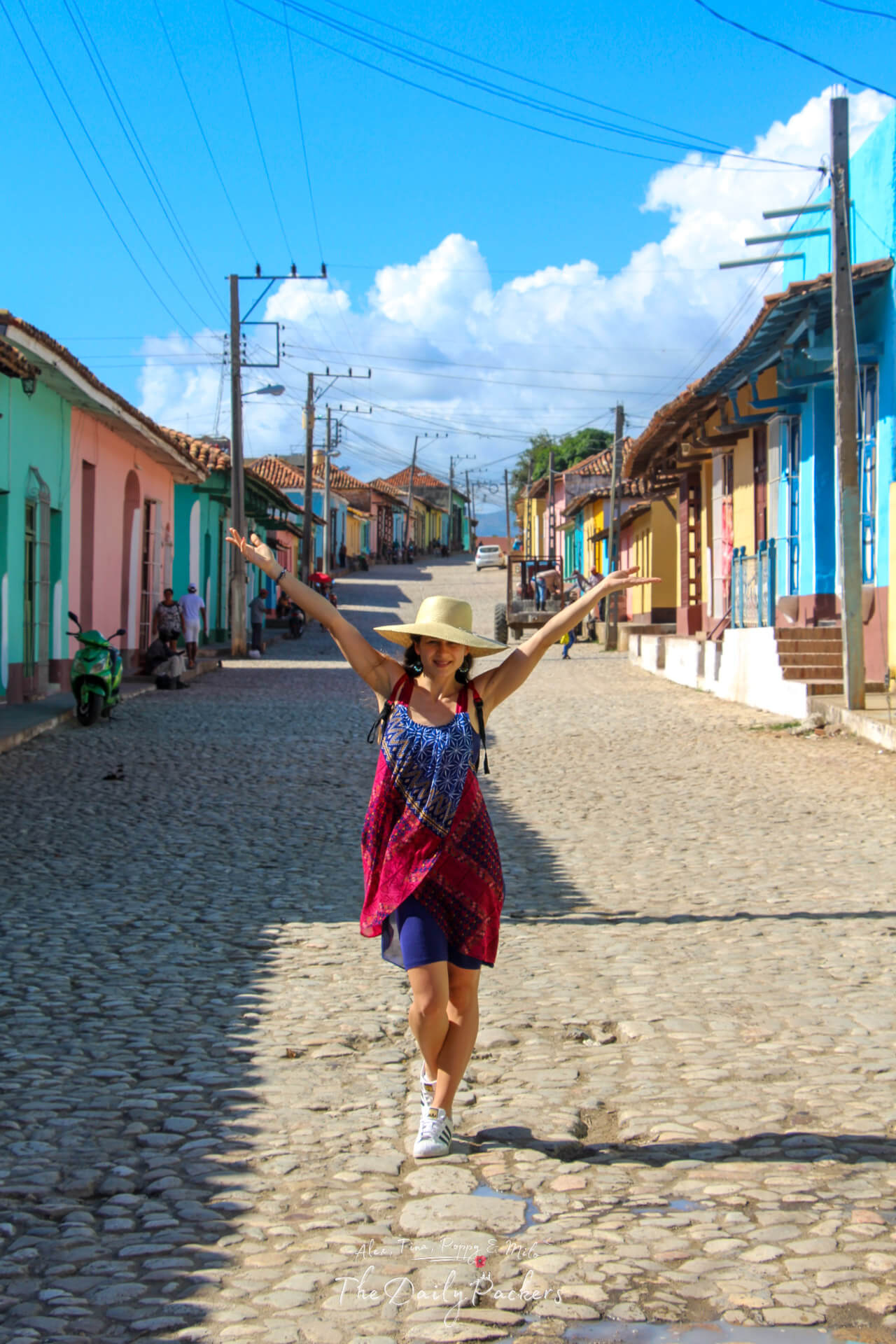
Travel to Trinidad, Cuba’s best-preserved colonial town and a UNESCO World Heritage Site. Once you’ve checked in, head straight to Plaza Mayor, the city’s heart and one of the most beautiful squares in Cuba.
From here, take your time exploring the landmarks surrounding the square. Step inside the Galería de Arte Universal Benito Ortiz, housed in a colonial mansion with lovely views from its balcony. Visit the Church of the Holy Trinity, admire the grand rooms of the Museo de Historia Municipal, and learn more about Cuba’s revolutionary past at the National Museum of the Struggle Against Bandits.
If you’re up for more, wander over to the Kirche Trinidad ruins, a photogenic spot with a nearby rooftop café, and browse the flea market at Plazuela de Segarte for a taste of local life.
Read: All the best things to do in Trinidad
Day 7: Horse riding in the natural reserve
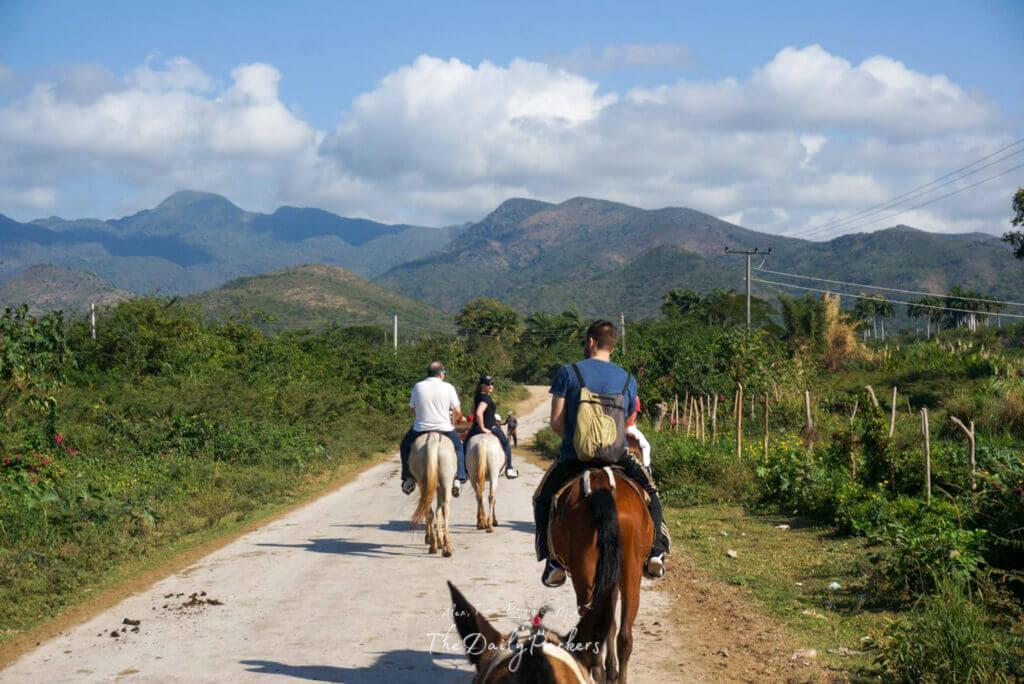
Start your day with a horseback adventure in the Gran Parque Natural Topes de Collantes, one of Cuba’s most stunning natural reserves. The ride takes you through lush valleys and rural trails where you’ll experience authentic Cuban countryside life. Along the way, you’ll stop at a local farm to enjoy freshly pressed cane sugar juice and maybe even some traditional music.
Continue the ride to a nearby waterfall, where you can cool off with a refreshing swim before making your way back to Trinidad.
In the late afternoon, head to Playa Ancón, just a short ride from the city. This beach is considered one of Cuba’s best, with soft white sand and crystal-clear water. It’s the perfect way to unwind after a full day of riding.
Day 8: Transfer to Remedios
Leave Trinidad behind and make your way to the charming town of Remedios, one of Cuba’s oldest Spanish settlements. Known for its colonial vibe and local traditions, the town is a quiet but fascinating stop on your journey.
Spend the night in a local estancia or casa particular, where you’ll experience warm Cuban hospitality firsthand. Staying in a family-run place is part of the magic here — you’ll get a real taste of daily life, away from the tourist crowds.
It’s a slower-paced stop, but the authenticity of Remedios makes it worth the detour.

Read: All the best things to do in Remedios
Day 9: Transfer to Cayo Santa Maria
From Remedios, cross the Pedraplén causeway, a 48-kilometer bridge that connects mainland Cuba to the paradise island of Cayo Santa María. Once there, check into your resort and get ready for the relaxing part of your trip.
Spend the day unwinding on the beach, swimming in the turquoise waters, or enjoying the poolside comfort of your resort. After the cultural and historical deep dive of the past days, this is your time to chill, recharge, and soak in the Caribbean vibes.

Read: All the best things to do in Cayo Santa Maria
Day 10: Cayo Santa Maria
Today, add some adventure to your beach holiday with a scuba diving excursion at the Internacional Diving Center Gaviota. You’ll head out for two dives in the crystal-clear waters surrounding the island.
The best part? No special license is required for this discovery dive, making it accessible even for beginners. It’s a fantastic way to explore the underwater world of colorful fish, corals, and marine life while experiencing Cuba from a completely different perspective.
After your dive, head back to your resort for a relaxed evening by the pool or beach.

Day 11: Cayo Santa Maria
Spend the day (or at least half a day) at Playa Las Gaviotas, one of the last untouched beaches on Cayo Santa María not linked to a resort. Located inside a protected natural reserve at the far east of the island, this spot feels much wilder and more secluded than the resort beaches.
To get there, you’ll park your car for a small fee and follow a 700-meter trail through the reserve until you reach the shore. The reward is stunning: fine white sand, turquoise waters, and an offshore reef perfect for snorkeling. Shade is limited, as a past hurricane destroyed many trees, so be sure to bring sunscreen or a sun umbrella.
It’s the perfect way to enjoy the natural beauty of the island away from the crowds.

Day 12: Cayo Santa Maria
Make the most of your last full day in Cuba by enjoying your resort to the fullest. Take it slow — swim in the pool, sip cocktails by the beach, or simply relax under the sun. If you haven’t yet, try out some of the activities offered on-site, from kayaking and snorkeling to evening shows.
This is the perfect moment to unwind, soak in the Caribbean vibes, and reflect on your Cuban adventure before heading back to Havana.

Day 13: Transfer back to Havana
Take the bus back to Havana, a journey of about 6 to 7 hours. That’s why it’s best to make the trip a day before your return flight. Once back in the capital, drop off your bags and enjoy a final evening in Havana. Whether it’s strolling along the Malecón, grabbing a last mojito at La Bodeguita del Medio, or simply soaking up the city’s energy one more time, it’s the perfect way to wrap up your Cuban adventure.

Day 14: Return home
Time to say goodbye to Cuba. Head to the airport for your flight home — or onward to your next destination. Unfortunately, this 2-week Cuba itinerary has come to an end, but the memories of Havana’s energy, Trinidad’s charm, and the beaches of Cayo Santa María will stay with you forever.
About the authors
We are Alex and Tina, a French-Serbian couple who met in China back in 2014. We spent three incredible years there before making France our home. Our shared passion for travel has been the heartbeat of our relationship for over 12 years, taking us across 44 countries and counting.
We launched TheDailyPackers in 2019 as a way to document our adventures. In 2026, we reached a major milestone by officially turning our blog into our full-time job. While we are still growing toward financial independence through this platform, every article we write is fueled by our mission to make your voyages easier through in-depth guides, honest advice, and the lessons we’ve learned from our own mistakes.
Our journey has not been without its storms. In 2023, our world changed forever when our first son, Poppy, was stillborn on November 25th. It was, and remains, the hardest chapter of our lives. In 2025, we were blessed with our second little boy, Milo. He has since joined our traveling tribe, and you’ll be seeing him—and the reality of traveling with a little one-on the blog more and more.
We hope to inspire you to explore the world with curiosity and resilience. Thank you for being part of our story.
You may also like those related posts
16 Best things to do in Montevideo, Uruguay, in 3 days
Walk With Penguins in Ushuaia: Everything You Need to Know
How to get by bus from Copacabana to La Paz, the complete The Ultimate 5h Journey Guide
7 Pros to Last Minute Travel
Zhujiajiao Water Town: A Perfect 1-Day Trip from Shanghai
French Riviera: How to See the Best in Just 1 Week
One Day in Seville: How to See the Best of Seville in 24 Hours
Bus from Brazil to Uruguay: 23h journey through land borders
Pssst, did you know that…
If you purchase something through our links, we earn a small fee. However, you still pay the same. Win-win! And one day we may get to be full-time travel bloggers =)
Find Hotels with Booking.com
Do Yoga with KVY
Buy us a Coffee
Rent a car with DiscoverCars
Find Attractions with GetYourGuide
Find Flights with Expedia
Buy an eSIM with Airalo
Get insured with World Nomads
Get ready with Amazon.com