
Introduction
Shanghai is one of China’s four municipalities, alongside Beijing, Tianjin, and Chongqing. Today, it’s home to over 24 million people and spans 6,341 km².
Yet, Shanghai’s story begins humbly—as a small fishing village and market town. Thanks to its strategic location and thriving port, it grew rapidly into one of the most important trade hubs in Asia and, eventually, one of the world’s most vibrant metropolises.
Another reason this city is such a great base for exploring China is its location. From here, it’s super easy to reach two of the country’s most charming cities: Suzhou, famous for its canals and classical gardens, and Hangzhou, home to the iconic West Lake. Whether you’re traveling by high-speed train or on a guided tour, both make perfect day trips from Shanghai.
For us, Shanghai holds a special place. It was actually the first city Alex ever visited in China, back when he was 19, during a school exchange. And since then, we’ve returned together to experience even more of what this incredible city has to offer.
Shanghai Travel Guide: Essential Tips & Info at a Glance
Before you dive into everything this city has to offer, here are a few things worth knowing upfront. Shanghai is big, really big, and a little planning goes a long way.
- Size Reality: Shanghai is not a city you can cover in a day or two. With over 24 million people and attractions spread across very different neighborhoods, give yourself at least 3 full days for the highlights. If you want to add Disneyland, Suzhou, or Hangzhou, plan for 5 to 6 days.
- Getting Around: The metro is your best friend here. It’s clean, cheap, affordable, and has signs in English. Download the map before you arrive so you’re not scrambling for Wi-Fi at the station. For short hops between neighborhoods, DiDi (China’s Uber) works well, just have your destination written in Chinese to show the driver.
- Cash vs. Mobile Payments: This one caught us off guard. China runs almost entirely on WeChat Pay and Alipay. Cash is rarely used, and foreign cards don’t always work. We’d recommend setting up Alipay with an international card before you go, it will make your life so much easier for everything from metro tickets to street food.
- Connectivity: Social media and Google are blocked in China. Before you arrive, download a reliable VPN on your phone and laptop. Also grab a local SIM card or an eSIM with data, as many apps require it to function.
- Traveling with a Baby or Toddler: Shanghai is more family-friendly than you might expect for a city this size. The metro has elevators at most major stations, and big attractions like People’s Park and the French Concession are easy to navigate with a stroller. That said, some of the older areas like Yu Garden bazaar or Tianzifang’s narrow alleys can get very crowded, so a baby carrier is a smart backup. Disneyland is fully stroller-friendly and even has rental strollers on-site.
- Language: Very few people outside of hotels and tourist spots speak English. Having Google Translate downloaded offline (with the camera feature for menus and signs) is a real lifesaver. We used it almost every day.
- Weather Watch: Shanghai has four distinct seasons and the weather can be extreme in summer and winter. Spring and autumn are by far the most comfortable times to visit. In summer, the heat and humidity can be brutal, especially if you’re exploring with little ones.
- Book Key Attractions in Advance: Disneyland and the observation decks at the Oriental Pearl Tower or Shanghai World Financial Center can sell out or have very long queues. Book those online before you arrive.
Getting there
Getting to Shanghai is incredibly easy, whether you’re flying in from abroad or arriving from another city in China.
By Air: Shanghai is served by two major airports:
- Pudong International Airport (PVG) – the main international gateway with direct flights to and from destinations worldwide, including Europe, North America, and Asia.
- Hongqiao International Airport (SHA) – Mostly handles domestic flights and some short-haul international routes (like Japan or South Korea). It’s conveniently located closer to the city center.
From Pudong Airport, you can reach downtown Shanghai in about 45–60 minutes by taxi or metro (Line 2), or take the Maglev Train, which covers the 30 km in just 8 minutes.
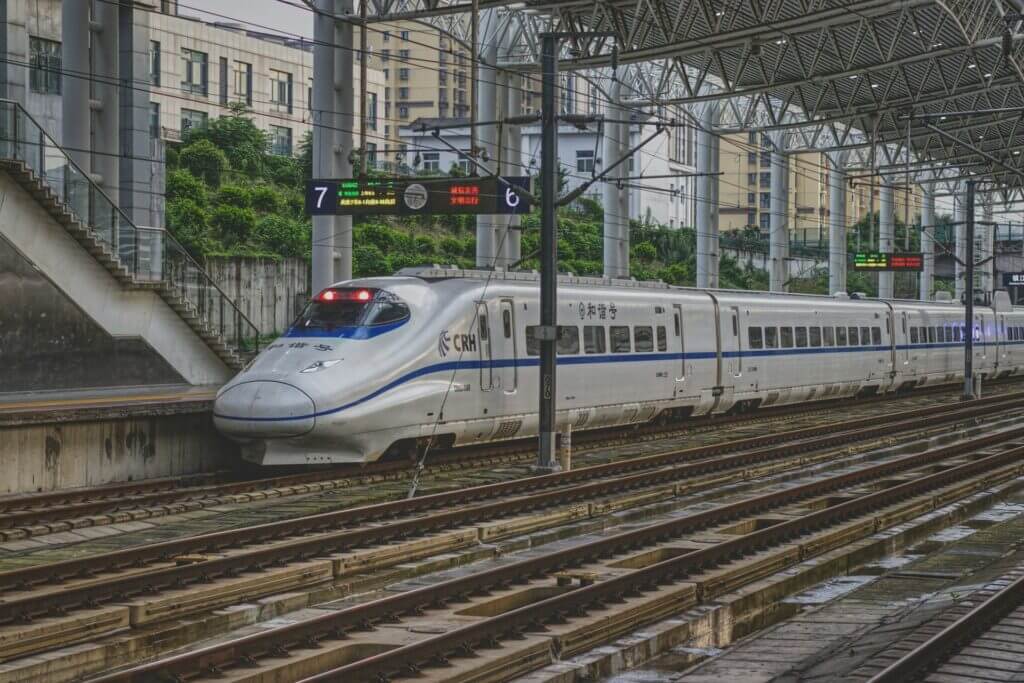
By Train: Shanghai is extremely well-connected to China’s high-speed rail network. You can reach this city in just:
- 5 hours from Beijing
- 2.5 hours from Hangzhou
- 1.5 hours from Suzhou
- 8 hours from Xi’an
Trains arrive at Shanghai Railway Station, Hongqiao Railway Station, or Shanghai South Station, depending on your route.
By Bus or Car: Long-distance buses are available from many surrounding cities, but for comfort and speed, we strongly recommend taking the train instead.
Moving around
Moving around Shanghai is surprisingly smooth for such a massive city — thanks to its excellent public transportation system.
- Metro: The Shanghai Metro is the easiest and most efficient way to get around. With over 16 lines covering almost every major attraction, it’s reliable, clean, and inexpensive. Signs and announcements are in both Chinese and English, so it’s very traveler-friendly.
- Taxi & Ride-hailing: Taxis are widely available and relatively cheap, but not all drivers speak English. If you don’t speak Mandarin, having your destination written down (in Chinese) is helpful. Alternatively, use ride-hailing apps like DiDi, China’s version of Uber. They even have an English-language version of the app.
- Walking: If you’re exploring areas such as The Bund, People’s Square, Nanjing Road, or Xintiandi, it is a great option. The city has wide sidewalks and lots of pedestrian zones. You’ll see a lot more of the city’s charm on foot.
- Biking: Bike-sharing apps like Hello Bike or Meituan are everywhere, but you’ll need a local SIM card and WeChat or Alipay to use them. They’re a great way to explore the French Concession or cycle along the riverside.
- Ferry: For something a little different, hop on a public ferry across the Huangpu River — a fun, scenic, and budget-friendly way to see the skyline.
Tip: Get a Shanghai Public Transportation Card (also called a jiaotong card). You can use it on the metro, buses, ferries, and even taxis — super handy!
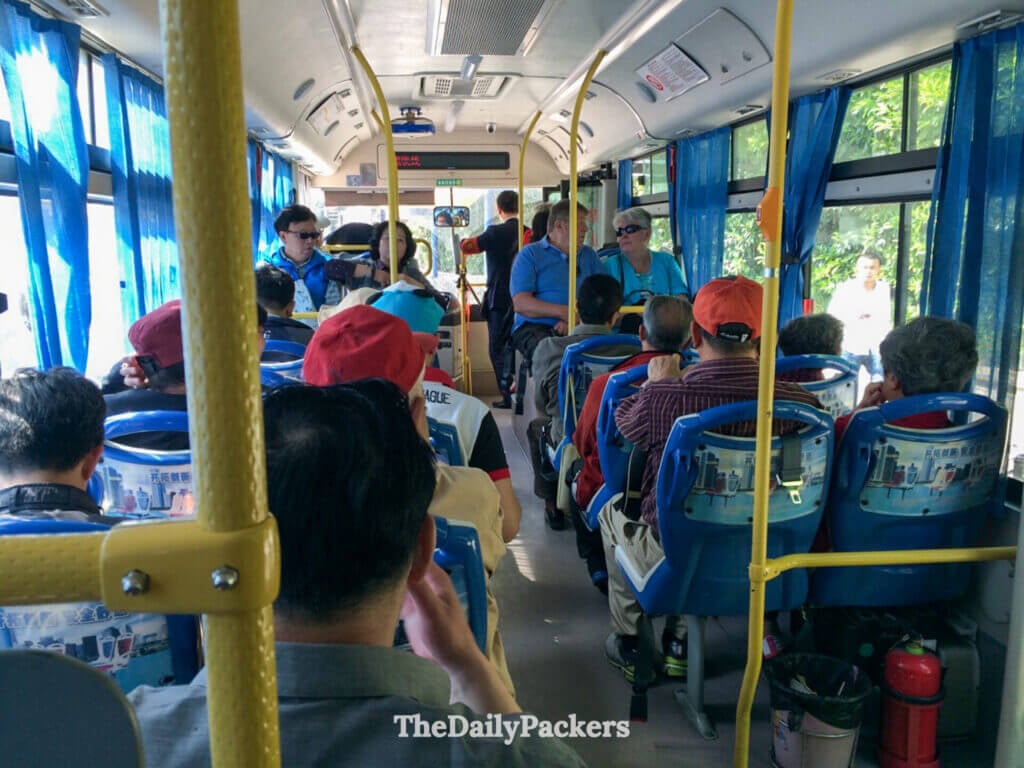

Tip: For detailed step-by-step tips on navigating Shanghai’s metro, buses, taxis, and more, check out this complete article.
When to visit
Shanghai is a year-round destination, but the best time to visit depends on the kind of experience you’re after. Each season offers something different — from colorful spring parks to warm summer nights and cozy winter lights.
- Spring (March–May): Arguably the best time to visit Shanghai. The weather is mild and comfortable, with average temperatures between 13°C and 22°C (55°F–72°F). Flowers are blooming in the city’s parks and gardens, and it’s a great time to explore the French Concession, walk along the Bund, or take a day trip to Suzhou or Hangzhou.
- Summer (June–August): Summer in Shanghai is hot and humid, with temperatures often hitting 35°C (95°F). If you don’t mind the heat, this is when the city feels most alive. Expect packed rooftop bars, river cruises, and long, bright evenings. Just come prepared with sunscreen and plenty of water. July and August are also typhoon season, so occasional storms may roll in.
- Autumn (September–November): This is another fantastic time to visit Shanghai. The heat eases, skies are clearer, and fall colors start to show in the city’s parks. With daytime temperatures ranging from 18°C to 26°C (64°F–79°F), it’s ideal for sightseeing and enjoying outdoor cafés. October’s Golden Week (first week of the month) is a major national holiday — expect crowds and book well in advance.
- Winter (December–February): Shanghai winters are cold but not extreme, with temperatures around 3°C to 10°C (37°F–50°F). It rarely snows, but the city is beautifully decorated during the holiday season. It’s also a quieter time to visit, which means fewer crowds and better hotel deals. Chinese New Year (usually late January or early February) is a major celebration, but many shops and restaurants close for a few days.
Best Time Overall: For great weather, manageable crowds, and the most enjoyable experience, plan your trip for April to May or late September to early November. These shoulder seasons hit the sweet spot between heat, cold, and heavy tourist traffic.


Tip: When traveling, it’s smart to have a VPN so you can safely access all your apps and social media anywhere in the world.
Where to stay
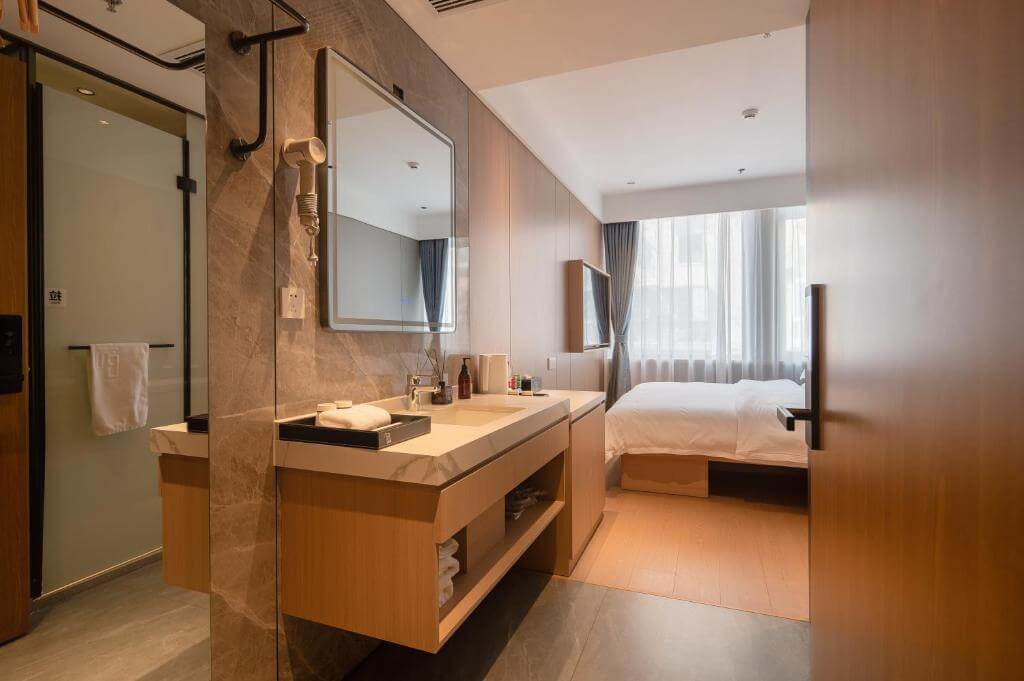
Shanghai offers a huge variety of accommodations, from budget hostels to world-class luxury hotels. But location makes a big difference in a city this large — we highly recommend staying near The Bund or People’s Square. From there, you’ll have easy access to the metro and be within walking distance of many top attractions like Nanjing Road, Yu Garden, and the historic waterfront.
A good length of stay in Shanghai is at least 3 days to see the highlights. But if you plan to visit Disneyland, Suzhou, or Hangzhou, consider extending your stay to 5 or 6 days to really make the most of your trip.
Here are a few places we would personally recommend, based on your travel style and budget:
(€) Dayin International Youth Hostel: A stylish and budget-friendly hostel near People’s Square with private rooms, clean shared spaces, and a rooftop terrace. Perfect for solo travelers or couples looking to stay central without breaking the bank.
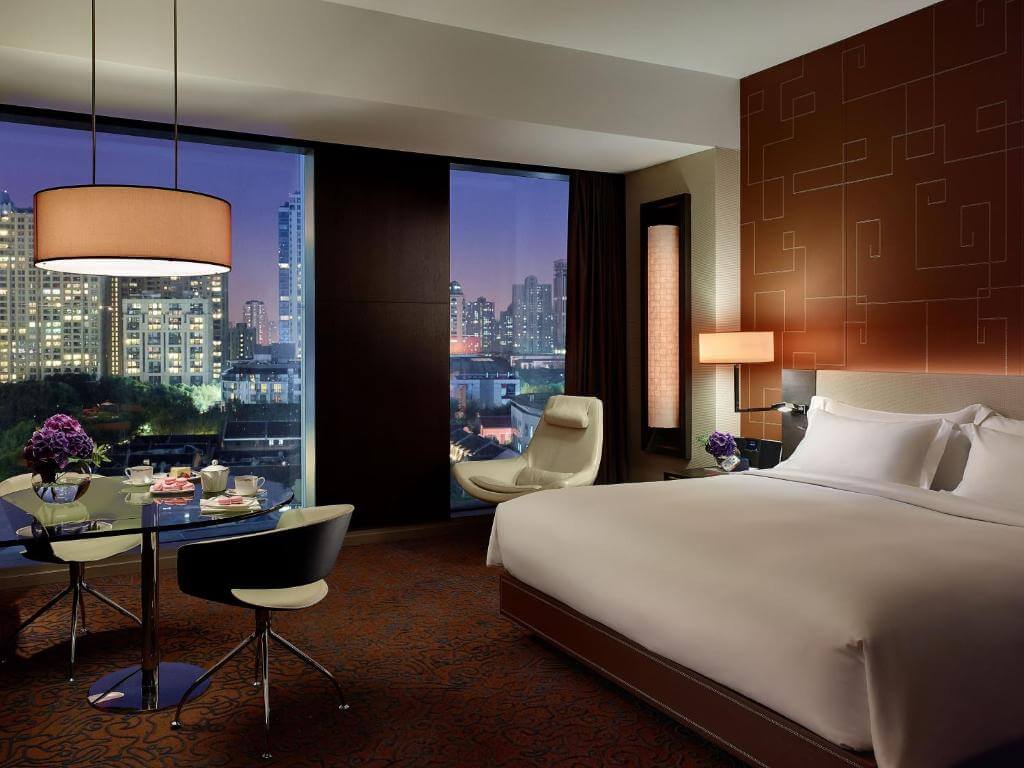
(€€) The Langham, Xintiandi :A beautiful mid-range hotel located in the heart of the French Concession. You’ll love the elegant design, amazing breakfast, and the fact that you can walk to bars, shops, and metro stations in minutes.
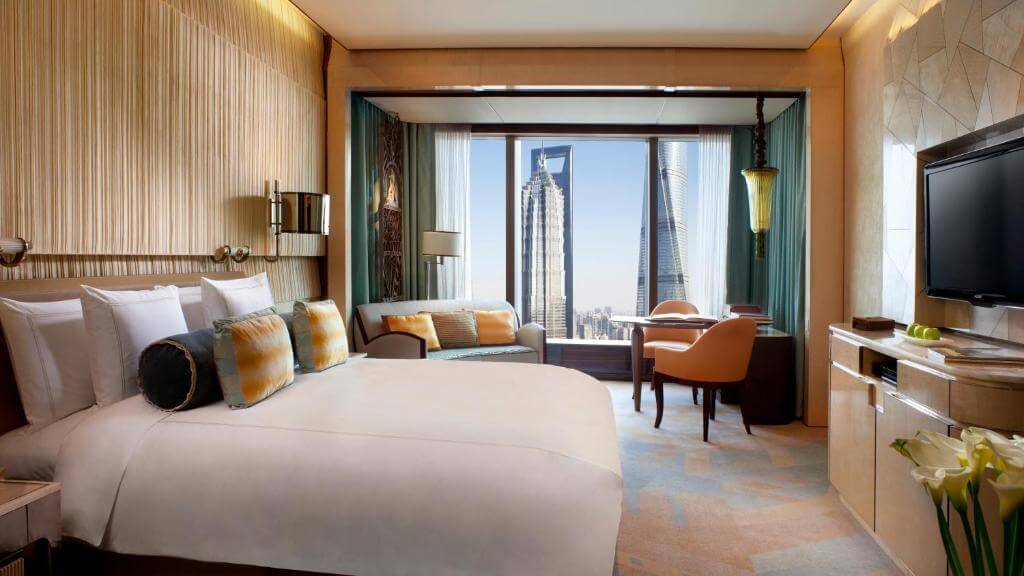
(€€€) The Ritz-Carlton, Pudong: One of the best hotels in Shanghai, this luxurious skyscraper hotel offers stunning views of The Bund and the Huangpu River. It’s also directly connected to the IFC Mall and the Lujiazui metro station. A top choice for anyone wanting to splurge and enjoy the finer side of the city.

What to eat
Shanghai is a true paradise for food lovers. From local street vendors to Michelin-starred restaurants, the city offers a mix of traditional and modern Chinese cuisine that’s hard to beat. You’ll find great food all around — in shopping streets, near metro stations, or tucked into quiet alleys. And of course, the tourist spots like Yuyuan Garden and Nanjing Road are lined with food stalls.
If you’re visiting Shanghai, make sure to try these local must-eats:
- Xiao Long Bao – These iconic steamed soup dumplings are a must. Be careful when you bite into them — the hot broth inside is delicious but tricky to handle if you’re not expecting it.
- Sheng Jian Bao – Similar to xiao long bao, but pan-fried with a crispy bottom. Best enjoyed fresh off the griddle.
- Shansi Leng Mian – A local delicacy of cold noodles topped with eel, often served with a light, savory sauce. Refreshing and rich in flavor.
- Jianbing – A popular Chinese breakfast crepe, filled with egg, crispy wonton, scallions, and sauce. You’ll find it at nearly every morning street corner.
- Cong You Bing – Scallion pancakes, crispy on the outside, soft and flaky on the inside. Perfect as a snack or light lunch.
- Da Bing – A thicker wheat pancake, often folded and filled with various savory ingredients. Hearty and satisfying.
Tip: Don’t skip the street food — some of our most memorable meals in China came from small stands with no name but big flavor.
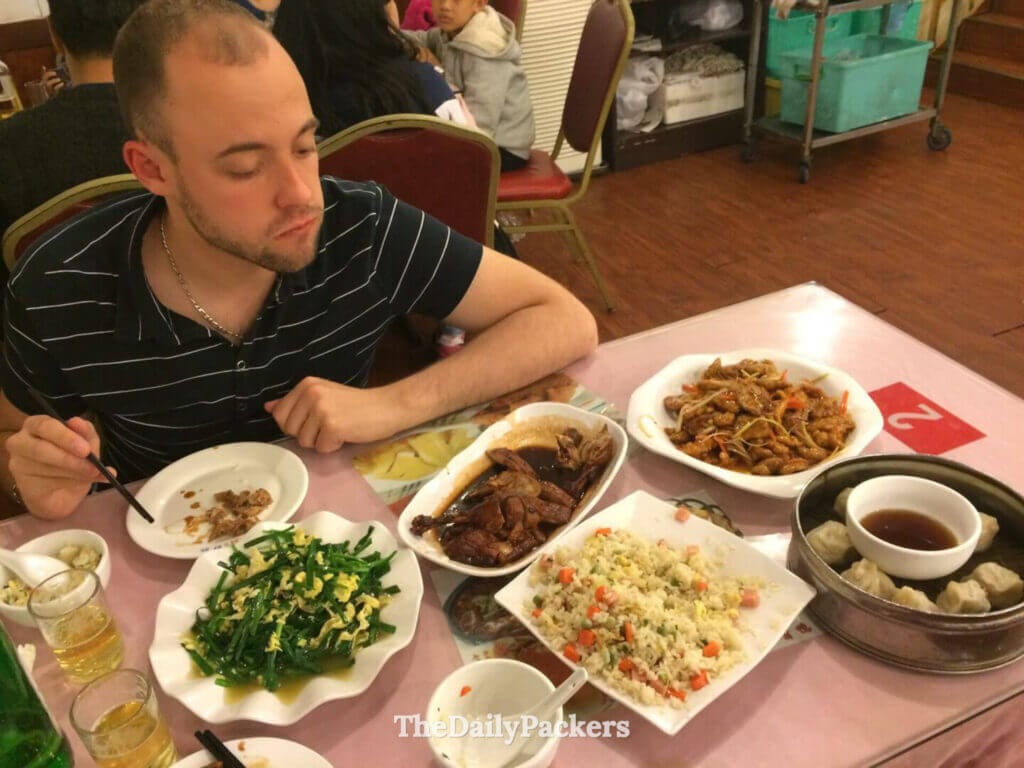
Tip: Fancy a food tour? The Shanghai: 3-Hour Local Food Tasting Tour is the best in town.
Things to do in Shanghai
Stroll along Nanjing Road, Shanghai’s most iconic shopping street.
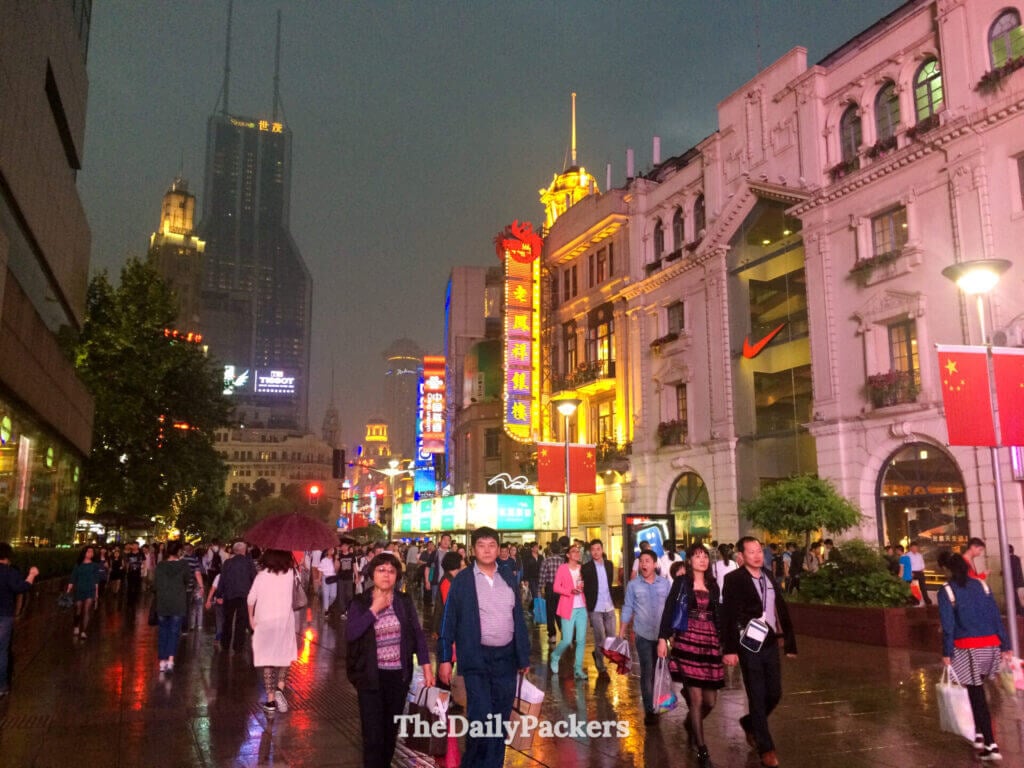
Buzzing with energy day and night, Nanjing Road is one of the world’s busiest commercial streets and a must-visit while in the city. Whether you’re here to shop, people-watch, or just take in the lights, it’s a lively experience. The eastern stretch of the street leads directly to The Bund, where you’ll be rewarded with the postcard-perfect skyline view of modern Shanghai across the Huangpu River.
Tip: This is one of the best ways to discover the city: Shanghai Half-day Biking and Local Food Tour
Stroll the Bund — Where Old Meets New in Shanghai
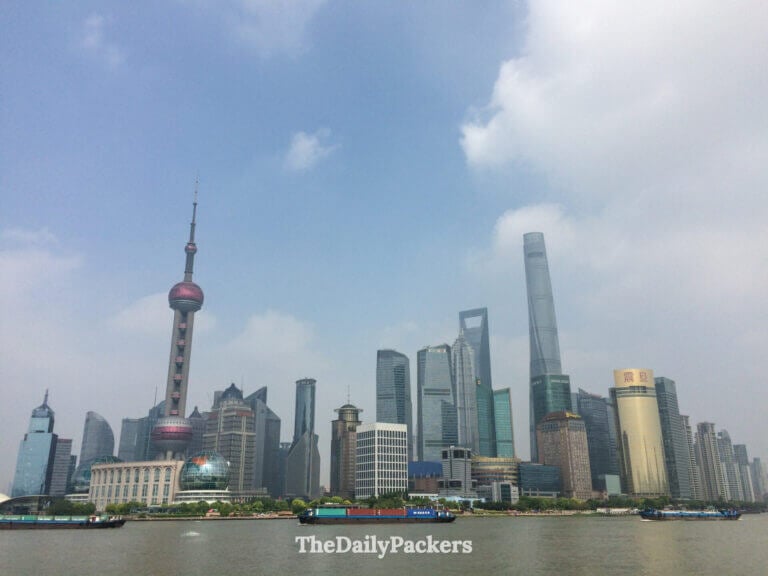
The Bund (Waitan) is Shanghai’s most iconic riverside promenade and the perfect place to feel the pulse of the city. Once the center of international finance and trade in colonial-era China, this stretch of waterfront is now a living showcase of architectural contrasts.
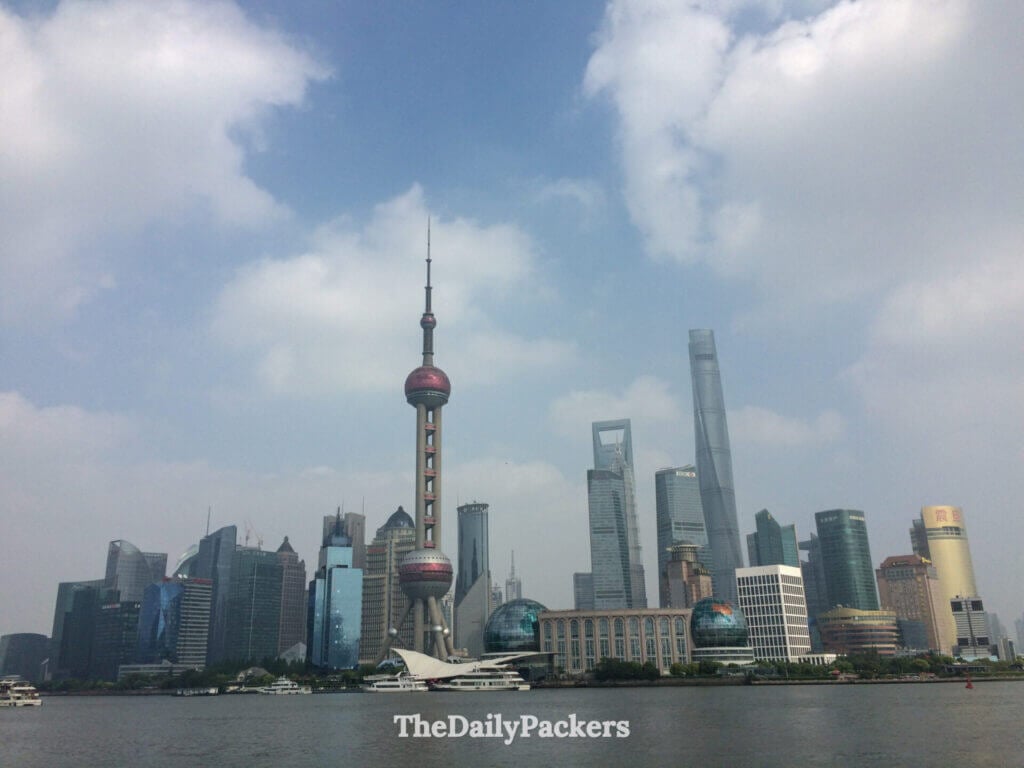
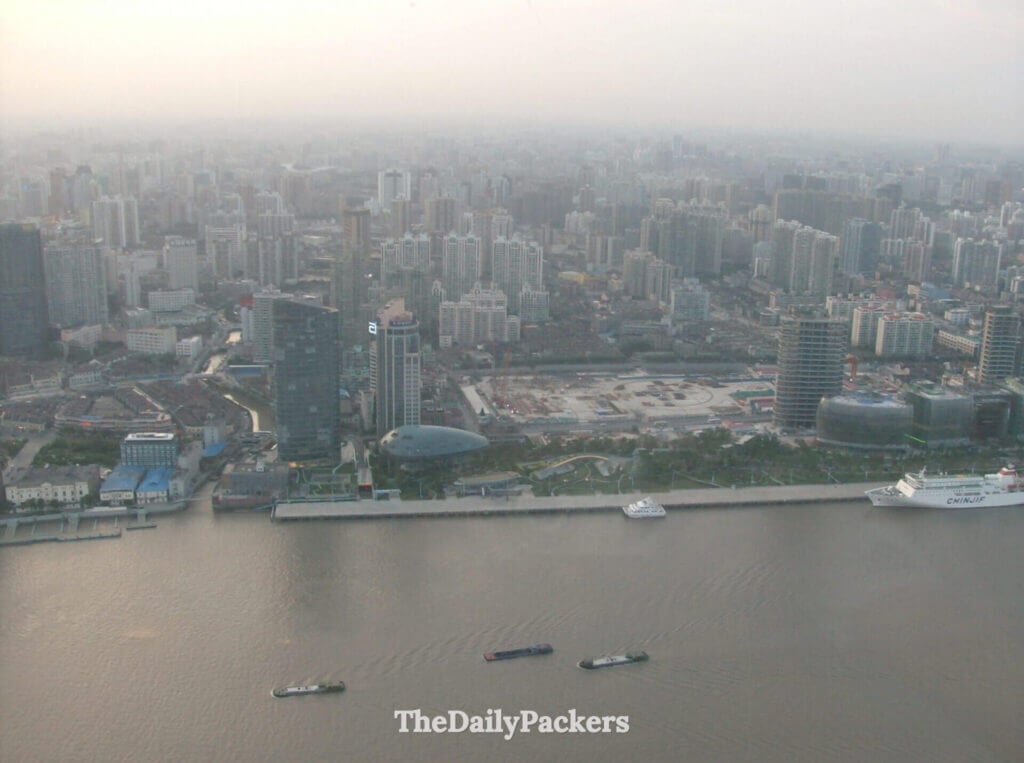
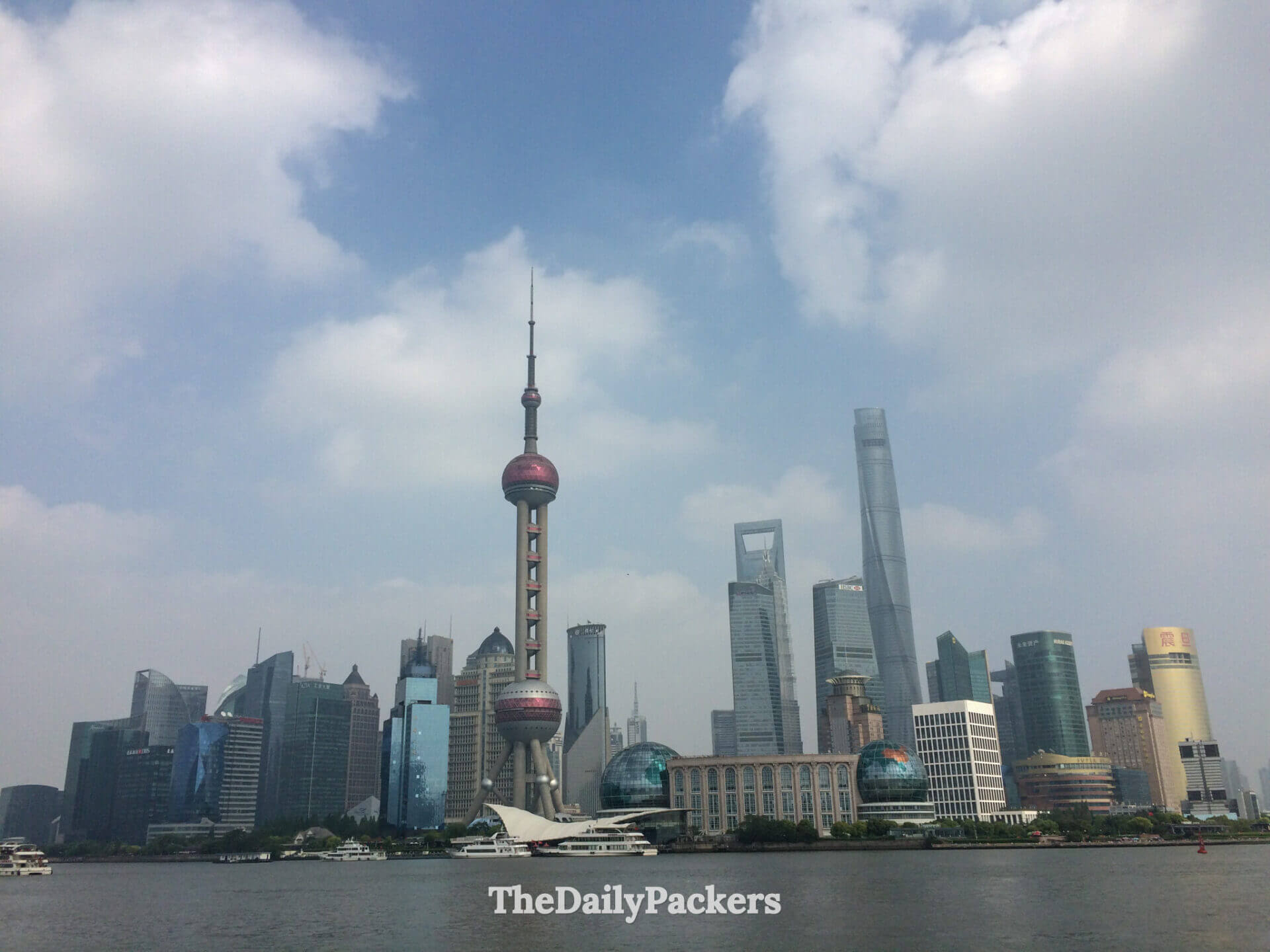
Walk past rows of grand neoclassical buildings on one side — former banks, consulates, and trading houses — and look across the Huangpu River to see the futuristic skyline of Pudong, featuring the famous Oriental Pearl Tower and Shanghai Tower.
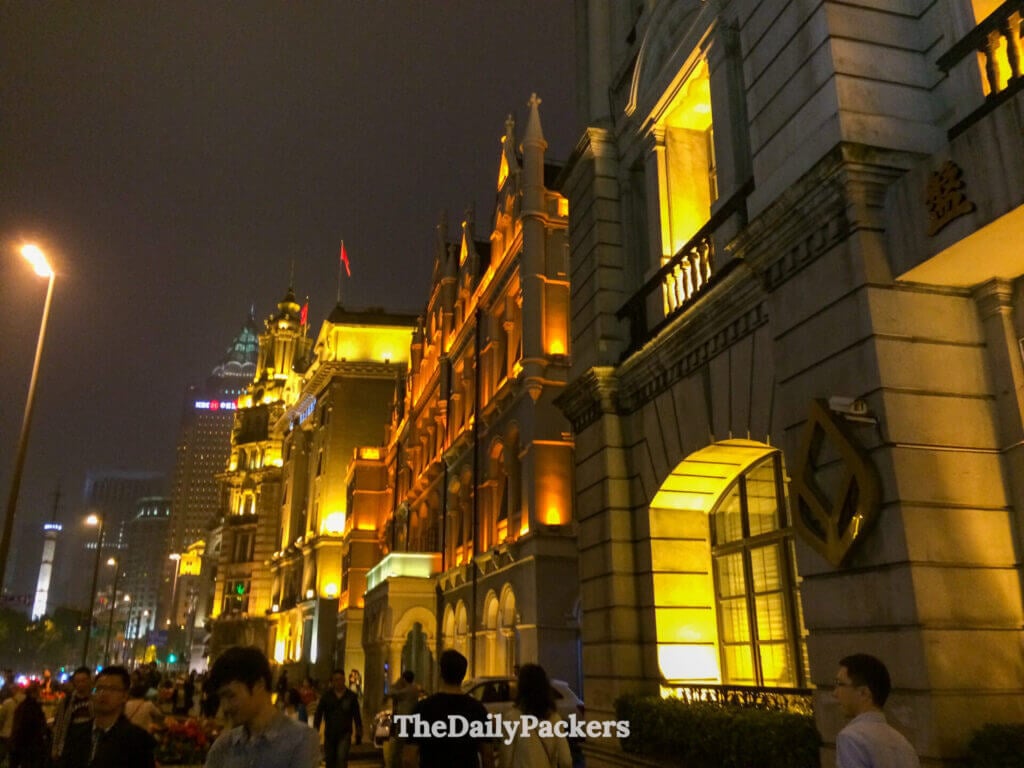
Whether you visit during the day or return at night to see the skyline lit up, a stroll along the Bund is a must on any Shanghai itinerary. It’s where the city’s rich history and bold modernity meet face-to-face.
Explore Yu Garden — A Glimpse into Traditional Shanghai
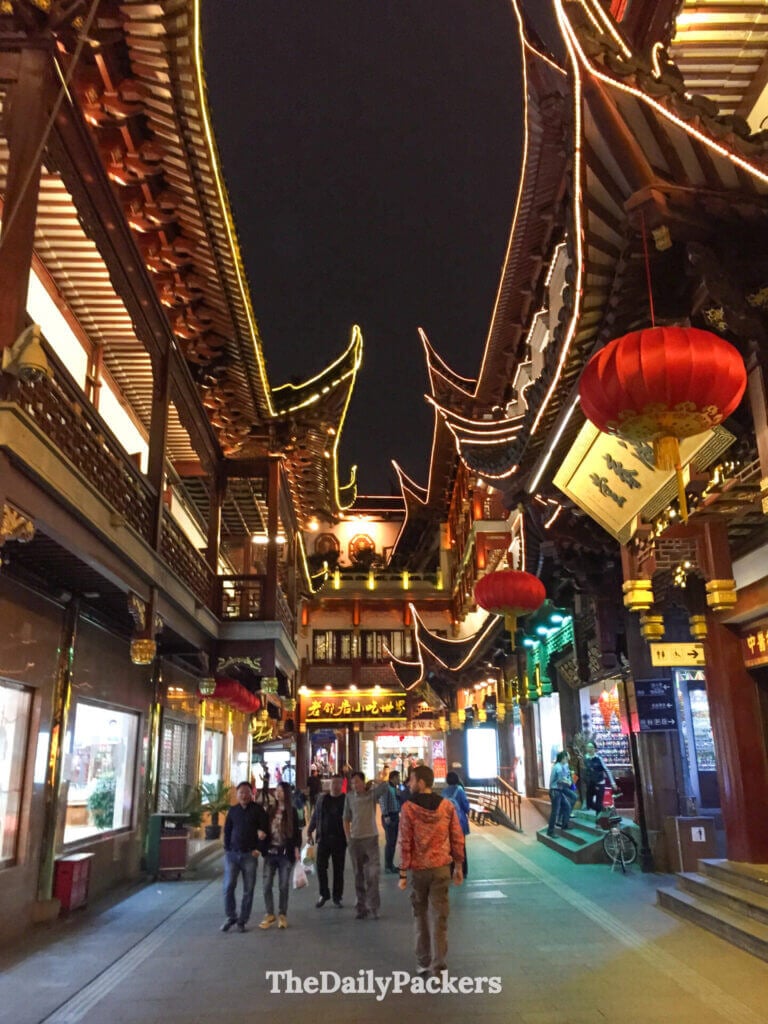
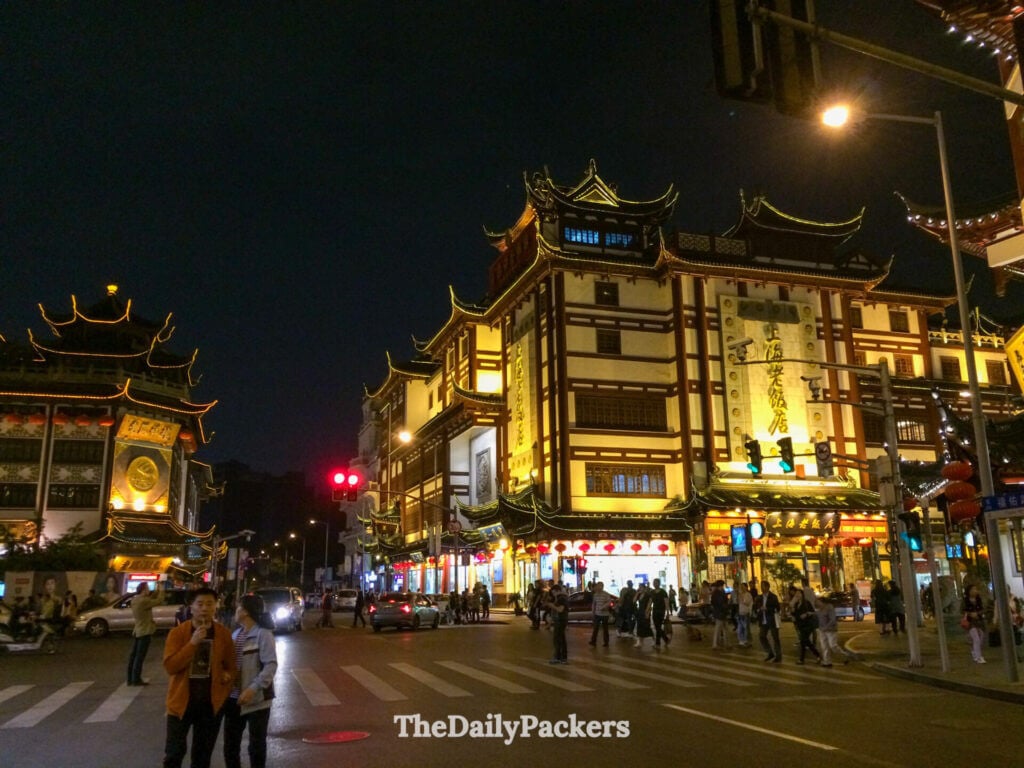
Step into Yu Garden (Yuyuan Garden), a beautifully preserved slice of Ming dynasty elegance nestled in the heart of Old Shanghai. This classical Chinese garden is a tranquil escape from the city’s buzz, with winding pathways, koi-filled ponds, ornate pavilions, and centuries-old rockeries. It’s a peaceful spot where you can slow down and admire the artistry of traditional Chinese landscaping.
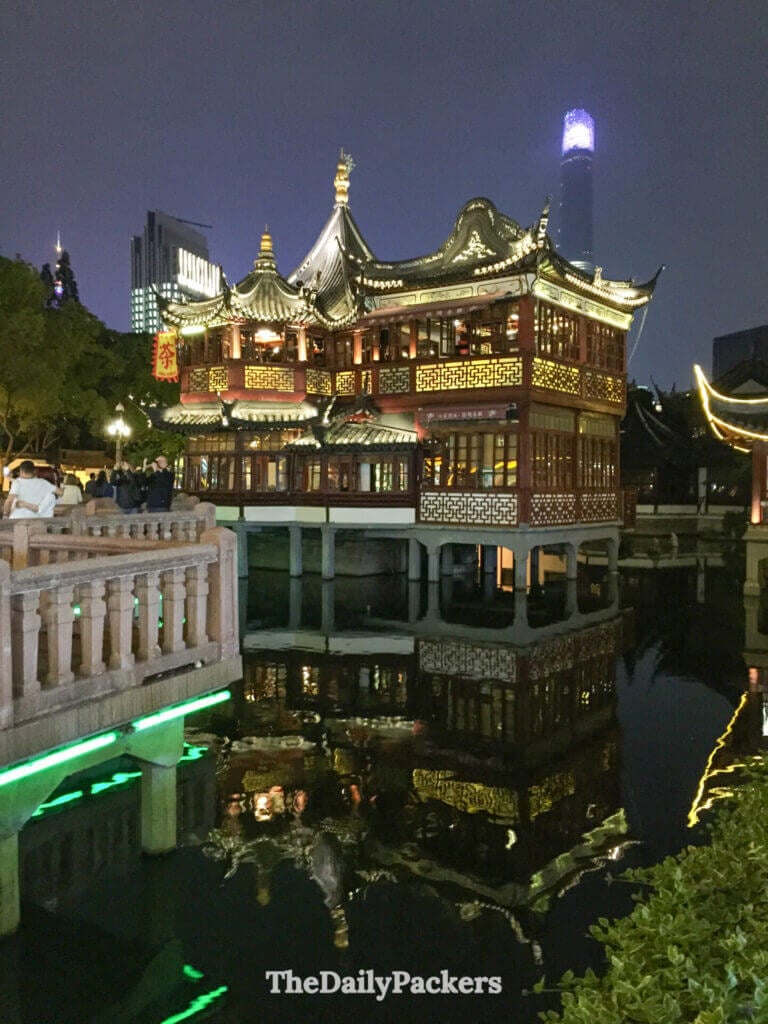
Just outside the garden lies a bustling bazaar filled with souvenir shops, street food stalls, and the famous Huxinting Teahouse perched on stilts above the water. This vibrant area is one of the best places in Shanghai to experience local culture, try traditional snacks, and shop for unique finds in a charming historical setting.
Climb the Oriental Pearl Tower — A Futuristic Icon of Shanghai
The Oriental Pearl Tower is one of the most recognizable landmarks in Shanghai’s skyline. This futuristic tower in the heart of Pudong rises 468 meters and features multiple observation decks offering breathtaking panoramic views over the city, the Huangpu River, and the historic Bund.
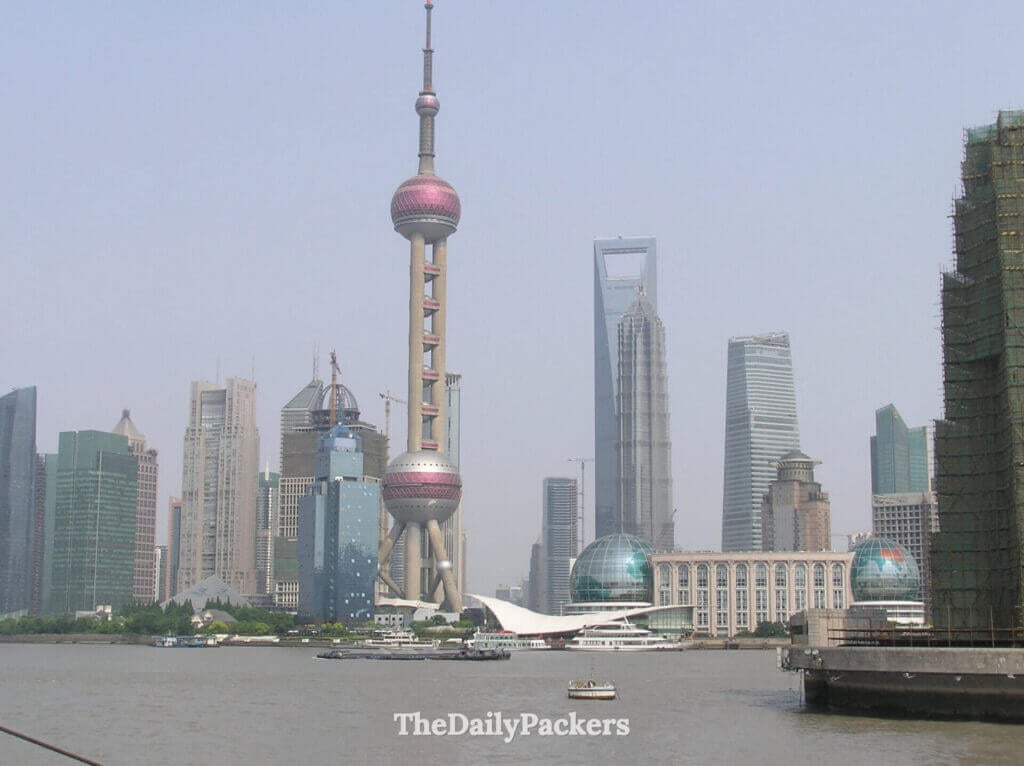
Inside, you’ll find more than just a view — the tower also houses a glass-bottomed skywalk, a small museum on Shanghai’s history, and even a revolving restaurant. Whether you visit during the day or at night when the city lights come alive, the Oriental Pearl Tower offers one of the best perspectives of modern Shanghai.

Wander the French Concession — A Taste of Old Shanghai with a European Twist
If you’re feeling nostalgic or just want to slow down the pace, head to the leafy boulevards of the French Concession. This charming district blends colonial-era architecture with a modern, bohemian flair. Once home to Shanghai’s French expat community, the area still carries strong European influences in its tree-lined streets, stone villas, and shaded cafés.
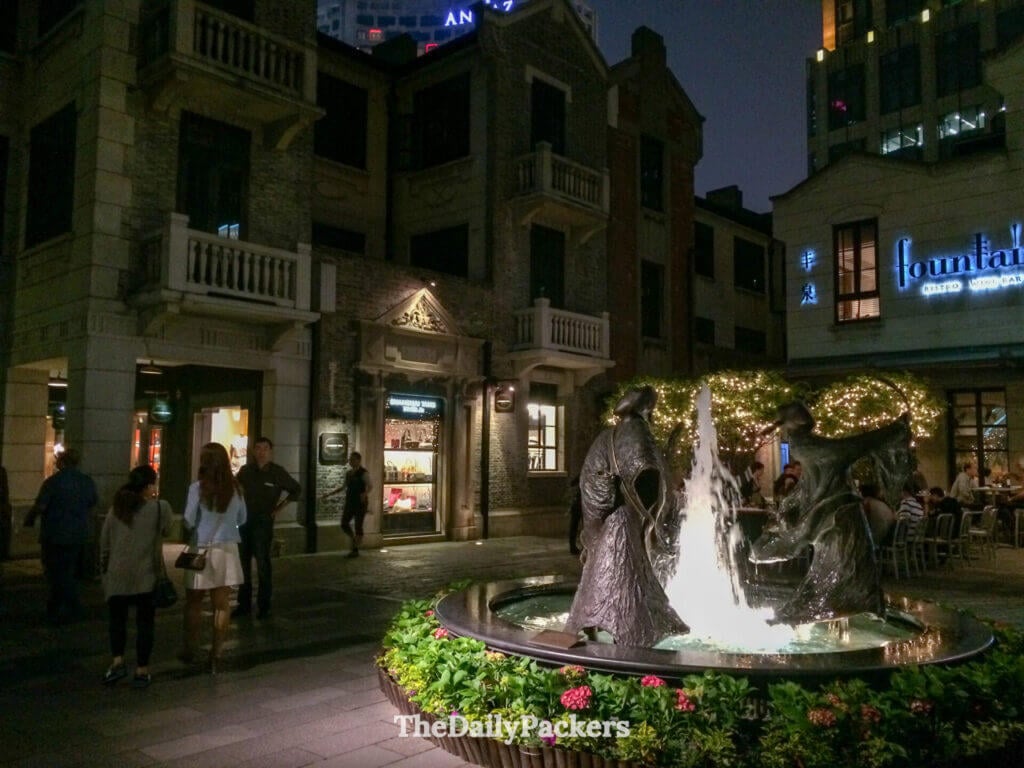
If you feel nostalgic, hang around the leafy boulevards of thaYou’ll find cozy live-music venues, boutique fashion shops, wine bars, and European-style bakeries nestled between galleries and creative studios. It’s the perfect place to wander without a plan, soak up the atmosphere, and see a softer, more intimate side of Shanghai.e elegant French Concession. Home to cosy live-music venues and wine bars, as well as indie fashion shops and European delis.
Step Back in Time in Zhujiajiao — Shanghai’s Ancient Water Town
Zhujiajiao is a picturesque water town on the outskirts of Shanghai that offers a glimpse into old China. With a history stretching back over 1,700 years, this charming village is laced with narrow canals, arched stone bridges, and centuries-old buildings that reflect traditional life along the water.

Wander through cobbled alleys, hop on a gondola for a peaceful boat ride, or browse local shops selling handicrafts and snacks. Located about an hour from the city, Zhujiajiao is the perfect day trip to escape the urban rush and connect with the quieter side of Chinese heritage.

Tip: The Zhujiajiao Private Tour w/ Boat Ride & Garden is one of the best.
Continue to Qibao Ancient Town — Song Dynasty Charm in the Heart of Shanghai
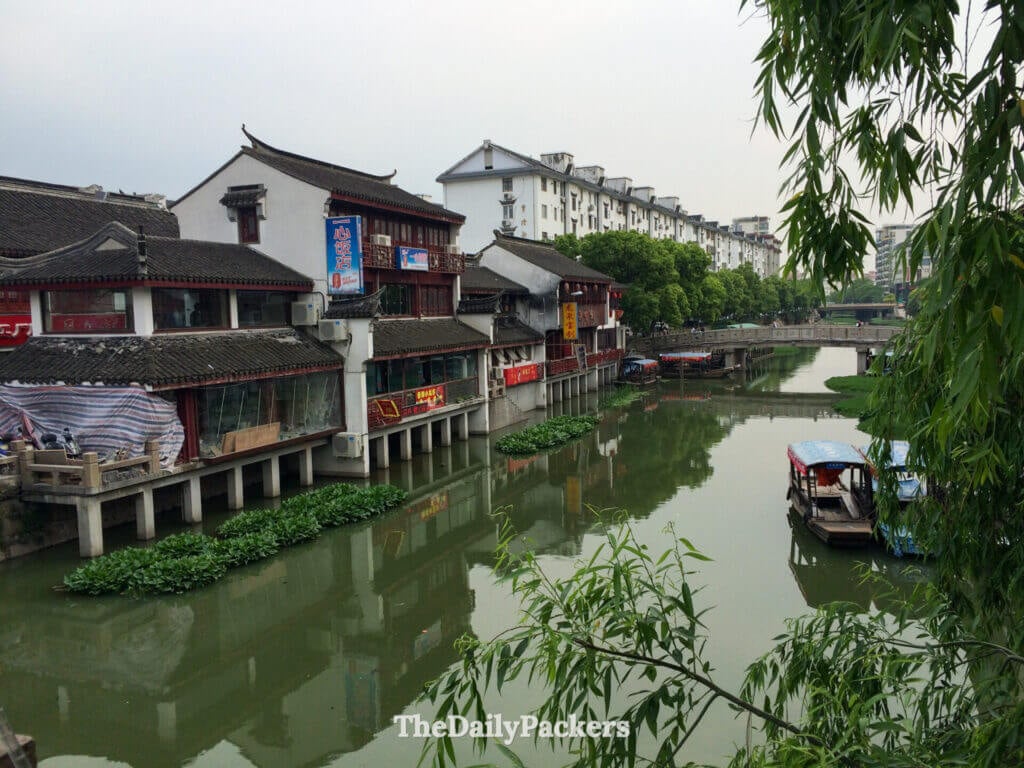
Just a short metro ride from central Shanghai, Qibao Ancient Town is another gem that transports you back in time. Unlike the water towns on the outskirts, Qibao is nestled right within the city and offers a remarkably well-preserved glimpse of traditional life dating back to the Song Dynasty.
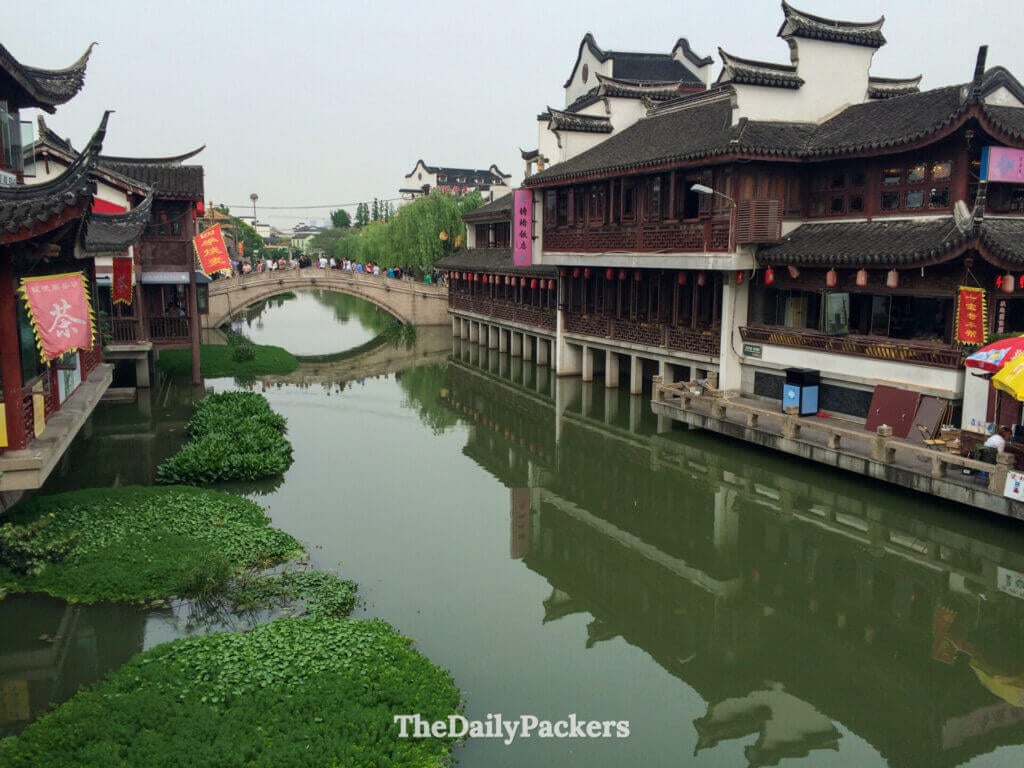
Stroll along the narrow stone-paved streets, cross quaint arched bridges, and admire the old-style buildings that now house craft shops, snack stalls, tea houses, and small museums. From shadow puppet shows to street food specialties like stinky tofu and crab soup dumplings, Qibao blends history with lively local culture. It’s an easy and rewarding half-day adventure for anyone staying in Shanghai.
Soar Above the Skyline at the Shanghai World Financial Center
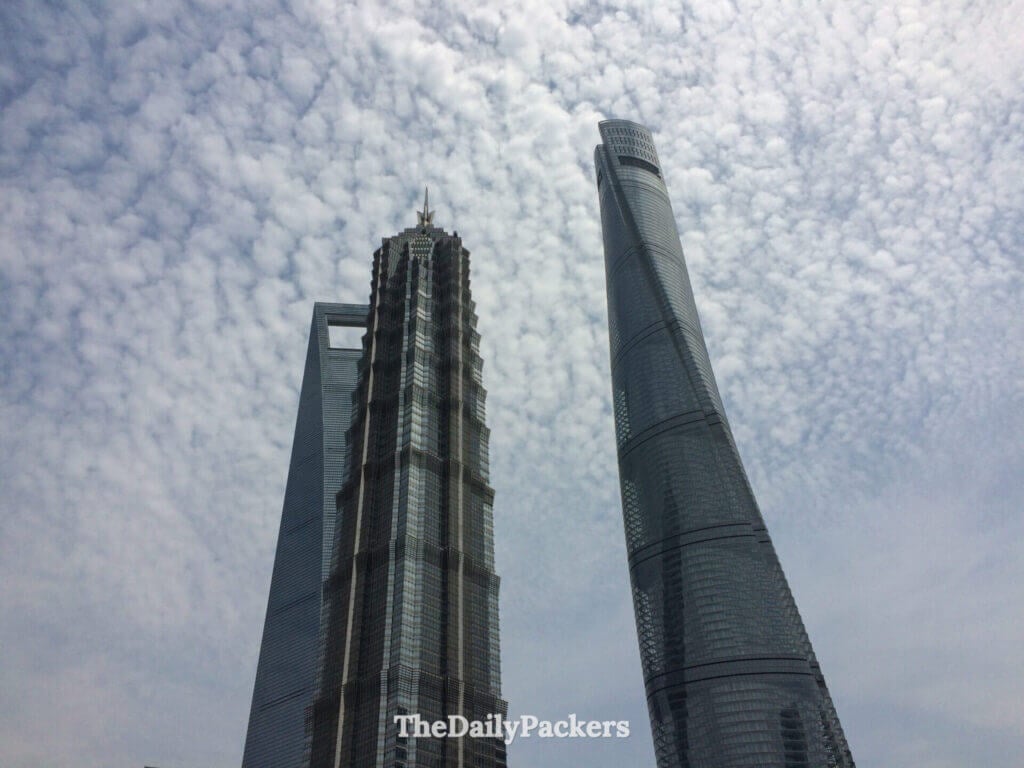
Head up to one of the highest observation decks in the world — perched at 474 meters — for a breathtaking 360° view of Shanghai. The Shanghai World Financial Center is an iconic skyscraper that offers a view of the vastness of this metropolis from above.
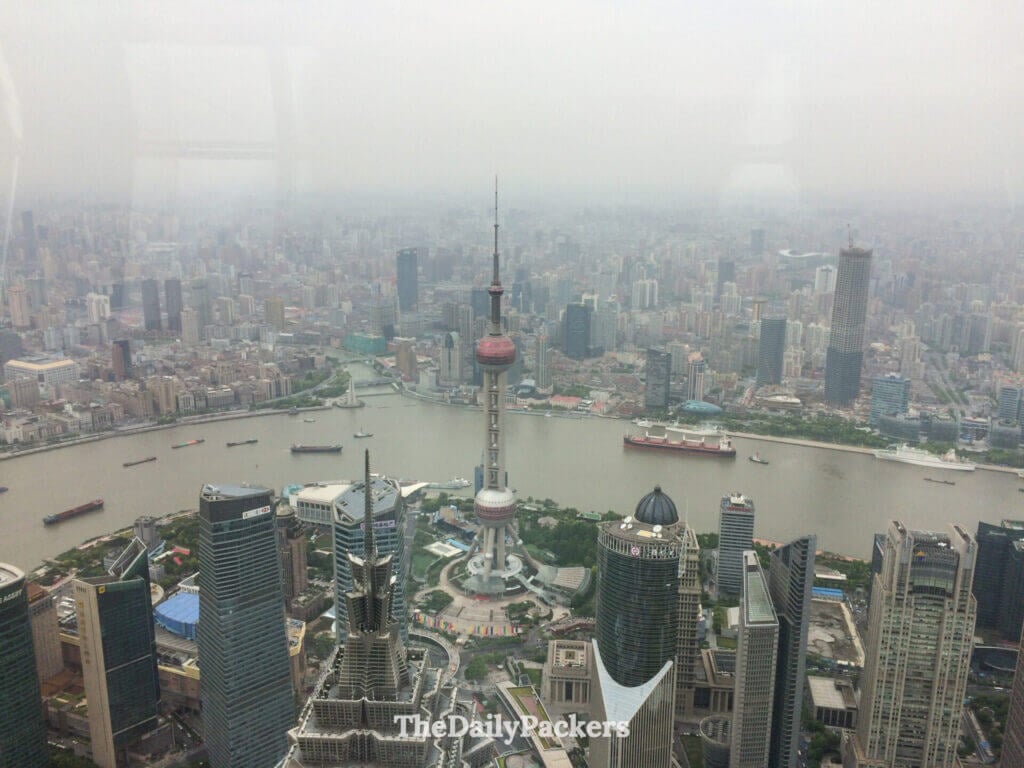
To reach the top, you’ll ride one of the fastest elevators in the world, whisking you skyward in under a minute. Once there, walk across the glass-floored skywalk for a thrilling view straight down. From the towering heights, you can see the snaking Huangpu River, the historic Bund, and the futuristic skyline of Pudong in all its glory. This is a must-do experience, especially around sunset or at night when the city lights up.
See the Iconic Giant Panda at the Shanghai Zoo
Get a glimpse of one of the world’s most beloved and rare animals — the Giant Panda. Native only to China, these gentle giants are a national treasure, and the Shanghai Zoo is one of the few places where you can see them up close.

The panda enclosure is spacious and designed to mimic their natural habitat, allowing visitors to watch them munch on bamboo, lounge around, or playfully interact. While the zoo is home to many other species, both local and international, the pandas are undoubtedly the highlight.
It’s a great stop for families or animal lovers, and a unique way to connect with China’s wildlife heritage during your time in Shanghai. Try to visit in the morning when the pandas are most active.

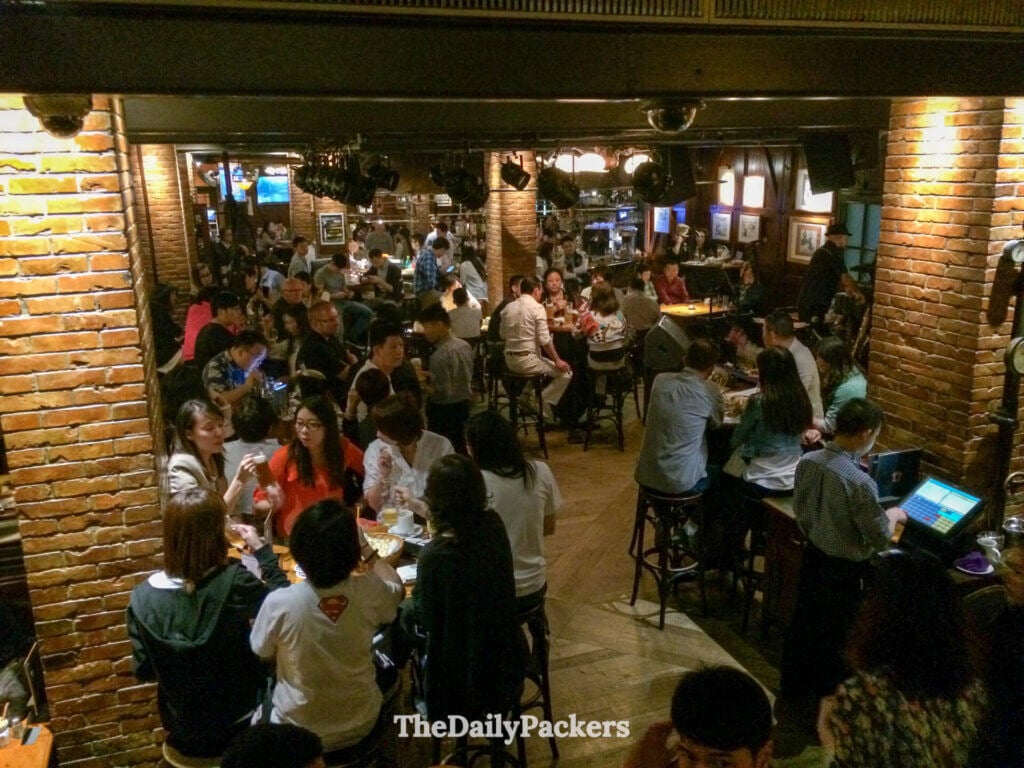
Unwind on Yongkang Road — Bars, Bites & Local Vibes
If you’re looking for a laid-back evening or a fun night out in Shanghai, head over to Yongkang Road. Once a quiet residential street, it has transformed into one of the city’s most popular bar hubs. Lined with cozy pubs, stylish cocktail bars, and inviting restaurants, it’s the perfect place to grab a drink or try some international and local bites.
The atmosphere is lively but relaxed, making it a great spot to start your evening — whether you’re after craft beer, a glass of wine, or a full meal with friends. While the street has calmed down a bit in recent years, it still holds a special place in the city’s nightlife scene.
Tip: Arrive around sunset to grab a terrace seat and enjoy a cool drink as the street lights flicker on.
Experience Local Life at People’s Park and Dive into Culture at the Shanghai Museum
Start your day with a stroll through People’s Park, one of Shanghai’s most iconic green spaces. Nestled in the heart of the city, this park is not just a peaceful escape from the urban rush — it’s also a window into daily Chinese life. You’ll likely see locals practicing tai chi, painting calligraphy with water on the pavement, or playing mahjong under the trees. If you’re lucky, you might catch the famous “marriage market” on weekends, where parents gather to matchmake their adult children.
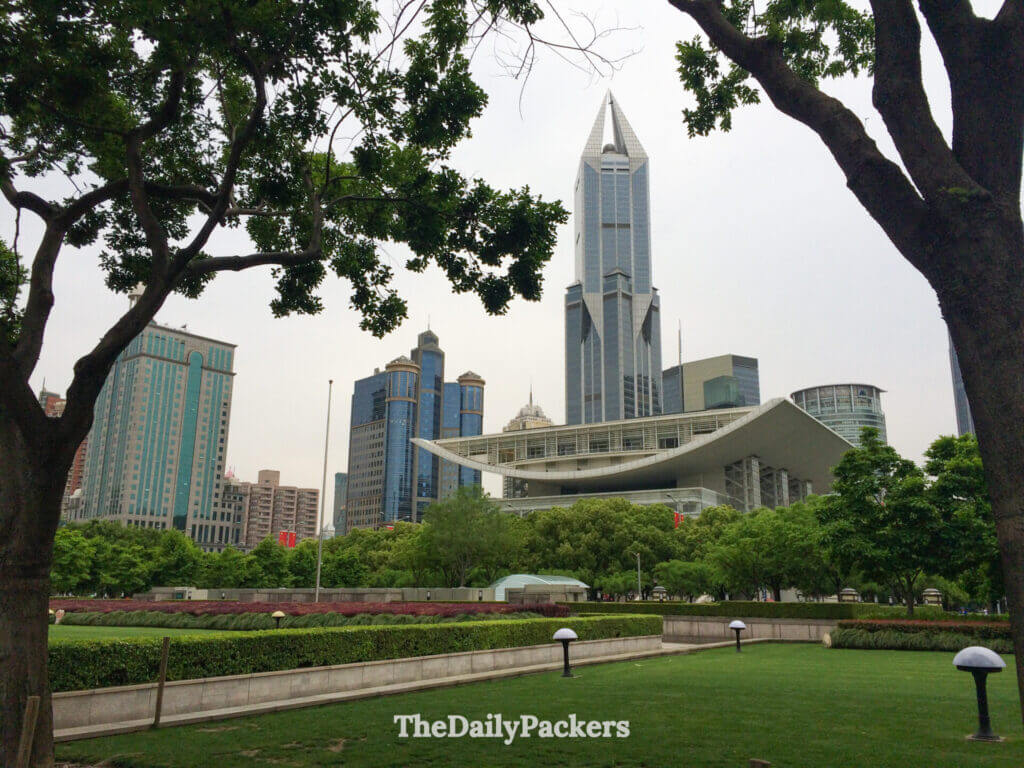
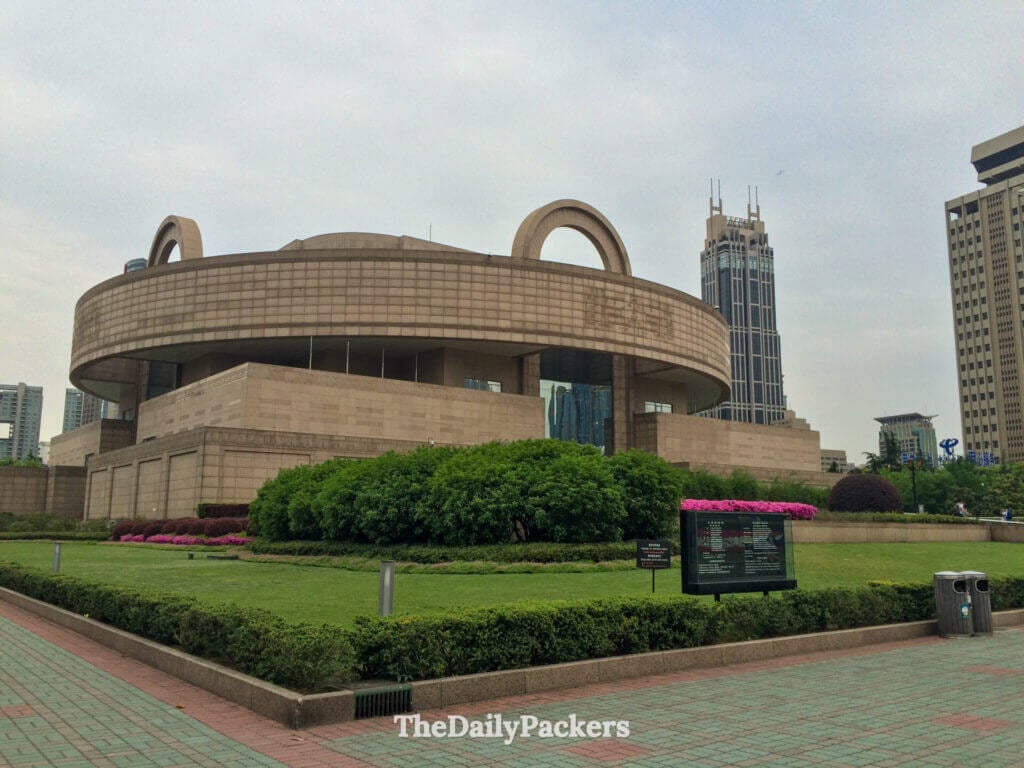
Just next to the park stands the Shanghai Museum, one of the best places to explore Chinese art and history. The museum’s architecture is striking — shaped like an ancient bronze vessel — and inside, you’ll find incredible collections of ceramics, calligraphy, sculptures, and more. Entry is free, and it’s a great place to dive deeper into China’s cultural heritage.
Marvel at the Golden Roof of Jing’an Temple
Step into serenity amidst the city’s hustle at Jing’an Temple, one of Shanghai’s most iconic and photogenic temples. Originally built in 247 AD, this ancient Buddhist temple is best known today for its dazzling golden roof that glistens against the skyline of modern skyscrapers.
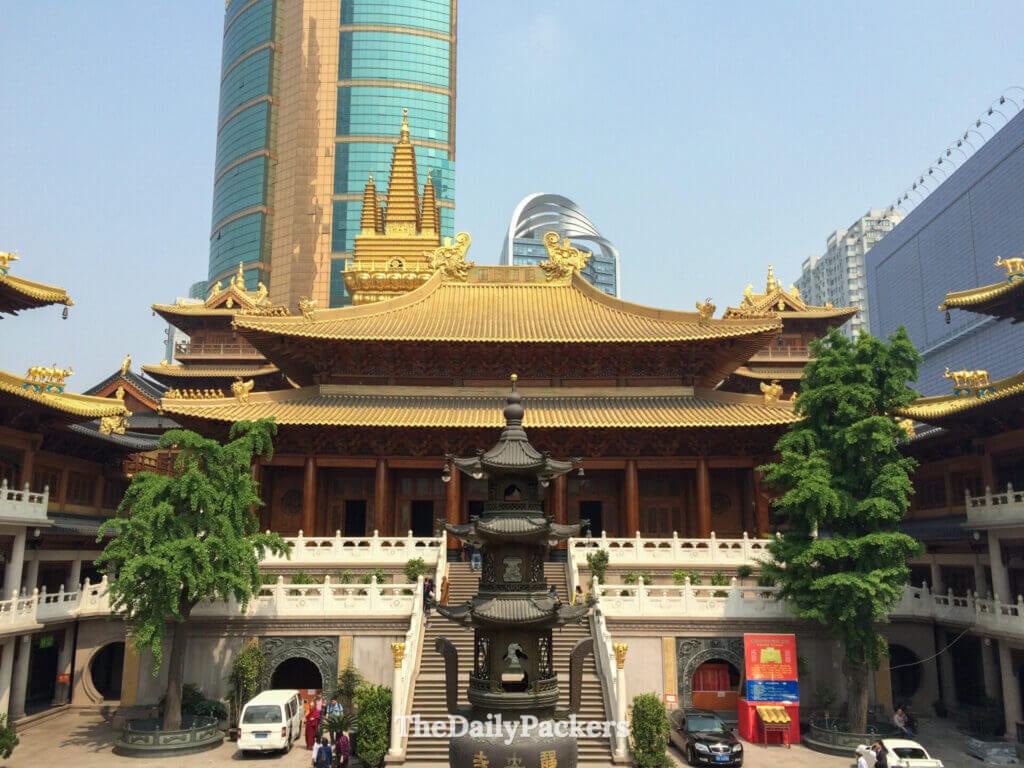
Despite being surrounded by one of the busiest shopping and business districts, the temple offers a peaceful space filled with incense, ornate halls, and Buddhist relics. Take a moment to wander through its courtyards, admire the grand statues, and soak in the spiritual calm that contrasts so strikingly with the city around it. It’s a must-see when exploring the cultural heart of Shanghai.
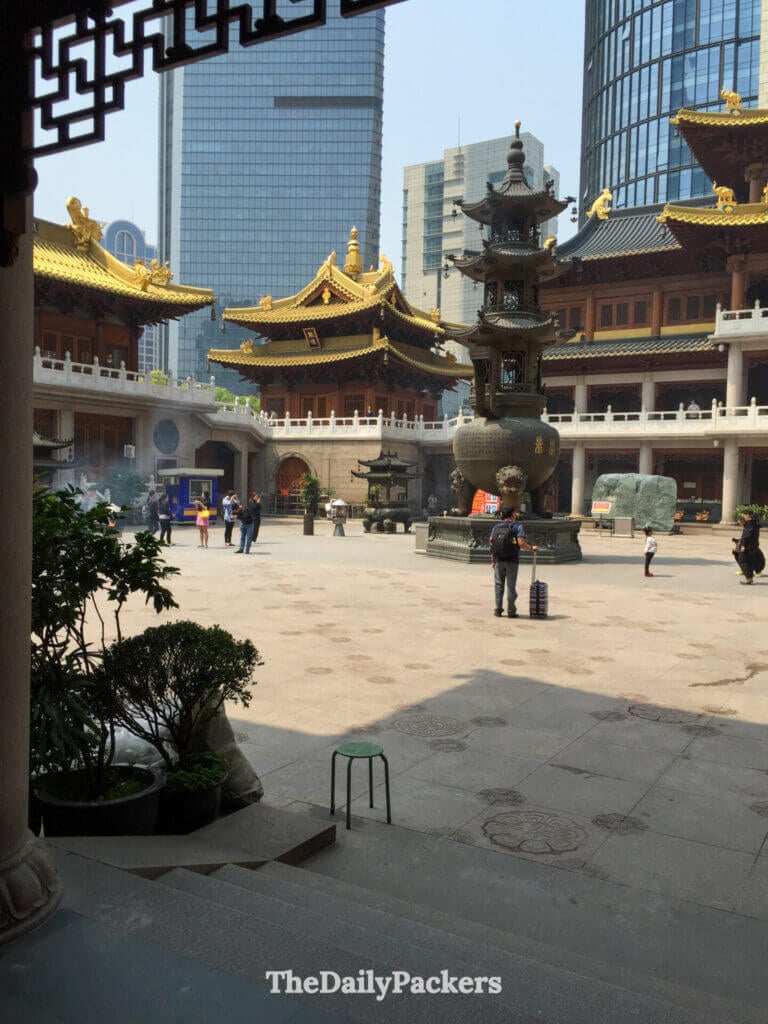
Take a Breath of Fresh Air at Jing’an Park — A Green Oasis Beside the Golden Temple
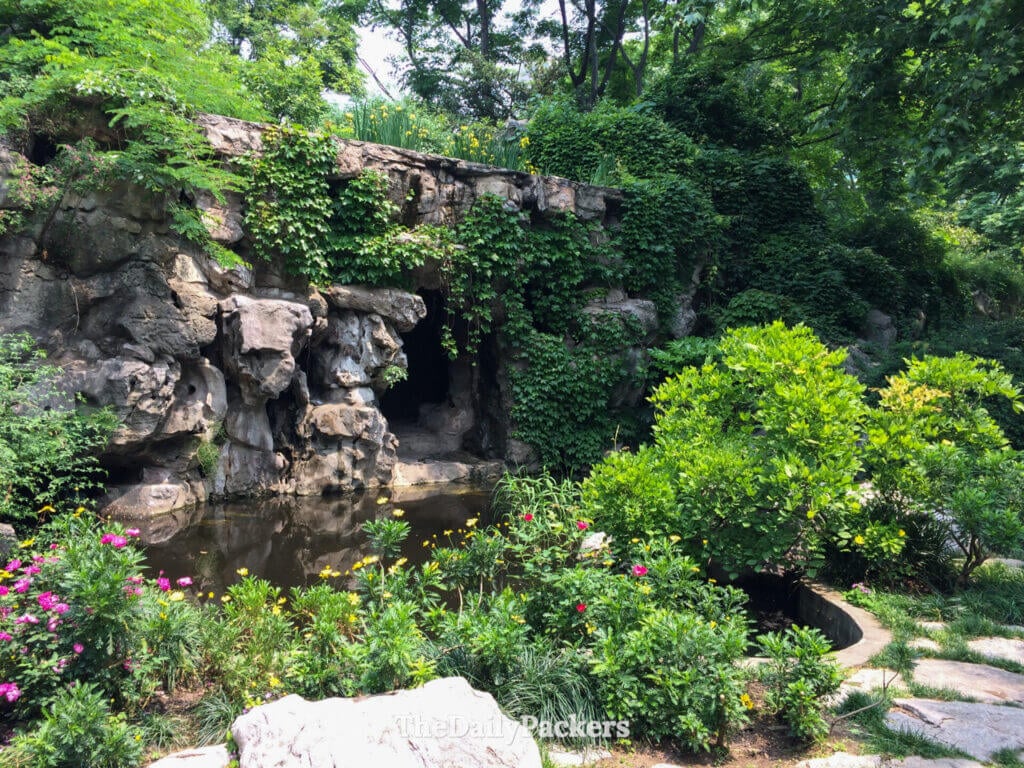
Right next to the bustling Jing’an Temple lies Jing’an Park, a peaceful green escape in the middle of the city. This beautifully maintained park is the perfect spot to unwind after visiting the temple, offering shaded walkways, koi ponds, and quiet benches to sit and people-watch.
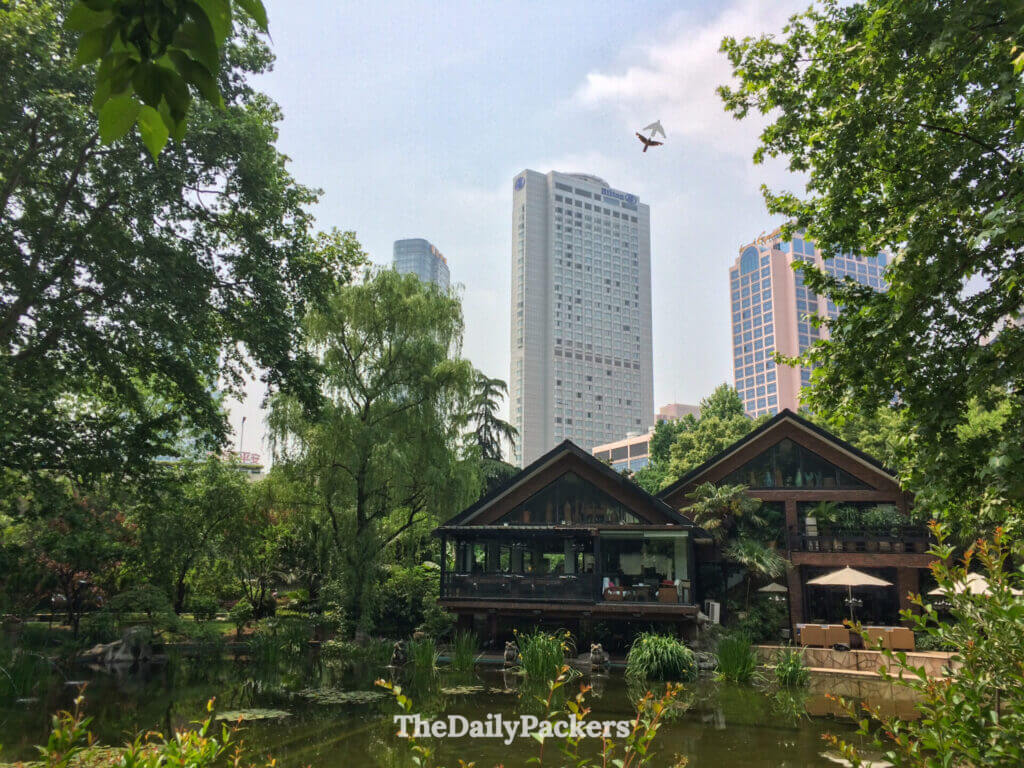
Locals come here to practice tai chi, play chess, or simply enjoy a stroll beneath the trees. If you’re visiting in spring, keep an eye out for blooming cherry blossoms — it’s a lovely time to experience the more tranquil side of Shanghai.
Feel the Magic at Shanghai Disneyland — A Fun-Filled Day for All Ages
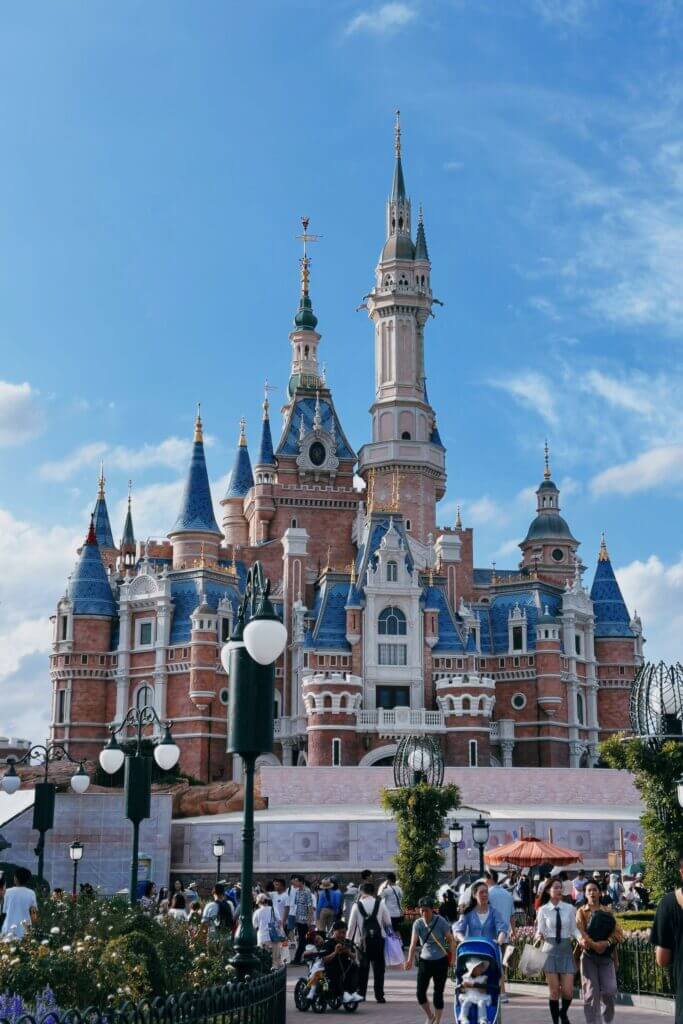
If you’re a fan of Disney or curious to explore the Chinese take on the iconic theme park, Shanghai Disneyland is an absolute must. Opened in 2016, it’s the first Disney resort in mainland China and offers a unique blend of classic Disney magic with local cultural touches.
The park is home to the largest Disney castle in the world — the Enchanted Storybook Castle — and features thrilling rides like TRON Lightcycle Power Run, Pirates of the Caribbean: Battle for the Sunken Treasure, and many more.
Expect a full day of excitement with themed zones, colorful parades, and nighttime fireworks. Tip: Buy your tickets in advance and arrive early to make the most of your day. It’s a popular attraction and can get very busy, especially on weekends and public holidays.
Explore the Creative Charm of Tianzifang — Shanghai’s Artsy Hidden Gem
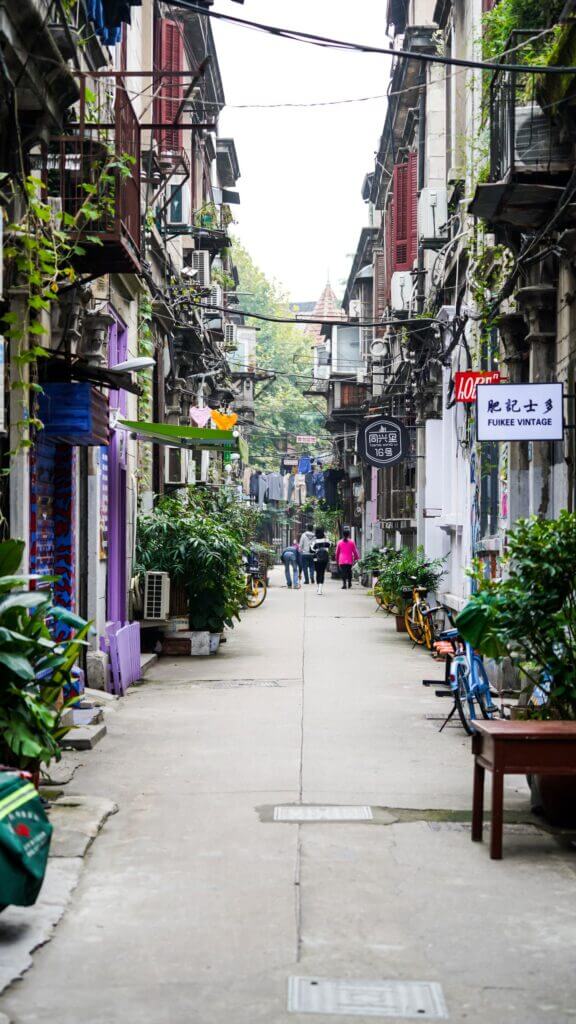
Tianzifang (or Tianzi Fang) is a vibrant maze of alleyways nestled in the French Concession, where traditional Shikumen architecture meets modern creativity. What was once an ordinary residential area has been transformed into one of Shanghai’s most atmospheric neighborhoods.
Wander through the narrow lanes and you’ll find boutique art studios, quirky gift shops, hidden cafes, and international eateries tucked inside restored historic buildings. It’s the perfect place to shop for unique souvenirs, sip on craft coffee, or simply soak in the lively, eclectic vibe.
Tianzifang is less flashy than other parts of Shanghai, but that’s part of its charm — it feels authentic, cozy, and full of personality. Don’t forget your camera; there are photo-worthy corners everywhere.
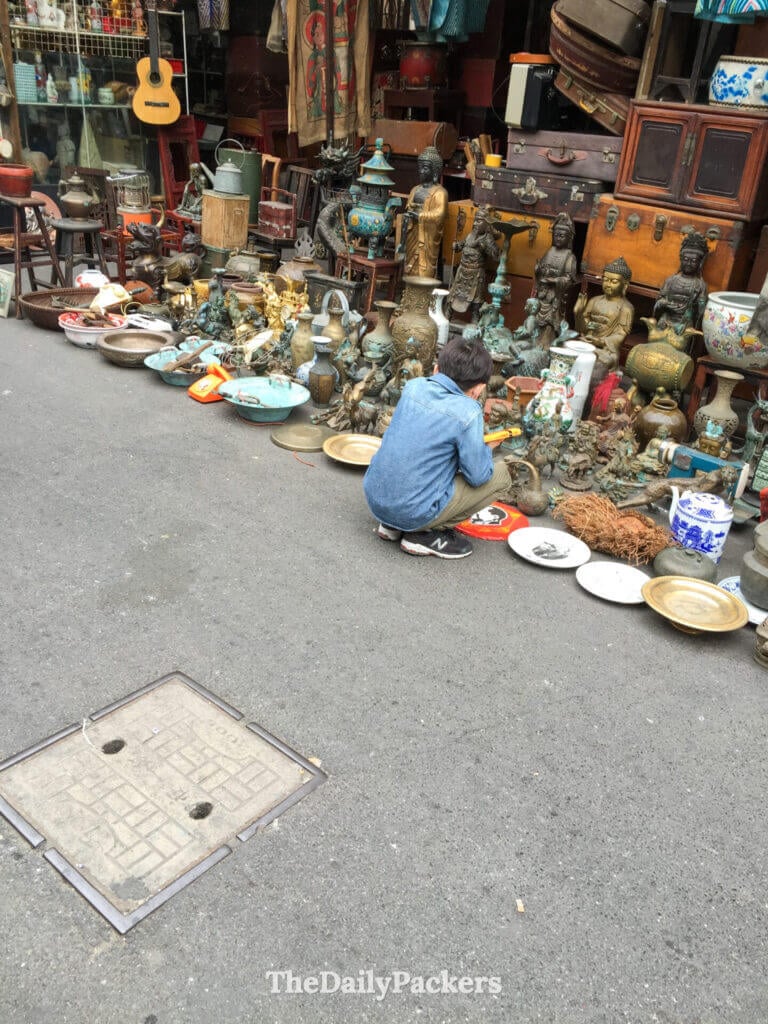
Remembering Dongtai Antique Street — A Lost Treasure of Old Shanghai
Dongtai Antique Street was once one of Shanghai’s most iconic markets, a bustling maze of stalls offering everything from Mao-era memorabilia and vintage postcards to jade trinkets and porcelain relics. For years, it was a paradise for treasure hunters and anyone wanting a glimpse into China’s past.
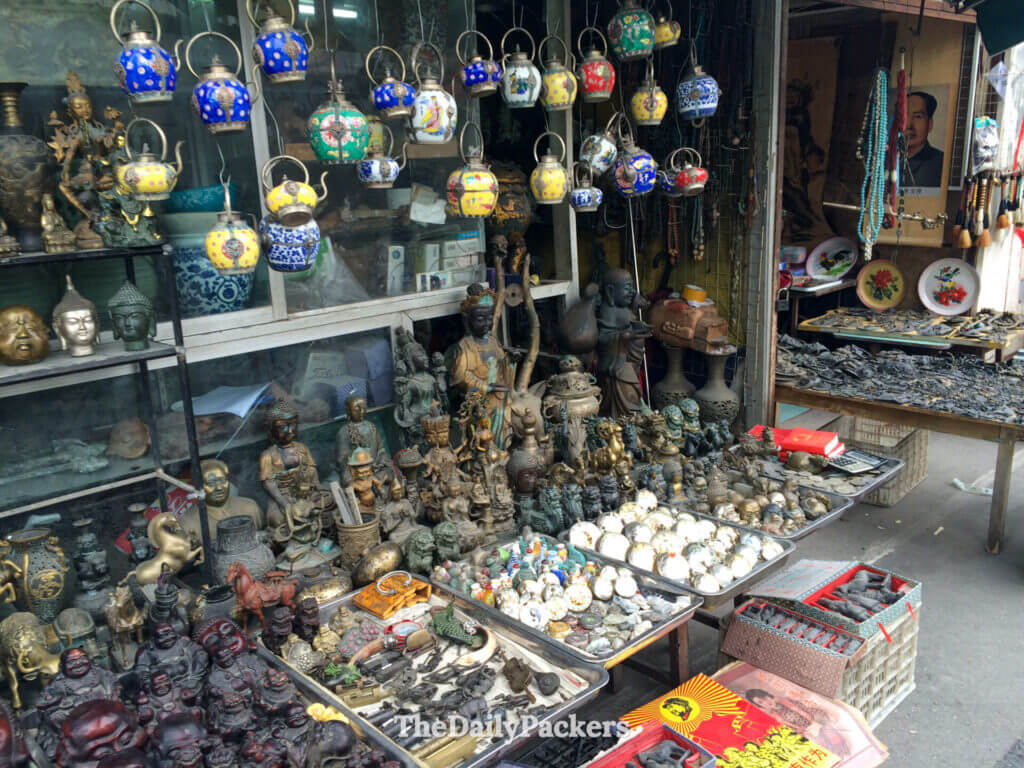
Sadly, the market has now closed, swept away by rapid urban development. But its memory still lingers — not just in the hearts of travelers who wandered its lanes, but in the story of Shanghai itself. It remains a symbol of a city constantly balancing modern progress with its rich, layered history.
If you missed Dongtai, don’t worry — you can still find antique shops scattered around the city or head to Tianzifang for a similarly nostalgic vibe.

Tip: We use the DJI Action 4 to film our vlogs — compact, durable, and perfect for capturing every adventure.
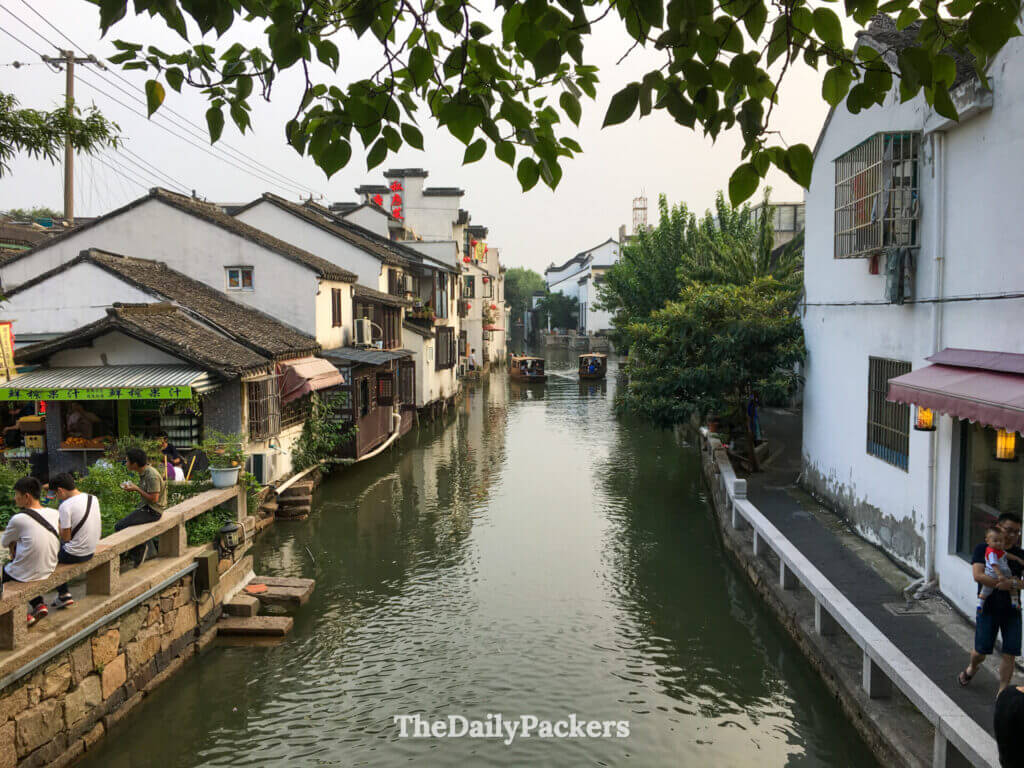
Take a Day Trip to Suzhou — Discover Canals and Classical Gardens
Just 25 minutes from Shanghai by high-speed train, Suzhou makes for a perfect day trip if you’re looking to escape the city bustle and soak in some elegance. Often called the “Venice of the East,” Suzhou is famous for its tranquil canals, historic bridges, classical gardens, and silk heritage.
Start your visit with the Humble Administrator’s Garden, one of China’s most renowned classical gardens and a UNESCO World Heritage Site. Then explore the Lingering Garden or Master of the Nets Garden if you want more peaceful beauty.
Wander along Pingjiang Road, a charming old canal street lined with teahouses and boutique shops. Stop by a local eatery for traditional Suzhou-style noodles or sweet-scented Osmanthus cakes.
If you’re curious about Chinese silk, the Suzhou Silk Museum offers a fascinating look into the city’s historic silk industry.
It’s an easy, rewarding trip that feels like stepping back in time — and a must if you’re spending a few days in Shanghai.
Take a Day Trip to Hangzhou — Tranquil Lakes and Tea Fields
Located about an hour from Shanghai by high-speed train, Hangzhou is one of China’s most beautiful cities and an ideal escape for nature lovers, tea enthusiasts, and those seeking a slower pace.
Start your day at the iconic West Lake, a UNESCO World Heritage Site known for its poetic scenery, willow-lined paths, and ancient pagodas. You can walk or rent a bike around the lake, or hop on a boat for a peaceful ride past sights like Leifeng Pagoda and the Broken Bridge.
Next, head to Longjing (Dragon Well) Tea Village, nestled in the hills just outside the city. Walk through the terraced tea fields, learn about Hangzhou’s famous green tea, and sip a fresh cup at a local teahouse with a view.
If time allows, visit Lingyin Temple, one of the oldest and most significant Buddhist temples in China, surrounded by forested cliffs and stone carvings.
Hangzhou is the perfect blend of natural beauty and cultural heritage — a peaceful contrast to the buzz of Shanghai and one of our favorite day trips from the city.

Itinerary
Day 1:
- Stroll down Nanjing Road
- Walk along the Bund for skyline views
- Explore Yu Garden and its bazaar
- Wander the leafy streets of the French Concession
- Discover art and shops in Tianzifang
- Enjoy dinner and drinks on Yongkang Street
Day 2:
- Visit the Oriental Pearl Tower for panoramic views
- Ride up the Shanghai World Financial Center
- Step back in time at Qibao Ancient Town
- See the giant pandas at Shanghai Zoo
Day 3:
- Cruise through canals in Zhujiajiao Water Town
- Relax in People’s Park and observe local life
- Visit the golden-roofed Jing’an Temple
- Unwind in nearby Jing’an Park
Day 4:
- Have fun at Shanghai Disneyland
Day 5 (Optional):
- Take a high-speed train and explore Suzhou’s classical gardens and silk heritage
Day 6 (Optional):
- Escape to Hangzhou for West Lake, tea fields, and Lingyin Temple
What it Costs: Budgeting for Your Trip to Shanghai
Shanghai has a reputation for being expensive, but the reality is more nuanced. It really depends on how you travel. You can have an incredible trip on a modest budget, or spend a lot if you lean into the luxury side of the city. Here is a rough breakdown to help you plan:
Budget travelers can find clean, well-located hostels with private rooms for around 30€ to 60€ per night. Mid-range hotels in good neighborhoods like People’s Square or the French Concession typically run between 80€ and 150€ per night. If you’re going for a luxury stay like the Ritz-Carlton or similar, expect to pay 250€ and upward per night.
Food is where Shanghai can be incredibly affordable. Street food and local noodle shops will cost you next to nothing, think 2€ to 5€ for a filling meal. A sit-down lunch at a mid-range restaurant is usually between 10€ and 20€ per person. Dinner at a nicer spot or a rooftop restaurant can go from 40€ to 80€ per person, depending on your choices.
We personally found that mixing street food during the day with one proper sit-down dinner in the evening was the sweet spot, both for budget and for experience.
Getting around Shanghai is genuinely cheap. A single metro ride costs between 0.50€ and 1€, depending on the distance. A DiDi ride across the city rarely costs more than 5€ to 8€. If you plan to use public transport daily, budget around 5€ to 10€ per person per day.
Activities is where costs can add up quickly if you’re not careful. Here is a rough guide:
- Oriental Pearl Tower: around 20€ per person
- Shanghai World Financial Center observation deck: around 20€ to 25€ per person
- Yu Garden entry: around 4€ per person
- Jing’an Temple: around 5€ per person
- Shanghai Zoo: around 5€ per person
- Shanghai Disneyland: from 60€ to 90€ per person depending on the day and season
- Zhujiajiao Water Town: free to enter, boat rides around 5€ to 10€
- Shanghai Museum: free entry
- People’s Park: free entry
A high-speed train to Suzhou or Hangzhou and back costs roughly 15€ to 25€ per person round-trip. Factor in entrance fees to gardens or temples, which are usually between 5€ and 15€ per site.
Daily Budget Estimate (per person):
- Budget traveler: 50€ to 70€ per day
- Mid-range traveler: 100€ to 150€ per day
- Comfort/luxury traveler: 200€ and above per day
One thing worth knowing: tipping is not customary in China. You won’t be expected to leave anything extra at restaurants or in taxis, which is a nice change if you’re coming from Europe or North America.
About the authors
We are Alex and Tina, a French-Serbian couple who met in China back in 2014. We spent three incredible years there before making France our home. Our shared passion for travel has been the heartbeat of our relationship for over 12 years, taking us across 44 countries and counting.
We launched TheDailyPackers in 2019 as a way to document our adventures. In 2026, we reached a major milestone by officially turning our blog into our full-time job. While we are still growing toward financial independence through this platform, every article we write is fueled by our mission to make your voyages easier through in-depth guides, honest advice, and the lessons we’ve learned from our own mistakes.
Our journey has not been without its storms. In 2023, our world changed forever when our first son, Poppy, was stillborn on November 25th. It was, and remains, the hardest chapter of our lives. In 2025, we were blessed with our second little boy, Milo. He has since joined our traveling tribe, and you’ll be seeing him—and the reality of traveling with a little one-on the blog more and more.
We hope to inspire you to explore the world with curiosity and resilience. Thank you for being part of our story.
You may also like those related posts
2-week Vietnam Itinerary: The best of Vietnam
Uyuni Salt Flats Tour: An Epic 3-day Adventure in Bolivia
8 Best Things to do in Delft, Netherlands, in 1 day
Kandy to Nuwara Eliya to Ella: An Unforgettable 1-day Trip
7 Real Downsides of Traveling Without a Plan
Best Lavender Fields in Provence in 2025, France
24 Best things to do in Riga, Latvia, in 2 days or more
Plaza de Toros de la Maestranza: Discover Seville’s Historic Bullring
Pssst, did you know that…
If you purchase something through our links, we earn a small fee. However, you still pay the same. Win-win! And one day we may get to be full-time travel bloggers =)
Find Hotels with Booking.com
Do Yoga with KVY
Buy us a Coffee
Rent a car with DiscoverCars
Find Attractions with GetYourGuide
Find Flights with Expedia
Buy an eSIM with Airalo
Get insured with World Nomads
Get ready with Amazon.com