
Introduction
Hangzhou is the capital of Zhejiang Province, China, home to over 10.36 million people and covering an area of 16,596 km². Despite its size and modern development, the city has preserved a charming historic core filled with cobblestone streets, traditional architecture, and tranquil gardens.
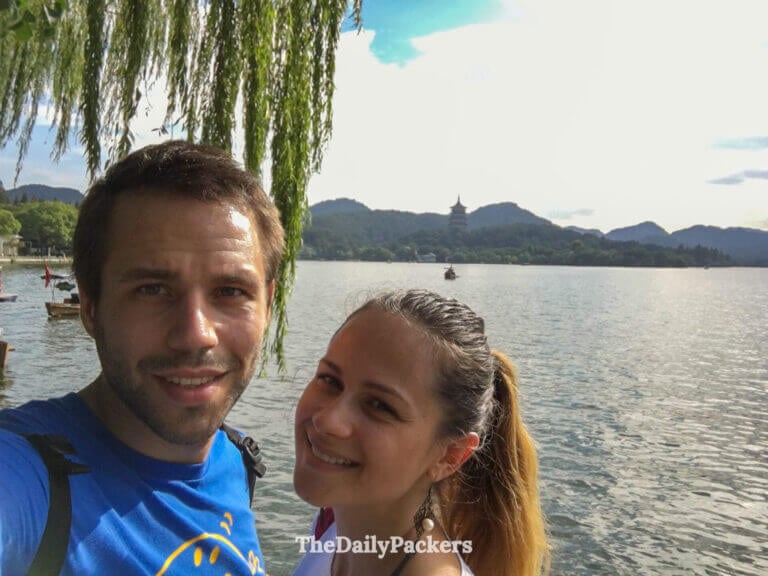
The city is best known for West Lake, a UNESCO World Heritage site and the southern end of the ancient Grand Canal, which stretches all the way from Beijing. This iconic lake is surrounded by scenic walkways, temples, pagodas, and tea fields — and at its heart lies a small island that feels like a peaceful escape from urban life.
We visited during a Chinese national holiday (not recommended unless you love crowds!), so don’t be surprised by the number of people in our photos — Hangzhou is usually much more serene.
Hangzhou Travel guide at a Glance & Top travel tips
- Best Time to Visit: Spring (April–May) and Autumn (September–October)
- How Many Days: 3 to 4 days is ideal, or add a day trip to Suzhou
Getting There: High-speed train from Shanghai takes just about 1 hour. If you’re flying in, Hangzhou Xiaoshan International Airport (HGH) is around 30 km from the city center. - Getting Around: The metro is easy to use and covers most major spots. For a more scenic option, rent a bike around West Lake — it’s one of the best ways to explore at your own pace. Taxis and ride-hailing apps like DiDi also work very well throughout the city.
- Family & Stroller Tip: Hangzhou is generally family-friendly. West Lake has wide, flat walkways that are easy to push a stroller along, and the metro system can handle strollers without too much trouble. That said, some parks and heritage sites have uneven stone paths or steps, so a baby carrier is a smart backup. The boat ride to Three Pools Mirroring the Moon is a great pick for kids, and Taiziwan Park has open green spaces where little ones can run around freely.
Crowds: - Avoid visiting during Chinese national holidays like Golden Week in early October or Chinese New Year. We visited during a national holiday and the difference was very noticeable — the lake was packed! On a normal week, Hangzhou is much more peaceful and relaxed.
- Language Tip: Very few people speak English outside of hotels and tourist spots. Download a translation app before you go and keep your destinations written in Chinese characters — it makes getting around so much easier.
Getting there
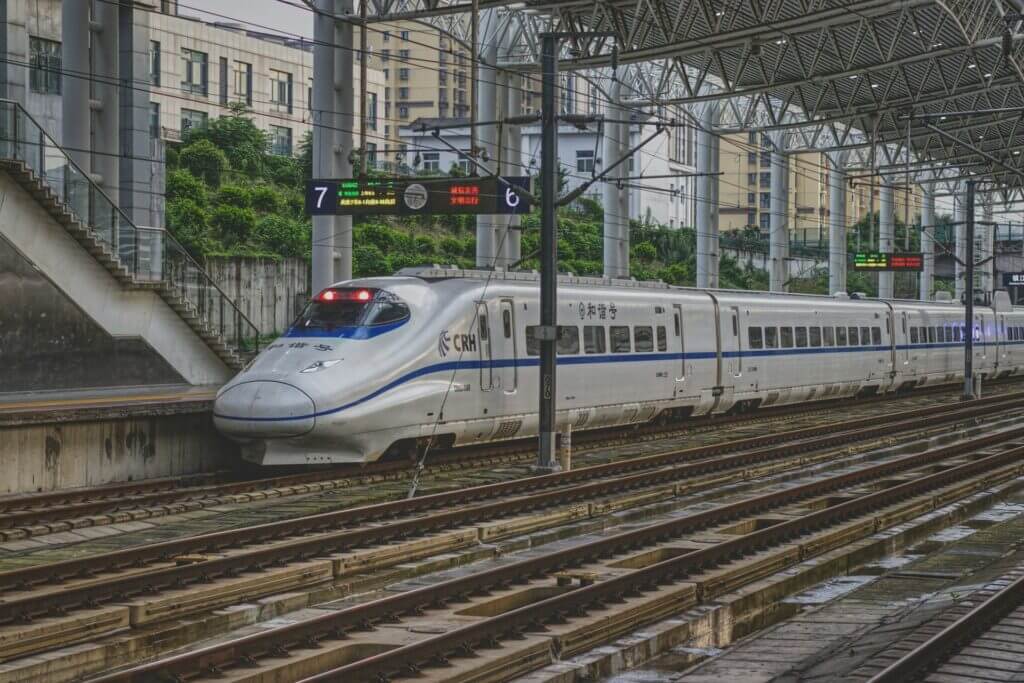
Getting to Hangzhou is easy thanks to its central location and strong transportation links. The city is well-connected to major destinations across China by high-speed rail, air, and road.
- By Train: The fastest and most convenient way to reach Hangzhou is by high-speed train. From Shanghai, the journey takes just 1 hour, with frequent departures throughout the day. If you’re coming from cities like Beijing or Xi’an, expect travel times of 5 to 7 hours. Most trains arrive at Hangzhou East Railway Station, which is well-connected to the city center by metro and taxi.
- By Plane: Hangzhou Xiaoshan International Airport (HGH) serves both domestic and international flights. It’s located about 30 km from downtown. From the airport, you can take the airport shuttle bus, metro (Line 1), or a taxi into the city.
- By Bus: If you’re traveling from nearby towns or smaller cities, long-distance buses also connect to Hangzhou’s main bus stations. It’s a slower but often scenic and budget-friendly option.
Moving Around
Hangzhou is a large but tourist-friendly city, and getting around is relatively easy thanks to its efficient public transport and scenic layout.
- By Metro: The Hangzhou Metro system is expanding fast and is one of the most convenient ways to move around the city. It connects major landmarks like the East Railway Station, West Lake, and the airport. Most signs and announcements are available in English.
- By Bus: Hangzhou has an extensive bus network, ideal for short distances and reaching spots not served by the metro. Buses are affordable and widely used by locals. Just have your destination written in Chinese if you’re unsure of the route.
- By Bicycle: Hangzhou was one of the first cities in China to introduce a public bike-sharing system, and cycling around the West Lake is a fantastic experience. You can rent bikes through apps like Alipay or Meituan.
- By Taxi or Ride-hailing: Taxis are easy to find, and ride-hailing apps like DiDi work well (often with an English interface). Always have your destination written in Chinese to avoid confusion.
- Walking: Many of Hangzhou’s best sights, especially around West Lake, are best explored on foot. Walking paths around the lake and through the historic streets are well-maintained and scenic.

When to Visit Hangzhou
Hangzhou is a year-round destination, but the best time to visit depends on your interests and travel preferences. Each season offers its own charm, from lush greenery to peaceful snow-dusted landscapes.
- Spring (March–May): Arguably the best time to visit Hangzhou. Temperatures range from 10–25°C (50–77°F), and the city bursts into bloom. The willows along West Lake turn green, cherry blossoms bloom, and the air is fresh and mild—perfect for sightseeing and boat rides.
- Summer (June–August): Expect hot and humid weather, with temperatures often above 30°C (86°F). While crowds are at their peak, this is when lotus flowers bloom on West Lake, and the city buzzes with activity. If you don’t mind the heat, summer is a vibrant time to experience Hangzhou’s lively streets.
- Autumn (September–November): This is another excellent time to visit, with temperatures ranging from 15–25°C (59–77°F). The foliage around the lake and in the tea fields turns golden, making it a peaceful and photogenic season for exploring.
- Winter (December–February): Winters are cold but rarely extreme, with average temperatures around 5–10°C (41–50°F). Hangzhou sees fewer tourists, so it’s a great time for quiet walks around the lake or a cozy tea house visit. Occasionally, you may even see snow on the city’s traditional rooftops.
Best Tip: Avoid visiting during Chinese national holidays such as Golden Week (early October) or Chinese New Year (late January/early February), as major attractions like West Lake become extremely crowded and accommodations fill up fast.
Where to Stay
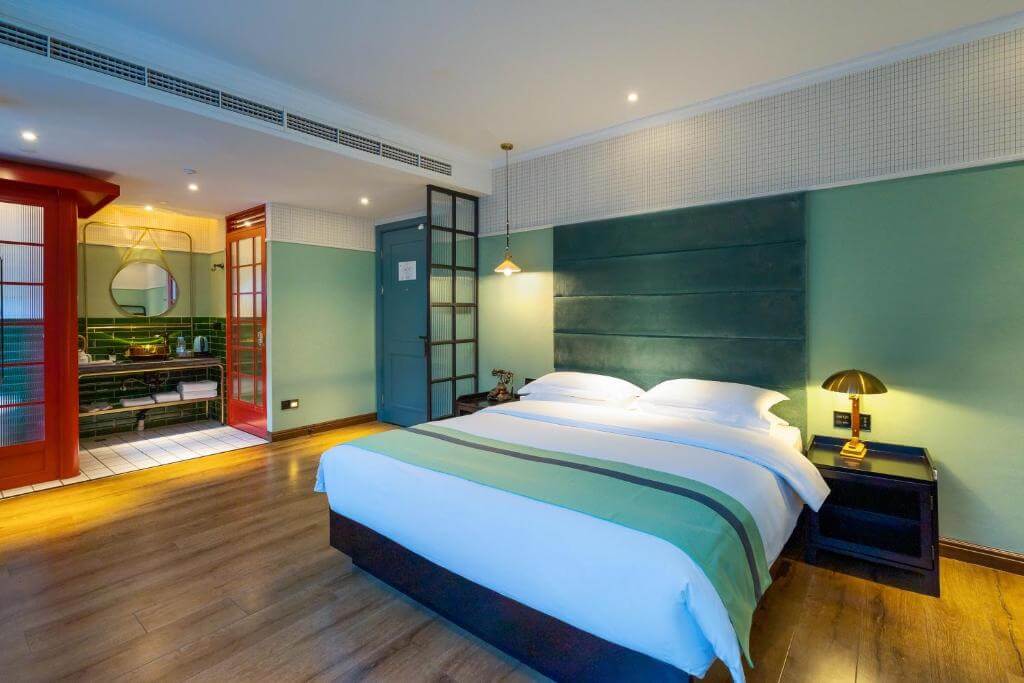
Spending 3 to 4 days in Hangzhou allows you to truly enjoy its peaceful landscapes, tea culture, and historic sites. To make the most of your visit, we recommend staying close to West Lake or the city center — both areas offer great access to top attractions, restaurants, and transport.
Here are some of our top picks for a memorable stay in Hangzhou:
(€) Hangzhou Lanshe Hotel: A stylish and serene boutique hotel located near West Lake. The design blends traditional Chinese elements with modern comfort, offering a quiet escape just a short walk from the scenic lakeside and local eateries.
(€€) EBO Hotel (Hangzhou West Lake): Perfectly located for exploring the lake and the old city, EBO Hotel is a modern and comfortable choice. Rooms are bright and well-designed, and the rooftop terrace offers fantastic city views. A great mix of location and value.
(€€€) Four Seasons Hotel Hangzhou at West Lake: One of the best luxury hotels in Hangzhou and a true retreat. Nestled among willow-lined paths and traditional gardens, this resort offers spacious rooms, a beautiful pool, on-site spa, and top-notch service — all just steps away from West Lake.

What to Eat
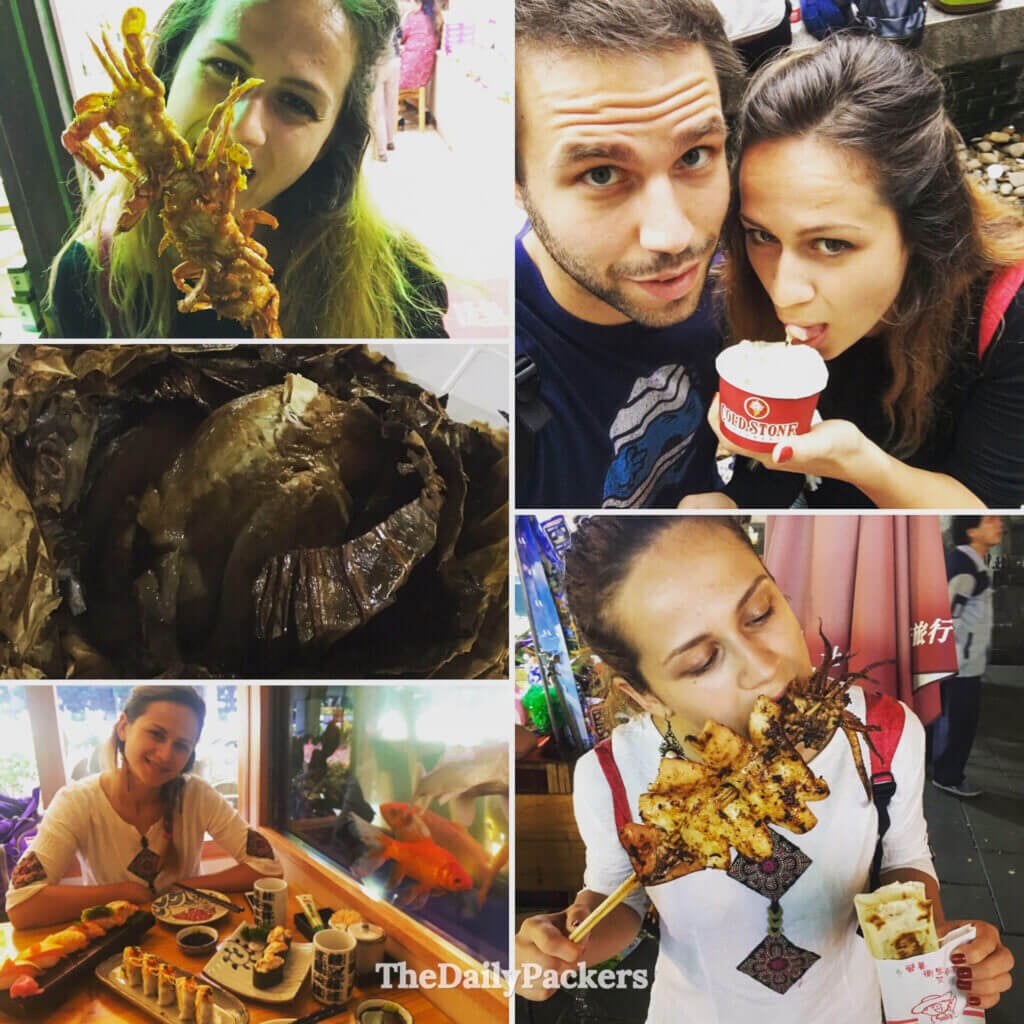
Hangzhou is a true foodie destination, with street food stalls and local eateries offering rich, flavorful dishes rooted in tradition. Whether you’re strolling along the lakeside or exploring the historic districts, you’ll find plenty of delicious options to try.
Here are some of our favorite must-try dishes:
- BBQ Squid – Smoky, tender, and grilled right in front of you. You’ll smell it before you see it.
- Beggar’s Chicken – A local specialty where a whole chicken is marinated, wrapped in lotus leaves and clay, then slowly roasted. The result is incredibly juicy and aromatic.
- Hangzhou Steamed Bun – Soft and fluffy, often filled with pork or vegetables. A comforting bite while walking through the city.
- West Lake Lotus Root Powder – A sweet and silky traditional dessert made from lotus root starch. Light, refreshing, and a perfect afternoon snack.
- West Lake Fish in Vinegar Gravy – A famous local dish made with fresh fish from the lake, served in a tangy-sweet vinegar sauce.
We recommend trying most of these from local street food stands or night markets — they’re often tastier, more authentic, and way more fun to eat.
Things to do in Hangzhou
Wander Along West Lake — Hangzhou’s Most Iconic Spot
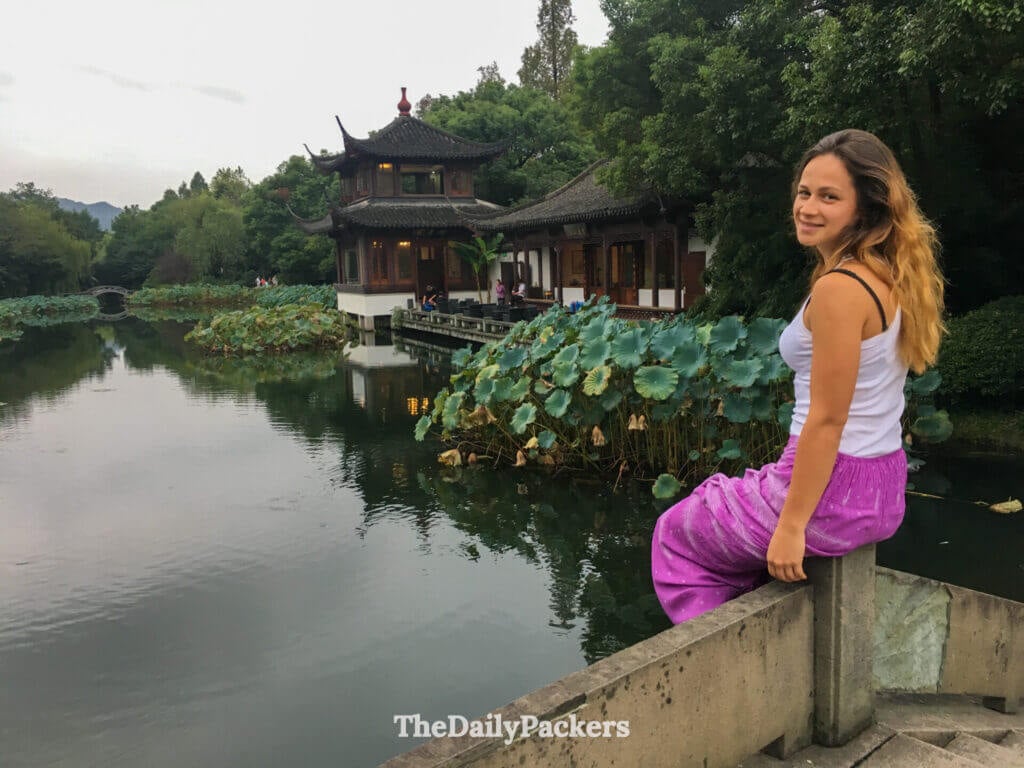
No trip to Hangzhou is complete without spending time at the legendary West Lake. Surrounded by pagodas, gardens, willow trees, and classical bridges, the lake offers one of the most scenic and peaceful walking experiences in China.
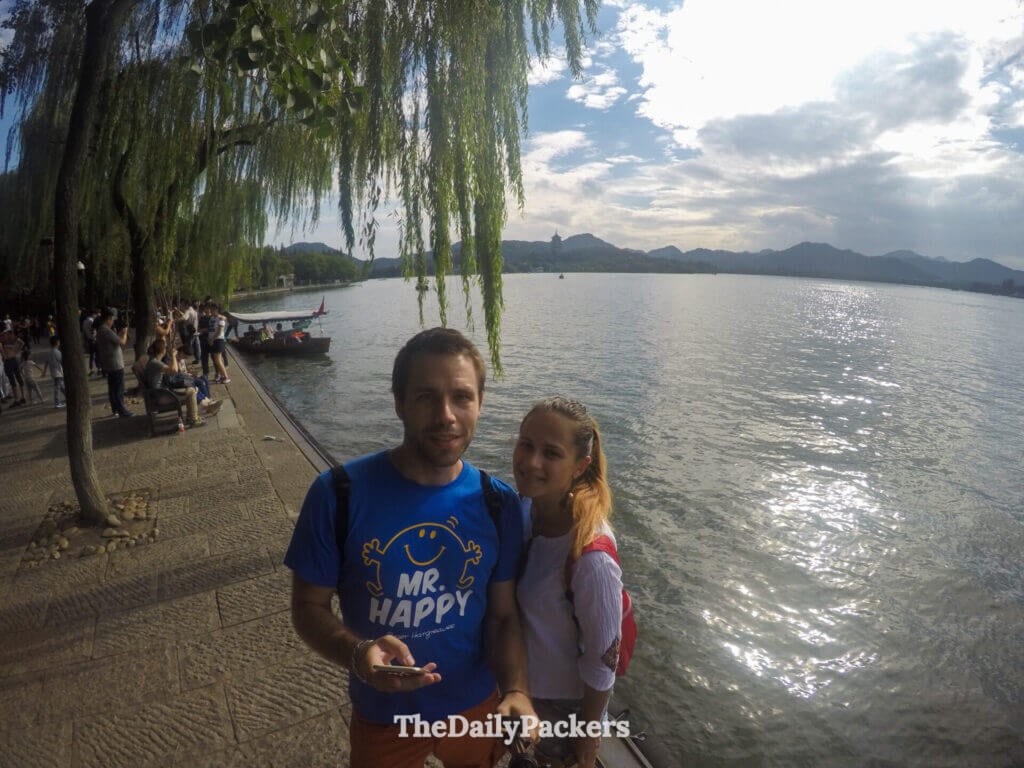
You don’t need a packed itinerary here — simply strolling along the lakeshore is enough to soak in the atmosphere. Enjoy reflections of arched bridges in the water, stop for a tea break at a lakeside pavilion, and admire how nature and tradition blend effortlessly.
Whether you come at sunrise for soft morning light or catch the sunset with lanterns starting to glow, West Lake is the heart of Hangzhou — and a must for every traveler.
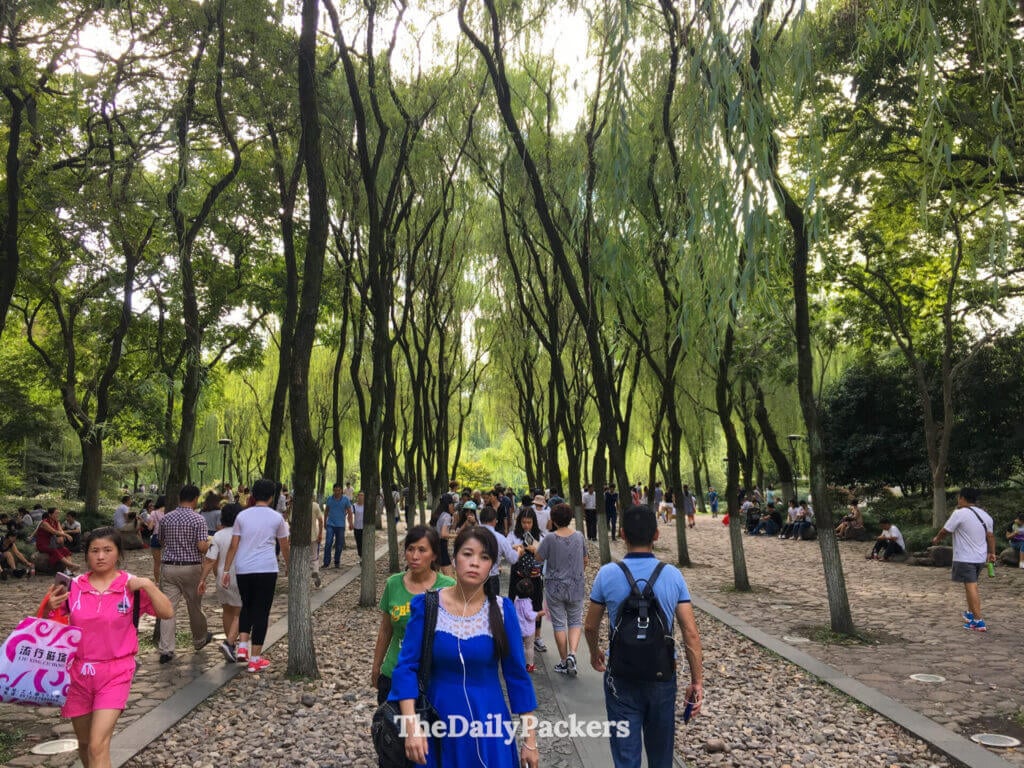
Cycle Around West Lake — Explore at Your Own Pace
Rent a bicycle and take a leisurely ride around the entire West Lake. The scenic loop offers plenty of opportunities to stop wherever catches your eye — from classical gardens and ancient temples to quiet waterfront pavilions and shaded walking paths.
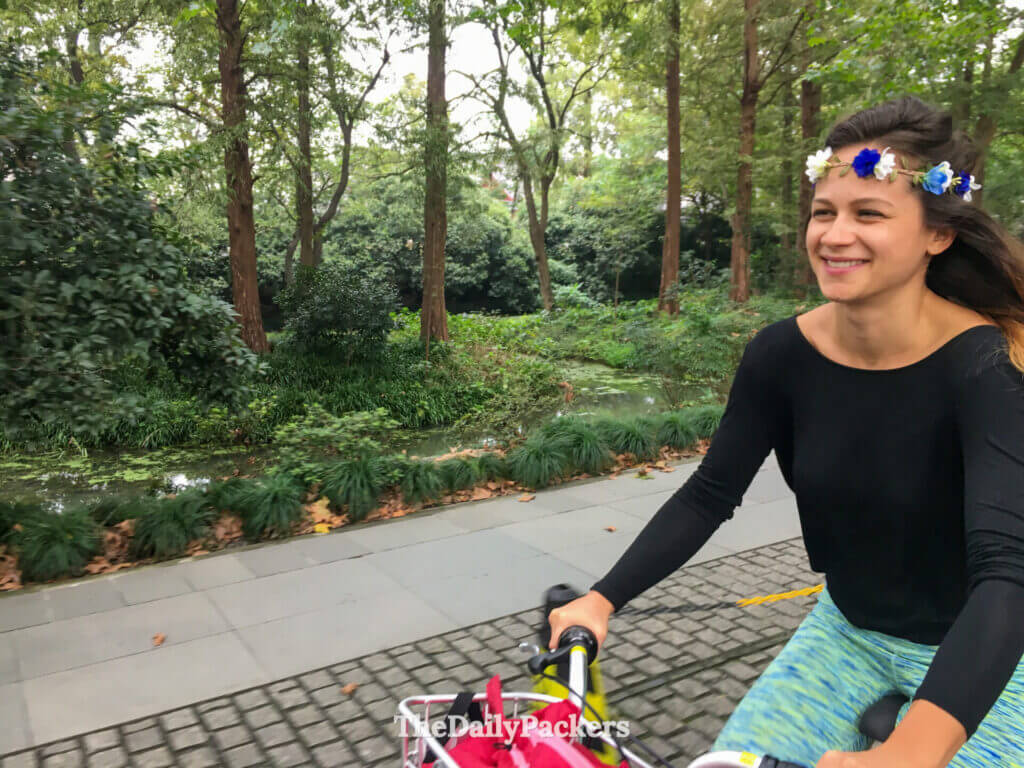
There’s no need to plan every stop. Just follow the lakeside road, take your time, and let the charm of Hangzhou unfold naturally. With dedicated bike lanes and picture-perfect viewpoints scattered throughout, this ride is one of the best ways to experience West Lake’s beauty.
Wander Through Taiziwan Park — A Seasonal Blooming Wonderland
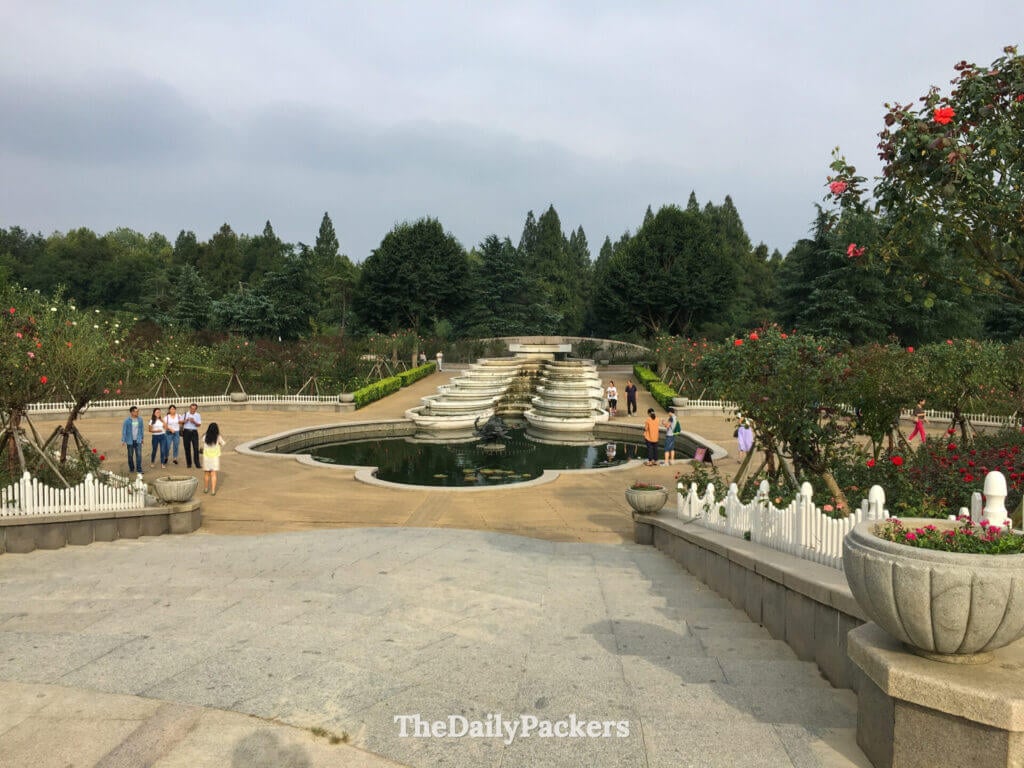
Taiziwan Park, nestled at the southern end of West Lake, is a peaceful escape from the busy city streets. Known for its lush greenery and beautiful seasonal flowers, the park is especially stunning in spring, when thousands of tulips and cherry blossoms bloom in vibrant color.
Wide walking paths wind through shaded groves, small bridges cross quiet streams, and locals gather for picnics or leisurely strolls. Whether you’re visiting for a romantic walk or just want a break from sightseeing, Taiziwan Park is a serene slice of nature right in the heart of Hangzhou.
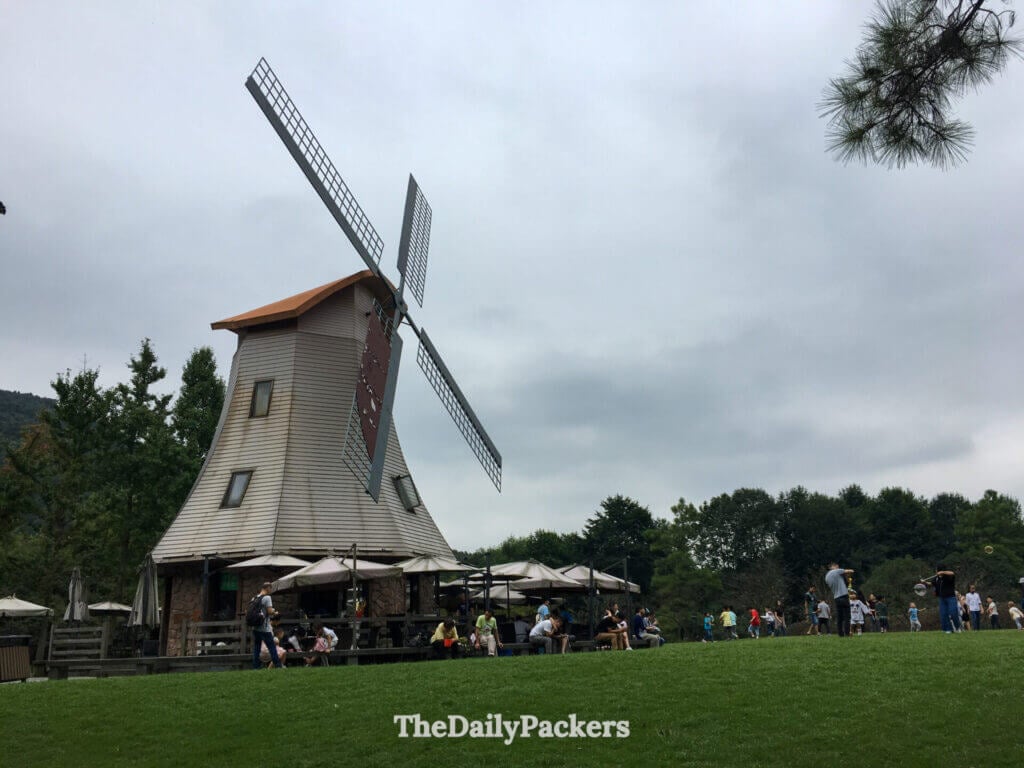
Explore Three Pools Mirroring the Moon — A Peaceful Island Escape
Located on a small island in the center of West Lake, Three Pools Mirroring the Moon is one of Hangzhou’s most iconic and tranquil attractions. This scenic spot is filled with classical Chinese elements — from traditional pavilions and arched bridges to quiet garden trails and lotus-filled ponds.
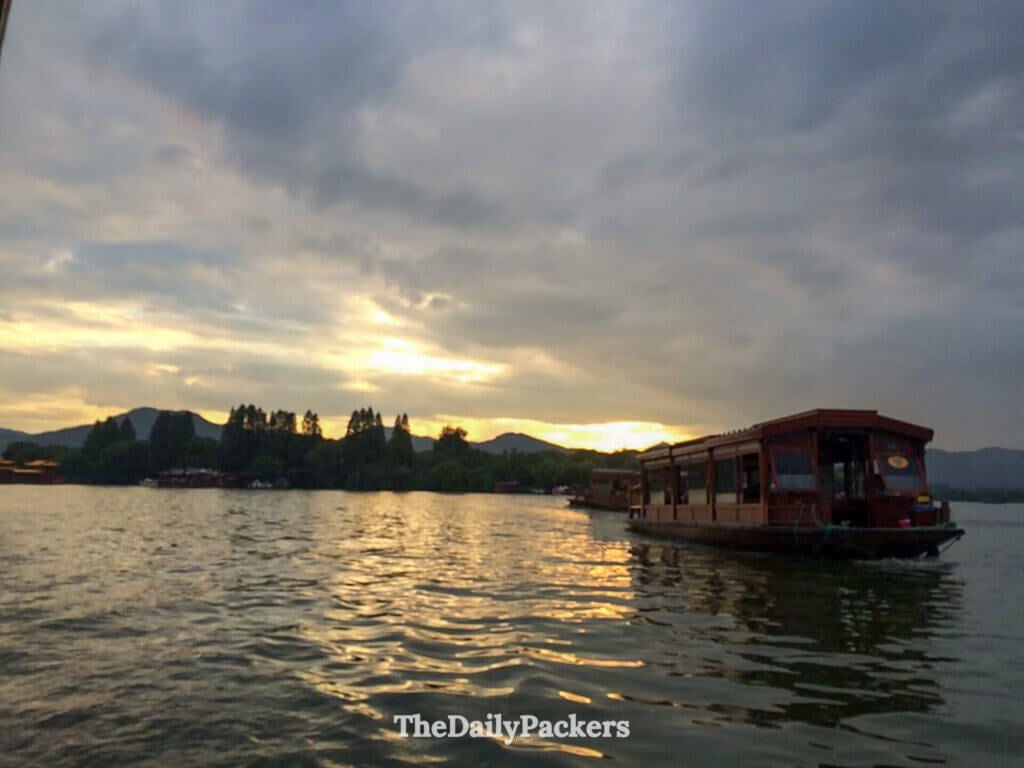
The island is best explored on foot, as you wander through its peaceful paths, admire centuries-old architecture, and take in reflections of the three stone pagodas rising from the water.
To get there, simply board one of the traditional boats departing from various docks around the lake. It’s not just a sightseeing stop — it’s a moment of calm in the heart of Hangzhou.
Climb to Baochu Pagoda — A Hilltop Viewpoint with Ancient Elegance
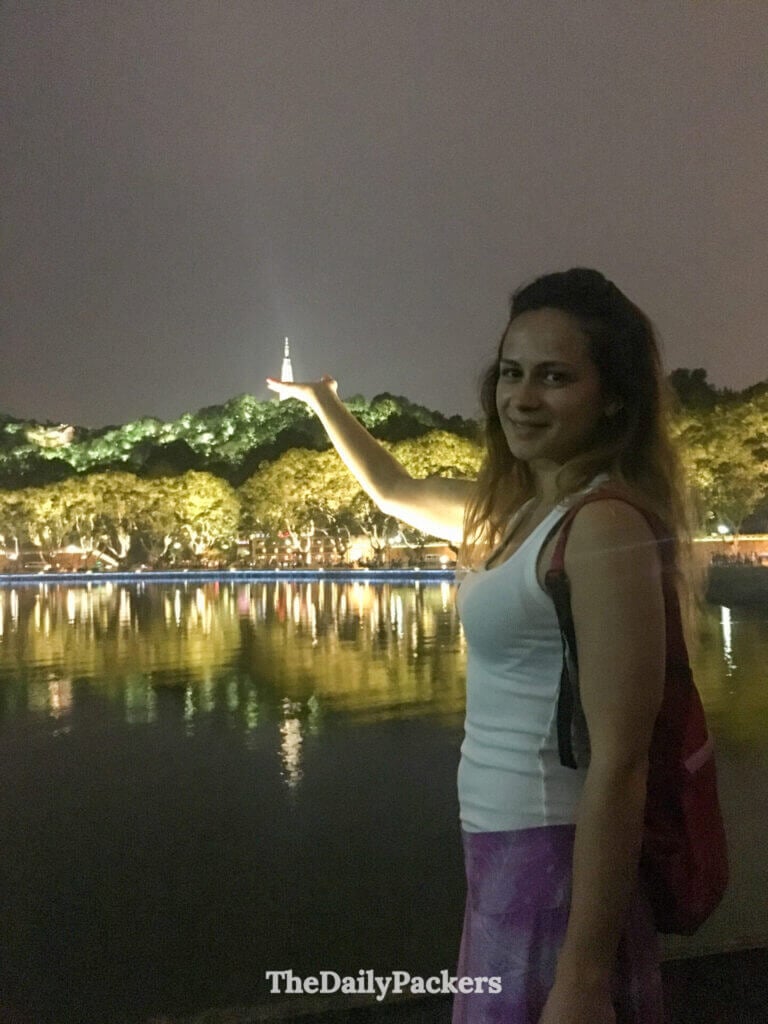
Perched on the slopes of Precious Stone Hill, Baochu Pagoda is one of Hangzhou’s most graceful landmarks. Built in 963 during the Five Dynasties and Ten Kingdoms period, this slender, seven-story pagoda is known for its elegant silhouette and historical charm.
The short hike up Precious Stone Hill rewards you with peaceful trails, panoramic views over West Lake, and the striking sight of the pagoda rising above the treetops. It’s a quieter spot compared to other attractions, making it ideal for those looking to escape the crowds while soaking in history and natural beauty.
Explore Leifeng Pagoda — A Legendary Tower Overlooking West Lake
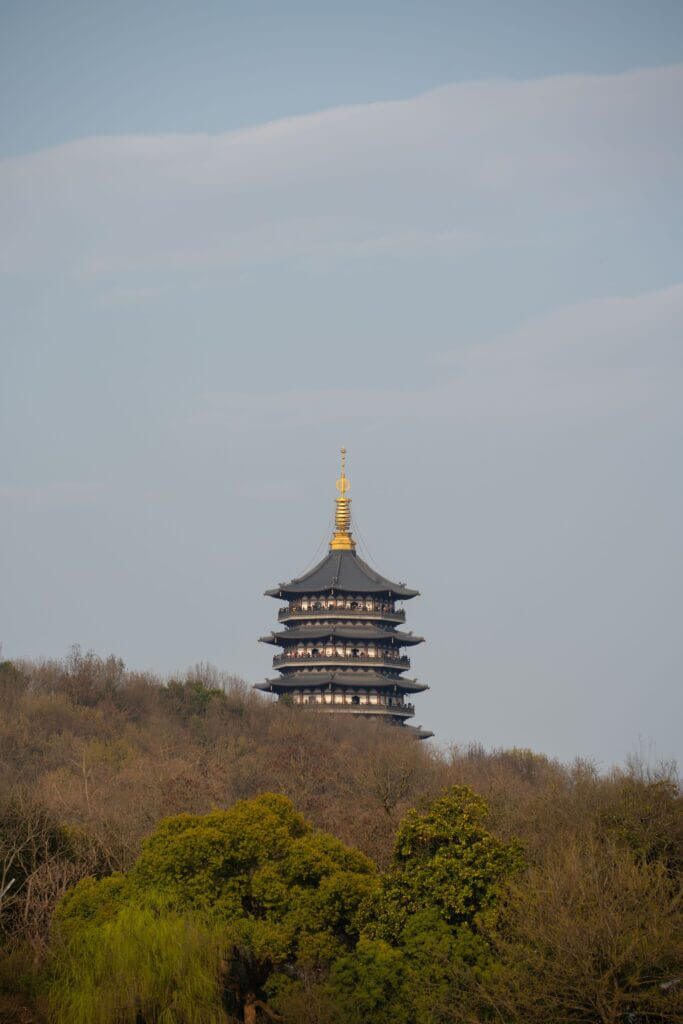
Standing proudly on Sunset Hill, Leifeng Pagoda is a five-story, eight-sided tower that offers some of the best panoramic views over West Lake. Originally built in 975 during the Five Dynasties and Ten Kingdoms period, the structure collapsed in 1924 and was carefully reconstructed in 2002, blending traditional design with modern engineering.
Beyond its striking appearance, Leifeng Pagoda is also wrapped in legend — it’s the setting of the famous Chinese folk tale The Legend of the White Snake. Visitors can take an elevator to the top for sweeping lake views, explore the exhibition halls inside, and admire the intricate details of the rebuilt tower. It’s especially magical at sunset, when the golden light reflects off the lake below.
Visit Lingyin Temple & Fei Lai Feng — A Spiritual and Cultural Escape in Hangzhou
Tucked away in a lush valley near West Lake, Lingyin Temple (Temple of the Soul’s Retreat) is one of China’s largest and richest Buddhist temples — and one of the most peaceful places to visit in Hangzhou. Founded in 328 AD, this ancient temple belongs to the Chan sect of Chinese Buddhism and is still an active place of worship today.
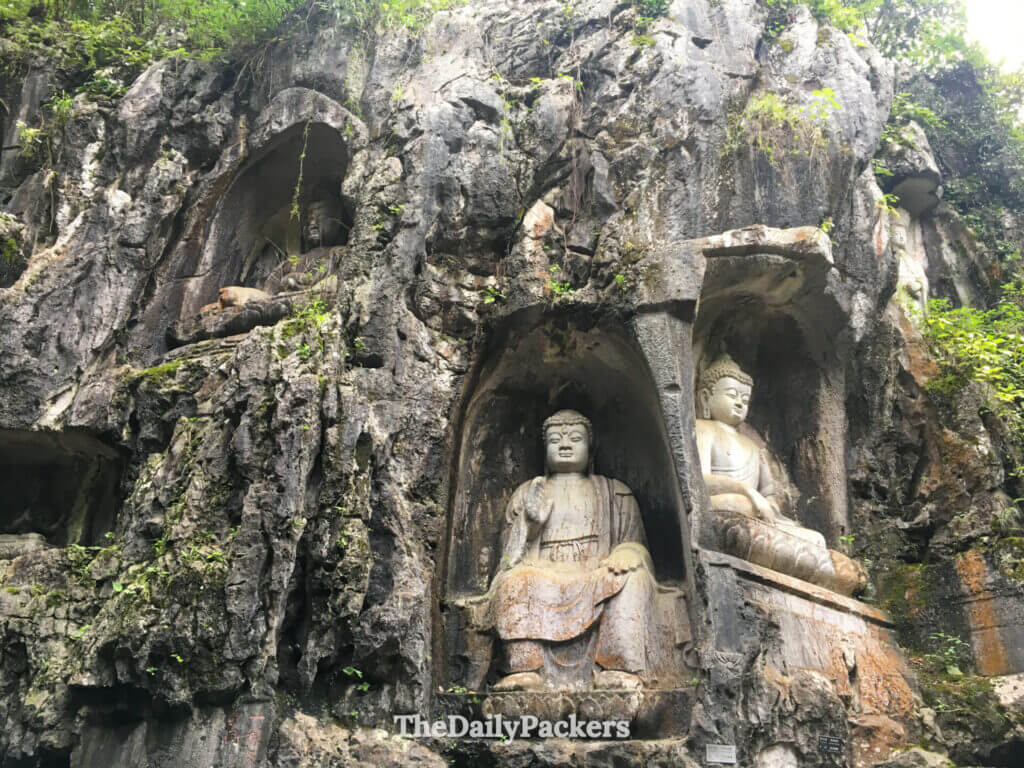
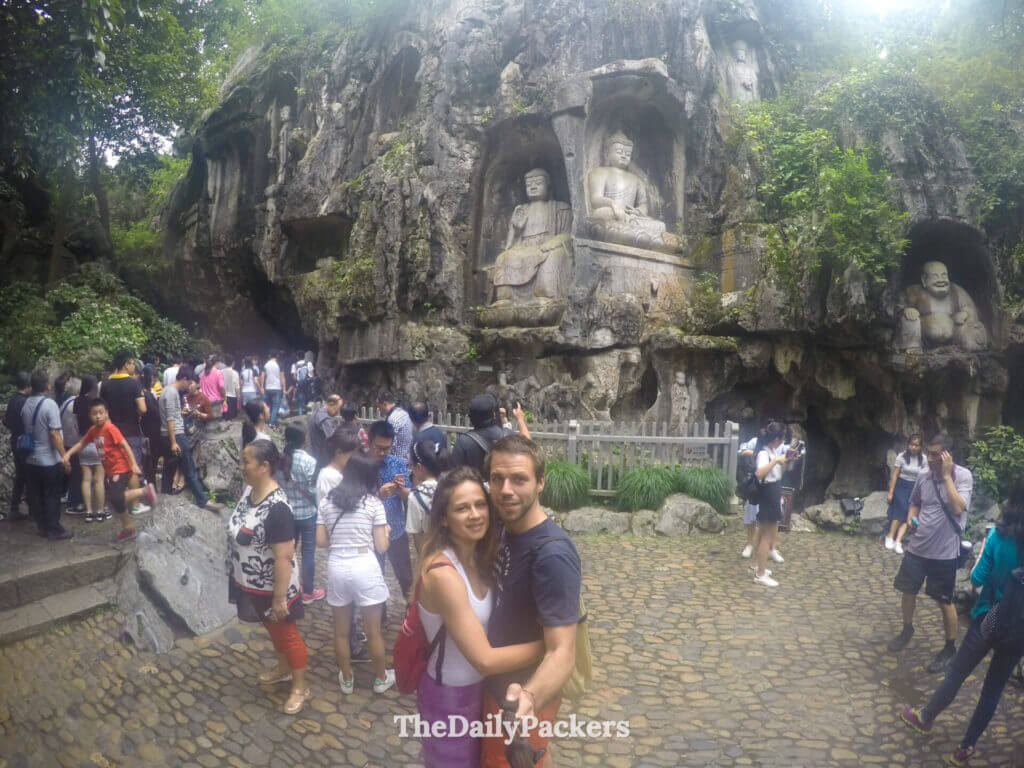
As you explore the vast grounds, you’ll encounter grand halls, incense-filled courtyards, and towering Buddha statues. But don’t stop there — just across from the temple lies Fei Lai Feng (Flying Peak), a dramatic limestone hill covered in over 300 stone carvings of Buddhas and deities, many of which date back to the 10th to 14th centuries. These sculptures, carved directly into the rock, are among the finest examples of Buddhist art in China.
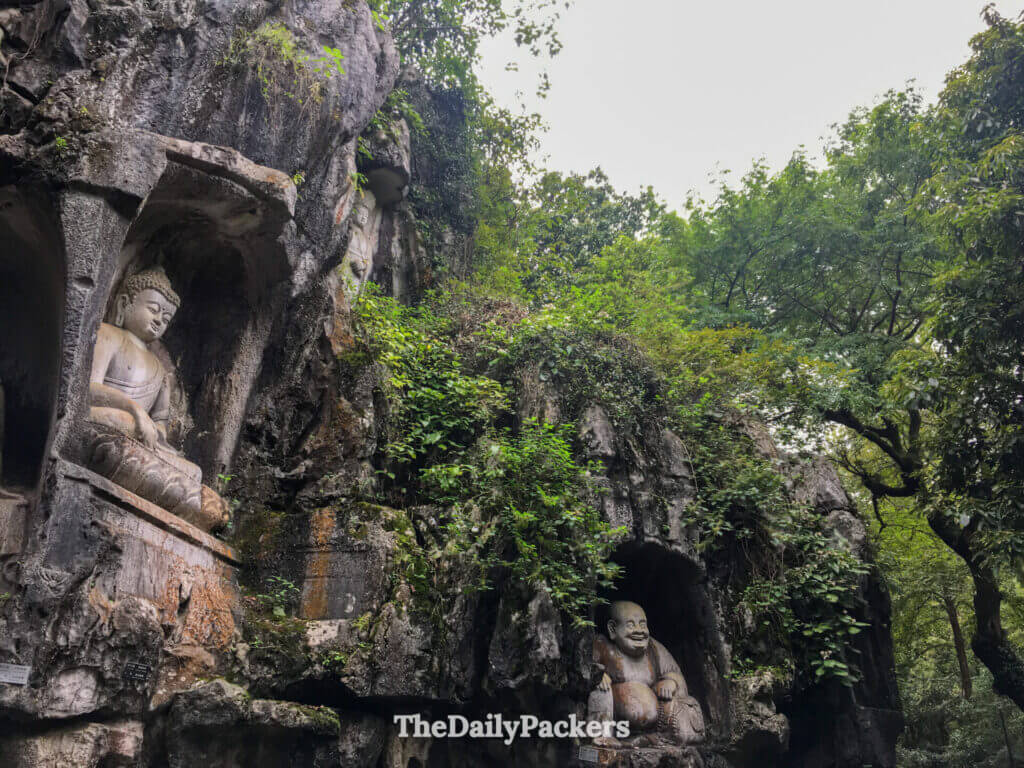
The combination of natural beauty and deep spiritual history makes Lingyin Temple and Fei Lai Feng a must-visit for anyone looking to connect with Hangzhou’s cultural roots.
Wander Through Hefang Street — A Historic and Flavorful Experience
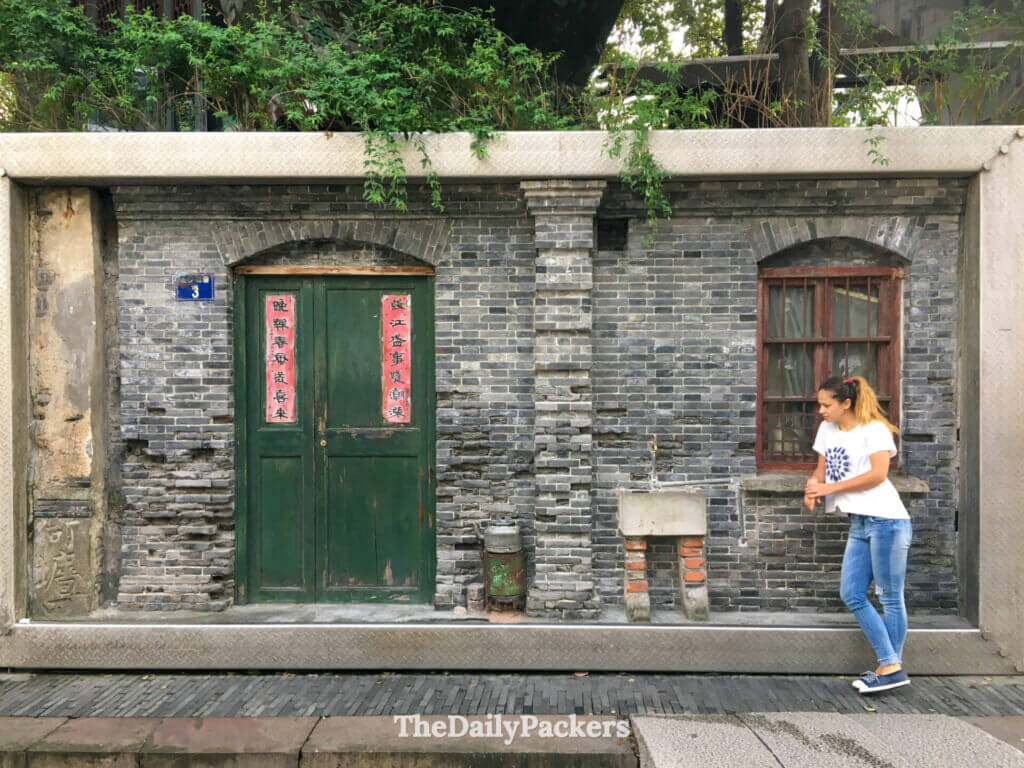
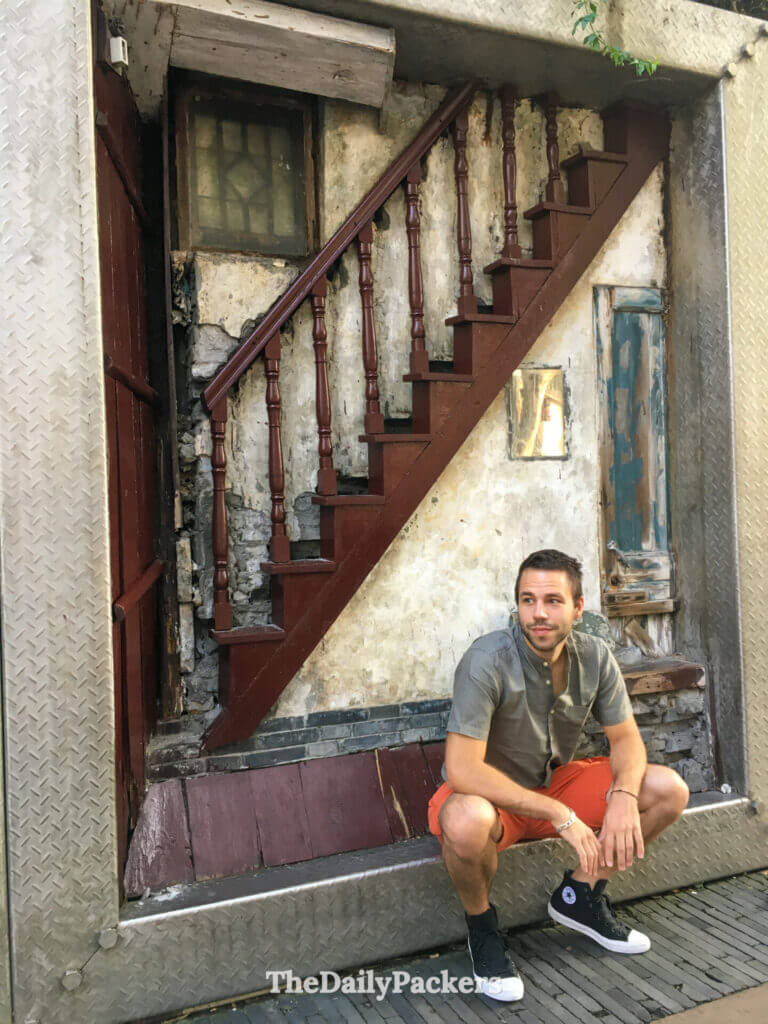
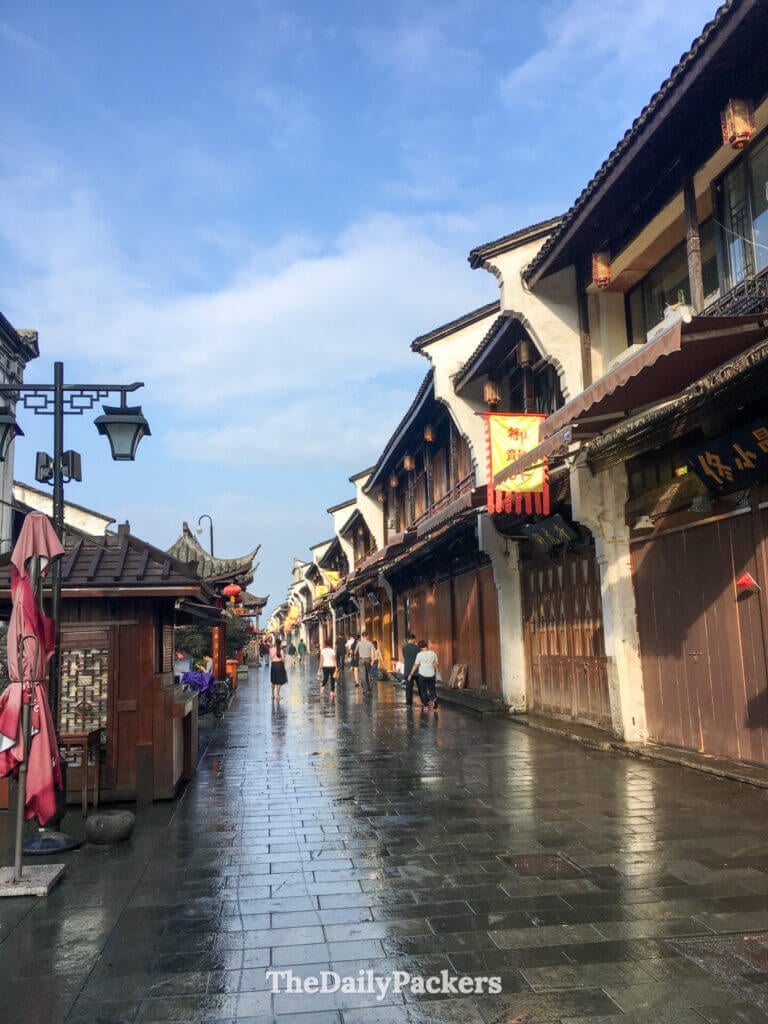
Step back in time as you stroll down Hefang Street, one of Hangzhou’s most charming and well-preserved ancient streets. Lined with traditional shops, tea houses, and old-style pharmacies, this bustling pedestrian road offers a glimpse into the city’s rich cultural past.
The real magic, though, lies in the side alleys and vibrant food stalls. Try local specialties like beggar’s chicken or crispy fried squid, browse handmade crafts, and soak in the atmosphere of a street that has remained lively for centuries. Whether you’re looking for souvenirs, snacks, or just a great photo opportunity, Hefang Street is a must-visit for first-timers in Hangzhou.

Tip: When traveling, it’s smart to have a VPN so you can safely access all your apps and social media anywhere in the world.
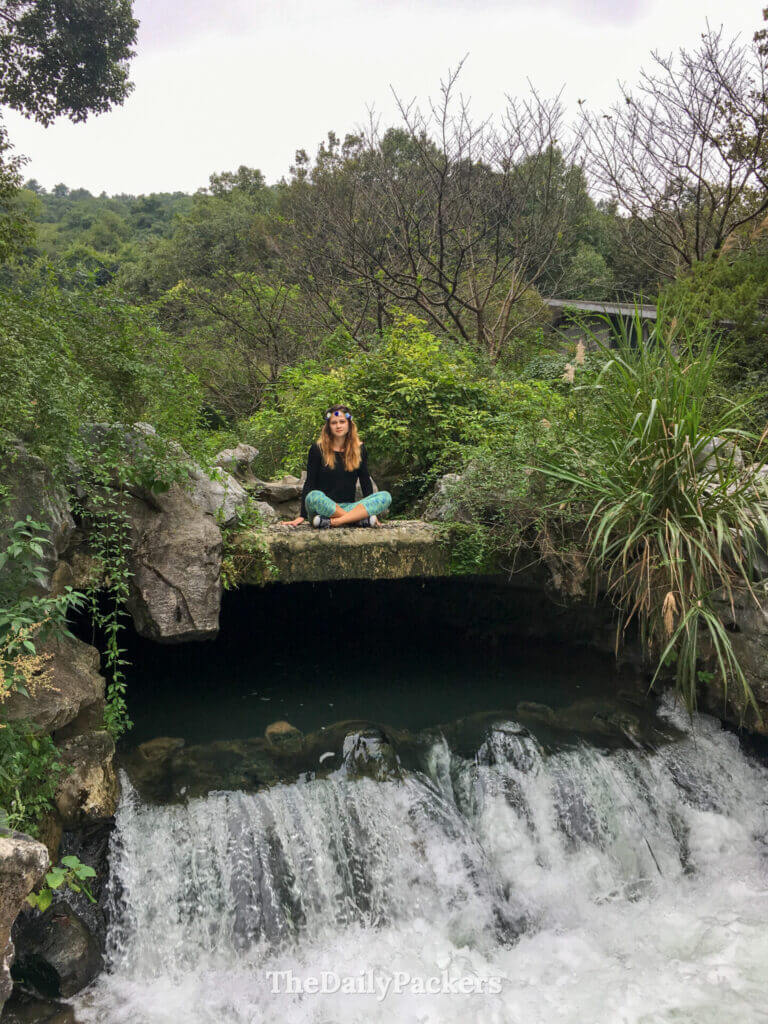
Wander Through Jiuxi 18 Stream — A Tranquil Nature Escape
Jiuxi 18 Stream, also known as the Nine Creeks in Misty Forest, is one of the most peaceful and scenic spots in Hangzhou. Nestled between tea fields and forested hills, this hidden gem offers a relaxing escape from the city.
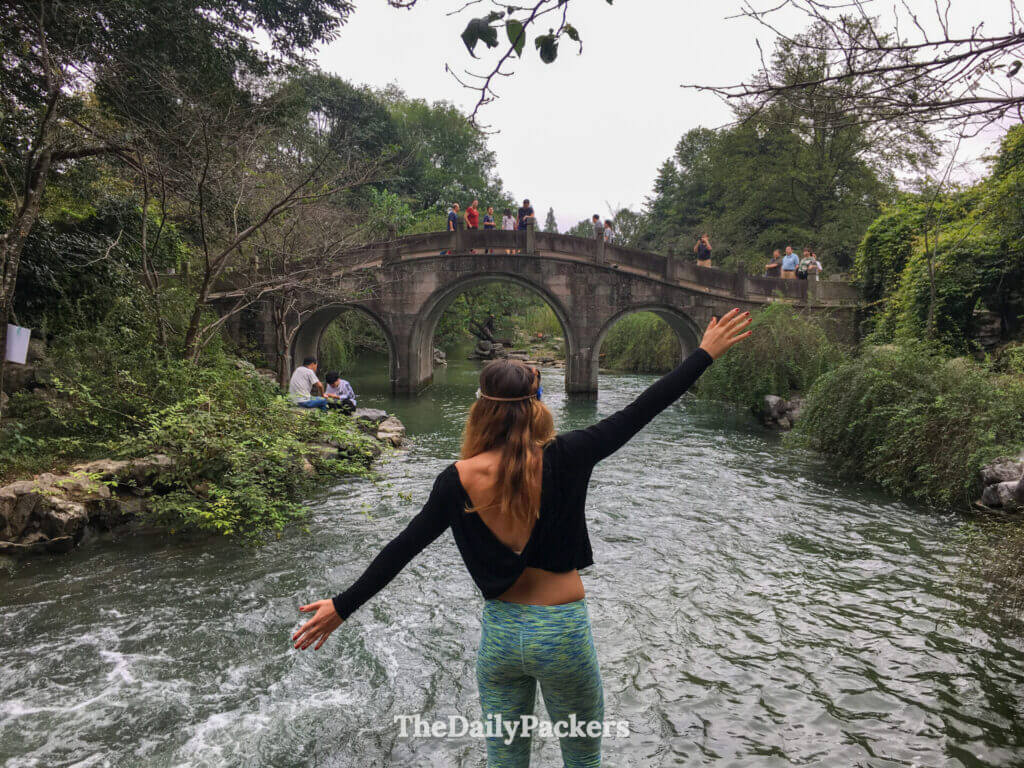
Follow the winding stone paths through charming villages, cross bubbling creeks, and enjoy the lush greenery all around. It’s especially beautiful in the early morning mist or after light rain, when the area feels like a dream. If you’re looking for a slower, more serene experience in Hangzhou, Jiuxi 18 Stream is the perfect place to connect with nature.
Explore Xixi National Wetland Park — Hangzhou’s Hidden Water World
End your trip by discovering Xixi National Wetland Park, a peaceful and expansive natural reserve just outside Hangzhou’s city center. Spanning over 1,150 hectares, this unique wetland is not only rich in biodiversity but also in cultural heritage, with more than 4,000 years of history.
Wander along wooden boardwalks, take a traditional boat ride through the peaceful waterways, and visit the small temples, farming villages, and tea houses scattered throughout the park. It’s a breath of fresh air and a reminder of the harmony between nature and tradition in this part of China.
Day Trip to Suzhou – Explore Classical Gardens & Waterways
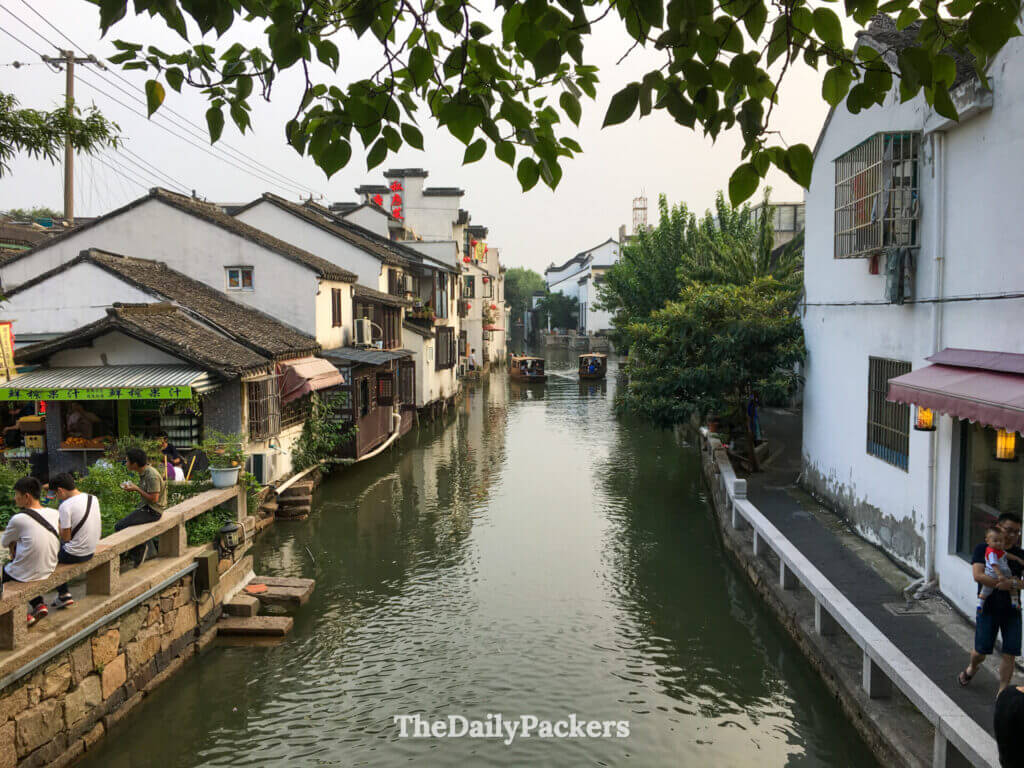
If you’re spending a few days in Hangzhou and want to see more of China’s classical charm, Suzhou is the perfect day trip. Often referred to as the “Venice of the East,” Suzhou is famous for its ancient canals, silk production, and UNESCO-listed gardens. It’s only about 1.5 hours away by high-speed train, making it an easy and rewarding escape.
What to Do on a Suzhou Day Trip from Hangzhou:
- Explore the Humble Administrator’s Garden – One of the most iconic classical Chinese gardens, with serene ponds, pavilions, and bridges
- Stop by the Suzhou Museum – A striking blend of modern architecture and traditional Chinese design, created by I.M. Pei
- Walk along Pingjiang Road – A charming, centuries-old canal street lined with tea houses, shops, and local snacks
- Stroll Shantang Street – Another historic canal-side street, even more atmospheric in the late afternoon with red lanterns and riverside cafés
- Enjoy a boat ride on the Grand Canal – See the city from the water and take in the slower pace of Suzhou’s old town charm

Read: Suzhou Travel Guide
Tianducheng — China’s Very Own Paris (Sort Of)
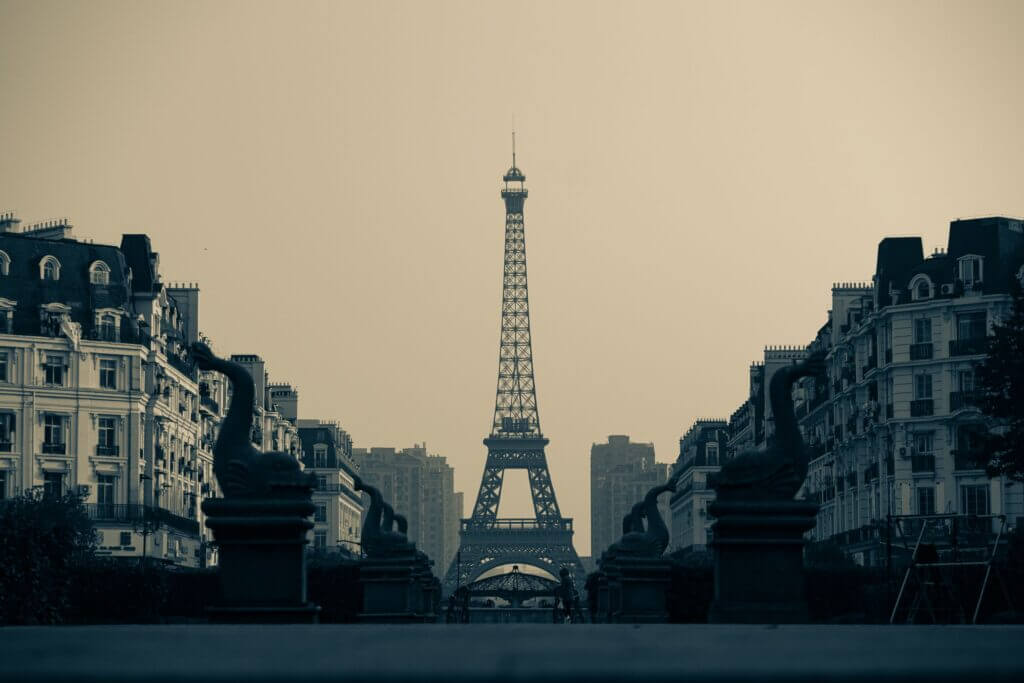
If you are French, this one might make you smile. Or cringe. Possibly both. On the outskirts of Hangzhou sits Tianducheng, a residential development that was originally built to look like Paris. We are talking Haussmann-style apartment blocks, stone fountains, wide boulevards, manicured gardens, and yes, a replica Eiffel Tower rising straight out of the Chinese countryside. It is completely surreal, and honestly, that is exactly why it is worth a visit.
The thing is, the grand vision never quite came together. Most of the area stayed empty for years, earning it the nickname “China’s ghost town.” Today it is no longer completely abandoned; more residents have slowly moved in, there are shops and schools nearby, and the metro now connects directly to the area. But the core of the development remains very quiet. What you mostly hear is birds and the occasional click of a camera shutter.
Couples come here for wedding photos, and tourists visit out of pure curiosity. It is eerie, fascinating, and weirdly photogenic all at once. As a French person myself, walking around a deserted Chinese version of Paris felt like the strangest déjà vu of my life.
The tower lights up on Friday and Saturday evenings, which is worth knowing if you want a slightly more dramatic photo.
NBC News
Entry is completely free. From Hangzhou East Railway Station, take Metro Line 3 to Tianducheng Station, then follow the signs toward the Eiffel Tower. The main area is within walking distance from the station. A DiDi from the city center is also an easy option if you prefer door to door.
Hangzhou Itinerary
Day 1: Discover the Icons of Hangzhou
- Wander through Hefang Street and soak in the lively old town vibes
- Stroll around West Lake and enjoy the scenic waterfront
- Take a boat to Three Pools Mirroring the Moon, the lake’s most famous island
- Visit Leifeng Pagoda for sunset views and local legends
Day 2: Culture and Nature Adventure
- Rent a bike and cycle around West Lake, stopping at temples and gardens
- Explore the Lingyin Temple & Fei Lai Feng grotto carvings
- Hike to Baochu Pagoda for panoramic views and peaceful surroundings
Day 3: Hidden Natural Escapes
- Walk the serene trails at Jiuxi 18 Stream, away from the crowds
- End your trip in nature at Xixi National Wetland Park, a peaceful and historic water town environment
What Does It Cost to Travel to Hangzhou?
The good news is that Hangzhou is genuinely affordable, especially compared to other big Asian cities. Here is a rough idea of what to budget per person per day, not including flights:
- Budget traveler (hostel, street food, public transport): around $36 to $60
- Mid-range traveler (decent hotel, restaurant meals, a few tickets): around $80 to $100
- Comfortable trip or family: around $120 to $160
Flights are your biggest expense and depend on where you fly from. From Europe, expect to pay between €500 and €800 return if you book a couple of months ahead. Most flights land in Shanghai, and the high-speed train to Hangzhou from there takes just one hour.
Accommodation is great value. Budget guesthouses start around $20 to $30 per night, and a solid mid-range hotel runs $50 to $80. If you’re traveling as a family, rooms are priced per room, not per person, which makes a real difference.
Food is where you’ll be happily surprised. Street food costs as little as $2 to $4 per dish, and a proper sit-down meal rarely goes above $10. We honestly ate really well without spending much at all.
Getting around is cheap. The metro is under $1 per ride, taxis are $3 to $6 for short trips, and bike rental around West Lake costs about $1 to $2.
Entrance fees are very reasonable too. West Lake itself is free to walk around, which is already a full half-day. Most paid sites like Leifeng Pagoda or Lingyin Temple charge between $5 and $10.
One thing you must sort before landing: set up Alipay. Credit cards are barely accepted anywhere in China, and without a payment app, daily life gets complicated fast.
About the authors
We are Alex and Tina, a French-Serbian couple who met in China back in 2014. We spent three incredible years there before making France our home. Our shared passion for travel has been the heartbeat of our relationship for over 12 years, taking us across 44 countries and counting.
We launched TheDailyPackers in 2019 as a way to document our adventures. In 2026, we reached a major milestone by officially turning our blog into our full-time job. While we are still growing toward financial independence through this platform, every article we write is fueled by our mission to make your voyages easier through in-depth guides, honest advice, and the lessons we’ve learned from our own mistakes.
Our journey has not been without its storms. In 2023, our world changed forever when our first son, Poppy, was stillborn on November 25th. It was, and remains, the hardest chapter of our lives. In 2025, we were blessed with our second little boy, Milo. He has since joined our traveling tribe, and you’ll be seeing him—and the reality of traveling with a little one-on the blog more and more.
We hope to inspire you to explore the world with curiosity and resilience. Thank you for being part of our story.
You may also like those related posts
12 Most beautiful beaches in Corsica, France
19 best things to do in Strasbourg, France, in 3 days
Machu Picchu: How to Plan the Perfect Trip to Peru’s Icon
University of Coimbra: A Complete Guide to Portugal’s Historic Soul
13 best things to do in Mendoza City, Argentina, in 4 days
20 Best Things to do in Havana, Cuba, in 2 to 4 days
Sasbachwalden: Hiking Alde Gott panorama tour, Germany, 2025
Our Life in China: Always expect the unexpected in 2016
Pssst, did you know that…
If you purchase something through our links, we earn a small fee. However, you still pay the same. Win-win! And one day we may get to be full-time travel bloggers =)
Find Hotels with Booking.com
Do Yoga with KVY
Buy us a Coffee
Rent a car with DiscoverCars
Find Attractions with GetYourGuide
Find Flights with Expedia
Buy an eSIM with Airalo
Get insured with World Nomads
Get ready with Amazon.com