
Introduction
Bali is one of Indonesia’s most beloved islands and a top destination for travelers from around the world. Known for its lush volcanic mountains, iconic rice terraces, breathtaking beaches, and vibrant coral reefs, Bali has something for every kind of traveler.
The island is also rich in culture and spirituality, home to countless temples including the famous cliffside Uluwatu Temple. Beyond its natural beauty and cultural heritage, Bali has become a haven for wellness seekers, offering yoga retreats, organic cafés, and plant-based culinary experiences.
Whether you’re here to surf, explore, relax, or reconnect—this Bali Travel Guide will help you make the most of your adventure on the Island of the Gods.
Getting there
The main gateway to Bali is Ngurah Rai International Airport (DPS), also known as Denpasar Airport, located in the south near Kuta, Seminyak, and Uluwatu.
Flying to Bali:
- International flights: Bali is well connected to major cities across Asia, Australia, the Middle East, and increasingly Europe. Direct flights are available from hubs like Singapore, Kuala Lumpur, Bangkok, Doha, and Sydney.
- Domestic flights: If you’re traveling within Indonesia, there are frequent flights from Jakarta, Yogyakarta, and Surabaya, making it easy to connect to Bali.
Getting from the airport: Once you land, the easiest way to reach your accommodation is by:
- Airport taxi: Official taxis are available at the terminal, but agree on a fare before departure.
- Private transfer: Many hotels and villas offer airport pick-up. You can also organise with GetYourGuide Online.
- Ride-hailing apps: Services like Grab and Gojek are available but might be limited inside the airport zone. You can order them from the nearby pick-up area.
If you’re heading to other islands like Nusa Penida, Lombok, or the Gili Islands, you’ll need to take a taxi or shuttle from the airport to a ferry port like Sanur or Padangbai.
Moving Around
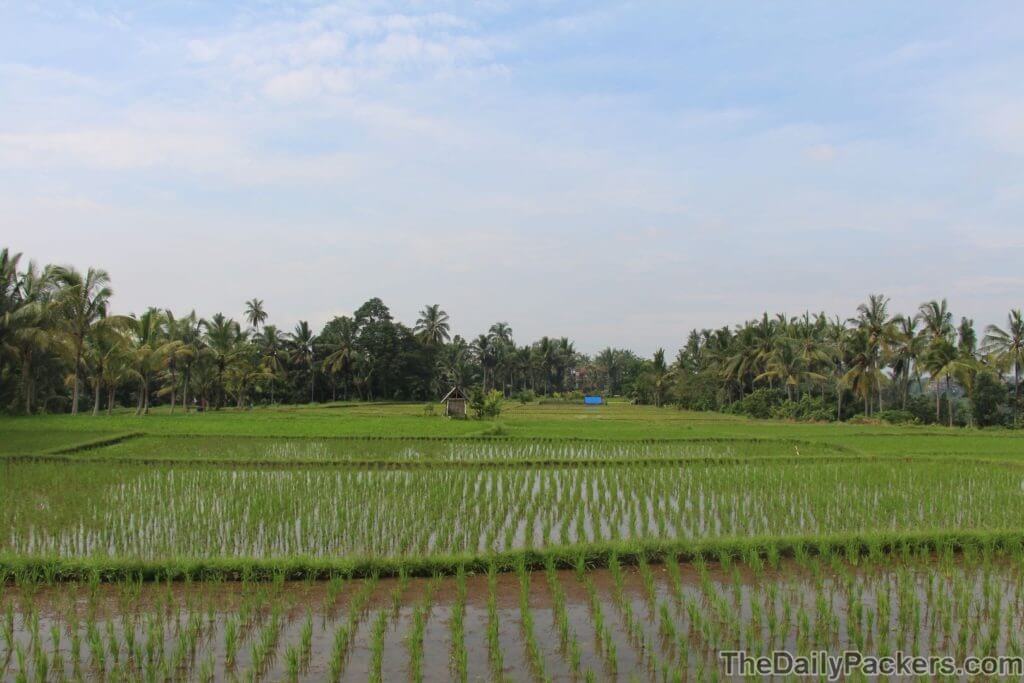
Bali may look small on the map, but moving around the island takes time due to narrow roads, traffic, and winding routes through mountains and rice terraces.
Scooter – The Most Popular Way: Renting a scooter is the most convenient and budget-friendly way to explore Bali, especially for short distances in places like Ubud, Canggu, and Uluwatu.
- Price: Around 70,000 – 100,000 IDR (€4–6) per day
- Tip: Always wear a helmet, drive slowly, and make sure your travel insurance covers scooter rentals.
Not confident riding? Many drivers offer scooter taxi rides via Grab or Gojek.
Private Driver – Ideal for Longer Distances or Day Trips: If you want to explore the island without stress, hire a private driver with a car for the day.
- Price: Around 600,000 – 900,000 IDR (€35–55) per day, depending on the distance
- Best for: Road trips to the north (like Munduk or Amed), waterfall hopping, or exploring temples in different regions
Ride-Hailing Apps – Grab and Gojek: Grab and Gojek are Southeast Asia’s versions of Uber. They offer motorbike taxis, regular car rides, and even food delivery.
- Tip: These apps work well in places like Seminyak, Canggu, Ubud, and Sanur. They’re limited or restricted in some areas due to local taxi monopolies (like in Uluwatu or airport zones).
Taxis – Use with Caution: Regular taxis can be expensive and may overcharge tourists. If you use one, only take Blue Bird taxis (light blue color), which are the most reputable and always use a meter.

When to visit
Bali enjoys a tropical climate year-round with two main seasons: dry and wet. Temperatures remain fairly consistent between 27–32°C, but the experience of your trip can vary depending on when you go.
- Dry Season (April to October): This is the best time to visit Bali. The weather is sunny and dry, ideal for outdoor activities, beach days, surfing, and diving. July and August are peak season, so expect more crowds and higher prices, especially around tourist hotspots.
- Wet Season (November to March): Expect higher humidity and short, heavy bursts of rain—usually in the afternoon or evening. It’s still warm, and the landscapes are lush. This season is perfect for fewer crowds, lower accommodation prices, and more immersive cultural experiences.
Best time to visit Bali: May, June, and September. These months offer sunny days, warm water, and fewer tourists—perfect for exploring the island comfortably.
Where to stay
We highly recommend basing yourself in Ubud for its central location, relaxing atmosphere, and easy access to many of Bali’s top attractions. Ubud is known for its lush landscapes, rice terraces, and rich culture—and it offers a wide range of beautiful accommodations to suit all budgets.
Here are our top picks:
- (€) CIK’S Guest House – A cozy and affordable stay in the heart of Ubud, perfect for budget-conscious travelers who still want comfort and charm.
- (€€) Weda Cita Resort and Spa by Mahaputra – A peaceful boutique resort with Balinese elegance, offering great value for money and a relaxing spa experience.
- (€€€) Four Seasons Resort Bali at Sayan – One of the most luxurious resorts in Bali, set in the jungle with world-class service, architecture, and serenity.
Tip: Keep an eye out for deals! Sometimes, high-end resorts like the Four Seasons offer steep discounts, and you might score a luxury stay at a fraction of the usual price.
If you’re more into beach vibes or surfing, consider splitting your stay between Ubud and the coast. Here are a few great spots to base yourself:
- Canggu – Perfect for digital nomads and café lovers with a laid-back surf vibe.
- Uluwatu – Known for its dramatic cliffs, surf beaches, and incredible sunsets.
- Seminyak – Ideal if you’re into stylish boutiques, trendy beach clubs, and great restaurants. It’s more upscale and lively than Canggu, and great for first-timers in Bali who want a bit of everything.
But overall, Ubud remains the best base for exploring Bali’s cultural heart, rice terraces, waterfalls, and temples. If you have more than a week, combining Ubud with one of the coastal towns is a great way to see the best of Bali.

What to Eat
There are no right or wrong places to eat in Bali—especially in Ubud. The town is filled with amazing cafés and restaurants that cater to every taste and diet. Here are some of the places we tried and loved during our stay.
Indus Restaurant
Indus is more than just a restaurant—it’s an experience. Twice a week, on Fridays and Mondays, they host a Salsa Night with a live local band from 7:30pm to 10pm. If you’re into dancing and want to soak in that lively Salsa vibe, it’s the place to be. Just a heads-up: many locals come with their own teacher or partner, so it’s easier (and more fun) if you come with someone to dance with.
The atmosphere is warm and cozy, and the view from the terrace is stunning, especially at sunset. No need to book in advance if you’re visiting during the low season—just arrive before 7:00pm to grab a good table and take advantage of the happy hour, with cocktails 20,000 IDR cheaper.
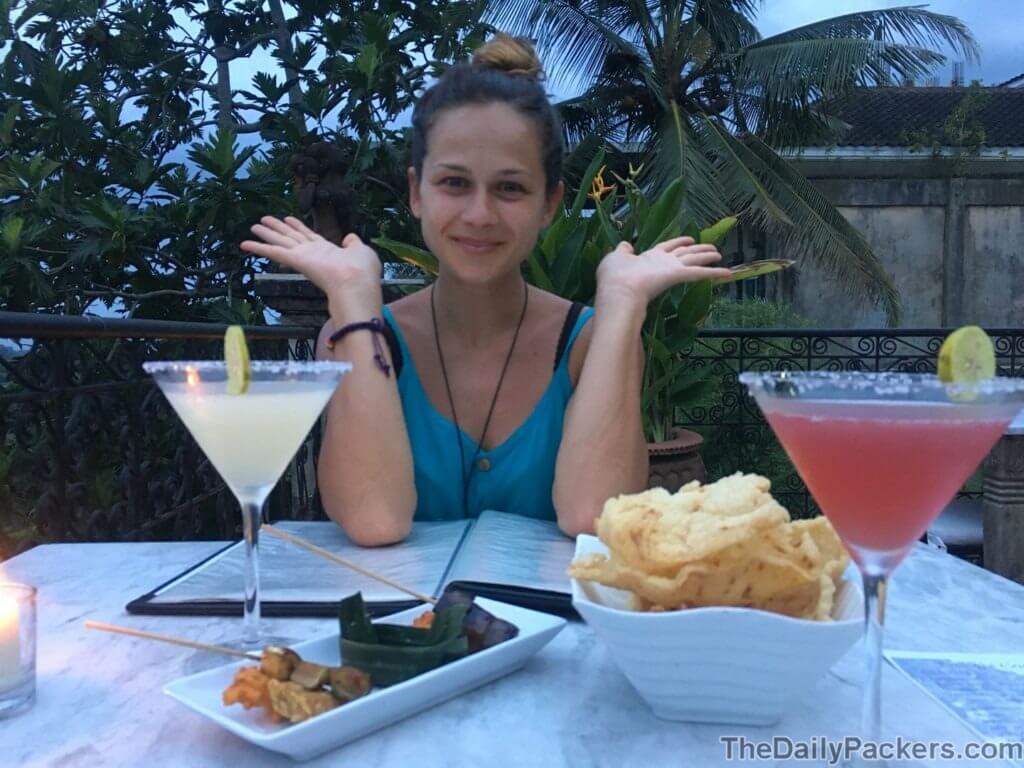
The food was delicious, with great flavors and presentation, but keep in mind that it’s a bit pricier than average for Bali, especially since prices don’t include the 15% tax.

Yuga Organic Warung
Yuga Organic is a lovely spot for a relaxing meal with a beautiful view of the rice fields. The food is delicious, the menu offers a good variety of local-style dishes, and everything is super affordable.
We tried the sweet and sour chicken and the daily special: fried rice with tofu. To our surprise, they included a small appetizer and dessert for free—such a nice touch! The coconut juice came fresh and wide open, with a spoon so you could enjoy every last bit.
The staff were kind and welcoming, making the whole experience even more enjoyable. A perfect stop for a peaceful lunch or dinner in Ubud.
Fair Warung Bale
This small restaurant in downtown Ubud stands out not just for its food, but for its purpose—100% of the profits go toward funding medical care for those in need. So every meal you enjoy here helps someone else. How amazing is that?
The food was absolutely delicious, with generous portions that left us more than satisfied. The menu leans toward seafood, but you’ll also find chicken dishes and a few sandwiches for variety.
Since the place is quite small and popular, we recommend making a reservation—otherwise, you might have to wait a little bit for a table. But honestly, it’s worth it!
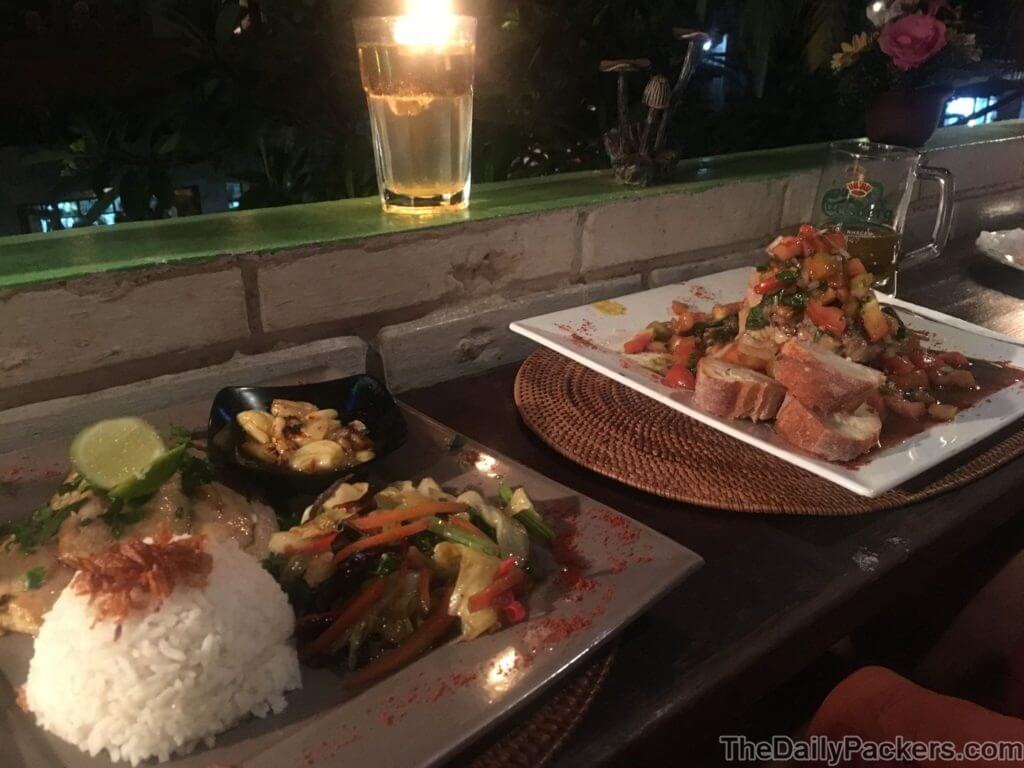
Melting Wok Warung
This small but fantastic restaurant is a favorite in Ubud—and for good reason! If you’re visiting during high season, you’ll definitely want to make a reservation in advance, as it fills up quickly.
Melting Wok is French-owned and serves up a limited but delicious menu of local-inspired dishes. They stick to two fixed dishes—wok with rice or noodles—and you can mix and match with tofu, chicken, beef, or fish, then pick your sauce: classic curry or curry with coconut. Each day, they also offer two surprise specials, which adds a bit of fun to the experience.
It’s cozy, friendly, and absolutely worth a stop if you’re looking for great flavor in a laid-back spot.

Things to do in Bali
Campuhan Ridge Walk
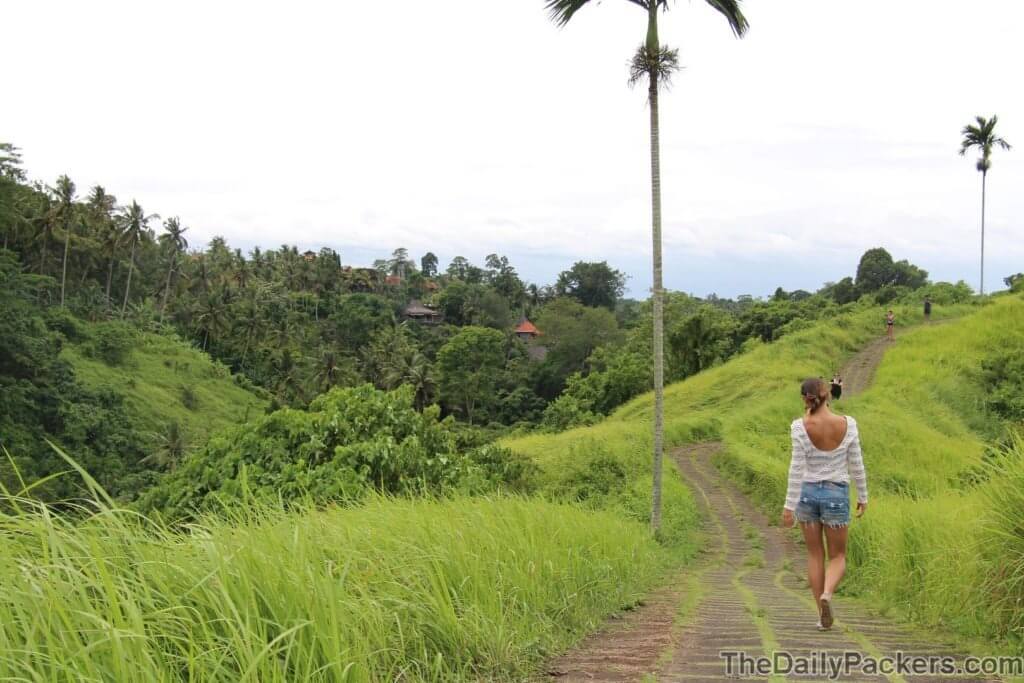
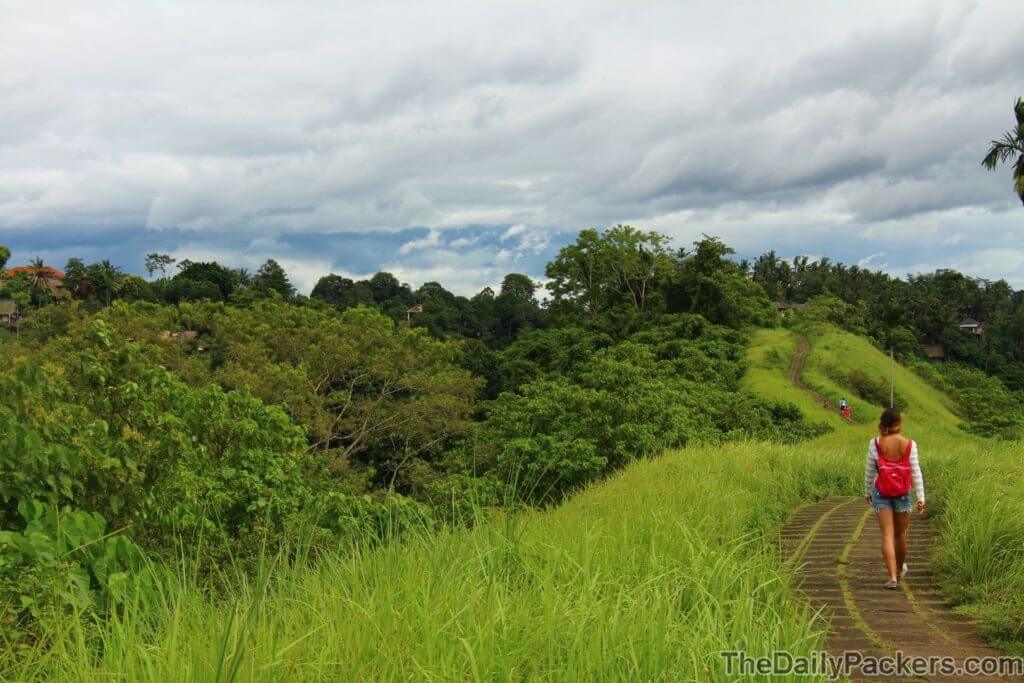
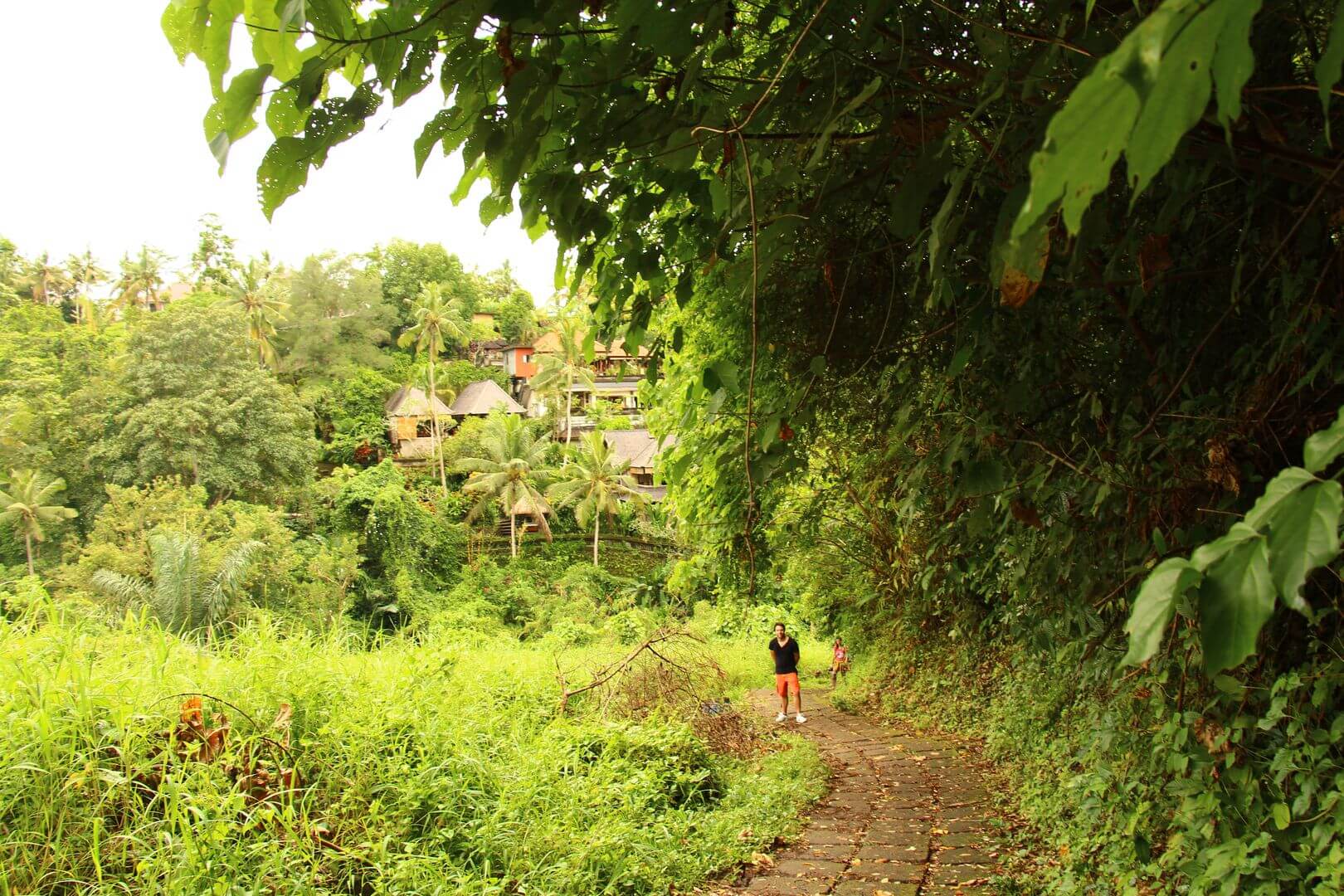
If you’re staying in Ubud, one of the best things to do is the Campuhan Ridge Walk, a peaceful and picturesque trail that takes about 2 hours round-trip, depending on how far you go. It’s not a difficult hike, which makes it perfect for a sunrise or sunset walk.
The trail starts just behind the Warwick Ibah Luxury Villas & Spa. You’ll pass a small temple and follow a path that leads you to a ridge surrounded by lush green hills and jungle valleys. The views are absolutely breathtaking, especially in the early morning when the air is cool and the light softens the landscape.
The full walk stretches for about 2 km one way and ends in the village of Bangkiang Sidem, where you’ll find small cafes and warungs to grab a fresh juice or a light bite before heading back.
Tips for Campuhan Ridge Walk:
- Best time to go: Early morning (6–8 am) or late afternoon (4–6 pm) to avoid the heat and catch golden light.
- What to bring: Water, sunscreen, a hat, and your camera.
- Footwear: Comfortable walking shoes or sandals—no need for hiking boots.
- Accessibility: The trail is paved, but there are a few uneven spots at the beginning.
- Bonus: If you go early, you might have the entire trail to yourself!
Saraswati Temple
Right in the heart of Ubud, you’ll find Pura Taman Saraswati, also known as the Ubud Water Palace. This little Balinese Hindu temple is a peaceful escape from the surrounding busy streets and markets. It’s dedicated to Saraswati, the goddess of wisdom, arts, and learning.
What makes it truly special is the stunning lotus pond that lines the entrance. Walk the narrow pathway flanked by blooming lotus flowers and water lilies, with traditional Balinese carvings and statues all around—this place is incredibly photogenic and full of charm.
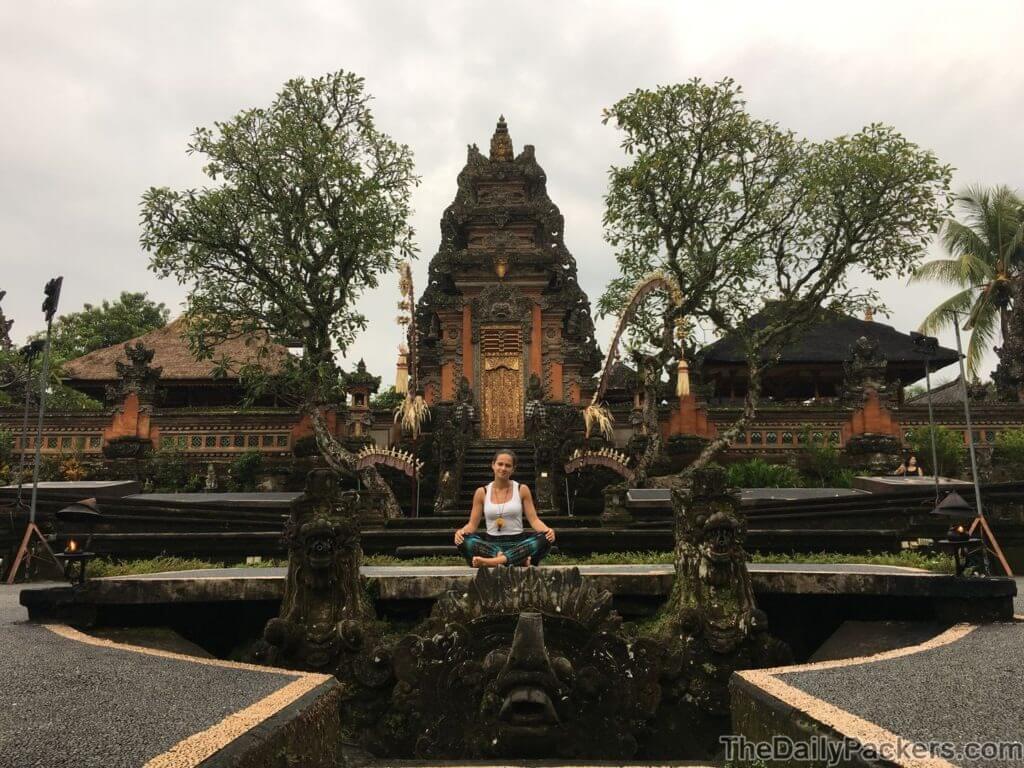
You don’t need much time here, but it’s definitely worth a short stop, especially if you’re already exploring central Ubud. There’s also a lovely café just beside the temple where you can enjoy a drink while admiring the view.
Tip: If you’re around in the evening, check if there’s a traditional Balinese dance performance taking place on the temple stage—it’s an atmospheric and cultural experience worth seeing.

Ubud Yoga House
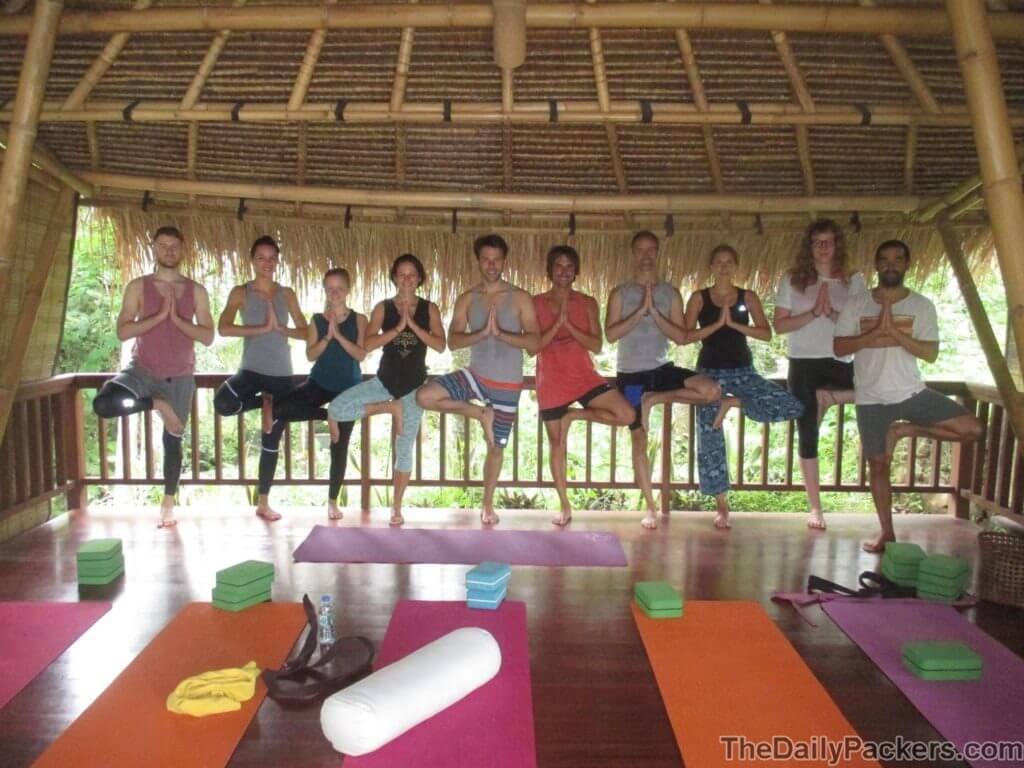
If you’re looking for a peaceful place to practice yoga in Ubud, far from the crowds and hype, this little studio is the one. Nestled right in the middle of the rice fields, it’s a small house turned yoga sanctuary—and we instantly fell in love with it.
What makes it special is the calm, welcoming atmosphere. Unlike many larger studios in Ubud, this one isn’t overcrowded. The space feels intimate, the setting is serene, and everyone we met there was incredibly kind.

We’ll always remember the owner offering us a free cup of coffee before our morning class—a simple gesture that made the experience even more heartwarming. It’s the kind of place where time slows down and you can truly reconnect with yourself.
If you’re looking for a more authentic and down-to-earth yoga experience in Ubud, this is it.
Ubud Art Market
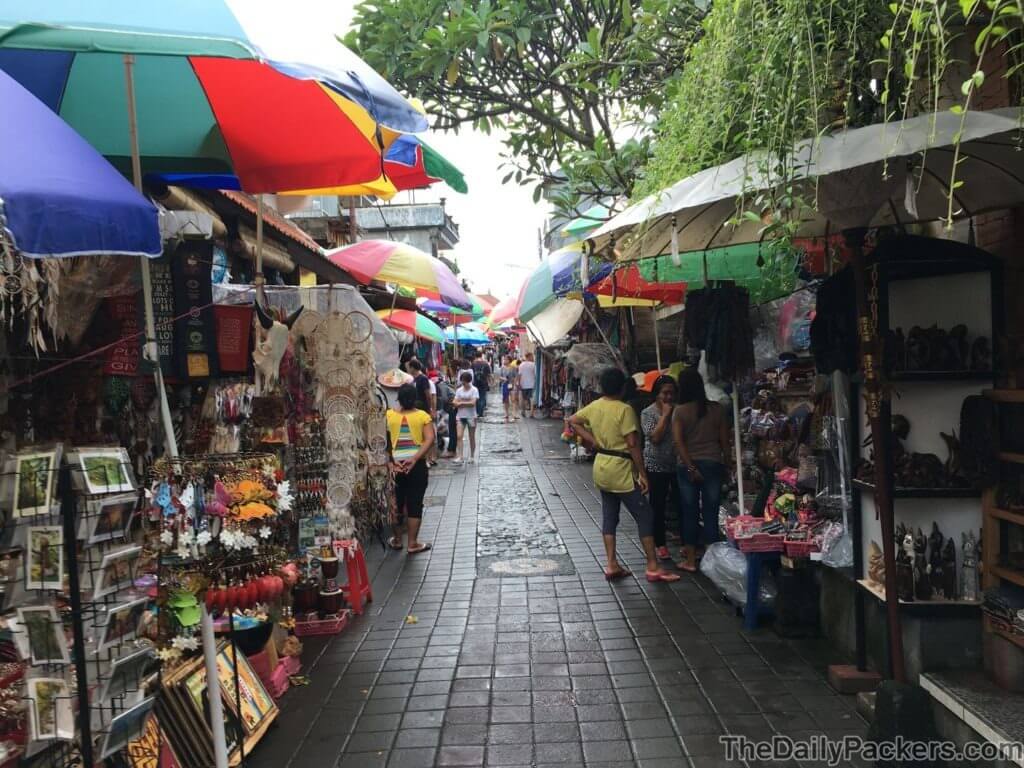
The Ubud Art Market is a lively outdoor market filled with vibrant stalls showcasing a wide range of local crafts, handmade souvenirs, sarongs, bags, and traditional clothing. It’s a great place to wander through colourful displays, practice your bargaining skills, and pick up unique gifts to bring home. Whether you’re after woven baskets, wood carvings, or batik prints, there’s something here for everyone—and half the fun is in the browsing.
Tirta Empul Temple
Tirta Empul is one of Bali’s most sacred Hindu water temples, located just outside of Ubud. Known for its holy spring water, this temple is a spiritual hub where Balinese Hindus come to perform ritual purification. The central bathing pool, fed by the sacred spring, features a series of fountains where visitors can participate in the traditional cleansing ritual.
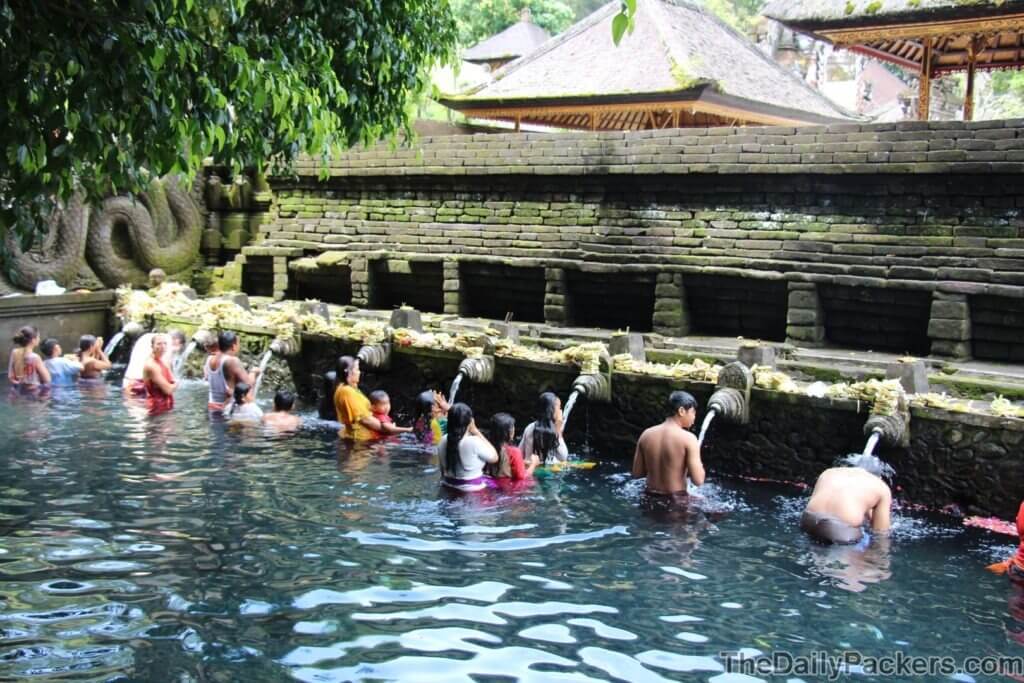
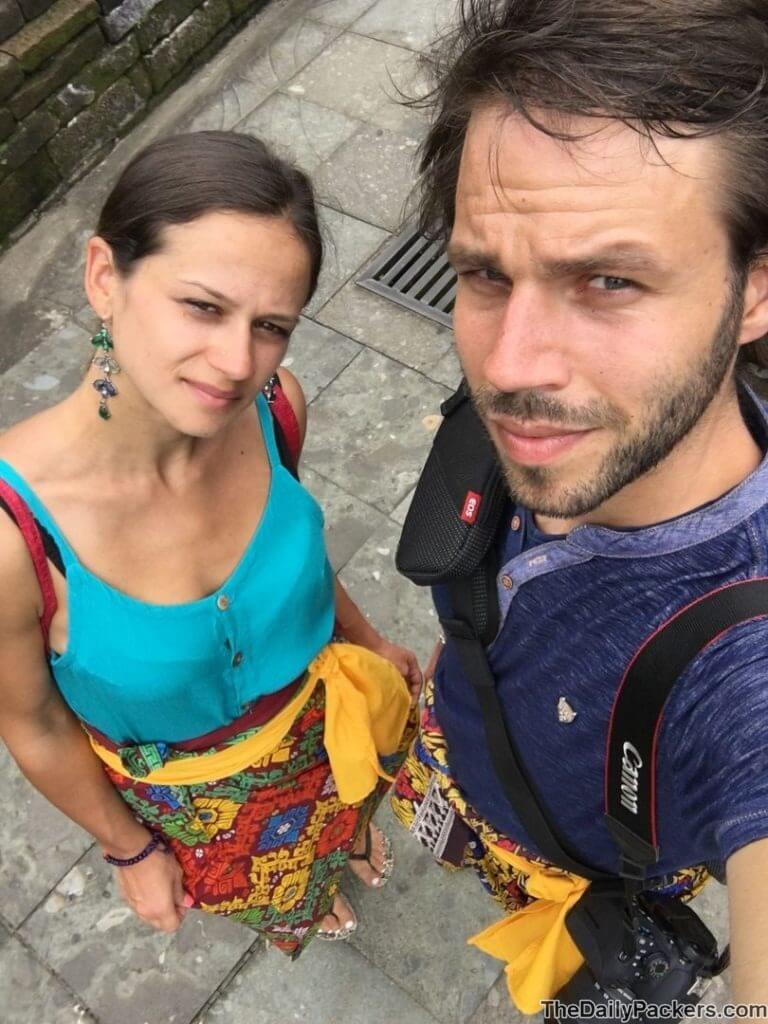
Even if you’re not taking part, it’s a serene and fascinating place to observe local spiritual practices, admire the intricate stone carvings, and soak in the peaceful atmosphere. Don’t forget to wear a sarong (available for rent at the entrance) as a sign of respect when entering the temple grounds.
Sacred Monkey Forest Sanctuary
Also known as Mandala Suci Wenara Wana, the Sacred Monkey Forest Sanctuary in Ubud is one of Bali’s most iconic attractions. This lush forest is not only a serene nature reserve, but also a spiritual and cultural hub, home to three ancient temples nestled among towering trees and moss-covered statues.
The forest is inhabited by over 1,000 Balinese long-tailed monkeys (Macaca fascicularis) who roam freely through the sanctuary. Visitors can observe the monkeys in their natural environment—playing, grooming, or curiously interacting with guests.
It’s a fascinating experience, but remember: the monkeys are wild. Keep your belongings secure and avoid feeding or provoking them. The blend of wildlife, history, and nature makes the Sacred Monkey Forest a must-visit while in Ubud.

Puri Saren Agung
The Ubud Palace, also known as Puri Saren Agung, is a historic royal residence located in the heart of Ubud. Once the home of Ubud’s royal family, the palace is an architectural gem that showcases classic Balinese design with ornate carvings, traditional pavilions, and peaceful courtyards.
Today, parts of the palace are still used by the royal family, but visitors can explore the public areas freely. Balinese dance performances are held every evening in the palace’s open-air courtyard, offering a captivating glimpse into the island’s rich cultural traditions.
For a truly unique experience, overnight stays are also possible in parts of the palace that have been converted into accommodation. It’s a magical opportunity to sleep in a living piece of Balinese history.

Spa Ubud
Ubud is the perfect place to unwind, and a visit to one of its spas is a must. Whether you’re after a deep-tissue Balinese massage or a full wellness ritual, Ubud offers some incredible options:
- Karsa Spa – Widely considered one of the best spas in Ubud. Located near the Campuhan Ridge Walk, this spa offers a peaceful setting with private open-air treatment rooms surrounded by lush greenery and lotus ponds. Make sure to book in advance—it’s popular for a reason!
- Yuga Traditional Spa – A more down-to-earth option with amazing value. The spa overlooks the rice fields and includes a welcome drink and small snack with each treatment. The Balinese massages here are excellent and authentic.
Whether you want luxury or something more local, a spa day in Ubud is one of the best ways to relax and connect with the peaceful spirit of Bali.
Tegallalang Rice Terrace
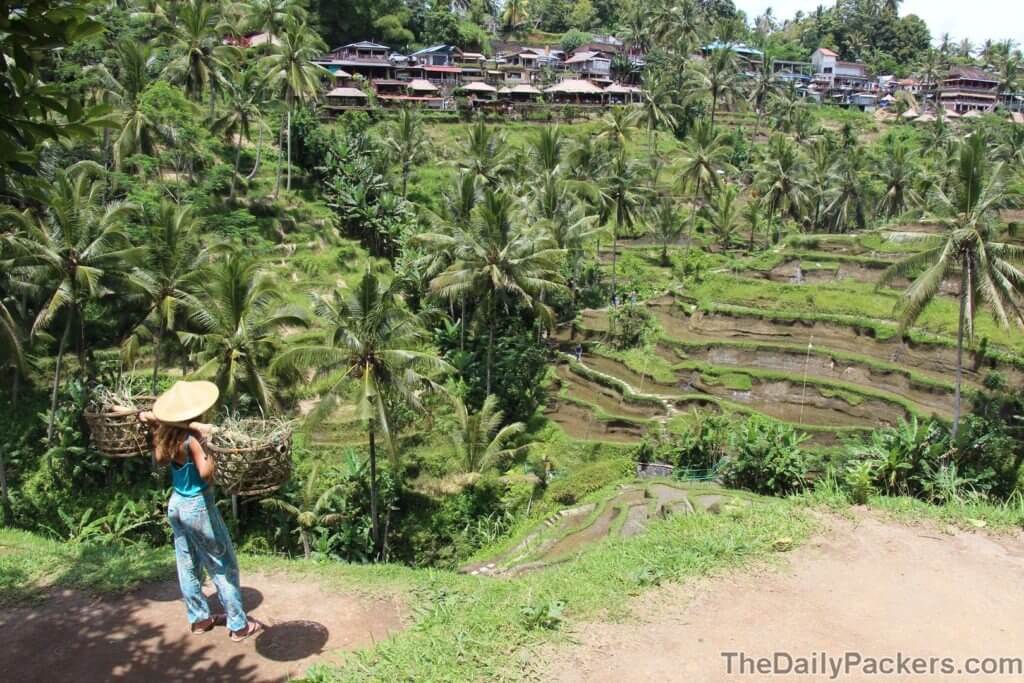
Tegallalang is one of Bali’s most scenic and iconic spots. Located just north of Ubud, these terraced rice paddies stretch across the hillside, creating a breathtaking landscape of vibrant green layers.
The area is fully walkable, and you can follow narrow dirt paths winding through the terraces to truly immerse yourself in the scenery. It’s a fantastic place for photography, especially early in the morning before the crowds arrive.
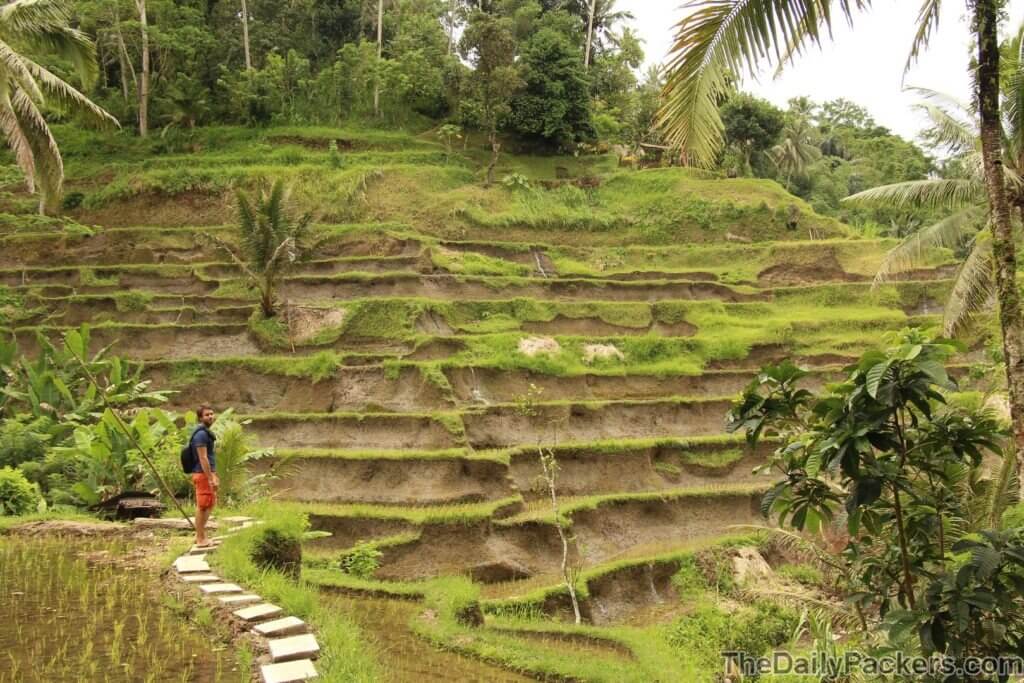
Beyond the views, you’ll also find jungle swings, zip lines, and small cafés offering a panoramic outlook over the valley. Whether you’re up for an adventure or just want to relax with a coconut and take in the landscape, Tegallalang is a must-visit in Bali.
Bali Pulina coffee
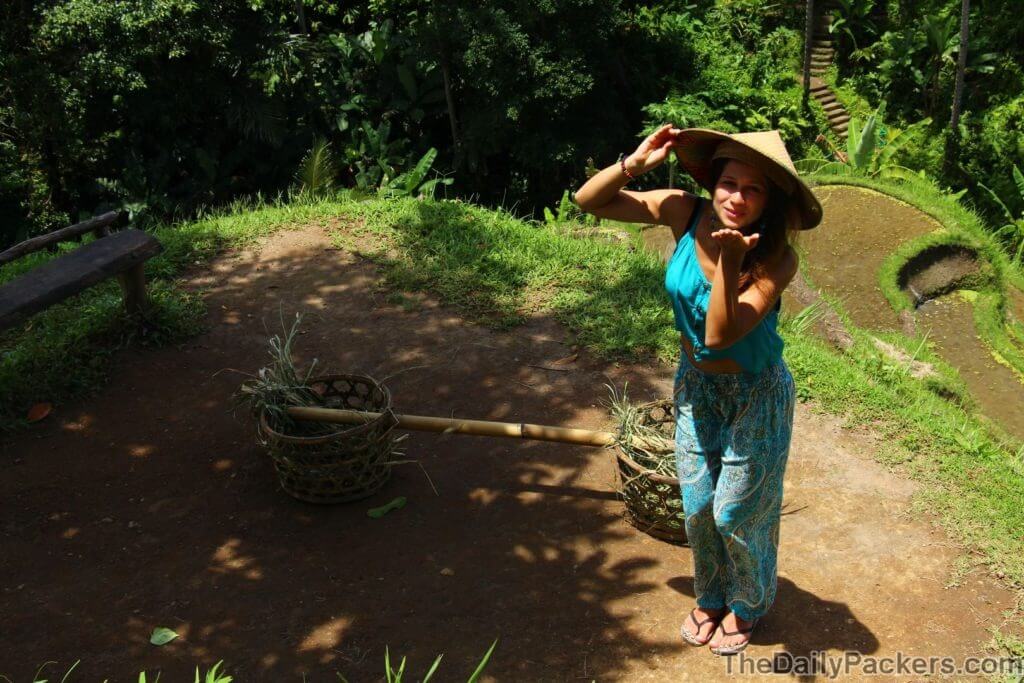
One of the most surprising—and memorable—experiences we had in Bali was visiting a traditional plantation to discover how the famous Luwak coffee is made. You’ve probably heard about it before: the coffee that comes from beans eaten and digested by the Asian palm civet. Yes, it sounds strange, but the story (and the process) is genuinely fascinating.
Kopi Luwak, as it’s locally known, is made from coffee cherries that have passed through the digestive tract of the civet. During this journey, the beans are naturally fermented, giving the coffee its smooth, low-acid taste that so many people rave about. Once the civet has done its part, the beans are carefully collected (yes, from the droppings), thoroughly cleaned, roasted, and ground into what’s considered one of the most exclusive coffees in the world.

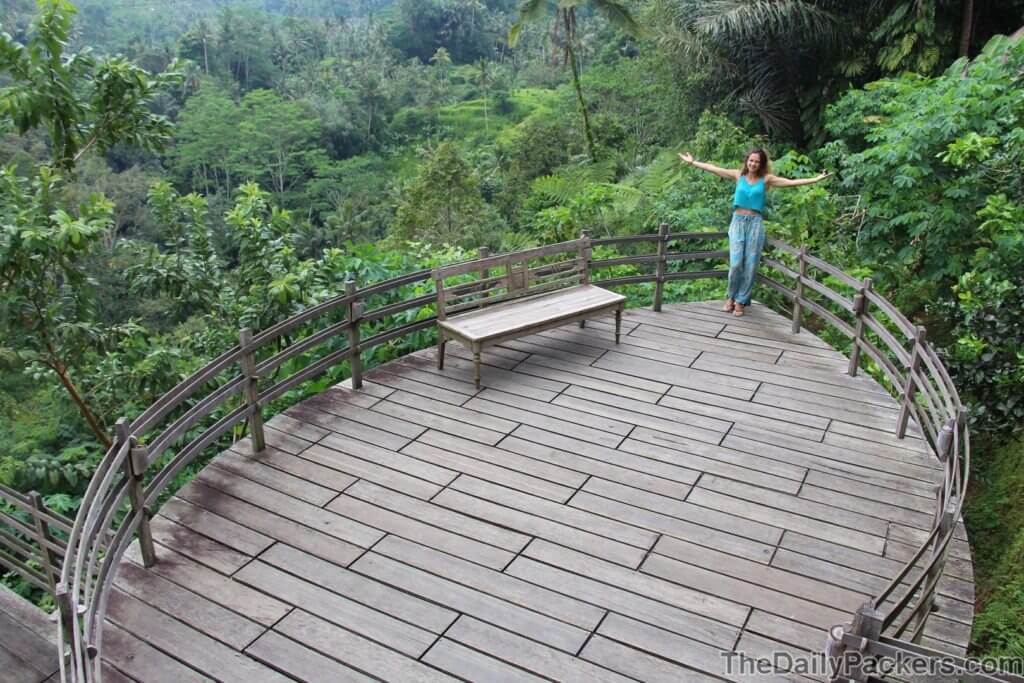
Walking through the plantation, you not only learn about the unique steps involved but also get to see other local plants and spices grown on-site. The tour ends with a beautiful coffee and tea tasting overlooking the jungle—something we weren’t expecting but thoroughly enjoyed. And yes, we did try the Luwak coffee, and despite the backstory, it was delicious!
If you’re a coffee lover or simply curious about local traditions, visiting a Luwak coffee plantation is definitely one of those quirky, can’t-miss experiences in Bali.
Danau Batur
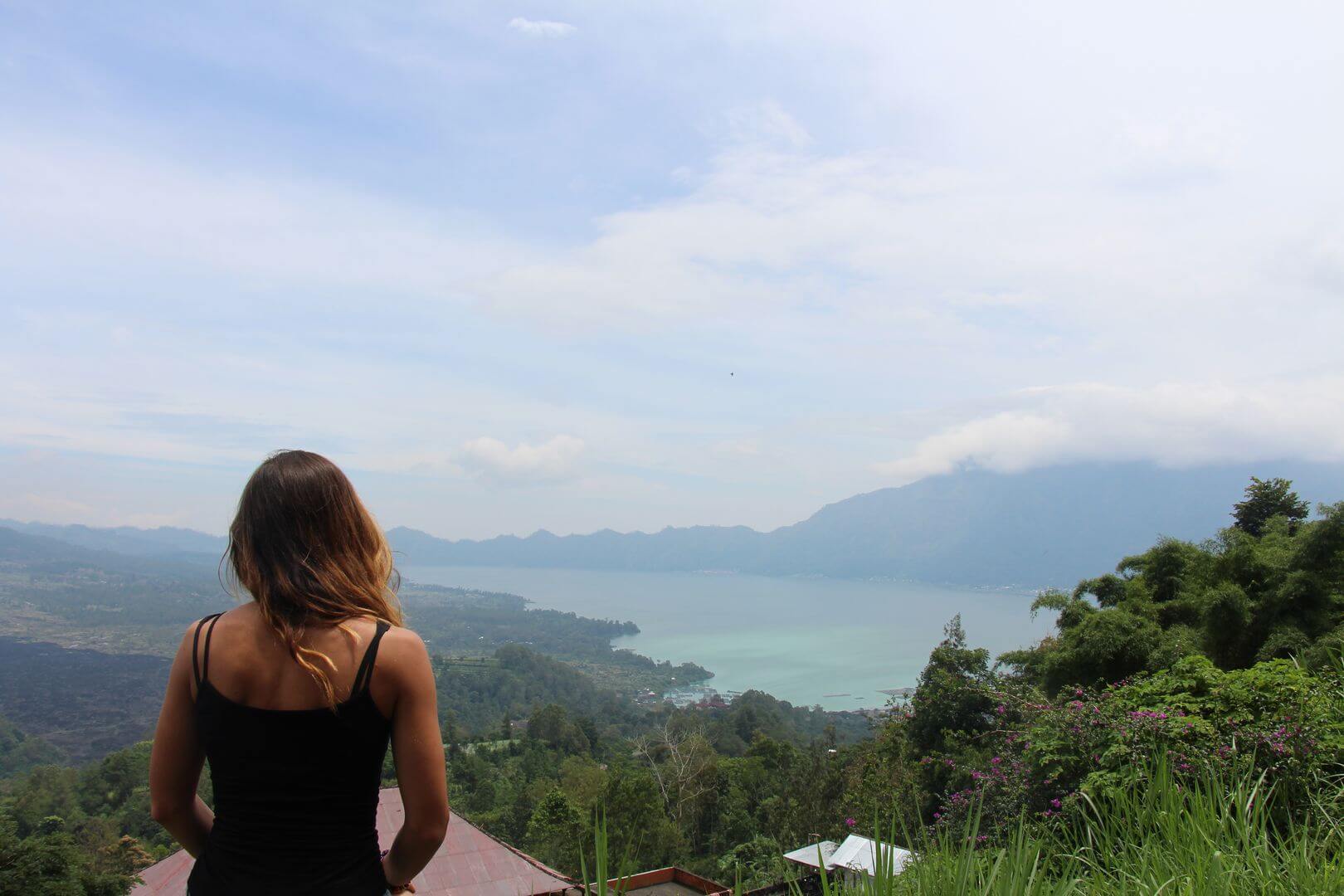
Lake Batur is a stunning volcanic crater lake located high in the mountains of northeastern Bali, about 30 km from Ubud. Nestled inside the massive caldera of Mount Batur—an active volcano—it offers one of the island’s most dramatic natural landscapes.
If you’re riding a scooter from Ubud, the journey takes about 1 hour to 1 hour and 15 minutes, depending on traffic and road conditions. The ride is scenic but includes some steep and winding roads, so make sure you’re comfortable on a bike and leave early to enjoy the cooler mountain air.

The lake shimmers beneath the towering slopes of the volcano, and the surrounding views are nothing short of breathtaking. Whether you’re driving along the caldera rim, enjoying a lakeside lunch, or soaking in the nearby natural hot springs, the area provides a peaceful escape from Bali’s busier towns. It’s also a popular stop before or after a sunrise trek up Mount Batur for those looking to witness the island from above.
Batur Natural Hot Spring and Toya devasaya
After riding your scooter for over an hour from Ubud through winding mountain roads and lush landscapes, treat yourself to a rejuvenating soak at the Toyabungkah Hot Springs, located along the shores of Lake Batur. These natural hot springs are the perfect reward after a long ride—offering stunning views of the lake and volcano while you unwind in warm, mineral-rich waters.
The complex features several pools of varying temperatures, so you can take your time and find the one that suits you best. The water is naturally heated by volcanic activity, making this a unique and soothing experience.
The entrance fee is 150,000 IDR per person, or 180,000 IDR if you opt for the package that includes a meal. Both options include a welcome drink, towel, and locker—making it an easy and comfortable stop. It’s a great place to relax your muscles and soak in the quiet beauty of Bali’s highlands.
Tegenungan Waterfall
Located just a 25-minute scooter ride south of Ubud, Tegenungan Waterfall is one of the easiest waterfalls to visit in Bali. Tucked away in the village of Tegenungan Kemenuh, this beautiful cascade flows into a lush green valley and offers a refreshing escape from the heat.
Though the site has become a popular tourist stop, it still makes for a perfect short adventure if you’re looking to fill a morning or afternoon. You can admire the waterfall from a distance or walk down the well-maintained steps to the base for a closer look—and even a swim if conditions allow.

There’s also a viewpoint above the falls, which requires a separate ticket but gives you a unique angle over the rushing water and surrounding jungle.
- Entrance fee: 10,000 IDR
- Top viewpoint access: additional 10,000 IDR
Don’t forget to bring water, as the climb back up can be sweaty. And if you’re feeling peckish, there are cafés nearby where you can relax and enjoy the view.

Elephant Cave (Goa Gojah)
Just a 15-minute scooter ride from Ubud, Goa Gajah, or the Elephant Cave, is a significant historical and spiritual site in Bali. Built in the 9th century, this ancient sanctuary was used for meditation and spiritual retreat, blending both Hindu and Buddhist influences.
The entrance of the cave is its most iconic feature—a menacing stone face carved into the rock, thought to ward off evil spirits. Step inside to discover a small T-shaped cave with shrines and a statue of Ganesha, the Hindu god of wisdom.
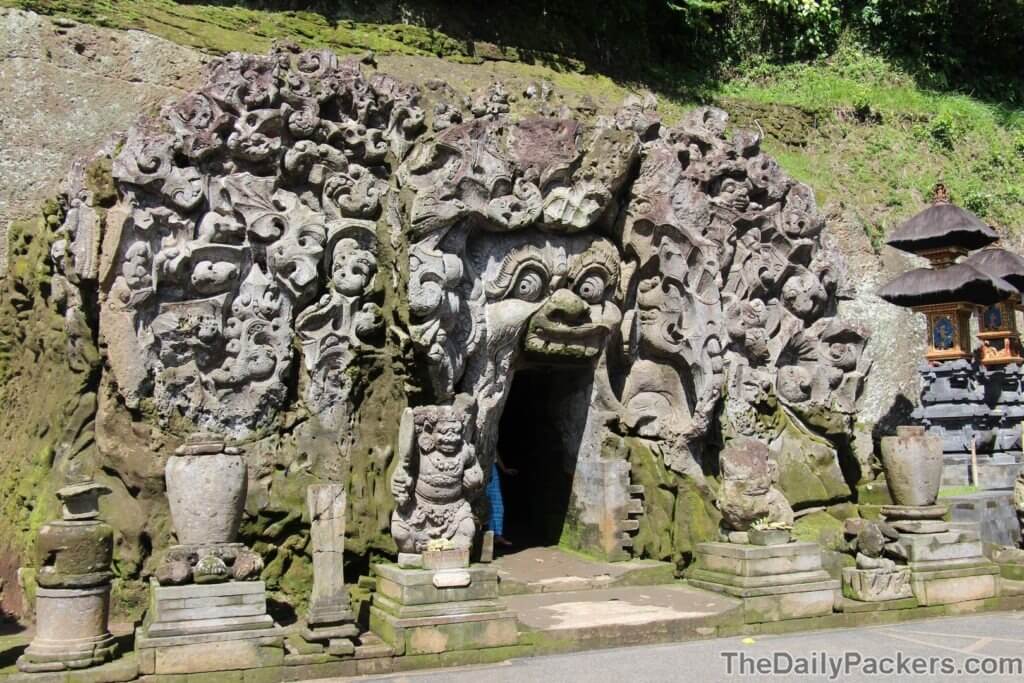
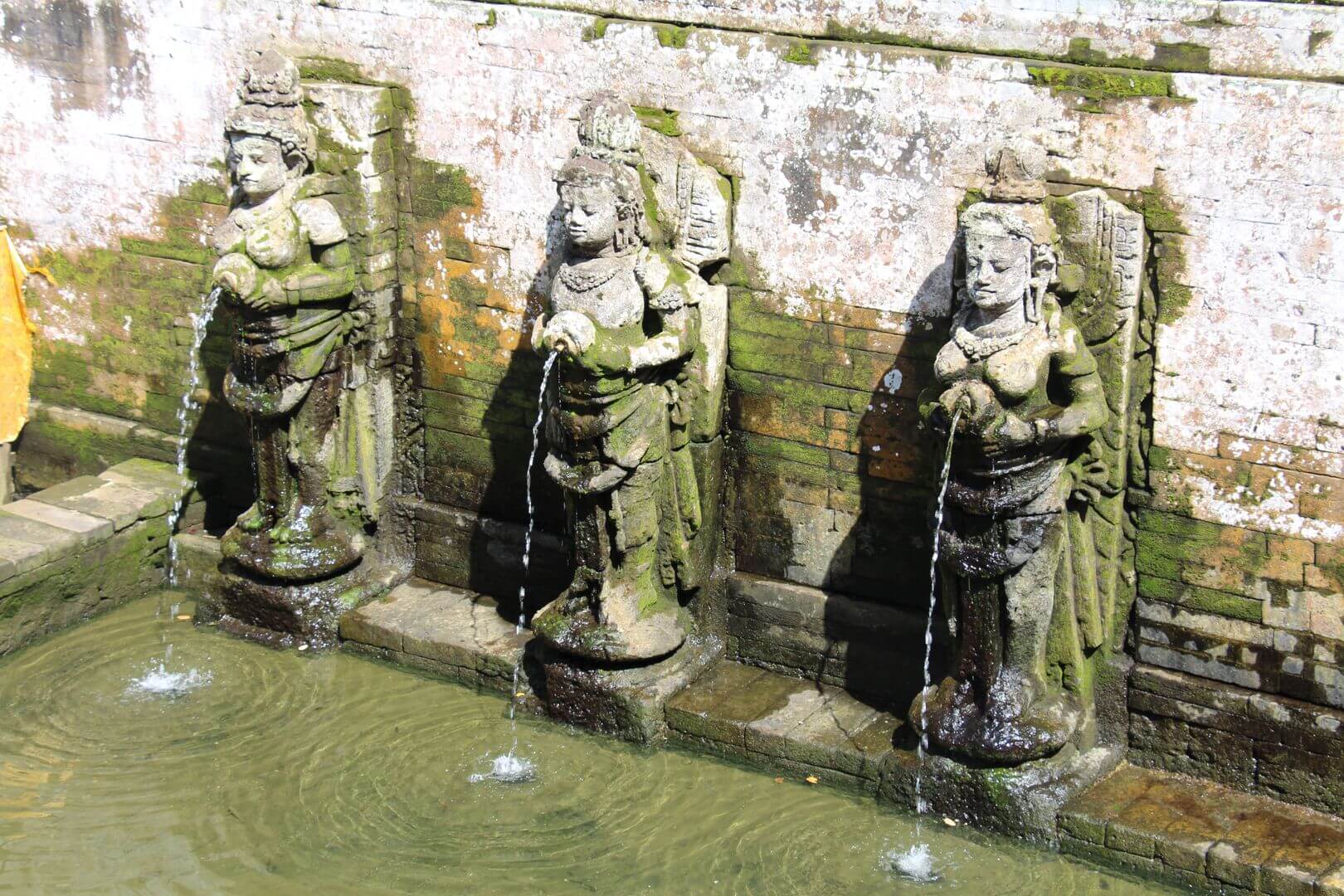
Outside the cave, you’ll find tranquil gardens, bathing pools with stone fountains, and a peaceful jungle setting perfect for a quiet walk. It’s not a large site, so you can explore it in under an hour, making it a perfect addition to your Ubud day trip.
- Entrance fee: around 50,000 IDR
- Sarong required: available for rent or provided at the entrance
Come early or late in the day to avoid the crowds and enjoy the serene ambiance of this ancient spiritual retreat.
Bintang Souvenir & Supermarket
If you’re looking for convenience in Ubud, Bintang Supermarket is the biggest in the region and definitely worth a stop. Spread over two spacious floors, this modern store is perfect whether you need groceries or want to pick up some souvenirs.
The ground floor operates as a full-fledged supermarket, stocked with everything from fresh produce and snacks to toiletries and household items. It’s ideal if you’re staying in a guesthouse or villa and prefer to cook your own meals or grab a few essentials.
Head to the upper floor for a wide selection of souvenirs, clothing, sarongs, crafts, and accessories. What’s great here is that prices are fixed, so you don’t need to worry about haggling—just browse, compare, and shop at your own pace.
Bintang is centrally located and open late, making it a convenient stop during your explorations around Ubud.
Uluwatu Temple
Perched dramatically atop a steep cliff rising 70 meters above the ocean, Uluwatu Temple is one of Bali’s most iconic sea temples. Known locally as Pura Luhur Uluwatu, this Balinese Hindu temple is one of the six key temples (Sad Kahyangan) believed to be the spiritual pillars of the island.
The temple is dedicated to Sang Hyang Widhi Wasa in his fierce form as Rudra, the god of storms and winds. Though visitors can’t enter the innermost sanctum, the surrounding complex is open to the public and offers a peaceful setting with panoramic views of the Indian Ocean and the crashing waves below.
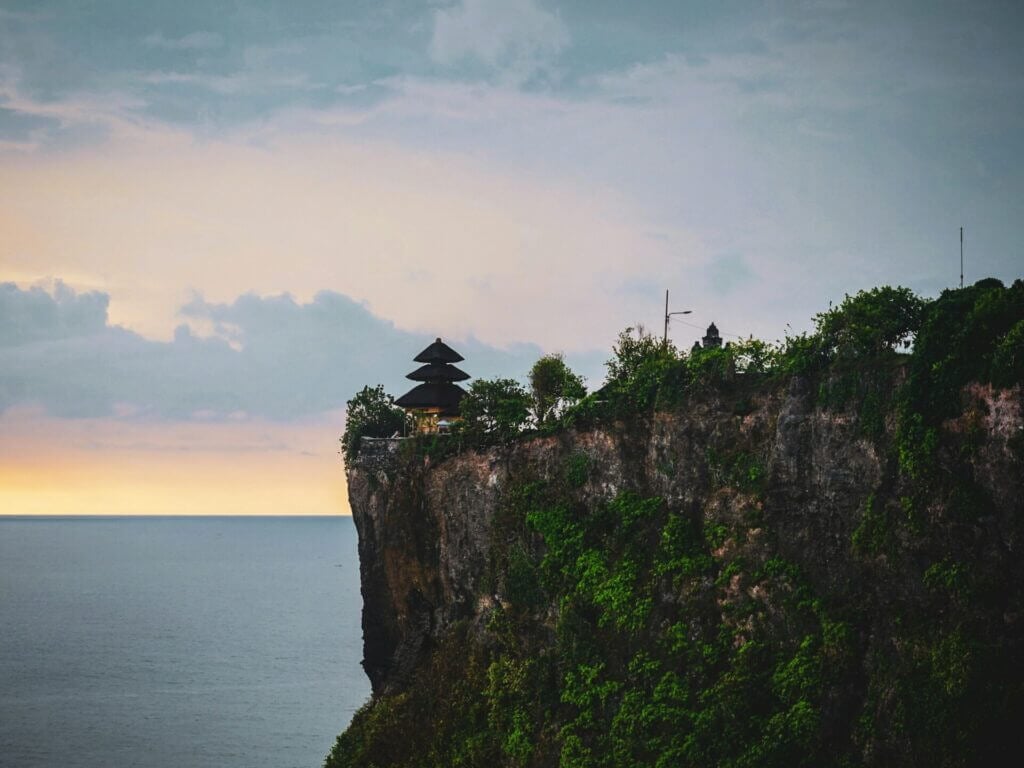
Don’t miss the famous Kecak Fire Dance performance at sunset, set against the temple’s dramatic backdrop—it’s a mesmerizing blend of traditional music, chanting, and storytelling.
As with any temple in Bali, make sure to wear a sarong and sash (usually provided at the entrance). Also, beware of the mischievous monkeys roaming the temple grounds—they’re known for snatching sunglasses, hats, and even phones!

Tanah Lot
Tanah Lot is one of Bali’s most photographed and spiritually significant landmarks. Perched on a rugged rock formation just off the coast, this Hindu sea temple, known as Pura Tanah Lot, appears to float on the ocean during high tide. It’s one of the seven sea temples that form a chain along Bali’s southwest coast.
The name Tanah Lot means “Land in the Sea,” and the temple has been a place of pilgrimage for centuries. While the inner sanctum is reserved for worshippers, visitors can explore the surrounding area and enjoy stunning views, especially at sunset, when the sky lights up in shades of gold and orange.

When the tide is low, you can walk across to the rock base to see the holy freshwater spring believed to have healing powers. The site also features paths lined with souvenir stalls, small restaurants, and oceanfront platforms ideal for photography.
Make sure to visit during low tide for the best access and to witness one of Bali’s most magical scenes as the temple stands silhouetted against the setting sun.

Seminyak beach
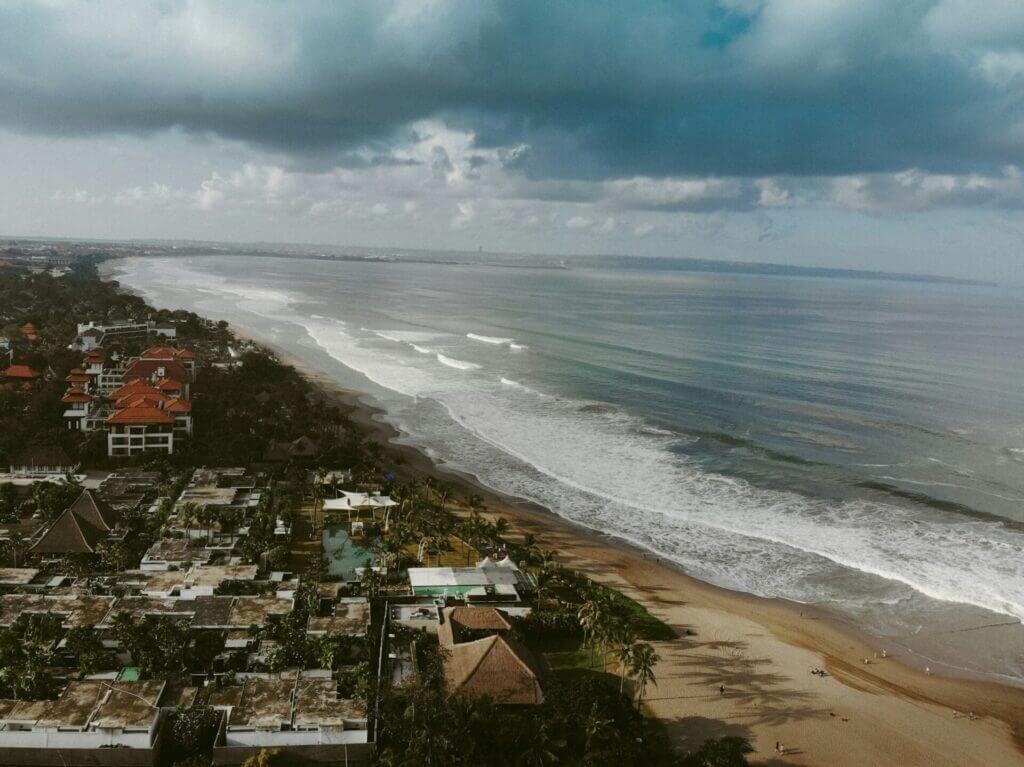
Seminyak Beach is one of Bali’s most popular coastal spots, known for its wide golden sand, laid-back vibes, and upscale surroundings. It’s the perfect place to chill, relax, and soak up the sun, whether you’re lounging on a beanbag under an umbrella or sipping a fresh coconut from one of the beach bars.
The beach stretches for several kilometers, making it ideal for long walks, sunset watching, or even a spontaneous game of beach volleyball. The waves here are also great for beginner to intermediate surfing, and several surf schools are available right on the shore.
Nearby, you’ll find some of Bali’s most luxurious hotels, boutique resorts, and stylish beach clubs, offering everything from rooftop bars to fine dining. Whether you’re looking to unwind or enjoy a bit of nightlife, Seminyak Beach has a little something for everyone in a more polished, cosmopolitan setting.
Lempuyang Temple - Gate of heaven
Lempuyang Temple, known locally as Pura Lempuyang Luhur, is one of Bali’s most important and sacred temples. Perched high on Mount Lempuyang in the east of the island, it’s part of a complex of temples and offers one of the most iconic photo spots in Bali—the famous “Gate of Heaven.” Through this gate, you can see Mount Agung perfectly framed in the background, creating a dramatic and ethereal scene that draws visitors from around the world.
The temple itself sits at 1,175 meters above sea level, and reaching it requires climbing over 1,700 steep steps (unless you’re only visiting the lower gate area for the view). Along the way, you’ll pass smaller temples, cheeky monkeys, and lush jungle views, making the journey part of the experience.
It’s best to arrive early in the morning to avoid long queues, especially if you’re hoping to take the famous reflection photo (often created with a mirror trick by a local photographer). Remember to dress respectfully—a sarong and sash are required (available for rent at the entrance).
From Ubud or Candidasa, it takes about 2.5 to 3 hours by scooter or car, so plan for a full-day adventure if you’re visiting from central Bali. Despite the popularity and crowds, Lempuyang Temple is absolutely worth it for its spiritual energy, breathtaking views, and unforgettable photos.

Besakih Temple
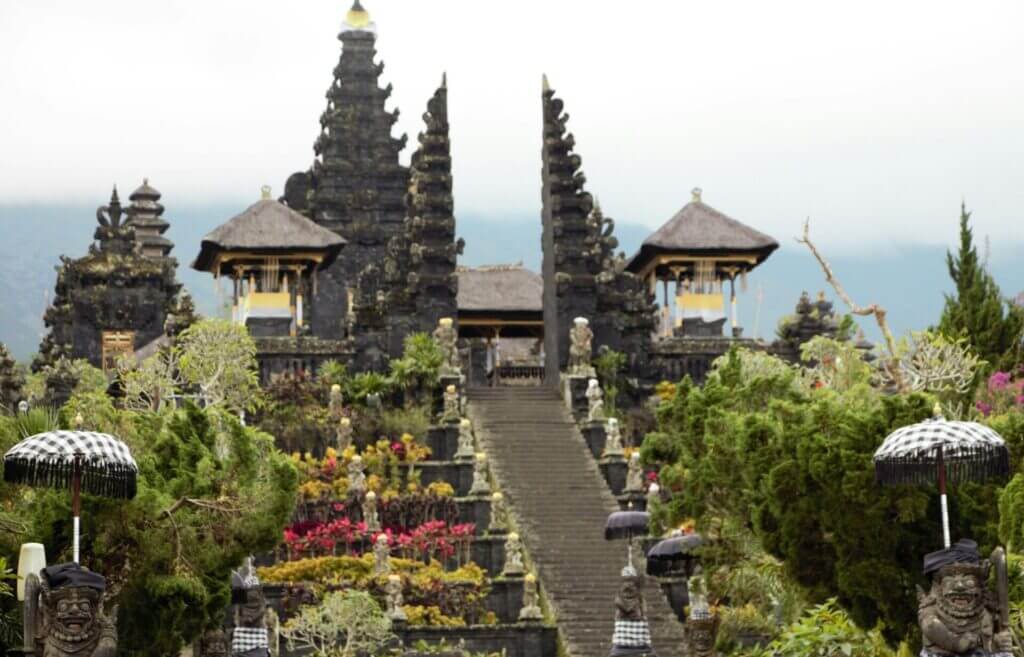
Besakih Temple, often referred to as the “Mother Temple” of Bali, is the largest and holiest Hindu temple complex on the island. Located on the southwestern slopes of Mount Agung, Bali’s highest volcano, the temple sits at an altitude of about 1,000 meters above sea level, offering a majestic setting surrounded by lush landscapes and sweeping mountain views.
This massive spiritual site is actually a complex of over 80 individual temples, with Pura Penataran Agung being the most significant. Besakih has been a place of worship for over a thousand years and is considered the main spiritual center for Balinese Hindus. Each level of the temple complex is built in harmony with the surrounding environment, symbolizing the Balinese concept of Tri Hita Karana—the balance between humans, nature, and the divine.
When visiting, expect a truly cultural and immersive experience, especially if you happen to be there during a ceremony. Locals dressed in traditional attire, the sound of gongs and chants, and the smell of incense fill the air, creating a truly sacred atmosphere.
Travel time from Ubud is approximately 1.5 to 2 hours by scooter or car. Make sure to wear a sarong and sash (available for rent at the entrance), and bring cash for the entrance fee and guide, which is often required to explore the site respectfully.
Despite being a popular tourist destination, Besakih still retains its spiritual significance, making it a must-visit for those wanting to experience the heart of Balinese culture and religion.
Nusa Penida
Nusa Penida is the largest of the three Nusa Islands (alongside Nusa Lembongan and Nusa Ceningan) and lies just southeast of Bali. Spanning around 200 km², this rugged and stunning island offers a more untouched and adventurous alternative to mainland Bali. With its dramatic cliffs, white sand beaches, iconic viewpoints, and incredible underwater life, Nusa Penida has quickly become one of the top destinations for travelers seeking raw beauty and off-the-beaten-path exploration.
Unlike the tourist-saturated spots in Bali, Nusa Penida is still developing, which adds to its authentic charm. Roads can be bumpy, infrastructure is basic in some areas, and yet that’s part of the experience—it’s a place for nature lovers, photographers, divers, and those wanting to reconnect with wild island life.
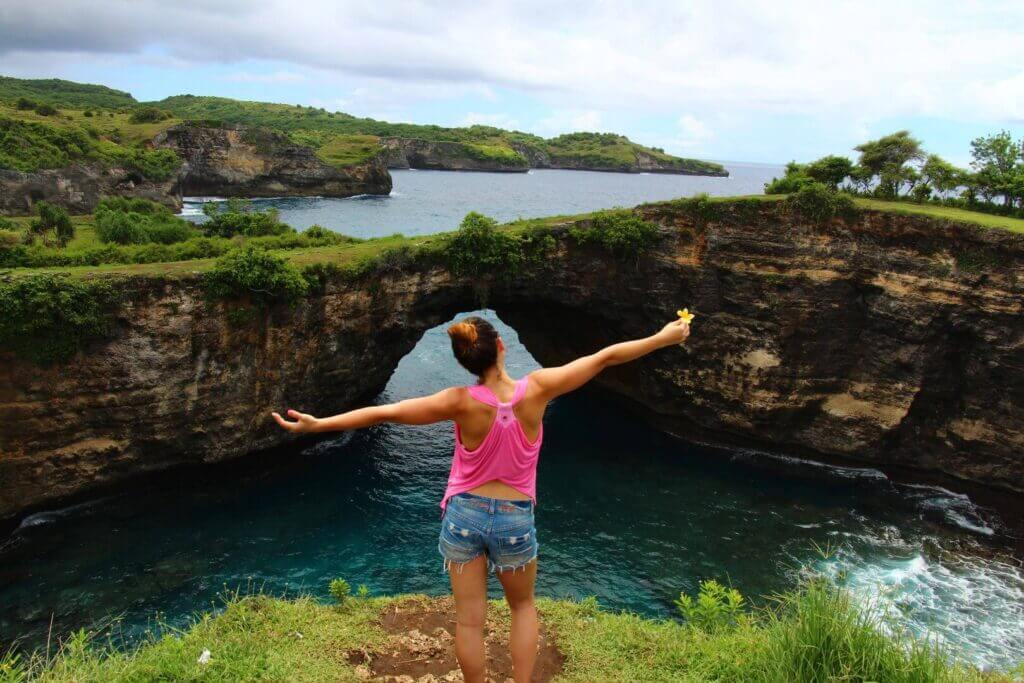
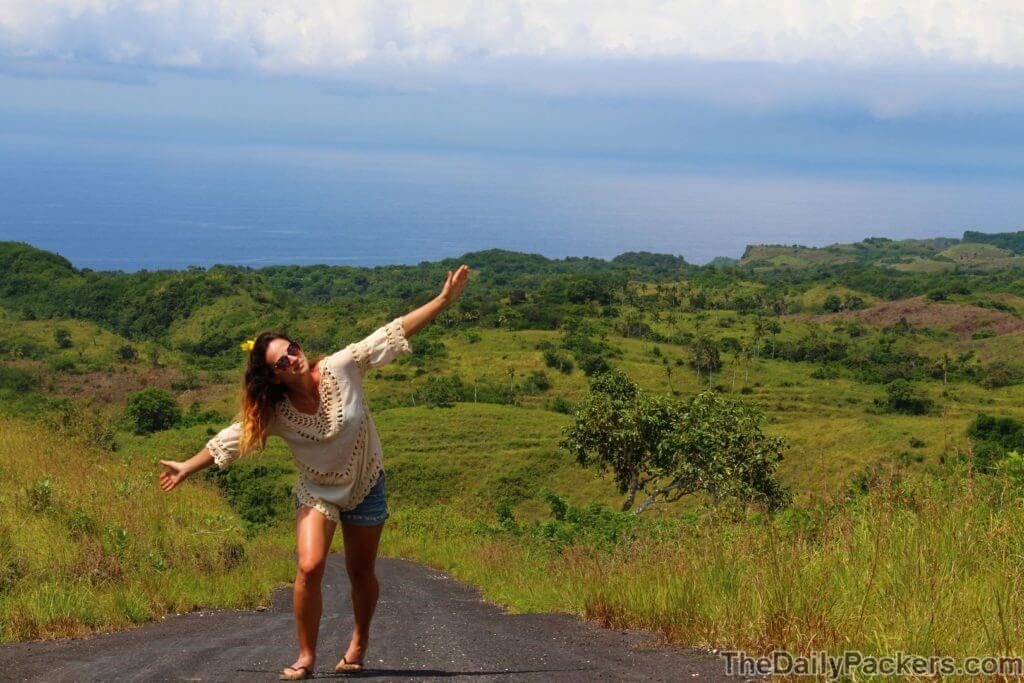
We stayed 4 nights on Nusa Penida, and even then, we couldn’t see everything. From Kelingking Beach’s famous T-Rex cliffs to the peaceful Crystal Bay, and snorkeling with manta rays, every corner of the island brings something memorable. Inland, you’ll find rolling green hills like Bukit Teletubbies, spiritual sites such as Goa Giri Putri Temple, and scenic drives that make you feel like you’re on a true adventure.
Nusa Penida is not only a highlight of our trip to Indonesia—it’s a place that reminded us how wild and beautiful island life can still be. Stay tuned as we take you through everything you need to know to plan your trip to this gem off Bali’s southeastern coast.
Gili Air
Gili Air is one of the three famous Gili Islands, along with Gili Trawangan and Gili Meno, located just off the northwest coast of Lombok. Out of the three, Gili Air strikes the perfect balance—it’s more relaxed than lively Gili T, but more vibrant and social than sleepy Gili Meno. For us, Gili Air was the ideal place to slow down, recharge, and enjoy the simple pleasures of island life.
There are no cars or motorbikes on the island—only bicycles, horses, and walking paths—which means peace and quiet dominate your days. You can walk the entire island in just a couple of hours, stopping to swim, snorkel, or sip on fresh coconut water as you go. It’s the kind of place where time slows down and where watching the sunset from Mowie’s bar with a cocktail in hand becomes a daily ritual.
What really stood out for us was the welcoming community. Whether you’re learning to scuba dive, joining a yoga class at H2O, or enjoying a plant-based brunch at Pachamama, everything on Gili Air feels authentic and personal. And if you’re into snorkeling, don’t miss the underwater statues or Turtle Point for a chance to swim with sea turtles right off the beach.
Gili Air is one of those rare places where you can truly disconnect—and feel connected all at once. Whether you come for a few days or end up staying longer (like many travelers do), Gili Air has a way of winning hearts.

You may also like
About the authors
We are Alex and Tina, a French-Serbian couple who met in China back in 2014. We spent three incredible years there before making France our home. Our shared passion for travel has been the heartbeat of our relationship for over 12 years, taking us across 44 countries and counting.
We launched TheDailyPackers in 2019 as a way to document our adventures. In 2026, we reached a major milestone by officially turning our blog into our full-time job. While we are still growing toward financial independence through this platform, every article we write is fueled by our mission to make your voyages easier through in-depth guides, honest advice, and the lessons we’ve learned from our own mistakes.
Our journey has not been without its storms. In 2023, our world changed forever when our first son, Poppy, was stillborn on November 25th. It was, and remains, the hardest chapter of our lives. In 2025, we were blessed with our second little boy, Milo. He has since joined our traveling tribe, and you’ll be seeing him—and the reality of traveling with a little one-on the blog more and more.
We hope to inspire you to explore the world with curiosity and resilience. Thank you for being part of our story.
You may also like those related posts
11 best things to do in Capilla del Monte, Argentina, in 3 days
12 Most beautiful beaches in Corsica, France
6 Best Tourist destinations in Uruguay in 2026
13 Easy Ways to Reduce Your Backpack Weight for Hiking
Mount Pilatus: How to Hike Lucerne’s best peak in 1-day
Uyuni Salt Flats Tour: An Epic 3-day Adventure in Bolivia
Balkans itinerary: 3-week roadtrip from Slovenia to Serbia
25 best things to do in Salvador, Brazil, in 1 to 3 days
Pssst, did you know that…
If you purchase something through our links, we earn a small fee. However, you still pay the same. Win-win! And one day we may get to be full-time travel bloggers =)
Find Hotels with Booking.com
Do Yoga with KVY
Buy us a Coffee
Rent a car with DiscoverCars
Find Attractions with GetYourGuide
Find Flights with Expedia
Buy an eSIM with Airalo
Get insured with World Nomads
Get ready with Amazon.com