

Introduction
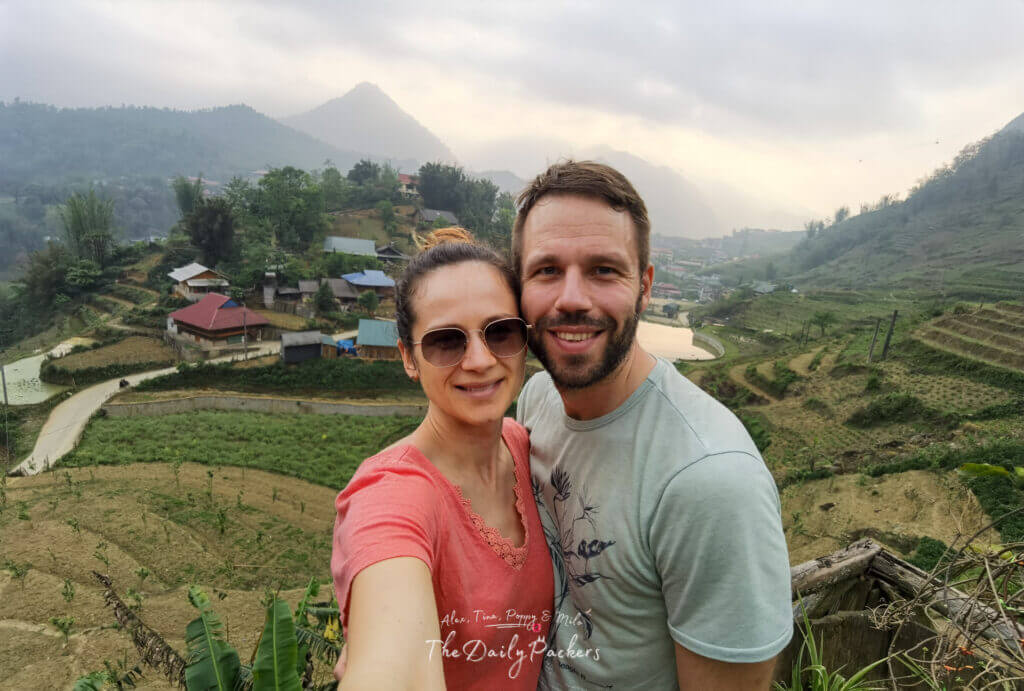
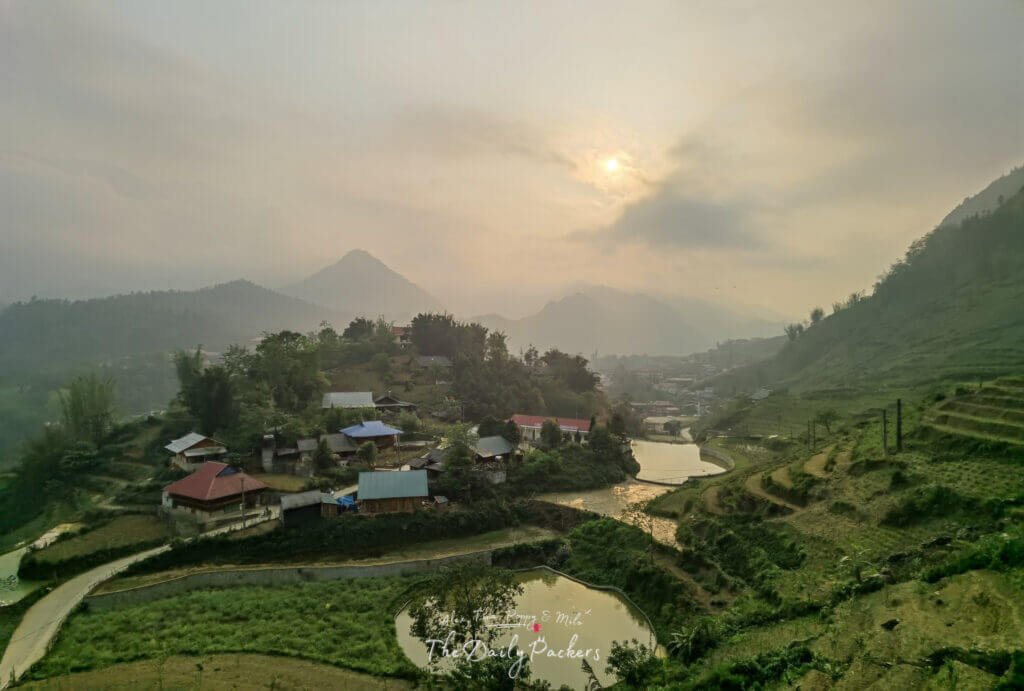
Cat Cat Village is one of the most famous stops near Sapa, known for its breathtaking valley views, terraced rice fields, and the traditions of the Hmong people who live here. It’s a place where you can wander past wooden houses, see locals in traditional dress, watch cultural performances, and learn about age-old crafts like weaving and dyeing with natural indigo.
While it is quite popular — especially with Vietnamese tourists — timing your visit right can make a big difference. If you come early in the morning or later in the afternoon, you’ll find it much quieter and easier to enjoy the peaceful surroundings. The village is close enough to Sapa that you can get there by scooter, on foot, or even as part of a guided tour.
You can organise your visit directly once you’re in Sapa through your accommodation, or book a tour online beforehand, which allows you to check reviews and see exactly what’s included. Whether you spend a couple of hours or half a day here, Cat Cat offers a beautiful glimpse into the life and culture of the region.

Here are all your accommodation options in Sapa
Why visit?
Cat Cat Village is one of the most accessible and picturesque traditional villages in Sapa. Just a short walk from the town, it offers a glimpse into the daily life of the Hmong people, one of Vietnam’s most well-known ethnic groups. The village is set in a lush valley surrounded by rice terraces, waterfalls, and mountain views, making it an easy but rewarding escape from Sapa’s busy streets.

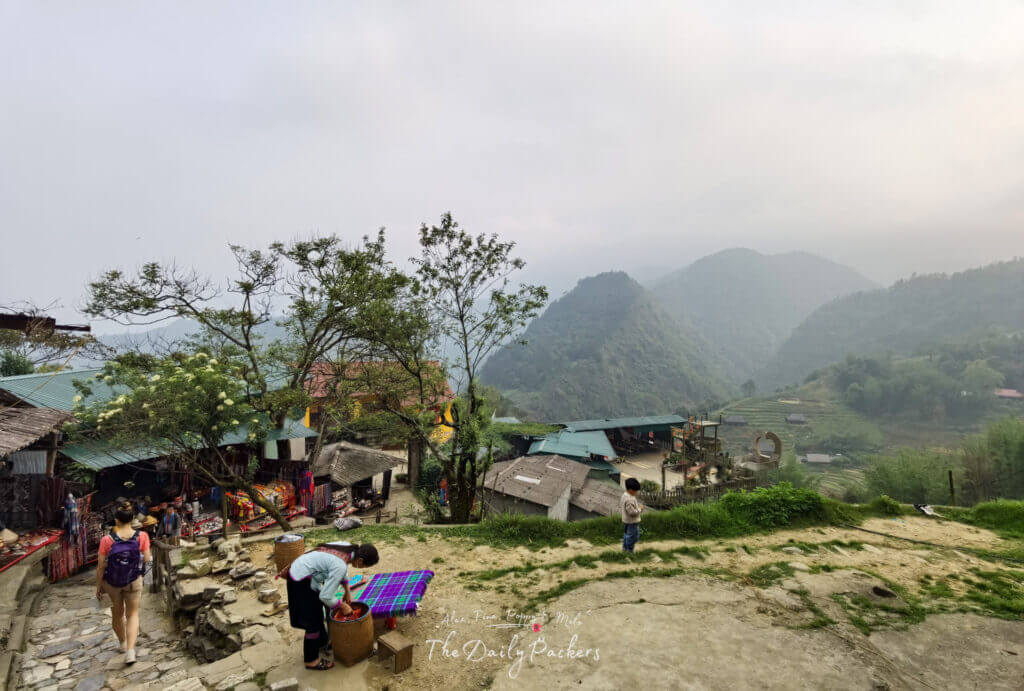
Here, you can explore narrow stone-paved paths lined with traditional wooden houses, small shops selling handmade textiles, and stalls offering local snacks. Along the way, you’ll also pass by workshops where villagers still practice traditional crafts like weaving and blacksmithing. It’s a great place to shop for souvenirs directly from the people who make them and to learn more about the culture and traditions that have been passed down for generations.
Whether you visit for the scenery, the cultural experience, or just an easy hike close to Sapa, Cat Cat Village is one of those spots that manages to feel both authentic and welcoming to travelers.
How to get there
Getting to Cat Cat Village is simple, and that’s part of its charm. The village is Cat Cat Village is just 2 km from the center of Sapa, making it one of the easiest places to visit in the region. You have several options to get there, but we personally recommend using a scooter. Renting one gives you the freedom to set your own pace, stop for photos along the way, and avoid the uphill walk back to town.
If you’re not comfortable riding, you can also get there on foot in about 20–30 minutes. The way down is easy, but remember the return will be uphill and more tiring. Another option is to hop on a motorbike taxi or regular taxi from Sapa town, which is quick and inexpensive.

Read: Sapa Luxury Van Transfer from Hanoi
When to visit
Cat Cat Village can be visited year-round, but each season offers a different atmosphere and temperature.
- Spring (March to May) – Mild temperatures range between 15°C and 25°C (59°F to 77°F). Blooming flowers and lush greenery make this a beautiful time to explore. The rice terraces are a vibrant green, perfect for photography.
- Summer (June to August) – Warm and humid with temperatures between 20°C and 30°C (68°F to 86°F). Expect occasional heavy rains, which can make paths muddy but also create stunning reflections in the water-filled rice paddies.
- Autumn (September to November) – Pleasant and dry with temperatures from 15°C to 25°C (59°F to 77°F). The terraces turn golden for harvest, offering some of the most iconic views of Sapa.
- Winter (December to February) – Cold and misty, with temperatures between 5°C and 15°C (41°F to 59°F), and sometimes dropping close to freezing at night. While less green, the fog adds a unique, atmospheric charm.
If you want to avoid the busiest times, arrive early in the morning or later in the afternoon, especially on weekends and public holidays when more local tourists visit.

Tip: We use the DJI Action 4 to film our vlogs — compact, durable, and perfect for capturing every adventure.
How to Visit
When you buy your ticket at the entrance, you’ll receive a handy map showing the village trails and the main attractions along the way. The route is clearly marked, making it easy to choose what you want to see and how long you want to spend in the area.
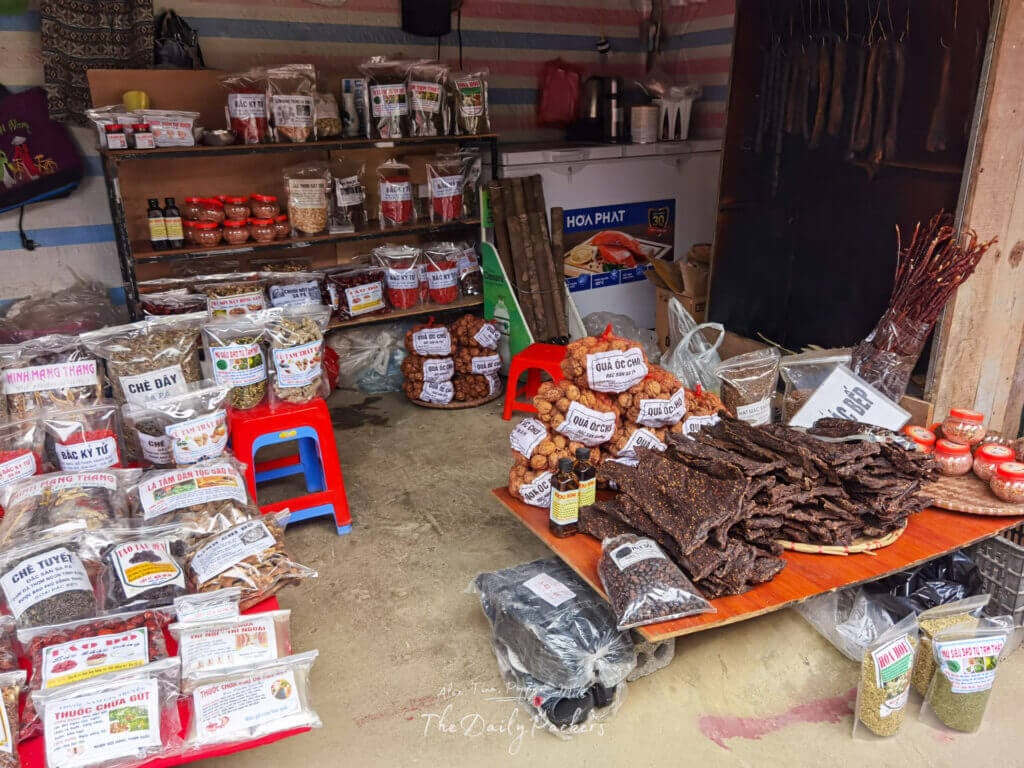
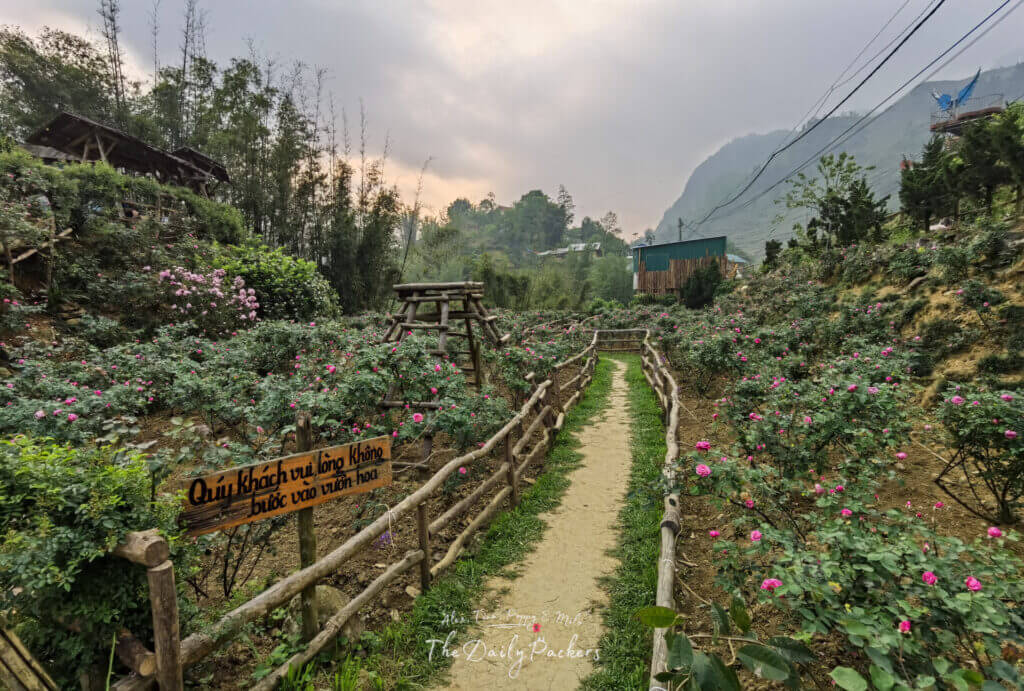
The main loop starts with a gentle descent past the primary school and a few viewpoints, then takes you through traditional Hmong houses where locals display weaving, embroidery, and other crafts. You’ll also find small cafes like Heaven Coffee and souvenir stalls selling wooden carvings, textiles, and handmade clothes.
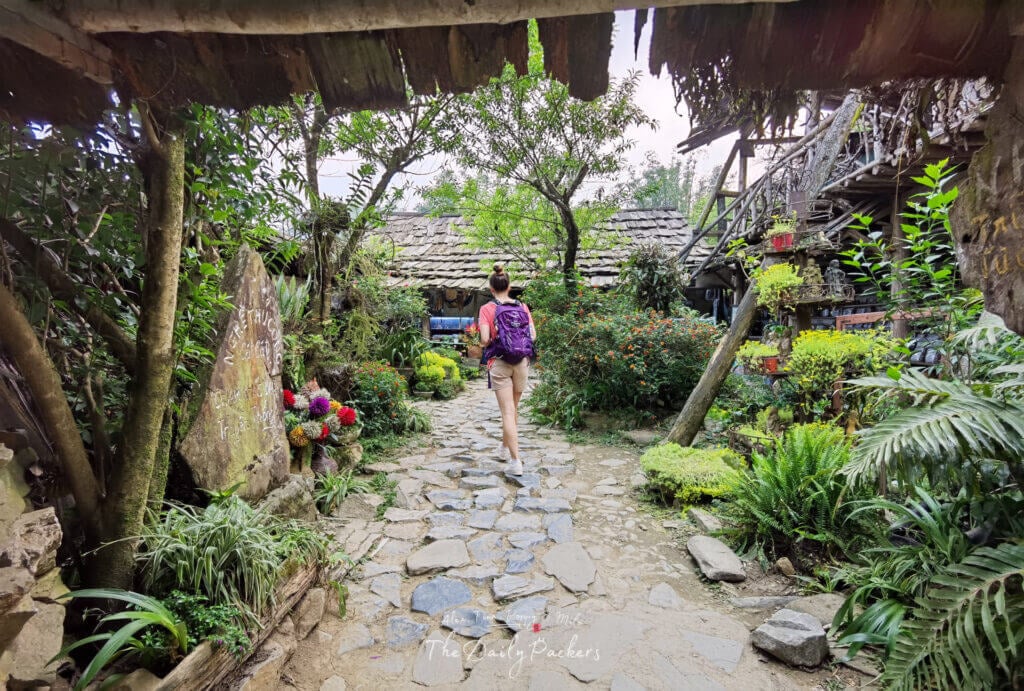
From there, you can follow the trail to highlights such as the Cat Cat performing arts stage, the H’Mong traditional craft village, and the scenic Cat Cat Bridge. Don’t miss the Tien Sa Waterfall, one of the most photogenic spots in the village, and the surrounding bamboo forest.
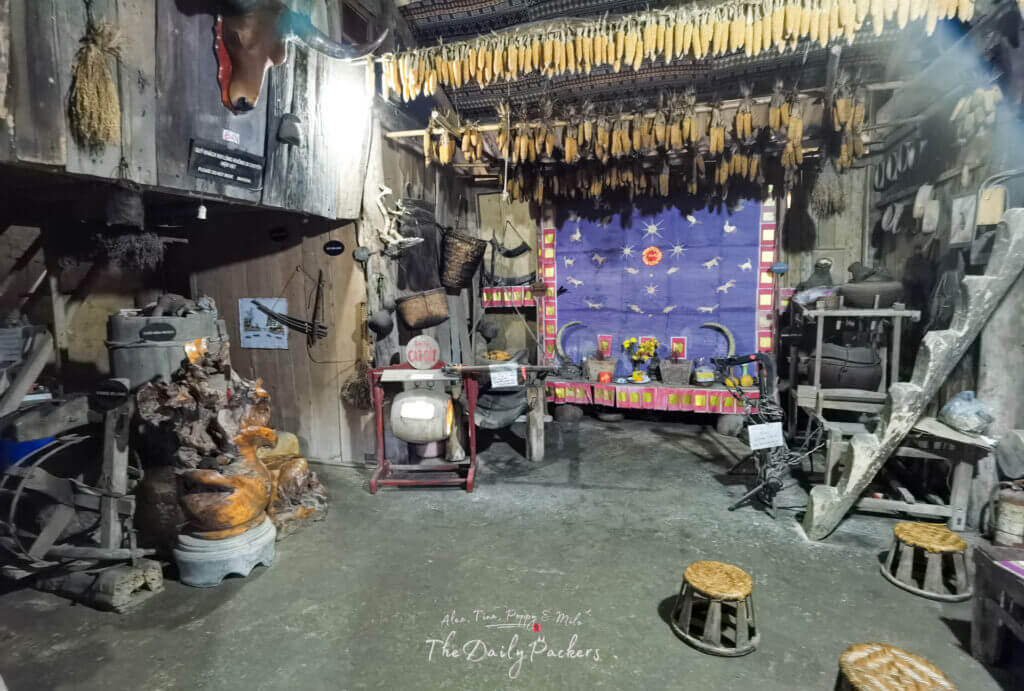
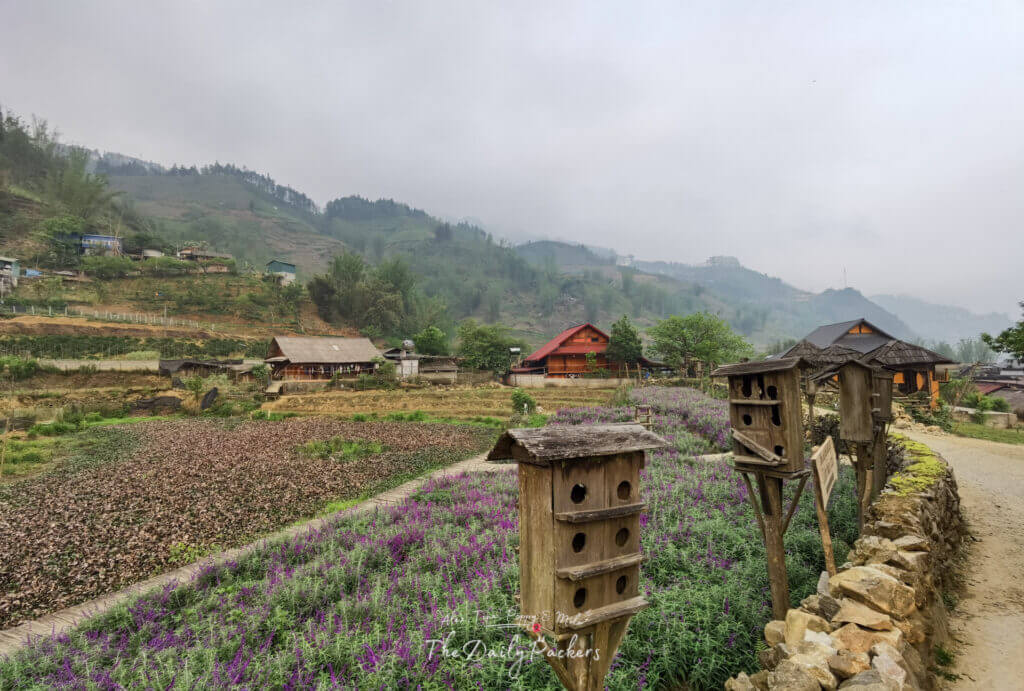
The loop also passes through lush gardens and the original forest area before gradually bringing you back toward the starting point. Depending on your pace, you can complete the walk in about 2 to 3 hours, but with the map in hand, it’s easy to skip certain sections or linger longer at the spots you enjoy most.
Tip: We never travel without our DJI Mini 3 PRO drone anymore — it’s totally worth having to capture places from a whole new perspective.
Tickets & Opening Hours
To visit Cat Cat Village, you’ll need to buy an entrance ticket at one of the ticket stations before entering. The current prices are:
- Adults: 150,000 VND (around 6.5 USD)
- Children (1m – 1.4m): 70,000 VND (around 3 USD)
- Children (under 1m): Free of charge

Your ticket includes access to the walking trails, main attractions, and a free map with the village’s paths and points of interest marked.
Cat Cat Village is open daily from 6:00 AM to 5:00 PM. Arriving early means you can explore before the big crowds arrive, and enjoy a more peaceful atmosphere.
There are also daily traditional Hmong music and dance performances in the cultural area — check the schedule at the entrance so you don’t miss them.

Read: All the best things to do in Sapa
Is it Worth It?
If you’re in Sapa, we think Cat Cat Village is definitely worth adding to your itinerary — especially if it’s your first time in the region. The village blends culture, scenery, and photo opportunities in a way that’s hard to beat. We loved walking past traditional Hmong houses, small workshops where locals make handicrafts, scenic rice terraces, and the waterfall nearby.

Yes, the village is more touristic than some of the more remote ethnic villages around Sapa, but for us it was still a great introduction to the area’s traditions and landscapes, especially if you don’t have the time (or the energy) for multi-day treks.
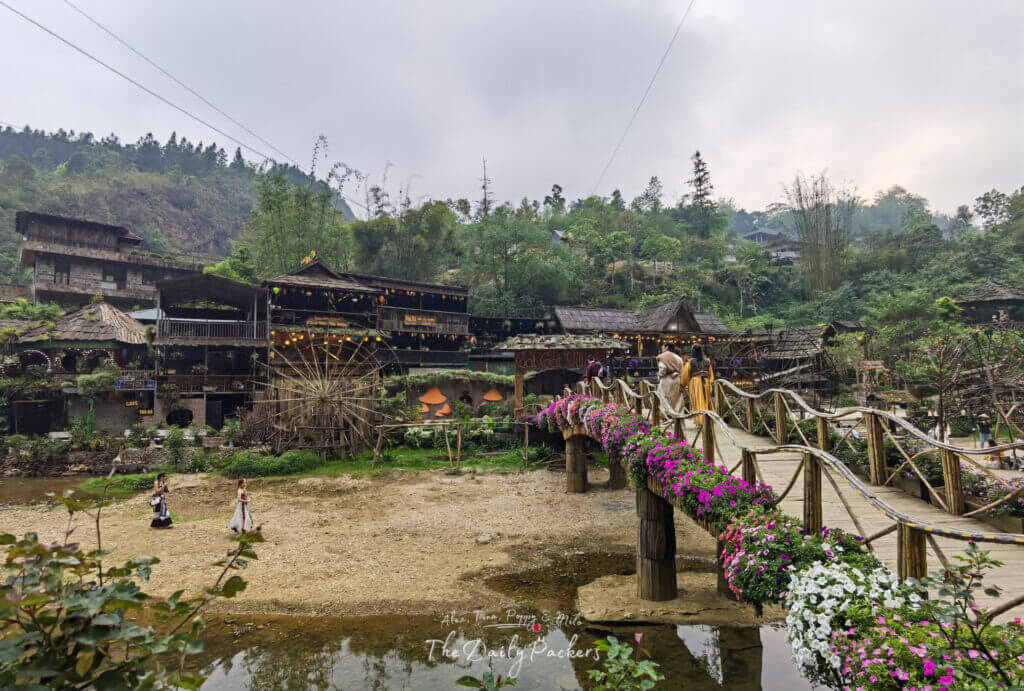
The walk through the village is easy to follow, and the fact that you get a map with your ticket means you can decide how much or how little to see. We also enjoyed the performances and craft demonstrations, and it’s a great place to pick up souvenirs like handmade textiles or silver jewelry.
For us, it’s a must if you’re spending at least a couple of days in Sapa — and even better if you combine it with other short treks or viewpoints nearby.

Tip: We never travel without our DJI Mini 3 PRO drone anymore — it’s totally worth having to capture places from a whole new perspective.
Where to stay
If you’re planning to visit Sapa, staying a few nights in town will give you time to explore the main attractions. Three nights is a good amount — it allows you to rest after your arrival, do at least one full day of trekking, and still have time for other activities like Fansipan Mountain or visiting local markets.
Here are a few options depending on your budget:
- (€) En Hotel Sapa – A cozy and affordable choice right in town, perfect if you just need a comfortable base for your treks.
- (€€) Sapa Rosie House – Charming rooms with a homely feel and beautiful views, offering a more intimate experience.
- (€€€) Laxsik Ecolodge – A high-end stay surrounded by nature, ideal if you want peace, privacy, and stunning landscapes right outside your window.
Here are all your accommodation options in Sapa
About the authors
We are Alex and Tina, a French-Serbian couple who met in China back in 2014. We spent three incredible years there before making France our home. Our shared passion for travel has been the heartbeat of our relationship for over 12 years, taking us across 44 countries and counting.
We launched TheDailyPackers in 2019 as a way to document our adventures. In 2026, we reached a major milestone by officially turning our blog into our full-time job. While we are still growing toward financial independence through this platform, every article we write is fueled by our mission to make your voyages easier through in-depth guides, honest advice, and the lessons we’ve learned from our own mistakes.
Our journey has not been without its storms. In 2023, our world changed forever when our first son, Poppy, was stillborn on November 25th. It was, and remains, the hardest chapter of our lives. In 2025, we were blessed with our second little boy, Milo. He has since joined our traveling tribe, and you’ll be seeing him—and the reality of traveling with a little one-on the blog more and more.
We hope to inspire you to explore the world with curiosity and resilience. Thank you for being part of our story.
You may also like those related posts
13 Easy Ways to Reduce Your Backpack Weight for Hiking
9 Best things to do in Ouarzazate, Morocco, in 3 days
How to get from Puerto Natales to Ushuaia by bus
7 Best things to do in Quimper, France, in 1 day or more
6 Powerful Reasons to switch to a Plant-based diet
Cost to Travel in Corsica, Our 2024 Budget breakdown
6 Best things to do in Nuwara Eliya, Sri-Lanka, in 2 days
How to visit Rome in 4 days: A step by step guide to this magnificent city
Pssst, did you know that…
If you purchase something through our links, we earn a small fee. However, you still pay the same. Win-win! And one day we may get to be full-time travel bloggers =)
Find Hotels with Booking.com
Do Yoga with KVY
Buy us a Coffee
Rent a car with DiscoverCars
Find Attractions with GetYourGuide
Find Flights with Expedia
Buy an eSIM with Airalo
Get insured with World Nomads
Get ready with Amazon.com