

Introduction
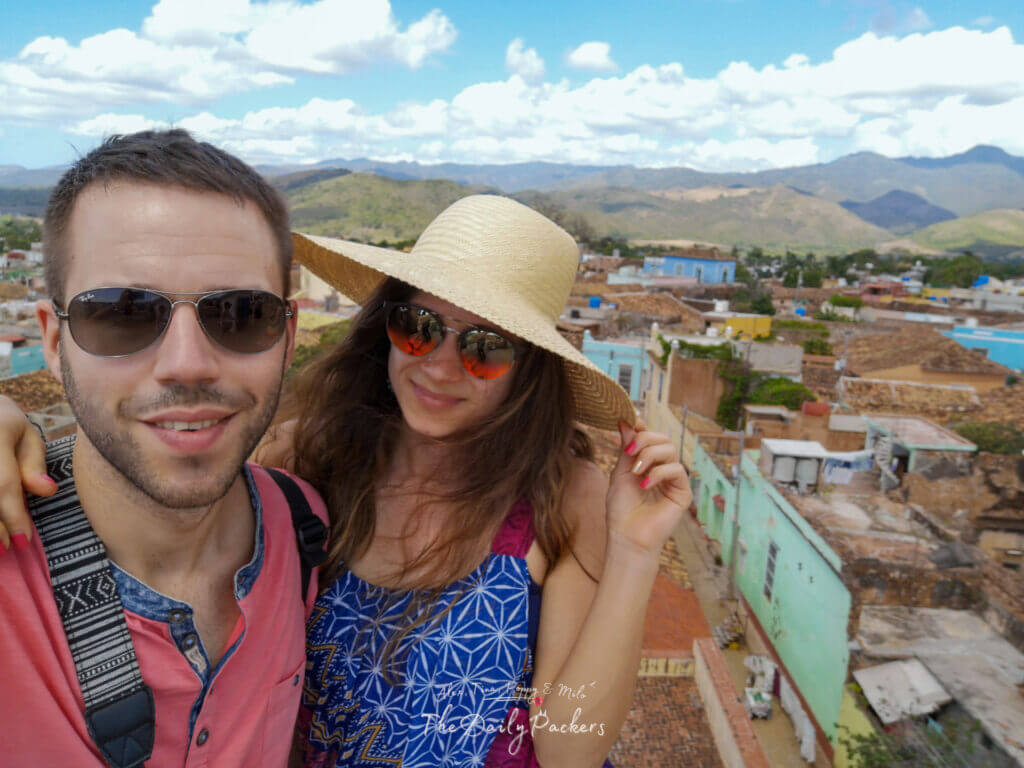
Trinidad is truly one of a kind — a perfectly preserved Spanish colonial town where cobblestone streets, pastel-colored houses, and horse-drawn carts make you feel like you’ve stepped back in time. It’s often called Cuba’s best-preserved colonial city, and with its blend of 1850s architecture and 1950s classic cars, it’s a living museum of Cuban history and culture.
Recognized as a UNESCO World Heritage Site since 1988, Trinidad is a must on any Cuba itinerary. We recommend staying at least 2 to 3 days to soak it all in — one day to wander the old town and admire its charm, and another to explore the surrounding Valle de los Ingenios or hike to nearby waterfalls.
In this guide, we’ll share how to spend 2 unforgettable days in the beautiful town of Trinidad in North America, from the colonial streets to adventures in nature.
Getting there
Reaching Trinidad is easier than you might think, though it takes a bit of time since the town is tucked away on Cuba’s south coast.
If you’re coming from Havana, the journey takes about 5 to 6 hours by car (around 320 km). Most visitors either hire a driver, arrange a transfer through their casa particular, or hop on a shared collectivo taxi. It’s also possible to take a Viazul bus, which is the cheapest option but also the slowest, usually around 7 hours.
From Cienfuegos, Trinidad is much closer — about 1.5 to 2 hours by car (80 km). Again, you can use a private taxi, collectivo, or the Viazul bus.
Driving in Cuba can be tricky due to poor road conditions and a lack of clear signage, so unless you’re very comfortable, it’s often easier to rely on local transfers.

Moving Around
Trinidad is a small and compact city, which means the best way to explore it is simply on foot. The cobblestone streets and colorful colonial houses are part of the experience, so take your time to wander without worrying too much about a set plan.
For longer trips, like heading to the Valle de los Ingenios, the beach at Playa Ancón, or the nearby waterfalls, you’ll need some transport. You can:
- Hire a taxi for a few hours or the whole day (prices are usually negotiable).
- Join a guided tour arranged through your accommodation or a local agency.
- Hop on a horse-drawn carriage for a more traditional ride around town.
If you’re looking for an authentic Cuban touch, the horse carriages and vintage cars are still commonly used here, making even short rides part of the adventure.

When to Visit
Trinidad can be visited year-round, but the experience will feel different depending on the season.
- Winter (December – February): The most popular time to visit, with pleasant temperatures around 20–26°C (68–79°F) and lower humidity. Days are sunny and comfortable, perfect for exploring the colonial streets or hiking in the nearby mountains.
- Spring (March – May): Still a great time, with warm temperatures of 25–30°C (77–86°F) and fewer crowds compared to winter. It’s one of the best times if you want lively streets without peak-season crowds.
- Summer (June – August): Expect it hot and humid, often 30–34°C (86–93°F). This is also the rainy season, with short but heavy showers, especially in the afternoons. On the plus side, the landscapes around Trinidad, like the Valle de los Ingenios, are at their greenest.
- Autumn (September – November): The quietest season, but also the peak of the hurricane period. Temperatures remain warm (26–31°C / 79–88°F), and prices tend to be lower.
Overall, the best time to visit Trinidad is between December and May, when the weather is most comfortable for walking the city and exploring its natural surroundings.

Where to Stay
Trinidad has a great variety of accommodations, from charming casas particulares (family-run guesthouses) to boutique hotels in restored colonial mansions. Staying in a casa is one of the best ways to experience Cuban hospitality and get a more authentic feel of the city.
We’d recommend spending at least 2 to 3 nights here — enough time to explore the cobblestone streets, enjoy the lively evenings, and head out to the waterfalls or the beach.
Here are a few options to consider:
- (€) Casa Particular via Airbnb: The most budget-friendly option, and also the most authentic. Rooms are usually clean, simple, and come with breakfast prepared by your hosts.
- (€€) Hostal Lola: A colorful colonial house with a beautiful courtyard, centrally located and full of character.
- (€€€) Iberostar Heritage Grand Trinidad: A luxury stay right in the heart of the old town, with elegant rooms and high-end service, perfect if you want comfort after exploring the cobblestones.

What to Eat
Food in Trinidad is a mix of traditional Cuban flavors and international influences, with plenty of cozy spots to enjoy a meal after a day of exploring. Don’t expect endless variety, but you’ll find great local dishes, fresh seafood, and a few creative restaurants tucked inside colonial buildings.
Here are some dishes you should try:
- Ropa Vieja – shredded beef stewed with vegetables, a Cuban classic.
- Fresh lobster – one of the best-value meals in Cuba, often served grilled with garlic and butter.
- Moros y Cristianos – the typical rice and beans side dish you’ll see everywhere.
- Vegetarian options – many casas and restaurants offer vegetable stews, omelets, and fresh salads.
Where to eat in Trinidad:
- Sol Ananda – set in a restored colonial mansion, this restaurant is as much about the ambiance as the food.
- Paladar San José – a popular spot with a varied menu, perfect for both Cuban and international dishes.
- Casa Particular dinners – don’t skip a homemade meal at your accommodation. Often, the freshest and most authentic food you’ll find in Trinidad.
Evenings in Trinidad often come with live music, so grabbing dinner in a paladar or casa with a little live band is a must for the full Cuban experience.

Things to do in Trinidad, Cuba
Explore Plaza Mayor
Plaza Mayor is the beating heart of Trinidad and the perfect place to start exploring the city. This elegant square is lined with palm trees, colonial mansions, and some of the town’s most important landmarks, giving it a postcard-perfect look.
Around the square, you’ll find the Iglesia de la Santísima Trinidad, the Romantic Museum, and several other historic buildings, all showcasing the city’s 18th and 19th-century charm. Benches and shady spots make it a great place to pause, people-watch, and soak up the atmosphere.
At night, Plaza Mayor comes alive with live music echoing from nearby steps and cafés, making it one of the best places to feel the soul of Trinidad.

Visit Galería de Arte Universal Benito Ortiz
Housed in a beautiful colonial mansion from 1809, the Galería de Arte Universal Benito Ortiz (also called Ortiz Palace) is one of the cultural highlights of Trinidad. Once the residence of the city’s governor, this grand building now serves as an art gallery showcasing a wide range of Cuban and international works across two levels.
The interior is worth exploring for its elegant architecture, but the real gem is stepping out onto the balcony. From there, you’ll get one of the best views over Plaza Mayor, making it a perfect stop to soak in both art and scenery at once.

Step Inside the Church of the Holy Trinity
Right next to Plaza Mayor, you’ll find the Iglesia Parroquial de la Santísima Trinidad, the largest church in Cuba. Built in 1892 on the site of an older church destroyed by a cyclone, this neoclassical gem is as impressive inside as it is from the outside.
Its simple white façade dominates the square, but once you step inside, you’ll be greeted by a serene atmosphere, wooden altars, and beautiful statues — including one of the Virgin of Mercy, a figure highly revered in the region. The church still serves as a place of worship, making it both a spiritual and cultural stop during your visit to Trinidad.

Explore the Museo de Historia Municipal (Palacio Cantero)
One of the highlights of Plaza Mayor is the Museo de Historia Municipal, housed in the grand Palacio Cantero, one of the most impressive colonial mansions in Trinidad. Built in the early 19th century by a wealthy sugar baron, the palace is a masterpiece of neoclassical design with spacious halls, marble floors, and ornate details.
Inside, the museum traces the history of Trinidad and the surrounding Valle de los Ingenios, offering fascinating insights into the region’s colonial past and sugar trade wealth. The real treat, though, is climbing up to the rooftop tower — from there, you’ll get breathtaking panoramic views over the red-tiled roofs of the city, the lush valley, and even the Caribbean Sea in the distance.

Visit the National Museum of the Struggle Against Bandits
Known locally as the Museo de la Lucha contra Bandidos, this museum is dedicated to the counter-revolutionary forces — referred to as “bandits” — who took refuge in the nearby Escambray Mountains after the Cuban Revolution. The exhibits document the Escambray Revolt, when Fidel Castro’s government fought against these insurgent groups during the 1960s.
The museum is set inside the former Convent of San Francisco, recognizable by its tall bell tower, one of the most iconic landmarks of Trinidad. Inside, you’ll find photographs, weapons, and personal items from the period, giving a glimpse into one of Cuba’s lesser-known chapters of history. After your visit, don’t miss climbing the tower — the views over Trinidad’s cobbled streets, terracotta rooftops, and surrounding mountains are simply unforgettable.

Explore the Ruins of Kirche Trinidad
The ruins of Kirche Trinidad may not be as grand as the main churches in town, but they carry a quiet charm that makes them worth a stop. Wandering among the remains gives you a sense of the town’s layered history, where time and nature have left their mark.
What makes the visit even better is the lively atmosphere around it. Right next to the ruins, you’ll find a relaxed open-air bar with a rooftop terrace — a perfect spot to sip a coffee or a cocktail while soaking in the views of Trinidad’s rooftops and mountains in the background. It’s a great little detour to enjoy both history and a break at the same time.

Stroll Around Plazuela de Segarte
Plazuela de Segarte is a small but lively square in the heart of Trinidad, best known for its open-air flea market. Here, you’ll find stalls filled with local crafts, handmade lace, colorful textiles, woodwork, and small souvenirs that make for unique keepsakes of your time in Cuba.
It’s not just about shopping — walking around the square gives you a real feel for the local vibe. Artisans chat with passersby, children play in the alleys, and music often drifts in from nearby bars or street performers. Even if you’re not looking to buy anything, it’s a fun stop to experience the rhythm of everyday life in Trinidad.

Relax at Playa Ancón
Just 15 minutes by taxi from Trinidad, Playa Ancón is often said to be one of the best beaches in Cuba. With its soft white sand and crystal-clear waters, it’s the perfect escape after exploring the cobbled streets of the colonial town.
Despite having two large hotels along the shore, the beach feels surprisingly quiet and laid-back. We went in the late afternoon and found it almost empty, which made it feel even more special. Whether you want to swim, walk along the long stretch of sand, or simply relax and watch the sun dip into the horizon, Playa Ancón is a must during your stay in Trinidad.

Explore Gran Parque Natural Topes de Collantes
One of the absolute highlights of visiting Trinidad is spending a day in Topes de Collantes National Park, a vast natural reserve tucked away in the Escambray Mountains.
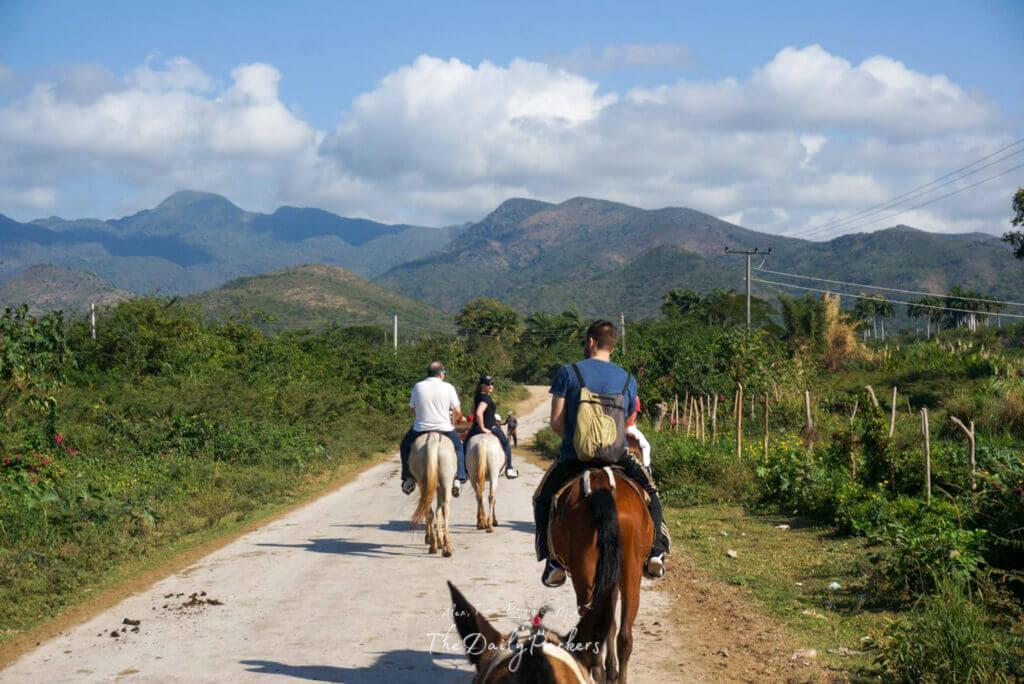
While you can hike the trails on your own, the experience is often more memorable on horseback. Most accommodations in Trinidad can easily arrange a horse-riding (or horse-drawn carriage) day trip for you. The adventure starts right on the edge of town — you just hop on your horse and ride straight into nature.
Along the way, you’ll stop at a local farm to enjoy a simple but tasty meal, sip on fresh cane sugar juice, and soak in the sound of traditional Cuban music. The journey also takes you to a waterfall where you can cool off with a refreshing swim, so don’t forget your swimsuit.
It’s a full-day excursion, and be prepared — spending hours in the saddle can get a little rough (trust me, my legs and butt definitely felt it by the end!). But it’s all part of the adventure and one of the best ways to see the wild side of Cuba.
Visit a Local School
While wandering the streets of Trinidad, we happened to pass by a local school — and it turned out to be one of the most memorable little moments of our trip. Watching Cuban kids in their classrooms gave us a glimpse into everyday life that you don’t often see as a tourist.
Schools here feel very different from what we’re used to in Europe or even from our time living in China. The buildings are simple, sometimes a bit worn down, but filled with energy and laughter. It was a reminder that beyond the colorful colonial houses and tourist landmarks, real life goes on in Trinidad, and kids everywhere share the same joy of learning.

2-day Cuba Trinidad Itinerary
Day 1:
- Plaza Mayor
- Galería de Arte Universal Benito Ortiz
- Church of the Holy Trinity
- Museo de Historia Municipal
- National Museum of the Struggle Against Bandits
- Kirche Trinidad
- Plazuela de Segarte
Day 2 :
- Gran parque natural Topes de Collantes
- Playa Ancon
About the authors
We are Alex and Tina, a French-Serbian couple who met in China back in 2014. We spent three incredible years there before making France our home. Our shared passion for travel has been the heartbeat of our relationship for over 12 years, taking us across 44 countries and counting.
We launched TheDailyPackers in 2019 as a way to document our adventures. In 2026, we reached a major milestone by officially turning our blog into our full-time job. While we are still growing toward financial independence through this platform, every article we write is fueled by our mission to make your voyages easier through in-depth guides, honest advice, and the lessons we’ve learned from our own mistakes.
Our journey has not been without its storms. In 2023, our world changed forever when our first son, Poppy, was stillborn on November 25th. It was, and remains, the hardest chapter of our lives. In 2025, we were blessed with our second little boy, Milo. He has since joined our traveling tribe, and you’ll be seeing him—and the reality of traveling with a little one-on the blog more and more.
We hope to inspire you to explore the world with curiosity and resilience. Thank you for being part of our story.
You may also like those related posts
Easter Island Road Trip: A Perfect 1-Day Adventure
12 Best things to do in Vannes, France, in 1 to 6 days
TMB Stage 11: Guide from La Flégère to Les Houches
19 Best Things to do in Brussels, Belgium, in 1 to 3 days
Bratislava Castle: Exploring the City’s Most Iconic Landmark
French Riviera: How to See the Best in Just 1 Week
Ella train: An Unforgettable Experience from Nuwara Eliya 2025
11 Best Coffee Shops in Hanoi, Vietnam and 4 top restaurants
Pssst, did you know that…
If you purchase something through our links, we earn a small fee. However, you still pay the same. Win-win! And one day we may get to be full-time travel bloggers =)
Find Hotels with Booking.com
Do Yoga with KVY
Buy us a Coffee
Rent a car with DiscoverCars
Find Attractions with GetYourGuide
Find Flights with Expedia
Buy an eSIM with Airalo
Get insured with World Nomads
Get ready with Amazon.com