

Introduction
If you’re looking for one of the most rewarding day trips from Jerusalem, this one is hard to beat. In a single day, you can explore the ancient fortress of Masada, hike through the desert oasis of Ein Gedi, and experience the surreal feeling of swimming in the Dead Sea.
We did this trip during our stay in Jerusalem, and it quickly became one of the highlights of the journey. It’s intense, but incredibly well-balanced: history in the morning, nature at midday, and pure relaxation in the afternoon. Whether you choose a guided Dead Sea tour or organize it yourself, this route gives you a deep look at Israel’s landscapes beyond the city.
In this guide, you’ll find everything you need to plan the perfect Masada, Ein Gedi, and Dead Sea day trip from Jerusalem—from how to get there to when to go, what to expect on-site, and whether it’s really worth fitting into one day.
Why visit?
Because this is one of those rare days where everything feels different—the landscape, the history, even how your body reacts to the place.
You start the day standing on top of Masada, surrounded by desert and silence, learning about one of the most dramatic stories in the region’s history. It’s intense, powerful, and sets the tone early.
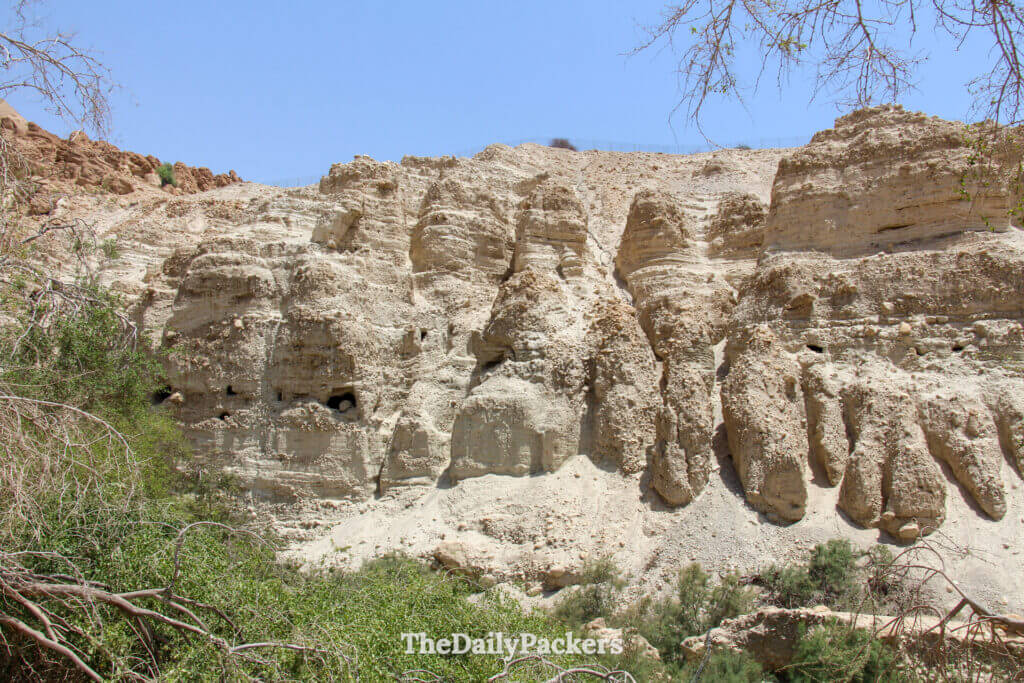
From there, the contrast couldn’t be stronger: Ein Gedi brings water, shade, and greenery back into the picture. After the heat and stone of Masada, walking through an oasis with flowing streams and waterfalls feels almost unreal.
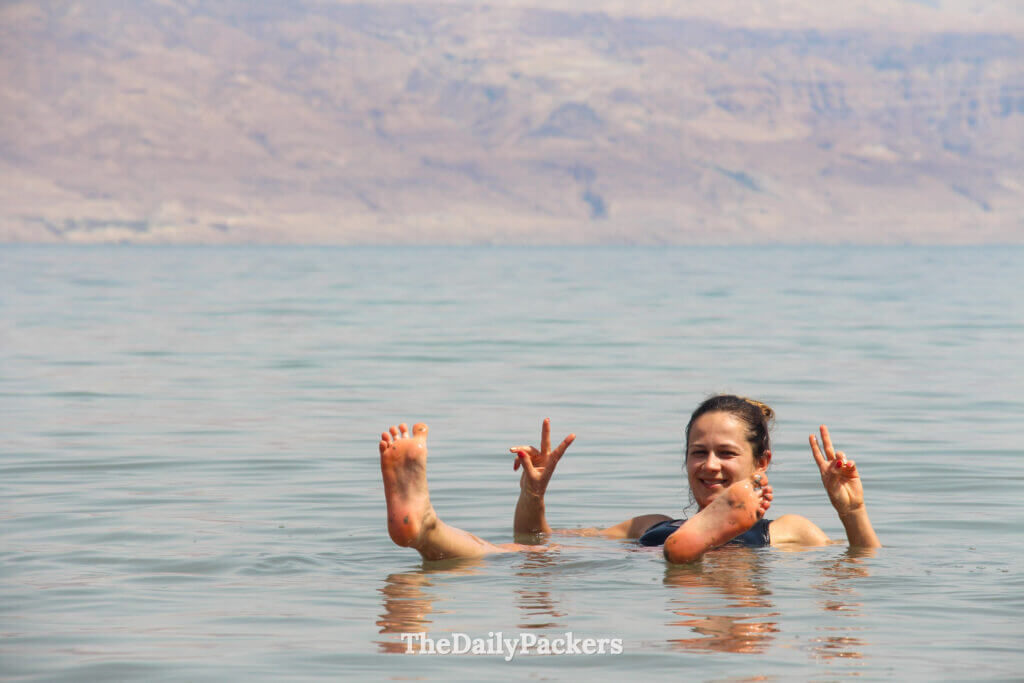
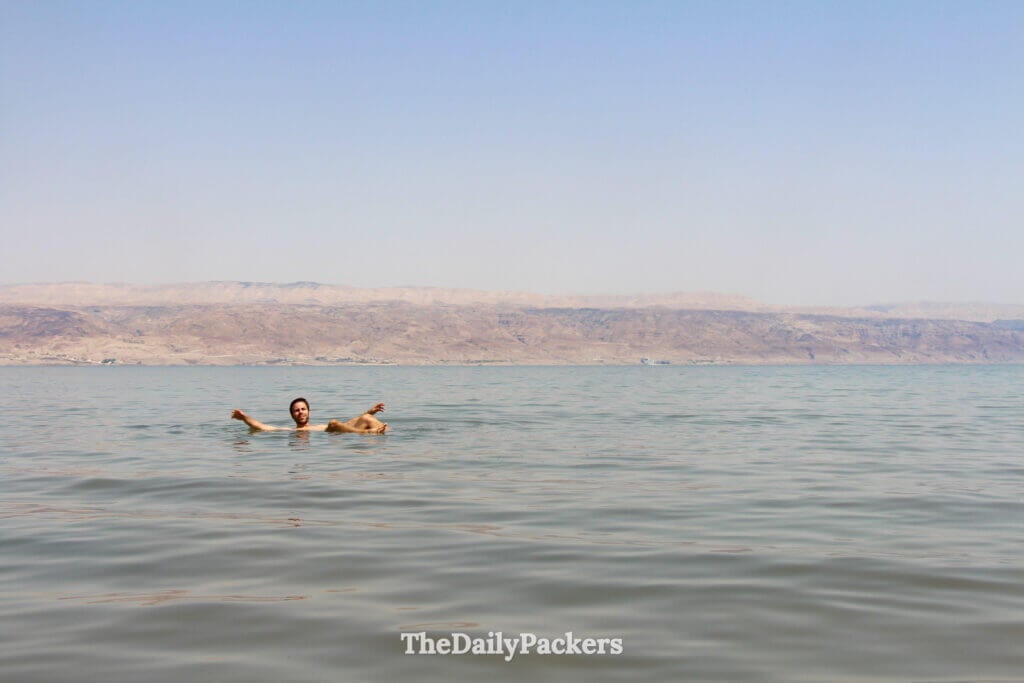
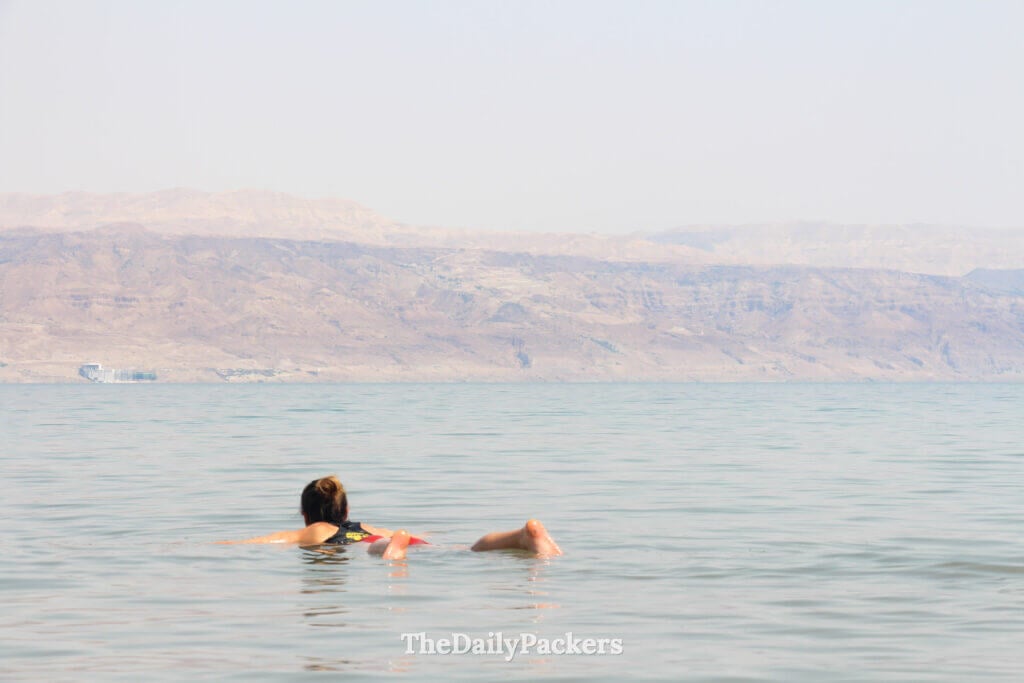
And then comes the Dead Sea. Floating without effort, covered in mineral-rich water, looking back at the desert cliffs—it’s one of those experiences you don’t fully understand until you’re actually there. Swimming in the Dead Sea isn’t about distance or movement; it’s about the feeling. Strange at first, unforgettable after.
What makes this day trip so special is how complete it feels. You don’t just “see” places—you experience history, nature, and something entirely physical, all in one day. If you only have limited time in Israel, this is easily one of the most efficient and memorable ways to use it.
How to get
The easiest and most stress-free way to visit Masada, Ein Gedi, and the Dead Sea in one day is by joining an organized day tour from Jerusalem. These places are spread out across the Judean Desert, public transport is limited, and doing it independently in a single day would be complicated and rushed.
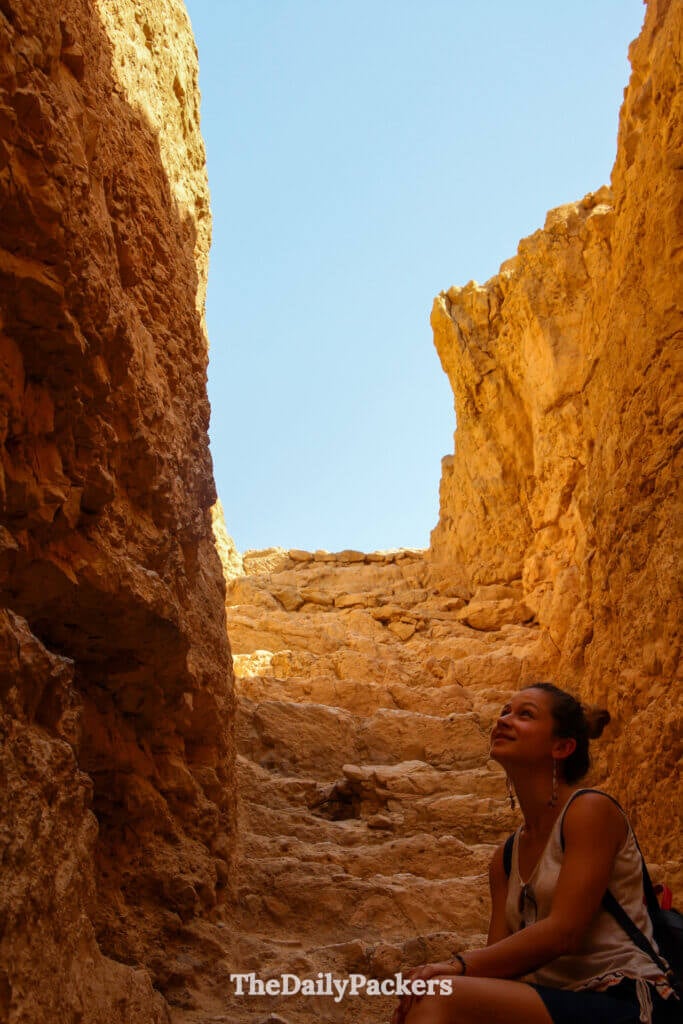
Most tours leave early in the morning (around 7:00–7:30 AM) from central Jerusalem, often near hostels or major pickup points. You travel in a comfortable, air-conditioned minibus and head east toward the Dead Sea region, crossing some truly dramatic desert landscapes along the way.
If you’re wondering whether a tour is worth it, here’s why it works so well:
- You don’t need to worry about navigation or timing
- You hit all three highlights in the right order
- Entrance logistics are handled smoothly
- It’s generally considered the safest and most efficient option
When we did it, the day felt well-paced, with enough time at each stop without constantly checking the clock. Tours usually include transport and guidance, while entrance fees (Masada and Ein Gedi) are paid separately.
It is technically possible to rent a car and drive yourself, but parking, heat, tight schedules, and long distances make it far less relaxing—especially if you’re short on time.
Bottom line: if you’re looking for one of the best day trips from Jerusalem, a guided Dead Sea tour covering Masada and Ein Gedi is by far the simplest and most rewarding way to do it
When to visit
You can visit Masada, Ein Gedi, and the Dead Sea all year round, but the experience changes a lot depending on the season—mainly because of the heat. This is one of the lowest and hottest regions on Earth, so timing really matters.
- Spring (March to May) is one of the best periods. Temperatures are warm but still manageable, the desert landscapes are at their most vibrant, and hiking around Masada or Ein Gedi feels comfortable. This is when we went, and even then, the sun was already strong by late morning.
- Autumn (September to November) is another excellent option. The heat eases compared to summer, crowds thin out slightly, and swimming in the Dead Sea is still very pleasant. Days are long, dry, and ideal for a full-day excursion.
- Summer (June to August) can be brutal. Temperatures regularly climb above 40°C, especially around Masada. Tours still operate, but expect very early starts and limited time outdoors. If you visit in summer, a guided tour is strongly recommended so everything runs efficiently and safely.
- Winter (December to February) is the coolest season and surprisingly enjoyable. Days are mild, perfect for hiking, but swimming in the Dead Sea can feel cold. There’s also a small chance of rain, which may affect desert trails.
Tip: No matter when you go, choose an early departure. Visiting Masada before the heat peaks makes a huge difference, and it keeps the day far more enjoyable overall.
How to Visit
Morning – Masada (around 7:30 am – 11:00 am)
Your Masada day trip from Jerusalem usually starts early. You’ll leave the city around 7:15–7:30 am, often from a central pickup point like a hostel or main hotel area. From there, it’s roughly 1.5 hours of driving through the Judean Desert. The ride is comfortable, air-conditioned, and honestly a nice way to ease into the day while watching the landscape slowly turn dry and dramatic.
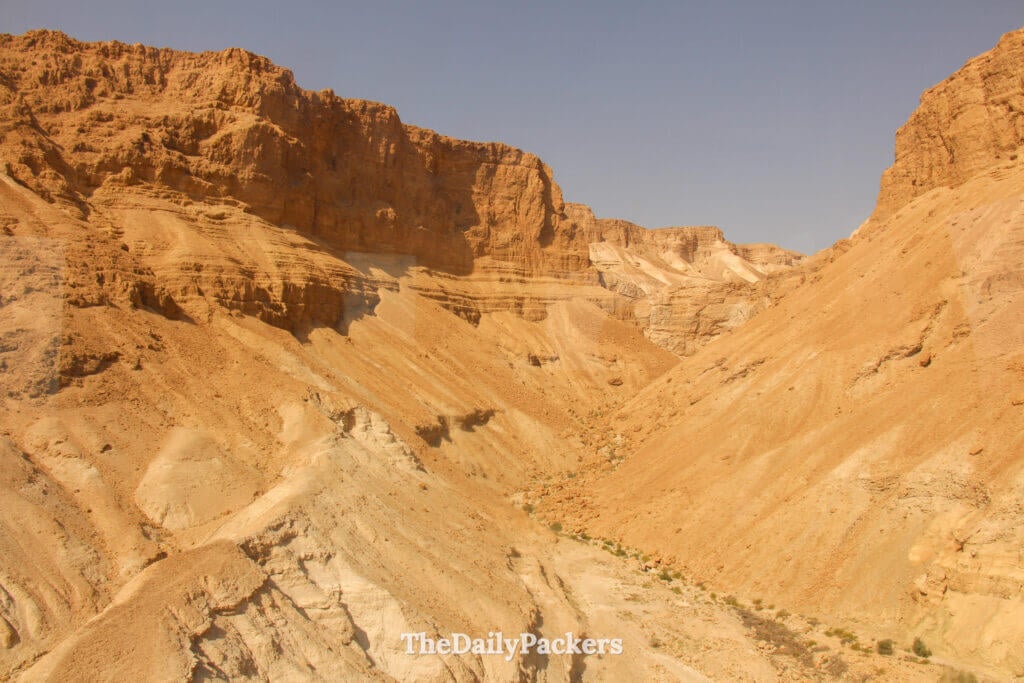
You arrive at Masada in the morning, which is key—this place gets brutally hot later on. Most tours take the cable car up, saving energy and time. Once on top, you usually have about two hours to explore.
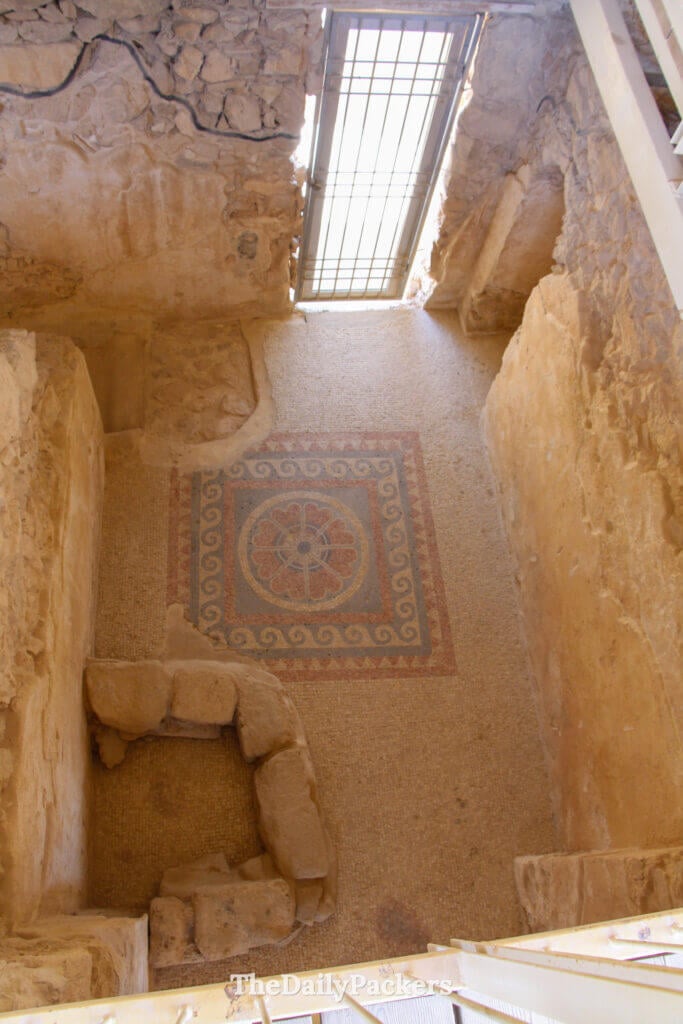
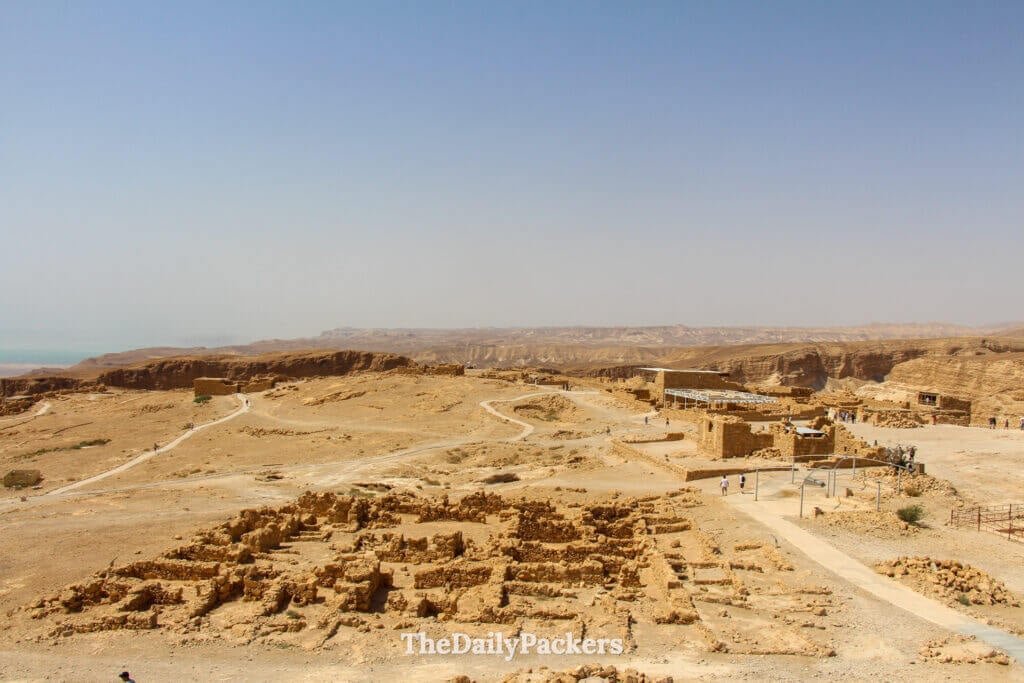
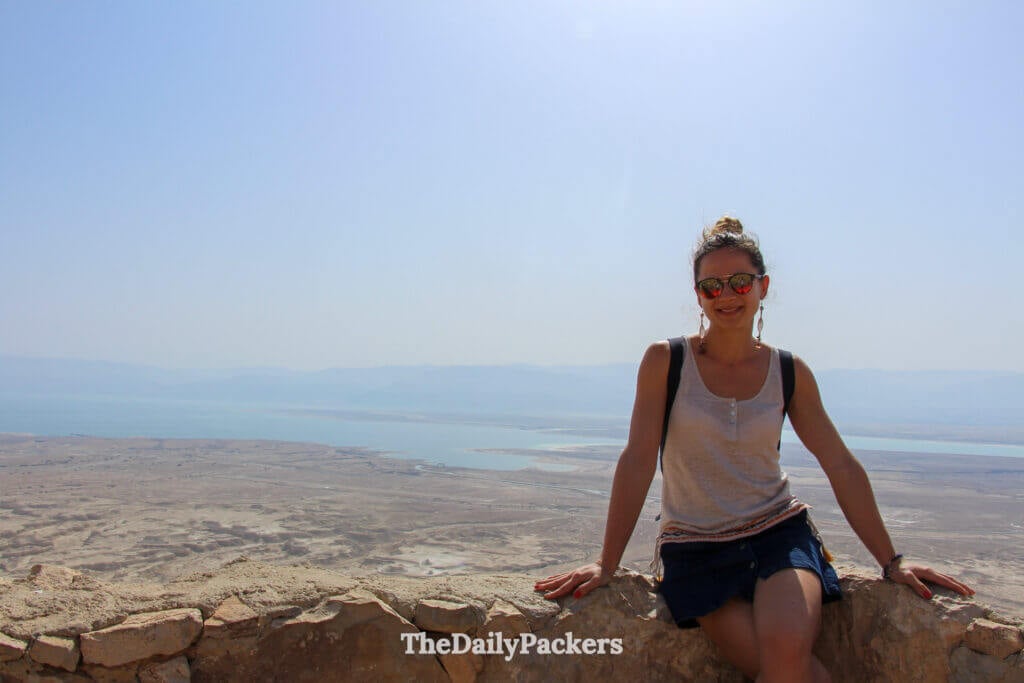
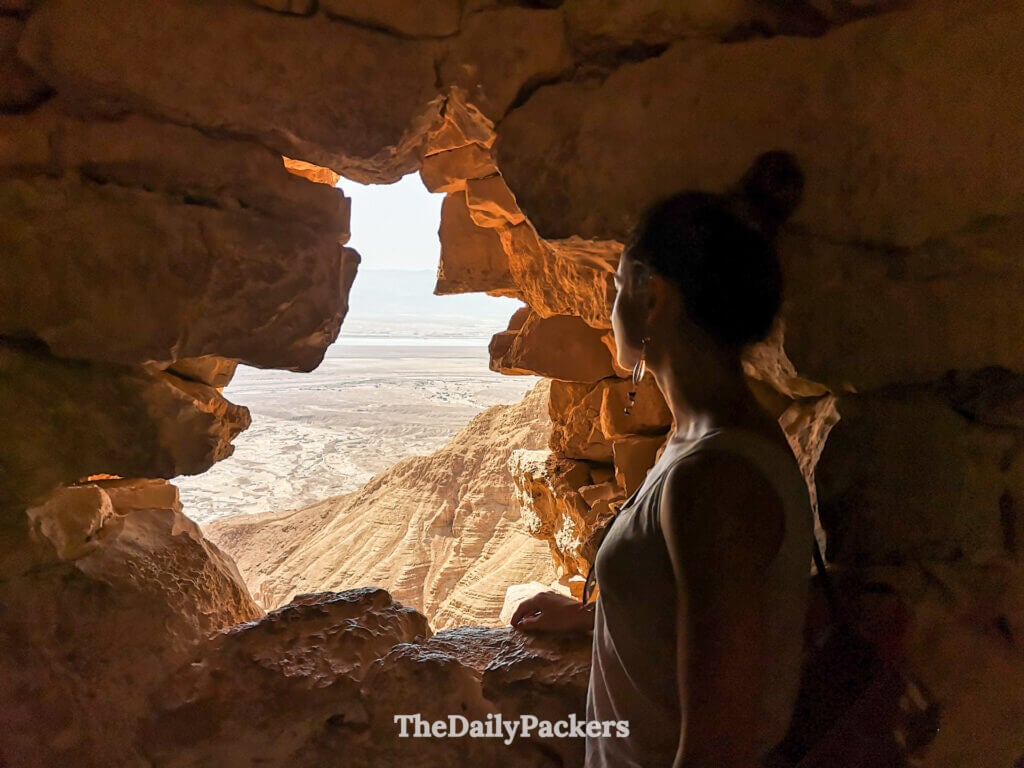
Masada isn’t just a viewpoint. You’re walking through the remains of a full fortress city: Herod’s palaces, Roman baths, storage rooms, living quarters, and an insanely clever water system that once supplied the mountain using cisterns filled by slaves and animals. Standing there, surrounded by desert on all sides, it’s easy to understand why this place is such a powerful symbol in Israeli history.
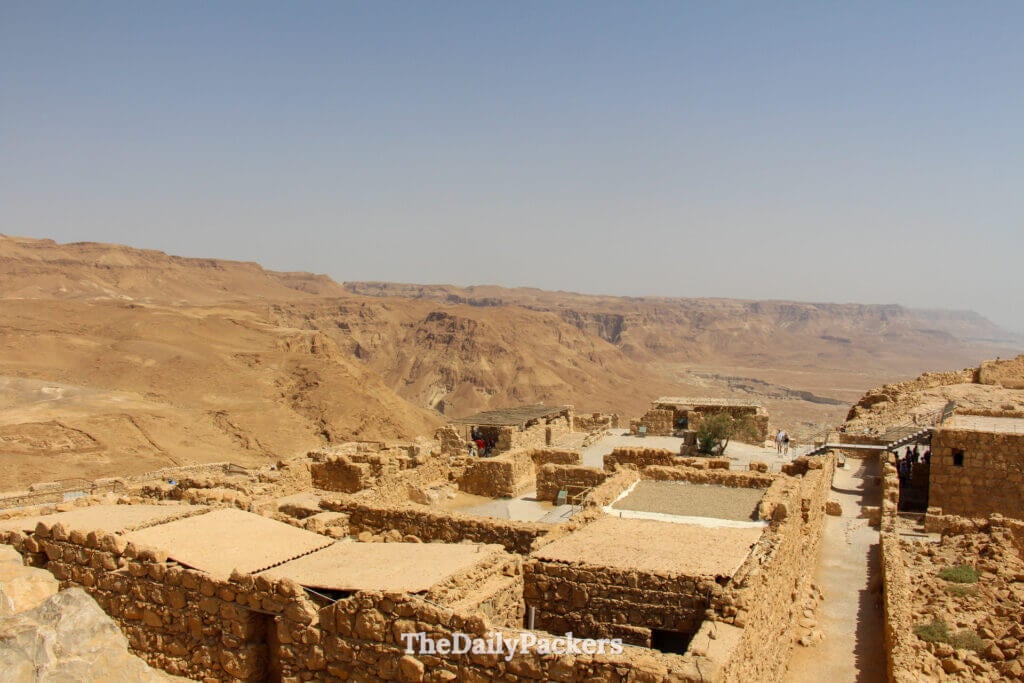
Late Morning – Ein Gedi (around 11:30 am – 1:00 pm)
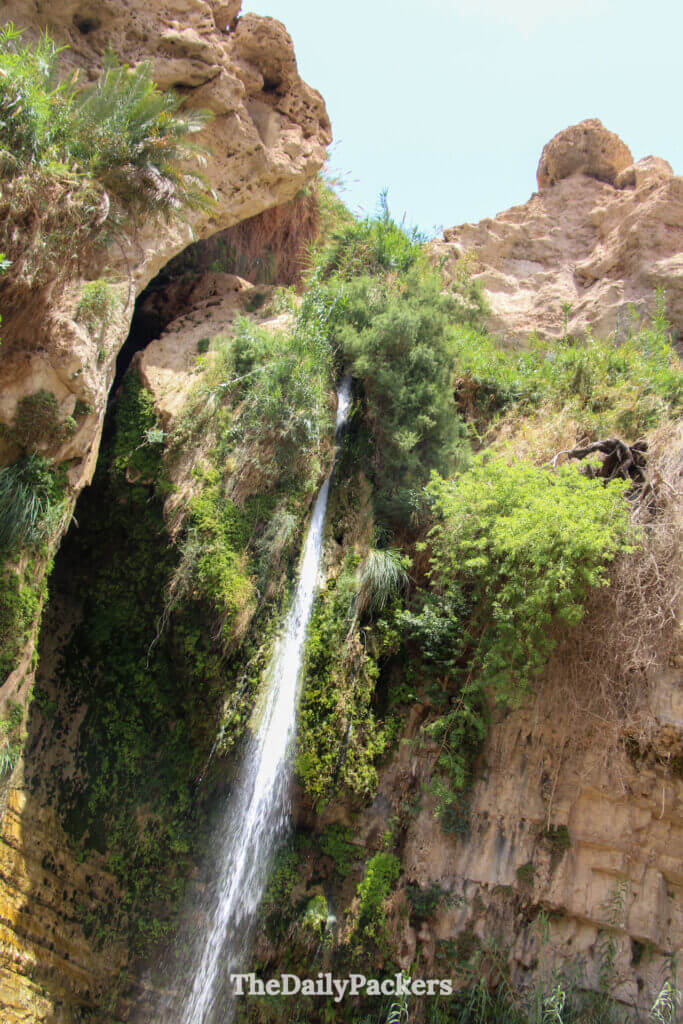
After Masada, it’s a short 20–30 minute drive to Ein Gedi Nature Reserve. The contrast is immediate: desert cliffs suddenly give way to greenery, flowing water, and shade.
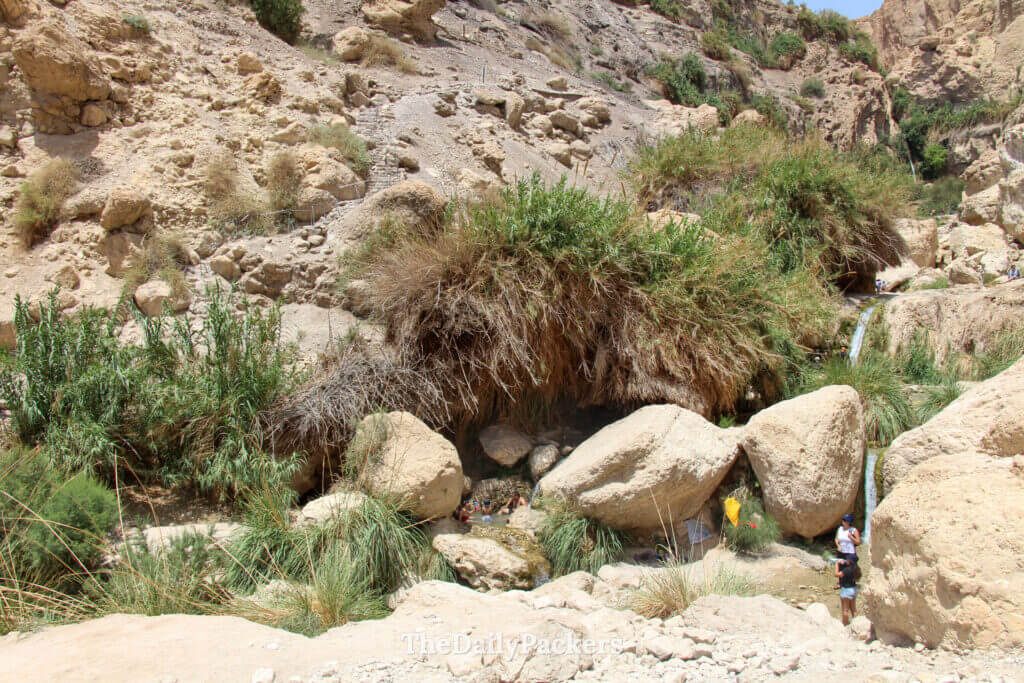
You’ll spend around 1 to 1.5 hours here, following a marked trail toward waterfalls and natural pools. It’s a real oasis, home to plants and animals from tropical, desert, and Mediterranean environments. That said, this stop can feel busy—especially midday—so it’s more about stretching your legs and enjoying the scenery than deep hiking.
Most tours schedule lunch here, either as a picnic or a quick break near the entrance before moving on.
Afternoon – The Dead Sea (around 1:30 pm – 4:00 pm)
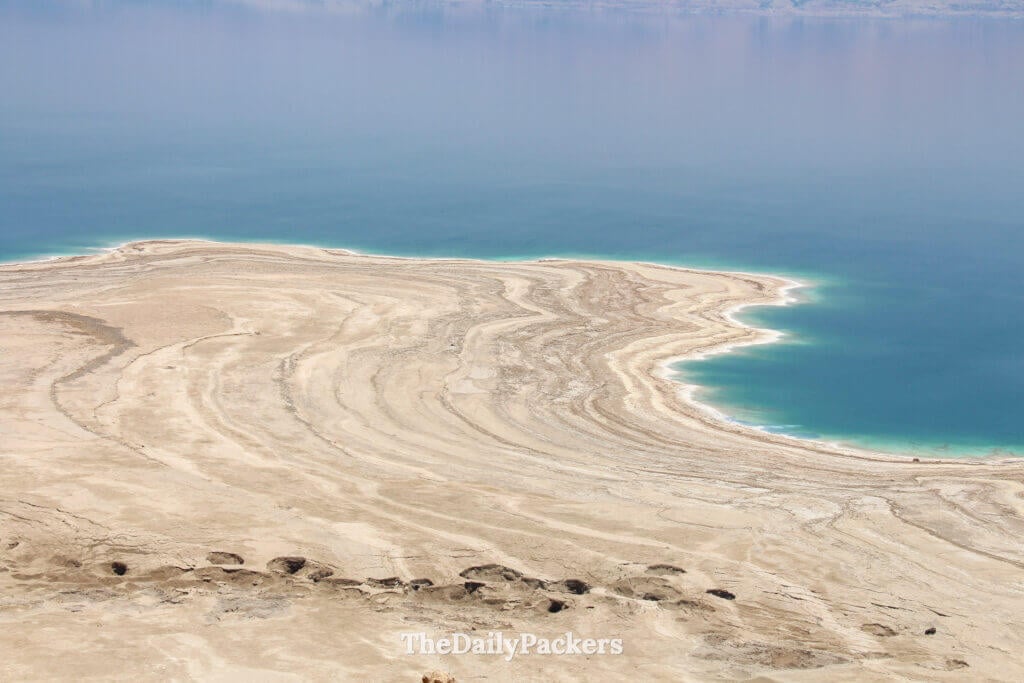
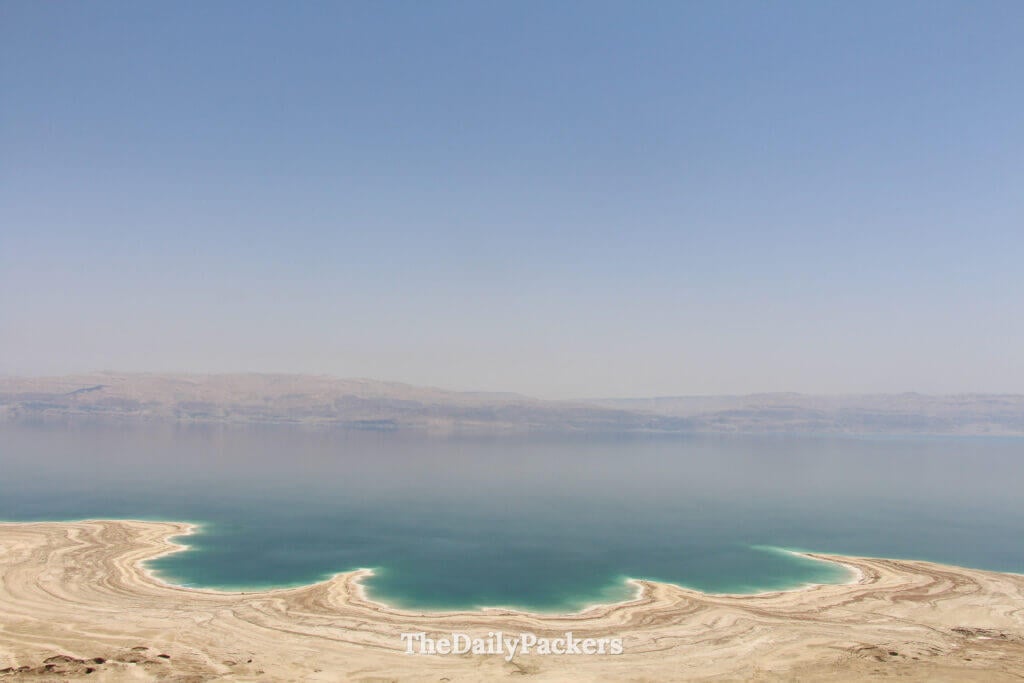
From Ein Gedi, you’ll head toward the Dead Sea. On the way, there’s often a short scenic stop overlooking the shoreline, where you can clearly see how much the water level has dropped over the years—sinkholes and receding edges are hard to miss.
Then it’s time for the highlight: swimming in the Dead Sea. You’ll usually arrive at a small resort or organized beach with showers and changing rooms and spend about 1 to 1.5 hours here.
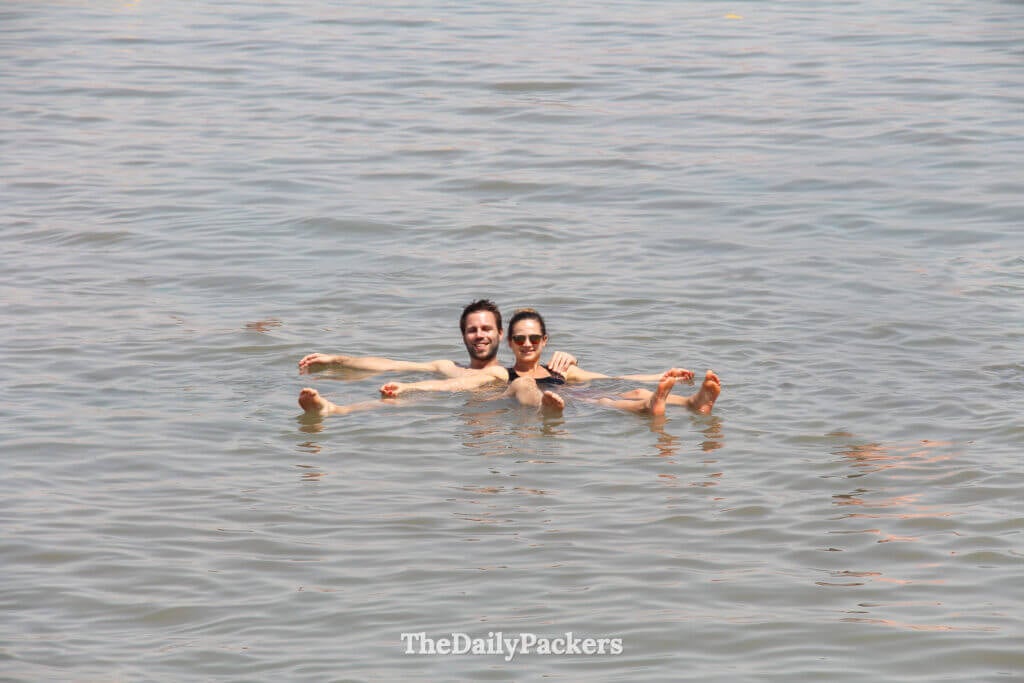
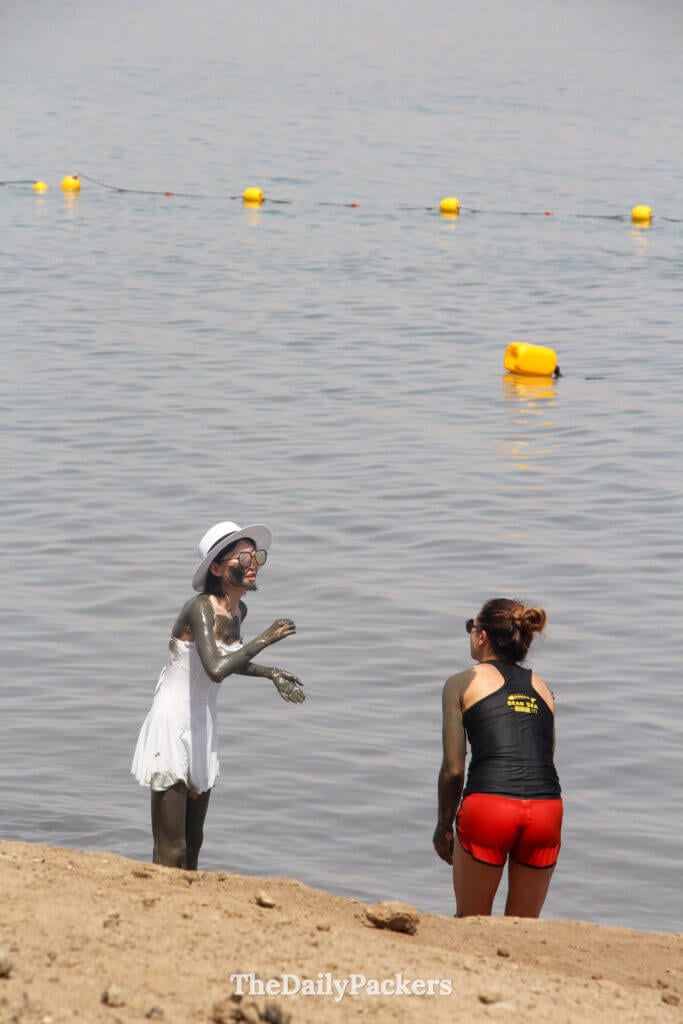
Floating really is as strange as everyone says. The water feels thick and oily, and no matter what you do, you simply cannot sink. Covering yourself in mineral-rich mud is optional—but highly recommended—and there are showers afterward to rinse it all off. Just don’t forget flip-flops, or you’ll regret every step on the hot, salty ground.
Crowds are common, especially in spring, but the experience itself is still unforgettable.
Return to Jerusalem (around 4:00 – 6:00 pm)
By mid-afternoon, you’ll start the drive back to Jerusalem, usually arriving early evening. It’s a long but well-paced day, and you’ll feel it—but in the good, satisfying way that comes after seeing something truly unique.
Tip: This itinerary works so well because of the order. Masada first, Dead Sea last. You explore when it’s cool and relax when you’re tired. Don’t try to reverse it.
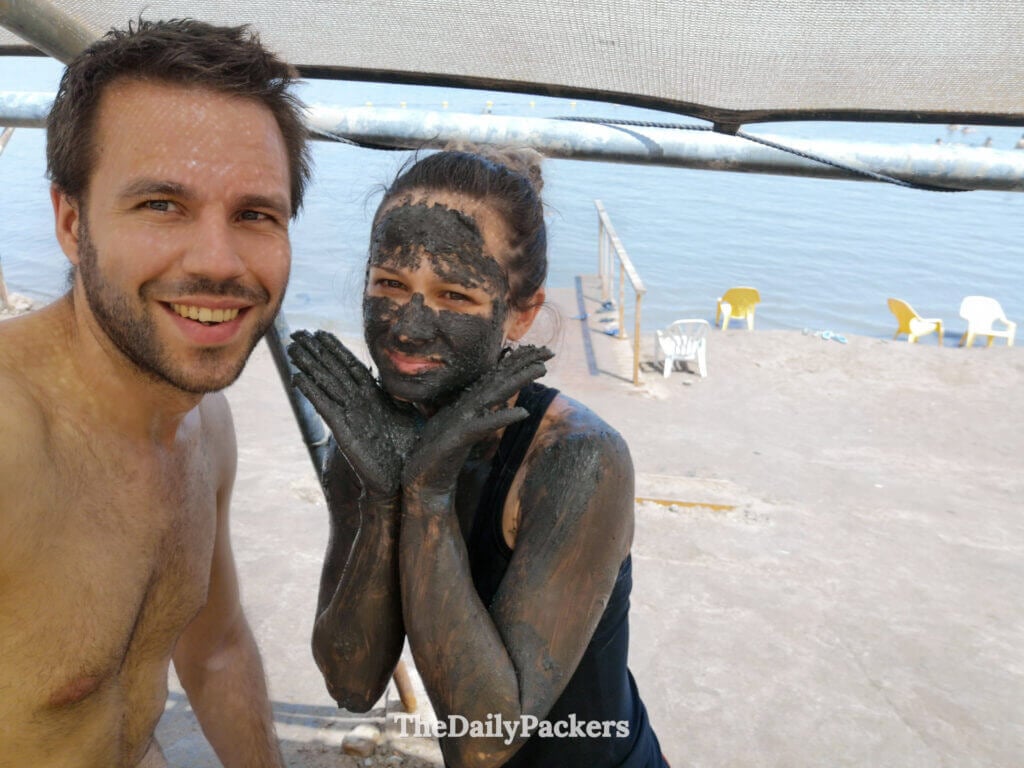

Here are all your accommodation options in Jerusalem
Tickets & Opening Hours
Here’s what you need to know before locking in your day trip from Jerusalem to Masada, Ein Gedi, and the Dead Sea—because a little prep goes a long way in the desert.
Masada: Entrance to Masada is not always included in day tours, so double-check when booking.
- Entrance fee: around 80 ILS
- Cable car (round trip): around 46 ILS
- Opening hours: generally 8:00 am to 4:00 pm, earlier in summer
- If you arrive early (which most tours do), you’ll beat both the heat and the crowds—worth it.
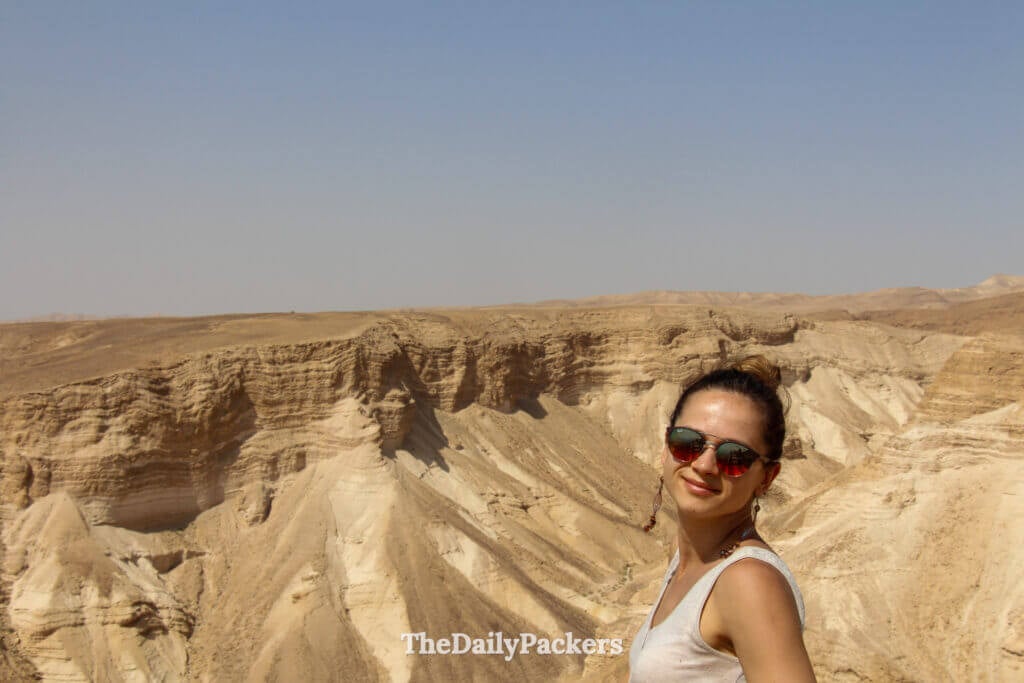
Ein Gedi Nature Reserve: For Ein Gedi Nature Reserve, tickets are usually separate unless clearly stated in your tour.
- Entrance fee: around 28 ILS
- Opening hours: typically 8:00 am to 5:00 pm (shorter in winter)
- Trails close earlier in very hot weather, so guided tours help keep timing smooth.
The Dead Sea: There’s no entrance fee to the Dead Sea itself, but access depends on where you swim. Most tours stop at a private or semi-private beach or resort, where facilities like showers and lockers are included. Public beaches exist, but they’re rarely part of organized Dead Sea tours.
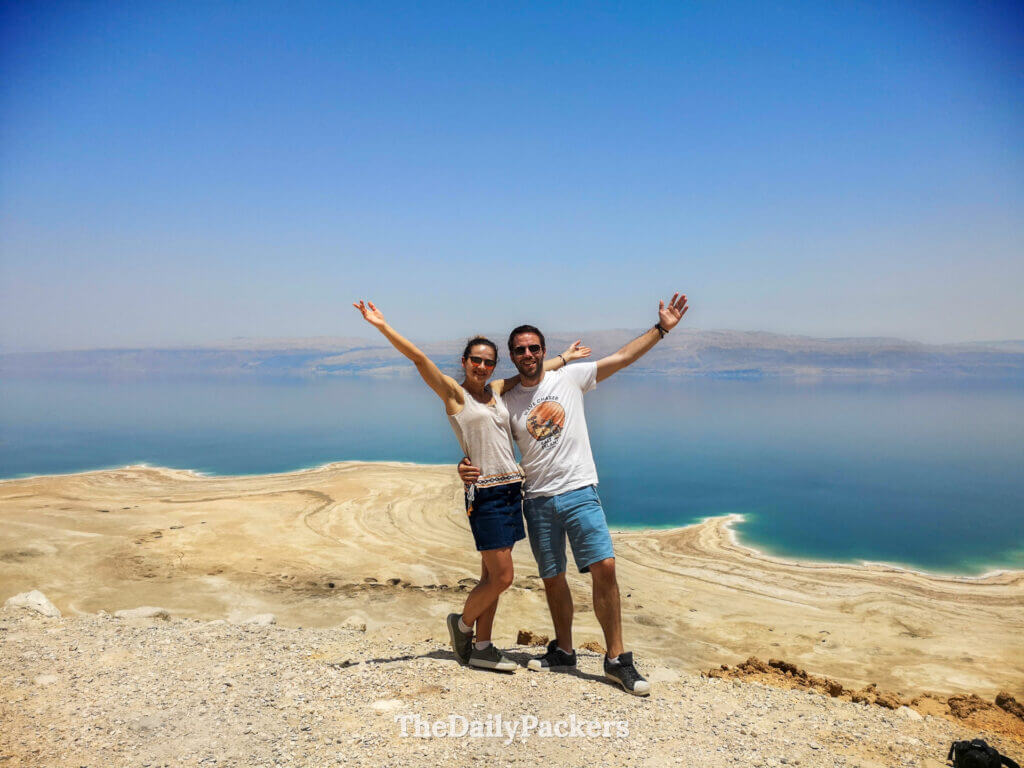
Tours vs. DIY: If you book an organized Dead Sea tour (highly recommended for a first visit), transport and timing are handled for you. You’ll just need to pay attention to what’s included and bring a bit of cash for entrances if required. Also, a tour costs around 100€ per person.
Tip: Always check seasonal opening hours—summer heat and winter daylight can affect access times, especially at Masada and Ein Gedi.
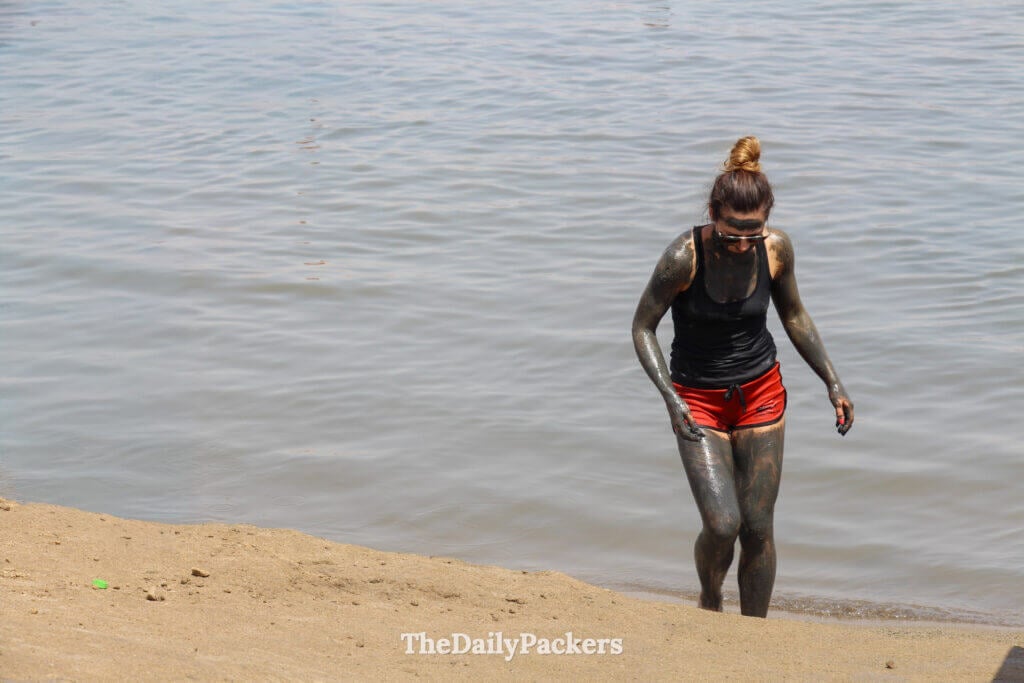
Is it Worth It?
Short answer: yes, absolutely—especially if you’re short on time in Israel.
Doing Masada, Ein Gedi, and swimming in the Dead Sea in one day might sound intense, but it’s actually one of the most efficient and rewarding day trips from Jerusalem. You cover three completely different landscapes in a single loop: ancient history, desert oasis, and one of the most surreal natural wonders on Earth.
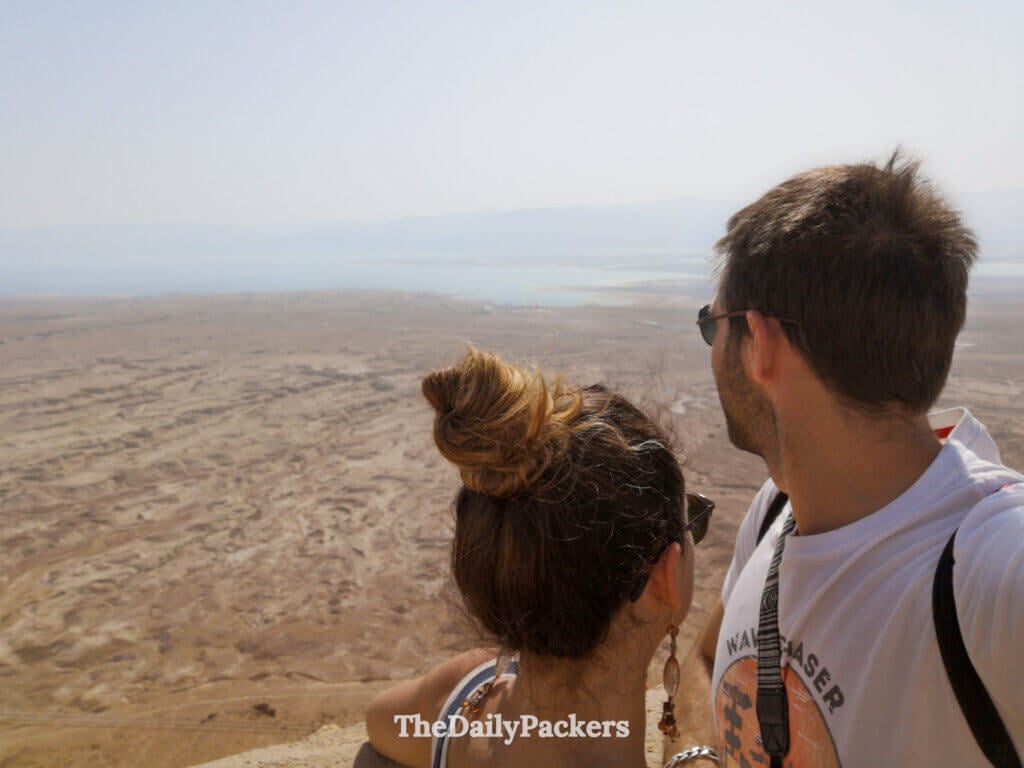
Masada alone already justifies the trip. Standing on top of that fortress, looking out over the desert, gives real perspective on how extreme life was here centuries ago. Add Ein Gedi, where you suddenly walk among waterfalls and greenery in the middle of the desert, and then finish the day floating effortlessly in the Dead Sea—it’s a pretty unbeatable combo.
That said, it is a long day. There’s a fair amount of driving, and at places like Ein Gedi and the Dead Sea, you won’t have unlimited time. If you’re the kind of traveler who likes slow hikes and lingering afternoons, this may feel a bit rushed. But if your goal is to experience the highlights without renting a car or planning logistics, a guided Dead Sea tour is one of the easiest wins of your Jerusalem stay.
Our take: if you only have one free day outside the city, this is the one to choose. Few places pack this much contrast into a single day.
Travel Tips
- Start early, really early. Most tours leave Jerusalem around 7–7:30am, and that’s a good thing. Masada gets brutally hot later in the day, especially outside winter.
- Bring flip-flops or water shoes. The salt crystals at the Dead Sea are sharp, and the ground gets scorching. Your feet will thank you.
- Don’t shave before going. Seriously. Any tiny cut will sting like hell once you hit the Dead Sea water.
- Pack light but smart. Swimsuit, towel (often provided on tours), sunscreen, hat, water, and a small backpack are enough.
- Use the cable car at Masada if you’re short on time. Hiking up is epic, but it eats into the day and the heat can be intense.
- At Ein Gedi, manage expectations. It’s beautiful, but popular. If it feels crowded, enjoy the shade, grab lunch, and save your energy for the Dead Sea.
- Limit your time floating. 10–15 minutes in the Dead Sea is plenty. Rinse off immediately afterward to avoid skin irritation.
- Tours make life easier. Between checkpoints, distances, and timing, joining an organized tour from Jerusalem keeps things stress-free.
- Stay hydrated all day. Desert air + sun sneaks up on you fast, even outside summer.
If you treat this day as an experience rather than a checklist, it ends up being one of the most memorable parts of your trip.

Psst, you can join Tina’s Yoga Studio and get access to hundreds of Yoga, Meditation, and Well-being videos.
Where to stay
If you’re planning a Dead Sea tour, Masada, and Ein Gedi as a day trip, the smartest option is to base yourself in Jerusalem. You’ll avoid changing accommodation, start early without stress, and be back in the city by late afternoon or early evening.
Here are a few solid places to stay depending on your budget and travel style:
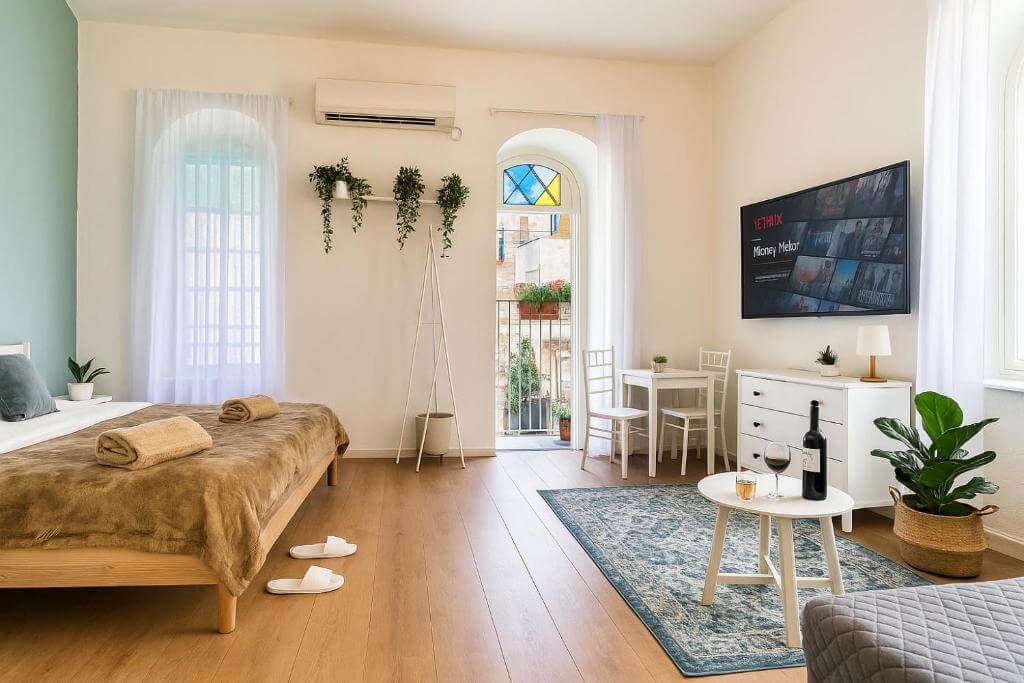
- Jerusalem Hotel – A good-value option close to public transport, practical if you’re joining an early morning tour.
- Mamilla View – Suites & Apt Hotel – Comfortable, well-located, and ideal if you want a bit more space and easy access to the Old City.
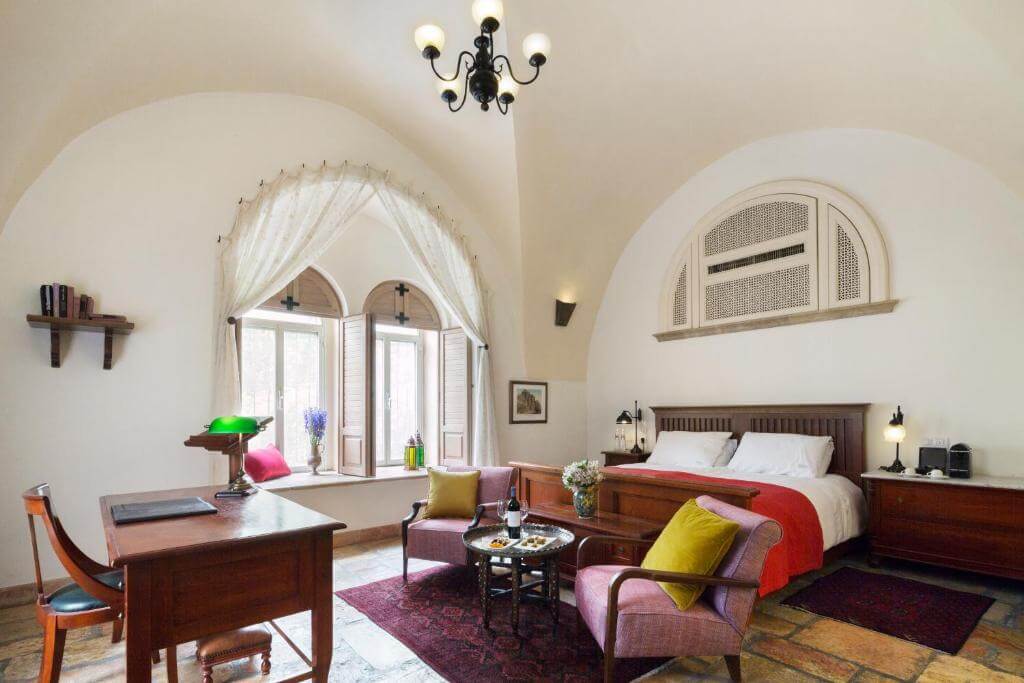
- The American Colony Hotel – A beautiful historic property and a great choice if you want to come back from the desert to somewhere calm and elegant.
Tip: If your tour departs early (most do), double-check walking distance or taxi availability to the meeting point the night before. Jerusalem mornings are quiet, and planning ahead saves unnecessary stress.

Here are all your accommodation options in Jerusalem
About the authors
We are Alex and Tina, a French-Serbian couple who met in China back in 2014. We spent three incredible years there before making France our home. Our shared passion for travel has been the heartbeat of our relationship for over 12 years, taking us across 44 countries and counting.
We launched TheDailyPackers in 2019 as a way to document our adventures. In 2026, we reached a major milestone by officially turning our blog into our full-time job. While we are still growing toward financial independence through this platform, every article we write is fueled by our mission to make your voyages easier through in-depth guides, honest advice, and the lessons we’ve learned from our own mistakes.
Our journey has not been without its storms. In 2023, our world changed forever when our first son, Poppy, was stillborn on November 25th. It was, and remains, the hardest chapter of our lives. In 2025, we were blessed with our second little boy, Milo. He has since joined our traveling tribe, and you’ll be seeing him—and the reality of traveling with a little one-on the blog more and more.
We hope to inspire you to explore the world with curiosity and resilience. Thank you for being part of our story.
You may also like those related posts
19 Best things to do in San Sebastian, Spain, in 3 days
TMB Stage 11: Guide from La Flégère to Les Houches
5 Essential Argentina Travel Tips: SIM Cards, Transport & More
How We Got the Cheapest Flight Ticket of Our Lives
Colmar Christmas Market: A 3‑Day Guide to Magical Alsace
3-Month South America Packing List: What to Bring
Morocco Itinerary: The Unforgettable 2-week Road Trip
Sigiriya Lion Rock: Visit the famous Sri Lanka’s Icon
Pssst, did you know that…
If you purchase something through our links, we earn a small fee. However, you still pay the same. Win-win! And one day we may get to be full-time travel bloggers =)
Find Hotels with Booking.com
Do Yoga with KVY
Buy us a Coffee
Rent a car with DiscoverCars
Find Attractions with GetYourGuide
Find Flights with Expedia
Buy an eSIM with Airalo
Get insured with World Nomads
Get ready with Amazon.com