

Introduction
Kyoto (京都, Kyōto) served as Japan’s imperial capital and the emperor’s residence from 794 until 1868. Today, it’s one of Japan’s ten largest cities, home to around 1.5 million people. While Kyoto is a modern city, its heart beats with centuries of history, offering visitors a unique mix of old and new.
Throughout the years, Kyoto faced numerous wars and natural disasters. Yet, thanks to its immense historical and cultural significance, it was spared from major destruction during World War II. This means many of its ancient temples, shrines, and traditional wooden houses are still standing — making Kyoto one of the most rewarding cities to visit in Japan.
We visited Kyoto as a one-day trip from Osaka, and even with just one day, we saw some incredible highlights. But if you have more time, it’s definitely worth staying longer to explore the city at a slower pace and discover even more of its cultural gems.
Getting there
Kyoto is easily accessible from all major cities in Japan, thanks to the country’s excellent rail network.
- From Osaka: Kyoto is just 30 to 60 minutes from Osaka, depending on the train you choose. Take the JR Special Rapid Service from Osaka Station to Kyoto Station (approx. 30 min, covered by the JR Pass). Or take the Shinkansen from Shin-Osaka Station to Kyoto Station (approx. 15 minutes but costs more if you don’t have a JR Pass).
- From Tokyo: Take the Tokaido Shinkansen from Tokyo Station to Kyoto Station. Nozomi (fastest): ~2 hr 20 min, Hikari (covered by JR Pass): ~2 hr 40 min, Kodama (local stops): ~4 hours
- From Kansai International Airport (KIX): Take the Haruka Limited Express to Kyoto Station (approx. 1 hour 15 min). • You can also take a bus, but it takes closer to 2 hours depending on traffic.
Once at Kyoto Station, you’ll find easy access to local trains, buses, subways, and taxis to get around the city.
Moving around
Kyoto is a city where you can easily combine public transport and walking to explore the best sights:
- Bus: Kyoto’s city bus system is the most convenient way to reach major sights like Kinkaku-ji and Ginkaku-ji. A 1-day pass costs ¥700 and covers unlimited rides within the city.
- Subway & Train: The Karasuma and Tozai subway lines, along with JR lines, connect key areas quickly and are ideal for reaching destinations like Arashiyama and Fushimi Inari.
- Bike: Kyoto is a bike-friendly city with plenty of rental shops—perfect for exploring charming neighborhoods at your own pace.
- On Foot: Many of Kyoto’s top areas like Gion and Higashiyama are best enjoyed on foot, so bring comfortable shoes and stroll through the old streets.

Where to Stay in Kyoto
Whether you’re visiting for a day trip or spending a few nights soaking in Kyoto’s charm, the city offers a wide variety of accommodations to suit all travel styles and budgets. From stylish hostels to luxury ryokans, you’ll find the perfect base for exploring temples, shrines, and historic districts.
Here are some great places to stay in Kyoto:
- (€) Piece Hostel – A stylish and budget-friendly hostel located near Kyoto Station. Perfect for solo travelers and those who want clean, modern spaces with a friendly vibe.
- (€€) Cross Hotel – Located in the heart of downtown Kyoto, just steps from Kawaramachi and Gion. A great mid-range option with spacious rooms, sleek design, and easy access to restaurants and sights.
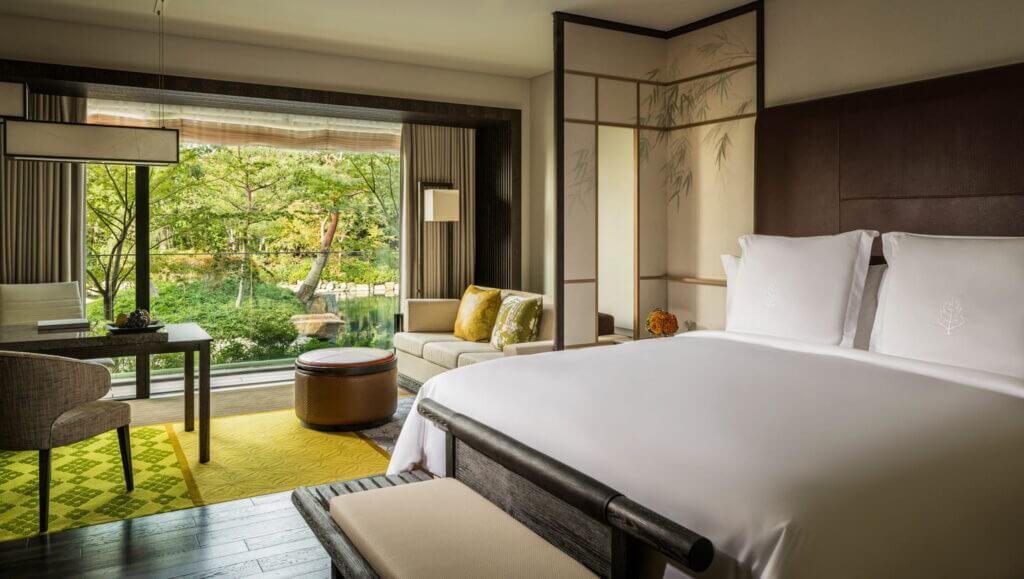
- (€€€) Four Seasons Hotel – A luxurious stay nestled beside an 800-year-old pond garden in the historic Higashiyama district. If you’re looking for top-notch service, elegance, and serene surroundings, this is it.
What to eat
Kyoto is one of the best cities in Japan to experience traditional Japanese cuisine. While walking between the train station and the Fushimi Inari-taisha Shrine, you’ll pass by plenty of street food stands — this is a great time to try some local bites!
Some must-try street snacks include:
- Yakitori (grilled chicken skewers)
- Taiyaki (fish-shaped cake filled with red bean or custard)
- Yatsuhashi (a Kyoto specialty — mochi-like sweet, often cinnamon-flavored)
- Matcha treats – from soft-serve ice cream to cookies
After visiting the shrine, consider stopping at a cozy café nearby for some traditional matcha tea or houjicha (roasted green tea). Many cafes in the area offer seasonal wagashi (Japanese sweets) that pair beautifully with tea.
If you’re looking for a sit-down meal, here are a few ideas:
- Nishiki Market – A vibrant food market in central Kyoto where you can sample small bites of everything from pickles and tofu donuts to fresh sashimi skewers and grilled seafood.
- Vegetarian or Shojin Ryori – Try a temple-style Buddhist meal, especially near temples like Tenryu-ji in Arashiyama.
- Kaiseki dining – A traditional multi-course meal made with seasonal ingredients. A cultural and culinary experience you’ll never forget.
And if you’re just in need of something casual and comforting, Kyoto has plenty of:
- Ramen shops
- Udon noodle restaurants
- Izakayas for a relaxed evening meal and drinks
Kyoto is a city where every meal can become a cultural moment — so don’t be afraid to try new things, especially if they’re local specialties!

Things to do in Kyoto
Hike Through the Iconic Fushimi Inari Shrine and Its Thousand Torii Gates
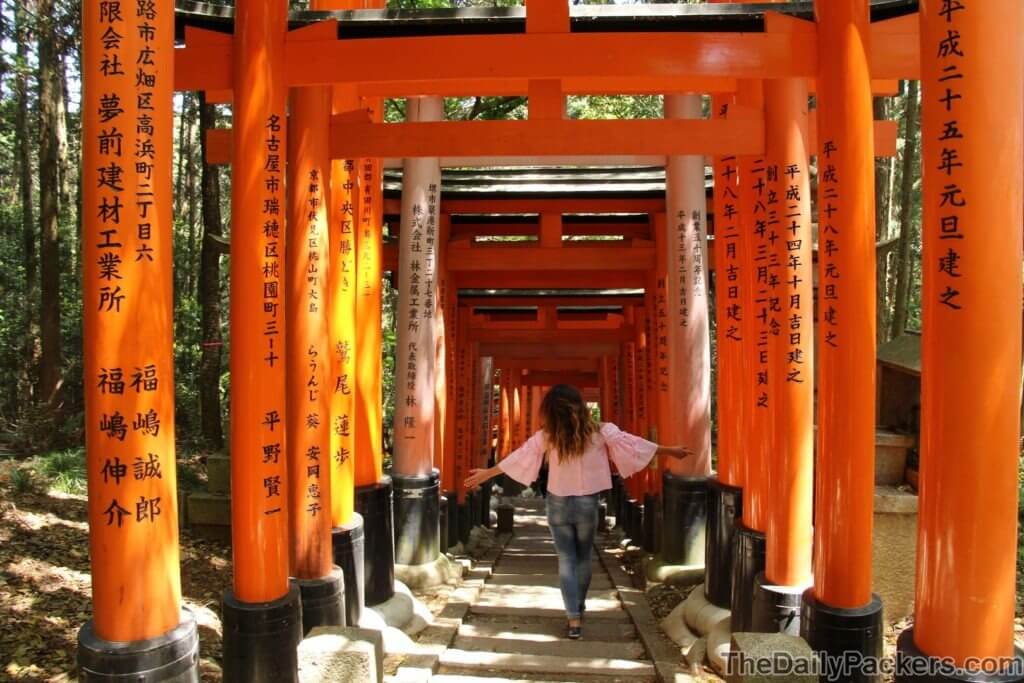
Fushimi Inari Taisha is one of Kyoto’s most iconic landmarks and one of the top attractions in Japan. It’s especially famous for its thousands of vermilion torii gates that form a striking pathway through the forested slopes of Mount Inari, which rises to 233 meters.

The torii-lined trail winds behind the shrine’s main buildings and creates a loop through the mountain. You don’t have to complete the entire circuit — even a partial walk gives you the magical experience of being surrounded by endless rows of red gates.

Tip: At the start of the trail, you’ll likely find it crowded with visitors. But here’s a little secret — early on, there’s a path branching off to the right. It doesn’t go through a shrine, but it leads you further up the mountain and reconnects with the main torii trail. This quiet detour lets you enjoy the experience without the crowds.

Wander Through Gion, Kyoto’s Historic Geisha District
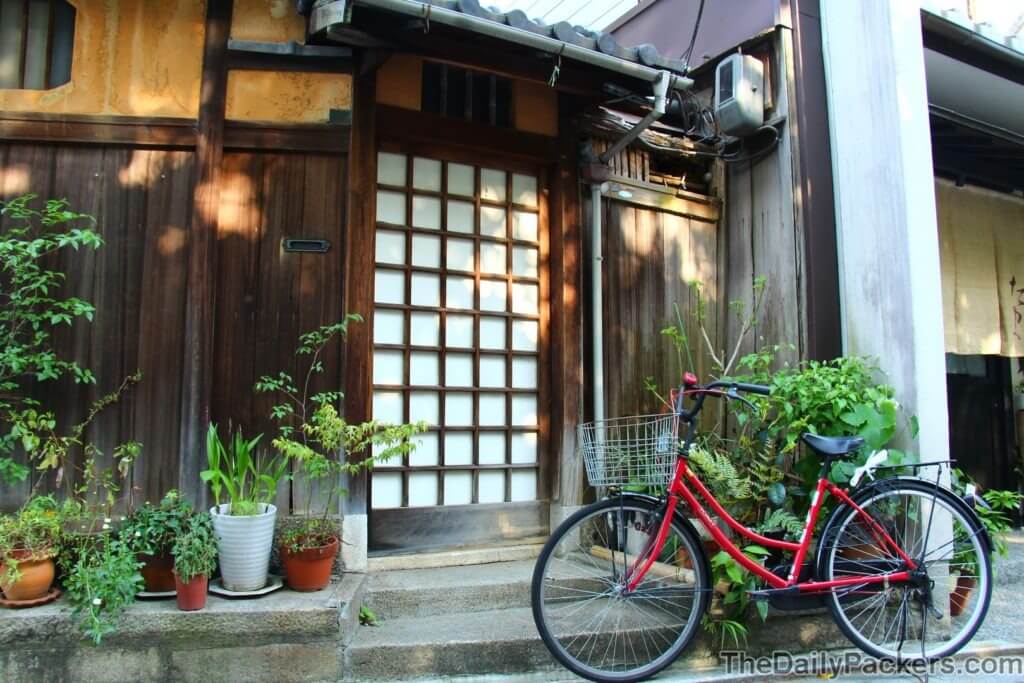
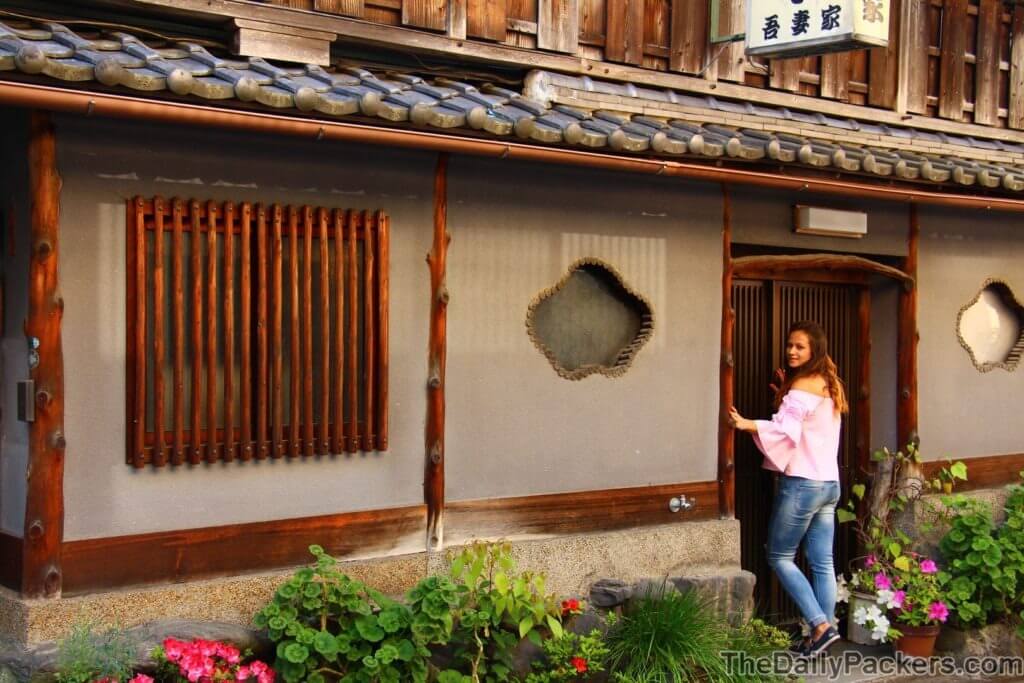
Gion (祇園) is Kyoto’s most famous geisha district, known for its traditional wooden architecture, lantern-lit ochaya (teahouses), and timeless atmosphere. The area is full of charming shops, hidden restaurants, and elegant teahouses where geiko (Kyoto’s geisha) and maiko (apprentices) still perform — preserving centuries-old traditions.
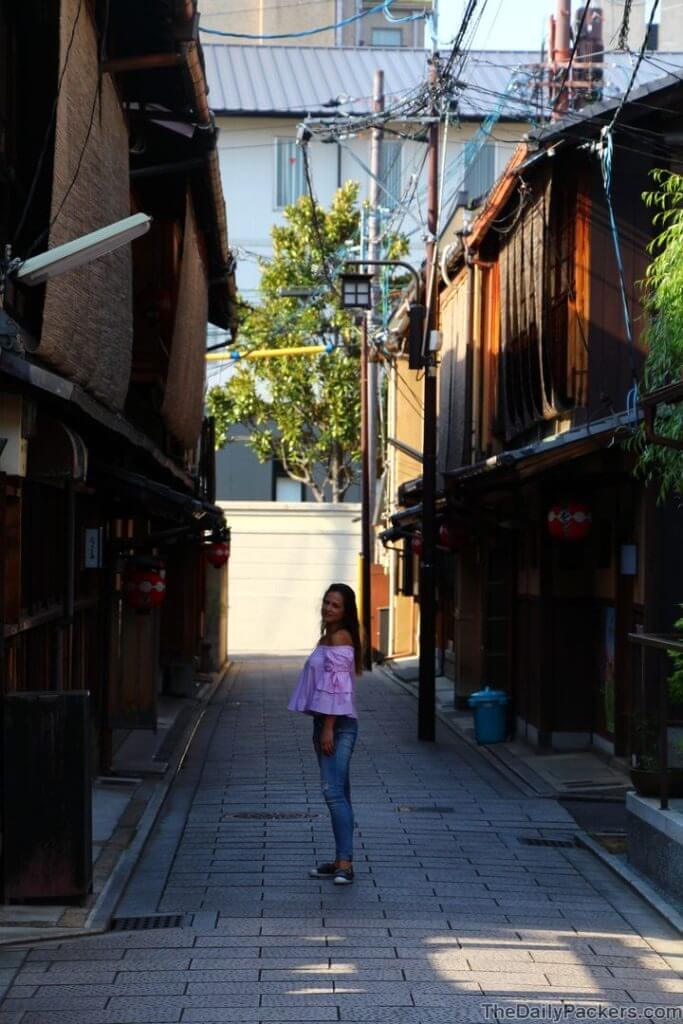
Walking through Gion feels like stepping back in time, especially in the early evening when the lanterns glow and people in kimono stroll the narrow lanes. Hanamikoji Street is the heart of the district, while nearby Shirakawa Lane, along the canal, offers a quieter but equally atmospheric stroll.
Tips for Visiting Gion Respectfully
- Best time to visit: Late afternoon to early evening for the most atmospheric experience — and your best chance of spotting a maiko on her way to an engagement.
- Be respectful: If you see a geisha or maiko, do not block their path, touch them, or follow them for photos. Taking discreet photos from a distance is okay, but asking first (or opting not to) is always appreciated.
- What not to miss: Walk along Shirakawa Minami-dori for one of the most scenic and peaceful spots in Kyoto — especially during cherry blossom season.
Visit Yasaka Shrine, Kyoto’s Timeless Guardian of Gion
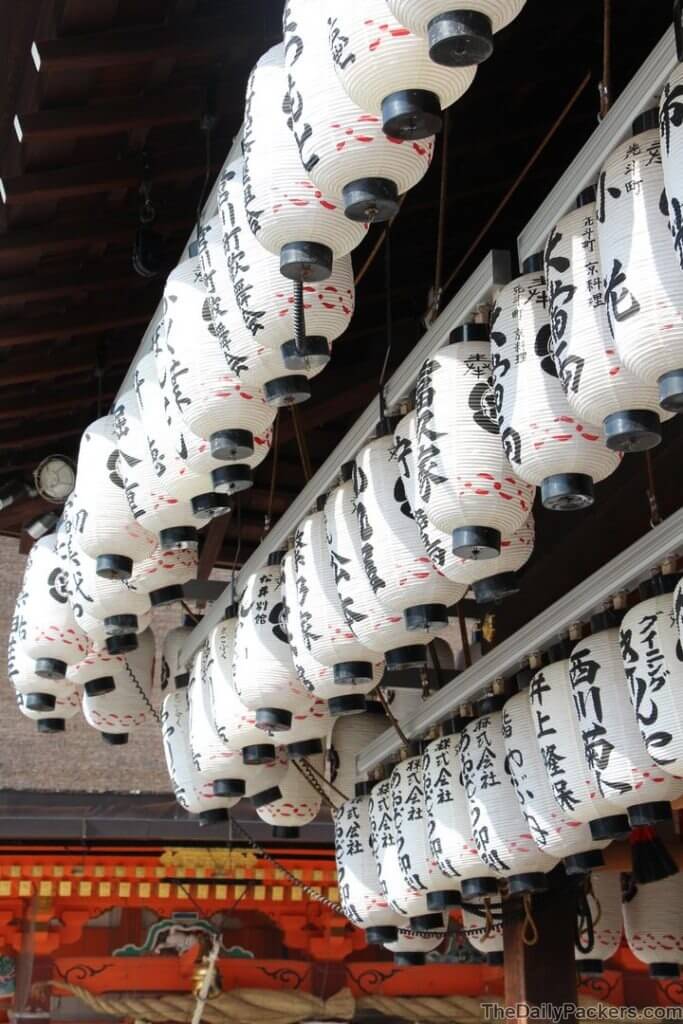
Yasaka Shrine (八坂神社, Yasaka Jinja), also known as the Gion Shrine, is one of Kyoto’s most iconic and historically significant Shinto shrines. Located at the east end of Shijō Street between the Gion and Higashiyama districts, this shrine has stood for over 1350 years and continues to play a central role in Kyoto’s cultural and spiritual life.
The shrine is especially famous for hosting the Gion Matsuri, Kyoto’s largest annual festival, which takes place every July and attracts visitors from all over Japan. With its striking vermilion gates, main hall (honden), and large dance stage adorned with lanterns, Yasaka Shrine is beautiful both day and night.

Tips for Visiting Yasaka Shrine:
- Free to enter and open 24/7 — it’s especially atmospheric in the early morning or late evening when the crowds are gone and the lanterns are lit.
- Don’t miss the lantern-lit stage at the center of the shrine, particularly magical after sunset.
- Combine your visit with nearby Gion or Maruyama Park, which is just behind the shrine and especially beautiful during cherry blossom season.
Relax in Maruyama Park, Kyoto’s Cherry Blossom Hotspot
Maruyama Park (円山公園, Maruyama Kōen) is a peaceful public park located just behind Yasaka Shrine, making it an easy and natural stop during your Gion stroll. Known for its traditional landscaping, winding paths, and tranquil atmosphere, the park is a favorite among locals and visitors alike.
But it’s in early April that Maruyama Park truly shines—this is when it becomes Kyoto’s most popular cherry blossom viewing spot (hanami). Locals gather with friends and family under the pink canopy of cherry trees for festive picnics, creating a joyful, communal atmosphere.

At the center of the park stands its crown jewel: a towering shidarezakura (weeping cherry tree). When illuminated at night during peak bloom, it’s one of the most magical sights in Kyoto.

Wander Through Nishiki Market, Kyoto’s Kitchen
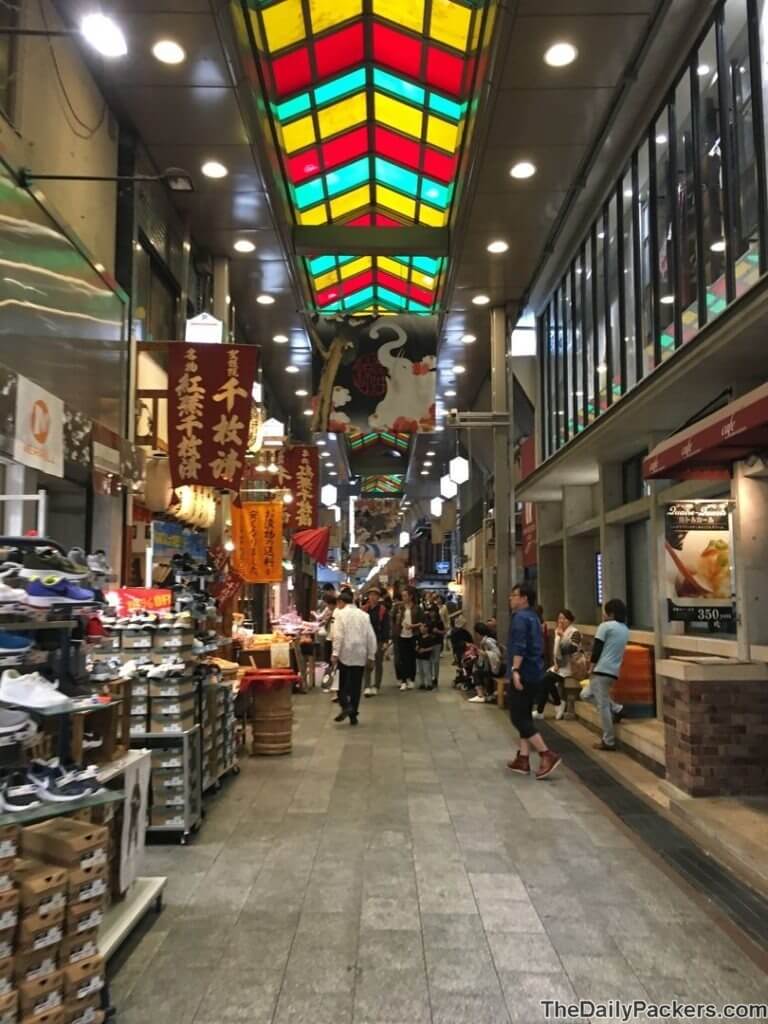
Nishiki Market (錦市場, Nishiki Ichiba) is a vibrant, narrow shopping street stretching across five blocks in the heart of Kyoto. Often called “Kyoto’s Kitchen”, this market is a paradise for food lovers and a must-visit spot to dive into the city’s local culinary scene.
Packed with over a hundred tiny shops and restaurants, Nishiki Market offers everything from fresh seafood to colorful pickles, handmade sweets, mochi, and even traditional kitchen knives. It’s a great place to try regional delicacies or grab a few edible souvenirs to take home.
You’ll also find Kyoto specialties like yuba (tofu skin), tsukemono (pickles), and matcha-flavored treats. Many stalls offer free samples, and some spots have small counters where you can sit down and enjoy a quick bite.
Take a Day Trip to Nara
If you’re spending a few days in Kyoto, one of the best things you can do is plan a day trip to Nara, the first permanent capital of Japan and home to some of the country’s most impressive historical landmarks.
Just 45 minutes by train from Kyoto Station (via the JR Nara Line or the Kintetsu Line), Nara is easy to reach and packed with must-see sights.
Here’s what to do on a day trip to Nara:
- Tōdai-ji Temple – Marvel at the Daibutsuden (Great Buddha Hall), once the world’s largest wooden building.
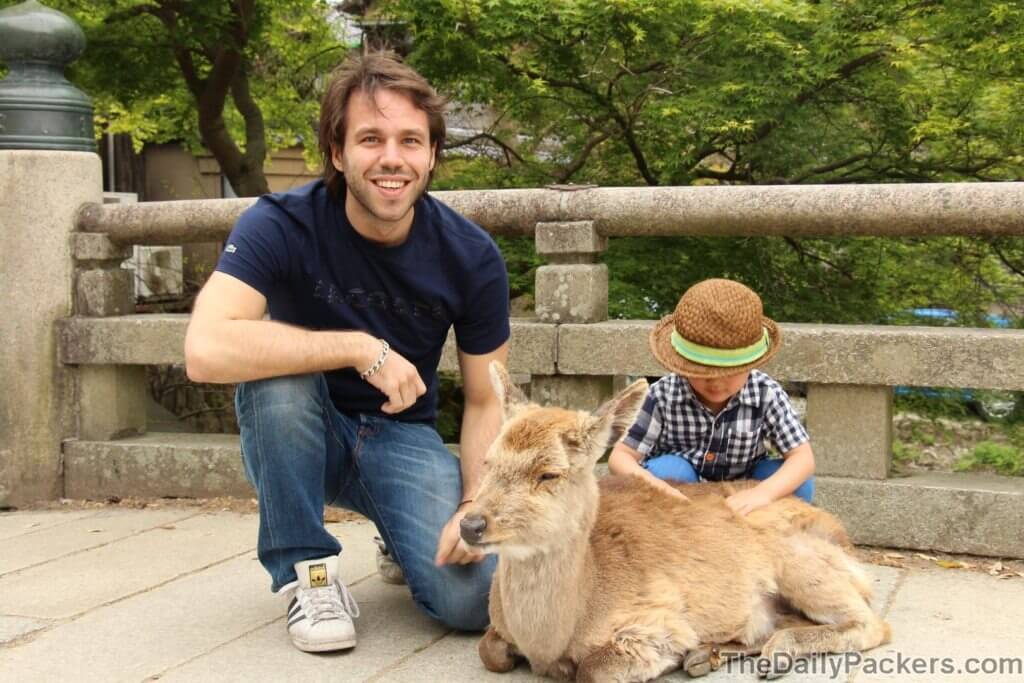
- Nara Park – Meet over 1,000 friendly, free-roaming deer in this massive park. You can even feed them with special deer crackers.
- Mt. Wakakusa – For those up for a short hike, this hill offers panoramic views over the city.
- Kasuga Taisha Shrine – Famous for its thousands of stone and bronze lanterns lining the paths.
- Lunch tip – Try Hakuginya near Mt. Wakakusa for soba noodles and Oyakodon. It’s local, affordable, and delicious.
Nara blends nature, spirituality, and history in one unforgettable experience—and it’s an easy escape from Kyoto for the day.
Take a Day Trip to Osaka
If you have more time while exploring Kyoto, consider taking a day or multi day trip to Osaka—a city full of energy, food, and character. Just 30 minutes away by train (via the JR Tokaido Line or Hankyu/Kintetsu lines), Osaka is one of Japan’s biggest cities and makes for an easy urban escape from Kyoto.
Here’s how to enjoy a perfect day in Osaka:
- Explore Osaka Castle & Park – One of Japan’s most iconic castles, surrounded by cherry blossom trees and massive stone walls. You can visit the museum inside or simply enjoy a walk through the park.
- Wander Dōtonbori – The most vibrant part of Osaka with neon lights, street food stalls, and the famous Glico running man sign.
- Eat local specialties – Don’t leave without trying Takoyaki (octopus balls) and Okonomiyaki (savory pancake). They’re street food staples you can enjoy anywhere around Dōtonbori.
- Walk through Shinsaibashi-Suji Shopping Street – One of the busiest shopping areas in the city.
- Stroll Shinsekai – A quirky, retro district with a mix of food, color, and the iconic Tsutenkaku Tower.
Osaka has a more laid-back and local vibe compared to Kyoto. It’s fun, a bit chaotic in the best way, and full of character. Perfect for a quick jump into a different side of Japan.

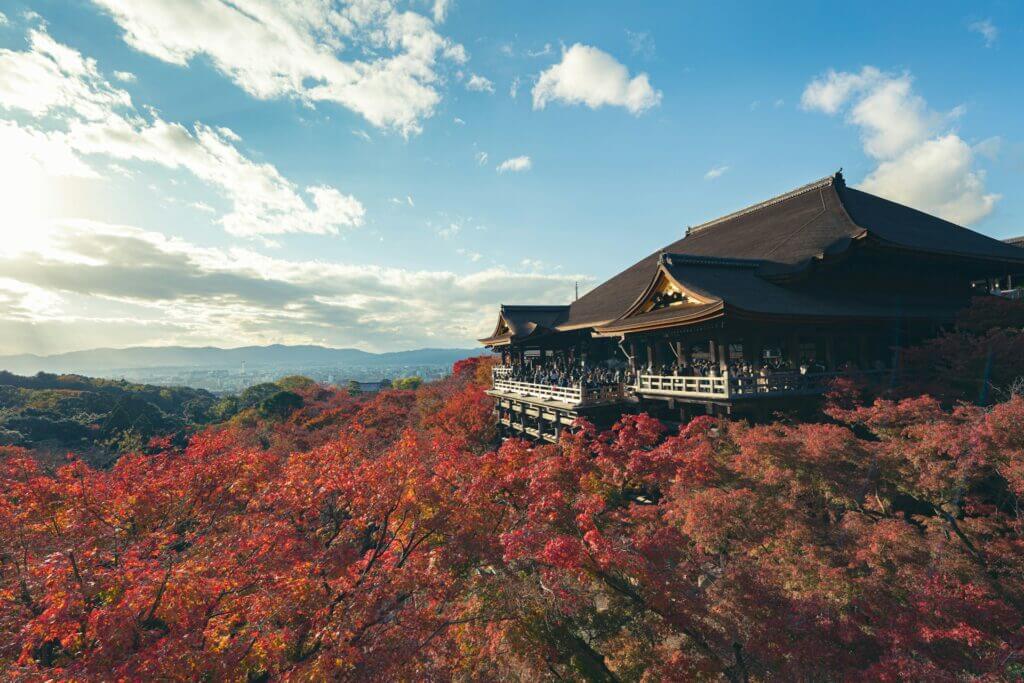
Explore the Kiyomizu-dera Temple
Kiyomizu-dera is one of Kyoto’s most iconic landmarks and a UNESCO World Heritage Site. Perched on a hillside in eastern Kyoto, its massive wooden terrace offers sweeping views over the city and surrounding hills.
The temple is especially striking during cherry blossom season in spring and the vibrant foliage of autumn. Beyond the main hall, you’ll find the Jishu Shrine (dedicated to love and matchmaking) and the Otowa Waterfall, where visitors drink for health, longevity, and success in studies.
Tip: Go early in the morning to enjoy the peaceful grounds before the crowds arrive.
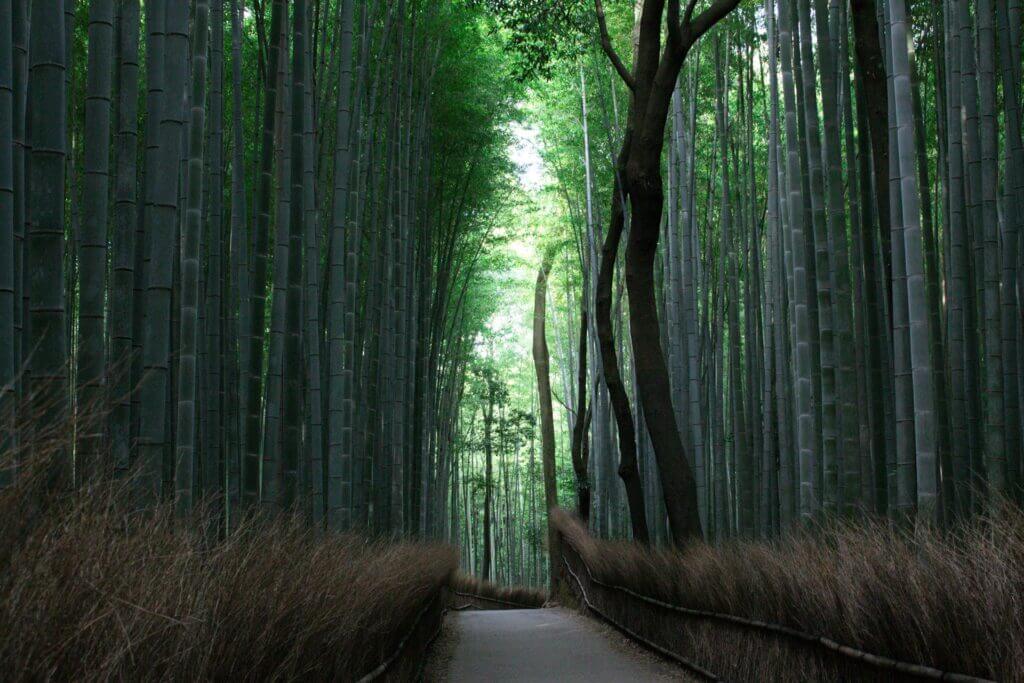
Wander Through Arashiyama Bamboo Grove
Located in the western part of Kyoto, Arashiyama Bamboo Grove is one of the most photographed and dreamlike spots in Japan. Walking through the tall green stalks of bamboo swaying gently above your head feels almost surreal. The grove is free to visit and open 24/7, but we highly recommend going early in the morning to enjoy the peaceful atmosphere before the crowds arrive.
The bamboo path is part of the greater Arashiyama district, where you can also visit Tenryū-ji Temple, a UNESCO World Heritage site with an incredible Zen garden. From there, stroll down to the Ōi River, and if you’re up for it, rent a traditional rickshaw or take a boat ride through the Hozugawa River canyon.
Hike the Philosopher’s Path
This beautiful stone path follows a cherry tree-lined canal in the northern part of Higashiyama and is especially magical during spring when the sakura are in full bloom. The path takes its name from Nishida Kitaro, a Kyoto University philosophy professor who was known to walk the route in quiet contemplation.
The full walk is about 2 kilometers and connects Ginkaku-ji (the Silver Pavilion) to Nanzen-ji Temple, passing by smaller shrines and tea shops. It’s one of the most relaxing and scenic strolls in Kyoto, perfect for slowing down and appreciating the peaceful side of the city.

Marvel at Kinkaku-ji (Golden Pavilion)
Kinkaku-ji is perhaps Kyoto’s most iconic sight—a stunning Zen temple coated in brilliant gold leaf and reflected perfectly in the surrounding pond. Officially known as Rokuon-ji, this temple dates back to the 14th century and served as a retirement villa for shogun Ashikaga Yoshimitsu before being converted into a Zen temple.
The structure you see today is a reconstruction from 1955, but it faithfully preserves the elegance and symbolism of the original. The walking path around the temple takes you through beautifully manicured gardens, and there’s a small teahouse where you can enjoy matcha with a traditional sweet.
Admission: ¥500. Try to go early or on weekdays to avoid peak crowds.

Admire Ryoan-ji’s Zen Rock Garden
Just a short distance from Kinkaku-ji is Ryoan-ji, home to Japan’s most famous rock garden. Unlike the ornate temples and shrines elsewhere, the simplicity of Ryoan-ji is what makes it profound. The rectangular garden features 15 rocks placed in carefully raked white gravel, a design that encourages quiet meditation.
The temple itself belongs to the Myoshin-ji school of the Rinzai branch of Zen Buddhism. The surrounding park has a beautiful pond and walking paths, ideal for a peaceful escape from the city’s busier attractions.
Fun fact: No matter where you stand, at least one of the rocks is always hidden from view—an intentional feature meant to inspire reflection.

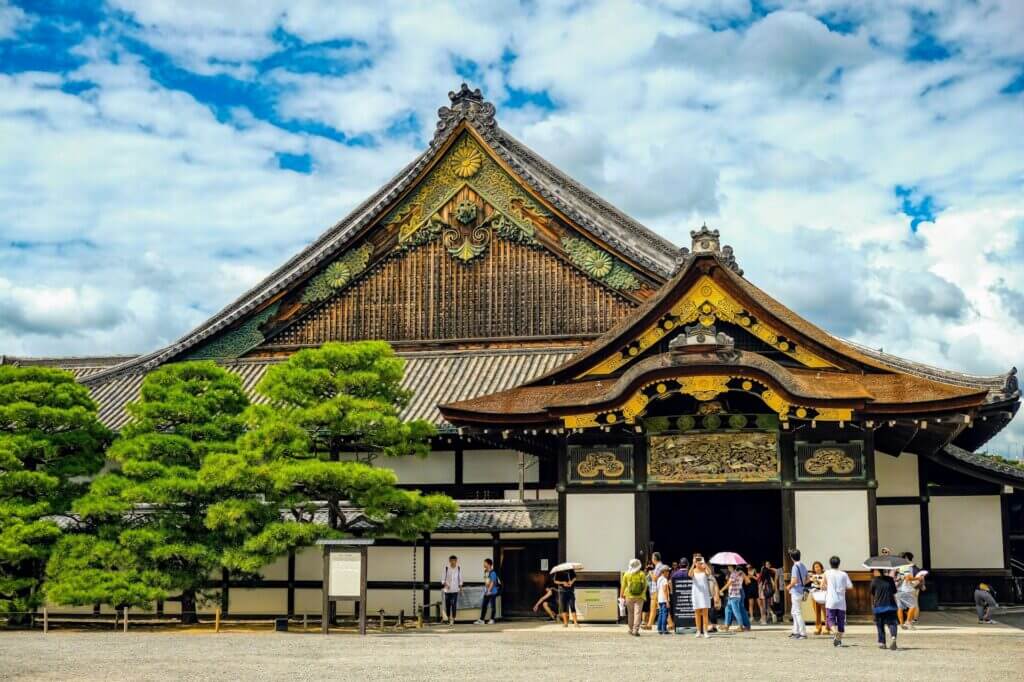
Explore Nijo Castle
Built in 1603 as the Kyoto residence for Tokugawa Ieyasu, the founder of the Tokugawa shogunate, Nijo Castle is a must-see for history lovers. The castle complex includes two rings of moats and impressive defensive walls, with the Ninomaru Palace at its heart.
Inside, you’ll walk across the famous “nightingale floors,” which squeak underfoot to alert guards of any intruders. The rooms are beautifully decorated with gold leaf and traditional Japanese art, giving a glimpse into the lifestyle of the shoguns.
The gardens surrounding the castle are also stunning, especially during cherry blossom season and autumn foliage.
Admission: ¥1,300 (Ninomaru Palace included). Audio guides are available and worth renting if you want to dive deeper into the history.
Visit Ginkaku-ji (Silver Pavilion)
Ginkaku-ji is a Zen temple known for its understated beauty. Originally built as a retirement villa for a shogun, the temple features a tranquil moss garden, elegant sand garden (with a conical mound representing Mount Fuji), and a peaceful hillside path.
Unlike its more flamboyant counterpart Kinkaku-ji (Golden Pavilion), Ginkaku-ji embraces the Wabi-sabi philosophy—finding beauty in simplicity.

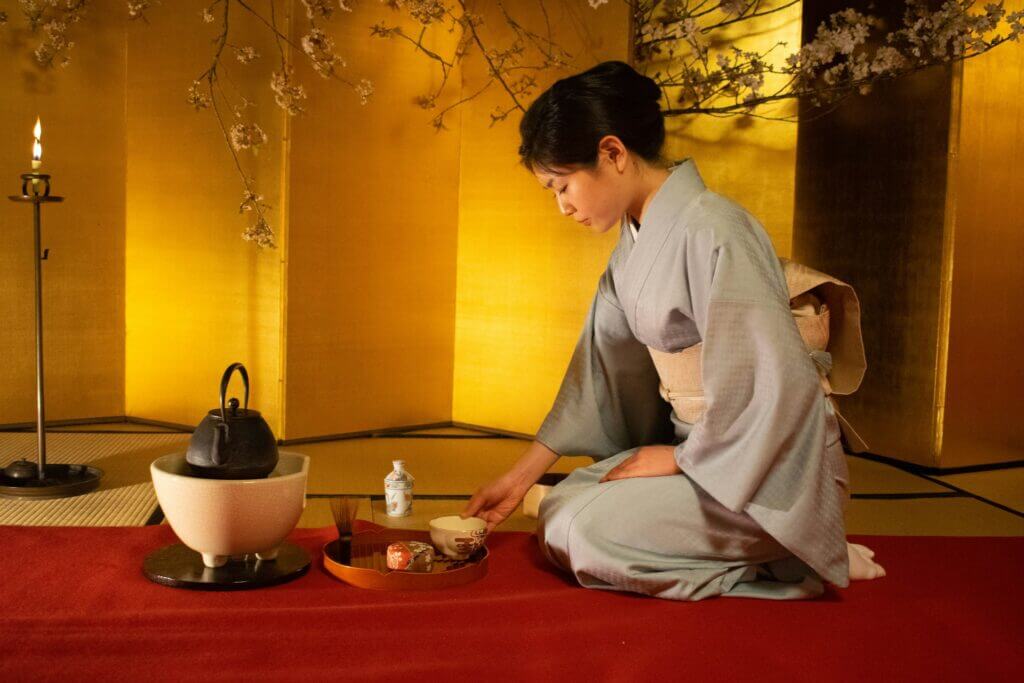
Try a Traditional Tea Ceremony
Participating in a Japanese tea ceremony is a wonderful way to immerse yourself in the culture. Tea ceremonies are held in various locations around Kyoto, especially in Gion, Higashiyama, or near Kinkaku-ji. The ritual, led by a tea master, involves carefully preparing and serving matcha in a peaceful setting. It’s meditative, elegant, and a chance to slow down during your trip.
Kyoto Itinerary
Day 1: Temples, Traditions & Timeless Streets
- Visit Fushimi Inari-Taisha Shrine early to avoid the crowds and walk through its iconic thousands of red torii gates. (Tip: Take the side path on the right to skip the crowd and rejoin the main trail later.)
- Stop for street food or tea near the base of the shrine — a great time to try local Kyoto snacks.
- Head to Gion and walk around the traditional Geisha district.
- Visit Yasaka Shrine, one of Kyoto’s most famous shrines with over 1,350 years of history.
- Enjoy a local meal near Gion or at Nishiki Market — try sushi, matcha desserts, and regional Kyoto delicacies.
- Stroll through Maruyama Park, especially lovely in cherry blossom season.
- Walk down Shirakawa Canal for a peaceful detour.
- Return to explore Nishiki Market (make sure to check opening hours).
- Optional: Enjoy dinner at a traditional tea house in Gion or attend a cultural performance at Gion Corner if interested.
Day 2: Zen Moments & Golden Views
- Visit Kinkaku-ji (Golden Pavilion) right after it opens for great light and fewer people.
- Walk over to Ryoan-ji Temple to experience Japan’s most famous Zen rock garden.
- Eat at a local soba restaurant near Kinkaku-ji or grab something near the next area.
- Explore Nijō Castle and stroll through the peaceful gardens while listening to the nightingale floors squeak beneath your feet.
- If time allows, stop at Kyoto Imperial Palace Park for a scenic break.
- Dinner in the downtown area near Pontocho Alley or Kawaramachi — great places to experience Kyoto’s modern dining scene with a traditional twist.
Day 3: Nature Trails & Hidden Corners
- Head to Arashiyama (West Kyoto).
- Walk through the Arashiyama Bamboo Grove early for a peaceful experience.
- Visit Tenryū-ji Temple, a UNESCO site with beautiful gardens.
- Stroll by the Ōi River or take a short Hozugawa River boat ride.
- Grab a bite in Arashiyama — many small cafés serve Japanese-style set lunches or street snacks like matcha soft serve and yatsuhashi.
- Walk the Philosopher’s Path, especially beautiful during cherry blossom season.
- Stop at Honen-in Temple or smaller shrines along the way.
- Visit Ginkaku-ji (Silver Pavilion) at the end of the path.
- Head back to central Kyoto.
- Wrap up your trip with dinner at a cozy izakaya or a final stroll through Gion.
猿も木から落ちる – Saru mo ki kara ochiru – Even a monkey can fall from a tree
You may also like
About the authors
We are Alex and Tina, a French-Serbian couple who met in China back in 2014. We spent three incredible years there before making France our home. Our shared passion for travel has been the heartbeat of our relationship for over 12 years, taking us across 44 countries and counting.
We launched TheDailyPackers in 2019 as a way to document our adventures. In 2026, we reached a major milestone by officially turning our blog into our full-time job. While we are still growing toward financial independence through this platform, every article we write is fueled by our mission to make your voyages easier through in-depth guides, honest advice, and the lessons we’ve learned from our own mistakes.
Our journey has not been without its storms. In 2023, our world changed forever when our first son, Poppy, was stillborn on November 25th. It was, and remains, the hardest chapter of our lives. In 2025, we were blessed with our second little boy, Milo. He has since joined our traveling tribe, and you’ll be seeing him—and the reality of traveling with a little one-on the blog more and more.
We hope to inspire you to explore the world with curiosity and resilience. Thank you for being part of our story.
You may also like those related posts
11 Best Things to do in Meknes, Morocco, in 1 day or less
Hiku Ote Ika: 4 Nights in a Charming bungalow, Easter Island
7 best things to do in Fortaleza, Brazil, in 2 days
12 Best things to do in Mirissa, Sri-Lanka, in 2 to 3 days
Colonia to Buenos Aires: Our complete 2026 Ferry Guide
Imlil to Ouarzazate: Epic Road Trip through Ksars
Kaunas to the Curonian Spit: The Ultimate 1-Day Road Trip Guide
13 best things to do in Mendoza City, Argentina, in 4 days
Pssst, did you know that…
If you purchase something through our links, we earn a small fee. However, you still pay the same. Win-win! And one day we may get to be full-time travel bloggers =)
Find Hotels with Booking.com
Do Yoga with KVY
Buy us a Coffee
Rent a car with DiscoverCars
Find Attractions with GetYourGuide
Find Flights with Expedia
Buy an eSIM with Airalo
Get insured with World Nomads
Get ready with Amazon.com