
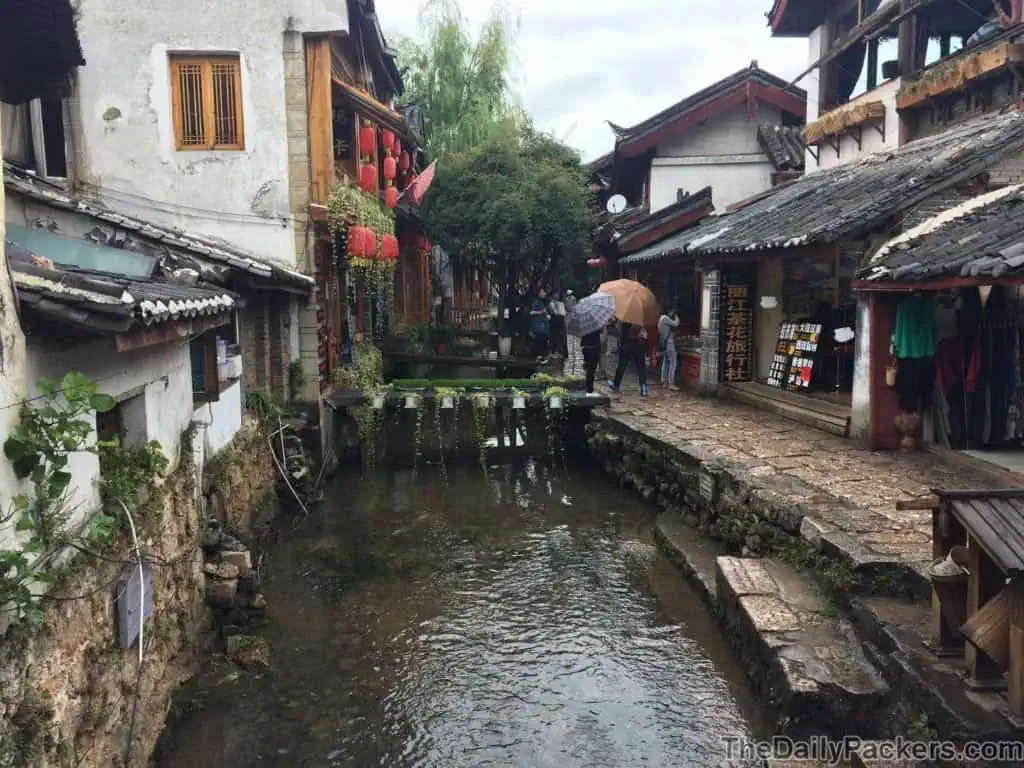
Introduction
Lijiang is a charming city located in Yunnan Province in southwestern China. It’s the homeland of the Naxi people and several other ethnic minorities, offering a rich blend of cultures quite different from the majority Han population in the country. The city spans over 20,500 km² and is home to around 1.25 million people.
Its Old Town is what draws most visitors — a maze of cobbled streets, traditional wooden houses, canals, and bridges that have earned it a well-deserved place on the UNESCO World Heritage list. But there’s much more to discover. Just outside the main town, you’ll find equally fascinating ancient villages, scenic countryside, and dramatic mountain views, including the famous Jade Dragon Snow Mountain.
Lijiang is also the perfect base for exploring northern Yunnan, including the legendary town of Shangri-La. Whether you’re wandering the lively alleys of the Old Town or heading out on day trips into the mountains, Lijiang is a destination that’s easy to fall in love with.

Getting there
Lijiang is well-connected and surprisingly easy to reach, especially considering its location in the mountainous region of Yunnan.
By Plane: The easiest and fastest way to get to Lijiang is by air. Lijiang Sanyi International Airport (LJG) is located about 28 km from the Old Town and operates direct domestic flights from major cities like Beijing, Shanghai, Chengdu, Guangzhou, Xi’an, and Kunming. Some regional international flights are also available. From the airport, you can take a taxi (around 80 RMB) or a shared shuttle to the Old Town.
By Train: High-speed trains now connect Lijiang with Kunming (about 3–4 hours) and Dali (under 2 hours). The station is Lijiang Railway Station, a short drive from the city center. For a more scenic experience, you can take the classic train route from Kunming to Lijiang, which winds through beautiful landscapes.
By Bus: Long-distance buses are available from nearby cities such as Dali, Shangri-La, or Kunming. While they take more time (6–8 hours from Kunming), they can be a budget-friendly option.
Moving around
Getting around Lijiang is fairly easy, especially if you’re staying near the Old Town.
- On Foot: The best way to explore Lijiang Old Town is on foot. The cobblestone streets, canals, and traditional architecture are best experienced slowly. Cars are not allowed in most of the Old Town, so walking is essential here.
- By Taxi or Ride Apps: Taxis are readily available and relatively cheap. You can also use ride-hailing apps like DiDi, which work well in Lijiang and are handy if you don’t speak Mandarin (some versions have an English interface). Always have your destination written in Chinese to show the driver.
- By Public Bus: Public buses connect Lijiang with nearby attractions such as Baisha Village or Shuhe Ancient Town. It’s a budget-friendly option, but buses can be slow and less tourist-friendly.
- By Bicycle or E-bike: Renting a bicycle or e-bike is a great way to explore outside the Old Town at your own pace, especially to reach Shuhe, Baisha, or even further into the countryside. Many hotels and hostels offer rentals.
- Tours & Transfers: For longer day trips (like to Jade Dragon Snow Mountain, Tiger Leaping Gorge, or Shangri-La), most travelers opt for a guided tour or hire a private driver, which makes the experience much easier and time-efficient.

When to visit
Lijiang is a year-round destination thanks to its mild plateau climate, but the best time to visit depends on what you’re hoping to experience. With clear skies, beautiful mountain views, and vibrant local culture, each season offers its own charm — though some months are definitely better for hiking and sightseeing.
- Spring (March to May): This is one of the best times to visit Lijiang. The weather is pleasantly warm (15–25°C), flowers are in bloom, and the sky is usually clear. It’s perfect for walking through the Old Town, cycling to nearby villages, and visiting Jade Dragon Snow Mountain. The crowds are moderate, making it a good time for both photography and peaceful exploration.
- Summer (June to August): Expect warm temperatures (20–30°C) and the highest tourist crowds. It’s also the rainy season, so pack accordingly. That said, Lijiang rarely sees full-day downpours — just short, refreshing showers. This is also when many cultural festivals take place in the Yunnan region.
- Autumn (September to November): Possibly the best time to visit. The weather is dry and crisp, skies are clear, and the air is fresh. Temperatures are comfortable, ranging between 12–22°C. Autumn colors make the Old Town and surrounding countryside especially beautiful. It’s also less crowded than summer, which makes it ideal for hiking and day trips.
- Winter (December to February): Winters in Lijiang are dry and sunny, with daytime temperatures around 10–15°C. Nights get cold (sometimes below freezing), but it’s still a good time to visit if you want fewer crowds and lower accommodation prices. This is also the time to see snow-capped peaks in full glory, especially Jade Dragon Snow Mountain.
Avoid Chinese National Holidays: Try to avoid the first week of October (Golden Week) and Chinese New Year (January–February, dates vary), when Lijiang becomes extremely crowded and prices go up.
Ideal Months: For the best mix of good weather, fewer crowds, and vibrant landscapes, we recommend planning your visit between March–May or September–November.

Where to Stay
Spending at least three days in Lijiang gives you enough time to explore the Old Town, enjoy nearby villages, and take in the beauty of Jade Dragon Snow Mountain. Whether you’re looking for a cozy boutique stay or a luxury resort with views of the mountains, Lijiang has something for everyone — especially within or near the ancient town. Here are some of our top picks for where to stay in Lijiang:
(€) Big Tree Guesthouse: This charming guesthouse offers a traditional Naxi-style courtyard with wooden architecture, a peaceful garden, and friendly local hospitality. It’s tucked away in a quieter part of the Old Town but still close to everything. Perfect for those who want an authentic local stay in a heritage building.
(€€) Lijiang Zen Garden Hotel: A serene and beautifully maintained boutique hotel right in the heart of the Old Town. The rooms open onto a lovely courtyard filled with plants and lanterns, and some even offer views of the rooftops and hills. It’s a quiet escape with a touch of elegance and ideal for couples or solo travelers.
(€€€) InterContinental Lijiang Ancient Town Resort by IHG: If you’re looking for a luxury stay, this is one of the best options in Lijiang. Located just outside the Old Town gate (with easy access to all major sights), the resort blends traditional architecture with modern comfort. Think spa services, mountain views, lush gardens, and impeccable service — all while being a short walk from Lijiang’s cobblestone charm.

What to eat
Lijiang is not only beautiful — it’s also delicious. With a mix of Naxi, Yunnanese, and other minority cuisines, the Old Town is full of tempting bites. Whether you’re exploring cobblestone alleys or relaxing in a courtyard café, make sure to try these two must-eats:
- Rose Flower Cake (玫瑰花饼): This sweet treat is a local specialty made with rose petals and flaky pastry. You’ll find it in almost every bakery and street stall in the Old Town — freshly baked and wonderfully fragrant. It’s the perfect edible souvenir (if you don’t finish it first).
- Crossing-the-Bridge Rice Noodles (过桥米线): A famous dish from Yunnan, this hearty bowl is served with hot broth, rice noodles, and a variety of toppings (meat, tofu, vegetables, herbs) that you mix in yourself. It’s comforting, flavorful, and a culinary experience on its own.
And if you love street food, Lijiang’s Old Town is a top spot. From skewers and dumplings to grilled mushrooms and local tea shops, it’s a paradise for food lovers who enjoy sampling on the go.

Things to do in Lijiang
Experience Naxi Culture by Night
If you’re lucky to visit at the right time, Lijiang truly comes alive after dark. In certain squares of the Old Town, you might stumble upon the Naxi people dancing around open fires — a lively and heartwarming scene filled with music, laughter, and community spirit.
These gatherings often take place during local festivals or cultural events and are a beautiful way to witness the traditions of Yunnan’s Naxi minority. It’s an unforgettable glimpse into the soul of Lijiang — spontaneous, joyful, and deeply rooted in heritage.

Wander Through Lijiang Old Town — A Journey Into Ancient China
Step into the heart of Lijiang’s history by exploring its charming Old Town, a 1000-year-old maze of cobblestone alleys, wooden homes, stone bridges, and slow-moving canals. As a UNESCO World Heritage Site, Lijiang Old Town preserves the architecture and cultural essence of the Naxi people, one of China’s minority ethnic groups.
Every detail, from the intricately carved doors to the red lanterns swaying above the narrow lanes, transports you back to ancient times.

It’s easy to spend an entire day here — or more — wandering without a map. Pop into hidden tea houses, local crafts shops, or cozy cafés tucked into quiet corners. At night, the town takes on a magical glow with soft lighting, live music, and traditional dance performances.
Whether you’re stopping to try the famous rose flower cake or simply people-watching by the canals, Lijiang Old Town offers a peaceful, yet vibrant, window into China’s past.

Explore Mu Mansion — The Ancient Heart of Power in Lijiang
Nestled in the heart of Lijiang Old Town, Mu Mansion (also known as Mufu Palace) is a striking example of Ming Dynasty architecture and a window into the political and cultural life of the region’s past. Once the residence of the powerful Mu family, who ruled Lijiang during the Yuan, Ming, and Qing dynasties, the mansion served as both a governmental hub and a luxurious private estate.
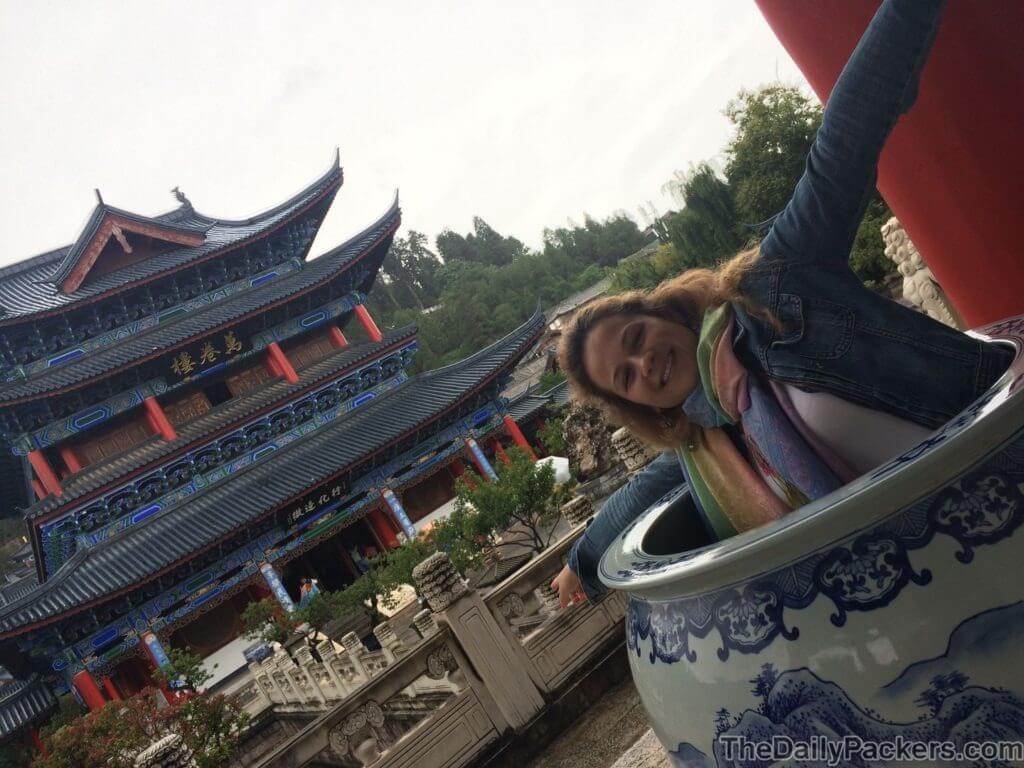
Walking through its stately halls, traditional courtyards, and elegant gardens, you’ll notice how Mu Mansion mirrors the layout of Beijing’s Forbidden City — only on a smaller scale. The palace blends Han Chinese and Naxi architectural styles, with intricate wood carvings, sweeping rooftops, and panoramic views of the town below from its higher pavilions. It’s a must-visit for anyone wanting to better understand the region’s rich history and the legacy of the Naxi rulers.

Cycle to Shuhe Ancient Town — A Quieter Slice of History
Located just a few kilometers north of Lijiang, Shuhe Ancient Town offers a more peaceful and less crowded alternative to the bustling Lijiang Old Town. Once a key stop along the ancient Tea Horse Road, Shuhe was historically a trading post and a center for leather and metal craftsmanship — echoes of which still linger in its old market squares and artisan shops.

We highly recommend renting a bike in Lijiang and cycling to Shuhe. The ride is easy and scenic, taking you past rural landscapes and quiet local streets. Once there, you can stroll through the cobbled alleys, admire the Naxi architecture, cross beautiful stone bridges, and enjoy the laid-back atmosphere. With its slower pace and charming cafés, Shuhe is a perfect half-day trip that feels worlds away from the crowds of central Lijiang.

Bike to Baisha Village — Discover the Roots of the Naxi Culture
When the busy alleys of Lijiang Old Town become a little too crowded, take a break and head 8 km north to Baisha Village. This quiet and authentic Naxi village was once the political, economic, and cultural heart of the region — and the original home of the ruling Mu family, whose legacy still shapes the area today.

We recommend getting there by bike for a relaxed and scenic ride through the Yunnan countryside. Once in Baisha, stroll the peaceful streets, visit the Baisha Murals — ancient frescoes dating back to the Ming and Qing dynasties — and stop by some local family-run shops and cafés. It’s the perfect spot to slow down, learn more about Naxi traditions, and enjoy an off-the-beaten-path cultural experience near Lijiang.

Relax at Black Dragon Pool — A Peaceful Escape in Jade Spring Park
Located at the northern end of Lijiang in the serene Jade Spring Park, Black Dragon Pool (Heilongtan) is one of the most scenic spots in the region. With the snow-capped Jade Dragon Snow Mountain perfectly reflected in its clear waters, the pool offers a postcard-worthy view that’s hard to beat.

Built in 1737, the site features traditional bridges, pavilions, and temples, all set against a lush, mountainous backdrop. It’s an ideal place for a peaceful walk, photography, or simply to soak in the natural beauty. This spot is especially stunning in the early morning when the light is soft and the air is calm. A must-visit for anyone exploring Lijiang.

Hike Through Yu Quan Gong Yuan — Panoramic Views Above Lijiang
Yu Quan Gong Yuan, also known as Jade Spring Park, is more than just home to Black Dragon Pool. If you’re up for a bit of a hike, head to the hill within the park. The walk is not too long and rewards you with peaceful surroundings and beautiful views over the rooftops of Lijiang’s Old Town and the distant Jade Dragon Snow Mountain.
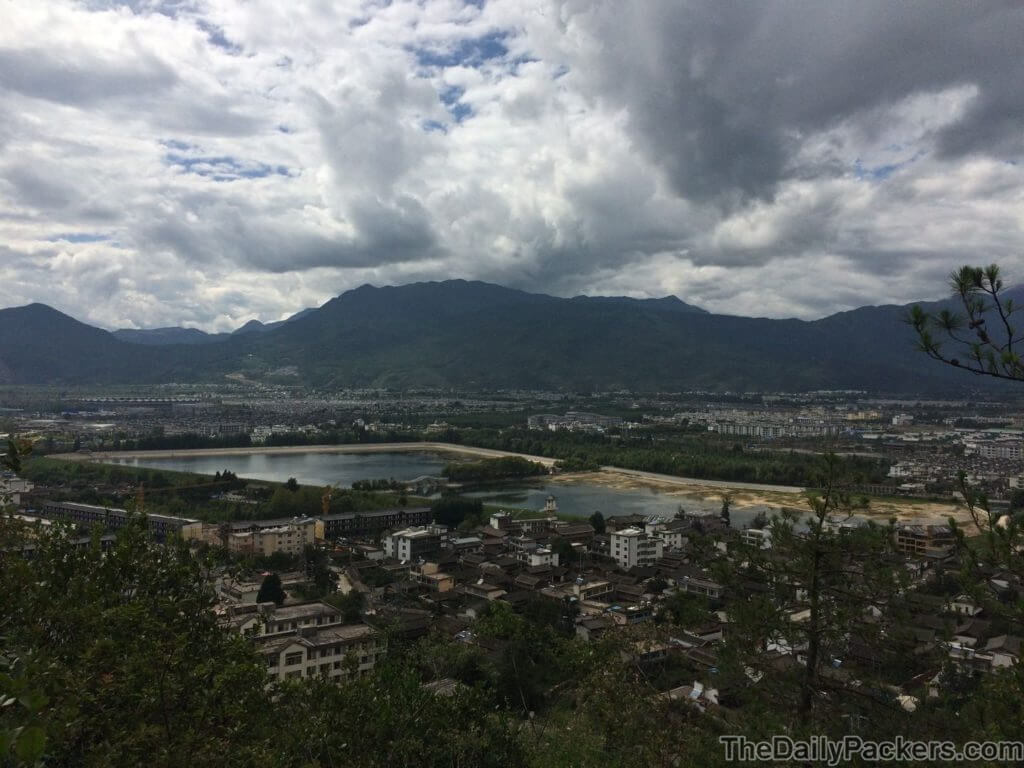
The trails are well-maintained and lined with trees, offering a relaxing escape from the busy streets below. Along the way, you’ll pass small temples and pavilions, adding a cultural charm to the natural beauty. It’s the perfect short hike to enjoy nature without leaving the city.

Reach New Heights at Jade Dragon Snow Mountain — Lijiang’s Icy Giant
Jade Dragon Snow Mountain (Yulong Snow Mountain) is one of the most iconic landmarks in Yunnan and a must-see when visiting Lijiang. Towering at 4,680 meters, this dramatic snow-capped range offers breathtaking panoramic views over the valleys and the city below.
You can reach the base by bus or organized tour, and from there, a cable car takes you close to the summit. The ride itself is spectacular, ascending through layers of alpine scenery. At the top, you’ll walk along well-built platforms where the air is thin, but the views are unforgettable.

Tip: Don’t try to reach the mountain by bike — it’s 38 km away and the sun in the open valley can be extremely harsh. Instead, save your energy for the high-altitude views and enjoy the journey stress-free.

Marvel at Tiger Leaping Gorge — One of China’s Most Dramatic Canyons
Tiger Leaping Gorge is a breathtaking natural wonder located about 60 km from Lijiang, making it an ideal destination for a day trip. This deep canyon, carved by the powerful Jinsha River (a primary tributary of the Yangtze), offers dramatic cliffs, rushing waters, and unforgettable views.
The name comes from an old legend: a tiger, fleeing hunters, leapt across the river at its narrowest point — an impressive 25 meters wide — using a large rock in the middle as a stepping stone. Today, visitors come to walk the trails carved into the mountainsides and witness the sheer power of nature.
Whether you join a guided tour or hire a driver, this is one of the most scenic and legendary spots in Yunnan — and a highlight of any Lijiang travel itinerary.

Itinerary
Day 1: Get Lost in Ancient Beauty
- Wander through the charming alleys of Lijiang Old Town
- Visit the historic Mu Mansion
- Enjoy coffee, street food, and the ambiance of Old Town at night
Day 2: Pedal Through Culture and Villages
- Rent a bike and ride through the countryside
- Discover Baisha Village, birthplace of the Mu family
- Explore the peaceful lanes of Shuhe Ancient Town
- Stop by the scenic Black Dragon Pool
Day 3: Reach the Clouds
- Take a day trip to Jade Dragon Snow Mountain
- Ride the cable car to 4,680m for panoramic views
- Optional: Hike within Jade Spring Park and enjoy a relaxed evening back in Lijiang
Day 4: If You Have Extra Time
- Visit Tiger Leaping Gorge, one of China’s most breathtaking canyons
- Learn the legend and marvel at the Jinsha River’s raw power
Next Stop:
- Head north to Shangri-La for monasteries, Tibetan culture, and more Himalayan beauty.
不作不死。(Bù zuò bù sǐ. ‘Not do not die.’) — If you don’t do stupid things you won’t end up in tragedy.
You may also like
About the authors
We are Alex and Tina, a French-Serbian couple who met in China back in 2014. We spent three incredible years there before making France our home. Our shared passion for travel has been the heartbeat of our relationship for over 12 years, taking us across 44 countries and counting.
We launched TheDailyPackers in 2019 as a way to document our adventures. In 2026, we reached a major milestone by officially turning our blog into our full-time job. While we are still growing toward financial independence through this platform, every article we write is fueled by our mission to make your voyages easier through in-depth guides, honest advice, and the lessons we’ve learned from our own mistakes.
Our journey has not been without its storms. In 2023, our world changed forever when our first son, Poppy, was stillborn on November 25th. It was, and remains, the hardest chapter of our lives. In 2025, we were blessed with our second little boy, Milo. He has since joined our traveling tribe, and you’ll be seeing him—and the reality of traveling with a little one-on the blog more and more.
We hope to inspire you to explore the world with curiosity and resilience. Thank you for being part of our story.
You may also like those related posts
La Cupula Copacabana: Unique Stay by Lake Titicaca, Bolivia
Balkans itinerary: 3-week roadtrip from Slovenia to Serbia
Plaza de Toros de la Maestranza: Discover Seville’s Historic Bullring
2-week Vietnam Itinerary: The best of Vietnam
11 best things to do in SaPa, Vietnam, in 4 days or less
Ravalet Castle: Cherbourg’s Hidden Gem in Normandy 2025
18 best things to do in Shanghai, China, in 6 days
São Paulo to Curitiba: The Ultimate 6h Bus Guide
Pssst, did you know that…
If you purchase something through our links, we earn a small fee. However, you still pay the same. Win-win! And one day we may get to be full-time travel bloggers =)
Find Hotels with Booking.com
Do Yoga with KVY
Buy us a Coffee
Rent a car with DiscoverCars
Find Attractions with GetYourGuide
Find Flights with Expedia
Buy an eSIM with Airalo
Get insured with World Nomads
Get ready with Amazon.com