

Introduction
Lucerne is in the German-speaking part of Switzerland, set right on the shores of stunning Lake Lucerne and surrounded by the breathtaking Alps. It’s a lively city of around 82,000 people, known as the most popular town in central Switzerland and an important hub for transport, culture, and the local economy.
We spent four days in Lucerne and had an amazing time exploring the charming old town, road-tripping along the lake, and heading up to Mount Pilatus for incredible views.
Between the laid-back atmosphere and beautiful mountain views, it was the perfect spot to slow down for a few days and really enjoy everything this part of Switzerland has to offer.

Don’t forget to book your accommodations in advance – the best places always fill up quickly.
Getting there
Lucerne is really well connected, making it easy to reach from just about anywhere in Switzerland.
If you’re flying in, the closest major airport is Zurich Airport. From there, you can hop on a direct train to Lucerne that takes just over an hour. Trains run frequently throughout the day and are a comfortable, scenic way to start your trip.
If you’re already in Switzerland, trains to Lucerne run from most major cities like Bern, Basel, and Geneva. The Swiss rail system is reliable and easy to navigate, with beautiful views along the way.
Driving is also an option if you want more flexibility. The roads are excellent, and the journey offers plenty of scenic stops. Just keep in mind that parking in the city center can be pricey and limited, so check ahead for your accommodation’s options.
Moving Around
Getting around Lucerne is really easy and convenient. The public transportation is excellent, with plenty of buses (including the BRT line) to take you just about anywhere in town. Google Maps is super helpful here—it’ll tell you exactly which bus or connection to take.
Lucerne is also well connected by train. For example, if you’re heading to Alpnachstad to ride the world’s steepest cog railway up Mount Pilatus, there are regular trains from Lucerne that make it simple.
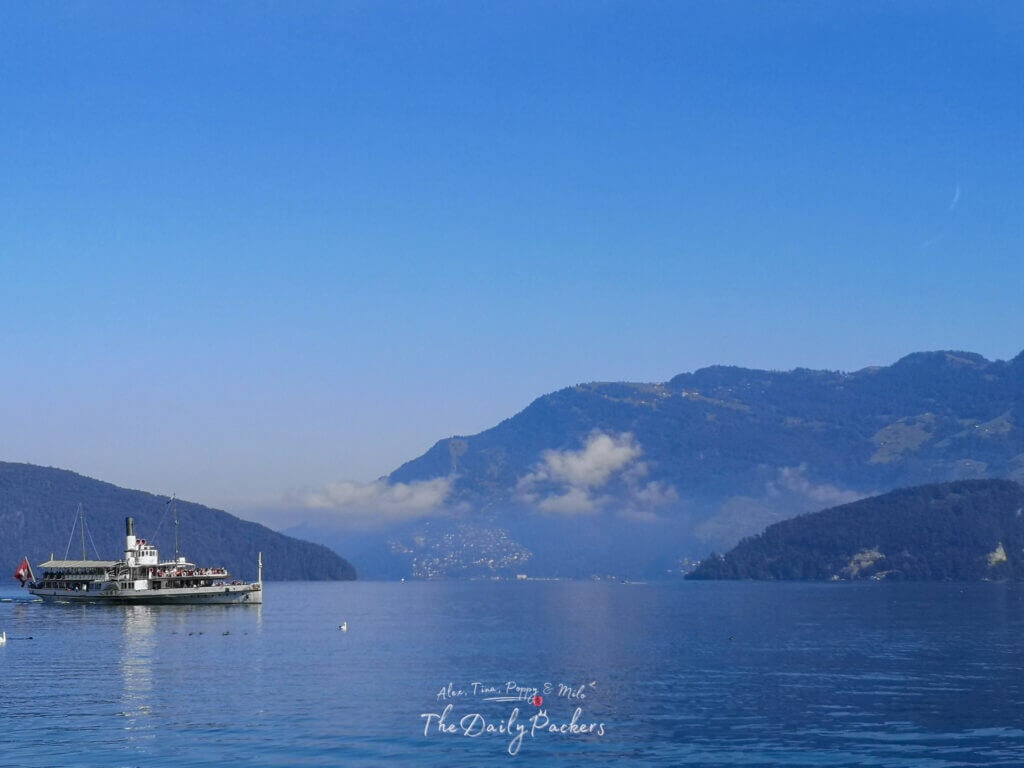
And don’t forget the lake itself. Boats run like water taxis across Lake Lucerne, connecting you to scenic villages and other destinations around the lake. It’s a beautiful and relaxing way to travel, giving you stunning views along the way.
If you’re planning to travel more widely in Switzerland, consider getting the Swiss Travel Pass. It covers trains, buses, and boats all over the country and can make exploring super easy and stress-free.

Check all your transportation options online — from buses to trains and ferries — it makes planning so much easier.
When to Visit
Lucerne is beautiful year-round, but each season offers its own vibe and experiences. Here’s what you can expect:
- Spring (March to May): Temperatures range from 8–20 °C (46–68 °F). The city wakes up with blooming flowers, milder weather, and fewer crowds. It’s a lovely time for lakeside walks and exploring the old town without the peak-season bustle.
- Summer (June to August): Expect warm, pleasant weather with highs around 20–30 °C (68–86 °F). This is the most popular time to visit, perfect for boat trips on Lake Lucerne, mountain hikes, and al fresco dining. It can get busy, so book accommodation in advance.
- Autumn (September to November): Temperatures cool to 7–20 °C (45–68 °F). The fall colors around the lake and mountains are incredible, with a more relaxed pace than summer. It’s ideal for scenic train rides and cozy cafés.
- Winter (December to February): Temperatures drop to around -2–7 °C (28–45 °F). Expect a charming winter atmosphere with Christmas markets, snow-dusted rooftops, and easy access to nearby ski resorts. Mount Pilatus and Rigi are popular for winter excursions.


Where to Stay
We’d say plan on at least three or four nights in Lucerne if you can. That gives you time to wander the old town, enjoy the lake, and fit in a couple of day trips to the mountains without rushing.
Here are a few places we really like, depending on your budget:
(€) Capsule Hotel: A simple but clever budget option right in the middle of the old town. You get a private capsule bed, shared bathrooms, and you can walk pretty much everywhere from here.
(€€) KoBi Apartments Hirschenplatz: Great if you like having a bit more space. These serviced apartments are on Hirschenplatz in the old town, close to shops, cafés, and all the main sights—ideal if you prefer apartment-style living but still want to be central.
(€€€) Hotel Schweizerhof Luzern: A beautiful, historic hotel right on the lakefront. It’s more of a splurge, but the rooms are elegant (some with lake views) and the service is spot on—perfect if you want something special.
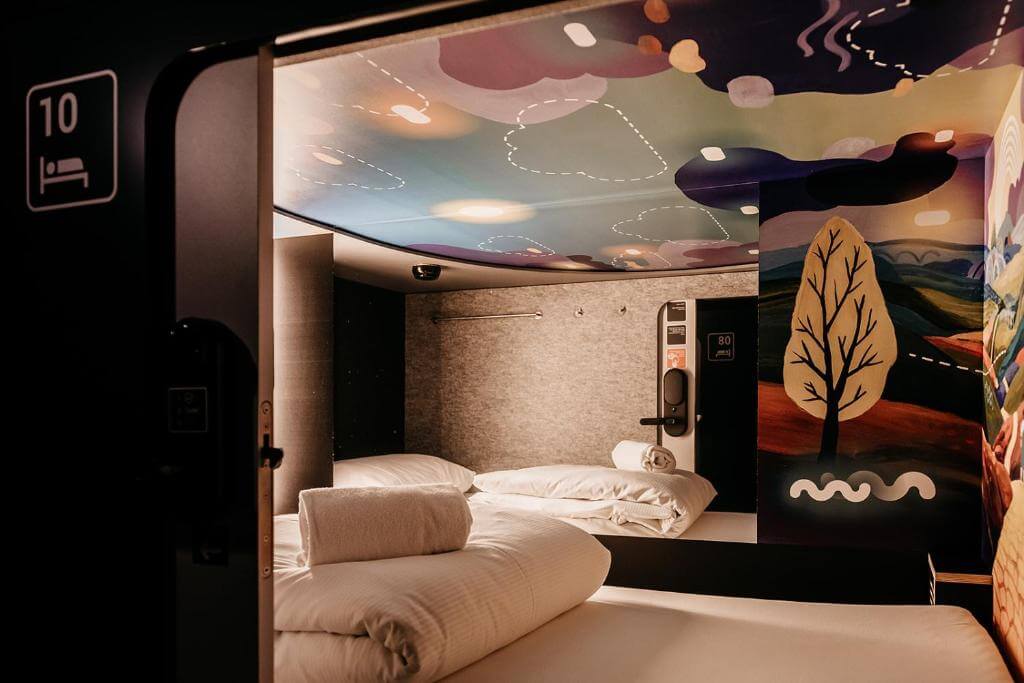
Here are all your accommodation options in Lucerne
What to Eat
Lucerne has plenty to offer when it comes to food, from classic Swiss dishes to international options. We found eating out here to be a real highlight, especially with all the cozy spots in the old town and lakeside terraces.
- Swiss Classics: Don’t leave without trying cheese fondue or raclette, perfect on a cool evening. Many restaurants serve them with crusty bread and pickles for that authentic Alpine experience.
- Rösti: A Swiss staple that’s basically crispy, golden shredded potatoes—simple but delicious. Often served as a side with sausages or eggs.
- Luzerner Chügelipastete: A local specialty you’ll find on traditional menus—a puff pastry filled with creamy veal and mushroom ragout. It’s rich and comforting, perfect after a day of exploring.
- Lake Fish: Being right on the lake, Lucerne is great for fresh fish dishes. Try local perch or trout, often pan-fried with butter and herbs.
- Bakery Treats: Swiss bakeries are fantastic. Don’t miss sampling buttery croissants, fruit tarts, or Zuger Kirschtorte—a layered cake with kirsch liqueur that’s popular in the region.
- Markets and Cafés: For a more casual bite, browse local markets or grab a coffee and pastry at one of the old town’s many cafés. It’s a great way to people-watch and soak in the city’s atmosphere.
We loved mixing sit-down meals with easy snacks from markets and bakeries—it’s a tasty way to experience Lucerne without breaking the bank.

Tip: We never travel without our DJI Mini 3 PRO drone anymore — it’s totally worth having to capture places from a whole new perspective.
Things to do in Lucerne
Explore Lucerne’s Historic City Center
Get lost in Lucerne’s small but charming old town, where narrow cobbled streets and colorful buildings transport you back to the 14th century. Wander through the maze of lanes lined with frescoed façades, little shops, and inviting cafés.
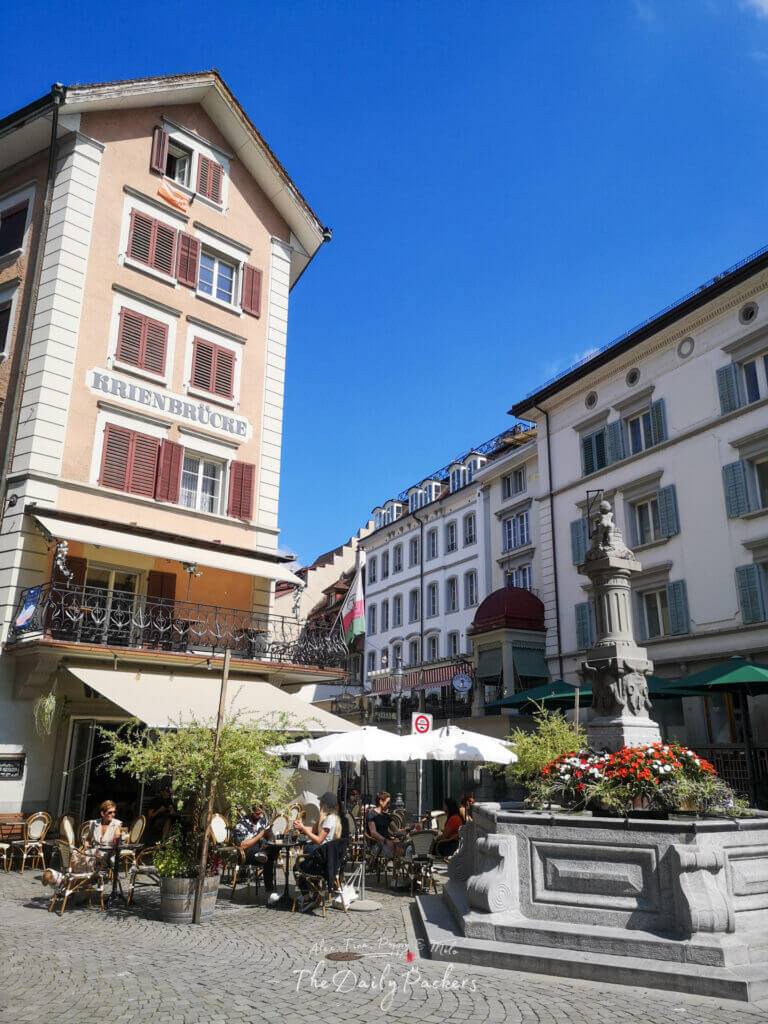
Take your time to discover hidden squares, old fountains, and medieval architecture. It’s the perfect place to slow down, snap photos, and soak up the city’s rich history and relaxed vibe.
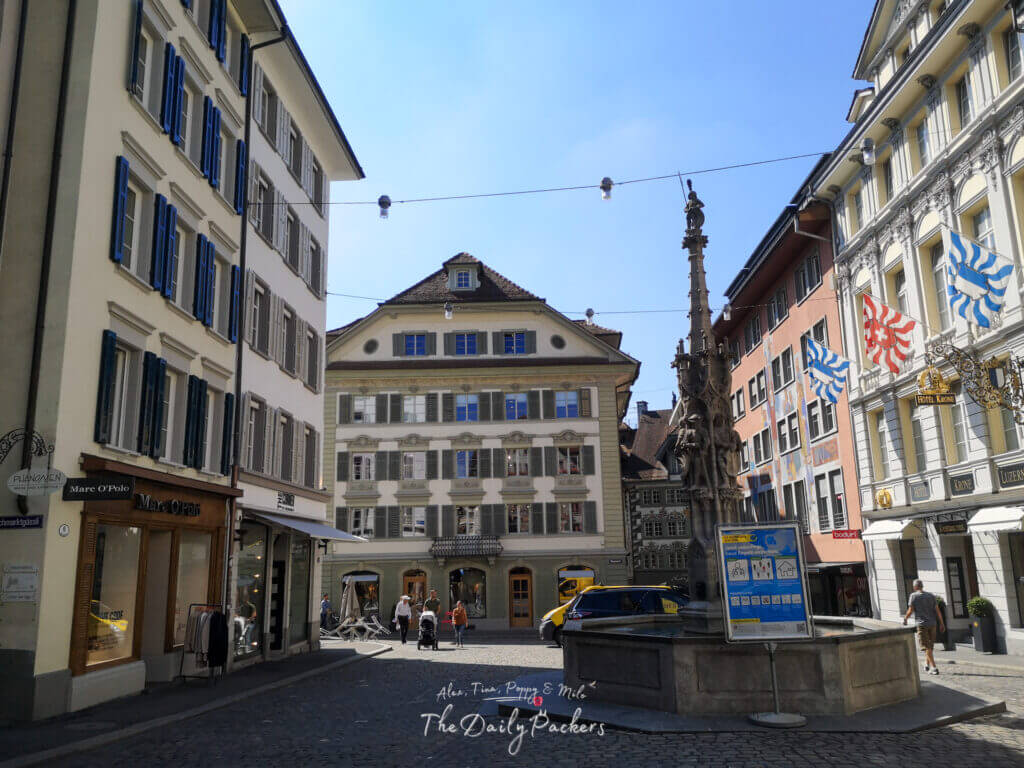
Here are all your accommodation options in Lucerne
Cross the Chapel Bridge
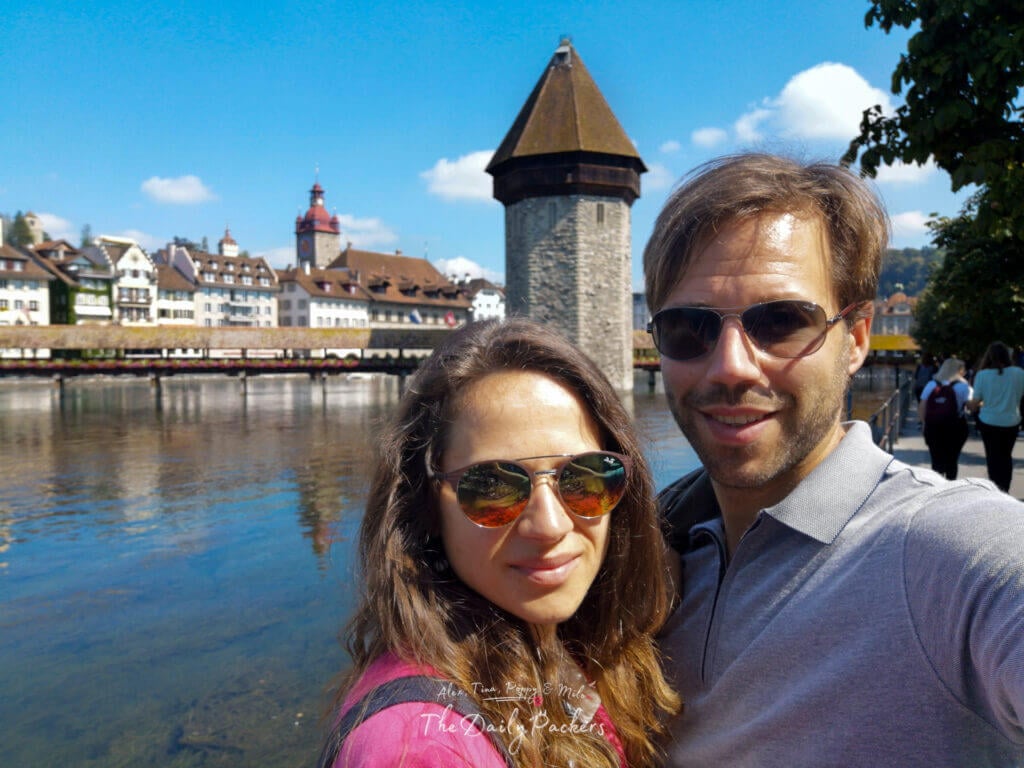
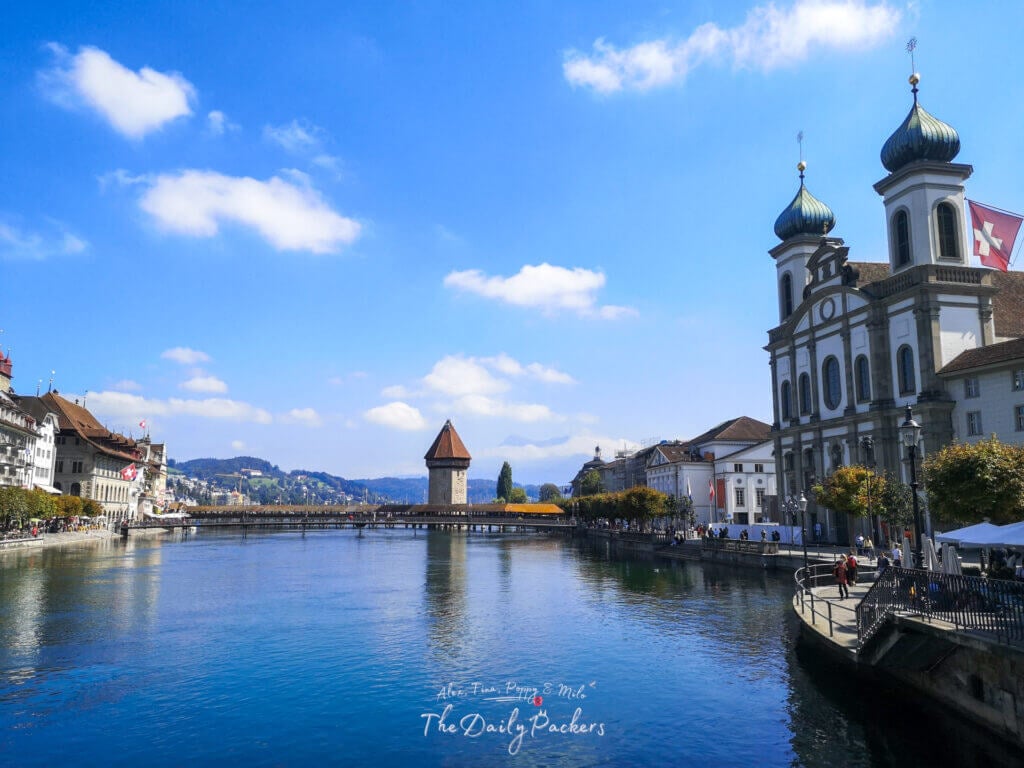
Cross the famous Chapel Bridge (Kapellbrücke), a beautiful 34.5-meter-long wooden bridge that spans the Reuss River diagonally to connect the city’s old and new parts. This landmark is truly unique, featuring a series of historic paintings inside that tell the story of Lucerne’s past.
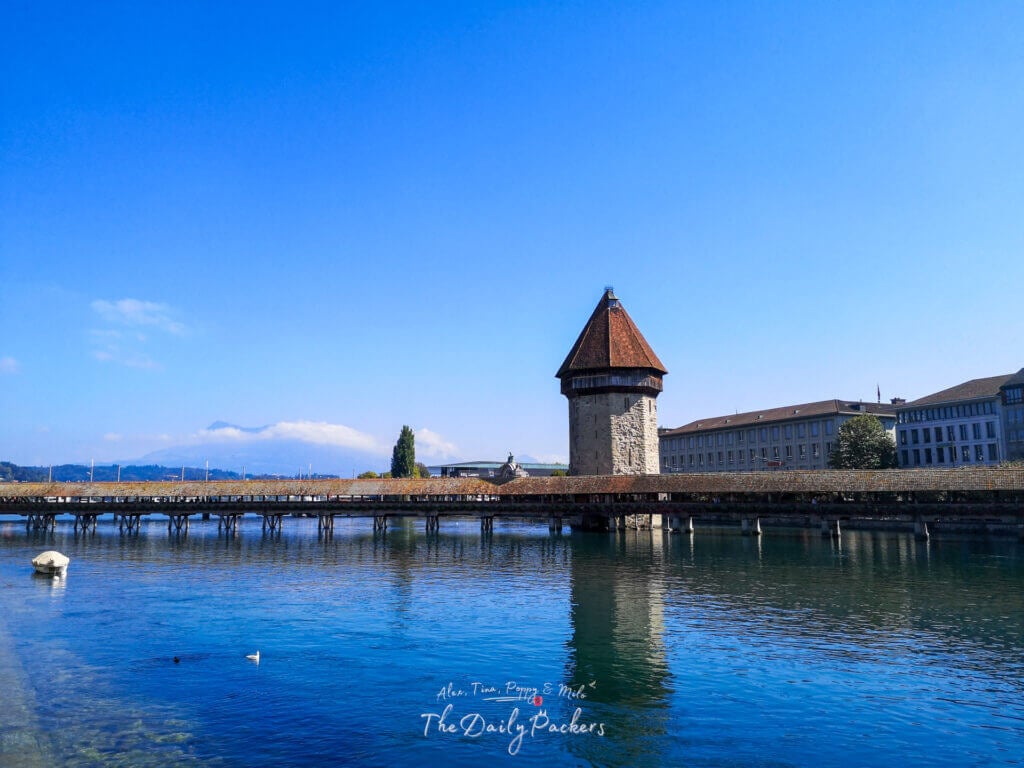
It’s not just charming but also important—Chapel Bridge is the oldest wooden covered bridge in Europe and the world’s oldest surviving truss bridge. Take your time walking across, enjoying the views of the river, the tower, and the colorful buildings lining the banks.

Walk Across the Spreuer Bridge
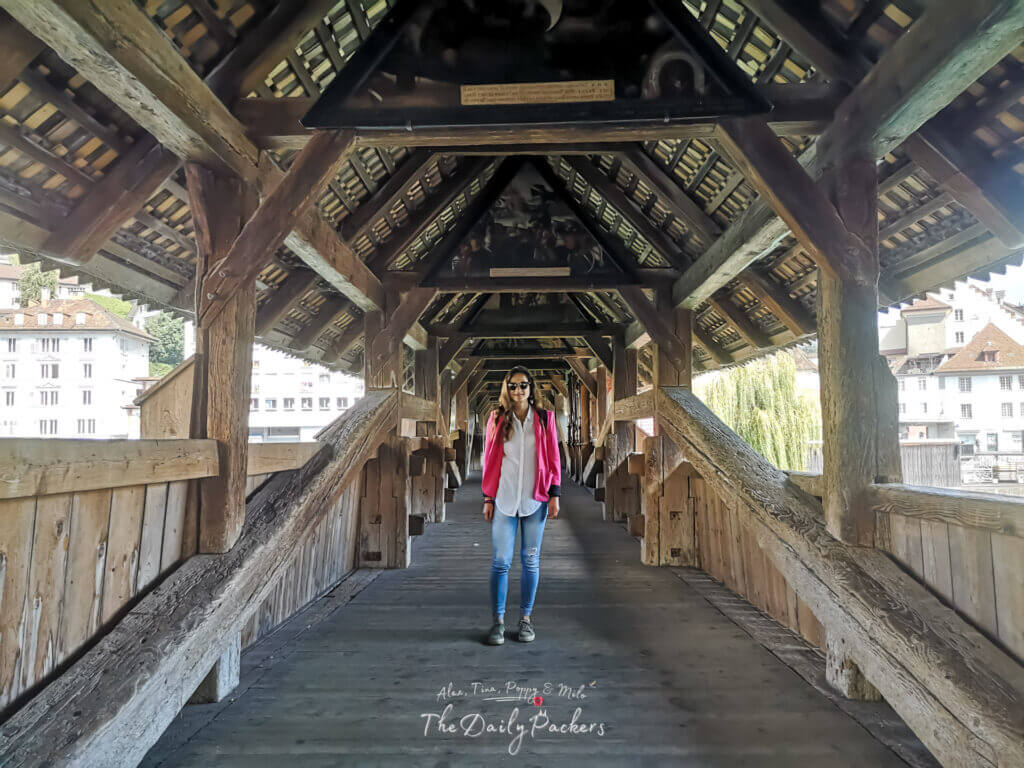
The Spreuer Bridge is Lucerne’s second iconic wooden covered bridge, built in the 14th century shortly after the Chapel Bridge. It’s smaller and less crowded but just as atmospheric, with beautiful old timbers and historic charm.
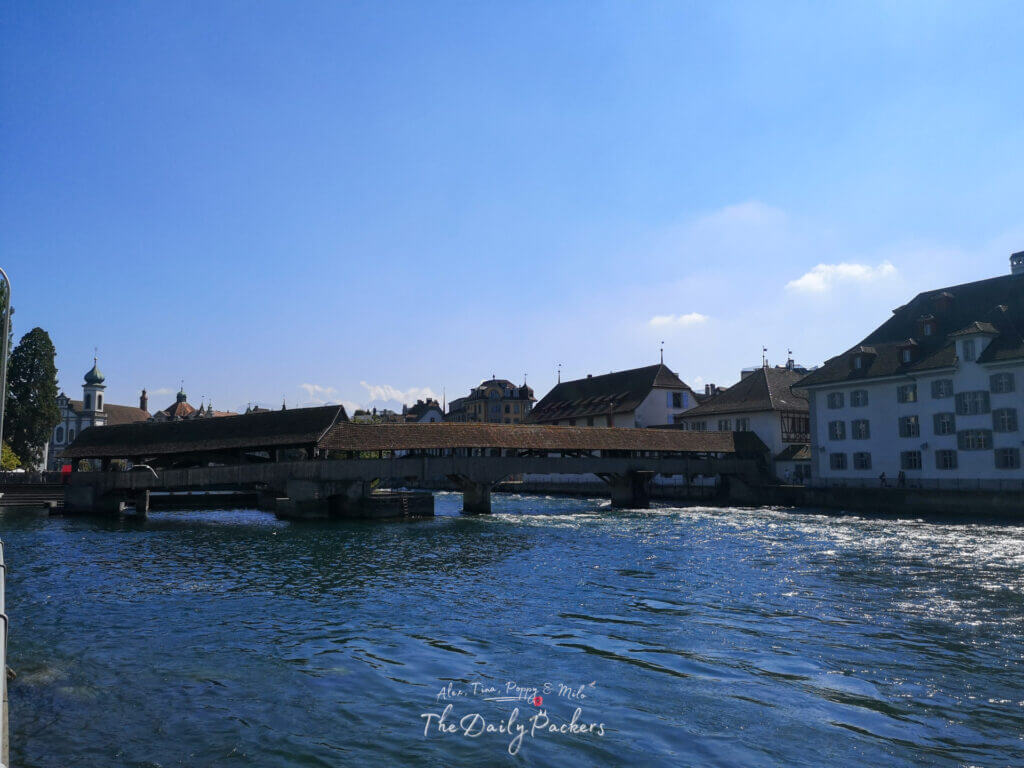
Inside, you’ll find a series of striking 17th-century paintings known as the Dance of Death cycle, adding a darker, fascinating layer to its history. A third covered bridge once stood here but was demolished in the 19th century, making the Spreuer Bridge and Chapel Bridge the city’s two surviving historic gems.
Visit the Jesuit Church
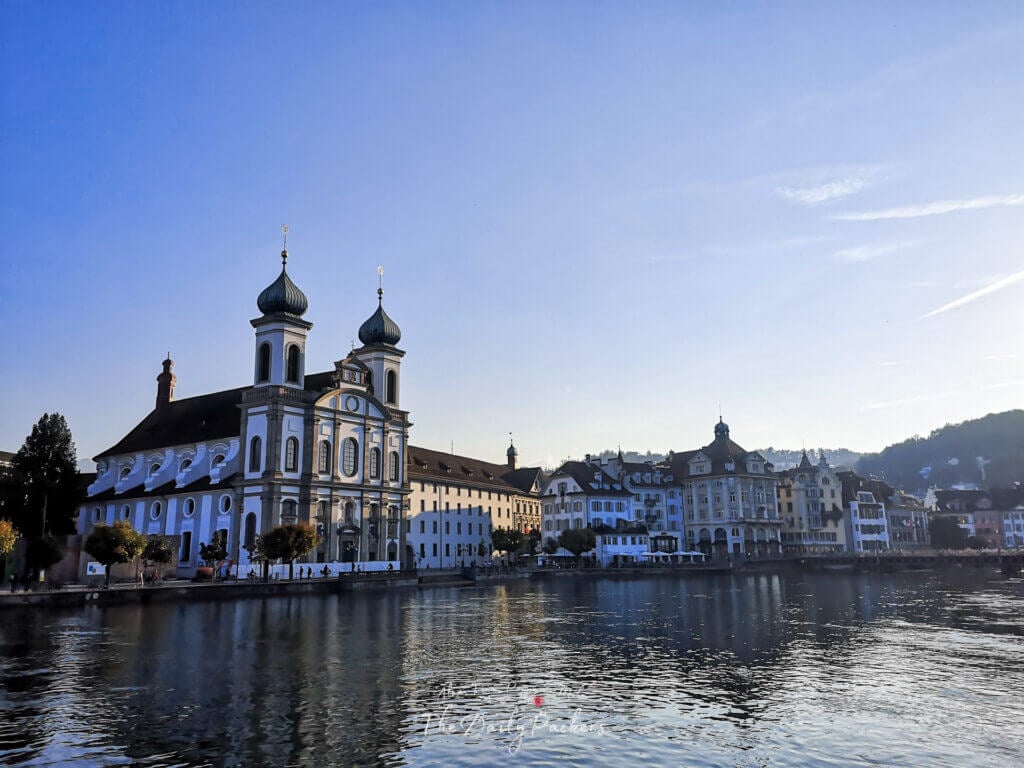
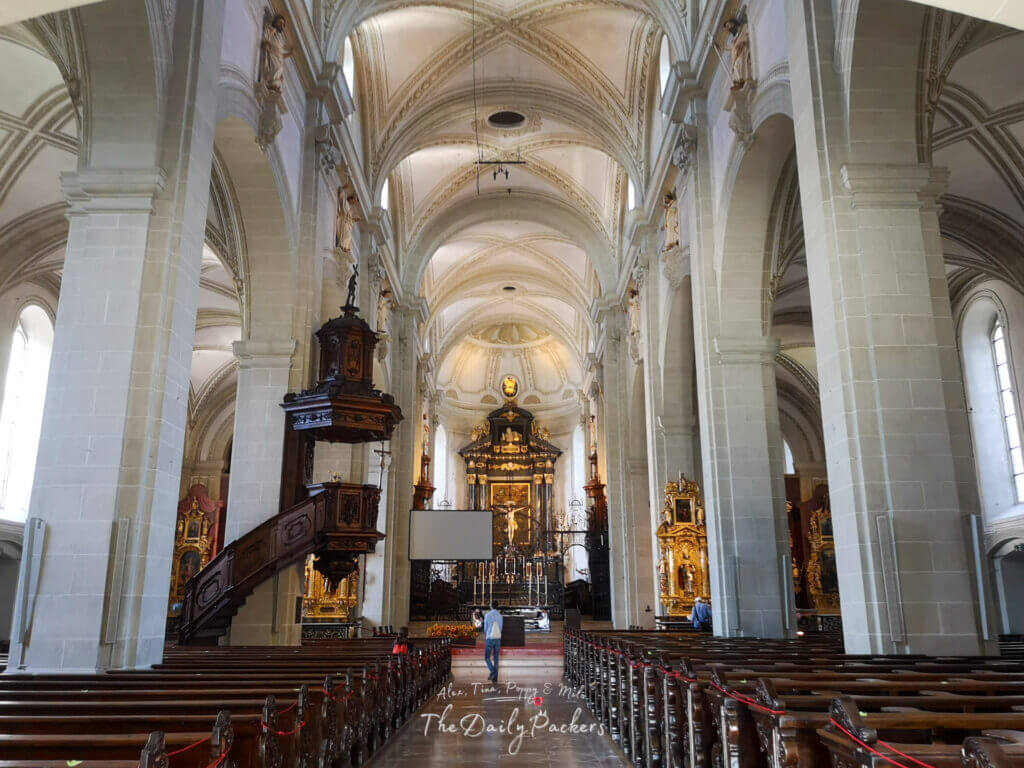
Step inside Lucerne’s Jesuit Church, the first large Baroque church built in Switzerland north of the Alps. Founded in 1534, it stands out with its striking white façade and twin onion-domed towers right on the river.
Inside, you’ll find beautifully ornate Baroque interiors with detailed stucco work, paintings, and a calm, reflective atmosphere. It’s a peaceful spot to take a break from exploring and admire some of the city’s rich religious history and art.

Explore the Church of St. Leodegar
Also known as Hofkirche St. Leodegar, this impressive Roman Catholic church was built in 1639 on the foundations of an earlier Roman basilica that burned down in 1633.
With its distinctive twin towers and Renaissance details, it’s one of Lucerne’s most striking landmarks. Step inside to see its beautifully carved wooden choir stalls, ornate altars, and quiet, atmospheric interior—a place that reflects the city’s deep history and architectural elegance.
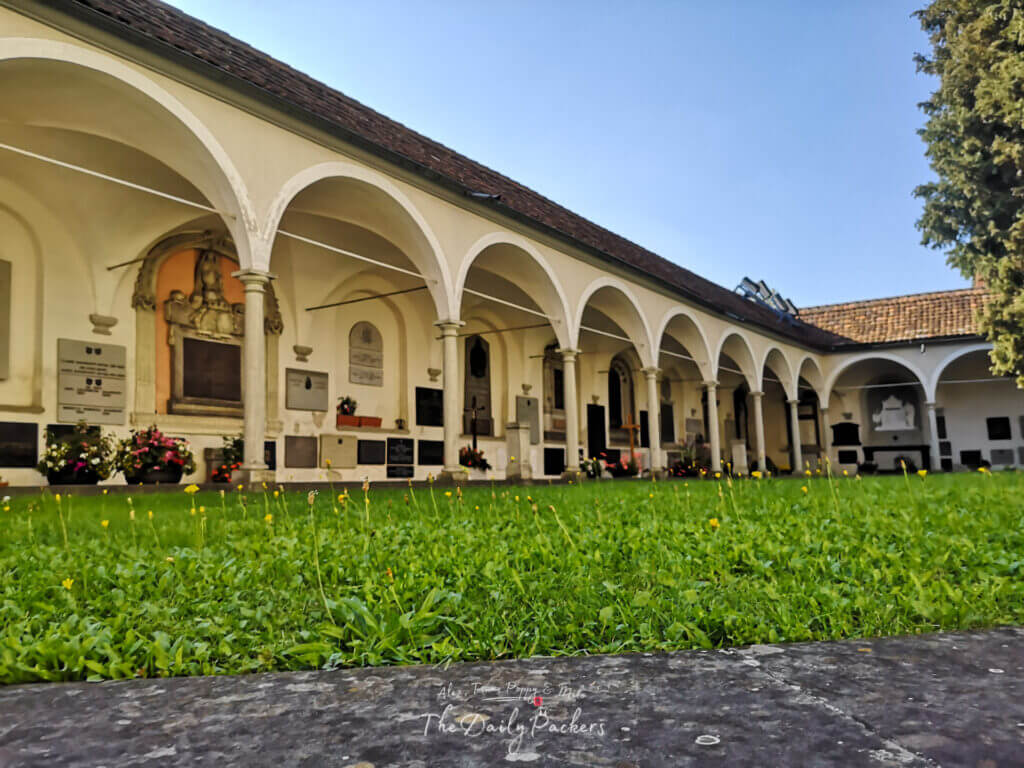
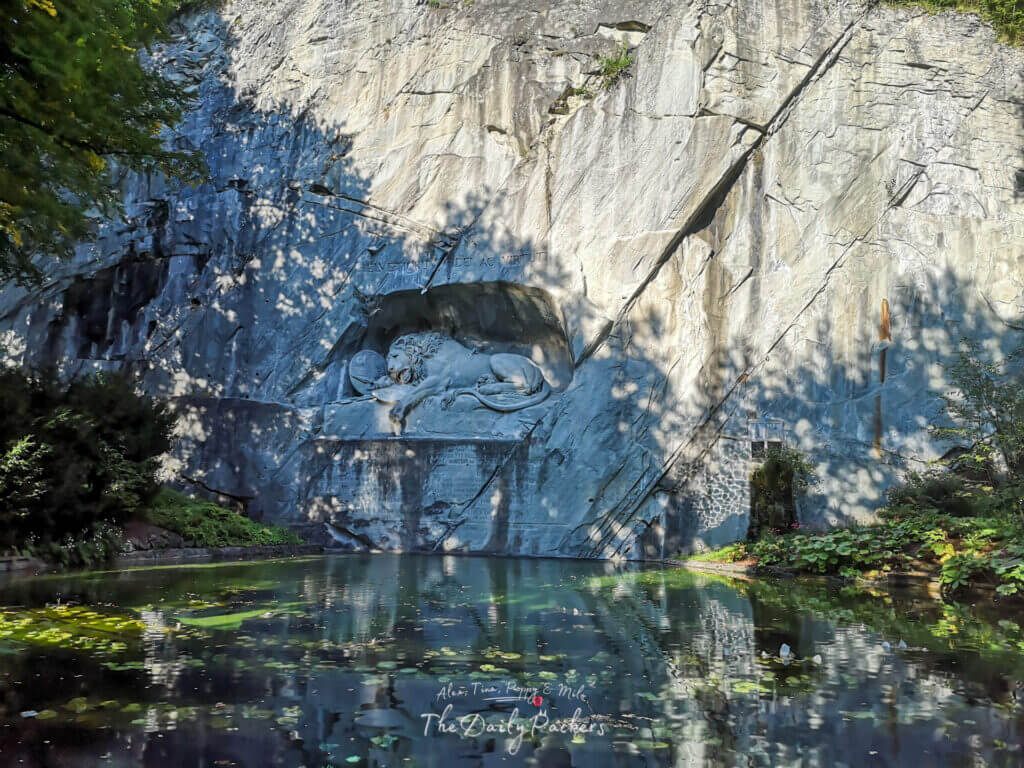
See the Lion Monument
Also known as the Lion of Lucerne, this moving sculpture commemorates the Swiss Guards who were massacred in 1792 during the French Revolution. Carved directly into a rock face, the dying lion rests with a broken spear in its side, symbolizing bravery and sacrifice.
It’s one of Lucerne’s most famous sights and a powerful place to pause and reflect. Surrounded by a quiet park and pond, it’s a peaceful spot just a short walk from the old town, making it easy to include in your exploration of the city.
Here are all your accommodation options in Lucerne
Walk the Ramparts at Musegg Wall
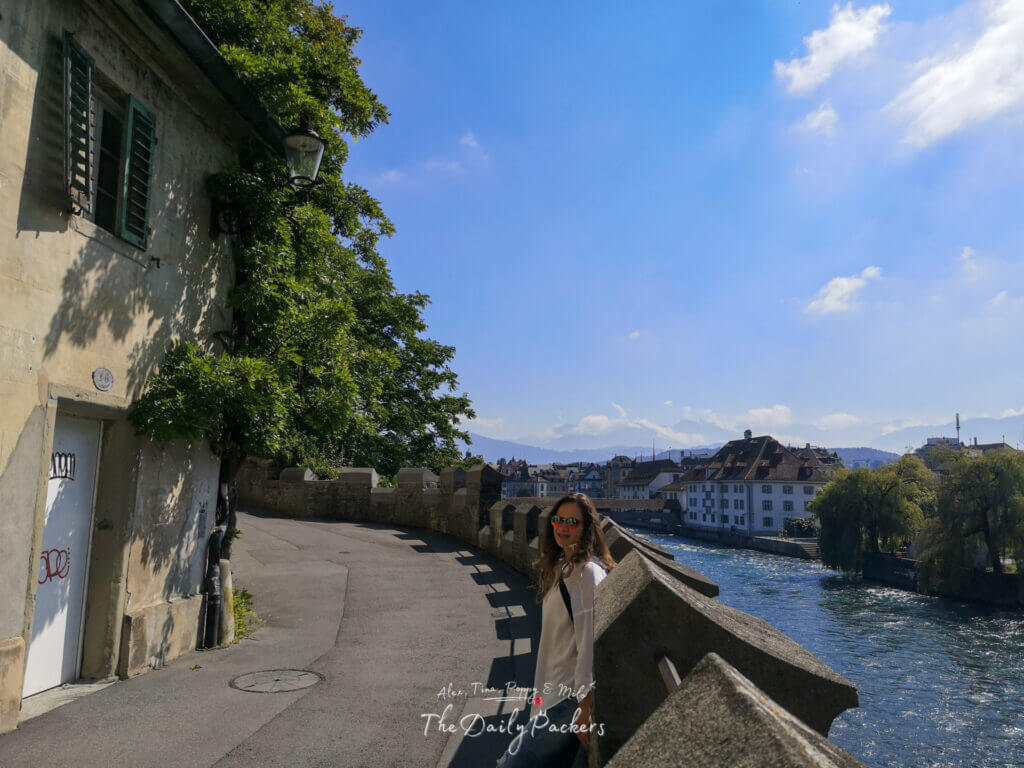
The Musegg Wall, with its nine historic towers, was built in the 14th century to fortify Lucerne. Remarkably well preserved, it’s one of the city’s most distinctive landmarks and offers a glimpse into its medieval past.
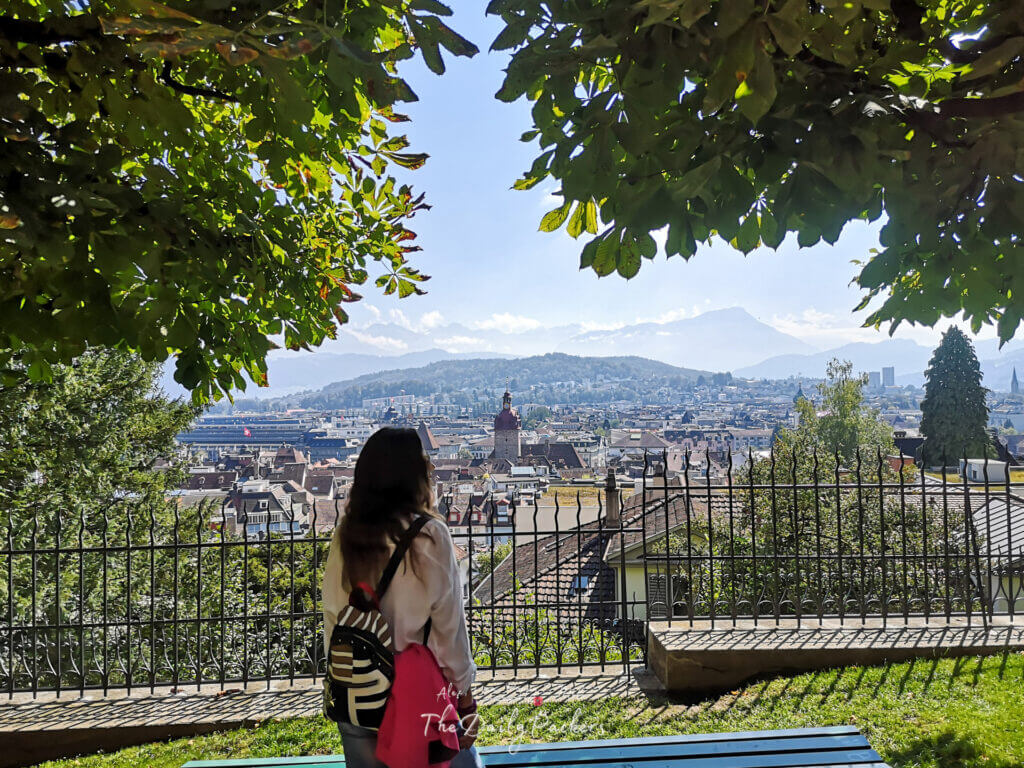
Today, you can walk along sections of the ramparts and climb several of the towers. Don’t miss the clock tower in the center—it still works with its original mechanism and offers fantastic views over the old town, the lake, and the surrounding mountains. It’s a great way to see Lucerne from a different perspective and imagine what city life was like centuries ago.
Tip: We never travel without our DJI Mini 3 PRO drone anymore — it’s totally worth having to capture places from a whole new perspective.
Climb the Clocktower (Zytturm)
Known as Zytturm, this distinctive tower is part of Lucerne’s old Musegg Wall. Built in the 15th century, it stands out because it’s the only tower along the wall that wasn’t meant for defense.

Instead, it houses the city’s historic clock mechanism, which still works today. You can climb inside to see the old gears up close and enjoy panoramic views over Lucerne’s rooftops, Lake Lucerne, and the surrounding mountains. It’s a must for anyone wanting to explore the city’s medieval heritage in a hands-on way.

Enjoy a Lake Walk
One of the best and easiest walks in Lucerne is the route from the city center to Lido and back. It’s a relaxing way to soak up the gorgeous lake views, with the Alps rising in the distance and the water often shimmering in shades of blue and green.
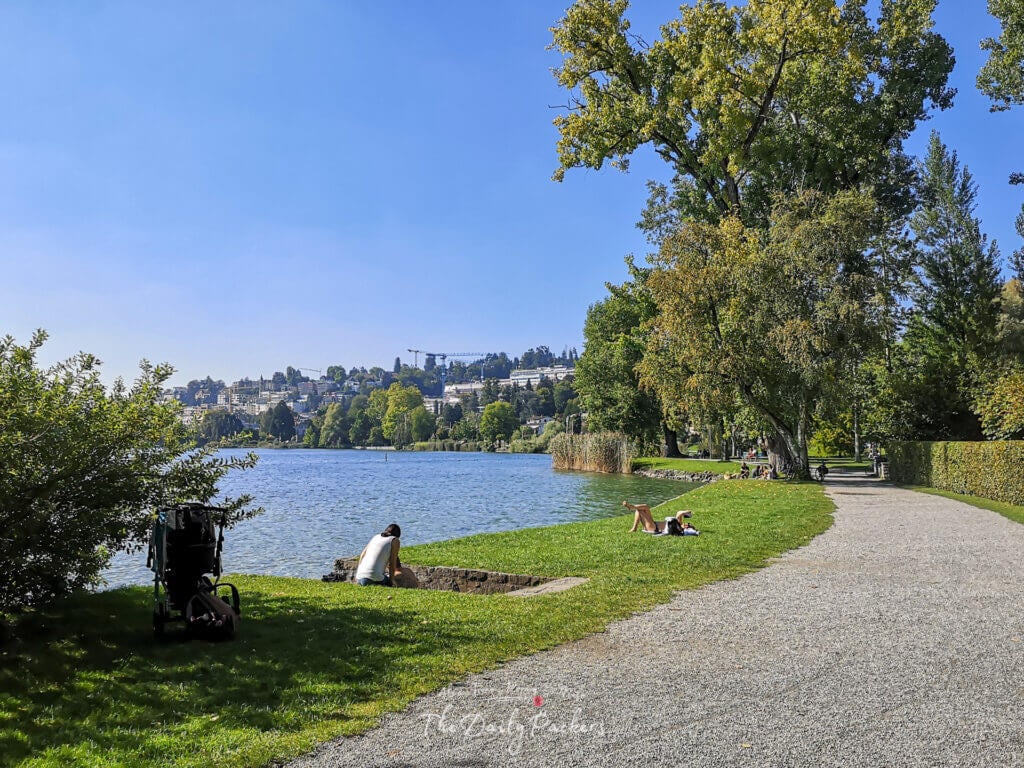
The path is lined with trees that offer plenty of shade on sunny days, making it comfortable even in summer. Benches are scattered all along the way, perfect for resting, people-watching, or just taking in the peaceful scenery.
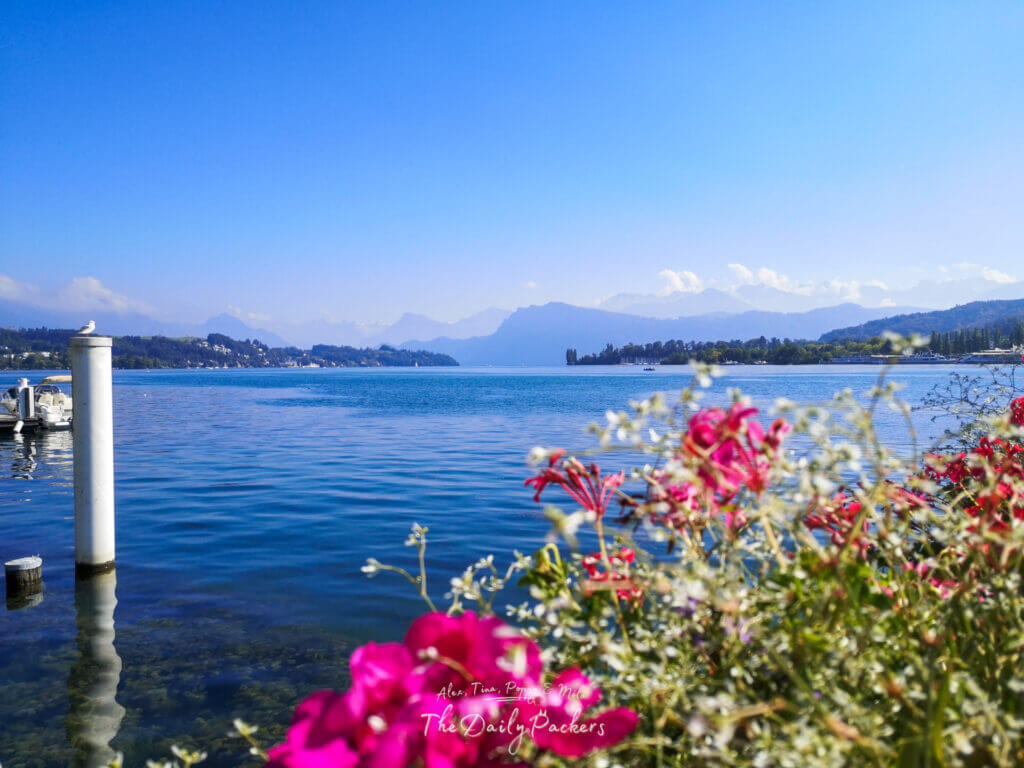
Ride the Steepest Cog Railway
Don’t miss the chance to take the world’s steepest cogwheel railway up to Mount Pilatus. This historic line starts in Alpnachstad and climbs at an incredible gradient of up to 48%, making it both a feat of engineering and an unforgettable experience.
The ride itself is spectacular, with views of forests, rocky cliffs, and alpine meadows as you make your way to the top. Once at the summit, you’ll find panoramic vistas over Lake Lucerne, the surrounding mountains, and even as far as the Swiss Plateau on clear days.


Read: All our gears and equipments for hiking, blogging, vlogging and so much more…
Hike Mount Pilatus
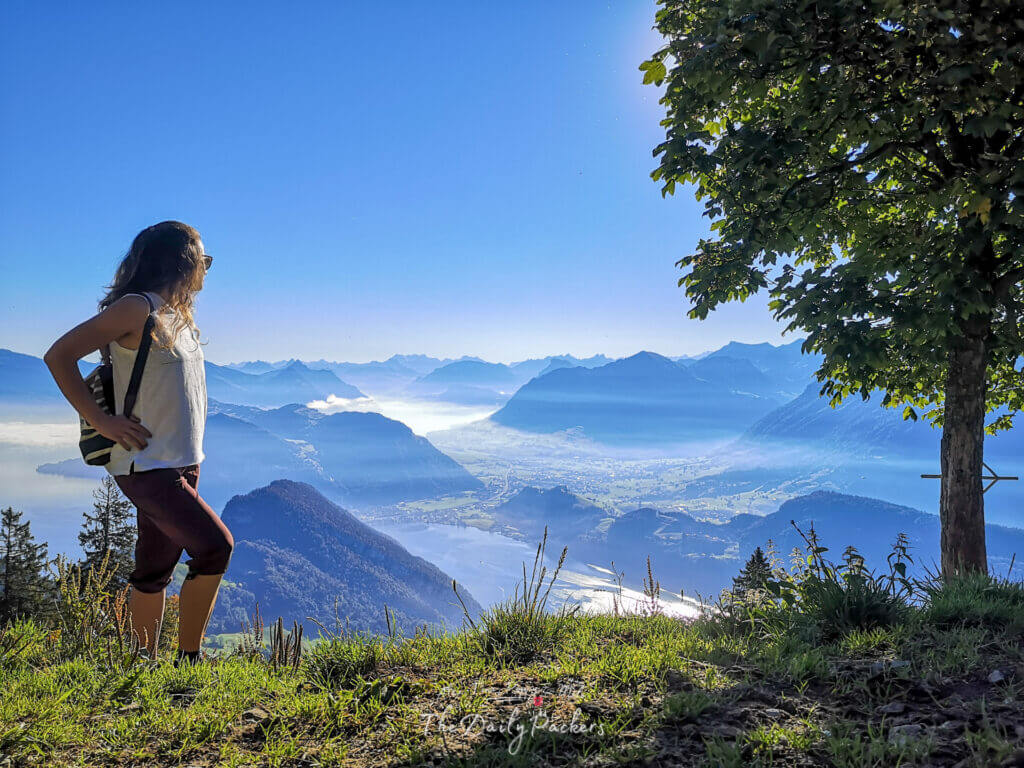
For those who love a bit of adventure, hiking up Mount Pilatus is an unforgettable experience. It’s the highest and most iconic peak near Lucerne, offering incredible views over the lake and the surrounding Alps.
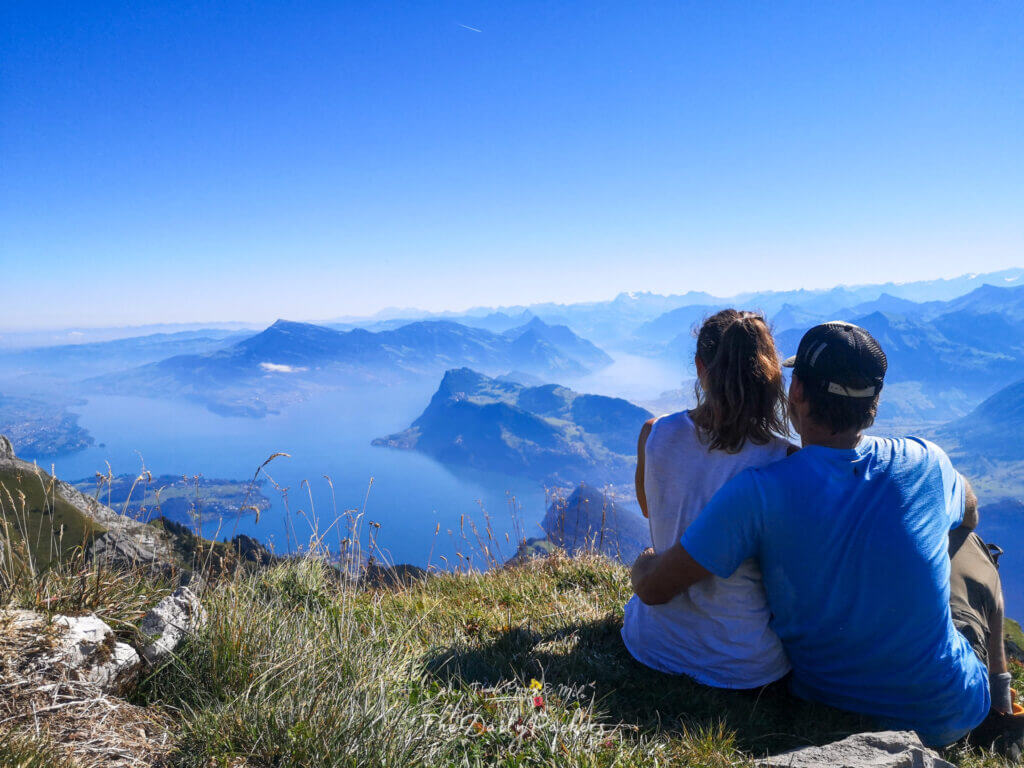
Several trails lead to the summit, ranging in difficulty and length, but all promise spectacular scenery along the way. Expect forest paths, rocky sections, and panoramic viewpoints that make every step worth it. At the top, you’ll be rewarded with sweeping vistas that stretch across central Switzerland—a true highlight for any hiking enthusiast visiting Lucerne.

Visit Mount RigiMount Rigi
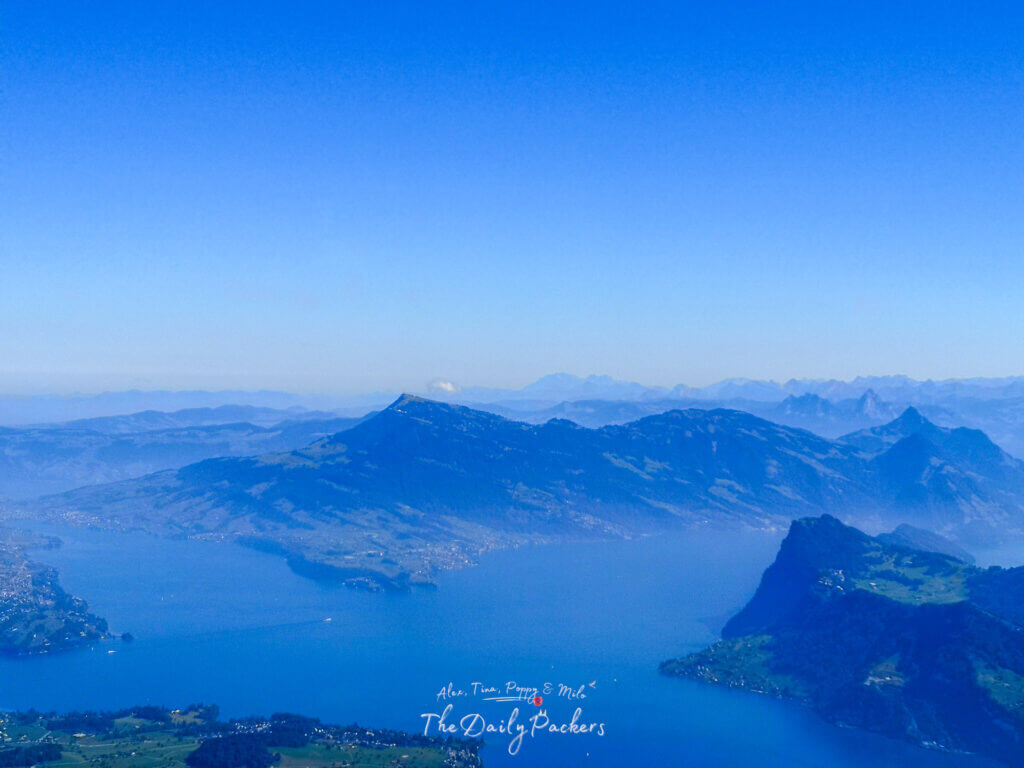
Another fantastic mountain to explore near Lucerne is Mount Rigi, often called the Queen of the Mountains. It’s the second tallest peak in the area after Pilatus and offers stunning 360-degree views over Lake Lucerne, the surrounding lakes, and the Alps.
You can reach the summit by a scenic cogwheel train from Vitznau or Goldau, or choose to hike one of the many well-marked trails for a more active day. At the top, you’ll find panoramic viewpoints, alpine meadows, and cozy mountain restaurants—perfect for soaking in the Swiss landscape
Road Trip Around the Lake
Hop in the car and spend a full day driving around Lake Lucerne to take in its incredible variety of scenery. The route winds through charming lakeside villages, dramatic mountain views, and plenty of perfect spots to stop and explore along the way.

One highlight is Bürgenstock, home to an impressive hotel complex with its own dedicated cog railway and an observation tower with a restaurant. You can hike up, drive, or take the funicular for sweeping panoramic views over the lake.
Another stop worth making is Rütli, a historic mountain meadow right on the lake. It’s said to be the birthplace of Switzerland, where the legendary founding oath was sworn. You can get there by hiking or by boat, and the hilltop behind it offers excellent views across the water.
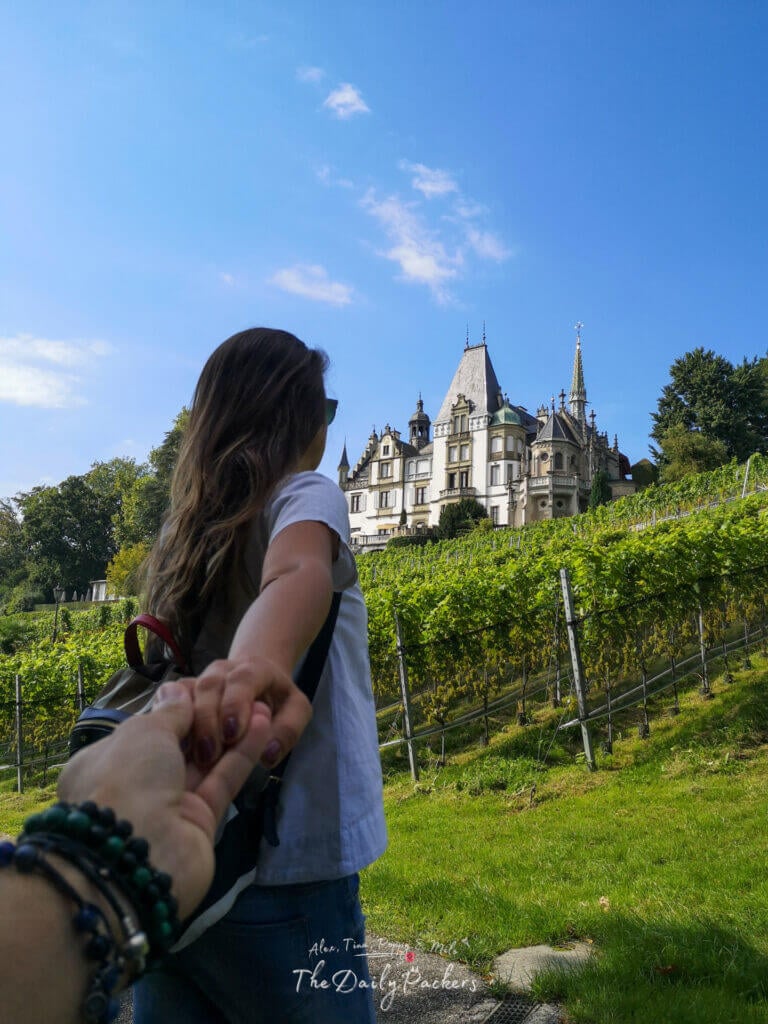
Don’t miss Meggenhorn either, with its 1870s castle and beautiful parklands. While the inside is only open at certain times, the grounds themselves are perfect for a stroll with scenic views of the lake and surrounding mountains.
Lucerne Itinerary
Day 1: Arrival in Lucerne
- Arrive in Lucerne and check in to your hotel
- Explore the historic old town on foot
- Stroll along the lakefront and take in the first Alpine views
- Enjoy dinner at a local restaurant
Day 2: Mount Pilatus Adventure
- Take the world’s steepest cogwheel railway from Alpnachstad to Aemsigen
- Hike up to the summit of Mount Pilatus for panoramic views
- Optional extension: hike to Matthorn for even more scenery
- Return to town via cable car and gondola to Kriens
- Dinner back in Lucerne
Day 3: Road Trip Around Lake Lucerne
- Drive a scenic loop around Lake Lucerne at your own pace
- Stop at Bürgenstock: ride the dedicated cog railway or hike to the observation tower and restaurant
- Visit Rütli: the historic meadow known as Switzerland’s birthplace, reachable by hike or boat
- Explore Meggenhorn: stroll the 1870s castle grounds and enjoy the beautiful parkland
- Return to Lucerne in the evening
Day 4: Mount Rigi by Boat and Cog Railway
- Take a boat from Lucerne to Vitznau for scenic lake views
- Ride the cogwheel railway up Mount Rigi, the Queen of the Mountains
- Enjoy 360-degree panoramic views from the summit
- Walk easy trails, relax at a mountain restaurant, or simply soak in the scenery
- Return to Lucerne for your final evening
Here are all your accommodation options in Lucerne
About the authors
We are Alex and Tina, a French-Serbian couple who met in China back in 2014. We spent three incredible years there before making France our home. Our shared passion for travel has been the heartbeat of our relationship for over 12 years, taking us across 44 countries and counting.
We launched TheDailyPackers in 2019 as a way to document our adventures. In 2026, we reached a major milestone by officially turning our blog into our full-time job. While we are still growing toward financial independence through this platform, every article we write is fueled by our mission to make your voyages easier through in-depth guides, honest advice, and the lessons we’ve learned from our own mistakes.
Our journey has not been without its storms. In 2023, our world changed forever when our first son, Poppy, was stillborn on November 25th. It was, and remains, the hardest chapter of our lives. In 2025, we were blessed with our second little boy, Milo. He has since joined our traveling tribe, and you’ll be seeing him—and the reality of traveling with a little one-on the blog more and more.
We hope to inspire you to explore the world with curiosity and resilience. Thank you for being part of our story.
You may also like those related posts
10-Day Uruguay Itinerary: Explore the Best of Uruguay
Lagoinha do Leste: Hike to Florianópolis’ Hidden Lagoon
How to get by bus from Copacabana to La Paz, the complete The Ultimate 5h Journey Guide
19 Best things to do in Nimes, France, in 3 days or more
Malaga Itinerary: Our Perfect 2 Days in Malaga, Spain
5 Best Things to do in Remedios, Cuba, in 1 single day
12 best things to do in Osaka, Japan, in 4 days or more
17 Essential Corsica Travel Tips to Know Before Your Trip
Pssst, did you know that…
If you purchase something through our links, we earn a small fee. However, you still pay the same. Win-win! And one day we may get to be full-time travel bloggers =)
Find Hotels with Booking.com
Do Yoga with KVY
Buy us a Coffee
Rent a car with DiscoverCars
Find Attractions with GetYourGuide
Find Flights with Expedia
Buy an eSIM with Airalo
Get insured with World Nomads
Get ready with Amazon.com