
Introduction: Money in Argentina
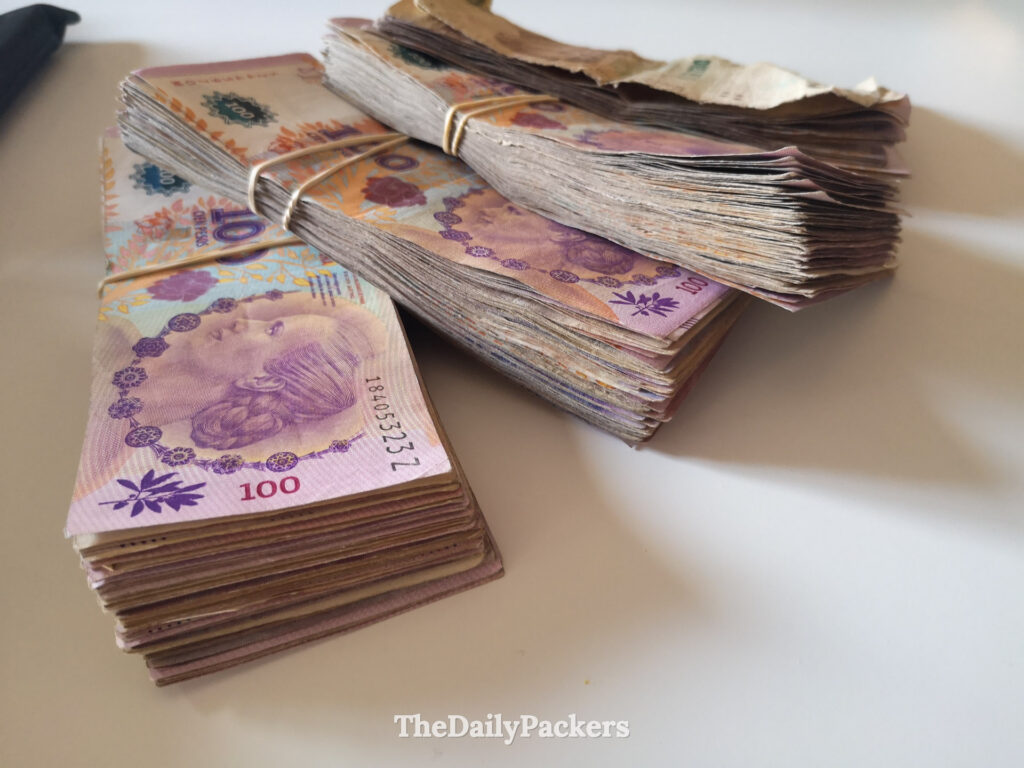
Navigating money in Argentina is a bit of an adventure in itself. While in most countries you can just walk up to an ATM and grab some cash, Argentina plays by its own set of rules. When we first arrived, we had some Euros in our pockets and started exchanging them without thinking twice. It seemed easy enough, but we quickly realized that having a solid plan for your cash is the secret to a stress-free trip.
At some point, you might find yourself running out of the cash you brought and be tempted to head to the nearest ATM. That’s when the reality of high withdrawal fees, low limits, and annoying restrictions kicks in. We learned the hard way that relying on ATMs isn’t just frustrating—it can actually be quite expensive.
In this guide, you’ll find everything we’ve learned about handling your money while exploring this beautiful country. We’re going to break down how ATM withdrawals work, how to understand the conversion rates, and the best ways for you to get cash without getting hit by excessive fees. Our goal is to make sure you have all the info you need so you can spend less time worrying about pesos and more time enjoying your travels.

Exchanging Cash and Dealing with Rates
Exchanging cash was our go-to move for getting money while traveling through Argentina, and honestly, it’s often the easiest way to go. No matter if you’re in a bustling city like Buenos Aires or a smaller town like Capilla del Monte, you’ll almost always find a spot to exchange your Euros or Dollars.
One thing you have to prepare for is that the exchange rate here isn’t exactly stable. When we were exploring, we saw it jump from 1€ = 70 pesos in January to 1€ = 80 pesos just a month later. It can feel a bit like a rollercoaster! Because of the country’s ongoing economic shifts and inflation, the rates can literally change every single day.
To give you a better idea of the scale of these changes, by February 2025, the rate had reached approximately 1€ = 1,112 ARS. By early 2026, we saw prices at major attractions like Iguazu Falls being adjusted to reflect rates closer to 1,000 pesos to the Euro. This is why we always recommend keeping a close eye on the latest daily rates before you hand over your cash. Timing your exchange right can make a real difference in how much you have to spend on that next steak dinner or tour.


Psst, you can join Tina’s Yoga Studio and get access to hundreds of Yoga, Meditation, and Well-being videos.
Why ATMs in Argentina are a Traveler’s Last Resort
While most ATMs in Argentina will accept your foreign cards, they unfortunately come with some of the highest fees and lowest withdrawal limits we’ve ever encountered. After we checked multiple machines, we found that every single one charged a fee of around 620 pesos per withdrawal. At the time, that was roughly 8€, which felt like a lot for a single transaction.
This might have been manageable if you could withdraw a large amount at once, but the limits were frustratingly low—usually only between 3,500 and 4,000 pesos per transaction (about 45€ to 57€ back then). On top of that, your own bank at home will likely charge you its own international fees, making every trip to the ATM an expensive and impractical mission.
Because the Argentine Peso experiences such high and uncontrolled fluctuations every day, these costs can add up even faster than you’d expect. We quickly realized that withdrawing money from ATMs was simply not a viable solution for us, and we recommend you avoid it whenever possible to keep more of your budget for your actual trip.

Better Alternatives: Western Union & More
Azimo & Western Union
When you realize that ATMs aren’t the answer, you’ll need a better strategy. During our trip, we first used an app called Azimo, which allowed us to send money to ourselves and pick up cash at a great rate. While Azimo shut down its services in 2022, the good news is that Western Union has stepped up as the most popular and reliable alternative for travelers today.
Western Union is often the best way for you to get cash because it offers an exchange rate very close to the unofficial “blue” rate, which is much better than what you’ll get at a bank. The process is straightforward: you send money to yourself online using their app or website and then visit one of their many locations across Argentina to collect your pesos in person.
Unlike older digital services that only worked in big cities, Western Union has a huge network. You can find branches in small towns and even rural areas, which is a lifesaver if you are heading down to Patagonia. Just remember to bring your passport and your tracking number (MTCN), and try to go early in the day as some branches can run out of cash or have long lines.

Wise
If you’ve traveled before, you’ve probably heard of Wise. It’s an incredible tool for international travel, but in Argentina, you need to use it a bit differently. Unlike Western Union, Wise doesn’t really do “cash pickups.” Instead, it’s best used for paying by card.
If you’re staying in hotels, booking Airbnbs, or eating at nicer restaurants, your Wise card is a great option. It uses the real mid-market exchange rate (the one you see on Google), which is still way better than what traditional banks offer. However, we have a tip for you: always check if a place offers a discount for paying in cash. In Argentina, it’s very common to get 10% or even 20% off if you pay with physical pesos. In those cases, using the cash you got from Western Union will still be your cheapest option!
Best Time to Visit Argentina
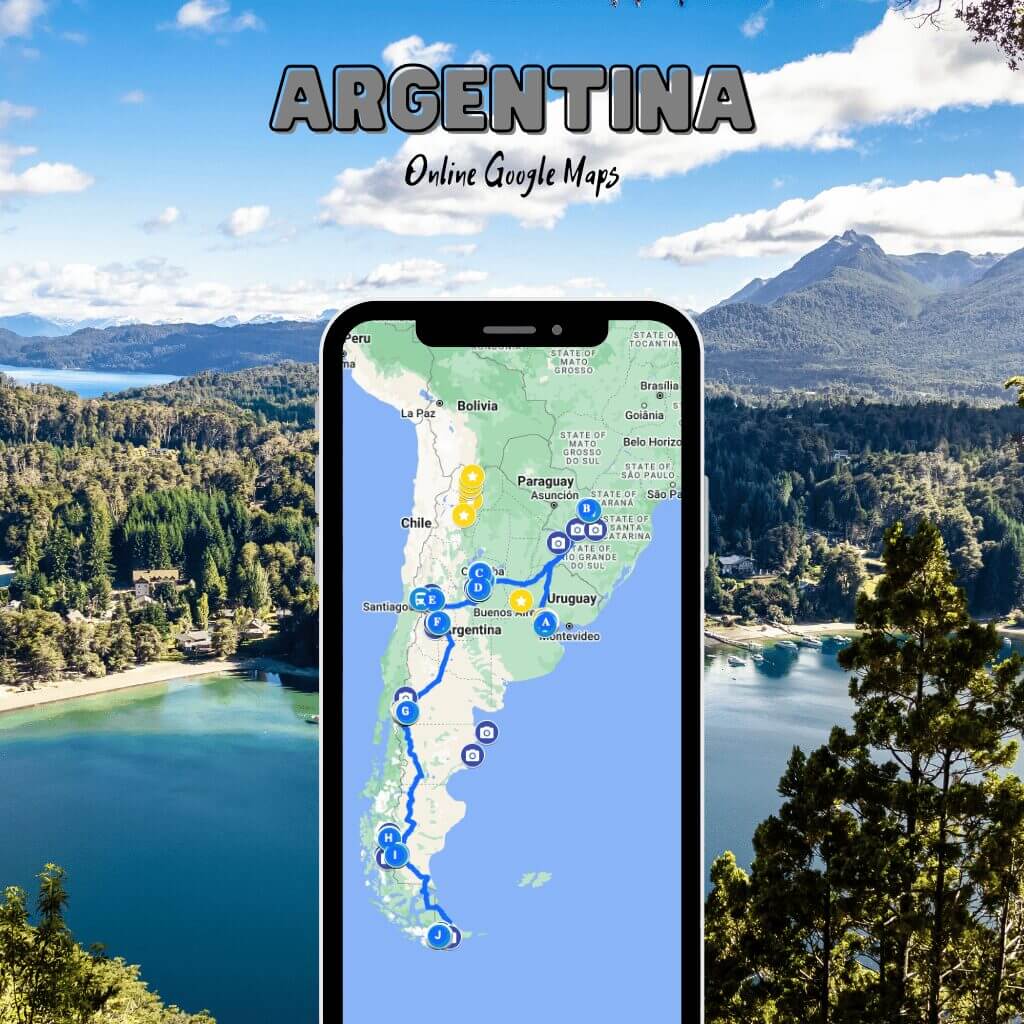
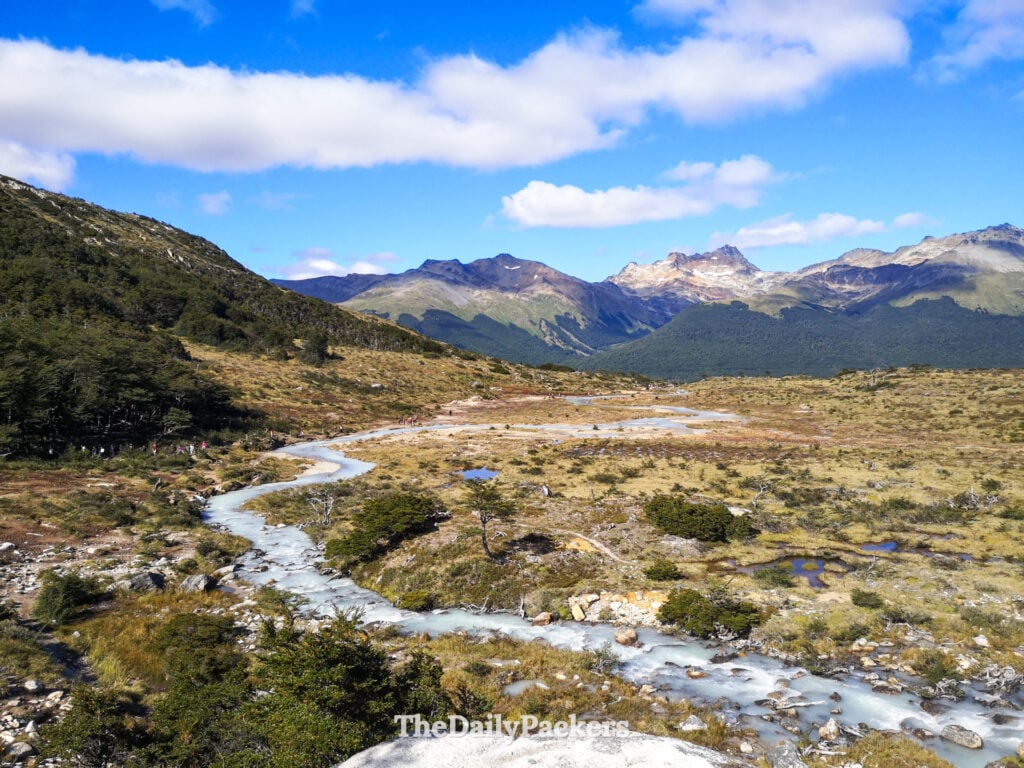
Deciding when to head to Argentina depends a lot on where you want to go, as the country is massive and the weather varies wildly from the tropical north to the icy south. Generally, the shoulder seasons (Spring and Autumn) are our favorite times to visit because the weather is mild and you’ll avoid the biggest crowds and highest prices.
Spring (September to November): This is a beautiful time to see the country in bloom, especially in Buenos Aires.
- North: 20°C – 30°C (68°F – 86°F)
- Central: 15°C – 25°C (59°F – 77°F)
- South: 5°C – 15°C (41°F – 59°F)
Summer (December to February): The best time for hiking in Patagonia, though it gets very hot and humid in the north.
- North: 25°C – 35°C (77°F – 95°F)
- Central: 20°C – 30°C (68°F – 86°F)
- South: 10°C – 20°C (50°F – 68°F)
Autumn (March to May): Ideal for visiting the vineyards in Mendoza during the harvest or seeing the fall colors in the Andes.
- North: 18°C – 28°C (64°F – 82°F)
- Central: 12°C – 22°C (54°F – 72°F)
- South: 2°C – 12°C (36°F – 54°F)
Winter (June to August): Great for skiing in the mountains or visiting the north when it’s dry and mild, but Patagonia can be very cold with many trails closed.
- North: 10°C – 20°C (50°F – 68°F)
- Central: 5°C – 15°C (41°F – 59°F)
- South: -5°C – 5°C (23°F – 41°F)

Final Tips and Recommendations
To make your trip even smoother, we recommend downloading the Western Union app before you leave and bringing a mix of “pristine” USD or Euro bills (no rips or marks) as backups. Always ask for a “descuento en efectivo” (cash discount) at restaurants and shops, as you can often save 10% just by paying with physical pesos. Finally, don’t forget to pack layers—you might experience three different climates in a single week!
About the authors
We are Alex and Tina, a French-Serbian couple who met in China back in 2014. We spent three incredible years there before making France our home. Our shared passion for travel has been the heartbeat of our relationship for over 12 years, taking us across 44 countries and counting.
We launched TheDailyPackers in 2019 as a way to document our adventures. In 2026, we reached a major milestone by officially turning our blog into our full-time job. While we are still growing toward financial independence through this platform, every article we write is fueled by our mission to make your voyages easier through in-depth guides, honest advice, and the lessons we’ve learned from our own mistakes.
Our journey has not been without its storms. In 2023, our world changed forever when our first son, Poppy, was stillborn on November 25th. It was, and remains, the hardest chapter of our lives. In 2025, we were blessed with our second little boy, Milo. He has since joined our traveling tribe, and you’ll be seeing him—and the reality of traveling with a little one-on the blog more and more.
We hope to inspire you to explore the world with curiosity and resilience. Thank you for being part of our story.
You may also like those related posts
20 best things to do in Dubrovnik, Croatia, in 1 to 5 days
The perfect Croatia Itinerary: 7 to 10-day for first timers
16 best things to do in Budapest, Hungary, in 1 day or more
Ribeauvillé Christmas Market: The Best Medieval Market
The Ultimate Aconcagua Provincial Park 1-Day Hiking Guide
Bus from Brazil to Uruguay: 23h journey through land borders
10 best things to in Lijiang, China, in 3 days or more
13 Best things to do in Šibenik, Croatia, in 1 to 3 days
Pssst, did you know that…
If you purchase something through our links, we earn a small fee. However, you still pay the same. Win-win! And one day we may get to be full-time travel bloggers =)
Find Hotels with Booking.com
Do Yoga with KVY
Buy us a Coffee
Rent a car with DiscoverCars
Find Attractions with GetYourGuide
Find Flights with Expedia
Buy an eSIM with Airalo
Get insured with World Nomads
Get ready with Amazon.com