

Introduction
Tucked away in the lush highlands of Sri Lanka, Ella is a place that instantly feels like a deep breath of fresh air. Surrounded by tea plantations, jungle hills, and epic train tracks, it has grown into one of the island’s most beloved travel stops, and the Nine Arch Bridge might be its most iconic sight.
We had heard a lot about it before going and, to be honest, weren’t sure what to expect. But seeing it in person—this grand colonial-era stone bridge stretching across a deep jungle valley—it did live up to the hype. We visited it twice, once in the late afternoon and once early in the morning, and both experiences were totally different.
In this guide, we’ll walk you through everything you need to know to plan your visit to the Nine Arch Bridge in Ella, from the best way to get there to the perfect time to see a train passing by.

Here are all your accommodation options in Ella.
Why visit the Nine Arch Bridge?
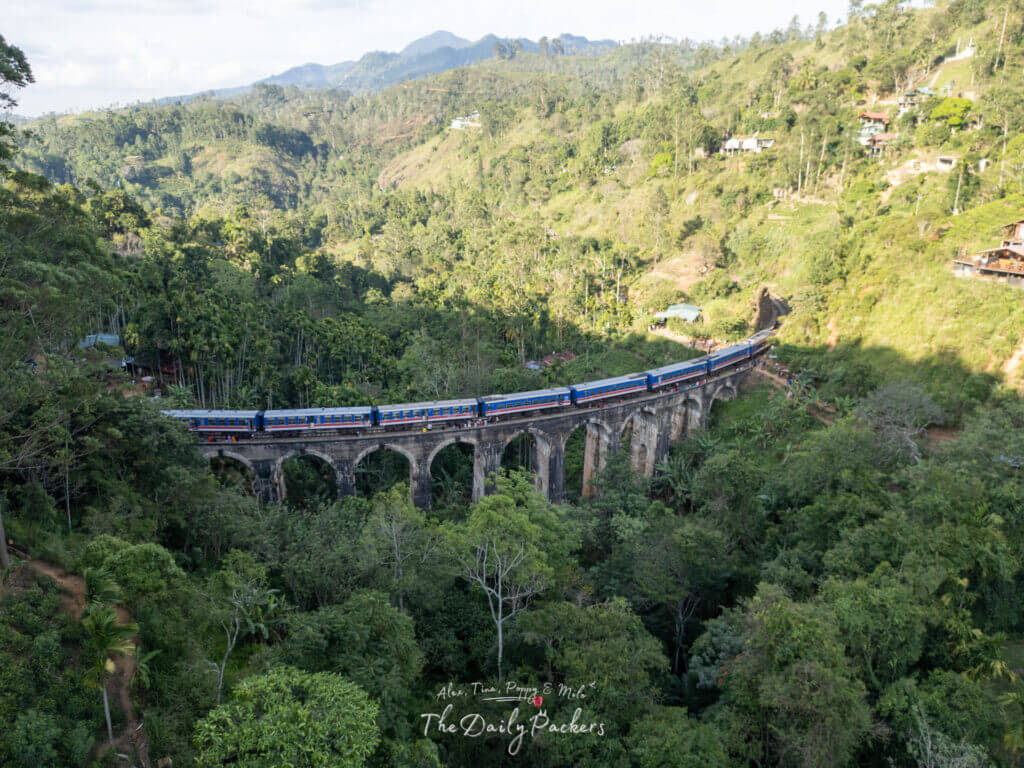
The Nine Arch Bridge—also called the Bridge in the Sky—is one of Sri Lanka’s most photographed landmarks, and for good reason. Tucked between Ella and Demodara railway stations, this colonial-era viaduct was built in 1921 entirely out of stone and cement, without a single piece of steel. Its nine symmetrical arches rise above a deep forested valley, blending perfectly with the jungle surroundings and tea plantations.
But beyond its history, the bridge has become the place to see a train chug slowly across a jungle ravine like in a movie. It’s a bit of a postcard cliché, yes—but one that’s genuinely worth seeing.

Just be prepared: the popularity of the spot means it can get packed. On our first visit, we showed up on a sunny Sunday around 4 PM. Big mistake. The bridge was crowded with tourists and local school groups, the light was harsh and directly in our faces, and taking nice photos was nearly impossible. The view from the upper path wasn’t great either—the shadows and sun direction just didn’t work. It felt like everyone was jostling for the same shot at the wrong time.
But the magic wasn’t lost. A train eventually came (around 4:50 PM instead of the expected 4:30), paused on the bridge for a few minutes, and gave us time to enjoy the scene. It was crowded, sure, but still special.
The next day, we went back earlier in the morning. Fewer people, better light, and a more peaceful vibe. That’s when we finally found a little trail that led down into the tea plantations beside the bridge—completely empty, with the best angles. That second visit? Totally worth it.


Check our Google Map of Sri Lanka.
How to Get to the Nine Arch Bridge
There are a few different ways to reach the Nine Arch Bridge, and your experience will really depend on the route and timing you choose.
The bridge is located about 2.5 km from Ella town, and you can reach it in three main ways:
- By foot: If you’re staying in Ella town and don’t mind walking, it’s about 30–40 minutes on foot. One of the most common routes starts near the Ella-Passara Road and takes you through a mix of village paths, tea plantations, and jungle trails. It’s a nice walk, but do bring water and sun protection—especially if you go in the afternoon.
- By tuk-tuk: This is the easiest and most flexible option. There are two main access points by tuk-tuk:
- One drops you at the side of the bridge closest to Ella town (about 2.5 km), which is ideal if you want to approach it quickly and walk down through the tea fields.
- The other goes all the way to the far side of the bridge, which is a longer ride—around 5–6 km and costs more. This route brings you to the less crowded side of the bridge and is worth it if you want a quieter approach.
When we went, we arranged the tuk-tuk through our guesthouse and paid 3,500 LKR for a round trip that included the Nine Arch Bridge, Little Adam’s Peak, and the return to Ella. That’s about €10 / $11. Prices in town can be higher, so it’s a good idea to ask your accommodation first, as they usually know reliable drivers.
Quick tip: if you’re taking a tuk-tuk, let your driver know you might want to stay until after a train passes. Some are happy to wait a bit, especially if you agree on the plan in advance.

Here are all your accommodation options in Ella.
When to visit
Timing your visit to the Nine Arch Bridge can completely change your experience. We made the mistake of going on a Sunday afternoon around 4 PM, and it was not ideal. The sun was high, the light was harsh, and worst of all, the place was packed with locals, tourists, and even school groups. The upper side of the bridge, where we had hoped to take photos, was directly hit by sunlight, making it impossible to get any nice shots. And with that many people, forget about getting anything peaceful or photogenic.
On the plus side, we did get lucky with the train. One passed by around 4:50 PM, and it even stopped for 10 minutes right on the bridge—something quite rare. It was crowded, but at least we could catch a glimpse of what makes this place so special.
So what’s the best time to visit? Early morning. A few local drivers told us that visiting around 7:00 to 8:30 AM is the sweet spot. It’s cooler, quieter, and the lighting is much better for photos. We went back the next morning and had a completely different experience—less people, calm atmosphere, and even a train passing again.
If you can, avoid weekends and public holidays, and skip the midday heat. Either go right after sunrise or closer to 5:30 PM, when the sun starts to drop and casts a beautiful light on the bridge. But even then, the crowd might still be there—so mornings are definitely the way to go if you’re into photography or a bit of quiet.
Final tip: Don’t just stay at the top like most visitors do. Take a little path down through the tea plantations on the side. It’s much quieter down there, and the view with the bridge curving across the valley is stunning.

Check our Google Map of Sri Lanka.
How to Visit
There’s more than one way to enjoy Nine Arch Bridge—and we’re not just talking about how to get there. The best part of visiting this iconic spot is exploring all the different viewpoints that give you unique perspectives. Whether you’re chasing the perfect photo or just want to sit and take in the view, here’s where to go:
Asanka Café (Right Side)
This is a classic starting point, especially if you arrive by tuk-tuk. It’s a simple café with one of the most popular overhead views of the bridge. From here, you can see the entire curve of the viaduct and even wait for a train to pass by while sipping a juice. Early morning is quieter, and the light tends to be softer.
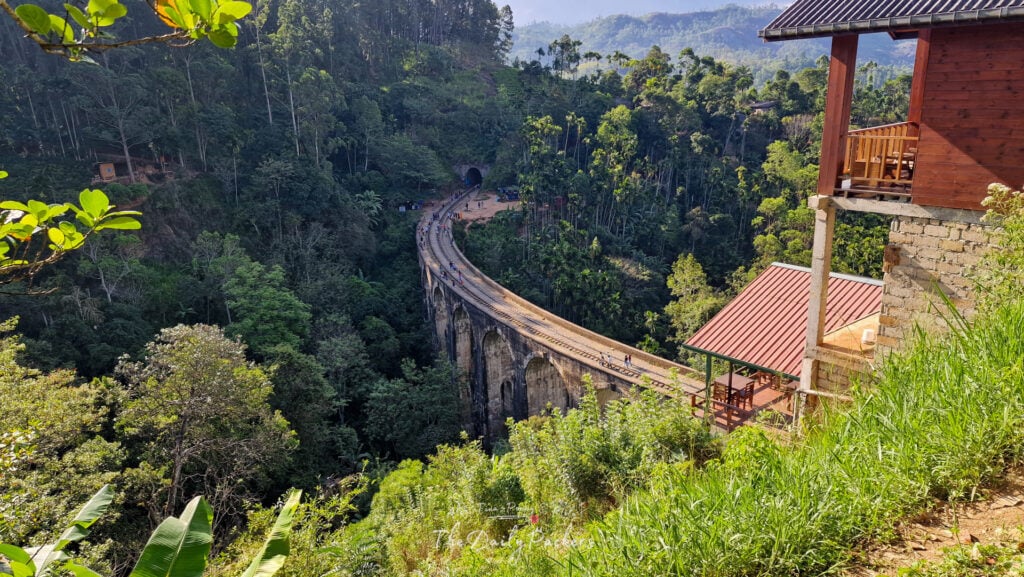
Right Side, Down from Asanka Café
From the café, take the small trail down through the jungle to reach the bridge level. On the right side of the bridge, you can walk down a little trail to get to the top part of a tea plantation. This gives you great angles with some greenery in the foreground and is usually less crowded. It’s also where we got some of our best shots—just be careful on the dirt path if it’s been raining.

Under the Bridge – Tea Plantation View
Keep going down from the trail to reach the tea fields right under the arches. This is one of the most peaceful spots, and very few people venture down here. The contrast of the massive stone bridge towering above the soft green of the tea plants makes it feel like a scene from a movie.

On the Bridge Itself
Yes, you can walk on the railway bridge itself! Just make sure no train is coming, and be mindful of others. It gets quite crowded during the day, especially on weekends, but early mornings or late afternoons are quieter. Just know that getting that ‘empty bridge’ shot might take some patience.

Left Side Trail – Nine Arches Bridge Natural Road
This path gives you a beautiful, slightly elevated view from the opposite side of Asanka Café. It’s also quieter and lets you appreciate how the bridge blends into the lush jungle around it. It’s worth walking this trail a bit further for different angles and a more relaxed vibe.
We personally visited all of these spots across two visits but you can easily do it in one, and trust us—every angle has its charm, especially when the train rolls in. Just time your visit right, bring water, and give yourself time to explore.
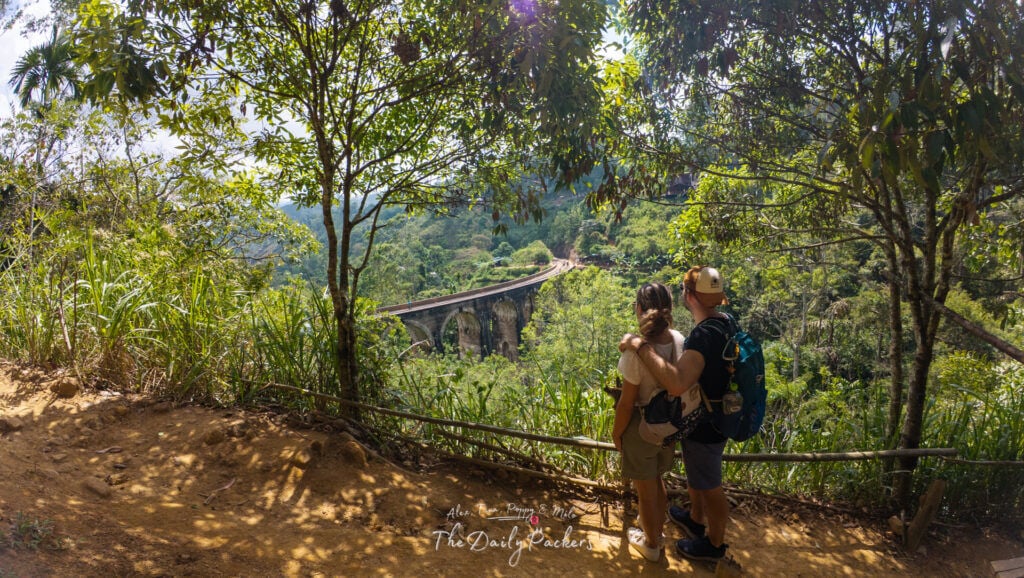

Tip: We never travel without our DJI Mini 3 PRO drone anymore — it’s totally worth having to capture places from a whole new perspective.
Tickets & Opening Hours
One of the best things about visiting Nine Arch Bridge? It’s completely free.
There’s no entrance fee or ticket required to visit the bridge, walk along the tracks, or explore the surrounding viewpoints. You’re free to go anytime—it’s open 24/7, as it’s not a managed site but part of the public railway.

Here are all your accommodation options in Ella.
Tips for visiting
Here are a few things we wish we knew before going—hopefully they’ll help you enjoy it even more:
- Avoid weekends, especially Sunday afternoons: We went around 4 PM on a Sunday, and it was packed. School groups, local families, and tourists made it hard to move around or get clean shots.
- Visit early in the morning or around 5:30 PM: The light is softer, the heat is more bearable, and the crowds are thinner. Early morning also gives you a chance to catch a quiet train scene.
- Check the train schedule: Trains pass the bridge about six times a day, but the exact times are unreliable and change often in Sri Lanka. Usually, you can expect one train per hour. Don’t worry if you have to wait—it’s a beautiful place to hang around, and there are cafés like Asanka Café where you can grab drinks or snacks. We recommend going around 9 AM for the best light and manageable crowds. Always ask your hotel or guesthouse for the latest train info.
- Don’t fly drones low under the bridge: We’ve heard of people getting attacked by bees hidden in the structure. If you’re flying, stay high and cautious.
- Let your guesthouse arrange your tuk-tuk: It’s usually cheaper.
- Take water, wear sunscreen, and go with patience: It gets hot quickly and there’s little shade around midday.

Check our Google Map of Sri Lanka.
Is it Worth It?
Absolutely, yes. Nine Arch Bridge isn’t just a place to snap a photo and move on. It’s one of those travel moments that feels timeless—watching a train slowly curve over the brick arches, surrounded by jungle and tea fields, hearing the distant whistle grow louder, and the excitement building as the train comes into view.
Sure, it can get crowded. Sure, the heat might catch you off guard. But even with all that, there’s something magical about the place. Whether you’re seeing it for the first time or coming back like we did, it has a way of pulling you in.
Just go early, walk around, and take it all in from every angle. It’s one of the highlights of Ella and a must for anyone exploring Sri Lanka’s hill country.

Tip: We never travel without our DJI Mini 3 PRO drone anymore — it’s totally worth having to capture places from a whole new perspective.
Where to stay
We recommend staying in Ella for at least 2 nights — it gives you enough time to explore the highlights without rushing. But if you can, 3 nights is even better. It allows for a slower pace, with time to unwind, enjoy the nature around, and maybe sneak in an extra hike or a lazy afternoon by the pool.
For the best experience, look for accommodation just outside of Ella town. It’s quieter, the views are better (think jungle hills and bird songs), and you’ll still be just a short tuk-tuk ride from the restaurants and main sights.
Our picks for where to stay in Ella:
- (€) Lavendra Paradise: Budget-friendly with warm hospitality and a peaceful garden setting.
- (€€) Chill Ville: Mid-range comfort with beautiful views of Ella Rock and a small pool.
- (€€€) Tea Cabins: A more luxurious option with elevated cabins tucked into the hills and stunning sunrise views.
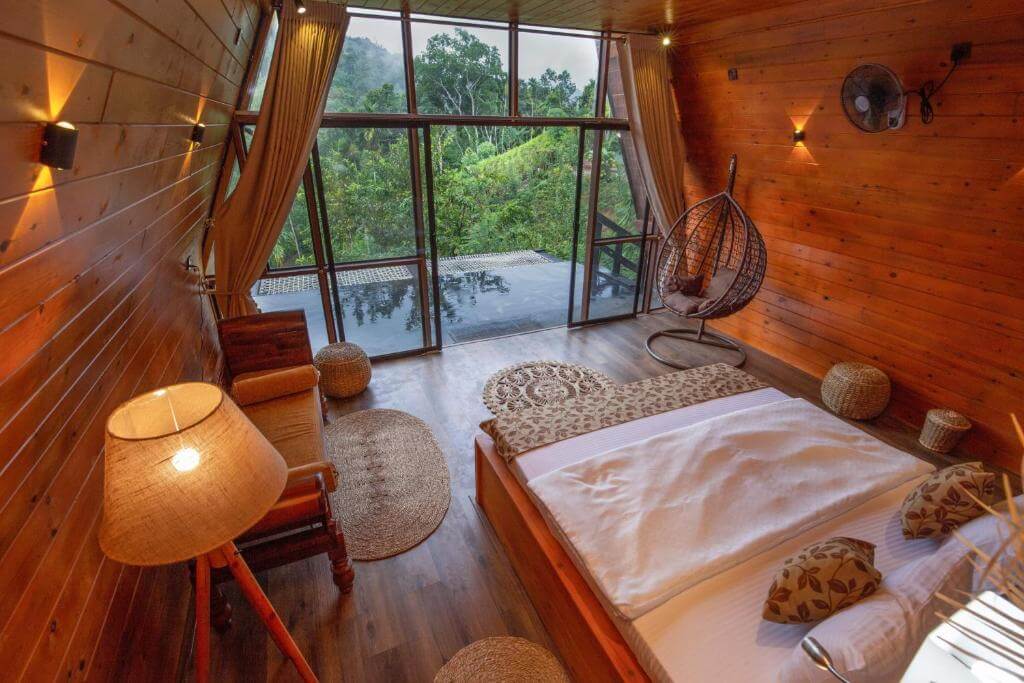
Here are all your accommodation options in Ella.
About the authors
We are Alex and Tina, a French-Serbian couple who met in China back in 2014. We spent three incredible years there before making France our home. Our shared passion for travel has been the heartbeat of our relationship for over 12 years, taking us across 44 countries and counting.
We launched TheDailyPackers in 2019 as a way to document our adventures. In 2026, we reached a major milestone by officially turning our blog into our full-time job. While we are still growing toward financial independence through this platform, every article we write is fueled by our mission to make your voyages easier through in-depth guides, honest advice, and the lessons we’ve learned from our own mistakes.
Our journey has not been without its storms. In 2023, our world changed forever when our first son, Poppy, was stillborn on November 25th. It was, and remains, the hardest chapter of our lives. In 2025, we were blessed with our second little boy, Milo. He has since joined our traveling tribe, and you’ll be seeing him—and the reality of traveling with a little one-on the blog more and more.
We hope to inspire you to explore the world with curiosity and resilience. Thank you for being part of our story.
You may also like those related posts
3 Weeks South America Itinerary: Peru, Bolivia & Chile Travel Route
15 Best things to do in Kaunas, Lithuania, in 1 day
17 Best things to do in Curonian Spit, Lithuania, in 3 days
7 best Resorts in the Maldives to stay at in 2025
Thuy Tien Lake: Exploring Hue’s Forgotten Abandoned Water Park
The Perfect Patagonia Itinerary: 2 & 3 Weeks of Adventure
Strasbourg Christmas Market: How to spend 3 magical days
19 Best things to do in Nimes, France, in 3 days or more
Pssst, did you know that…
If you purchase something through our links, we earn a small fee. However, you still pay the same. Win-win! And one day we may get to be full-time travel bloggers =)
Find Hotels with Booking.com
Do Yoga with KVY
Buy us a Coffee
Rent a car with DiscoverCars
Find Attractions with GetYourGuide
Find Flights with Expedia
Buy an eSIM with Airalo
Get insured with World Nomads
Get ready with Amazon.com