

Introduction
The Normandy landings on D-Day, 6 June 1944, marked one of the most significant moments of World War II. It was here, along the coast of Normandy in northern France, that Allied forces launched a massive military operation to liberate Europe from Nazi occupation. The landings took place across five beaches—Utah, Omaha, Gold, Juno, and Sword—as well as the strategic Pointe du Hoc, a dramatic cliff seized by U.S. Rangers.
Among these, Utah and Omaha are the most famous, as this is where the American forces came ashore. Omaha Beach, in particular, is remembered as the bloodiest of all the landings, with heavy casualties suffered during the first wave.
Today, the Normandy coastline is home to museums, memorials, bunkers, cemeteries, and preserved battle sites that tell the story of D-Day in a deeply moving and educational way. Whether you’re a history enthusiast or simply want to pay tribute to those who served, this region offers an unforgettable experience.
We spent two days exploring the D-Day beaches and surrounding landmarks. While that gave us a solid overview of the history, you could easily spend anywhere from two to seven days here, depending on how deeply you want to dive into the events and legacy of D-Day.
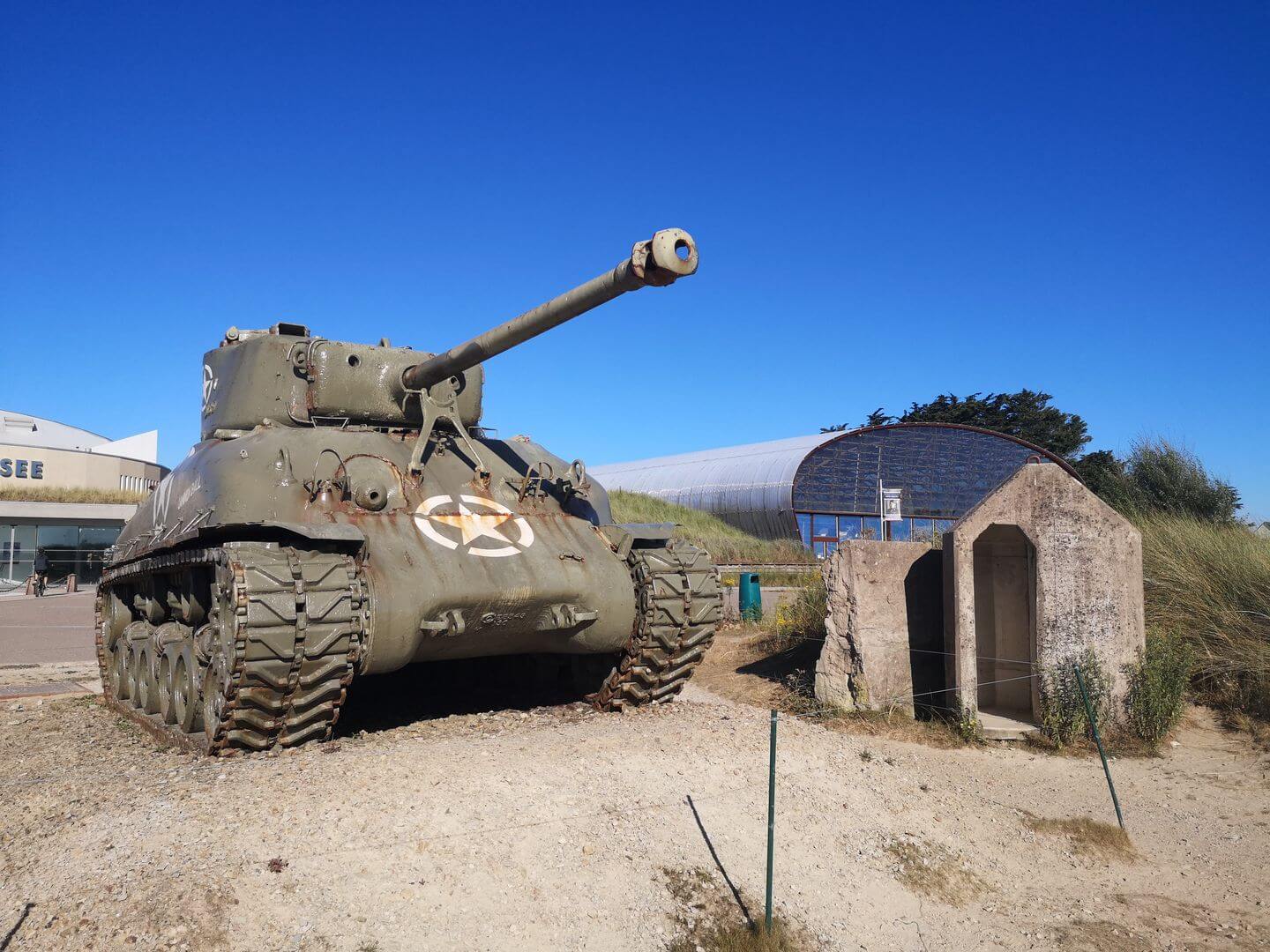
Get our complete Google Map
Our complete Google Map of Western France features tons of pins, including things to do, dining spots, accommodations, points of interest, and a trip itinerary.
Getting to the landing beaches
The D-Day beaches and memorials are spread along the coast of northern Normandy, about 2.5 to 3.5 hours west of Paris. While you can visit on a day trip, we highly recommend staying at least two days to fully explore the area at a relaxed pace.
By Car (Best Option): The easiest and most flexible way to visit the Normandy landings area is by renting a car. Driving gives you the freedom to explore lesser-known sites, stop at viewpoints, and move between beaches, cemeteries, and museums on your own schedule.
- From Paris: Around 2.5–3.5 hours, depending on where you’re headed (Caen, Bayeux, or Sainte-Mère-Église are good bases).
- Roads are well-maintained, with scenic countryside and clear signage.
- Parking is available at most major D-Day sites.
Tip: Rent your car in Paris or Caen. Try to pick up early to make the most of your day.
By Train: You can also reach the region by train, although you’ll need a car or guided tour to visit the actual landing sites.
- Paris to Bayeux: Direct trains from Gare Saint-Lazare take around 2 hours.
- Paris to Caen: Also about 2 hours by train.
- From there, you can rent a car or join a local D-Day tour.
By Tour from Paris: if you’re short on time or prefer not to drive, several companies offer D-Day tours from Paris, typically including transport and a guide. While convenient, these are usually long (12–14 hours) and can feel rushed. A better option might be to take the train to Bayeux or Caen and join a local full-day tour with a smaller group.
Moving Around
The D-Day sites in Normandy are spread out along 80+ kilometers of coastline, with rural roads and countryside between them. While some places are clustered (like Omaha Beach, the American Cemetery, and nearby museums), others like Utah Beach or Pointe du Hoc are further apart—so getting around efficiently is key.
By Car (Highly Recommended): The best and most flexible way to explore the region is by car. It allows you to visit multiple sites in a day, take scenic detours along the coast, and avoid being limited by timetables.
- Drive times between major sites are usually 15–40 minutes.
- Roads are quiet and easy to drive, with signs for most historical locations.
- Parking is free at most sites, including Omaha Beach, the American Cemetery, and Utah Beach.
Tip: Make sure to download offline maps or use a GPS, as mobile reception can be weak in some rural areas.
By Guided Tour: If you’re not driving, the best alternative is to join a small-group guided tour from Bayeux, Caen, or Carentan. These tours typically cover 4–5 major sites in a day, often with historical commentary and time for photos.
- Half-day and full-day tours are available.
- Most include stops at Omaha Beach, Pointe du Hoc, and the American Cemetery.
- Some focus on specific themes (American sector, Canadian/Juno Beach, etc.).
Tip: An original way to discover those sites are with an Half-Day Normandy WWII Sidecar Tour
By Taxi or Private Driver (Expensive): You can hire a taxi or private driver for the day, but this tends to be quite expensive—often €250 or more for a full day—and not all drivers speak English or offer historical context.
By Bike (Only for Enthusiasts): Some visitors explore the D-Day beaches by bike, especially around Omaha and Gold Beach. While it’s possible and scenic, distances can be long and weather unpredictable, so this is best for experienced cyclists.
When to Visit
You can visit the Normandy landing beaches and memorial sites year-round, but the best time to go really depends on the experience you’re looking for—commemorations, peaceful reflection, or simply good weather for exploring.
- Late Spring (May to June): This is one of the best times to visit. The weather is mild, the coast is in full bloom, and everything is open—but without the heavy summer crowds. If you’re interested in a meaningful visit, early June is especially powerful, with D-Day anniversary events and commemorative ceremonies held throughout the region. Just be sure to book accommodation in advance, especially around June 6.
- Summer (July to August): This is peak season in Normandy. Expect warmer weather, busier sites, and a lively atmosphere in coastal towns like Arromanches and Bayeux. It’s a great time for combining historical visits with beach walks and coastal drives. All museums and memorials are fully open, and the longer days make it easier to fit in multiple sites.
- Early Autumn (September to October): Still a great time to visit, especially if you prefer a slower pace. The weather is often still pleasant, but the crowds thin out. Sites like Omaha Beach and the American Cemetery feel more reflective in the quieter months, and accommodations are often more affordable.
- Winter (November to March): Quieter, colder, and best suited for those who don’t mind the off-season. Some smaller museums may reduce hours or close temporarily, but most major sites remain accessible. The beaches and cemeteries are especially peaceful and somber during this time—perfect for a more introspective visit.
Our Tip: If you’re looking for the best mix of weather, accessibility, and atmosphere, visit the Normandy landings area in late spring or early autumn. For a powerful and emotional experience, early June around the D-Day anniversary is unforgettable.

Where to Stay
The D-Day beaches stretch across a large part of the Normandy coastline, but most travelers choose to stay near Omaha Beach, Bayeux, or Sainte-Mère-Église for easy access to key sites like the Normandy American Cemetery, Utah Beach, and Pointe du Hoc.
Whether you’re looking for a simple guesthouse, a cozy B&B, or a unique historic stay, here are a few hand-picked options:
- (€) La Faisanderie – Budget-Friendly & Welcoming: Located just a short drive from Omaha Beach, La Faisanderie offers a warm, countryside atmosphere on a friendly family farm. The rooms are simple but comfortable, and the hosts go above and beyond to help you plan your visit. A great option if you’re traveling on a budget but still want to stay close to the major sites.
- (€€) Chambres d’hôtes Les 4 Vents – Steps from Pointe du Hoc: This charming B&B is perfectly placed near Pointe du Hoc, one of the most powerful D-Day sites. The rooms are cozy and clean, and the property has a calm, rural setting that makes it feel worlds away from the crowds. It’s a great base if you want to explore both Utah and Omaha sectors without rushing.
- (€€€) Hôtel Mercure Omaha Beach – Comfort Right by the History: Overlooking the famous Omaha Beach golf course, this 4-star hotel blends modern comfort with a prime location. It’s just minutes from the American Cemetery and Omaha Beach. Rooms are contemporary, and the on-site restaurant offers views of the rolling countryside.
Unique Stay: Le Pavillon de Ravenoville – Pierres d’Histoire Collection: For something truly memorable, stay in this historic seaside villa, part of the Pierres d’Histoire collection. Located near Utah Beach, this elegant and atmospheric property offers a refined take on Normandy hospitality. You’ll feel like you’ve stepped back in time—but with all the comforts of a luxury stay.

What to Eat
Beyond its powerful history, Normandy is also a delicious region to explore, especially if you enjoy comfort food and fresh local produce. Whether you’re grabbing a bite between site visits or sitting down for a cozy dinner, here are a few local specialties you shouldn’t miss:
- Crêpes (Sweet & Savory): One of the most popular dishes in both Normandy and neighboring Brittany, crêpes are a staple you’ll find in almost every town. You’ll see both sweet and savory versions (galettes) made with buckwheat flour, filled with cheese, ham, eggs, or even seafood. They’re perfect for a quick lunch or an indulgent dessert. Try a savory galette with camembert and apple—two regional icons.
- Filet de Sole (Sole Filet): With its long coastline, Normandy is no stranger to fresh seafood. One of the local favorites is filet de sole, a delicately prepared flatfish often served with a creamy sauce or lemon butter. If you’re dining near the coast, this is a must-try.
- Tarte Normande (Norman Apple Pie): Normandy is apple country, and their version of apple pie—Tarte Normande—is heavenly. Typically served warm with cream or a scoop of vanilla ice cream, it’s the perfect way to end a meal, especially after a chilly day outdoors.
- Calvados (Apple Brandy): No visit to Normandy is complete without trying Calvados, the region’s famous apple brandy. Locally known as “Calva,” it’s strong, aromatic, and often served as a digestif. You can also find it in sauces or desserts—a true taste of Normandy in a glass.

Top things to do at the Normandy landings
Visit the Longues-sur-Mer Battery
One of the most impressive and accessible parts of Germany’s Atlantic Wall, the Longues-sur-Mer battery sits between Omaha and Gold beaches and is well worth a stop. Unlike many other bunkers in Normandy, this site still houses its original artillery—giving you a rare and powerful glimpse into the German defenses on D-Day.

The site includes four massive concrete gun bunkers, each in a different state of preservation. As you walk from one to the next, you can see how the damage varies—culminating in the final bunker, which still holds a fully intact 150 mm navy gun. It’s a striking visual timeline of the war’s impact.

In addition to the gun positions, there’s also a two-level command post, slightly set back from the cliff. You can explore both levels of this small bunker and get a feel for what it might have been like to direct fire from this strategic cliffside location.
Good to know: The battery is free to visit, open year-round, and sits right along a scenic coastal walking path—so it’s easy to combine with a hike or picnic overlooking the sea.

Walk the Coastal Trail Near Longues-sur-Mer
After visiting the bunkers, take time to stroll along the Normandy coast—this stretch is part of the GR223 trail, which runs along the cliffs and offers incredible sea views. On a clear day, you might even spot the English coastline across the Channel (we tried, but no luck!).

Even without spotting the UK, the walk is absolutely worth it. You’ll pass open fields, wildflowers, and dramatic cliffs overlooking the sea. It’s the perfect place to pause, reflect, and take in the natural beauty of the region after visiting such historic sites.

Good to know: The path is well-marked and easy to walk, making it a great addition to your D-Day itinerary—whether you have 30 minutes or a couple of hours. Bring a windbreaker and comfortable shoes, as the breeze from the sea can be strong.

Visit the Normandy American Cemetery
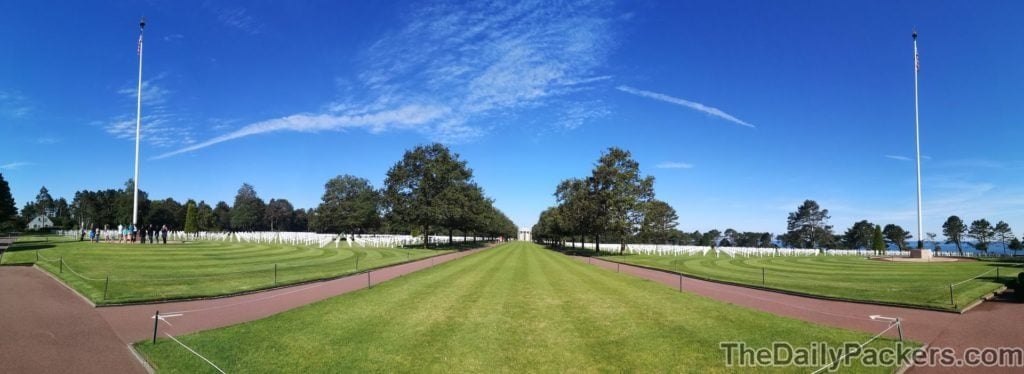
Located just above Omaha Beach, the Normandy American Cemetery is one of the most moving places to visit in the region. It honors the memory of 9,388 American soldiers who died during World War II—not only during the Normandy landings, but throughout the entire campaign in Western Europe.

Set across 172.5 acres, the site is beautifully maintained, with rows of white crosses and Stars of David overlooking the sea. It’s a place of reflection, respect, and quiet gratitude.

Before walking through the cemetery, make sure to visit the on-site museum. It offers a powerful introduction to the history of D-Day and the stories of some of the individuals buried there. The exhibits are thoughtfully curated, with personal accounts, archival footage, and a timeline that helps you understand the scale and significance of the Allied efforts.
Good to know: Entrance is free, and the museum is open year-round (with reduced hours in winter). Give yourself at least 1–2 hours to explore the museum and grounds properly. The site is also wheelchair accessible.

Stop by the Memorial Museum of Omaha Beach
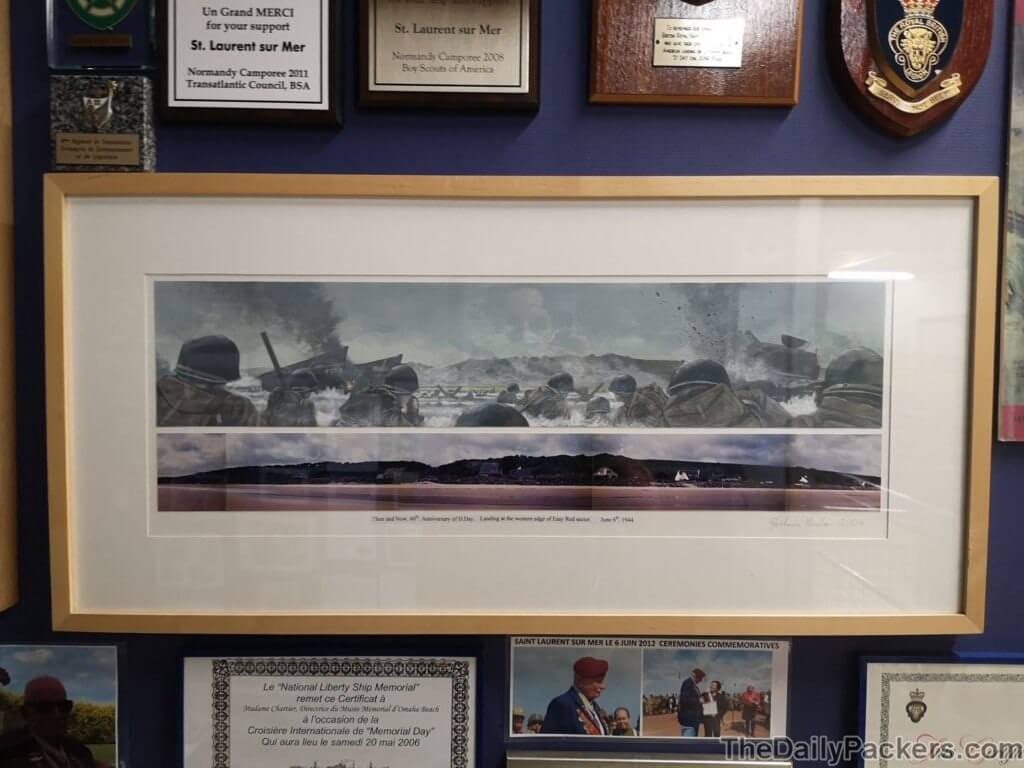
Just a short walk from the beach itself, the Memorial Museum of Omaha Beach offers a more local and personal look at World War II. While smaller than some of the larger institutions, this museum is packed with original equipment, uniforms, weapons, and artifacts from the D-Day landings and the wider conflict.

One of the highlights is a black-and-white documentary film, which provides historical context and powerful imagery of the landings. It’s a great way to deepen your understanding before or after visiting the beach and cemetery.
Good to know: The museum is privately run, well-organized, and easy to visit in about an hour. It’s a nice complement to the larger American Cemetery museum, especially for those wanting to see more physical items from the war. Tickets are affordable and the staff are very welcoming.

Walk Along Omaha Beach & Memorial
Omaha Beach was the deadliest landing site of D-Day—where thousands of American soldiers faced fierce German resistance as they came ashore on 6 June 1944. Walking along this peaceful stretch of sand today, it’s hard to imagine the chaos and courage that unfolded here.

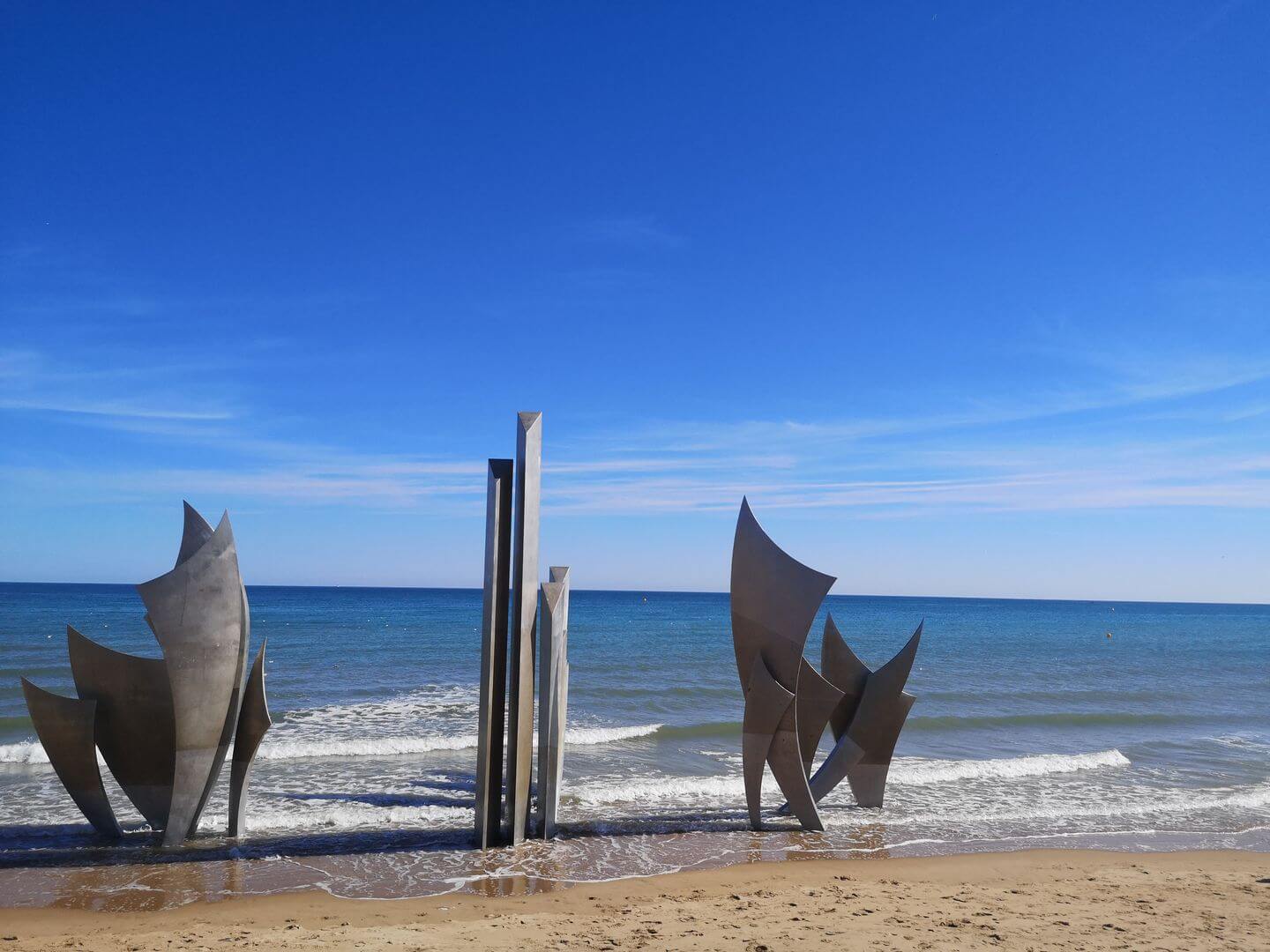
At the center of the beach, you’ll find the Omaha Beach Memorial, a striking sculpture titled Les Braves. It’s one of the few remaining monuments directly on the beach and serves as a visual reminder of the bravery and sacrifice of the Allied troops. Nearby, plaques and signage help you understand what happened here during the landings.
Good to know: The beach is open and free to visit. Try to go early in the morning or in the evening for a quieter, more reflective experience. While very little of the wartime infrastructure remains, the memorial itself is a powerful symbol that this was not just a beach—it was a battlefield.
Explore the Cliffside Ruins of Pointe du Hoc
Although not a beach, Pointe du Hoc played a critical role in the Normandy landings. This dramatic clifftop position was heavily fortified by the Germans and posed a serious threat to both Utah and Omaha beaches. On D-Day, U.S. Army Rangers famously scaled the 30-meter cliffs under enemy fire to neutralize the artillery positions above.

Today, the site is an open-air reminder of the battle. A short trail winds through the cratered landscape, taking you past collapsed bunkers, artillery pits, and command posts—all still scarred by the bombing. The bunkers are partially open to explore, and the location itself, perched above the sea, offers stunning views and sobering perspective.
Good to know: The site is free to visit, open year-round, and relatively easy to walk. Wear sturdy shoes, as the ground is uneven and pitted with bomb craters. There’s also a visitor center with exhibits detailing the mission and those who carried it out.

Visit Utah Beach & Memorial
Walk again on another famous beach of the D-Day. Stroll around the monument and memorial and embark on a landing boat.

Walk again on another famous beach of the D-Day. Stroll around the monument and memorial and embark on a landing boat.

Step Inside the Utah Beach Landing Museum
Right on the edge of the beach, the Utah Beach Landing Museum is one of the most complete and well-presented museums dedicated to the D-Day landings. Whether you’re just passing by to see the tanks and landing craft parked outside, or you’re ready for one more deep dive into World War II history, this site is worth the stop.

Inside, the museum takes you through the events of June 6, 1944—from planning to execution—using a mix of original artifacts, vehicles, uniforms, and personal stories. One of the most impressive features is the restored B-26 bomber, on display inside the hangar, along with other military vehicles and equipment from the invasion.
Good to know: The museum is family-friendly and well organized, with clear explanations in multiple languages. If you’re traveling with kids or are already visiting Utah Beach, it’s an easy and rewarding addition to your itinerary.

If everyone is thinking alike, someone isn’t thinking. – General George Patton
You may also like
About the authors
We are Alex and Tina, a French-Serbian couple who met in China back in 2014. We spent three incredible years there before making France our home. Our shared passion for travel has been the heartbeat of our relationship for over 12 years, taking us across 44 countries and counting.
We launched TheDailyPackers in 2019 as a way to document our adventures. In 2026, we reached a major milestone by officially turning our blog into our full-time job. While we are still growing toward financial independence through this platform, every article we write is fueled by our mission to make your voyages easier through in-depth guides, honest advice, and the lessons we’ve learned from our own mistakes.
Our journey has not been without its storms. In 2023, our world changed forever when our first son, Poppy, was stillborn on November 25th. It was, and remains, the hardest chapter of our lives. In 2025, we were blessed with our second little boy, Milo. He has since joined our traveling tribe, and you’ll be seeing him—and the reality of traveling with a little one-on the blog more and more.
We hope to inspire you to explore the world with curiosity and resilience. Thank you for being part of our story.
You may also like those related posts
Isla del sol: An epic 1-day adventure in Copacabana, Bolivia
Southern Thailand: The Perfect 2-week Itinerary
9 Best things to do in Ouarzazate, Morocco, in 3 days
Kaunas to the Curonian Spit: The Ultimate 1-Day Road Trip Guide
The perfect China Itinerary: 2 weeks for first timers
7 best things to do in Fortaleza, Brazil, in 2 days
11 Best things to do in Cap Corse, Corsica, France
Holafly eSIM Review: The Best eSIM for Digital Nomads?
Pssst, did you know that…
If you purchase something through our links, we earn a small fee. However, you still pay the same. Win-win! And one day we may get to be full-time travel bloggers =)
Find Hotels with Booking.com
Do Yoga with KVY
Buy us a Coffee
Rent a car with DiscoverCars
Find Attractions with GetYourGuide
Find Flights with Expedia
Buy an eSIM with Airalo
Get insured with World Nomads
Get ready with Amazon.com