
Introduction
Osaka is one of Japan’s largest and most dynamic cities—a bustling port city and commercial hub known for its modern skyline, buzzing nightlife, and mouthwatering street food. With a population of 2.7 million and spread across 223 km², it’s not only a major economic center but also one of the country’s biggest transportation hubs, making it an ideal base for exploring the Kansai region.
What makes Osaka stand out is its unique blend of the contemporary and the traditional. The city is framed by a scenic moat and leafy parks filled with plum, peach, and cherry blossom trees that burst into color with the seasons. While Tokyo might dazzle with its pace and Kyoto with its temples, Osaka feels a bit more down-to-earth—more relaxed, more real.
We chose to stay in Osaka during our trip to Japan and used it as a base to explore nearby cities like Nara and Kyoto. It turned out to be the perfect choice. Among the places we visited, Osaka had the most authentic and laid-back vibe. The city’s energy is vibrant but not overwhelming, and we found ourselves truly enjoying its rhythm and character. Whether you’re strolling through retro neighborhoods, indulging in local street food, or catching a sunset over the bay, Osaka has a way of making you feel right at home.

Getting there
Getting to Osaka is easy, whether you’re flying in from abroad or arriving from another part of Japan. Thanks to its central location and excellent transport links, Osaka is one of the most accessible cities in the country.
By Plane: Osaka is served by two main airports:
- Kansai International Airport (KIX) – This is the main international gateway to Osaka. Located about 50 km from the city center, it connects Osaka with cities across the globe. From the airport, you can reach the city by:
- Airport Express (Nankai or JR lines) – 45–60 minutes to Namba or Osaka Station.
- Airport Limousine Bus – Direct service to major hotels and districts like Umeda and Namba.
- Taxi – Convenient but pricey (around ¥15,000–20,000).
- Itami Airport (ITM) – Mostly handles domestic flights. It’s closer to the city (about 15 km), and easily reachable by:
- Monorail + Train – Takes about 30–40 minutes.
- Airport Limousine Bus – Direct to central Osaka.
By Train: If you’re coming from other parts of Japan, the Shinkansen (bullet train) is the fastest and most comfortable option.
- From Tokyo: Take the Tokaido Shinkansen to Shin-Osaka Station – the ride takes about 2.5 to 3 hours.
- From Kyoto: Only 15 minutes on the Shinkansen or 30–45 minutes on local lines.
- From Hiroshima: About 1.5 hours by Shinkansen.
From Shin-Osaka Station, you can transfer to the local JR lines or the subway to reach your accommodation. If you are going to use the JR lines, consider getting a JR Pass or JR Regional Pass
By Bus: If you’re traveling on a budget, Japan’s highway buses are a great option.
- Several companies like Willer Express or JR Bus run overnight and daytime routes to Osaka from Tokyo, Nagoya, Hiroshima, and more.
- While slower than the train, it’s often the cheapest way to travel between cities.
By Car: Renting a car to reach Osaka is possible, but unless you’re planning a road trip through the countryside, it’s not the most convenient option. Osaka has a dense urban layout and limited parking, so public transport is usually the way to go once you arrive.
Moving around
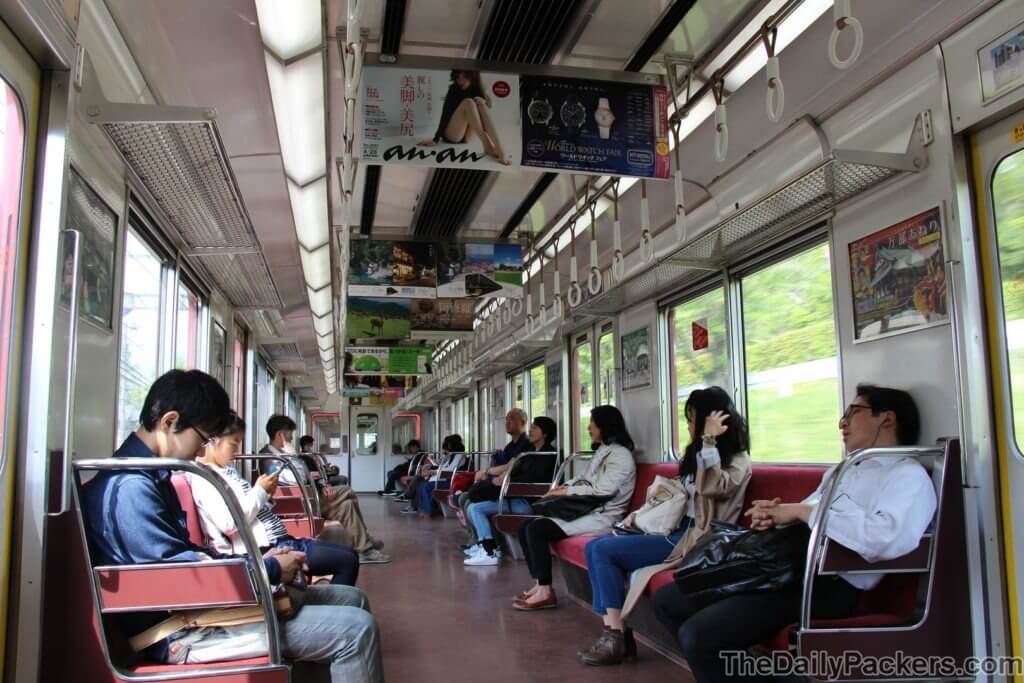
The best way to get around Osaka is without a doubt the metro. The city’s subway network is extensive, well-organized, and easy to use once you get the hang of it. Every major neighborhood and attraction is easily accessible by subway, making it the most convenient option for travelers.
One thing we really appreciated: each metro station is super clean, has public toilets, and plenty of vending machines (perfect for grabbing a drink or snack on the go).
A few useful tips:
- During rush hours, you’ll notice some carriages marked as “women only.” These are reserved to make the commute safer and more comfortable for women, especially during peak times. Just keep an eye out for the pink signs on the platform and avoid boarding those cars if they’re not for you.
- Don’t worry if you’re unsure which train to take. We were a bit confused ourselves when trying to find the right train to Kyoto, but one of the platform conductors was incredibly helpful. Even though he didn’t speak any English, he smiled, waved us in the right direction, and made sure we got on the right train. Japanese hospitality is truly something special.
If you plan to explore a lot in a day, consider getting a day pass for unlimited metro rides—it can save both time and money.

When to visit
Osaka is a year-round destination, but the best time to visit depends on what kind of experience you’re after. Here’s a breakdown by season to help you plan your trip:
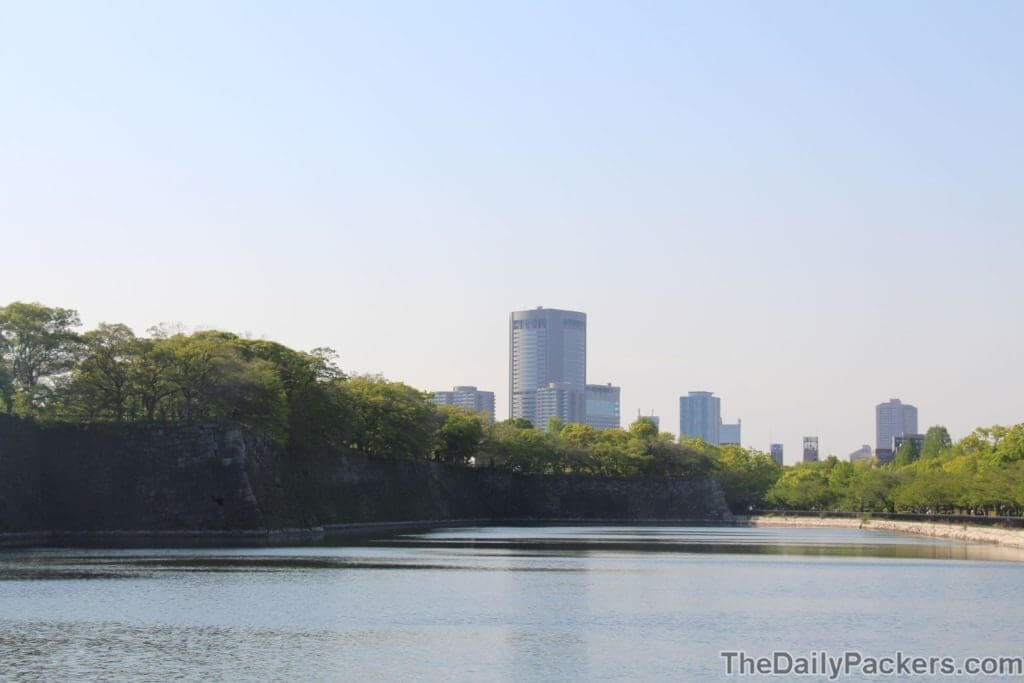
- Spring (March to May): This is one of the most popular times to visit Osaka—and for good reason. The weather is mild, and the city comes alive with cherry blossoms in full bloom. Osaka Castle Park is especially magical during this time, with its moat surrounded by pink petals. Just be prepared for more crowds and higher accommodation prices during peak bloom (usually late March to early April).
- Summer (June to August): Summer in Osaka can be hot and humid, with temperatures often reaching 35°C (95°F). But if you can handle the heat, summer is also the season for festivals and fireworks, including the famous Tenjin Matsuri in July. June is the rainy season, so pack accordingly if you’re visiting then.
- Autumn (September to November): This is another ideal time to visit Osaka. The weather is pleasantly cool, skies are generally clear, and autumn foliage transforms the parks into a blend of reds and golds. It’s a wonderful time for walking around the city, enjoying food markets, or doing day trips to Kyoto and Nara.
- Winter (December to February): Winters in Osaka are mild compared to other parts of Japan, with temperatures rarely dropping below freezing. While there’s no snow in the city itself, it’s a great time for fewer crowds, festive illuminations, and hot bowls of ramen or takoyaki. If you enjoy a quieter, more local vibe, winter could be perfect.
Our Recommendation: We personally loved visiting Osaka in spring, thanks to the cherry blossoms and comfortable temperatures. But if you’re more into food and culture than scenery, autumn is equally amazing and often less crowded.
Where to stay
Osaka is a big city, but staying in the right neighborhood can make all the difference. Whether you’re after luxury, location, or something budget-friendly and homey, here are our top picks:
- (€) e-stay ebisu – Budget-Friendly and Convenient: For those traveling on a budget or planning a longer stay, e-stay ebisu is a great choice. Located near the lively Shinsekai and Tennoji areas, these apartment-style rooms come with a kitchenette and laundry facilities, making it a smart option for travelers who prefer a bit more independence and comfort.
- (€€) HOTEL THE FLAG Shinsaibashi – Stylish Stay in the Heart of Osaka: This boutique hotel is located right in Shinsaibashi, one of the best areas to stay in Osaka if you want to be close to food, shops, nightlife, and Dotonbori. The rooms are modern, minimalist, and super clean. Plus, the hotel has a calm lobby lounge perfect for a quiet break in between sightseeing sprees.
- (€€€) Four Seasons Hotel Osaka – Ultimate Comfort & Elegance: If you’re looking to splurge, the Four Seasons Hotel Osaka is a dream. Set in a sleek, modern tower in the city’s bustling Nakanoshima area, this luxury hotel offers impeccable service, panoramic city views, a tranquil spa, and top-notch dining. It’s ideal if you want to wind down in style after a long day exploring Kyoto, Nara, or Osaka itself.

What to eat
You’ll never run out of food options in Osaka — it’s Japan’s street food capital for a reason. Whether you’re wandering the streets of Dotonbori or tucked into a quiet neighborhood, there’s always something sizzling, grilling, or being torched right in front of you.
We highly recommend trying out a local sushi bar. We went to two — one hidden in an underground shopping tunnel and another just around the corner from our accommodation — both were super local, super affordable, and absolutely delicious. Don’t expect fancy; expect fresh, fast, and authentic.
But sushi aside, Osaka’s street food is the real star here:
- Takoyaki – These famous little round snacks are made from a flour-and-egg batter filled with diced octopus, then topped with sauce, mayonnaise, seaweed flakes, and bonito. You’ll see them being flipped with sticks on hot griddles all over town. It’s a must-try!
- Okonomiyaki – Think of it as a savory Japanese pancake made with shredded cabbage and a variety of mix-ins like pork, seafood, or cheese. It’s cooked right on a griddle and topped with tangy sauce, mayo, and bonito flakes that dance in the heat. You can even cook it yourself at some places, which adds to the fun.
- Mochi – If you’ve got a sweet tooth, this chewy rice cake treat is for you. You can find it filled with red bean paste, matcha, or even ice cream. It’s the perfect snack to grab while walking around the city.
Tip: Dotonbori and Kuromon Ichiba Market are two of the best places to try all of these in one foodie stroll.

Things to do in Kyoto
Explore Tennoji & Ikuno Ward
We started our Osaka adventure by exploring Tennoji and Ikuno Ward, two neighborhoods just a short walk from our accommodation. While they’re not known for major landmarks or popular tourist attractions, these local areas gave us a more authentic feel of daily life in Osaka.
We wandered through quiet streets, passed by small shrines, chatted with locals, and stumbled upon cozy bakeries and mom-and-pop shops. One sweet highlight? A bakery owner offered us a traditional local snack to try — completely for free — just out of kindness. Moments like these are why we love slow travel.
If you’re staying nearby or looking to escape the busy tourist zones, taking a couple of hours to explore this side of the city is definitely worth it.

Visit Osaka Castle
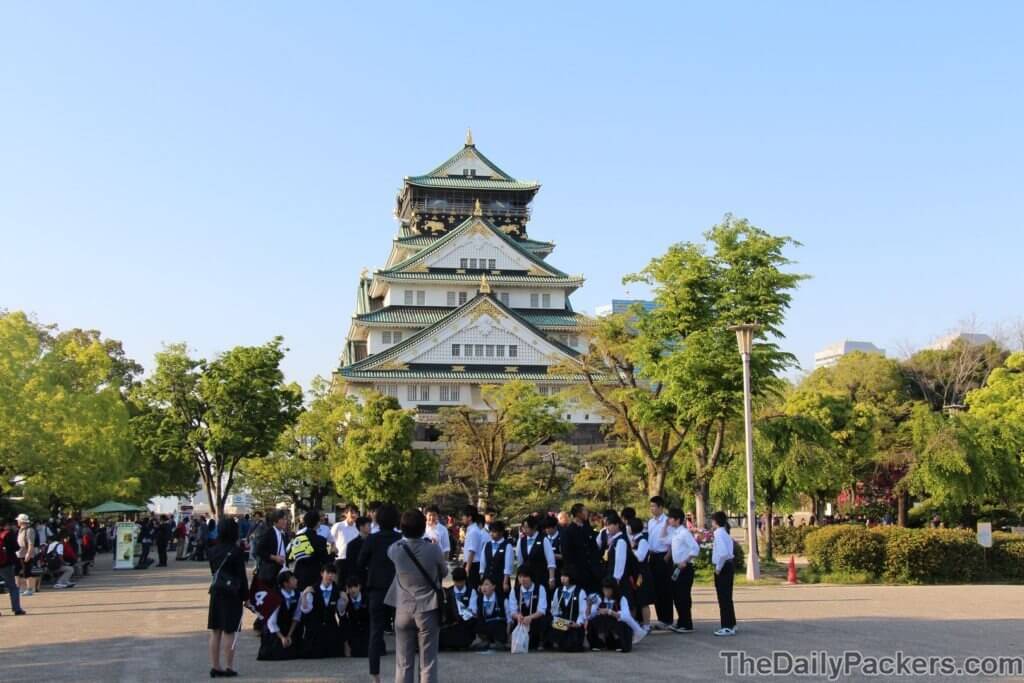
Osaka Castle is one of the most iconic landmarks in Japan. Originally built in the 16th century during the Azuchi-Momoyama period, it played a key role in the unification of Japan. With its impressive stone walls, golden decorations, and stunning architecture, the castle is a must-see for any history lover. You can visit the interior, which has been turned into a museum, but be sure to check the opening hours before you go.

Stroll Through Osaka Castle Park
Surrounding the castle is the expansive Osaka Castle Park, a peaceful green space in the heart of the city. It’s the perfect place for a leisurely stroll, with scenic walking paths, seasonal flowers, and lovely views of the castle. In spring, the park becomes one of the best cherry blossom spots in Osaka, drawing locals and visitors alike. Even if you don’t enter the castle, the park alone is worth the visit.
Dotonbori
Dōtonbori is one of the liveliest and most iconic districts in Osaka, running along the vibrant Dōtonbori Canal. Known for its neon lights, buzzing atmosphere, and giant animated signboards like the famous Glico Running Man, this area truly comes alive after dark.
It’s the perfect place to soak in the city’s energy, snap some unforgettable photos, and dive into Osaka’s legendary street food scene. Grab a piping-hot serving of takoyaki, try okonomiyaki fresh off the griddle, or just wander and enjoy the electric vibe of this must-visit neighborhood.

Stroll Through Shinsaibashi-Suji Shopping Street
Just a few steps from Dōtonbori, Shinsaibashi-Suji is one of Osaka’s busiest and most popular shopping streets. This covered arcade stretches for over 600 meters and is packed with everything from international brands to quirky local boutiques, cosmetic stores, and souvenir shops.
It’s the perfect place to walk off your street food feast from Dōtonbori and dive into Osaka’s vibrant retail scene. But don’t stop at the main street — take time to wander through the surrounding Shinsaibashi district, where hidden cafés, side streets, and more local gems await.

Explore Shinsekai – Osaka’s Retro Downtown
Shinsekai, meaning “New World,” is a nostalgic neighborhood that offers a glimpse into Osaka’s past. Developed in 1912, it was designed with New York as the inspiration for its southern half and Paris for the northern half. Today, Shinsekai still retains a unique charm, filled with old-school eateries, colorful storefronts, and a quirky, almost retro atmosphere.

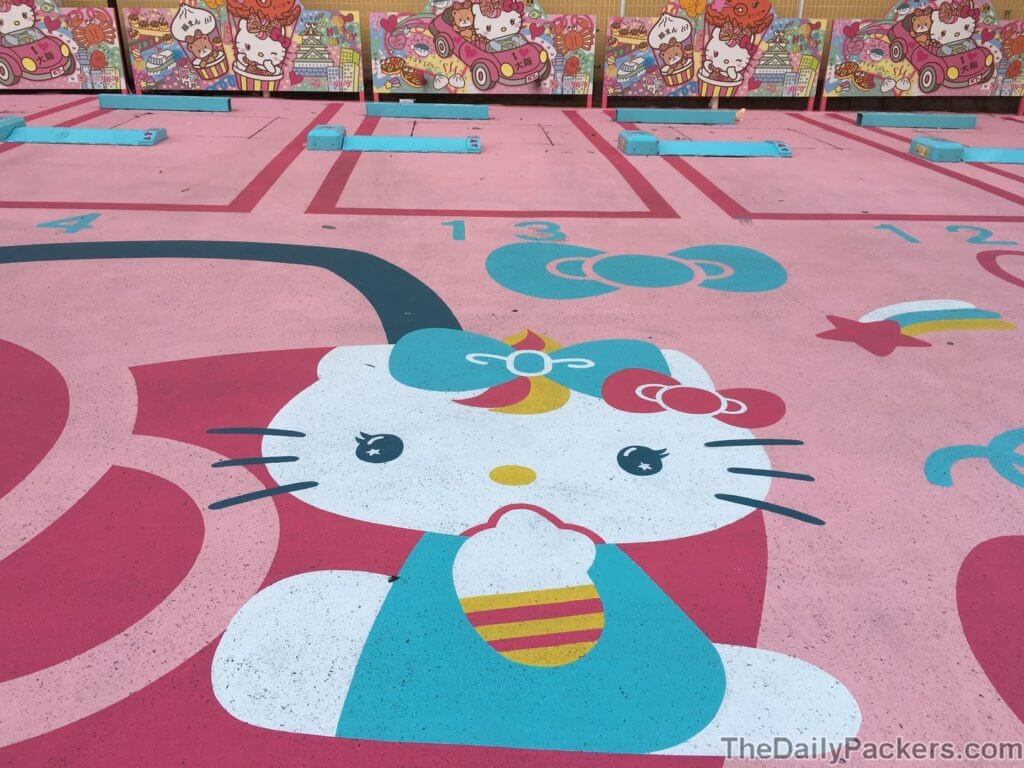
Find Hello Kitty's parking lot
Walking through the narrow streets, you’ll find kushikatsu restaurants, vintage game arcades, and bright neon signs that bring the area to life. It’s a great place to enjoy a casual local meal or simply soak in the classic Osaka vibe. As we explored, we even came across a Hello Kitty-themed parking lot — a charming surprise and just one example of the playful details that make Shinsekai so enjoyable.
Visit Tsutenkaku – The Symbol of Shinsekai
Right in the heart of Shinsekai stands Tsutenkaku, one of Osaka’s iconic landmarks. Originally built in 1912 and later reconstructed, the tower’s name means “Tower Reaching Heaven.” You can visit the observation deck for panoramic views over Osaka — especially striking at sunset or after dark when the city lights come alive.
Inside the tower, there’s also a small museum and exhibits on the tower’s history, along with a chance to meet Billiken, the tower’s lucky charm figure. Rub his feet for good luck — it’s a local tradition!

Take a Day Trip to Nara – Temples, History & Free-Roaming Deer
One of the best day trips from Osaka is the charming city of Nara, located less than an hour away by train. Once Japan’s capital in the 8th century, Nara is home to some of the country’s oldest and most important temples and shrines, making it a must-visit for history and culture lovers.
But what really makes Nara stand out is its famous Nara Park, where over a thousand deer roam freely. Considered sacred messengers of the gods in Shinto belief, these friendly deer have become a symbol of the city — and they’re not shy. You can even feed them special deer crackers (shika senbei), available from local vendors. Just watch your pockets — they can get a little cheeky!
Within the park, don’t miss the Tōdai-ji Temple, a UNESCO World Heritage site and one of the most impressive temples in Japan. It houses the Great Buddha (Daibutsu), a massive bronze statue that stands 15 meters tall — one of the largest of its kind in the world.
A stroll around the park is incredibly peaceful, with wide open lawns, scenic ponds, and paths lined with stone lanterns. You’ll also find other historical landmarks like Kasuga Taisha Shrine and Kōfuku-ji Temple nearby.
If you’re looking to step back in time and experience a different side of Japan, a day in Nara is a beautiful addition to your Osaka itinerary.

Take a Day Trip to Kyoto – Shrines, Temples & Timeless Tradition
If you’re based in Osaka, taking a day trip to Kyoto is an absolute must. Once the capital of Japan for over a thousand years, Kyoto is a city where tradition runs deep, offering a serene contrast to the modern vibes of Osaka.
Just a 30–45 minute train ride away, Kyoto is famous for its beautifully preserved Buddhist temples, tranquil Zen gardens, imperial palaces, and picturesque Shinto shrines. Walking through its historic districts feels like stepping into another era — especially in areas like Gion, where you might even spot a geisha hurrying between teahouses.
Some of the most iconic sights to visit include:
- Fushimi Inari Taisha, with its thousands of bright red torii gates winding through the forested hillside.
- Kinkaku-ji (Golden Pavilion), a stunning gold-leaf-covered temple surrounded by a reflective pond.
- Arashiyama Bamboo Grove, where towering stalks of bamboo sway gently above quiet walkways.
- And of course, Kiyomizu-dera Temple, offering panoramic views over Kyoto from its hillside perch.
Kyoto is also known for its traditional wooden machiya houses, tea ceremonies, and kaiseki cuisine — a multi-course Japanese meal that’s as beautiful as it is delicious.
Even if you only have one day, Kyoto will leave a lasting impression. It’s peaceful, photogenic, and packed with cultural treasures.

Take a Day Trip to Kobe – Beef, Bayside Views & Mountain Charm
Just about 30 minutes from Osaka by train, Kobe makes for a perfect day trip if you’re craving a mix of gourmet indulgence and scenic landscapes. Tucked between the mountains and the sea, Kobe is a stylish port city known around the world for one very delicious reason: Kobe beef.
Start your visit by exploring the harbor area, where modern architecture meets ocean views. Take a walk around Meriken Park, home to the iconic Kobe Port Tower and various maritime-themed art installations. From there, head over to Kobe Harborland for some shopping or a relaxed lunch by the water.
In the afternoon, escape the city bustle by heading up into the nearby Rokko Mountains. You can take the Rokko Cable Car up for sweeping views over Kobe and even as far as Osaka Bay on a clear day.
Of course, no trip to Kobe is complete without trying its legendary beef. Whether you go for a high-end teppanyaki experience or a more affordable lunch set, the melt-in-your-mouth texture and flavor of authentic Kobe beef is something you won’t forget.
It’s an easy-going day with a little bit of everything — nature, city vibes, good food, and beautiful views — all wrapped up in one charming destination.
Osaka Itinerary
Day 1: Arrival & First Discoveries in Osaka
- Arrive in Osaka and check in near Ikuno ward
- Stroll around Tennoji & Ikuno, explore the local neighborhoods
- Visit Osaka Castle and take a walk through the surrounding park
- Head to Dotonbori for neon lights and street food
- End the evening exploring Shinsaibashi-Suji Shopping Street
Day 2: Day Trip to Nara + Explore Shinsekai
- Take a day trip to Nara, visit Nara Park and Tōdai-ji Temple
- Walk among the freely roaming deer
- Return to Osaka and visit the retro district of Shinsekai
- Spot the Tsutenkaku Tower and grab a bite at a local eatery
Day 3: Day Trip to Kyoto
- Take the train to Kyoto
- Visit temples, shrines, and wooden houses in Gion
- Explore classic highlights like Fushimi Inari Taisha or Kinkaku-ji
- Enjoy Kyoto’s peaceful gardens before heading back to Osaka
Day 4: Return
- Enjoy a last stroll around your neighborhood
- Head to the airport for your return flight
井の中の蛙、大海を知らず – I no naka no kawazu, taikai wo sirazu – A frog in a well never knows the vast ocean
You may also like
About the authors
We are Alex and Tina, a French-Serbian couple who met in China back in 2014. We spent three incredible years there before making France our home. Our shared passion for travel has been the heartbeat of our relationship for over 12 years, taking us across 44 countries and counting.
We launched TheDailyPackers in 2019 as a way to document our adventures. In 2026, we reached a major milestone by officially turning our blog into our full-time job. While we are still growing toward financial independence through this platform, every article we write is fueled by our mission to make your voyages easier through in-depth guides, honest advice, and the lessons we’ve learned from our own mistakes.
Our journey has not been without its storms. In 2023, our world changed forever when our first son, Poppy, was stillborn on November 25th. It was, and remains, the hardest chapter of our lives. In 2025, we were blessed with our second little boy, Milo. He has since joined our traveling tribe, and you’ll be seeing him—and the reality of traveling with a little one-on the blog more and more.
We hope to inspire you to explore the world with curiosity and resilience. Thank you for being part of our story.
You may also like those related posts
The perfect Indonesia Itinerary: 2 & 3 Weeks for first timers
Colonia to Buenos Aires: Our complete 2026 Ferry Guide
Ella Rock: How to Hike Ella’s Most Scenic Trail
Gauja National Park: Latvia’s most incredible park in 2 days
How to Get from Villa General Belgrano to Mendoza by Bus
eBike China: Driving around the city like a local in 2019
TMB Stage 3: Guide from Croix du bonhomme to Rifugio Elisabetta
14 Best things to do in Arequipa, Peru, in 2 to 3 days
Pssst, did you know that…
If you purchase something through our links, we earn a small fee. However, you still pay the same. Win-win! And one day we may get to be full-time travel bloggers =)
Find Hotels with Booking.com
Do Yoga with KVY
Buy us a Coffee
Rent a car with DiscoverCars
Find Attractions with GetYourGuide
Find Flights with Expedia
Buy an eSIM with Airalo
Get insured with World Nomads
Get ready with Amazon.com