
Why You’ll Love Visiting the Perito Moreno Glacier
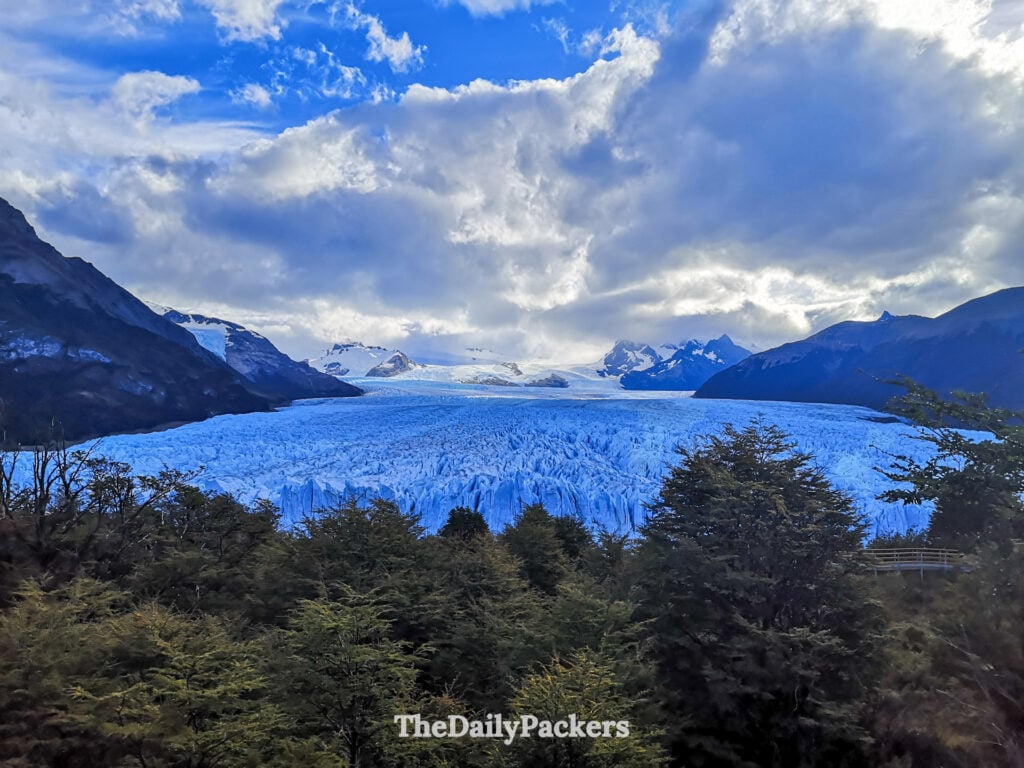
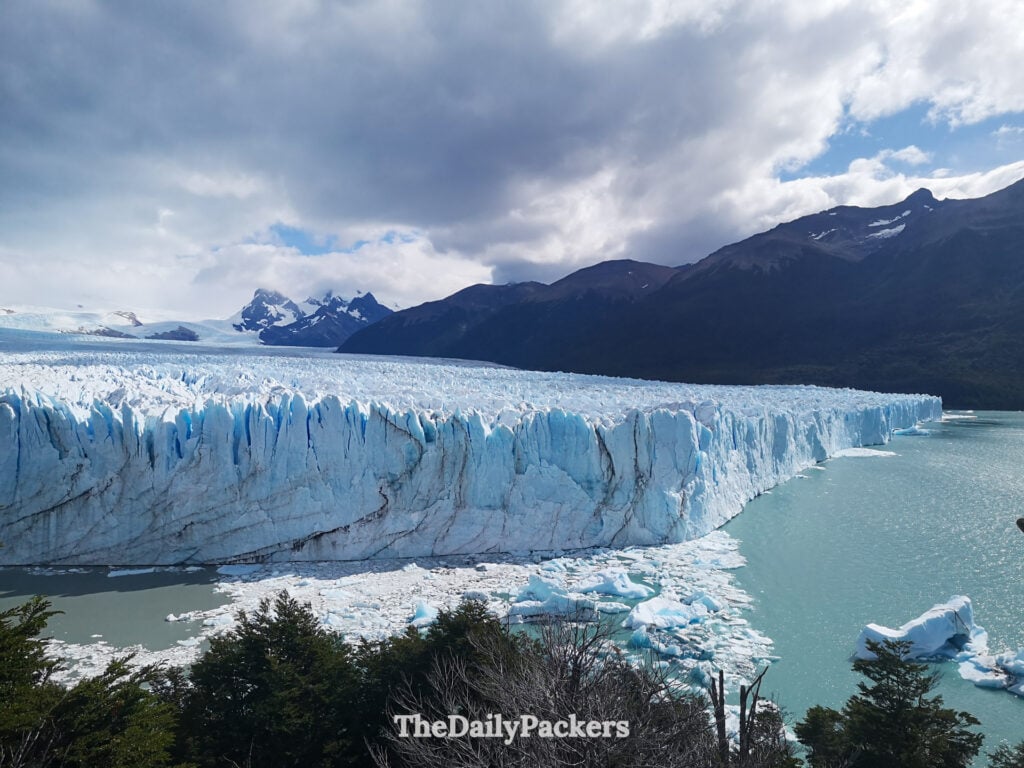
If you are planning a trip to Argentina and Patagonia, the Perito Moreno Glacier is likely at the top of your list, and for good reason. Unlike most glaciers around the world that are unfortunately retreating, Perito Moreno is famous for being one of the few that is still stable. It is a massive 250 km² ice formation that stretches for 30 kilometers, acting as a giant gateway to the Southern Patagonian Ice Field.
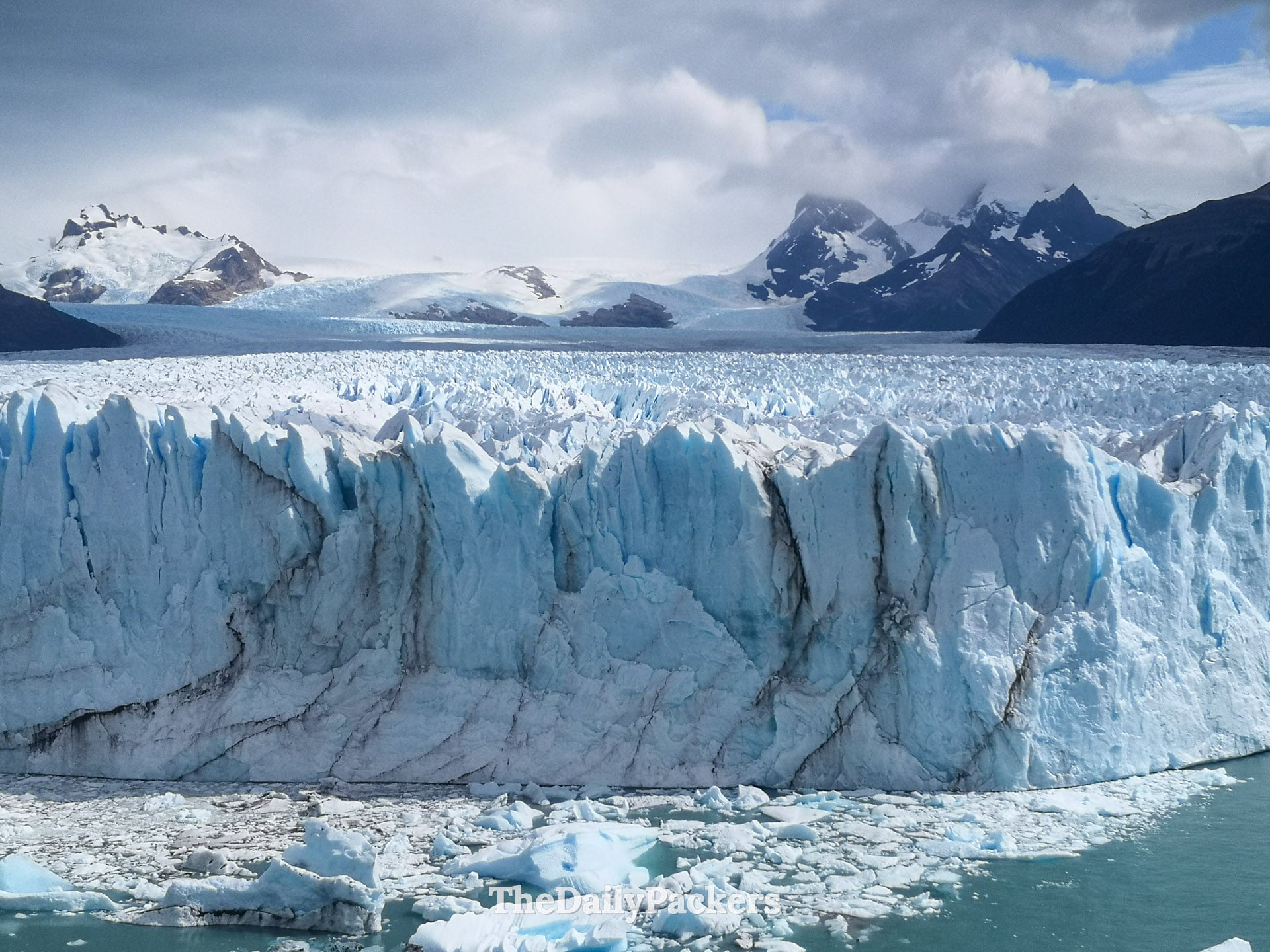
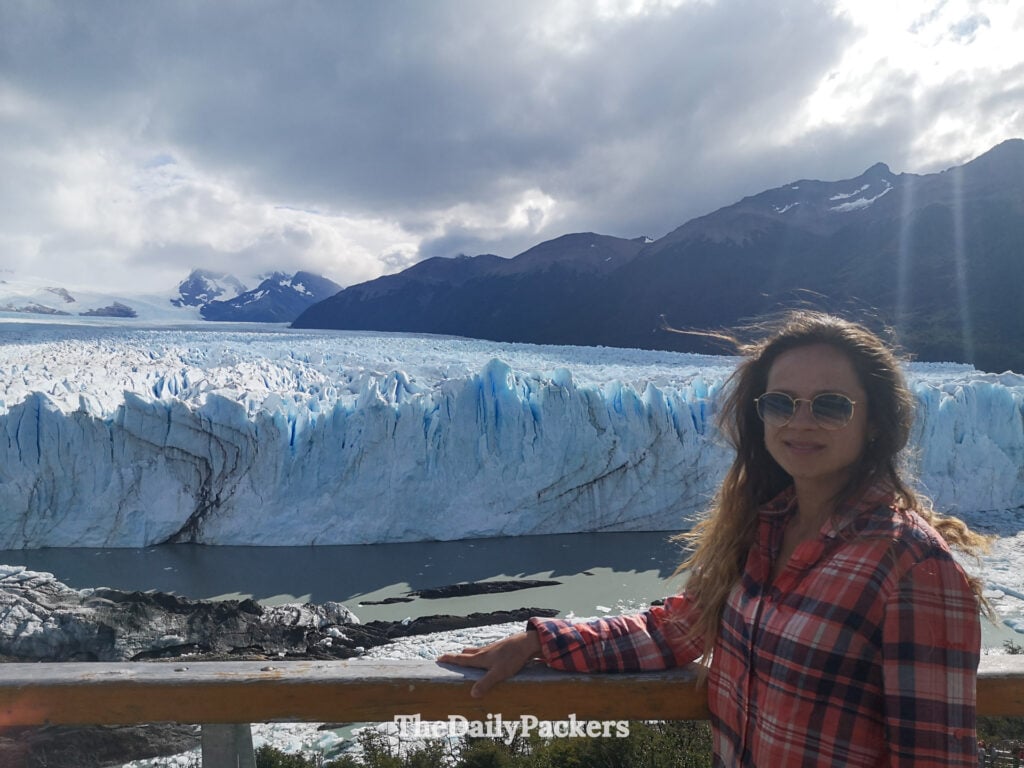
We loved it because it’s one of the most accessible places on earth to see the raw power of nature up close. Standing on the balconies, you’ll hear the deep “boom” of ice cracking, which sounds almost like a gunshot, followed by huge chunks of ice crashing into the turquoise water below.
We’ve seen a few glaciers in our lives, including during the Tour du Mont Blanc, but we have to be honest: nothing compares to the scale and intense blue color of this one.
Whether you are looking for a relaxing walk along the wooden balconies or a more adventurous Perito Moreno trekking experience, this place feels like another planet.

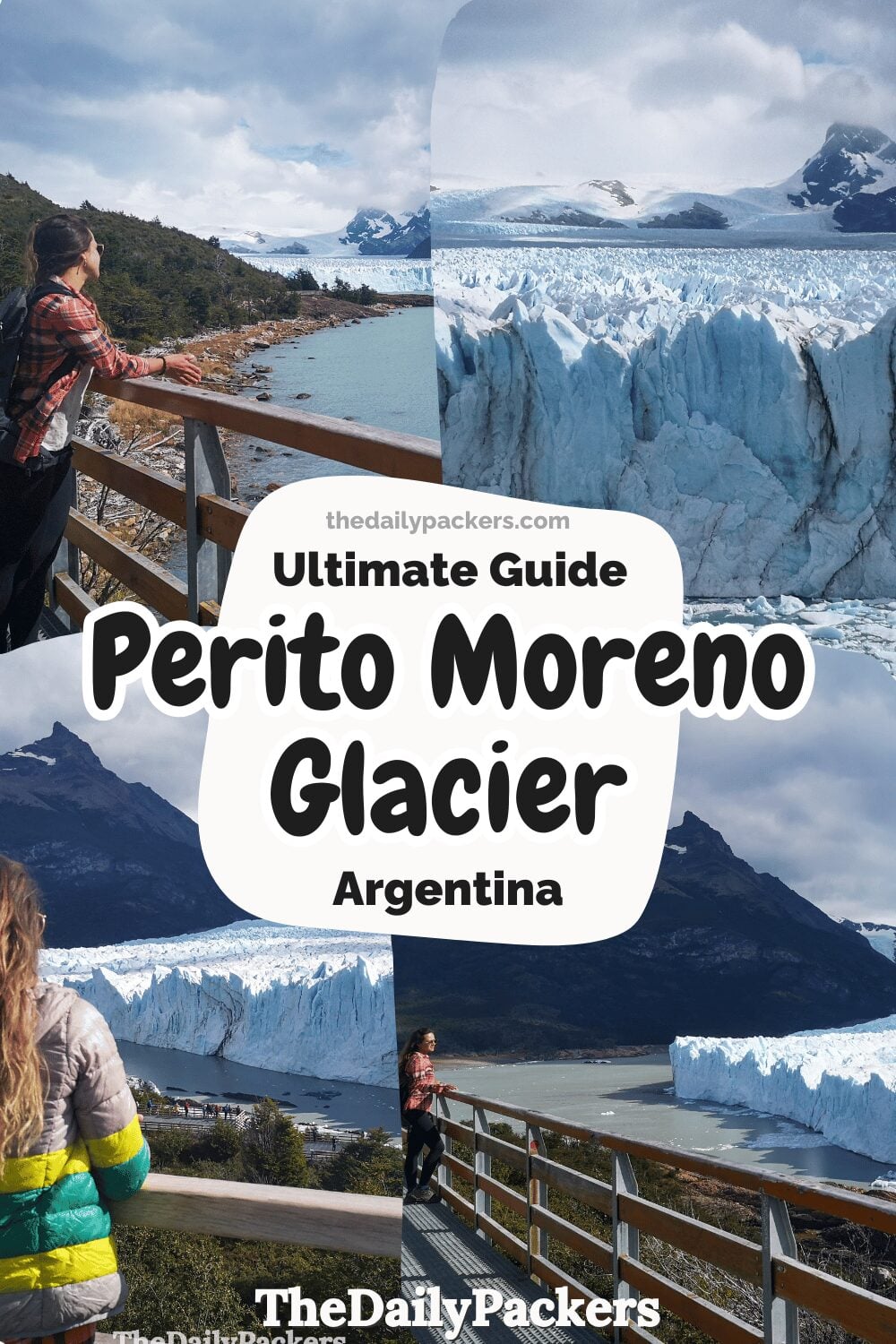
Choosing Your Trail: All Options and Overview
All the trails
When you arrive at the Perito Moreno Glacier, you’ll find a massive network of steel boardwalks that spans about 4.7 kilometers. They are color-coded, making it super easy to navigate, and honestly, you can’t really get lost. Each trail gives you a completely different angle of the ice, and we recommend doing as many as your legs allow!
- The Central Circuit (Yellow): This is the “classic” route. It’s the easiest and most accessible, leading you to the main balconies. If you only have a short time, head here first to get that iconic head-on view of the glacier’s face.
- The Lower Circuit (Red): For those who want to get as close to the water as possible, this is the one. It’s a bit more of a workout because of the stairs, but standing so close to the towering 70-meter ice wall makes you feel incredibly small.
- The Forest Trail (Blue): This is a gentler walk that takes you through the native Lenga forest. It’s much quieter and offers a beautiful contrast between the green trees and the white ice.
- The Coast Trail (Orange): This path runs along the shoreline of Lake Argentino, connecting the balconies to the boat pier. It’s perfect for spotting floating icebergs up close.
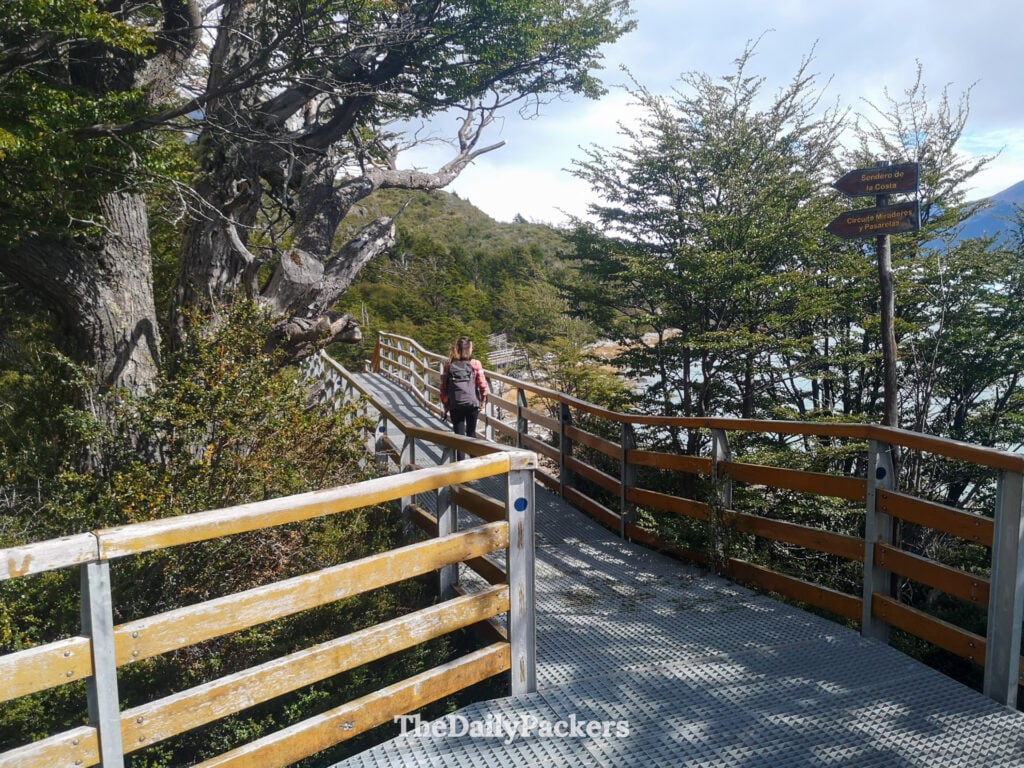
More Than Just Walking: Trekking & Boat Tours
If walking the balconies isn’t enough, you can actually get on the ice. There are two main ways to do this, but keep in mind they must be booked well in advance as they sell out fast! And to be honest, this is one of the things we regret not doing. We were backpacking at that time, and we wanted to save money. But, in the end, it would have been worth doing one of those.
Minitrekking: This is the most popular “human-on-ice” experience. You take a short boat ride, hike through a forest, and then spend about 1.5 hours walking on the Perito Moreno Glacier with crampons. It’s moderate and accessible for most people (usually ages 10 to 65).
Big Ice: This is the “beast” mode version. You spend about 3.5 hours deep on the Perito Moreno Glacier, exploring blue lagoons and deep crevasses. It’s physically demanding and has a strict age limit (usually 18 to 50), but for adventure lovers, it’s unbeatable.
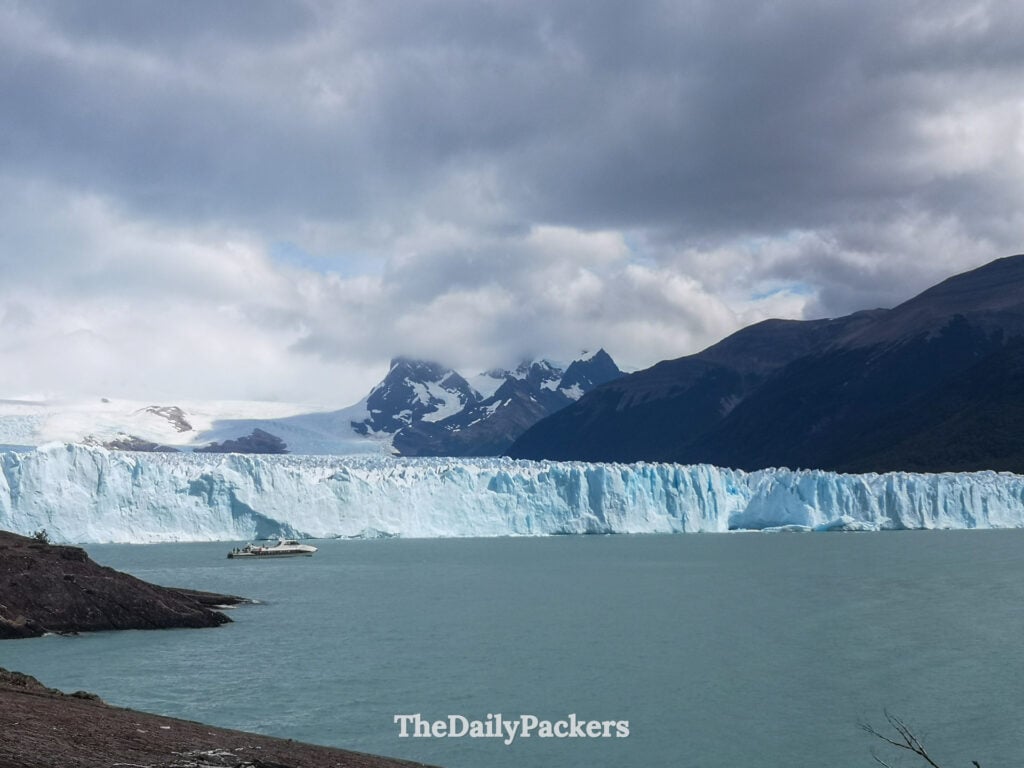
Boat Tours (Safari Nautico): If you prefer to stay dry but want a different perspective, you can hop on a 1-hour boat tour. It sails right up to the north or south walls.
Today, we would opt for the Perito Moreno Glacier with Boat Cruise or if we could afford i,t the Perito Moreno Glacier Trekking Tour and Cruise.
How to Hike the Perito Moreno Glacier
When we first saw the Perito Moreno Glacier, we were in “WOOOO”. It’s one thing to see it in photos, but feeling the cold air rolling off the glacier is something else entirely. We had about four hours before our return bus, which was plenty of time to explore at a relaxed pace. We decided to tackle the trails in a specific order to save the best views for last, and it worked out perfectly.
The Shore Trail (Orange): This path runs right along the edge of Lake Argentino. It was the perfect warm-up because you get to see the Perito Moreno Glacier from further away. That’s where you really realise the size of it.
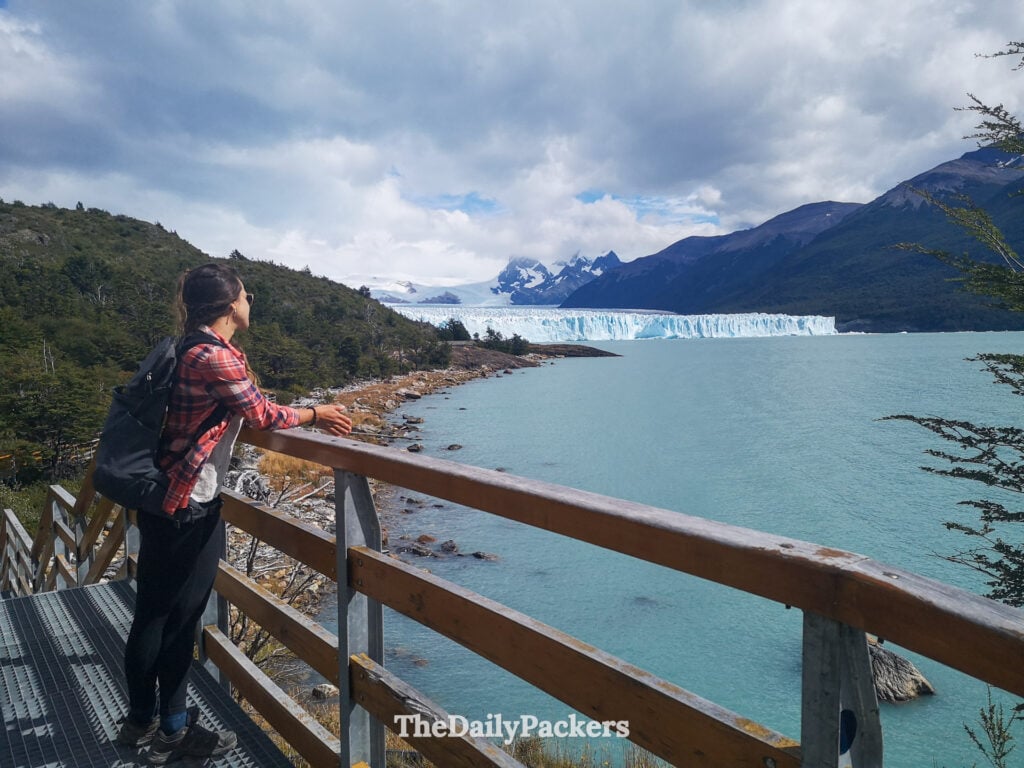
The Balcony (Yellow): From the shore, we headed up to the main balcony area. This is the “postcard” view. It’s a bit busier here because it’s the most famous spot, but for good reason. You are looking directly at the face of the Perito Moreno Glacier. We stood here for a while, just waiting. Every few minutes, you’d hear a sound like a distant thunderclap, and if you were lucky, you’d see a small piece of ice crumble into the water.
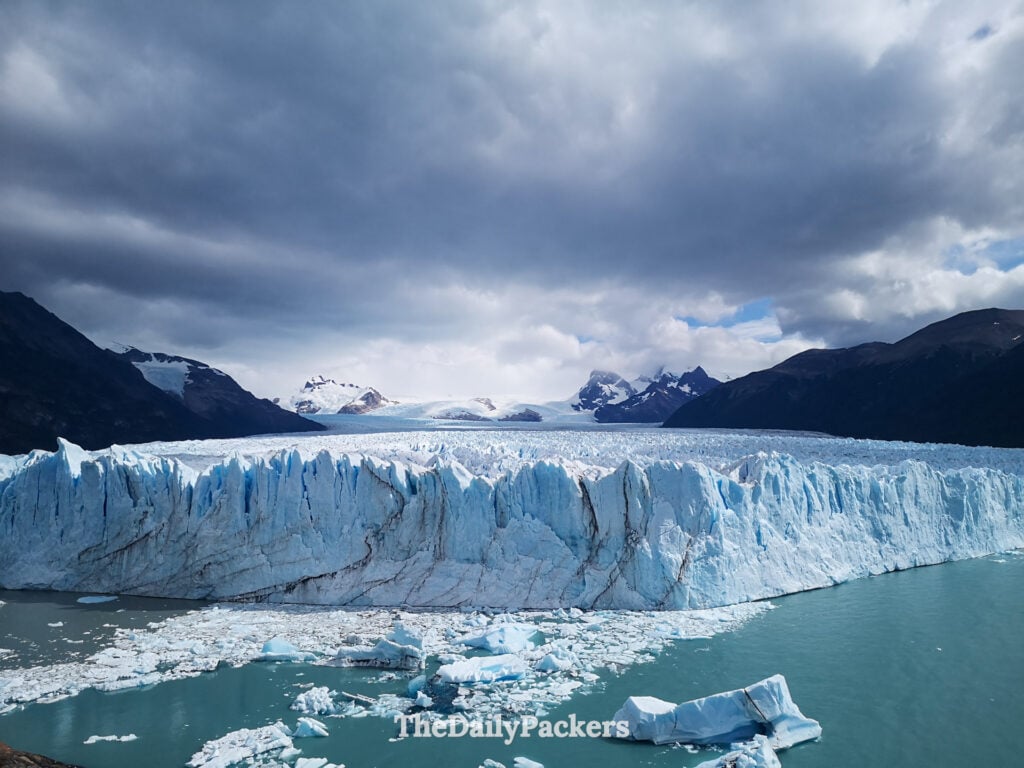
We actually saw a few of them during our time there. Every once in a while, a massive piece of ice would fall off the glacier. It was breathtaking.

The Lower Circuit (Red): Next, we took the stairs down into the Red circuit. This was our favorite part. It takes you much lower and closer to the southern wall. The perspective changes completely when you are looking up at a 70-meter wall of ice rather than down on it. It’s a bit more of a climb to get back up, but standing that close to the “living” ice is a memory we won’t forget.
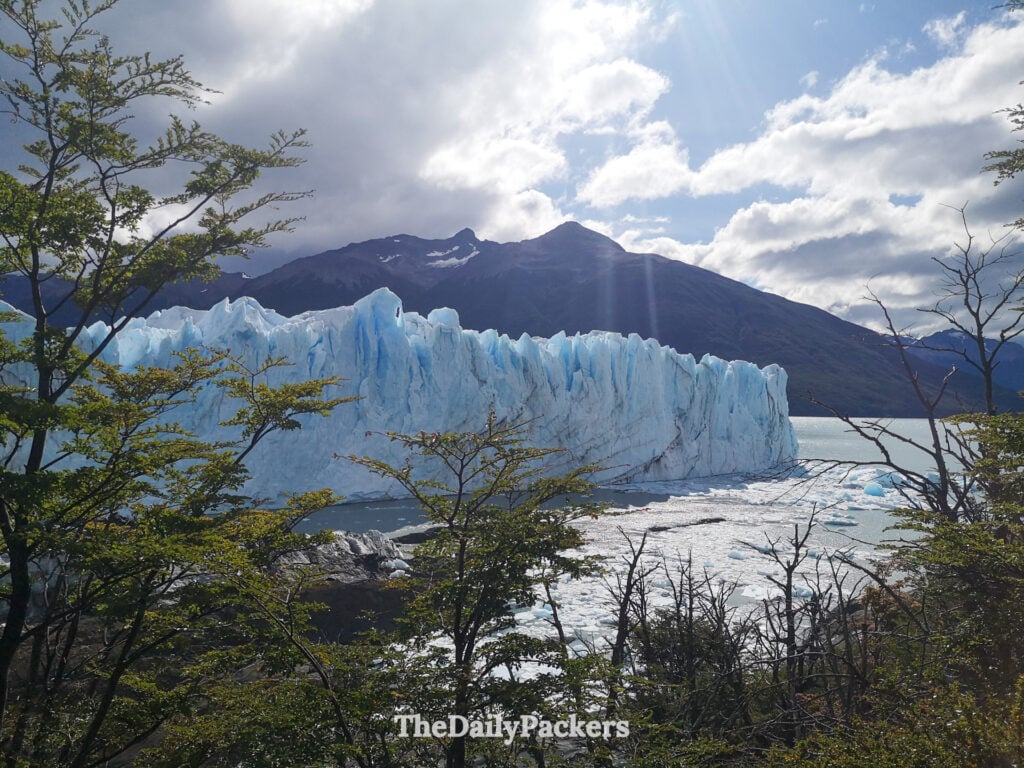
The Upper Circuit (Blue): We finished our day on the Upper Circuit. It’s a flatter, easier walk that gives you a panoramic view of the entire ice field stretching back into the mountains. It was a great way to wind down and take some final photos before heading back to the bus area.
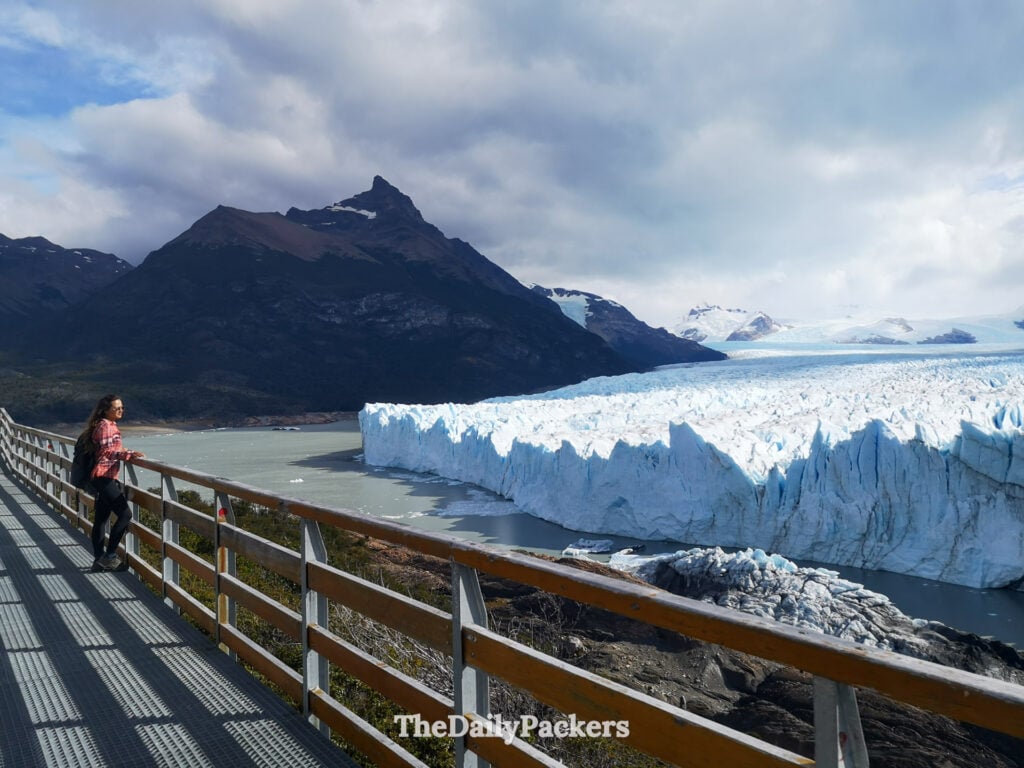
By about 5:15 PM, we had completed all the trails. We headed back to the main viewpoint near the restaurant to rest our legs and wait for the bus. While we sat there, we even spotted a few massive Andean Condors circling high above the glacier—a perfect “Patagonia moment” to end the day.
How to Get to the Park
Getting to the Perito Moreno Glacier is a bit of a journey, but it’s a beautiful one. The glacier is located about 80km from El Calafate, and you’ll find that the road is fully paved and easy to navigate. Most people, including us, find that taking a bus from the main terminal in El Calafate is the most practical way to get there.
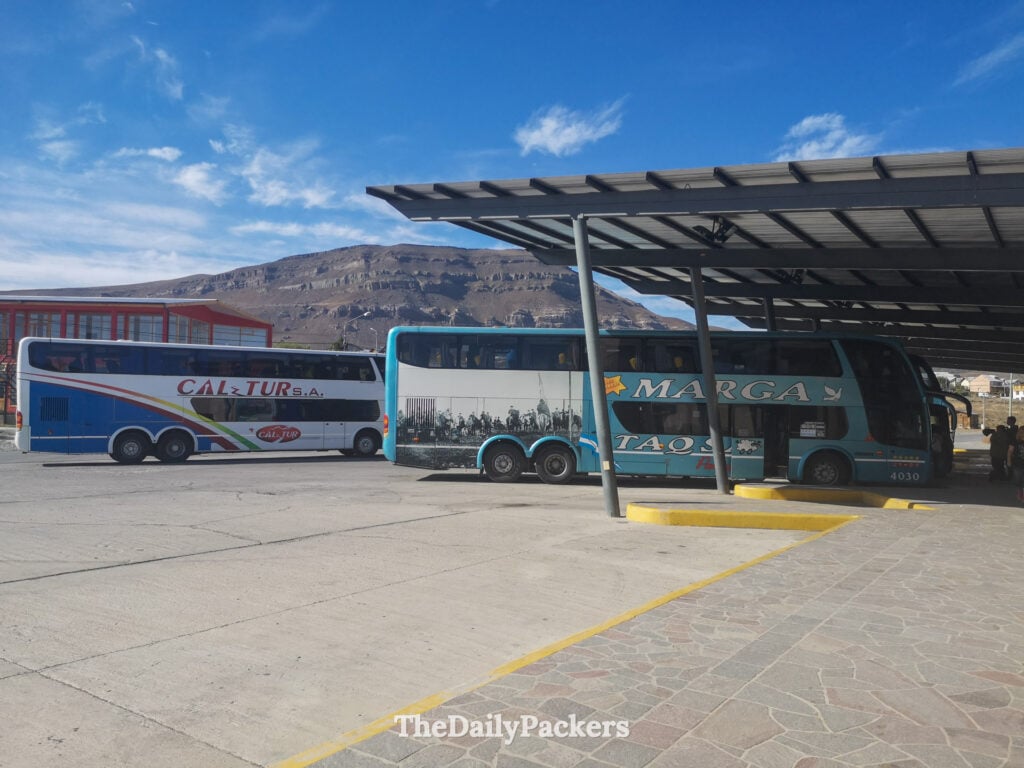
We chose a company called Caltur, which offers two daily departures that are timed perfectly for either a full day out or a quick afternoon visit. Their morning bus leaves at 8:00 AM and brings you back by 4:00 PM, while the afternoon one departs at 1:00 PM and returns around 7:00 PM. Since we arrived from El Chalten in the morning, the 1:00 PM bus was a lifesaver for our schedule.
As of today, you can even buy your ticket online if you want to secure your spot right away.
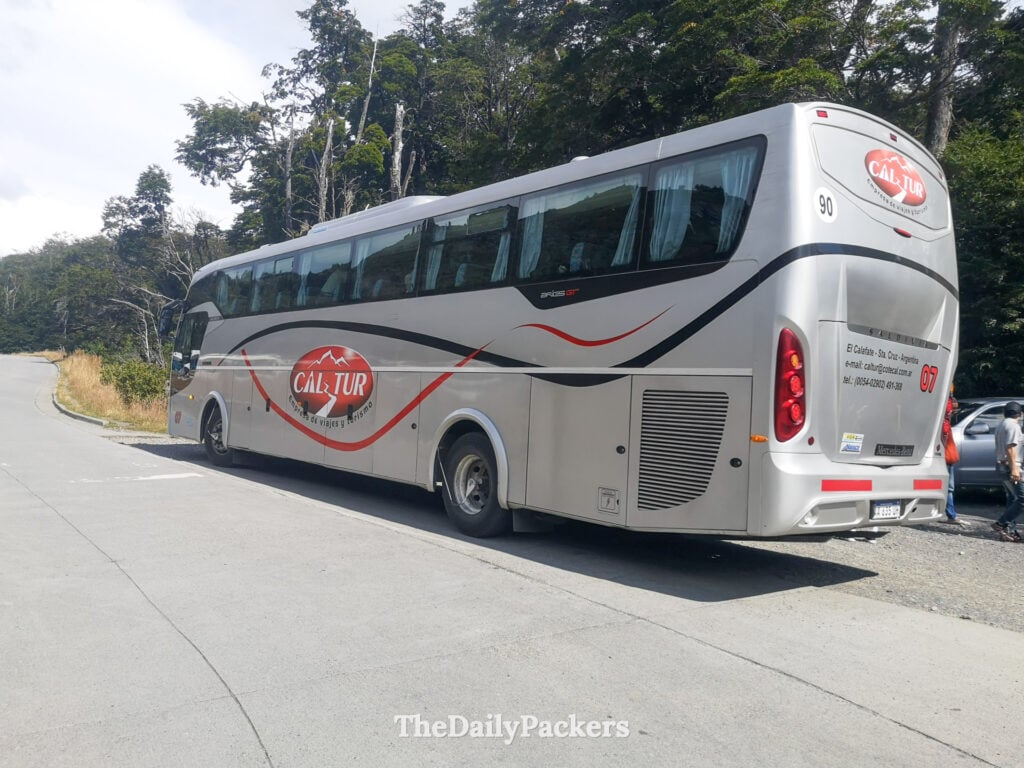

Check all your bus options on Busbud — it’s simple to compare routes, prices, and book your tickets in advance.
If you are looking for a more “all-in-one” experience today, you might prefer a guided tour that handles the logistics for you. Options like a Perito Moreno Glacier & Optional Boat Cruise are great because they often include hotel pickups, or you can go for something more adventurous like the Perito Moreno Glacier Trekking Tour and Cruise to actually get on the ice.
No matter how you choose to travel, keep in mind that you’ll need to pay the national park entrance fee. During our bus ride, a park ranger actually boarded the bus at the park entrance to collect the fees, which made it very easy. You can pay in cash or by card, though if you use a card, you’ll have to step off the bus into their office for a moment.
They will also give you a small flyer and a bag for your trash to help keep the park pristine. If you have your own car, it’s a straightforward drive that takes about an hour and a half, giving you the freedom to stay as long as you like.
The Best Time to Visit: Weather & Seasons
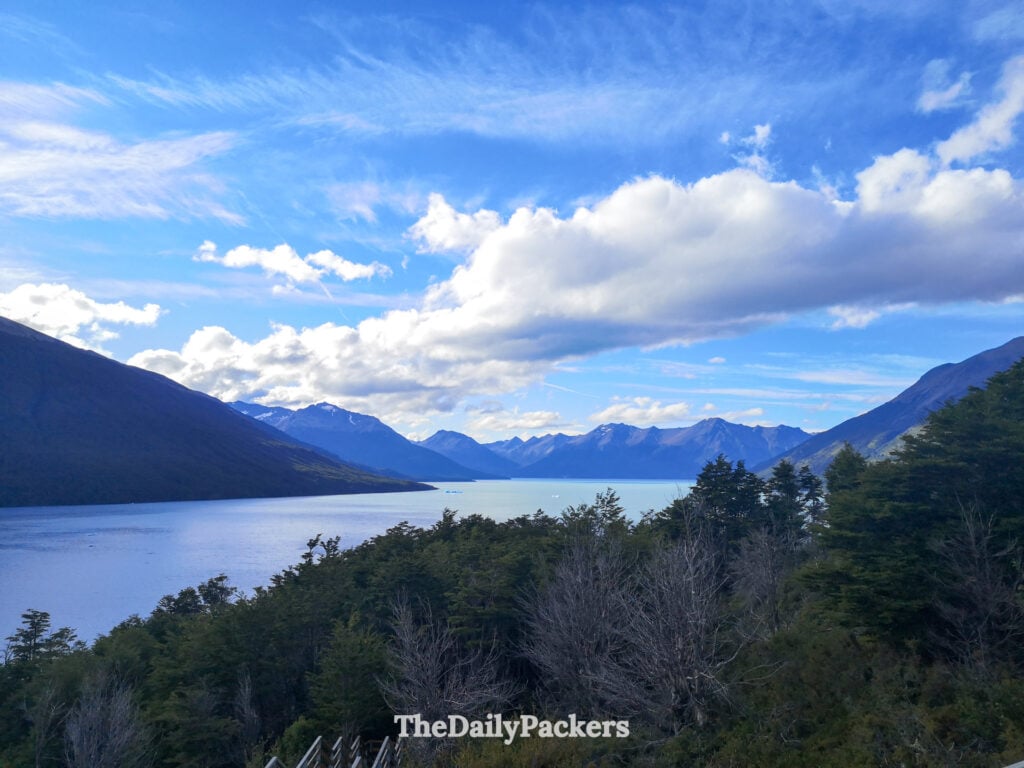
The Perito Moreno Glacier is one of the few places in Patagonia that you can actually visit year-round, but your experience will change quite a bit depending on when you show up. Whether you want the best chance to see the ice falling or you’d rather have the walkways to yourself, the timing of your trip makes a big difference.
In the Summer, from December to February, you are in the peak season for a reason. This is when you’ll get the longest daylight hours—sometimes up to 15 hours of sun—and the mildest weather for exploring. It’s also the absolute best time to see the ice “calving” because the warmer temperatures make the glacier much more active. During these months, you can expect highs around 18°C (64°F) and lows of about 7°C (45°F).
If you prefer a more colorful landscape, Autumn (March to May) is arguably the most beautiful time to visit. The Lenga forests surrounding the glacier turn vibrant shades of orange and red, which looks incredible against the bright blue ice. The crowds start to thin out during these months, though it does get noticeably crispier. Temperatures usually range from a high of 13°C (55°F) to a low of 3°C (37°F).

For those who don’t mind the cold, Winter (June to August) offers a true wonderland experience. The park is very quiet, and the glacier looks even more pristine against the snow-dusted mountains. Keep in mind that some trekking excursions like the “Big Ice” don’t operate now, and the days are much shorter. You’ll be looking at highs of 5°C (41°F) and lows that dip to -2°C (28°F).
Finally, Spring (September to November) is when everything starts to wake up again. The winds can be a bit fierce in the spring, but you’ll beat the summer rush of tourists. It’s a great balance of decent hiking weather and calmer trails before the December madness begins, with temperatures reaching highs of 11°C (52°F) and staying around 2°C (36°F) at night.

Psst, you can join Tina’s Yoga Studio and get access to hundreds of Yoga, Meditation, and Well-being videos.
Where to Base Yourself: Our Favorite Neighborhoods
When you are visiting the Perito Moreno Glacier, you will almost certainly be basing yourself in El Calafate. This charming town is the gateway to the national park, and while it’s small enough to navigate easily, choosing the right neighborhood can make a big difference in your experience.
Most people prefer to stay right in the Town Center, along or near Avenida del Libertador. This is the heartbeat of El Calafate, where you’ll find all the best restaurants, souvenir shops, and the main bus terminal. Staying here is incredibly convenient because you can simply walk to grab dinner or catch your bus to the glacier without needing a taxi.
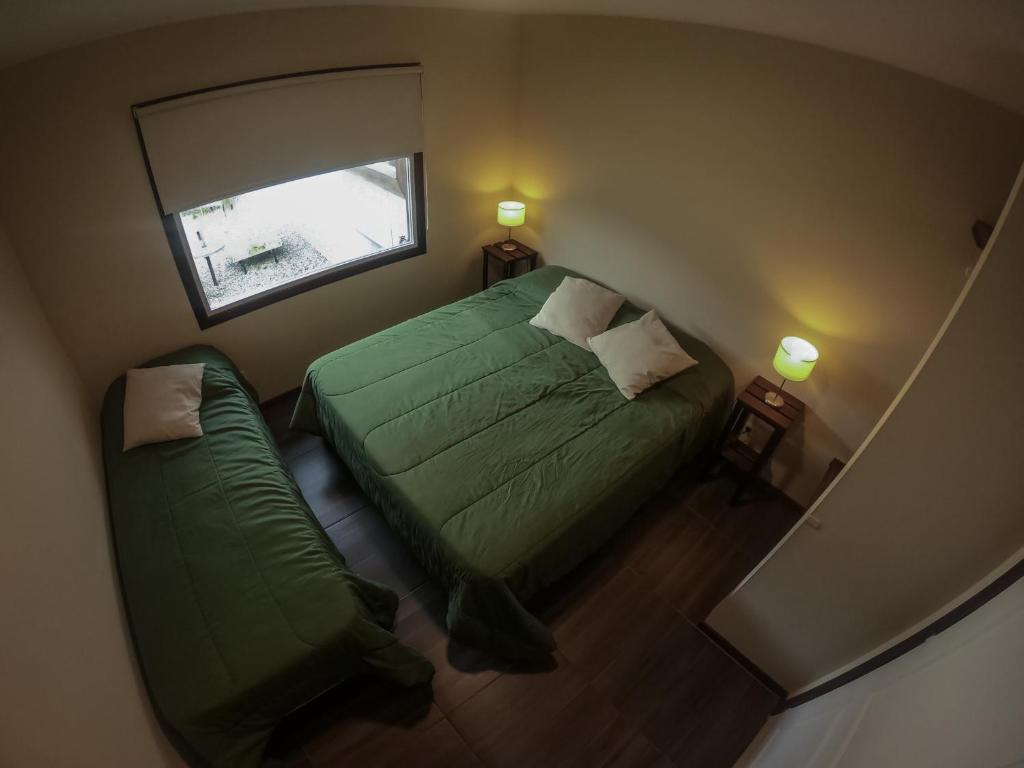
It has a lively, traveler-friendly atmosphere that we really enjoyed after a long day of hiking. If you are looking for a great social atmosphere that won’t break the bank, we recommend checking out Folk Hostel. It is super close to the bus station, which is perfect if you are arriving from El Chalten, as we did.

If you are looking for something a bit more peaceful with a view, the neighborhood of Villa Parque is a great choice. It’s a bit further from the main strip, offering a quieter, more residential vibe with beautiful views of the surrounding hills. A fantastic option in this area is the America Del Sur Calafate Hostel. It’s famous for its panoramic views of the lake and the town, and they even host regular Argentine BBQs that are a great way to meet other travelers.
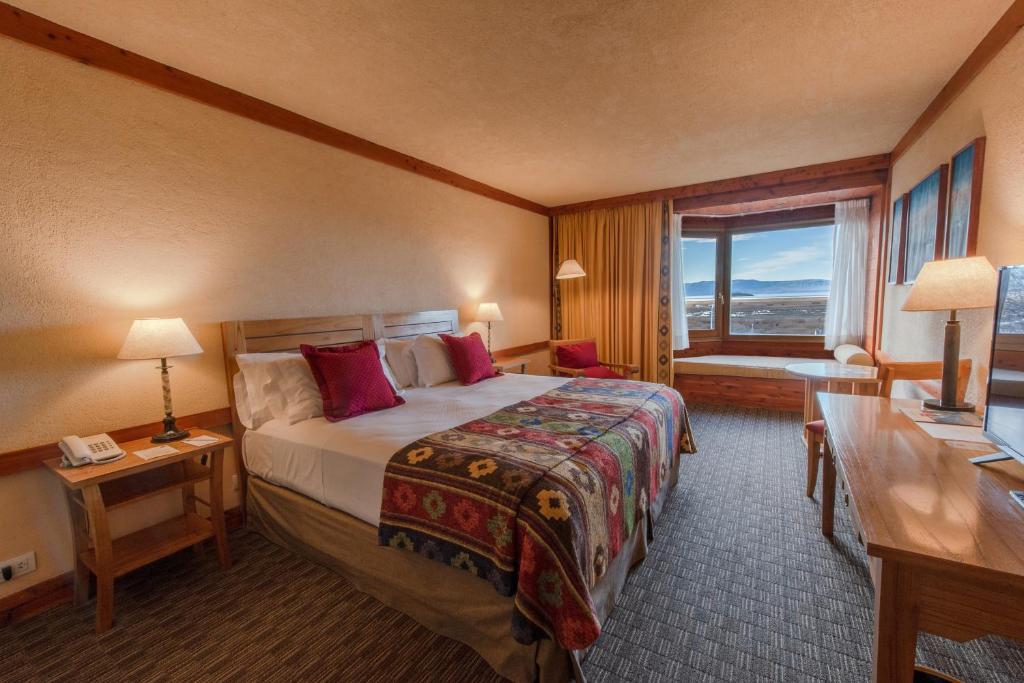
For those who want to be close to the water, the area around the Bahia Redonda is stunning. Staying here means you’ll have incredible views of Lake Argentino right outside your window. In the winter, the bay even freezes over and becomes a natural ice-skating rink! If you want to splurge a little on a classic, comfortable stay in this area, the Mirador del Lago Hotel is ideally located right in front of the lake. It’s a bit of a longer walk to the shops, but the sunrise views over the water make it absolutely worth it for nature lovers.

Essential Hiking Gear & Tips
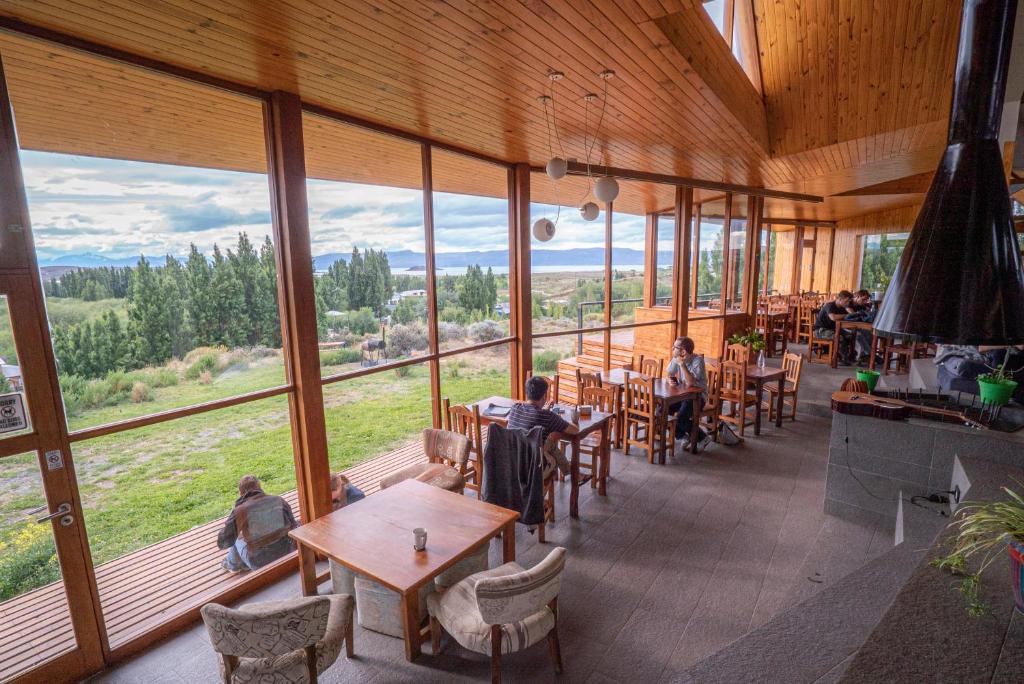
Packing for Patagonia can be a bit of a puzzle because the weather is famously unpredictable. Even if you visit in the height of summer, you can experience all four seasons in a single afternoon. When you are heading to the Perito Moreno Glacier, the golden rule is layers. You’ll want a good moisture-wicking base layer, a warm fleece or down jacket, and most importantly, a windproof and waterproof outer shell. Even on a sunny day, the wind blowing off the massive ice field is incredibly cold.
Since you will be spending several hours walking on the steel boardwalks, comfortable hiking shoes or sturdy walking shoes with good grip are a must. The metal can get slippery if it’s raining or if there is a bit of frost. We also highly recommend bringing a pair of sunglasses and high-SPF sunscreen. The sun reflects off the white ice with surprising intensity, and it’s very easy to get a “glacier burn” without realizing it because the air feels so chilly.
For those planning to do a trekking tour on the ice, remember that most operators provide the technical gear like crampons and helmets, but you must bring your own gloves. In fact, many tours won’t even let you on the ice without them because the frozen surface is very sharp if you happen to trip.
What No One Tells You
One thing that often surprises visitors, including us, is how loud the Perito Moreno Glacier actually is. It’s not a silent block of ice; it’s a living, moving giant. You will hear constant groans and cracks that sound like thunder or distant fireworks. Also, be prepared for the “splash zone.” If a massive piece of ice falls near the lower walkways, the resulting wave and spray can reach surprisingly far.
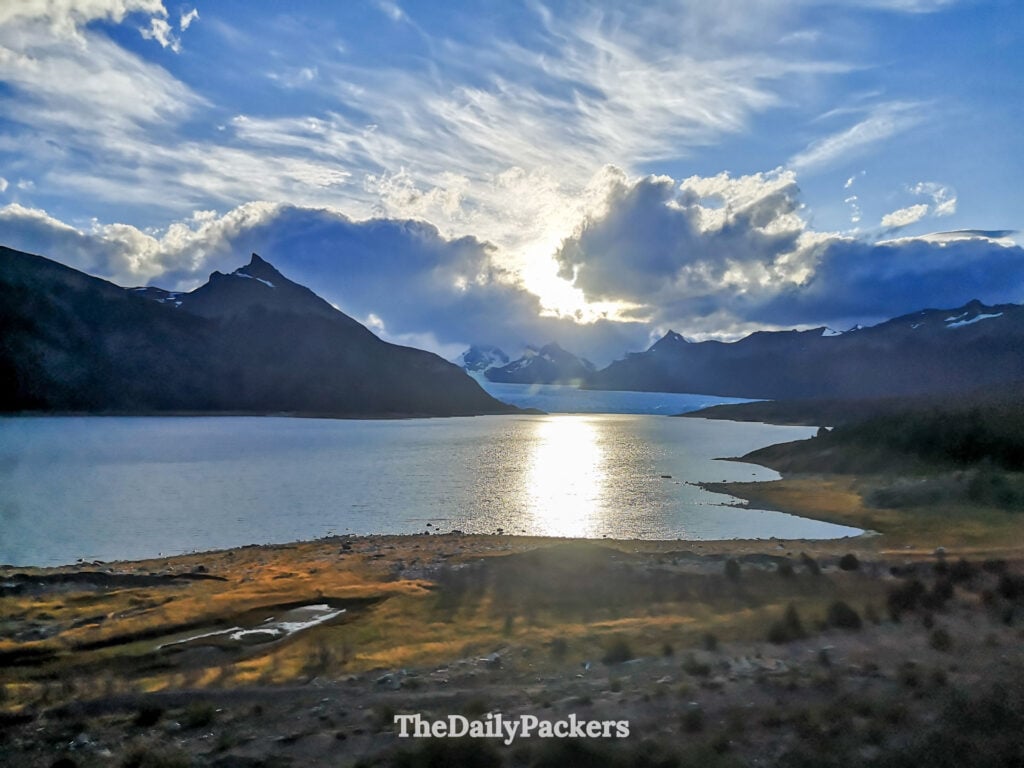
Another little secret is that the afternoon light is often much better for photography. Most of the big tour groups arrive in the morning and leave by 3:00 PM. If you take the later bus as we did, you’ll find the walkways much quieter, and the sun hits the face of the ice at a beautiful angle, making those deep blue crevasses really pop in your photos. Lastly, don’t forget to look up! While everyone is staring at the ice, Andean Condors are frequently seen catching the thermals right above the glacier.
What it Costs: Budgeting for Your Day
Planning your budget for Perito Moreno can be a little tricky because prices in Argentina tend to change, but here is a breakdown of what you can expect to spend based on our experience and current rates.
The most important fixed cost is the entrance fee to Los Glaciares National Park. For international visitors, this is currently around 45,000 ARS (approximately $45-$50 USD). You can pay this at the park gate with cash or a card, but we always recommend having some pesos on hand just in case the card machines are acting up in the remote area. If you decide to go back for a second day, keep your ticket—you can get a 50% discount on a consecutive second-day entry!
For transportation, a round-trip bus ticket from El Calafate costs about 50,000 ARS (around $40 USD). If you prefer a more organized experience, the Perito Moreno Glacier & Optional Boat Cruise starts at about $80 USD, which covers your transport and a guide. If you want to add the boat safari once you are there, that’s usually an extra $30 to $50 USD.
For the ultimate adventure, the Perito Moreno Glacier Trekking Tour and Cruise is a bigger investment, starting around $396 USD. It’s definitely a “once-in-a-lifetime” expense, but it includes the boat, the crampons, and the experience of actually walking on the ice. Aside from that, remember to budget for a packed lunch; prices at the park’s cafeteria are quite high, so we saved a lot by bringing our own sandwiches and snacks from town.
About the authors
We are Alex and Tina, a French-Serbian couple who met in China back in 2014. We spent three incredible years there before making France our home. Our shared passion for travel has been the heartbeat of our relationship for over 12 years, taking us across 44 countries and counting.
We launched TheDailyPackers in 2019 as a way to document our adventures. In 2026, we reached a major milestone by officially turning our blog into our full-time job. While we are still growing toward financial independence through this platform, every article we write is fueled by our mission to make your voyages easier through in-depth guides, honest advice, and the lessons we’ve learned from our own mistakes.
Our journey has not been without its storms. In 2023, our world changed forever when our first son, Poppy, was stillborn on November 25th. It was, and remains, the hardest chapter of our lives. In 2025, we were blessed with our second little boy, Milo. He has since joined our traveling tribe, and you’ll be seeing him—and the reality of traveling with a little one-on the blog more and more.
We hope to inspire you to explore the world with curiosity and resilience. Thank you for being part of our story.
You may also like those related posts
Santa Teresa Park & Laguna Negra 1-day Trip Guide, Uruguay
Valensole, Provence: Driving by the Lavender Village of France
16 best Hotels in Corsica to stay at in 2025
4 Best things to do in Imlil, Morocco, in 2 to 3 days
11 best things to do in SaPa, Vietnam, in 4 days or less
21 Best things to do in Pecs, Hungary, in 2 to 4 days
10 Best Things to do in Trinidad, Cuba, in 1 to 3 days
Colonia to Buenos Aires: Our complete 2026 Ferry Guide
Pssst, did you know that…
If you purchase something through our links, we earn a small fee. However, you still pay the same. Win-win! And one day we may get to be full-time travel bloggers =)
Find Hotels with Booking.com
Do Yoga with KVY
Buy us a Coffee
Rent a car with DiscoverCars
Find Attractions with GetYourGuide
Find Flights with Expedia
Buy an eSIM with Airalo
Get insured with World Nomads
Get ready with Amazon.com