

Introduction
If you’re staying in Punta del Diablo, one of the best day trips you can take is to visit Santa Teresa Park and Laguna Negra. Both are stunning natural areas that showcase Uruguay’s wild coastal beauty — from endless forests and historic fortresses to quiet lagoons surrounded by nature.
You can explore them in one, two, or even three days, depending on your pace. To accomplish it all in a single day, we decided to rent electric bikes, as the distance between Punta del Diablo, Santa Teresa, and Laguna Negra is too long to walk comfortably. It turned out to be the perfect choice — affordable, flexible, and a great way to enjoy the landscapes at our own rhythm.


Read: Best things to do in Punta Del Diablo
Getting there
Getting to Santa Teresa Park and Laguna Negra from Punta del Diablo is quite easy, but since distances are long and there’s little public transportation, you’ll need your own wheels.
The most flexible way to do this day trip is by renting an electric bike (eBike). It’s the perfect balance between comfort and adventure — you can cover long distances without getting exhausted, and it allows you to stop wherever you like along the way.
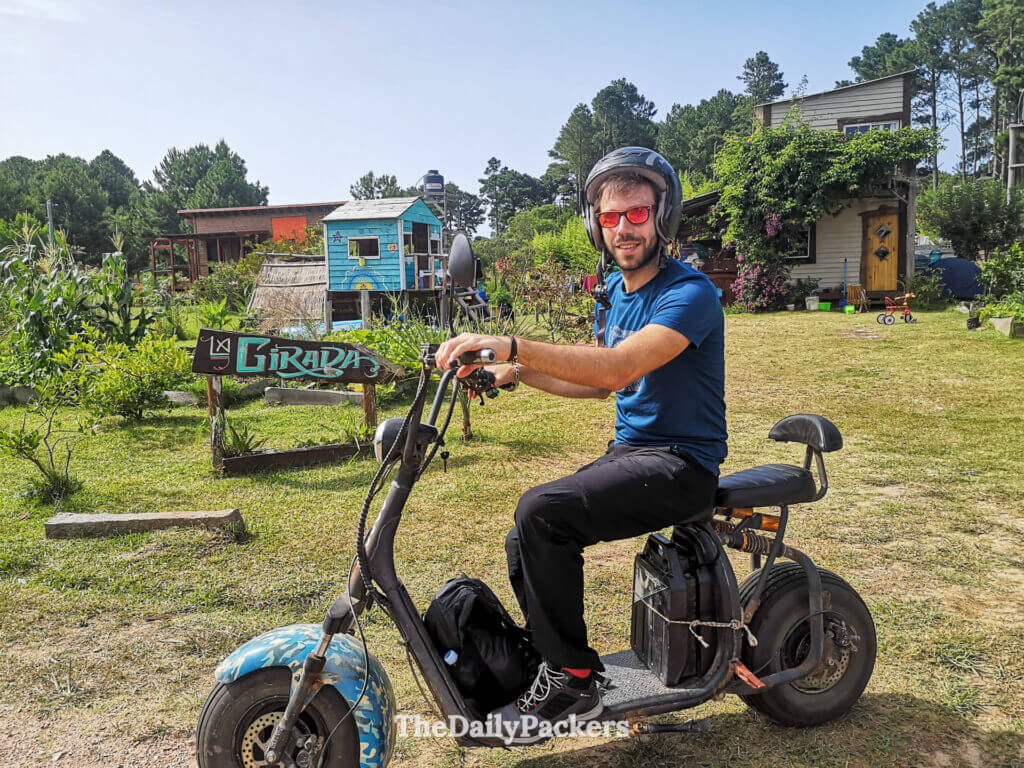
You can rent eBikes directly in Punta del Diablo for about 1,000 pesos per day, with an extra 300 pesos for a spare battery — and trust us, you’ll need it if you plan to visit both Santa Teresa and Laguna Negra in one go. The bikes are a bit old but reliable, and two batteries will give you just enough range for the round trip.
To rent, you can just ask your accommodation; they will have the latest contact in town.
If you’re visiting by car, it’s even easier — the roads are well-paved until the park entrance and continue on dirt tracks once inside. Parking is available near the main attractions, including the Santa Teresa Fortress and the Botanical Garden.

Moving Around
Once you arrive at Santa Teresa Park, getting around is part of the adventure. The park is huge — over 3,000 hectares, with forests, beaches, gardens, and historical sites scattered across a wide area.
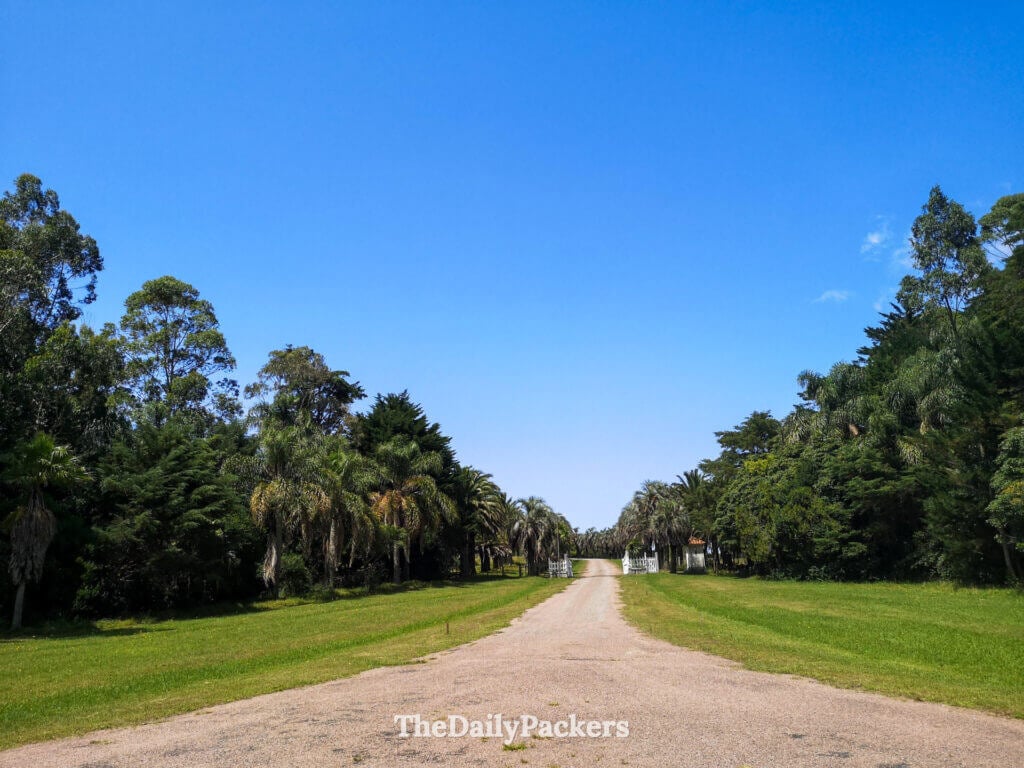
If you’re visiting by eBike, it’s easy to follow the main dirt roads that connect all the highlights. The paths are well-marked, and the terrain is mostly flat, though some sections can get sandy or bumpy. Just take it slow and enjoy the scenery.
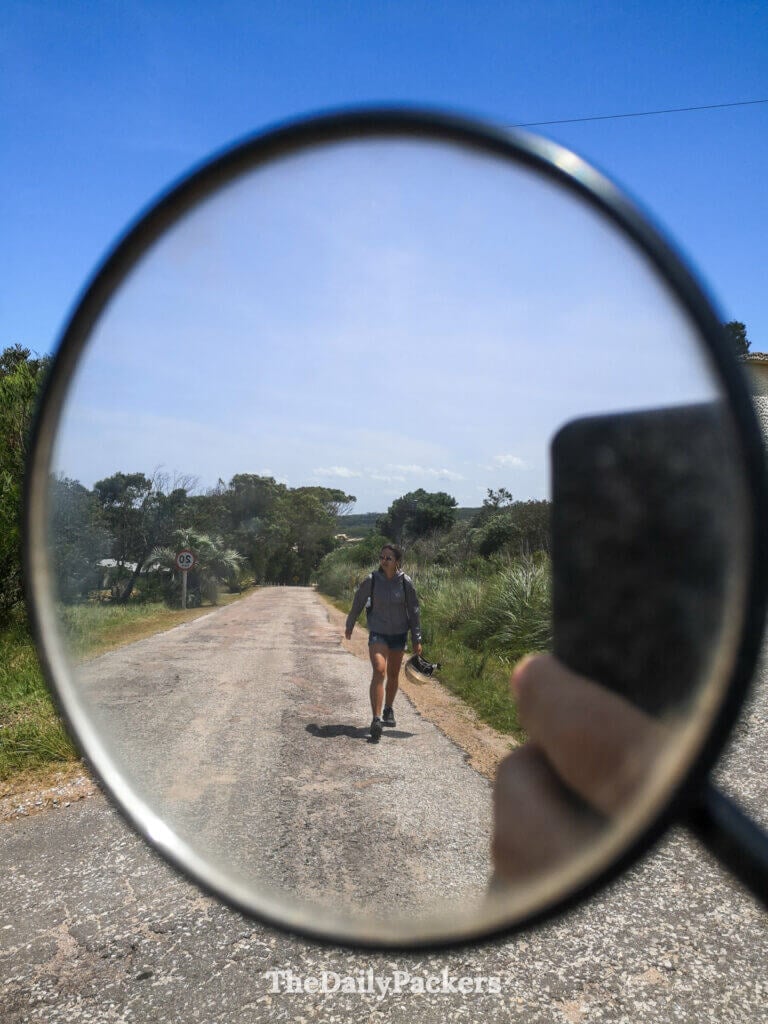
Inside the park, you’ll come across soldiers from the nearby military base — don’t worry, it’s totally normal as part of the park’s operations. They’re friendly and used to visitors passing through.
If you’re driving, there are designated parking areas near most attractions, including the Botanical Garden, Santa Teresa Fortress, and Laguna de Peña. Roads are mostly dirt tracks but well-maintained.
For those staying longer, some parts of the park can also be explored on foot or by camping overnight. Walking paths connect many of the smaller attractions, and there are plenty of shaded areas and picnic spots to stop for a break.
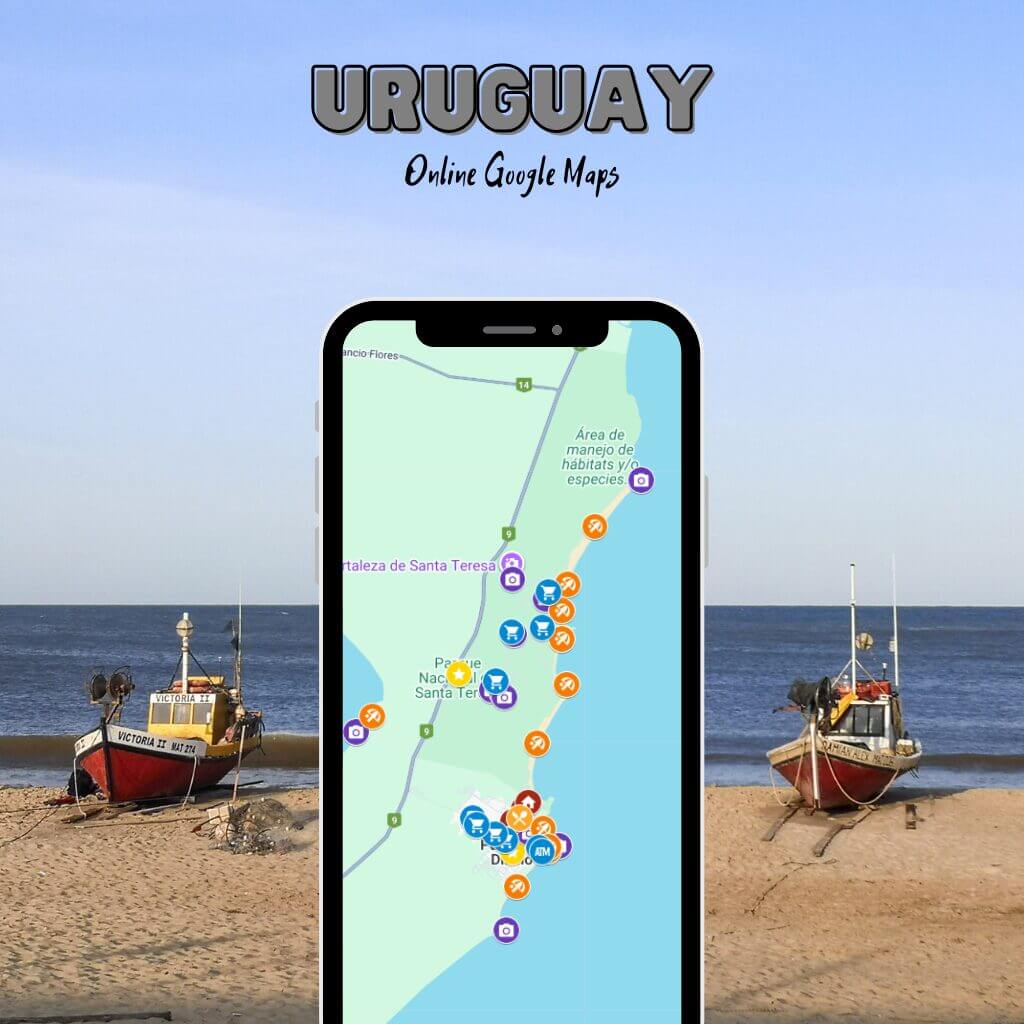
It’s best to bring a map (or download one offline) since there’s no phone signal in some parts of the park — it’ll make navigation much easier.

When to Visit
You can visit Santa Teresa National Park and Laguna Negra year-round, but the experience will vary depending on the season. The park is open daily from 8 a.m. to 8 p.m. during the summer months, and entrance is completely free.
Here’s what to expect throughout the year:
- Summer (December to March) – This is the best time to visit if you want to enjoy the beaches, green landscapes, and lively atmosphere. Everything inside the park is open, including the campgrounds and restaurants. It can get quite hot during midday, so plan to start early if you’re biking or walking.
- Autumn (April to June) – The park becomes quieter, and the temperatures are pleasant for biking and exploring. Some facilities may close, but the natural scenery remains stunning.
- Winter (July to September) – This is the calmest time of the year. The park is almost empty, and you can enjoy the silence and peaceful views. Bring warmer clothes — mornings can be cold and foggy, especially near Laguna Negra.
- Spring (October to November) – Ideal for those who love nature. Flowers bloom, wildlife is active, and the weather is mild. It’s one of the most beautiful times to explore Santa Teresa’s forests and gardens.
No matter when you go, remember to bring water, snacks, sunscreen, and a windbreaker — the coastal weather can change fast, especially in the afternoon.
Where to stay in Puntal Del diablo
If you’re planning to visit Santa Teresa National Park and Laguna Negra, the best base is definitely Punta del Diablo. It’s just a short ride away, and you’ll find plenty of cozy and unique places to stay — from eco-lodges to beachfront bungalows.
Staying in Punta del Diablo gives you the perfect mix of nature, comfort, and convenience. You can explore the park by day and return to a laid-back beach town for sunset walks, seafood dinners, or a quiet night under the stars.
Here are a few great accommodation options we recommend:
- (€) Eco House Via Verde – A simple, eco-friendly stay surrounded by greenery. Great for travelers who love peace, nature, and good vibes.
- (€€) Eco Boutique B&B – A charming bed and breakfast with beautiful decor, homemade breakfast, and friendly owners.
- (€€€) Bella Bungalows – Bright, spacious bungalows near the beach with private terraces — perfect if you want a bit more comfort and privacy.
You could also stay inside Santa Teresa Park, where camping and cabins are available, but staying in Punta del Diablo makes it easier to access both the park and the lagoon without needing a car.


Here are all your accommodation options in Punta Del Diablo
What to Eat
There aren’t many restaurants inside Santa Teresa National Park, so it’s best to bring your own food and water for the day — especially if you’re biking or exploring multiple spots. You’ll find picnic tables scattered around the park, perfect for a scenic lunch break under the trees or near the beaches.
You can find a few supermarkets within the park at Capatacía and El Choro

What to see in Santa Teresa National Park
Visit Capatacía – The Gateway to Santa Teresa National Park
Capatacía is the first stop when you enter Santa Teresa National Park, and it’s where you’ll find all the essentials before heading deeper into the park. It’s a small square surrounded by useful facilities — including an information center, supermarket, bakery, ATM, and toilets.
This is the perfect place to grab some snacks, refill your water bottle, or get a park map before starting your adventure. If you’re coming by bike or on foot, it’s also a great spot to rest and plan your route for the day.
Here are all your accommodation options in Punta Del Diablo
Explore the Botanical Garden of Santa Teresa National Park
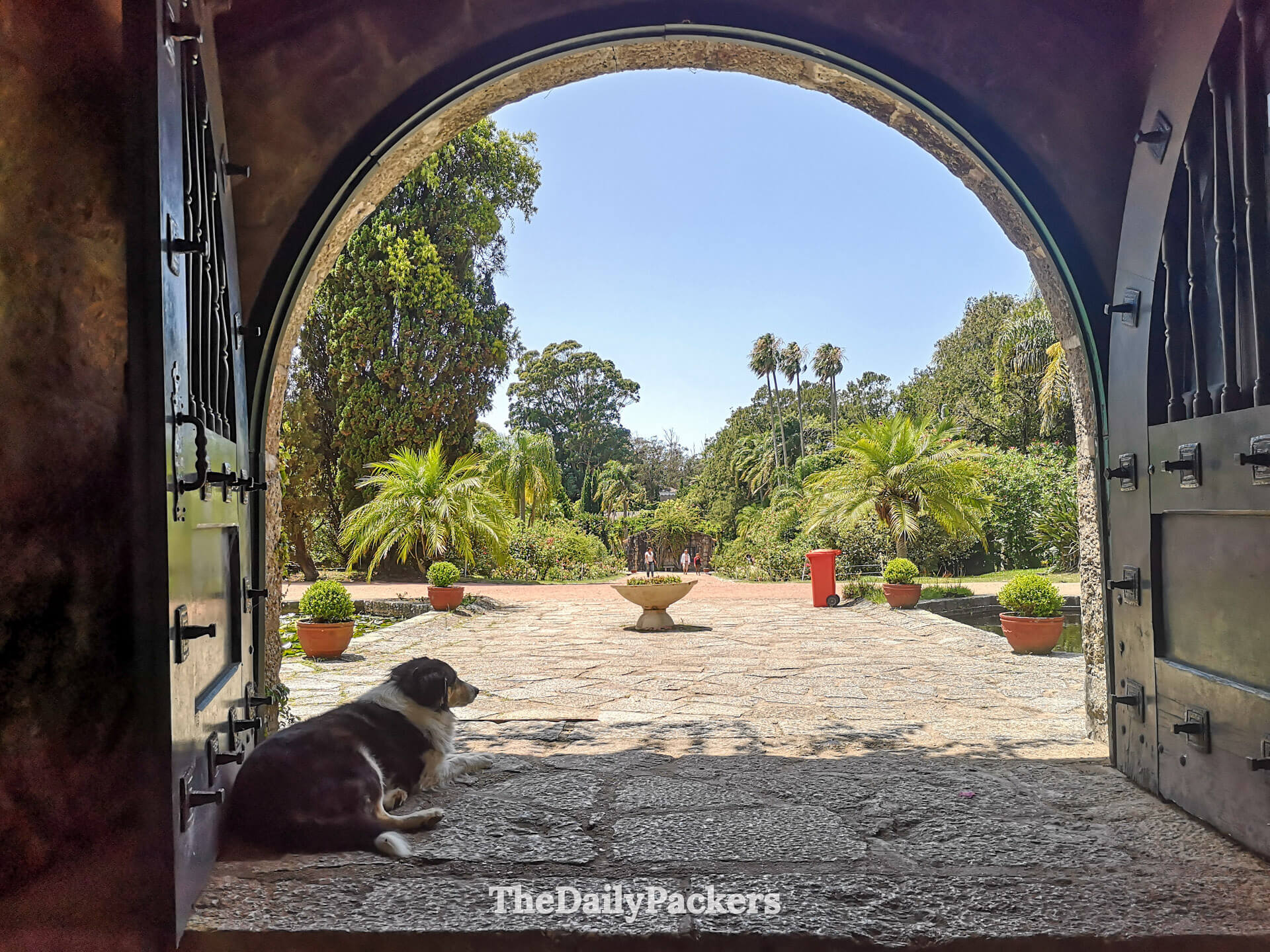
Right across from Capatacía lies one of the park’s most stunning spots — the Botanical Garden of Santa Teresa Park. Huge, peaceful, and full of life, this garden is easily one of the most beautiful places in the park and can be reached on foot in just a few minutes.
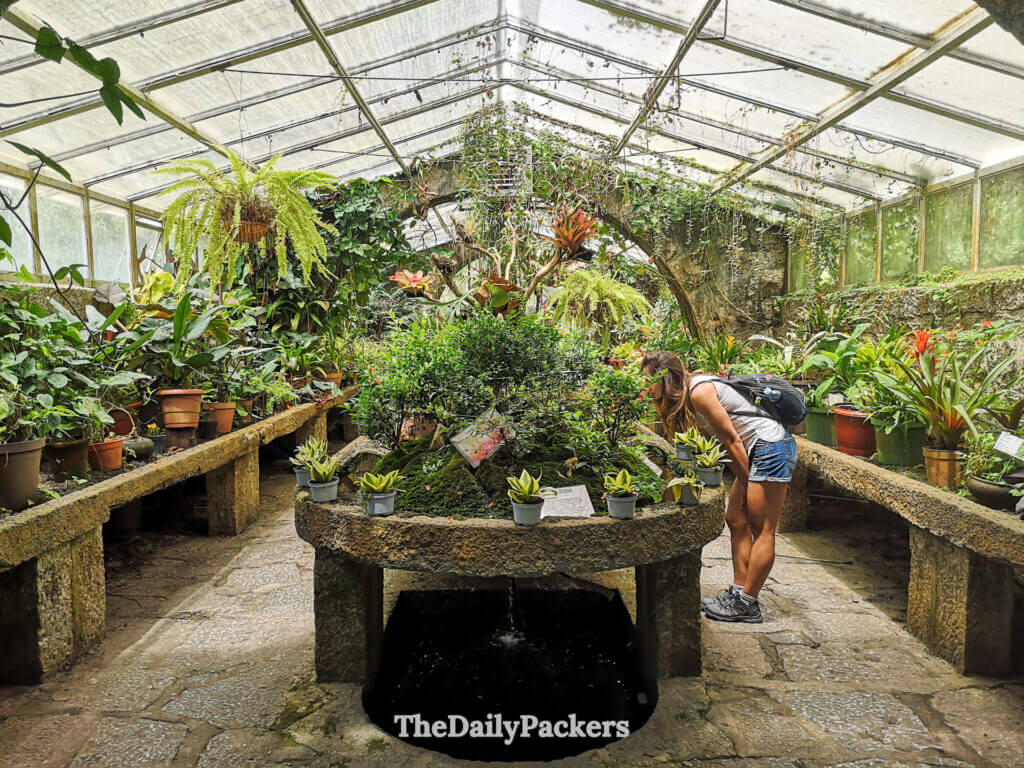
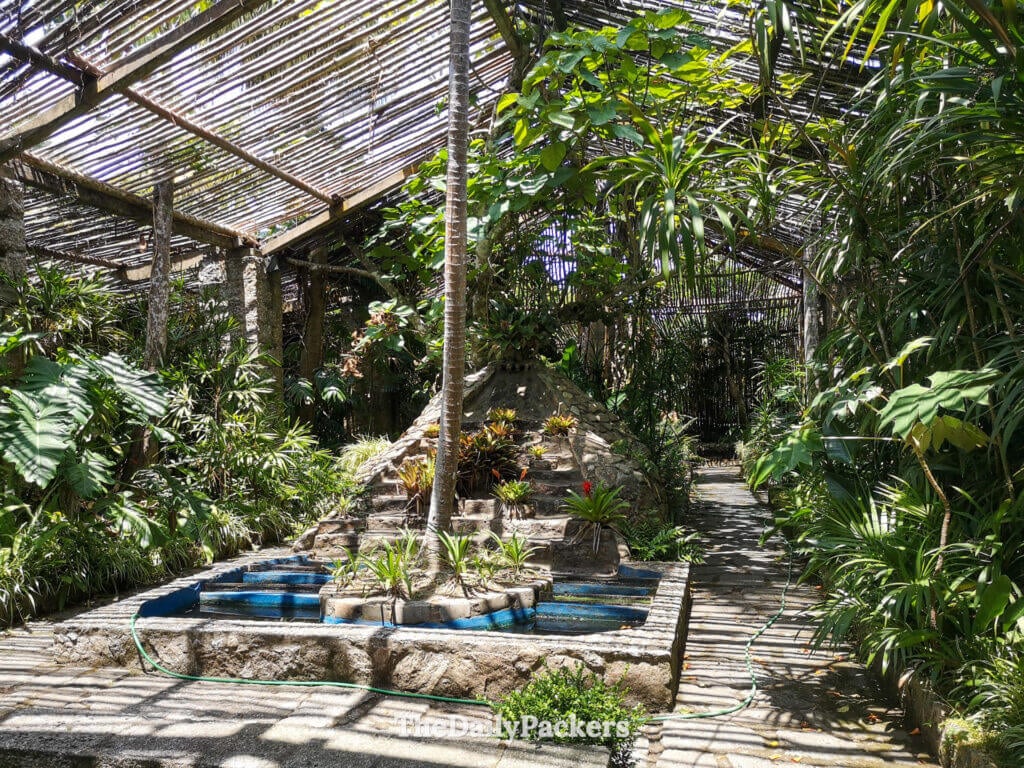
As you enter, you’ll first see two large ponds filled with lotus flowers shimmering under the sunlight. Just behind them stands the impressive greenhouse, built in 1939 from granite and glass capsules. It features a fascinating self-regulating heating and cooling system and shelters tropical plants from all five continents.
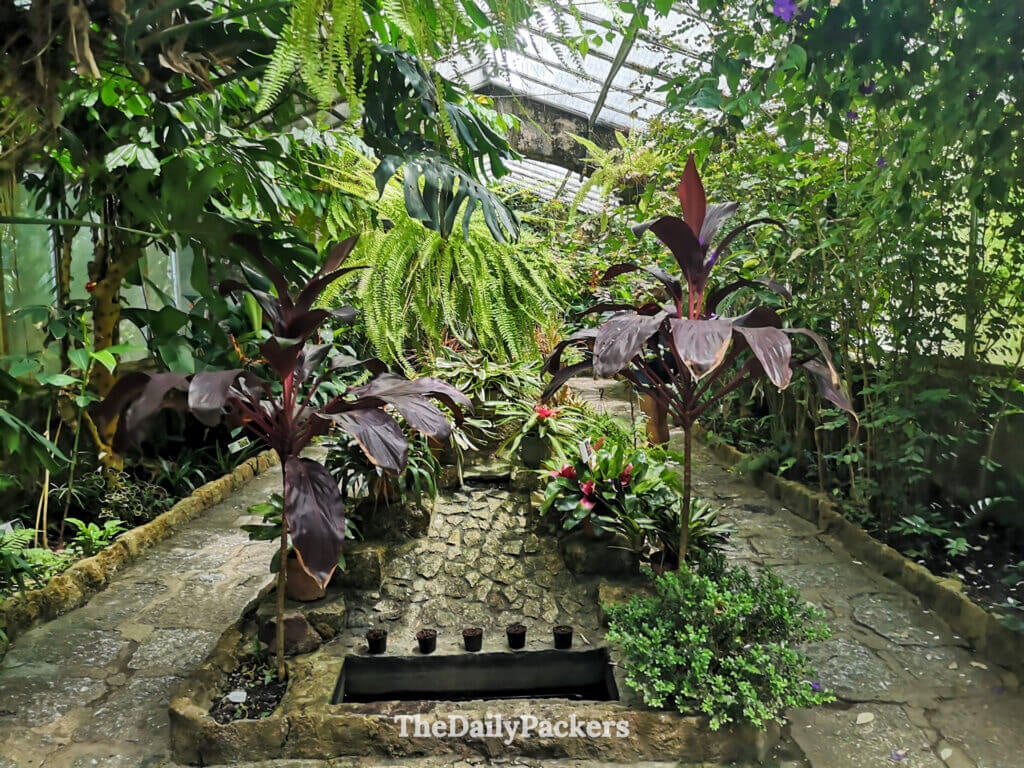
Inside, you’ll also find aquariums and ponds with both freshwater and saltwater fish — adding to the feeling of stepping into a living ecosystem.
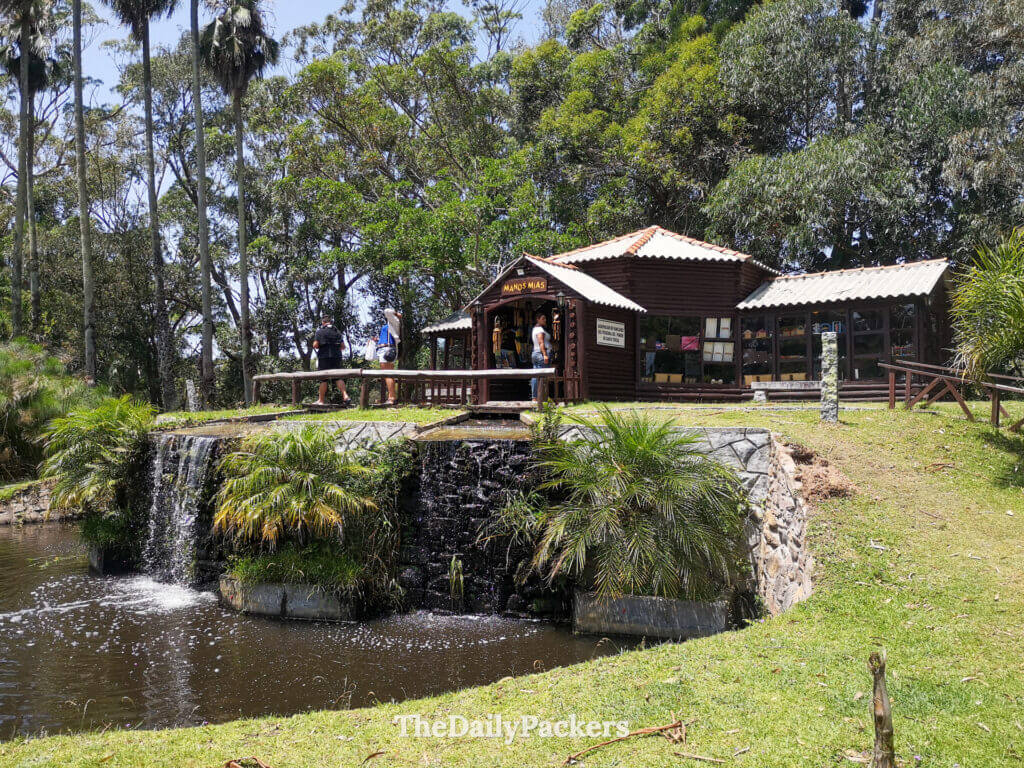
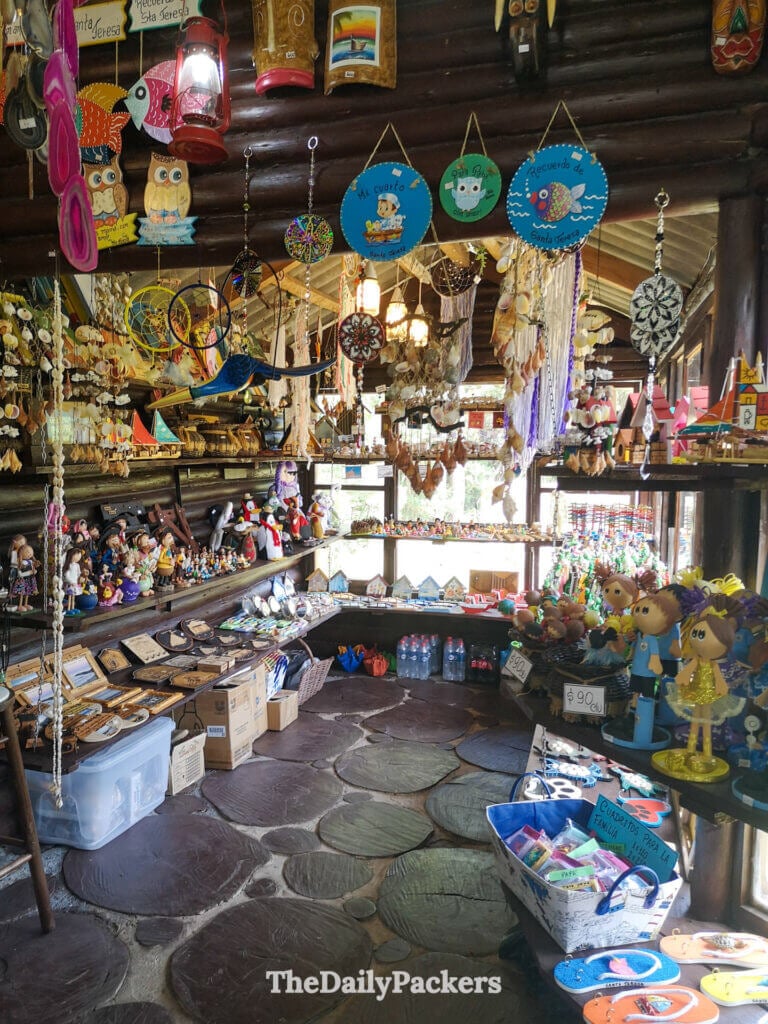
If you follow the shaded path opposite the greenhouse, you’ll come across a small souvenir shop and a humid greenhouse, where tropical plants are carefully nurtured. It’s a calm, fragrant walk that feels a bit like traveling through a mini jungle.

Tip: We use the DJI Action 4 to film our vlogs — compact, durable, and perfect for capturing every adventure.
Visit Laguna de Peña (Peña Lagoon)
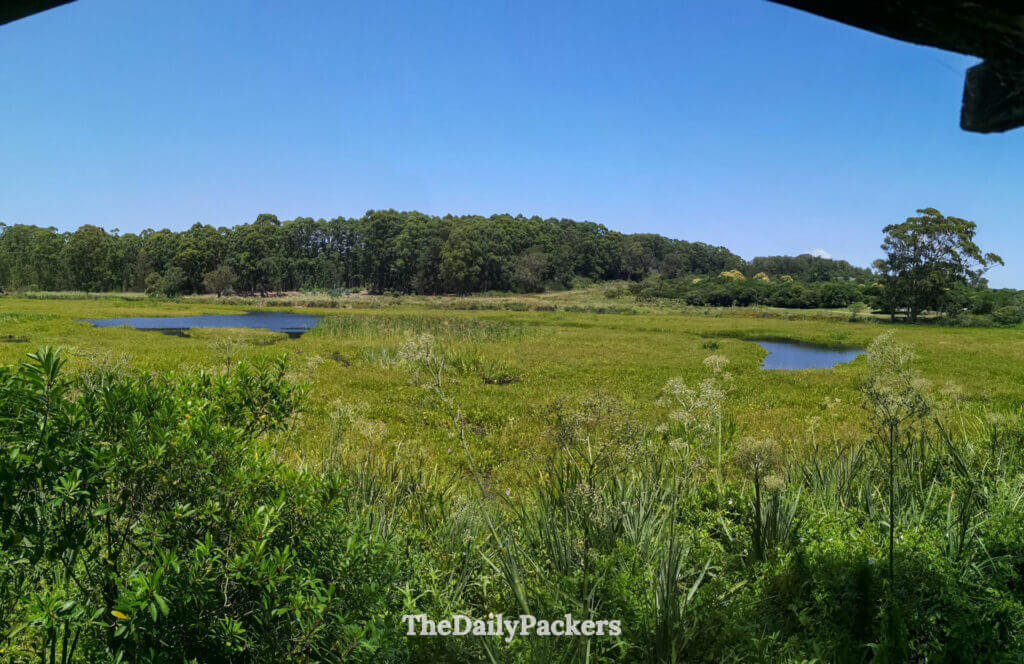
A little further inside Santa Teresa National Park, you’ll reach the peaceful Laguna de Peña, a natural lagoon surrounded by reeds and home to a variety of local bird species. It’s a quiet spot, perfect for nature lovers and birdwatchers.
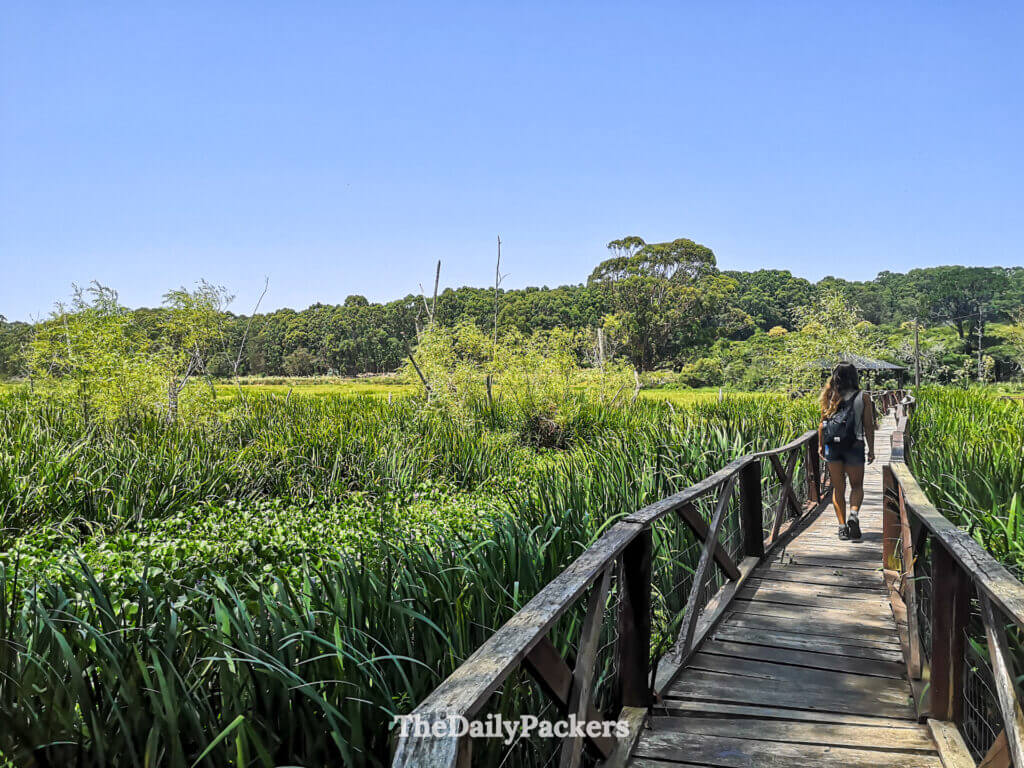
The best place to try spotting wildlife is from the wooden observation deck, where you’ll find panels displaying photos and names of the birds and animals that inhabit the lagoon. With some patience — and maybe a pair of binoculars — you might catch sight of herons, ducks, or even small mammals wandering nearby.
Even if you don’t see much wildlife, the area itself is beautiful and worth the stop for its calm atmosphere and scenic view over the water.
Discover La Pajarera – The Wildlife Refuge and Reserve
To reach La Pajarera, you’ll need to hop back on your eBike and ride a short distance from the lagoon. Once there, park your bike and start exploring on foot — this is one of the most fascinating and lively parts of Santa Teresa National Park.
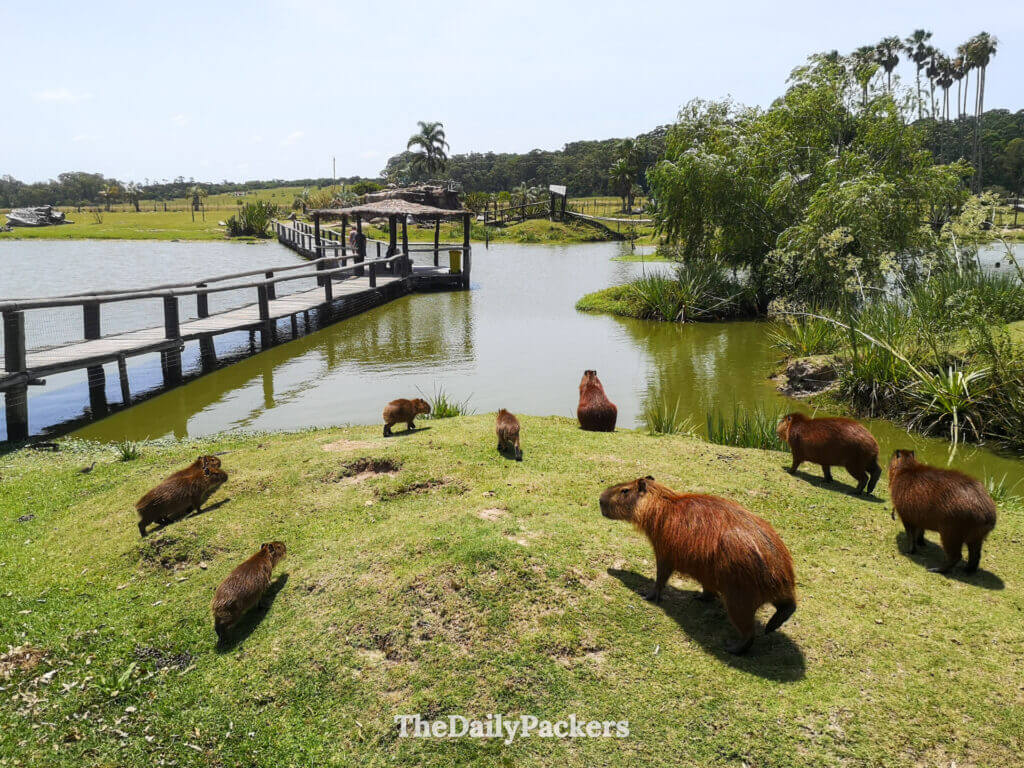
Right at the entrance, you’ll come across llamas and horses grazing peacefully, followed by a few ostriches, capybaras, and goats a bit further along. Continue walking toward the wooden bridges, where you’re likely to spot even more capybaras lounging near the water — they’re everywhere!
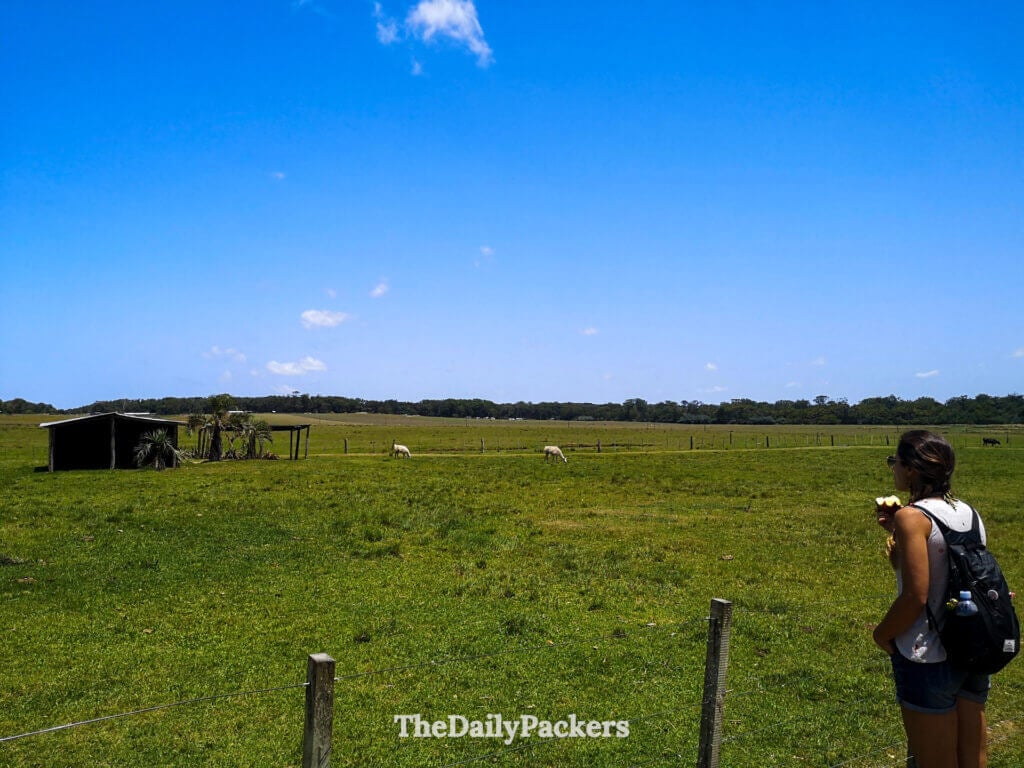
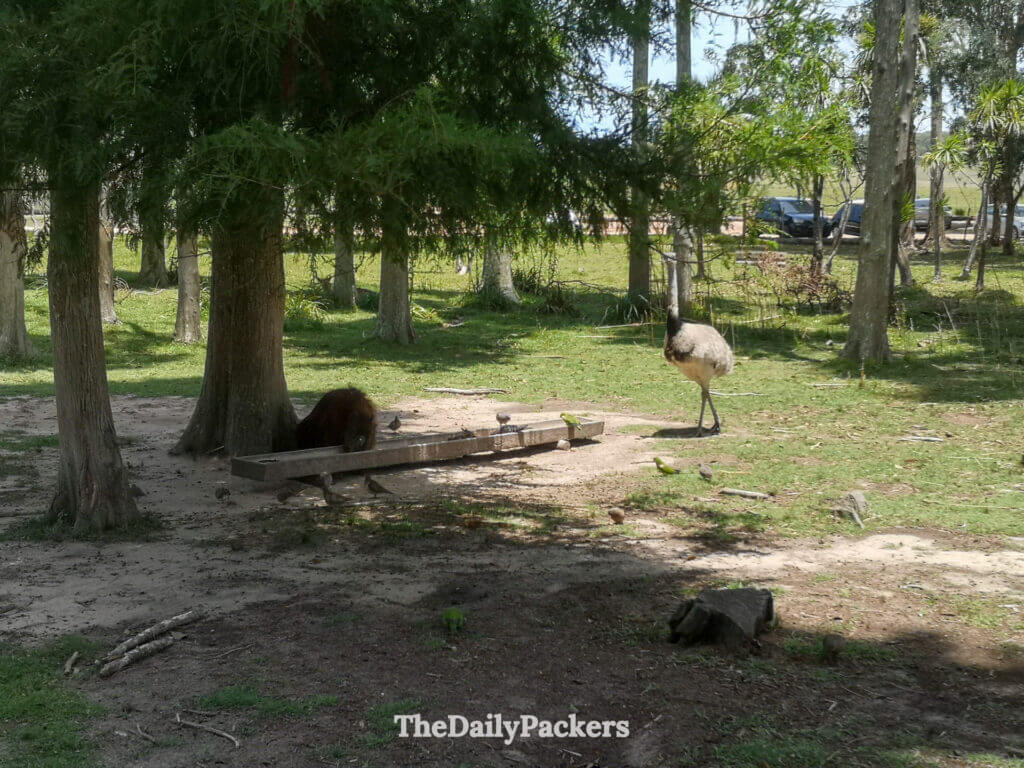
As you wander through the area, you might also see wild pigs, groups of geese taking off over the ponds, and other animals freely roaming around. It’s an amazing opportunity to get close to local wildlife in a semi-natural environment.
Across the ponds, you’ll find a series of large aviaries, which you can walk through. Inside, colorful birds from different species flutter around — some are small and bright, others exotic and surprisingly loud. It’s a peaceful, yet vibrant place that really brings you close to the diversity of Uruguay’s fauna.
Relax at El Chorro
El Chorro is a refreshing stop inside Santa Teresa National Park, known for its charming stone structure and natural pool where you can take a dip or simply rest by the water. After exploring the park’s trails and wildlife areas, this is the perfect spot to cool off and enjoy a bit of shade.
What makes El Chorro even more convenient is that it’s one of the few areas in the park with facilities nearby — you’ll find toilets, a small supermarket, and a few restaurants just a short walk away. Whether you’re looking to grab a snack, refill your water, or enjoy a quick meal, it’s a comfortable and practical stop before continuing your day of exploration.
Here are all your accommodation options in Punta Del Diablo
Visit the Santa Teresa Fortress
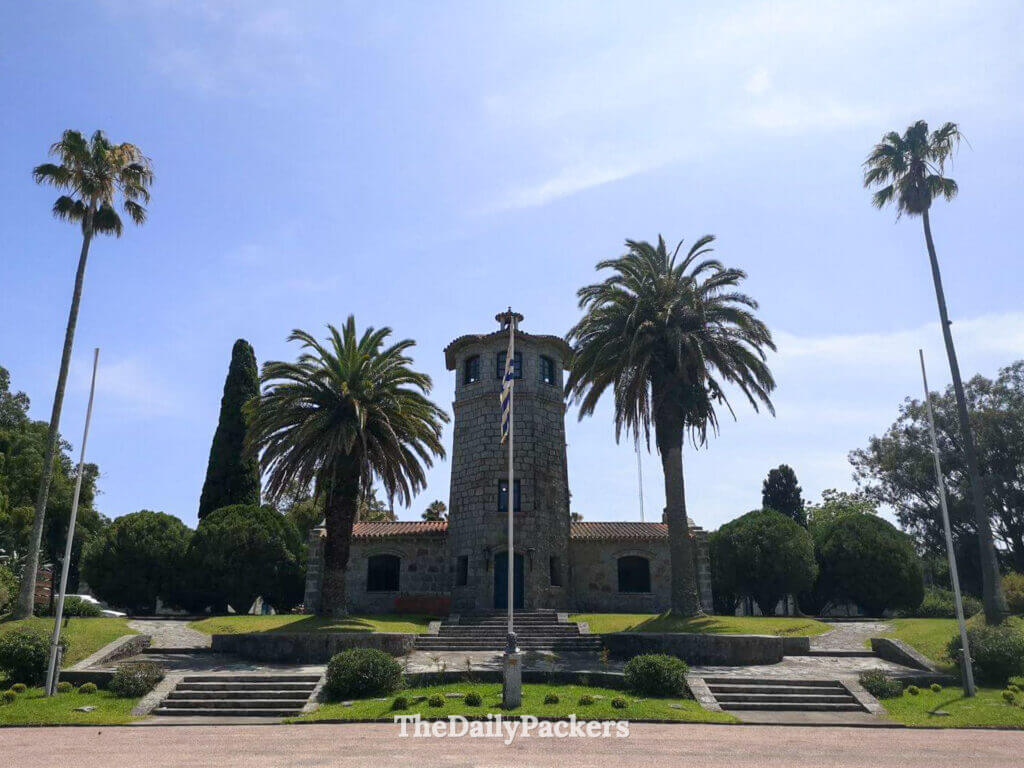
Built in 1762 by the Portuguese and later restored in 1957, the Santa Teresa Fortress is one of the park’s most fascinating historical landmarks. The fortress has witnessed centuries of conflict and power shifts between the Portuguese and Spanish, and today stands as a beautifully preserved monument to Uruguay’s colonial past.
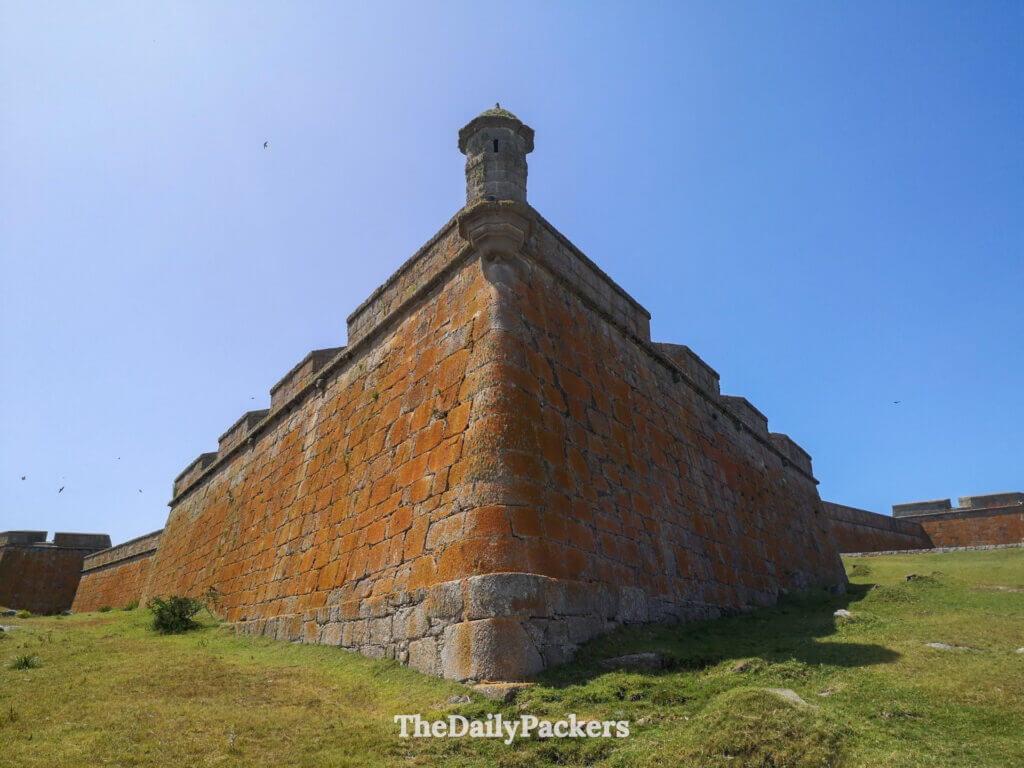
The site is impressively well-restored, allowing you to walk through nearly every section — from the chapel and officer quarters to the powder storage room, blacksmith forge, infirmary, and even the old toilets. There’s also a small museum room displaying ancient weapons, models of other Uruguayan forts, and artifacts from the era.
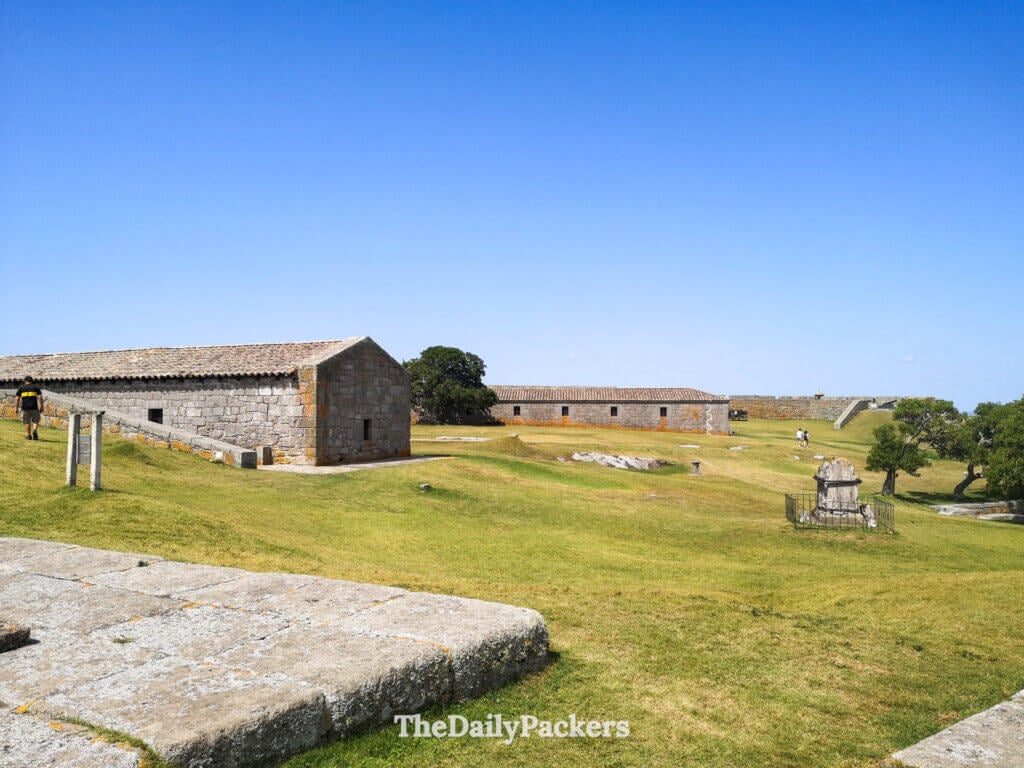
Entrance to the fortress costs just 25 pesos per person, making it the only paid site within Santa Teresa National Park — and it’s absolutely worth it. The views from the ramparts are stunning, and the sense of history here is almost tangible.

Explore the Beaches of Santa Teresa National Park
Santa Teresa National Park stretches along more than 12 kilometers of coastline, offering wide, wild beaches perfect for walking, surfing, or just relaxing in nature. Since the park is quite large, and we were limited by our eBike batteries, we couldn’t visit them all — but the few we explored were absolutely worth the ride.
Our first stop was Playa del Barco, a quiet, open beach that felt wonderfully peaceful. With soft sand and few people around, it was a great place to take a break and enjoy the ocean breeze.
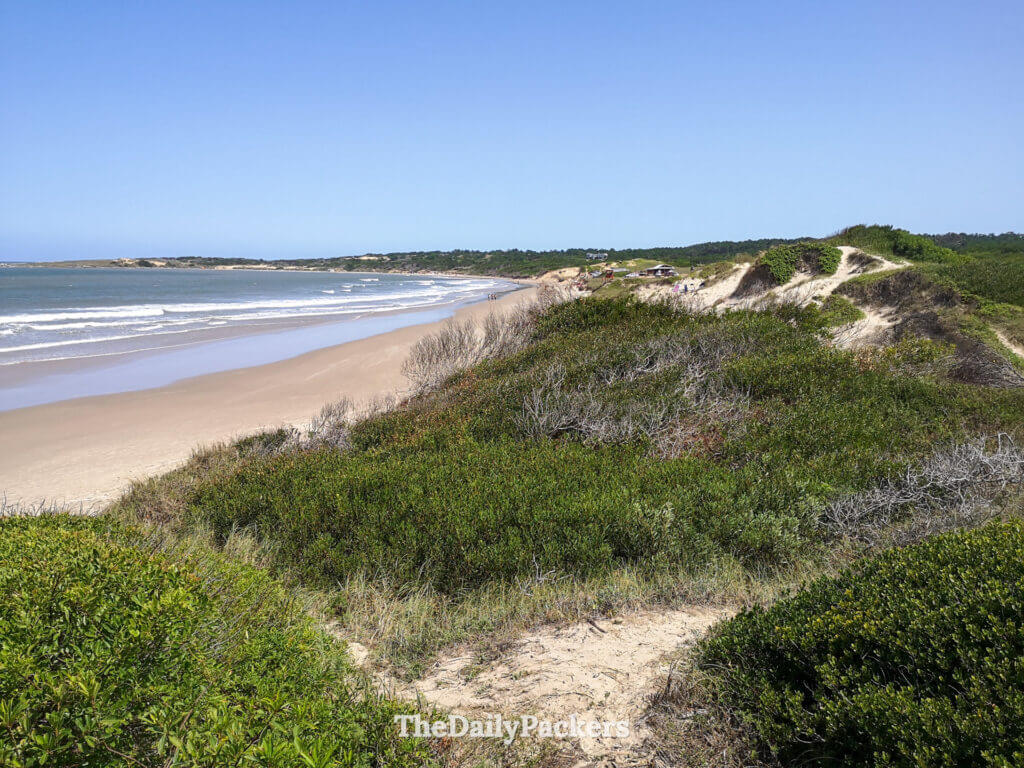
Later, we continued our journey toward Playa Grande, about a 20-minute ride one way. The scenery along the road was beautiful, but when we arrived, the wind was strong, and the waves were rough — a reminder that the beaches here are raw and untamed. It was right around then that our first eBike battery ran out, making it the perfect time to turn back and start heading home.
Even if you only visit one or two, the beaches in Santa Teresa Park are worth the detour — wide, wild, and still untouched by mass tourism.

Here are all your accommodation options in Punta Del Diablo
Discover Laguna Negra
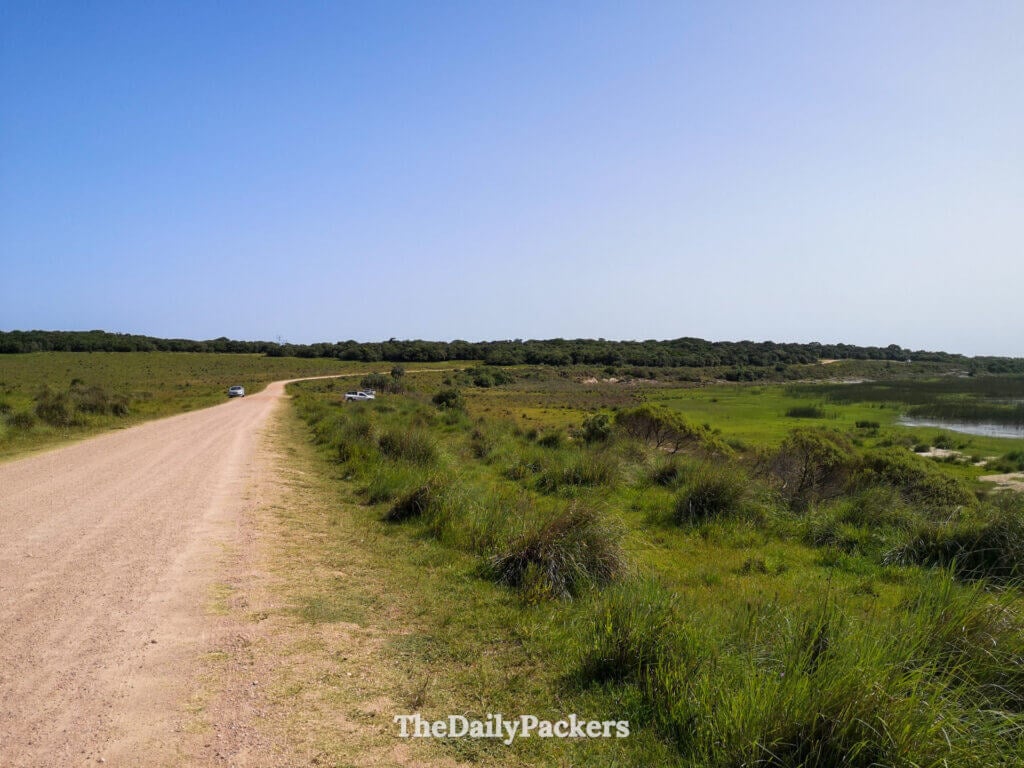
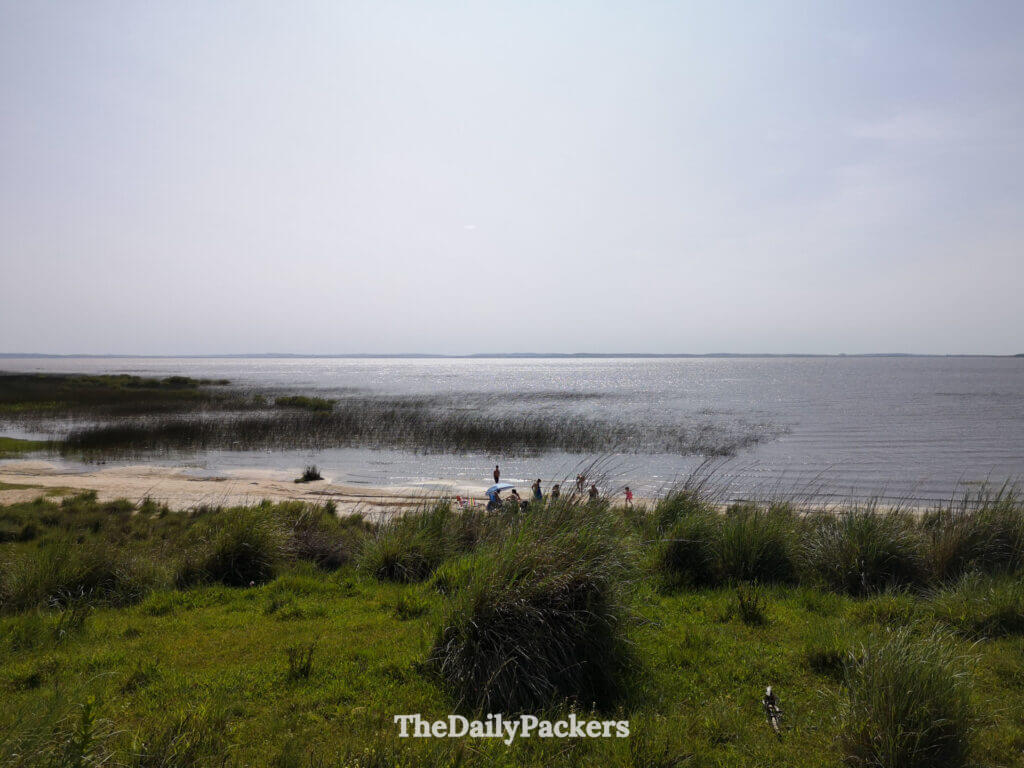
After exploring Santa Teresa National Park, you can extend your adventure by heading toward Laguna Negra, one of the largest freshwater lagoons in Uruguay. The route is clearly signposted, but soon after the roundabout, the paved road turns into a dusty dirt path. Keep following it until you reach Puesta del Sol, where the road ends and the view opens onto the vast lagoon.

When we arrived, a local family was quietly fishing by the water — they had just caught a nice fish. The whole area felt calm and untouched, the kind of place where time seems to slow down. There’s no real infrastructure here, just open nature and the sound of the wind.
If you have the time, it’s worth staying until sunset — locals told us it’s one of the most beautiful in the region, with the sky glowing gold and orange over the still water. It’s a peaceful, off-the-beaten-path spot that perfectly captures the tranquil charm of Uruguay’s countryside.
Read: Best things to do in Punta Del Diablo
1-Day Itinerary for Santa Teresa National Park & Laguna Negra
Here’s how you can make the most of your day trip from Punta del Diablo to Santa Teresa National Park and Laguna Negra, especially if you’re using an eBike to cover the distance:
Morning
- 08:00 AM – Have breakfast at your accommodation and pack water, snacks, and sunscreen.
- 08:30 AM – Rent your eBike (around 1000 pesos + 300 for a spare battery).
- 09:00 AM – Start riding toward Santa Teresa National Park (around 8 km from Punta del Diablo).
- 09:30 AM – Stop at Capatacia to check out the information center, grab some snacks, and use the facilities.
- 10:00 AM – Visit the Botanical Garden, admire its lotus ponds, greenhouses, and exotic plants.
- 11:00 AM – Continue to Laguna de Peña and stop at the bird observation deck.
Midday
- 12:00 PM – Ride to La Pajarera wildlife refuge and spot animals like llamas, capybaras, ostriches, and colorful birds.
- 01:30 PM – Take a break at El Choro, grab lunch or a snack at one of the small eateries, and cool off by the natural pool.
- 02:30 PM – Visit the Santa Teresa Fortress and learn about its fascinating history (entry: 25 pesos).
Afternoon
- 03:30 PM – Make a stop at Playa del Barco for a short rest by the beach.
- 04:30 PM – Continue to Playa Grande for more ocean views and photo opportunities.
- 05:30 PM – Start heading out of the park toward Laguna Negra.
Evening
- 06:00 PM – Arrive at Laguna Negra, relax, and enjoy the calm atmosphere.
- 07:00 PM – Stay for sunset if you have time — the view is worth it.
- 08:00 PM – Ride back to Punta del Diablo (return your eBike).
- 08:30 PM – Have dinner in town or at your accommodation.
This itinerary lets you experience all the highlights of Santa Teresa National Park and Laguna Negra in one day, balancing nature, wildlife, history, and a bit of beach time — without feeling too rushed.


About the authors
We are Alex and Tina, a French-Serbian couple who met in China back in 2014. We spent three incredible years there before making France our home. Our shared passion for travel has been the heartbeat of our relationship for over 12 years, taking us across 44 countries and counting.
We launched TheDailyPackers in 2019 as a way to document our adventures. In 2026, we reached a major milestone by officially turning our blog into our full-time job. While we are still growing toward financial independence through this platform, every article we write is fueled by our mission to make your voyages easier through in-depth guides, honest advice, and the lessons we’ve learned from our own mistakes.
Our journey has not been without its storms. In 2023, our world changed forever when our first son, Poppy, was stillborn on November 25th. It was, and remains, the hardest chapter of our lives. In 2025, we were blessed with our second little boy, Milo. He has since joined our traveling tribe, and you’ll be seeing him—and the reality of traveling with a little one-on the blog more and more.
We hope to inspire you to explore the world with curiosity and resilience. Thank you for being part of our story.
You may also like those related posts
Hiking Laguna Torre: The Ultimate Guide from El Chaltén
eBike China: Driving around the city like a local in 2019
How to Start a Blog: a 2025 Step-by-step Beginner Guide
7 best things to do in Hvar, Croatia, in 1 day
14 Best things to do in Arequipa, Peru, in 2 to 3 days
11 Best things to do in Unawatuna, Sri-Lanka, in 3 days
2-week Vietnam Itinerary: The best of Vietnam
7 Best things to do in Sigiriya, Sri-Lanka, in 3 days
Pssst, did you know that…
If you purchase something through our links, we earn a small fee. However, you still pay the same. Win-win! And one day we may get to be full-time travel bloggers =)
Find Hotels with Booking.com
Do Yoga with KVY
Buy us a Coffee
Rent a car with DiscoverCars
Find Attractions with GetYourGuide
Find Flights with Expedia
Buy an eSIM with Airalo
Get insured with World Nomads
Get ready with Amazon.com