
Introduction
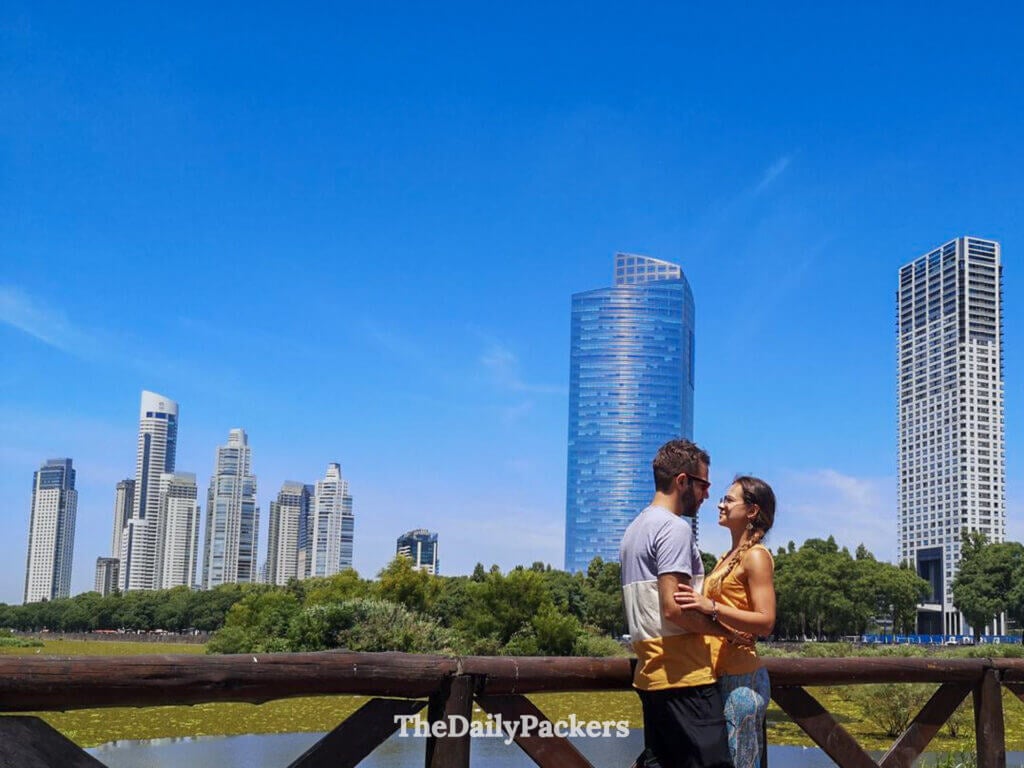
In January, we spent seven nights (eight days) in Buenos Aires, fully discovering all the best things to do in the Argentine capital. With its grand architecture, lively streets, and strong cultural identity, the city strikes a beautiful balance between history, everyday life, and deep-rooted traditions. Our time in Buenos Aires began the slow way—arriving by ferry from Colonia del Sacramento in Uruguay, watching the skyline appear across the Río de la Plata.
With the summer heat hitting hard, we quickly adapted to the local rhythm. Like porteños (residents of Buenos Aires), we avoided the streets during the hottest hours of the day, taking a break between noon and late afternoon (12 PM–4 PM). Rather than spending our days hopping from museum to museum, we chose to experience the city outdoors – strolling around endlessly through historic neighborhoods, lingering in cafés, browsing markets, and simply observing daily life unfold.
Buenos Aires ended up being one of our favorite destinations in South America and the perfect base to visit Argentina, as our next destination was the Iguazu Falls. We also flew back from Ushuaia to Buenos Aires after 1.5 months of exploring the country.
This guide is meant to inspire you, district by district, with ideas on what to do in Buenos Aires, where to wander, and how to feel the city. Whether you’re in Buenos Aires for a few days or settling in for longer, this will help you make the most of it – at your own pace.

How to get to Buenos Aires
Reaching Buenos Aires is easy by air, land, or water. As Argentina’s capital, it connects to many destinations. You can arrive by plane, bus, ferry, or car.
- By air, Ezeiza International Airport (EZE) serves as the main international gateway to Buenos Aires, about 35 km from the city center, while Aeroparque Jorge Newbery (AEP) handles most domestic and regional flights and is located closer to the city.
- If you prefer to travel by land, long-distance buses (Micros) connect Buenos Aires with major cities in Argentina and neighboring countries via the main terminal, Retiro Bus Station. Trains run from nearby provinces but are less ideal for long distances.
- Alternatively, arriving by ferry is possible, with services from Uruguay (Colonia del Sacramento & Montevideo) docking at Buenos Aires Port. This is the route we took to reach the city.
- For those considering driving, Buenos Aires is accessible via major highways. Keep in mind that traffic can be heavy and parking limited, making this option best for road trips within Argentina.
Once you’ve arrived in Buenos Aires, getting around is convenient thanks to buses, the metro (Subte), taxis, and ride-sharing apps.
Moving Around
Getting around Buenos Aires is surprisingly easy for such a large city, and you’ll quickly find your own rhythm. The city is flat, well-connected, and built for movement – whether on foot, underground, or by car.
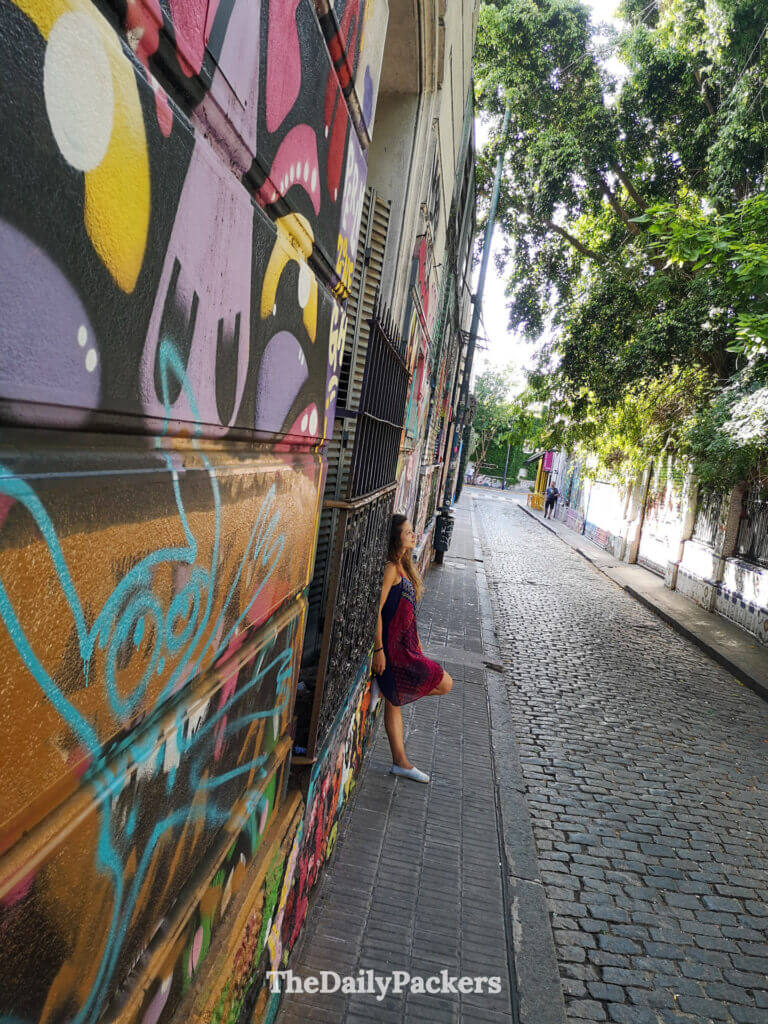
Walking is often the best way to explore; that’s how we like to explore Buenos Aires, especially in neighborhoods like Palermo, Recoleta, San Telmo, and parts of Microcentro. Streets are lively, full of cafés and small details, and walking lets you notice the contrasts between modern avenues and more worn, everyday corners. Just be mindful of the heat in summer and plan longer walks for early morning or late afternoon.
Uber and Cabify are the most practical ways to move longer distances. They’re affordable, reliable, and widely used by locals. We relied on them a lot, especially during peak heat hours or at night. Taxis are everywhere too, but ride-hailing apps remove the language barrier and price uncertainty.
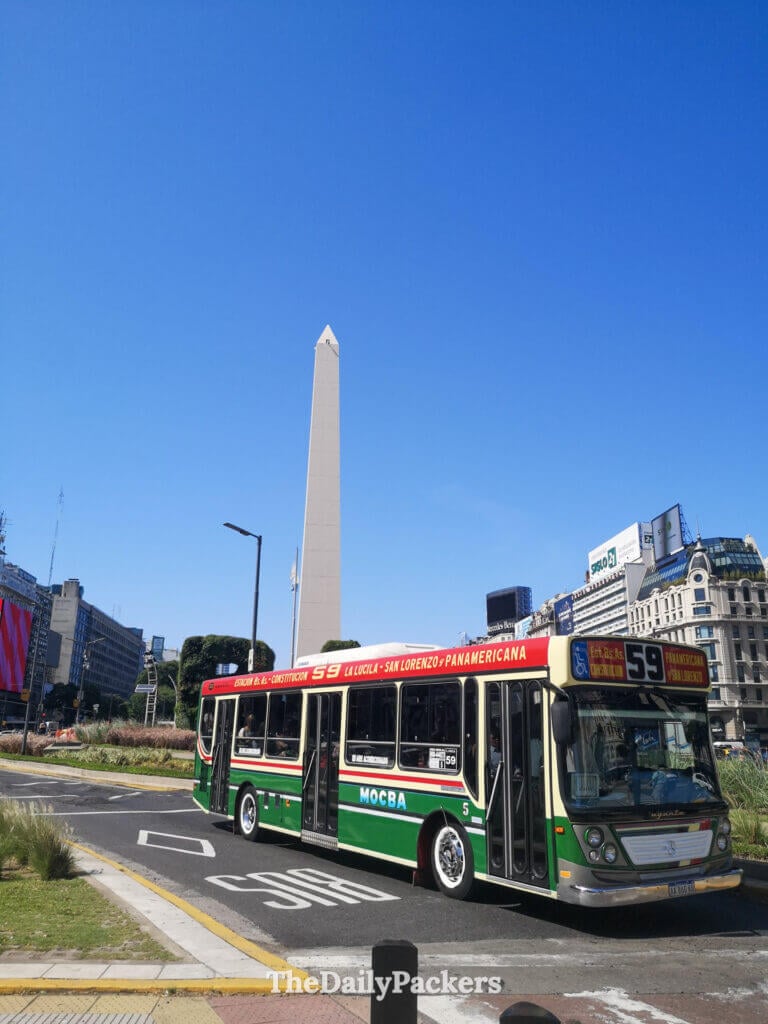
The Subte (metro) is another solid option that we used a lot. It’s cheap, fast, and useful for crossing the city, though it doesn’t reach every neighborhood equally well. Trains (overground) and buses fill in the gaps, but buses can feel overwhelming at first due to the number of lines and routes—best used once you’re a bit more comfortable.
One thing to note: traffic can be heavy, especially during rush hours, so short distances often take longer than expected. Plan loosely, stay flexible, and don’t try to pack too much into one day. Buenos Aires is best experienced slowly, between walks, coffee stops, and unplanned detours.

Best time to visit Buenos Aires
The best time to visit Buenos Aires is during spring (September to November) and fall (March to May) when the weather is pleasant, mild, and comfortable for exploring the city:
- Winter (June – August): Cooler but still mild (8-15°C / 46-59°F), Fewer tourists, but some activities may be limited, Good for budget travelers, as prices can be lower
- Spring (September-November): It is the ideal weather, warm but not too hot.The city is in full bloom, especially the famous jacaranda trees in November. Lively outdoor events and festivals
- Fall (March-May): Comfortable temperatures and fewer crowds, Beautiful autumn colors in parks like Bosques de Palermo, Great time for wine tastings and cultural events
- Summer (December-February): Can get extremely hot and humid (often over 30°C / 86°F), Many locals go on vacation, so some smaller shops and restaurants may be closed. Best for nightlife, as the city stays alive late
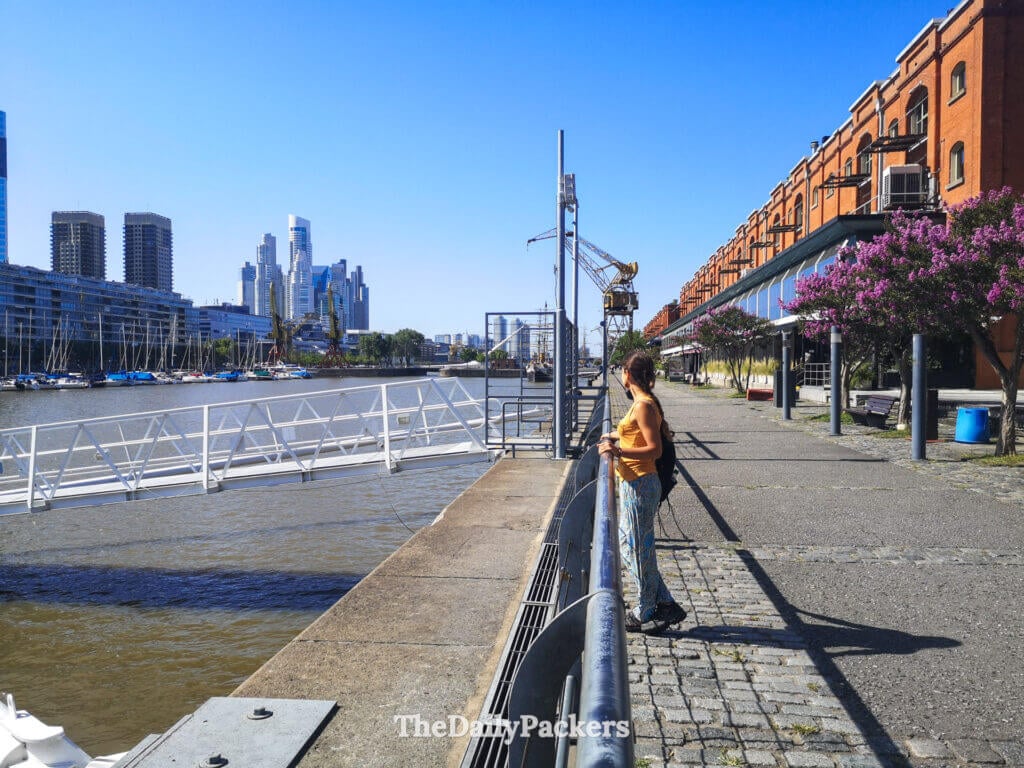
We visited in January, and around noon, it gets really hot. However, we didn’t see a single cloud.
Where to Stay in Buenos Aires
Choosing the right neighborhood in Buenos Aires makes a huge difference in how you experience the city. These three options cover different travel styles while keeping comfort, location, and atmosphere front and center.
Deluxe Apartments in Palermo – by BueRentals: Located in Palermo, these apartments are a great choice for those who like space and independence. The apartments are modern, well-equipped, and ideal if you’re staying several days and want a home base rather than a classic hotel. Palermo itself is lively, safe, and full of cafés, restaurants, parks, and nightlife—perfect for walking everywhere and living like a local.
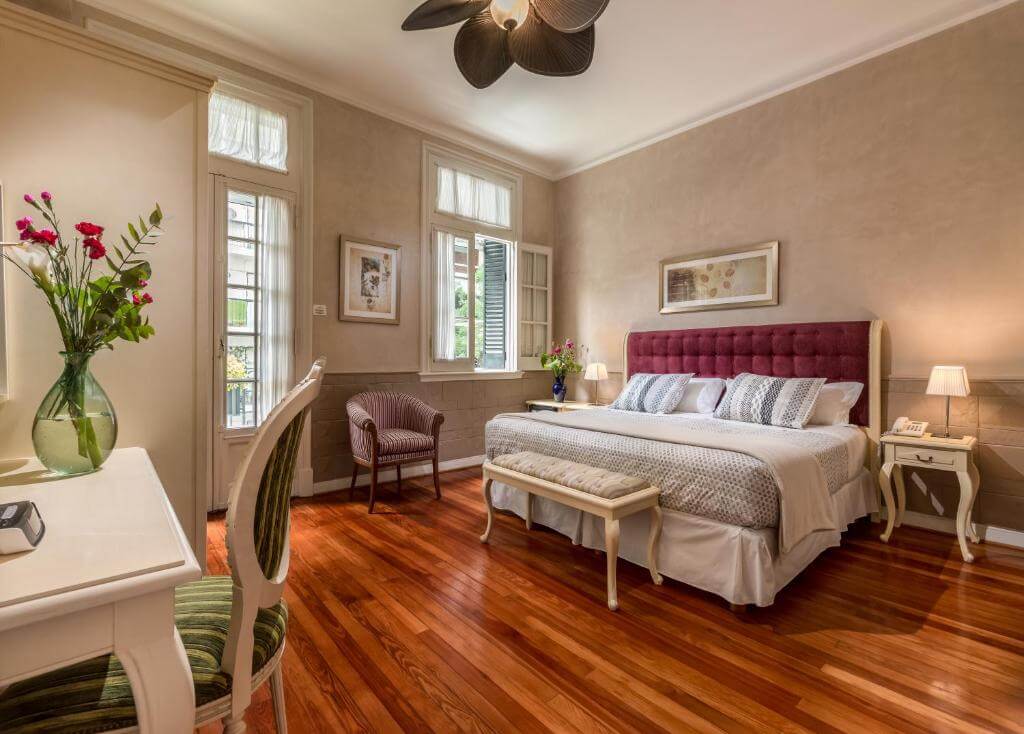
Duque Hotel Boutique & Spa: This boutique hotel offers a nice balance between comfort and character. Located on a quiet street in Palermo Soho, it is peaceful yet close to everything. The small spa, cozy common areas, and personalized service make it a solid option if you want something more intimate than a large hotel.
Four Seasons Hotel Buenos Aires: If you’re after a refined, high-end stay, this is as classic as it gets. Located between Recoleta and Retiro, the hotel combines elegance with modern luxury. Think spacious rooms, top-tier service, and a calm retreat from the city’s buzz.

Here are all your accommodation options in Buenos Aires
What to Eat in Buenos Aires
Buenos Aires is an amazing city to eat out – especially if you’re into vegetarian, vegan, or plant-forward food. You’ll find everything from cozy neighborhood cafés to creative, modern restaurants that make eating well feel effortless.
During our stay in Buenos Aires, we mostly ate around Palermo, where the concentration of good spots is honestly hard to beat. These are some of the places we personally tried (and kept going back to):
- Rapanui – Famous for chocolate, ice cream, and coffee. Great for a sweet break during a hot afternoon.
- El Trébol 1969 – A classic pizza spot, simple, filling, and very local.
- Veggie Club – One of the city’s best-hidden veggie takeout restaurants.
That said, one of the best things you can do in Buenos Aires is walk without a plan. Many cafés and restaurants don’t look like much from the outside, but once inside, they’re full of character. If a place is busy with locals, that’s usually a good sign.
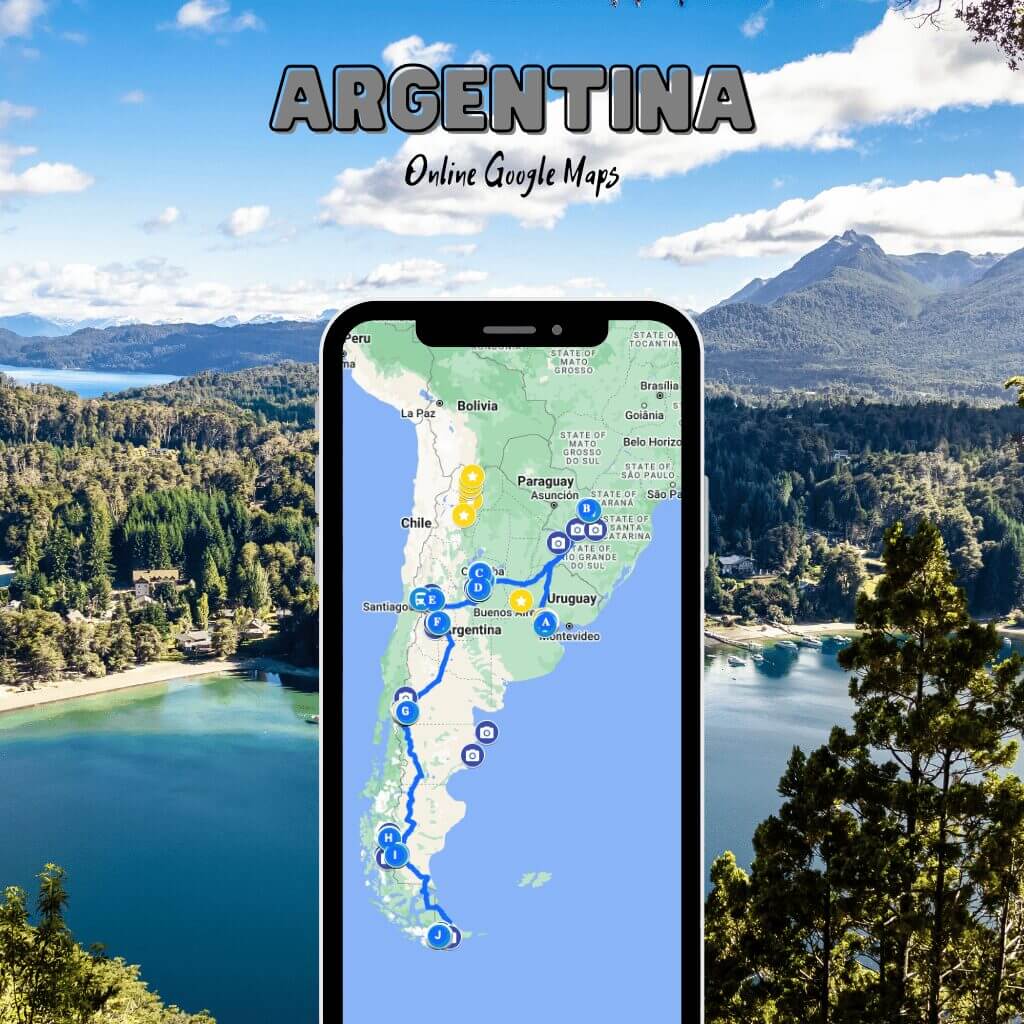
We’ve saved all our favorite food spots in Buenos Aires in our Argentina Google Maps, so you can easily find them.
Best things to do in Buenos Aires – Palermo District
This district has three main areas: Palermo, Palermo Hollywood, and Palermo Soho. The neighborhood is lively and has something for everyone. One part is full of high-end stores, stylish restaurants, and many bars, making it great for nightlife and shopping. Another part has large, beautiful parks where you can take a break from the busy city.
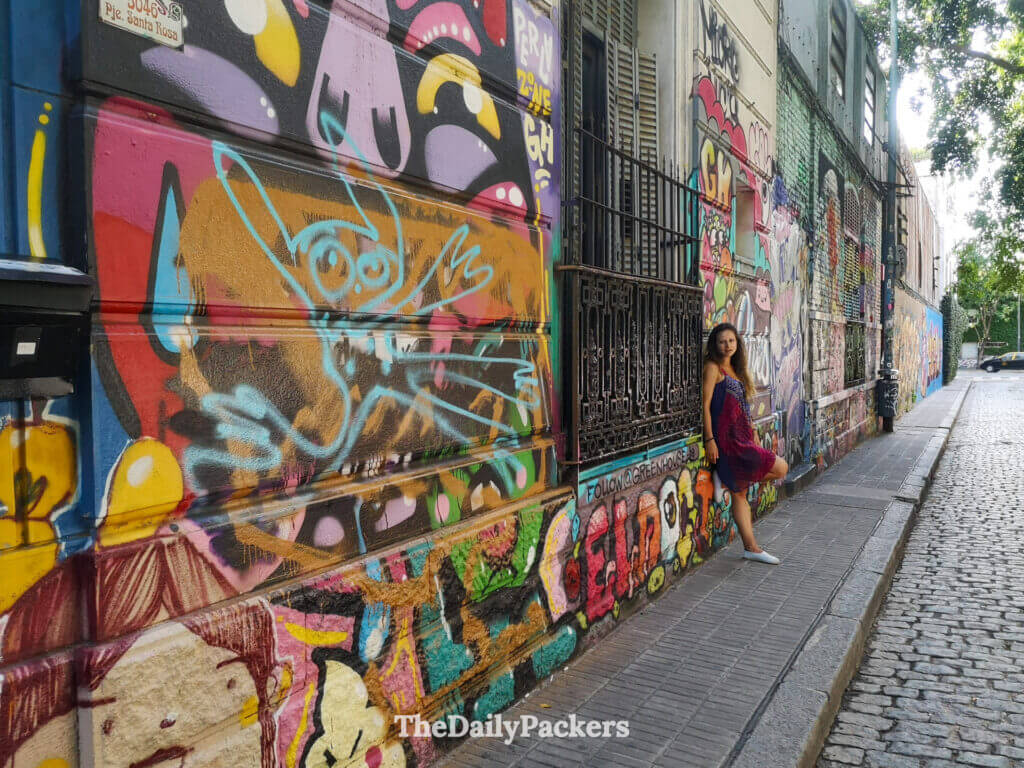


Hang around Plaza Serrano
Plaza Serrano, or Julio Cortázar Square, is the center of Palermo. Here, streets filled with restaurants, bars, and shops come together, making it a favorite spot to meet friends and enjoy the lively atmosphere.
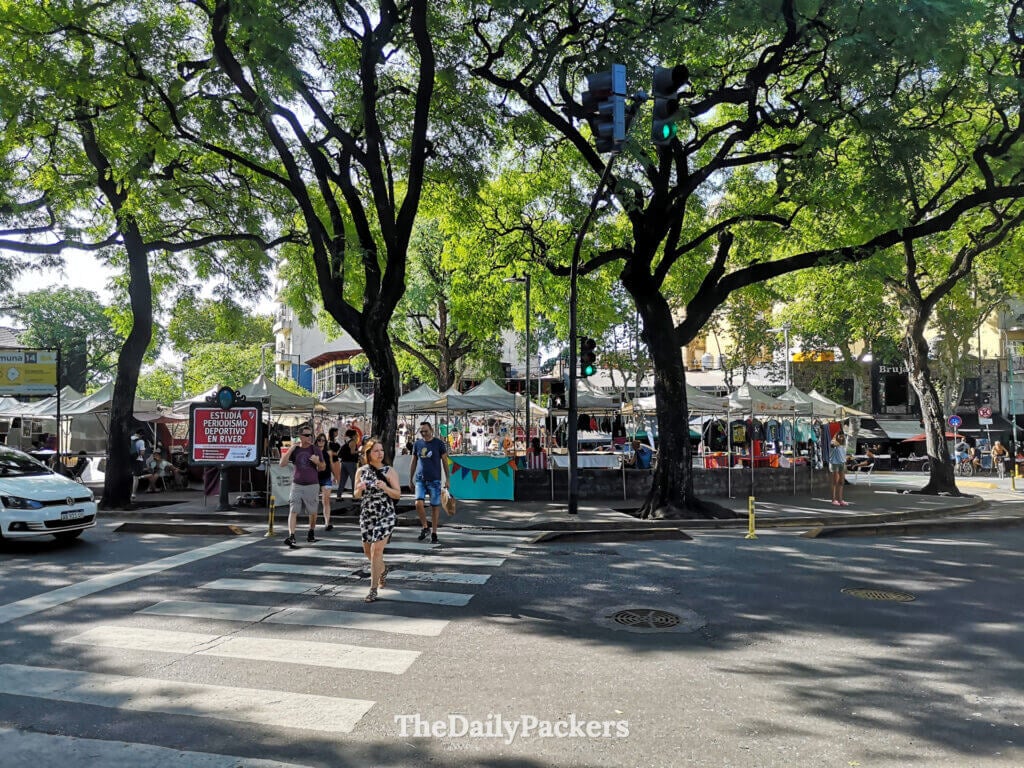
Eat Icecream at Rapa Nui
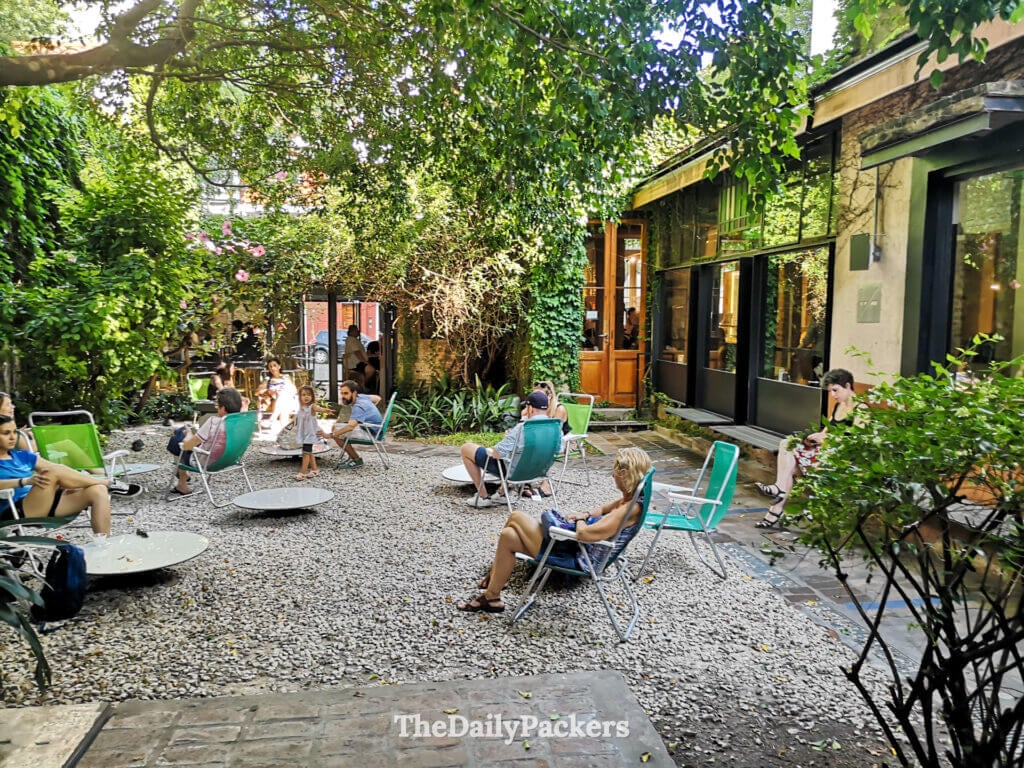
Rapa Nui is a great place to take a break and enjoy what many say is the best ice cream in Buenos Aires. Buy a ticket at the counter, then go to the back of the shop to order your ice cream.
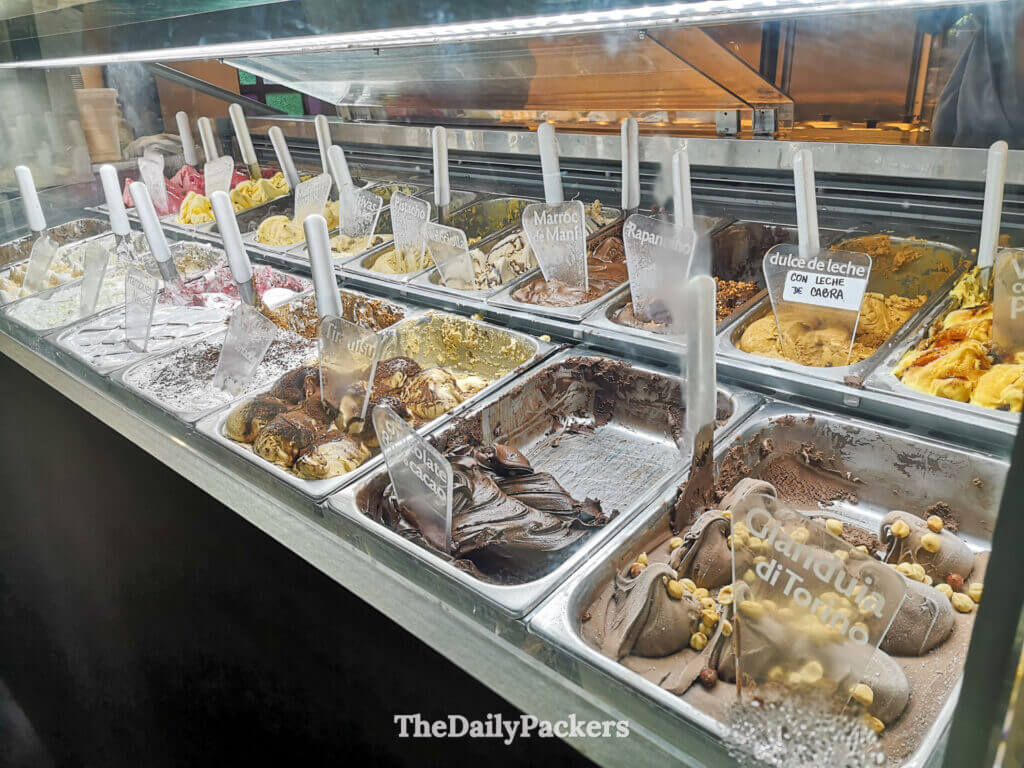
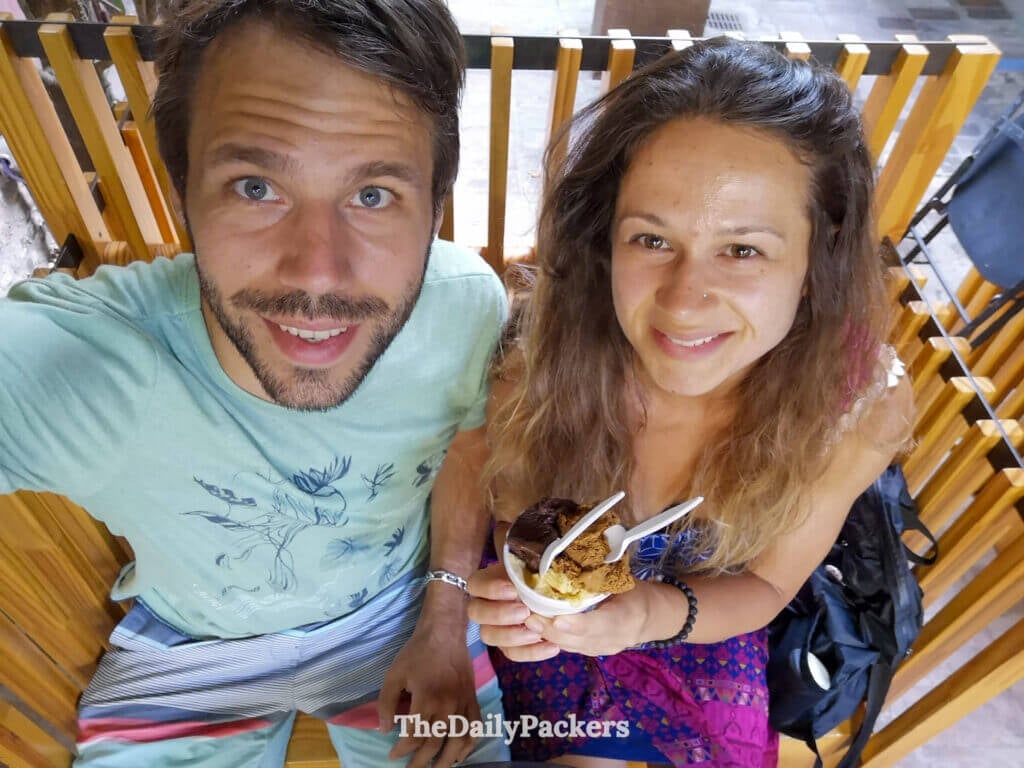
The ice cream is delicious, and the small garden inside makes it a cozy and relaxing place to enjoy your treat. If you love ice cream, you should definitely visit.
Stop by Plaza Italia
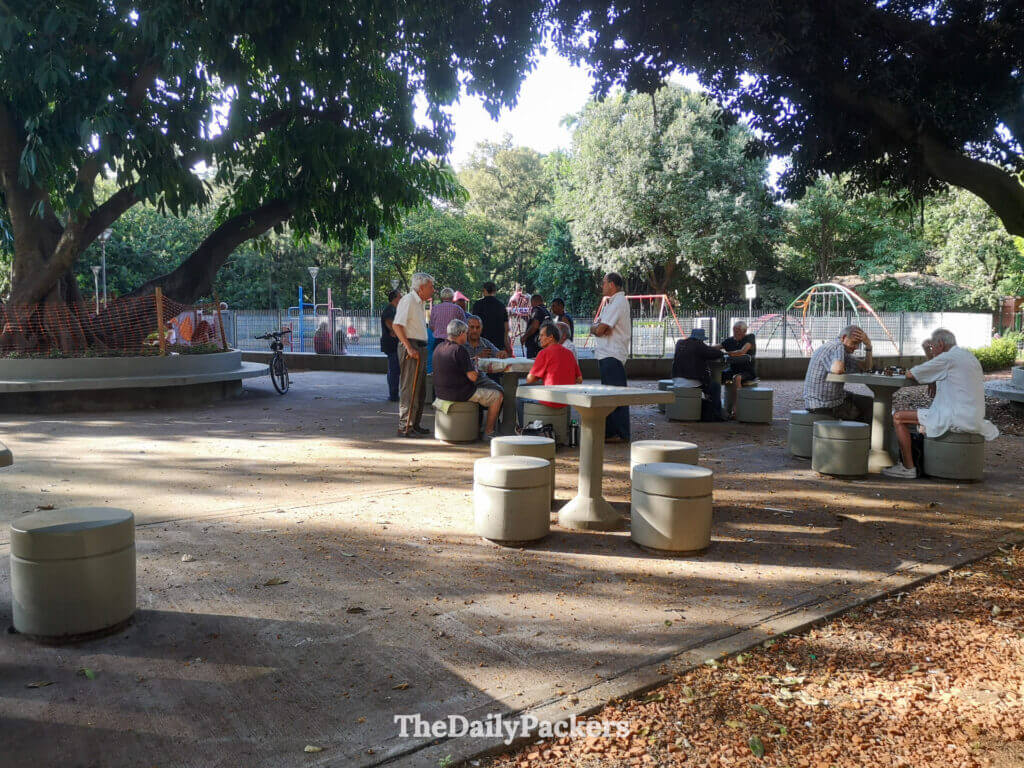
Plaza Italia is a busy square at the entrance to the Buenos Aires Zoo and the Botanical Garden. It’s a central meeting place in Palermo, surrounded by parks, historic sites, and public transport, so it’s a great place to start exploring. There you can watch local chatting with one another or playing chest.
Visit the Jardín Botánico Carlos Thays
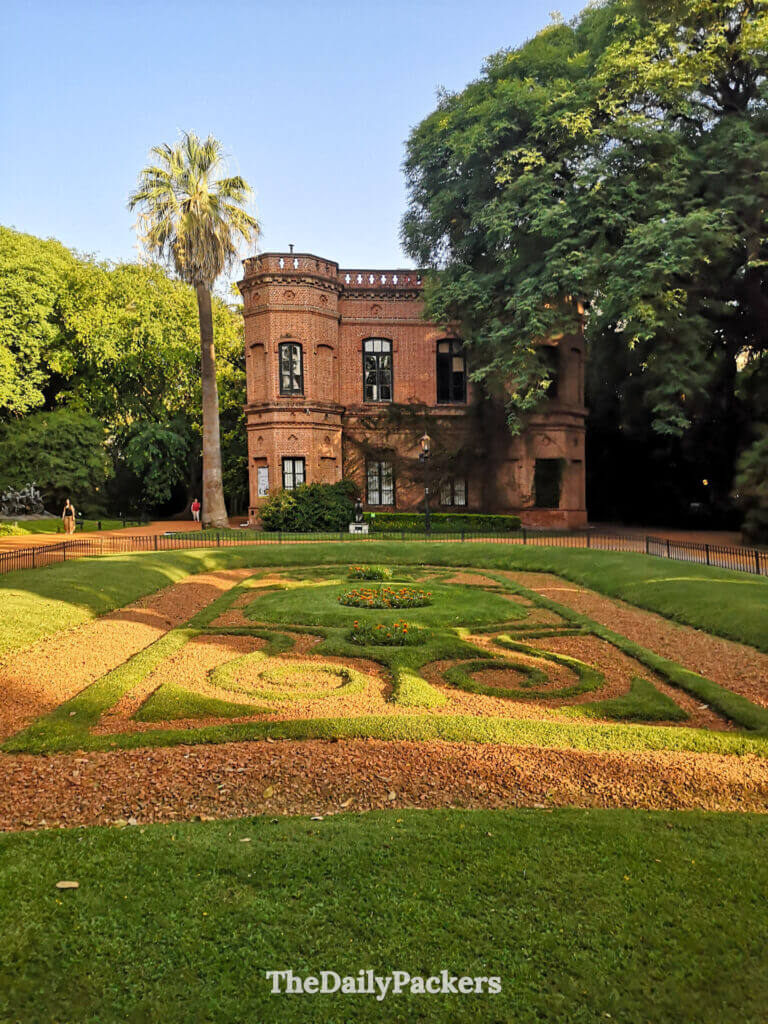
Jardín Botánico Carlos Thays was declared a national monument in 1996 and houses more than 5,500 plant species, trees, and shrubs. Signs around the garden help visitors learn about each species.
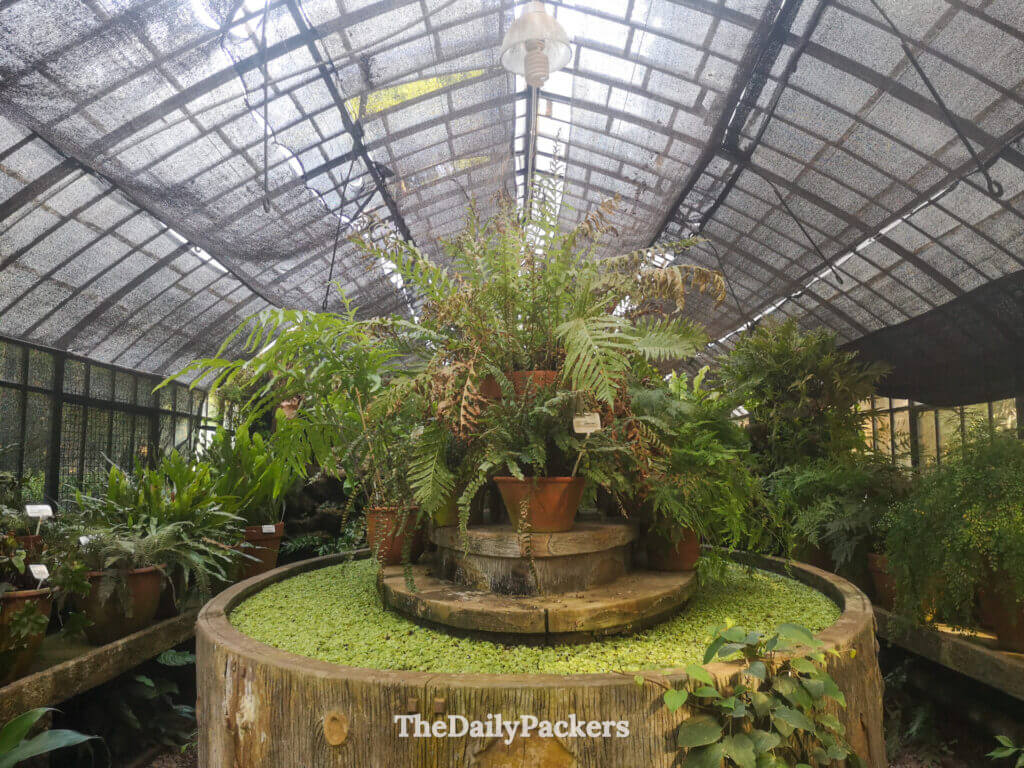
The garden also has a greenhouse, monuments, sculptures, and fountains, making it a calm and beautiful place to visit. Plants are grouped by continent, so you can see different species from around the world together.

Psst, you can join Tina’s Yoga Studio and get access to hundreds of Yoga, Meditation, and Well-being videos.
Walk in the Bosques de Palermo
Bosques de Palermo, also known as Parque Tres de Febrero, is a large park covering about 400 hectares. Locals and visitors come here to run, bike, or just relax outdoors.
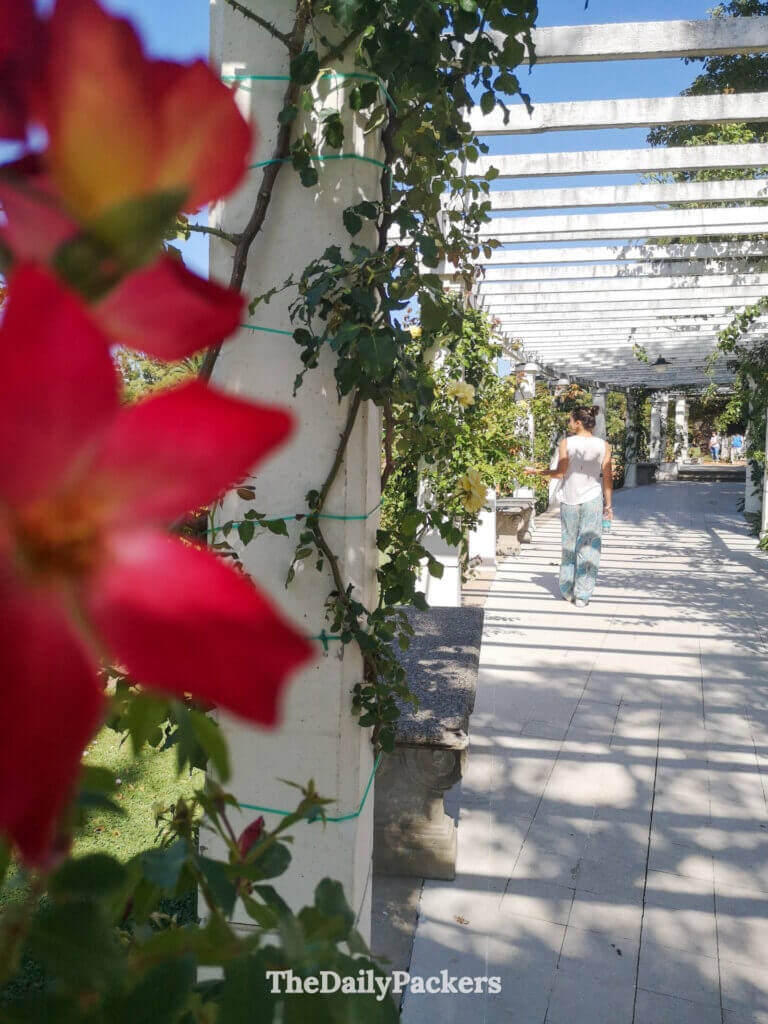
The park features a small lake, a rose garden, a planetarium, a zoo, and a Japanese garden, making it one of the most diverse and scenic areas in Buenos Aires.
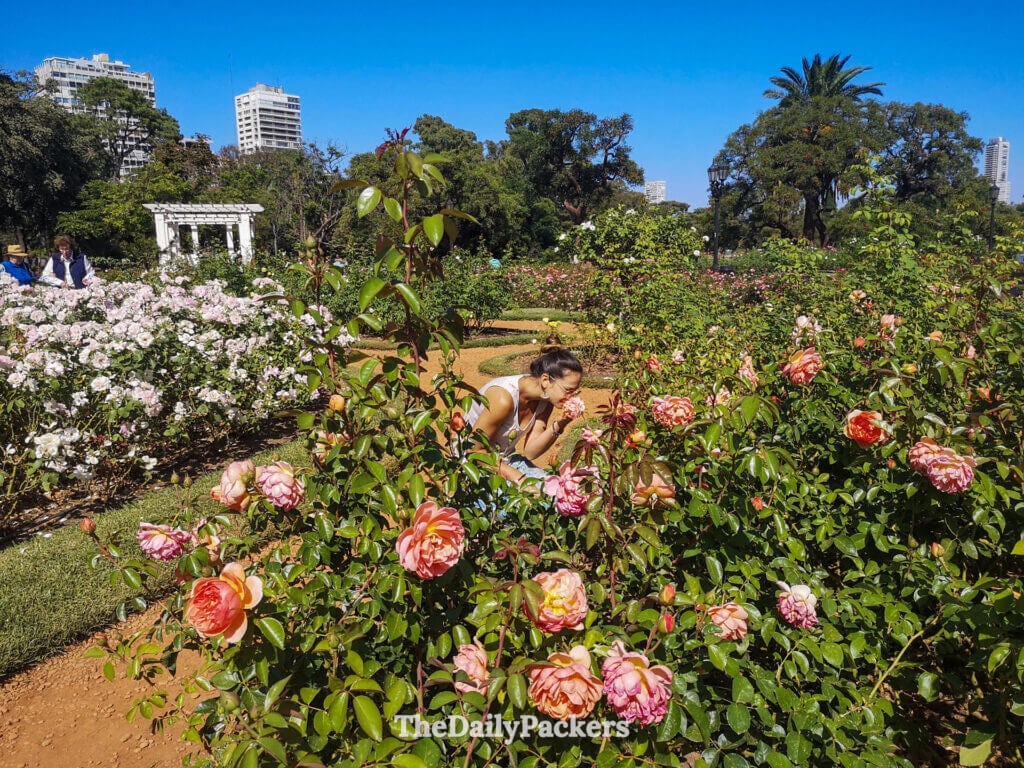

Tip: Take a guided tour of Palermo to find the best restaurants. You’ll get to try real Argentinian food and taste three local wines.
Explore the Jardín Japonés
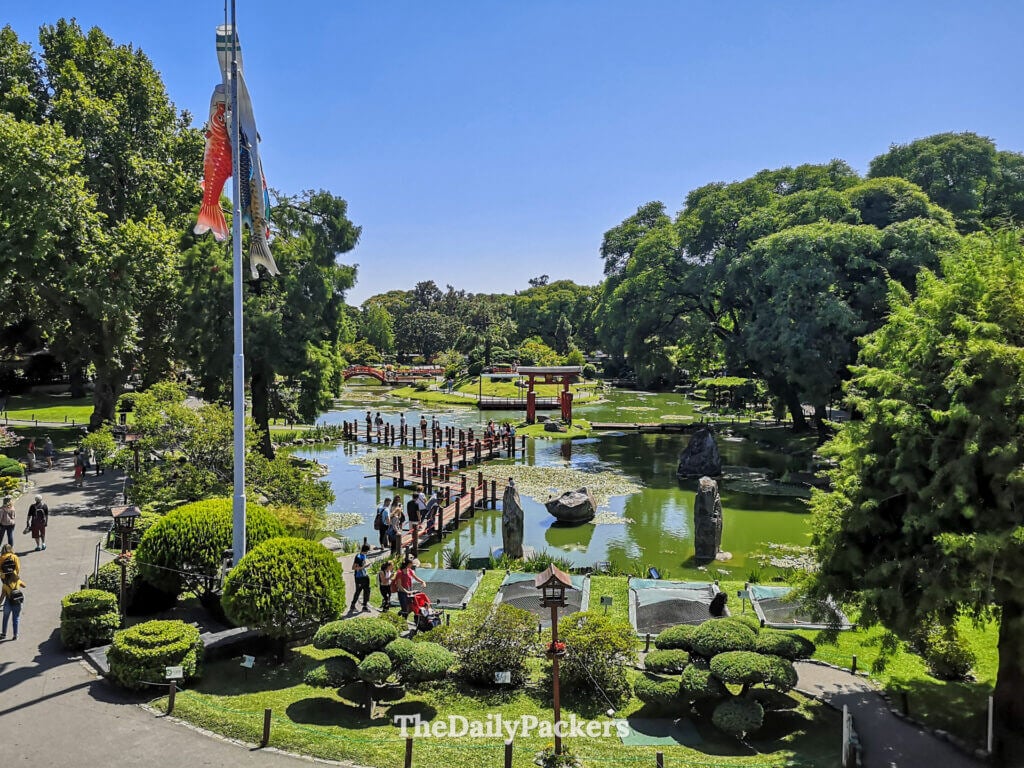
Jardín Japonés is one of the biggest Japanese gardens outside Japan. Unlike other parts of the park, you need to pay 18 000 pesos to enter.
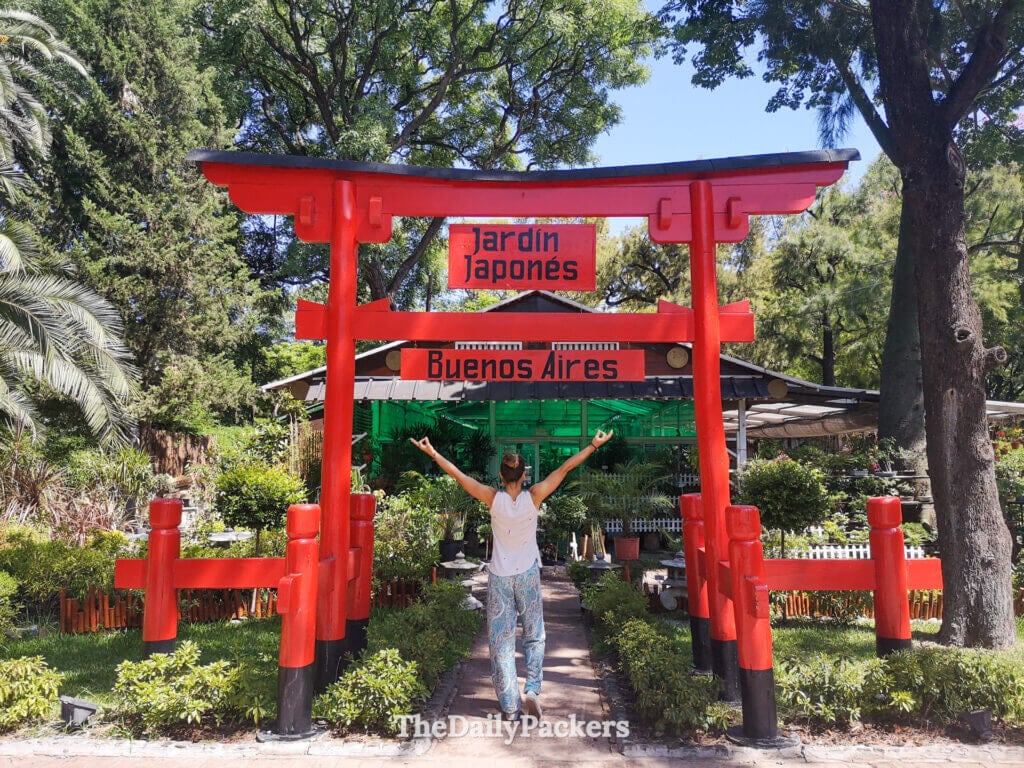
The garden opened in 1967, when Crown Prince Akihito and Princess Michiko of Japan visited, marking a key cultural exchange between Japan and Argentina. Its lovely landscapes, bridges, and koi ponds make it a peaceful place in the middle of Buenos Aires.
Here are all your accommodation options in Buenos Aires
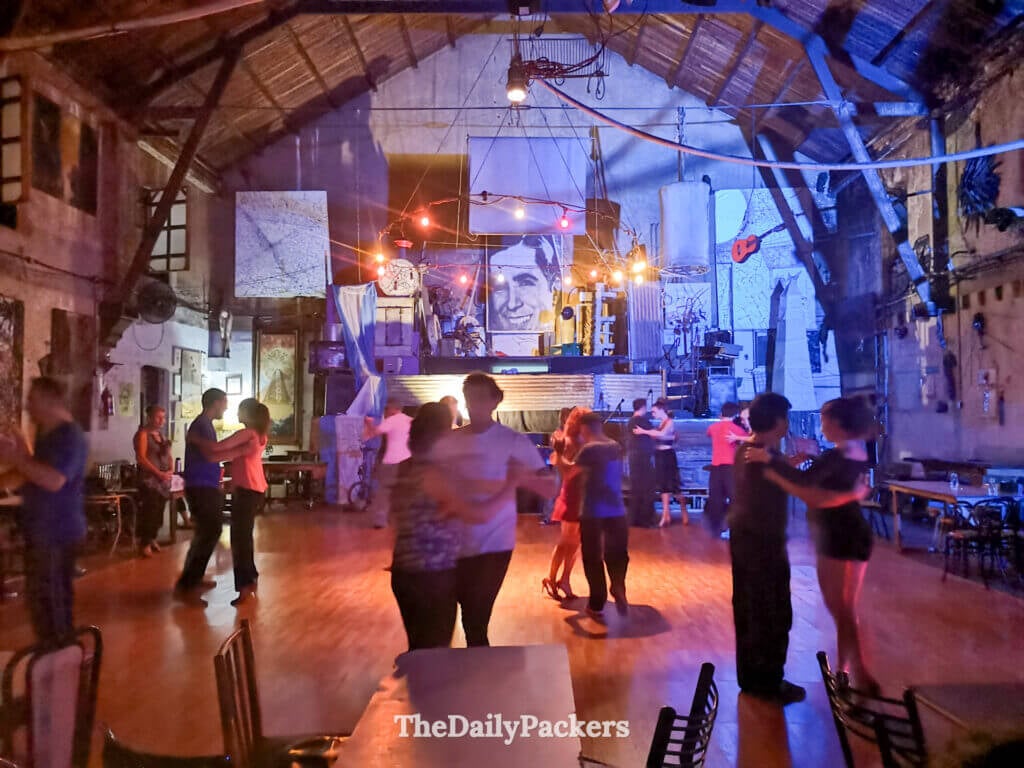
Tango at Catedral Club
For a real tango experience in Buenos Aires, visit Catedral Club, a special tango club in Palermo. Instead of big tourist shows, Catedral Club has a relaxed, bohemian vibe where locals and visitors dance, watch, and enjoy the true spirit of tango.
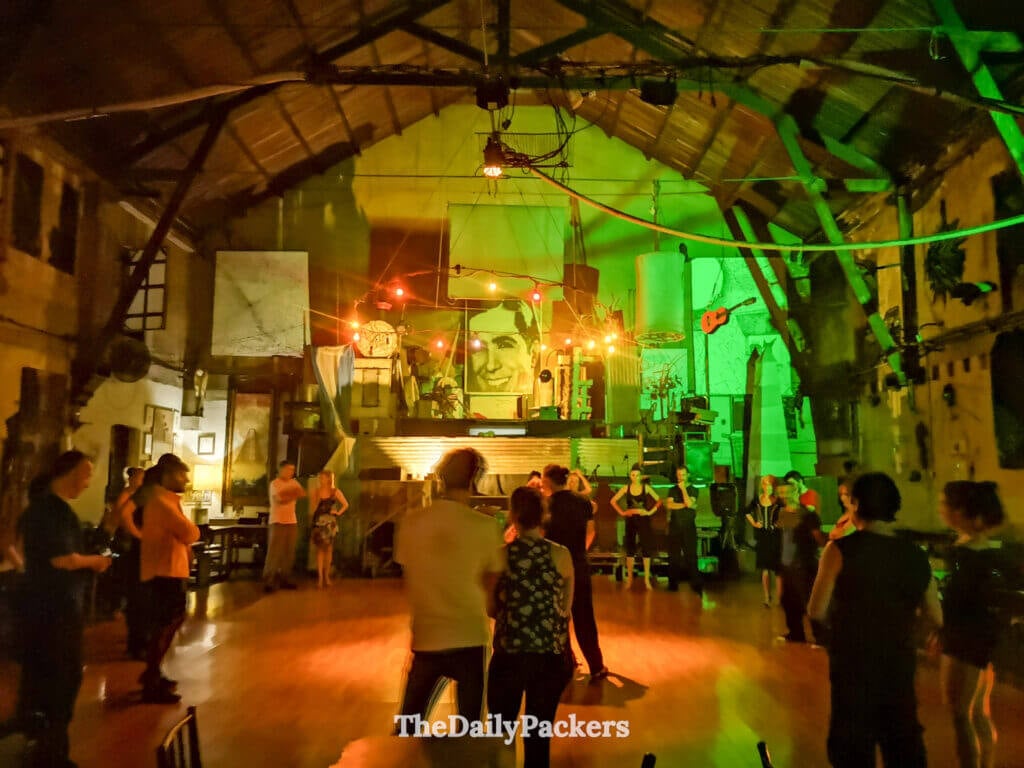
The club is housed in an old building with exposed brick walls, mismatched furniture, and a dark atmosphere. There, you can take a tango lesson before the main dance begins, making it a great place to learn and enjoy this classic Argentine tradition.
Best things to do in Buenos Aires – Recoleta district
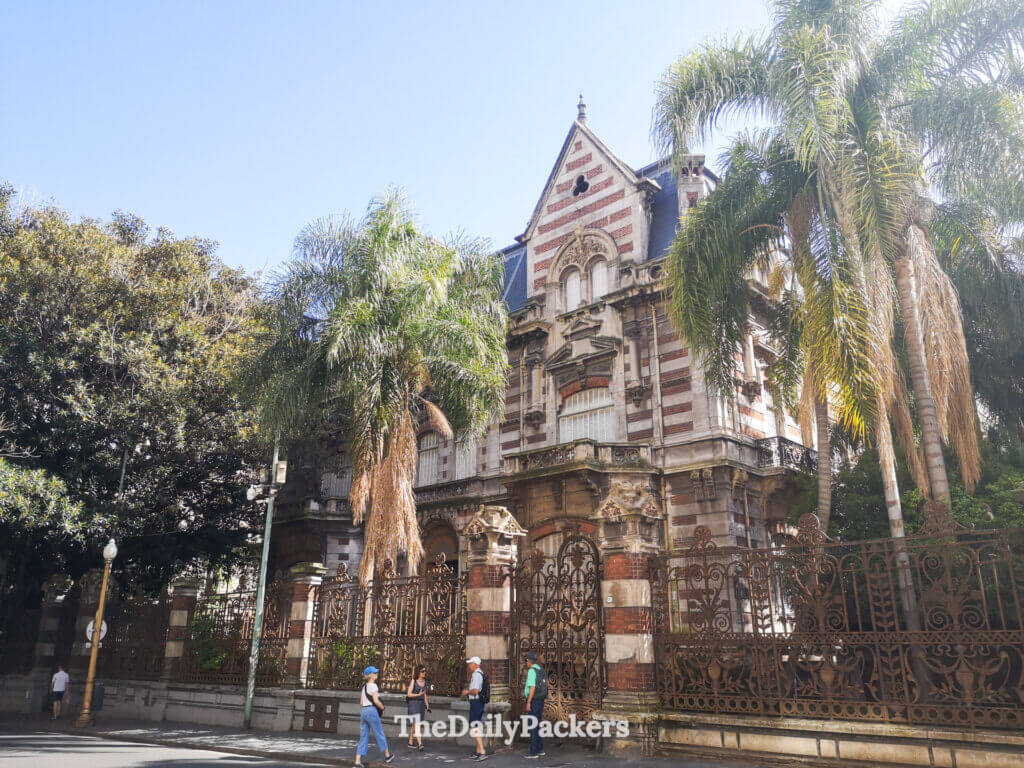
Avenue Alvear
Avenida Alvear is one of Buenos Aires’ main streets, known for its elegant vibe and luxury shops. It’s especially nice in the early morning, making it a great spot for a walk as the city comes to life. The galleries and historic buildings along the avenue add to its charm.
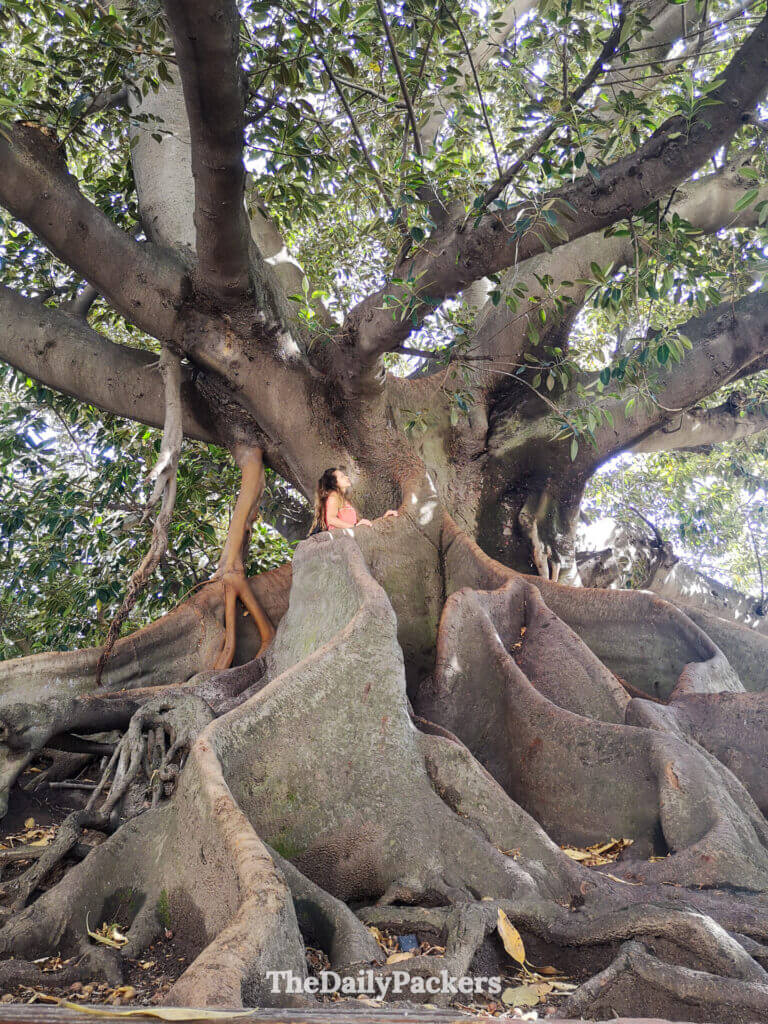
Plaza San Martín de Tours
Plaza San Martín de Tours is a small, charming square and a great place to finish a walk along Avenida Alvear. The greenery and large shady trees make it perfect for relaxing or watching locals exercise and do yoga. Its calm atmosphere is a nice escape from the busy city.
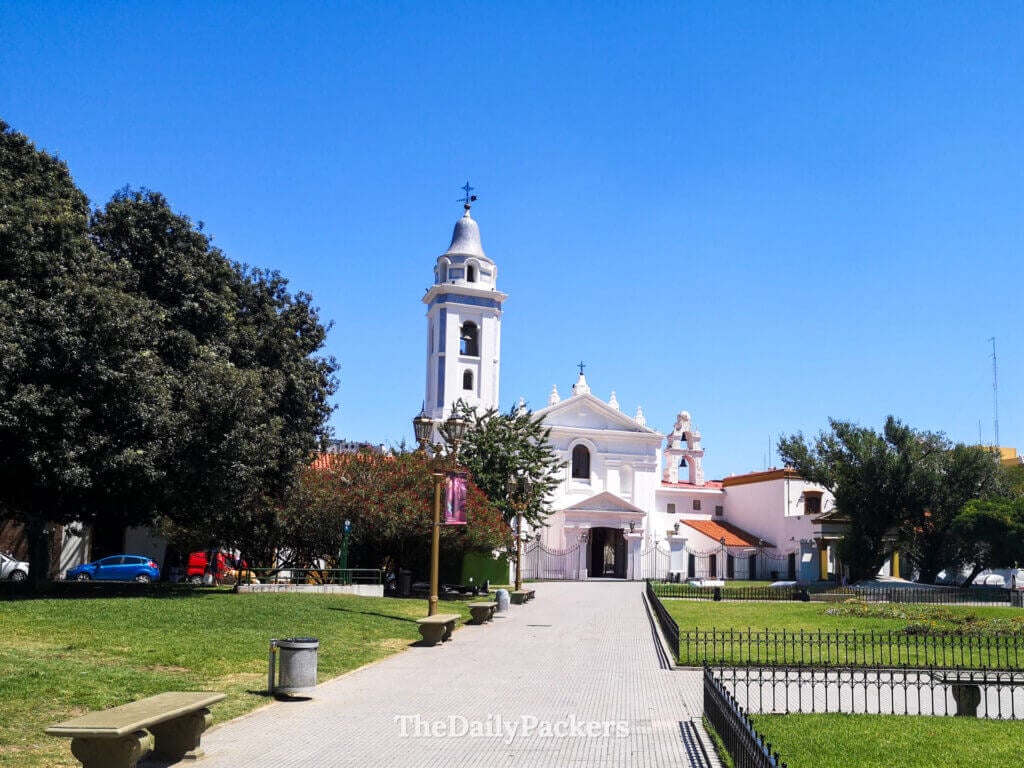
Claustros Históricos Basílica del Pilar
Claustros Históricos Basílica del Pilar is a good place to stop before visiting Recoleta Cemetery. The Basilica of Our Lady of the Pillar is one of the city’s most beautiful churches, with impressive colonial architecture. Going inside gives you a sense of Buenos Aires’ history and culture, so it’s worth a visit.
Recoleta Cemetery
Recoleta Cemetery might not sound like a usual tourist spot, but its beautiful architecture and history make it one of the most interesting places in Buenos Aires. It feels more like an open-air museum, with ornate mausoleums, detailed statues, and grand monuments that share the stories of Argentina’s important figures.
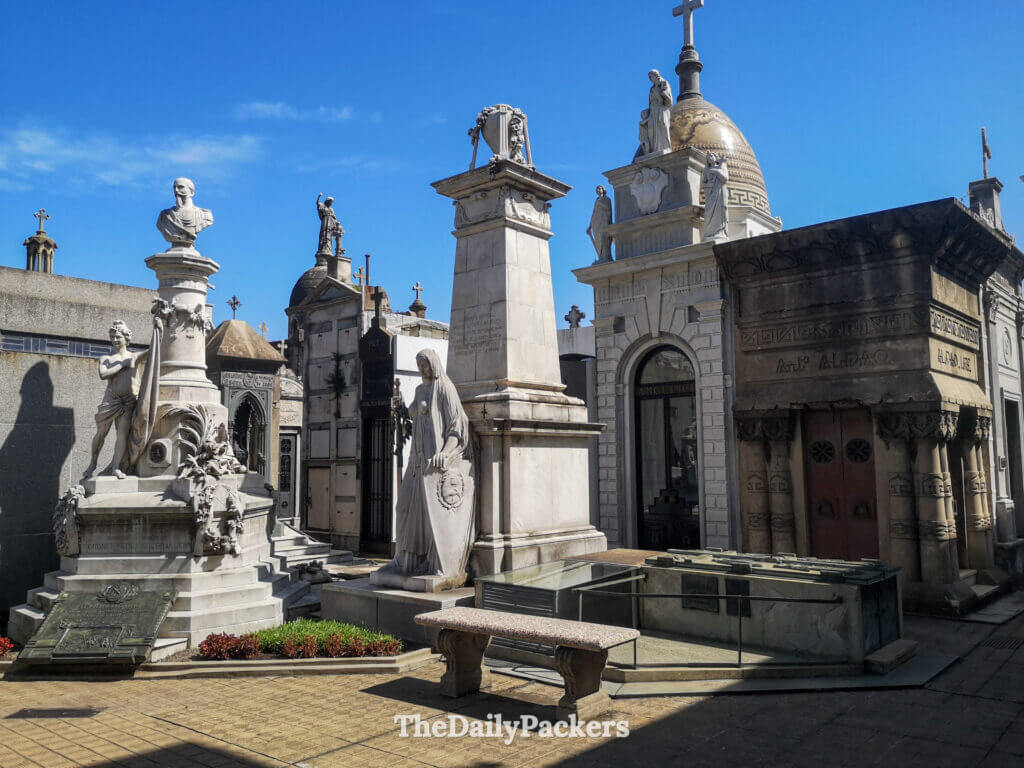
Tip: Intrigued about this place? Take the La Recoleta Cemetery Guided Tour in English to learn about this place.
Plaza Francia
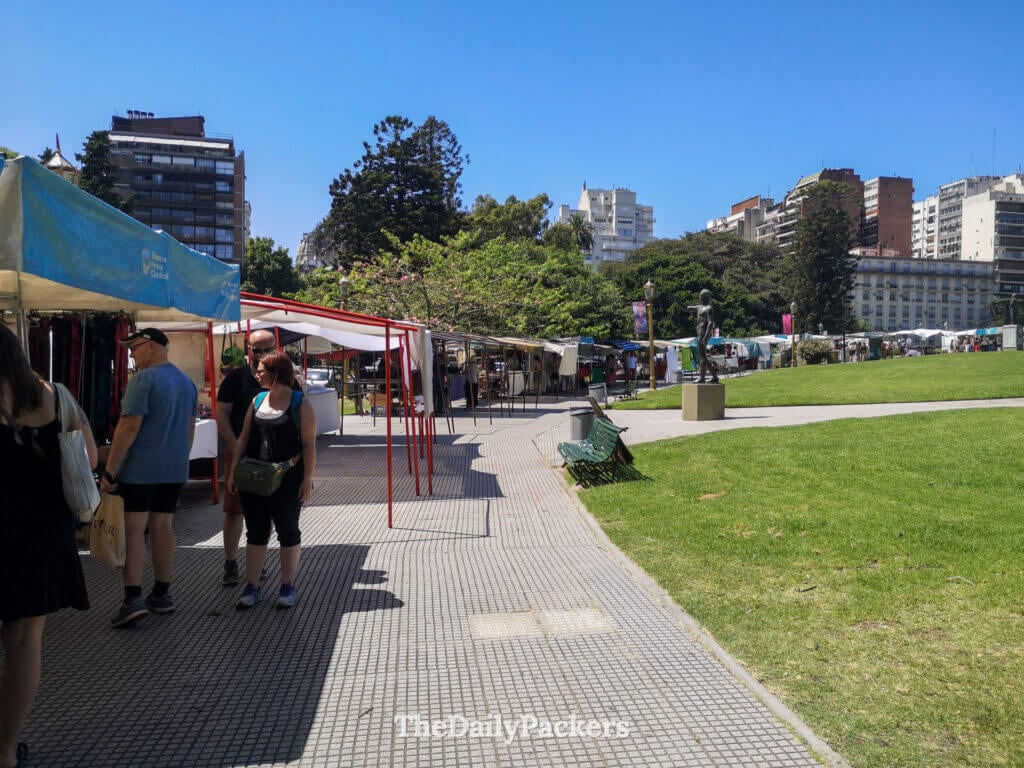
Plaza Francia is right behind Recoleta Cemetery and is a nice green spot to take a break. You can enjoy the view or take a walk before heading to Floralis Genérica. On weekends, the artisan market makes the area lively.
Floralis Genérica
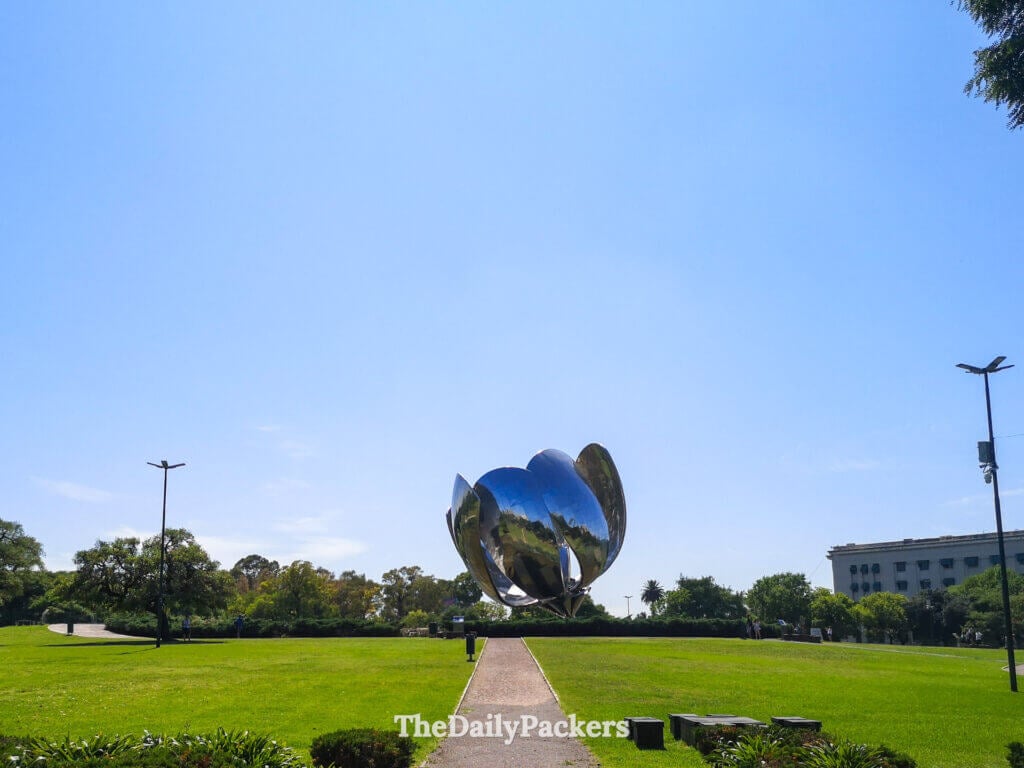
Floralis Genérica is the last stop in the Recoleta area and is one of Buenos Aires’ most eye-catching landmarks. This large steel-and-aluminum sculpture, opened in 2002, looks like a giant mechanical flower. It opens and closes at different times of day, showing the link between nature and technology.

Best things to do in Buenos Aires – San Telmo
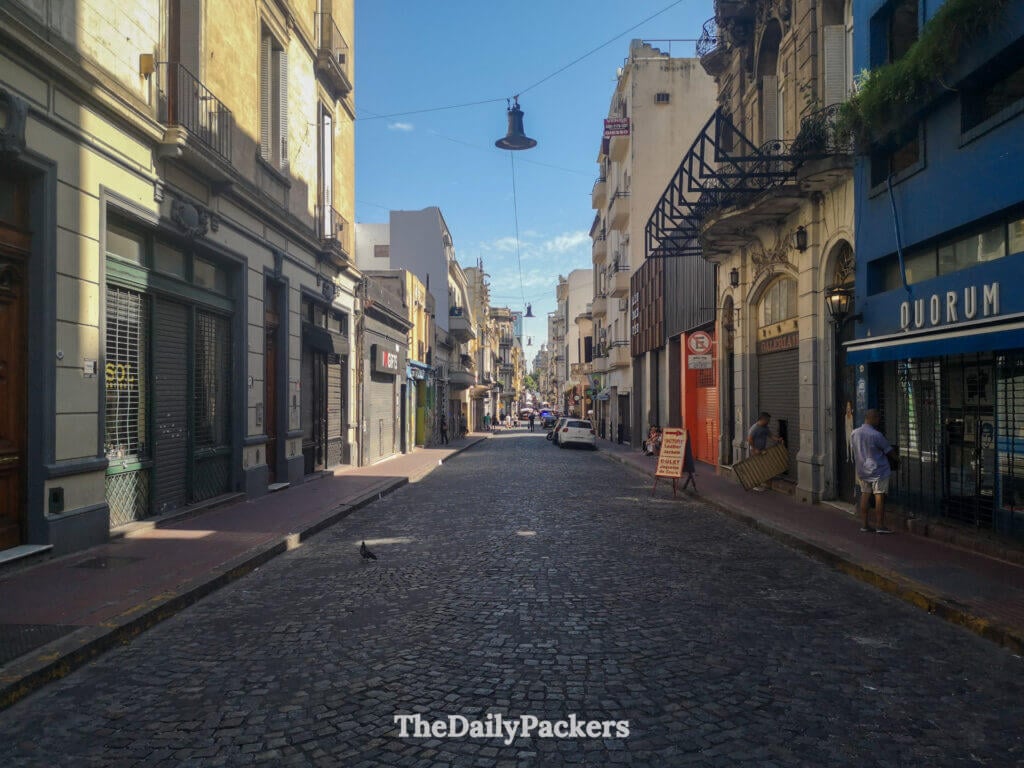
San Telmo is one of the oldest and most charming neighborhoods in Buenos Aires, famous for its colonial buildings, cobblestone streets, and bohemian feel. It used to be home to wealthy families, but over time it became a cultural center that draws artists, musicians, and antique lovers.
Today, San Telmo is known for its street markets, tango shows, and old cafés. You can browse antiques at San Telmo Market, watch performers in Plaza Dorrego, or just enjoy the atmosphere. The neighborhood gives you a great glimpse of Buenos Aires’ history and modern life.
Here are all your accommodation options in Buenos Aires
Mercado San Telmo
Mercado San Telmo is a good place to start exploring the neighborhood before heading to the famous Feria, which runs on Sundays from 10 AM to 4 PM. Since it’s at the southern end of the market, we began our day here and walked back through the busy streets.
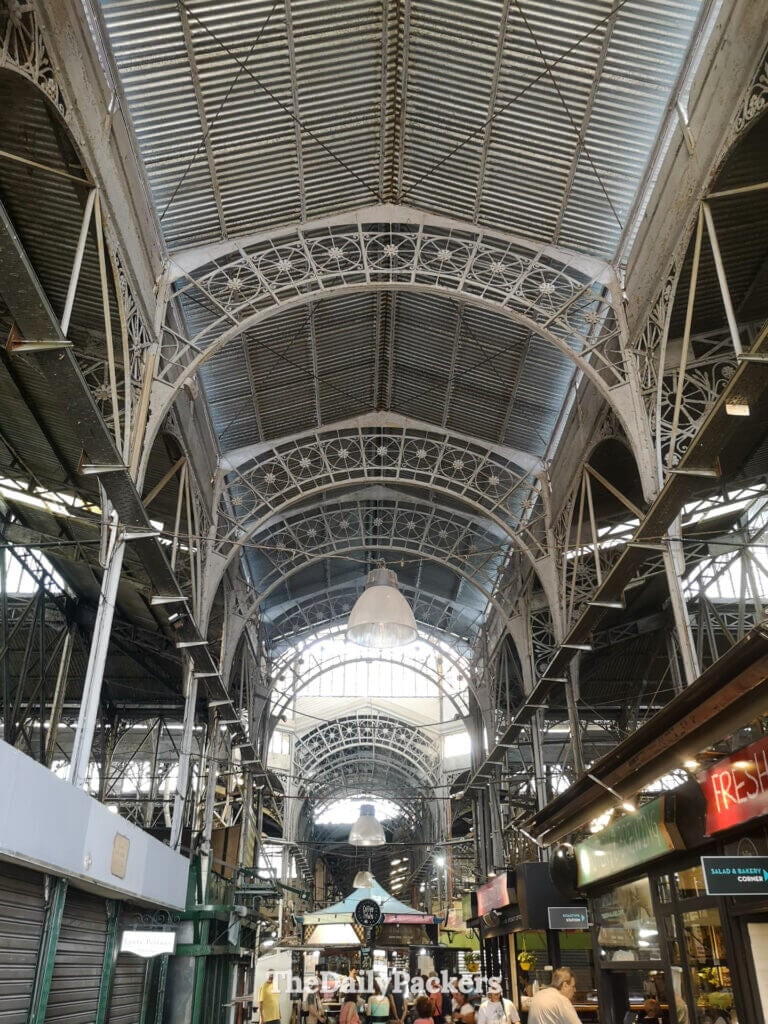
Even though many stalls were closed when we visited, Mercado San Telmo was still worth exploring. It’s inside a historic iron-and-glass building, and the mix of antique shops, food stands, and traditional stalls showcases San Telmo’s old-world charm.
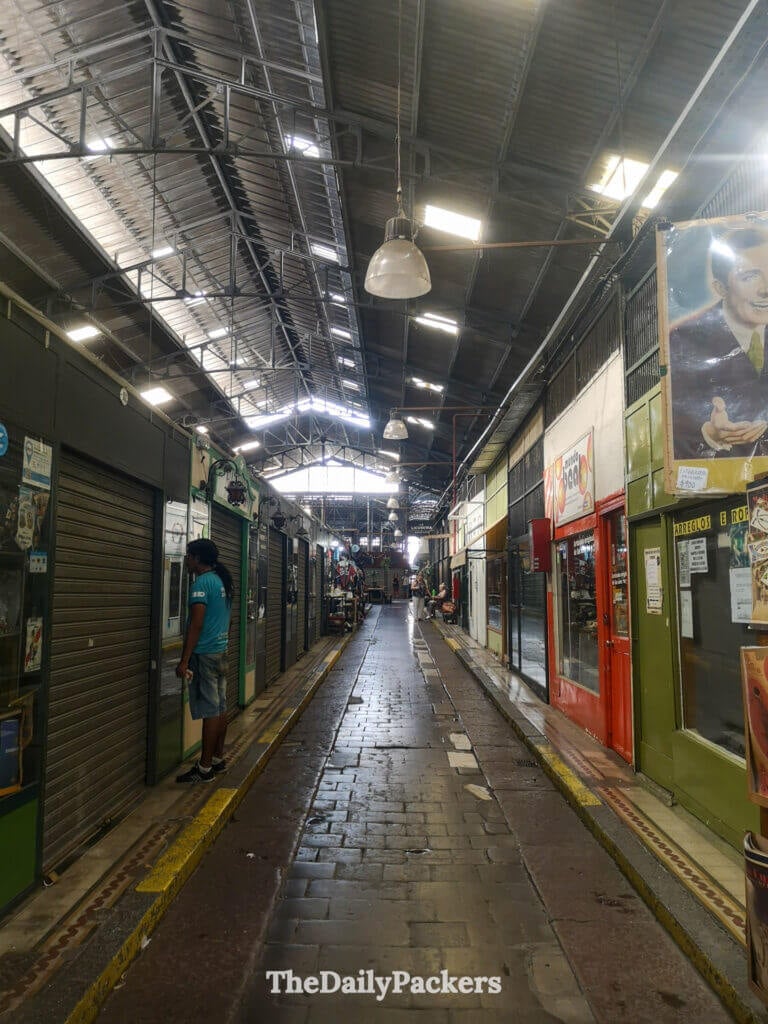
Feria San Telmo
Feria San Telmo is one of the biggest and liveliest flea markets in Buenos Aires, stretching for a kilometer with over 270 stalls. It takes place every Sunday from 10 AM to 4 PM and is a must-see for anyone visiting the city.
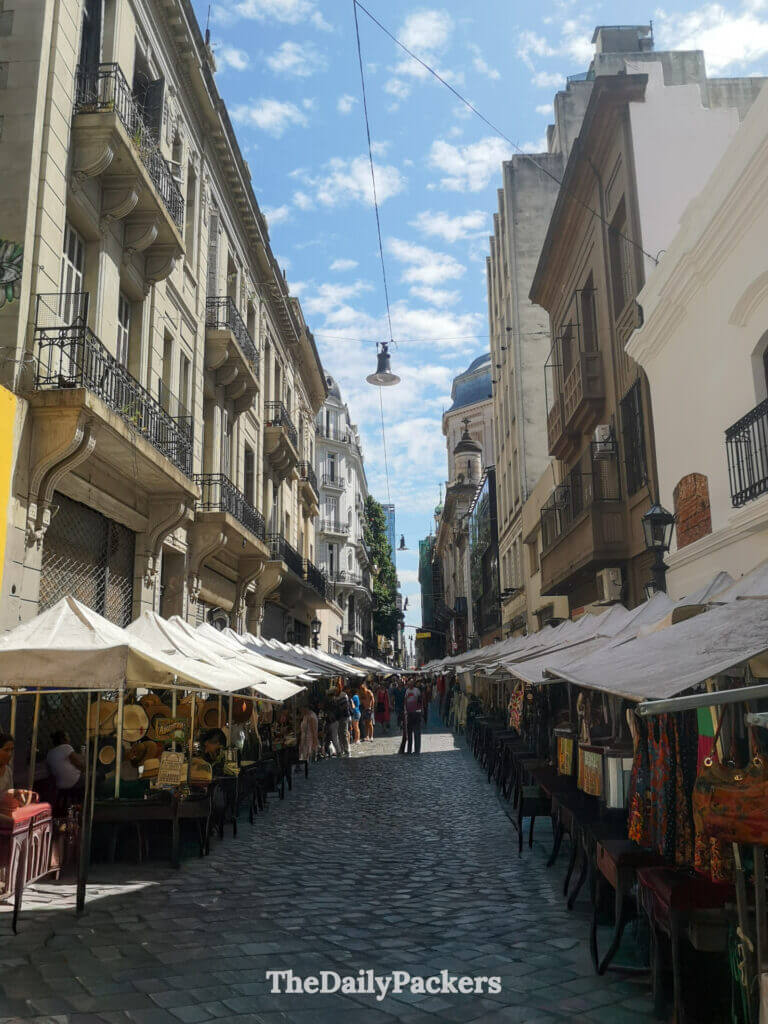
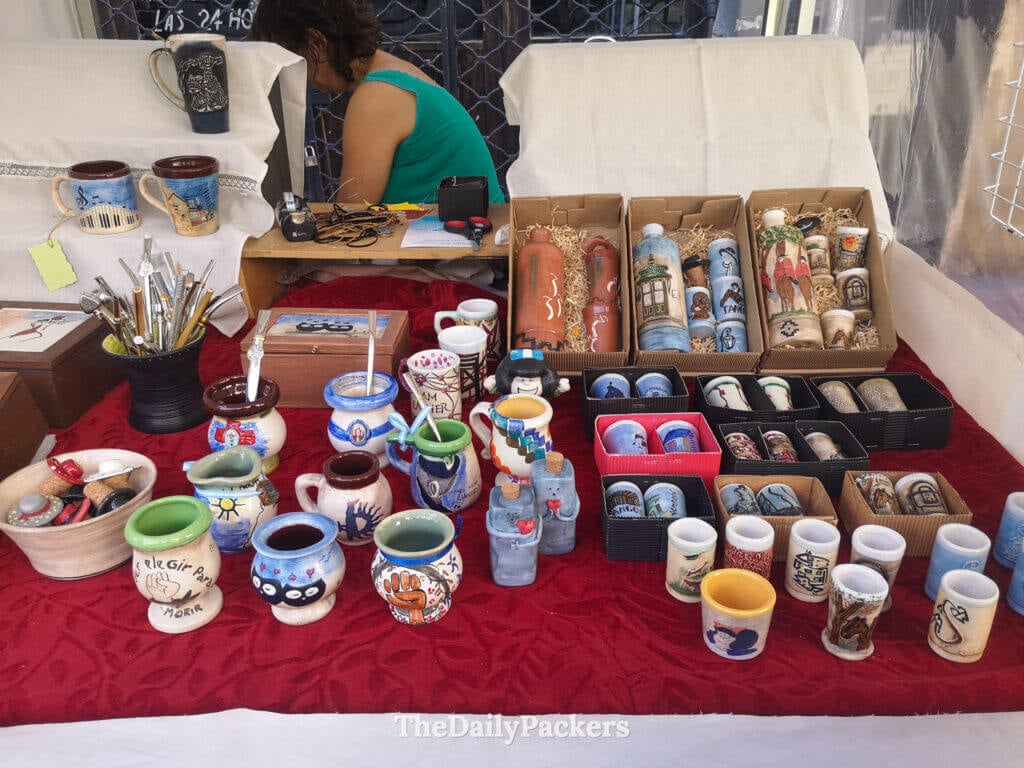
Along with lots of unique things to buy, the market has lively music and street shows, making it a fun place to be. Whether you’re looking for antiques, handmade souvenirs, or just want to enjoy the scene, Feria San Telmo really shows off Buenos Aires’ creative side.
Basílica Nuestra Señora del Rosario
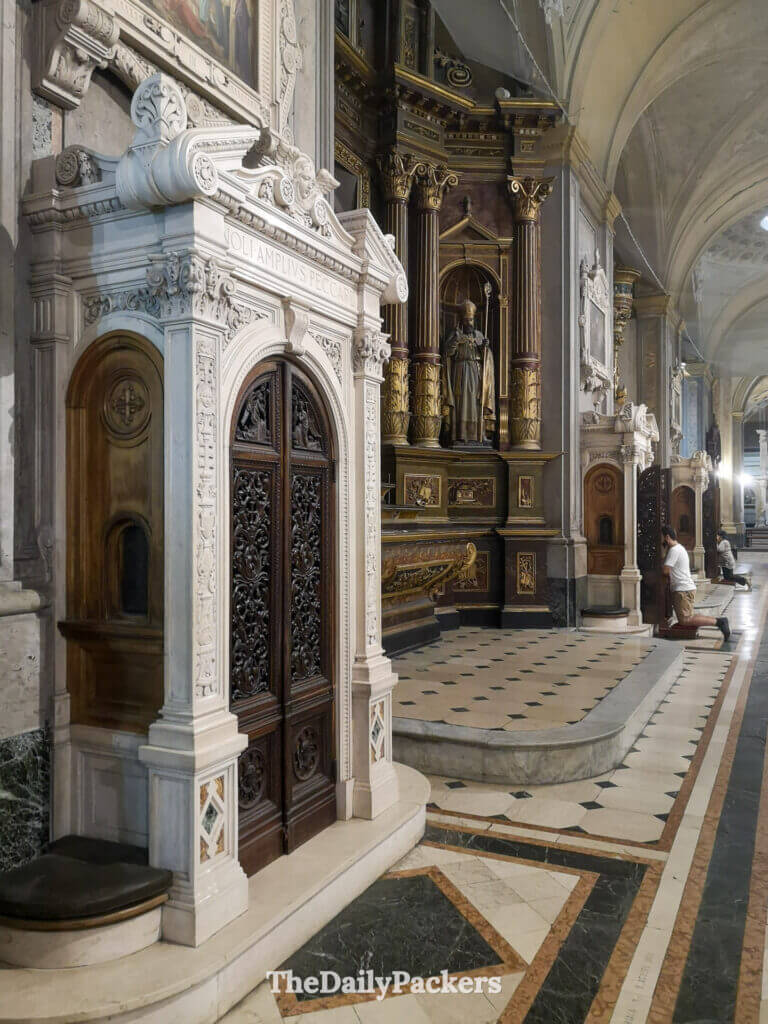
Basílica Nuestra Señora del Rosario, or Convento Santo Domingo, is a lovely old church on the same street as Feria San Telmo. Its striking architecture and history make it worth a visit while you’re in the area.
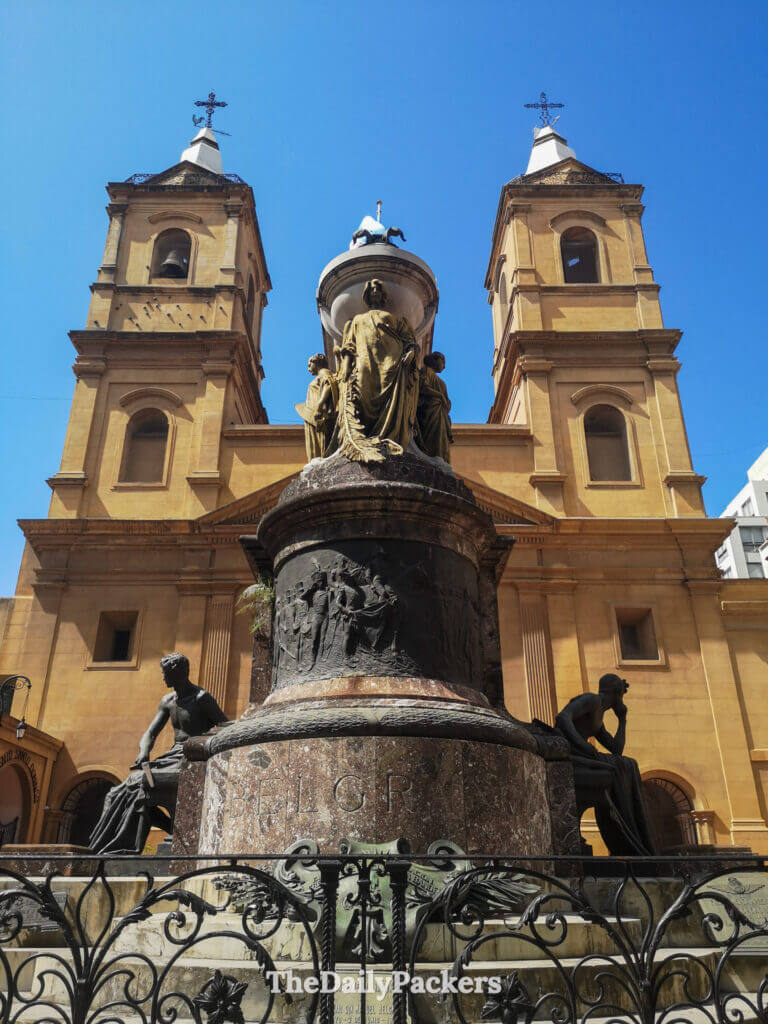
You can admire the outside, go inside for a quiet moment, or just enjoy seeing it as you pass by. This basilica adds both history and charm to San Telmo.
Best things to do in Buenos Aires – Downtown
Plaza de Mayo
Plaza de Mayo is where Feria San Telmo ends, and downtown Buenos Aires begins. Named after the May 1810 Revolution that led to Argentina’s independence, this historic square has been the center of political and social events for centuries.
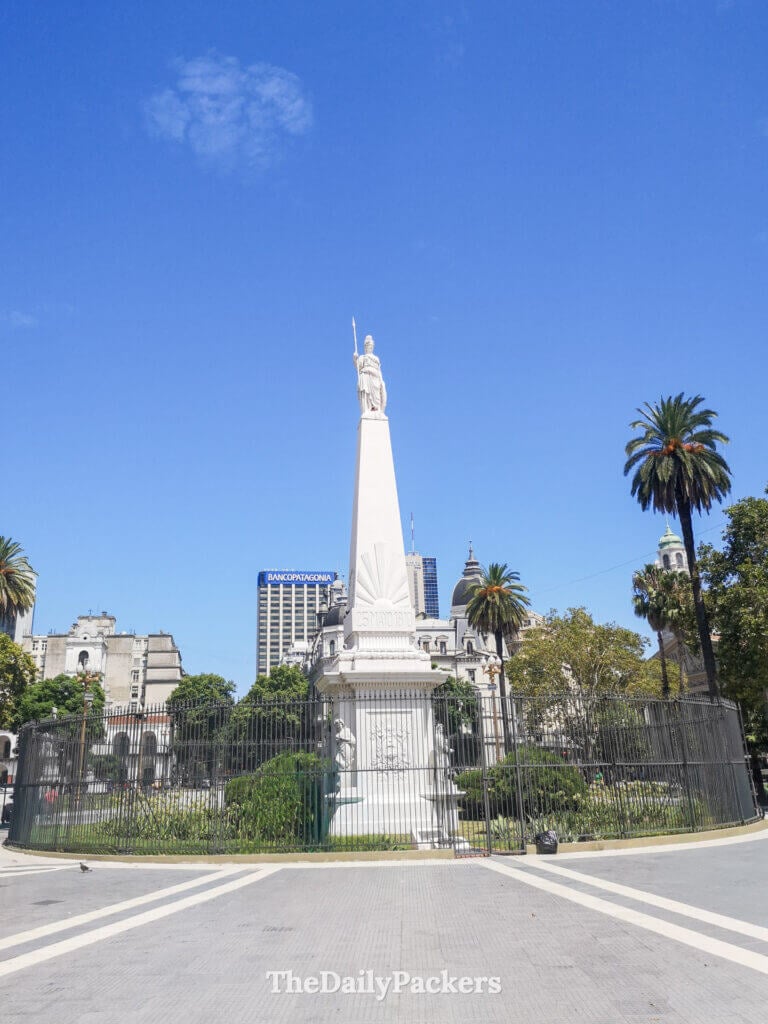
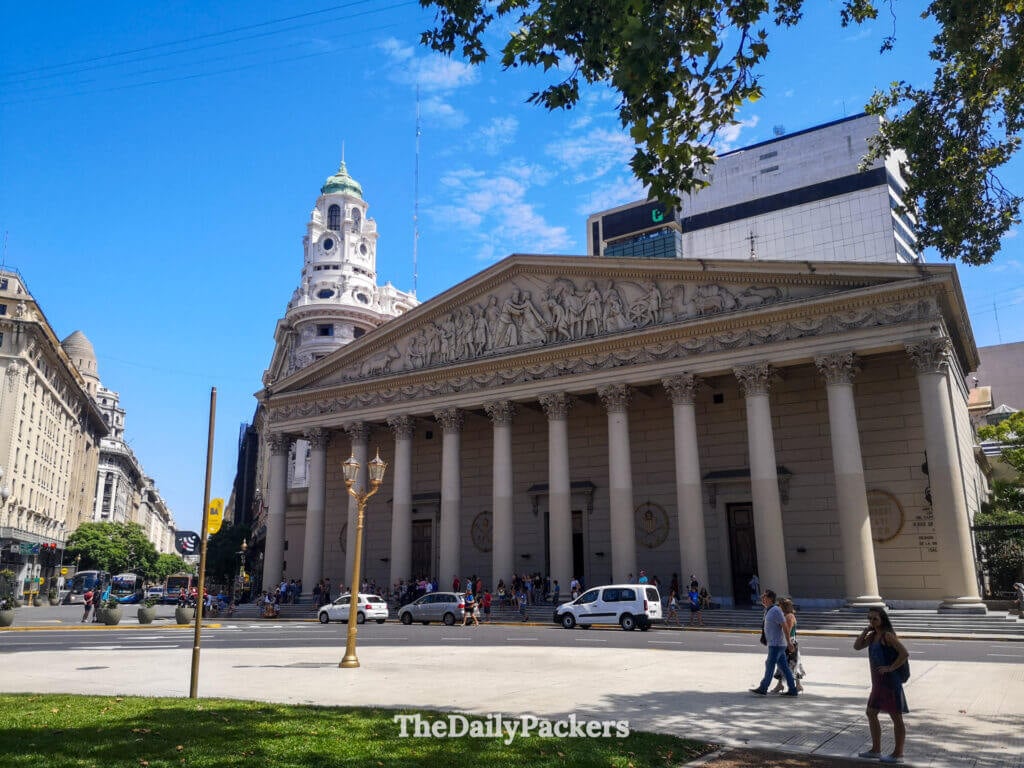
Several landmarks surround the plaza, including the Metropolitan Cathedral of Buenos Aires, which is free to visit, as well as other important monuments and government buildings. It’s a great place to experience Argentina’s history and culture.
Mirador Guemes Gallery
Mirador Güemes Gallery was closed when we visited, but it’s still worth adding to your list. It’s inside a historic shopping gallery and offers panoramic views of the city, making it a great spot to see Buenos Aires from above. If you get the chance, it’s a unique way to enjoy the skyline and the city’s architecture.
Florida Street
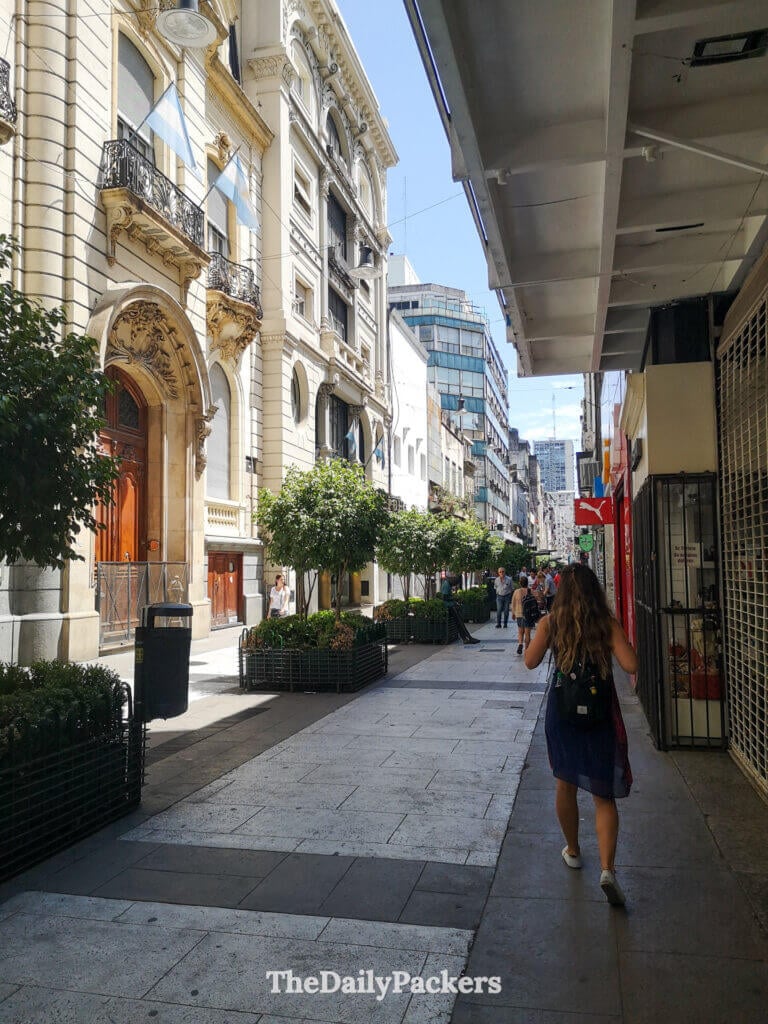
Florida Street is a busy pedestrian thoroughfare and a popular shopping district in Buenos Aires. With lots of stores, offices, and cafés, it’s a lively area for finding souvenirs or clothes. Street performers often entertain people walking by, adding to the fun atmosphere.
Obelisk
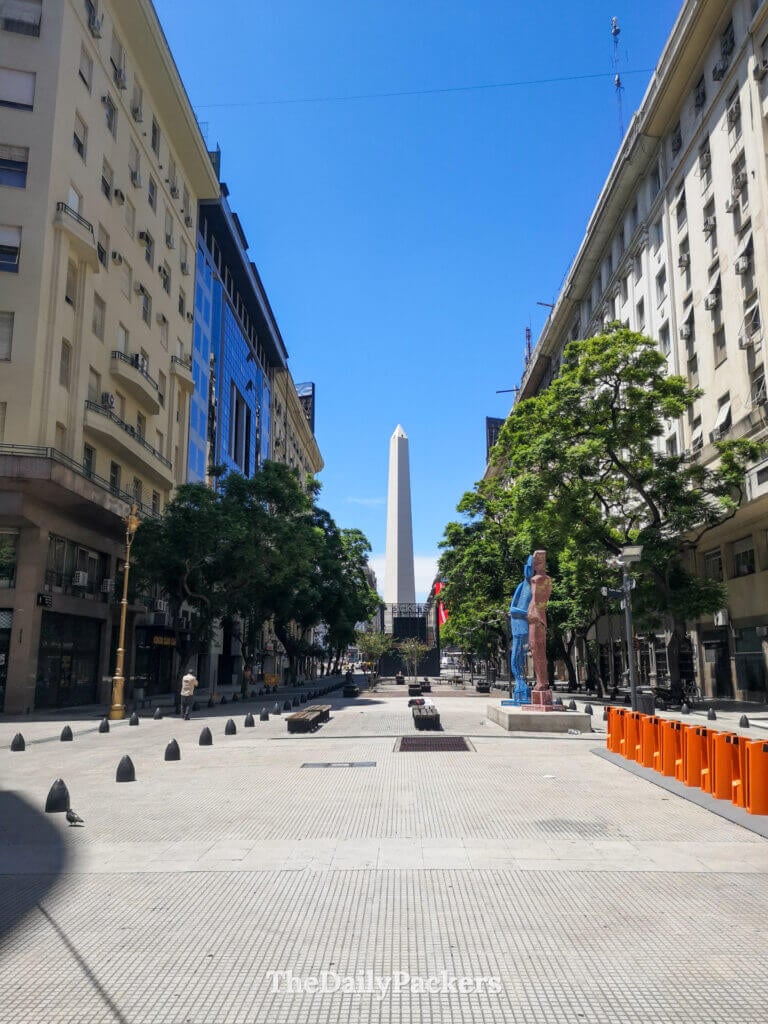
As you walk, you’ll spot the Buenos Aires Obelisk, one of the city’s most famous landmarks. Built in 1936 for the city’s 400th anniversary, this tall monument is a great spot for photos and is a symbol of Buenos Aires’ history.
Tip: If you want to learn more, the City Highlights Guided Tour with Transfer is a great way to discover Buenos Aires.
Teatro Colón
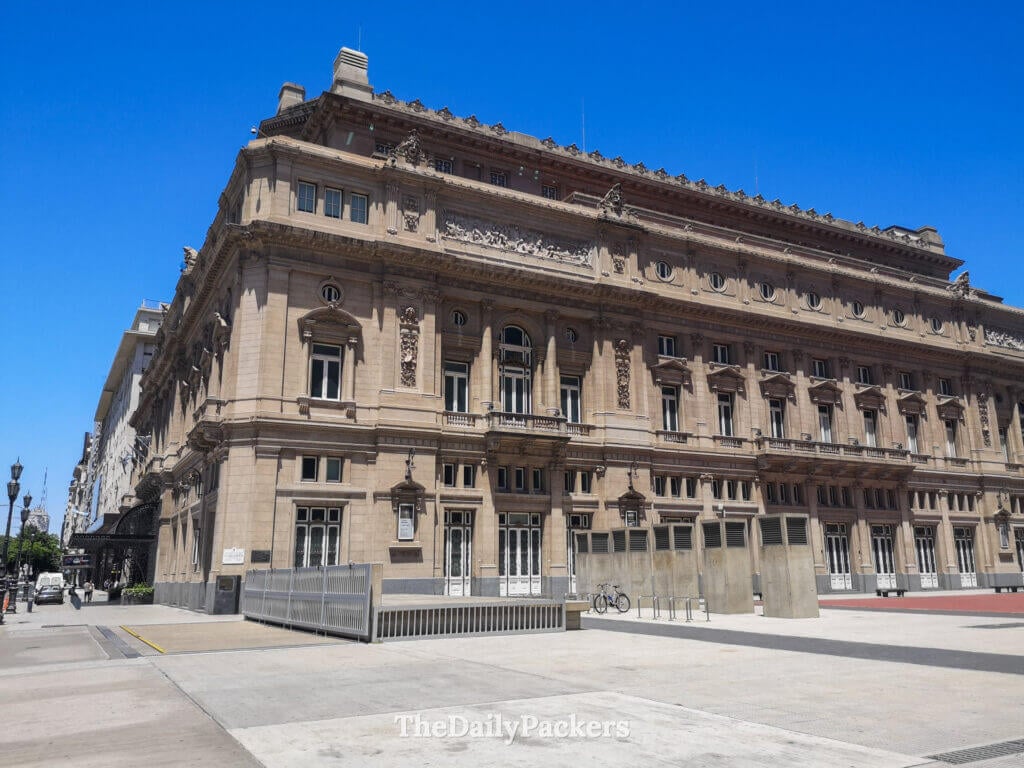
Teatro Colón is one of the world’s top 10 opera houses and is famous for its amazing acoustics. It’s considered one of the five best places for performances anywhere, so it’s a must-see for fans of architecture and music.
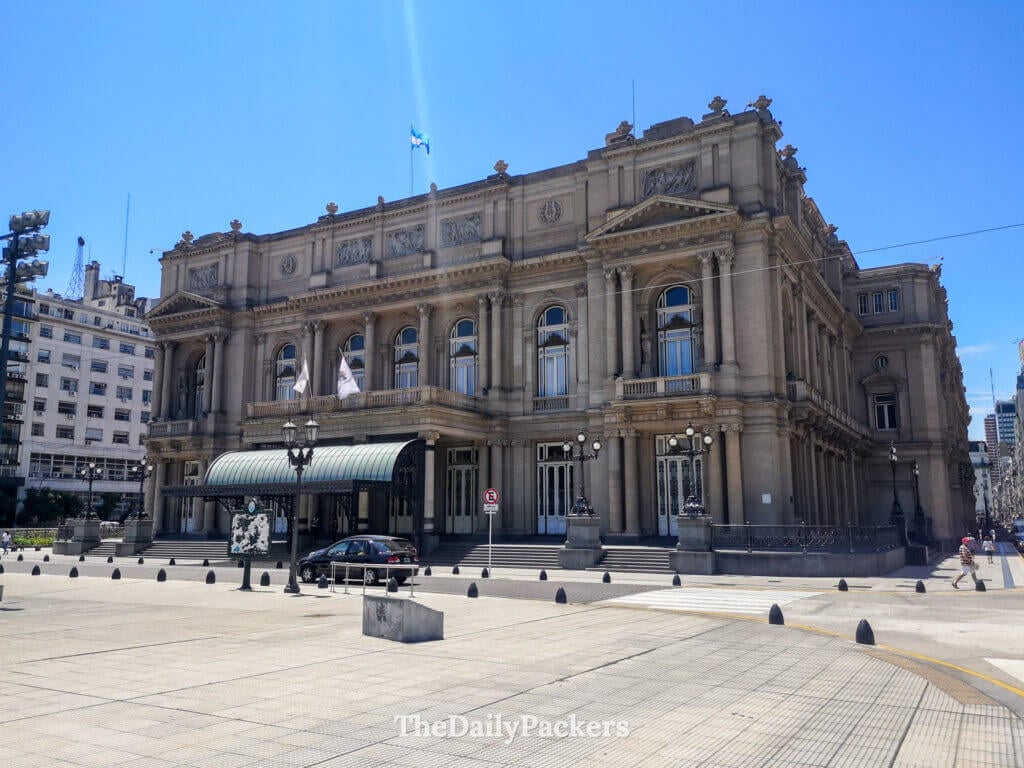
You can take a guided tour of the theater in English or Spanish. For the best experience, try to see a live show. Be sure to check the opening hours and ticket prices ahead of time. Even from the outside, the building’s architecture is impressive.
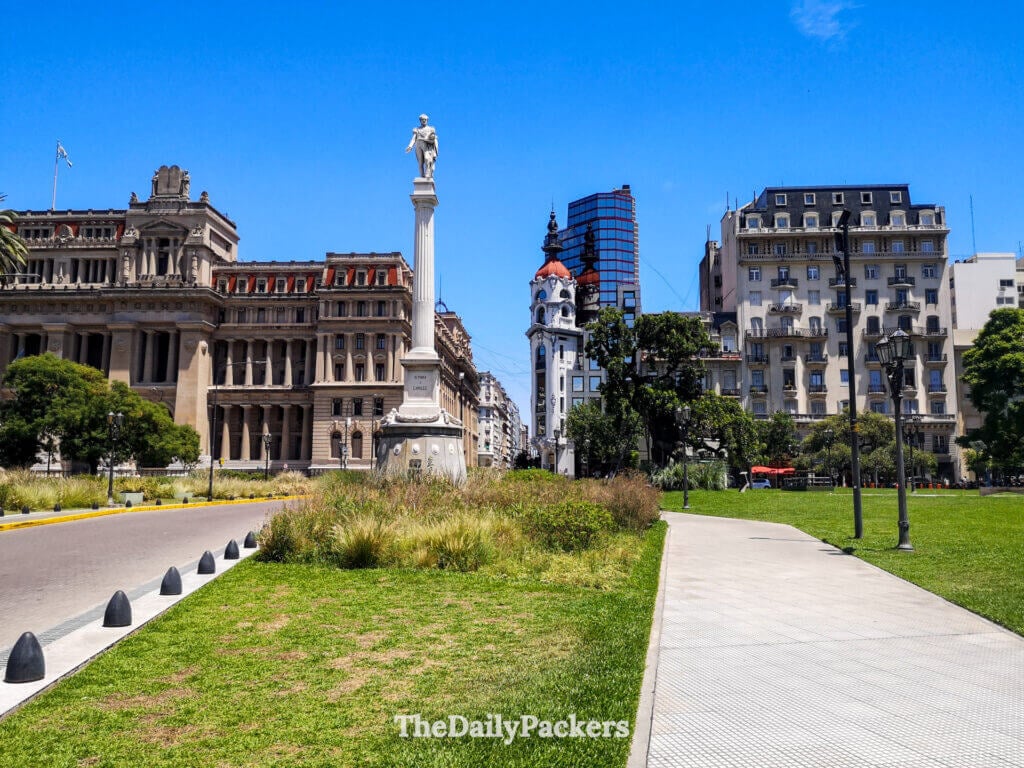
Plaza Gral. Lavalle
Plaza General Lavalle is just behind Teatro Colón and is a quiet, pretty square that’s perfect for a short break. With historic buildings and striking architecture around it, it’s a nice place to relax and get away from the busy city for a while.
Best things to do in Buenos Aires – Puerto Madero
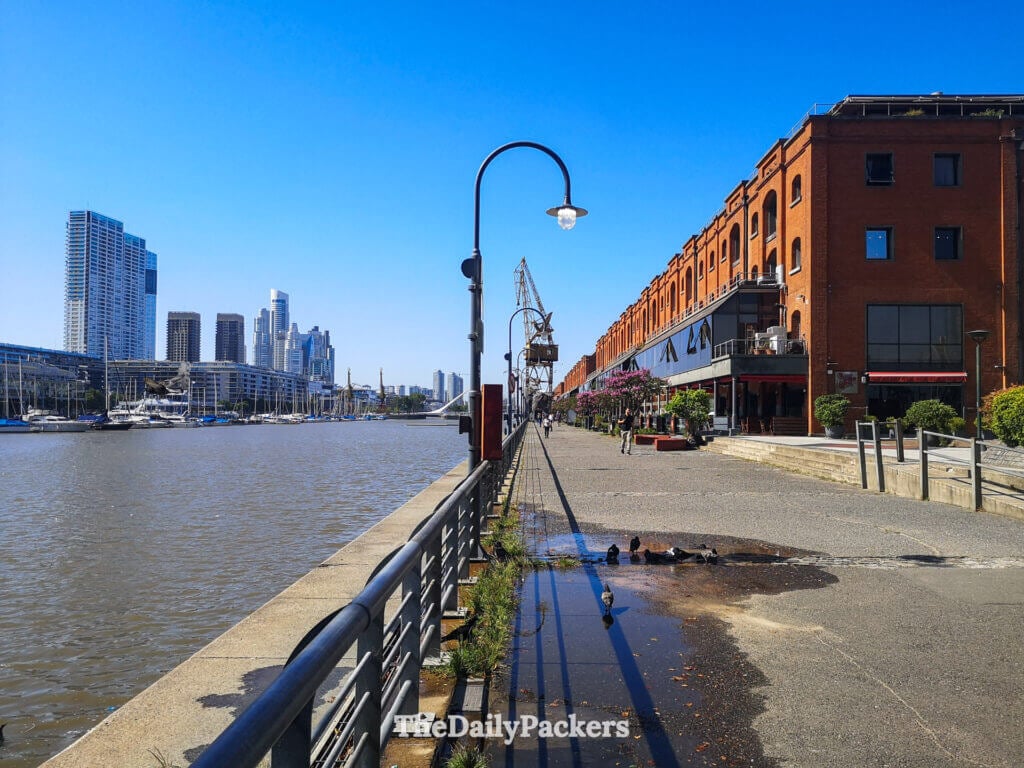
Puerto Madero is a great place for a walk by the water during the day and is also a top spot for dinner, with lots of fancy restaurants. Many big companies, like Google, have offices here, which adds to the modern vibe.
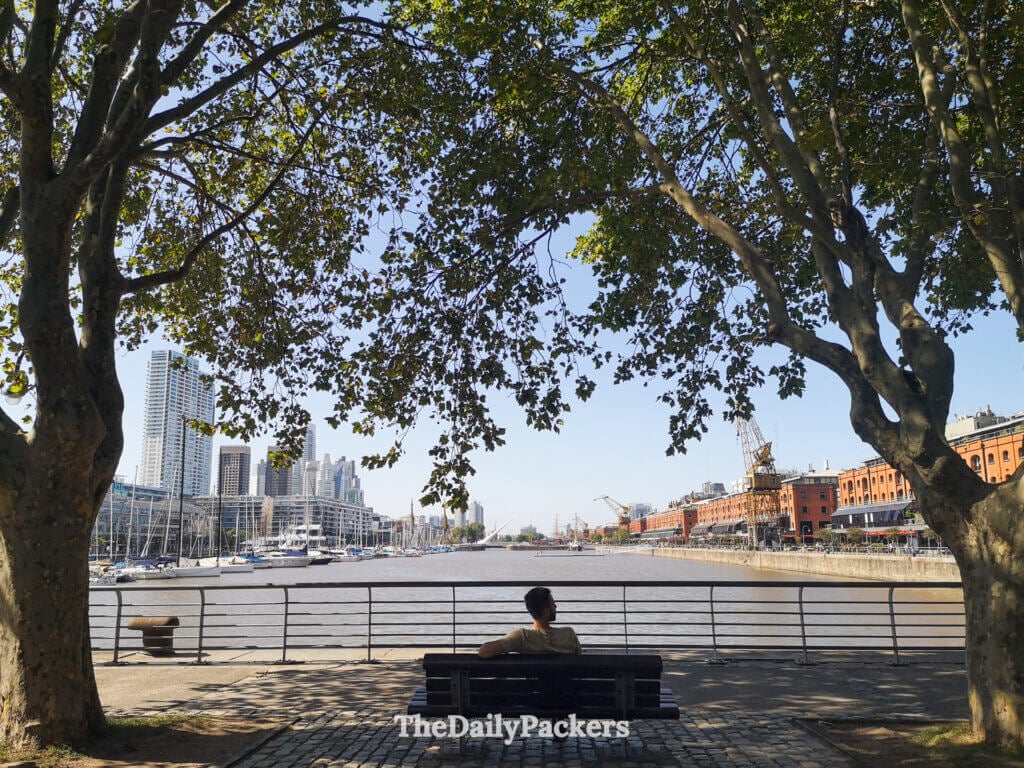
At the edge of the port is the Costanera Sur Ecological Reserve, a quiet green area where you can take a walk and enjoy being close to nature.
From there, you can head south to the lively neighborhood of La Boca, which is home to the famous La Bombonera stadium and Caminito, one of Buenos Aires’ most well-known streets.
The Port of Buenos Aires
The Port of Buenos Aires is a nice spot for a quiet morning walk before the city gets busy. We enjoyed exploring the area during the day, since we could see the impressive industrial buildings without the crowds. The mix of old port structures and new developments makes it a unique and scenic place to visit.
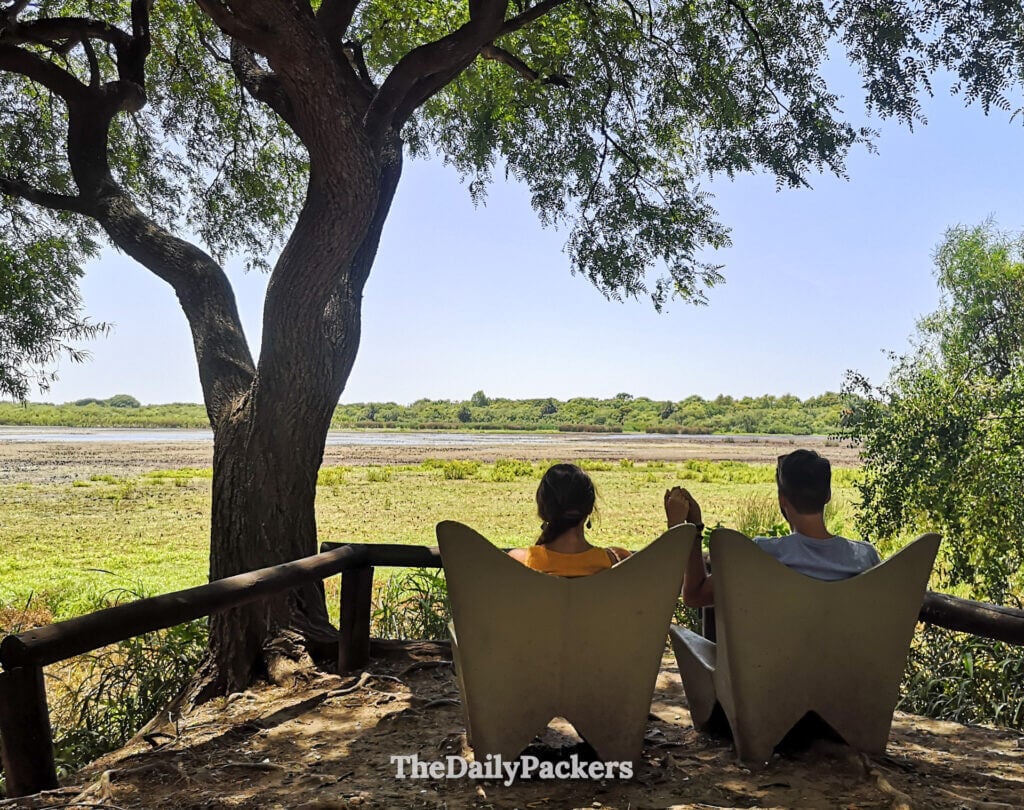
Reserva Ecológica Costanera Sur
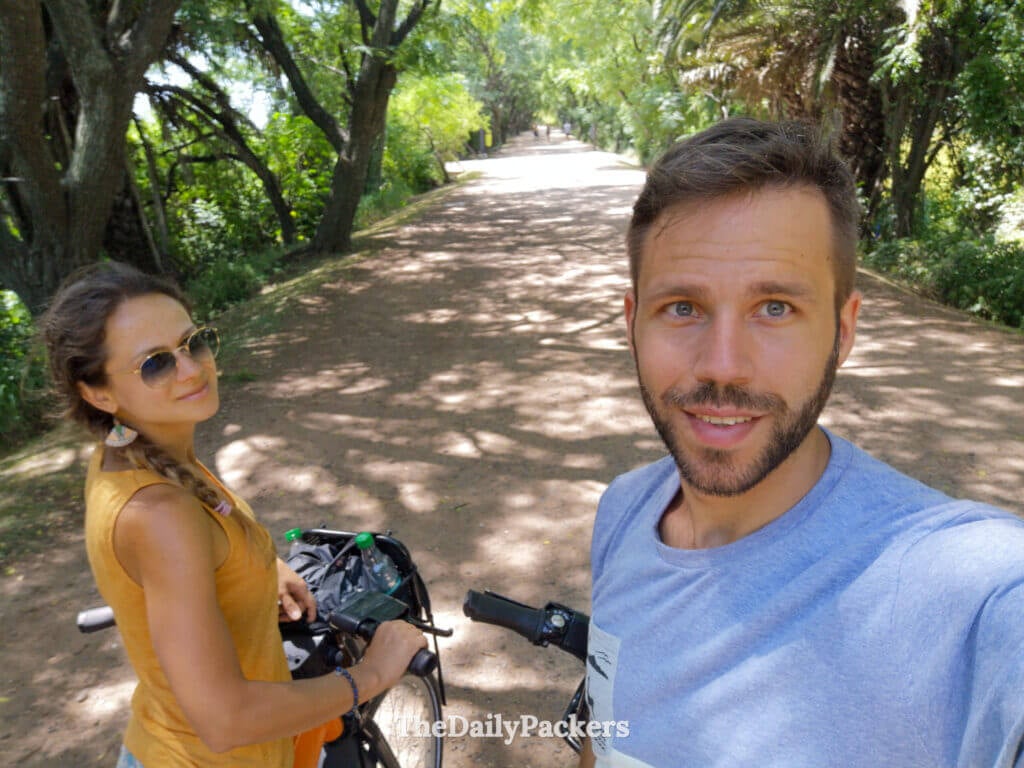
The port area is great for a few hours of walking. It’s best to start along the main sidewalk before going further in. We used city bikes, which were easy to rent at a booth near the entrance.
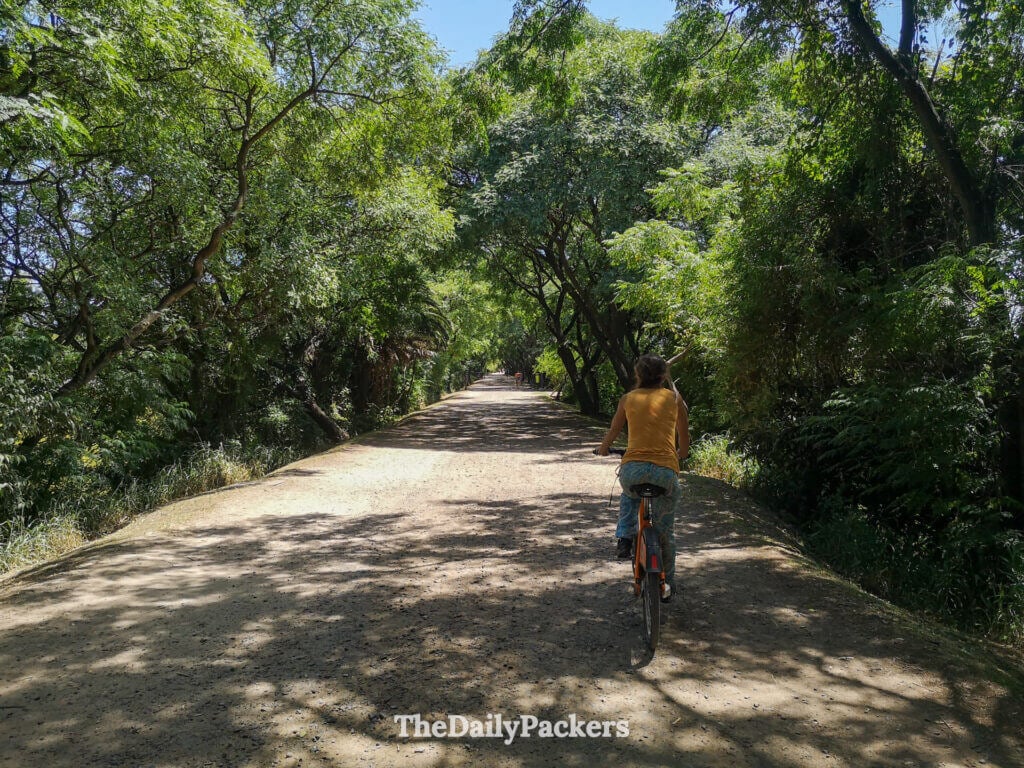
Even though we went a little over the time limit, it was fine, and biking was a fun way to see more of the area.
Best things to do in Buenos Aires – La Boca
Stadium
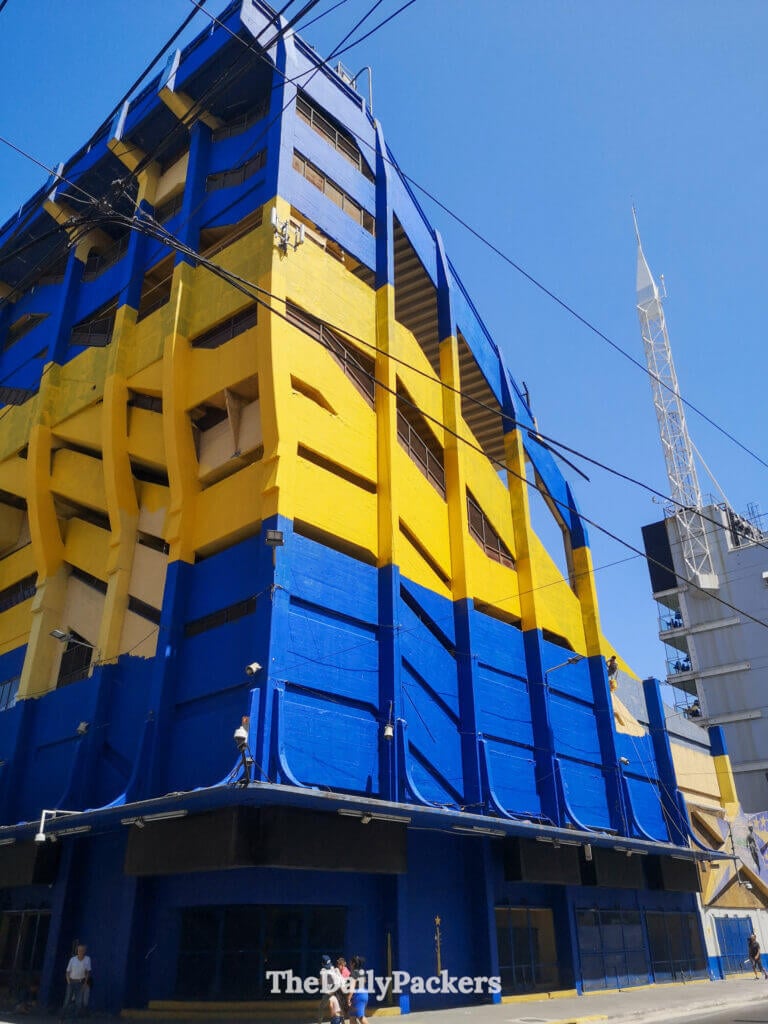
On our way to Caminito Street, you will walk past La Boca Stadium and the training center, home to Boca Juniors, one of Argentina’s most famous football clubs. Earlier in our trip, several Argentinians told us the same thing: if someone asks which football team you support, just say “La Boca.” It’s the safest and most appreciated answer in this football-loving city!
Here are all your accommodation options in Buenos Aires
Caminito
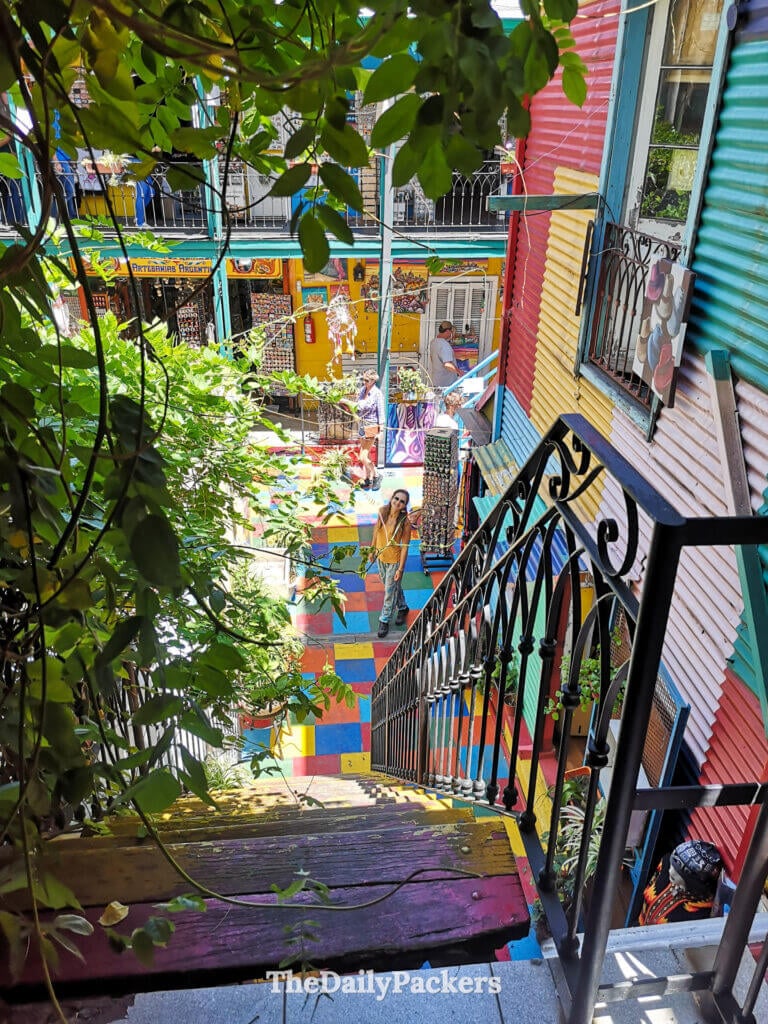
Walk around Caminito, the well-known colorful street with lots of shops, restaurants, and street shows. It’s worth a visit, but honestly, it’s mostly for tourists and doesn’t feel very authentic.
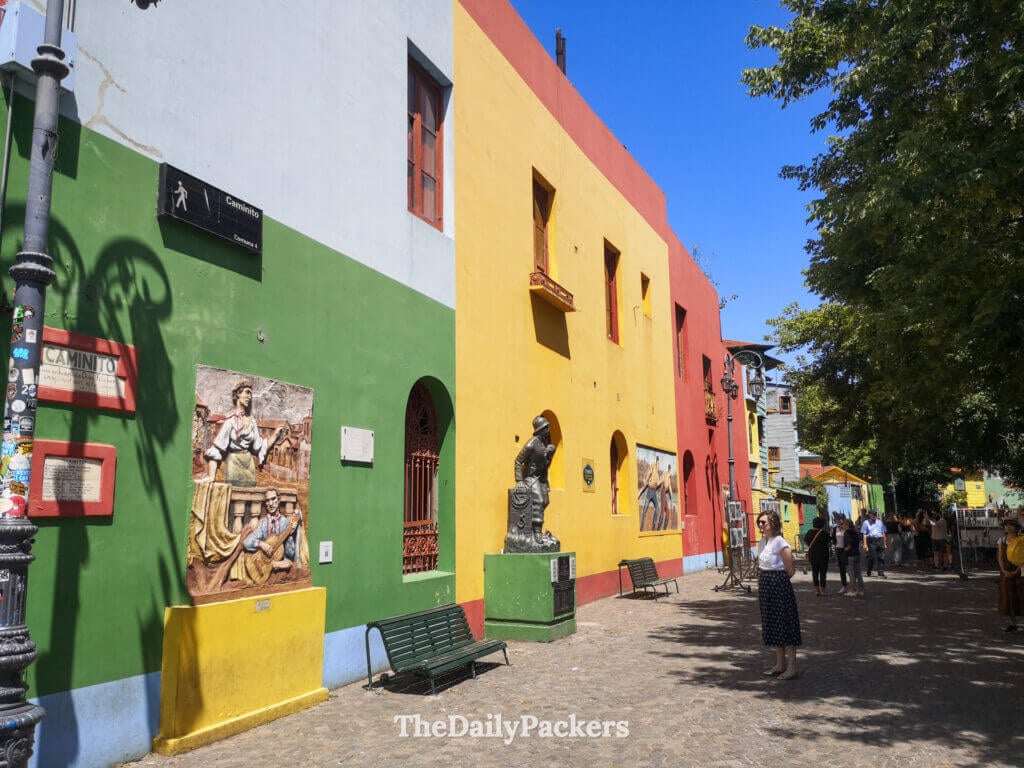
Still, the architecture is very interesting, with bright facades and statues on the buildings that give the area a unique feel.
While exploring the small streets, we found a great coffee shop that also sold dulce de leche. We stopped for a coffee and some sweets, and finally got to try dulce de leche. It was a really nice way to end the day!
Tip: If you want to learn more about this place, the La Boca Guided Walking Tour in English is among the best.
Best things to do in Buenos Aires – Belgrano
Belgrano is a relaxed and elegant neighborhood in Buenos Aires, known for its tree-lined streets, historic buildings, and local charm. It’s a good place to get away from the tourist crowds and explore a more residential side of the city, with plenty to see.
The area features European-style buildings, busy shopping streets, and green parks, making it ideal for a relaxing walk. It’s also where you’ll find Buenos Aires’ Chinatown, which is full of Asian restaurants, markets, and street vendors. Whether you want to shop, eat, or just enjoy the atmosphere, Belgrano is a nice place to spend a few hours.
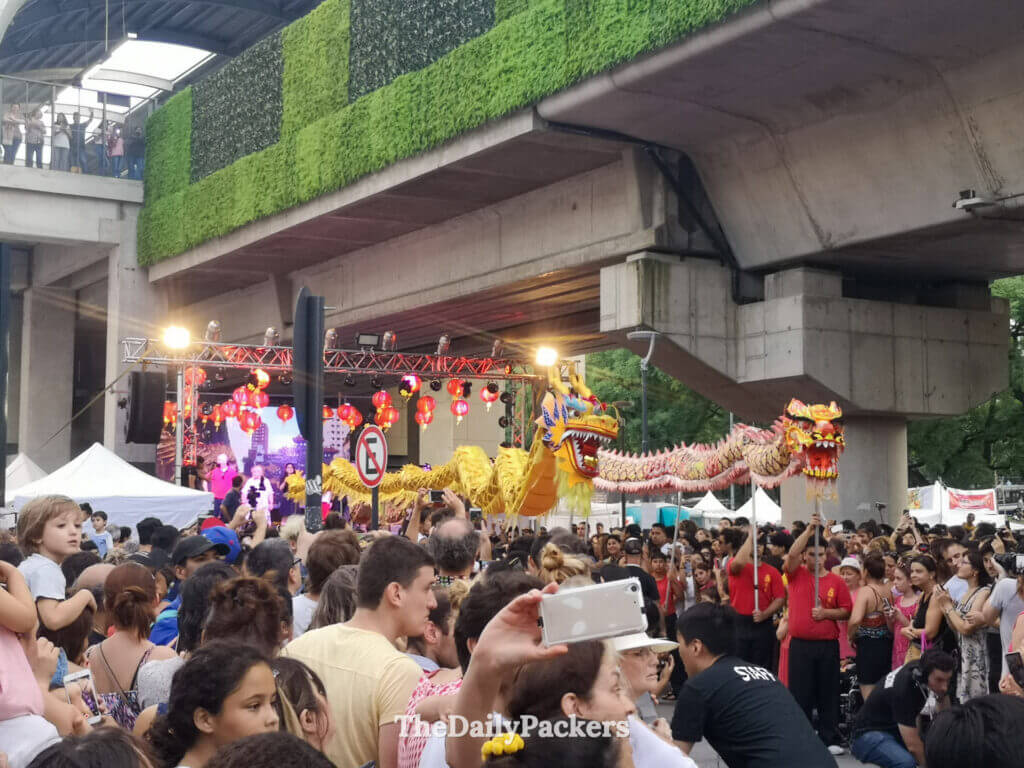
Chinatown
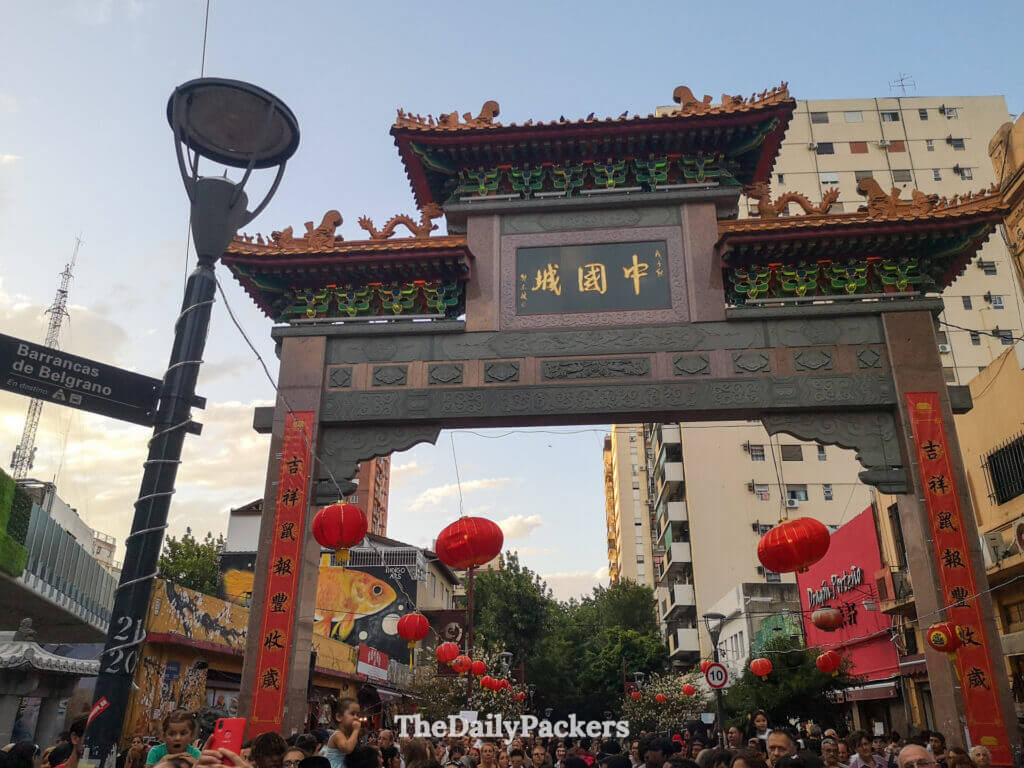
Belgrano is a lively area with many big stores and shopping options, but it’s best known for its Chinatown. It’s not the largest Chinatown, but it’s a fun place to visit, especially if you’re on your way to Tigre.
It’s mostly just one street and a main intersection, but the atmosphere changes right away. You’ll see Chinese markets, street food stands, and decorations that make it feel like a small piece of China in the middle of Buenos Aires.
Best things to do in Buenos Aires – Tigre
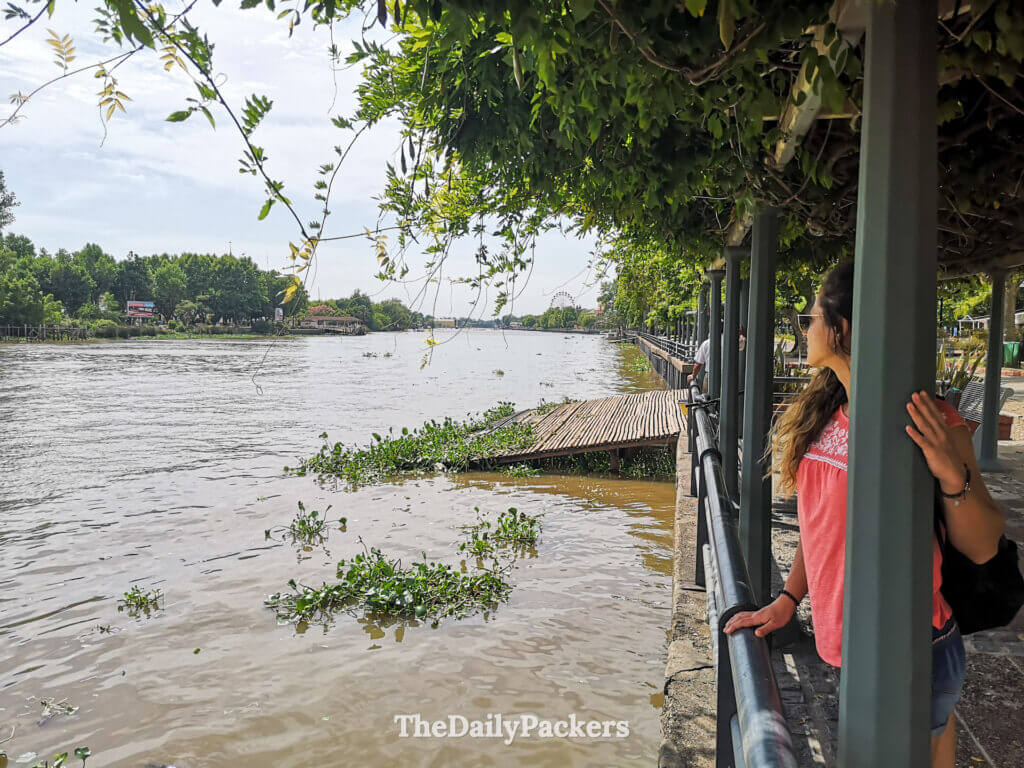
Tigre is a lovely riverside town just outside Buenos Aires, known for its pretty delta, boat tours, and laid-back feel. It’s a great place to get away from the busy city and spend a day in nature. You can explore markets, take a boat ride, or just enjoy the calm atmosphere—Tigre shows a different side of Argentina.
We found it easiest to take a bus to Belgrano, then catch the overground train to Tigre. The train ride is smooth and lets you see the city’s outskirts before you arrive at this special riverside town.
Here are all your accommodation options in Buenos Aires
Monumento al Remero
Monumento al Remero was our first stop as we started walking along the river to the Tigre Art Museum. We saw this nice statue honoring rowers—a sport important to Tigre. It’s a simple but lovely monument that adds to the riverfront’s charm.
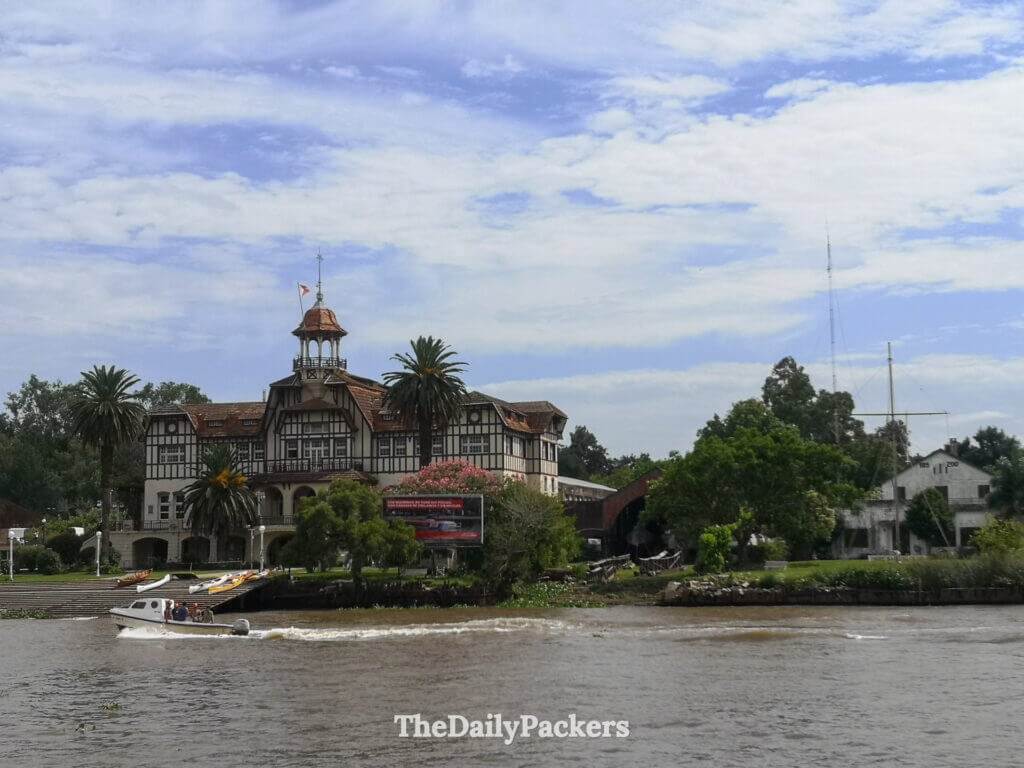
Art Museum of Tigre
The Art Museum of Tigre is a beautiful building with striking architecture by the river. We enjoyed walking along the riverfront and looking at the museum’s elegant design, but if you like art, it’s worth going inside. The location alone makes it a great stop in Tigre.
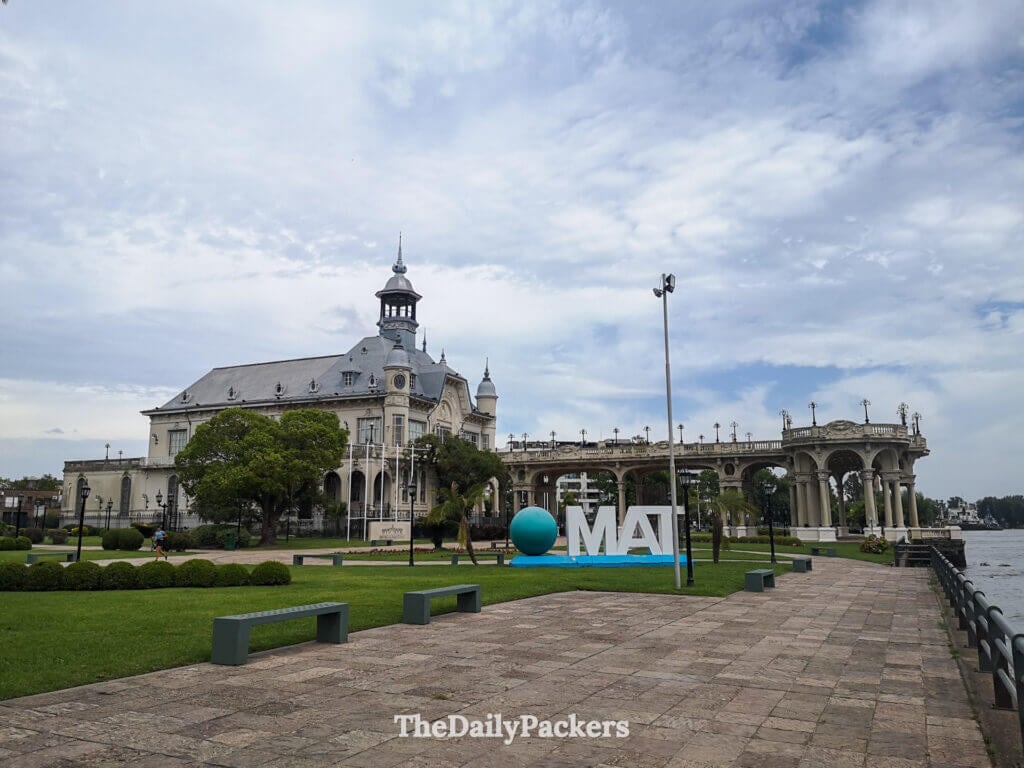
Plaza Daniel María Cazón
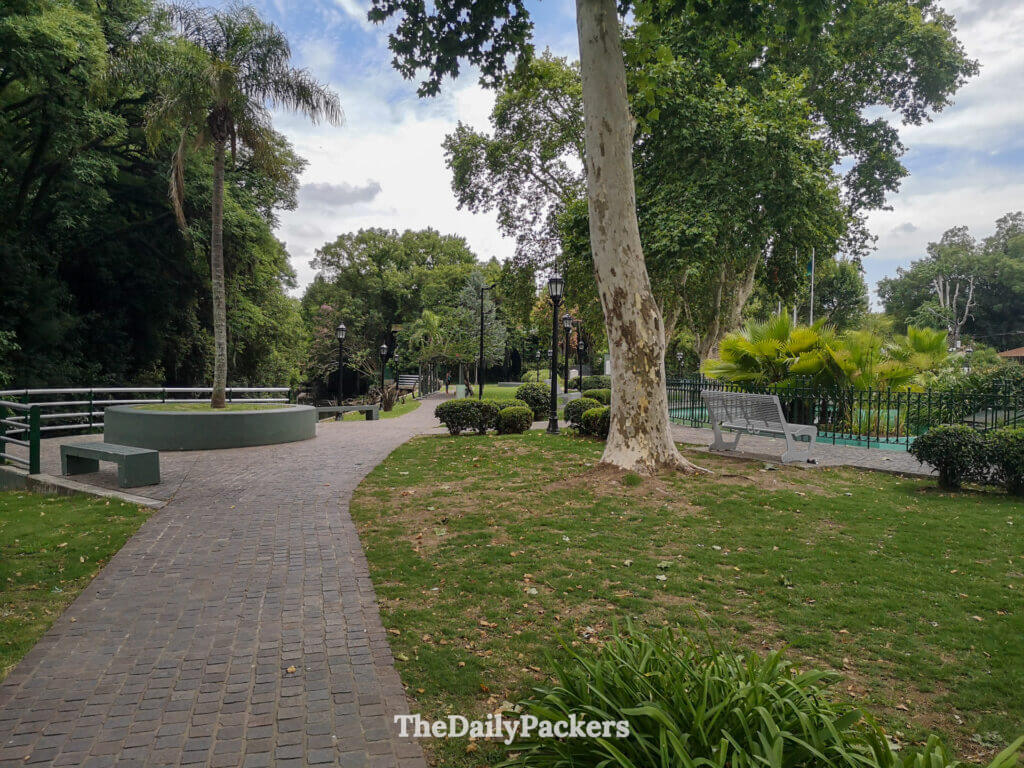
On our way back, we walked through the quieter streets of Tigre and enjoyed the town’s peaceful feel until we reached Plaza Daniel María Cazón. It was a great place to stop, relax, and enjoy the local atmosphere before moving on.
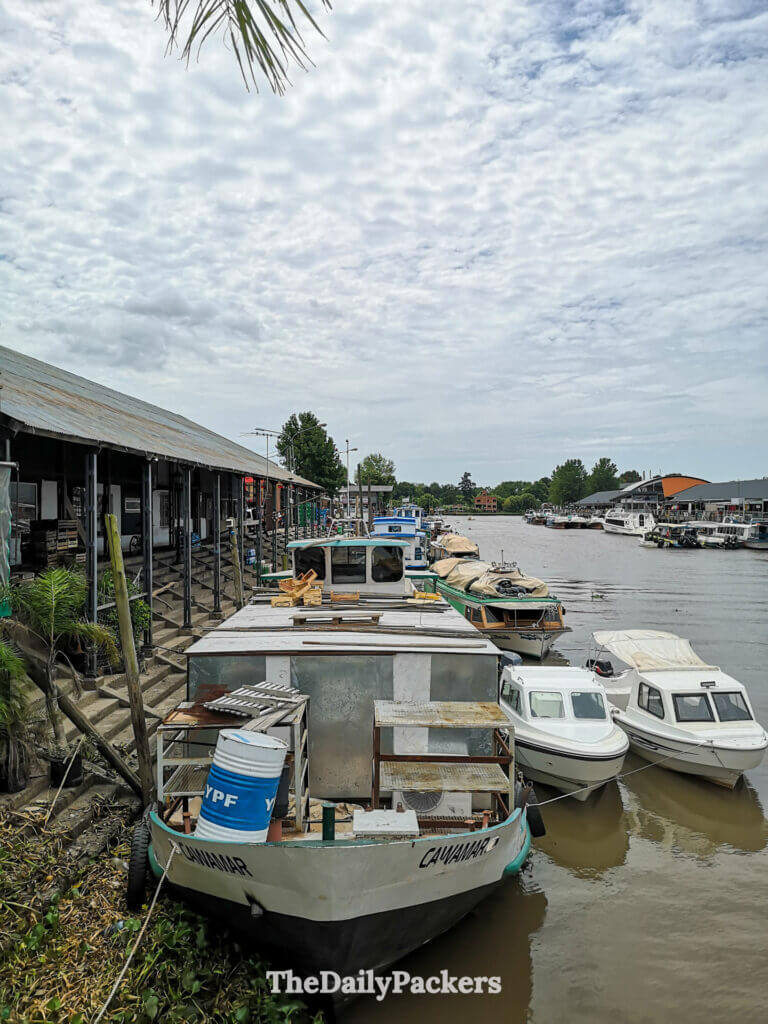
Puerto de Frutos
We headed back, passing the casino and train station before reaching Puerto de Frutos. On the way, we found another Chinatown, but it was closed. Finally, we got to the Fruit Port, a lively area with markets, local crafts, and views of the water. It’s a great place to walk around and enjoy Tigre’s vibe.
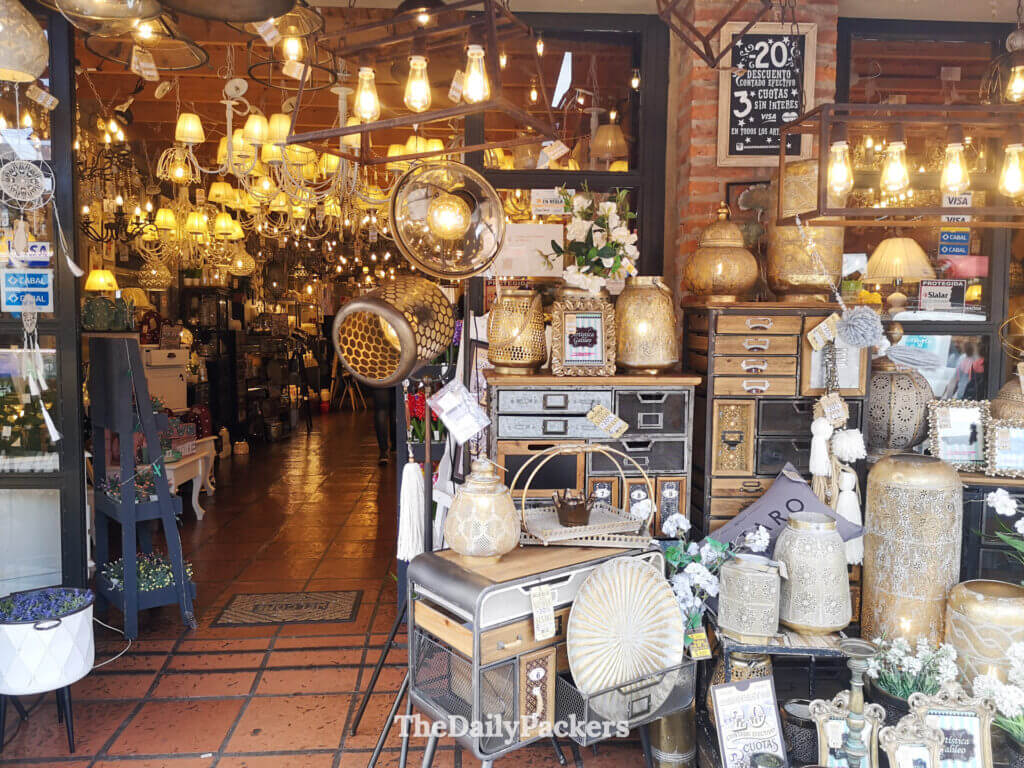
Shop at Artesanías Puerto de Frutos
Inside Puerto de Frutos, you will find a street called Artesanías, filled with local shops. This street is lined with small shops selling home furnishings, decorations, and handcrafted goods. It’s a great spot to browse for cool souvenirs or simply enjoy the local craftsmanship while exploring the port.
Take the Ferry to Colonia del Sacramento
If you feel like escaping the buzz of Buenos Aires for a day, taking the ferry to Colonia del Sacramento is one of the easiest and most rewarding day trips you can do. In less than an hour, you cross the Río de la Plata and land in a completely different rhythm—calmer, smaller, and beautifully preserved.

Tip: You can get your ferry ticket from Buenos Aires to Colonia here
Buenos Aires Itinerary – 8 Days
Day 1 – Arrival & First Impressions
- Arrive by ferry from Colonia del Sacramento
- Check in and rest after the journey
- Late afternoon walk in Palermo to get your bearings
- Easy dinner nearby, early night to recover from travel and heat
Day 2 – Palermo Parks & Café Life
- Morning walk around Plaza Italia
- Visit Jardín Botánico Carlos Thays
- Continue into Bosques de Palermo (El Rosedal, lakes, shaded paths)
- Long café break or lunch before the heat peaks
- Late afternoon ice cream stop at Rapa Nui
- Evening in Palermo Soho (bars, street life, dinner)
Day 3 – Recoleta Elegance (Can be combine with day 2)
- Walk along Avenida Alvear
- Stop at Plaza San Martín de Tours
- Visit Basílica del Pilar
- Explore Recoleta Cemetery
- Rest at Plaza Francia
- End at Floralis Genérica around sunset
Day 4 – San Telmo & Historic Buenos Aires
- Morning at Mercado San Telmo
- Wander cobblestone streets and antique shops
- If Sunday: explore Feria San Telmo
- Visit Basílica Nuestra Señora del Rosario
- Coffee stop and slow wandering—no rush
- Optional tango or live music in the evening
Day 5 – Downtown Icons (can be combien with day 4)
- Start at Plaza de Mayo
- Visit Buenos Aires Metropolitan Cathedral
- Walk Florida Street
- Photo stop at the Obelisk
- Pass by Teatro Colón (tour if interested)
- Relax at Plaza General Lavalle
- Evening ride-share back to your neighborhood
Day 6 – Puerto Madero & Nature Break
- Morning walk along Puerto Madero
- Explore the Port of Buenos Aires
- Rent bikes or walk through Reserva Ecológica Costanera Sur
- Lunch nearby or picnic-style
- Late afternoon rest (heat break)
- Optional dinner in Puerto Madero
Day 7 – La Boca Colors (can be combine with day 6)
- Morning visit to La Bombonera area
- Walk through Caminito
- Coffee stop and dulce de leche break
- Keep visit short and focused (very touristy)
- Return to calmer neighborhoods for the afternoon
Day 8 – Tigre Day Trip (Can be skipped if no time)
- Train from Belgrano to Tigre
- Walk along the riverfront
- Stop at Monumento al Remero
- Visit or admire Art Museum of Tigre
- Relax in Plaza Daniel María Cazón
- Browse Puerto de Frutos and Artesanías
- Return to Buenos Aires in the evening
About the authors
We are Alex and Tina, a French-Serbian couple who met in China back in 2014. We spent three incredible years there before making France our home. Our shared passion for travel has been the heartbeat of our relationship for over 12 years, taking us across 44 countries and counting.
We launched TheDailyPackers in 2019 as a way to document our adventures. In 2026, we reached a major milestone by officially turning our blog into our full-time job. While we are still growing toward financial independence through this platform, every article we write is fueled by our mission to make your voyages easier through in-depth guides, honest advice, and the lessons we’ve learned from our own mistakes.
Our journey has not been without its storms. In 2023, our world changed forever when our first son, Poppy, was stillborn on November 25th. It was, and remains, the hardest chapter of our lives. In 2025, we were blessed with our second little boy, Milo. He has since joined our traveling tribe, and you’ll be seeing him—and the reality of traveling with a little one-on the blog more and more.
We hope to inspire you to explore the world with curiosity and resilience. Thank you for being part of our story.
You may also like those related posts
Lorient La Base:The Complete Submarine Guide
Ambuluwawa Tower: Sri Lanka’s Most Unique Viewpoint in 2025
3 Best Places to Visit in April
11 Best things to do in Unawatuna, Sri-Lanka, in 3 days
17 Best things to do in Pärnu, Estonia, in 2 days or more
8 Best things to do in Corte, Corsica, in 2 days or more
Sangaste Castle: The Baltics’s Best Gothic Castle in 2025
10 Best things to do in Suzhou, China, in 2 days or more
Pssst, did you know that…
If you purchase something through our links, we earn a small fee. However, you still pay the same. Win-win! And one day we may get to be full-time travel bloggers =)
Find Hotels with Booking.com
Do Yoga with KVY
Buy us a Coffee
Rent a car with DiscoverCars
Find Attractions with GetYourGuide
Find Flights with Expedia
Buy an eSIM with Airalo
Get insured with World Nomads
Get ready with Amazon.com