
Introduction
In June 2022, we embarked on a 2-week road trip through the Baltic States. Starting from Vilnius, Lithuania, we rented a car and explored as much as we could on our way to Tallinn, Estonia, with a few scenic stops in Latvia along the way.
One of the true highlights of our journey—and our favorite stop overall—was the Curonian Spit. This UNESCO World Heritage Site is a 98 km-long strip of land that stretches between Lithuania and Russia, bordered by the Baltic Sea on one side and the calm Curonian Lagoon on the other. The landscapes here are truly unique: wild beaches, pine-scented forests, moving sand dunes, and postcard-perfect villages like Nida and Juodkrantė.
We stayed for 2 nights and loved every second of it. Honestly, we wouldn’t recommend anything less. If we had more time, we would’ve stayed longer just to soak in the peaceful nature and laid-back atmosphere.
If you’re planning a trip to the Baltic States—and especially if you’re looking for a place to disconnect, slow down, and reconnect with nature—then the Curonian Spit should be on your list. Let’s dive into the best things to do on the Curonian Spit.

Read: The Perfect 2-Week Baltic States Itinerary
Getting to the Curonian Spit
Reaching the Curonian Spit is surprisingly easy—and part of the adventure!
- By Car: If you’re driving, simply head to the New Ferry Terminal in Klaipėda. Once there, you’ll pay a toll of €18.30 (as of 2024) at the gate before boarding. No payment is needed on the way back. Ferries are frequent and quick, with up to 45 departures per day and a short 5-minute crossing across the Curonian Lagoon. You destination is Smiltyne.
- By Foot or by Bike: You can also take the ferry without a vehicle—either from the Old Ferry Terminal (closer to the city center) or the New Ferry Terminal. It’s a popular option for cyclists exploring the spit or travelers staying in Klaipėda without a car.
- By Bus: There are also bus options to the Curonian Spit, especially to Nida and Juodkrantė, from Klaipėda Bus Station. It’s slower but great for budget travelers or those not renting a car.
Once you arrive, you’ll need to pay the National Park entrance fee. The cost depends on the season and your type of transport:
- High Season (1 June – 15 September): €30 per car
- Shoulder Season (1 May – 31 May & 16 September – 31 October): €10
- Low Season (1 November – 30 March): €5
- On Foot / By Bike / Electric Car: Free
Tip: If you’re cycling or walking, not only is the entrance free, but the slower pace lets you soak in the incredible views along the way.
Moving Around
The Curonian Spit stretches for 98 km in total, with a width ranging from just 400 meters to 4 km. It’s divided between Lithuania and Russia, and we’ll be exploring the Lithuanian side, which covers 52 km of stunning landscapes, forests, dunes, and coastline.
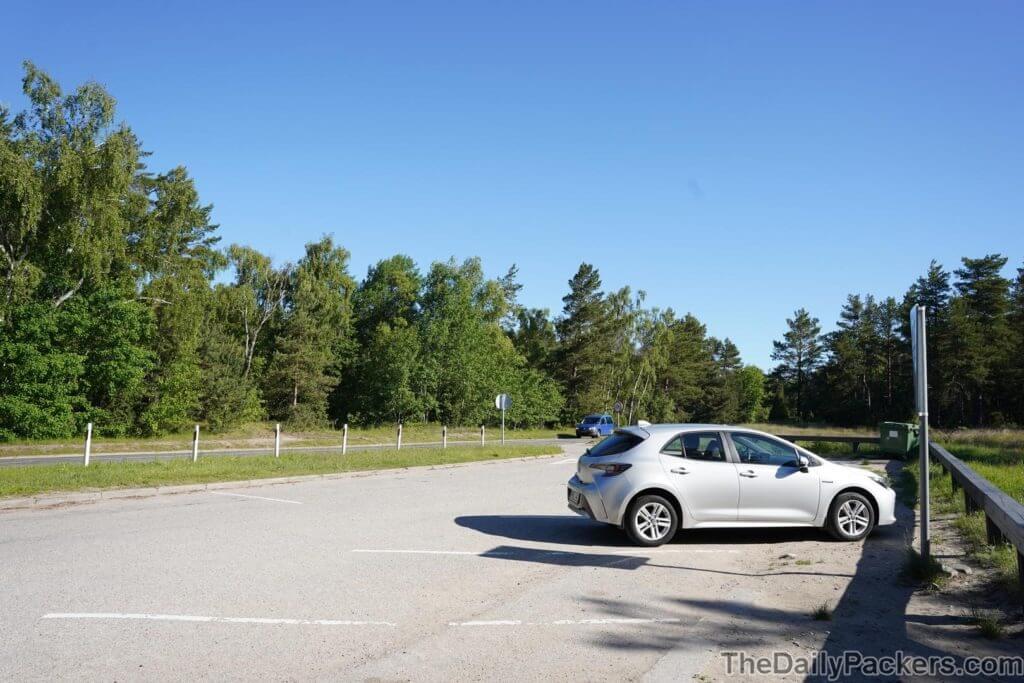
If you really want to explore all the best things to do in the Curonian Spit, the easiest way to move around is by car. In June, we found it extremely convenient—free parking was available almost everywhere except for Nida. However, keep in mind that in July and August, the number of visitors increases significantly, and parking can become a challenge, especially around the most popular attractions. Many parking lots are small and fill up quickly during the high season.
That said, biking is a fantastic alternative. The entire spit is lined with well-maintained bike paths, and you could technically bike from Smiltynė to Nida. It’s an incredible way to soak in the scenery at your own pace. If you’re into slow travel and love the outdoors, consider renting a bike or even bringing your own.
Walking is only recommended for short distances or local exploration. Given the spit’s length, exploring it on foot alone would be very limiting and exhausting.
Tip: If you’re traveling by car, consider parking outside of Nida and walking in, especially in peak season. And if you’re cycling, pack water, snacks, and a repair kit—some stretches can feel remote.

We recommend to rent a car through Discover Cars with free cancellation. Book your rental car here.
When to Visit
You can visit the Curonian Spit year-round, but your experience will vary greatly depending on the season. This UNESCO-listed peninsula is known for its dramatic nature, and each season brings a different perspective—whether it’s windswept dunes, blooming pine forests, or peaceful empty beaches.
- Spring (April to May): Spring is a refreshing and peaceful time to visit. The trees and wildflowers begin to bloom, the walking trails reopen, and the tourist crowds are still far away. Expect mild temperatures (10–18°C), fewer bugs than in summer, and a relaxed atmosphere. May is especially beautiful and ideal for hiking or cycling the spit.
- Summer (June to August): This is high season, and for good reason. Days are long (up to 17 hours of daylight), the beaches are warm, and everything is open. Temperatures range from 20–30°C, making it perfect for swimming, sunbathing, and exploring the dunes. Note: July and August are the most crowded months, especially in Nida. Parking can be tricky, and accommodations sell out quickly. If you want the best of summer without the chaos, June is your sweet spot—everything is open, but the island still feels relaxed.
- Autumn (September to October): Autumn brings golden tones to the forests and cooler, quieter days. The sea is still warm enough to swim in early September, and the crowds disappear quickly after August. By October, many tourist services begin to close, but the nature remains stunning, and you’ll have most of the trails to yourself. Perfect for photography and slow travel.
- Winter (November to March): Winter on the Curonian Spit is wild, raw, and incredibly quiet. The lagoon might freeze, and snow often dusts the dunes and forests, giving the landscape a magical, untouched vibe. Most accommodations and restaurants shut down, and daylight is limited to just a few hours, especially in December and January. But if you want true solitude and don’t mind the cold, this can be a truly unique experience.
Our recommendation: Visit in June or early September for the perfect mix of beautiful weather, open services, and fewer crowds. It’s when the Curonian Spit feels most alive—without being overrun.


Where to Stay
For our time on the Curonian Spit, we chose to stay in Juodkrantė, and we truly believe it was the best decision. Located right in the middle of the Lithuanian side of the peninsula, this small and peaceful village made it super easy to explore both the north and south of the spit.
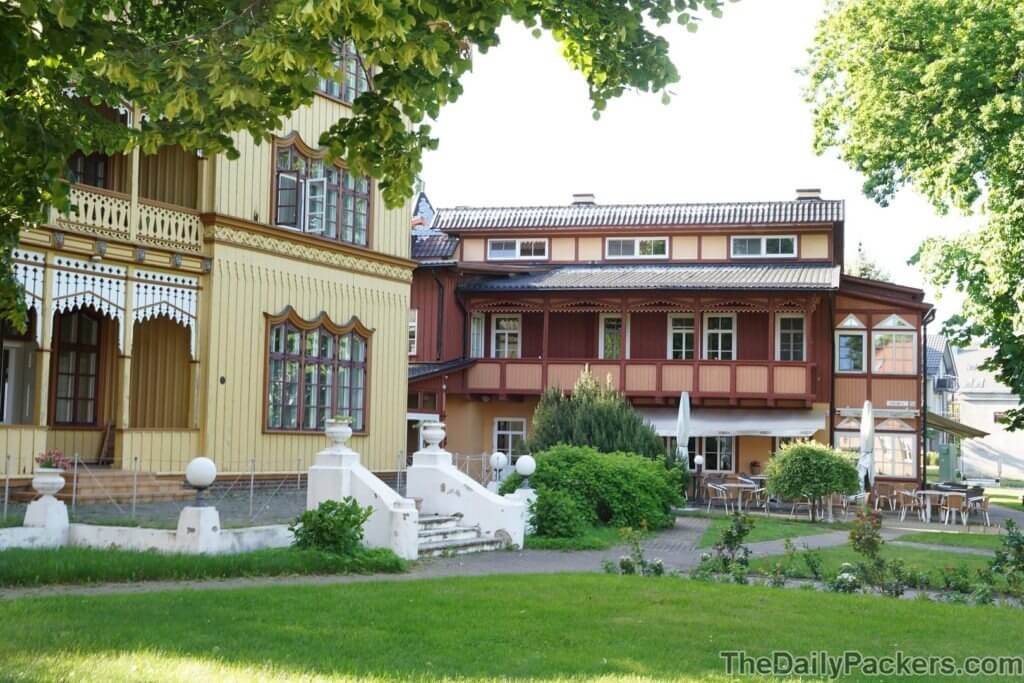
Juodkrantė is well-connected by road and bike paths, parking was free and easy, and the whole area had a very relaxed and local vibe—far less touristy than Nida. Plus, the location is perfect if you want to experience the Hill of Witches, nearby beaches, or just relax surrounded by pine forests and dunes.
Whether you’re looking for something budget-friendly or a luxury escape, here are a few great places to stay in Juodkrantė:
- (€) Prie Ąžuolo – A cozy and affordable guesthouse close to the forest and walking trails. Simple rooms, friendly staff, and great for budget-conscious travelers.
- (€€) Come2rest – Smilga – A modern and well-equipped apartment-style stay with plenty of space, ideal for couples or families. Walking distance to shops, restaurants, and the lagoon shore.
- (€€€) Vila MAY – A charming and elegant villa with spacious rooms, tasteful decor, and top-notch service. This boutique-style accommodation offers a serene setting and premium comfort for a relaxing stay.
Tip: Juodkrantė is also much easier to access and park in compared to Nida—especially in high season. We had no trouble finding a quiet spot, even in June.
For us, staying in Juodkrantė was the perfect mix of convenience, charm, and calm—a great home base to enjoy all the best things to do on the Curonian Spit.

Here are all your accommodation options in Juodkrantė
What to Eat
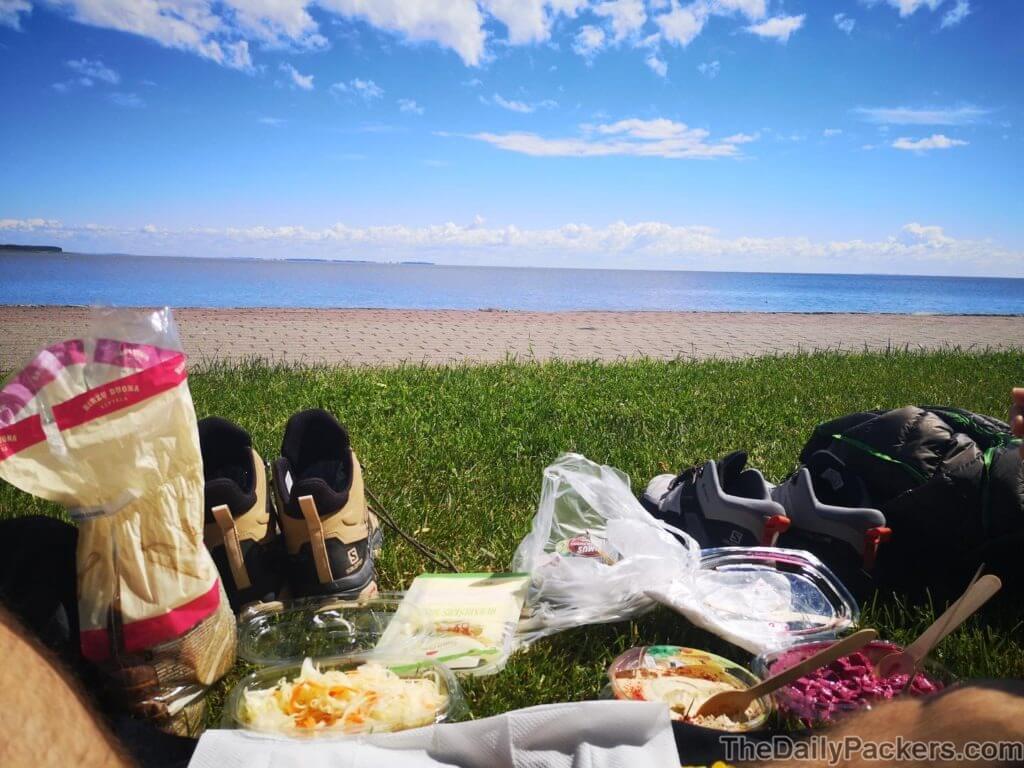
One of the best things to do on the Curonian Spit is to have a picnic surrounded by nature. We personally had a memorable picnic in Nida—we picked up some fresh food from the Maxima supermarket, which is well-stocked and easy to find in town, and then crossed over to the Baltic Sea side for lunch with a view. There are several shaded areas and plenty of benches along the dunes and forest paths, and we even found a free public toilet nearby, which made things very convenient.
If you’d rather enjoy a sit-down meal or grab a coffee, here are a few vegetarian-friendly restaurants on the Curonian Spit worth checking out:
Nida
- Kursis Restaurant: One of the most popular restaurants in Nida offering a wide range of dishes including vegetarian soups, salads, and pasta. The terrace is great on sunny days and prices are reasonable.
- Gardumėlis: A cozy café-bakery where you can enjoy vegetarian snacks, sweet pastries, and good coffee. Great for a light lunch or picnic prep.
Juodkrantė
- Žuvelė Restaurant: Though it focuses on fish dishes, it also offers a few vegetarian-friendly meals, including grilled vegetables, soups, and salads. A nice spot near the water.
- Baykų Namai (Owl House): A quirky café perfect for a coffee or snack. Vegan and vegetarian options vary by day, but they often have tasty soups, pastries, and a welcoming atmosphere.
Tip: If you’re staying in an apartment or guesthouse, shopping at Maxima or Iki and preparing your own meal for a beach picnic is not only affordable but allows you to enjoy the natural beauty of the spit without the crowds.

Check our Google Map of the Baltic States
Things to do in Curonian Spit
Juodkrantė Sand Sculptures – A Temporary Outdoor Art Gallery
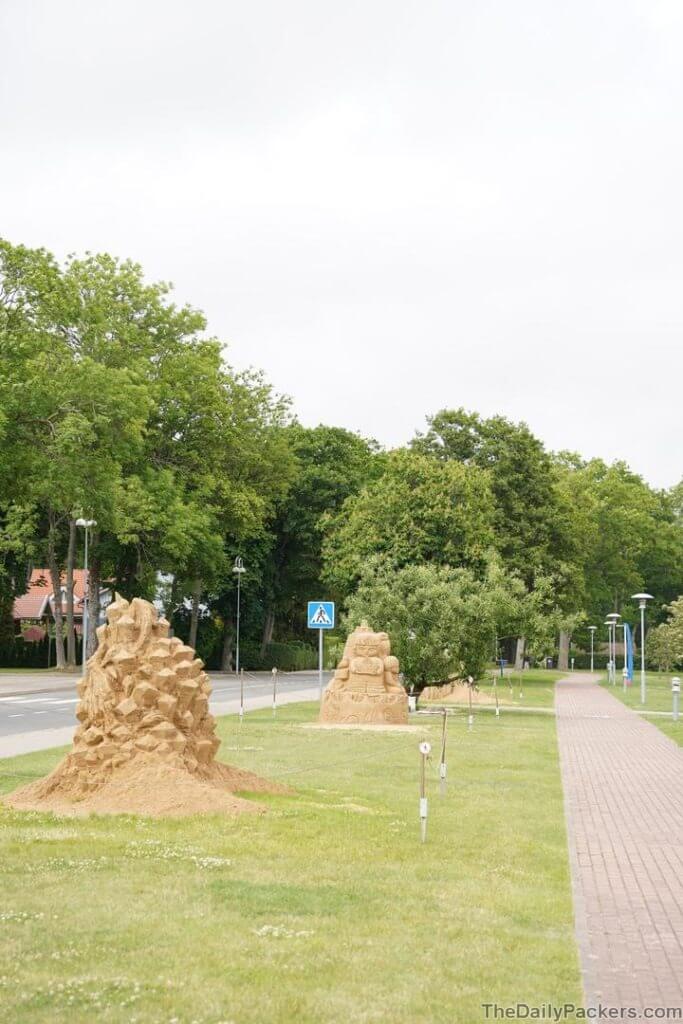
One of the most unique and unexpected things to see in Juodkrantė is the Juodkrantės Smėlio Skulptūros — intricate sand sculptures crafted by talented artists from Lithuania, Latvia, and Ukraine. Set along the coast of the Curonian Lagoon, this outdoor exhibition celebrates the legendary land of the Curonians through temporary yet stunning works of art.
Each summer, artists come together to create giant sand figures, often inspired by mythology, folklore, and local history. The detail in the sculptures is truly impressive, and the setting by the calm waters adds to the serene experience of walking through the exhibit.
Keep in mind: Due to the material and the coastal weather, the sculptures are temporary. They begin to deteriorate with the first autumn frost — cracking, crumbling, and slowly collapsing back into sand. So if you’re visiting in late spring or summer, make sure to pass by and enjoy this ephemeral art show before nature reclaims it.
Tip: Combine your visit with a stroll along the promenade or a picnic nearby for a peaceful and cultural afternoon.
Here are all your accommodation options in Juodkrantė
The Sound Catcher – Listen to the Forest’s Secret Symphony
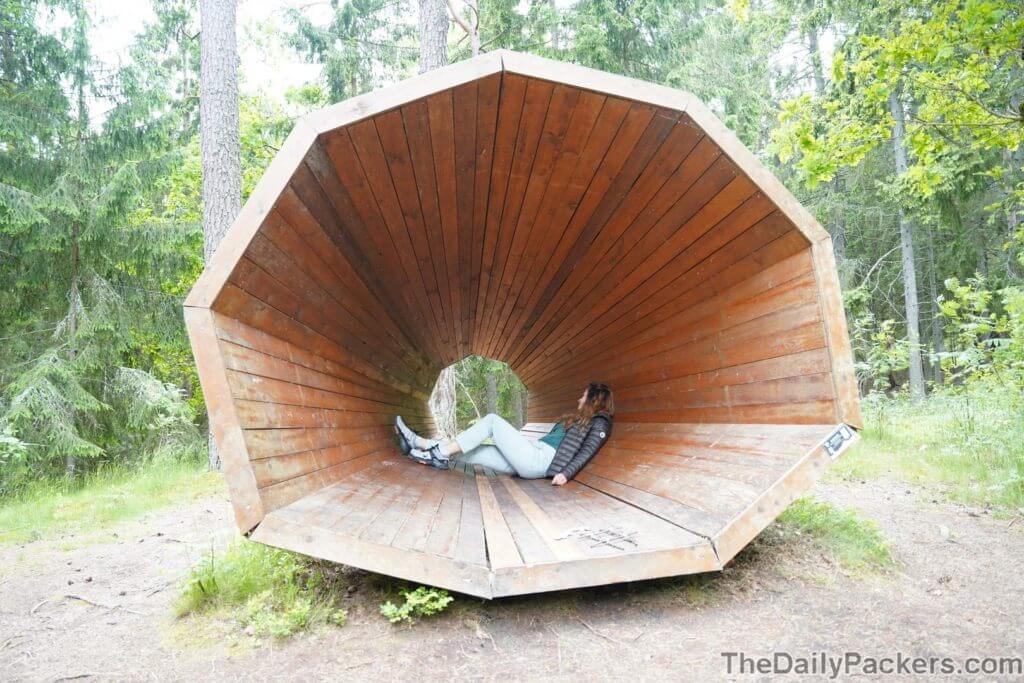
Tucked away in the peaceful forest near Juodkrantė, the Sound Catcher is a hidden gem you don’t want to miss. Shaped like a giant wooden megaphone, this immersive art installation is designed to amplify the subtle and soothing sounds of nature.
Easily accessible by a well-marked walking trail, the Sound Catcher makes for a lovely short hike. As you approach, the large cone structure appears almost organically from the woods — inviting you to step in, sit down, or simply place your ear against the smaller end.
Once inside, let your senses tune in. The longer you stay, the more you’ll begin to notice:
The wind rustling through the leaves
- Distant bird calls
- The gentle creaks of trees moving
- Even tiny forest creatures going about their day
It’s recommended to stay at least 30 minutes to truly immerse yourself. Over time, sounds typically unnoticed by the human ear begin to reveal themselves — offering a rare connection to the forest and its natural rhythm.
This spot is ideal for those who seek mindful moments in nature — a quiet, meditative escape from sightseeing.
Check our Google Map of the Baltic States
Juodkrantė Lighthouse – A Quiet Coastal Landmark
Just a short walk further into the forest from the Sound Catcher lies the Juodkrantė Lighthouse, a modest yet atmospheric structure that adds to the charm of the Curonian Spit’s rugged landscape.
Built in 1950, the lighthouse stands about 900 meters inland from the coast, nestled among tall pine trees rather than perched directly by the sea. Its unusual placement adds a certain mystery to the site — as if hidden away from plain sight, waiting to be stumbled upon.
Although the lighthouse is locked and you won’t be able to climb to the top, it’s still worth the visit for its nostalgic feel and peaceful surroundings. The area is typically quiet, and it’s a great place to pause, reflect, or simply enjoy the walk through nature.
Even without access to the top, the Juodkrantė Lighthouse offers a nice detour on a forest walk and pairs well with nearby attractions for a relaxed half-day excursion in nature.
The Hill of Witches – A Forest of Folk Tales and Fantasy
Nestled in the forest near Juodkrantė, The Hill of Witches (Raganų kalnas) is one of the most unique and atmospheric places to visit on the Curonian Spit. This open-air sculpture park is a short walk from the village and offers a magical mix of art, mythology, and nature.
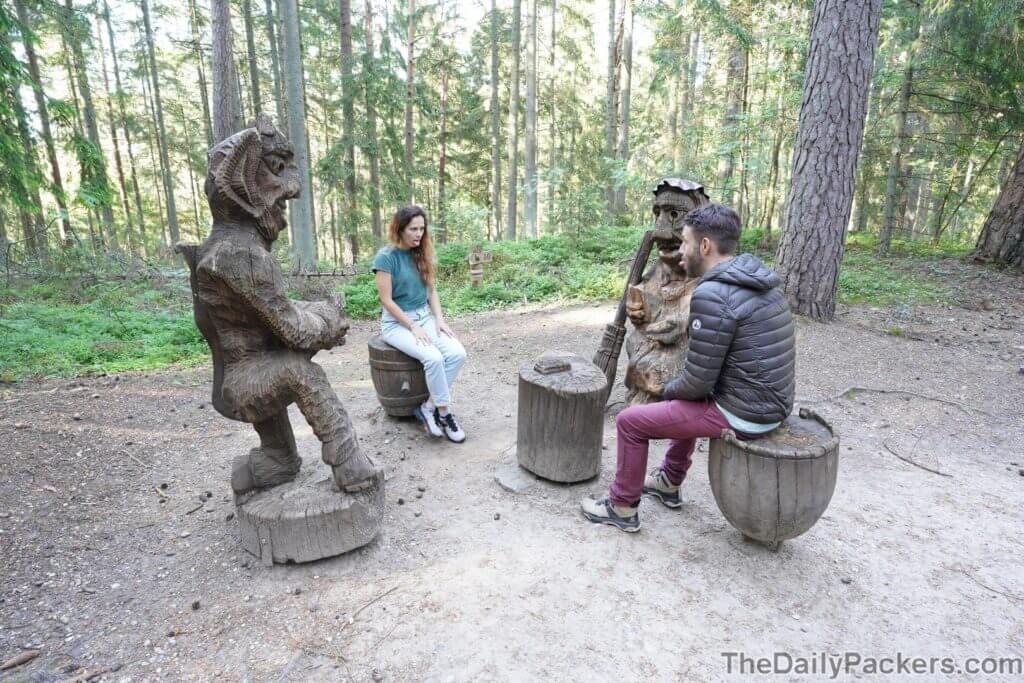
Spread across a forested dune, the trail winds past nearly 100 hand-carved wooden sculptures, created by Lithuanian artists since 1979. Many of the original works were crafted by Samogitian folk artists, with additional sculptures added over the years during annual woodcarving symposia.
Each sculpture represents a character or scene from Lithuanian pagan folklore and fairy tales — witches, devils, mythical creatures, and local legends brought to life in gnarled, expressive wood. Some are whimsical, others eerie, but all are deeply rooted in the country’s cultural imagination.
The trail is about 1.5 km long and takes you through a shaded forest path, with sculptures peeking from behind trees and appearing around unexpected corners. It’s easy to access, well-marked, and free to visit.
Whether you’re traveling with kids or just love places with a touch of mystery, The Hill of Witches is a must-see on your Curonian Spit itinerary. It’s playful, a bit spooky, and entirely enchanting — a true highlight of the region.
Here are all your accommodation options in Juodkrantė
Educational Dendrological Trail – A Scenic Loop through Juodkrantė’s Enchanted Forest
If you’re looking for an immersive and easy nature walk, the Educational Dendrological Trail in Juodkrantė is a fantastic way to explore the Curonian Spit’s peaceful landscape and hidden attractions. We highly recommend doing this loop trail — it’s the perfect introduction to the area and ideal for your first afternoon on the spit.
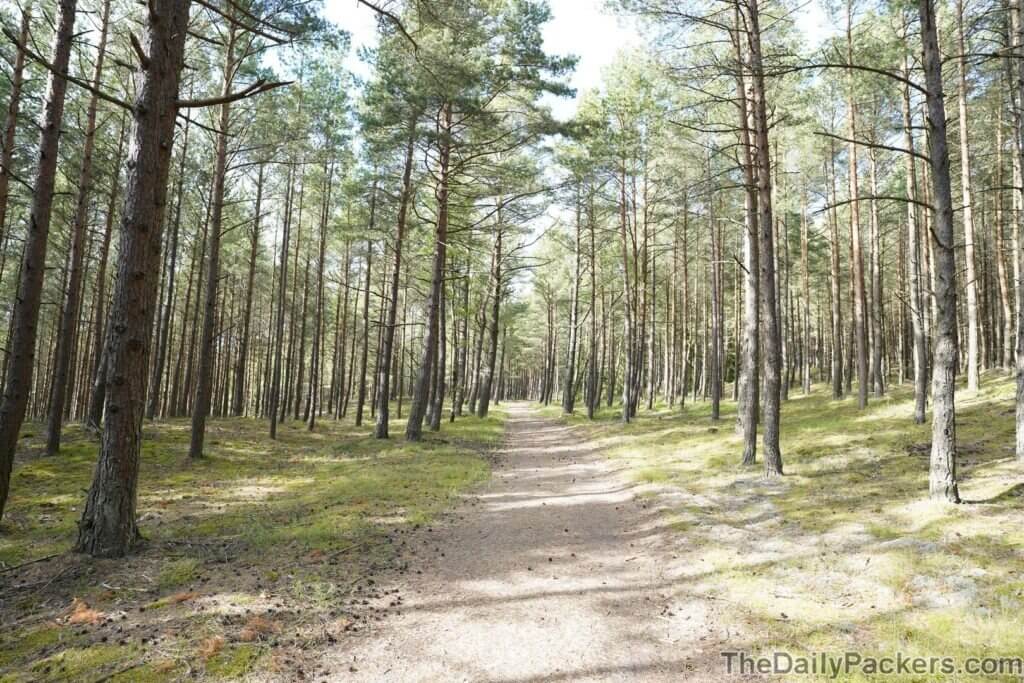
The route is about 7 to 8 kilometers long and weaves through one of the most beautiful forests we’ve ever seen. The lush pinewoods, covered in moss and bathed in golden light, make it feel like something out of a fairytale. The trail is well-marked, mostly flat, and accessible for most fitness levels.
What makes this trail special is the combination of natural beauty and points of interest along the way. Following this loop, you’ll be able to see:
- The Sand Sculptures: Impressive works of art created by sculptors from Lithuania, Latvia, and Ukraine, representing themes from the land of the Kursians.
- The Sound Catcher: A large wooden megaphone installed in the forest that allows you to tune into the quiet sounds of nature.
- The Juodkrantė Lighthouse: A peaceful detour in the woods — though you can’t climb to the top, it’s still a nice landmark to visit.
- The Hill of Witches: End the loop with this forest park filled with wooden sculptures inspired by Lithuanian legends and folklore.
It’s a well-rounded and magical walk that gives you a bit of everything — art, nature, legends, and tranquillity. Perfect for your first impression of the Curonian Spit.

Tip: We use the DJI Action 4 to film our vlogs — compact, durable, and perfect for capturing every adventure.
Stop at Avikalnis Observation Deck – Spot the “Wolf Trees” in a Sea of Pines
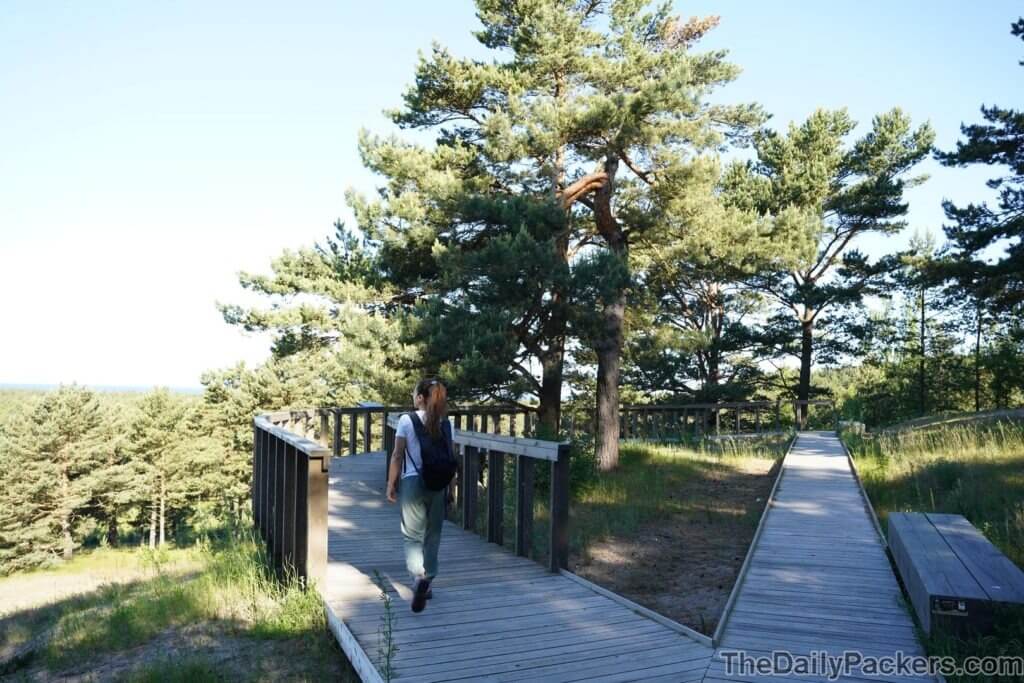
On your way to Nida, one of the most peaceful and interesting stops is the Avikalnis Observation Deck. Easily accessible, there’s a small parking area right by the road, and it only takes a 5-minute walk along a forest path to reach the platform.
From the deck, you get a beautiful panoramic view over the pine forest and the surrounding dunes. But what makes this place really special is the local tale of the “sheep and the wolves.” The hill, named Avikalnis (which means “Sheep Hill”), is dotted with a mix of typical slender pines and a few unusual ones — tall trees with thick trunks and wide-spreading crowns. These are nicknamed the “wolf trees.”
In contrast to the slim, uniform trees around them, these larger pines stand out like wolves in a flock of sheep, hence the name. It’s a poetic and striking visual that gives this short stop a sense of mystery and meaning.
It’s a quick visit, but a great way to stretch your legs, enjoy some fresh air, and start soaking in the quiet beauty of the Curonian Spit.
Tip: We never travel without our DJI Mini 3 PRO drone anymore — it’s totally worth having to capture places from a whole new perspective.
Grey Dunes – Hike Through a Martian-Like Landscape
Just a few minutes after Avikalnis Observation Deck, you’ll reach one of the top things to do in the Curonian Spit: the Grey Dunes, located within the Nagliai Strict Nature Reserve. There’s a larger designated parking area here, and an entrance fee of 5€ per person applies. However, if you arrive right at opening time (9:00 AM), as we did, you may find the entrance booth unattended.
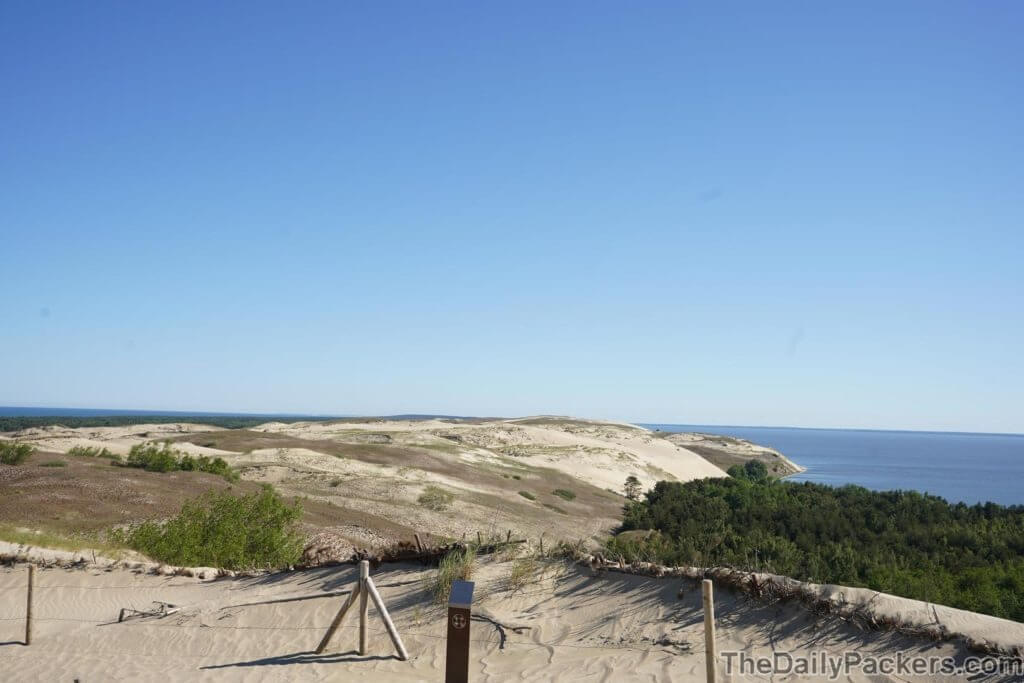
The Grey Dunes, also called the Dead Dunes, are a surreal and cinematic landscape—massive waves of shifting sand that stretch across a silent, windswept expanse. Covering 1,699 hectares, the area includes some of the highest dunes on the spit, with the tallest reaching 59.9 meters in elevation.
To visit the dunes, you’ll follow the Educational Trail of Nagliai Reserve, a 1.1 km one-way hike (2.2 km round-trip) with about 50 meters of elevation gain. The first part of the trail is a wooden boardwalk through the coastal pine forest, but soon it opens up into soft sand that leads you deeper into the dune fields.
At the end of the trail stands a small observation platform, perfect for taking in panoramic views over the dunes, the lagoon, and even the Baltic Sea on clear days. The dramatic contrast between the forest, the sand, and the sky is unforgettable.
This spot is a must-see and one of the most photogenic areas on the Curonian Spit. If you’re planning a longer walk, come early, bring water, and be ready for the sun and wind—there’s no shade once you hit the dunes.
Artist’s Dune (Preila Dune) – A Painter’s Viewpoint in Preila
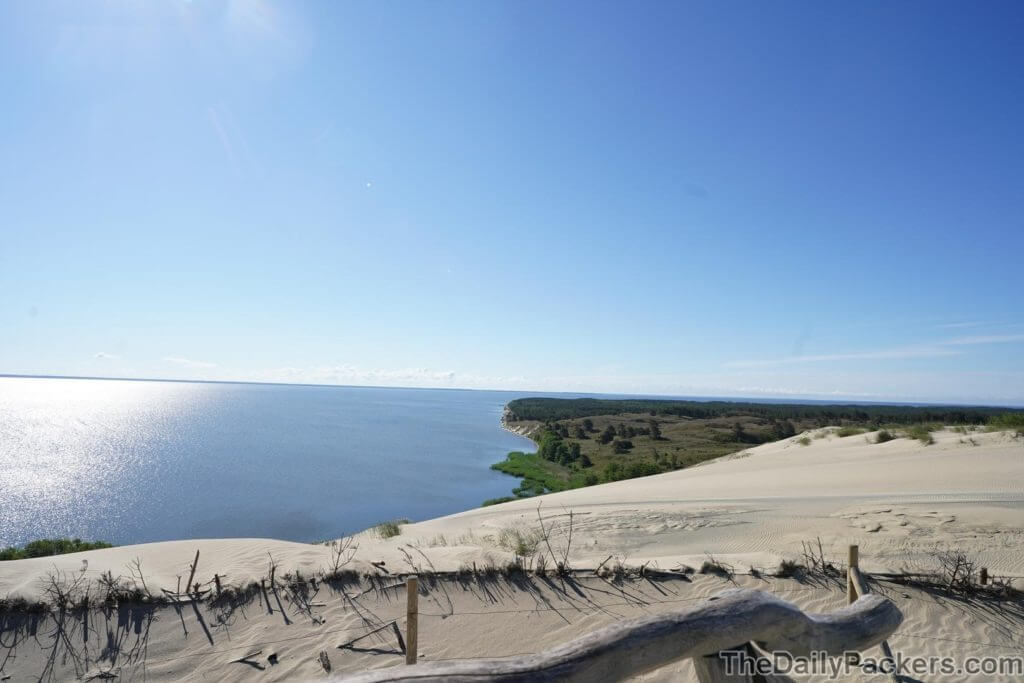
Located just outside the peaceful village of Preila, the Artist’s Dune—also known as Preila Dune—is one of the more tranquil and lesser-known viewpoints on the Curonian Spit. Its nickname comes from the Soviet era, when painters were often drawn to this spot for its inspiring light, scenic views, and peaceful setting. Many locals still refer to it today by its artistic moniker.
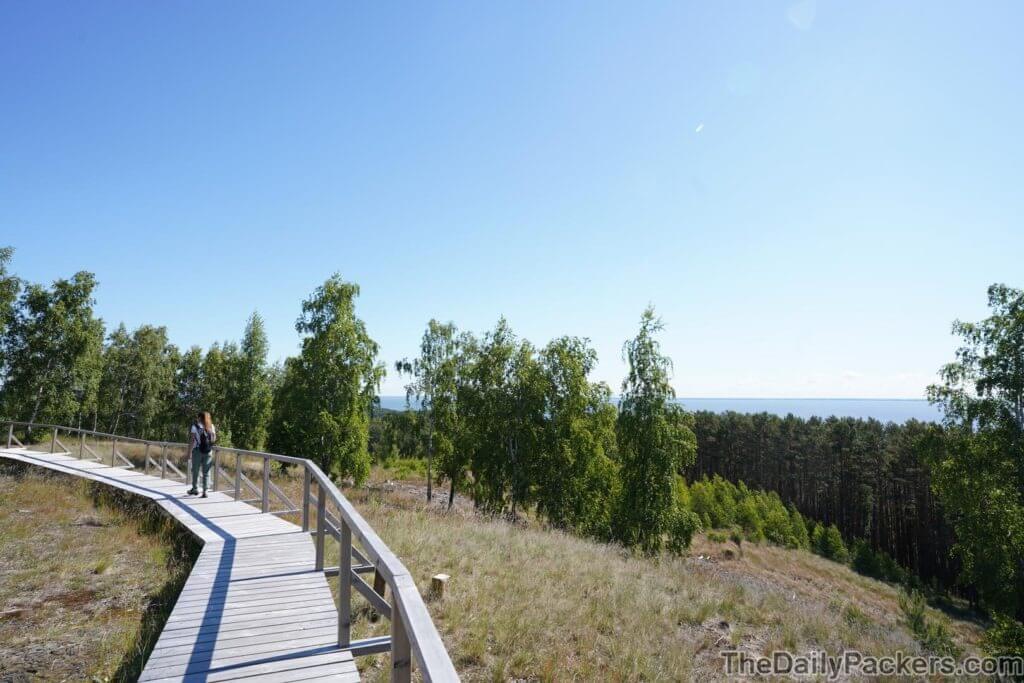
Reaching the top is easy and pleasant, thanks to well-maintained wooden paths and stairways that wind through the forest and sand. The walk takes around 10–15 minutes one way, making it a great short hike even if you’re not an avid walker.
Once at the top, you’re rewarded with a wide panorama: views over the lagoon, the surrounding pine forest, and glimpses of the Baltic Sea in the distance. It’s a perfect place to catch your breath, snap a photo, or simply sit and take in the beauty of the Curonian landscape.
Here are all your accommodation options in Juodkrantė
Preila – A Peaceful Hidden Gem on the Curonian Spit
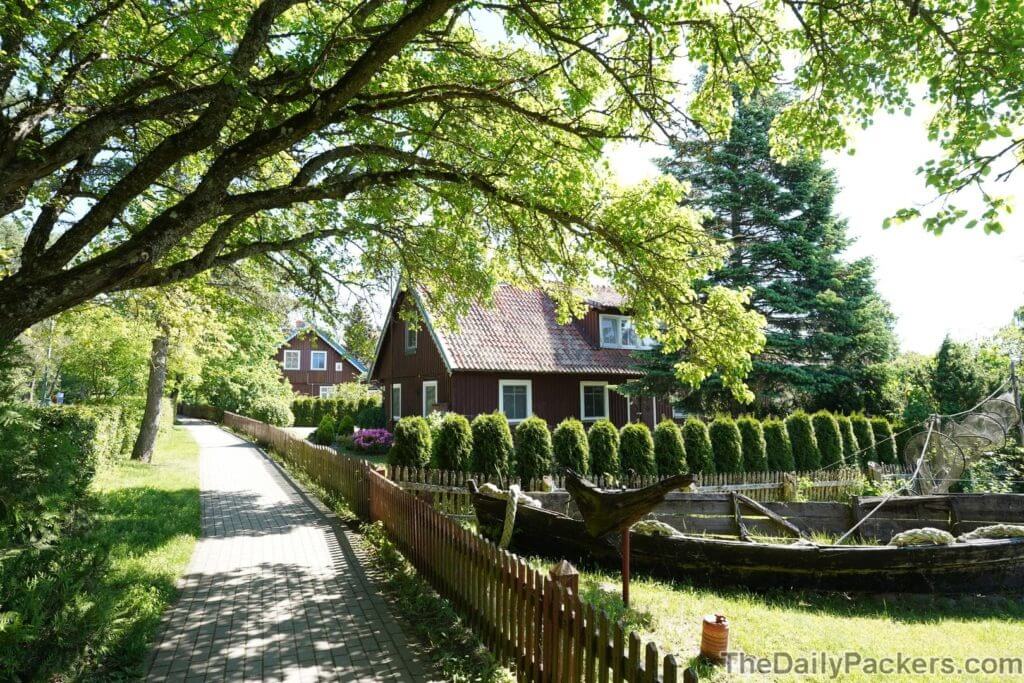
Preila is a small, charming settlement nestled between the Curonian Lagoon and lush pine forests. Despite its modest size, it left a lasting impression on us and quickly became one of our favorite places on the entire Curonian Spit.
What makes Preila special is its tranquility and authenticity. There are no big crowds or tourist buses—just wooden houses, quiet lanes, and scenic views over the water. The whole village feels peaceful and inviting, perfect for slowing down and soaking in nature.
We loved simply strolling through its little streets, admiring the traditional architecture and peaceful atmosphere. If we had more time, we definitely would’ve rented a house here to enjoy a few days of total relaxation. It’s the kind of place where you could spend an afternoon reading by the water, sipping coffee on a porch, or biking along the nearby trails.
If you’re looking for a less touristic and more intimate base to explore the Curonian Spit, Preila is a wonderful option to consider.
Tip: We use the DJI Action 4 to film our vlogs — compact, durable, and perfect for capturing every adventure.
Vecekrug Dune – The Highest Dune on the Lithuanian Side
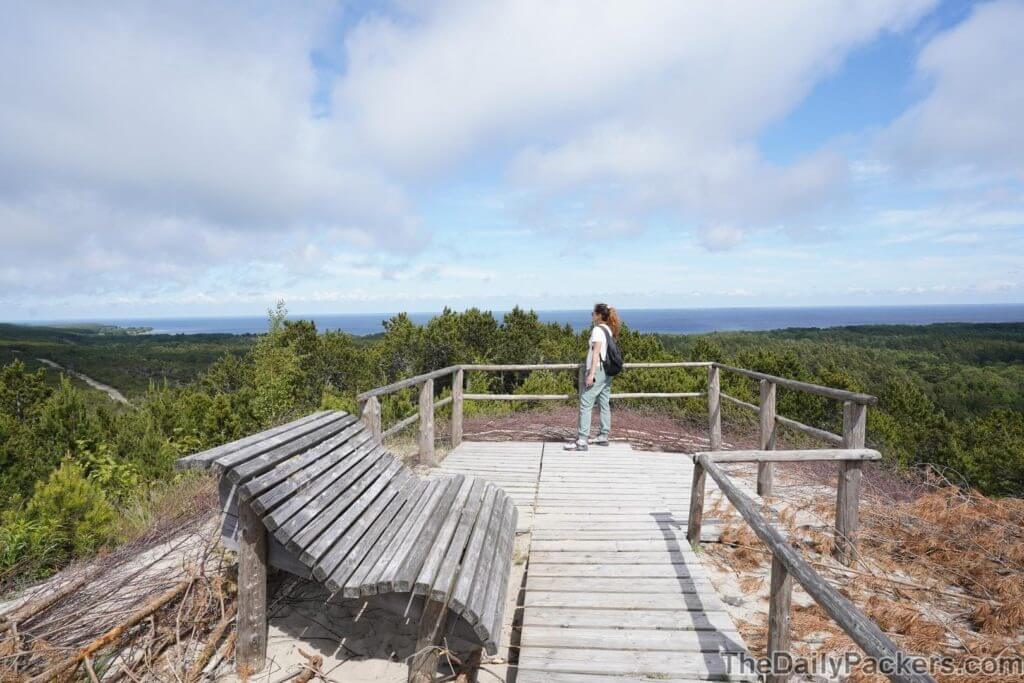
The Vecekrug Dune is one of the most scenic and peaceful spots on the Curonian Spit, located within the Karvaičiai Landscape Reserve. Standing at 67.2 meters, it is actually the highest dune on the Lithuanian side of the spit.
To reach it, you’ll need to park your car at a small lot just off the main road — there’s space for about 4 to 5 vehicles, so it’s best to come early or outside of peak hours. From the parking, it’s a 1.3 km walk to the top. The trail first winds through a beautiful, shaded pine forest before opening up to the dunes.
Once you emerge from the trees, you’ll find yourself on the crest of the dune, with an observation deck and a bench where you can sit, relax, and take in the stunning views over the surrounding landscape and toward the Curonian Lagoon.
What makes Vecekrug special is not just its height, but the serene atmosphere. Unlike the Grey Dunes or other more popular spots, it remains relatively quiet even during the summer months — a perfect place to reflect, photograph, or just enjoy a picnic surrounded by nature.
Here are all your accommodation options in Juodkrantė
Mizgiris Amber Museum – Discover the Baltic Gold
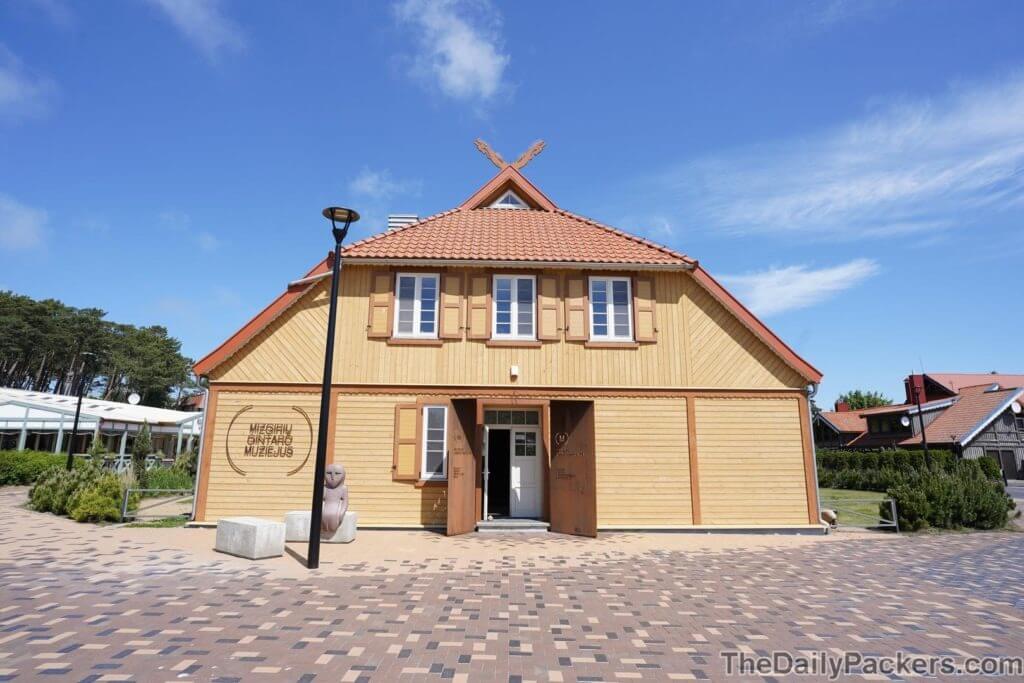
If you’re curious about amber, the Mizgiris Amber Museum in Nida is a must-visit. This beautifully designed, modern museum offers a deep dive into the world of amber, not just as a gemstone but as part of nature’s history and Lithuania’s cultural heritage.
The museum showcases amber in artistic and scientific ways — from raw pieces to intricately carved art objects. What makes it unique is its immersive focus on the natural environment where amber forms. Through engaging exhibits and multimedia, you’ll learn about the ancient forests and rivers where Baltic amber originated and how it was collected and used throughout history.
The entrance fee is €9. The museum is located in central Nida and is typically closed during the off-season, from November to March.
Whether you’re an art lover, a nature enthusiast, or just intrigued by the “Baltic gold,” the Mizgiris Amber Museum is one of the top cultural things to do in the Curonian Spit.
Check our Google Map of the Baltic States
Nida Fisherman’s Ethnographic Homestead – Step Back in Time
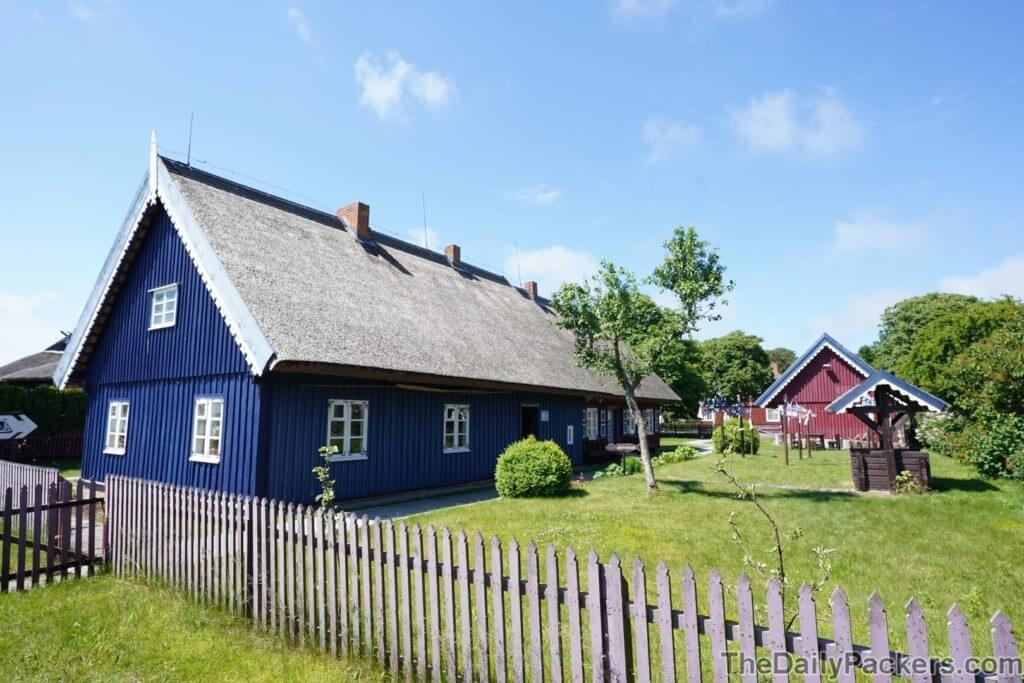
The Nida Fisherman’s Ethnographic Homestead is one of the best places to visit in the Curonian Spit if you’re interested in local history and traditional life. This small yet charming museum is located in a restored fisherman’s cottage, right in the heart of Nida.
Inside, you’ll find a carefully recreated living space filled with authentic 19th and early 20th-century furniture, fishing tools, household items, and local crafts. It offers a fascinating glimpse into how fishermen and their families lived and worked in the past — from the layout of their homes to the tools they used to survive along the lagoon.
The homestead also features a small garden and traditional outbuildings, making it easy to imagine daily life in this remote fishing village. It’s a quick but meaningful stop that adds cultural depth to your exploration of the Curonian Spit.
Expect to spend about 30–45 minutes here. Entry is inexpensive (usually just a couple of euros), and it’s often quiet, making it an ideal cultural break between hikes and nature spots.
Nida: A Must-Visit in the Curonian Spit
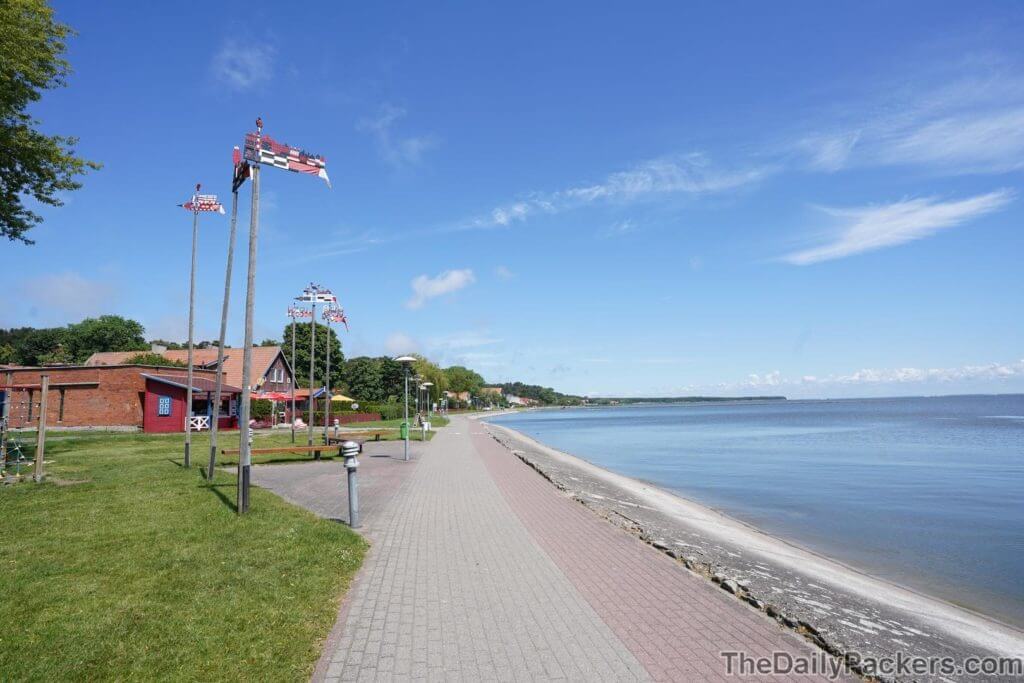
Nida is without a doubt one of the must-do places on the Curonian Spit. It’s the biggest and westernmost town on the spit, with just over 2,300 residents. This charming little fishing village is known for its peaceful atmosphere and colorful wooden houses that line the quiet streets.
Surrounded by natural beauty, Nida sits between the calm waters of the Curonian Lagoon on one side and a dense pine forest on the other, with the iconic sand dunes just a short walk away. It’s a wonderful place to slow down, explore on foot, and simply soak in the unique blend of nature and traditional Lithuanian charm.
Tip: We never travel without our DJI Mini 3 PRO drone anymore — it’s totally worth having to capture places from a whole new perspective.
Nida’s pier
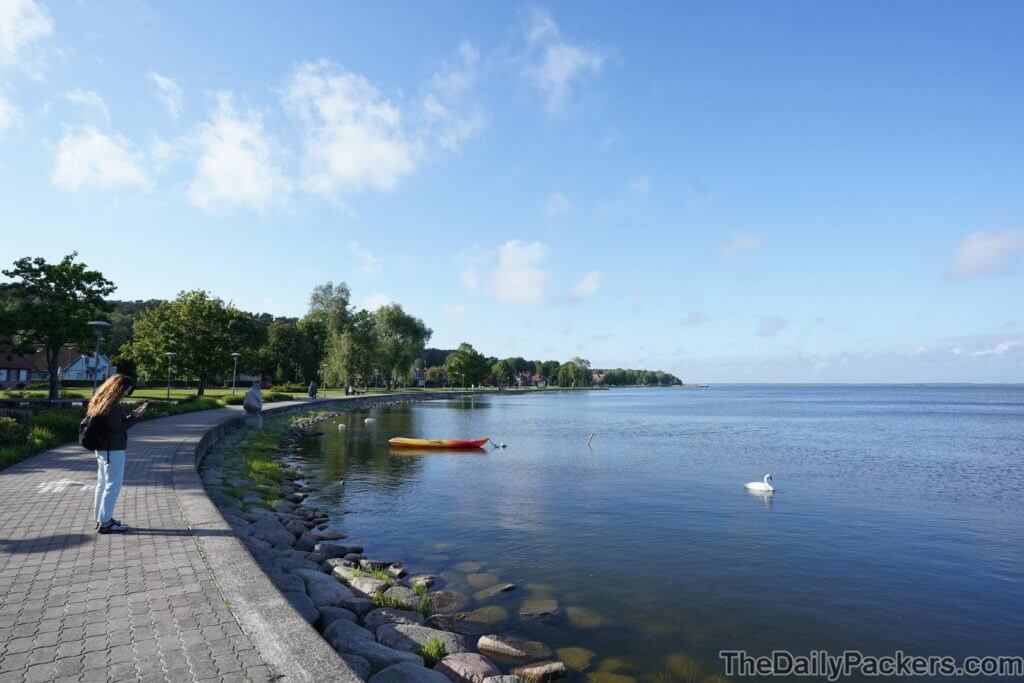
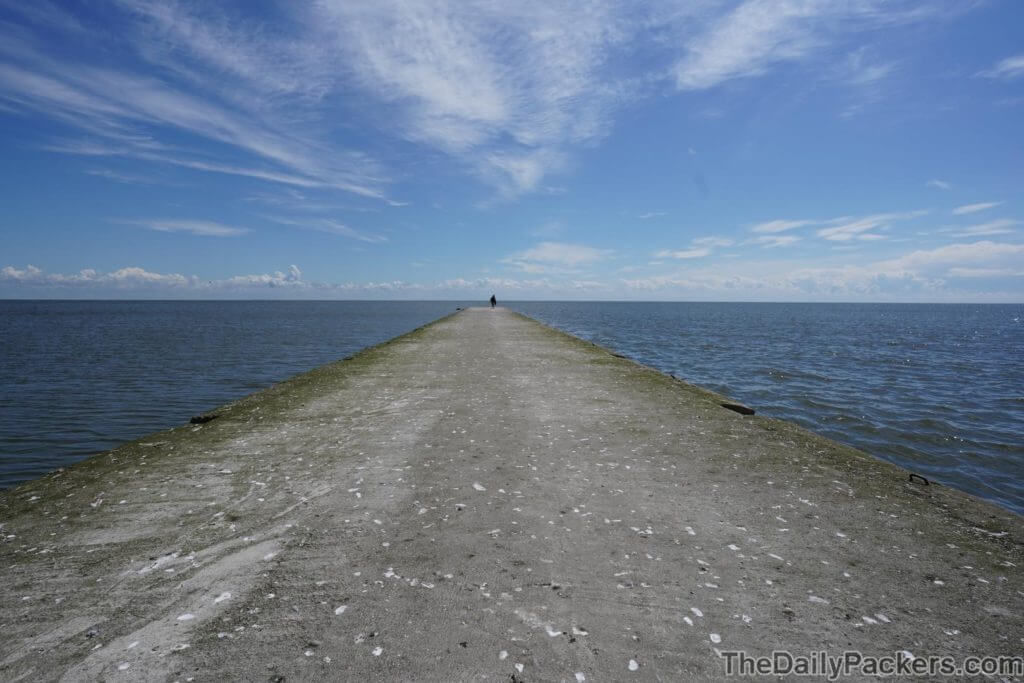
One of the simplest yet most rewarding things to do in Nida is to walk along the coast all the way to the end of the pier. The walk is peaceful, with views of the calm lagoon, colorful boats bobbing in the water, and birds gliding overhead. You can go as far as you like—there’s no rush here. It’s the kind of place that invites you to slow down, breathe deeply, and just enjoy the moment.
Tip: We use the DJI Action 4 to film our vlogs — compact, durable, and perfect for capturing every adventure.
Hike the Parnidis Dune
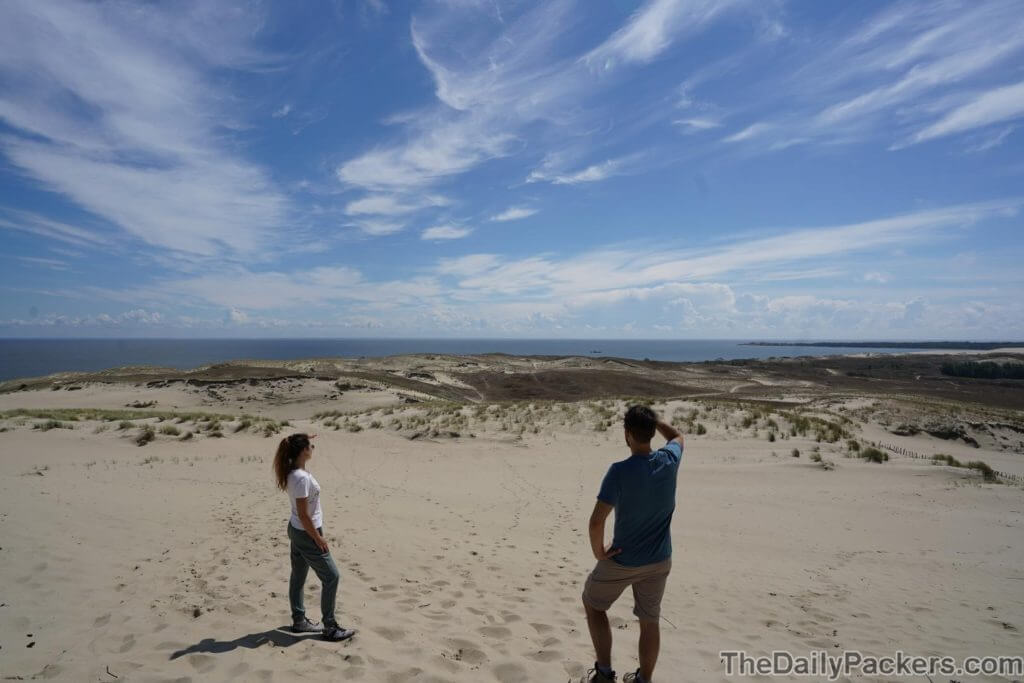
Just outside Nida, the impressive Parnidis Dune rises up to 52 metres above sea level, offering one of the best views in the entire Curonian Spit. If you’re coming by car, there’s a small parking area that fits about 10 cars. From there, it’s a short 5-minute walk to the Sundial, a striking stone sculpture that also functions as a giant sun clock.
Right next to it, you’ll find a panoramic viewpoint overlooking the surroundings of Nida—think the old lighthouse, Bulvikis Cape, the Sklandytojai Dune, and the endless stretch of pine forests and lagoon beyond. On clear days, you can even spot the Russian border in the distance.
If you’re up for more, you can continue walking along the dune. While the edges are protected and off-limits, the marked path through the center is open to visitors. It’s a surreal and peaceful place, where the wind constantly reshapes the landscape and the views stretch on forever.
Here are all your accommodation options in Juodkrantė
Stop at the Bear Head Observation Deck for a Unique View of the Dunes
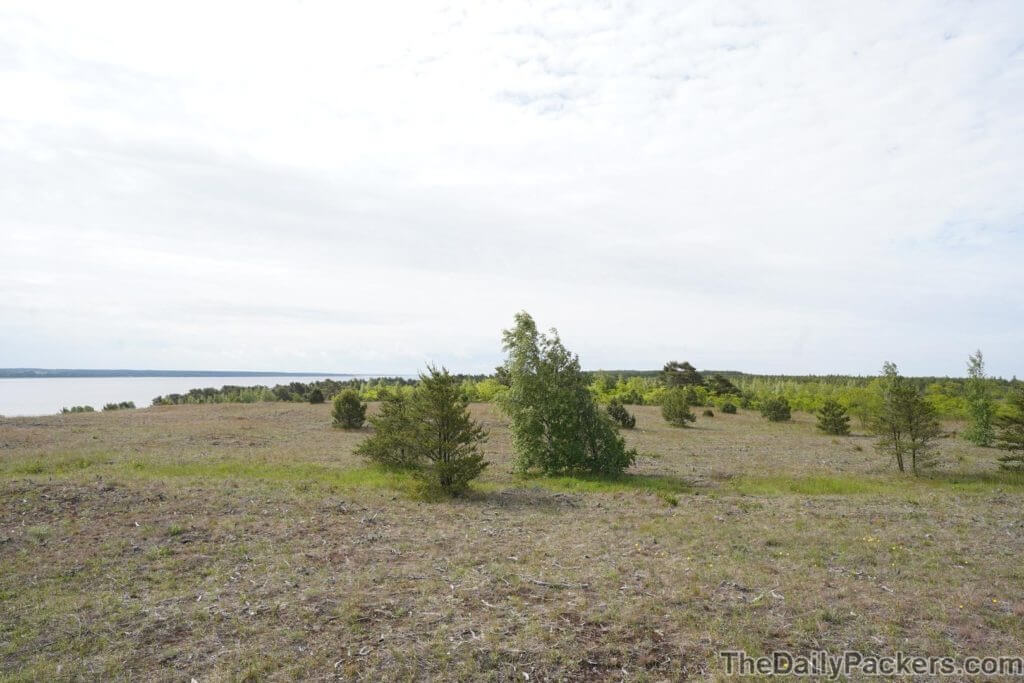
The Bear Head Observation Deck is a quick and easy stop just five minutes from the main road. From here, you’ll get a unique view over the dunes—one of which resembles the shape of a bear’s head, giving the spot its name.
This part of the Curonian Spit feels more industrial, with the port located nearby, so the vibe is quite different from the peaceful dunes near Nida. Still, it’s an interesting contrast and offers a glimpse into the working side of the region.

Read: All our gears and equipments for hiking, blogging, vlogging and so much more…
Dip Your Toes (or Take a Plunge) in the Baltic Sea
No visit to the Curonian Spit is complete without a walk along one of its wild, windswept beaches. Pick any access point along the coast, and you’ll find soft sand, crashing waves, and endless space to roam. The entire western side of the spit is lined with beach, so if you’re up for it, you could technically walk all the way from the northern tip to the southern end.
Go ahead—kick off your shoes and dip your toes in the Baltic Sea. Just be warned: it’s cold. Really cold. But if you’re feeling bold, take the plunge for a brisk and unforgettable swim.
One thing to keep in mind—the beaches here can be extremely windy. Bring an extra layer, and maybe leave your beach umbrella at home.

We recommend to rent a car through Discover Cars with free cancellation. Book your rental car here.
Add a Cultural Stop to Your Curonian Spit Adventure
If you’re looking to add a bit of culture to your visit, there are a couple of great options along the Curonian Spit worth checking out.
The Thomas Mann Culture Centre is located in Nida and is dedicated to the famous German writer who spent several summers here in the 1930s. His former summer house has been turned into a small museum, offering a glimpse into his life and connection to the region. The views from the hill where it’s located are also stunning.
Further north, near Klaipėda, you’ll find the Lithuanian Sea Museum, housed in a historic 19th-century fortress. It features marine life exhibits, aquariums, and even a dolphinarium—great for families or anyone curious about the Baltic Sea ecosystem.
Here are all your accommodation options in Juodkrantė
Curonian Spit Itinerary
Day 1: Juodkrantė & Arrival
- Drive to the Curonian Spit
- Check into your accommodation
- Walk the Educational Dendrological Trail
- Visit Juodkrantė Sand Sculptures & Sound Catcher
- Climb to Juodkrantė Lighthouse
- Explore the Hill of Witches
Day 2: Dunes, Villages & Nida
- Visit Avikalnis Observation Deck
- Hike the Grey Dunes & Artist Dune
- Stroll through Preila
- Climb Vecekrug Dune
- Lunch on the coast of Nida
- Discover Nida town
- Visit Mizgiris Amber Museum & Fisherman’s Homestead
- Walk to Nida’s Pier & Parnidis Dune
- End the day with a beach walk
Day 3: Final Views & Departure
- Stop at Bear Head Observation Deck
- Take a final beach walk
- Drive back and take the ferry to Klaipėda
Read: The Perfect 2-Week Baltic States Itinerary
About the authors
We are Alex and Tina, a French-Serbian couple who met in China back in 2014. We spent three incredible years there before making France our home. Our shared passion for travel has been the heartbeat of our relationship for over 12 years, taking us across 44 countries and counting.
We launched TheDailyPackers in 2019 as a way to document our adventures. In 2026, we reached a major milestone by officially turning our blog into our full-time job. While we are still growing toward financial independence through this platform, every article we write is fueled by our mission to make your voyages easier through in-depth guides, honest advice, and the lessons we’ve learned from our own mistakes.
Our journey has not been without its storms. In 2023, our world changed forever when our first son, Poppy, was stillborn on November 25th. It was, and remains, the hardest chapter of our lives. In 2025, we were blessed with our second little boy, Milo. He has since joined our traveling tribe, and you’ll be seeing him—and the reality of traveling with a little one-on the blog more and more.
We hope to inspire you to explore the world with curiosity and resilience. Thank you for being part of our story.
You may also like those related posts
10 Best Things to Do in Freiburg, Germany, in 1 Day or more
Bratislava Old Town Hall: History, Museum & Tower Views
How to Travel Without a Plan: our 2025 Success Guide
23 Best things to do in Zlatibor, Serbia, in 4 days or more
Visiting Perito Moreno Glacier: Everything You Need to Know
8 Best Things to do in Delft, Netherlands, in 1 day
The perfect Indonesia Itinerary: 2 & 3 Weeks for first timers
14 Best Things to do in Koh Samui, Thailand, in 4 to 5 days
Pssst, did you know that…
If you purchase something through our links, we earn a small fee. However, you still pay the same. Win-win! And one day we may get to be full-time travel bloggers =)
Find Hotels with Booking.com
Do Yoga with KVY
Buy us a Coffee
Rent a car with DiscoverCars
Find Attractions with GetYourGuide
Find Flights with Expedia
Buy an eSIM with Airalo
Get insured with World Nomads
Get ready with Amazon.com