

Introduction
Until 1985, Jericoacoara was nothing more than a sleepy fishing village in Brazil, tucked away between shifting sand dunes, calm lagoons, and the Atlantic Ocean. With no roads or electricity, it was truly off the grid. But that changed when travelers began to discover its raw beauty.
In 1994, The Washington Post named Jericoacoara one of the ten most beautiful beaches in the world, and it’s easy to see why. Since then, it has become a favorite destination for Brazilian tourists—and slowly gained international attention too.
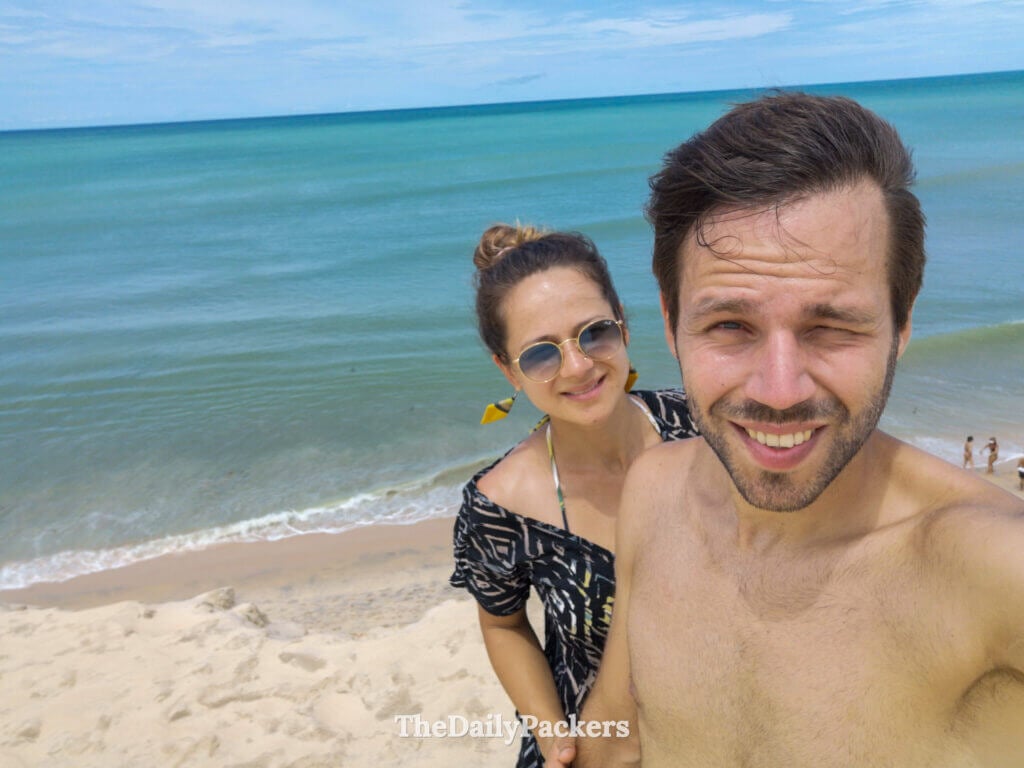
Luckily, when we visited in February, the high season had just ended. The crowds were gone, and the charm of Jeri, as locals call it, was fully intact. Peaceful streets, golden dunes, stunning sunsets—it was absolutely magical.
Jericoacoara is one of the places we remember the most from our 3-month South America backpacking trip. It was our second stops once back in Brazil, after Fortaleza and right before Salvador.
In this article, we’ll share everything you need to know about Jericoacoara: how to get there, what to do, where to stay, and how to make the most of your time in one of Brazil’s most unique destinations.

Getting there
Jericoacoara is a small, laid-back village nestled within the Jericoacoara National Park. Reaching it requires a bit of effort, but that’s part of what makes it so special. There are two main ways to get there—either from Fortaleza or from São Luís.
From Fortaleza (the easiest and fastest option):
If you’re flying in or already in Fortaleza, Jericoacoara is about 300 km away. The most convenient option is to book a guided transfer or tour. That’s what we did, and we highly recommend it. The tour company picked us up from our accommodation in Fortaleza, arranged both the long-distance bus and the 4×4 vehicle needed to cross the dunes, and even included scenic stops along the way.
From São Luís:
This is the longer, more adventurous route. While it takes more time, it offers a chance to explore other gems along the way like Barreirinhas and Parnaíba—perfect if you’re combining it with a trip to Lençóis Maranhenses. It’s a beautiful overland journey if you’re not in a rush.
DIY Option:
You can also organize the trip yourself by heading to the Fortaleza bus station, taking a bus to Jijoca, and then transferring to a 4×4 for the final sandy stretch to Jeri. But honestly, it’s more complicated and can end up costing about the same—especially if you factor in time and transfers.
And if you want to organise your bus earlier, you can even book it online, which is really convenient.
What we paid:
- Guided transfer from Fortaleza to Jericoacoara: 360 BRL for two people
- Jericoacoara National Park entrance fee: 20 BRL per person
At the time of our trip, the DIY bus tickets we saw online were actually more expensive than our all-in-one transfer.

Our Transfer Experience from Fortaleza to Jericoacoara
We booked our transfer to Jericoacoara with a tour company that handled everything: pickup, bus ride, 4×4 transfer, and even a few stops along the way. While convenient, the journey turned out to be… quite the adventure.
We were scheduled for a 4:00 AM departure, but the van didn’t show up until 4:45 AM—and it was freezing inside. After a bit of confusion (including dropping off the wrong family and a lost driver moment), we finally reached the bus at 5:05 AM.
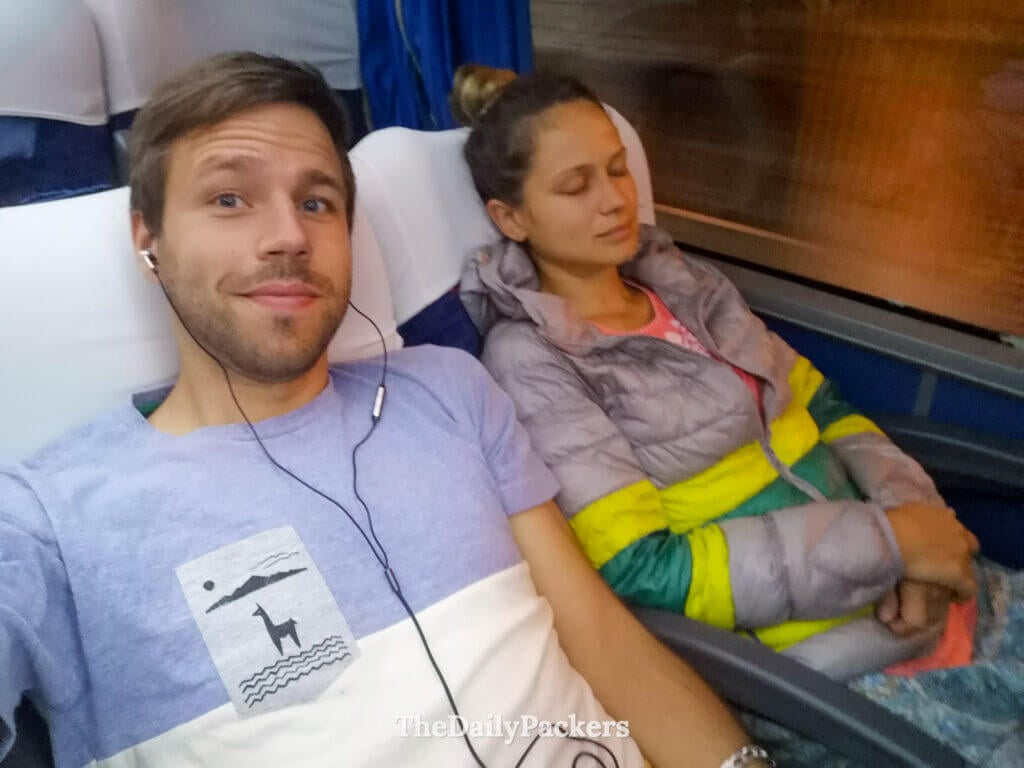
The bus itself was a standard South American double-decker. No assigned seats, but we found two together upstairs. The AC wasn’t blasting, which was a plus. There was a guide onboard, but he only spoke Portuguese, so we just followed the flow.
We made a breakfast stop around 7:00 AM at a roadside café with buffet options. We brought our own food, so we just used the (finally cleaned) restrooms. There’s also a toilet on the bus, but it doesn’t work when the bus isn’t moving.
By 9:50 AM, we reached the entrance of Jericoacoara National Park, where we paid a small environmental tax: 5 BRL per person, per night.
Then came the bumpy part: a 4×4 ride through the dunes. We squeezed 13 people into a truck built for 10. At 11:00 AM, we made a stop at a lagoon and beach club. It was packed, so we escaped to a quieter part of the lagoon and enjoyed the scenery—until the rain started.
After a rainy wait, we hopped back in the truck to a second lagoon stop. But with the downpour, we stayed in the car. That stop didn’t look very inviting anyway—more like a muddy pond with hammocks.
We finally arrived in Jericoacoara around 4:00 PM, soaked backpacks and all.


Tip: This highly rated transfer for Fortaleza to Jericoacoara is your best option.
Moving Around
Getting around Jericoacoara is super easy—everything is within walking distance. The village is small and car-free, with sandy streets instead of paved roads, giving it a laid-back and rustic vibe.
Here are your main options:
- On Foot: The best and most popular way to get around. You can easily walk from your accommodation to the beach, restaurants, shops, and the main viewpoints like the Sunset Dune or Pedra Furada.
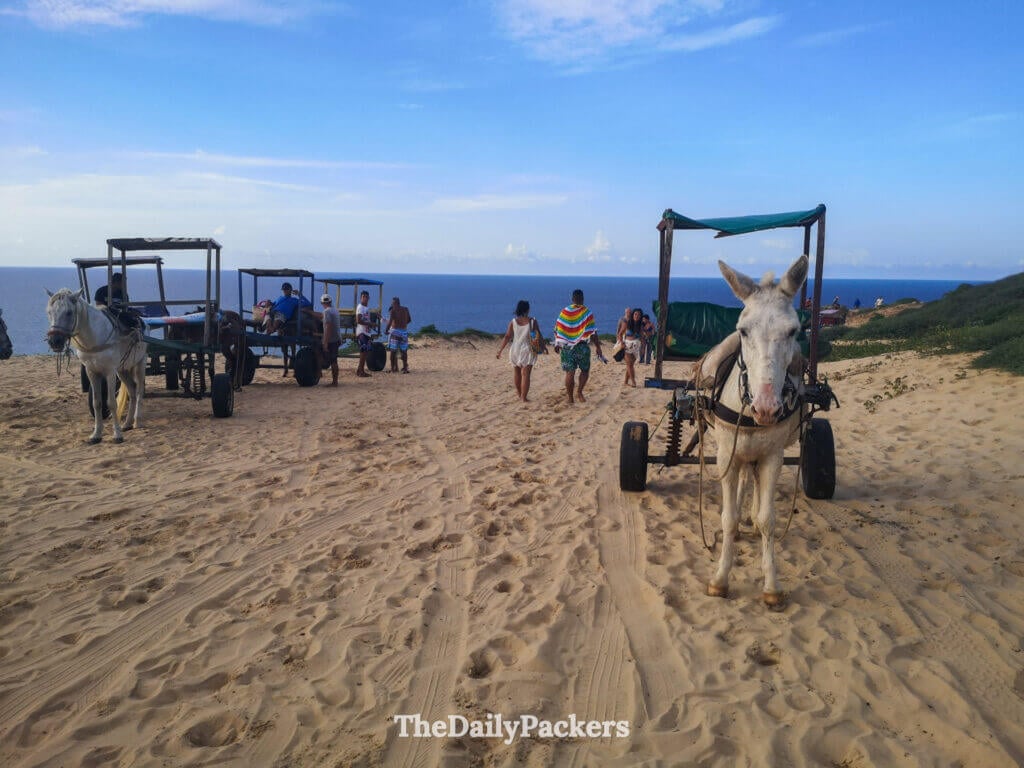
- Buggy Tours: For visiting the surrounding dunes, lagoons, and other remote attractions, buggy tours are the way to go. You can either book a tour in town or ask your hotel to organize one.
- ATV Rentals or Quad Bikes: If you’re feeling adventurous and want to explore on your own, you can rent a quad. Just be aware of where you’re allowed to ride inside the national park.
- Jardineira (Shared 4×4): These are used mainly for arriving/departing the village, but some locals use them for commuting between Jeri and nearby towns like Preá or Jijoca.
There are no taxis or buses inside Jericoacoara. So, throw on your sandals (or go barefoot), and enjoy discovering the village the local way.

Psst, you can join Tina’s Yoga Studio and get access to hundreds of Yoga, Meditation, and Well-being videos.
When to Visit
The best time to visit Jericoacoara depends on what kind of experience you’re looking for—sunny days for beach hopping and buggy tours, or stronger winds if you’re into kitesurfing. Here’s a breakdown by season:
- Dry Season (July to December): This is the best time to visit Jericoacoara, with sunny days, little to no rain, and warm temperatures around 30°C. August to November is also the windiest season, perfect if you want to kitesurf or windsurf. Lagoons may be drier later in the year, but the weather is reliably amazing for beach time and dune adventures.
- Rainy Season (January to June): Expect some rainfall—especially from February to May—but it usually comes in short bursts and is often at night or early morning. The upside? The landscape is greener and the freshwater lagoons are full, making it ideal for relaxing in hammocks over turquoise waters. March to May is considered low season, so prices are lower and the village quieter.
We visited Jericoacoara in February, and although it was technically the beginning of the rainy season, we had mostly sunny weather and fewer crowds—making it a lovely time to explore.

Tip: This highly rated transfer for Fortaleza to Jericoacoara is your best option.
Where to Stay
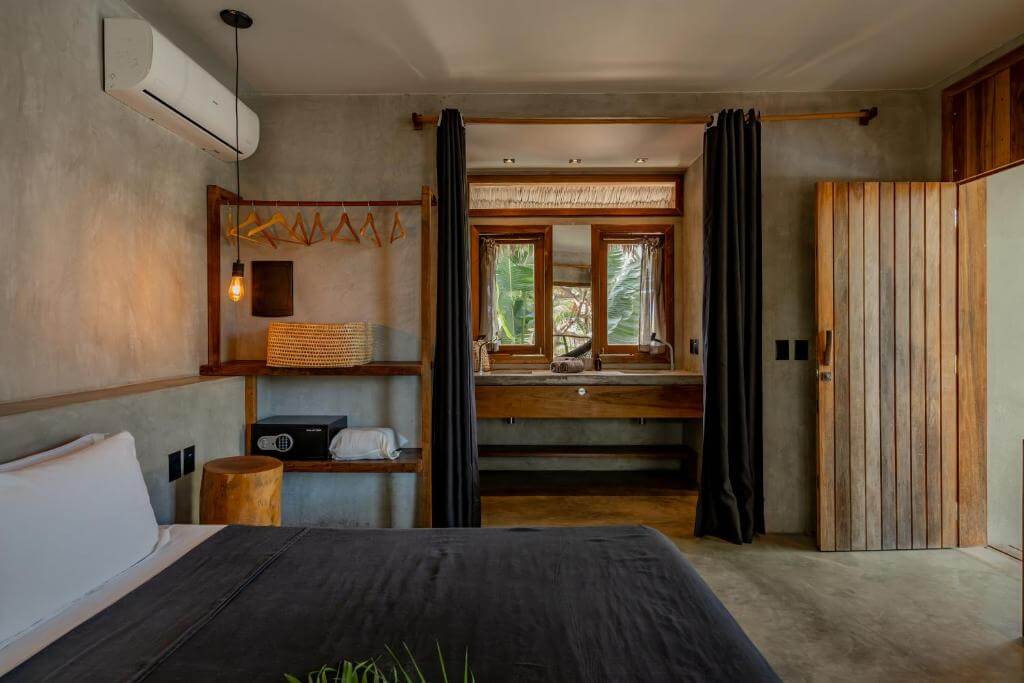
From charming family-run pousadas to stylish boutique stays, Jericoacoara has something for every budget. Here are our favorite places to stay:
(€) Villa Mar Residence: Well-located and modern, this spot is great for couples or digital nomads wanting more comfort. The setting is beautiful and relaxing, and some rooms come with kitchenettes.
(€€) Villa Mango Jeri: A stylish eco-friendly stay with a laid-back vibe. Think rustic-chic rooms, tropical gardens, and a great breakfast. It’s a favorite among those looking for charm and comfort.
(€€€) Villa Praia – La Villa Group: One of the most refined boutique hotels in Jericoacoara. It combines comfort, design, and impeccable service, all in a quiet and beautiful beachfront setting.

Here are all your accommodation options in Jericoacoara
What to Eat
Jericoacoara might be a small village, but the food scene is vibrant and diverse—with plenty of vegan-friendly options! From beachside bites to cozy restaurants in sandy streets, here’s what to look out for:
Vegan & Vegetarian Dishes You’ll Find Easily:
- Açai bowls – Refreshing and filling, usually served with banana, granola, and sometimes peanut butter.
- Tapiocas – A local favorite! Made from cassava flour and often filled with veggies, coconut, or plant-based spreads. Just ask for it “sem queijo” (without cheese).
- Grilled veggies and rice – Many restaurants will have this as a side or can prepare it as a main dish on request.
- Moqueca de legumes – A veggie-based version of the classic Brazilian stew made with coconut milk and palm oil.
- Fruit platters and fresh juices – Brazil is paradise for tropical fruits—try mango, papaya, pineapple, or passion fruit juice.
- Vegan burgers – More and more places in Jeri are now offering plant-based patties made with beans or lentils.
Restaurants with Vegan-Friendly Options:
- Tamarindo – Great for dinner with lots of veggie-based dishes and a romantic courtyard setting.
- Na Casa Dela – Boho vibes, colorful décor, and a good variety of meat-free options.
- Naturalmente – Known for its açai bowls, juices, and light meals with a healthy twist.
- Empório Jeri – A café-market with vegan snacks and small bites, plus good coffee and almond milk.
Tip: Always ask “Tem opção vegana?” (Do you have vegan options?)—most places are used to tourists and happy to help.

Things to do in Jericoacoara
Jericoacoara village
Though it’s a small village, Jericoacoara offers all the conveniences of a town—supermarkets, small shops, souvenir stalls, and a wide range of restaurants.

Despite its size, the atmosphere is vibrant and welcoming. Walking around is a real pleasure, with sandy streets, colorful murals, and charming corners full of street art. Some of the narrower alleys are especially picturesque, giving you a taste of Jeri’s laid-back, creative spirit.

Tip: This highly rated transfer for Fortaleza to Jericoacoara is your best option.
See the Jericoacoara letters
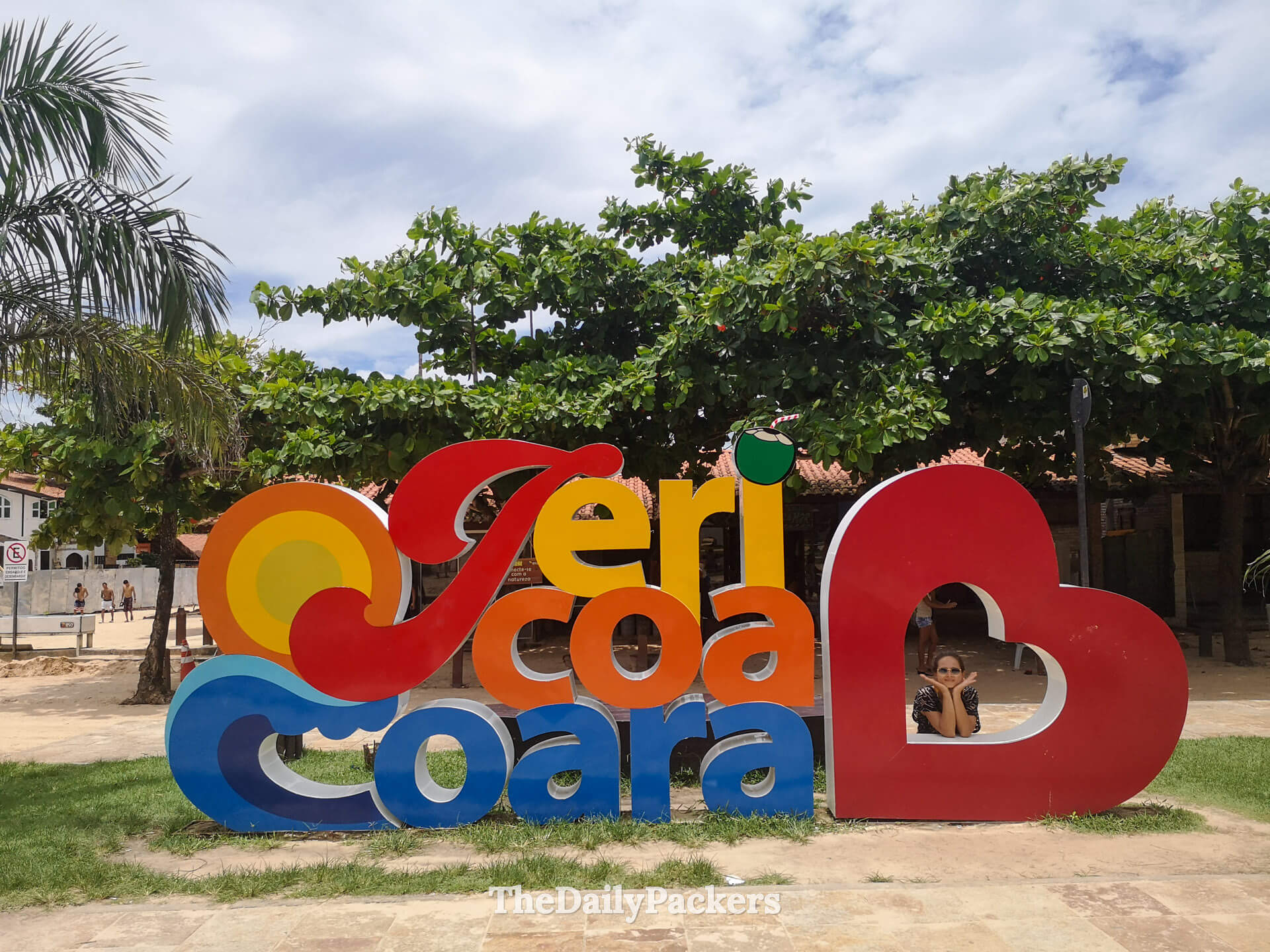
Though it’s just a simple landmark, the Jericoacoara letters have become one of those small stops that naturally pull you in while exploring Jericoacoara. Set near the beach, they’re impossible to miss and perfectly framed by sand, sea, and sky.
It’s more than just a photo spot. People linger here—watching kitesurfers, waiting for sunset, or simply soaking in the relaxed energy of Jeri. The letters feel playful and unpretentious, much like the village itself, and stopping here gives you a quiet moment to appreciate how effortlessly Jericoacoara blends simplicity, beauty, and that unmistakable laid-back vibe.


Tour the dunes in a 4×4
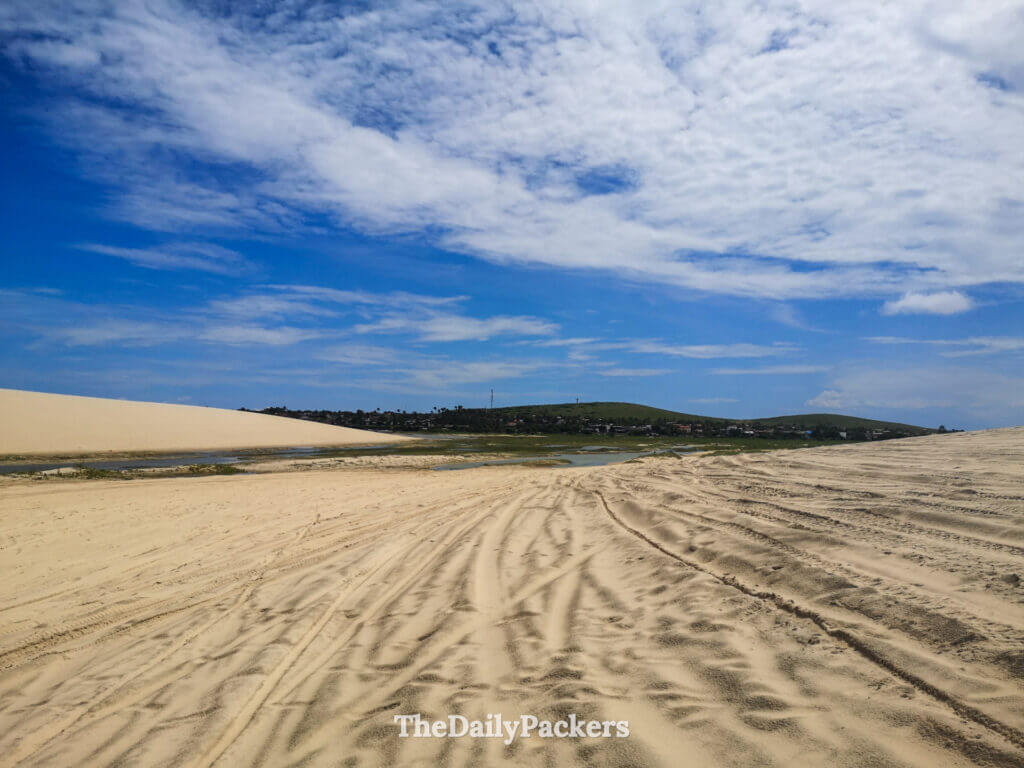
One of the most memorable things you’ll do in Jericoacoara actually happens before you even set foot in the village. Reaching Jeri is an adventure in itself. Since it sits inside a national park and is completely surrounded by sand dunes, the final stretch can only be done by 4×4—and that’s where the fun begins.
Once you arrive at the park entrance, you’ll get off the bus, pay the local tourism tax (around 5 BRL per person, per night), and hop into a 4×4 truck. It’s not exactly a luxury ride—expect a tight squeeze with a dozen other travelers—but honestly, no one really cares once the engine starts. You’ll bounce across golden dunes, follow sandy tracks, and catch flashes of the ocean along the way. It’s rough, scenic, and immediately sets the tone: Jericoacoara is remote, wild, and totally worth the effort.
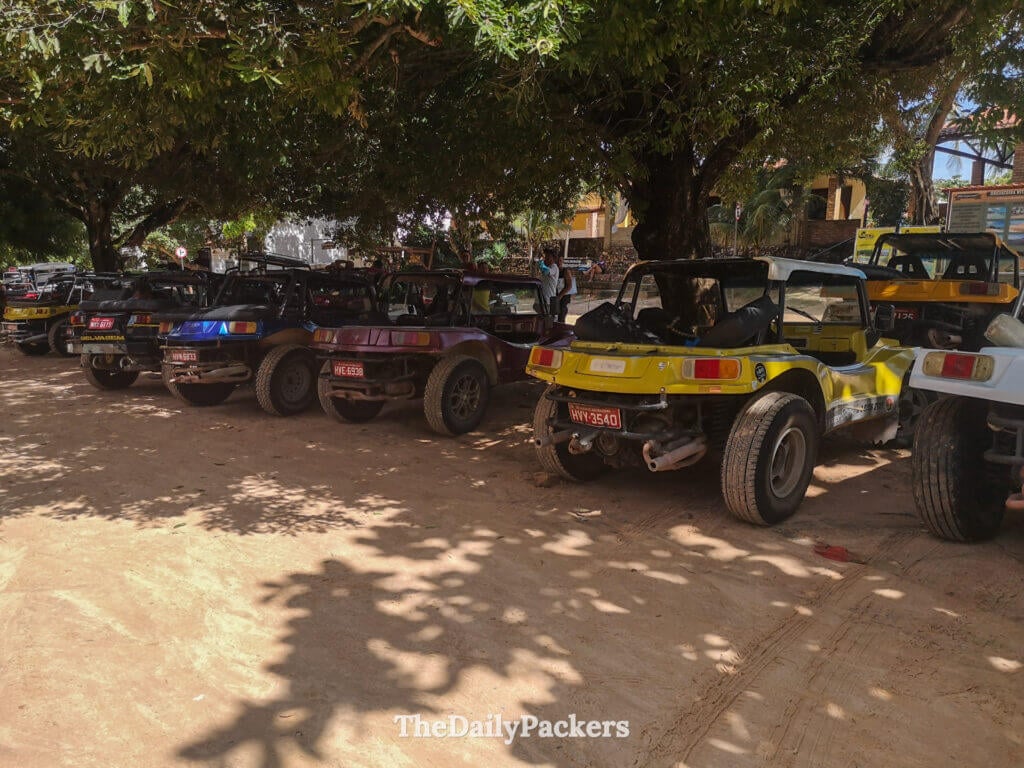
If you enjoy this first taste of dune driving, you can later take it a step further by booking a buggy tour around Jericoacoara. It’s one of the best ways to explore the surrounding lagoons, beaches, and viewpoints—and yes, it’s just as fun as it sounds.
Visit the Lagoon
One of the most popular things to do around Jericoacoara—and likely your first stop if you’re arriving by organized transfer—is visiting Lagoa do Paraíso (Paradise Lagoon).
Located right outside the village, this stunning turquoise lagoon is surrounded by soft white sand and dotted with those iconic hammocks hanging in the water. Yes, it’s touristy, and yes, it gets crowded—especially in high season—but it’s worth seeing at least once for the sheer beauty of the landscape.
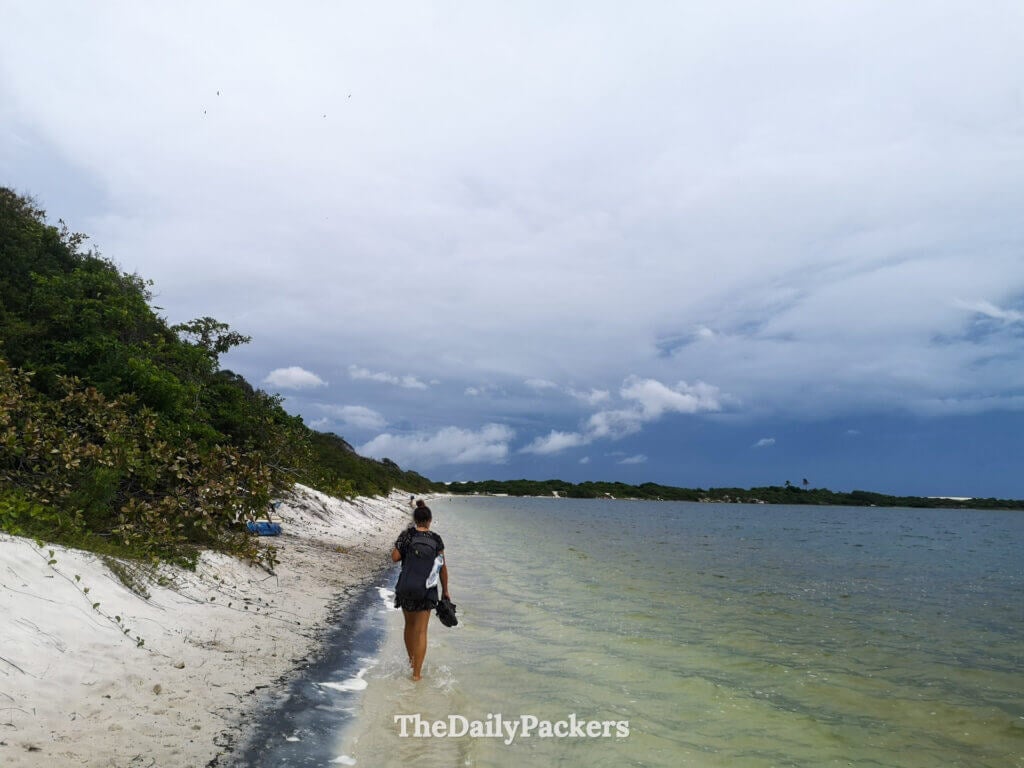
Most transfers from Fortaleza include a stop at the lagoon before dropping you off in Jeri, turning the journey into a mini-tour. You’ll likely be dropped at one of the beach clubs or small restaurants, where you can swim, swing, or sip a coconut under a sun umbrella. We personally wandered away from the crowd and found a quieter spot to relax and soak in the views until rain chased us out.
If your tour includes another lagoon stop after, just know it may not be quite as scenic (we were met with some muddy waters and stayed in the car). But overall, this first glimpse of Jeri’s wild beauty makes for a memorable start to your trip.

Here are all your accommodation options in Jericoacoara
Hike to the Lightouse
One of the most underrated things to do in Jericoacoara is the hike up to Farol do Serrote, the village’s lighthouse perched on a rocky hilltop. The trail starts near the beach and takes about 30–40 minutes to reach the top.

The path is a mix of sand and rocks, so wear comfy shoes and bring water. Once you get there, you’re rewarded with panoramic views over Jericoacoara, the sea, and the surrounding dunes. Time your hike for late afternoon, and you’ll catch a peaceful sunset without the crowds.
Be careful where you walk, I almost step on a huge black snake!

Hike Pedra Furada
This is the iconic natural landmark of Jericoacoara—a huge rock arch sculpted by wind and waves. The best way to reach Pedra Furada is to walk along the beach during low tide, starting from the far end of Jericoacoara Beach. The trail takes about 30–45 minutes one way and is fairly easy, with just a few rocky patches to cross.
Once there, take a moment to admire the arch, snap a few photos, and enjoy the sound of the ocean crashing through the hole. It’s especially magical if you catch it when the sun aligns perfectly through the arch—nature’s own light show.

Visit Dune Sunset Jericoacoara
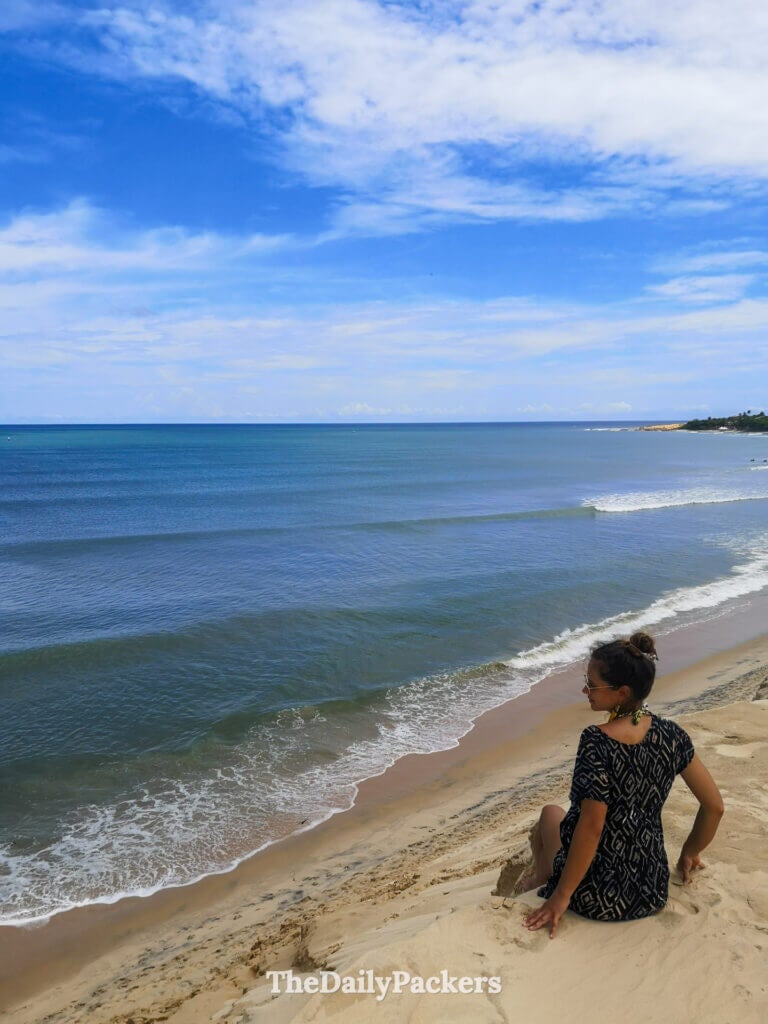
A visit to Jericoacoara wouldn’t be complete without climbing the giant sand dune at sunset. Every evening, both travelers and locals make the short walk to the Duna do Pôr do Sol to watch the sun dip into the ocean.

The energy is joyful and relaxed—people clap as the sun disappears, and it feels like a small celebration of the day. The climb up is short but steep (barefoot is best!), and once at the top, you’ll get incredible 360° views over the village, the sea, and the dunes. Simple, iconic, and totally unforgettable.
Tip: This highly rated transfer for Fortaleza to Jericoacoara is your best option.
Swim in the Ocean
Jericoacoara’s beach might not have big waves like other Brazilian spots, but that’s part of its charm. The calm, warm waters are perfect for a refreshing swim any time of day. In the morning, the beach is quieter—ideal for a solo dip. In the afternoon, it comes alive with kitesurfers and beachgoers.

One of our favorite things was simply floating in the sea with views of the dunes and colorful fishing boats nearby. It’s the perfect way to cool off and take in the beauty of Jeri’s natural surroundings.

Live the Brazilian Life
More than a destination, Jericoacoara is a feeling. Life here is slow, barefoot, and deeply connected to nature. Spend your days wandering through sandy streets, sipping on fresh juice or coconut water, watching live music in the evenings, or chatting with friendly locals.
The town has a vibrant yet relaxed energy that invites you to take it easy, dance a little, and truly disconnect. Whether it’s eating tapioca crepes from a street stand, shopping for artisan jewelry, or just chilling in a hammock, living the Brazilian life in Jeri is what will stick with you the most.

Psst, you can join Tina’s Yoga Studio and get access to hundreds of Yoga, Meditation, and Well-being videos.
Jericoacoara Itinerary (3 Days, Slow & Balanced)
Day 1 – Arrival, Village Walk & First Sunset
- Arrive in Jericoacoara via bus
- Visit Lagoa do Paraíso or nearby lagoons + 4×4 transfer
- Check into your pousada and drop your bags
- Take a slow walk through the village to get your bearings
- Stop by the Jericoacoara letters near the beach
- Walk barefoot along the sand and coastline
- Head to Duna do Pôr do Sol (Sunset Dune)
- Watch the sun sink into the ocean — expect applause, smiles, and pure Jeri vibes
- Dinner in the village (tapioca, veggie moqueca, or fresh juices)
- Optional: live music or a relaxed drink — no pressure, Jeri nights are easygoing
Day 2 – Dunes, Lagoons & Iconic Landscapes
- Early breakfast
- Join a buggy or 4×4 tour around the dunes
- Swim, relax in hammocks, or walk away from the crowds for quieter corners
- Lunch at a lagoon restaurant or back in the village
- Short rest (heat + dunes = real fatigue)
- Walk or hike up to the Jericoacoara Lighthouse (Farol do Serrote)
- Enjoy panoramic views over the village, sea, and dunes
- Optional swim at Jericoacoara Beach
- Wander through sandy streets, shops, and murals
- Dinner in the village
Day 3 – Pedra Furada & Ocean Time
- Walk along the beach to Pedra Furada
- Take your time — this walk is as beautiful as the destination
- Swim in the ocean back near the village
- Relax on the beach or at Malhada Beach (usually quieter)
- Lunch in town
- Last souvenir shopping or coffee stop
- Free time: One last swim, Hammock time
- 4×4 transfer back toward Jijoca / Fortaleza (often mid-afternoon or evening)
About the authors
We are Alex and Tina, a French-Serbian couple who met in China back in 2014. We spent three incredible years there before making France our home. Our shared passion for travel has been the heartbeat of our relationship for over 12 years, taking us across 44 countries and counting.
We launched TheDailyPackers in 2019 as a way to document our adventures. In 2026, we reached a major milestone by officially turning our blog into our full-time job. While we are still growing toward financial independence through this platform, every article we write is fueled by our mission to make your voyages easier through in-depth guides, honest advice, and the lessons we’ve learned from our own mistakes.
Our journey has not been without its storms. In 2023, our world changed forever when our first son, Poppy, was stillborn on November 25th. It was, and remains, the hardest chapter of our lives. In 2025, we were blessed with our second little boy, Milo. He has since joined our traveling tribe, and you’ll be seeing him—and the reality of traveling with a little one-on the blog more and more.
We hope to inspire you to explore the world with curiosity and resilience. Thank you for being part of our story.
You may also like those related posts
Gordes: Visiting 1 of Provence’s Most Famous Hilltop Villages
5 Essential Argentina Travel Tips: SIM Cards, Transport & More
8 Best things to do in Corte, Corsica, in 2 days or more
Hanoi to SaPa: Luxury Van Transfer in 6h
10 Travel Documentaries to Inspire Your Next Adventure
21 Best things to do in Pecs, Hungary, in 2 to 4 days
How to Get from Villa General Belgrano to Mendoza by Bus
Bus from La Paz to Uyuni: The Ultimate 10-Hour Journey Guide
Pssst, did you know that…
If you purchase something through our links, we earn a small fee. However, you still pay the same. Win-win! And one day we may get to be full-time travel bloggers =)
Find Hotels with Booking.com
Do Yoga with KVY
Buy us a Coffee
Rent a car with DiscoverCars
Find Attractions with GetYourGuide
Find Flights with Expedia
Buy an eSIM with Airalo
Get insured with World Nomads
Get ready with Amazon.com