
Introduction
Chile is the longest country on Earth, stretching over 4,000 km from the driest desert in the world to glaciers and mountains at the edge of the continent. Because of its length, traveling through Chile often means covering huge distances — so expect to take a few internal flights if you want to see it all.
In a way, Chile pairs perfectly with Argentina, especially in Patagonia (you can check out our Patagonia Itinerary for that). But if you’re focusing only on Chile — we’ve got you covered!
This 3-week Chile itinerary takes you from north to south, starting in the Atacama Desert, home to one of the largest salt flats on Earth. From there, you’ll fly back to Santiago, explore the capital, then head off to the mysterious Easter Island before finishing your adventure in the breathtaking landscapes of Chilean Patagonia — and hiking one of the most iconic national parks in the world.
Let’s dive into this unforgettable 3-week Chile itinerary.
Getting there
The easiest way to start your Chile itinerary is by flying into Santiago de Chile (SCL), the country’s main international airport. It’s well-connected to major cities in Europe (Paris, Madrid, London), North America (Miami, Dallas, New York, Toronto), and across South America.
Once you arrive in Santiago, you’ll find plenty of domestic flights operated by LATAM, Sky Airline, and JetSmart to reach different parts of the country — such as Calama for the Atacama Desert, Punta Arenas for Patagonia, or Easter Island (Isla de Pascua) for a truly remote adventure.
If you’re already in South America, you can also cross into Chile by land:
- From Argentina, popular crossings include Mendoza to Santiago, Bariloche to Puerto Varas, and El Calafate to Puerto Natales.
- From Bolivia, you can enter near San Pedro de Atacama, often as part of a salt flat tour from Uyuni.
Most travelers begin their journey in Santiago and work their way either north or south, depending on the season and flight availability.
Moving Around
Chile is a long and narrow country — stretching over 4,300 km (2,670 mi) from north to south — so the best way to move around depends on your final Chile itinerary and budget.
For long distances, domestic flights are the most time-efficient option. Airlines like LATAM, Sky Airline, and JetSmart operate frequent routes between Santiago, Calama (Atacama Desert), Puerto Montt, Punta Arenas (Patagonia), and Easter Island.
If you’re traveling between closer regions, buses are a great alternative. Chile has one of the best long-distance bus networks in South America, with comfortable “semi-cama” (reclining seats) and “cama” (almost flat) options. Companies like Turbus and Pullman Bus are reliable and affordable.
Within cities, public transportation is well-developed. Santiago has an excellent metro system, while other towns like Valparaíso, La Serena, and Puerto Varas are easily explored on foot or by local buses and taxis.
When to Visit
Because of its extreme length, Chile’s climate varies dramatically from north to south — meaning there’s no single best time to visit. It all depends on which region you’re exploring.
North (Atacama Desert) – Best: Year-Round: The Atacama Desert is one of the driest places on Earth, so you can visit anytime.
- Summer (Dec–Feb): Hot days (25–30°C / 77–86°F), cool nights — perfect for stargazing.
- Winter (Jun–Aug): Cooler days and very cold nights (down to 0°C / 32°F), but still clear skies.
Central Chile (Santiago, Valparaíso, Wine Regions) – Best: Spring & Autumn. The central region enjoys a Mediterranean climate.
- Spring (Sep–Nov): Mild weather (18–25°C / 64–77°F), blooming vineyards, and fewer crowds.
- Autumn (Mar–May): Harvest season — great for wine tasting and city sightseeing.
- Summer (Dec–Feb): Hot (up to 32°C / 90°F) and busy, but perfect for festivals.
- Winter (Jun–Aug): Cooler (10–15°C / 50–59°F) and rainy — good for skiing in the Andes.
South & Patagonia – Best: November to March. This is the high season for Torres del Paine, Puerto Natales, and Punta Arenas.
- Summer (Dec–Feb): Longer days, mild temperatures (10–20°C / 50–68°F), and ideal for hiking.
- Spring/Fall (Oct–Nov & Mar–Apr): Fewer tourists and beautiful colors, though weather is less predictable.
- Winter (Jun–Sep): Harsh and cold (often below 0°C / 32°F); many trails and lodges close.
Easter Island – Best: October to April. Easter Island has a subtropical climate.
- Summer (Dec–Mar): Warm and humid (25–30°C / 77–86°F), perfect for beach time and exploring Moai sites.
- Winter (Jun–Aug): Cooler (around 20°C / 68°F) with more wind and occasional rain.
In short:
- Visit Patagonia in summer (Nov–Mar),
- Central Chile in spring or autumn,
- Atacama anytime,
- and Easter Island from Oct to Apr.
Where to Stay
Chile offers an incredible range of accommodations, from cozy hostels and family-run guesthouses to stylish boutique hotels and remote eco-lodges surrounded by nature. Where you stay on your Chile itinerary will largely depend on your route and travel style — but rest assured, there’s something for every budget and traveler type.
In major cities like Santiago or Valparaíso, you’ll find modern hotels, boutique stays, and affordable hostels close to restaurants and nightlife. In the Atacama Desert, many lodges focus on sustainability, offering desert views and guided excursions. Down south in Patagonia, expect rustic lodges, mountain refugios, and comfortable cabins near the national parks — perfect for hikers.
If you’re heading to Easter Island, most accommodation options are small, family-run guesthouses or boutique hotels with a local touch.
What to Eat
Chilean cuisine is as diverse as its landscapes — from the Pacific coast to the Andes mountains, every region has something special to offer. During your 3-week Chile itinerary, you’ll get to taste the country’s freshest seafood, hearty stews, and world-class wines.
Here are some must-try dishes and drinks:
- Empanadas – A Chilean classic! Usually baked (not fried) and filled with meat, cheese, or seafood. The most traditional one is empanada de pino (beef, onions, egg, olives, and raisins).
- Pastel de Choclo – A sweet-and-savory corn pie layered with ground meat, onions, olives, and hard-boiled eggs. Comfort food at its best.
- Cazuela – A warm and hearty stew made with beef or chicken, corn, pumpkin, and potatoes — perfect for colder days in Patagonia.
- Completo – Chile’s take on the hot dog, loaded with tomato, avocado, mayonnaise, and sauerkraut. It’s messy but delicious.
- Curanto – A traditional dish from Chiloé made of seafood, meat, and potatoes cooked together in a hole in the ground covered with leaves — a real cultural experience.
- Seafood – Chile’s long coastline means you’ll find amazing fresh fish, clams, mussels, and ceviche (especially around Valparaíso and the north).
Drinks to try:
- Pisco Sour – Chile’s national cocktail, made with Pisco (a grape brandy), lemon juice, sugar, and egg white.
- Chilean Wine – Chile is one of the best wine producers in the world. Try a Carmenère in the central valleys or a Sauvignon Blanc from Casablanca.
- Mote con Huesillo – A refreshing non-alcoholic drink made with dried peaches and wheat — popular in summer.
Tip: Eating out in Chile can range from cheap and cheerful local spots (picadas) to fine dining restaurants, but no matter your budget, food is always a highlight of the journey.
3-Week Chile Itinerary: Overview
Chile is the world’s longest country, and distances are huge—so expect a few flights. Here’s a smooth, time-efficient Chile itinerary covering desert, capital, coast, Easter Island, and Patagonia:
Chile Itinerary Part 1: San Pedro de Atacama
- Day 1: Arrive Santiago → fly to San Pedro de Atacama (SPdA)
- Day 2: Moon Valley sunset tour (or guided biking)
- Day 3: Bike SPdA (Pukará de Quitor, Río San Pedro)
- Day 4: Altiplanic Lagoons (Laguna Miscanti & Miñiques)
Chile Itinerary Part 2: Santiago
- Day 5: Fly back to Santiago
- Day 6: Santiago city day (Plaza de Armas, Lastarria, San Cristóbal)
Chile Itinerary Part 3: Easter Island
- Day 7: Fly to Easter Island (Rapa Nui)
- Day 8: Rapa Nui National Park highlights (Ahu Tongariki, Rano Raraku)
- Day 9: Island road trip (north coast ahu, Anakena Beach)
- Day 10: Hike Orongo & Rano Kau
- Day 11: Chill day (beach or caves) on Easter Island
Chile Itinerary Part 4: Valparaiso
- Day 12: Fly to Santiago → bus to Valparaíso
- Day 13: Explore Valpo (street art, funiculars, Cerro Alegre/Concepción)
Chile Itinerary Part 5: Torres Del Paine
- Day 14: Back to Santiago → fly to Puerto Natales (Patagonia)
- Day 15: W-Trek Day 1 (Torres base or Paine Grande→Grey, per direction)
- Day 16: W-Trek Day 2
- Day 17: W-Trek Day 3
- Day 18: W-Trek Day 4
- Day 19: W-Trek Day 5 (finish)
- Day 20: Rest day in Puerto Natales (waterfront, dinner)
- Day 21: Fly home via Santiago
Tip: Swap Day 2–4 order if tours sell out, and book internal flights early—this Chile itinerary hinges on connections.
This Chile itinerary is also made to work as a budget itinerary, but you could save some time by taking a day tour to Valparaiso from Santiago instead of going there on your own.
3-Week Chile Itinerary: Day by day
Day 1: Arrive in Santiago and Transfer to San Pedro de Atacama
Arrive at Santiago International Airport (SCL) and connect to a domestic flight to Calama, the gateway to San Pedro de Atacama in northern Chile. From Calama, it’s about a 1.5-hour drive through the desert to reach San Pedro. Once you arrive, check into your accommodation, relax, and take it easy — the altitude is higher here (around 2,400 m), so give your body time to adjust before your adventures begin.
Where to stay in San Pedro de Atacama: (€): Casa Voyage Hostel, (€€) Hostal Montepardo, (€€€) Hotel Desertica

Read: 10 Best things to do in San Pedro de Atacama in 2 days
Day 2: Explore the Moon Valley by Bike or Tour
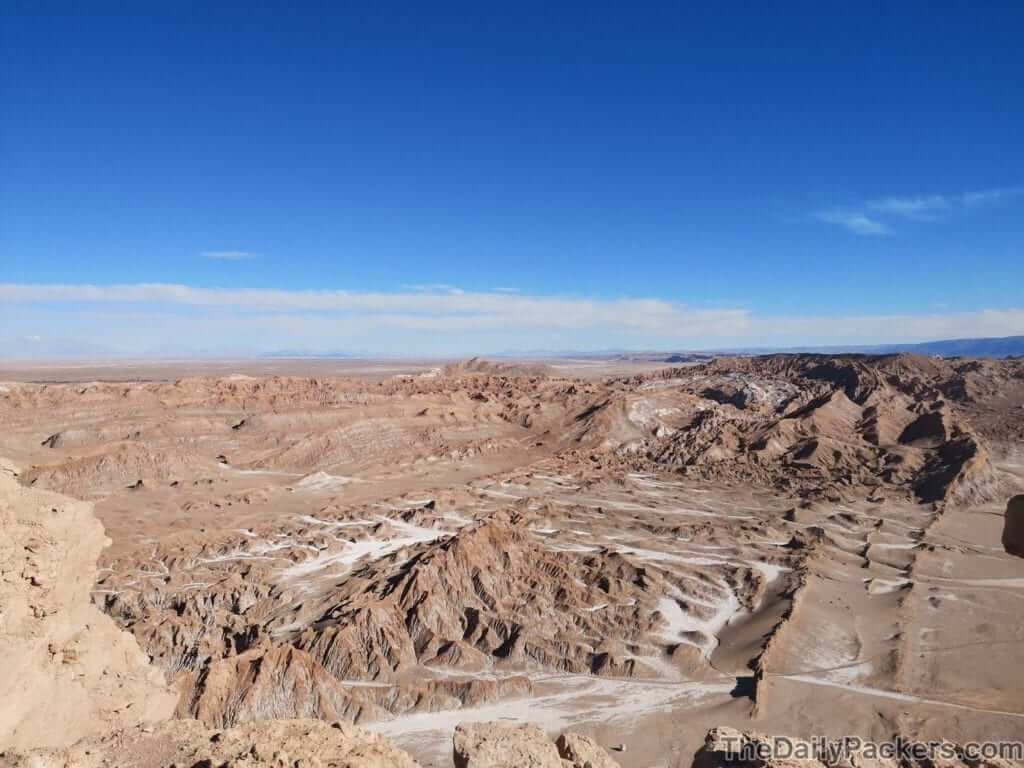
Start your first full day in San Pedro de Atacama with one of its most iconic landscapes — the Valle de la Luna (Moon Valley). You can either rent a bike in town or join an organized tour that takes you across the dramatic salt and rock formations carved by centuries of wind and water.
Located about 13 km west of the city center, the Moon Valley feels like stepping onto another planet — with sand dunes, jagged cliffs, and salt-covered ground glimmering under the sun. Stay until sunset for one of the most breathtaking views in Chile, as the valley glows in shades of pink and gold over the vast Atacama Desert.
Where to stay in San Pedro de Atacama: (€): Casa Voyage Hostel, (€€) Hostal Montepardo, (€€€) Hotel Desertica
Read: Moon Valley Travel Guide: Your Ultimate Guide
Day 3: Bike Through History and Desert Landscapes
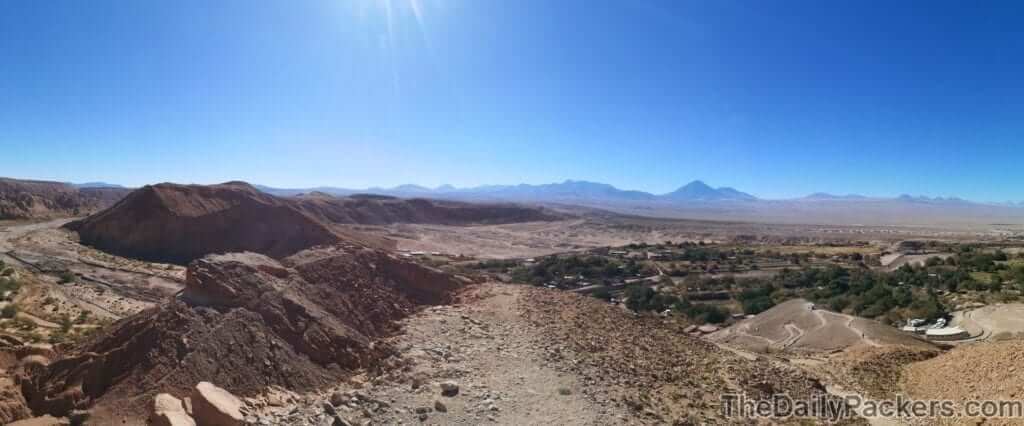
Grab your bike again and head north of San Pedro de Atacama to visit Pukará de Quitor, a fascinating pre-Columbian stone fortress dating back to the 12th century. Climb to the top for sweeping views over the oasis, the desert, and the Andes towering in the distance.
If you still have energy, continue another 4 km north to Garganta del Diablo (Devil’s Throat) — a narrow canyon carved by centuries of erosion. Riding through its winding paths between high red cliffs is an unforgettable experience, especially when the light hits the rocks in warm tones of orange and red. It’s one of the best ways to immerse yourself in the unique beauty of the Atacama.
Where to stay in San Pedro de Atacama: (€): Casa Voyage Hostel, (€€) Hostal Montepardo, (€€€) Hotel Desertica
Day 4: Visit Laguna Miscanti and Laguna Miñiques
Even though we didn’t manage to do it ourselves, this is one of the absolute musts in the Atacama Desert. On this day, join a guided tour or rent a car and drive south toward Laguna Miscanti and Laguna Miñiques, two stunning high-altitude lakes located at over 4,000 meters above sea level.
Surrounded by volcanoes and mountains, these lagoons stand out for their deep blue waters contrasting beautifully with the golden tones of the altiplano. The area is part of Los Flamencos National Reserve, so you might spot wild vicuñas, foxes, and flamingos along the way.
It’s a long drive from San Pedro de Atacama, but totally worth it for the incredible scenery and tranquility you’ll find up there — one of the most peaceful and otherworldly places in northern Chile.
Where to stay in San Pedro de Atacama: (€): Casa Voyage Hostel, (€€) Hostal Montepardo, (€€€) Hotel Desertica
Day 5: Fly to Santiago
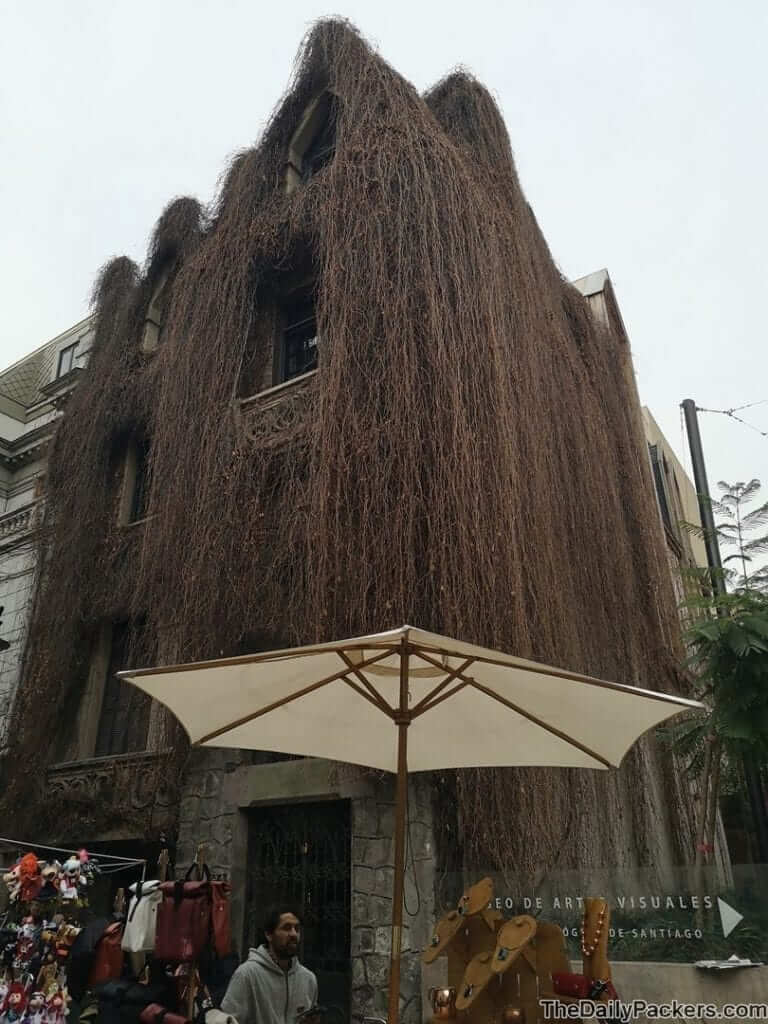
After breakfast, take your flight back to Santiago, the vibrant capital of Chile. Once you’ve checked into your hotel and dropped off your luggage, spend the afternoon stretching your legs at Parque Forestal or Cerro Santa Lucía, both perfect spots for a relaxed walk and city views.
As evening falls, make your way to the Bohemian district of Bellavista, famous for its colorful street art, lively atmosphere, and great mix of bars and restaurants. It’s the perfect place to end your day with a glass of Chilean wine and a taste of local life.
Where to stay in Santiago: (€) Almasur Providencia, (€€) Matildas Hotel Boutique, (€€€) Courtyard by Marriott Santiago Las Condes
Read: How to visit Santiago de Chile in 24h: The Ultimate guide
Day 6: Visit Santiago
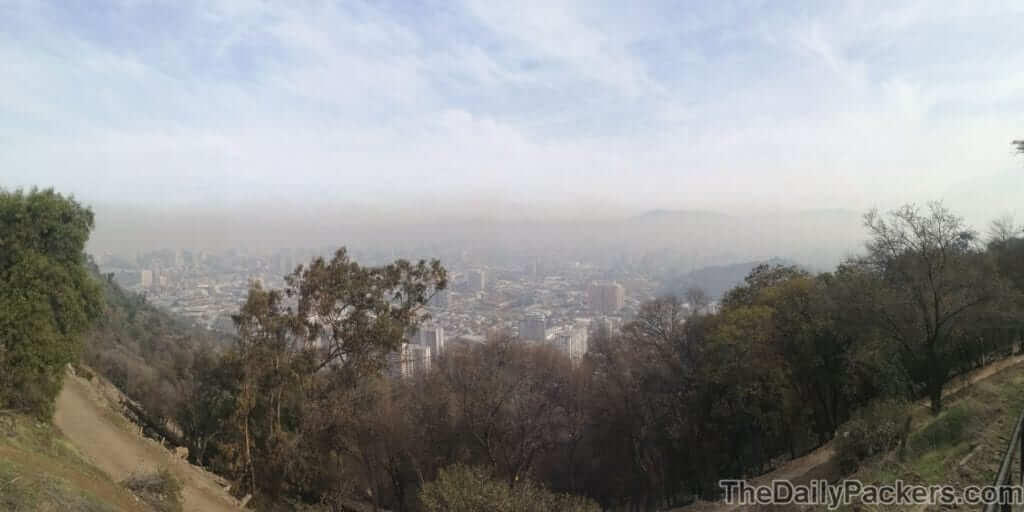
Start your day with a hike (or funicular ride) up Cerro San Cristóbal, one of Santiago’s most iconic landmarks. From the top, you’ll be rewarded with panoramic views of the city and the Andes mountains, as well as a visit to the Virgin Mary statue that overlooks the capital.
Afterward, make your way down to explore Parque Metropolitano, a green escape in the heart of the city. Then head to Plaza de Armas, Santiago’s historical center. Take time to visit the Metropolitan Cathedral, admire the colonial architecture, and wander along Calle Ahumada, the city’s bustling main street filled with shops, cafés, and local life.
End the day in one of the nearby restaurants to enjoy classic Chilean dishes and soak in the lively city atmosphere.
Where to stay in Santiago: (€) Almasur Providencia, (€€) Matildas Hotel Boutique, (€€€) Courtyard by Marriott Santiago Las Condes
Day 7: Fly to Easter Island
Time to begin the second leg of your 3-week Chile itinerary with one of the most remote and fascinating places on Earth — Easter Island (Rapa Nui). Catch an early flight from Santiago (around 5 hours) and soak in the excitement as you land in the middle of the Pacific Ocean.
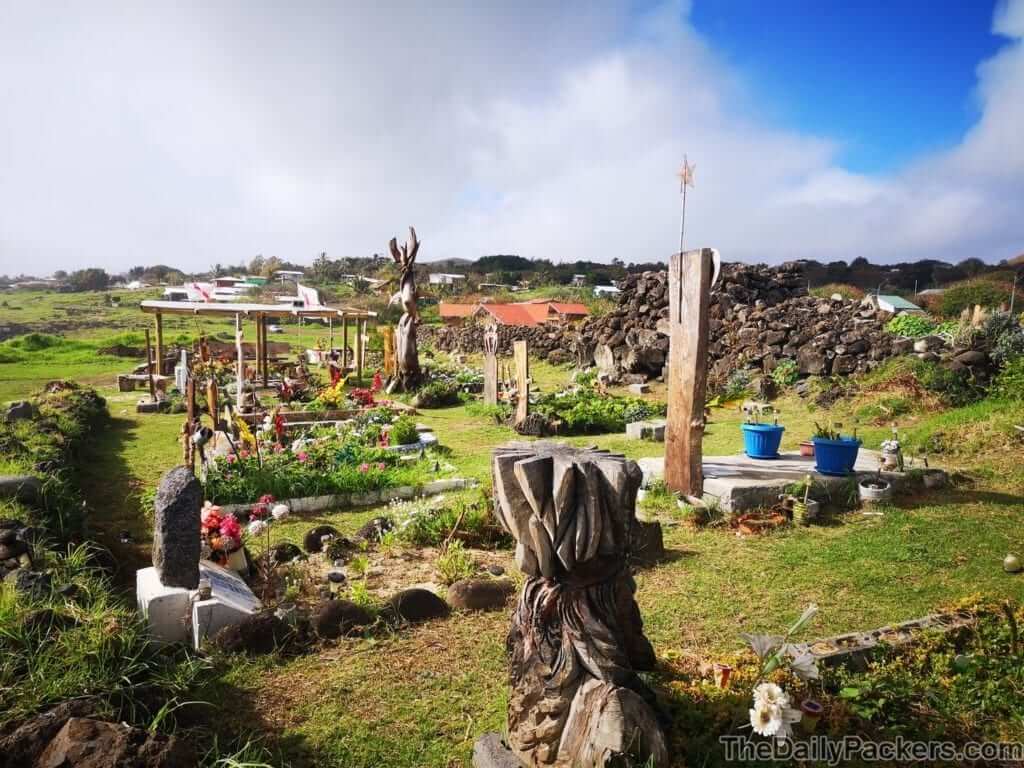
Once you’ve settled into your accommodation, take the day to explore Hanga Roa, the island’s only town. Stroll to the small port where sea turtles often swim near the shore, visit the Rapa Nui Cemetery to glimpse local traditions, and end your afternoon at Ahu Tahai, a restored ceremonial site with iconic moai statues. Stay for sunset — it’s one of the most magical moments on the island.
Where to stay on Easter Island: (€) Oasis Rapanui Bungalow frente al Mar, (€€) Hare Nua Hotel Boutique, (€€€) Nayara Hangaroa
Read: Easter Island and Hanga Roa: All You Need to Know before travelling
Day 8: Easter Island National Park
Day 8 of your 3-week Chile itinerary is all about adventure — and discovering the wild heart of Easter Island National Park. Lace up your shoes and start exploring some of the island’s most fascinating archaeological and natural sites.
Begin with Ana Kakenga, also known as the “Two Windows Cave,” where lava tunnels open dramatically to the sea. Continue to Ana Te Pora, the “Cave of the Reed Canoe,” and Ana Te Pahu, often called the “Banana Cave” for the lush vegetation growing inside. Each stop reveals a different layer of Rapa Nui’s volcanic and cultural history.
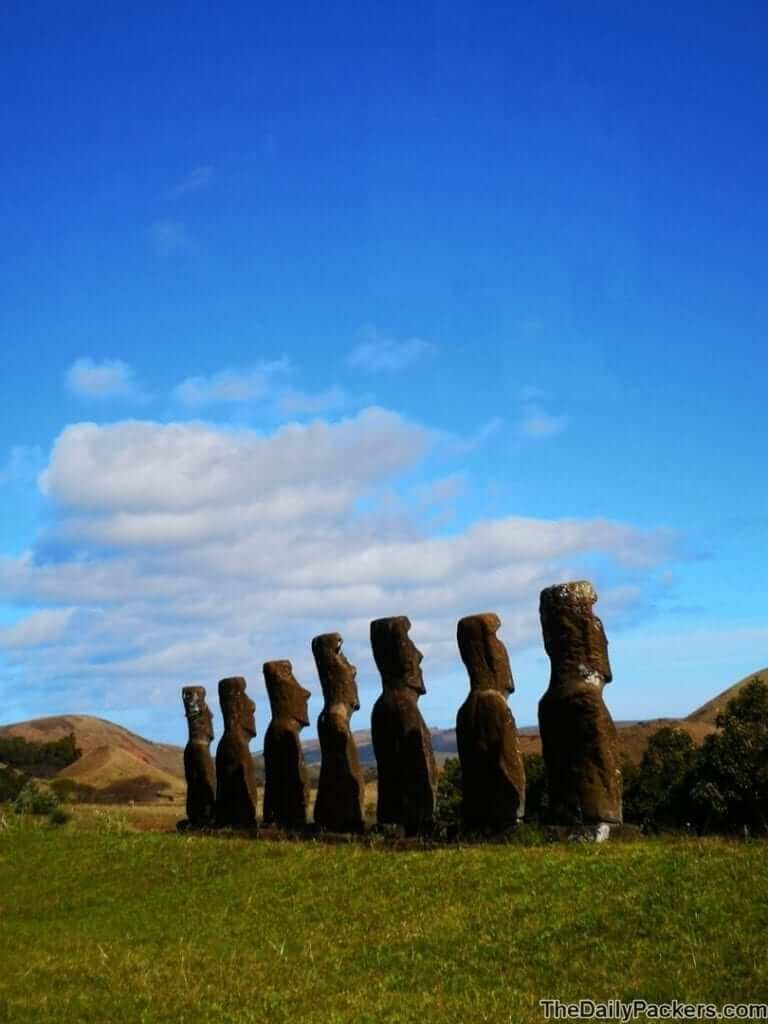
After the caves, head to Ahu Akivi, famous for its seven moai statues facing the ocean — unlike any others on the island. Right behind it starts the trail up to Terevaka Volcano, the island’s highest point. The climb takes around 1.5–2 hours round trip and rewards you with breathtaking 360° views of the entire island and the endless Pacific.
It’s a full and intense day of hiking, but one you’ll never forget.
Where to stay on Easter Island: (€) Oasis Rapanui Bungalow frente al Mar, (€€) Hare Nua Hotel Boutique, (€€€) Nayara Hangaroa
Read: Wild Hiking Easter Island National Park in 1 day
Day 9: Road Trip Around Easter Island
Day 9 of your Chile itinerary is pure freedom — rent a scooter, hop on, and explore Easter Island at your own pace. The island is small enough to circle in a day, but every stop is filled with history and beauty.
Start your day at Ahu Huri a Urenga, a unique single moai known for its mysterious double hands. From there, continue to Vaihu, where toppled moai lie exactly as they fell centuries ago, giving you a glimpse into the island’s turbulent past.
Next, head to Akahanga, an ancient village where you can explore lava-stone foundations and caves once used by Rapa Nui inhabitants. Then make your way to Rano Raraku, the quarry where all moai were carved — a surreal landscape dotted with half-buried statues frozen in time.
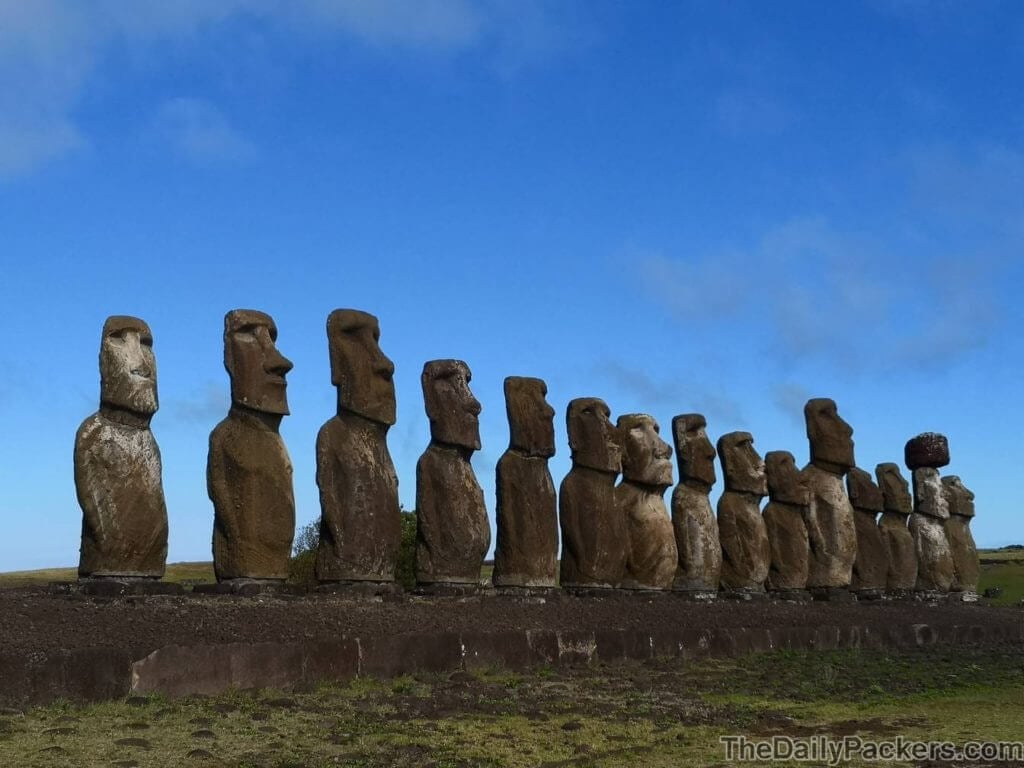
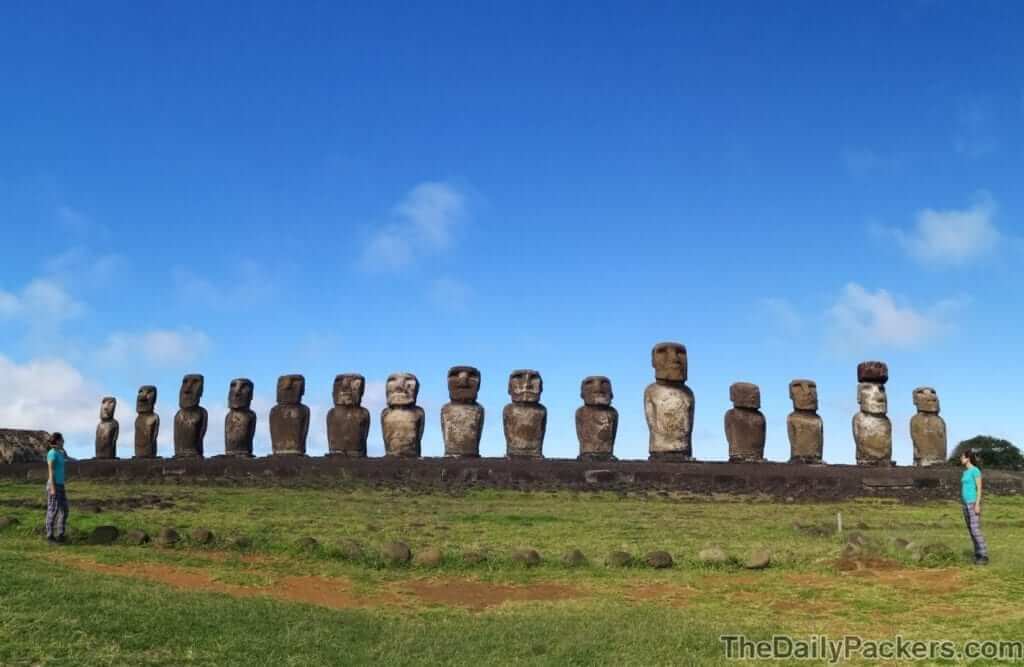
Right next to it, you’ll find Ahu Tongariki, home to the island’s most iconic lineup of 15 towering moai. It’s one of the most photographed spots on Easter Island, especially at sunrise.
On your way back to Hanga Roa, take time to relax at Ovahe, a small wild beach with red cliffs, and Anakena, the island’s postcard-perfect white sand beach with moai watching over the turquoise water. End your day at Puna Pau, the volcanic crater where the red scoria “hats” of the moai were crafted.
It’s a long but unforgettable day — the perfect way to experience Easter Island’s history, beaches, and raw beauty all in one go.
Where to stay on Easter Island: (€) Oasis Rapanui Bungalow frente al Mar, (€€) Hare Nua Hotel Boutique, (€€€) Nayara Hangaroa
Read: 1-Day Scooter Road Trip on Easter Island: A Perfect Adventure
Day 10: Hike to Orongo
Start your morning in Hanga Roa, and if you’re lucky, you might catch a local music band performing traditional Rapa Nui songs in town — a perfect way to begin the day. Then, make your way to the Te Ara o Te Ao Trail, one of the most scenic hikes on the island.
The trail climbs steadily up to the rim of Rano Kau, a massive volcanic crater that now holds a breathtaking freshwater lake covered with floating vegetation. The view from the top is simply unforgettable — the deep crater on one side and the endless Pacific Ocean stretching on the other.
Just beyond the crater lies Orongo, a sacred ceremonial village once used for the Birdman cult rituals. The site is dotted with stone houses and petroglyphs that tell stories of ancient competitions, gods, and legends.
Take your time to wander through the village, soak in the views, and imagine what life must have been like for the Rapa Nui people centuries ago. This hike is not just about nature — it’s a walk through history and spirituality, making it one of the most meaningful experiences of your Chile itinerary.
Where to stay on Easter Island: (€) Oasis Rapanui Bungalow frente al Mar, (€€) Hare Nua Hotel Boutique, (€€€) Nayara Hangaroa
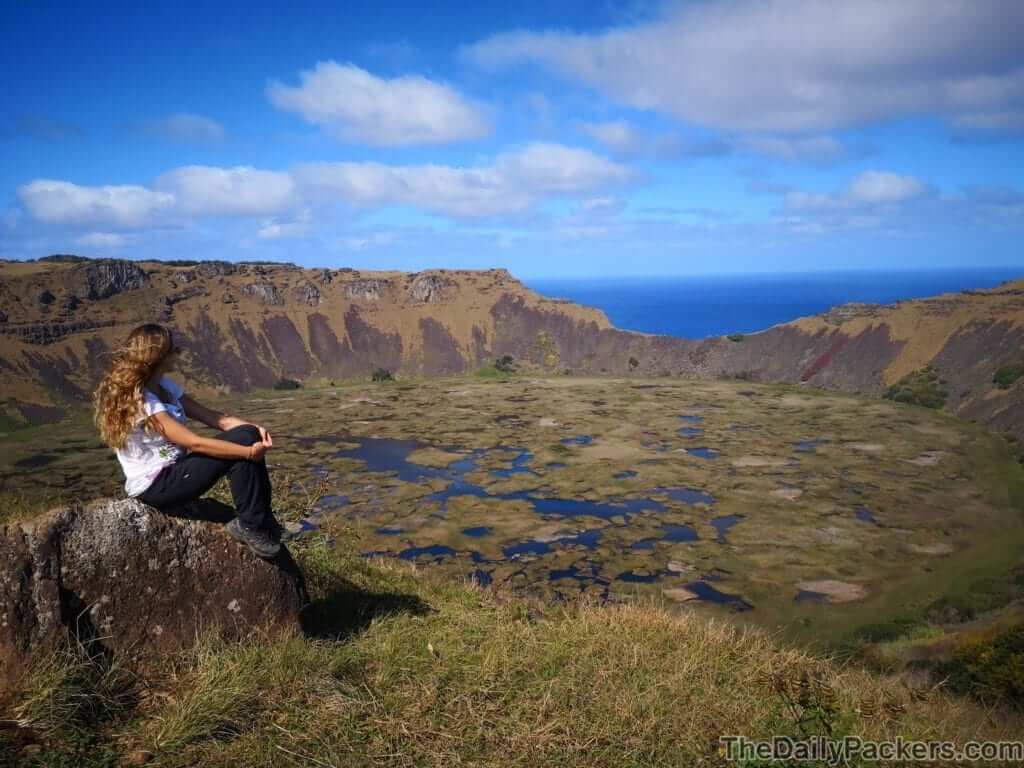
Read: Te Ara o Te Ao Trail: Your Ultimate Guide to a 1-Day Easter Island Hike to Rano Kau and Orongo
Day 11: Chill on Easter Island
We never had enough of Easter Island— and honestly, if we could, we would’ve stayed longer in our own Chile itinerary. So, take this last full day to slow down and simply enjoy the island’s peaceful rhythm.
You can go for one more short hike, revisit your favorite viewpoints, or stop by the lesser-known Moai sites you might have missed. Spend time in Hanga Roa, exploring its local shops, small museums, and cozy cafés.
If the weather allows, head back to Anakena Beach for a swim — it’s the perfect spot to unwind, with white sand, turquoise water, and Moais watching over you from the shore.
This final day isn’t about checking off more landmarks — it’s about taking it all in. The sunsets, the wind, the silence, and the magic that makes Easter Island one of the most unforgettable places on earth.
Where to stay on Easter Island: (€) Oasis Rapanui Bungalow frente al Mar, (€€) Hare Nua Hotel Boutique, (€€€) Nayara Hangaroa
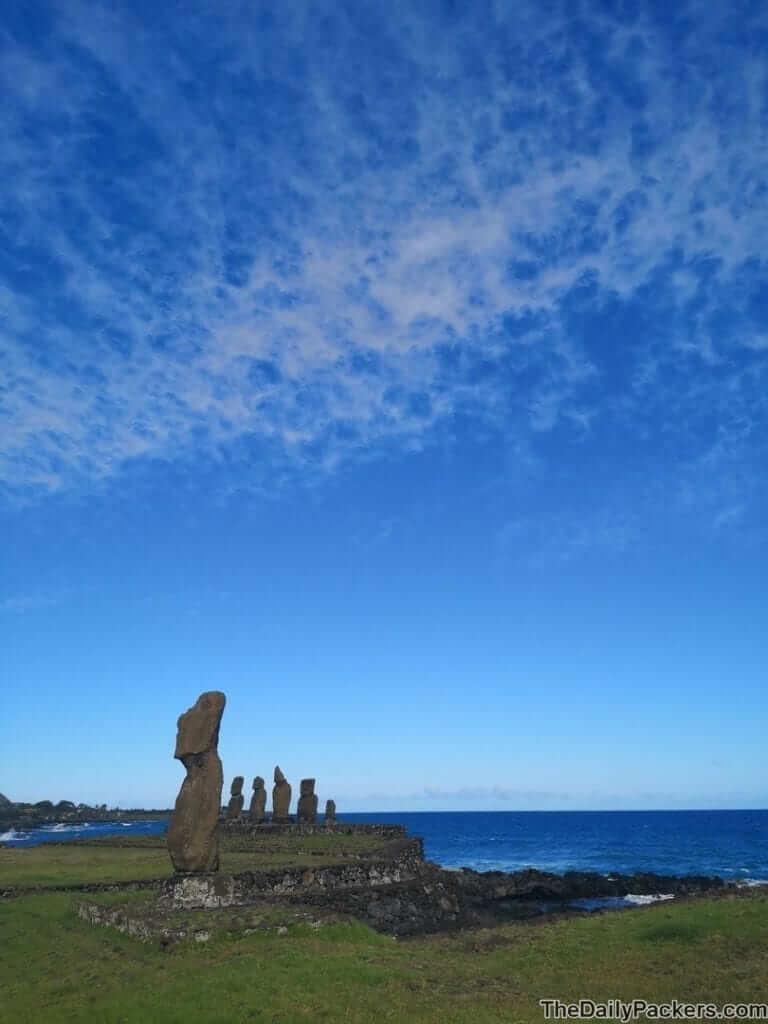
Read: Easter Island itinerary: 5-day of Moai, magic and wonders
Day 12: Fly to Santiago and Bus to Valparaiso
Fly back from Easter Island to Santiago — the flight takes around five hours, so plan for a full morning of travel. Once you land, grab a shuttle or taxi to the Pajaritos metro and bus station, where you’ll find regular departures to Valparaíso. The ride takes about 1.5 to 2 hours and drops you right in the colorful coastal city.
After checking into your accommodation, take it easy. Wander through the streets near your hotel, grab a bite at one of the city’s vibrant cafés, and enjoy the first glimpse of Valparaíso’s hills covered in street art and charm.
Where to stay in Valparaiso: (€) New Voga Hotel Boutique, (€€) Augusta Hotel, (€€€) Hotel Boutique Acontraluz
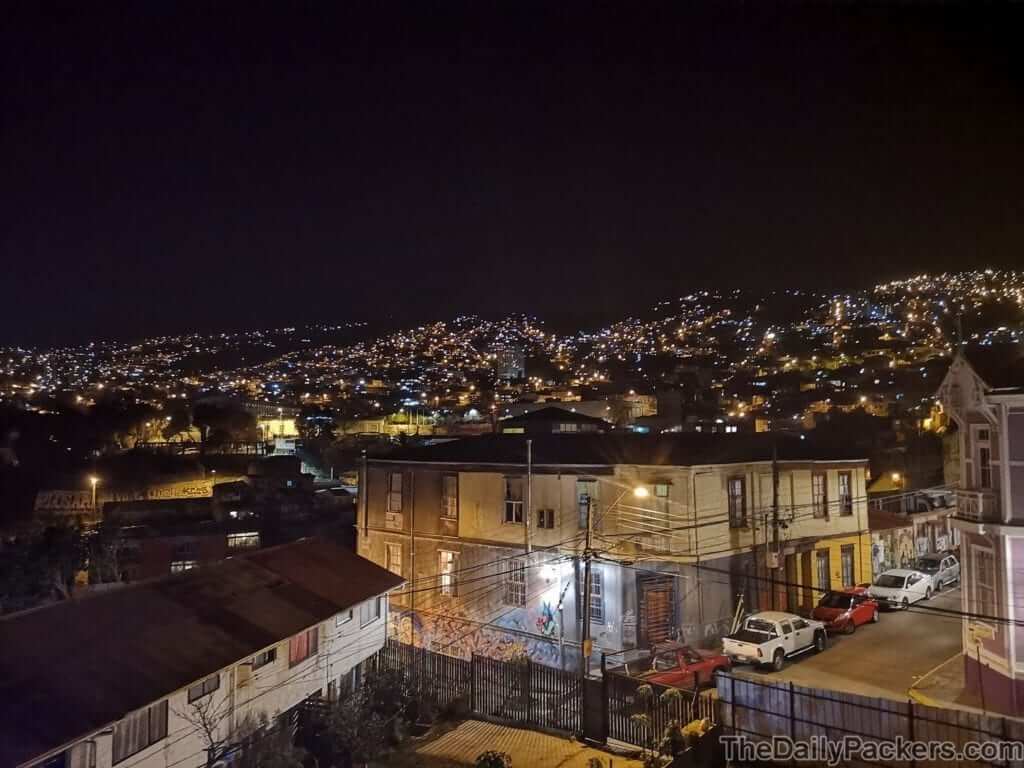
Read: From Santiago Airport to Valparaiso: The Ultimate Guide to a slow 2-Hour Bus Journey
Day 13: Explore Valparaíso
Start your day with a Free Walking Tour or simply wander on your own — Valparaíso is the kind of place where getting lost is half the fun. The city’s maze of colorful hills, steep staircases, and vibrant murals makes every corner worth exploring.
Stroll through Cerro Concepción and Cerro Alegre, two of the most picturesque neighborhoods, filled with cafés, boutique shops, and stunning viewpoints over the Pacific. In the afternoon, make your way to La Sebastiana, the eccentric former home of Chilean poet Pablo Neruda. The house is now a museum, offering a glimpse into his life and fantastic views over the bay.
End your day watching the sunset from one of the hills — it’s the perfect way to wrap up your time in Valpo.
Where to stay in Valparaiso: (€) New Voga Hotel Boutique, (€€) Augusta Hotel, (€€€) Hotel Boutique Acontraluz
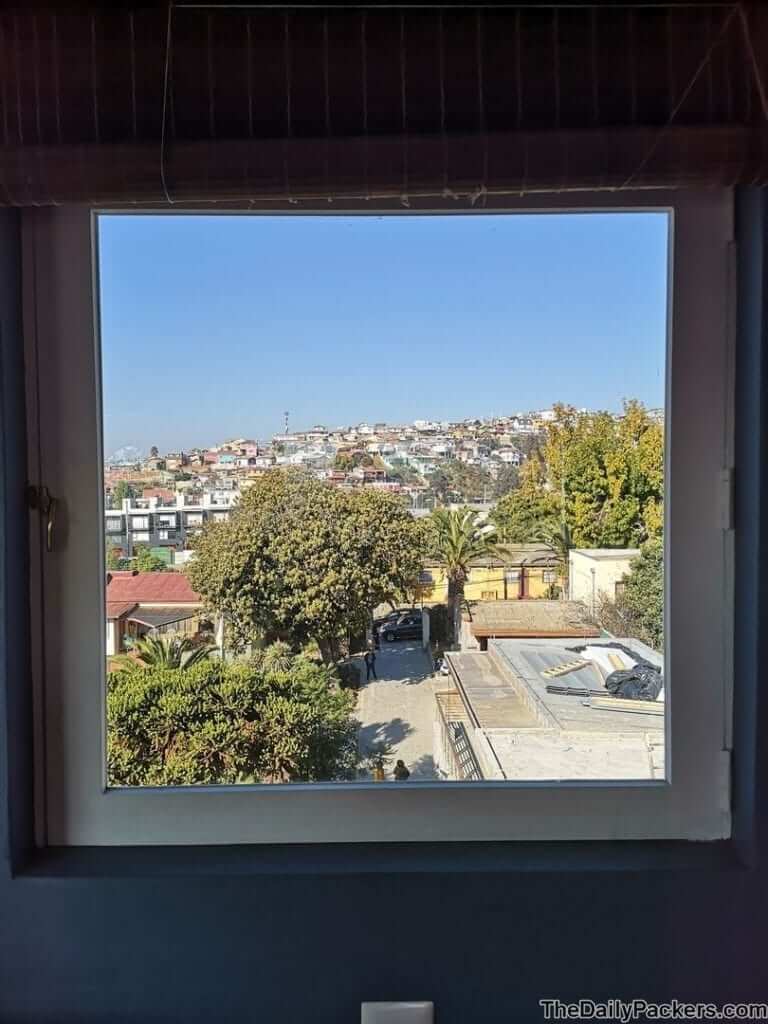
Read: The Ultimate Valparaiso Travel Guide: Best things to do in Valparaiso in 1 day
Day 14: Return to Santiago and Fly to Puerto Natales
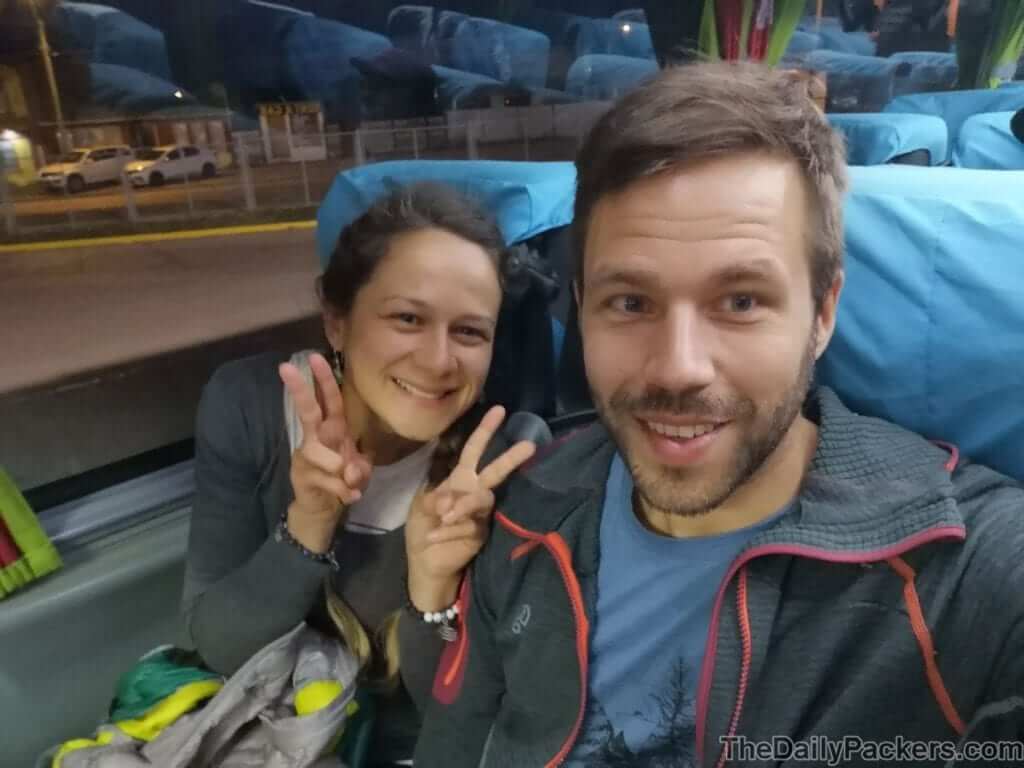
It’s the end of the second week of this 3-week Chile itinerary, and time to head south toward Patagonia! Take the long-distance bus back to Santiago, then hop on the metro to reach the airport. From there, catch your flight to Puerto Natales, the gateway to Torres del Paine National Park.
Once in town, check into your accommodation, organize your trekking gear, and stock up on supplies for the W-Trek. If you have time, take a short walk along the waterfront — the mountain views across the fjord are stunning and a great preview of what’s to come.
Where to stay in Puerto Natales: (€): Puma House, (€€): Toore Patagonia, (€€€): Hostal Boutique Factoria Patagonia
Read: Torres del Paine Guide: The Best 5-day W-Trek
Day 15: W-Trek Day 1 – From Paine Grande to Grey Shelter
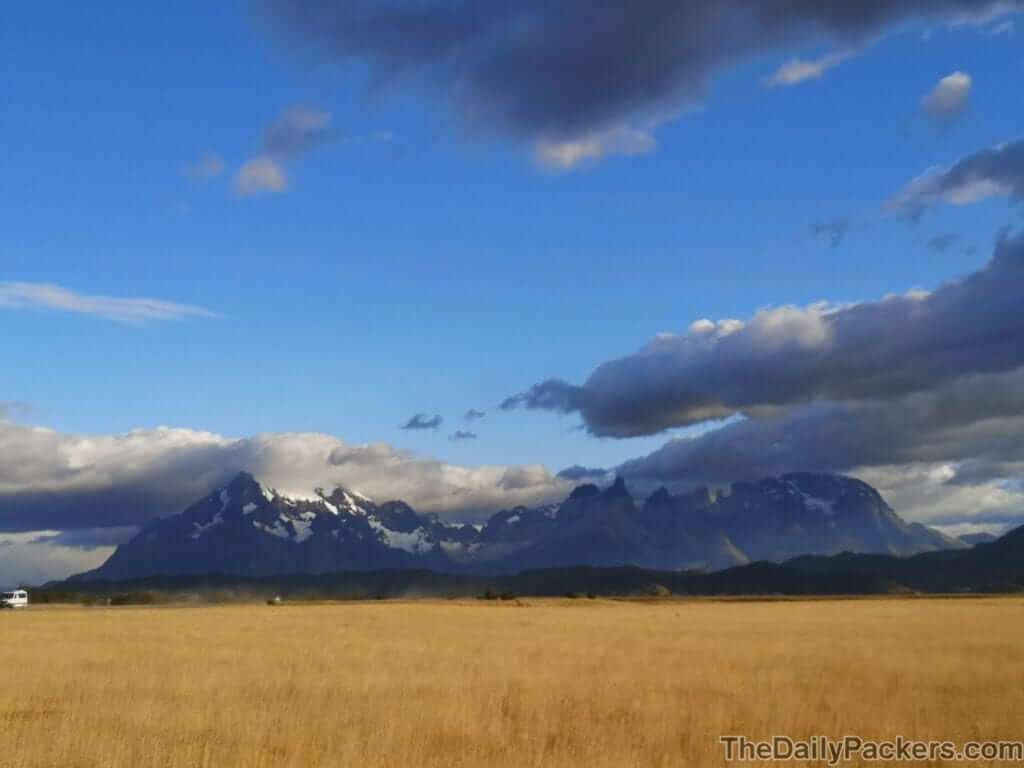
The adventure begins! Take the earliest bus from Puerto Natales to Torres del Paine National Park. Once inside the park, board the catamaran across Lake Pehoé to reach Paine Grande, the starting point of your W-Trek.
From there, hike toward Refugio Grey, following a trail that winds through valleys, forests, and open views of the Grey Glacier. The hike takes around 3.5 to 4 hours, depending on your pace. Once at Grey Shelter, drop your bag, relax by the lake, and admire the incredible floating icebergs drifting from the glacier.
Tip: If you still have energy, you can continue for about 1 hour to reach the Grey Glacier viewpoint, where you’ll get jaw-dropping views of the ice wall up close — a perfect start to your Patagonia adventure.
Read: W-Trek Day 1: From Puerto Natales to Grey Glacier
Day 16: W-Trek Day 2 – Grey Viewpoints and Return to Paine Grande
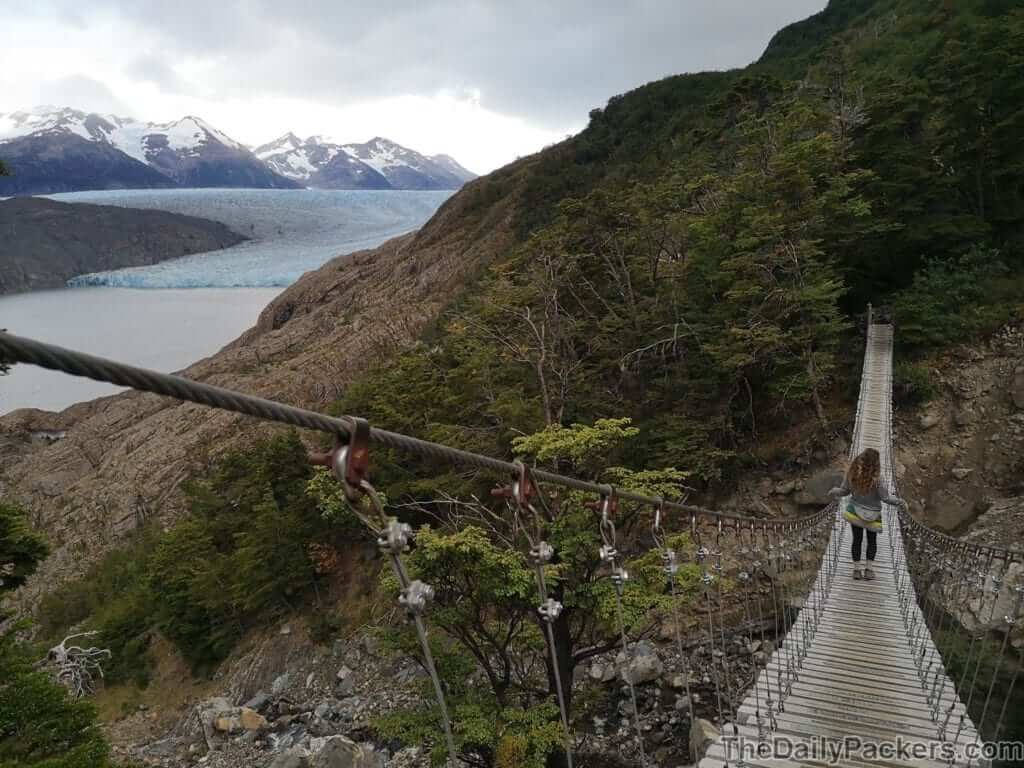
Wake up early to make the most of your second day on the trail. Before heading back, take the time to hike further north from Grey Shelter toward the suspension bridges — one of the most scenic parts of the entire W-Trek. The bridges offer breathtaking panoramic views over the Grey Glacier, its deep blue crevasses, and the vast Southern Patagonian Ice Field behind it.
After enjoying the viewpoints, hike back to Grey Shelter, grab your backpack, and start your return journey to Paine Grande. The hike back takes about 3.5 to 4 hours and offers a completely different perspective of the landscape, with views over turquoise lakes and rugged peaks.
Once back at Paine Grande, relax, have dinner, and rest up — another beautiful day of hiking awaits tomorrow.
Read: W-Trek Day 2: From Grey Glacier to Paine Grande
Day 17: W-Trek Day 3 – Into the Heart of the French Valley
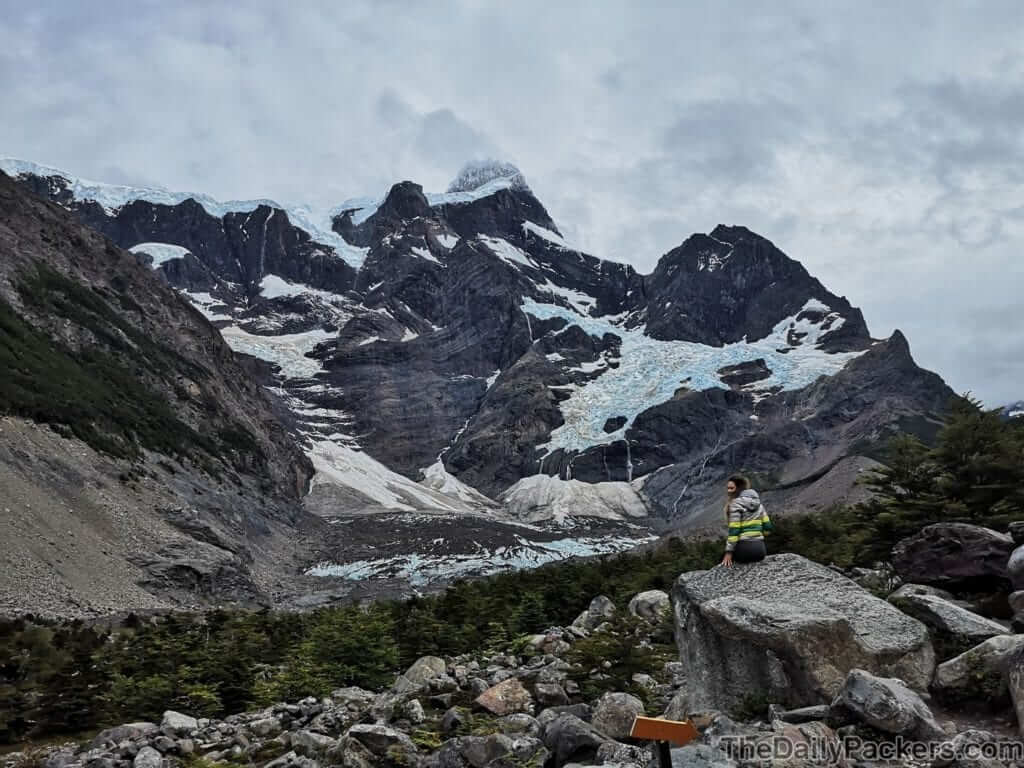
The second week of your 3-week Chile itinerary continues with one of the most stunning sections of the entire W-Trek — the French Valley (Valle del Francés). Start your hike early from Paine Grande and follow the well-marked trail along the shores of Lago Pehoé before reaching Campamento Italiano after about 2.5 hours.
Drop your heavy backpack there (the rangers usually allow it) and begin the steep climb into the French Valley. The trail winds through forests and rocky paths, opening up to breathtaking views of hanging glaciers, waterfalls, and towering granite peaks. The lookout at Mirador Británico is the highlight — it’s surrounded by the dramatic peaks of the Cuernos del Paine and offers a full 360° panorama of Patagonia’s raw beauty.
After taking in the views, descend back to Italiano, grab your backpack, and hike to Frances Domos, where you’ll spend the night surrounded by forest and mountains. It’s the perfect end to one of the most rewarding days of the W-Trek.
Read: W-Trek Day 3: From Paine Grande to Frances
Day 18: W-Trek Day 4 – Lakes, Forests, and Dreamy Views
Today’s stage of your 3-week Chile itinerary takes you from Frances Domos to Refugio Chileno, with some of the most scenic views of the W-Trek along the way. The trail winds through forests, across small rivers, and past several turquoise lakes — each one more beautiful than the last.
Take your time and enjoy the changing landscapes as you pass Lago Nordenskjöld, one of Patagonia’s most photogenic lakes. It’s the perfect spot to stop for a break, eat your lunch, and simply take in the view of the snow-covered peaks reflecting in the water.
Afterward, continue hiking toward Chileno, nestled in the valley below the famous Base Torres. The final stretch can be a bit steep, but the scenery makes every step worth it. Once at the refugio, relax, enjoy a hot meal, and get some rest — tomorrow is the big day!
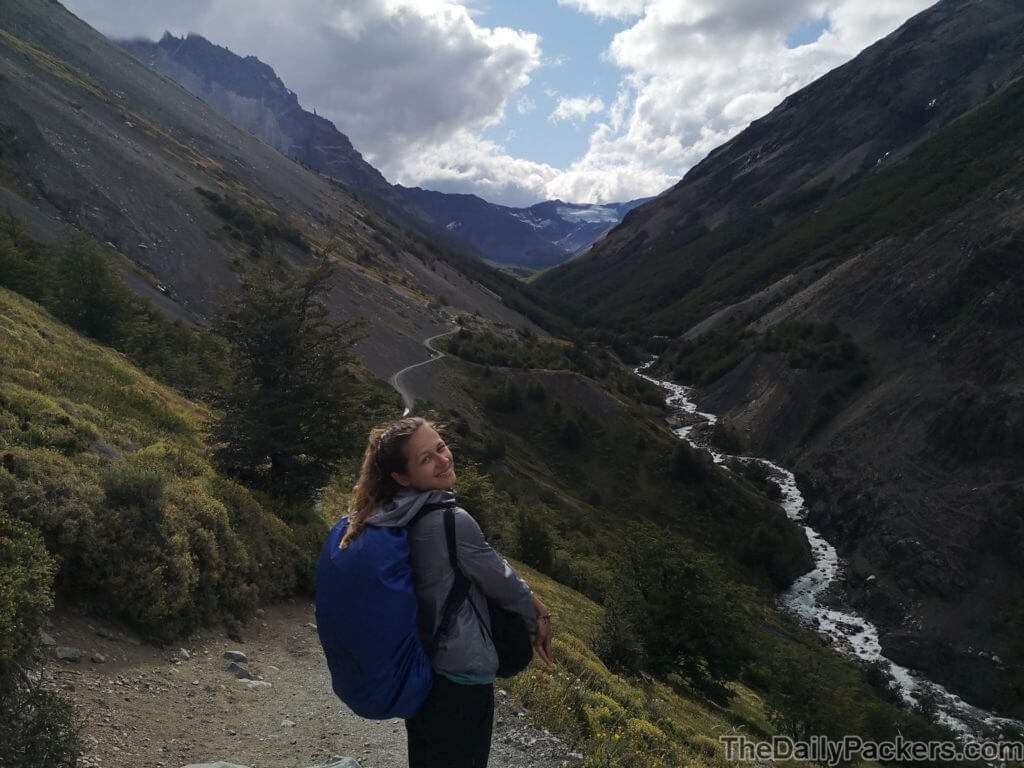
Read: W-Trek Day 4: From Frances to Chileno
Day 19: W-Trek Day 5 – The Iconic Torres del Paine Viewpoint
Your final day on the W-Trek — and one of the most unforgettable of your 3-week Chile itinerary. Start early from Refugio Chileno to reach the Base Torres viewpoint before the crowds. The trail climbs steadily through the forest and then turns into a rocky ascent, leading you to the stunning Laguna Torres.
Here, you’ll stand face to face with the three granite towers — the Torres del Paine — reflecting perfectly in the turquoise lagoon below. It’s the image that defines Patagonia, and it feels surreal to see it in person after days of hiking.
Take your time to soak it in before starting the long descent back down to the park entrance. Once there, hop on the bus to Puerto Natales, where a hot shower and cozy meal await, or actually enjoy unique stay in the park.
Where to stay in Torres Del Paine: Lodge: Cabañas Lago Tyndall, Tiny House: Torres del Paine, Lodge: Konkashken Lodge
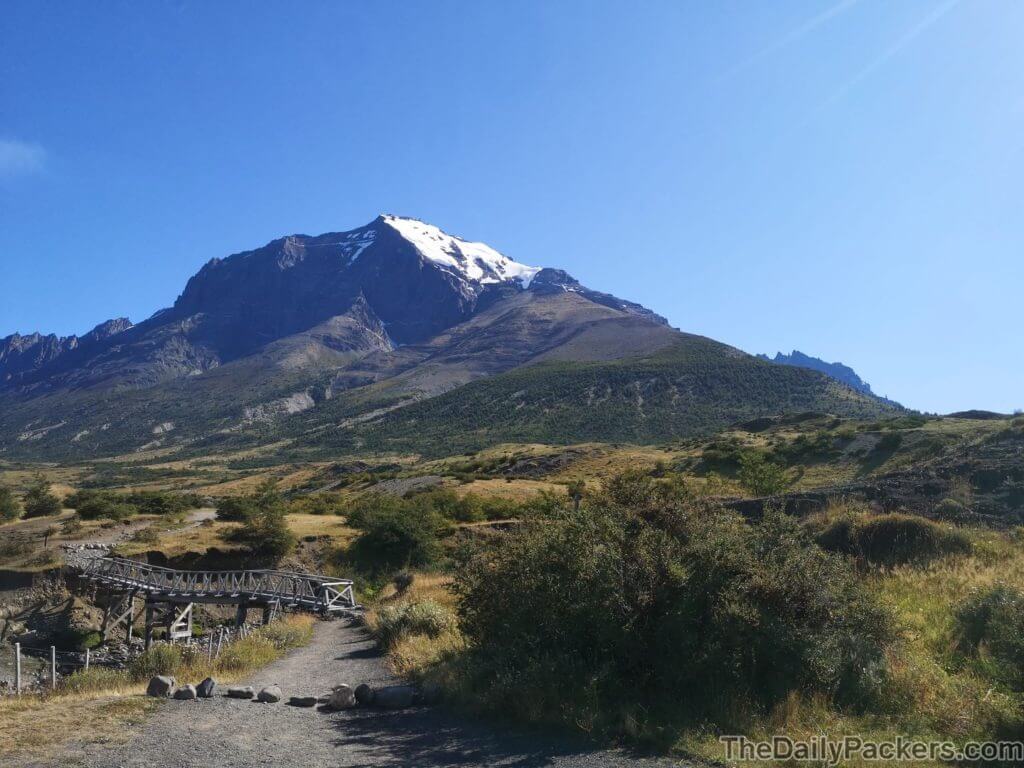
Read: W-Trek Day 5: From Chileno to Central
Day 20: Relax in Puerto Natales – A Well-Deserved Break in Patagonia
After five incredible days on the W-Trek, this is your day to unwind. Take it slow and enjoy Puerto Natales, a charming Patagonian town nestled between mountains and fjords. Stroll along the waterfront and visit the Monumento de la Mano, one of the town’s most iconic sculptures, or wander around the port to watch the fishing boats come and go.
If you prefer to stay surrounded by nature, you can also spend an extra night inside Torres del Paine National Park, relaxing at your refugio or eco-lodge with breathtaking views of the peaks you’ve just conquered.
This pause will give you time to reflect on your adventure — and to simply soak up the peaceful vibe of southern Chile before your journey home.
Where to stay in Torres Del Paine: Lodge: Cabañas Lago Tyndall, Tiny House: Torres del Paine, Lodge: Konkashken Lodge
Day 21: Return Home – The End of an Unforgettable Journey
Your 3-week Chile itinerary comes to an end. After exploring deserts, islands, and glaciers, it’s time to make your way back home — hopefully with a heart full of memories and a camera full of photos.
Depending on your flight time, enjoy one last stroll in Puerto Natales or a relaxed breakfast before taking your transfer to the airport. From the vast Atacama Desert to the remote Easter Island and the majestic peaks of Patagonia, Chile has surely left a lasting mark.
Until next time — ¡Adiós, Chile!
About the authors
We are Alex and Tina, a French-Serbian couple who met in China back in 2014. We spent three incredible years there before making France our home. Our shared passion for travel has been the heartbeat of our relationship for over 12 years, taking us across 44 countries and counting.
We launched TheDailyPackers in 2019 as a way to document our adventures. In 2026, we reached a major milestone by officially turning our blog into our full-time job. While we are still growing toward financial independence through this platform, every article we write is fueled by our mission to make your voyages easier through in-depth guides, honest advice, and the lessons we’ve learned from our own mistakes.
Our journey has not been without its storms. In 2023, our world changed forever when our first son, Poppy, was stillborn on November 25th. It was, and remains, the hardest chapter of our lives. In 2025, we were blessed with our second little boy, Milo. He has since joined our traveling tribe, and you’ll be seeing him—and the reality of traveling with a little one-on the blog more and more.
We hope to inspire you to explore the world with curiosity and resilience. Thank you for being part of our story.
You may also like those related posts
20 Best Things to do in Havana, Cuba, in 2 to 4 days
São Paulo to Curitiba: The Ultimate 6h Bus Guide
10 Best things to do in Mostar, Bosnia-Herzegovina, in 1 day
Hanoi to SaPa: Luxury Van Transfer in 6h
Travelling with a Newborn: Our First Road Trip with a Baby
20 Best things to do in Bonifacio, Corsica in 3 days
7 best things to do in Fortaleza, Brazil, in 2 days
Riquewihr Christmas Market: The Fairytale Village of Alsace
Pssst, did you know that…
If you purchase something through our links, we earn a small fee. However, you still pay the same. Win-win! And one day we may get to be full-time travel bloggers =)
Find Hotels with Booking.com
Do Yoga with KVY
Buy us a Coffee
Rent a car with DiscoverCars
Find Attractions with GetYourGuide
Find Flights with Expedia
Buy an eSIM with Airalo
Get insured with World Nomads
Get ready with Amazon.com