

Introduction
The Alcazaba of Málaga is one of the most beautiful and underrated historical sites in Andalusia, in the south of Spain. Standing on a hill overlooking the old town, this ancient Alcazaba fortress blends quiet gardens, elegant arches, defensive walls, and views that stretch all the way across the city and the Mediterranean. Even if you’ve already visited other Moorish sites in Spain, the Alcazaba of Málaga has its own charm — smaller, more intimate, and incredibly atmospheric.
We loved walking through its maze of courtyards, fountains, and stone pathways. The mix of history, greenery, and sunlight filtering through the arches makes the whole place feel peaceful. Built in the 11th century by the Muslim rulers of Málaga, the fortress still preserves much of its original structure, from the outer walls to the inner palace areas. And because it sits right above the Roman Theatre, the contrast between the two eras gives the site a unique identity.
If you’re exploring Málaga, the Alcazaba of Málaga, is one of those places you shouldn’t skip. It’s easy to reach, affordable, and one of the nicest spots in the city to escape the heat, soak in the history, and enjoy the views.


Read: 17 best things to do in Malaga, Spain, in 2 to 5 days
Why visit?
The Alcazaba of Málaga ended up being one of our favourite places in the city, and honestly, another one of the highlights of our time in Andalusia.
It’s not as grand as the Alhambra in Granada, but that’s exactly why we loved it. The atmosphere is calmer, the courtyards feel intimate, and the mix of sunlight, gardens, and old stone walls gives the whole place a gentle charm.
Built in the 11th century by the Muslim rulers of Málaga, the Alcazaba fortress was designed both as a defensive stronghold and a small palace.
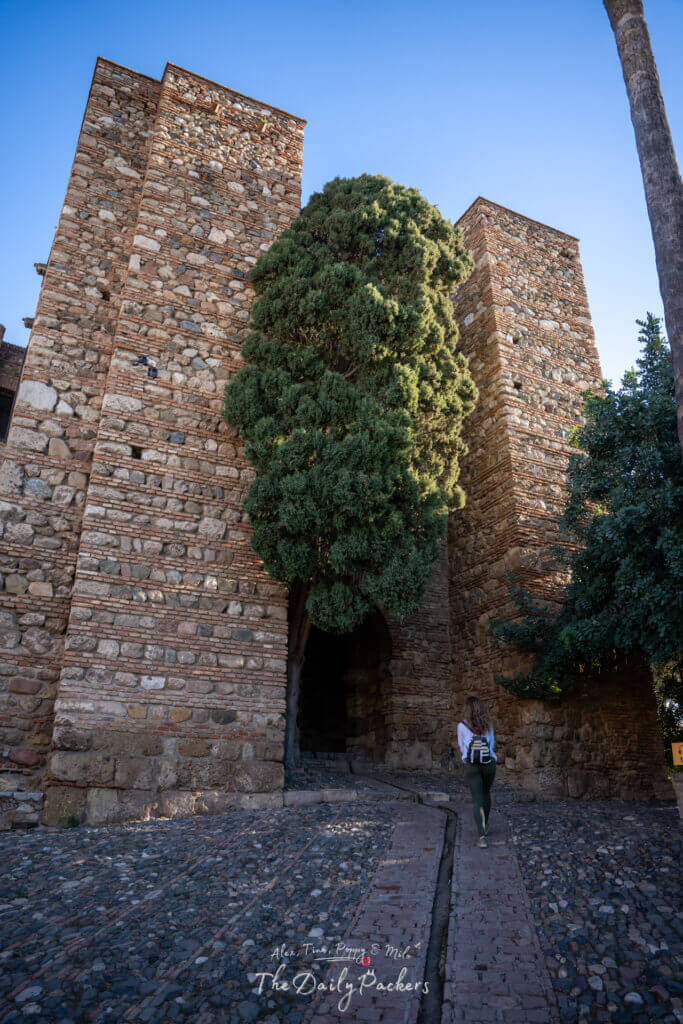
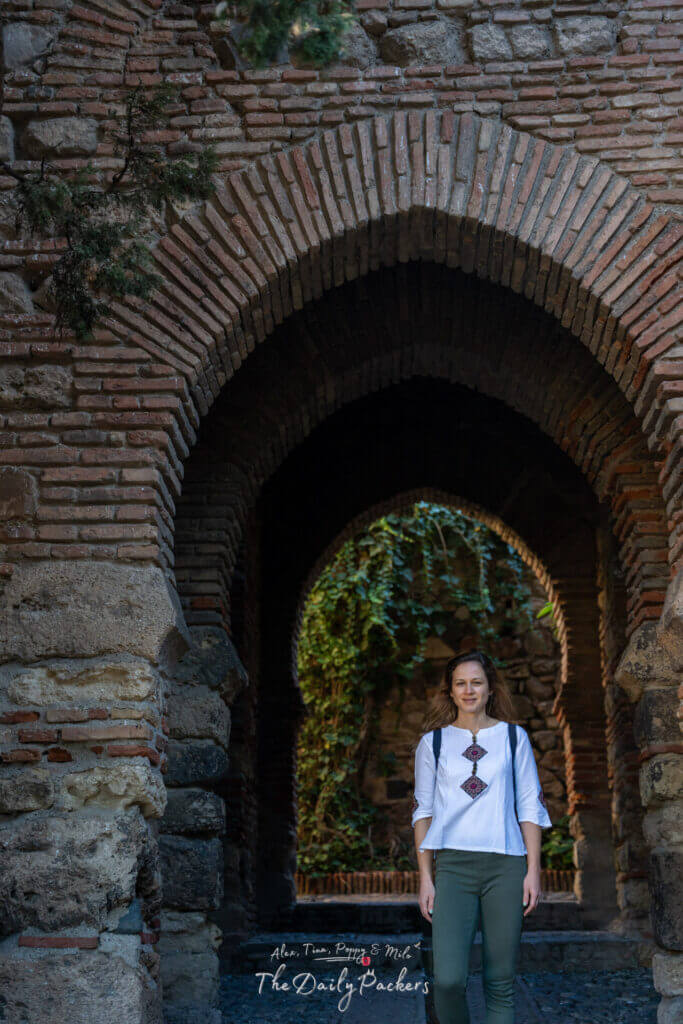
You can still see touches of that dual identity everywhere: fortified towers that overlook the port, narrow pathways that twist through the hillside, and suddenly… a quiet courtyard with a fountain framed by arches. The transitions are beautiful and subtle, and that’s part of what makes visiting so enjoyable.
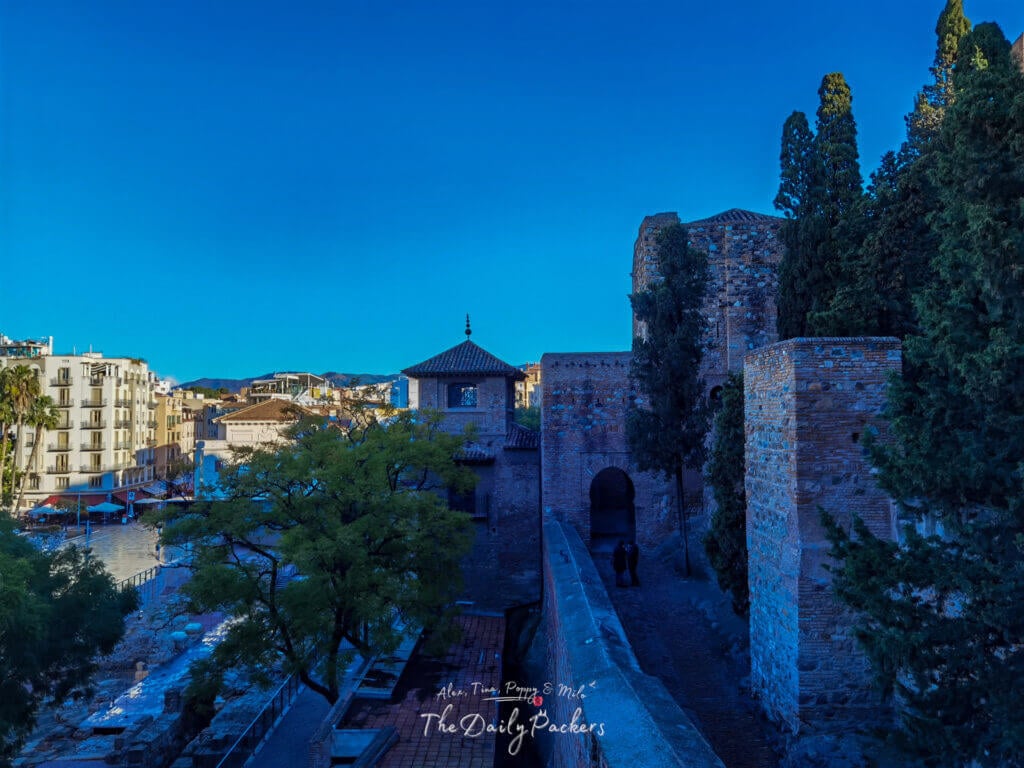
From the top, you get sweeping views over the Roman Theatre below, the cathedral, the port, and the sea. We ended up stopping several times just to take it all in. It’s the kind of place where you don’t hurry — you wander, follow the light, and enjoy the mix of history and nature.
If you’re spending time in Málaga, the Alcazaba of Málaga is one of those sites you shouldn’t miss. It’s easy to reach, affordable, and perfect for a peaceful break from the busier parts of the city.


Here are all your accommodation options in Malaga
How to Get to the Alhambra
Reaching the Alcazaba of Málaga is simple, especially if you’re staying anywhere near the historic centre. The fortress sits right above the Roman Theatre, and the entrance is just a few steps from Málaga’s famous pedestrian streets.
From the city centre, you can reach it in three easy ways:
- Walking: This is the most natural way to arrive. From Calle Alcazabilla, you’ll pass the Roman Theatre and follow the short uphill path to the main gate. It’s a gentle climb and takes no more than five to ten minutes from the centre. If you’re already exploring the old town, you’re practically there.
- Bus: Several local buses stop near the base of the hill, but honestly, unless you’re staying far from the centre, you won’t need one. Málaga is compact, and everything around the Alcazaba of Málaga is easily walkable.
- Taxi: A quick and inexpensive option if you’re staying near the beach or arriving from another neighbourhood. Taxis in Málaga are reasonably priced, and they drop you right at the start of the path.
You can also combine your visit with a stop at the Roman Theatre since both entrances sit right next to each other. For such a central monument, the Alcazaba of Málaga is surprisingly easy to reach — one of the reasons it fits so well into any itinerary.
Address: C/ Alcazabilla, 2, Distrito Centro, 29012 Málaga, Spain

When to visit
The Alcazaba of Málaga is open year-round, and because it’s smaller and more compact than other Andalusian monuments, visiting it feels enjoyable in almost any season. Still, your experience can change a lot depending on the weather and the time of day.
- Spring (March to May): Spring is one of the best times to visit. Temperatures stay around 15–25°C (59–77°F), the gardens look fresh, and the courtyards catch soft light in the morning. It’s popular, but not overwhelming.
- Summer (June to August): Málaga gets hot in summer — often 30–38°C (86–100°F). The Alcazaba of Málaga has shaded areas, but you’ll still be walking uphill and through exposed spaces. If you’re visiting in summer, aim for early morning or late afternoon. The views over the port at sunset are beautiful.
- Autumn (September to November): A great season for the Alcazaba of Málaga. Temperatures drop to a comfortable 18–28°C (64–82°F), crowds thin out slightly, and the atmosphere feels calmer. This is one of our favourite times to wander through the courtyards.
- Winter (December to February): Málaga has mild winters, usually 12–18°C (54–64°F). The Alcazaba of Málaga stays open, and the quieter crowds make it a peaceful visit. Some days are cloudy, but the views over the Roman Theatre and the sea are still lovely.

Best Time of Day
The Alcazaba of Málaga is at its best in the early morning or late afternoon. The light is softer, the courtyards are quieter, and the colours of the stone walls look warmer. Midday is the busiest time, especially on weekends, and the sun can be harsh.
How Long to Spend
You don’t need a full day to explore the Alcazaba of Málaga, but giving yourself enough time to wander makes the visit much more enjoyable. We’d say 1.5 to 2 hours is the sweet spot. That’s enough to walk through the courtyards, climb the walls, enjoy the gardens, and stop at the viewpoints without rushing.
If you like taking photos, reading the signs, or simply sitting in the shade for a moment, you could easily stretch it to 2.5 hours. The fortress isn’t huge, but the atmosphere makes you slow down naturally — which is part of its charm.

Tip: Enjoy a guided tour of Málaga’s Roman Theatre and the Alcazaba with fast-track access. Walk through history, hear hidden legends, and stay inside the fortress to take photos and explore freely.
How to Visit
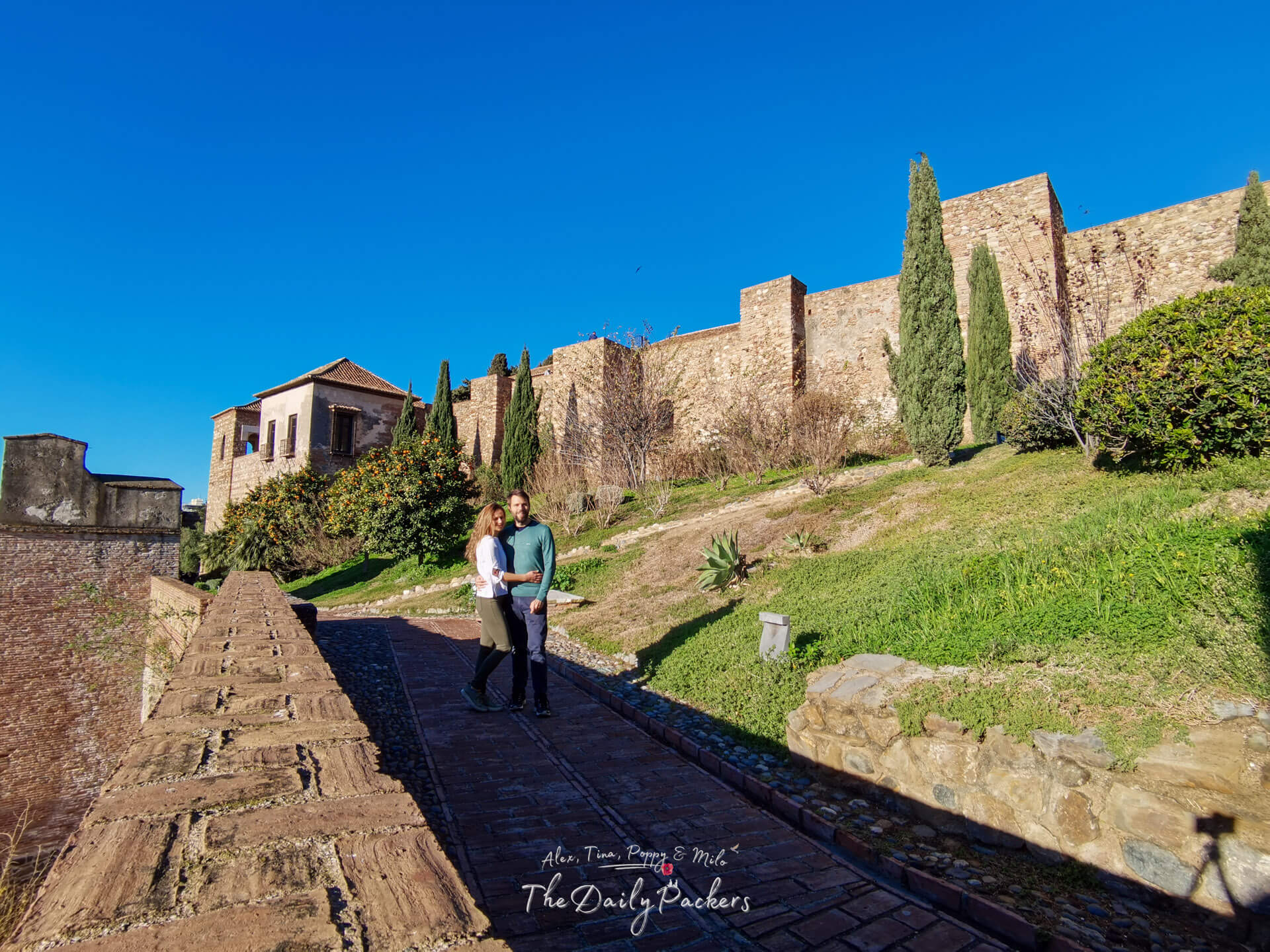
Visiting the Alcazaba of Málaga is simple and enjoyable, especially if you follow the natural flow of the fortress from the lower entrance up to the palace area. The whole visit winds gently uphill through fortified gateways, shaded courtyards, and small gardens that make the climb surprisingly pleasant.
You enter right beside the Roman Theatre, which already sets the tone — the mix of Roman and Moorish history is part of what makes this corner of Málaga so interesting. One nice option, if you want a clearer understanding of what you’re seeing, is to book an Alcazaba of Málaga and Roman Theatre Guided Tour With Entry. It’s affordable, and having someone explain the history as you go adds a nice layer to the visit, especially if you enjoy stories and context.
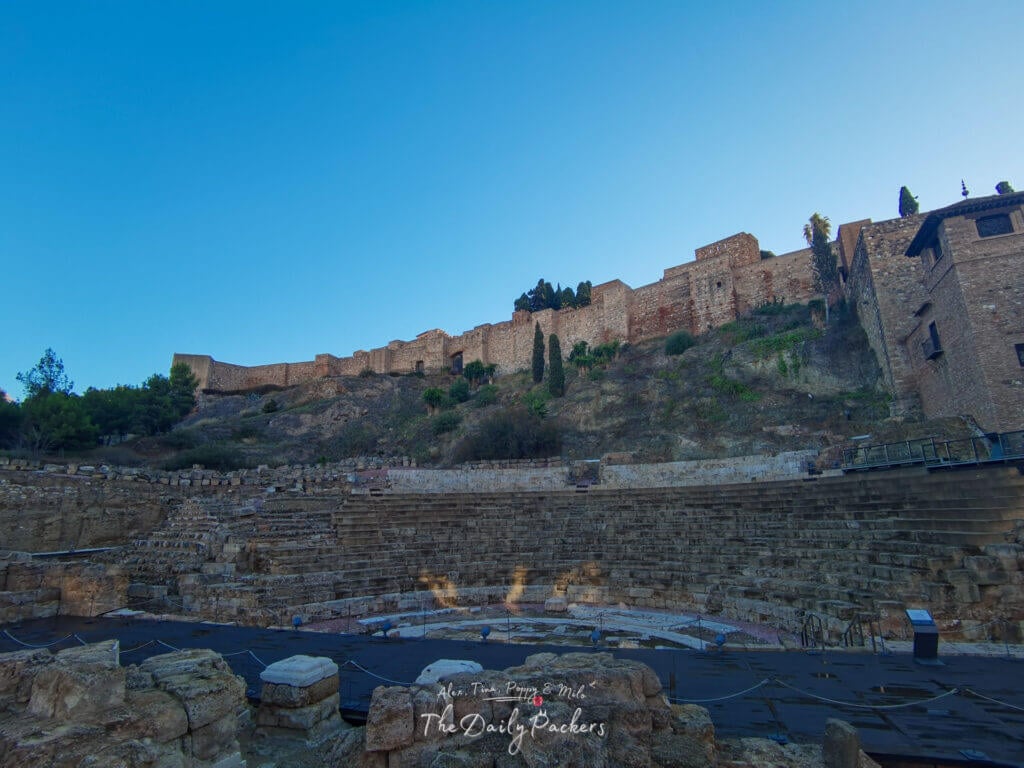
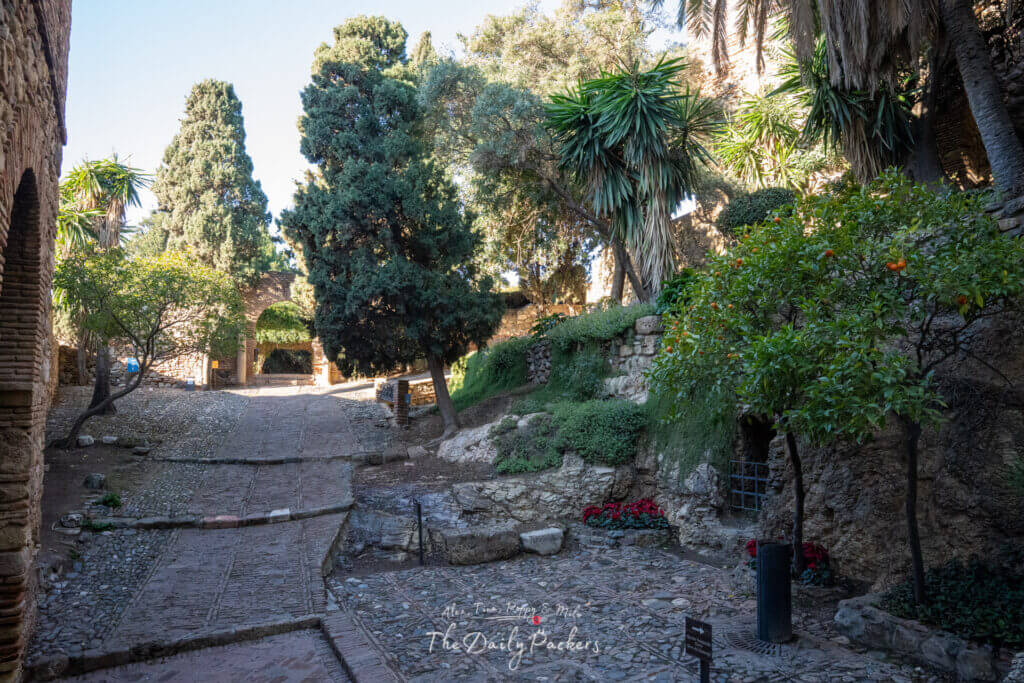
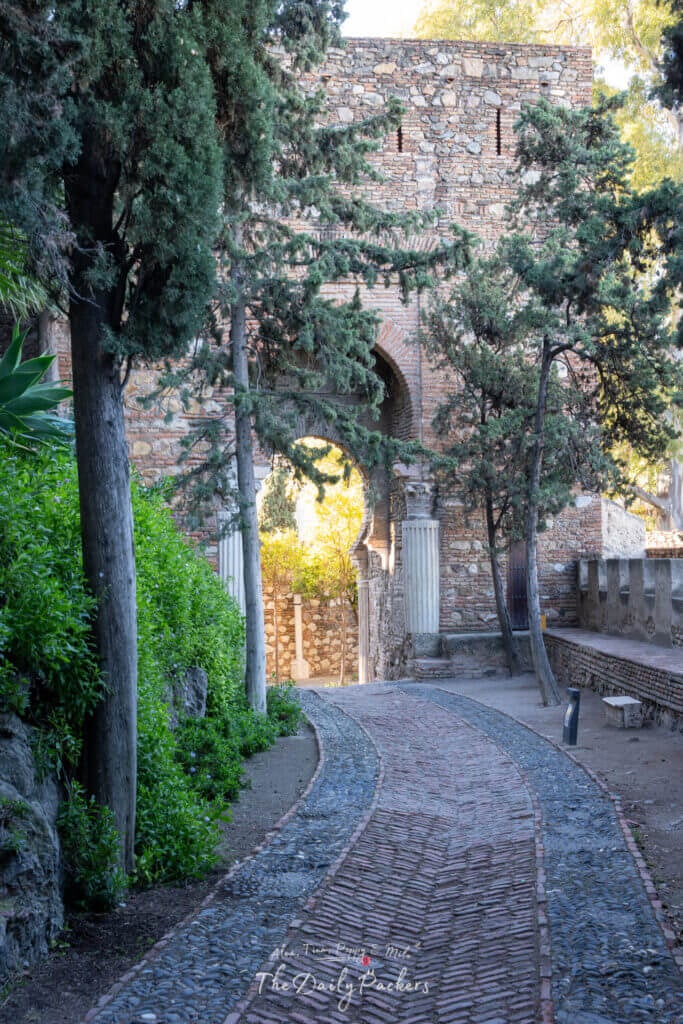
Once you step inside, you follow a series of zigzagging ramps designed centuries ago to slow down attackers. Today they’re just peaceful, narrow paths lined with flowers, stone walls, and views of the old town. As you climb higher, the atmosphere becomes calmer. Small patios appear on each side, always with a fountain or a patch of greenery, and the architecture slowly shifts to horseshoe arches and delicate decorative details.
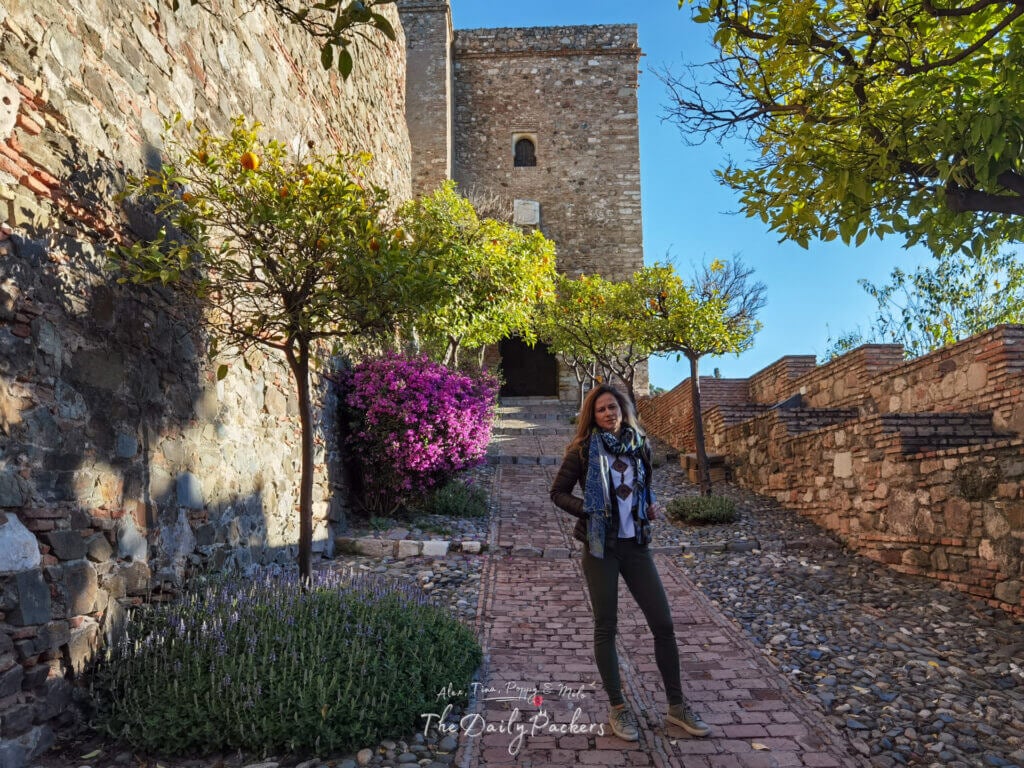
This upper section feels more like a small palace than a fortress. The views are some of the best in the city: the port, the cathedral, the bullring, and the rooftops of Málaga spread out below. We stopped several times just to take it all in — the Mediterranean looks especially bright from up here.

Eventually, the path loops back down toward the exit, passing more courtyards and quiet corners that you may not have noticed earlier. It’s the kind of place where you naturally slow your pace and simply follow the light.
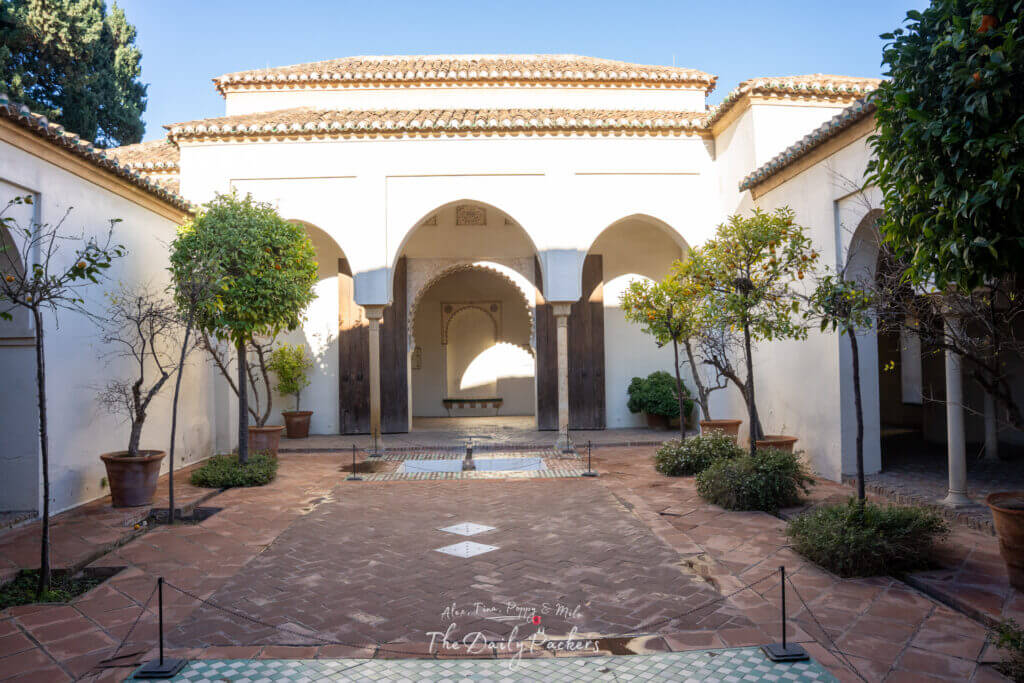
The Alcazaba of Málaga is compact enough to explore in under two hours, yet rich enough to feel like a small escape inside the city. It’s one of those places where you can take your time without ever feeling overwhelmed.


Tickets & Opening Hours
The Alcazaba of Málaga is one of the easiest monuments in Andalusia to visit — affordable, central, and usually without overwhelming crowds. Still, knowing your ticket options helps you plan better, especially if you want to combine it with the Roman Theatre.
Tickets
You can buy tickets directly at the entrance or online in advance. Prices are very reasonable, which makes the Alcazaba of Málaga accessible even if you’re travelling on a budget.
The main options are:
- Alcazaba General Entry (7€) – Gives access to the entire fortress and upper palace areas.
- Combined Alcazaba + Gibralfaro Ticket (10€) – Useful if you want to visit both hilltop fortresses on the same day (though each has its own article on your blog).
- Alcazaba + Roman Theatre Guided Tour With Entry (13 to 18€) – A great choice if you want more context. The guide walks you through the Roman Theatre first and then into the Alcazaba, explaining the layers of history linking both sites.
Tickets can also be purchased directly at the Roman Theatre booth, which sits right next to the Alcazaba entrance.

Opening Hours
The Alcazaba of Málaga follows a simple schedule that changes slightly depending on the season:
- April to October: 9:00 am – 8:00 pm
- November to March: 9:00 am – 6:00 pm
Last entry is 30–45 minutes before closing, but we recommend arriving earlier so you have time to wander without rushing.
Best Tip: If you plan to visit later in the afternoon, check how much daylight you have left — the fortress has beautiful viewpoints, and the warm sunset light over the port is one of the prettiest moments of the day.

Is it Worth It?
Absolutely — the Alcazaba of Málaga is one of the places we’re always happy to recommend, no matter what kind of traveller you are. It’s affordable, easy to reach, and full of atmosphere. Unlike larger sites in Andalusia, the Alcazaba of Málaga feels intimate and calm. You wander through gardens, courtyards, and old stone pathways at your own pace, and the views over the city and the Mediterranean are worth the climb on their own.
What we loved the most is how the site mixes history and nature without feeling overwhelming. You get a bit of everything — Moorish architecture, shaded arches, fountains, fortified walls, and a real sense of what life might have looked like here centuries ago. It’s the kind of visit where you don’t need to be an expert or follow a long tour to appreciate it.
Whether you’re spending a full weekend in Málaga or just stopping by for a day, the Alcazaba of Málaga is absolutely worth your time. It’s one of the spots that gives the city its character, and it’s a beautiful break from the busier streets below.
Travel Tips
A visit to the Alcazaba of Málaga is straightforward, but a few small tips can make the experience even smoother and more enjoyable.
- Take Water — Especially in Summer: Even though the Alcazaba has shaded patios and breezy corners, Málaga gets hot. Bring a bottle of water, especially if you’re visiting in the middle of the day. There’s nowhere to buy drinks inside the fortress.
- Wear Comfortable Shoes: The paths inside the Alcazaba are uneven, and some sections can be a little steep. Good shoes make a big difference, especially if you’re continuing to Gibralfaro afterward.
- Visit Early or Late in the Day: The light is softer, the views are nicer, and the heat is easier to manage. Late afternoon is especially beautiful if you enjoy photography — the warm tones on the walls and over the port are perfect.
- Don’t Skip the Roman Theatre: Since the entrance is right next door and often free to enter, it’s worth taking a few minutes to look around. The contrast between Roman and Moorish architecture adds perspective to the whole visit.
- Guided Tour Adds Value: If you enjoy context, the Alcazaba & Roman Theatre Guided Tour With Entry is a great option. You’ll understand the layout better, and the stories make the palace areas even more interesting.
- Go Slowly: The Alcazaba isn’t huge, but it’s full of little corners, viewpoints, and shaded patios where it’s worth stopping for a moment. Rushing through it would mean missing half of its charm.

Where to stay
Staying 2 to 3 nights in Málaga is just right to explore the city’s highlights at a relaxed pace during your Malaga itinerary — from its Moorish fortresses to its beaches and tapas bars. You’ll have enough time to enjoy the main sights and even squeeze in a sunset at the port without feeling rushed.
(€) Coeo Hernán Ruiz Rooftop Pool Hostel – A modern and social hostel located in the heart of Málaga’s historic center. It offers a rooftop pool, shared kitchen, and comfortable private or dorm rooms. Perfect for budget travelers who still want great amenities and atmosphere.
(€€) Soho Boutique Equitativa – A beautifully designed boutique hotel overlooking the port, just a short walk from Calle Larios and the old town. The rooms are stylish, bright, and comfortable, and the location is ideal for exploring the city on foot.
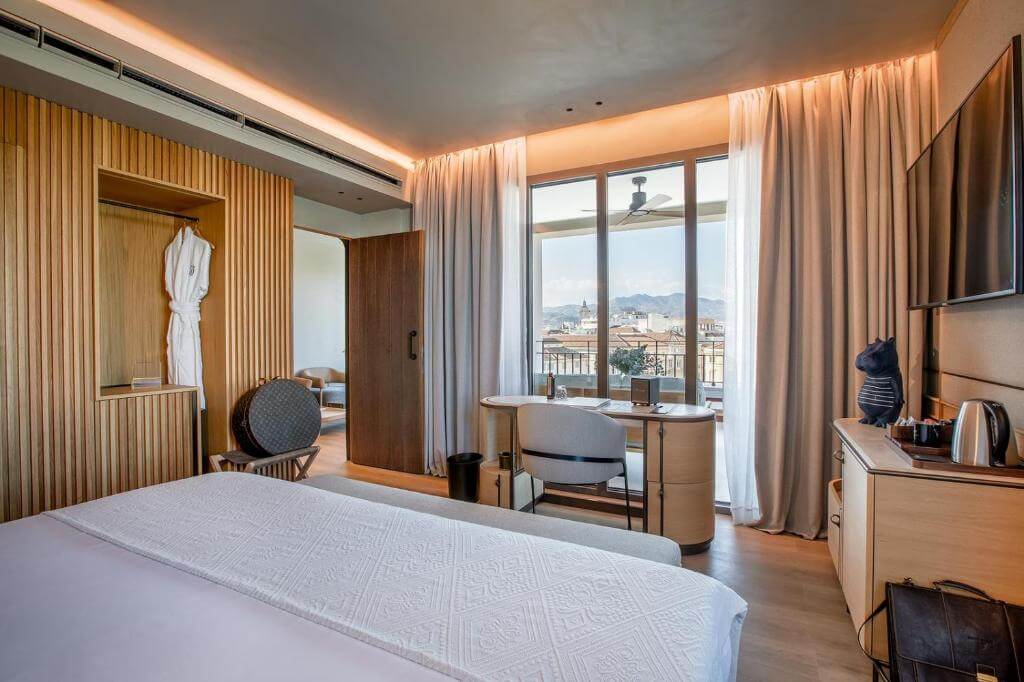
(€€€) Only YOU Hotel Málaga – One of the best luxury hotels in the city. With a rooftop pool, panoramic sea views, and elegant design, it’s perfect for couples or travelers looking for a refined experience. Located right on Alameda Principal, you’ll be within walking distance of all major attractions.
Our tip: Stay near the historic center or the Soho district during your Malaga itinerary — you’ll be close to most sights, restaurants, and nightlife while still within walking distance of the beach.
Here are all your accommodation options in Málaga
About the authors
We are Alex and Tina, a French-Serbian couple who met in China back in 2014. We spent three incredible years there before making France our home. Our shared passion for travel has been the heartbeat of our relationship for over 12 years, taking us across 44 countries and counting.
We launched TheDailyPackers in 2019 as a way to document our adventures. In 2026, we reached a major milestone by officially turning our blog into our full-time job. While we are still growing toward financial independence through this platform, every article we write is fueled by our mission to make your voyages easier through in-depth guides, honest advice, and the lessons we’ve learned from our own mistakes.
Our journey has not been without its storms. In 2023, our world changed forever when our first son, Poppy, was stillborn on November 25th. It was, and remains, the hardest chapter of our lives. In 2025, we were blessed with our second little boy, Milo. He has since joined our traveling tribe, and you’ll be seeing him—and the reality of traveling with a little one-on the blog more and more.
We hope to inspire you to explore the world with curiosity and resilience. Thank you for being part of our story.
You may also like those related posts
15 best things to do in the Gulf of Porto, Corsica, France
11 best things to do in SaPa, Vietnam, in 4 days or less
São Paulo to Curitiba: The Ultimate 6h Bus Guide
7 Best Things to do in Cayo Santa Maria, Cuba, in 2 to 4 days
11 Best things to do in Essaouira, Morocco, in 1 to 2 days
7 Real Downsides of Traveling Without a Plan
9 Best things to do in Chartres, France, in 1 day or more
TMB Stage 6: Guide from Rifugio Bonatti to La Fouly
Pssst, did you know that…
If you purchase something through our links, we earn a small fee. However, you still pay the same. Win-win! And one day we may get to be full-time travel bloggers =)
Find Hotels with Booking.com
Do Yoga with KVY
Buy us a Coffee
Rent a car with DiscoverCars
Find Attractions with GetYourGuide
Find Flights with Expedia
Buy an eSIM with Airalo
Get insured with World Nomads
Get ready with Amazon.com