

Introduction
Looking for your next adventure in Argentina? You came to the right place. We spent over six weeks backpacking Argentina, which gave us enough time to explore most of the country slowly.
Before Argentina, we went to Brazil and Uruguay. After more than six weeks in Argentina, we went from the North to the South of the country, and to be honest, it is one of our favorite countries in the world.
In this article, we will share a few itineraries ranging from 2 to 6 weeks. It wasn’t easy to put together all those itineraries, as there is so much to see in Argentina. But we believe you will love our Argentina itinerary.
We designed a 2-week Argentina itinerary as a base, focused on the north and center of the country. Our 3-week Argentina itinerary will add a bit more to it, and our 6-week Argentina itinerary will be our full tour of the country. If you are looking for an itinerary focused only on Patagonia, we also have one for you.
2-Week Argentina Itinerary
This is going to be an incredible two weeks in Argentina! The country is vast, and in just two weeks, you’ll only get a small taste of its diversity. That’s why this itinerary focuses on Northern Argentina, allowing you to experience some of its most amazing destinations without spending too much time on travel.
You’ll start by exploring the vibrant capital, then fly to Iguazú Falls, home to the largest waterfall system in the world. Next, you’ll hike to the base camp of Aconcagua, the highest peak in the Americas, before winding down with wine tasting in Mendoza, Argentina’s premier wine region.

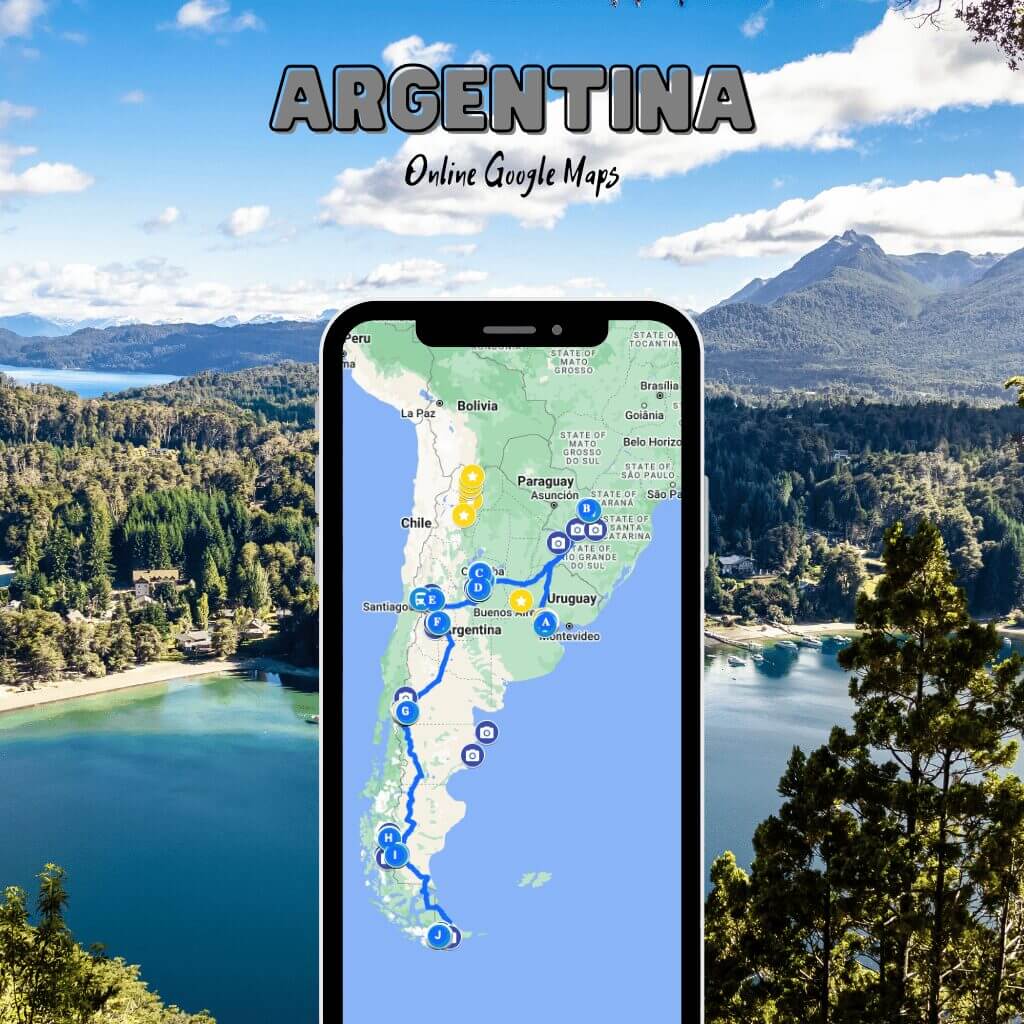
Overview: 2-Week Argentina Itinerary
Argentina is a huge country, so for this 2-week itinerary, flying will be the most efficient way to cover long distances. This itinerary is designed to be intense and slightly rushed, but it will allow you to experience some of the best highlights of Argentina in a short time.
We love Buenos Aires and believe it is worth taking the time to visit it. That’s why we included 5 full days there.
- Day 1: Arrive in Buenos Aires, explore Palermo
- Day 2: Buenos Aires (Recoleta & Retiro)
- Day 3: Buenos Aires (San Telmo & Downtown)
- Day 4: Buenos Aires (La Boca & Puerto Madero)
- Day 5: One-day trip to Colonia del Sacramento (Uruguay)
- Day 6: Fly to Puerto Iguazú
- Day 7: Visit Iguazú Falls (Argentinian Side)
- Day 8: Visit Iguazú Falls (Brazilian Side), evening flight to Mendoza
- Day 9: Explore Mendoza & Wine Tasting
- Day 10: Day trip to Aconcagua Provincial Park
- Day 11: Fly to Bariloche, explore town & Circuito Chico
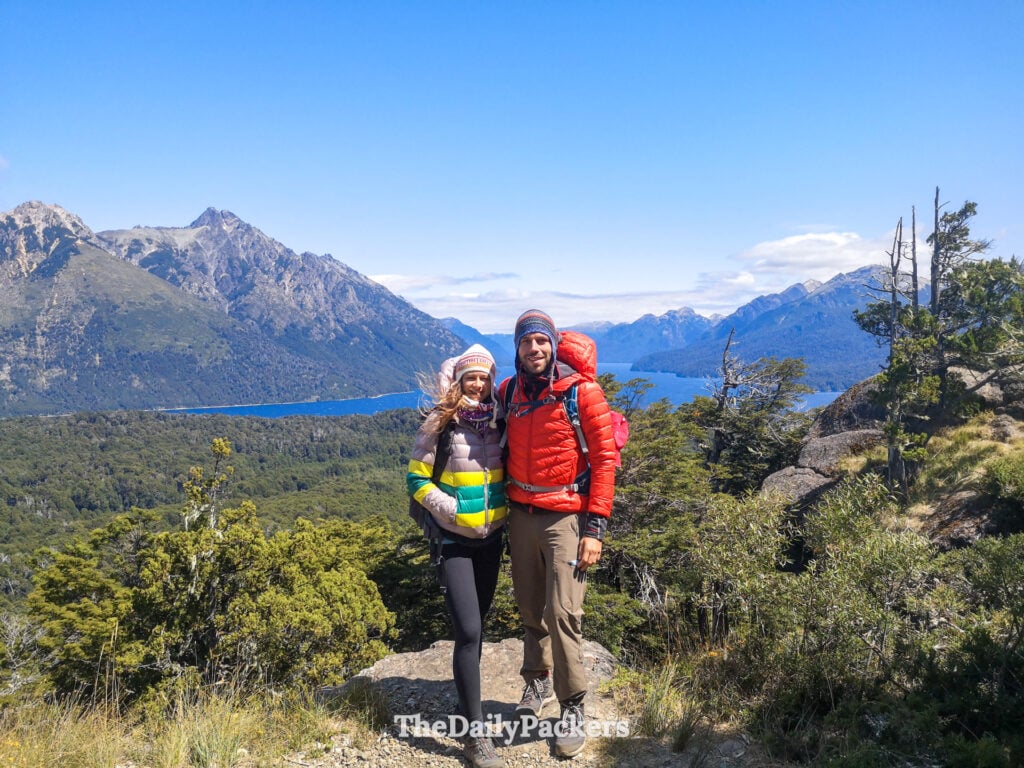
- Day 12: Hiking in Nahuel Huapi National Park (e.g., Cerro Llao Llao)
- Day 13: Day trip to Victoria Island & Arrayanes Forest or more hiking
- Day 14: Fly back to Buenos Aires, return home
Day by Day: 2-Week Argentina Itinerary
Day 1: Arrive in Buenos Aires & Explore Palermo
Arrive at Buenos Aires International Airport (Ezeiza – EZE) and transfer to your accommodation. Head to Palermo, one of the city’s trendiest neighborhoods. Stroll around Plaza Serrano, a lively square filled with cafés and bars, and grab a delicious ice cream at Rapa Nui, a must-visit for chocolate lovers.

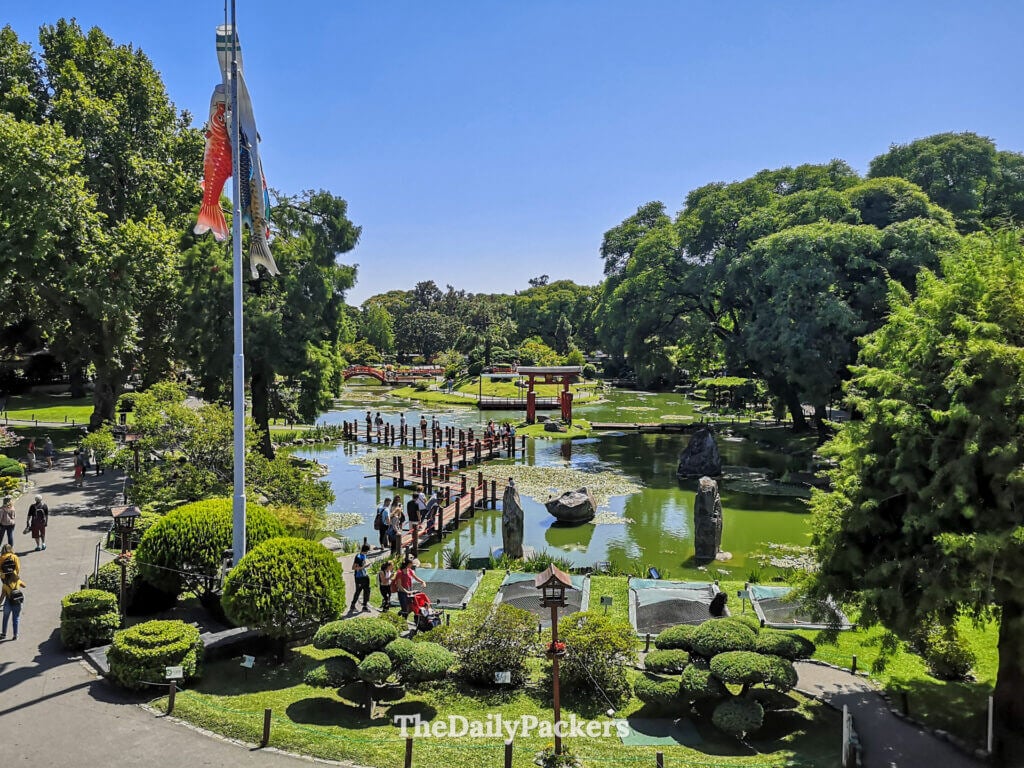
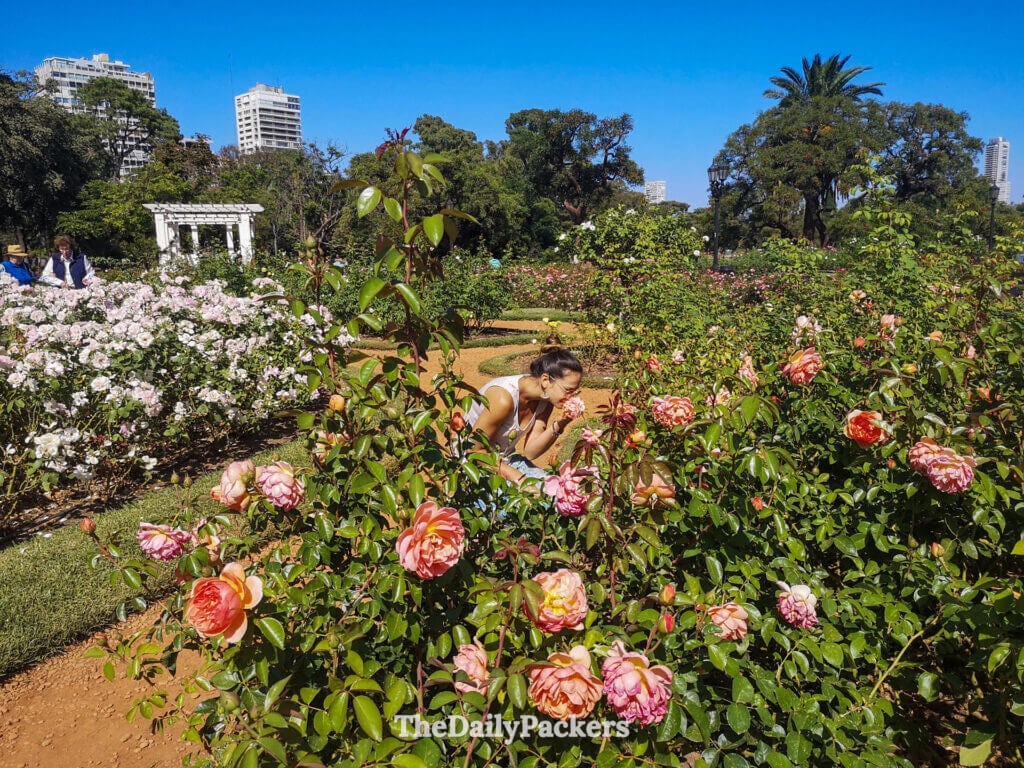
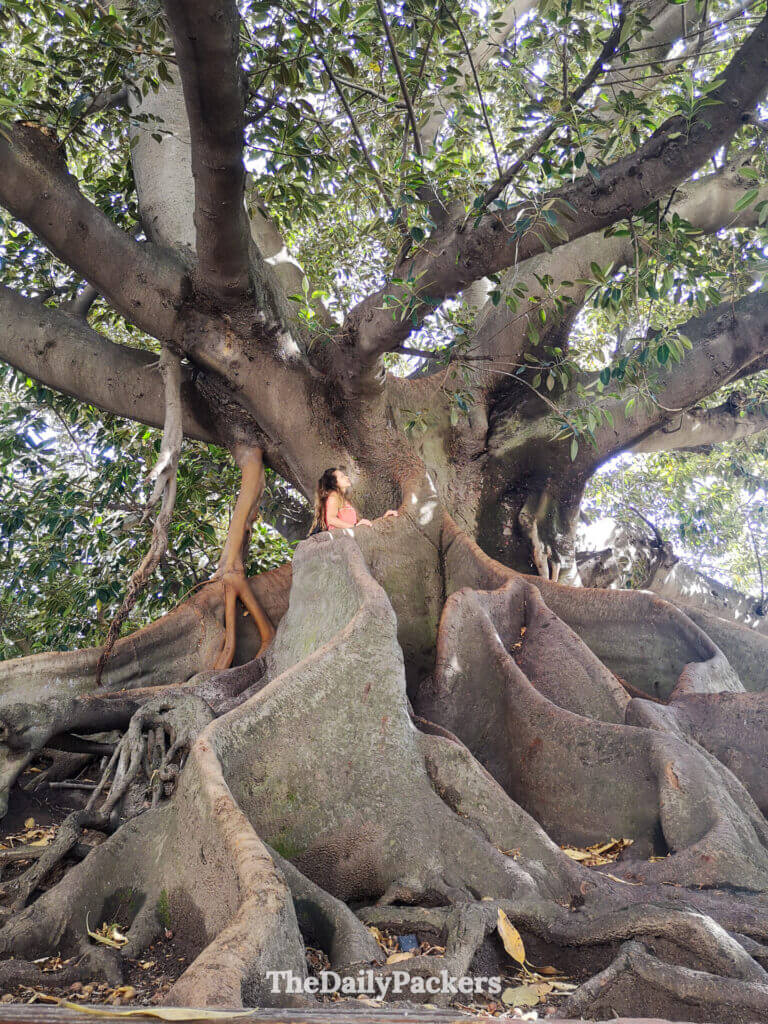
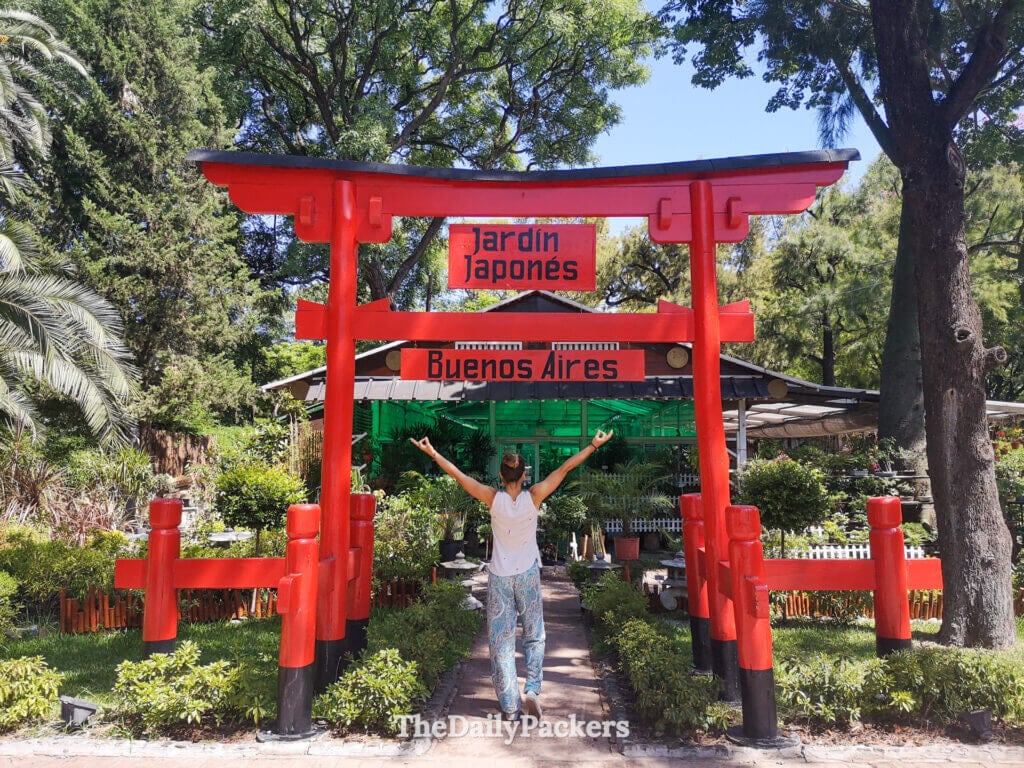
Visit Plaza Italia and the nearby Jardín Botánico Carlos Thays, a beautiful botanical garden. Explore the Bosques de Palermo, a vast urban park perfect for a relaxed afternoon walk, and end your day at the Jardín Japonés, a peaceful Japanese garden in the heart of the city.
Where to stay:
- Deluxe Apartments in Palermo – by BueRentals
- Duque Hotel Boutique & Spa
- Four Seasons Hotel Buenos Aires

Read: 32 best things to do in Buenos Aires, Argentina, in 2 to 7 days
Day 2: Explore Recoleta & Retiro
Take the metro to Avenida Alvear, often referred to as the Champs-Élysées of Buenos Aires, and stroll along this elegant boulevard lined with historic mansions and luxury boutiques. Walk toward Plaza San Martín de Tours, then visit the Claustros Históricos Basílica del Pilar, a beautifully preserved colonial church.
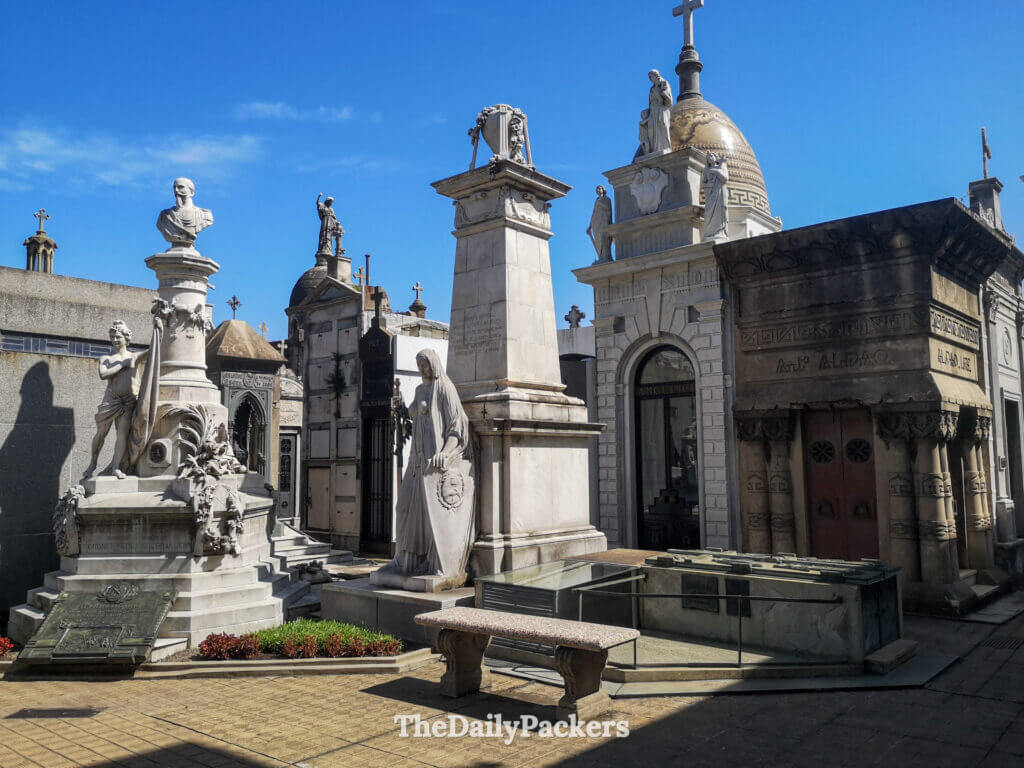
Continue to Recoleta Cemetery, one of the most famous cemeteries in the world, home to the tombs of Argentina’s most notable figures, including Eva Perón.
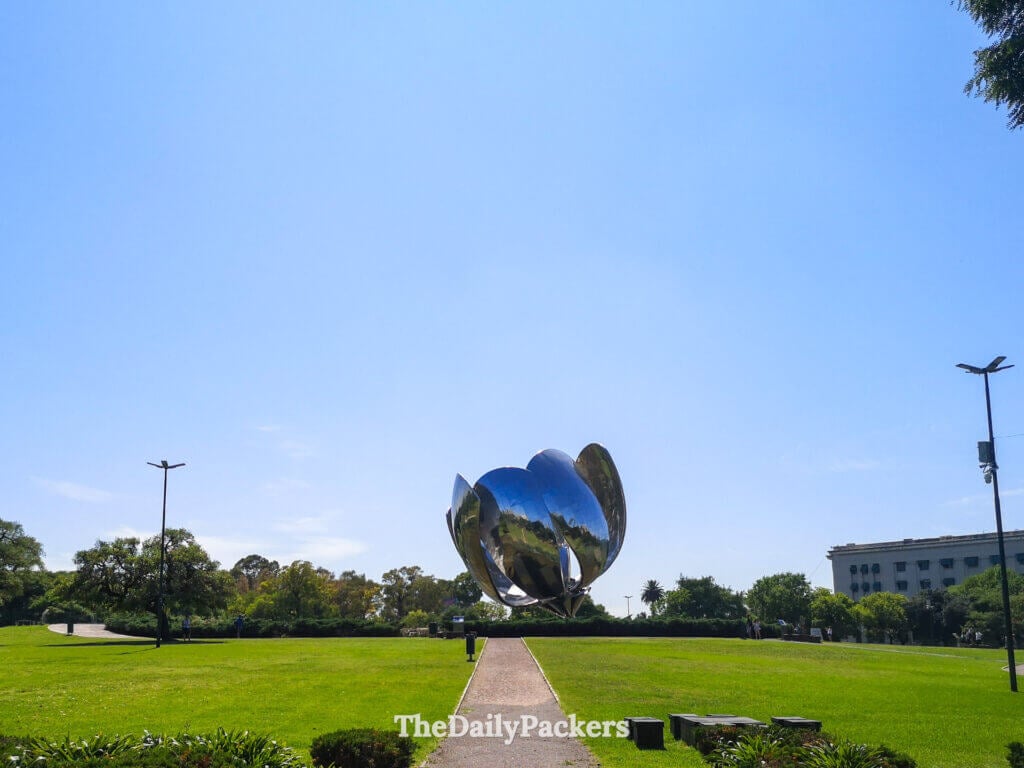
From there, head to Plaza Francia, a lively square often filled with local artisans and street performers, before visiting Floralis Genérica, a giant steel flower sculpture that opens and closes with the sun.
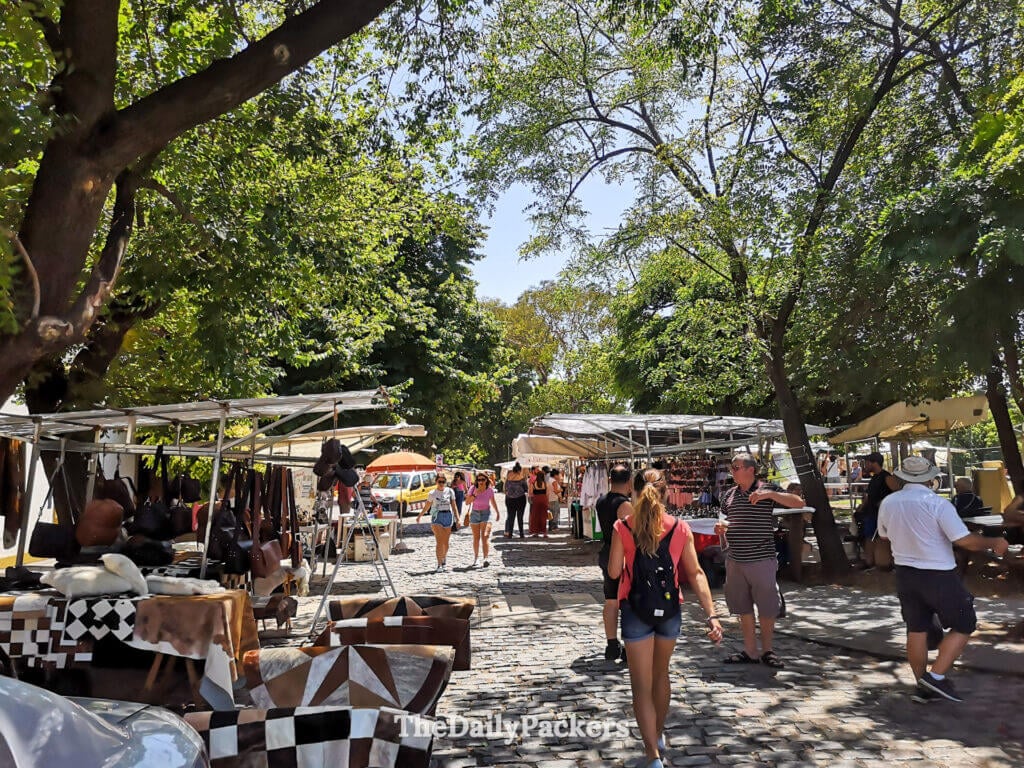
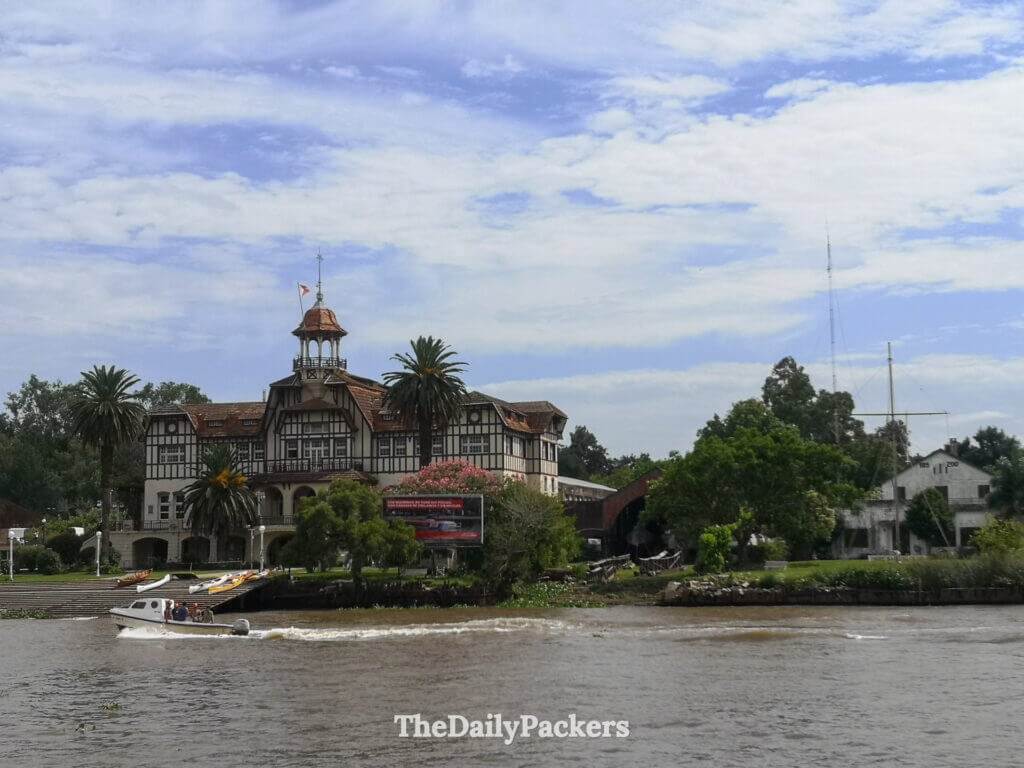
Depending on how your day 1 went and the hours at which you arrived in Buenos Aires. You can head back to Palermo to discover what you couldn’t. Or you can also consider taking the overground to Tigre.

Psst, you can join Tina’s Yoga Studio and get access to hundreds of Yoga, Meditation, and Well-being videos.
Day 3: Explore San Telmo & Downtown Buenos Aires
Take the metro to Mercado de San Telmo and check if your visit aligns with the Feria de San Telmo (held on Sundays). If not, consider switching the day to experience this vibrant flea market at its best. Walk through the San Telmo Market, exploring its antique stalls, artisan crafts, and lively tango performances.
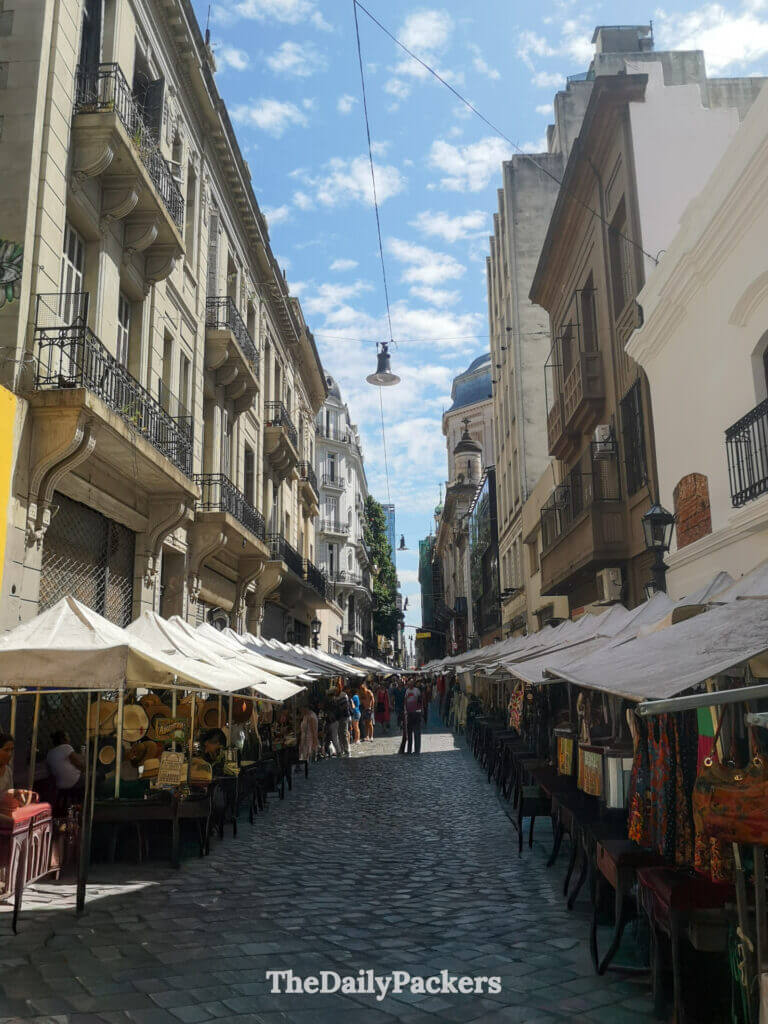
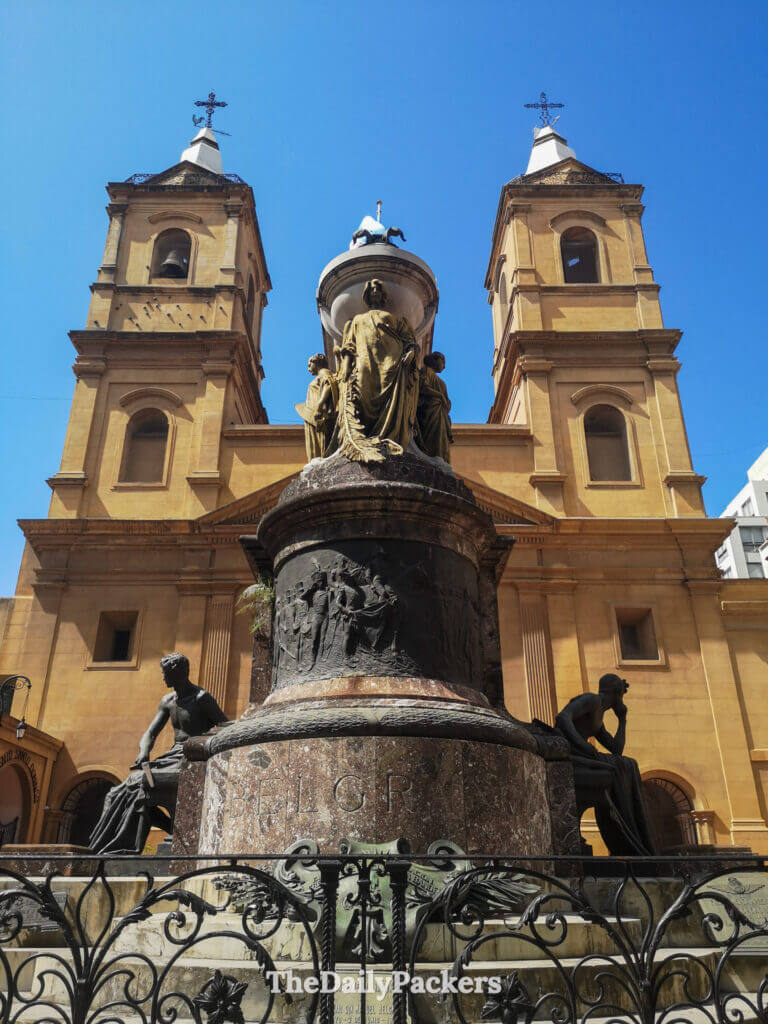
From there, stroll north toward downtown, stopping at Basílica Nuestra Señora del Rosario, a historic church with stunning colonial architecture.
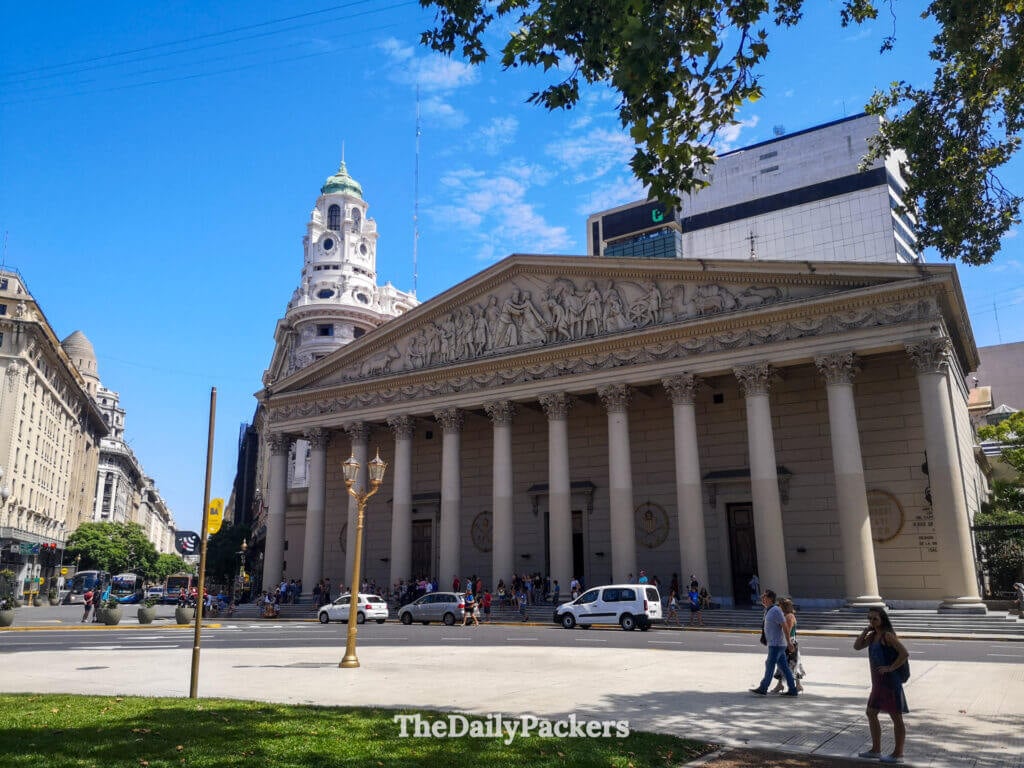
At the end of the walk, arrive at Plaza de Mayo, the city’s historic heart, where you’ll find the Metropolitan Cathedral, Casa Rosada (Presidential Palace), and several national monuments. Continue toward Florida Street, a famous pedestrian shopping avenue, before reaching the Obelisk, Buenos Aires’ most iconic landmark.
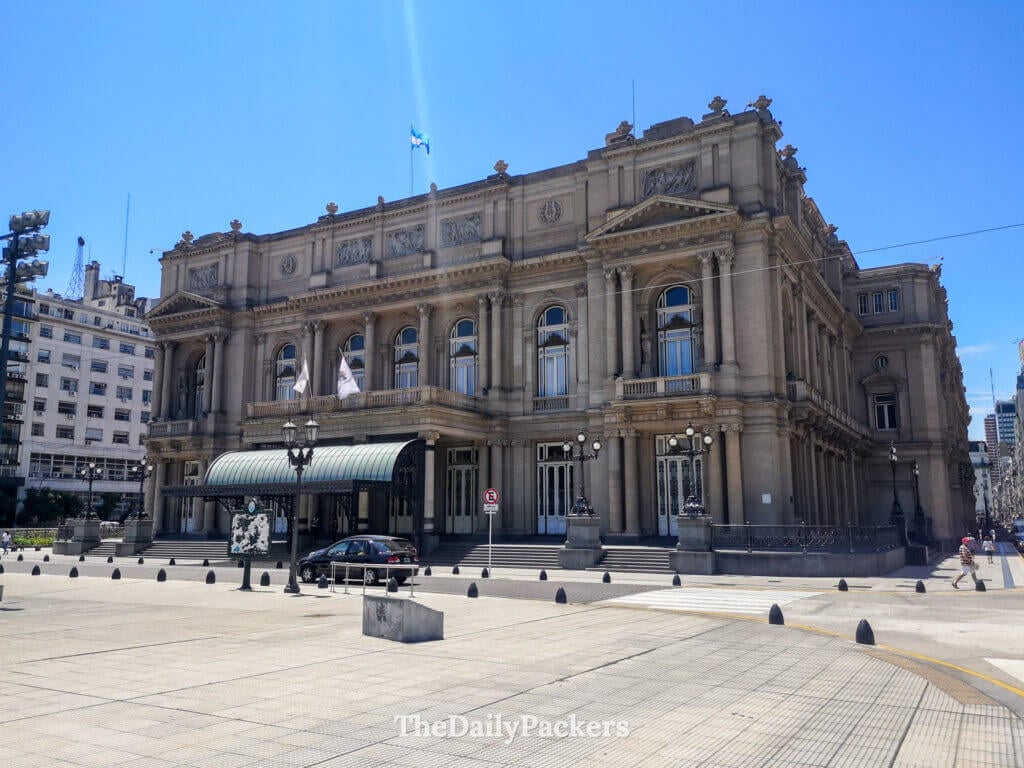
Visit Teatro Colón, one of the world’s most renowned opera houses, and finish at Plaza General Lavalle, surrounded by historic buildings and theaters.
Day 4: Explore Puerto Madero & La Boca
Start the day at Puerto Madero, Buenos Aires’ modern waterfront district. Walk along the docks, admire the Puente de la Mujer, and enjoy the mix of contemporary skyscrapers and historic red-brick warehouses.
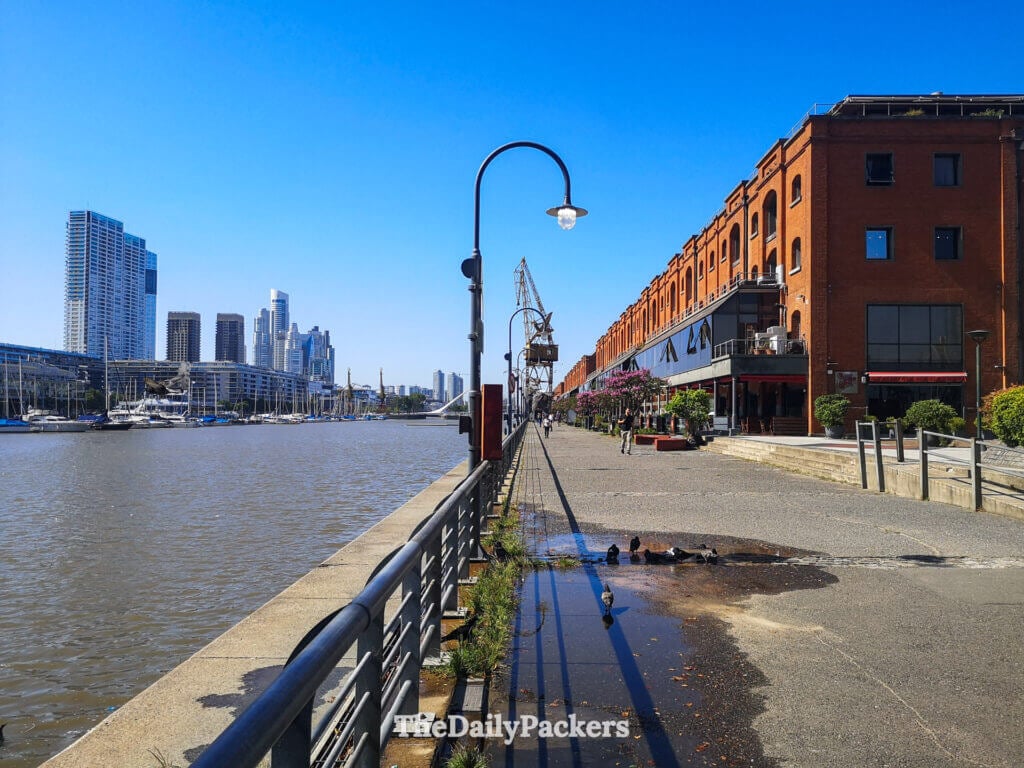
After soaking in the atmosphere, head to the Reserva Ecológica Costanera Sur, a vast green space with scenic trails and great views of the Río de la Plata. It’s a peaceful escape from the city’s hustle and a great spot for birdwatching or a relaxing stroll.

In the afternoon, make your way south to La Boca, one of Buenos Aires’ most vibrant and culturally rich neighborhoods. Explore the Caminito, a colorful street museum filled with tango dancers, street art, and historic buildings.
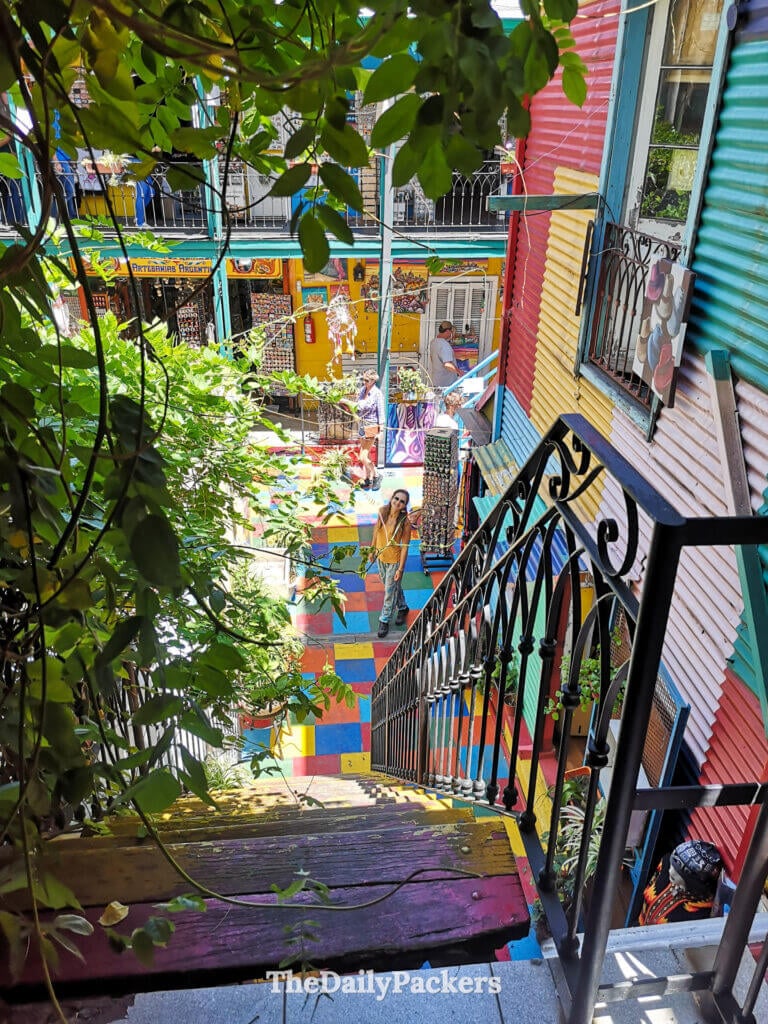
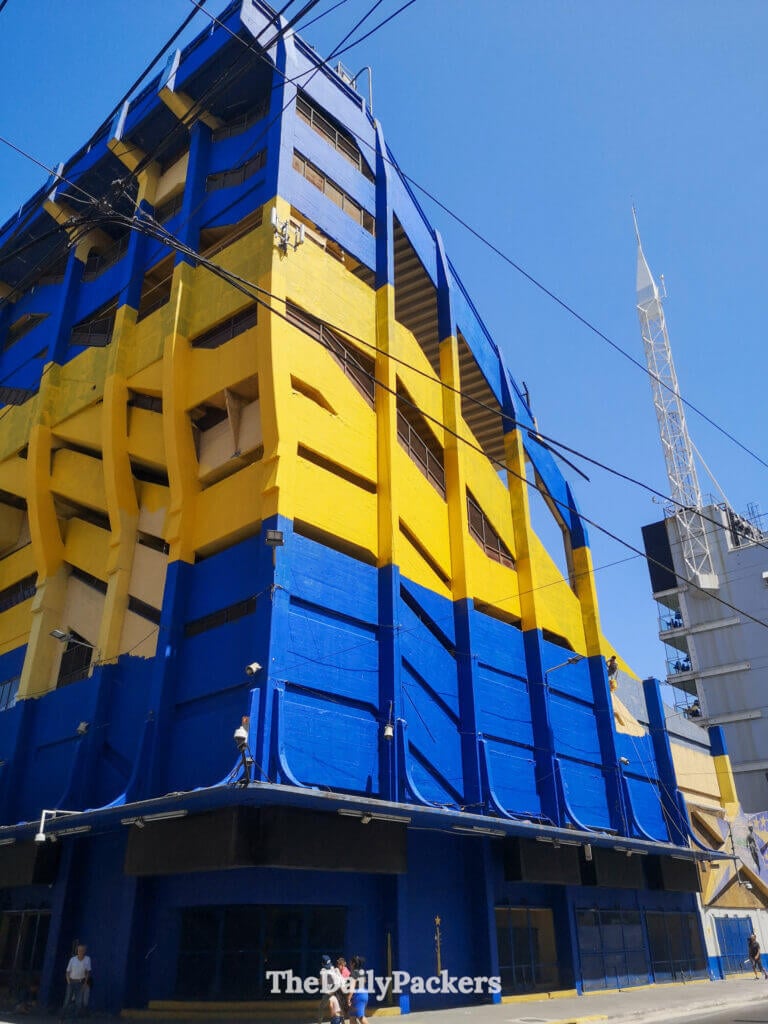
Visit La Bombonera, the famous Boca Juniors stadium, and take in the unique artistic and bohemian vibe of the district. While La Boca is a must-visit, stick to the main tourist areas as some parts of the neighborhood are less safe for wandering.
Read: 32 best things to do in Buenos Aires, Argentina, in 2 to 7 days
Day 5: One-Day Trip to Colonia del Sacramento (Uruguay)
Start your day early by taking a ferry from Buenos Aires to Colonia del Sacramento, Uruguay. The journey takes about an hour, and it’s advisable to book tickets in advance, especially during peak tourist seasons.

Upon arrival, explore the Barrio Histórico (Historic Quarter), a UNESCO World Heritage site known for its cobblestone streets, colorful houses, and historic buildings. Visit landmarks such as the Portón de Campo (City Gate), the Lighthouse, and the Basilica del Santísimo Sacramento. Enjoy a leisurely lunch at one of the local cafés, savoring Uruguayan specialties.

In the late afternoon, take the ferry back to Buenos Aires. Spend the evening at your leisure, perhaps enjoying a tango class in the Cathedral Club or exploring more of the city’s vibrant neighborhoods.

Read: 14 best things to do in Colonia del Sacramento, Uruguay
Day 6: Fly to Puerto Iguazú
Catch a morning flight from Buenos Aires to Puerto Iguazú, the gateway to the majestic Iguazú Falls. Upon arrival, check into your accommodation and take some time to relax.
Explore the town of Puerto Iguazú, visiting the Hito Tres Fronteras, where the borders of Argentina, Brazil, and Paraguay meet. Stroll through the local markets to shop for handicrafts and souvenirs.

Where to stay:
- (€) The Host Puerto Iguazú
- (€€) Iguazu Jungle Lodge
- (€€€) Gran Meliá Iguazú

Read: How to Visit Iguazu Falls: Argentina and Brazil Side Guide
Day 7: Iguazú Falls – Argentine Side
Spend the day exploring the Argentine side of Iguazú Falls within Iguazú National Park. Take the Upper and Lower Circuit trails for panoramic views and close encounters with various waterfalls.
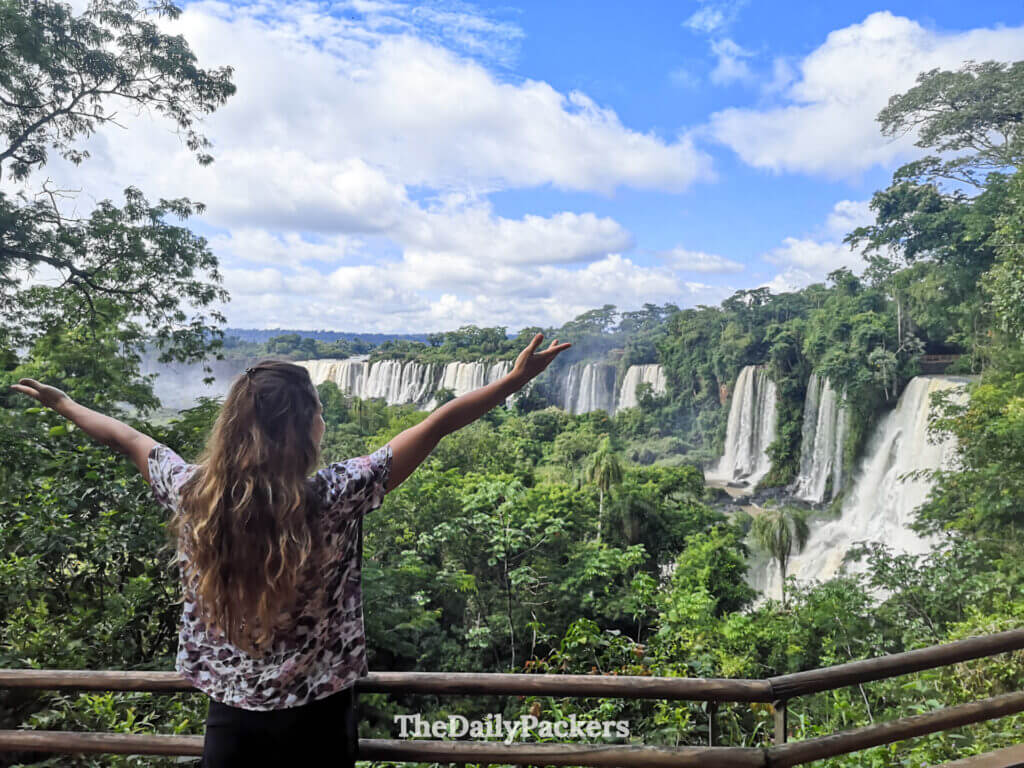
Don’t miss the Garganta del Diablo (Devil’s Throat), the most impressive section of the falls.
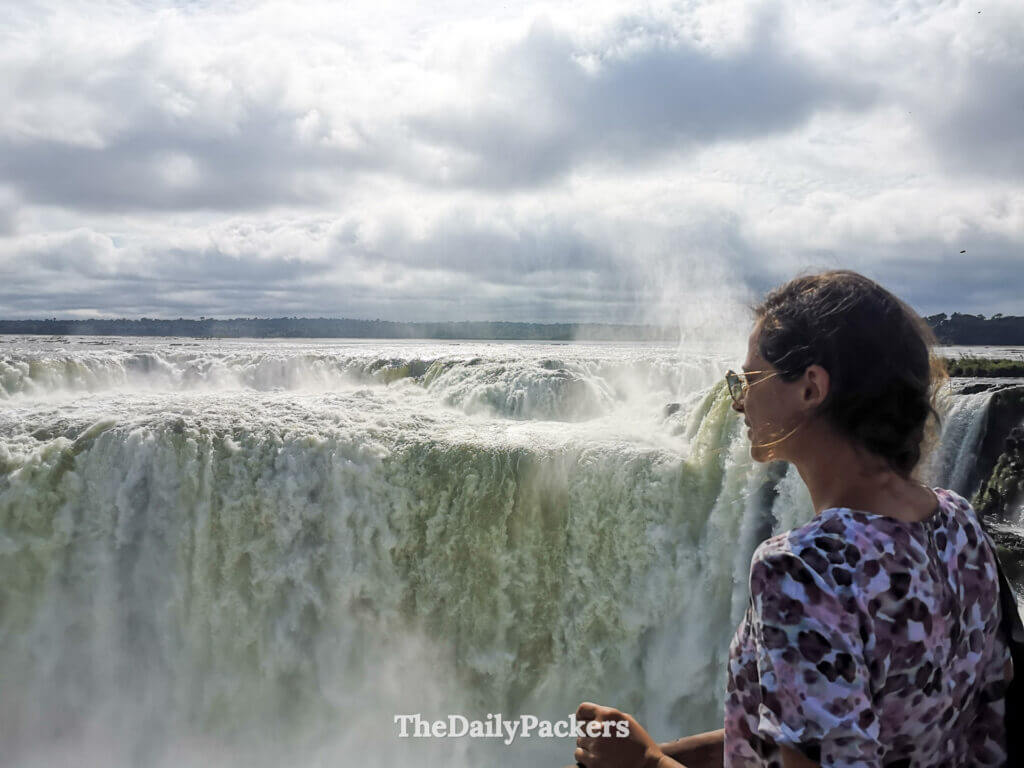
Day 8: Iguazú Falls – Brazilian Side & Fly to Mendoza
Cross the border to visit the Brazilian side of Iguazú Falls. This side offers a more panoramic view of the falls, providing a different perspective from the Argentine side.
After visiting the falls, head to the airport for your flight to Mendoza, Argentina’s renowned wine region. Upon arrival, check into your accommodation and relax after your journey.

Read: 13 best things to do in Mendoza City, Argentina, in 4 days
Day 9: Explore Mendoza & Wine Tasting
In the morning, embark on a wine tasting tour to some of Mendoza’s famous wineries. Learn about the wine production process and sample varieties like Malbec, for which the region is famous.

In the afternoon, explore the city of Mendoza, visiting landmarks such as Plaza Independencia, Parque General San Martín, and the Mercado Central.

Where to stay:
- (€): Clover Hostel
- (€€): Huentala Hotel
- (€€€): Diplomatic Hotel

Read: The Perfect Mendoza Wine Tour: 1-Day on the Bus Vitivinicola
Day 10: Aconcagua Provincial Park
Start your day early with a trip to Aconcagua Provincial Park, located about 3 hours from Mendoza along Route 7, the scenic highway that connects Argentina and Chile. The drive itself is breathtaking, with stunning views of vineyards, mountain landscapes, and the Mendoza River winding through the valley.

Arriving at Aconcagua Provincial Park, you’ll be greeted by one of the most impressive sights in South America—Mount Aconcagua, the highest peak in the Western Hemisphere at 6,961 meters (22,838 feet). Even if you’re not an experienced mountaineer, there are plenty of shorter, accessible hikes that allow you to enjoy the park’s stunning landscapes.

Here, we recommend this hike: Confluencia Trek (Full-day hike) – If you’re feeling adventurous, this 6-8 hour trek leads to the first base camp used by climbers ascending Aconcagua.

Read: The Ultimate Aconcagua Provincial Park 1-Day Hiking Guide
Day 11: Fly to Bariloche, explore town & Cerro Campanario
Catch a morning flight to San Carlos de Bariloche, located in the Patagonian Andes. Upon arrival, check into your accommodation.
Explore the town of Bariloche, known for its Swiss-style architecture and beautiful lake views. Visit the Civic Center, Cathedral, and stroll along the shore of Lake Nahuel Huapi.

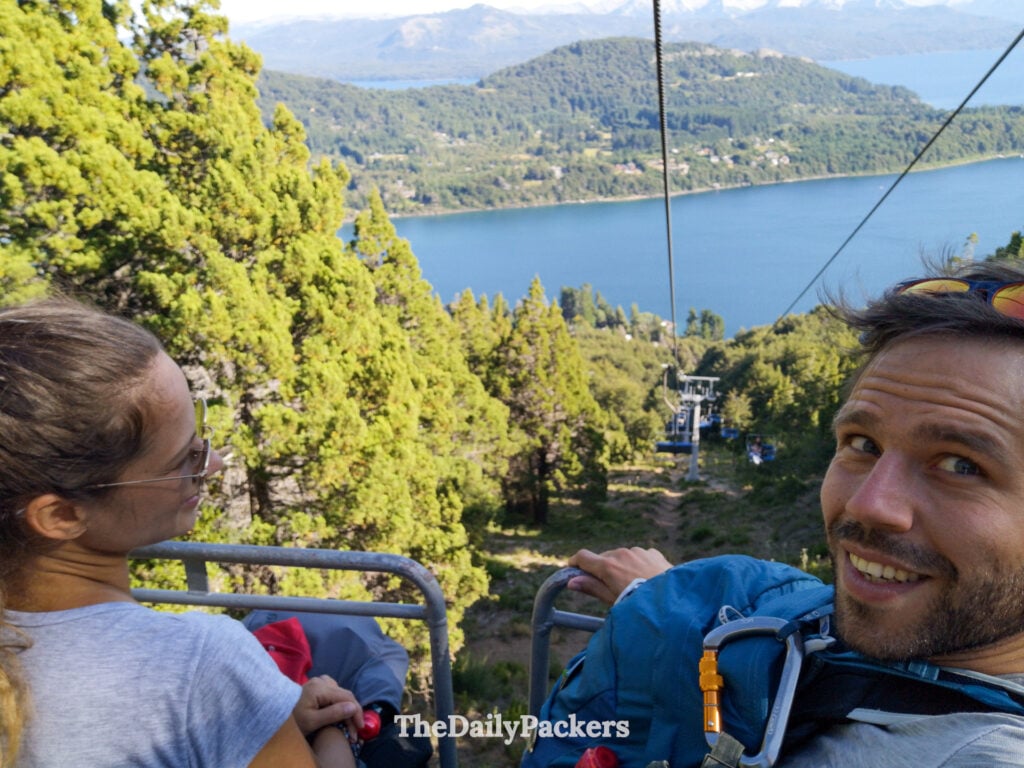
Then, if time allows, head to Cerro Campanario, one of the best viewpoints in the region. To reach the top, you have two options:
- Hike up (30-40 min) – A short but steep trail that rewards you with panoramic views of the surrounding lakes and mountains.
- Take the chairlift – A quick and easy ride to the summit for those who prefer a more relaxed approach.

Once at the top, you’ll be treated to one of the most breathtaking 360° views in Patagonia, with Nahuel Huapi Lake, Moreno Lake, and the Andes stretching into the horizon. Spend some time soaking in the view and grabbing a coffee at the small café before making your way back down.

Where to stay:

Read: 18 best things to do in Bariloche, Argentina, in 5 days
Day 12: Hike the Circuito Chico
Start the day by taking a bus to Villa Llao Llao, the gateway to Llao Llao Municipal Park, a stunning nature reserve filled with forests, mountains, and hidden lagoons.

The hiking circuit is easy to moderate and offers several highlights:
- Cerro Llao Llao Summit (1.5-2 hours round trip) – A short but rewarding hike with spectacular views over Nahuel Huapi National Park.
- Hidden Lagoon (Laguna Escondida) – A peaceful, lesser-visited lagoon nestled within the forest.
- Scenic viewpoints along Moreno Lake – Ideal for a quick rest and some great photo opportunities.
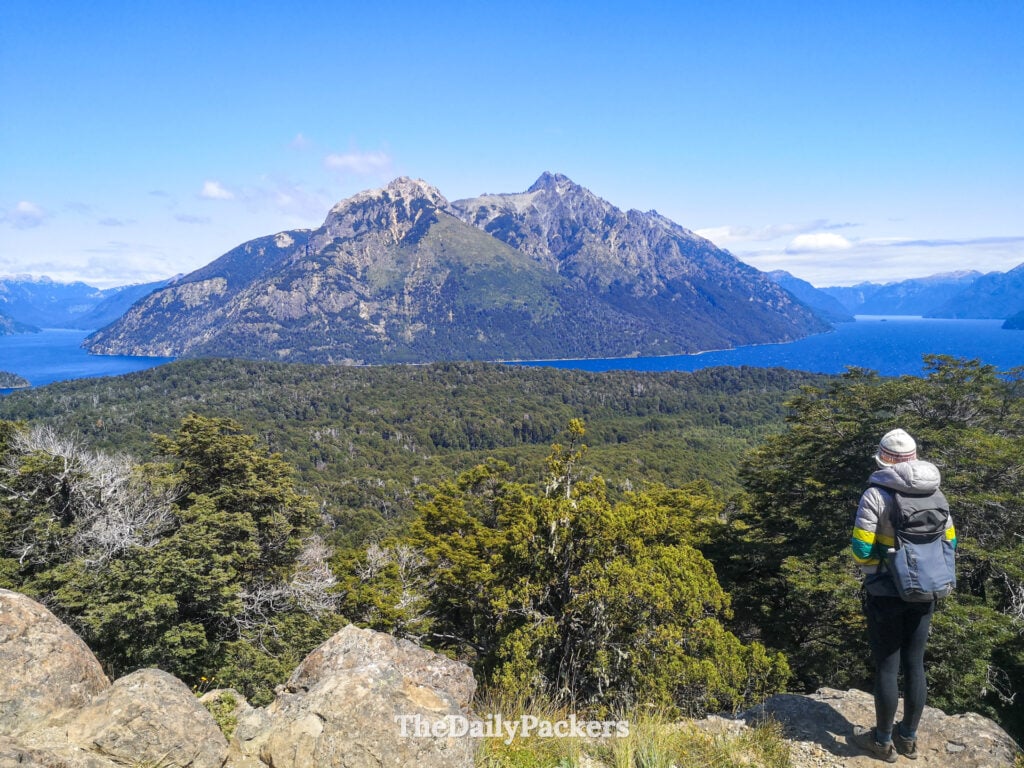
After completing the hike, hitchhike or take a bus to the Patagonia Beer Factory, one of the most famous breweries in the region. Here, you can relax with a cold craft beer while enjoying stunning views of the mountains and lakes. It’s the perfect way to wrap up a day of hiking and exploration.

Read: Circuito Chico Bariloche: The Ultimate 1-Day Hiking Guide
Day 13: Day trip to Arrayanes Forest
In the morning, rent a car or take a bus to Villa La Angostura, a charming small town on the shores of Nahuel Huapi Lake. Stroll through the town’s quaint streets, visit the port, and soak in the tranquil lakeside atmosphere before embarking on a boat trip to Los Arrayanes National Park.

This national park is home to the famous Arrayanes forest, filled with unique cinnamon-colored trees, some of which are over 600 years old. You can either take a boat to the park and hike back (12 km) or do the round trip by boat if you prefer a more relaxed experience.

Once back in Villa La Angostura, take some time to enjoy the lake views and local artisan markets before returning to Bariloche in the evening.

Read: Los Arrayanes National Park: The Best of Villa La Angostura
Day 13 Alternative: Refugio Frey via Cerro Catedral
For those who prefer a more challenging hike, an alternative option is hiking to Refugio Frey via Cerro Catedral, one of the most famous trekking routes in Bariloche.

Start the day early by taking a bus to Cerro Catedral and taking the cable car up to Piedra del Cóndor. From there, begin the trek toward Refugio Frey, a high-altitude mountain hut located beside a stunning glacial lagoon.
The hike is challenging but incredibly rewarding, offering rugged mountain landscapes, panoramic views, and a chance to spot Andean condors soaring above. Once you reach Refugio Frey, take some time to rest, enjoy the breathtaking scenery, and, if the weather permits, even go for a quick dip in the icy lagoon.

For the return, follow the regular trail back to Cerro Catedral to complete the loop. The entire trek takes around 7-8 hours, so ensure you have enough daylight and proper hiking gear.

Read: Refugio Frey via Cerro Catedral: The Ultimate Hiking Guide
Day 14: Fly back to Buenos Aires, return home
Catch a flight back to Buenos Aires. Depending on your international flight schedule, you may have some time to explore more of the city or do some last-minute shopping.
How to Extend This to a 3-week Argentina Itinerary
If you have an extra week, here’s how to expand your itinerary:
- Instead of flying from Iguazú to Mendoza, you’ll fly to Córdoba first and take a bus to Capilla del Monte, where you’ll have three full days to explore this mystical destination.
- After Capilla del Monte, you’ll return to Córdoba and fly to Mendoza, continuing with wine tasting and a relaxing spa day in Cacheuta before heading to Patagonia.
- In Bariloche, you’ll have one more day to do both Day 13 options (Los Arrayanes National Park & Refugio Frey).
Overview: 3-Week Argentina Itinerary
- Day 1: Arrive in Buenos Aires, explore Palermo
- Day 2: Buenos Aires (Recoleta & Retiro)
- Day 3: Buenos Aires (San Telmo & Downtown)
- Day 4: Buenos Aires (La Boca & Puerto Madero)
- Day 5: One-day trip to Colonia del Sacramento (Uruguay)
- Day 6: Fly to Puerto Iguazú
- Day 7: Visit Iguazú Falls (Argentinian Side)
- Day 8: Visit Iguazú Falls (Brazilian Side)
- Day 9: Flight to Cordoba & Bus to Capilla del Monte & explore town
- Day 10: Paso del Indio & El Zapato hike
- Day 11: Cerro Uritorco hike
- Day 12: Los Terrones Park exploration
- Day 13: Return to Córdoba & fly to Mendoza
- Day 14: Explore Mendoza & Wine Tasting
- Day 15: Day trip to Aconcagua Provincial Park
- Day 16: Day trip to a Cacheuta SPA and Potreillo
- Day 17: Fly to Bariloche, explore town & Cerro Campanario
- Day 18: Hike Circuito Chico
- Day 19: La Angostura & Los Arrayanes National Park
- Day 20: Hike Refugio Frey via Cerro Catedral
- Day 21: Fly back to Buenos Aires & return home
Extra Days for the 3-Week Argentina Itinerary
Day 9: Flight to Cordoba & Bus to Capilla del Monte & explore town
Arrive in Córdoba and take a bus to Capilla del Monte, a small town known for its mystical energy and stunning landscapes. Settle in and take a walk through the town, visiting viewpoints and exploring its artisan markets.

Where to stay:
- (€): Hostel Falucho
- (€€): Monoambiente Golondrina
- (€€€): Leyenda Posada

Read: 11 best things to do in Capilla del Monte, Argentina, in 3 days
Day 10: Paso del Indio & El Zapato hike
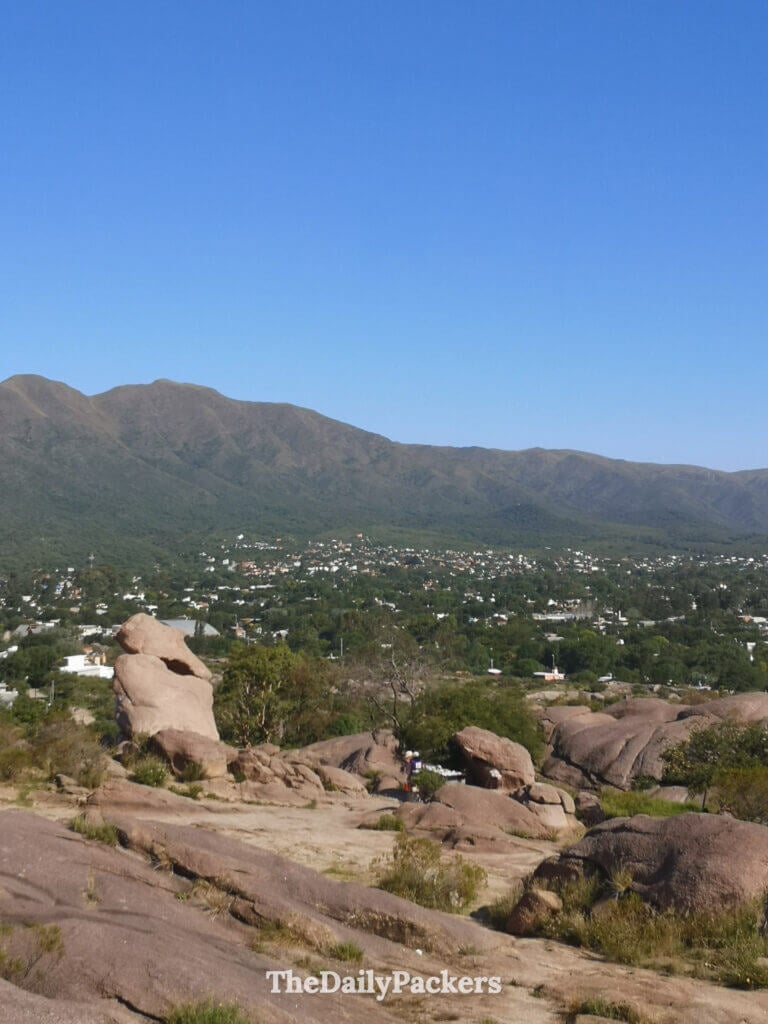
Start your day with an easy hike to Paso del Indio, a scenic trail leading to unique rock formations and panoramic views of the valley.

Continue to El Zapato, a massive rock shaped like a shoe, one of the area’s most famous landmarks.
Psst, you can join Tina’s Yoga Studio and get access to hundreds of Yoga, Meditation, and Well-being videos.
Day 11: Cerro Uritorco hike
Take on Cerro Uritorco, the highest peak in the region and famous for UFO sightings and mystical legends. This 6-hour round-trip hike rewards you with incredible views of the Punilla Valley.

Read: The Ultimate Guide to Hiking Cerro Uritorco, 2026 Edition
Day 12: Los Terrones Park exploration
Visit Los Terrones Park, a surreal landscape filled with reddish rock formations, caves, and deep canyons. It’s one of the most stunning geological sites in Argentina.

Read: Exploring Los Terrones: The Ultimate Guide from Capilla Del Monte
Day 13: Return to Córdoba & Fly to Mendoza
Take a bus back to Córdoba, then catch an afternoon flight to Mendoza to continue the itinerary.
Day 16: Day trip to a Cacheuta SPA and Potreillo
After all the adventure, take a relaxing day at Cacheuta Hot Springs. Located in the Andean foothills, the spa features thermal pools, steam baths, and mud treatments—perfect for unwinding.
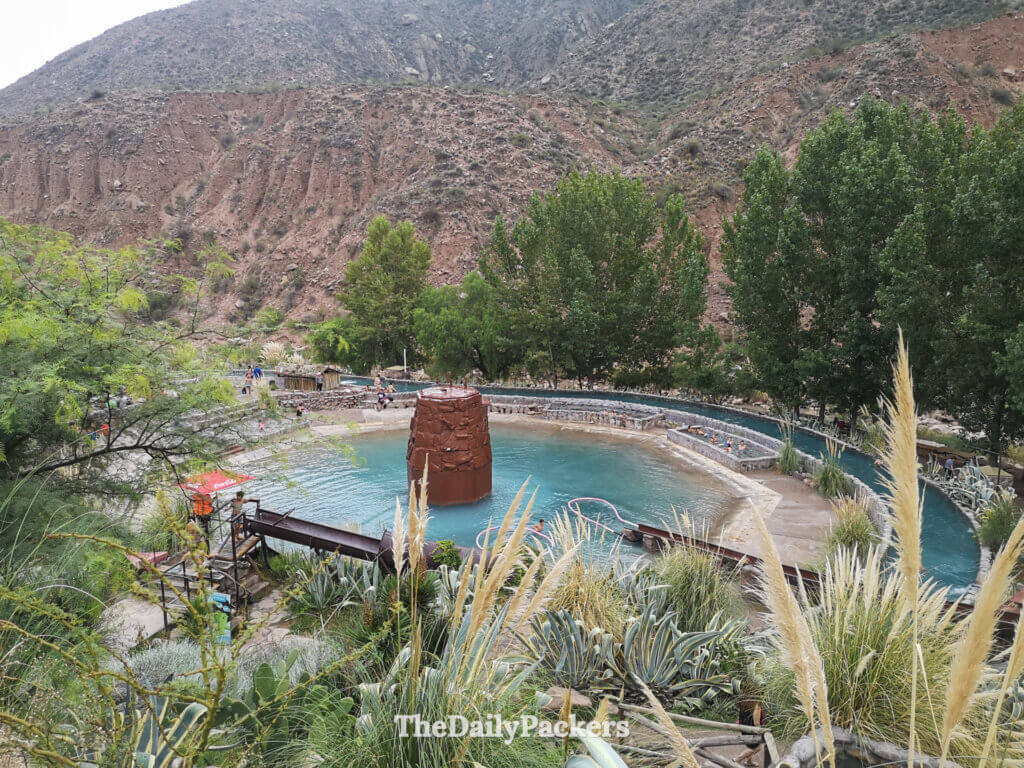
In the afternoon, visit Potrerillos, a stunning turquoise reservoir surrounded by mountains, ideal for a scenic walk or kayaking.

Read: How to Spend 1 Perfect Day in Cacheuta and Potrerillos
Day 20: Hike Refugio Frey via Cerro Catedral
For those doing the 3-week itinerary, you’ll have an extra day to do both hiking options in Bariloche. This allows you to visit Los Arrayanes National Park one day and Refugio Frey the next without rushing.

Read: Refugio Frey via Cerro Catedral: The Ultimate Hiking Guide
How to Extend This to a 6-week Argentina Itinerary
If you have six weeks, you can fully immerse yourself in Argentina and even add Chilean Patagonia to explore Torres del Paine, one of the world’s most breathtaking national parks.
The main additions to the 3-week itinerary are:
- More time in Buenos Aires (a full week to explore each district properly)
- Extra stops in Córdoba’s Sierras (Villa General Belgrano & La Cumbrecita)
- A stop in San Rafael before heading to Bariloche
- More adventures in Bariloche (kayaking, additional hikes)
- El Chaltén for multi-day hikes in Los Glaciares National Park
- Torres del Paine National Park in Chile, a must for trekking lovers
- A final stop in Ushuaia, the end of the world.
Overview: 6-Week Argentina Itinerary
- Day 1: Arrive Buenos Aires
- Day 2: Visit Palermo
- Day 3: Visit Recoleta
- Day 4: Visit San Telmo & Downtown
- Day 5: Visit Puerto Madero & La Boca
- Day 6: Visit Belgrano & Tigre
- Day 7: Spare day in Buenos Aires
- Day 8: Fly to Puerto Iguaçu
- Day 9: Visit of Iguaçu waterfalls (Argentinian Side)
- Day 10: Visit of Iguaçu waterfalls (Brazilian Side)
- Day 11: Fly to Cordoba and ride to Capilla del Monte
- Day 12: Hike Paso Del Indio & Explore El Zapato
- Day 13: Hike Cerro Uritorco
- Day 14: Visit Los Terrones Park
- Day 15: Take a bus to Cordoba and then Villa General Belgrano
- Day 16: Explore Villa General Belgrano and visit La Cumbrecita
- Day 17: Bus to Mendoza & Explore Mendoza
- Day 18: Day trip to a local SPA and Potreillo
- Day 19: Wine Tasting bus tour
- Day 20: Aconcagua Provincial Park
- Day 21: Take a Bus to San Rafael & Explore
- Day 22: Bus to San Carlos de Bariloche
- Day 23: LLAO LLAO Park & Circuito Chico
- Day 24: Villa la Angostura & Los Arrayanes
- Day 25: Cerro Campanario
- Day 26: Refuge Frey via Cerro Cathedral
- Day 27: Kayak on the lake
- Day 28: Plane to El Calafate and Shuttle to El Chalten
- Day 29: Hike to Laguna Torre
- Day 30: Hike to Laguna de Los Tres
- Day 31: Transfer to El Calafate & Perito Moreno Glacier
- Day 32: Bus to Puerto Natales
- Day 33: Torres del Paine (TDP)
- Day 34: Torres del Paine (TDP)
- Day 35: Torres del Paine (TDP)
- Day 36: Torres del Paine (TDP)
- Day 37: Torres del Paine (TDP)
- Day 38: Bus to Ushuaia
- Day 39: Walk with Penguins and Beagles Channel
- Day 40: Hike Tierra Del Fuego Park
- Day 41: Hike Laguna Esmeralda
- Day 42: Return to Buenos Aires and home
Extra Days for the 6-Week Argentina Itinerary
Day 6: Visit Belgrano & Tigre
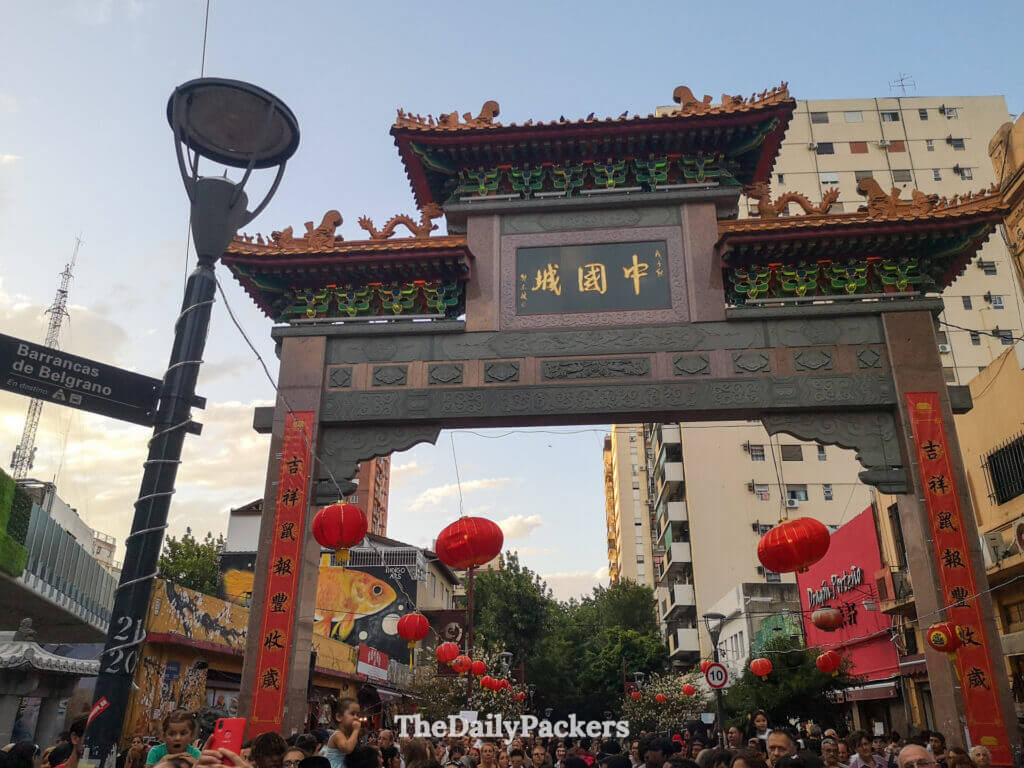
Start the day in Belgrano, a charming neighborhood blending elegant architecture, leafy plazas, and a vibrant Chinatown. Head to Barrio Chino (Chinatown), where you’ll find a lively Chinese-style street lined with shops, markets, and authentic Asian restaurants. Wander through the area, sample some dumplings or bubble tea, and explore the mix of Argentine and Asian cultures in this unique pocket of Buenos Aires.
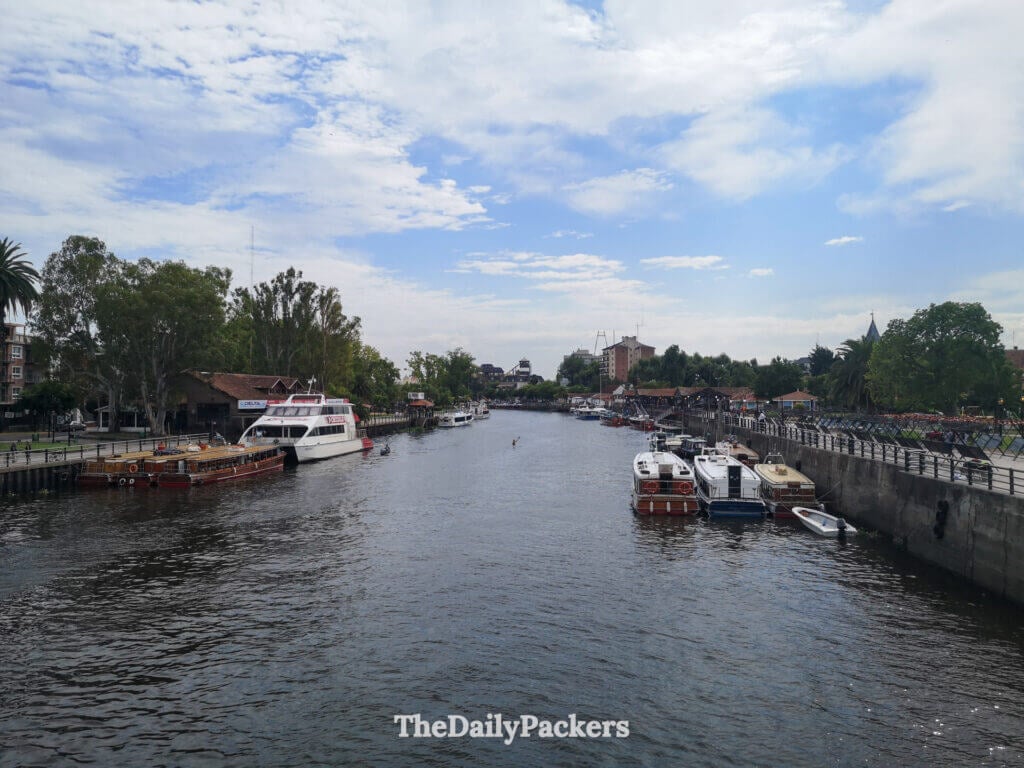
After exploring Chinatown, take the overground Tren de la Costa (Coastal Train) toward Tigre, a peaceful town just an hour from the city. Upon arrival, stroll along Paseo Victorica, a scenic riverside promenade filled with cafés and museums. Visit the Puerto de Frutos, a lively open-air market where you can browse local crafts, furniture, and artisanal goods.
Day 7: Spare day in Buenos Aires
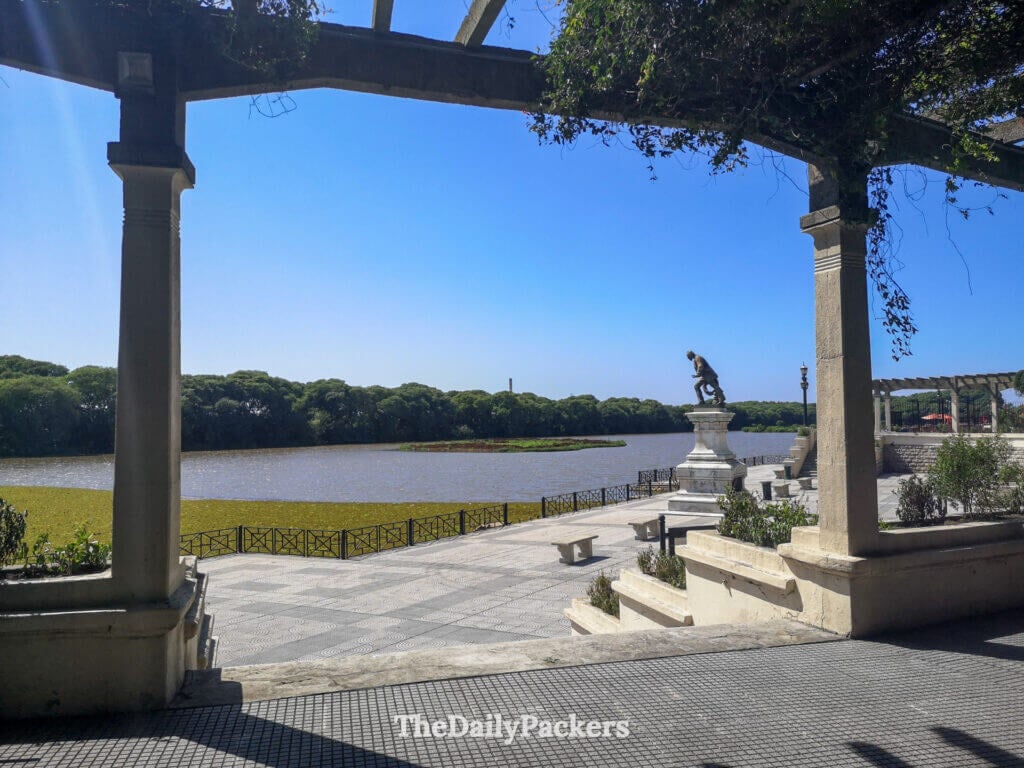
After nearly a full week in Buenos Aires, taking a spare day allows you to slow down, revisit favorite spots, or check out something you missed. Whether you want to dive deeper into a neighborhood, relax at a café, or visit a museum, this day gives you the flexibility to explore at your own pace.
Some great options for your extra day:
- Visit a museum – MALBA (Latin American Art Museum), the Evita Museum, or the Fine Arts Museum.
- Go café-hopping in Palermo or San Telmo and enjoy Buenos Aires’ famous coffee culture.
- Walk along the Costanera Sur and enjoy views of the Río de la Plata.
- Shop for souvenirs at San Telmo Market or Recoleta’s artisan fair.
- Simply take it easy and soak in the city’s energy without rushing from one attraction to another.
At night, immerse yourself in Argentine culture with a tango lesson at Cathedral Club—one of the best places in Buenos Aires to experience tango in a fun and relaxed setting. Even if you have no experience, the atmosphere, music, and energy make it an unforgettable night!
With that, the first week of this epic 6-week Argentina itinerary comes to an end, and the adventure continues as you fly to Puerto Iguazú the next day!
Day 15: Take a bus to Cordoba and then Villa General Belgrano
Today, you’ll leave Capilla del Monte and head south to Villa General Belgrano, a unique town with a strong German and Central European influence, nestled in the Sierras of Córdoba.
To get there, first take a bus to Córdoba, then transfer to another bus heading to Villa General Belgrano. The journey offers scenic views of rolling hills, lush valleys, and mountain landscapes, making for a relaxing ride.
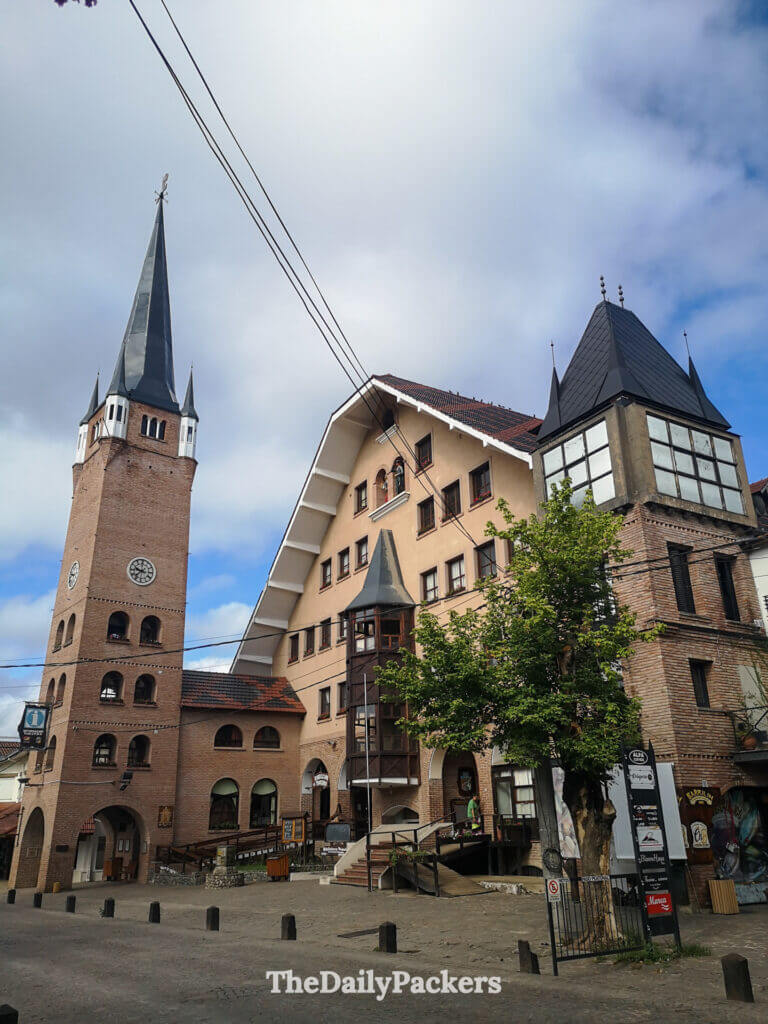
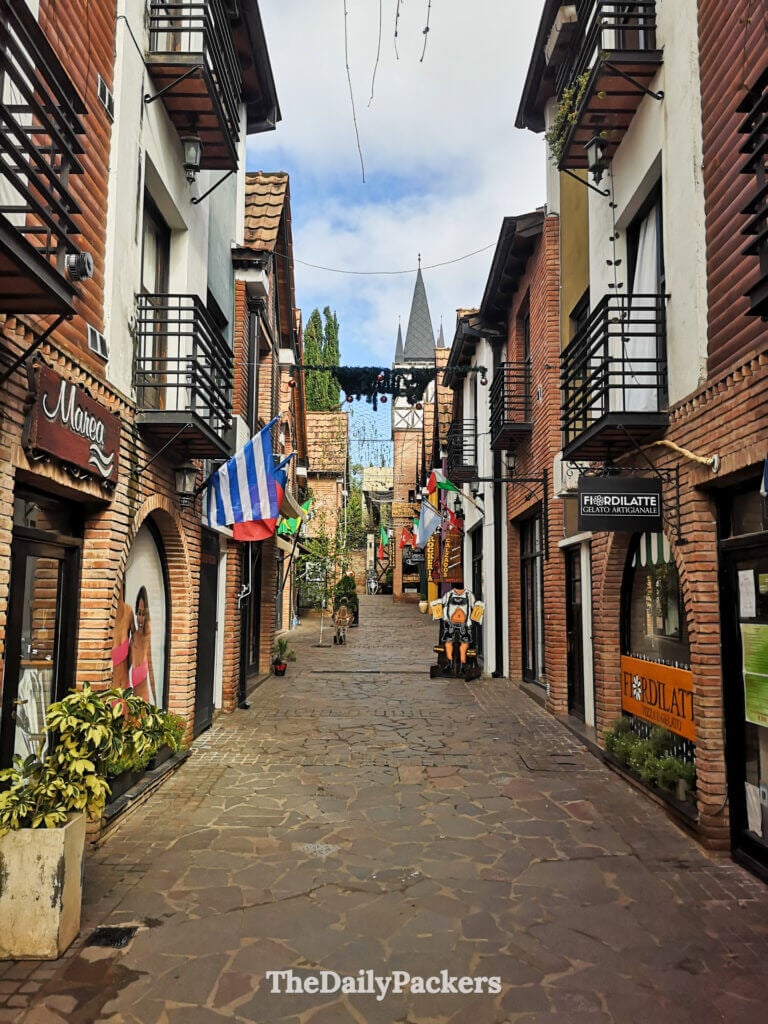
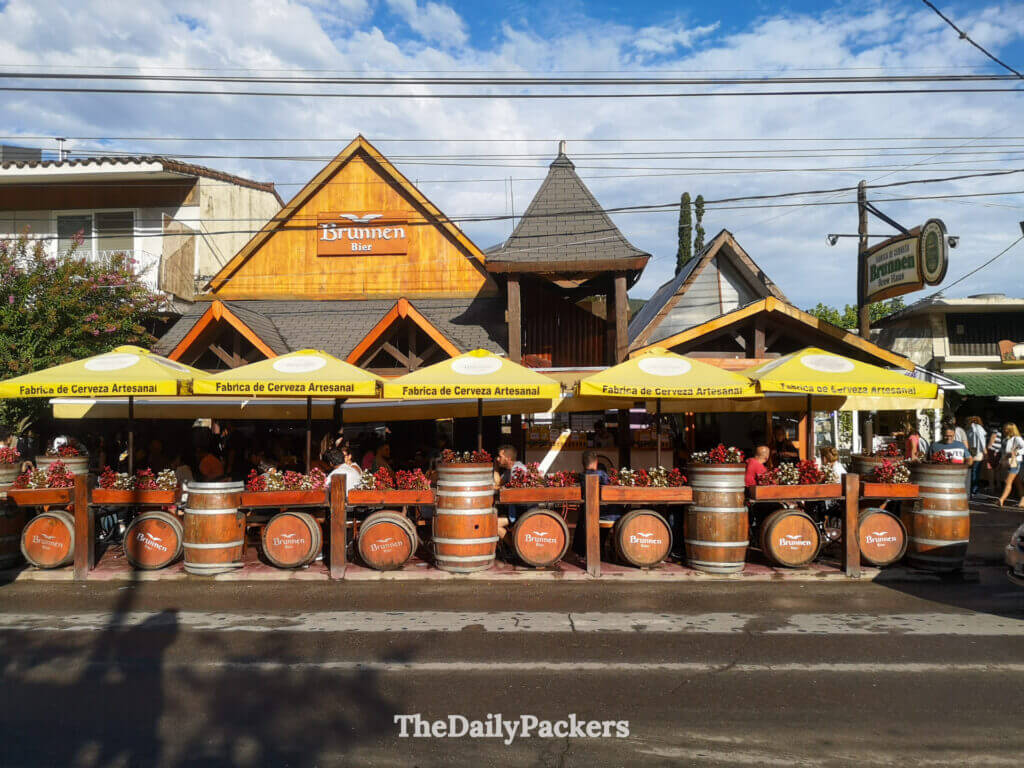
Once in Villa General Belgrano, start by strolling through its charming streets, lined with wooden chalets, Bavarian-style buildings, and artisan shops selling local delicacies. The town is famous for its beer culture, so you’ll quickly notice German breweries, traditional restaurants, and even pretzel vendors!
Where to stay:

Read: 10 best things to do in Villa General Belgrano, Argentina
Day 16: Explore Villa General Belgrano and visit La Cumbrecita
Start the morning by walking around Villa General Belgrano, soaking in its Bavarian-style charm. The town was originally settled by German immigrants, and you’ll notice traditional wooden houses, beer halls, and alpine-style architecture. Visit artisan shops, try local pastries like strudel, and enjoy the unique mix of Argentine and European culture.
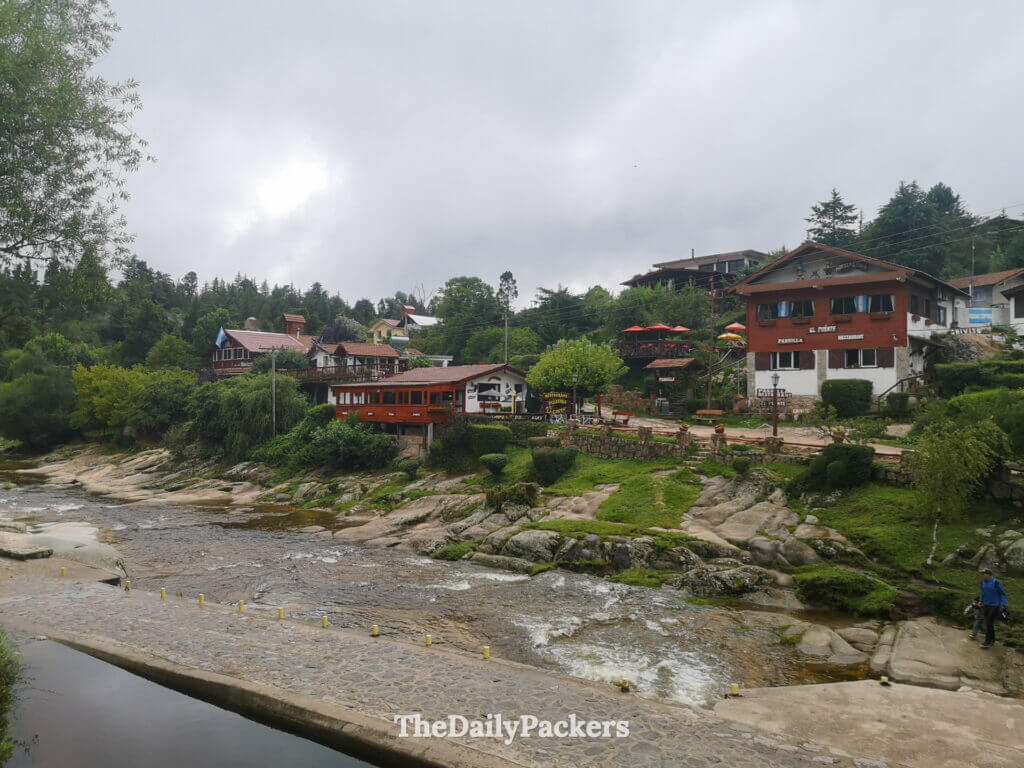
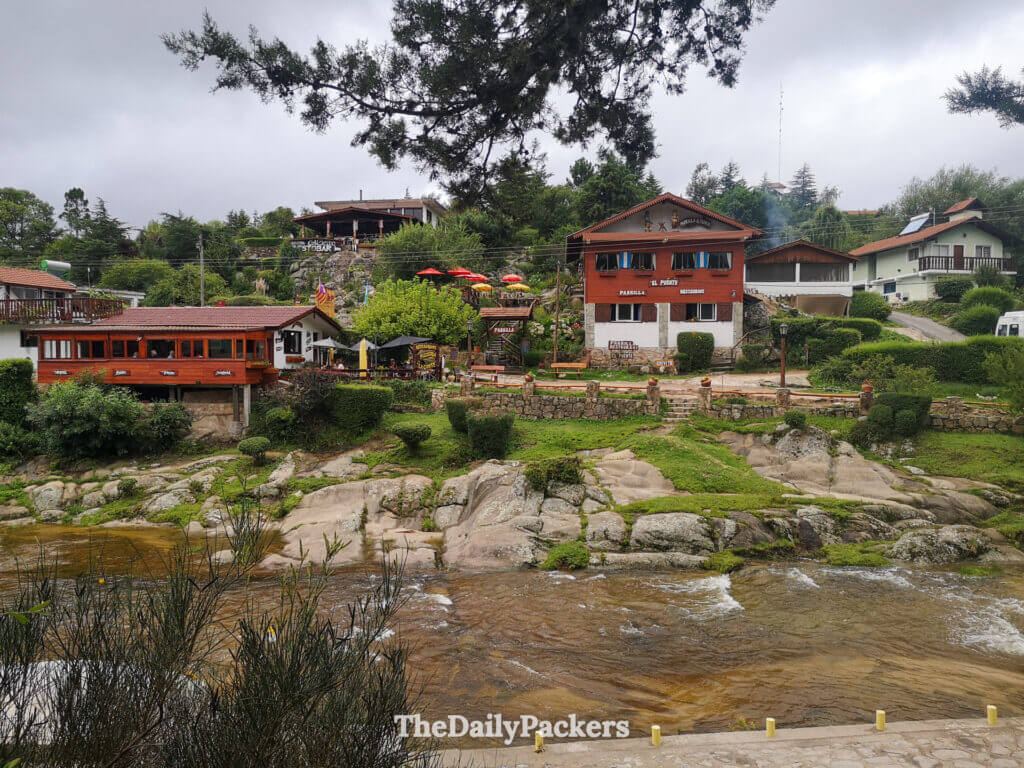
By mid-day, take a bus to La Cumbrecita, a quaint pedestrian-only village nestled in the Sierras of Córdoba. With its cobblestone streets, lush forests, and wooden chalets, it feels like a small European mountain town. Spend the afternoon exploring its trails, waterfalls, and stunning viewpoints.
Enjoy a traditional German meal at a local restaurant before returning to Villa General Belgrano for the night, wrapping up a day filled with scenic landscapes, unique culture, and mountain town charm.
Day 21: Take a Bus to San Rafael & Explore
To continue your journey southward, today you’ll head to San Rafael, the last stop before officially entering Patagonia. Take a bus from Mendoza, which offers a scenic ride through vineyards, valleys, and rolling foothills of the Andes. The journey takes approximately 3.5 to 4 hours, making for a comfortable transition between regions.

Once in San Rafael, settle into your accommodation and take the afternoon to explore the town. While smaller than Mendoza, San Rafael has a relaxed charm, with tree-lined streets, local markets, and a peaceful atmosphere

Where to stay:

Read: 10 Best things to do in San Rafaël, Argentina, in 3 days
Day 22: Bus to San Carlos de Bariloche
Since today’s journey involves taking a night bus to Bariloche, take the morning and afternoon to relax and enjoy San Rafael at a slower pace.
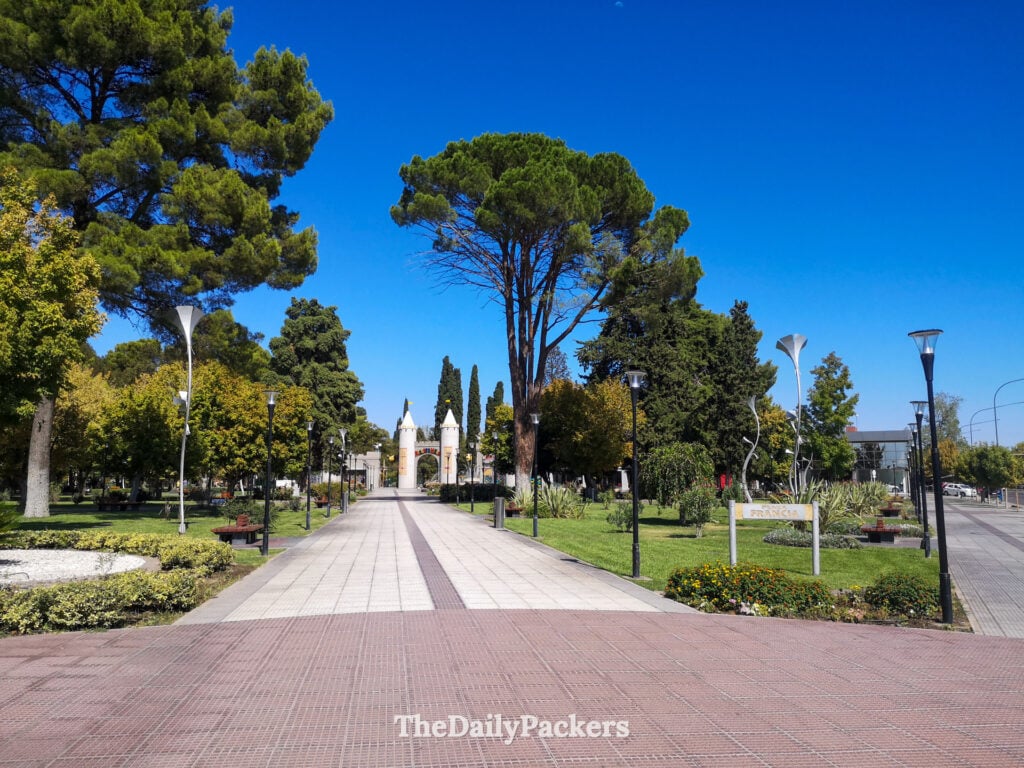
If you’re staying in a hotel or hostel, ask for a late check-out or find a comfortable spot to unwind before the long ride. Spend the extra time:
- Relaxing at your accommodation, catching up on reading, or organizing your travel gear.
- Enjoying a leisurely lunch at a local café or parrilla.
- Taking a final stroll through the town, perhaps visiting another winery or park.
By evening, head to the bus terminal for your overnight ride to Bariloche, officially entering Patagonia! The journey takes approximately 14–16 hours, so bring snacks, wear comfortable clothes, and enjoy the scenic ride through the changing landscapes.

Read: How to Get From San Rafael to Bariloche by Bus
Day 27: Kayak on the lake
For your last day in Bariloche, start early and rent a kayak to explore the stunning Nahuel Huapi Lake from a different perspective. Paddle along the coastline, following the scenic route toward Villa Campanario, passing small beaches, hidden coves, and forested shores along the way.

After the kayaking adventure, spend the afternoon at your own pace—either:
- Relaxing at your accommodation and unwinding after a packed itinerary.
- Taking a final walk around town, grabbing some chocolate from Mamuschka or Rapa Nui as a last treat.
- Exploring any missed spots, like the local artisan markets or San Eduardo Chapel near Llao Llao.
Enjoy your final sunset in Bariloche, as tomorrow you fly south to El Calafate and continue your Patagonia adventure!

Read: 18 best things to do in Bariloche, Argentina, in 5 days
Day 28: Plane to El Calafate and Shuttle to El Chalten
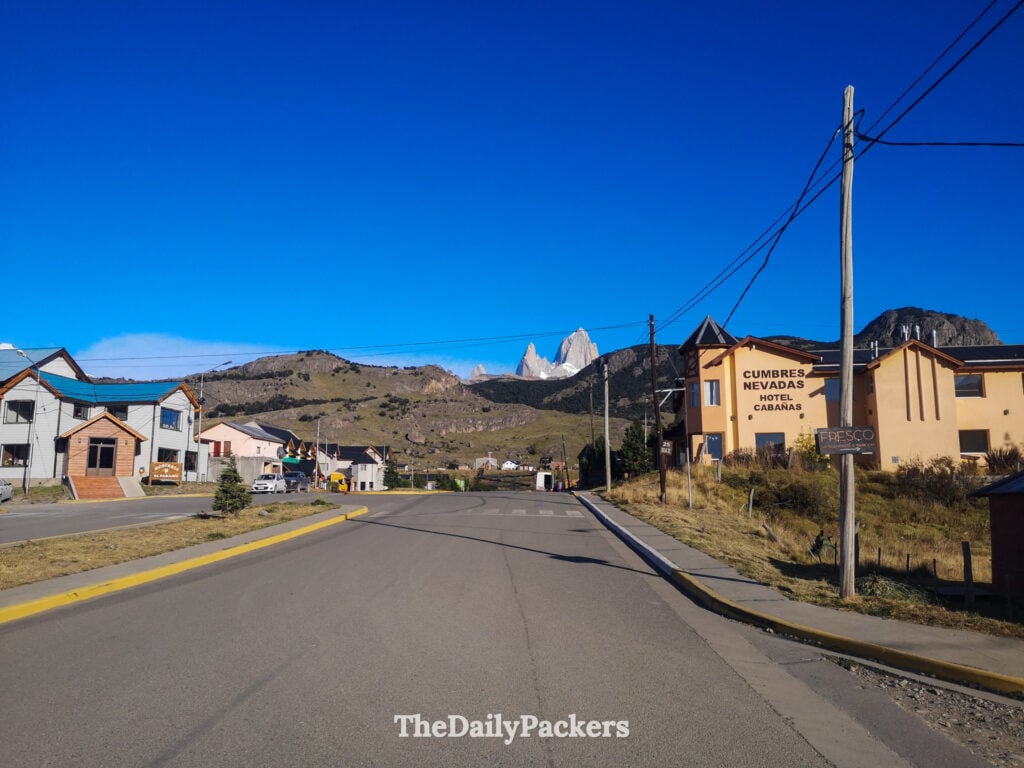
Take the morning to relax and enjoy a final moment in Bariloche before heading to the airport for your flight to El Calafate. Once you land in El Calafate, the gateway to Los Glaciares National Park, take a shuttle to El Chaltén. The ride is around three hours, but it’s one of the most beautiful drives in Patagonia, with stunning views of Lago Argentino, vast steppe landscapes, and the first glimpses of Mount Fitz Roy in the distance.

Upon arrival in El Chaltén, settle into your accommodation and take the evening to walk around town, stock up on snacks for tomorrow’s hike, and enjoy a quiet dinner at a local restaurant. This is just the beginning of your Patagonian trekking adventure!
Where to stay:

Read: 15 Best Things to Do in El Chaltén, Argentina, in 3 to 5-Day
Day 29: Hike to Laguna Torre
Start your day by organizing a shuttle for tomorrow to El Pilar, the trailhead for the Laguna de los Tres hiking loop. Many local agencies and accommodations in El Chaltén can arrange transport, so book your spot in advance to ensure an early start for tomorrow’s big trek.
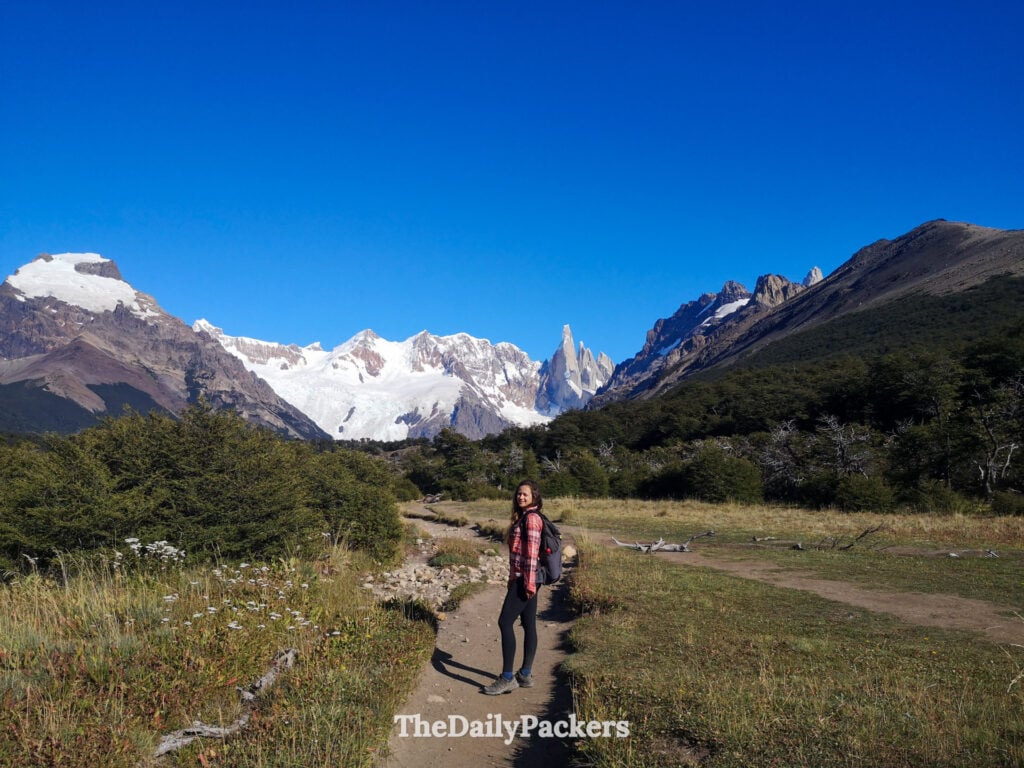
Once that’s sorted, head off for today’s Laguna Torre hike, one of El Chaltén’s classic trails, known for its stunning views of Cerro Torre, glaciers, and rugged Patagonian landscapes. The trail is around 18 km (11 miles) round trip, with a gradual ascent, making it a moderate hike suitable for most fitness levels.

After 3-4 hours of hiking, you’ll arrive at Laguna Torre, an incredible glacial lake surrounded by jagged peaks and floating icebergs. Take some time to chill by the lagoon, admire the dramatic scenery, and watch the imposing Cerro Torre rise above the landscape.

For an even better perspective of the Torre Glacier, continue hiking to Mirador Maestri, a slightly more challenging but highly rewarding viewpoint that gives you an uninterrupted panorama of the glacier and surrounding mountains.
After taking in the views, make your way back to El Chaltén, rest your legs, and fuel up for tomorrow’s epic Laguna de los Tres hike!

Day 30: Hike to Laguna de Los Tres
Wake up early and catch your pre-arranged shuttle to El Pilar, the starting point of the Laguna de los Tres hike.
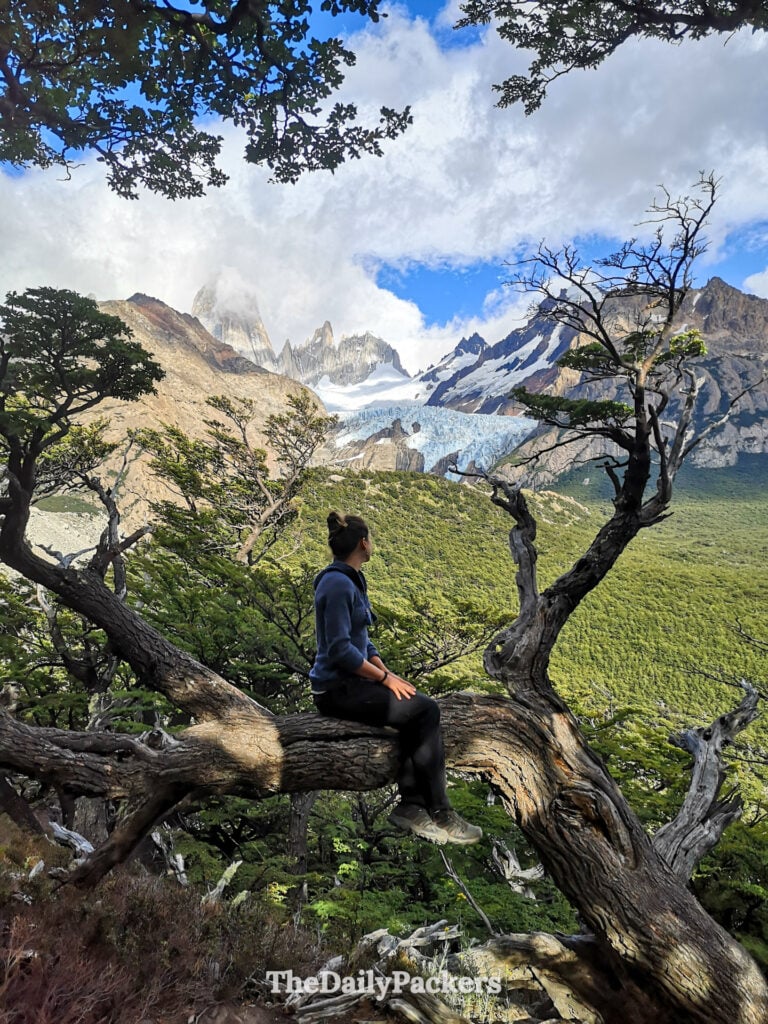
After a few hours of hiking through lenga forests and alpine landscapes, you’ll reach the steep final ascent to Laguna de los Tres—a challenging but incredibly rewarding climb.
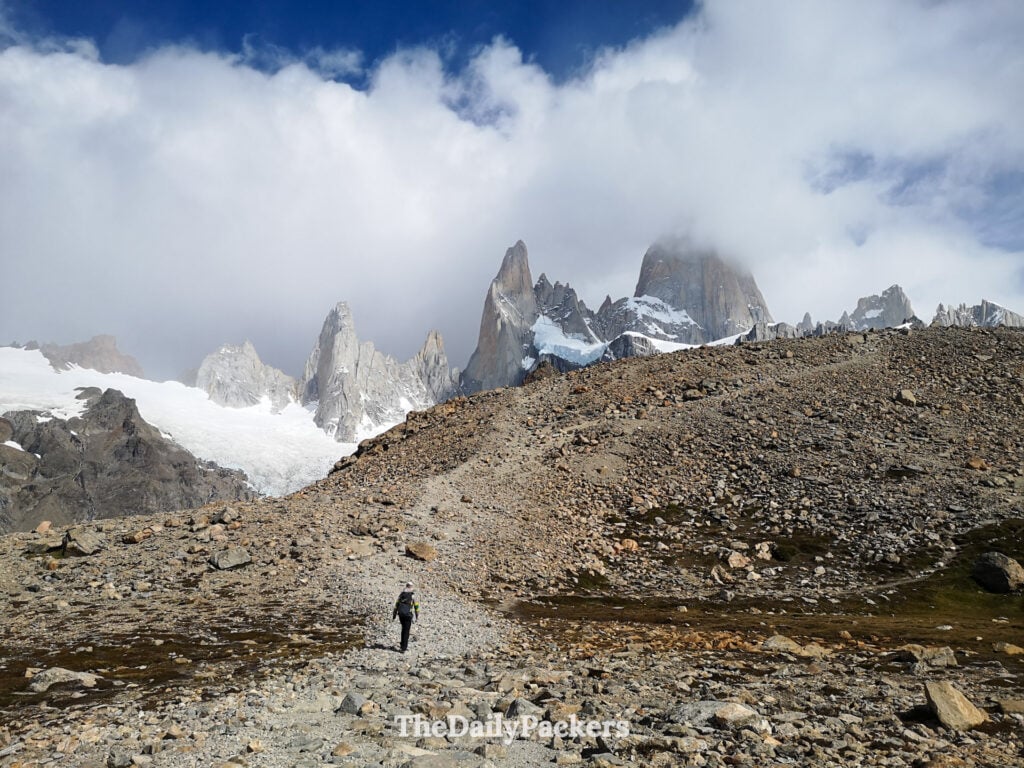
As you reach the top, you’ll be greeted by breathtaking views of Mount Fitz Roy reflecting in the turquoise waters of the lagoon, one of the most iconic sights in Patagonia.

Day 31: Transfer to El Calafate & Perito Moreno Glacier
Catch your 7:30 AM transfer to El Calafate (3-hour ride). Drop your bags at your accommodation and head straight to Perito Moreno Glacier. Walk along the boardwalks for stunning glacier views, and if time allows, take an optional boat tour to get even closer to the ice walls. Return to El Calafate in the evening and enjoy a relaxing night in town.

Where to stay in El Calafate:

Read: Visiting Perito Moreno Glacier: Everything You Need to Know
Day 32: Bus to Puerto Natales
Take a bus from El Calafate to Puerto Natales (Chile) (approx. 5-hour ride including border crossing). Once in town, check into your accommodation and start preparing for your Torres del Paine trek.
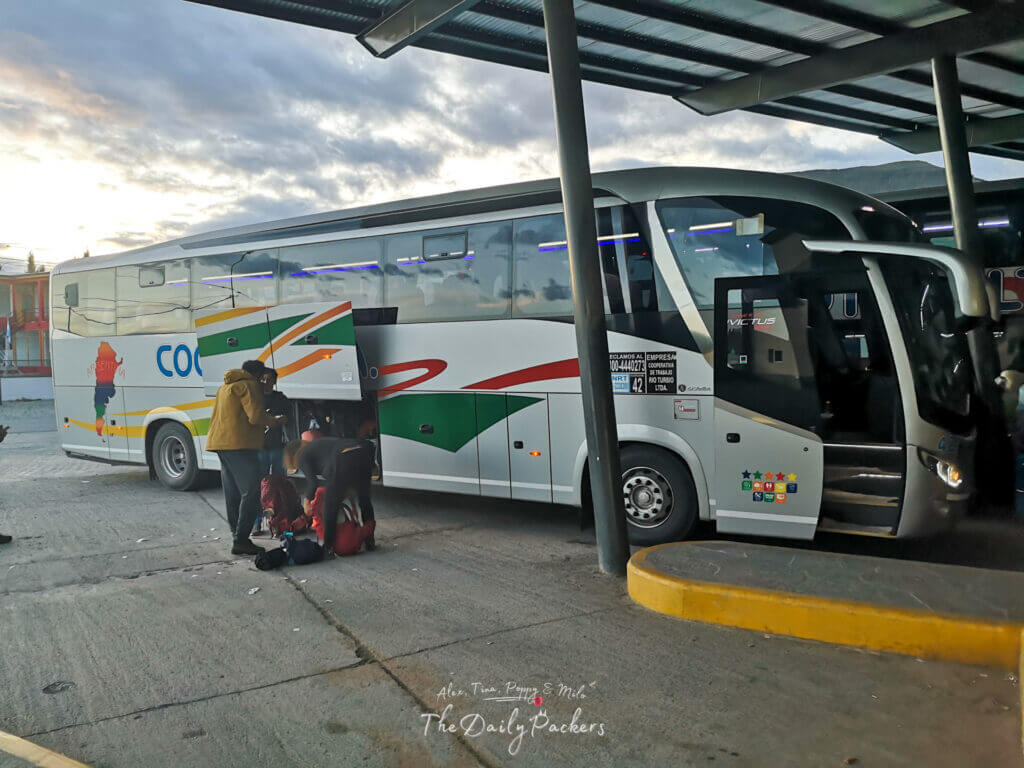
Spend the day buying supplies, renting gear if needed, and packing your bag. Puerto Natales has plenty of outdoor stores, supermarkets, and rental shops, so make sure you’re fully prepared before heading into the park tomorrow!
Unique Stay near the Park
- Lodge: Cabañas Lago Tyndall
- Tiny House: Torres del Paine
- Lodge: Konkashken Lodge
Or in Puerto Natales:
- Budget: Puma House
- Mid-Range: Toore Patagonia
- High-Range: Hostal Boutique Factoria Patagonia
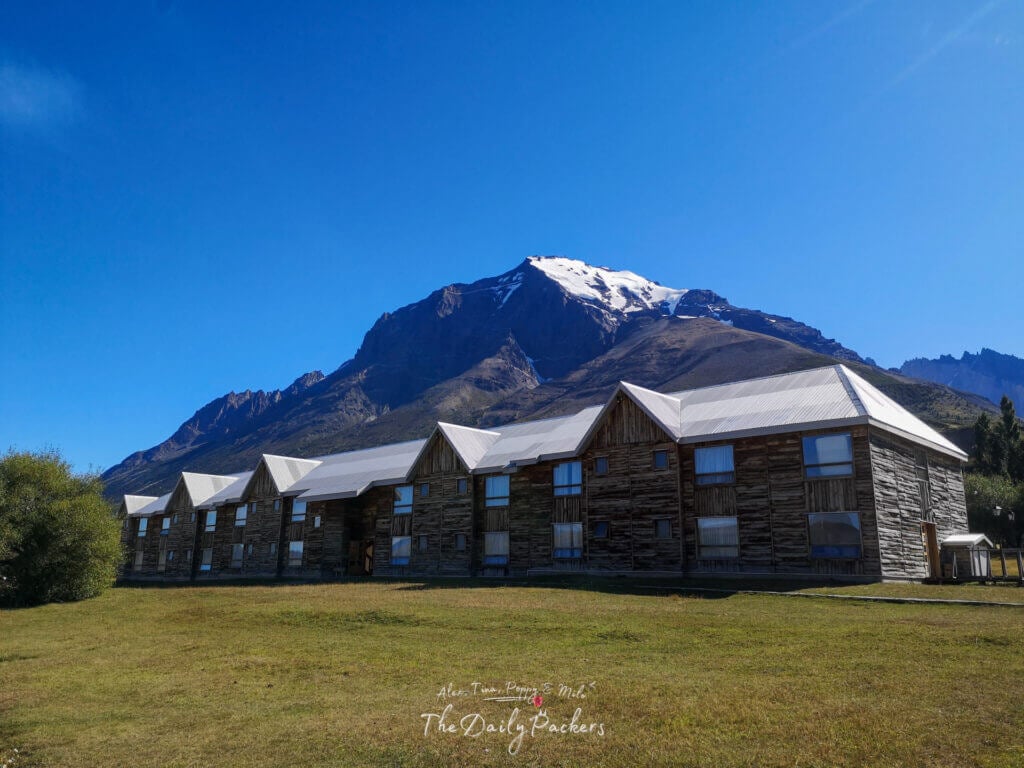
Read: Torres del Paine Guide: The Best 5-day W-Trek
Day 33: Torres del Paine W-Trek
Catch the first bus to Torres del Paine National Park from Puerto Natales (approx. 2 hours). Upon arrival, take the catamaran ferry across Lake Pehoé to Paine Grande, the starting point of your trek.

From Paine Grande, begin your hike to Grey Shelter (11 km, ~3-4 hours), passing through rolling hills, lenga forests, and stunning views of Grey Lake. As you approach Grey Shelter, you’ll get your first breathtaking views of Glacier Grey, with floating icebergs and deep blue ice formations.

Settle into the Grey Shelter campsite or refugio, enjoy the evening, and prepare for tomorrow’s adventure!
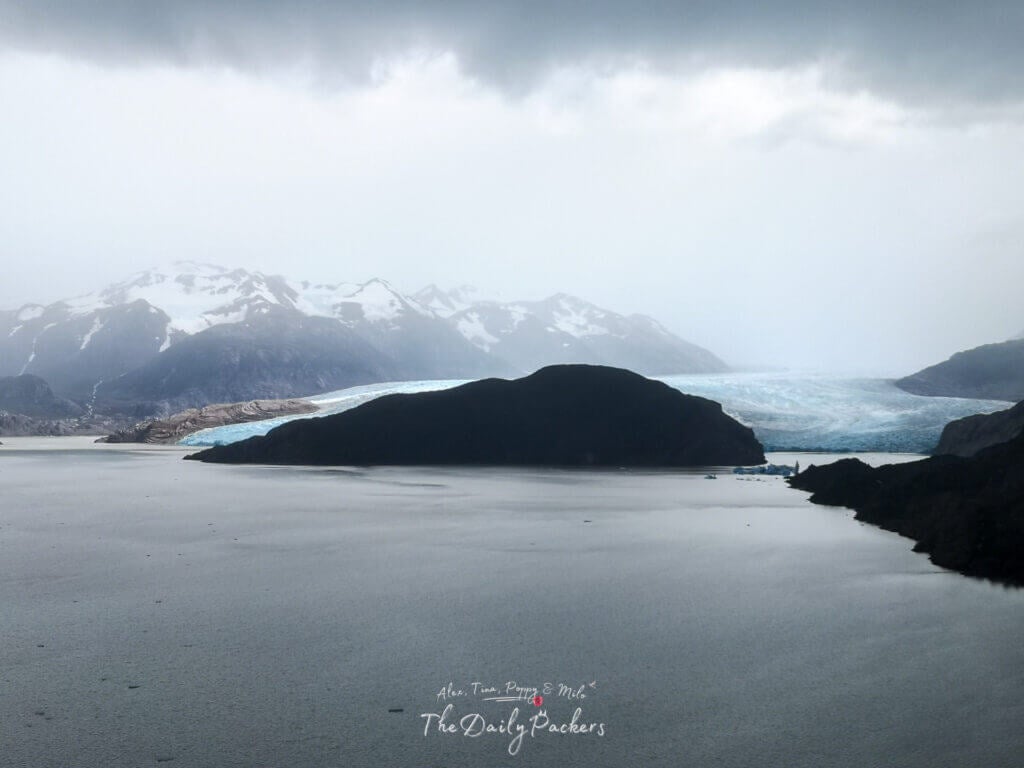
Read: W-Trek Day 1: From Puerto Natales to Grey Glacier
Day 34: Torres del Paine W-Trek
Wake up early and hike to the Grey Shelter Viewpoint, where you’ll get a stunning panoramic view of Glacier Grey and its floating icebergs. Continue further along the O-Trek route to explore the suspended bridges, which offer an incredible perspective over the glacier and surrounding landscapes.

After soaking in the views, return to Grey Shelter, take a short break, then begin your hike back to Paine Grande (11 km, ~3-4 hours). Once at Paine Grande, settle in for the night, relax, and prepare for tomorrow’s next stretch of the Torres del Paine adventure!

Read: W-Trek Day 2: From Grey Glacier to Paine Grande
Day 35: Torres del Paine W-Trek
Start the day by hiking from Paine Grande to Campamento Italiano (7.5 km, ~2.5 hours), where you’ll leave your heavier gear before continuing to Mirador Británico. This demanding uphill hike offers some of the best panoramic views in Torres del Paine, with dramatic granite peaks, glaciers, and valleys surrounding you.

After soaking in the breathtaking scenery, return to Italiano Camp and continue to Francés Domos (4.5 km, ~2 hours), where you’ll spend the night, resting up for another day of incredible trekking ahead.

Read: W-Trek Day 3: From Paine Grande to Frances
Day 36: Torres del Paine W-Trek
Start your trek from Francés Domos to Chileno (16 km, ~6-7 hours), passing through rolling hills, lenga forests, and incredible viewpoints along the way.
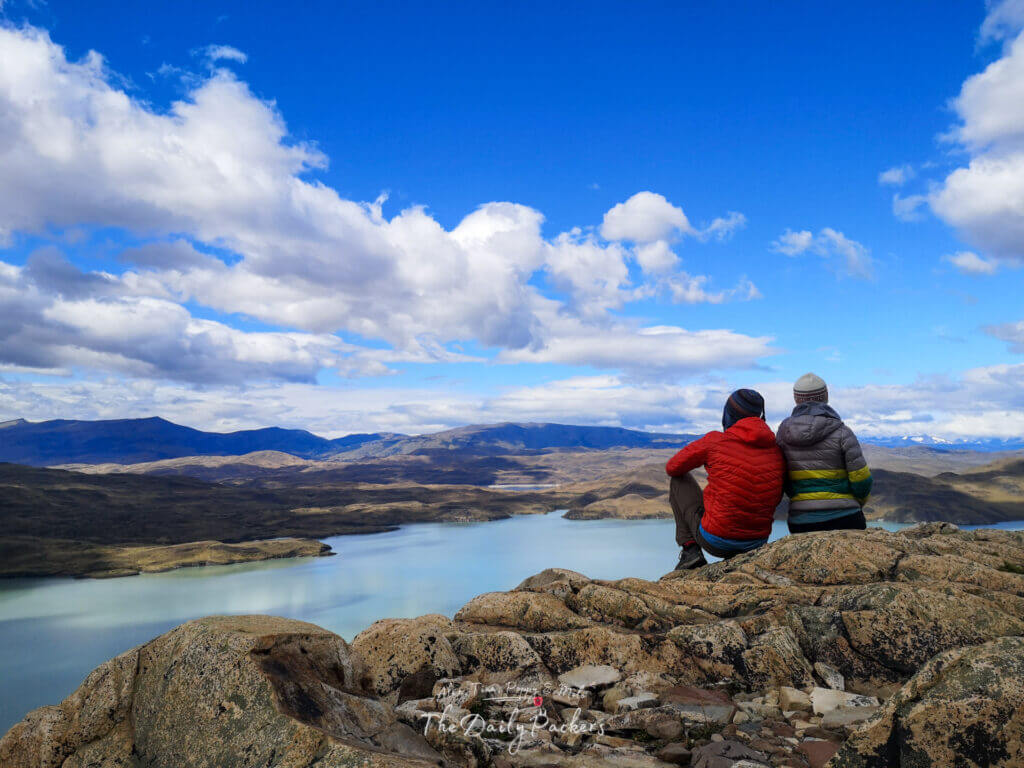
Take a break by the turquoise lake shores, one of the most scenic spots in Torres del Paine, and relax while admiring the towering peaks reflecting on the water. This is the perfect place to chill, soak in the views, and enjoy the peaceful Patagonian wilderness before continuing to Refugio Chileno, where you’ll spend the night.
Rest up—tomorrow is the final push to the legendary Base Torres!

Read: W-Trek Day 4: From Frances to Chileno
Day 37: Torres del Paine W-Trek
Wake up early and begin the final push to the Base of the Towers (Mirador Torres), one of the most iconic hikes in Patagonia (4 km, ~2 hours uphill). The trail is steep but rewarding, leading to the stunning Los Torres Lagoon, where the three granite spires of Torres del Paine rise dramatically above the turquoise water. Take time to soak in the breathtaking view before starting the descent.

Hike all the way back to the park entrance (9 km, ~4 hours downhill), where you’ll catch the bus back to Puerto Natales. Once in town, grab your well-earned meal or drink, then head to the bus terminal to purchase your ticket to Ushuaia (if you haven’t already). Rest up before tomorrow’s long journey to the southernmost city in the world!

Read: Torres Del Paine W-Trek Day 5: From Chileno to Central
Day 38: Travel to Ushuaia – The End of the World
Our Argentina itinerary is now taking you to the end of the world. Take the bus from Puerto Natales to Ushuaia, a long but scenic journey through Patagonia’s rugged landscapes and the windswept Tierra del Fuego region. The trip includes border crossings and a ferry ride across the Strait of Magellan, making it an adventure in itself.
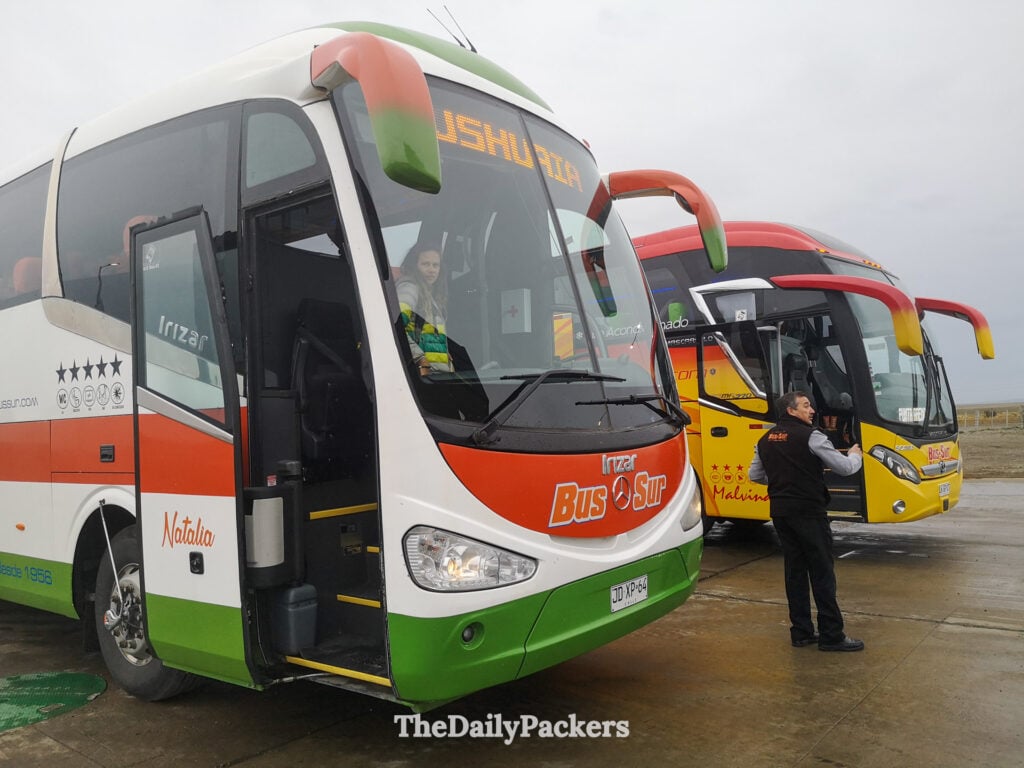
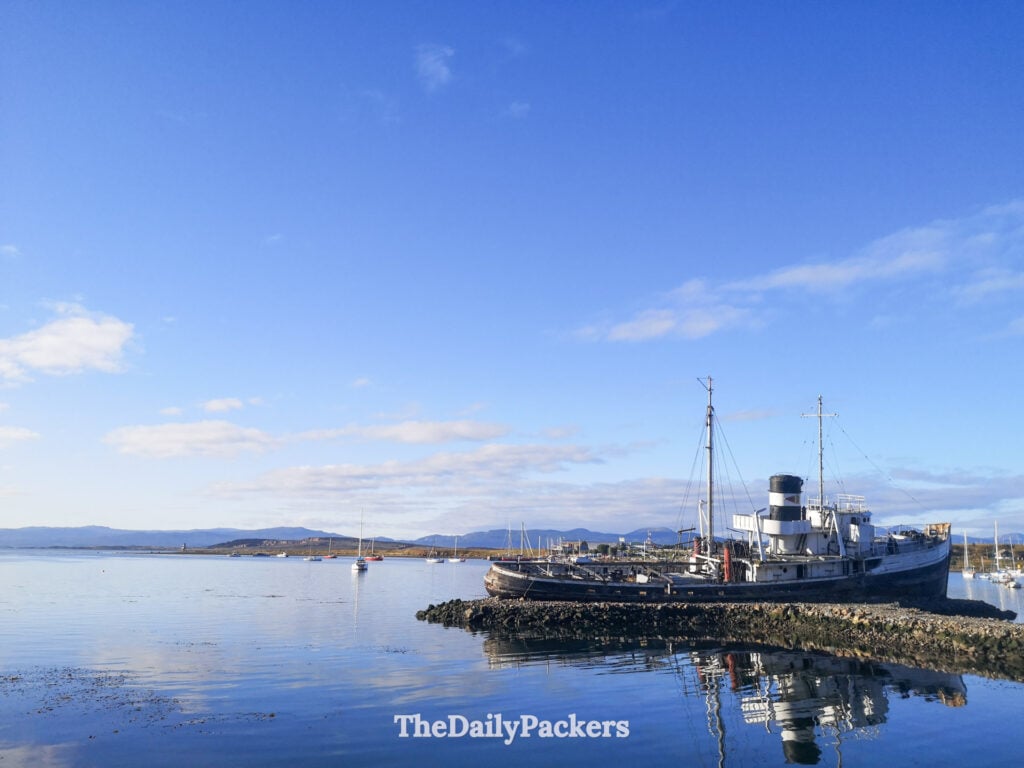
Once you arrive in Ushuaia, the southernmost city in the world, check into your hotel and take the rest of the day to stroll around town. Walk along the waterfront, visit the Ushuaia sign, and soak in the unique atmosphere of this remote yet lively city.

Before the day ends, organize your Walk with Penguins tour for tomorrow, as spots can be limited. Get ready for another unforgettable wildlife experience in Tierra del Fuego!
Where to stay in Ushuaia:
Read: 17 best things to do in Ushuaia, Argentina, in 4 to 5 days
Day 39: Walk with Penguins
Start your penguin adventure by joining your pre-booked tour to Martillo Island (Hammer Island). First, take the bus from Ushuaia, making a stop to admire the famous Flag Trees, uniquely shaped by the relentless Patagonian winds.

Upon arrival at Estancia Harberton, board a boat to Martillo Island, where you’ll step onto a protected sanctuary filled with Magellanic and Gentoo penguins. Walk among them (at a respectful distance) and observe their playful behavior in their natural habitat.

After the penguin experience, return to Ushuaia via a scenic cruise on the Beagle Channel, passing by Les Eclaireurs Lighthouse, also known as the “Lighthouse at the End of the World.” Keep an eye out for sea lions, cormorants, and stunning mountain views along the way.

Read: Walk With Penguins in Ushuaia: Everything You Need to Know
Day 40: Tierra del Fuego National Park
Take a local shuttle from Ushuaia to Tierra del Fuego National Park, the southernmost national park in Argentina. Once inside, choose a hiking trail based on your preference:
- Coastal Trail (Senda Costera) – A moderate 8 km (5 miles) hike along the Beagle Channel, offering stunning waterfront views and wildlife spotting.
- Hito XXIV Trail – A scenic border hike (7 km round trip) leading to the Chile-Argentina border, passing through forests and glacial rivers.
- Cerro Guanaco (Strenuous Option) – A challenging but rewarding climb to a panoramic mountain viewpoint over the national park.
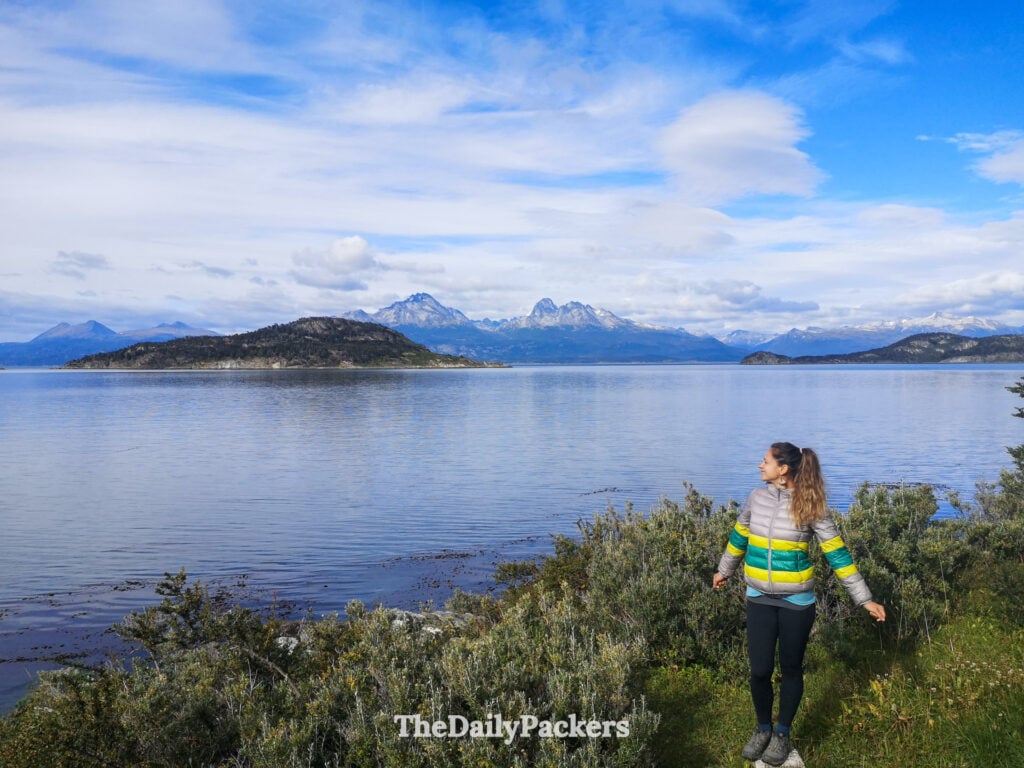
After a day of immersing yourself in pristine nature, return to Ushuaia by shuttle and use the remaining time to explore the town, visit local museums, or enjoy a well-deserved dinner before your last full day in Patagonia.

Read: Hiking in Tierra del Fuego National Park: The Ultimate Guide
Day 41: Laguna Esmeralda
Take a local shuttle from Ushuaia to the Laguna Esmeralda trailhead, about 20 km from town. The moderate 9.7 km (6-mile) round-trip hike takes you through peat bogs, lenga forests, and rugged mountain landscapes before reaching the stunning turquoise lagoon, framed by snow-capped peaks and glaciers.
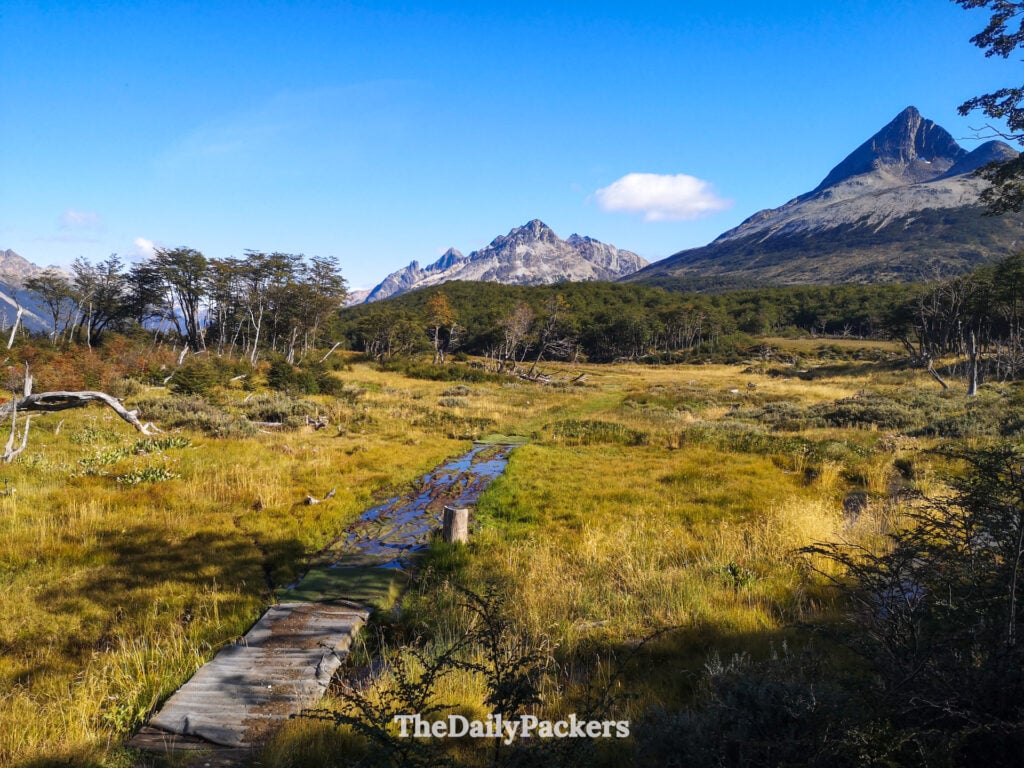
Spend time soaking in the breathtaking views, relaxing by the water, and enjoying the serenity of one of Tierra del Fuego’s most beautiful spots.
Return to Ushuaia in the afternoon, where you can explore more of the town, pick up souvenirs, or enjoy a final meal in the southernmost city in the world before heading back to Buenos Aires tomorrow.
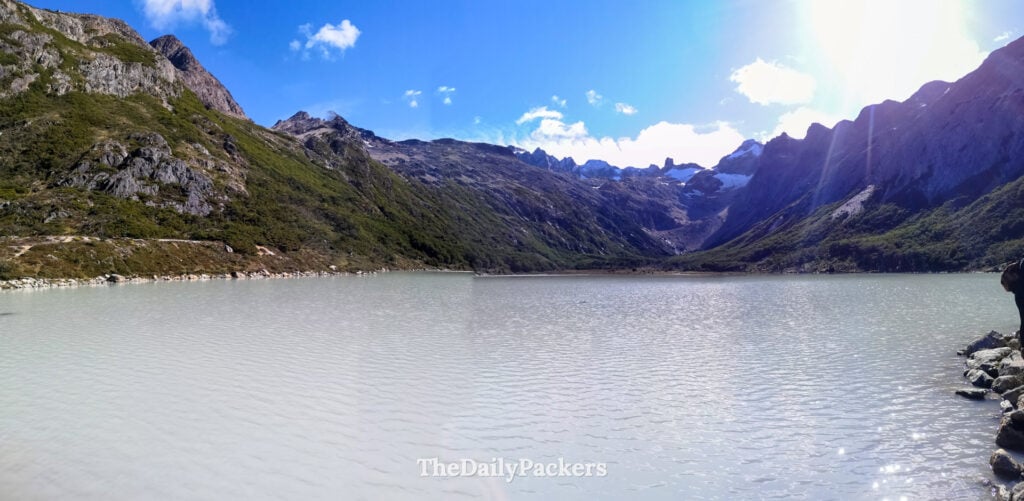
Read: Laguna Esmeralda Ushuaia: The Ultimate 1-Day Hiking Guide
Day 42: Return to Buenos Aires and home
Take a shuttle to Ushuaia Airport and board your flight back to Buenos Aires. If time allows during your layover, enjoy a final Argentine meal before catching your international flight home.
And with that, your epic 6-week adventure in Argentina comes to an end. From the vibrant streets of Buenos Aires to the mystical landscapes of Capilla del Monte, the vineyards of Mendoza, and the breathtaking wilderness of Patagonia, you’ve experienced the best of Argentina.
Until next time—Argentina will always be waiting for your next adventure!

Best time to visit
The best time to visit Argentina depends on where you’re going and what activities you want to do. Since the country spans multiple climates, each season offers different experiences—from hiking in Patagonia to exploring Buenos Aires or visiting the Iguazú Falls.
- Spring (September – November) – Ideal for Most Destinations: Spring is one of the best times to visit Argentina, offering pleasant temperatures (15–25°C / 59–77°F) and fewer crowds. It’s perfect for exploring Buenos Aires, Mendoza’s vineyards, and Iguazú Falls with lush greenery after the rainy season. Patagonia also starts to open up for hiking, with milder weather and fewer tourists.
- Summer (December – February) – Best for Patagonia & Beaches: Summer is peak season, with temperatures ranging from 25–35°C (77–95°F) in the north and cooler conditions (10–20°C / 50–68°F) in Patagonia. This is the best time for hiking in Patagonia, with full access to trails in El Chaltén, Bariloche, and Torres del Paine. It’s also great for beach destinations like Mar del Plata. However, Buenos Aires and the north can be very hot and humid.
- Autumn (March – May) – Wine Season & Fewer Crowds: Autumn is a fantastic time for wine lovers, as Mendoza and Salta’s wine regions are at their best during the harvest season. The weather remains mild (10–25°C / 50–77°F), and Patagonia is still accessible, with fewer crowds than in summer. Buenos Aires is especially pleasant during this time, with beautiful autumn foliage in the parks.
- Winter (June – August) – Skiing & Off-Season Travel: Winter is the best time for skiing in Bariloche, Las Leñas, and Ushuaia, with temperatures dropping to -5 to 10°C (23–50°F) in the south. Buenos Aires and northern Argentina remain mild (10–20°C / 50–68°F), making it a good time for cultural visits. However, some hiking trails in Patagonia may be closed due to snow, and certain remote areas become harder to access.
When Should You Visit?
- For Patagonia & outdoor adventures: October – April (Spring to early Autumn)
- For Buenos Aires & cultural trips: Year-round, but best in Spring & Autumn
- For wine lovers: March – May (Autumn, during harvest season)
- For skiing: June – August (Winter, best for Bariloche & Ushuaia)
- For Iguazú Falls: March – May & September – November (Avoid peak summer heat)
If you’re planning a multi-region trip, the best time to visit is October to March, when you can enjoy Patagonia, Buenos Aires, and the north without extreme temperatures.

How to get around
Argentina is a vast country with long distances between major destinations, so choosing the right mode of transportation depends on your itinerary, budget, travel style, and how much time you have. From domestic flights to long-distance buses and rental cars, here’s how to get around Argentina efficiently.
Domestic Flights – The Fastest Way to Cover Long Distances
Argentina is the 8th largest country in the world, making domestic flights the most efficient way to travel between major destinations like Buenos Aires, Patagonia, Mendoza, and Iguazú Falls.
- Best for: Long distances (e.g., Buenos Aires to Patagonia, Iguazú, or Salta).
- Main airlines: Aerolíneas Argentinas, Flybondi (low-cost), and JetSmart (low-cost).
- Average price: $50–200 USD one way, depending on the route and season.
- Booking tips: Flights can be expensive if booked last-minute, so try to reserve in advance.
Example flight times:
- Buenos Aires → Iguazú Falls: 2h
- Buenos Aires → Ushuaia: 3h 30m
- Buenos Aires → Mendoza: 1h 45m
Sometimes, taking a flight can also be cheaper, for example, the bus from Buenos Aires to Iguazú Falls takes around 20h and can cost as much as a flight.

Long-Distance Buses (Colectivos) – Affordable & Comfortable
Argentina’s long-distance buses (called colectivos or micros) are a cheaper alternative to flights and are surprisingly comfortable, especially for overnight trips.
- Best for: Budget travelers and overnight journeys.
- Main companies: Via Bariloche, Andesmar, Flechabus, Crucero del Norte.
- Comfort levels: Semi-Cama: Reclining seats (~140°), Cama Ejecutivo: More space, footrests, and meals (~160° recline), Cama Suite / Doble Cama: Fully flat seats (~180° recline), best for overnight trips
Example bus times & costs:
- Buenos Aires → Mendoza: 14h (~$40–80 USD)
- Buenos Aires → Bariloche: 22h (~$70–120 USD)
- Buenos Aires → Iguazú Falls: 18h (~$60–100 USD)


Check all your bus options on Busbud — it’s simple to compare routes, prices, and book your tickets in advance.
Car Rental – Best for Exploring Patagonia & Wine Region
Driving is not necessary for city travel, but it’s a great option if you want to explore Patagonia, the Lake District, or Mendoza’s wine region at your own pace.
- Best for: Road trips in Patagonia, Salta/Jujuy, or Mendoza.
- Average rental price: $50–80 USD per day.
- Driving tips: Argentina drives on the right side of the road. Some roads in Patagonia and the north are unpaved, so a 4×4 is recommended, and gas stations can be far apart in remote areas—always fuel up when possible.
While we didn’t experience it ourselves, we have considered doing it a few times over our time in Argentina.

We recommend to rent a car through Discover Cars with free cancellation. Book your rental car here.
About the authors
We are Alex and Tina, a French-Serbian couple who met in China back in 2014. We spent three incredible years there before making France our home. Our shared passion for travel has been the heartbeat of our relationship for over 12 years, taking us across 44 countries and counting.
We launched TheDailyPackers in 2019 as a way to document our adventures. In 2026, we reached a major milestone by officially turning our blog into our full-time job. While we are still growing toward financial independence through this platform, every article we write is fueled by our mission to make your voyages easier through in-depth guides, honest advice, and the lessons we’ve learned from our own mistakes.
Our journey has not been without its storms. In 2023, our world changed forever when our first son, Poppy, was stillborn on November 25th. It was, and remains, the hardest chapter of our lives. In 2025, we were blessed with our second little boy, Milo. He has since joined our traveling tribe, and you’ll be seeing him—and the reality of traveling with a little one-on the blog more and more.
We hope to inspire you to explore the world with curiosity and resilience. Thank you for being part of our story.
You may also like those related posts
Tam Coc Boat Tour: Exploring Vietnam’s Ha Long Bay on Land
How to get from Puerto Natales to Ushuaia by bus
Galle Fort: Sri Lanka’s Historic Coastal Gem in 2025
10 Best things to do in Krabi, Thailand, in 3 to 4 days
Hellbrunn Palace and Gardens: A Complete Visiting Guide
19 Best things to do in Marrakech, Morocco, in up to 10 days
18 Best things to do in Split, Croatia, In 2 to 9 days
19 Best things to do in Avignon, France, in 3 days
Pssst, did you know that…
If you purchase something through our links, we earn a small fee. However, you still pay the same. Win-win! And one day we may get to be full-time travel bloggers =)
Find Hotels with Booking.com
Do Yoga with KVY
Buy us a Coffee
Rent a car with DiscoverCars
Find Attractions with GetYourGuide
Find Flights with Expedia
Buy an eSIM with Airalo
Get insured with World Nomads
Get ready with Amazon.com