
Introduction
Before we dive into the best things to do in Copacabana, it’s worth mentioning that South America has two Copacabanas. One is the famous beach district in Rio de Janeiro, Brazil, and the other — the one we’re talking about here — is a small Bolivian town on the shores of Lake Titicaca. So when you start searching online, make sure you’re reading about the right one.
Copacabana, Bolivia, is a peaceful lakeside town of around 6,000 inhabitants, located in the La Paz department, in the Manco Kapac province. Historically, this whole region was part of the Inca Empire and played an important spiritual role, which you’ll still feel today in the town’s traditions and religious celebrations.
Copacabana sits on the edge of Lake Titicaca, the highest navigable lake in the world and the largest in South America. It stretches over 58,000 km², reaching an elevation of 3,812 meters, with a maximum length of 190 km and a width of 80 km. Traveling here truly feels like being on top of the world.
For many travelers, it is also the perfect stop before or after visiting Uyuni, another major highlight of Bolivia. Whether you’re heading to the salt flats next or coming from there, spending a few days in Copacabana is a great way to slow down, acclimatize, and enjoy a more relaxed side of Bolivia.
How to get to Copacabana
Getting to Copacabana is fairly easy, especially if you’re already traveling through Bolivia or coming from Peru. Most travelers arrive either from La Paz or Puno, and both routes are straightforward and scenic.
From La Paz (Bolivia): This is the most common way to reach Copacabana. Several bus companies operate daily connections between La Paz and Copacabana, and the journey takes around 3.5 to 4 hours, depending on traffic.
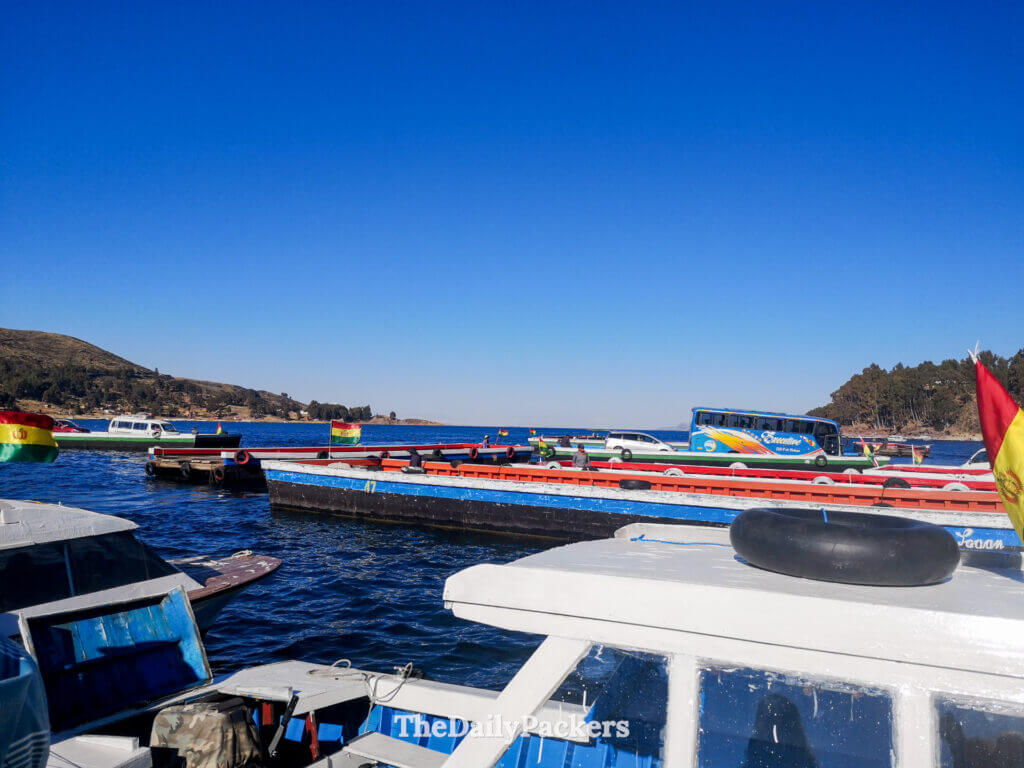
Buses leave from the Cementerio or Terminal de Buses in La Paz. The ride includes a short strait crossing at Tiquina, where everyone needs to get off the bus and take a small passenger boat (the bus crosses on a separate barge). It sounds complicated, but it’s actually very simple — and quite fun.
Once you reach the town, the bus drops you off right in the center of town, just a few minutes’ walk from the main plaza and the lakeshore.

From Puno (Peru): If you’re coming from the Peruvian side of Lake Titicaca, you can take a direct bus from Puno to Copacabana. The ride takes around 3 hours, including the border crossing at Kasani. Bring your passport and immigration slip — the process is generally smooth and easy. This is the route we did, and it was quite chaotic crossing the border.
Buses usually stop briefly at the border so you can get your exit and entry stamps, then continue directly to Copacabana.
From Uyuni (Bolivia): There is no direct bus between Uyuni and Copacabana, so you must transit through la Paz.
You can take an overnight bus from Uyuni to La Paz (the most common option), spend a few hours or a night in La Paz, and then continue by bus to Copacabana. It’s a long travel day, but it’s the most efficient option.


Check all your bus options on Busbud — it’s simple to compare routes, prices, and book your tickets in advance.
Moving Around Copacabana
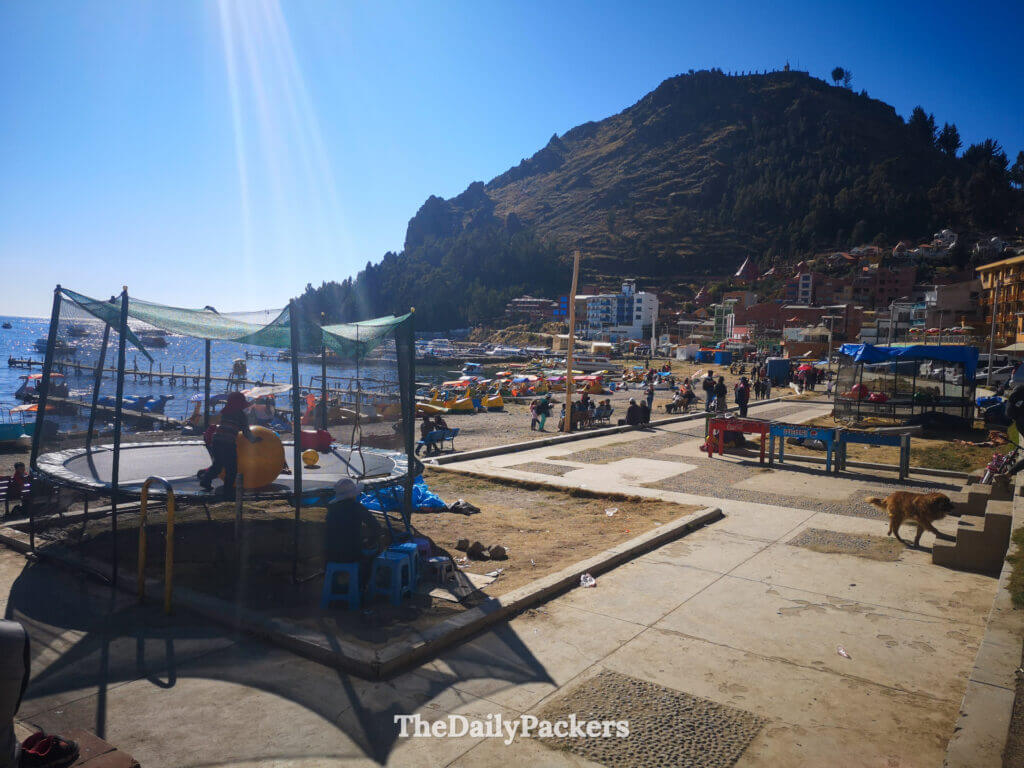
Copacabana is a small and very walkable town, so you won’t need any taxis or public transport to explore the main sights. Most places — the cathedral, lakeshore, markets, piers, and viewpoints — are just a few minutes apart on foot.
The only moment you’ll feel the altitude is when walking uphill, but everything is close enough that you can take it slow.
Getting to Isla del Sol: To visit Isla del Sol, simply walk down to the lakeshore where you’ll find several piers. Boats leave twice in the morning and twice in the afternoon, and tickets are sold directly on the waterfront by the boat companies. Each operator has its own pier, so check which one you need if you bought your ticket through your hotel.
The island itself is car-free, so once you arrive, you’ll explore entirely on foot. Expect lots of stairs and steep paths — but the views make every step worth it.

Getting to Yampupata
For the Yampupata hike, the easiest way to start is by taking a taxi to Yampupata, then hiking your way back to town. Taxis can be arranged through your hotel and take about 35 minutes. From Yampupata to Copacabana, you’ll follow a mix of dirt roads, lakeside paths, fields, and small villages — a quiet and beautiful route with almost no tourists.
It’s also possible to take a shared minibus, but departures are unpredictable, so most travelers prefer to rely on a taxi.


Best Time to Visit Copacabana
Copacabana can be visited year-round, but the experience changes a lot depending on the season. The town sits at 3,812 meters, so even when the sun is strong, the air stays cool — and nights can get seriously cold.
Here’s what to expect in each season:
- Dry Season (May to August) – The Best Time to Visit: This is the ideal time to explore Copacabana, Isla del Sol, and the Yampupata hike. Days are sunny and crisp, skies are clear, and rain is rare. We visited in July and had four perfect blue-sky days in a row. Just bring warm layers because nights drop below freezing.
- Shoulder Season (April, September, October) – Mild & Pleasant: Temperatures are slightly warmer, and the landscape is still green from the rainy season. Showers are possible but usually short. It’s a nice compromise if you want fewer crowds and softer weather.
- Rainy Season (November to March) – Wet but Beautiful: Rain can be heavy and frequent, and the lake often gets foggy. Some trails become muddy, and boat schedules might be delayed if the weather turns bad. On the bright side, the entire region is lush and green, and sunsets over Lake Titicaca can be dramatic.
Best Time of Day
Mornings are the clearest and warm up quickly. If you’re heading to Isla del Sol or hiking from Yampupata, start early — you’ll get the best light and avoid afternoon winds. Evenings cool down fast, so bring a jacket if you plan to watch the sunset at the mirador or the waterfront.

Where to Stay in Copacabana
Copacabana may be small, but it has plenty of unique places to stay — from cozy hostels to charming eco-hotels perched above Lake Titicaca. You don’t need to stay right in the center, because everything is within walking distance anyway. Most travelers choose accommodations slightly uphill for the panoramic lake views (and trust me, the sunsets are worth the short climb).
Here are a few great places to consider:
(€) Jardín Andino Hostal: A simple and cozy guesthouse with a very local feel. Rooms are basic but clean, the owners are lovely, and the little garden is perfect for a quiet coffee in the morning. It’s a great choice if you’re traveling on a budget but still want something charming and peaceful.
(€€) Hotel La Cúpula: This is where we stayed — and honestly, our favourite accommodation in all of Bolivia. The rooms feel like little private casitas, many with kitchenettes, fireplaces, and lake views. The garden is full of hammocks, flowers, and friendly llamas wandering around. If you’re looking for something unique, warm, and a bit magical, La Cúpula is worth every cent.
(€€€) Hostal Las Olas : Located right next to La Cúpula, Las Olas offers some of the most original rooms in town. Think round houses, curved walls, huge windows, and bright colourful designs. Each room is different, and most come with terraces facing the lake. It’s perfect if you love creative spaces and unique architecture.


Here are all your accommodation options in Copacabana
What to Eat in Copacabana
Food in Copacabana is simple and comforting — perfect after a day around Lake Titicaca. Whether you prefer sitting down for a hot meal or buying ingredients to cook in your accommodation, you’ll have plenty of options.
If you’re planning to cook or pack snacks for Isla del Sol or the Yampupata hike, head to the street parallel to the main road. You’ll find small shops and a supermarket selling everything from canned food and pasta to wine, crackers, and basic veggies.
For fresher produce, stop by the local market a little closer to the Basilica. Don’t expect a huge selection, but you’ll find enough fruits and vegetables to put together simple meals. Around the market, street vendors also sell peanuts, banana chips, and small snacks — perfect for hiking days.

Where to Eat in Copacabana
If you prefer eating out, here are some simple and reliable spots:
- La Cúpula Restaurant: Great atmosphere, cozy seating, and generous portions. Expect dishes like veggie curry, pasta, trout, and hearty soups. One of the best choices in town, and popular even among travelers not staying at the hotel.
- La Fortaleza del Sabor: A friendly local restaurant serving Bolivian classics such as grilled trout, chicken milanesa, soups, and rice platters. Good portions and fair prices.
- Charlis’nack : Perfect for sandwiches, burgers, fresh juices, and simple comfort food. Great for a quick lunch or take-away.
- Kiosco #20 – Titikaka Sagrado: One of the top kiosks by the lakeshore for fresh grilled trout — crispy outside, tender inside, usually served with rice, fries, or salad. Cheap, authentic, and right by the water.

Best Things to do in Copacabana
Stroll Along the Lakeshore
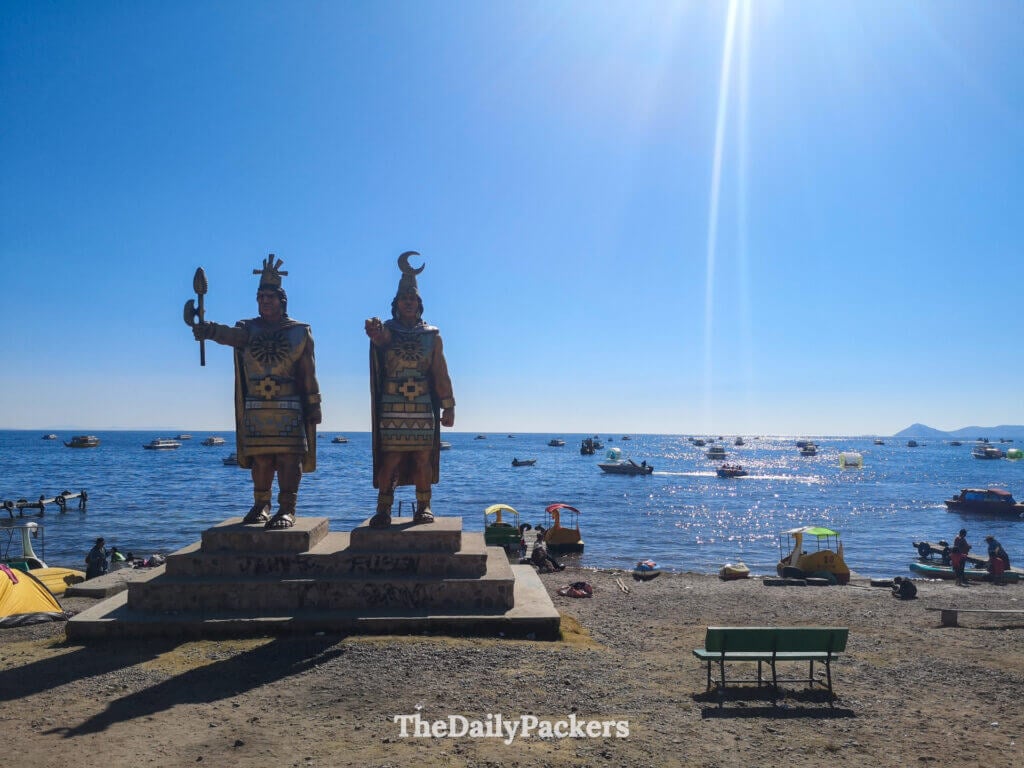
Walking along the beach is one of the simplest and nicest things to do in Copacabana. It’s the best way to see how locals live — kids playing by the shore, women selling snacks, families relaxing, and fishermen preparing their boats.

The beach isn’t necessarily postcard-perfect, but the atmosphere is authentic and lively, especially in the late afternoon when the light hits the lake beautifully.

Here are all your accommodation options in Copacabana
Explore the Main Street
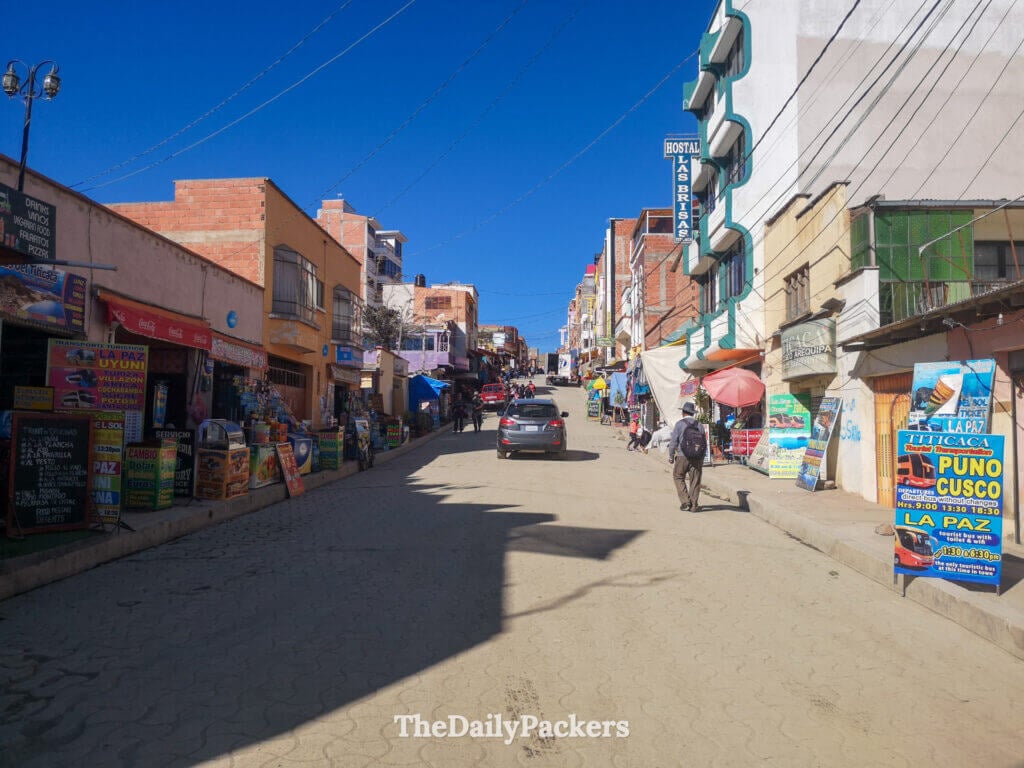
Copacabana has one real “main” street, and it’s where all the action is — restaurants, cafés, travel agencies, hostels, and small shops. It’s a great place to grab something to eat, buy snacks for Isla del Sol, or simply watch daily life unfold. If you only have half a day in town, this street is where you’ll spend most of your time.
Visit the Basilica of Our Lady of Copacabana
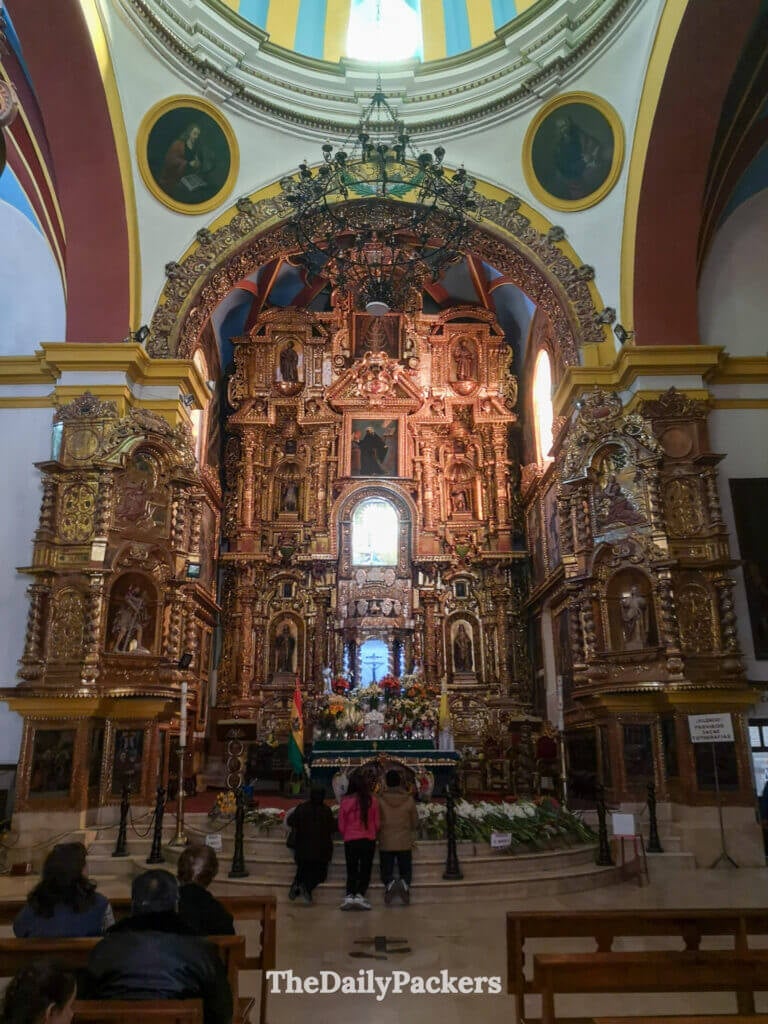
One of the top sights in town is the Basilica of Our Lady of Copacabana, a 16th-century Spanish colonial church and the spiritual heart of the region. Built between 1669 and 1679, it houses the famous Virgen de Copacabana, a revered figure in Bolivia. The basilica is white, elegant, and impressive, especially compared to the rest of the town.

In 2013, the sanctuary was robbed, and the statue was stripped of its gold and silver ornaments — a dramatic event still remembered today. Even so, the basilica remains an important pilgrimage site and a must-see during your stay.
Visit the Local Market
A small but lively market sits near the basilica. It’s the best place to grab fruit, vegetables, cheese, nuts, pastries, or simple snacks for hikes. It’s also a real glimpse into Bolivian daily life. Prices are low, vendors are friendly, and it’s a fun stop if you want to experience the local side of Bolivia.


Tip: We use the DJI Action 4 to film our vlogs — compact, durable, and perfect for capturing every adventure.
Hike Up to Cerro Calvario (Sunset Viewpoint)
The best viewpoint in town is Cerro Calvario, especially if you climb it for sunset. To start the hike, head to the central square and take the long set of stairs that passes in front of Hotel La Cúpula. From there, the trail climbs steeply for about 45 minutes.

It’s not an easy walk — the path is rocky, uneven, and at altitude — but the views from the top are absolutely worth it. Along the trail, you’ll pass several religious monuments and small shrines used during pilgrimages.

At the summit, a wide platform overlooks Lake Titicaca with a 360° panorama. When we went, locals were drinking beer, chatting, and listening to music. If you forgot to bring a drink, don’t worry — small vendors often sell cold beers on the way up.

Explore Isla del Sol
Isla del Sol is one of the absolute highlights of Copacabana and Lake Titicaca. This sacred island is full of stunning viewpoints, ancient ruins, terraced fields, and traditional Aymara villages. Whether you choose to hike to the viewpoint, explore the Sun Temple, or walk the ridge trail, this is a must-do.
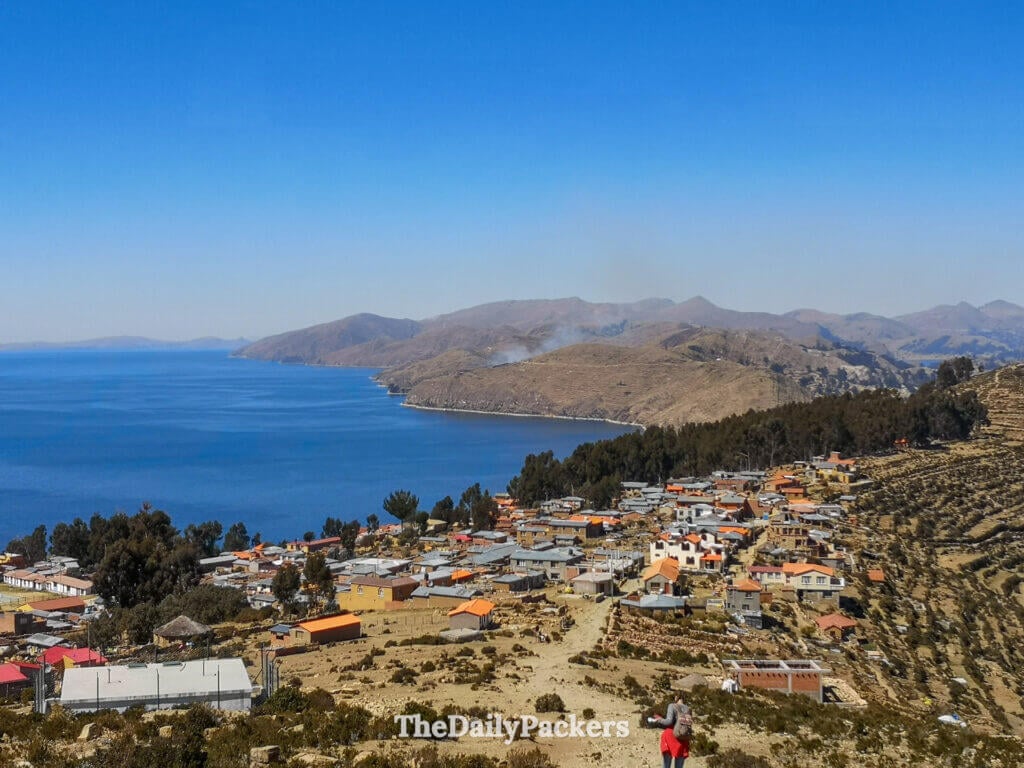
Most travelers visit Isla del Sol as a full-day trip, but you can also spend one night if you want more time.
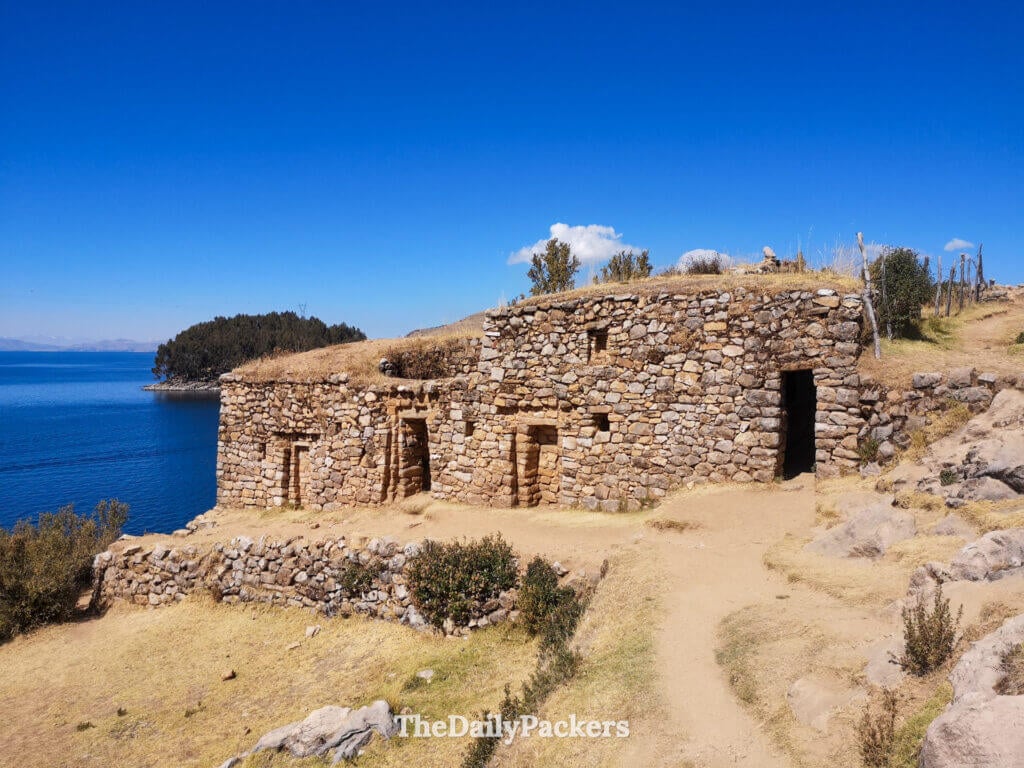

Read: Isla del sol: An epic 1-day adventure in Copacabana, Bolivia
Hike the Yampupata Trail
If you want something wilder, quieter, and more adventurous, the Yampupata Hike is your best bet. It’s one of our favorite hikes in Bolivia — a beautiful trail along the peninsula with mountain views, quiet beaches, tiny rural villages, and even floating islands where fresh trout is served.

The hike can be done in both directions, but we recommend taking a taxi to Yampupata and walking back to Copacabana, just like we did. It’s long (20–21 km) but unforgettable.

Read: Yampupata trail: An unforgettable 1-day hike from Copacabana
3-day Copacabana Itienrary
Day 1 – Arrive & Explore: Arrive in town, check in, and take a relaxed walk around town. Wander the main street, visit the market, and stroll along the lakeshore. In the late afternoon, hike up Cerro Calvario for sunset — the best view in town.
Day 2 – Isla del Sol: Spend the full day visiting Isla del Sol. Take the early ferry, hike to the viewpoints, explore the villages, and visit the Sun Temple before catching the 3 pm boat back to Copacabana.
Day 3 – Yampupata Hike: Take a taxi to Yampupata in the morning and hike all the way back to Copacabana. It’s a long but beautiful coastal trail passing through small villages, beaches, and floating islands.
Optional Day 4 – Continue to Uyuni: Take the bus to La Paz, then continue to Uyuni for a 3-day Salt Flats tour.


About the authors
We are Alex and Tina, a French-Serbian couple who met in China back in 2014. We spent three incredible years there before making France our home. Our shared passion for travel has been the heartbeat of our relationship for over 12 years, taking us across 44 countries and counting.
We launched TheDailyPackers in 2019 as a way to document our adventures. In 2026, we reached a major milestone by officially turning our blog into our full-time job. While we are still growing toward financial independence through this platform, every article we write is fueled by our mission to make your voyages easier through in-depth guides, honest advice, and the lessons we’ve learned from our own mistakes.
Our journey has not been without its storms. In 2023, our world changed forever when our first son, Poppy, was stillborn on November 25th. It was, and remains, the hardest chapter of our lives. In 2025, we were blessed with our second little boy, Milo. He has since joined our traveling tribe, and you’ll be seeing him—and the reality of traveling with a little one-on the blog more and more.
We hope to inspire you to explore the world with curiosity and resilience. Thank you for being part of our story.
You may also like those related posts
TMB Stage 7: Guide from La Fouly to Champex
25 Best things to do in the Black Forest, Germany, in 5 days or more
10-day Andalusia Itinerary: The best of the south of Spain
7 best things to do in Fortaleza, Brazil, in 2 days
23 Best things to do in Zlatibor, Serbia, in 4 days or more
Cat Cat Village: Sapa’s Most Charming Traditional Village
8 Best Hikes in Argentina You Shouldn’t Miss on Your Next Trip
18 Most beautiful Places in Corsica, France
Pssst, did you know that…
If you purchase something through our links, we earn a small fee. However, you still pay the same. Win-win! And one day we may get to be full-time travel bloggers =)
Find Hotels with Booking.com
Do Yoga with KVY
Buy us a Coffee
Rent a car with DiscoverCars
Find Attractions with GetYourGuide
Find Flights with Expedia
Buy an eSIM with Airalo
Get insured with World Nomads
Get ready with Amazon.com