

Introduction
Our first time in South America started in Peru, and Cusco quickly became one of the strongest highlights of our entire three-week trip. Landing straight into the former capital of the Inca Empire felt intense in the best possible way. Between slow mornings with coffee overlooking Plaza de Armas, discovering our first local dishes, wandering through Inca streets, and heading out to the Sacred Valley and Machu Picchu, Cusco completely won us over.
We spent several days here, but looking back, we realised how much more there was to see and how easily time slips away in this region. That’s exactly why we’re sharing this Cusco itinerary — to help you make the most of your time and avoid the feeling of having to rush or skip places that truly deserve a visit.
If you’re wondering how many days in Cusco are enough, here’s our honest take: four days is the minimum for a well-balanced trip, but six days is ideal. It gives you time to explore the city properly, adjust to the altitude, experience the Sacred Valley, and visit Machu Picchu without exhaustion.
This 6-day Cusco itinerary is designed to help you experience the magic of the region at a comfortable pace — mixing culture, history, nature, and a few slow moments to simply enjoy where you are.



Read: 23 Best things to do in Cusco, Peru, in 2 to 6 days
Cusco Itinerary Overview
This Cusco itinerary is designed to help you make the most of your time in and around the former capital of the Inca Empire. Over six days, you’ll balance culture, history, and nature, while giving your body enough time to adapt to the altitude. From slow days exploring Cusco’s historic streets to unforgettable trips into the Andes, this route covers the highlights without feeling rushed.
- Cusco Itinerary Day 1 – Cusco City: Arrive in Cusco, explore the historic center, Plaza de Armas, San Blas district, and take it easy to acclimatize to the altitude.
- Cusco Itinerary Day 2 – Cusco City: Dive deeper into the city with visits to Inca ruins around Cusco, Cristo Blanco, Sacsayhuamán, local markets, cafés, and artisan shops.
- Cusco Itinerary Day 3 – Rainbow Mountain: Take a full-day trip to Rainbow Mountain (Vinicunca) and the surrounding Red Valley for one of Peru’s most striking landscapes.
- Cusco Itinerary Day 4 – Humantay Lake: Head into the Andes for a day hike to the turquoise waters of Humantay Lake, surrounded by snow-capped peaks.
- Cusco Itinerary Day 5 – The Sacred Valley: Explore the Sacred Valley of the Incas, including Pisac, Ollantaytambo, and traditional villages along the Urubamba River.
- Cusco Itinerary Day 6 – Machu Picchu: Visit Machu Picchu, the iconic Inca citadel, and end your Cusco itinerary with one of the most unforgettable sights in South America.

Day 1: Cusco city
Let’s kick off this Cusco Itinerary with the city itself. Start your day in Cusco with a stroll through the plazas, making your way to Plaza de Armas to explore the cathedral and surrounding monuments. When the sun is shining, stop by Cappuccino Coffee, a cozy café just south of the square, for a great coffee and stunning views.
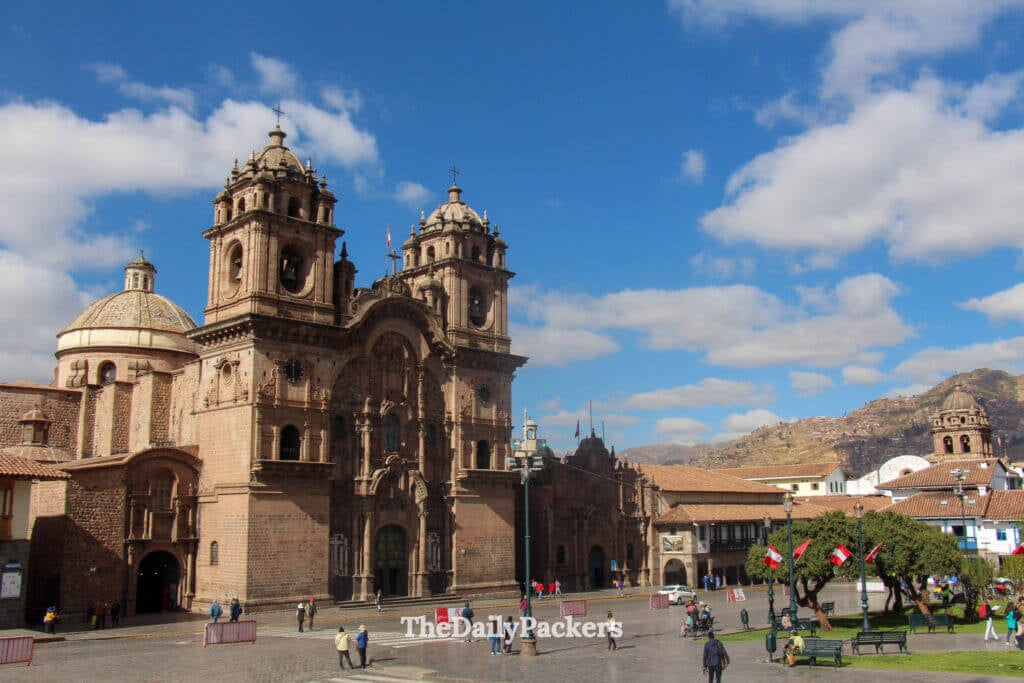
As you walk through the historic center, you’ll likely see locals dressed in traditional clothing with alpacas or llamas, happy to pose for pictures for 5 soles. For a deeper dive into Cusco’s history, consider joining a Half-Day City Tour

Next, head to Plaza de San Blas, a charming square just north of Plaza de Armas. The entire San Blas district is a delight to explore, with narrow streets and colorful buildings.
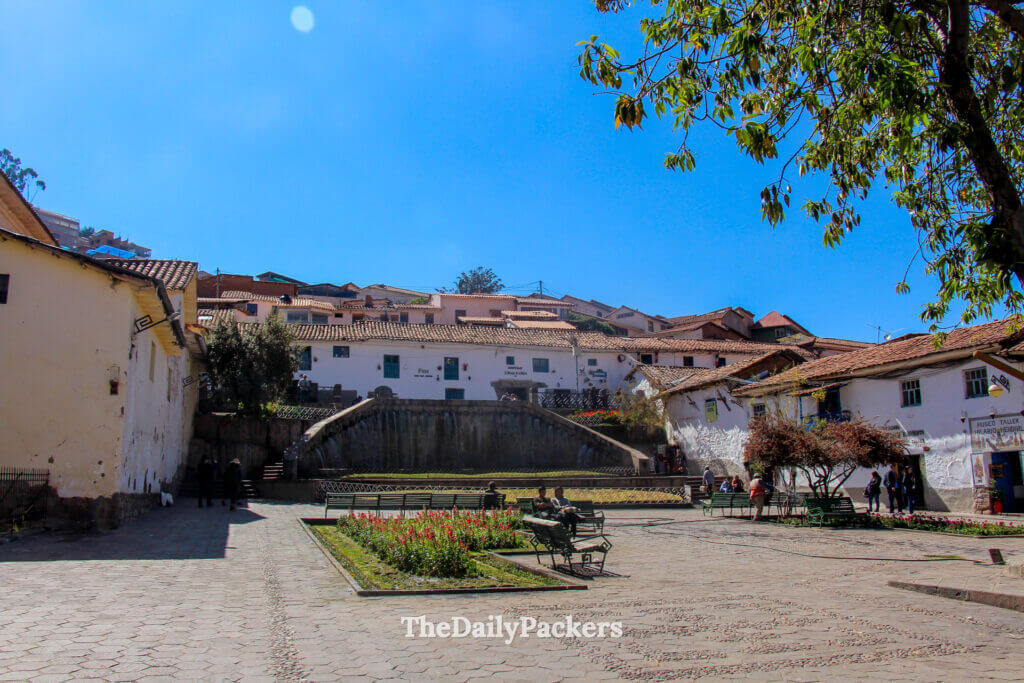
As you wander, you’ll find Mercado San Blas, a local market offering fresh fruits, vegetables, and meats. The highlight? The smoothie bars! With several to choose from, we couldn’t resist trying a Lucuma smoothie, which was delicious and large enough to share, all for a fixed price. A Cusco itinerary cannot be complete without that stop.

After leaving Mercado San Blas, head down the street and stop by El Encuentro for a delicious vegetarian lunch. Try two local dishes: Panaterra and Chicharron.
The restaurant was mostly frequented by locals when we visited, and we highly recommend it for an authentic dining experience.

Next stop in our Cusco itinerary, the Santo Domingo Convent, a unique site that blends an ancient Inca temple with a Catholic convent. Inside, you’ll find a smaller temple built on the original site, and some outer walls still display the distinctive Inca structure and colors. The convent also features many beautiful paintings. The Catholic structure was built on top of a Sun Temple.
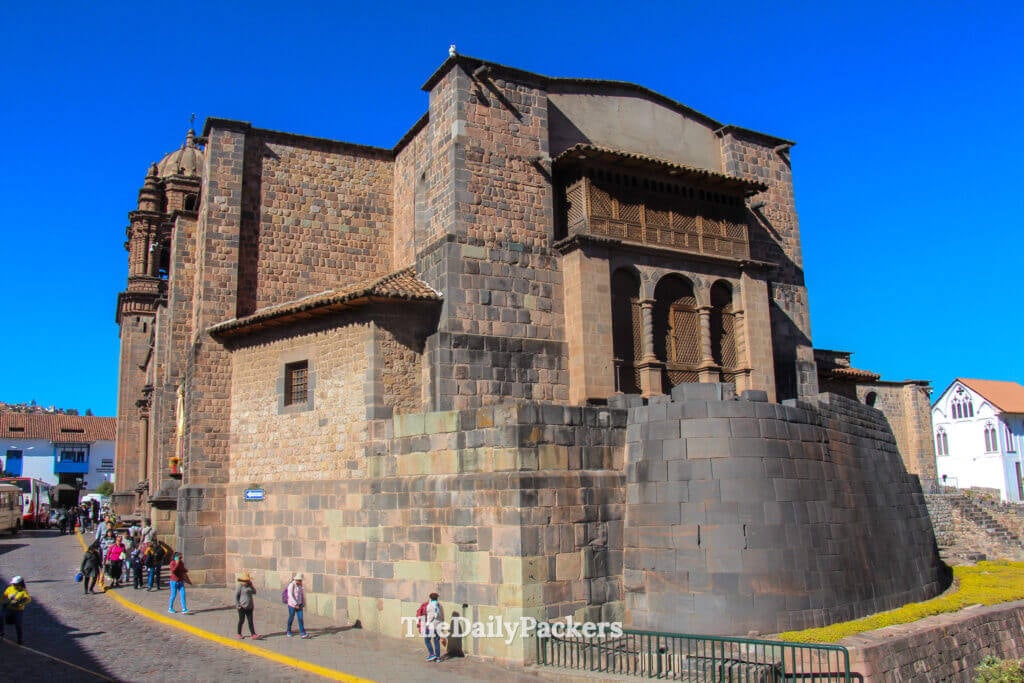
After exploring, continue strolling around, grab some food at one of the many local restaurants, and make your way back to your accommodation for the night. If you’re looking for more to do, consider visiting the Cochahuasi Animal Sanctuary.


Day 2: Cusco city
On day 2 of our Cusco itinerary, head to Cusco’s historical city center. Take your time wandering around the historical center, with its charming maze-like streets. After a while, stop by Peru Bar Café Restaurant near San Blas. It’s quiet and peaceful, perfect for enjoying your coffee on the little terrace upstairs with a great view.

Later, as you head toward Cristo Blanco, deciding between walking or taking the bus, you’ll come across Laggart Café—a unique spot that combines an art gallery with a coffee shop. The cozy ambiance makes it hard to leave, and you can enjoy delicious olives empanadas, chicken empanadas, and a torta de maracuyá for dessert.

With your tummy full and the idea of seeing Cristo Blanco in mind, you might decide to walk there, thinking it’s not too far. The path is easy to recognize—just follow the stairs up!
The climb can be a bit challenging, especially since you’re still adjusting to the altitude after only a couple of days in Cusco. Take your time and stop for breaks along the way if needed. But don’t worry, you’ll make it!

Once you reach the top, follow the road toward the statue. The view is absolutely breathtaking, offering a stunning panoramic view of all of Cusco.

After snapping a few photos of Cristo Blanco and the city view, head behind the statue to Sacsayhuamán fortress.

Bring cash for the entrance fee of 70 sol, which covers four sites: Sacsayhuamán, Qenko, Pura Pukara, and Tombomachay. We exchanged money with some locals when we arrived.
Explore Sacsayhuamán, which includes the main fortress, a meadow, and additional ruins. The massive boulders used to build the site, without mortar, are impressive. Built in the 12th century, the fortress sits at 3,701 meters above sea level.

In the meadow, you’ll find Alpacas roaming freely. They’re friendly, though one might spit if you get too close!

After exploring Sacsayhuamán, head back to the entrance and follow the road to Qenko, an important archaeological and holy site. The walk takes about 15 minutes, and along the way, you’ll see a field with Vicuñas on the right.

Next, visit Puka Pukara, a military fort with large walls, terraces, and staircases, part of Cusco’s defense system. It’s further along, and the easiest way to get there is by taking the “Huerto” bus, which costs 1 sol per person.
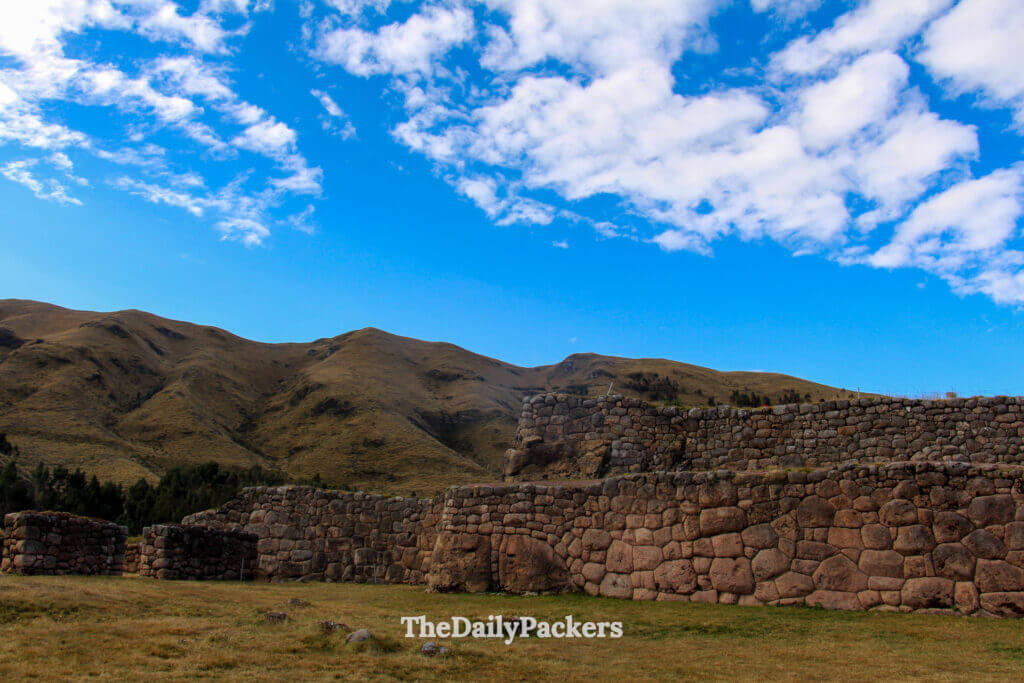
Then, head to Tombomachay, an intriguing site with aqueducts, canals, and waterfalls running through terraced rock. The function of the site is unclear, but it may have served as an outpost or spa. It’s just a 5-minute walk from Puka Pukara.

After visiting the four sites, take the Huerto bus back to Cusco for 1 sol each. The ride takes 10-15 minutes, and the driver will let you know when to get off. Walk about 850 meters to return to San Blas.

End your day with a relaxing yoga class and a delicious vegan dinner at Green Point—but more on that in another post!

Day 3: Rainbow Mountain
Day 3 of our Cusco Itinerary will be the Rainbow Mountain, also known as Vinicunca, a natural wonder located in the Peruvian Andes. Famous for its vibrant, multicolored slopes, this trek offers an unforgettable experience.
The hike to Rainbow Mountain is challenging, but worth every step. As you climb, you’ll be surrounded by breathtaking views and vibrant hues of red, pink, orange, and green, formed by mineral deposits over millions of years.
After reaching the summit, take in the stunning landscape and snap some photos before heading down. Optionally, you can extend your adventure with a visit to Red Valley, a hidden gem known for its dramatic scenery.
This day trip from Cusco is a must-do for anyone seeking to explore one of Peru’s most incredible landscapes. That’s something we missed, and if you want to be sure to see it, this excursion would be a good call from Cusco: Rainbow Mountain Day Trip and Red Valley

Day 4: Humantay Lake
Day 4 of our Cusco Itinerary brings us to Humantay Lake, a stunning turquoise-colored gem nestled in the Peruvian Andes, near the town of Mollepata. Surrounded by towering snow-capped mountains, including the majestic Humantay Peak, this lake offers one of Peru’s most picturesque landscapes.
The hike to the lake is challenging, but the rewards are worth it. As you ascend, you’ll be treated to breathtaking views of the vibrant turquoise waters and the towering mountains around you. The stunning natural beauty of the area makes it a must-see for nature lovers and adventure seekers exploring the Sacred Valley.
The day trip can be easily arranged from Cusco, including breakfast and a buffet lunch, making for a seamless experience while exploring one of the most iconic natural spots in Peru. This incredible lake can be visited from Cusco: Humantay Lake with Breakfast and Buffet Lunch

Day 5: The Sacred Valley
On Day 5, take a journey to the Sacred Valley, a stunning region nestled between the Andean mountains, rich in history and culture. Once the heart of the Inca Empire, the Sacred Valley is home to breathtaking landscapes, ancient ruins, and vibrant traditional villages.
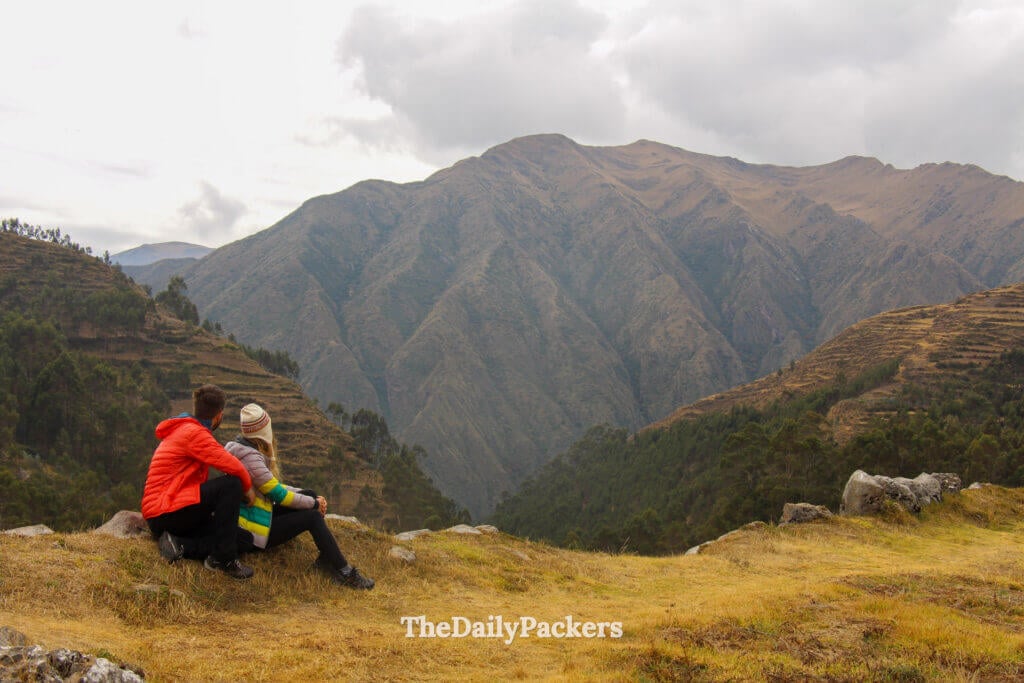
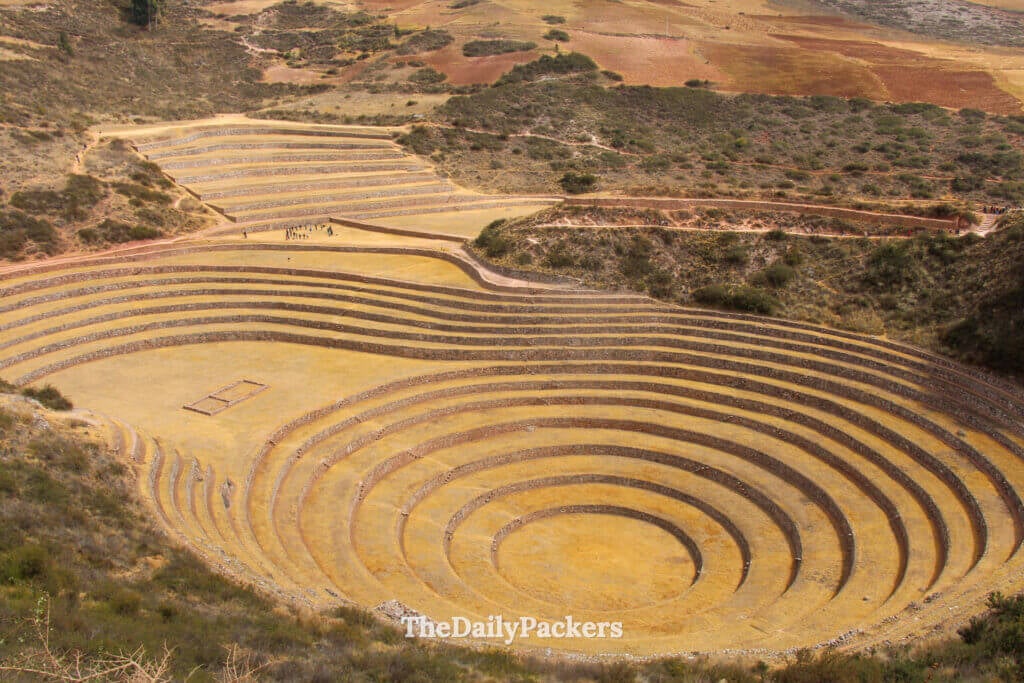
Your journey through the valley will take you to Ollantaytambo, a remarkable ancient Inca town, Pisac, known for its beautiful terraces and lively market, and the Moray terraces, an ancient agricultural site with circular terraces that offer a glimpse into the ingenuity of the Inca civilization.
With its mystical energy, ancient ruins, and vibrant culture, the Sacred Valley is an absolute must-see for anyone exploring Peru.
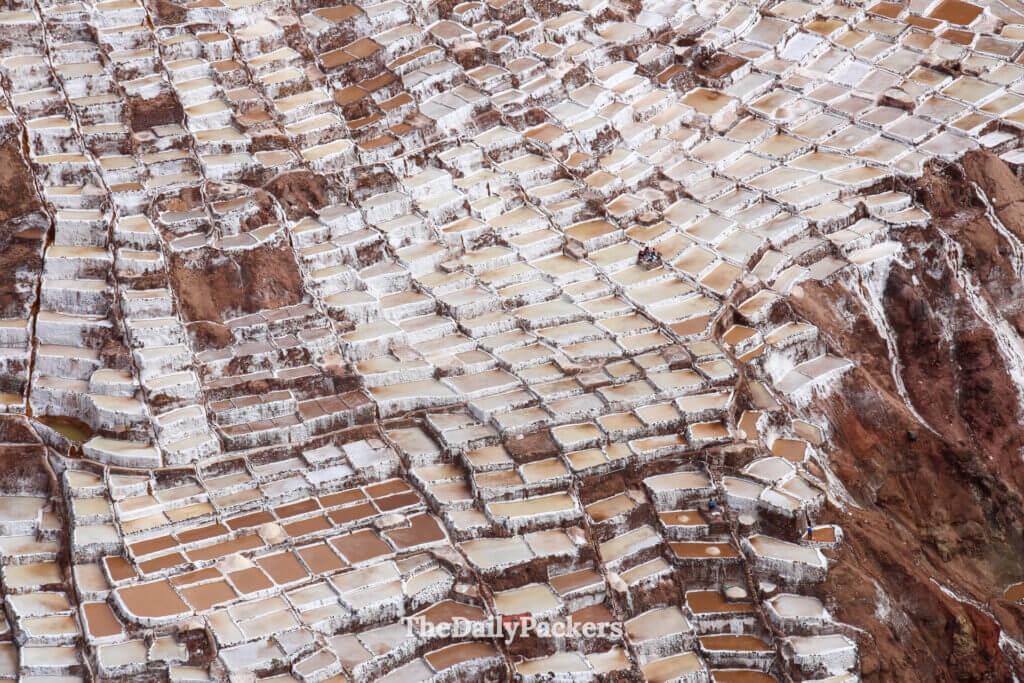
This Sacred Valley tour is an ideal route if you’re headed to Machu Picchu, or you can also easily visit from Cusco. The tour includes a visit to the Maras Salt Mines and a delicious lunch, ensuring an unforgettable experience as you uncover the secrets of the Inca heartland.
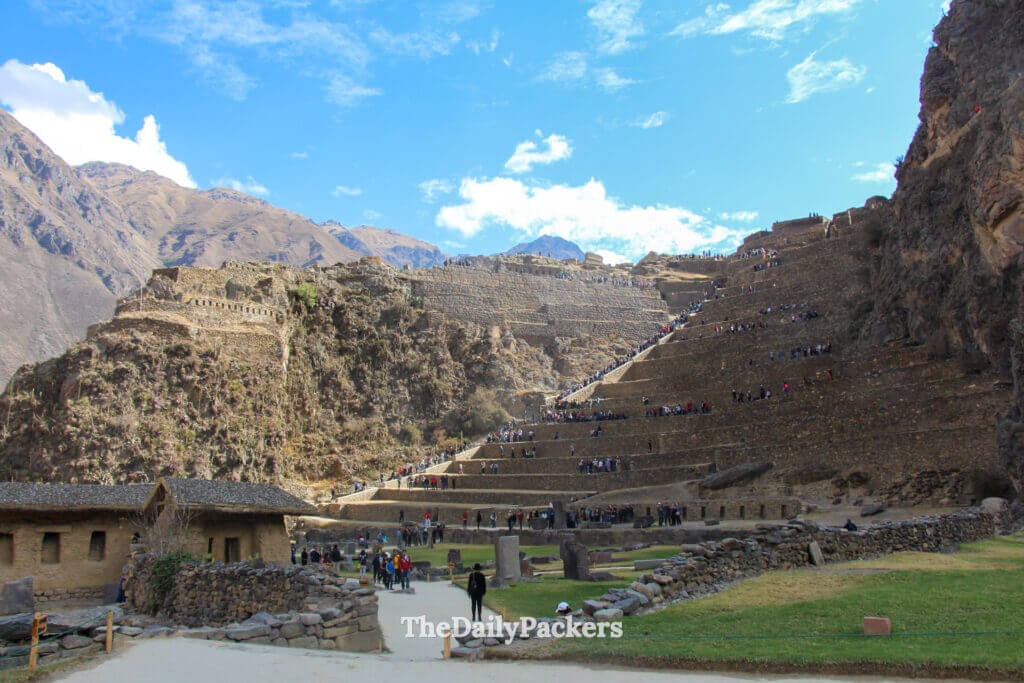
If you want to end your day in Aguas Calientes to be the first in Machu Picchu, read more on that adventure here.

Read: Best things to do in Sacred Valley, Peru, in 1-day
Day 6: Machu Picchu
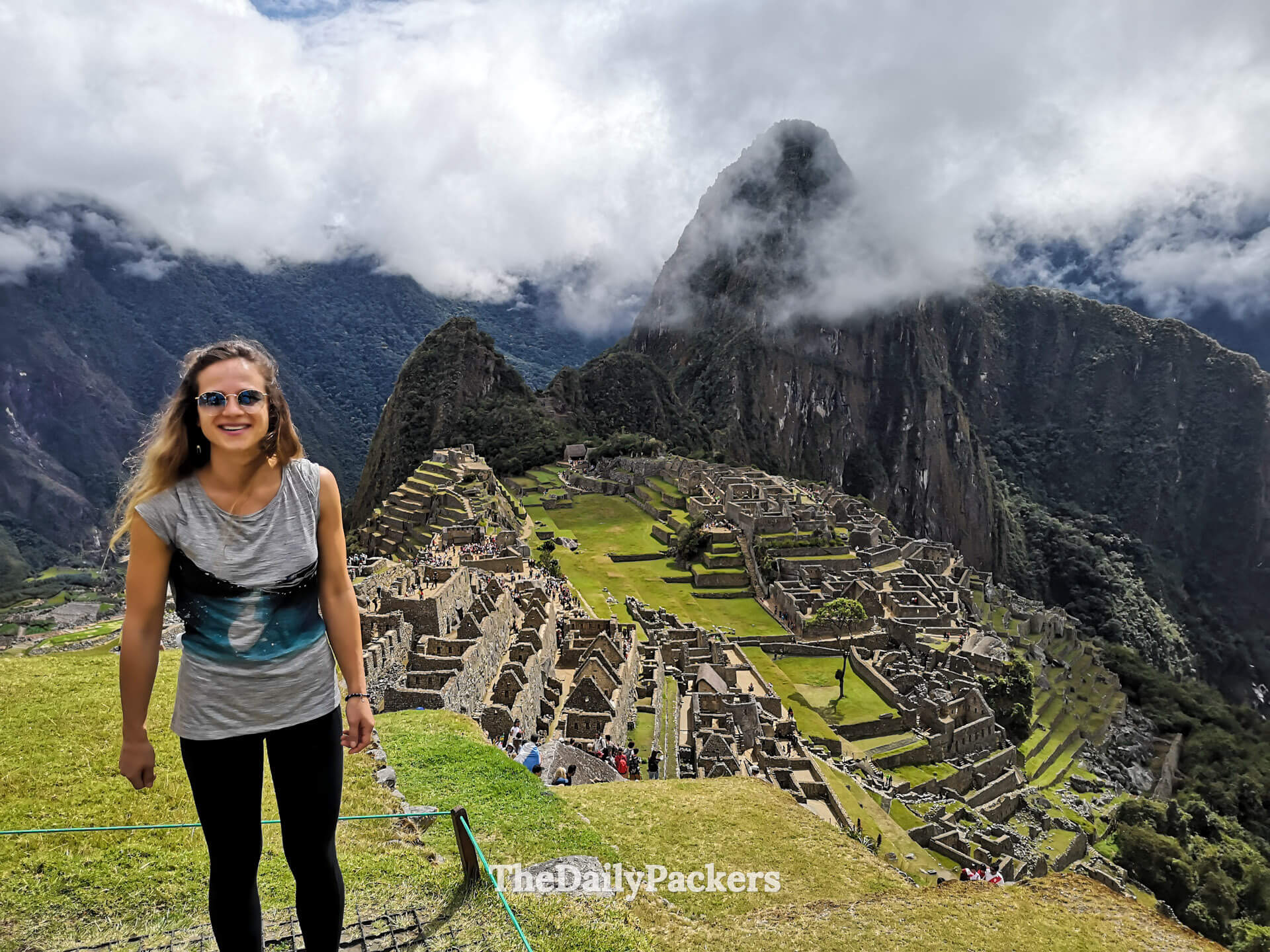
Machu Picchu, one of the New Seven Wonders of the World, is an ancient Inca city perched high in the Peruvian Andes. Rediscovered in 1911, this breathtaking site is a symbol of the Inca Empire’s ingenuity and mystery. With its stunning stone structures, terraced hillsides, and panoramic mountain views, Machu Picchu is a must-visit for history enthusiasts, hikers, and nature lovers.

The journey to this iconic archaeological site is just as incredible as the destination itself. Whether you’re planning to make the trip as part of a multi-day trek or prefer a full-day tour from Cusco, Machu Picchu offers an unforgettable experience.

We recommend visiting early, but if time is short, you can take the Full-Day Group Tour of Machu Picchu from Cusco. This tour is an excellent option for those eager to explore the mysterious Inca city in a day. If you have more time to explore, be sure to check out our special article dedicated to this awe-inspiring destination!
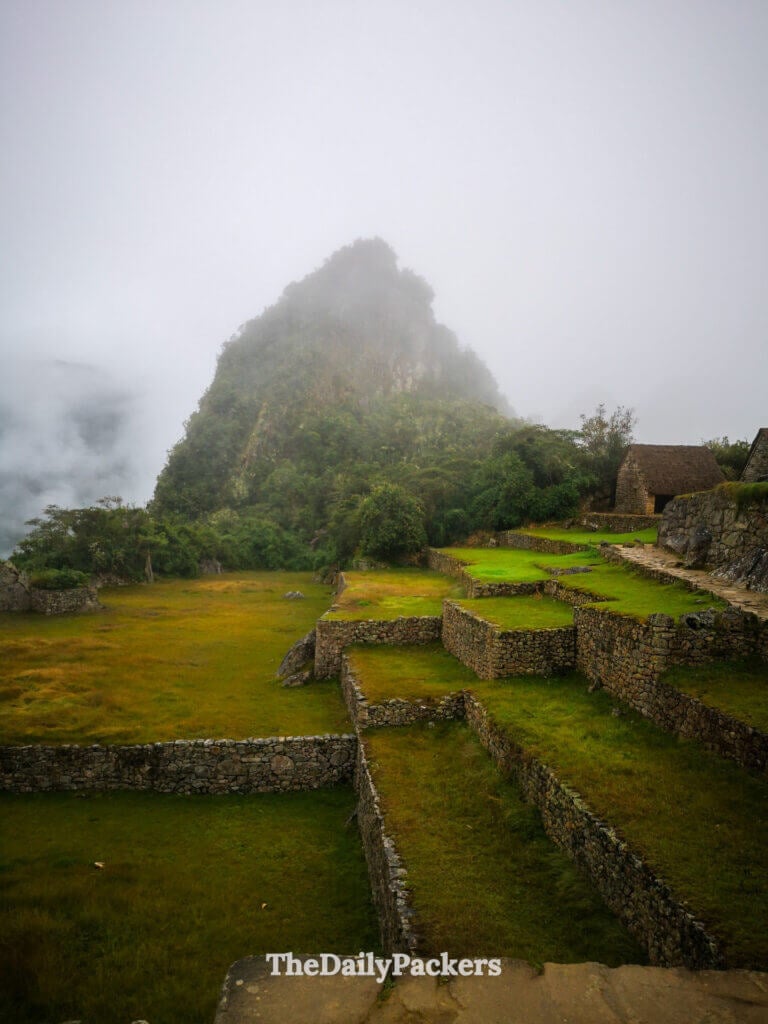
Read: Machu Picchu: Everything you need to know about this wonder of the world
About the authors
We are Alex and Tina, a French-Serbian couple who met in China back in 2014. We spent three incredible years there before making France our home. Our shared passion for travel has been the heartbeat of our relationship for over 12 years, taking us across 44 countries and counting.
We launched TheDailyPackers in 2019 as a way to document our adventures. In 2026, we reached a major milestone by officially turning our blog into our full-time job. While we are still growing toward financial independence through this platform, every article we write is fueled by our mission to make your voyages easier through in-depth guides, honest advice, and the lessons we’ve learned from our own mistakes.
Our journey has not been without its storms. In 2023, our world changed forever when our first son, Poppy, was stillborn on November 25th. It was, and remains, the hardest chapter of our lives. In 2025, we were blessed with our second little boy, Milo. He has since joined our traveling tribe, and you’ll be seeing him—and the reality of traveling with a little one-on the blog more and more.
We hope to inspire you to explore the world with curiosity and resilience. Thank you for being part of our story.
You may also like those related posts
Suomenlinna Fortress: Helsinki’s best day-trip In 2025
5 Best things to do in Tønsberg, Norway’s oldest city
15 Proven ways to shortcut the TMB
Mont Saint Michel: Everything you need to know
3-Month South America Packing List: What to Bring
What Pollution in China was like in our daily life in 2016
Montevideo to Colonia Del Sacramento: A Quick 2h Bus journey
19 Best things to do in Marrakech, Morocco, in up to 10 days
Pssst, did you know that…
If you purchase something through our links, we earn a small fee. However, you still pay the same. Win-win! And one day we may get to be full-time travel bloggers =)
Find Hotels with Booking.com
Do Yoga with KVY
Buy us a Coffee
Rent a car with DiscoverCars
Find Attractions with GetYourGuide
Find Flights with Expedia
Buy an eSIM with Airalo
Get insured with World Nomads
Get ready with Amazon.com