

Introduction
Guilin, located in the Guangxi Zhuang Autonomous Region of southern China, is a city that captivates with its surreal natural beauty and charming local culture. Spanning over 27,800 km² and home to approximately 4.75 million people, Guilin has become one of the most iconic destinations in China and Asia — and for good reason.
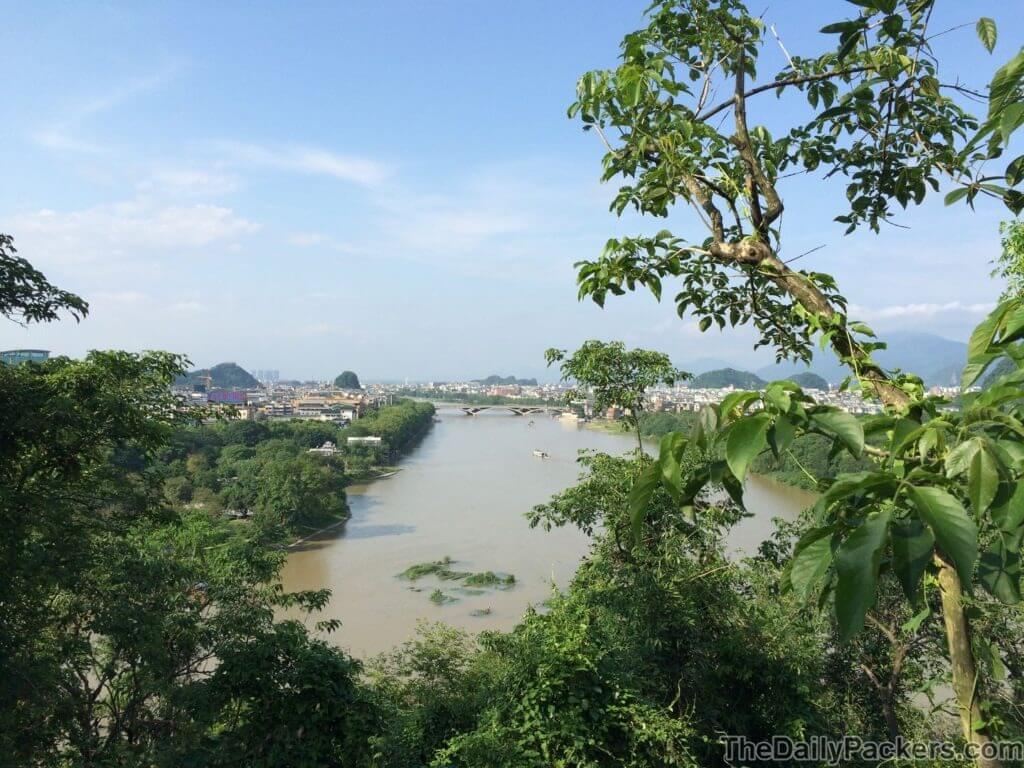
Famed for its breathtaking karst landscapes and the serene Li River that winds through limestone peaks, Guilin offers a visual experience like no other. One of the highlights of visiting this region is the scenic Li River cruise to Yangshuo — a smaller, laid-back town that feels like a dreamy escape into the heart of rural China.
Beyond its natural splendor, Guilin is rich in cultural treasures and local traditions. Wander through its lively pedestrian streets, try regional dishes, explore ancient villages, or simply take in the beauty that surrounds you at every turn.
We absolutely loved our time in Guilin — and that’s exactly why we created this ultimate guide to help you plan your own unforgettable adventure.
Getting there
Guilin is well-connected and surprisingly easy to reach, whether you’re coming from within China or internationally.
By Plane: Guilin Liangjiang International Airport (KWL) serves both domestic and international flights. You’ll find direct connections from major cities like Beijing, Shanghai, Chengdu, Xi’an, Hong Kong, and even some Southeast Asian hubs like Bangkok and Kuala Lumpur.
The airport is located about 30 km from the city center, and a taxi or shuttle bus can get you into town in around 40–50 minutes.
By Train: China’s high-speed rail network makes getting to Guilin by train fast and convenient. There are daily high-speed trains from major cities like:
- Guangzhou – ~2.5 hours
- Shenzhen – ~3.5 hours
- Changsha – ~3 hours
- Chengdu or Chongqing – ~6 hours
You’ll arrive at either Guilin North Station or Guilin West Station, both well connected to the city center by public transport and taxis.
By Bus: Long-distance buses also connect Guilin with other cities in Guangxi and beyond, but this option is slower and less comfortable compared to trains or flights.
Our tip: If you’re arriving from abroad or another major Chinese city, flying is the most efficient. But if you’re coming from nearby provinces or cities, hop on a high-speed train and enjoy the scenic ride through southern China.

Moving around
Guilin is a compact and traveler-friendly city, and getting around is relatively easy.
- By Taxi or Didi: Taxis are affordable and easy to find in most areas. If you’re comfortable using apps, Didi (China’s version of Uber) is widely used and more convenient — just be sure to download the app and set it up in advance. Most drivers don’t speak English, so having your destination written in Chinese helps a lot.
- By Bus: The local bus system in Guilin is reliable and inexpensive. Buses cover all major sights and neighborhoods, and fares typically range from 1 to 2 RMB. Signs may not always be in English, so it helps to know the Chinese characters or use a map app like Baidu Maps or Google Maps (with VPN).
- By Bike or E-bike: For short distances or scenic rides (like along the river), renting a bike or e-bike is a great option. Some accommodations offer rentals, or you can use local apps like Meituan Bike. E-bikes make it especially fun to explore parks, lakes, and smaller neighborhoods.
- On Foot: Many of Guilin’s highlights — including the Two Rivers and Four Lakes area, Zhengyang Pedestrian Street, and Elephant Trunk Hill — are close to each other and easily walkable. Comfortable shoes are a must.
Our tip: Plan your days around neighborhoods or riverfront paths so you can explore more on foot — it’s the best way to soak up the local atmosphere.

When to Visit
Guilin is a year-round destination, but your experience will vary depending on the season. With its misty karst mountains, lush landscapes, and scenic rivers, each time of year offers a unique perspective on the region’s beauty.
- Spring (March–May): Spring is one of the best times to visit Guilin. The weather is mild (15–25°C / 59–77°F), and the landscapes are vibrant with blooming flowers and fresh greenery. Occasional rain showers add a magical mist to the karst peaks — ideal for photography and river cruises. Do bring a light rain jacket, just in case.
- Summer (June–August): Summer is hot and humid, with temperatures often reaching 30°C (86°F) or more. It’s also the wettest season, with regular rainstorms and occasional flooding. However, the rainfall turns the countryside lush and dramatic. Popular spots like Yangshuo and the Longji Rice Terraces are especially vivid. Just expect some crowds during school holidays.
- Autumn (September–November): This is arguably the best time to visit Guilin. The weather is cooler (18–28°C / 64–82°F), the skies are clearer, and the scenery is still very green. It’s a fantastic season for hiking, biking, and boat tours on the Li River or Yulong River. October is particularly beautiful after the summer rains.
- Winter (December–February): Winters are mild and dry, with temperatures ranging between 5–15°C (41–59°F). While it’s not the most popular time to visit, it’s quiet and peaceful — perfect if you prefer to avoid crowds. Some rural areas may feel chilly, especially in the morning and evening, so pack accordingly.
Local Festivals to Consider:
- Peach Blossom Festival (March): The countryside around Guilin bursts into pink as peach blossoms bloom — a dreamy time for photographers.
- Dragon Boat Festival (May/June): Watch traditional boat races and taste local sticky rice dumplings.
- Mid-Autumn Festival (September): Celebrated with lanterns, mooncakes, and clear night skies.
When to Avoid:
- Try to avoid Chinese national holidays, especially Golden Week (first week of October) and Chinese New Year, as attractions can get extremely crowded and prices rise significantly.
For a perfect balance of scenery, weather, and manageable crowds, the ideal months to visit Guilin are April to June and September to early November.
Where to stay
We recommend staying at least 4 days in Guilin, especially if you plan to include the iconic Li River cruise to Yangshuo. That gives you enough time to explore the city, enjoy the natural surroundings, and not feel rushed. Here are some great places to stay based on our experience and research — whether you’re looking for charm, comfort, or incredible views:
(€) Lakeside Inn: Perfectly located near Shan Lake, this cozy guesthouse offers clean and simple rooms with beautiful lake views. The staff is super welcoming, and you’re within walking distance of the twin pagodas and the pedestrian street. A great budget-friendly option if you want to be in the heart of the city.
(€€) Secret Courtyard Resort Hotel: Tucked in a quiet part of Guilin, this boutique hotel has a lovely courtyard, traditional architecture, and modern comforts. It’s a peaceful escape from the buzz of downtown, yet still close to main attractions. Ideal for couples or travelers looking for a more serene experience.
(€€€) Li River Resort Villa Hotel: This one is a bit outside the city, close to Yangshuo, and it’s worth it if you want those picture-perfect views of the Li River and karst mountains. Rooms are spacious, the pool is a bonus, and the setting is just breathtaking. A top choice if your focus is on nature and relaxation.

What to eat
While exploring Zhengyang Pedestrian Street, you’ll find plenty of spots to try the local cuisine — from street food stalls to cozy restaurants. It’s the perfect place to dive into Guilin’s culinary scene. Here are some must-try dishes:
- Guilin Rice Noodles (Mifen): This is the city’s signature dish and a staple for locals. These rice noodles are typically served in a savory broth with sliced meat, pickled vegetables, peanuts, and chili. You’ll find different variations depending on where you eat — try a few!
- Lipu Taro and Pork Loaf: A traditional dish from nearby Lipu, this hearty meal layers soft taro slices with marinated pork belly and is then steamed until tender. It’s rich, comforting, and a great example of local home-style cooking.
- Yangshuo Beer Fish (Pijiu Yu): If you’re heading to Yangshuo or spot this on a Guilin menu, don’t miss it. This dish features fresh river fish stir-fried in a sauce made from local beer, chili, tomatoes, and peppers. Flavorful and slightly spicy, it’s a favorite among locals and travelers alike.

Things to do
Explore Zhengyang Pedestrian Street — Guilin’s Lively Heart
Zhengyang Pedestrian Street is one of the most popular and vibrant areas in Guilin. This bustling street is perfect for a relaxed stroll, with traditional architecture, bright lanterns, and a great mix of modern shops and local eateries.
It’s a great place to soak in the local vibe, shop for souvenirs, and most importantly — taste Guilin’s local dishes. From street snacks to cozy restaurants, it’s a food lover’s paradise. Don’t miss out on trying Guilin rice noodles or grabbing a few skewers from one of the night stalls.
Step Inside Reed Flute Cave — The Palace of Natural Arts
Mother Earth at work. Known as the Palace of Natural Arts, Reed Flute Cave is a breathtaking limestone cave that feels like stepping into another world. With stunning stalactites, stalagmites, and stone columns, all illuminated by multicoloured lights, this natural wonder has been leaving visitors in awe for over 1,200 years.
The cave itself is believed to be more than 180 million years old, shaped slowly by water and time. As you walk through the chambers, each corner reveals a new masterpiece — it’s easy to see why it earned its poetic nickname.
This is a must-see when in Guilin and one of the most beautiful examples of China’s natural karst landscape.

Discover Elephant Trunk Hill — The Icon of Guilin
Elephant Trunk Hill is the most famous landmark in Guilin and a symbol of the city itself. The hill got its name from its unique shape — it resembles an elephant gently dipping its trunk into the Li River for a drink.
Beyond its striking silhouette, the area is steeped in local legends and folklore, making it not just a scenic spot but a cultural treasure. The surrounding scenic area is perfect for a peaceful walk or light hike, with well-maintained paths and beautiful views of the river and city skyline.
Climb to the top for a panoramic lookout or simply enjoy the serenity of the natural setting — this is one of the best photo spots in Guilin, especially at sunrise or sunset.

Explore Xiangshan Scenic Area — Nature, Culture & Views in One
The Xiangshan Scenic Area is home to Guilin’s iconic Elephant Trunk Hill, but it offers so much more than just the city’s symbol. This scenic zone is a blend of natural beauty, historic relics, and peaceful walking paths, all set along the banks of the Li River.
Within the park, you can visit ancient temples, stroll through charming gardens, and hike up to viewpoints that overlook Guilin’s famous karst landscape. There are also caves and pagodas, and signs that explain the area’s cultural significance and legends.
Whether you’re looking to relax by the water, take in panoramic views, or learn more about Guilin’s history, Xiangshan Scenic Area is a must-visit during your stay. Plan to spend at least a couple of hours here — especially around sunrise or sunset for the best light.

Stroll Around Rong and Shan Lakes — Discover the Sun and Moon Pagodas
Take a peaceful walk around Rong Lake and Shan Lake, two scenic lakes right in the heart of Guilin. Surrounded by willow trees, stone bridges, and landscaped gardens, the area offers a tranquil escape from the city buzz — especially beautiful at night when everything lights up.
The highlight of Shan Lake is the Sun and Moon Pagodas, also known as the Golden and Silver Pagodas due to their striking colors. The Sun Pagoda, made of bronze, stands tall at 41 meters, while the Moon Pagoda, built from glazed tiles, complements it with elegant symmetry.
You can admire them from the shore or take a short boat ride for an even closer look. It’s a perfect spot for a romantic stroll or relaxed evening photography.

Try Baijiu Tasting — China’s Traditional Spirit
No visit to China is complete without trying Baijiu, the country’s most famous and historic spirit. Known for its bold aroma and high alcohol content (typically 40–60%), Baijiu is made from fermented sorghum and has been a part of Chinese culture for thousands of years.
In Guilin, you can find local shops or tasting bars offering Baijiu samplings, where you’ll learn about the different types (strong aroma, light aroma, sauce aroma) and how it’s traditionally enjoyed. Some venues even offer guided tastings paired with snacks or small dishes.
It’s a fun and authentic way to immerse yourself in Chinese culture — just sip slowly!

Take a Day Trip to the Longji Rice Terraces — A Scenic Escape from Guilin
Spending a day at the Longji Rice Terraces (also known as the Dragon’s Backbone Rice Terraces) is one of the best things to do while in Guilin. Located about 3 hours away by private transfer or guided tour, this day trip offers a breathtaking change of scenery.
Once you arrive, hike up the terraces through traditional villages like Ping’an or Dazhai, where you’ll be rewarded with panoramic views of layered fields sculpted into the mountainside. These terraces have been cultivated for over 650 years and are still farmed today.
Take your time to explore, stop for local snacks at small eateries along the trail, and enjoy the peaceful atmosphere before heading back to Guilin. It’s a full but unforgettable day!

Cruise the Li River from Guilin to Yangshuo — A Journey Through Scenic Masterpieces
Embark on a Li River cruise and experience one of China’s most iconic landscapes. This journey from Guilin to Yangshuo takes you through a dreamlike world of towering karst mountains, bamboo groves, and picturesque villages — the very scenery featured on the 20 RMB note.
The cruise typically lasts 4 to 5 hours and offers a slow, peaceful way to soak in the natural beauty of southern China. Along the route, you’ll pass striking formations like Nine Horse Fresco Hill and Yellow Cloth Shoal, all while drifting through calm waters that mirror the surrounding peaks.
Once in Yangshuo, you can spend the afternoon exploring the charming town, cycling through the countryside, or relaxing by the river before heading back to Guilin. This is a must-do experience for any first-time visitor to the region.

Itinerary
Day 1: Explore Guilin’s Natural & Cultural Highlights
- Visit Reed Flute Cave – Step into a world of illuminated limestone formations in this ancient natural wonder.
- See Elephant Trunk Hill & Xiangshan Scenic Area – Walk through the symbolic heart of Guilin and admire the hill shaped like a giant elephant drinking from the river.
- Wander Guilin Rongshanhu Scenic Area – Enjoy a relaxed lakeside stroll and view the twin pagodas of Sun and Moon.
- Stroll Zhengyang Pedestrian Street – Taste local dishes and shop in the bustling heart of Guilin.
Day 2: Discover the Longji Rice Terraces
- Day trip to Longji (Dragon’s Backbone) Rice Terraces – Hike the rolling green steps of ancient terraces, meet local villagers, and enjoy panoramic views of rural Guangxi.
Day 3: Cruise the Li River to Yangshuo
- Embark on a Li River Cruise – Take in breathtaking karst mountain views on your way to Yangshuo.
- Arrive in Yangshuo – Explore the town or bike through the countryside.
Day 4: Enjoy Yangshuo & Return
- Relax or explore more of Yangshuo – Visit local markets, go for a bamboo raft ride, or hike Moon Hill.
- Return to Guilin – Head back in the afternoon or evening by private transfer or shuttle.
Optional Extension: If your schedule allows, stay one more day in Yangshuo to truly unwind and experience more of its charm. This extra day gives you time to enjoy activities like rock climbing, tea field visits, or a traditional cooking class.
冰冻三尺,非一日之寒。(bīng dòng sānchĭ, fēi yírì zhī hán) It takes more than one cold day for the river to freeze three feet deep.
You may also like
About the authors
We are Alex and Tina, a French-Serbian couple who met in China back in 2014. We spent three incredible years there before making France our home. Our shared passion for travel has been the heartbeat of our relationship for over 12 years, taking us across 44 countries and counting.
We launched TheDailyPackers in 2019 as a way to document our adventures. In 2026, we reached a major milestone by officially turning our blog into our full-time job. While we are still growing toward financial independence through this platform, every article we write is fueled by our mission to make your voyages easier through in-depth guides, honest advice, and the lessons we’ve learned from our own mistakes.
Our journey has not been without its storms. In 2023, our world changed forever when our first son, Poppy, was stillborn on November 25th. It was, and remains, the hardest chapter of our lives. In 2025, we were blessed with our second little boy, Milo. He has since joined our traveling tribe, and you’ll be seeing him—and the reality of traveling with a little one-on the blog more and more.
We hope to inspire you to explore the world with curiosity and resilience. Thank you for being part of our story.
You may also like those related posts
14 best things to do in Zadar, in Croatia, in 1 to 4 days
9 Best Things to Do on Ilha do Cardoso, Brazil, in 4 days
7 Best Things to do in Cayo Santa Maria, Cuba, in 2 to 4 days
Alhambra Palace in Granada: A Complete Travel Guide
15 Proven ways to shortcut the TMB
Plaza de Toros de la Maestranza: Discover Seville’s Historic Bullring
12 Best things to do in Vannes, France, in 1 to 6 days
3-week South America Packing List: What to Bring
Pssst, did you know that…
If you purchase something through our links, we earn a small fee. However, you still pay the same. Win-win! And one day we may get to be full-time travel bloggers =)
Find Hotels with Booking.com
Do Yoga with KVY
Buy us a Coffee
Rent a car with DiscoverCars
Find Attractions with GetYourGuide
Find Flights with Expedia
Buy an eSIM with Airalo
Get insured with World Nomads
Get ready with Amazon.com