
Introduction
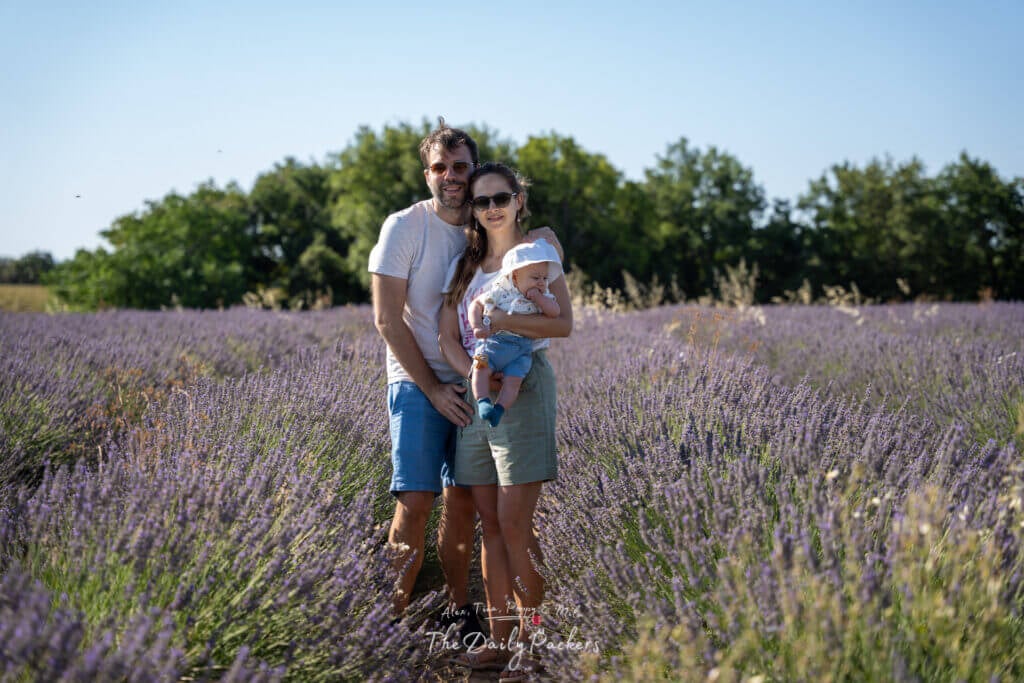
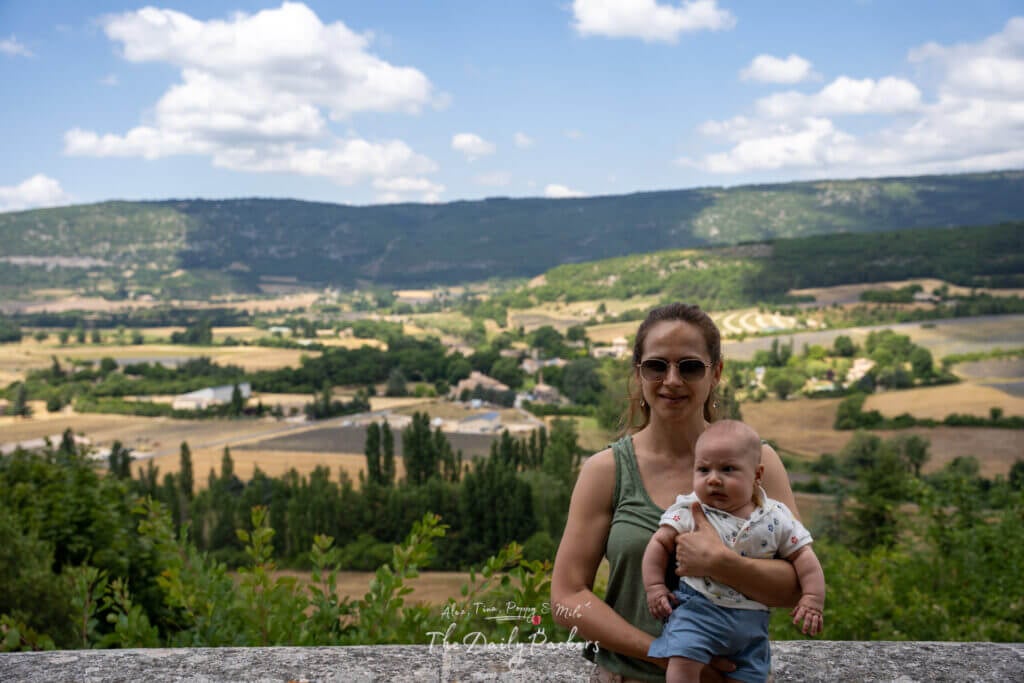
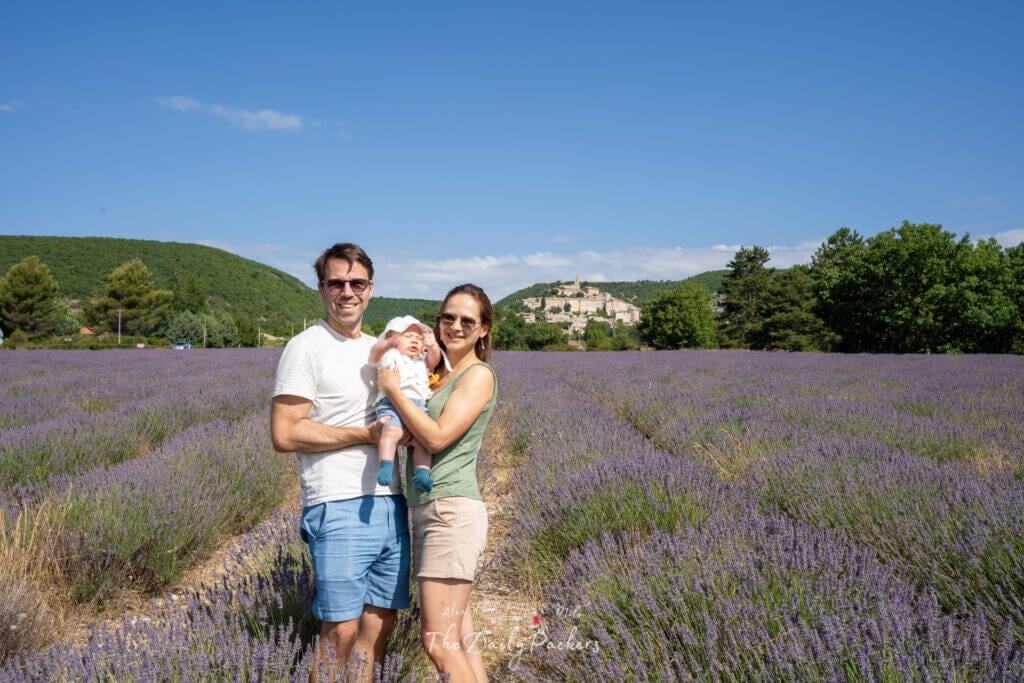
The lavender fields in Provence were our very first real trip with Milo, who was just three and a half months old at the time. We’d been dreaming about these iconic purple landscapes for years, having heard so much about how stunning they are in bloom. It felt like the perfect first destination for us to try traveling as a family of three.
But of course, the lavender fields aren’t just for families—they’re equally perfect for solo travelers, couples, or friends looking for that quintessential Provençal experience. Whether you’re chasing dreamy photos, love nature, or just want to soak up the slow, sunny pace of the south of France, this is one of those magical places that truly delivers.
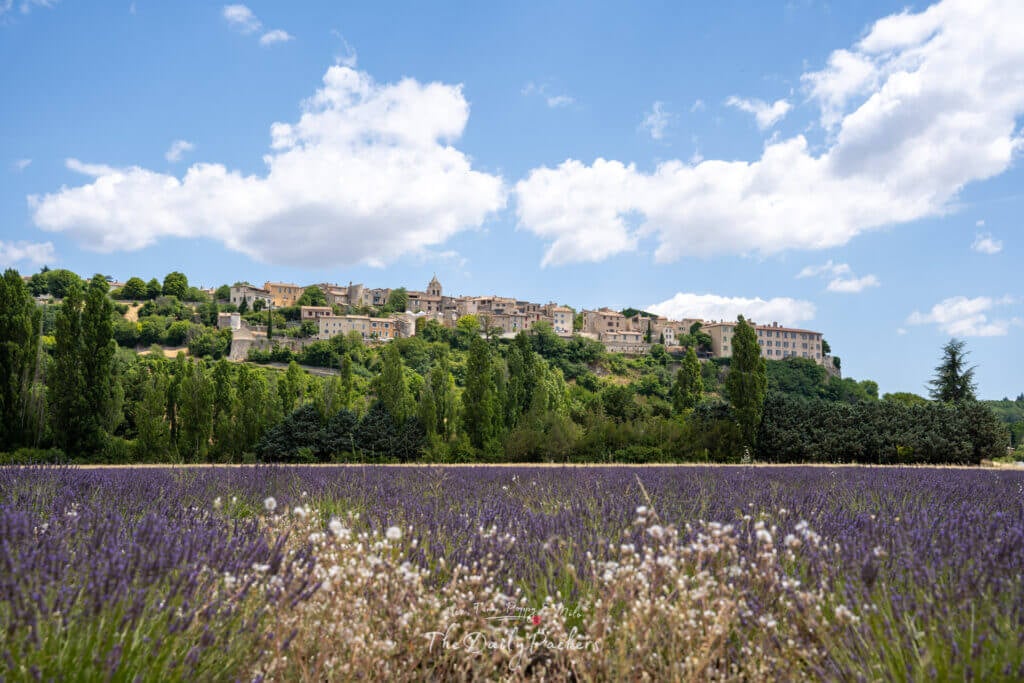
For our trip, we based ourselves in Manosque, a charming little town that turned out to be the perfect location. It sits right between Provence’s two biggest lavender regions: the famous Valensole Plateau, with its wide, endless fields, and the equally beautiful but more rugged area around the villages of Banon and Sault. This made it easy for us to explore both areas without rushing and really take our time enjoying the scenery.

Here are all your accommodation options in Manosque
Why visit?
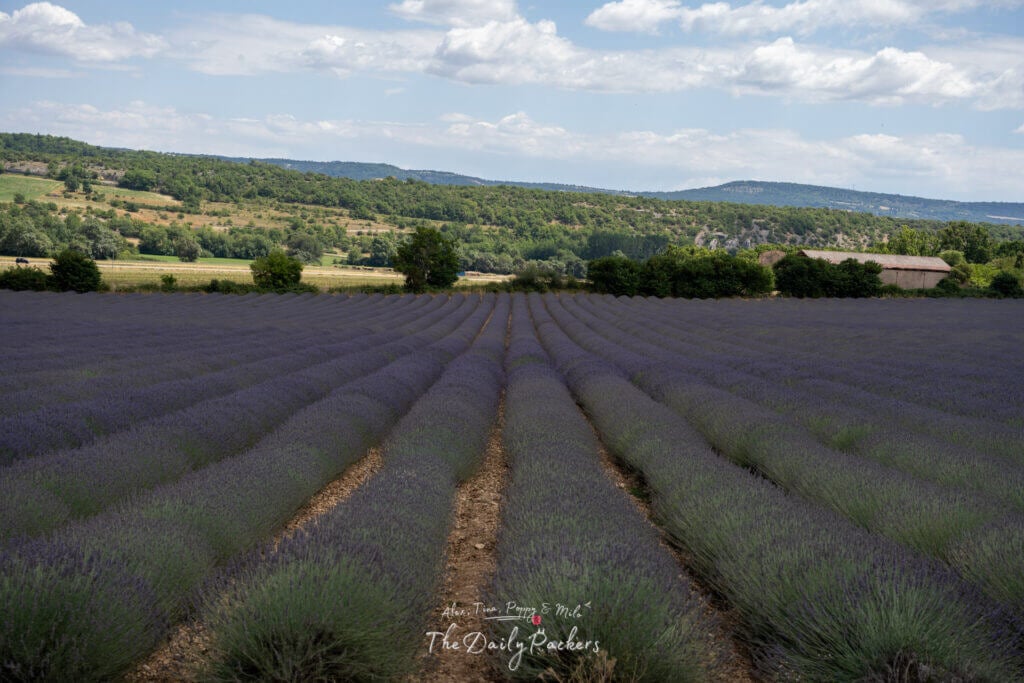
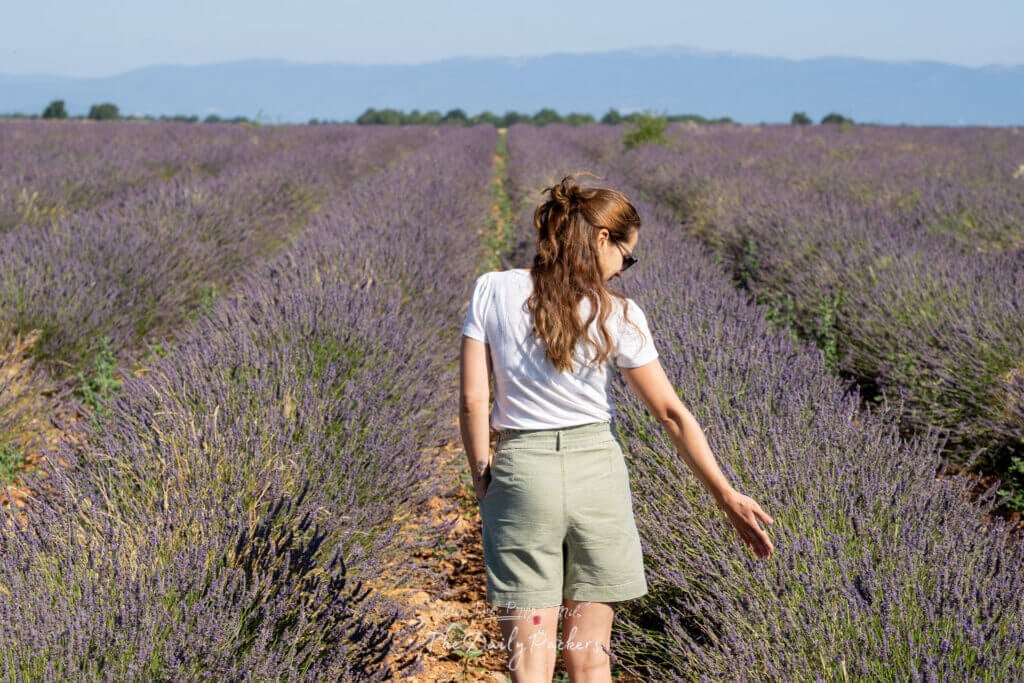
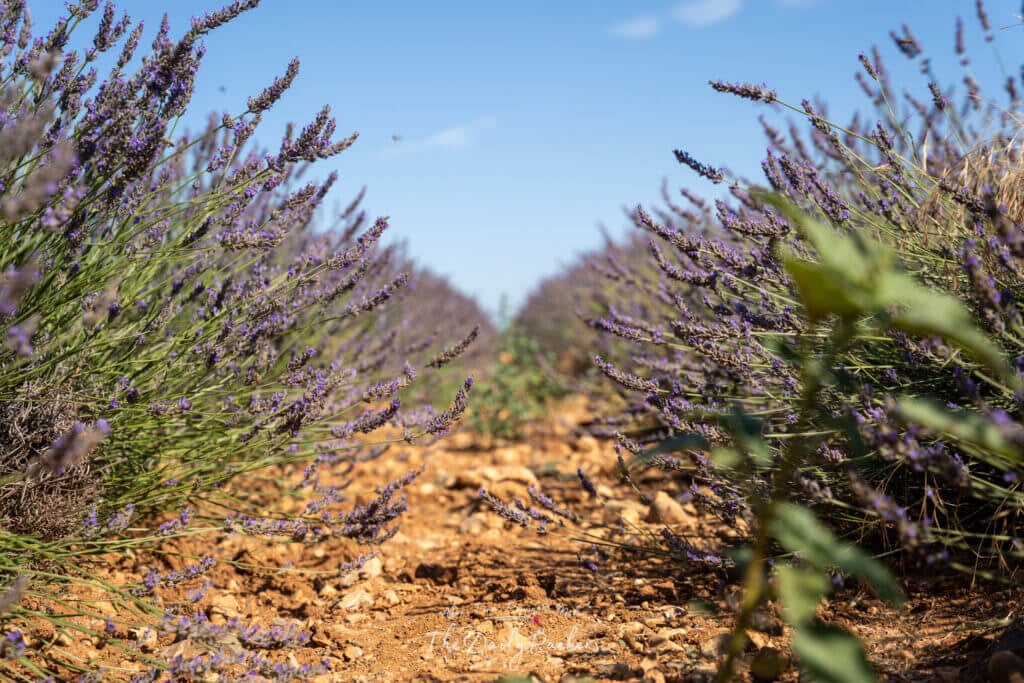
There’s something truly special about visiting the lavender fields in Provence. It’s not just about the gorgeous photos, though they’re reason enough. Standing among endless rows of vivid purple flowers with the warm summer sun overhead and the soft hum of bees all around is a full-on sensory experience. The scent is incredible, the colors are unforgettable, and the overall vibe is wonderfully calm and slow.
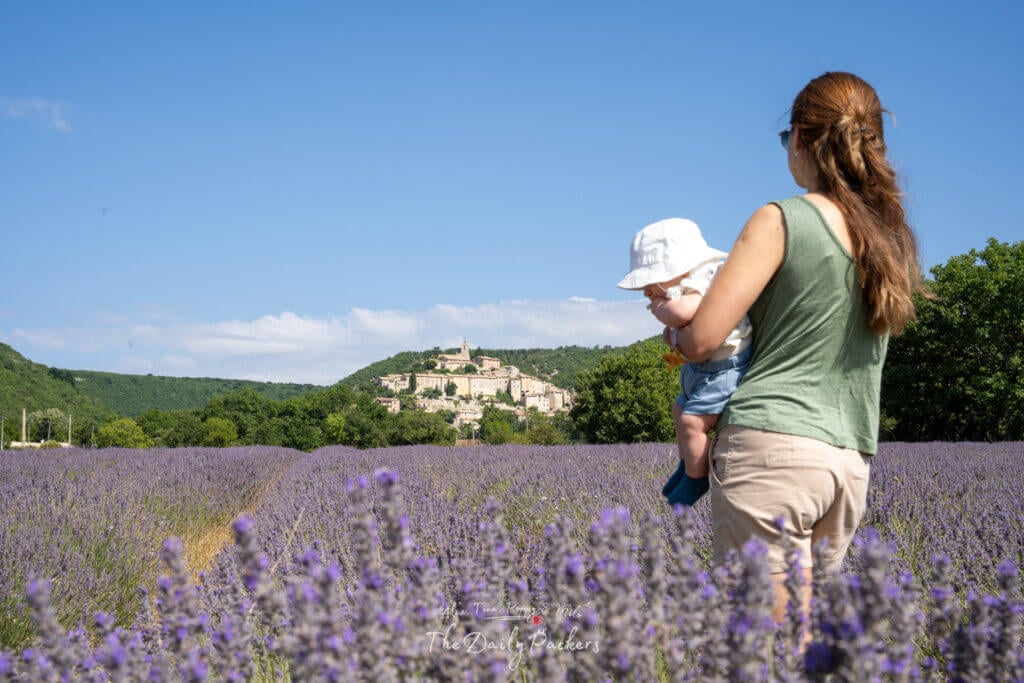
Lavender fields also capture everything we love about Provence: beautiful countryside, charming old villages, sunny skies, and that laid-back lifestyle that makes you want to slow down and savor every moment. For us, traveling there as new parents was the perfect way to ease into family trips—plenty to see, no rush, and lots of quiet spots to pause and enjoy.
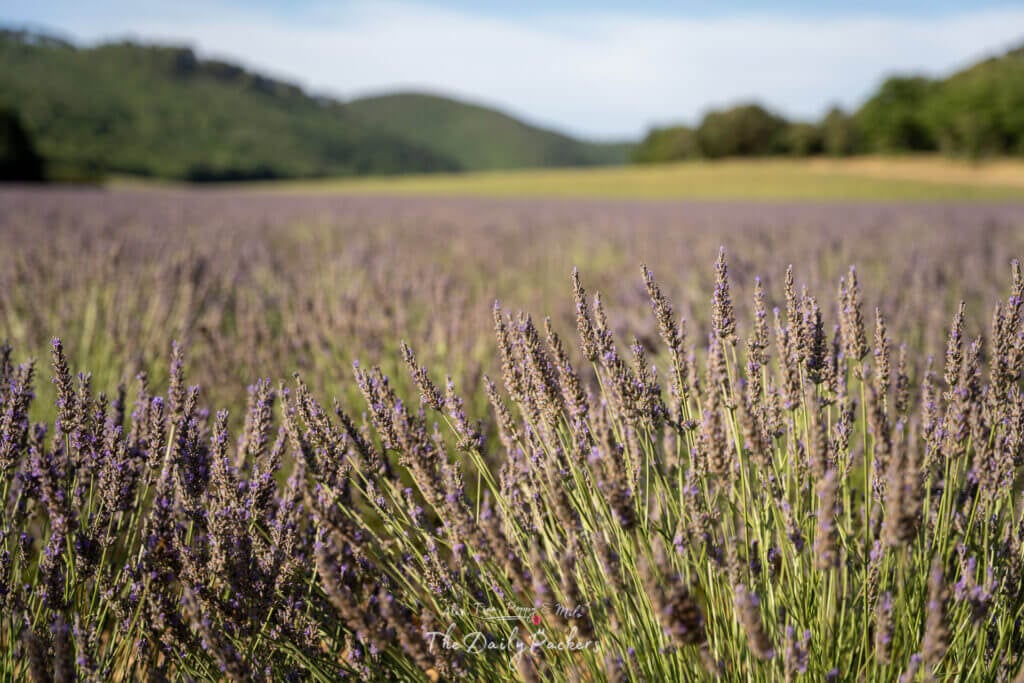
Another big plus? It’s a great spot to escape the crowds. We visited in mid-July, right in peak lavender season and even over a weekend, fully expecting it to be packed with tourists. But to our surprise, we almost didn’t see anyone else in the fields. There were hardly any cars on the small roads weaving through the lavender, and plenty of places to stop and explore completely on our own.
Whether you’re coming as a family, a couple on a romantic escape, a solo traveler with a camera in hand, or a group of friends on a road trip, the lavender fields in Provence promise a memorable, quintessentially French experience that feels surprisingly peaceful, even in high season.


We recommend to rent a car through Discover Cars with free cancellation. Book your rental car here.
How to get there
Reaching the lavender fields in Provence is fairly easy, but it does take a bit of planning, especially if you want the freedom to explore at your own pace.
By Car: The best and most flexible way to see the lavender fields is by car. We highly recommend renting one if you don’t have your own. It lets you stop whenever you want, explore little side roads, and visit smaller fields that big tour buses can’t reach. From Marseille or Aix-en-Provence, it’s about a 1.5–2-hour drive to the Valensole Plateau. Avignon and Manosque are also good bases if you want to split your time between different lavender regions.
By Train + Car: If you’re coming from further away (like Paris), you can take the TGV to cities like Aix-en-Provence, Avignon, or Marseille, and pick up a rental car there. This is a convenient combo if you don’t want to drive the whole way.
By Tour: If renting a car isn’t for you, there are plenty of guided day tours leaving from Aix-en-Provence, Avignon, and Marseille. These tours typically take you to the most famous fields in Valensole or Sault, as well as scenic villages and viewpoints. It’s less flexible, but an easy, stress-free option.
For us, having our own car was the best choice. We loved being able to stop wherever caught our eye and take our time without a schedule. It made the whole experience feel relaxed and personal.

When to visit
Timing is everything when it comes to seeing the lavender fields in Provence. While the region is beautiful year-round, the lavender bloom is seasonal—and that’s the magic most people come for.
- Spring (March to May): Temperatures are mild, around 15–22 °C (59–72 °F). The countryside is lush and green, with wildflowers everywhere. But lavender isn’t in bloom yet—fields will be green, not purple. Still, it’s a lovely time to visit the villages without crowds.
- Summer (June to August): This is lavender season. From late June to early August, fields explode in color. Peak bloom typically hits early to mid-July, with temperatures between 25–35 °C (77–95 °F).
- Autumn (September to November): Cooler temperatures around 15–25 °C (59–77 °F) make for comfortable exploring, but the lavender is harvested by August. Instead, you’ll find golden vineyards, quiet roads, and a more local feel.
- Winter (December to February): Chilly and quiet, with temperatures around 5–12 °C (41–54 °F). Many rural businesses slow down or close. Lavender fields are dormant and green, but it’s the perfect time for cozy village stays and scenic drives without any crowds.
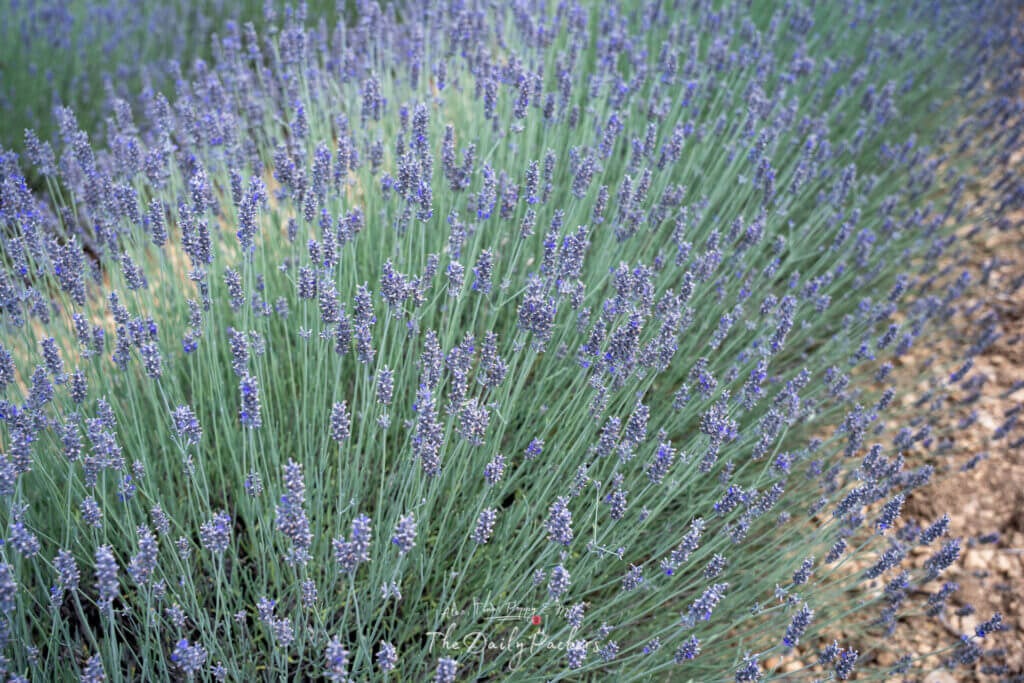
If your main goal is to see lavender in full bloom, plan for late June through mid-July—but keep in mind the exact timing can shift with the weather.
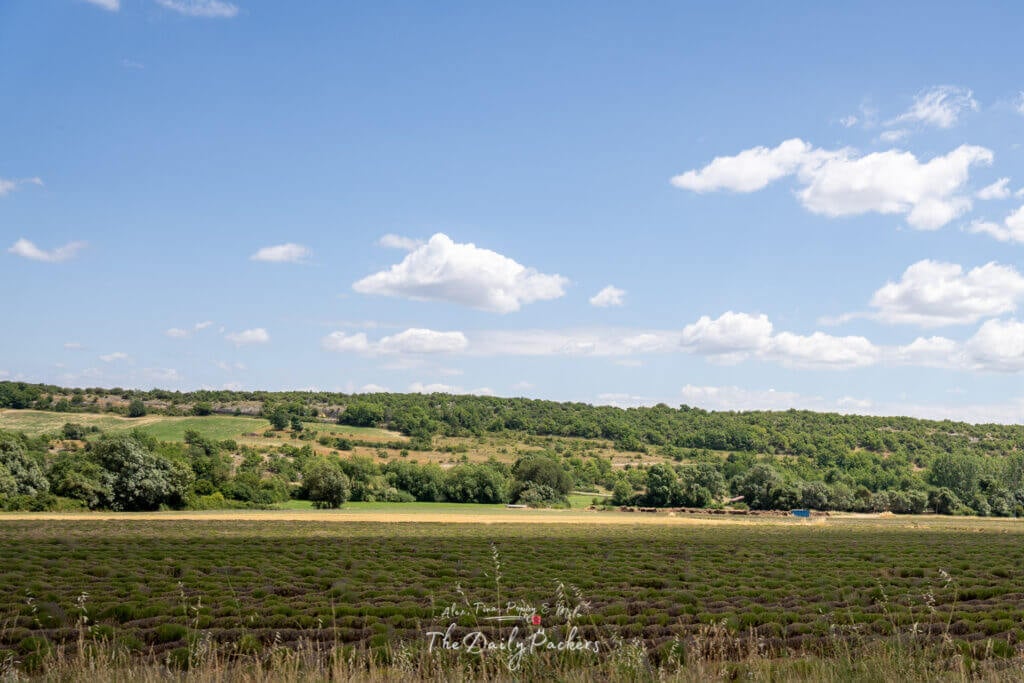
We visited in mid-July, but due to the particularly hot weather this year, most of the lavender fields in Valensole had already been harvested. Luckily, we still found beautiful fields in bloom around Banon and Sault, which are at higher elevations and tend to have a slightly later harvest. It’s a good reminder that timing can vary each year with the weather, so planning a bit of flexibility can really pay off.
How to Visit
One of the best things about exploring the lavender fields in Provence is how well it lends itself to a relaxed road trip. The fields are spread across scenic countryside, little villages, and rolling hills, so having your own car gives you the freedom to stop anywhere, take photos, and soak it all in.
We’d suggest two main routes that really showcase the best of the region:
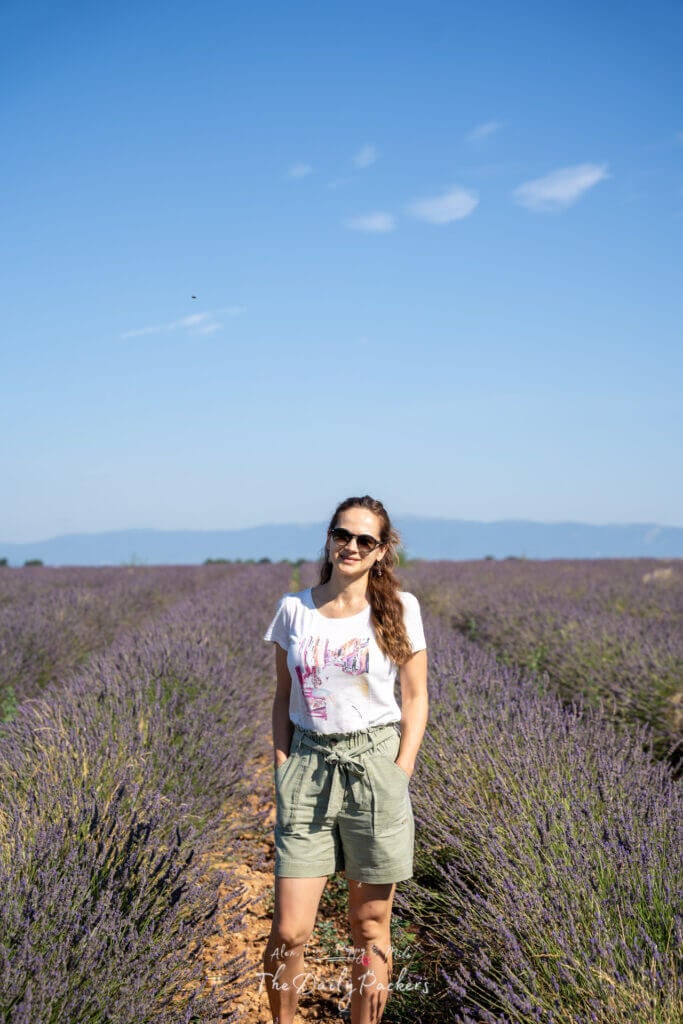
Route de la Lavande (Valensole Plateau and Beyond):
This classic route is centered around Gréoux-les-Bains, Valensole, and Puimoisson. It’s right in the heart of the most famous lavender fields—endless rows of purple stretching to the horizon. You can find more on the official map here.

But don’t stop there. Head on to Moustiers-Sainte-Marie, easily one of the most beautiful villages in the region, built into dramatic cliffs with little winding streets. If you’re up for it, continue to the Gorges du Verdon, driving the Route des Crêtes with its spectacular viewpoints, and end your road trip in Point Sublime. It’s an incredible side trip that shows off Provence’s wilder side.

Banon and Sault Region:
For something a bit quieter, and with fields that are often harvested later in the season, start in Banon, a lovely hilltop village. From there, enjoy a relaxed road trip through:
- Saint-Trinit
- Ferrassières
- Montbrun-les-Bains
- Aurel
- Sault (don’t miss the viewpoint over the fields)
- Saint-Christol
- Simiane-la-Rotonde
This region feels wilder and less commercial than Valensole, with small winding roads, peaceful fields, and charming villages where you can stop whenever you feel like it. It’s perfect if you want a slower, less crowded experience—even in peak season.
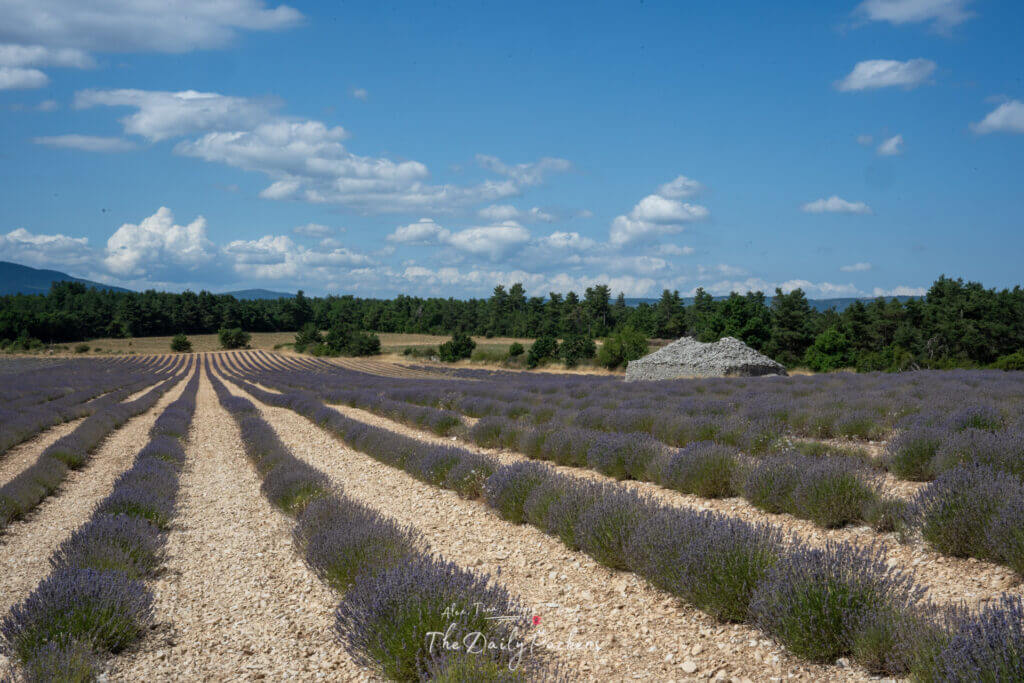
No matter which route you choose, the key is to take your time. Pack some water, a picnic, your camera, and just enjoy exploring some of the most beautiful countryside France has to offer.
Tickets & Opening Hours
One of the best things about visiting the lavender fields in Provence is that they’re free and always open. There’s no gate or ticket office for most of the fields—you’re just driving through beautiful countryside where farmers grow lavender as a real crop.
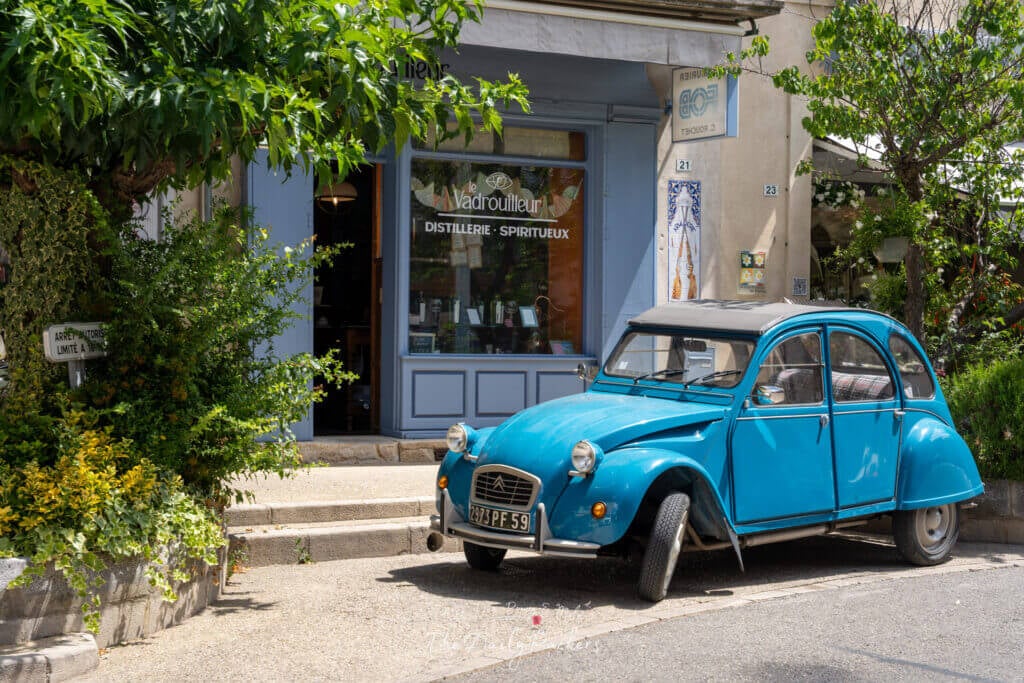
You can stop at the roadside, walk carefully along the edges (respecting the plants and private property), and take all the photos you want without paying an entry fee. Many of the farms even have small shops or distilleries where you can learn about how lavender is processed and buy essential oils, soaps, and other products straight from the source.
However, keep in mind:
- Some distilleries or local museums (like the Musée de la Lavande in Coustellet) may have set opening hours and charge a small fee. These are great if you want to learn more about lavender cultivation and history.
- Local markets and village shops also keep regular hours, usually closing for a long lunch break in true Provençal style.
Essentially, if your goal is just to see and photograph the fields themselves, there are no tickets or opening hours—just plan your route, hit the road, and explore at your own pace.
Here are all your accommodation options in Manosque
Is it Worth It?
Absolutely—it’s hard to overstate how magical the lavender fields in Provence really are. Seeing them in person is one of those bucket-list experiences that feels even better than the photos. The scent of lavender on a warm summer breeze, the endless rows of purple under a deep blue sky, the sound of bees humming, all of it creates an atmosphere that’s pure Provençal charm.
For us, it was extra special because it was our first real trip with Milo at just 3.5 months old. Even though traveling with a baby brings its own challenges, exploring these peaceful fields turned out to be the perfect family adventure. And what surprised us most was how quiet it actually was—even mid-July on a weekend, we found ourselves alone in many fields, especially in the less-touristy Banon/Sault area.
But you don’t need to be a family to love it. Solo travelers, couples, groups of friends—anyone can appreciate the mix of natural beauty, classic French countryside, and the relaxed pace of life here. Whether you want to take incredible photos, discover small villages, or just unwind in the sun, it’s a trip that feels both simple and unforgettable.
If you’re already in Provence (or thinking about visiting), it’s absolutely worth carving out a day or two to see the lavender fields. It’s the kind of experience that sticks with you long after you’ve left.
Travel Tips
A little planning goes a long way to make the most of your lavender fields in Provence adventure. Here are our best tips from our own trip:
- Timing is everything: Lavender typically blooms from late June to mid-July, but harvest times can vary with the weather. In hotter years, Valensole might be cut earlier—so consider Banon and Sault for later blooms.
- Start early or go late: For the best light and fewer crowds, visit fields around sunrise or sunset. The golden hour light makes the colors pop even more, and it’s cooler and quieter.
- Respect the fields: Stay on paths or edges. These are working farms, and trampling the plants damages the harvest.
- Bring water and snacks: Many fields are remote, with limited services nearby. Having water, a picnic, and sunscreen on hand is a good idea.
- Watch for bees: Lavender fields are buzzing with life—literally. Bees love them (and help pollinate), so be gentle and respectful, and you’ll avoid any stings.
- Map your route: GPS can be patchy on small roads. Download offline maps or plan ahead to avoid getting lost.
- Don’t rush: The fields are only part of the experience. Take time to stop in little villages, visit local markets, and chat with producers at distilleries. It’s all part of what makes Provence so special.
- Flying a drone: Provence’s lavender fields are stunning from the air, but always check local rules as they may change over time. Some areas are near nature reserves or villages with restrictions. Be respectful of farmers and other visitors, and avoid flying low over people or animals. Especially the bees, your drone sound may disturb them.
- Check local events: Summer often brings lavender festivals, markets, and open days at distilleries—great chances to learn more and buy local products straight from the source.
We found that taking it slow, being flexible, and just enjoying the ride turned our lavender adventure into one of our most memorable family trips.

Tip: We never travel without our DJI Mini 3 PRO drone anymore — it’s totally worth having to capture places from a whole new perspective.
Where to stay
Where you base yourself can make a big difference when exploring the lavender fields in Provence, especially if you want to visit both the Valensole and Sault/Banon regions without too much driving in one day.
For our trip, we chose Manosque, a lovely little town that turned out to be the perfect base. It sits right between the two main lavender areas, making it easy to explore both Valensole and Banon/Sault without rushing. Manosque also has shops, restaurants, and that relaxed Provençal vibe that makes evenings just as nice as your days out in the fields.

Here is where we would recommend staying:
- La Bastide de l’Adrech – A charming, welcoming spot with Provençal character and relaxing countryside views.
- Airbnb: T2 Hypercentre climatisé Véranda Parking gratuit – Great for those who want their own space in the center of town, with the bonus of air conditioning and free parking.
If you want to stay in a bigger city with more amenities and better access:
- Avignon – Great for history, culture, and easy access to tours. Plus, we love Avignon
- Marseille – A lively port city with plenty of transport links and services. Marseille is the biggest city in the area, but we don’t like it too much, especially because it isn’t a safe place.
- Nice – Ideal for combining lavender adventures with the French Riviera. Nice is an amazing place to stay at.
Oh, and be sure to let us know in the comments what you thought about the lavender fields of Provence. We would love to hear your feedback and if like us you enjoyed this experience and those beautiful lavender fields.
Here are all your accommodation options in Manosque
About the authors
We are Alex and Tina, a French-Serbian couple who met in China back in 2014. We spent three incredible years there before making France our home. Our shared passion for travel has been the heartbeat of our relationship for over 12 years, taking us across 44 countries and counting.
We launched TheDailyPackers in 2019 as a way to document our adventures. In 2026, we reached a major milestone by officially turning our blog into our full-time job. While we are still growing toward financial independence through this platform, every article we write is fueled by our mission to make your voyages easier through in-depth guides, honest advice, and the lessons we’ve learned from our own mistakes.
Our journey has not been without its storms. In 2023, our world changed forever when our first son, Poppy, was stillborn on November 25th. It was, and remains, the hardest chapter of our lives. In 2025, we were blessed with our second little boy, Milo. He has since joined our traveling tribe, and you’ll be seeing him—and the reality of traveling with a little one-on the blog more and more.
We hope to inspire you to explore the world with curiosity and resilience. Thank you for being part of our story.
You may also like those related posts
Best eSIM for International Travel in 2025
9 Best Things to do in Rabat, Morocco, in 1 day or more
6 Powerful Reasons to switch to a Plant-based diet
16 best things to do in Bled, Slovenia, in 3 days or more
The perfect 2-week Baltic States Itinerary
7 to 18-Day Peru Itinerary: Best Guide for Exploring Peru
14 best things to do in Zadar, in Croatia, in 1 to 4 days
Hanoi train Street: Still Worth It in 2025?
Pssst, did you know that…
If you purchase something through our links, we earn a small fee. However, you still pay the same. Win-win! And one day we may get to be full-time travel bloggers =)
Find Hotels with Booking.com
Do Yoga with KVY
Buy us a Coffee
Rent a car with DiscoverCars
Find Attractions with GetYourGuide
Find Flights with Expedia
Buy an eSIM with Airalo
Get insured with World Nomads
Get ready with Amazon.com