

Introduction
Thailand is one of the best destinations in Southeast Asia. It really has everything a traveler could want: friendly, welcoming people, easy-to-use transportation, stunning landmarks, breathtaking natural scenery, and, on top of it all, it’s budget-friendly.
It’s a country for every kind of traveler—families, solo adventurers, couples, friends—as well as anyone who loves nature, jungle hikes, beaches, new experiences, culture, art, or lively nightlife.
This 2-week itinerary in Northern Thailand takes you first to the north, where you can explore the jungle and soak up a more laid-back vibe, before heading south to discover Thailand’s famous islands.
Let’s dive into what you could do on this 2-week journey through Northern Thailand.


Read: The perfect 3-week Thailand Itinerary
Getting There
Thailand is very well connected to the rest of the world. Most international travelers arrive through Bangkok’s Suvarnabhumi Airport (BKK), the country’s main hub with many direct flights from Europe, Asia, and beyond. Don Mueang Airport (DMK) also serves low-cost carriers for regional routes.
If you’re arriving from nearby countries, consider flying into Chiang Mai (CNX) in the north or Phuket (HKT) and Krabi (KBV) in the south—these airports have international connections and can save you time.
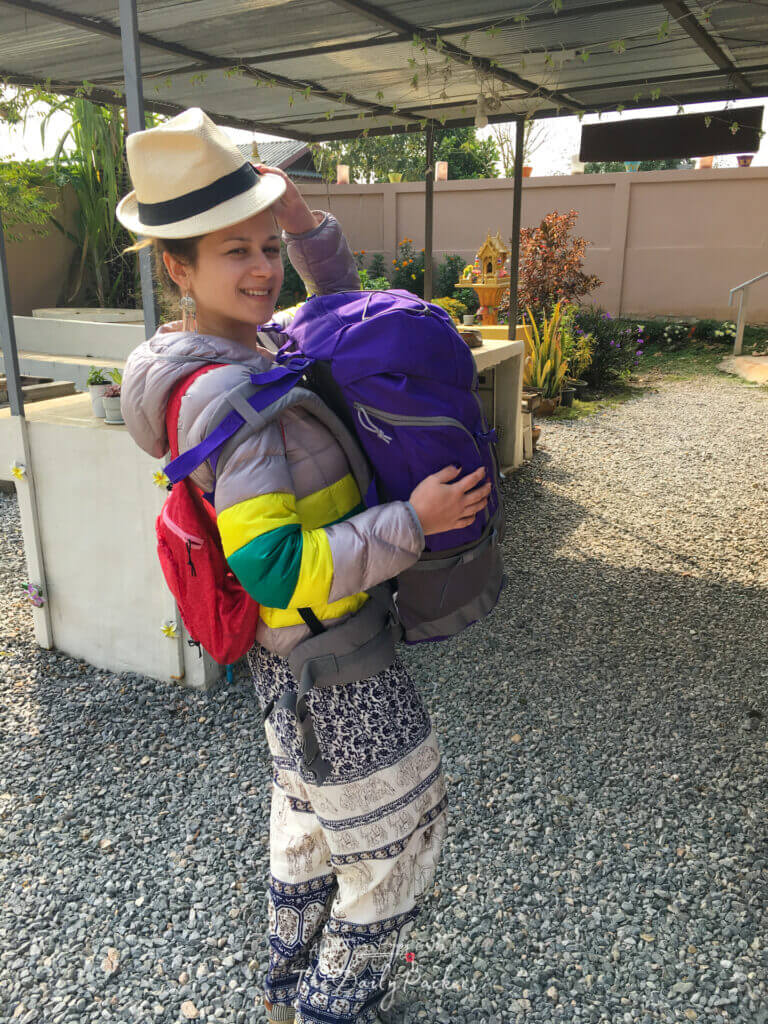
Moving Around
Thailand is one of the easiest countries in Southeast Asia to travel through. For long distances, domestic flights are cheap and save time. Trains are comfortable and scenic, especially the overnight routes between Bangkok and Chiang Mai. Buses and minibuses connect almost every town, and you’ll find options for all budgets.
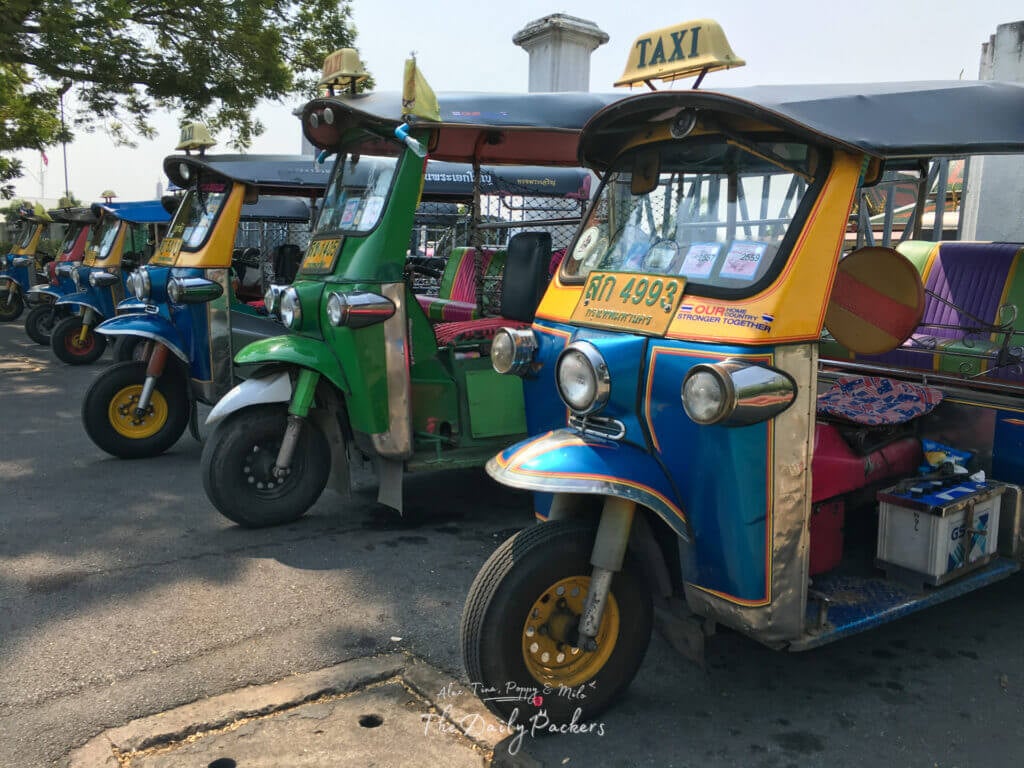
In cities, tuk-tuks, local buses, songthaews (shared pickup taxis), and Grab (Asia’s Uber) make getting around easy. On the islands, renting a scooter is the most flexible way to explore—but always wear a helmet and drive carefully.
When to Visit
Thailand is a year-round destination, but the best time depends on where you’re going:
- November to February is the cool and dry season across most of the country, with temperatures between 20–30 °C (68–86 °F). This is the most comfortable time to travel, especially in the north.
- March to May is hot season, with temperatures rising to 35–40 °C (95–104 °F). It can be intense in the cities, but it’s a good time for beach lovers.
- June to October is rainy season, bringing short, heavy downpours but also lush landscapes and fewer crowds. Rain varies by region and often comes in afternoon bursts, leaving the rest of the day dry.
We love visiting in the cool season for comfortable travel and great weather for both the north and the islands in the south.


Where to Stay
Thailand has some of the best-value accommodation in the world. You’ll find everything from simple hostels and guesthouses for a few euros a night to luxurious beach resorts and boutique jungle lodges.
Booking in advance is recommended during peak season (November to February) and around Thai holidays. In general, you’ll find better prices outside tourist hotspots and on weekdays.
We actually like to mix it up—staying in locally run guesthouses for their warm hospitality, home-cooked meals, and insider tips, and then treating ourselves to a few nights in a nice hotel or resort to relax in comfort.
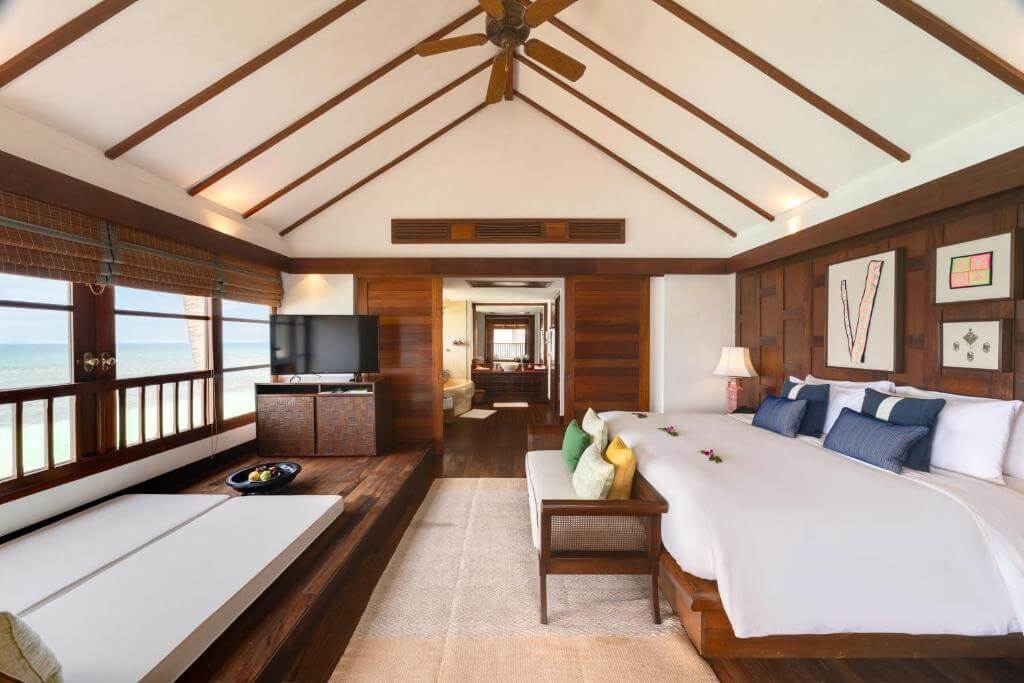

Don’t forget to book your accommodations in advance – the best places always fill up quickly.
What to Eat
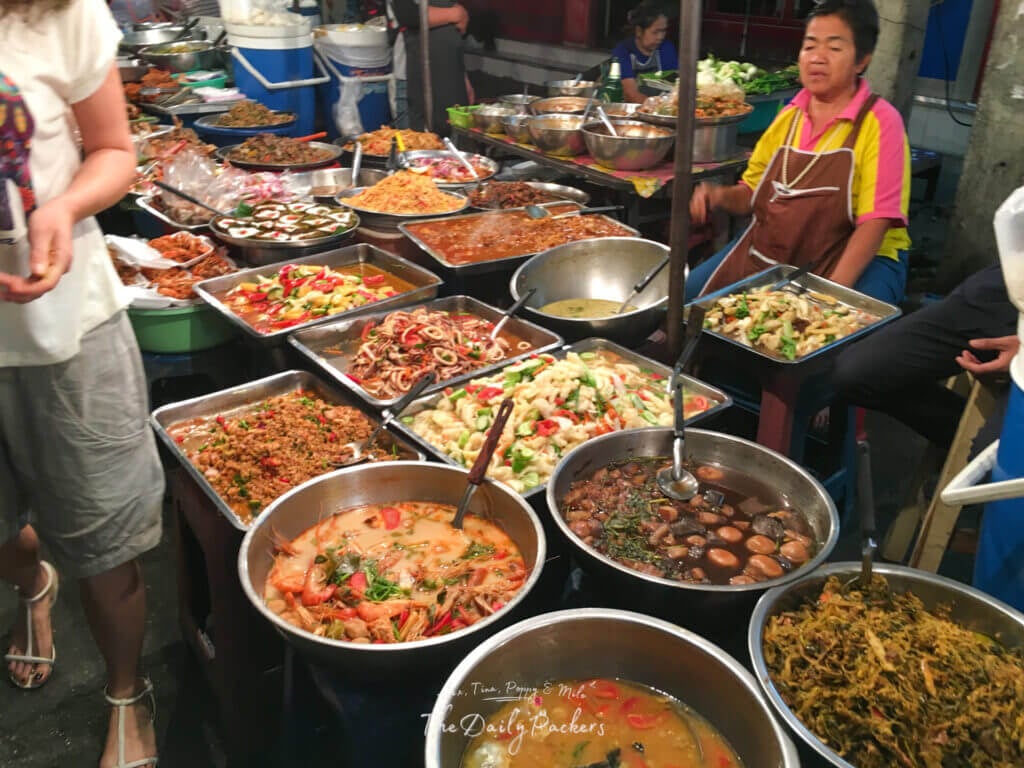
Thai food is a huge part of the experience here. From street food stalls to markets to local restaurants, it’s affordable and incredibly tasty. Don’t miss:
- Pad Thai – Stir-fried noodles with shrimp or chicken
- Som Tam – Spicy green papaya salad
- Pad See Eiw – Thick noodles in soy sauce
- Khao Pad – Fried rice with egg and your choice of meat
- Gaeng Keow Wan – Green curry with coconut milk
- Pad Phak – Stir-fried vegetables
- Kao Niew Ma Muang – Mango sticky rice dessert
We especially recommend trying street food—it’s where you’ll find the best flavors at the best prices. And don’t forget to cool down with an iced Thai tea or fresh coconut water on a hot day!

Tip: We never travel without our DJI Mini 3 PRO drone anymore — it’s totally worth having to capture places from a whole new perspective.
Northern Thailand Itinerary Overview
Northern Thailand is an entirely different vibe—cooler mountains, jungle-covered temples, and a slower, more local rhythm.
- Day 1: Arrive in Bangkok. Evening stroll at the Flower Market and a rooftop bar.
- Day 2: Grand Palace, Wat Pho, Wat Arun, and boat ride along the Chao Phraya.
- Day 3: Floating Market, Chinatown, malls, Wat Saket, and Khao San Road.
- Day 4: Chatuchak Weekend Market or day trip to Ayutthaya.
- Day 5: Fly to Chiang Rai. Explore the night market and clock tower.
- Day 6: Black House, Khun Korn Waterfall, Wat Huay Pla Kang.
- Day 7: Golden Triangle day tour.
- Day 8: White Temple and Blue Temple visits.
- Day 9: Bus to Chiang Mai. Walk around the old town and Night Bazaar.
- Day 10: Visit Wat Suan Dok, Silver Temple, Wat Phra Singh, Wat Chedi Luang.
- Day 11: Doi Suthep and relax at Mae Sa Waterfall.
- Day 12: Ethical Elephant Rescue Centre visit.
- Day 13: Day trip to Doi Inthanon National Park.
- Day 14: Fly back to Bangkok and head home.

Northern Thailand Itinerary – day by day
Day 1: Arrive in Bangkok
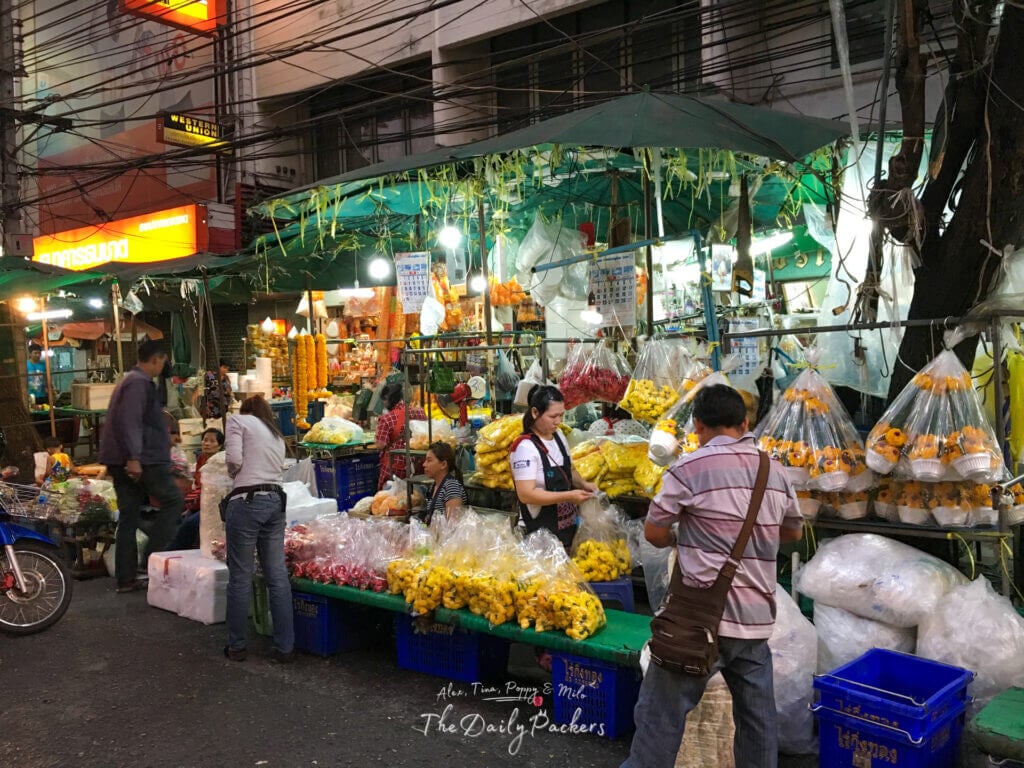
Kick off your adventure before diving into your northern Thailand itinerary. Land in Bangkok and get settled. In the evening, wander through Bangkok’s Flower Market (Pak Khlong Talat) to soak up local life and colors. Finish the night with a drink at a rooftop bar to see the city lights in style.
Where to stay:
- (€) Gardina Asoke Hotel & Residence: Great value with spacious rooms in a central location near public transport. Ideal if you want comfort without breaking the bank.
- (€€) Eastin Grand Hotel Phayathai: A stylish choice with excellent service, a beautiful pool, and direct access to the Phayathai BTS station. Perfect for exploring the city with ease.
- (€€€) Four Seasons Hotel Bangkok at Chao Phraya River: For a luxurious stay on the river. Stunning design, exceptional dining, and peaceful views away from the city bustle. Ideal for relaxing after busy days exploring Bangkok.
Read: 12 Best Things to do in Bangkok, Thailand, in 3 to 4 days
Day 2: Explore Bangkok’s Cultural Highlights
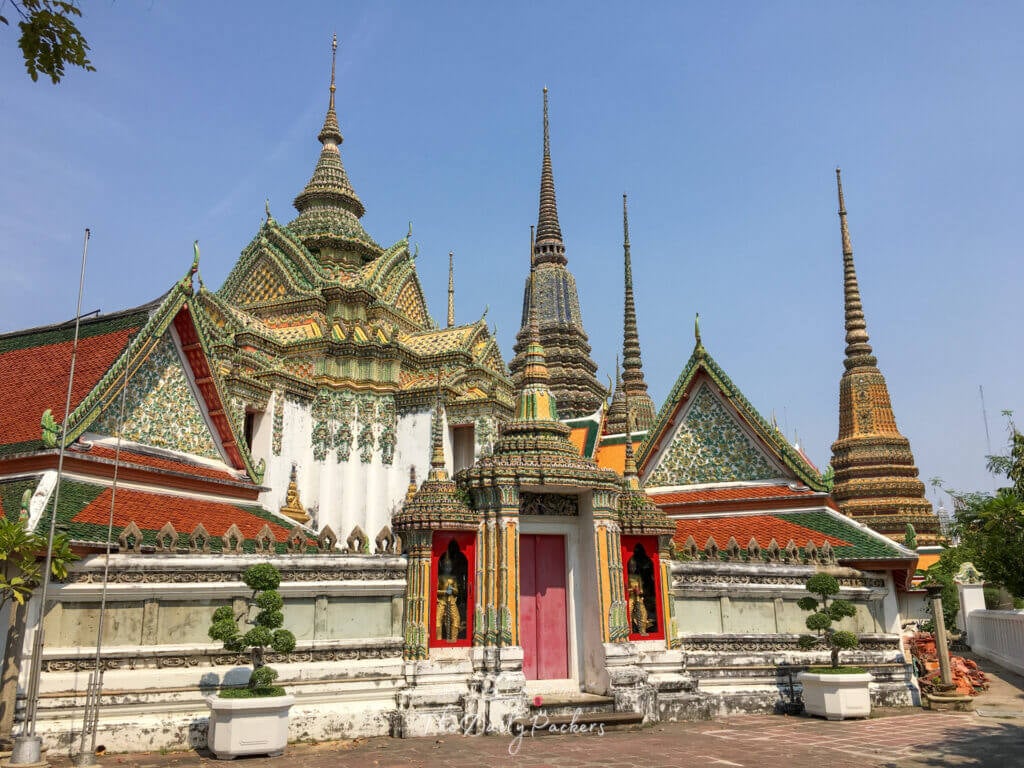
Start your northern Thailand itinerary with a full day soaking in Bangkok’s incredible landmarks. Begin early at the Grand Palace and Wat Phra Kaew, where intricate architecture and shimmering temples showcase Thailand’s royal history. Wander next door to Wat Pho to see the 46-meter-long Reclining Buddha, one of the city’s most famous sights.
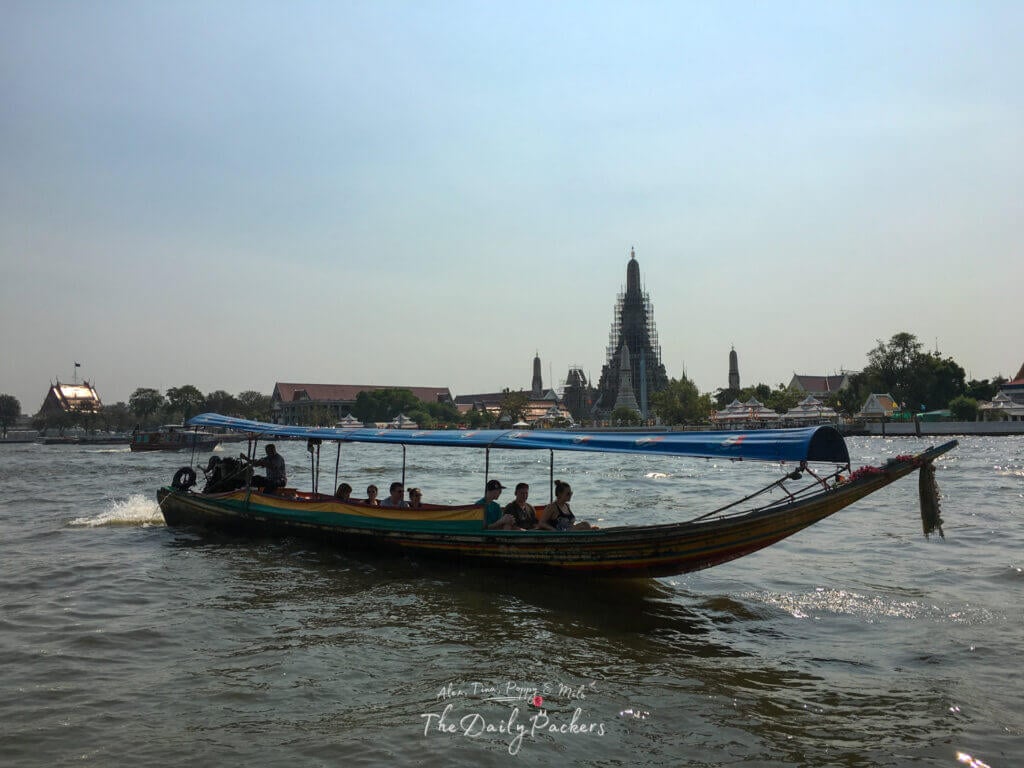
Hop on a boat trip along the Chao Phraya River to cross over to Wat Arun, the Temple of Dawn, where its ceramic-covered spires catch the evening light. Wrap up the day with dinner in town or drinks at a rooftop bar, watching the city skyline glow after dark.
Day 3: Dive into Bangkok’s Local Life
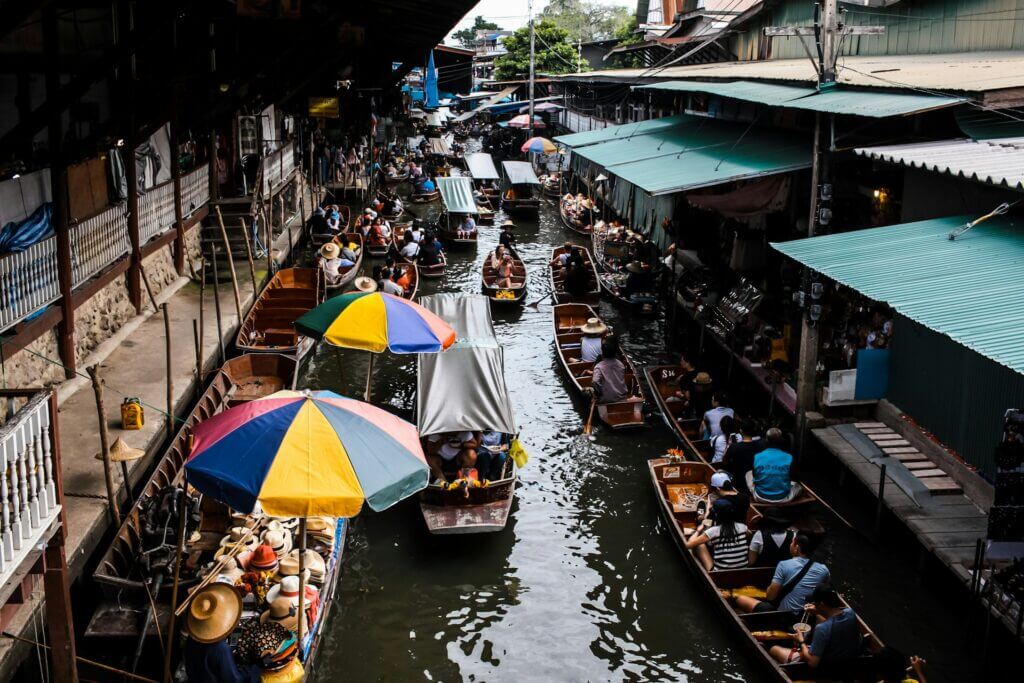
Your northern Thailand itinerary isn’t complete without experiencing Bangkok’s markets and street culture. In the morning, head out to one of the city’s floating markets. Whether it’s Taling Chan or Khlong Lat Mayom, you’ll find boats piled high with fresh fruit, snacks, and flowers—perfect for photos and tastings.
After returning to the city, wander the busy lanes of Chinatown Yaowarat Road for lunch. Expect sizzling woks, gold shops, and endless street food. Next, cool off in one of Bangkok’s malls (they’re practically sightseeing destinations themselves).
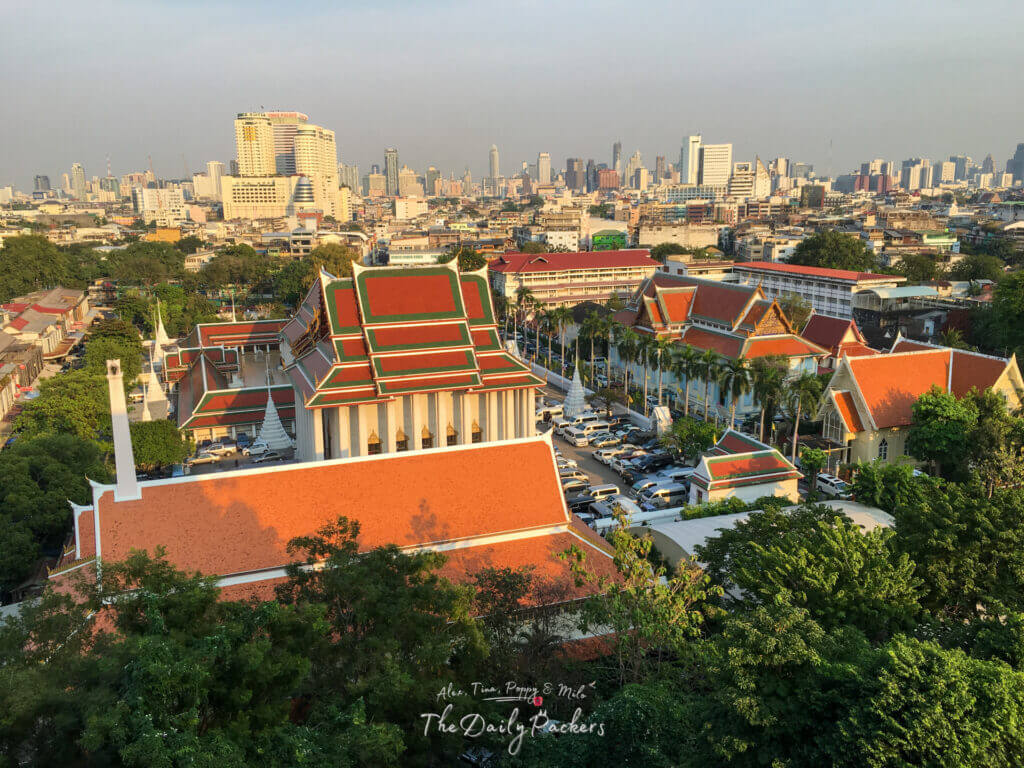
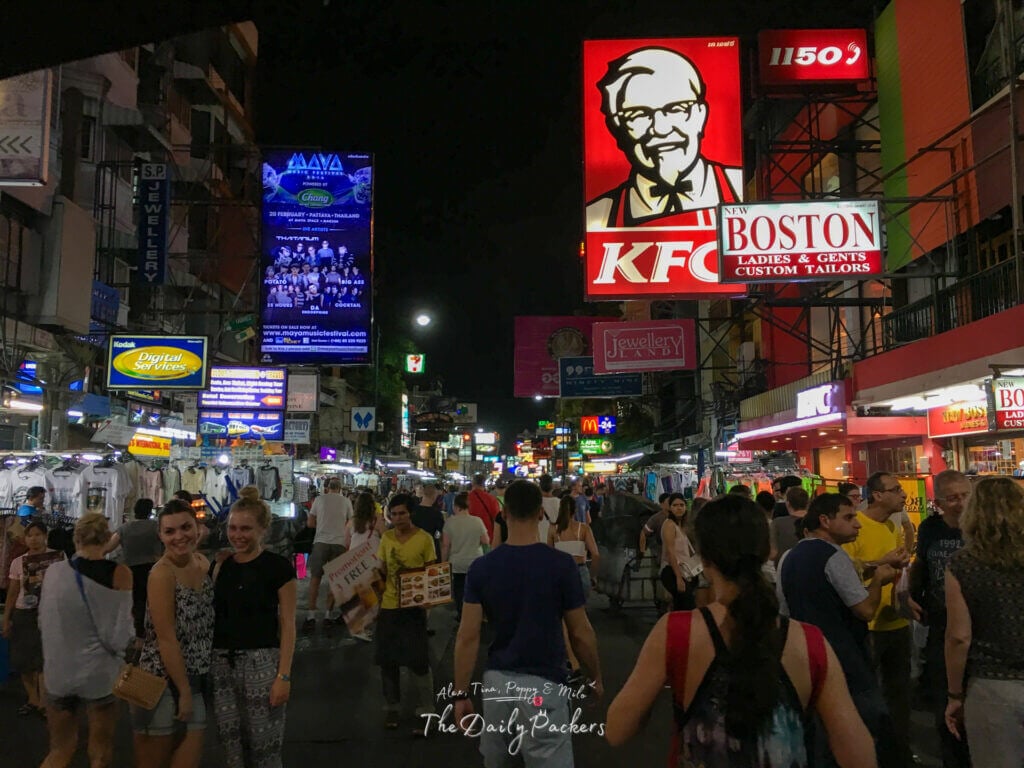
Finish your day with a visit to Wat Saket (Phu Khao Thong). Climb to the top of the Golden Mount for panoramic views, then explore Khao San Road at night—crowded, neon-lit, and buzzing with backpackers, bars, and street vendors.
Day 4: Markets and Heritage in Bangkok
Your northern Thailand itinerary adventure wraps up in Bangkok before heading north. Start your day at the famous Chatuchak Weekend Market (if you’re there on a weekend). This sprawling market has over 8,000 stalls selling everything from clothes to antiques to pets—don’t forget to bargain.

If markets aren’t your thing, consider a day trip to Ayutthaya instead. Just a short train or van ride away, Ayutthaya is a UNESCO World Heritage Site packed with ancient ruins and Buddha statues entwined in tree roots—an incredible slice of Thai history.
Whichever you choose, enjoy your last full day in Bangkok before your northern journey begins!

Day 5: Fly to Chiang Rai and Start Your Northern Thailand Itinerary
Today marks the real beginning of your northern Thailand itinerary! Catch an early flight from Bangkok to Chiang Rai, the relaxed northern city famous for its unique art and temples.
After arriving and checking in, take time to explore Chiang Rai city itself. Wander around the Night Market for local street food and souvenirs, and don’t miss the Clock Tower, which lights up with a colorful show after dark.
Chiang Rai is smaller and calmer than Bangkok, giving you your first taste of the laid-back northern vibe that makes this region so special.
Where to stay
- (€) Stay In Chiangrai – Great value, comfortable rooms, and friendly service in the heart of the city.
- (€€) Le Patta Resort & Hotel Chiang Rai – A well-located option with a pool, spacious rooms, and an easy walk to the Night Bazaar.
- (€€€) Le Meridien Chiang Rai Resort, Thailand – Set along the river, this beautiful property offers luxury amenities, excellent dining, and peaceful gardens.

Read: 12 Best Things to do in Chiang Rai, Thailand, in 3 to 4 days
Day 6: Black House, Khun Korn Waterfall & Wat Huay Pla Kang
Dive deeper into your northern Thailand itinerary by exploring Chiang Rai’s artistic and natural wonders. Start at Baan Dam Museum (Black House) — an eccentric collection of dark, beautifully crafted wooden buildings filled with local art. It’s free to wander and unlike anything else in Thailand.

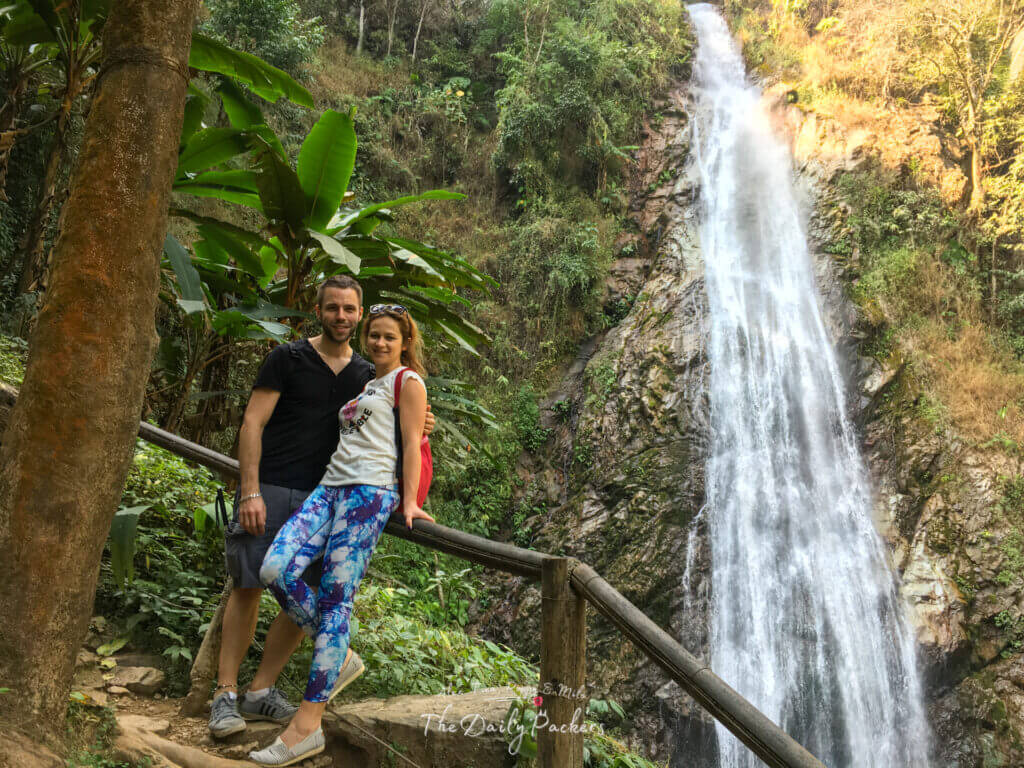
Next, drive or ride to Khun Korn Waterfall, about 30 minutes out of town. Hike the 1.4 km jungle trail to find one of northern Thailand’s most impressive waterfalls — a cool break from the heat.
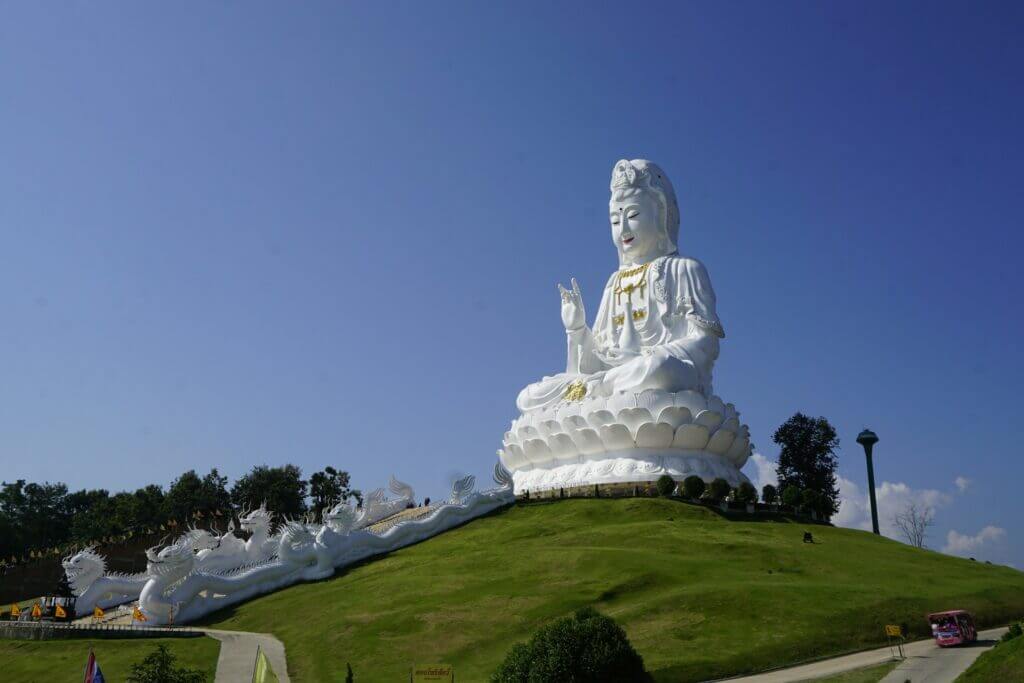
Finish with a visit to Wat Huay Pla Kang, a hilltop temple complex featuring the enormous white statue of the Goddess of Mercy. Climb inside for panoramic views over the countryside — one of the best photo spots around.
Day 7: Golden Triangle Tour
No northern Thailand itinerary is complete without venturing up to the historic Golden Triangle — the spot where Thailand, Laos, and Myanmar meet along the Mekong River.
We did this as a full-day tour from Chiang Rai, which made everything easy. First stop: the Long Neck Village. While it can feel touristy, it’s a chance to learn about the Karen tribe’s unique traditions (but always visit with respect and awareness).

Next, visit Wat Phra That Doi Wao, a temple perched above the river with sweeping views into Myanmar. Don’t miss the giant scorpion statue guarding the border! Stop at the Fish Cave, better known for the cheeky monkeys roaming around the temple. We had a blast watching them dart in and out of the jungle.

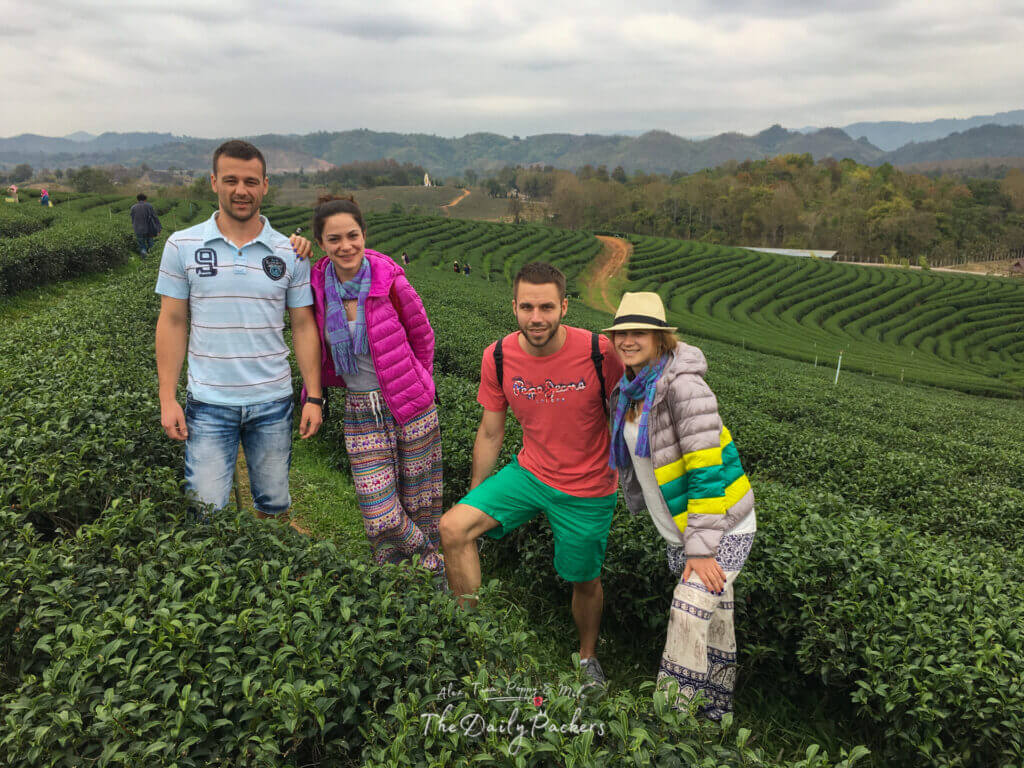
Continue to the Choui Fong Tea Plantation, one of Thailand’s biggest. It’s more about the stunning green landscapes than the factory tour. Enjoy a tea tasting or wander among the fields.
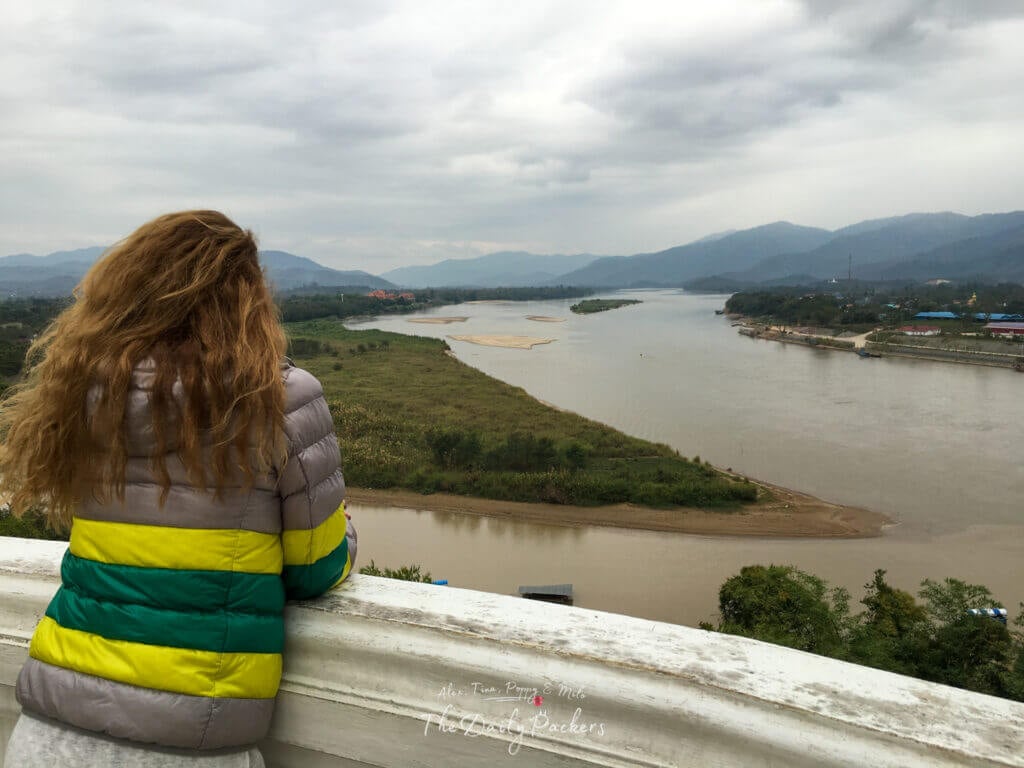
Finally, arrive at the Golden Triangle Viewpoint itself — see the mighty Mekong and the meeting point of three countries, a place once infamous for opium trade but now a fascinating cultural stop.
Day 8: The White Temple and Blue Temple in Chiang Rai
Our northern Thailand itinerary wouldn’t be complete without visiting Chiang Rai’s most iconic landmarks. This day is all about the city’s striking, modern temple art.
First up, Wat Rong Khun — the famous White Temple. This is Chiang Rai’s star attraction and for good reason. Designed by Thai artist Chalermchai Kositpipat, it’s an otherworldly mix of blinding white plaster, mirrored tiles, and intricate sculptures. Even the bridge into the temple, with its sea of reaching hands, feels like something out of a dream. We loved wandering the grounds and soaking in all the bizarre details.

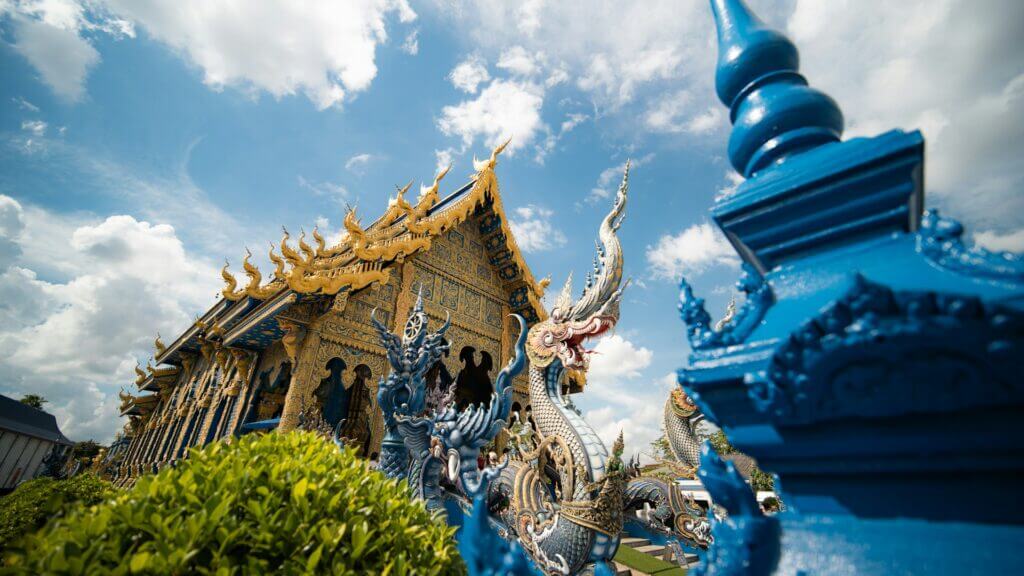
Next, head to Wat Rong Seua Ten, better known as the Blue Temple. Completed in 2016, this temple is vivid and bold, with bright cobalt walls and gleaming gold accents. The main Buddha inside is stunning in serene white. It feels modern yet deeply spiritual — and definitely less crowded than the White Temple, making it a great place to linger and take photos.
By the end of the day, you’ll have seen some of the most unique and photogenic sights in northern Thailand.
Day 9: Travel to Chiang Mai and Explore the City
Today you’ll leave Chiang Rai behind and head south toward Chiang Mai, the cultural capital of northern Thailand. Expect a relaxed morning—grab one last coffee or fresh fruit juice in Chiang Rai before hopping on your bus or private transfer. The journey takes about 3 to 4 hours, winding through green hills and small towns.
When you arrive in Chiang Mai, check into your guesthouse or hotel. This is a city with accommodation for every style, from cozy guesthouses in the old town to boutique hotels with pools.
Where to stay:
- (€) Green Sleep Hostel – A clean and cozy hostel right in the Old Town, perfect for backpackers or budget-conscious travelers who want to be close to the temples, markets, and street food.
- (€€) Smile Lanna Hotel – A peaceful mid-range stay with traditional Lanna design, a great pool, and easy access to Chiang Mai Gate and the Saturday Night Market.
- (€€€) Villa Mahabhirom – SHA Plus – A stunning boutique hotel offering restored Thai villas, lush gardens, and a serene atmosphere just outside the busy center — ideal for a more relaxed, upscale stay.

Once you’re settled, it’s time to get your first taste of Chiang Mai. Start by wandering the old city’s narrow lanes, discovering crumbling temples and little cafes. You might stop for a cold coconut, some fresh fruit, or even your first bowl of Khao Soi, Chiang Mai’s famous curry noodle soup.
If you have time before dark, head over to one of the city’s local markets to browse souvenirs and sample street food. In the evening, don’t miss the Night Bazaar—a must for shopping, people-watching, and eating.
It’s a travel day, but you’ll still get a real feel for why Chiang Mai is a highlight of any northern Thailand itinerary.

Read: 11 Best things to do in Chiang Mai, Thailand, in 3 to 4 days
Day 10: Discover Chiang Mai’s Temples and the Night Bazaar
Today on your northern Thailand itinerary, you’ll dive into the old town’s temple-hopping adventure. Start your morning at Wat Suan Dok, just outside the old city walls. It’s a quieter spot with elegant white chedis, perfect for easing into the day.

Next, head to Wat Sri Suphan, the famous Silver Temple. The entire exterior is wrapped in intricate silverwork—it’s truly unlike anything else in Thailand. Just note, if you’re a woman, you won’t be able to enter the main hall, but the outside is stunning on its own.

Afterward, wander over to Wat Phra Singh, one of Chiang Mai’s most iconic temples, with its beautiful Lanna-style architecture. It’s often busy but well worth your time. Then make your way to Wat Chedi Luang, where the massive ruined stupa towers over the old city. It’s an impressive site with so much history to take in.

When you’re ready for a break, relax at your guesthouse or grab some street food—Chiang Mai is the perfect place to sample fresh mango sticky rice. In the evening, head back out to the Night Bazaar. Even if you’ve already been, it’s worth another visit for the lively atmosphere, new stalls, and endless street food options.
Day 11: Doi Suthep and Mae Sa Waterfall
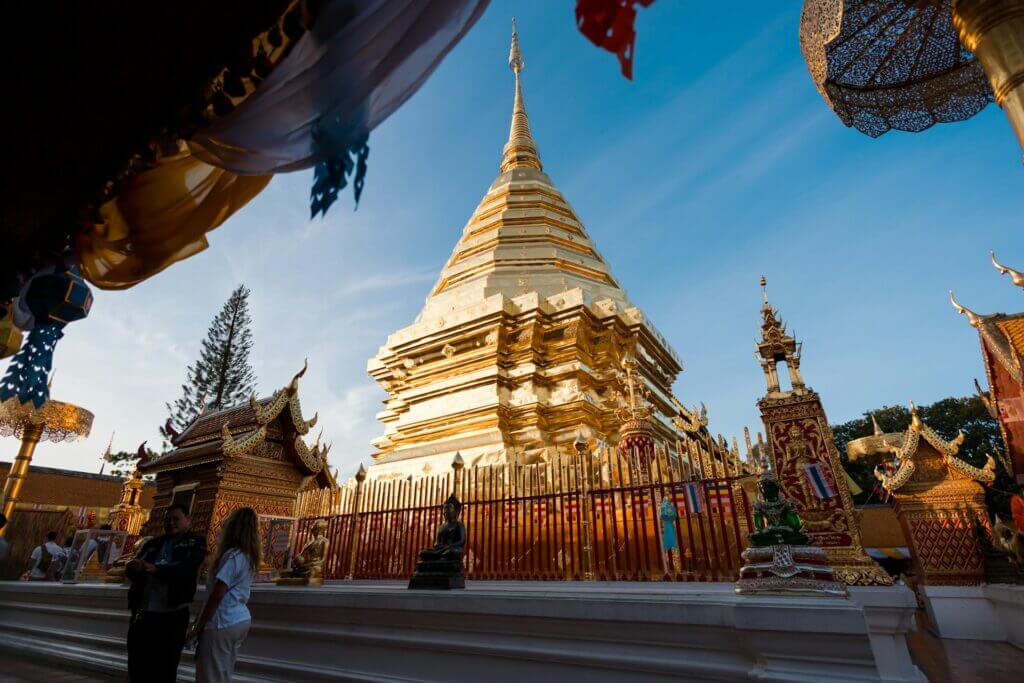
Today you’ll head into the hills for some of Chiang Mai’s most famous scenery. Start early and drive or take a songthaew up to Doi Suthep. The winding road offers fantastic views, and at the top, you’ll visit Wat Phra That Doi Suthep, Chiang Mai’s most iconic temple. Climb the naga-lined stairs and admire the golden chedi, panoramic views of the city, and the sound of monks chanting.
Afterward, continue on to Mae Sa Waterfall, an easy, laid-back spot that’s perfect for cooling off. The park has a series of cascading levels you can walk along and even picnic beside. It’s a great place to slow down and enjoy nature after all those temple visits.
You’ll return to Chiang Mai in the late afternoon with time to rest or maybe squeeze in one more round at the Night Bazaar. This day strikes a balance between spiritual sights and natural beauty—one of the highlights of northern Thailand.

Day 12: Visit a Save & Rescue Elephant Centre
Today is one of the most meaningful experiences you can add to your northern Thailand itinerary. You’ll visit a Save & Rescue Elephant Centre, where you’ll learn about the lives of these incredible animals and see firsthand how they’re cared for after being rescued from hard labor or tourism abuse.
You’ll start your day by getting picked up and driven out into the countryside. At the centre, you’ll change into traditional mahout clothes and begin learning about elephant behavior, history, and conservation in Thailand.

One of the highlights? Feeding the elephants their favorite treats. Watching them up close—seeing their personalities, intelligence, and gentleness—is unforgettable.
Depending on the program and the season, you might help bathe them in a nearby river or simply observe them socializing and wandering freely in a safe environment.

What’s great about these ethical rescue centres is that there’s no riding. Instead, you’re supporting sustainable tourism that actually benefits the animals.
At the end of the day, you’ll return to Chiang Mai, full of new insights and maybe a bit muddy. It’s the perfect way to round out your time in northern Thailand, combining education, adventure, and real impact.

Day 13: Day Trip to Doi Inthanon National Park
Leave Chiang Mai early to visit Doi Inthanon, Thailand’s highest peak. The drive takes you through scenic mountain roads to the cool, misty air of the park. Visit the King and Queen pagodas for stunning views over the valleys and enjoy beautifully manicured gardens.
Explore the cloud forest with its mossy trees and rare plants. Hike a short trail like Kew Mae Pan (open seasonally with a guide) for panoramic vistas. Don’t miss waterfalls such as Wachirathan and Sirithan, perfect for photos and a refreshing break.
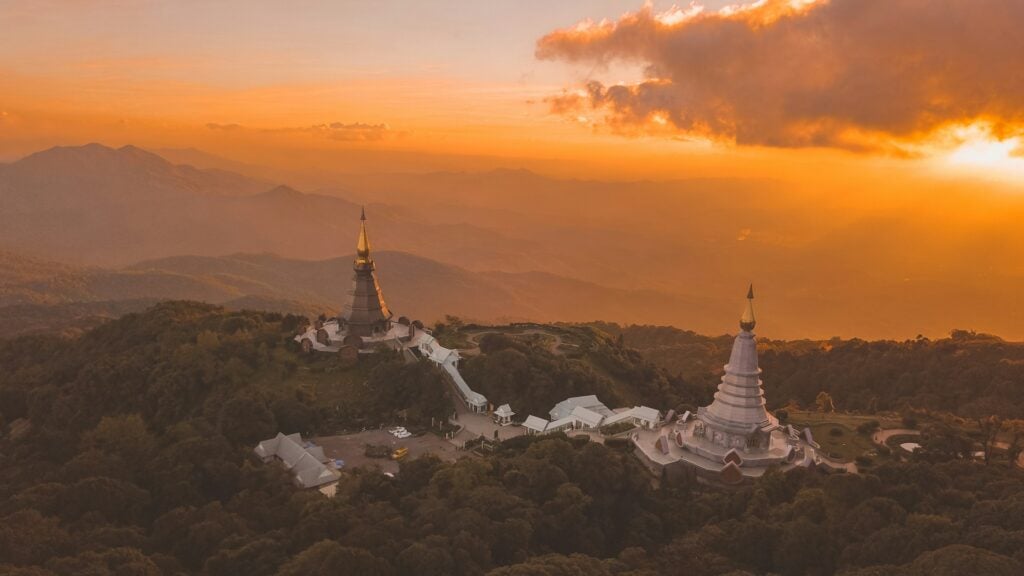
Day 14: Fly Back to Bangkok and Head Home
Enjoy a final Chiang Mai breakfast before catching your flight back to Bangkok. Depending on your schedule, squeeze in a last wander through local shops or cafés.
Most flights connect via Bangkok, making it easy to plan your journey home. If you have a long layover, consider storing your bags and heading back into the city for one last meal or a quick temple visit.
It’s the perfect way to wrap up two weeks in Thailand, with memories of buzzing cities, serene temples, lush jungles, and stunning beaches to take home with you.
Read: The perfect 3-week Thailand Itinerary
About the authors
We are Alex and Tina, a French-Serbian couple who met in China back in 2014. We spent three incredible years there before making France our home. Our shared passion for travel has been the heartbeat of our relationship for over 12 years, taking us across 44 countries and counting.
We launched TheDailyPackers in 2019 as a way to document our adventures. In 2026, we reached a major milestone by officially turning our blog into our full-time job. While we are still growing toward financial independence through this platform, every article we write is fueled by our mission to make your voyages easier through in-depth guides, honest advice, and the lessons we’ve learned from our own mistakes.
Our journey has not been without its storms. In 2023, our world changed forever when our first son, Poppy, was stillborn on November 25th. It was, and remains, the hardest chapter of our lives. In 2025, we were blessed with our second little boy, Milo. He has since joined our traveling tribe, and you’ll be seeing him—and the reality of traveling with a little one-on the blog more and more.
We hope to inspire you to explore the world with curiosity and resilience. Thank you for being part of our story.
You may also like those related posts
Colmar Christmas Market: A 3‑Day Guide to Magical Alsace
7 Jerusalem Travel Tips: What to Know Before Visiting Israel
Kaysersberg Christmas Market: The Most Magical of Alsace
Half TMB Guide: Hike the Best of Tour du Mont Blanc
13 Easy Ways to Reduce Your Backpack Weight for Hiking
Climbing Mua Cave in Ninh Binh: Vietnam’s Best Viewpoint
19 Best things to do in Nimes, France, in 3 days or more
Merzouga to Fes: Best Road to the Moroccan Alps in 1-Day
Pssst, did you know that…
If you purchase something through our links, we earn a small fee. However, you still pay the same. Win-win! And one day we may get to be full-time travel bloggers =)
Find Hotels with Booking.com
Do Yoga with KVY
Buy us a Coffee
Rent a car with DiscoverCars
Find Attractions with GetYourGuide
Find Flights with Expedia
Buy an eSIM with Airalo
Get insured with World Nomads
Get ready with Amazon.com