

Why You’ll Love Visiting Porto
If you are looking for a city that feels both grand and super cozy at the same time, you are going to fall in love with Porto. For us, this beautiful city was the very first stop on our three-week road trip through Portugal.
We’ll be honest: we arrived with a massive stroller (not a compact travel one!), a rented car that we immediately had to swap for a bigger one just to fit the boot, and a bit of “new parent” travel nerves. But as soon as we parked the car near the city center and started walking, we realized there were so many incredible things to see in Porto that made the logistics worth it.
You’ll love it because it’s a place where massive stone cathedrals sit right next to narrow, winding alleys. Every corner seems to have a house covered in those famous blue tiles or a viewpoint overlooking the Douro River.

Best things to do in Porto and Top Porto Attractions
Porto Cathedral (Sé do Porto)
This was one of the best things to do in Porto for us. It looks more like a fortress than a church from the outside. We highly recommend purchasing the combined ticket to visit the Episcopal Palace.

What we loved was that every corner was covered in those stunning blue-and-white azulejos for which Portugal is famous. Also, the view from the tower is breathtaking.

Tip: We had to park the stroller and put Milo in the baby carrier here. There are a lot of narrow stairs, especially if you want to climb the tower (which you should—the view of the Douro is amazing!).

Episcopal Palace (Paço Episcopal):
Most people skip this and just do the Cathedral, but we actually found it much more peaceful. It’s the former residence of the bishops, and the main staircase inside is jaw-droppingly beautiful.

Since it’s right next to the crowded Cathedral, it felt like a secret escape. It only takes about 20-30 minutes to walk through, and it was one of the few places we felt we had the halls almost to ourselves. It reminded us a bit of the Pope’s residence next to Rome.

The Best Viewpoints in Porto
Because the city is built on such steep hills, finding the best things to see in Porto usually means heading to a “miradouro” (viewpoint). One of the first ones you’ll likely hit is the square right in front of the Porto Cathedral
If that area feels a bit too crowded, you can walk just a few steps away to the Miradouro da Rua das Aldas. It’s a much narrower, quieter street that gives you a perfectly framed view of the river between the old buildings.

Another gem we found by accident was the garden dedicated to Arnaldo Gama, a famous historical novelist. This spot is right next to the old city walls and the funicular track. If you walk all the way to the end of the garden, you get a fantastic, “non-official” view of the bridge.

Of course, you can’t talk about Porto attractions without mentioning the views from the other side of the river. To get that famous postcard shot of the city, you have to cross the Luís I bridge to the Miradouro da Serra do Pilar in Gaia and Miradouro da Ribeira.

Funicular dos Guindais
When you are exploring the riverside, you’ll quickly realize that Porto is basically built on a cliff. Getting back up from the water to the Cathedral area can be a serious workout. That’s where the Funicular dos Guindais comes in.

It’s a steep, quick ride that spares you the climb of hundreds of stairs. We actually used it specifically to avoid hauling Milo’s stroller up the “Escada dos Guindais.” While the view from the stairs is probably beautiful, doing it with a baby and a bulky stroller would not have been fun at all!
It’s a great piece of Porto attractions history that actually serves a very practical purpose.

Luís I Bridge
You can’t talk about stuff to do in Porto without mentioning the Luís I Bridge. This massive iron double-deck bridge is the icon of the city. Walking across the top deck is an experience you won’t forget. It’s high, it’s breezy, and the view of the Douro River is dizzying in the best way possible.

We crossed it to get over to the Gaia side, and it’s surprisingly easy even with a stroller, though you should definitely hold onto your hat!

Jardim do Morro
Once you cross over the top deck, you land right at Jardim do Morro. This is a small, sloping green park that is the ultimate hangout spot. It’s one of the best things to see in Porto at sunset because the sun dips right behind the city hills across the water.

Gaia Cable Car
Once you’ve finished soaking in the views from Jardim do Morro, the Gaia Cable Car (Teleférico de Gaia) is the easiest way to get down to the river level without putting your knees through a workout.

It’s a short, five-minute ride, but the perspective you get of the red-tiled roofs of the wine cellars and the river is something else. We decided to take it because, honestly, the thought of navigating the steep, winding paths back down with the stroller felt like an Olympic sport we weren’t ready for.
It dropped us off right at the Cais de Gaia, which is the long promenade that runs along the south bank of the river.

Gaia District
The Cais de Gaia is where you’ll see all those traditional Rabelo boats, the wooden cargo boats that used to transport wine barrels down the Douro. Walking along here is one of the most relaxing things to do in Porto because it’s wide, flat, and full of energy.


We spent a good hour just wandering along the promenade and through the district, stopped for a quick photoshoot, enjoyed the view, and made sure not to miss the Half Rabbit by Bordalo II.

We found a great little playground here for Milo to play in, which was a huge win. We’re learning that traveling with a little one means balancing sightseeing with “running around” time, and this garden was the perfect place for both.

Right outside the cable car station, you’ll often find the Mercado Artesanato do Cais de Gaia. This is a small craft market where local artists sell handmade jewelry, leather goods, and ceramics. It’s a great place to pick up a souvenir that actually feels authentic rather than mass-produced.

The Fantastic World of Portuguese Sardines & Casa Portuguesa do Pastel de Bacalhau
The Fantastic World of Portuguese Sardines is hard to miss; from the outside, it looks like a vintage carnival or a movie set.
Inside, it’s filled with thousands of colorful tins of sardines, each marked with a specific year. Even though it’s clearly geared toward tourists, we had a lot of fun finding the year Milo was born and seeing what historical events happened back then.

The Casa Portuguesa do Pastel de Bacalhau is famous for its codfish cakes filled with melting Serra da Estrela cheese. It’s a bit of a fancy experience; the shop is stunningly decorated with dark wood and gold accents, and they often have someone playing a pipe organ while you eat.

Mercado Beira-Rio
For a more local food experience on the Gaia side, we highly recommend heading into Mercado Beira-Rio. It’s a renovated warehouse turned into a modern food hall, packed with stalls selling everything from fresh sushi to traditional Portuguese stews.

We were looking for something quick and easy that would work for all of us, and we ended up at a spot called “Papa’s and Mama’s” for a pizza. It was delicious and offered much better value than many restaurants right on the waterfront.

Port Wine Tasting at Caves Ferreira
You can’t come to the home of Port wine without visiting at least one cellar. We chose Caves Ferreira because of its incredible history; it’s one of the only major houses that has always remained in Portuguese hands, and it was famously led by Dona Antónia Adelaide Ferreira, a legendary figure in the region. We booked the English tour, and it was fascinating to walk through the cool, dark cellars where thousands of barrels are aging.

Our guide was great at explaining the differences among Ruby, Tawny, and White Ports, which was helpful since we were definitely beginners! The tasting at the end was very generous, and even with a baby in tow, we felt very welcome.

It was one of the most educational Porto attractions we visited, and it gave us a whole new appreciation for the wine we had been seeing everywhere. If you only have time for one winery tour, this is a fantastic choice for both the history and the quality of the Port.

Batalha Square
As you walk back towards the center from the higher parts of the city, you’ll likely cross Batalha Square. If you’re lucky with your timing, you’ll run right into the Feira de Artesanato da Batalha. This is a lovely little craft and flea market that sets up right on the square.
We passed through here a couple of times, once in the early morning and again later in the afternoon, and it’s a great place to see some local life. You’ll find everything from handmade trinkets to vintage finds.

Just a few steps away is the Church of Saint Ildefonso. You really can’t miss it because the entire facade is covered in blue-and-white tiles. Even if you aren’t a big fan of churches, the exterior alone makes it one of the top Porto attractions.
We popped our heads inside and were once again struck by how active the religious life is in Portugal. There was a mass in progress, so we stayed quiet and just took in the atmosphere for a moment.

Chapel of Souls
If you want to see even more tiles, you have to head to the Chapel of Souls (Capela das Almas). It’s located on a busy shopping street, and the blue tiles cover every single inch of the outside walls. We were actually staying right next to it, so we saw it every single day.
It’s probably one of the most photographed things to do in Porto, and for good reason; it’s stunning. Just like at Saint Ildefonso, there always seemed to be a Mass going on inside, which really impressed us. It’s a beautiful reminder that these famous sites aren’t just for tourists; they are a huge part of the local community.


Mercado do Bolhão
Right around the corner from the chapel is the Mercado do Bolhão, and this was one of our favorite places to hang out. It’s a massive, historic market that has been beautifully renovated. We recommend visiting twice to experience the place’s two distinct personalities.

In the morning, it’s quiet, and you can see the locals buying their fresh fish and vegetables. But in the evening, it becomes super lively! There are three floors, and the top one focuses on artisanal goods, while the bottom one is all about food.

We loved grabbing a glass of wine and some local cheese for a little DIY tasting. It’s definitely one of the best things to do in Porto if you want to eat like a local without the restaurant prices.

Porto City Hall & Porto Letter
The Porto City Hall (Câmara Municipal do Porto) is a massive granite building with a soaring clock tower that looks quite intimidating from the outside, but we highly recommend going in.
It’s a small, quiet visit compared to the busy churches, but the old halls and the small exhibitions inside are really well done. Plus, the building itself is just beautiful to see from the interior.

Right in front of the City Hall on the big open square, you’ll find the iconic “Porto” letters. This is one of those classic Porto attractions for a quick photo stop. Even in the rain—which we had plenty of—it’s a fun spot to mark your visit.

Livraria Lello
Just a short walk from the City Hall is Livraria Lello, often called one of the most beautiful bookstores in the world. A little tip from us: it is incredibly popular and always crowded, so you absolutely need to book your tickets online in advance.

We opted for the “Gold Ticket,” which costs a few euros more but lets you skip the main queue. It also acts as a voucher toward a book, so we ended up getting two beautiful editions as souvenirs. It’s a stunning place with its famous red staircase and stained-glass ceiling, but if you want that perfect “empty” photo, you really have to be there the minute they open at 9:00 AM.

Igreja do Carmo
Nearby, we visited the Igreja do Carmo, which turned out to be one of our favorite things to see in Porto. This isn’t just one church; it’s actually two churches built so close together that they’re separated by a tiny, one-meter-wide house!

You have to buy a ticket to go inside and explore the “hidden house” and the church’s upper levels. Looking down into the main hall from the choir loft was a highlight for us. It’s a fascinating experience to see how the clergy lived and worked within such a massive, ornate building.

Praça de Carlos Alberto
On our way out from Igreja do Carmo, we stumbled upon Praça de Carlos Alberto. It’s a charming little square that feels a bit more local and quiet than the main tourist hubs. It’s a great photo stop, especially with the World War I memorial in the center and the historic buildings surrounding it.

Clérigos Church
Of course, no trip to Porto is complete without seeing the Clérigos Church and its famous tower. The tower is the tallest in the city, and while we skipped the 200-plus step climb this time because of the baby, the Baroque church itself is free to enter and absolutely beautiful.

It’s one of the most recognizable things to do in Porto, and even if you don’t climb to the top, just standing at the base and looking up at the detail of the stonework is impressive.

Palácio da Bolsa
If you walk down toward the river from the center, you’ll find two of the most impressive buildings in the city standing right next to each other. The Palácio da Bolsa (Stock Exchange Palace) is a 19th-century masterpiece.
While we didn’t have the chance to go inside this time, everyone tells us the Arabian Room is the star of the show, it’s inspired by the Alhambra and covered in intricate gold details. It’s a guided-tour-only kind of place, so you’ll want to check the times when you arrive.

Church of Saint Francis
Right next door is the Church of Saint Francis (Igreja de São Francisco). From the outside, it looks like a typical Gothic church, but the inside is mind-blowing. It’s famous for having over 300kg of gold dust covering its wood carvings.
It’s definitely one of the most unique things to see in Porto. We actually just strolled around the exterior this time because we’d already seen quite a few churches, but if you love Baroque opulence, this is a must.

Ribeira do Porto
The Ribeira is the heart and soul of Porto. It’s the colorful district right along the Douro River where all those postcard photos are taken. Walking along the waterfront here is one of the best things to do in Porto because it’s totally flat, a welcome break for our legs and Milo’s stroller!

We spent a lot of time just strolling around and enjoying the atmosphere, watching street artists, and avoiding the more aggressive “tourist menu” guys.

Capela do Senhor da Pedra
On our way out of the city heading south, we made a quick stop at the Capela do Senhor da Pedra. This is a tiny, hexagonal chapel built right on the rocks in the middle of the beach at Miramar.

It’s a bit of a drive or a train ride from the center, and unfortunately for us, it was absolutely pouring when we got there! We didn’t stay long, but even in the rain, it looked mystical standing there against the crashing Atlantic waves.
If you have better luck with the weather, there is a beautiful wooden walkway along the beach that would be perfect for a stroll.


Tip: The Aveiro, Cruise, Costa Nova & Capela da Pedra Full Day allows you to see some of the best things to do in Porto in a single day.
The Douro Valley
While there are endless things to do in Porto itself, the city is also the perfect base for exploring the north. The Douro Valley is the most famous day trip. You can take a boat, a train, or rent a car as we did. But most people actually do it as a day tour from Porto.

If you go in autumn, the vineyards are a sea of red and gold. We actually met a couple during our Port tasting who stayed in Porto for a whole week and just did day trips. It’s a smart move because you don’t have to keep packing and unpacking!

Day Trips from Porto
Other great options include Aveiro, often called the “Venice of Portugal” with its colorful moliceiro boats, and the nearby Costa Nova with its iconic striped houses.

If you want more history, Braga (the religious heart of Portugal) and Coimbra (home to one of the world’s oldest universities) are both easy to reach.

We ended up visiting Aveiro and Coimbra on our way south, but they are totally doable as day trips if you prefer to keep your “home base” in Porto. It’s one of the best ways to see the variety of Portugal without moving around too much, especially if you’re traveling with a little one.

The Perfect Itinerary: How to Spend 6 Days in Porto
Planning a 6-day trip allows you to fully soak up the city’s atmosphere and explore the incredible regions nearby. Here is our personal 6-day itinerary for Porto:
Day 1: The Grand Loop of the Heights & Gaia
- Start at the Porto Cathedral and Bishop Palace for high-altitude history.
- Hit the best Viewpoints, specifically the one at Arnaldo Gama (named after the famous romancista histórico).
- Cross the upper deck of the Luís I Bridge to reach Jardim do Morro for the views.
- Take the Gaia Cable Car down to the Cais de Gaia riverfront.
- Explore quirky stops like The Fantastic World of Portuguese Sardines and Casa Portuguesa do Pastel de Bacalhau.
- Grab lunch at Mercado Beira-Rio and browse the Mercado Artesanato do Cais de Gaia.
- Go deep into Port history with a tasting at Caves Ferreira.
- Cross back for the Feira de Artesanato da Batalha, the tiled Church of Saint Ildefonso, and the Chapel of Souls.
- End your night with local treats at Mercado do Bolhão.

Day 2: City Icons & Riverside Charm
- Morning photos at Porto City Hall and the giant Porto letters.
- Visit the famous Livraria Lello (book ahead!) and the “twin” Igreja do Carmo.
- Relax at Praça de Carlos Alberto and admire the Clérigos Church.
- Head down to the Palácio da Bolsa and the gold-encrusted Church of Saint Francis.
- Finish with a sunset stroll through the vibrant Ribeira do Porto.

Day 3: The Douro Valley
- Take a full-day trip into the heart of the wine region. Whether by train, boat, or car, seeing the terraced vineyards is an absolute must-do.

Day 4: Beach Vibes & “Little Venice”
- Visit the mystical Capela do Senhor da Pedra, a chapel built right on the Atlantic rocks.
- Spend the rest of the day in Aveiro exploring the canals and the striped houses of Costa Nova.

Day 5: The Religious Heart
- Head north to Braga (or take the Braga and Guimarães Full-Day Trip) to see the stunning Bom Jesus do Monte and the city’s ancient gardens.
Day 6: Academic Heritage
- Finish your trip in Coimbra, home to one of the world’s oldest universities and a beautiful medieval center.
Best time to Visit Porto
Spring (March – May) is one of the best times to visit for mild weather, with temperatures ranging from 8°C to 19°C. You’ll beat the summer crowds at major Porto attractions and see the nearby Douro Valley begin to turn lush and green. However, March can still be cold and quite rainy. We would recommend aiming for April or May.
In summer (June – August), Porto has long sunny days and highs around 25°C. This is the peak season for things to see in Porto, the most crowded and the warmest.
Autumn (September – November) is the best time to visit Porto for wine lovers, as temperatures sit comfortably between 11°C and 24°C. September is particularly special for the grape harvest in the Douro Valley.
While winter (December – February ) is the rainiest season, temperatures are relatively mild. It’s the best time to find deals on accommodation and enjoy indoor Porto attractions.

Tip: We recommend traveling around Portugal in April, May, June, or September. And be sure to download the IPMA App for the most accurate weather forecast in Portugal.
How to Get to Porto
Most international travelers begin their journey at Francisco Sá Carneiro Airport (OPO). It’s a modern, easy-to-navigate hub located just 11 kilometers from the city center.
To get from the airport to the city center, the metro is the best option. Look for Line E (Purple), which runs directly from the airport station.
If you’re planning on doing the day trips we mentioned to the Douro Valley or Braga, renting a car at the airport is a great idea. All the major international agencies have desks in the arrivals area.

However, a word of advice: don’t use the car for exploring the city center itself. Porto’s streets are notoriously narrow, mostly one-way, and parking is both scarce and expensive. Most travelers find it easiest to rent a car only for the days they plan to leave the city limits. Expect to pay around €50–€80 per day, including rental fees, fuel, and the “baby seat” or “tool pass” add-ons.
If you’re coming from Lisbon, we highly recommend the train; the high-speed Alfa Pendular connects the two cities in about three hours and arrives at Campanhã Station. From there, you can hop on a quick 5-minute local train to São Bento Station.
If you’re traveling by bus from other parts of Portugal or Spain, carriers like Rede Expressos or FlixBus are reliable and will drop you at major hubs.


We recommend to rent a car through Discover Cars with free cancellation. Book your rental car here.
Getting Around the City Like a Local
Porto is incredibly compact, and if you’re staying in the center, your own two feet will be your most frequent mode of transport. However, “compact” doesn’t mean “flat.” The city is essentially a series of steep climbs, so we quickly learned to plan our routes to avoid unnecessary uphill treks.
If you’re exhausted or traveling in a group, Uber and Bolt are incredibly cheap in Porto. A cross-city hop often costs less than €7. It’s often the most painless way to get back up to the “top” of the city after a long day of exploring the riverbank.
Then you have the iconic Old Tram. You’ll see these vintage yellow carriages rattling along the tracks, especially the line that runs along the river toward the ocean. It’s definitely one of the most popular things to see in Porto if you want that old-world European vibe.

Where to Stay in Porto
The Best Neighborhoods
Baixa & Sé (The Historic Center) is the heart of the city and where we stayed. It’s close to the main monuments, the best brunch spots, and the nightlife. It’s a great choice for first-timers because it puts you at the midpoint of the city’s slope, meaning you only have to walk half a hill to get anywhere!
If you want that iconic “postcard” view, stay in the Ribeira (The Riverfront), right on the riverbank. It’s incredibly charming, though it can be a bit more crowded and touristy. Just remember that once you leave your hotel, the only way is up.
Staying across the river in the Vila Nova de Gaia is a great choice if you want a slightly quieter atmosphere and the absolute best sunset views looking back at Porto’s skyline. Plus, you’re steps away from the Port wine cellars.


How Many Days Should You Stay?
We found that 3 days is the “sweet spot” for Porto itself. It gives you enough time to see the big sights like the Cathedral and Livraria Lello, do a wine tasting in Gaia, and still have time for those slow, wandering afternoons in the Ribeira.
Our Top Accommodation Recommendations
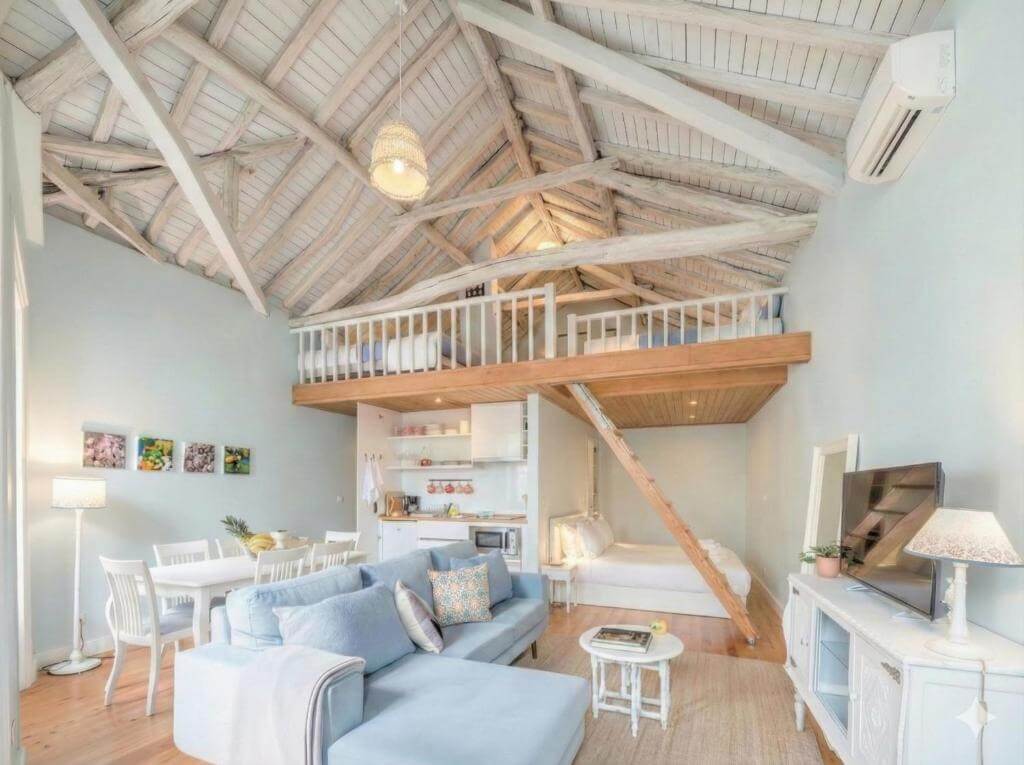
We found some incredible apartments in Porto that feel more like homes than hotel rooms, which is a huge plus when you’re traveling with family or just want a bit more space.
bnapartments Carregal: This place is a total hidden gem. It’s set in a renovated 17th-century palace. The absolute highlight here is the outdoor swimming pool and the quiet garden, it’s a rare sanctuary right in the city center where you can escape the hustle for a bit.

Village Aparthotel by BOA: If you like contemporary design, you’ll love this spot. It’s a group of beautifully converted townhouses that feel like a tiny, stylish village within the city. The interiors are a mix of Japanese and Scandinavian styles (very “Japandi”), and the attention to detail is amazing, they even have popcorn machines and organic tea kits in the rooms. It’s located right in the bustling Bolhão area, so you’re seconds away from the market.

Look At Me Serviced Lofts & Studios: This is the perfect choice if you want to be as central as possible. It’s literally steps away from the Trindade Metro station (ideal for getting to and from the airport) and the Avenida dos Aliados.

Eating in Porto
When you need a break from the heavy hitters, Porto has an incredible modern café scene. These were our favorites:
Do Norte Café by Hungry Biker: It’s a rustic, cozy space filled with vintage treasures and a wood-burning stove that makes it feel like a mountain cabin.

Noshi Coffee: If you’re looking for something a bit lighter or have dietary restrictions, this “Green Coffee Shop” is perfect. It’s a beautiful space with a vertical garden and an interior courtyard. They specialize in healthy food, offering amazing açaí bowls, vegan toasts, and even a vegetarian Francesinha.
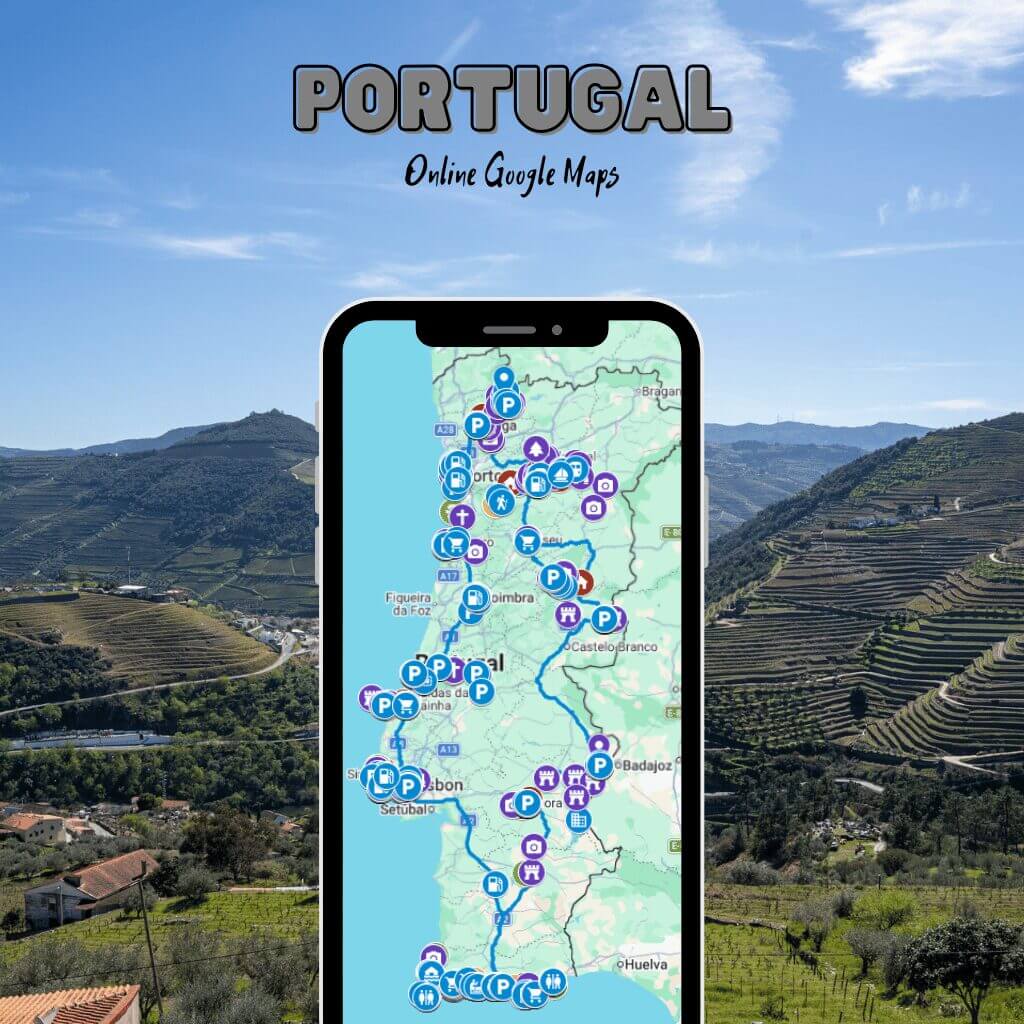
Tip: We’ve pinned all these spots and more on our Google Map so you can easily find the closest bite to eat while you’re out exploring!

What No One Tells You
Our Top Porto Travel Tips
Porto’s beautiful calçada portuguesa (white-and-black stone mosaic) is stunning, but it is notoriously slippery. When it’s dry, it’s polished; when it’s wet (which is often!), it’s like walking on a skating rink.
You might see a forecast of 25°C and pack only t-shirts, but Porto has a very specific microclimate. As soon as the sun dips behind the hills or a breeze kicks up from the ocean, the temperature can drop by 5–10 degrees in minutes.
If you are traveling with a little one, like we were with Milo, Porto’s hills can look like a nightmare. The secret? The “Elevator & Funicular” trick.
Exiting Facts
As Portugal’s second city, Porto is often dubbed the nation’s unofficial capital. Home to roughly 230,000 residents, it’s the ideal size for a city break, large enough to be impressive, but small enough to remain walkable.
The UNESCO-listed heart of the city is a stunning mosaic of winding lanes, monumental architecture, and artistic azulejos (the famous blue tiles). Be prepared for a workout, though; the city is remarkably hilly.
Our top tip? Bring your best walking shoes; your feet will thank you after a day of climbing Porto’s steep streets.
Is Porto suitable for a trip with a baby or child?
Absolutely! However, the city’s vertical layout and historic stone streets mean a stroller isn’t always your best friend. While we did bring our stroller, we quickly realized that a baby carrier was the secret to stress-free exploration and visits to historical monuments.
It saved us from the ‘stroller-lifting’ workout on Porto’s many staircases! If you’re planning a family trip, be sure to bring both a stroller and a baby carrier.

What it Costs: Budgeting for Your Day
Daily Budget Estimates
- The Budget Traveler (€50 – €60/day): You’re staying in a hostel, eating $2.00$ bifanas for lunch, walking everywhere, and sticking to the many free viewpoints for your sunset fix.The Mid-Range
- Adventurer (€100 – €130/day): This was our sweet spot. It covers a beautiful central apartment, one nice sit-down meal, a daily specialty coffee, and one major paid attraction (like a winery tour or a boat ride).
- The Luxury Seeker (€250+/day): You’re looking at 5-star riverside hotels in Ribeira, private Douro Valley tours, and fine dining paired with vintage Ports every evening.
About the authors
We are Alex and Tina, a French-Serbian couple who met in China back in 2014. We spent three incredible years there before making France our home. Our shared passion for travel has been the heartbeat of our relationship for over 12 years, taking us across 44 countries and counting.
We launched TheDailyPackers in 2019 as a way to document our adventures. In 2026, we reached a major milestone by officially turning our blog into our full-time job. While we are still growing toward financial independence through this platform, every article we write is fueled by our mission to make your voyages easier through in-depth guides, honest advice, and the lessons we’ve learned from our own mistakes.
Our journey has not been without its storms. In 2023, our world changed forever when our first son, Poppy, was stillborn on November 25th. It was, and remains, the hardest chapter of our lives. In 2025, we were blessed with our second little boy, Milo. He has since joined our traveling tribe, and you’ll be seeing him—and the reality of traveling with a little one-on the blog more and more.
We hope to inspire you to explore the world with curiosity and resilience. Thank you for being part of our story.
You may also like those related posts
Roussillon: Discovering Provence’s Stunning Red Village
14 best things to do in Colonia del Sacramento, Uruguay
Ultimate Cap Corse Road Trip Guide: 1-Day Itinerary
3-Month South America Packing List: What to Bring
10 Best places in Argentina You Shouldn’t Miss on Your Next Trip
Hiking Laguna Torre: The Ultimate Guide from El Chaltén
Hotel 48° Nord: A Unique Stay in a Scandinavian Escape in Alsace
13 Useful Maldives Travel Tips
Pssst, did you know that…
If you purchase something through our links, we earn a small fee. However, you still pay the same. Win-win! And one day we may get to be full-time travel bloggers =)
Find Hotels with Booking.com
Do Yoga with KVY
Buy us a Coffee
Rent a car with DiscoverCars
Find Attractions with GetYourGuide
Find Flights with Expedia
Buy an eSIM with Airalo
Get insured with World Nomads
Get ready with Amazon.com