
Introduction
During our South America trip, we decided not to stay overnight in Punta del Este, even though it’s one of Uruguay’s most famous destinations. Instead, we planned our own day trip from Montevideo, which turned out to be the perfect choice — especially since you can also book organized tours if you prefer a hassle-free option.
Punta del Este is a modern beach town, often called the “Monaco of South America,” known for its luxury resorts, trendy restaurants, and lively summer scene. But it’s also quite expensive, and after chatting with several travelers who stayed there, everyone seemed to agree — it’s beautiful, but definitely on the pricey side.
That’s why visiting Punta del Este as a day trip made the most sense for us. You get to see the highlights, enjoy the beach vibe, and return to Montevideo without breaking the bank.
Getting there
Getting from Montevideo to Punta del Este is super easy — and it’s one of the most popular day trips in Uruguay.
If you’re traveling by bus, you can depart from Tres Cruces Terminal in Montevideo. Both COT and COPSA operate frequent daily buses, with departures roughly every 30 to 60 minutes. The trip takes around 2.5 to 3 hours, depending on traffic. Tickets cost approximately USD 10–12 each way, and you can buy them directly at the terminal or online in advance.
Once in Punta del Este, the bus terminal is conveniently located near the beach and the main attractions — so you can easily explore on foot or by renting a bike or scooter.
Alternatively, if you prefer a more flexible trip, you can rent a car in Montevideo. The drive takes about 2 hours via Route Interbalnearia (Route 10), a scenic coastal road passing charming seaside towns like Atlántida and Piriápolis.
For those who’d rather relax and skip the logistics, organized day tours from Montevideo are also available. These usually include transportation, a guided visit of the main attractions, and sometimes lunch.


Moving Around
OnceGetting around Punta del Este is simple and convenient, especially if you’re there for just a day. Most of the city’s highlights are within walking distance from the bus terminal, including Playa Brava, the La Mano sculpture, the marina, and Playa Mansa — all easily explored on foot in a few hours.
If you want to explore beyond the center, here’s how to do it:
- Walk or bike: The seafront promenade connects Playa Brava and Playa Mansa, perfect for a scenic stroll or bike ride. You can rent a bike or an electric scooter right near the terminal.
- Bus to Casapueblo: To visit Casapueblo (the famous white house-museum of artist Carlos Páez Vilaró in Punta Ballena, about 16 km from Punta del Este), you can take the COT or COPSA intercity bus heading toward Maldonado or Montevideo and ask the driver to drop you at the Punta Ballena stop. From there, it’s about a 20-minute walk to Casapueblo. Buses run roughly every 30–45 minutes.
- Local buses: If you want to go toward La Barra, Maldonado, or José Ignacio, local buses run frequently from the terminal and cost only a few pesos.
- Taxi or Uber: A convenient option if you’re short on time or want to visit several spots without worrying about bus schedules.
Tip: If you’re heading to Casapueblo for sunset (which is magical), make sure to check the return bus times in advance — or plan to take a taxi or rideshare back, as buses become less frequent in the evening.

When to Visit
The best time to visit Punta del Este really depends on what kind of trip you’re after — beach days, quiet escapes, or lively nightlife.
- Summer (December to February) – This is the high season in Punta del Este. Expect warm weather (25–30°C), packed beaches, open restaurants, and a vibrant nightlife scene. It’s the best time for swimming, surfing, and beach hopping, but prices for accommodation and food are at their peak, and crowds are everywhere.
- Autumn (March to May) – A great time to visit if you want warm weather without the chaos. The beaches are quieter, many restaurants remain open, and hotel prices drop. Perfect for a relaxed seaside experience.
- Winter (June to August) – The quietest season, when many hotels and restaurants close. However, it’s still pleasant for walks, photography, and local life — temperatures average 10–15°C, and sunsets can be stunning.
- Spring (September to November) – The shoulder season and one of the best times to visit. The weather is mild, the town starts to wake up after winter, and you can enjoy the beaches and attractions with fewer crowds.
Best time to visit Punta del Este: Late spring (November) or early autumn (March) — when it’s sunny, peaceful, and everything is open without being overcrowded.
Where to stay
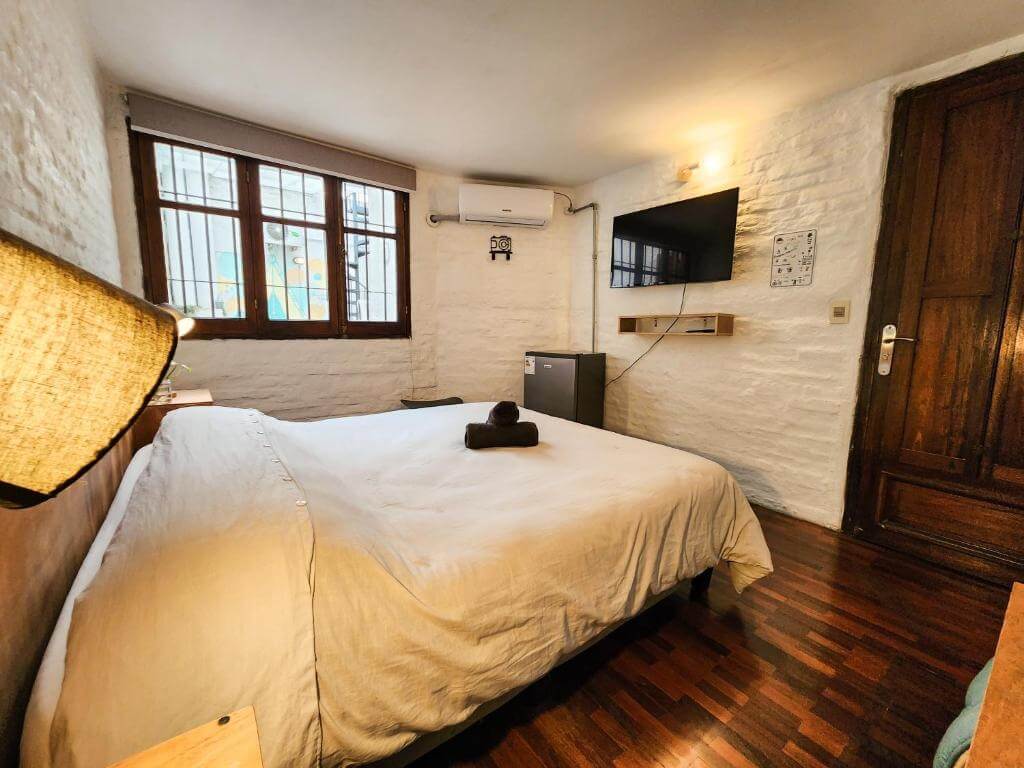
If you’re planning a day trip to Punta del Este, the best option is to stay in Montevideo and travel there by bus. The ride takes around 2 hours and 30 minutes each way, making it easy to go early in the morning and return in the evening.
Staying in Montevideo gives you a wider choice of accommodations, better prices, and a more authentic Uruguayan experience, while still allowing you to enjoy Punta del Este’s beaches and landmarks for a day.
Here are some great places to stay in Montevideo, depending on your budget:
- (€): MedioMundo Hostel: A charming and social hostel in the Parque Rodó area, just a few blocks from the Rambla. It’s clean, cozy, and has a relaxed, artsy vibe with a small garden and kitchen for guests.
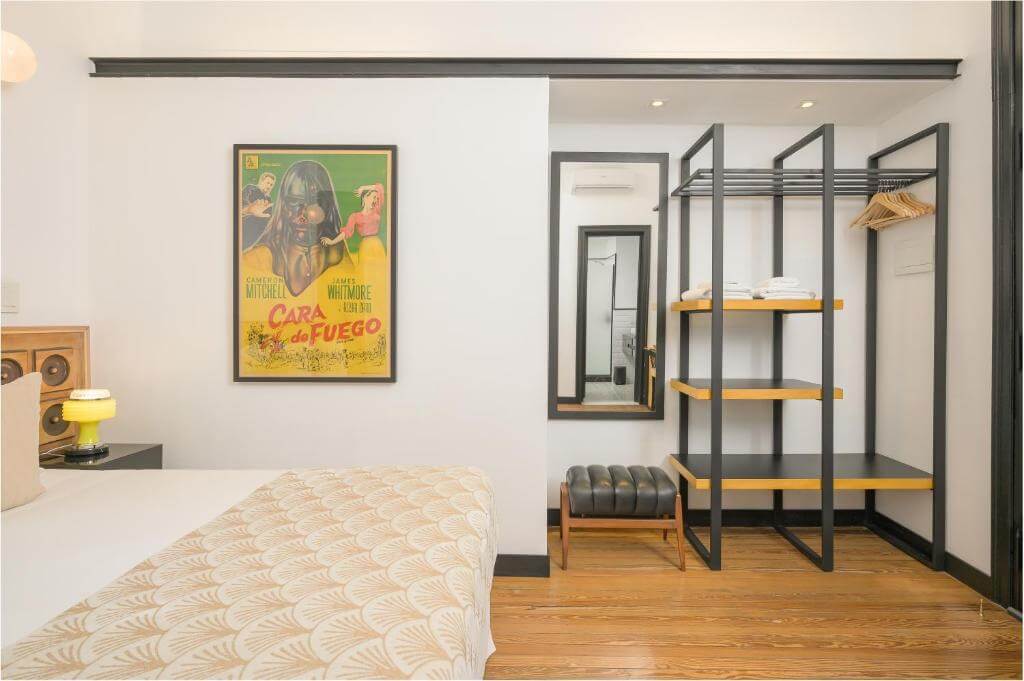
- (€€): FAUNA Montevideo: A beautifully designed boutique hotel in Palermo, blending style and comfort. The rooms are modern with natural tones and wood finishes, and the rooftop terrace offers great city views.
- (€€€): Hotel Costanero MGallery: One of the best luxury hotels in Montevideo, right across from Pocitos Beach. It offers elegant rooms, an indoor pool, a spa, and a restaurant — perfect for those who want comfort and sea views.
If you’d rather spend a night in Punta del Este, keep in mind that accommodation can be expensive, especially in summer. Booking in advance is highly recommended during high season.
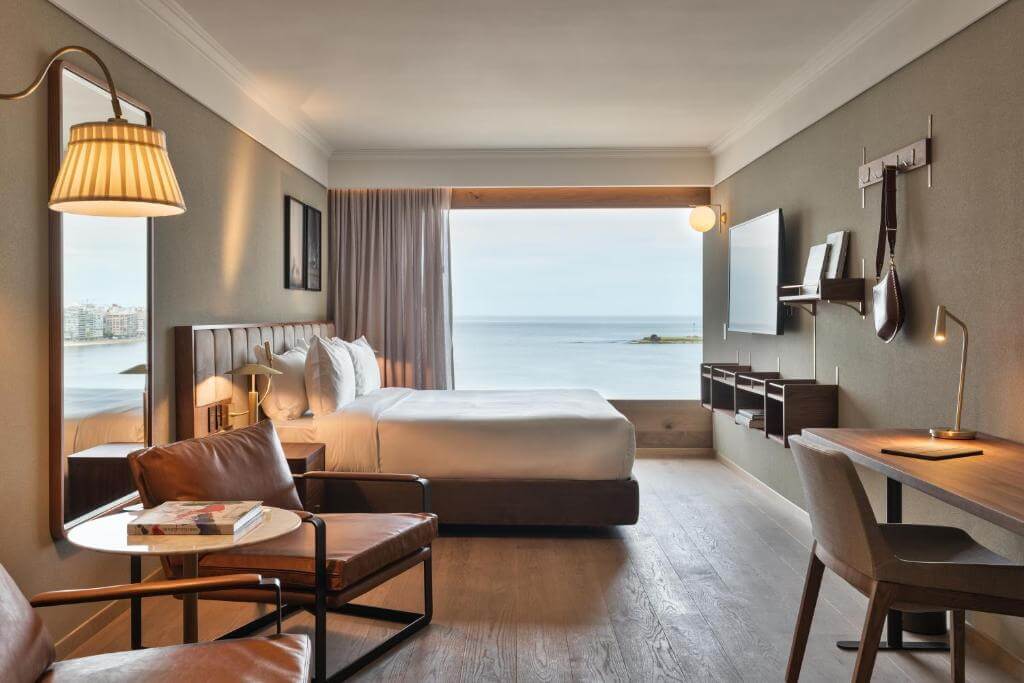

Here are all your accommodation options in Montevideo
What to Eat
Food in Punta del Este is as much a part of the experience as its beaches. From seaside seafood shacks to stylish waterfront restaurants, you’ll find a mix of Uruguayan classics and international cuisine. Prices are generally higher than elsewhere in Uruguay, so plan accordingly.
Here’s what (and where) to eat during your visit:
Must-Try Dishes
- Chivito – Uruguay’s national sandwich, packed with steak, ham, cheese, egg, and more. A must-try at almost any local diner.
- Fresh seafood – Especially grilled fish, octopus, and shrimp pasta served in beachfront restaurants.
- Empanadas – Perfect for a quick bite between beaches.
- Dulce de leche desserts – Every café offers something sweet made with Uruguay’s famous caramel spread.
Where to Eat
- Lo de Tere – A Punta del Este classic, right by the marina. Known for elegant seafood dishes and great wine.
- Virazón – Offers panoramic views of Playa Mansa and serves fresh fish, pasta, and Uruguayan specialties.
- Isidora Restaurant – Located in the port area, famous for paella, seafood platters, and a lively local atmosphere.
Tip: If you’re coming just for the day, plan for lunch by the marina and a sunset drink at Playa Mansa before heading back to Montevideo.


Tip: Now, that we travel with baby Milo, we always bring this Babybjorn baby carrier with us.
Things to do in Punta Del Este
See the Fingers of Punta del Este (La Mano)
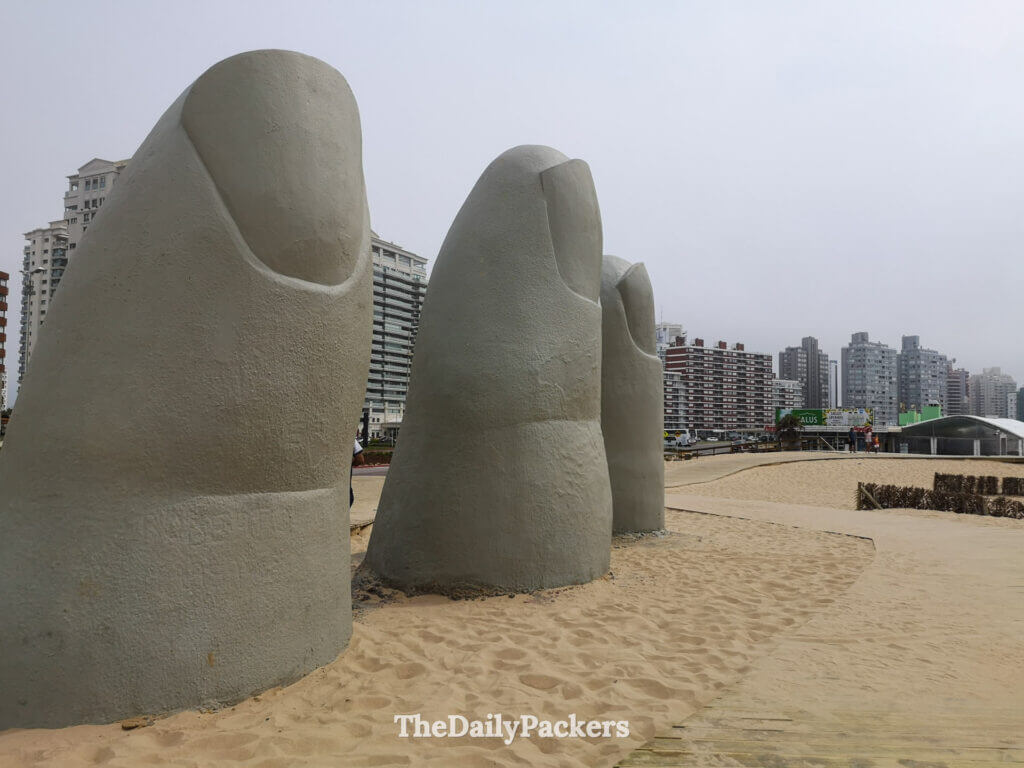
Start your visit with the city’s most famous landmark — La Mano, also known as The Hand or Los Dedos (“The Fingers”). This striking sculpture of five fingers emerging from the sand is located on Playa Brava, just across the road from the Punta del Este bus terminal.
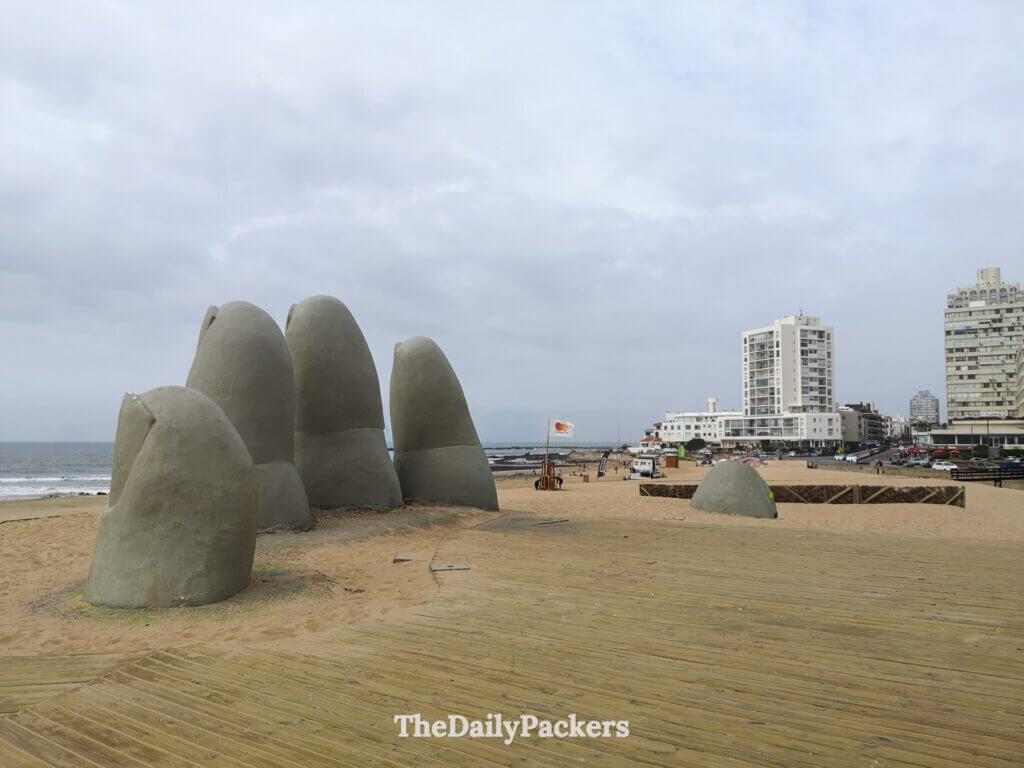
Created in 1982 by Chilean artist Mario Irarrázabal, the sculpture is both an artistic symbol and a warning — it represents a hand reaching out from the sea, reminding swimmers of the dangerous currents and strong waves along this part of the coast.
Here are all your accommodation options in Montevideo
Explore Ermita Virgen de la Candelaria
A short walk from the coast will lead you to the Ermita Virgen de la Candelaria, a small seaside chapel perched on the peninsula. Built in honor of the Virgin of Candelaria, the patron saint of Punta del Este, this whitewashed chapel overlooks the ocean and offers a peaceful break from the busier parts of town.

Relax on Playa Brava
After visiting La Mano or before heading back to Montevideo, stroll along Playa Brava, one of Punta del Este’s most famous beaches. True to its name (“brava” means “wild” in Spanish), the waves here are powerful, making it a top spot for surfing and bodyboarding.
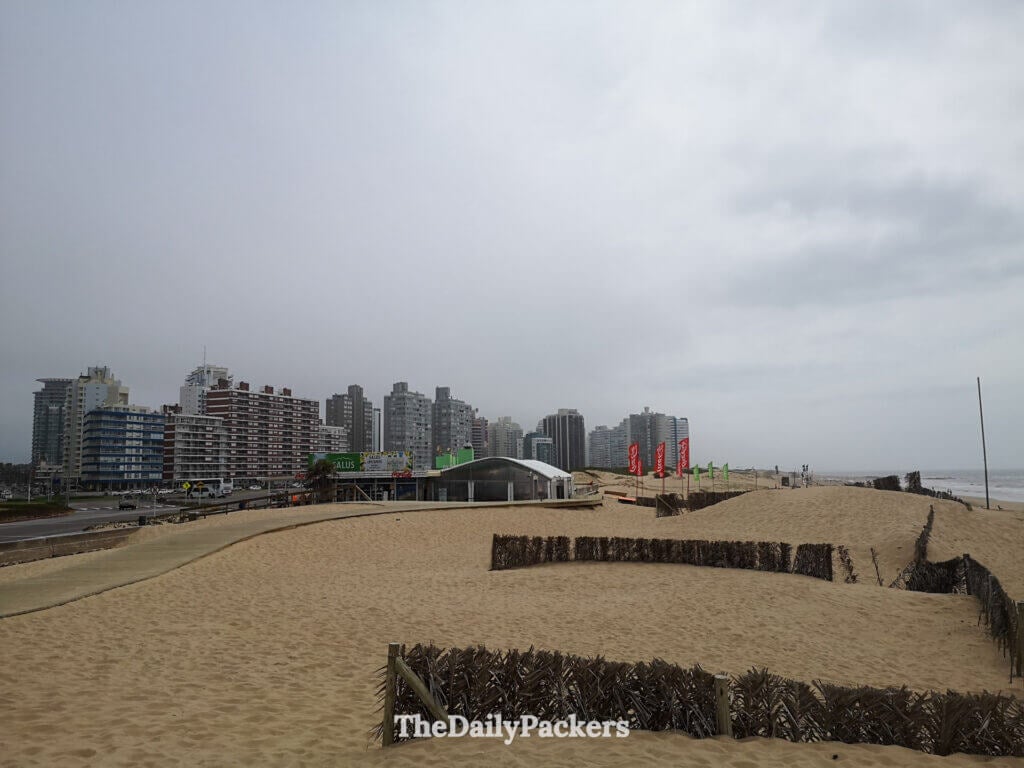
Even if you’re not hitting the waves, it’s a great place to walk along the shore, watch surfers in action, or simply relax on the sand while taking in the view. The beach is long, windy, and full of energy — a perfect reflection of Punta del Este’s coastal spirit.
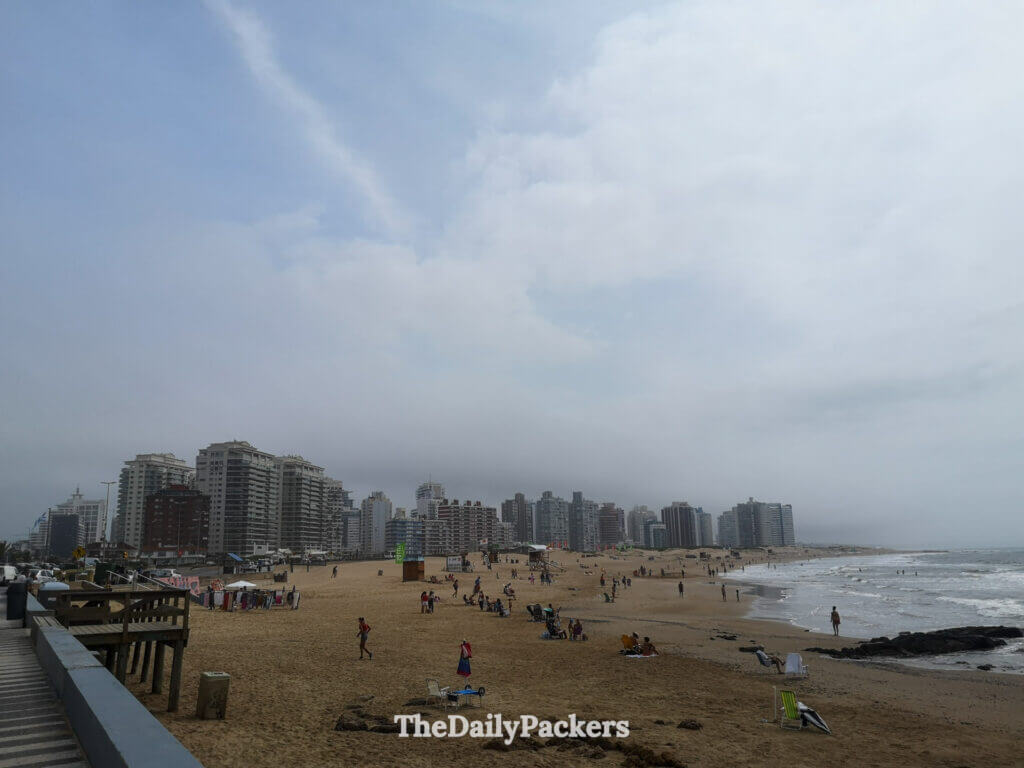

Wander Through the Peninsula District
Continue your day by exploring the Peninsula District, the heart of Punta del Este. This area stretches between Playa Brava and Playa Mansa, offering stunning coastal views on both sides. As you walk along the Rambla (the seaside promenade), you’ll notice how the atmosphere shifts — from the energetic surf beaches to calmer, yacht-filled bays.
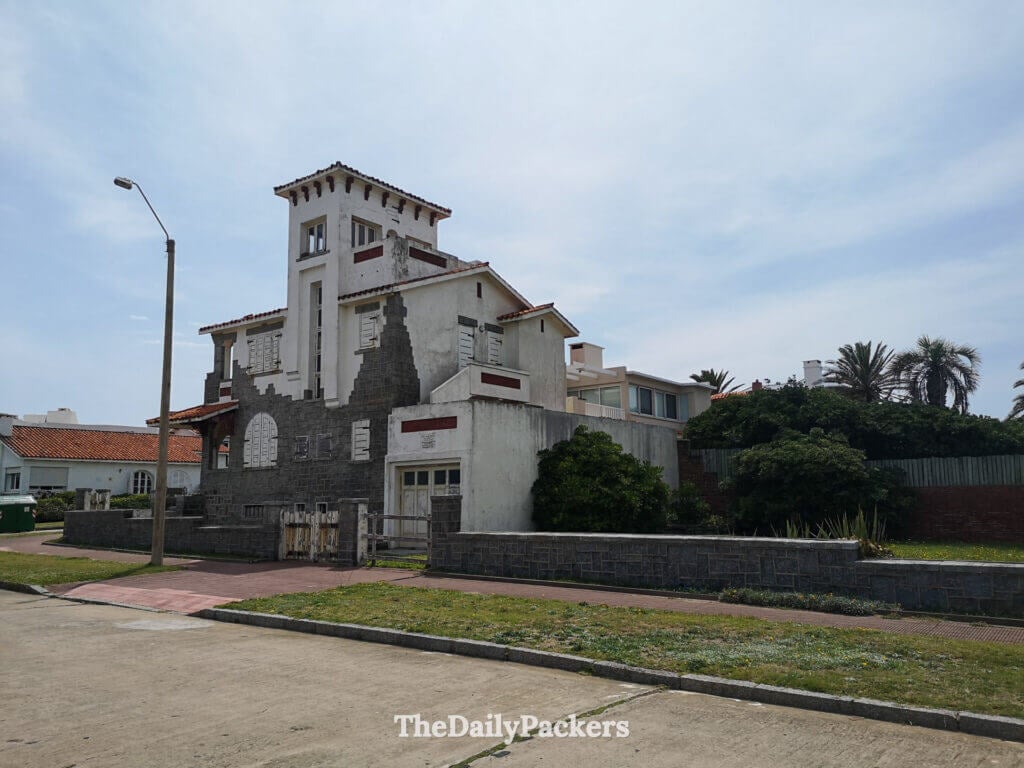
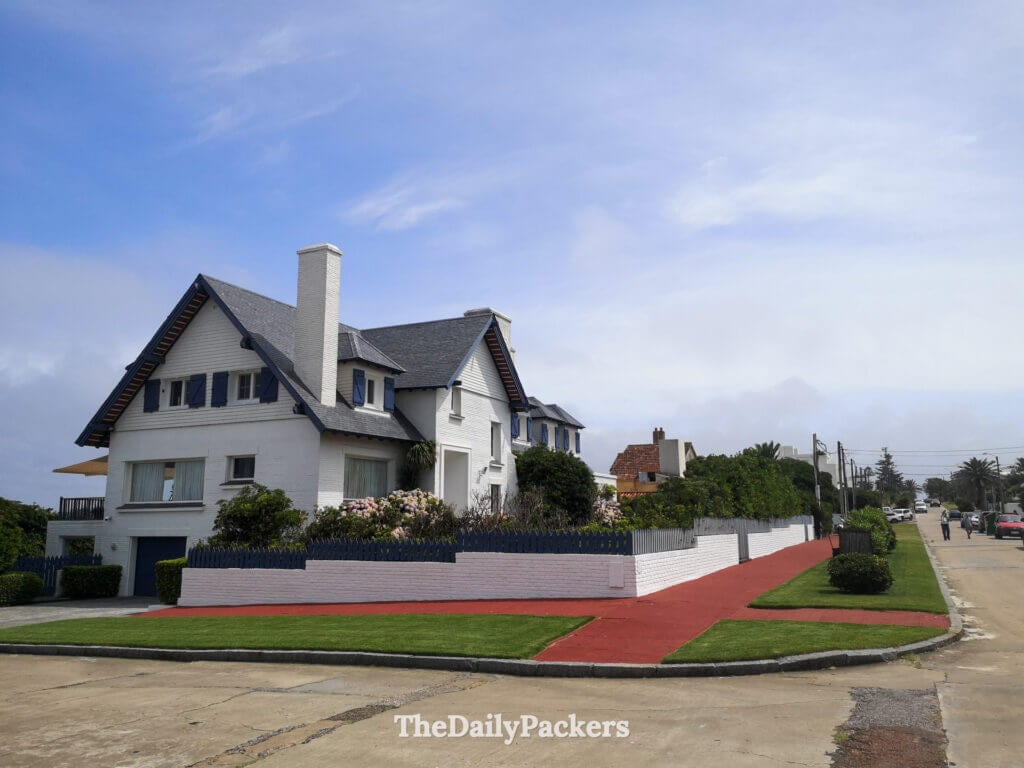
The district is lined with luxury villas, charming boutiques, and seaside cafés, making it perfect for a slow stroll. You’ll see joggers, locals walking their dogs, and street performers, all adding to the lively yet relaxed vibe that makes Punta del Este so special.
Here are all your accommodation options in Montevideo
See the Punta del Este Lighthouse
As you keep walking through the Peninsula District, you’ll soon spot the Punta del Este Lighthouse rising above the rooftops. Built in 1860, this 45-meter-tall structure was made with volcanic ash to strengthen its walls — and it’s still active today, guiding ships along the coast.
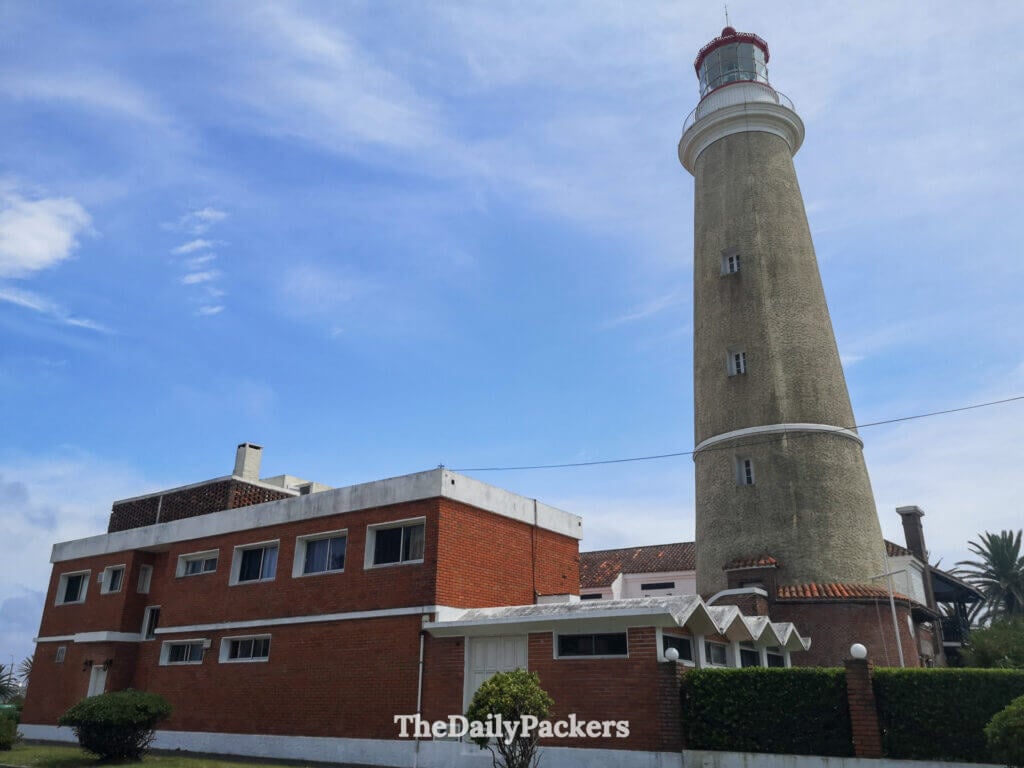
While it’s not open to visitors, it’s a lovely stop for photos, especially with the nearby palm trees and ocean in the background. The surrounding neighborhood is calm and filled with beautiful houses, so it’s worth wandering around for a bit to soak in the peaceful seaside charm.

Visit Our Lady of the Candelaria Church
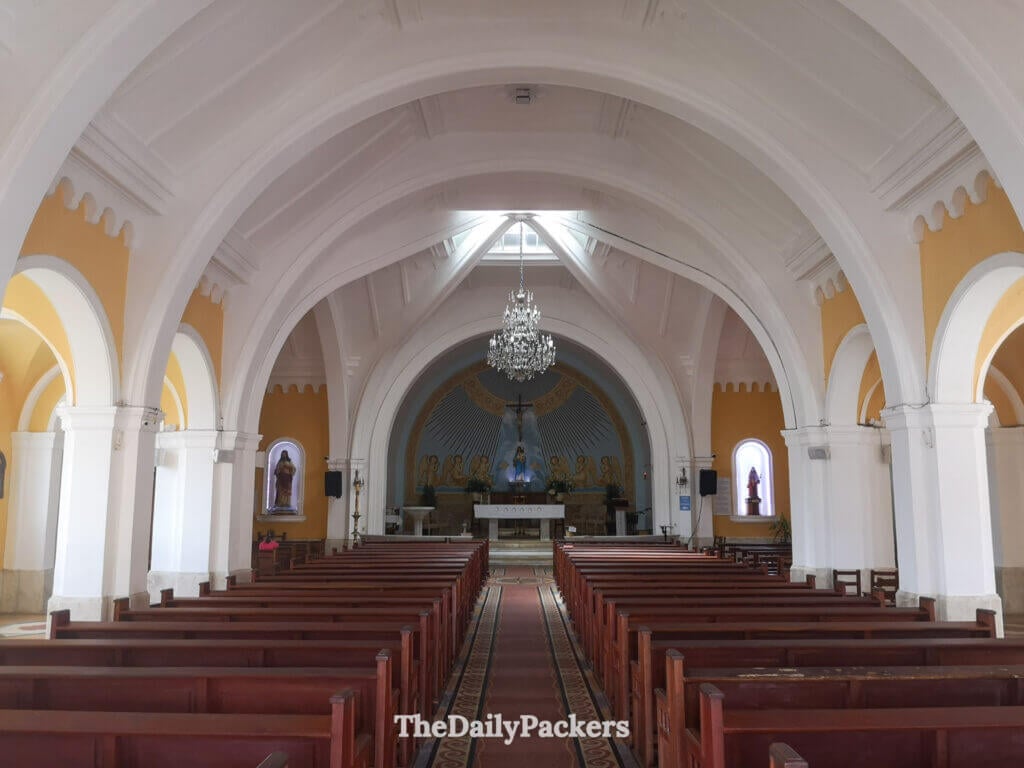
Just a short walk from the lighthouse, you’ll find Our Lady of the Candelaria Church, a charming blue-and-white seaside chapel that perfectly embodies Punta del Este’s coastal vibe. Small but full of character, it stands out beautifully against the backdrop of the ocean and sky.
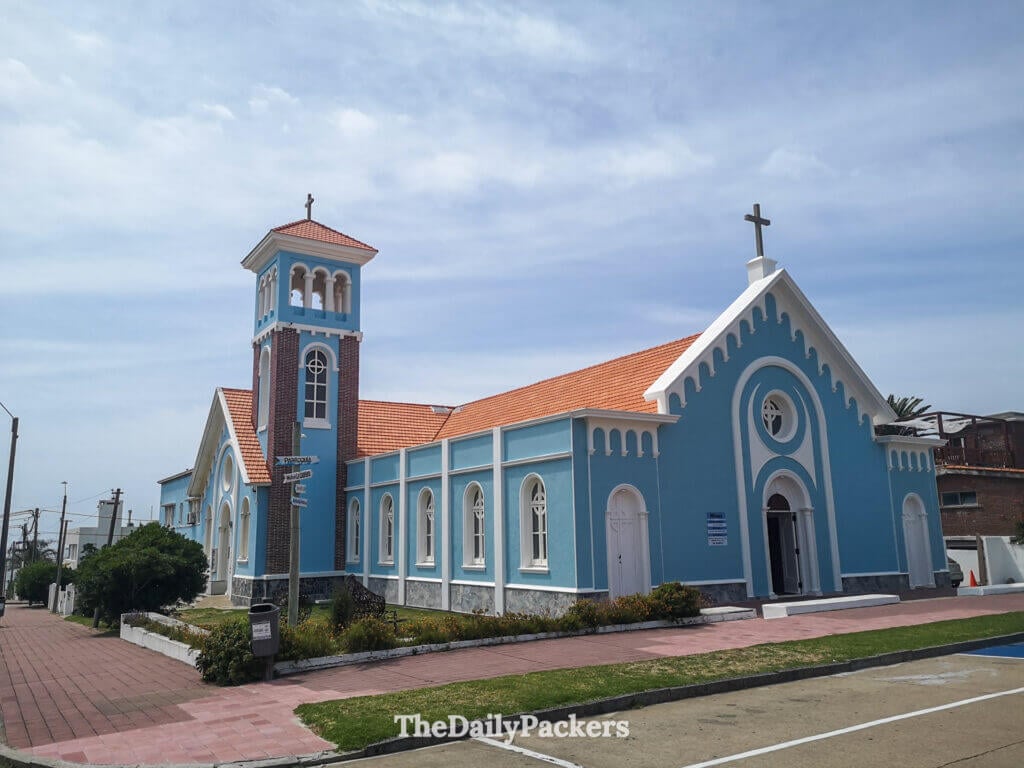
Step inside for a quick visit — it’s simple and peaceful, offering a quiet moment away from the lively streets. Even if you don’t go in, the church’s pastel colors and setting make it one of the most photogenic spots in the area.

Psst, you can join Tina’s Yoga Studio and get access to hundreds of Yoga, Meditation, and Well-being videos.
Walk to Punta de las Salinas
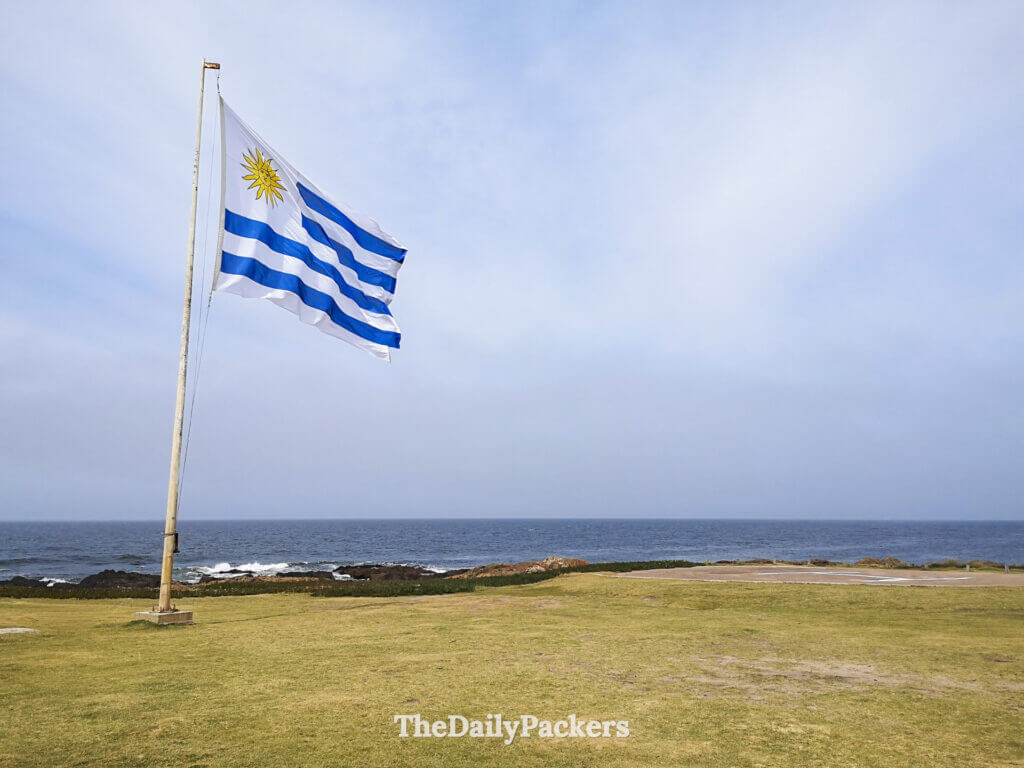
Keep following the coastline until you reach Punta de las Salinas, the southernmost point of Uruguay and where the Atlantic Ocean meets the Río de la Plata. It’s a fascinating spot where the currents merge, creating a dramatic meeting of waves and colors.
There’s not much built here — just raw, open nature and sea breeze — but that’s part of its beauty. It’s the perfect place to pause, take in the vastness of the ocean, and snap a few photos of this symbolic “end of the land.” Visit around sunset if you can; the light reflecting off the water is stunning.
Here are all your accommodation options in Montevideo
Explore the Port and Fish Market
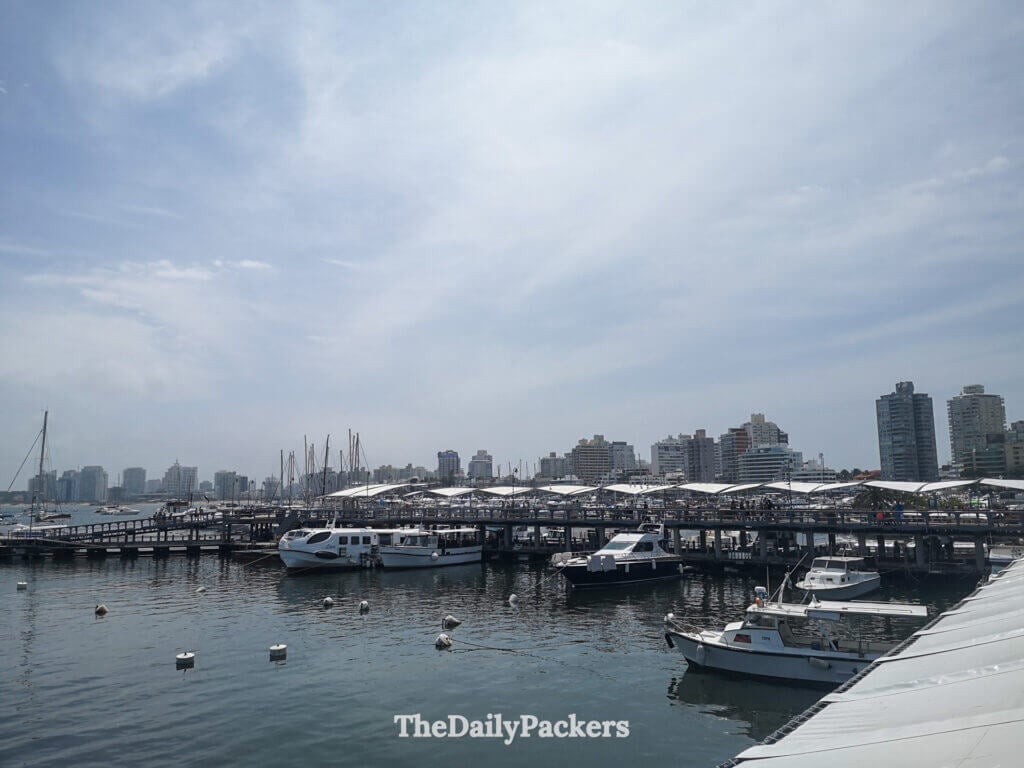
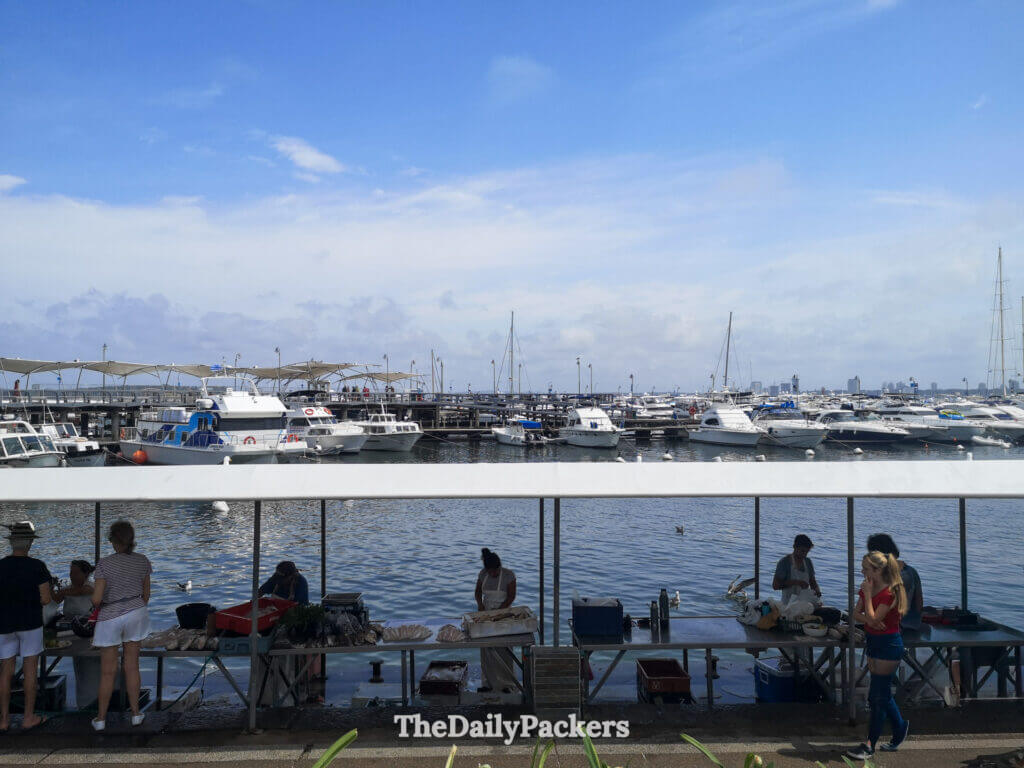
From Punta de las Salinas, make your way toward Punta del Este’s port, one of the liveliest areas in town. Here you’ll find luxury yachts lined up next to colorful fishing boats, creating a perfect mix of glamour and authenticity.
Just beside the docks, stop by the small fish market where local fishermen sell the catch of the day. It’s a great place to see sea lions up close — they often hang around the pier waiting for scraps! The atmosphere is relaxed and local, and it’s one of the best spots in town to enjoy fresh seafood or grab a coffee with a view of the marina.
Tip: Now, that we travel with baby Milo, we always bring this Babybjorn baby carrier with us.
Stroll Along Juan Gorlero Street
After exploring the port, head to Juan Gorlero Street, the main commercial artery of Punta del Este. This lively avenue is lined with shops, cafés, and restaurants, making it the perfect place to unwind after sightseeing.
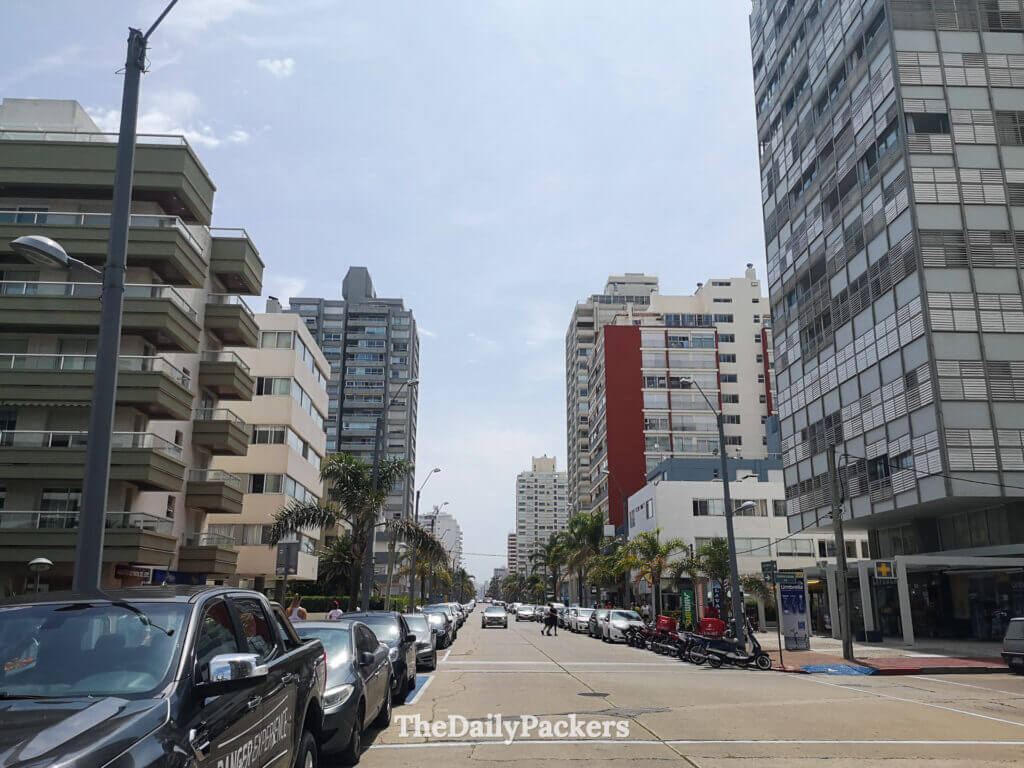
You can window shop for souvenirs, browse local boutiques, or simply grab an ice cream and people-watch as both tourists and locals stroll by. The street also gives a glimpse of Punta del Este’s more modern side, filled with stylish storefronts and upscale vibes. It’s a great spot to end your afternoon before heading back to the beach.

Visit Casa Pueblo
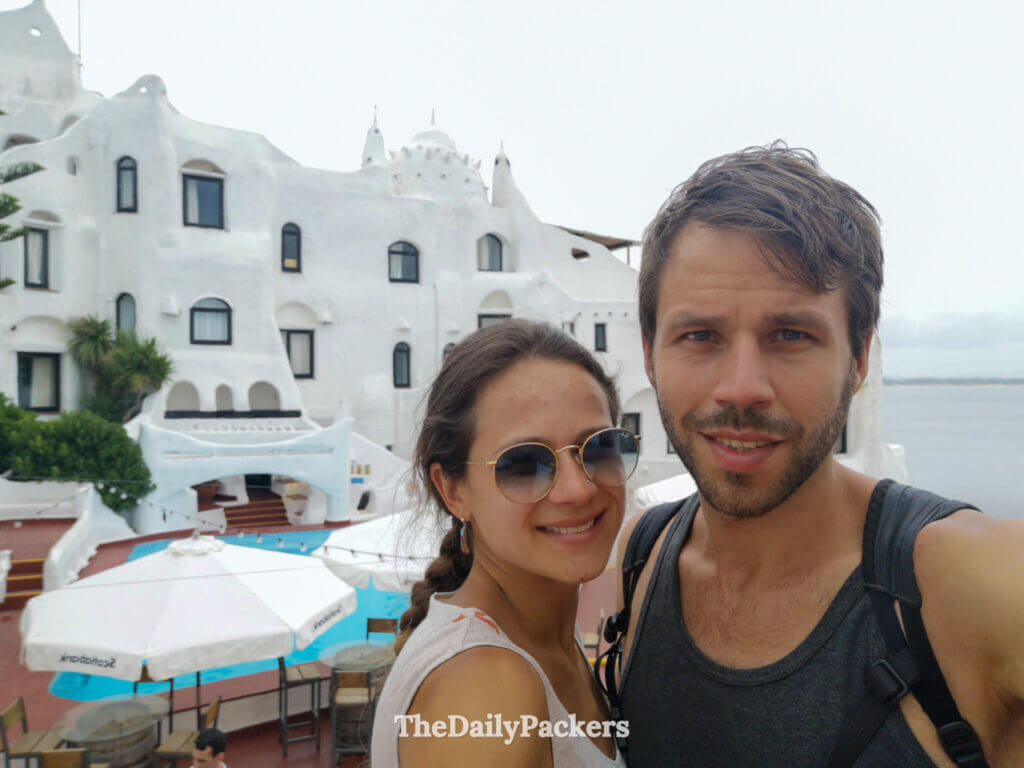
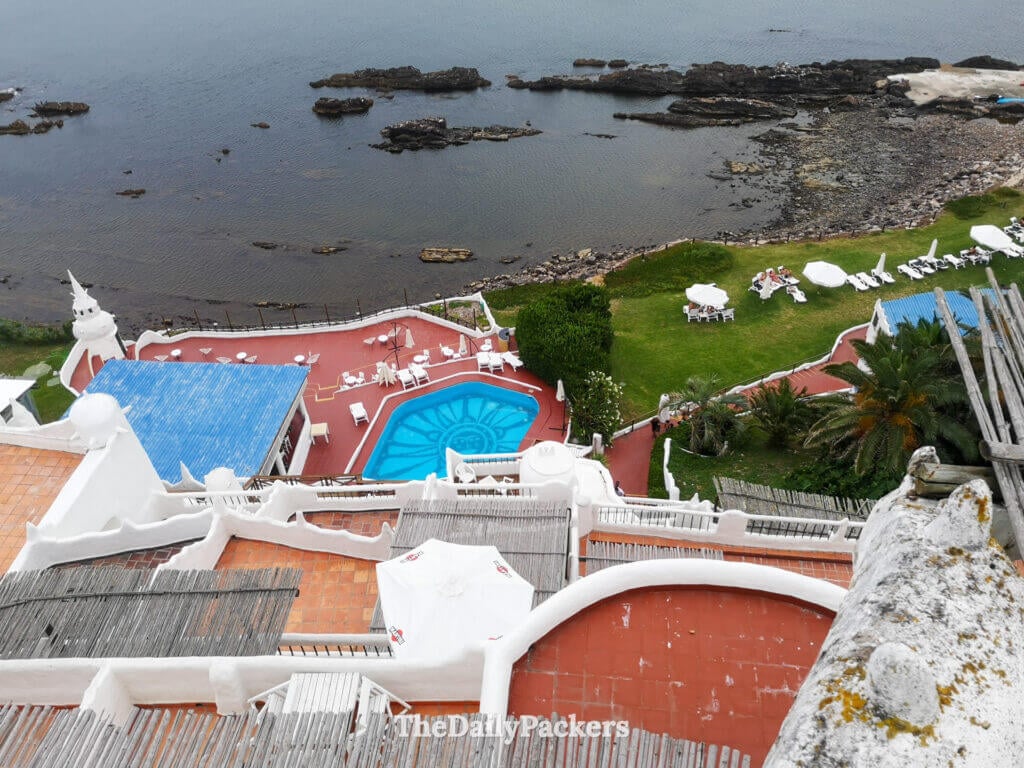
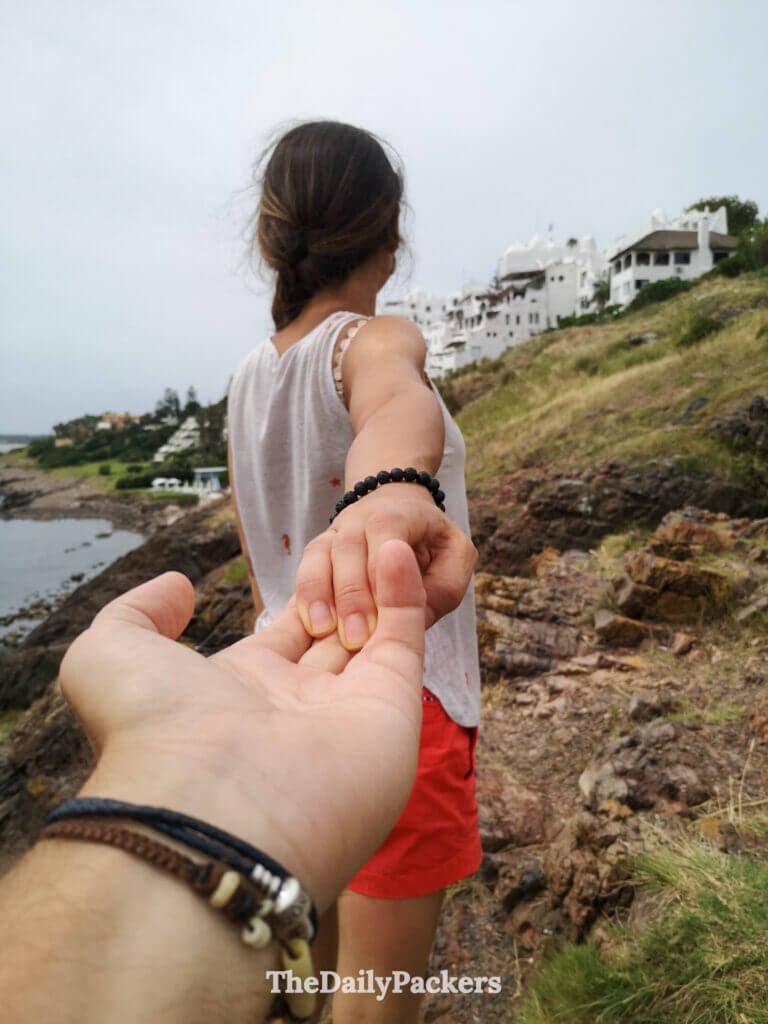
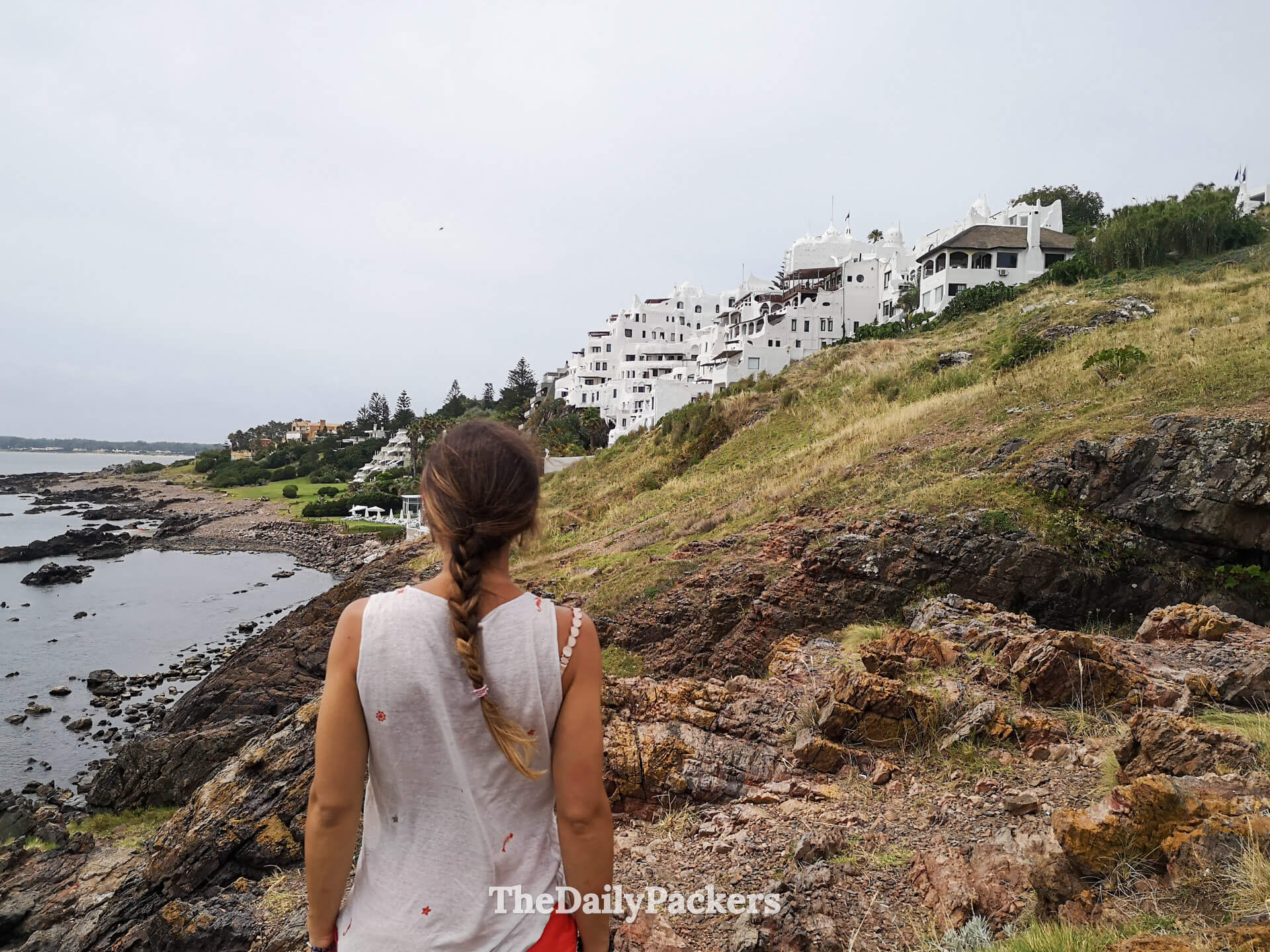
After exploring the town, take a short bus ride or drive to Casa Pueblo, one of Uruguay’s most iconic landmarks. Perched dramatically on a cliff in Punta Ballena, this dazzling white building was designed and built by Uruguayan artist Carlos Páez Vilaró over more than 30 years.
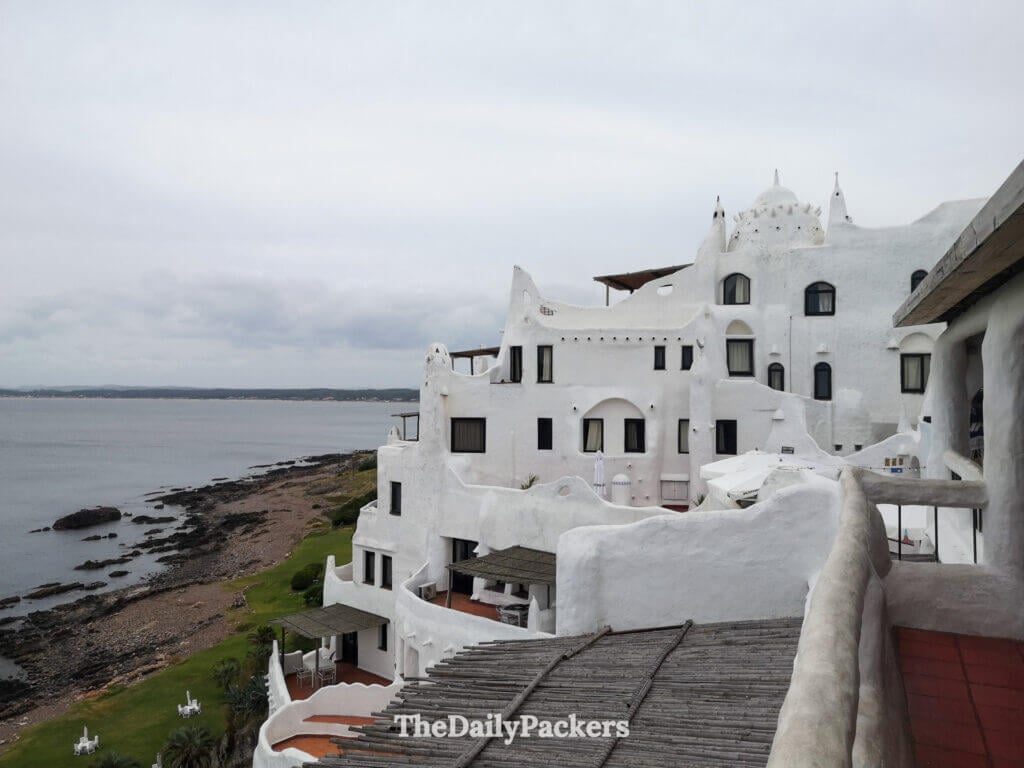
Originally his home and workshop, it’s now part museum, part art gallery, and part hotel. The museum showcases Vilaró’s paintings, sculptures, and a short film about his life and creative process. Entry costs 300 UYU per person, and the visit takes around an hour.

Even if you don’t enter (which we don’t recommend), the views of the ocean from outside are breathtaking.
He took Carlos Páez Vilaró over 30 years to build it with help from the local fishermen. Carlos Páez Vilaró was famous for travelling the world and supporting the fight of black people in Uruguay and later in Africa. He would paint scenes of them as well as some tribal signs.
Admire the Views from Punta Ballena
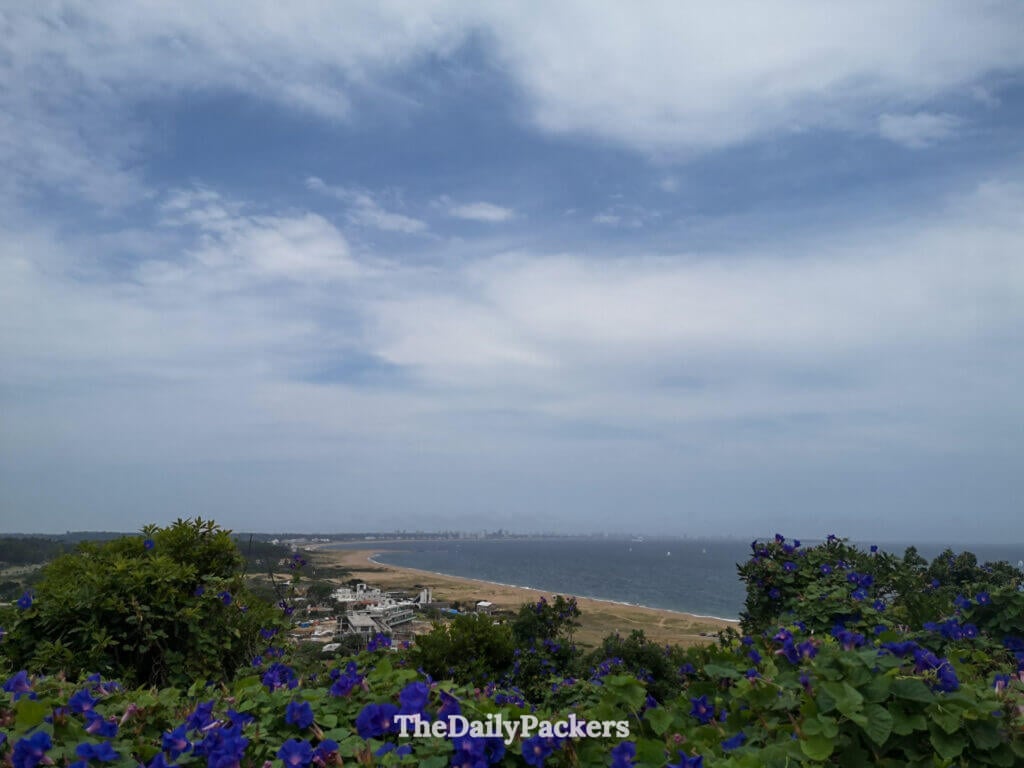
Before heading back to Montevideo, take some time to explore Punta Ballena, the stunning peninsula where Casa Pueblo is located. The name means “Whale Point,” and from above, the shape of the coastline really does resemble a whale diving into the sea.
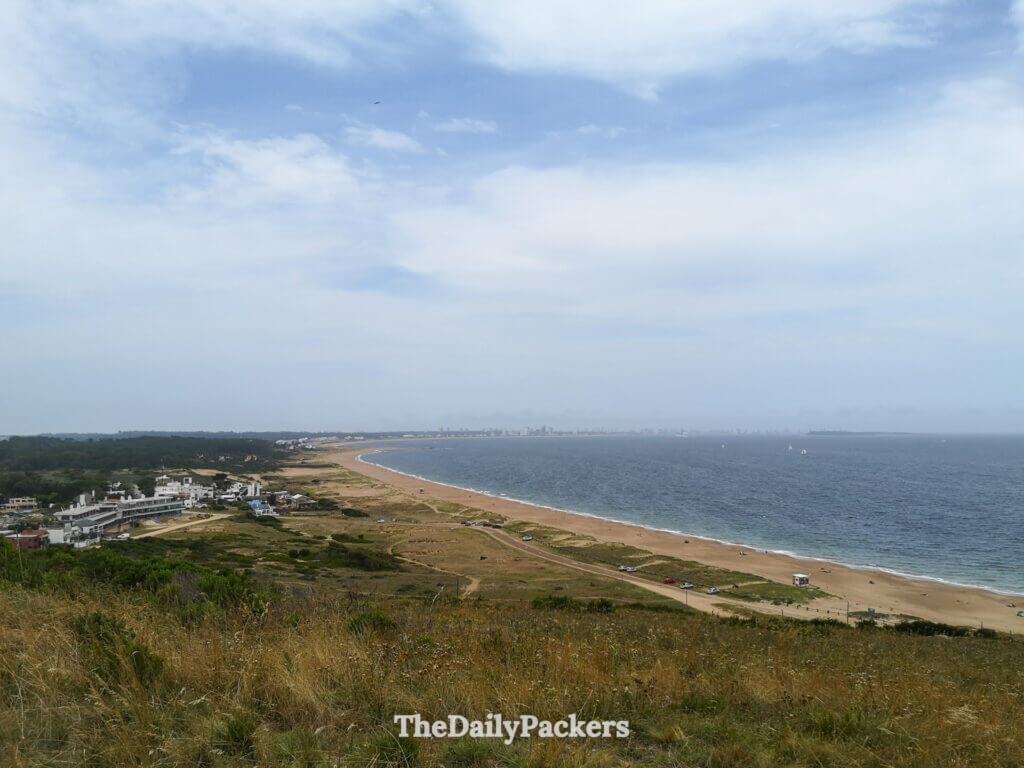
You can walk along the coastal road for sweeping views of the Atlantic Ocean and the beaches stretching toward Punta del Este. It’s one of the most peaceful spots in the area, perfect for watching the waves crash against the cliffs or staying to catch one of the best sunsets in Uruguay.

Read: Our complete 10-day Uruguay Itinerary
1-Day Punta del Este Itinerary (From Montevideo)
Morning
- 7:30 am: Take the early COT or COPSA bus from Montevideo to Punta del Este (approx. 2h30).
- 10:00 am: Arrive at Punta del Este Bus Terminal.
- 10:15 am: Walk across to the Fingers of Punta del Este (La Mano) and take some photos.
- 10:45 am: Continue your walk along Playa Brava to admire the coastline.
- 11:15 am: Stroll through the Peninsula District — explore the charming residential streets and coastal views.
- 11:45 am: Stop by Ermita Virgen de la Candelaria, the Lighthouse, and Our Lady of the Candelaria Church for some local culture and beautiful viewpoints.
- 1:00 pm: Have lunch near the Port & Fish Market — try fresh seafood or empanadas while enjoying the marina views.
Afternoon
- 2:00 pm: Walk along Juan Gorlero Street, the main shopping and dining avenue. Browse local shops or grab a coffee before continuing your day.
- 3:00 pm: Head back to the terminal and take the COPSA bus to Punta Ballena (about 15 minutes).
- 3:30 pm: Arrive at Casa Pueblo, explore the museum, art galleries, and panoramic terraces.
- 4:30 pm: Walk or rest at Punta Ballena, enjoying one of the best sunsets on the Uruguayan coast.
Evening
- 6:00 pm: Take the COPSA or COT bus back to Montevideo (around 2h30–3h).
- 8:30–9:00 pm: Arrive back in Montevideo.
About the authors
We are Alex and Tina, a French-Serbian couple who met in China back in 2014. We spent three incredible years there before making France our home. Our shared passion for travel has been the heartbeat of our relationship for over 12 years, taking us across 44 countries and counting.
We launched TheDailyPackers in 2019 as a way to document our adventures. In 2026, we reached a major milestone by officially turning our blog into our full-time job. While we are still growing toward financial independence through this platform, every article we write is fueled by our mission to make your voyages easier through in-depth guides, honest advice, and the lessons we’ve learned from our own mistakes.
Our journey has not been without its storms. In 2023, our world changed forever when our first son, Poppy, was stillborn on November 25th. It was, and remains, the hardest chapter of our lives. In 2025, we were blessed with our second little boy, Milo. He has since joined our traveling tribe, and you’ll be seeing him—and the reality of traveling with a little one-on the blog more and more.
We hope to inspire you to explore the world with curiosity and resilience. Thank you for being part of our story.
You may also like those related posts
Best Lavender Fields in Provence in 2025, France
Sangaste Castle: The Baltics’s Best Gothic Castle in 2025
12 best Tour du Mont Blanc tips
13 Easy Ways to Reduce Your Backpack Weight for Hiking
How to Find Your Travel Visa Requirements in 2025
15 Best things to do in Hue, Vietnam, in 2 days or more
7 best things to do in Shangri-La, China, in 3 days or more
Galle Fort: Sri Lanka’s Historic Coastal Gem in 2025
Pssst, did you know that…
If you purchase something through our links, we earn a small fee. However, you still pay the same. Win-win! And one day we may get to be full-time travel bloggers =)
Find Hotels with Booking.com
Do Yoga with KVY
Buy us a Coffee
Rent a car with DiscoverCars
Find Attractions with GetYourGuide
Find Flights with Expedia
Buy an eSIM with Airalo
Get insured with World Nomads
Get ready with Amazon.com