

Introduction
Sapa is one of those destinations in Vietnam that stays with you long after you’ve left. Perched high in the mountains of the northwest, this region is famous for its cascading rice terraces, misty valleys, and the colourful culture of its hill tribes. It’s a place where you can swap the buzz of Hanoi for fresh mountain air and quiet trails, and where each bend in the path reveals a new postcard-perfect view.
Sapa trekking (or hiking in Sapa) is undoubtedly the best way to experience this part of Vietnam. Trails wind their way through small villages, bamboo forests, and along ridges that overlook entire valleys. You’ll pass locals working in the fields, children playing outside their homes, and maybe even receive a gift from locals.
You can organise your Sapa trek directly once you arrive—most hotels and homestays will have connections with local guides—or you can arrange it online in advance, which is a great way to check reviews and make sure the route suits your fitness level and interests.
Trekking can be done as a single-day outing from Sapa itself, or even as part of a 2-day excursion from Hanoi that includes an overnight stay in the mountains and will save you the hassle of travelling to Sapa.
No matter how you choose to do it, trekking in Sapa will show you a side of Vietnam that’s hard to find elsewhere—slower, more peaceful, and deeply connected to the land and its people.


Here are all your accommodation options in Sapa
Why visit?
Sapa is a dream for anyone who loves being outdoors and connecting with local culture. The landscapes here are unlike anywhere else in Vietnam—layer upon layer of emerald-green rice terraces carved into the hillsides, with mist drifting between the peaks. It’s the kind of scenery that makes you stop mid-step just to take it all in.
But Sapa trekking isn’t only about the views. The real magic comes from the people you meet along the way. Many of the treks are led by local guides from ethnic minority groups such as the Hmong or Dao, who grew up in these valleys and know the trails like the back of their hand. They’ll share stories about local traditions, farming practices, and daily life in the mountains, giving the experience a depth you can’t get by simply passing through.

A typical Sapa trek might take you through tiny villages where the air smells faintly of wood smoke, past women weaving and dyeing fabric, or alongside water buffalo grazing in the fields. You might stop for lunch in a family home and try homemade dishes—fresh vegetables, rice, spring rolls—and even a taste of “happy wine,” a local rice spirit.
But the best parts are that most of the trail is flat, making is accessible for everyone and that Sapa is often overlooked by tourists. Meaning it isn’t overcrowded and feels authentic.

How to get there
Sapa is tucked away in the mountains of northern Vietnam, close to the Chinese border, and while it feels remote, getting there is quite straightforward. The most common starting point is Hanoi, and you have a few transport options.
The train may sound like a cool experience, but it’s really slow and not the most comfortable choice. It only goes as far as Lao Cai, meaning you’ll still need another 45-minute drive to reach Sapa.

The best way to get there is by sleeper bus or VIP van, which takes you directly to Sapa in about six hours. They’re faster, more convenient, and drop you right in town.
Another easy option is to take a tour from Hanoi that includes everything—transport, guide, meals, and accommodation. This way, you don’t have to worry about organizing each step yourself, and it’s especially handy if you’re short on time or prefer a hassle-free trip.


Tip: We recommend using this luxury VIP van transfer
When to visit
Sapa’s mountain climate makes it a year-round destination, but the experience changes a lot depending on the season.
- Spring (March to May): This is one of the best times for Sapa trekking. The weather is mild, the rice terraces are starting to turn green, and the hills are dotted with blooming flowers. Trails are usually dry, making it easier to hike between villages.
- Summer (June to August): This is the warmest time of the year, and also when the rice terraces are at their most vibrant. It’s incredibly beautiful but also the wettest season, so afternoon showers are common. Bring a rain jacket and be prepared for muddy paths.
- Autumn (September to November): Another excellent season for trekking in Sapa, with cooler temperatures and golden rice fields ready for harvest. The air is crisp, the skies are clearer, and it’s generally less humid—perfect for hiking in Sapa’s valleys and mountains.
- Winter (December to February): This is the coldest period, with temperatures dropping close to freezing at night. You might see misty mornings, fog, and even occasional frost on the higher peaks. While it’s not the most comfortable season, the landscapes have a quiet charm, and trails are much less crowded.
Tip: If you want the best mix of scenery and comfort, aim for spring or autumn—these are the sweet spots for both weather and views.

Tip: This is one of the most highly-rated tours for trekking in Sapa
How to Visit
Your day will likely start around 9:30 when you meet your guide. Many guides, like Mimi from the Hmong people, are locals who know the area inside out and will share insights about their culture and traditions. From the moment you set off, you’ll be walking through the beautiful valleys that surround Sapa.

The Sapa trek will take you through a mix of landscapes — terraced rice fields, small villages, and quiet paths where you might see locals working or children playing. Along the way, your guide may stop to show you traditional crafts, such as how their clothes are made, and you might even get the chance to try part of the process yourself. There will also be plenty of opportunities for photos and videos, and guides are usually happy to be part of them.

One of the scenic highlights is walking through a bamboo forest towards a waterfall. Depending on the season, the waterfall may be flowing strongly or, like in our case, dry — but the path is still beautiful. The hike isn’t too difficult, and with breaks and a lunch stop, expect it to take around 6.5 hours in total.

Lunch is often served in a local home, with typical dishes like bamboo sprouts, cabbage, green beans, rice, and vegetable spring rolls. If you have dietary preferences, let your guide know in advance so they can arrange accordingly. You might also get to try “happy wine” — local rice wine that’s not too strong — or grab a cold beer for a small extra cost.

Most apa treks finish in a nearby village, from where you’ll take a short taxi ride back to your accommodation. Everything is usually included in the price: the guide, lunch, and the return transfer, making it hassle-free.

Along the way, children will most probably try to sell you some stuff. It is recommended not to buy anything to discourage them from continuing. But you may also encounter some children who will gift you a flower. Making the Sapa trek even more memorable.

If you have a drone, feel free to fly it around, but avoid villages. Your guide will let you know if there are some places that are off limits. What we loved was the local kids coming to see what it looked like from above. This too was a magical moment.

If you have more time, you can also choose a 2-day or multi-day Sapa trekking tour with a homestay. These can be arranged directly in Sapa or booked as part of a complete package from Hanoi.

Tip: This is one of the most highly rated tours for trekking in Sapa from Hanoi
Tickets & Opening Hours
Sapa trekking isn’t a ticketed attraction with fixed opening hours — it’s an outdoor experience that you can enjoy year-round. That said, guided Sapa treks typically start in the morning between 8:30 and 9:30 to make the most of daylight and give you enough time to walk at a relaxed pace.
If you’re booking a day tour, expect to pay from around 19 € per person when arranging directly in Sapa. Full tours from Hanoi that include transport, a guide, and meals usually start from around 60 € per person.

Getting to Sapa can be done in several ways:
Most Sapa treks include a local guide, lunch, and transport back to your starting point. Drinks beyond water, snacks, or personal expenses are usually not included, so it’s a good idea to carry some small cash in Vietnamese dong.

Is it Worth It?
Absolutely. Sapa trekking is one of those travel experiences that leaves a mark — not just because of the scenery, but because of the connection you make with the people who live there. Walking through the terraced rice fields, passing small villages, and stopping to learn about local traditions from your guide gives you a real sense of life in the mountains of northern Vietnam.

The views are stunning in every season, whether it’s the vibrant greens of summer, the golden harvest in autumn, or the misty, mysterious landscapes in spring. Even if the weather isn’t perfectly clear, the charm of Sapa lies in its atmosphere and cultural richness.
If you have the time in your Vietnam itinerary, it’s worth dedicating at least a full day to Sapa trekking — or even better, combining it with an overnight stay in a local homestay to see the valleys at sunrise and sunset. It’s an experience that blends nature, culture, and adventure in a way few places can match.


Tip: We never travel without our DJI Mini 3 PRO drone anymore — it’s totally worth having to capture places from a whole new perspective.
Where to stay
If you’re planning to do the Sapa trekking, staying a few nights in town will give you time to explore both the main attractions and the quieter trails. Three nights is a good amount — it allows you to rest after your arrival, do at least one full day of Sapa trekking, and still have time for other activities like Fansipan Mountain or visiting local markets.
Here are a few options depending on your budget:
- (€) En Hotel Sapa – A cozy and affordable choice right in town, perfect if you just need a comfortable base for your Sapa treks.
- (€€) Sapa Rosie House – Charming rooms with a homely feel and beautiful views, offering a more intimate experience.
- (€€€) Laxsik Ecolodge – A high-end stay surrounded by nature, ideal if you want peace, privacy, and stunning landscapes right outside your window.
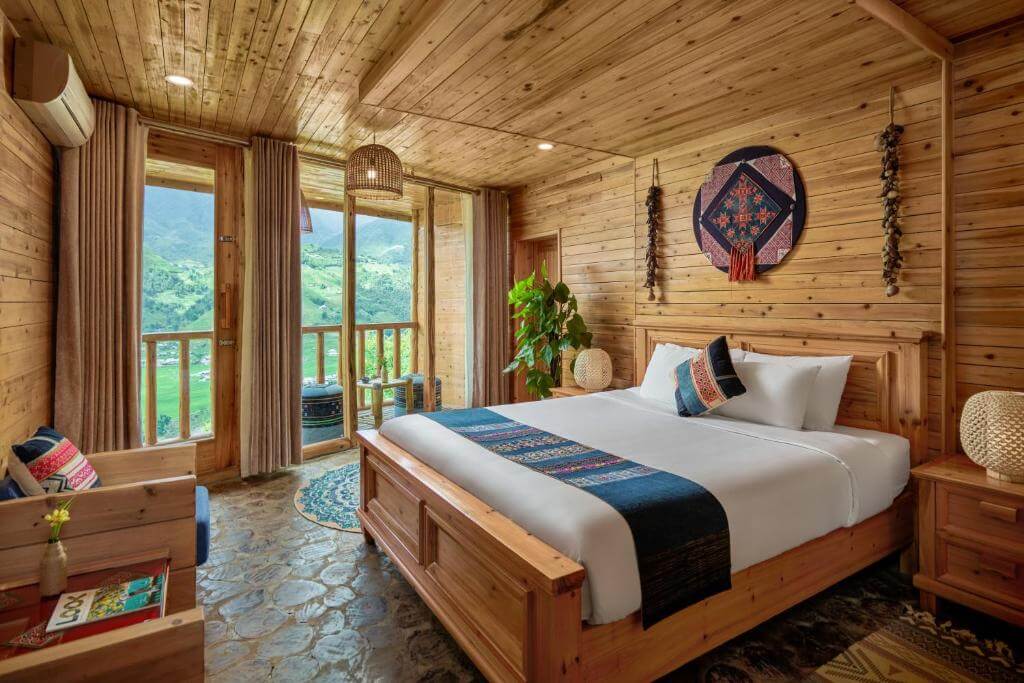
Here are all your accommodation options in Sapa
About the authors
We are Alex and Tina, a French-Serbian couple who met in China back in 2014. We spent three incredible years there before making France our home. Our shared passion for travel has been the heartbeat of our relationship for over 12 years, taking us across 44 countries and counting.
We launched TheDailyPackers in 2019 as a way to document our adventures. In 2026, we reached a major milestone by officially turning our blog into our full-time job. While we are still growing toward financial independence through this platform, every article we write is fueled by our mission to make your voyages easier through in-depth guides, honest advice, and the lessons we’ve learned from our own mistakes.
Our journey has not been without its storms. In 2023, our world changed forever when our first son, Poppy, was stillborn on November 25th. It was, and remains, the hardest chapter of our lives. In 2025, we were blessed with our second little boy, Milo. He has since joined our traveling tribe, and you’ll be seeing him—and the reality of traveling with a little one-on the blog more and more.
We hope to inspire you to explore the world with curiosity and resilience. Thank you for being part of our story.
You may also like those related posts
How to Start Yoga and Why It Changed Travelling
How to Visit Iguazu Falls: Argentina and Brazil Side Guide
19 Best things to do in Graz, Austria, in 1 to 2 days
Ella train: An Unforgettable Experience from Nuwara Eliya 2025
Epic Nurse Sharks & Stingray Tour from Maafushi 2025
5 Best Places to Visit in August
Masada, Ein Gedi & the Dead Sea: The Perfect 1-Day Trip from Jerusalem
TMB Stage 2: Guide from Les Contamines to Col de la Croix du Bonhomme
Pssst, did you know that…
If you purchase something through our links, we earn a small fee. However, you still pay the same. Win-win! And one day we may get to be full-time travel bloggers =)
Find Hotels with Booking.com
Do Yoga with KVY
Buy us a Coffee
Rent a car with DiscoverCars
Find Attractions with GetYourGuide
Find Flights with Expedia
Buy an eSIM with Airalo
Get insured with World Nomads
Get ready with Amazon.com