
Introduction
Shangri-La, also known as Xianggelila (香格里拉), is a peaceful mountain town nestled in northern Yunnan, under the jurisdiction of the Diqing Tibetan Autonomous Prefecture. While still part of China, this high-altitude destination offers a completely different vibe from the country’s bustling megacities.
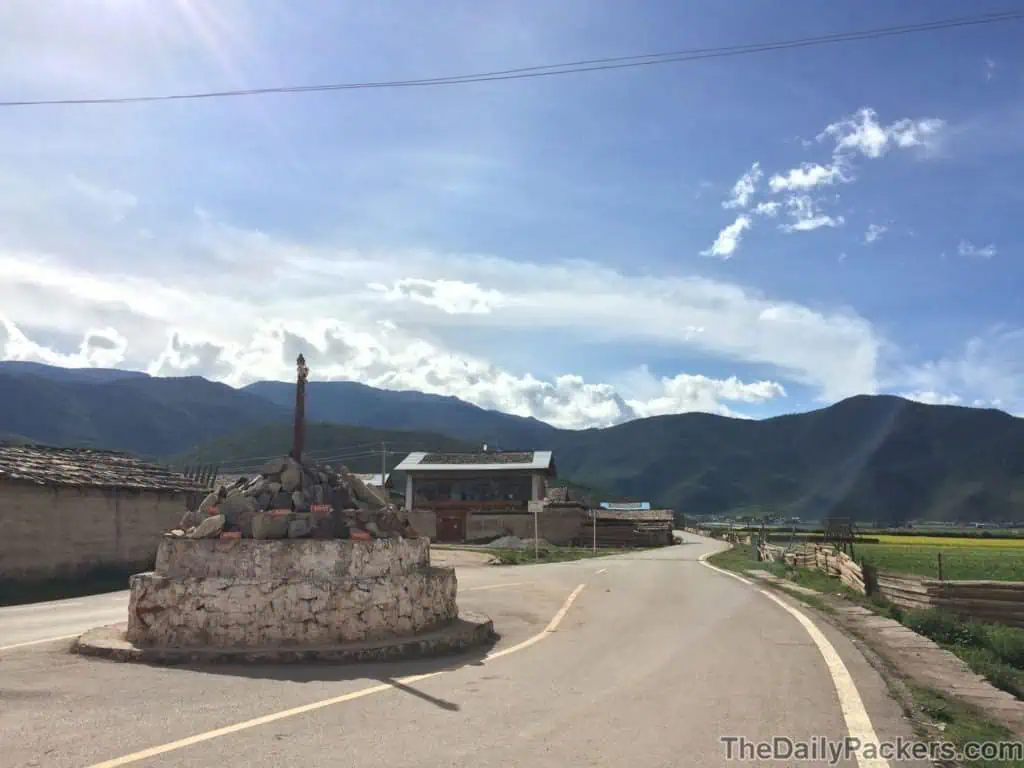
Often called “heaven on earth,” Shangri-La is famed for its dramatic alpine landscapes, snow-capped peaks, and vast grasslands dotted with yaks and prayer flags. It’s a gateway to the Tibetan world, rich with cultural heritage, colorful monasteries, and slow mountain life.
Unlike most cities in China, Shangri-La is small, remote, and deeply rooted in Tibetan traditions. It’s the perfect escape for nature lovers and curious travelers who want to explore China from a different angle — one that feels quieter, more spiritual, and refreshingly untouched by mass tourism.

Getting there
Despite its remote location, getting to Shangri-La is easier than it once was, thanks to improved transportation connections.
- By Plane: The fastest and most convenient way to reach Shangri-La is by flying. Diqing Shangri-La Airport (DIG) has daily flights from major cities like Kunming, Chengdu, Lhasa, and even Shanghai. The airport is just 5 km from the city center, and a short taxi ride will get you to your accommodation in no time.
- By Bus: If you’re already in Lijiang, Dali, or Kunming, taking a long-distance bus is a scenic (and budget-friendly) option. The ride from Lijiang takes about 4 to 5 hours, offering views of mountains, valleys, and local villages along the way.
- By Car or Private Driver: Another flexible option is to hire a private driver or rent a car. The route from Lijiang to Shangri-La is beautiful, with several photo stops possible along the way — think prayer-flag-covered passes and traditional Tibetan settlements.
Note: The road to Shangri-La winds through mountain terrain, so if you’re prone to motion sickness, bring some medication.
Moving Around
The best way to explore Shangri-La’s charming Old Town is on foot. Walking is not only the easiest option but also the most immersive — it allows you to soak in the peaceful atmosphere, traditional Tibetan architecture, and local culture at your own pace. You can also consider renting a bicycle for a bit more freedom, especially if you’re planning to explore slightly beyond the Old Town.
To visit nearby landmarks like the Songzanlin Monastery, you can hop on city bus line 3, which offers an affordable and easy ride from town. It’s a simple way to reach one of Shangri-La’s most iconic spiritual sites.
For more remote attractions, such as Pudacuo National Park or Shika Snow Mountain, hiring a private driver is the best option. While there are a couple of public buses available, they can be difficult to navigate without local language skills or guidance. Your accommodation will often have reliable driver contacts or local tour options, so don’t hesitate to ask once you arrive.
When to Visit
Shangri-La is a year-round destination, but each season brings a different atmosphere depending on what you’re looking for.
- Spring (April–May) is one of the most beautiful times to visit. Wildflowers bloom across the alpine meadows, temperatures are mild, and the scenery is vibrant. It’s also a quieter time before the summer crowds arrive — perfect for hikers and nature lovers.
- Summer (June–August) is warm and lush, with clear skies and green pastures. This is peak season, especially for domestic tourism, so expect more visitors. It’s a great time for trekking and exploring remote villages, but hotel prices can be higher. Also, afternoon rain showers are common, so pack a light rain jacket.
- Autumn (September–October) is arguably the best time to visit Shangri-La. The landscapes are bathed in golden hues, the skies are crisp and clear, and the temperatures are pleasant during the day (though it gets chilly at night). It’s also festival season for many Tibetan communities, making it a culturally rich period to visit.
- Winter (November–March) is cold, with temperatures dropping below freezing, especially at night. But if you don’t mind the chill, it’s an incredibly peaceful time to explore without the crowds. Snow can add a magical layer to the mountains and temples. Some rural routes may be closed, so check conditions in advance.
Festivals to Watch:
- Tibetan New Year (Losar) – Usually in February or March, this is the most important celebration in the region, full of color, culture, and community gatherings.
- Horse Racing Festival – Held in summer, this traditional event showcases local customs, dress, and skills.
For the best combination of pleasant weather and vibrant landscapes, September and October are ideal.

Where to Stay
Spending 3 days in Shangri-La is perfect for discovering the old town, hiking through alpine valleys, and diving into the rich Tibetan culture. Whether you’re after budget-friendly charm or mountain-view luxury, here are some of the best places to stay in Shangri-La.
(€) Yi’s Hostel – Cozy, Friendly & Perfect for Budget Travelers: A great choice if you’re looking for a warm atmosphere and helpful local tips. This small hostel is located just outside the old town, making it easy to explore on foot. Rooms are simple but clean, and the staff can help you arrange transportation or trekking routes in the area.
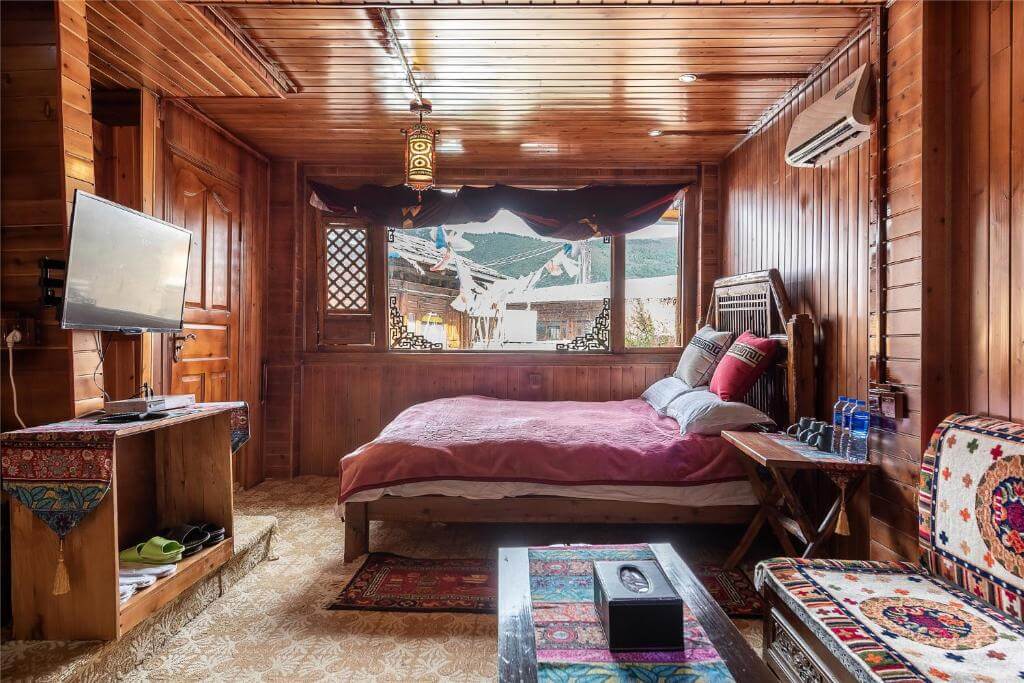
(€€) TIBET Guest House 虎跳峡卓玛客栈 – A Charming Stop on the Way to Tiger Leaping Gorge: This traditional Tibetan-style guesthouse is often a favorite among hikers heading to or coming from the gorge. Expect colorful decor, mountain views, and a relaxed, friendly vibe. It’s peaceful and authentic, ideal for soaking in the slower pace of the region.
(€€€) Hotel Indigo Diqing Moonlight City by IHG – Mountain Luxury Meets Local Style: If you want a touch of elegance, Hotel Indigo offers a stylish stay in the heart of Shangri-La with panoramic views of the surrounding peaks. Designed with Tibetan influence and contemporary comforts, this hotel includes spacious rooms, a great breakfast, and a location that’s just a short walk from the old town. Perfect for couples or travelers looking to unwind in comfort after a day of exploration.
What to Eat
The local cuisine in Shangri-La leans more towards Tibetan flavors than classic Chinese dishes, making it a unique food experience during your trip. You’ll find hearty, comforting meals designed for the high-altitude lifestyle — and lots of new flavors to try.
Start with the basics like Zan Ba, a traditional dish made from roasted highland barley flour, often stir-fried into noodles or shaped by hand with butter tea. Speaking of which, don’t miss the chance to try butter tea — it’s salty, rich, and definitely an acquired taste, but part of the authentic local culture.
Also worth trying:
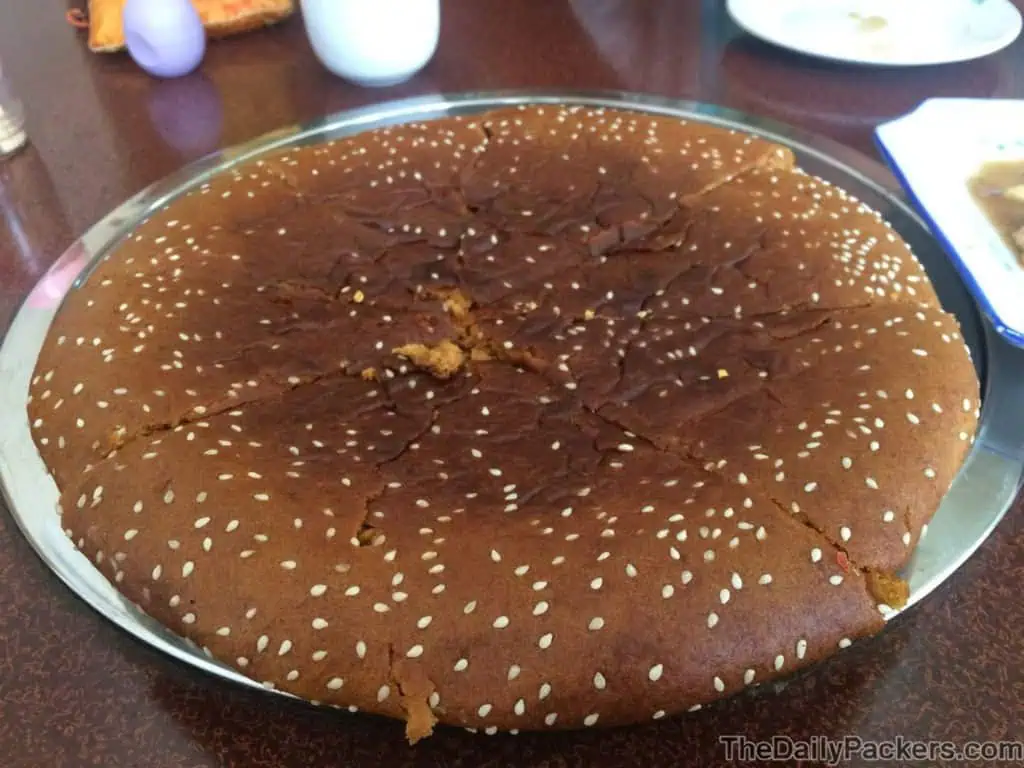
- Tibetan-style local bread, warm and perfect for breakfast
- Local beers, often brewed with barley and great to enjoy with mountain views
Beyond these staples, let yourself be surprised. Many small eateries and guesthouses serve traditional Tibetan dishes — sometimes with yak meat, mushrooms, or hearty vegetables — that you won’t find anywhere else in China. It’s all part of the Shangri-La charm.
Things to do in Shangri-la
Visit the Songzanlin Lamasery — The Little Potala Palace of Yunnan
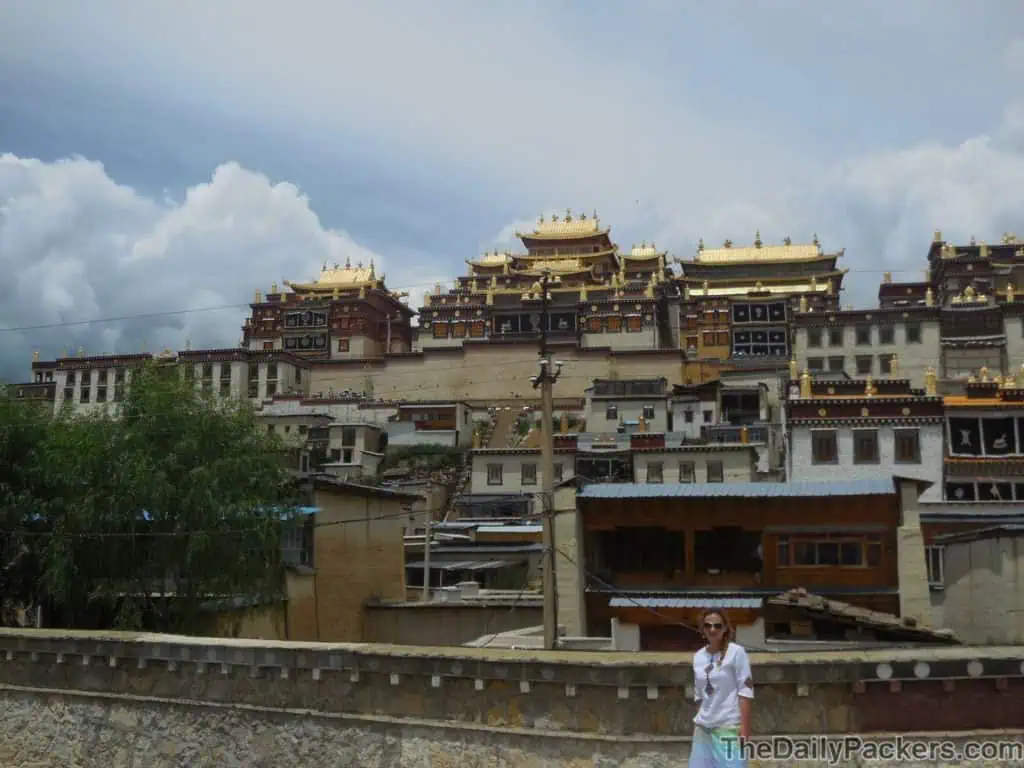
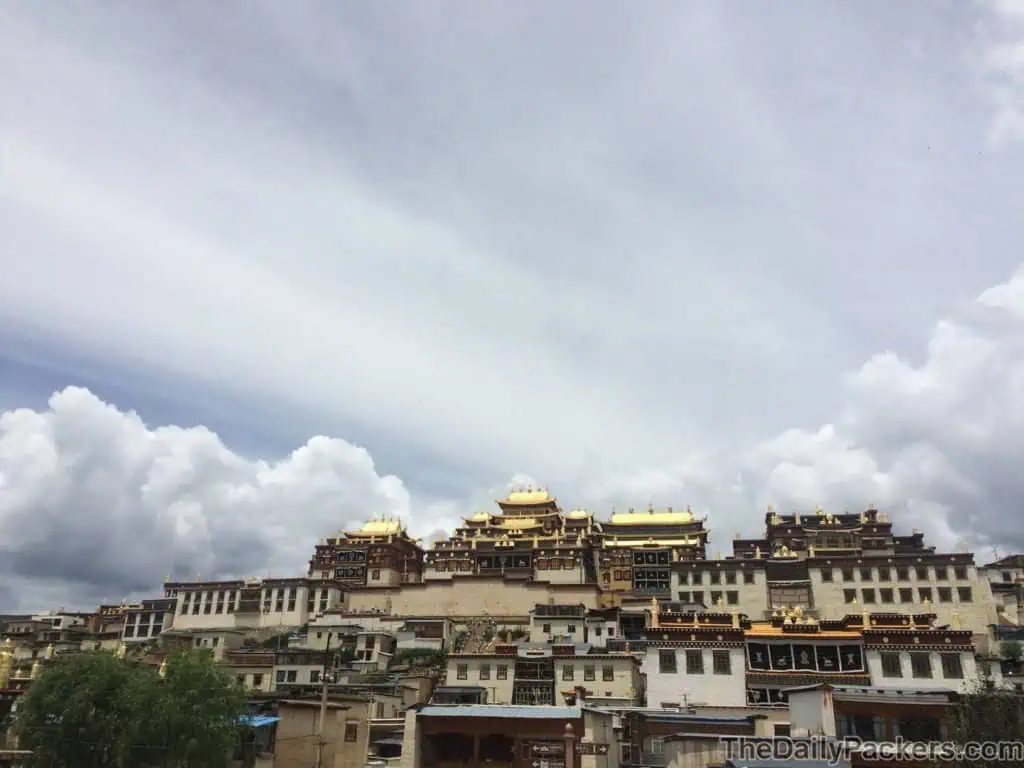
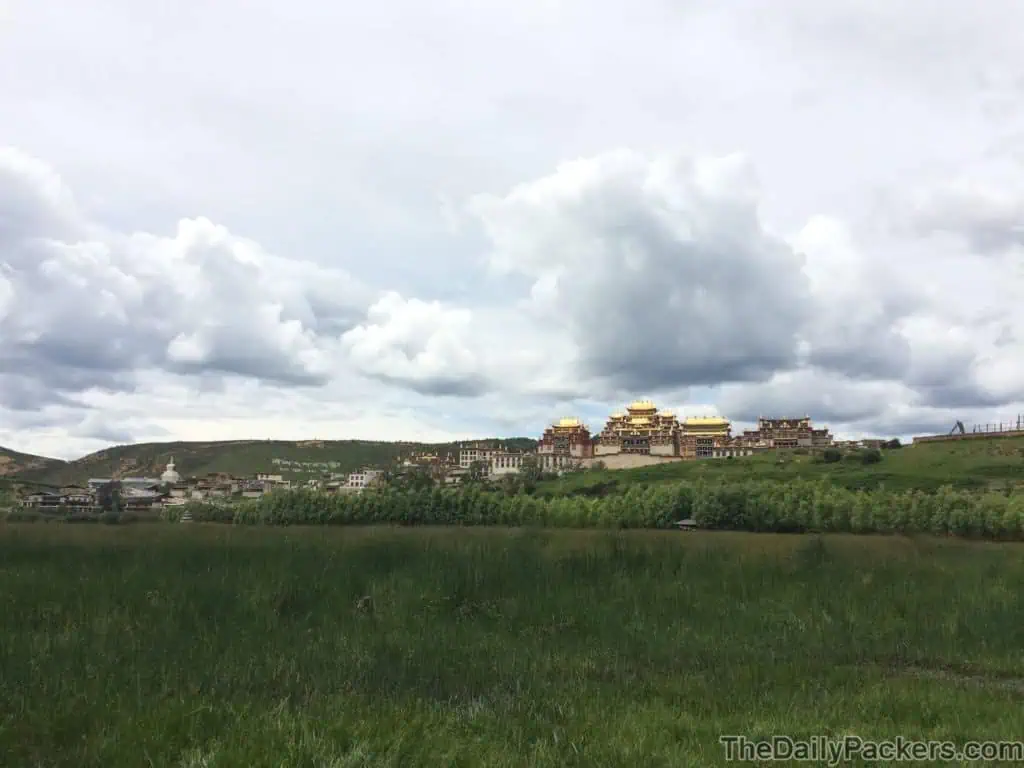
Often called the “Little Potala Palace,” Songzanlin Lamasery is the most important Tibetan Buddhist monastery in Southwest China. Built in 1679, this striking complex is perched on a hill just outside Shangri-La and remains under the spiritual leadership of the Dalai Lama. Its architecture is a fascinating blend of traditional Tibetan design and Han Chinese influences, with golden rooftops, prayer flags, and intricate murals giving it a majestic presence.
Wandering through the monastery grounds, you’ll pass monks in crimson robes, hear the soft hum of chanting, and explore halls filled with sacred relics and thangka paintings. The setting itself is beautiful — framed by mountains and overlooking a serene wetland. Don’t forget to climb the stairs to the upper temples for panoramic views of the surrounding landscape. It’s not just a visit, but a true cultural and spiritual experience in Yunnan
Enjoy a Peaceful Lakeside Walk from the Lamasery
After visiting Songzanlin Lamasery, take time to explore the small lake just below the monastery. A peaceful walking path circles the water, offering beautiful reflections of the golden rooftops and surrounding hills — especially stunning in the early morning or late afternoon light.
Along the way, you’ll spot prayer wheels, grazing yaks, and local pilgrims making their spiritual rounds.
It’s a quiet escape that adds a slower, more intimate layer to your visit. Perfect for photos, reflection, or simply soaking in the calm atmosphere of Shangri-La’s highland charm.
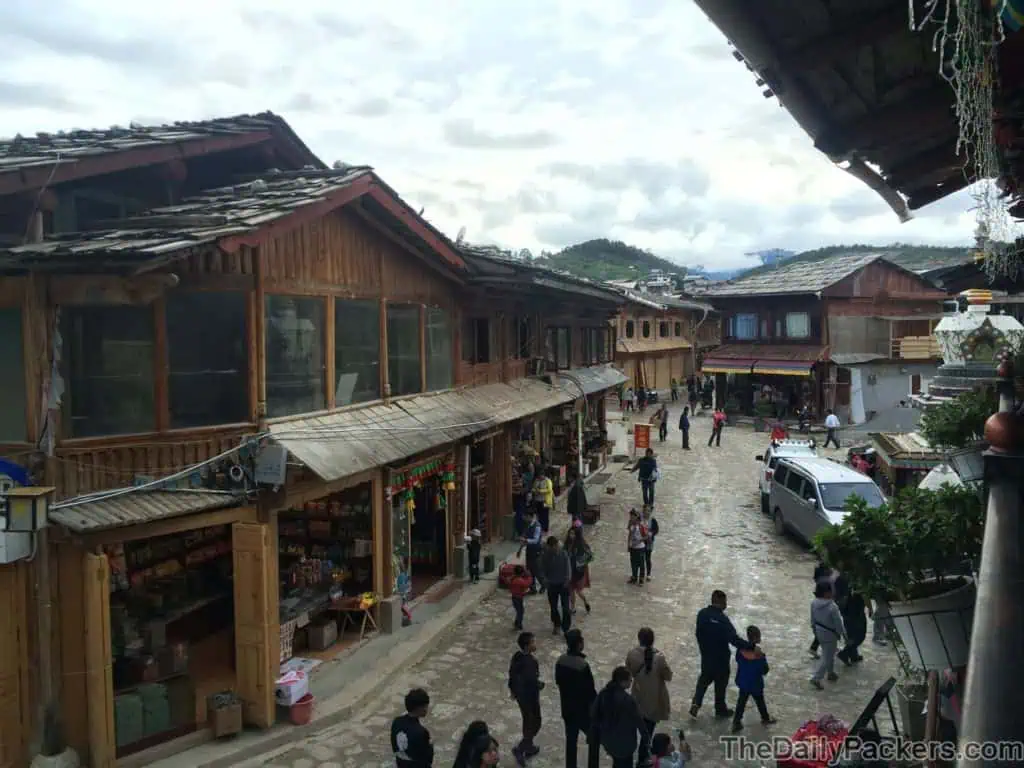
Wander Through the Ancient City of Dukezong
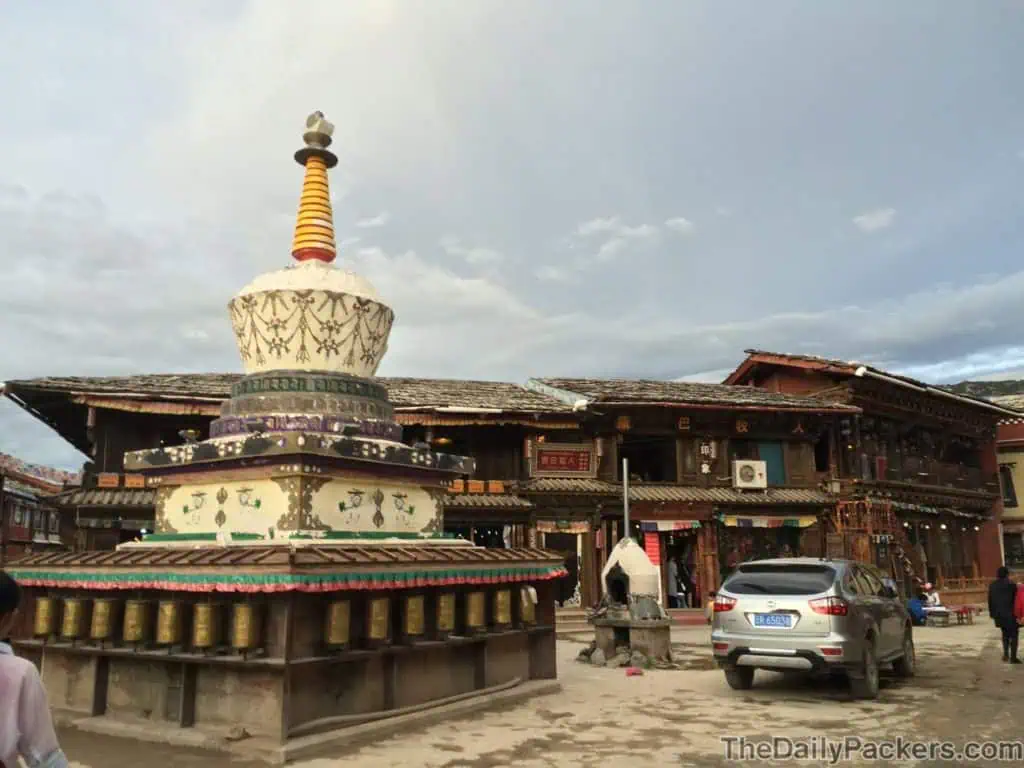
Stroll around an authentic Tibetan town steeped in history and tradition. Located within Shangri-La, the Ancient City of Dukezong is over 1,300 years old and offers a rare glimpse into the region’s rich Tibetan culture. With its winding cobblestone streets, traditional wooden homes, and prayer flags fluttering in the wind, Dukezong feels like stepping back in time.
Don’t miss climbing up to Guishan Hill, where you’ll find the world’s largest prayer wheel. Join locals and visitors alike in turning it three times for good luck. The panoramic view from the top is worth the short walk and offers a beautiful perspective over the ancient rooftops and surrounding mountains.
Whether you visit during the day or evening when the town is softly lit, Dukezong is a must-experience in Shangri-La for anyone wanting to soak up the peaceful, spiritual atmosphere of the Tibetan plateau.
Visit Guishan Temple — Home to the World’s Largest Prayer Wheel
Located in the heart of Dukezong Ancient Town, Guishan Temple (also known as Moonlight Square Temple) is one of Shangri-La’s most iconic landmarks. Though modest in size, the temple is perched on a hill and offers stunning panoramic views of the surrounding city and mountains.
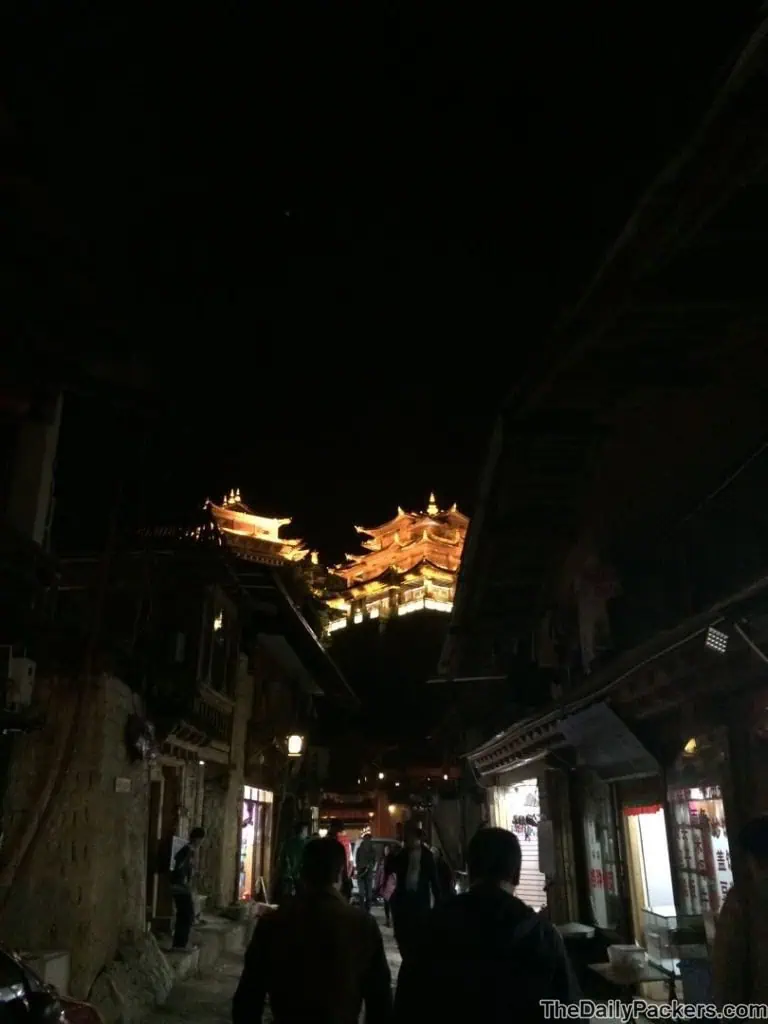
Its biggest draw? The world’s largest prayer wheel — a towering golden cylinder that requires several people to turn. Locals believe that spinning it clockwise three times brings blessings and good fortune. The atmosphere around the temple is spiritual yet welcoming, with locals lighting incense and chanting softly.
It’s best to visit near sunset, when the town below glows in golden light and the view is especially magical.

Bike Around Napa Hai — A Scenic Ride Through Alpine Wetlands
Napa Hai, or Lake Napa, is a stunning high-altitude wetland just a short ride from Shangri-La’s ancient town. Spanning 660 km², this natural reserve transforms throughout the seasons — from a vast lake in the rainy months to a grassland plain in the dry season.
Hop on a bike and cycle the peaceful roads that wind around the lake. You’ll pass Tibetan villages, spot yaks grazing, and, if you’re lucky, see migratory birds like black-necked cranes. It’s one of the most tranquil ways to experience the untouched nature of Yunnan.

The ride is easy to moderate, with open landscapes and quiet surroundings making it ideal for nature lovers, photographers, or anyone wanting to take in the fresh air of the Himalayas.
Enjoy Local Music in a Tibetan Bar — A Cultural Night in Shangri-La
After a day of exploring Shangri-La’s stunning landscapes and ancient sites, wind down with an evening of live local music in one of the cozy Tibetan-style bars in the old town. These intimate venues often feature traditional instruments, heartfelt folk songs, and sometimes even spontaneous performances by locals.
The atmosphere is warm and welcoming, with wooden interiors, yak-butter candles, and a laid-back vibe that makes it easy to mingle with fellow travelers and locals alike. Order a glass of local barley beer or warm up with butter tea as the music fills the room — it’s a soulful way to connect with the unique culture of this mountain town.

Discover Potatso National Park — A Highland Nature Escape
Located about 23 km from Shangri-La, Potatso National Park (also known as Pudacuo National Park) is China’s first national park that meets international standards. Covering alpine meadows, wetlands, forests, and pristine lakes, it offers a breathtaking glimpse into the biodiversity of the eastern Himalayas.

Inside the park, you’ll find Shudu Lake and Bita Lake, both surrounded by dramatic mountains and dense forest. Wooden boardwalks make hiking accessible and enjoyable, and electric shuttles are available to help visitors get around.
The air is fresh, the landscapes are peaceful, and if you’re lucky, you might spot rare wildlife like the black-necked crane or Yunnan golden monkeys. The park sits at an altitude of around 3,500 meters, so take it slow and be mindful of altitude changes.
Good to know: Bring layers, comfortable shoes, and water. The entrance fee is usually around 258 RMB and includes the eco-bus service inside the park. It’s best visited on a clear day to fully enjoy the views.

Shangri-la itinerary
Day 1: Culture & Spiritual Sights
- Songzanlin Lamasery & Lakeside Walk – Explore the largest Tibetan Buddhist monastery in Yunnan and enjoy a peaceful stroll along the scenic lake beside it.
- Ancient City of Dukezong – Wander through the charming old town with its 1,300-year history, traditional Tibetan houses, and cobblestone lanes.
- Guishan Park – Climb up to the hilltop for panoramic views of the city and witness the world’s largest prayer wheel.
Day 2: Nature & Adventure
- Bike Around Napa Lake – Cycle through open grasslands and admire the reflections on this tranquil lake. Keep an eye out for grazing yaks and migratory birds along the way.
Day 3: Alpine Wilderness
- Potatso National Park & Bita Lake – Visit China’s first national park to discover highland meadows, pristine lakes, and ancient forests. Don’t miss the peaceful boardwalk trail around Bita Lake.
塞翁失马,焉知非福。(Sài Wēng shī mǎ, yān zhī fēi fú. ‘Sai Weng [legendary old man’s name] lost horse, how know not blessing’.) — Blessings come in disguise.
You may also like
About the authors
We are Alex and Tina, a French-Serbian couple who met in China back in 2014. We spent three incredible years there before making France our home. Our shared passion for travel has been the heartbeat of our relationship for over 12 years, taking us across 44 countries and counting.
We launched TheDailyPackers in 2019 as a way to document our adventures. In 2026, we reached a major milestone by officially turning our blog into our full-time job. While we are still growing toward financial independence through this platform, every article we write is fueled by our mission to make your voyages easier through in-depth guides, honest advice, and the lessons we’ve learned from our own mistakes.
Our journey has not been without its storms. In 2023, our world changed forever when our first son, Poppy, was stillborn on November 25th. It was, and remains, the hardest chapter of our lives. In 2025, we were blessed with our second little boy, Milo. He has since joined our traveling tribe, and you’ll be seeing him—and the reality of traveling with a little one-on the blog more and more.
We hope to inspire you to explore the world with curiosity and resilience. Thank you for being part of our story.
You may also like those related posts
3-week Vietnam Itinerary: The Best of north/central Vietnam
Mount Pilatus: How to Hike Lucerne’s best peak in 1-day
9 best things to do in Beijing, China, in 3 days for first timers
Hoi An Tailor Guide: Our Experience at Blue Eye
9 best things to do in Jericoacoara, Brazil, in 2 to 4 days
How to Travel and Make Money with Affiliation in 2026
18 Most beautiful Places in Corsica, France
Tinghir to Merzouga: Epic 1-day road trip in the Atlas
Pssst, did you know that…
If you purchase something through our links, we earn a small fee. However, you still pay the same. Win-win! And one day we may get to be full-time travel bloggers =)
Find Hotels with Booking.com
Do Yoga with KVY
Buy us a Coffee
Rent a car with DiscoverCars
Find Attractions with GetYourGuide
Find Flights with Expedia
Buy an eSIM with Airalo
Get insured with World Nomads
Get ready with Amazon.com