
Introduction
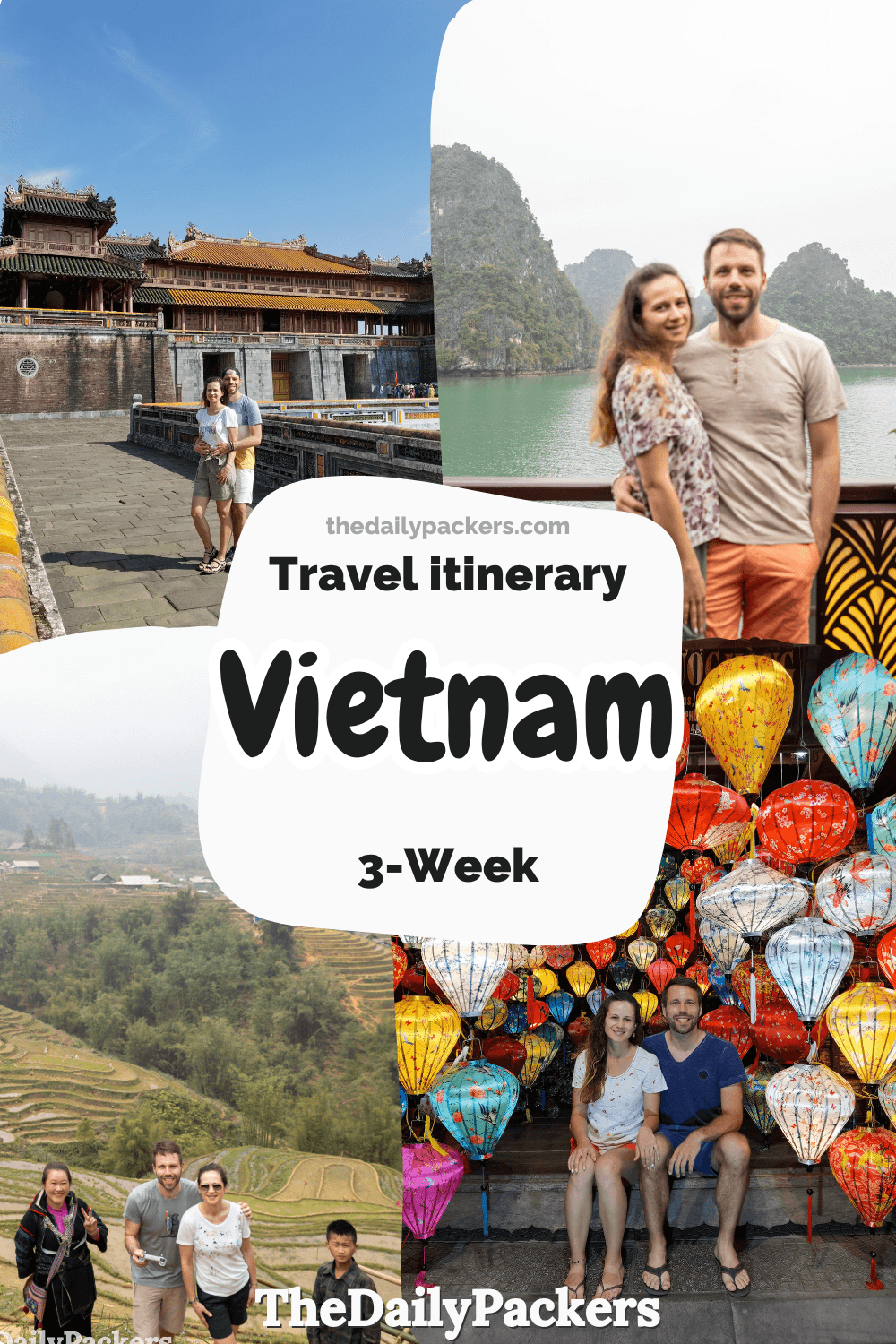
In April 2023, we spent three weeks traveling through Vietnam. At first, we thought about covering the whole country, but quickly realized it would be too rushed. Instead, we decided to focus on the north and center, giving ourselves more time to enjoy each place properly.
This itinerary takes you from Hanoi, the bustling capital, up to the misty mountains of Sapa, out onto the emerald waters of Halong Bay, through the limestone landscapes of Tam Coc, and then south to central Vietnam to discover Hue and finally Hoi An — which ended up being our favorite city in the country.
One thing that made this trip a little different for us was that Tina was 9 to 12 weeks pregnant at the time. It wasn’t always easy, but it made the journey even more meaningful, and we wouldn’t have changed a thing.
This 3-week Vietnam itinerary follows the exact route we took: starting in Hanoi, heading north to Sapa, cruising Halong Bay, exploring “Halong on land” in Tam Coc, and finishing with the cultural treasures of Hue and the charm of Hoi An. If you’re planning your own trip, use this as a starting point and adjust the pace to fit what you’re looking for.
At a Glance & Top Travel Tips
- The Vibe: Mountains, misty rice terraces, emerald bays, and lantern-lit ancient towns — this itinerary mixes trekking, cruising, and culture without feeling rushed.
- The Route: Hanoi → Sapa → Halong Bay (cruise) → Tam Coc → Hue → Hoi An → back to Hanoi.
- Time Needed: 21 days total. This is a relaxed pace by design — you could technically cover more ground, but slowing down is what makes this itinerary work.
- Best Time to Visit: Spring (March–May) or early autumn (September–October) for the most balanced weather across both the north and center.
- Getting Around: A mix of luxury vans, an overnight cruise transfer, one domestic flight (Hanoi to Hue), a train (Hue to Da Nang), and scooters for exploring each region up close.
- Budget Level: Mid-range. Expect a comfortable trip with boutique hotels and homestays, without needing a luxury budget.
- Pace Tip: Don’t try to add the south into this same trip. Covering the north and center properly, without feeling like you’re constantly packing and unpacking, is what makes this route work so well.
Getting there
Most international travelers will start their Vietnam itinerary by flying into Hanoi or Ho Chi Minh City. Since this itinerary focuses on the north and center of the country, Hanoi is the best place to begin. The capital is well connected, with direct international flights from many Asian hubs, as well as from some European and Australian destinations.
If you’re already traveling in Southeast Asia, another easy option is a short regional flight from Bangkok, Kuala Lumpur, or Singapore.
Once in Vietnam, you’ll find it easy to move around by train, bus, or plane. Domestic flights are affordable and save time for longer distances, while trains let you enjoy the scenery at a slower pace. Buses and minivans are the cheapest way to get around, but they can be less comfortable on longer routes.
For this itinerary, plan to start in Hanoi and work your way south to Hoi An, either by train, bus, or a mix of domestic flights, depending on how much time and comfort you’re after.

Moving Around
Getting from one place to another in this Vietnam itinerary is part of the adventure. Here’s how you can connect each stop of this 3-week Vietnam itinerary:
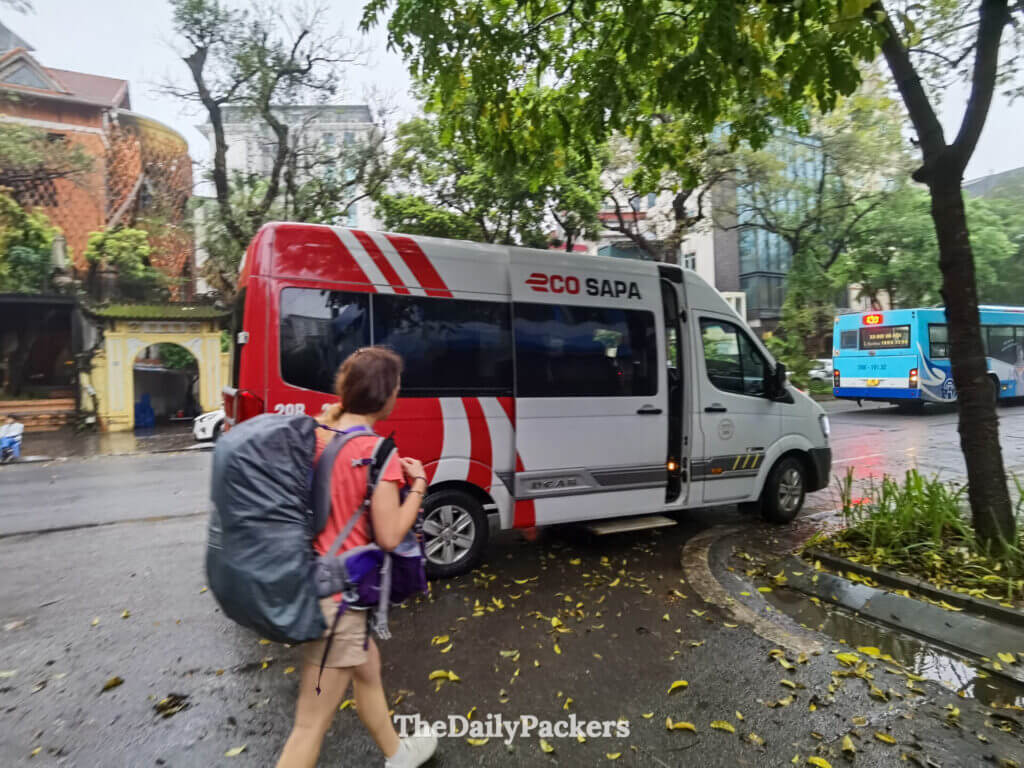
Hanoi – Sapa: The easiest way is by luxury van or sleeper bus, which takes about 5–6 hours. Trains also run overnight but arrive in Lao Cai, so you’ll need a transfer to Sapa town. We chose the luxury van and found it comfortable and convenient.
Sapa – Hanoi: You’ll need to backtrack the same way. Again, a van or bus is the fastest, but you can also opt for the night train if you want the experience.
Hanoi – Halong Bay (or Lan Ha Bay): Halong is about 2.5–3 hours away by shuttle bus or private transfer. Most cruise companies organize transport directly from Hanoi, which makes it easy.
Halong Bay – Tam Coc (Ninh Binh): You can book a direct transfer with your cruise operator or take a bus back to Hanoi and then catch a train or bus to Ninh Binh. The direct transfer is by far the easiest option.
Tam Coc – Hue: The fastest way is to head back to Hanoi and take a flight to Hue. There are also overnight trains and buses, but they take around 12–14 hours, so flying is much more comfortable.
Hue – Hoi An: Hoi An doesn’t have a train station, so you’ll first travel to Da Nang by train, bus, or private car. From there, it’s a 45-minute taxi or shuttle ride to Hoi An. The scenic Hai Van Pass along the way makes this one of Vietnam’s most beautiful journeys.
Hoi An – Hanoi (end of trip): The simplest way to return to Hanoi is to fly back from Da Nang.
When to visit
Vietnam stretches long from north to south, which means the weather can be very different depending on where you are. Since this itinerary covers both the north and the center, here’s what to expect season by season:
Spring (March – May): This is one of the best times to visit. In the north, including Hanoi, Sapa, and Ninh Binh, you can expect mild weather with temperatures around 18–25°C (64–77°F). Central Vietnam, with Hue and Hoi An, also enjoys warm, dry weather, usually around 25–30°C (77–86°F). It’s a great balance for exploring cities, hiking in the mountains, and relaxing by the beach.
Summer (June – August): Expect hot and humid weather, especially in the north where Hanoi and Ninh Binh can reach 30–35°C (86–95°F). Sapa is cooler in the mountains but can be rainy. In central Vietnam, Hoi An and Hue can get extremely hot, sometimes hitting 38°C (100°F). Summer is also typhoon season, so heavy rains and storms can affect your plans, particularly in coastal areas.
Autumn (September – November): Another excellent time to follow this itinerary. Northern Vietnam cools down with pleasant temperatures between 20–28°C (68–82°F). Sapa’s rice terraces turn golden in September, making it an especially beautiful time to visit. Central Vietnam still has good weather in September and October, but November brings more rain, especially in Hue.
Winter (December – February): Northern Vietnam can get chilly, especially in Sapa, where temperatures can drop to 5–10°C (41–50°F). Hanoi hovers around 15–20°C (59–68°F). Central Vietnam is warmer, around 20–25°C (68–77°F), but Hue and Hoi An can be rainy. It’s not the best time for beaches, but cultural visits are still enjoyable.
Our tip: if you want the most balanced experience across all destinations, aim for spring (March–May) or early autumn (September–October). You’ll get pleasant weather in both the north and center, great hiking conditions in Sapa, and clear skies for Halong Bay and Tam Coc.


Where to stay
Finding the right place to stay in this Vietnam itinerary is easy, as the country has options for every budget, from cozy family-run guesthouses to boutique hotels and luxury resorts. In most cities and towns, you’ll find accommodations that include breakfast, free bikes or scooters, and helpful staff who can help you plan activities.
During our 3 weeks in Vietnam, we mostly stayed in mid-range boutique hotels and homestays, which gave us comfort while keeping the experience authentic. If you’re on a budget, hostels and simple guesthouses are widely available, while those looking for something special will find beautiful resorts, especially around Hoi An or in the countryside near Tam Coc.
No matter where you go, we’d recommend booking a mix of local guesthouses for cultural immersion and boutique hotels for comfort. And in places like Halong Bay, an overnight cruise is a must for the full experience.
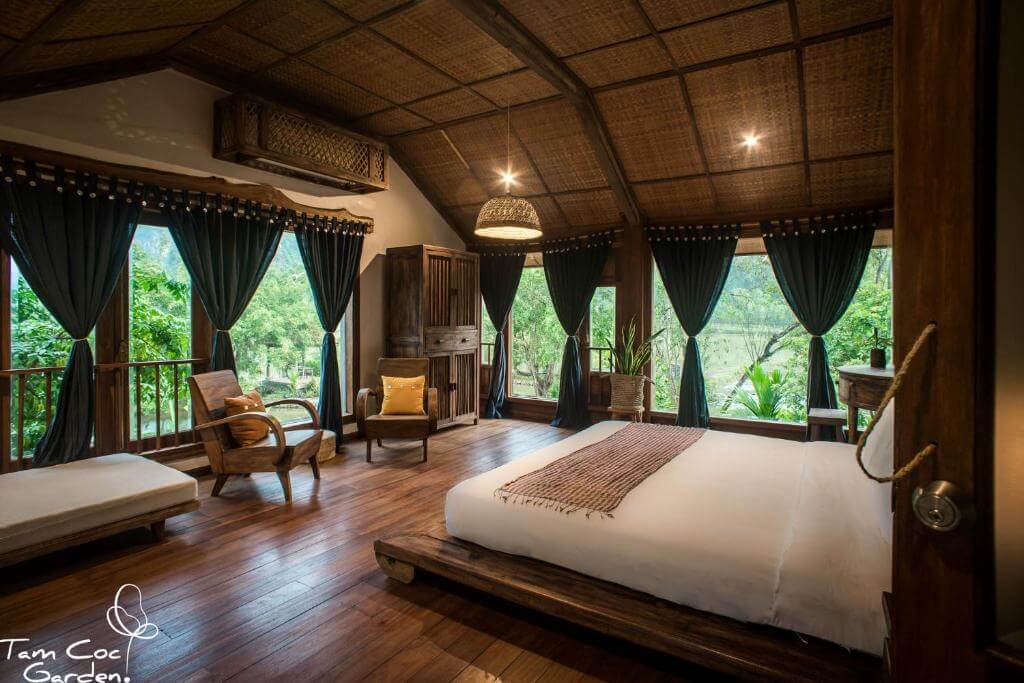

Don’t forget to book your accommodations in advance – the best places always fill up quickly.
What to eat
One of the highlights of this itinerary is definitely the food. Each region has its own specialties, and eating your way through the country is part of the journey. You’ll quickly notice how local flavors change as you move from north to center.
In Hanoi and the north, dishes are often lighter and more delicate. A must-try is phở, the famous noodle soup that comes with beef, chicken, or tofu. Bún chả, grilled pork with vermicelli, is another Hanoi classic, and vegetarians can easily swap the meat for tofu.
In the center, food gets spicier and more intense. Hue is famous for its royal cuisine, with small, beautifully presented dishes. Don’t miss bánh bèo, little rice cakes topped with savory bits. Hoi An has its own unique flavors too, with cao lầu — noodles served with greens, pork, and crispy toppings, or a vegetarian version — and the world-famous bánh mì, which you’ll find on nearly every corner.

Street food is everywhere and is usually the best way to experience authentic flavors. You’ll also find vegetarian-friendly places in most towns — we never struggled to find tasty plant-based options.
And don’t forget the drinks: Vietnam has an amazing coffee culture. Try an egg coffee in Hanoi, coconut coffee in Hoi An, and of course the classic iced coffee with condensed milk. For something fresh, grab a sugarcane juice, a smoothie, or a cold local beer like Bia Hoi, which is both cheap and refreshing.
Eating on this trip isn’t just about filling your stomach — it’s about experiencing local life, sitting on tiny stools on the sidewalk, and sharing dishes with locals.


Tip: We never travel without our DJI Mini 3 PRO drone anymore — it’s totally worth having to capture places from a whole new perspective.
Vietnam Itinerary Overview
Let’s start with a bit of background on how we planned this route. In April 2023, we spent 3 weeks exploring the country. Our first idea was to travel all the way from north to south, but as we started planning, we realized it would be too rushed. Instead, we decided to focus on the north and center, giving us more time in each place without feeling like we were constantly on the move.
Another big reason was that we really wanted to include Sapa. It’s the northernmost region of Vietnam, and we didn’t want to miss its mountain scenery and local culture. On top of that, Tina was pregnant at the time, so we preferred to keep the pace slower and avoid long, exhausting journeys.
That’s why we chose to stop in the center rather than push further south. The advantage was clear — more time to truly enjoy each stop.
Here’s the 3-week Vietnam itinerary we followed:
- Day 1: Arrival in Hanoi
- Day 2 – 3: Hanoi
- Day 4 – 7: Sapa
- Day 8 – 10: Cruise in Lan Ha & Ha Long Bay
- Day 11 – 13: Tam Coc (Ninh Binh)
- Day 14 – 16: Hue
- Day 17 – 20: Hoi An
- Day 21: Return to Hanoi
We also skipped the Phong Nha region, famous for its impressive caves, because getting there meant an 8-hour bus ride from Tam Coc. Instead, we flew from Hanoi to Hue, which made the journey much easier and left us more time for enjoying rather than traveling.
Looking back, we don’t regret that choice at all. This route gave us a great balance between culture, landscapes, and relaxation, and we wouldn’t change a thing.
Vietnam Itinerary day by day
Vietnam Itinerary Day 1: Arrive in Hanoi
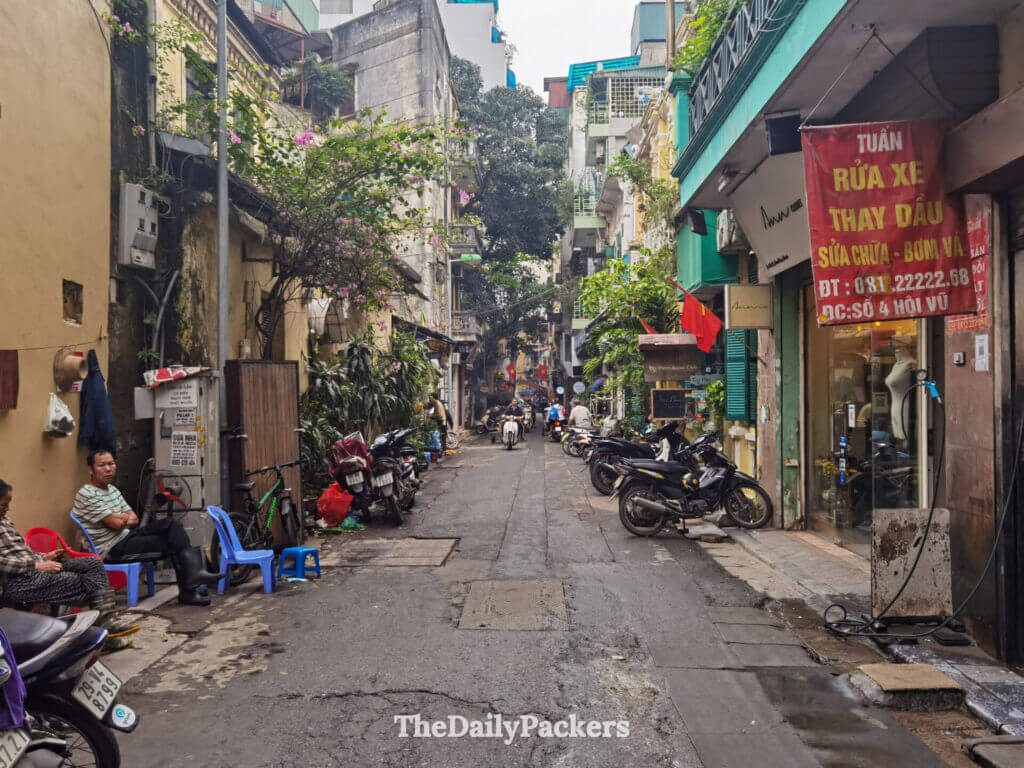
Your trip begins in Hanoi, the capital. After landing, make your way through customs, pick up a local SIM card, and transfer to your accommodation for check-in. Once you’ve freshened up, head out for a first stroll through the lively streets of the Old Quarter. The best way to start is simply by walking around, soaking in the buzzing atmosphere, and letting the city introduce itself to you.
For dinner, try one of the many cozy restaurants or cafés in the center. We went to the Hanoi Social Club and really enjoyed it – a relaxed spot with good food to ease into the trip.
Where to stay in Hanoi (€): La Passion Premium Cau Go, (€€): May De Ville Corner Hotel, (€€€): Peridot Grand Luxury Boutique Hotel
Vietnam Itinerary Day 2: Hanoi
Now the real exploring begins. Start the morning with a good breakfast, because today is a full and sweaty adventure through the capital. A great first stop is St. Joseph’s Cathedral, the oldest church in Vietnam and a striking example of French colonial architecture.
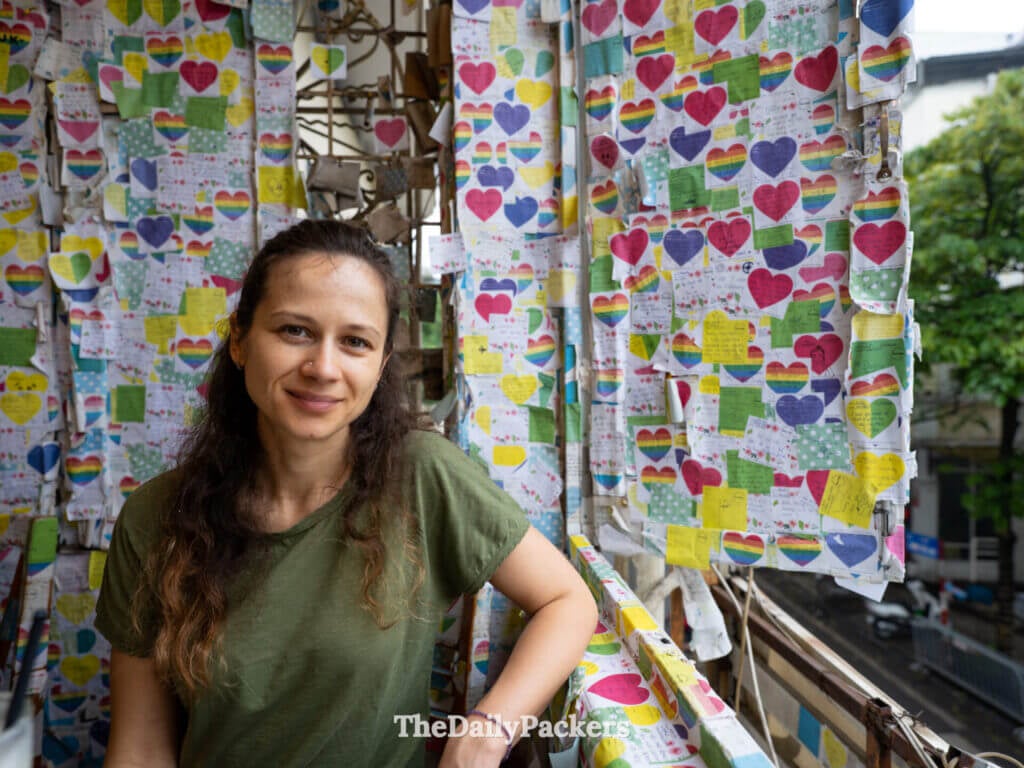
From there, make your way to one of the quirkiest cafés in town — The Note Coffee. Every inch of the place is covered in colorful sticky notes left by visitors from around the world, and it’s one of those unique Hanoi experiences you don’t want to miss.
Hanoi is also a great place to treat yourself — manicures and pedicures are inexpensive and the quality is excellent. After that, wander through the Old Quarter, pop into small temples, pass by the famous beer street, and stop for lunch at Hoang’s.
In the afternoon, head to Ngoc Son Temple, located right on Hoàn Kiếm Lake, before trying the city’s signature drink: an egg coffee at Café Giang, said to be the birthplace of this unusual but delicious beverage.

As evening falls, go watch the famous Water Puppet Show (around 50 minutes long), a traditional art form unique to northern Vietnam. Dinner can be at Tung’s Kitchen, where you can try more local dishes in a cozy setting.
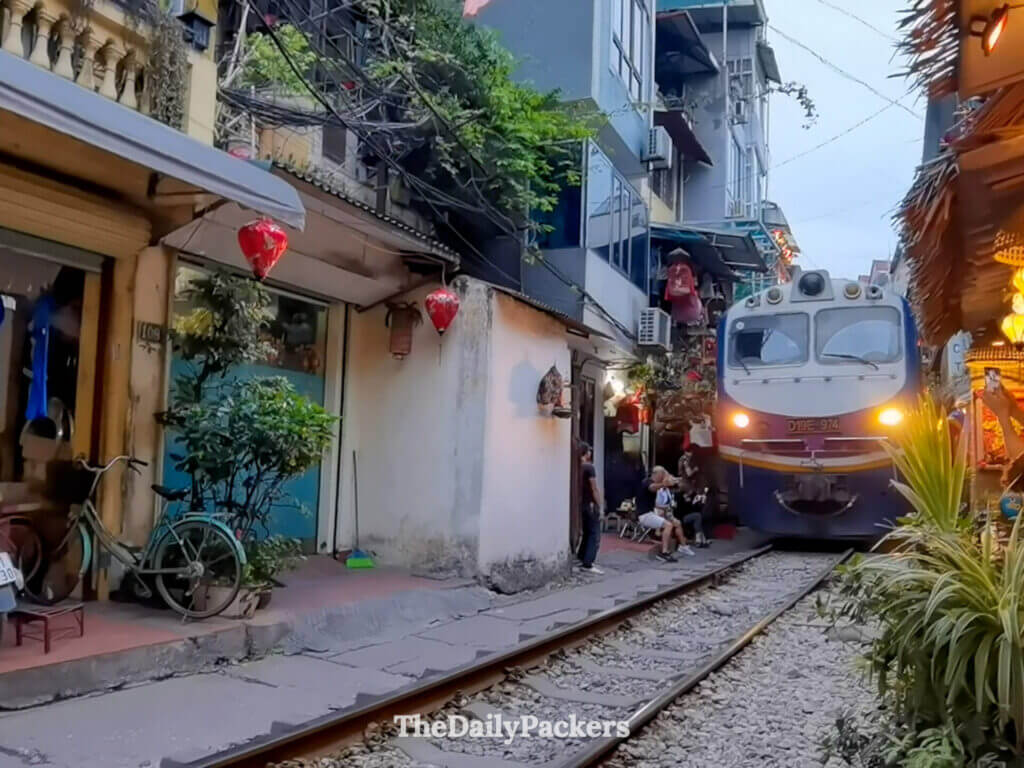
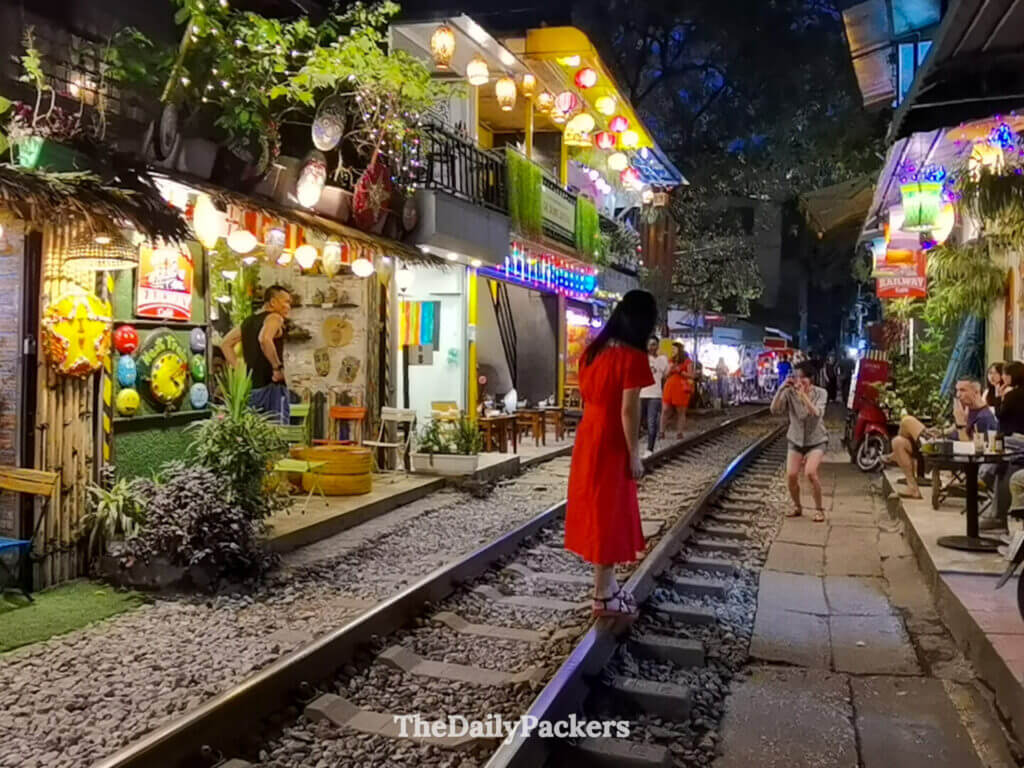
End your day with a walk back through the lively streets of Hanoi. If you’re curious about the famous Train Street, you can try your luck entering one of the cafés along the tracks — or, to make sure you get in, book a guided food tour that includes Train Street.
Where to stay in Hanoi (€): La Passion Premium Cau Go, (€€): May De Ville Corner Hotel, (€€€): Peridot Grand Luxury Boutique Hotel

Read: Best Coffee Shops in Hanoi
Vietnam Itinerary Day 3: Hanoi
To continue exploring Hanoi, it’s time to dive into the city’s more historical side. Start the day by taking a Grab to the Temple of Literature, Vietnam’s first university and a beautiful example of traditional architecture. After exploring, take a short break at Cong Café and order their famous coconut coffee — one of Vietnam’s must-try drinks.
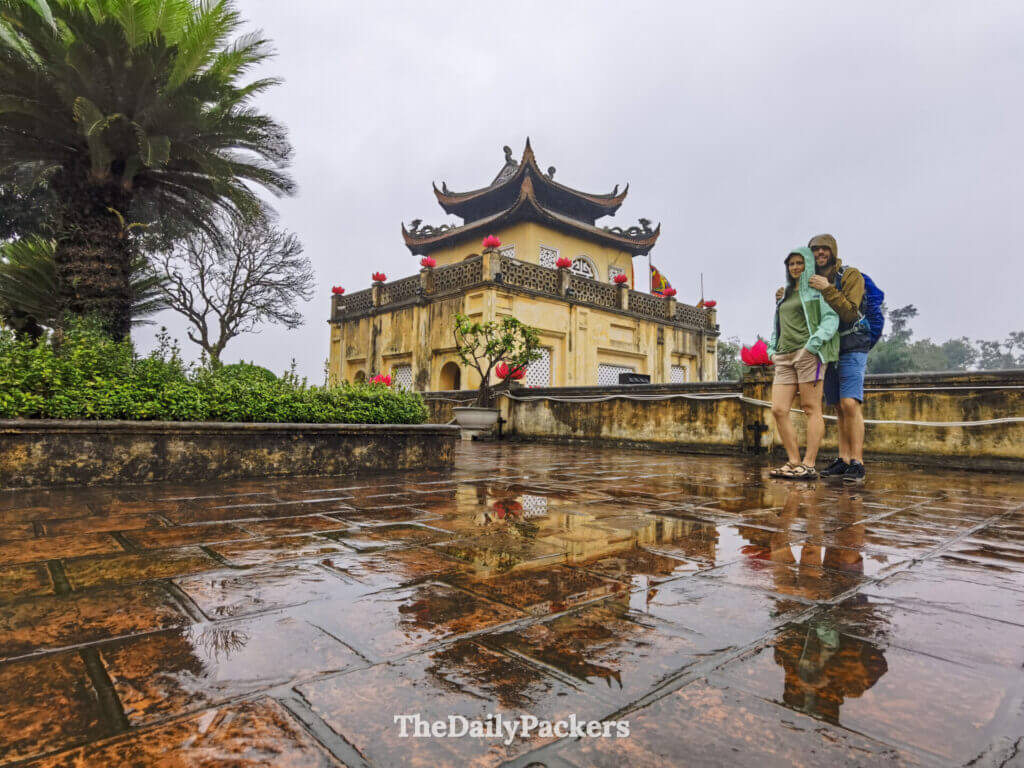
Your next stop is just a few minutes away: the Imperial Citadel of Thang Long, a UNESCO World Heritage Site that once served as Vietnam’s political center for centuries. When it’s time for lunch, head to Veggie Castle, a vegan buffet that’s both delicious and satisfying.
In the afternoon, make your way to West Lake, Hanoi’s largest lake. Stroll along the waterfront and stop at Tran Quoc Pagoda, the city’s oldest Buddhist temple, beautifully set on a small islet. From there, walk south past Quán Thành Temple before reaching the impressive Ho Chi Minh Mausoleum, one of Hanoi’s most iconic landmarks.

Hanoi is filled with atmospheric cafés, so take a Grab to Loading T Café and unwind with a fresh herbal tea in their charming colonial-style setting. To finish the day, wander back through the Old Quarter. For dinner, switch it up with a meal at Pizza 4P’s Bao Khanh, a popular spot that blends Vietnamese ingredients with Japanese-style Italian cooking.
And don’t worry if you feel there’s still more to do — Hanoi will welcome you back on the last day of this trip.
Where to stay in Hanoi (€): La Passion Premium Cau Go, (€€): May De Ville Corner Hotel, (€€€): Peridot Grand Luxury Boutique Hotel
Vietnam Itinerary Day 4: Hanoi to Sapa
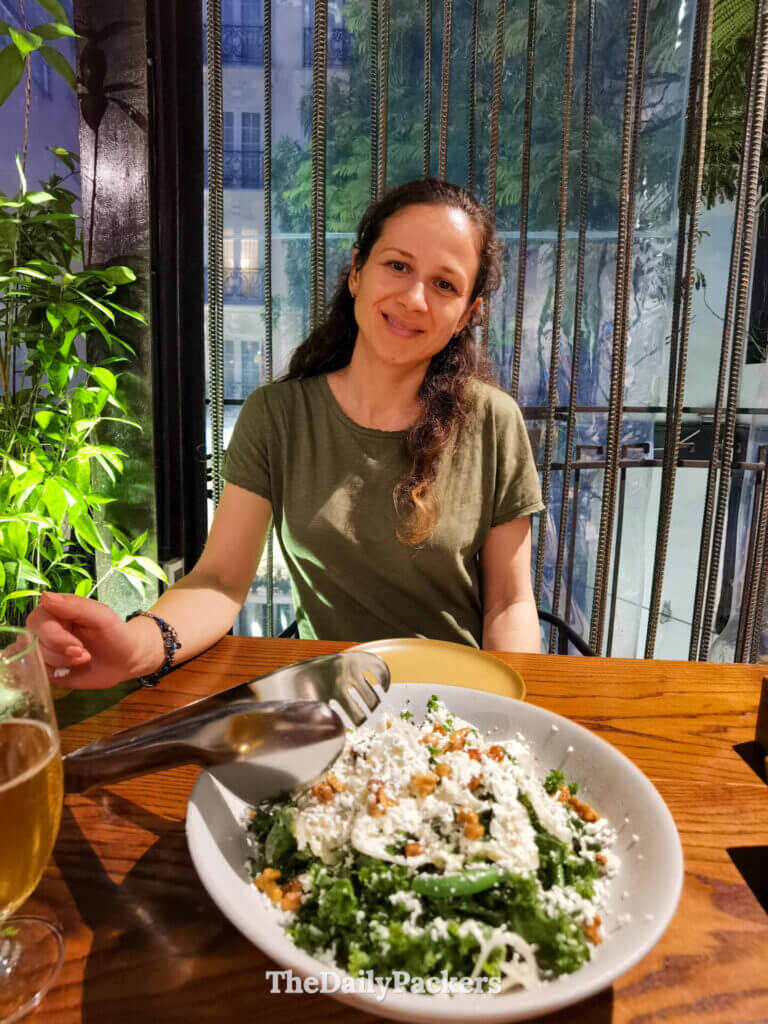
Day 4 starts with an early transfer from Hanoi to Sapa. The most comfortable way is to book a luxury van that leaves around 6:40 am. The journey takes about 6 hours, so you’ll arrive in town just after lunch. A good first stop is Good Morning Vietnam, one of the best spots in town to grab a meal.

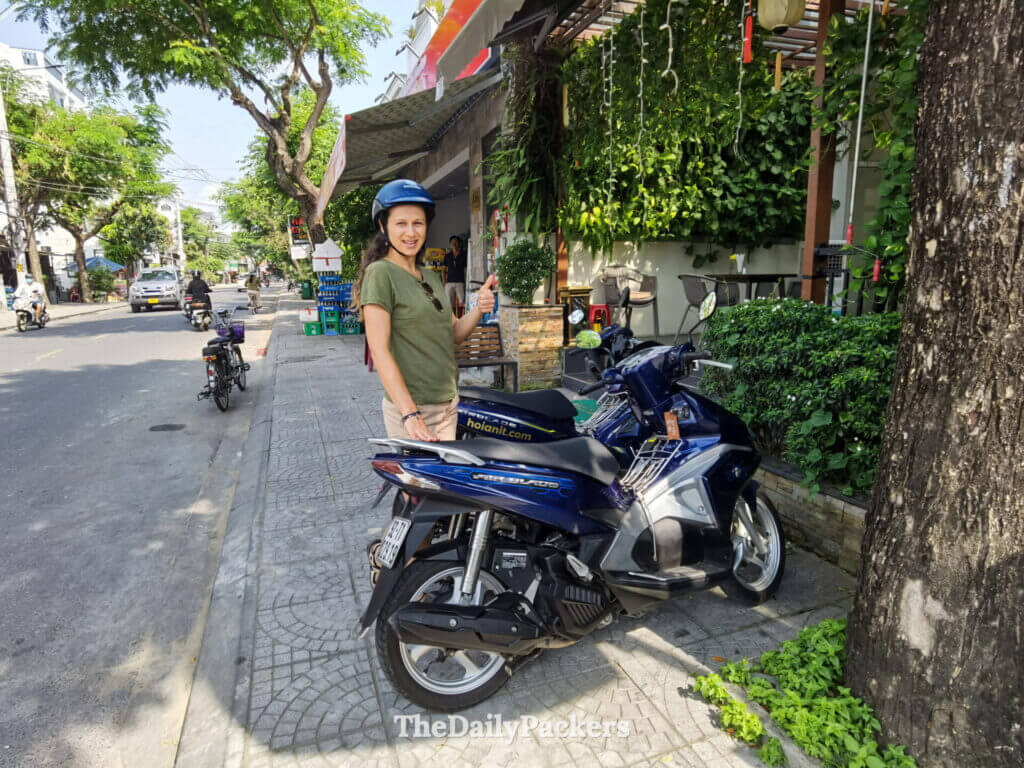
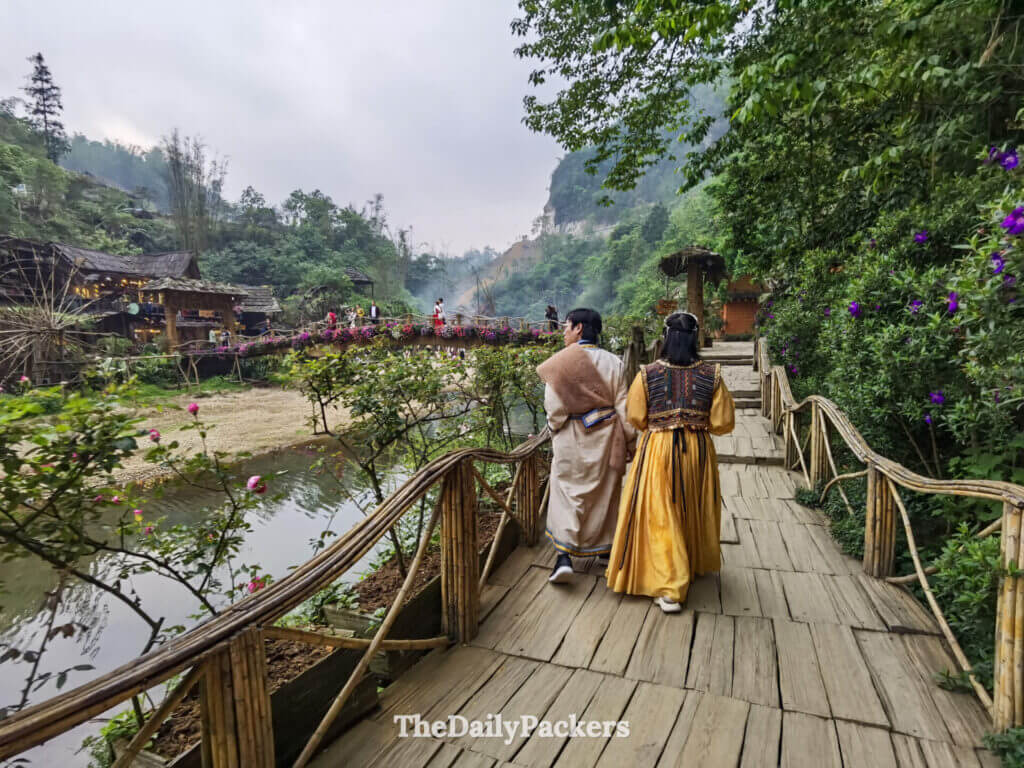
After lunch, check into your accommodation and take a little time to settle in. Depending on your plans, you can organize a scooter rental or book a hiking day with a local guide for the following day. In the afternoon, wander through the small but charming town of Sapa before heading out to Cat Cat Village. This Hmong village is one of the most visited places in the region, known for its traditional houses, cultural performances, and scenic mountain backdrop. Expect to see many visitors, especially locals dressed in traditional clothing for photos. If you’d rather not drive a scooter, you can also join a guided tour to visit the village.
In the evening, enjoy dinner with a view from a rooftop restaurant or at your accommodation. It’s the perfect way to end your first day in Sapa and settle into a slower mountain pace before tomorrow’s big hike.
Where to stay: (€): Capsule Hotel Sapa, (€€): Sapa Rosie house, (€€€): Laxsik Ecolodge
Read: Luxury Van Transfer from Hanoi to Sapa
Vietnam Itinerary Day 5: Full-Day Hike in Sapa
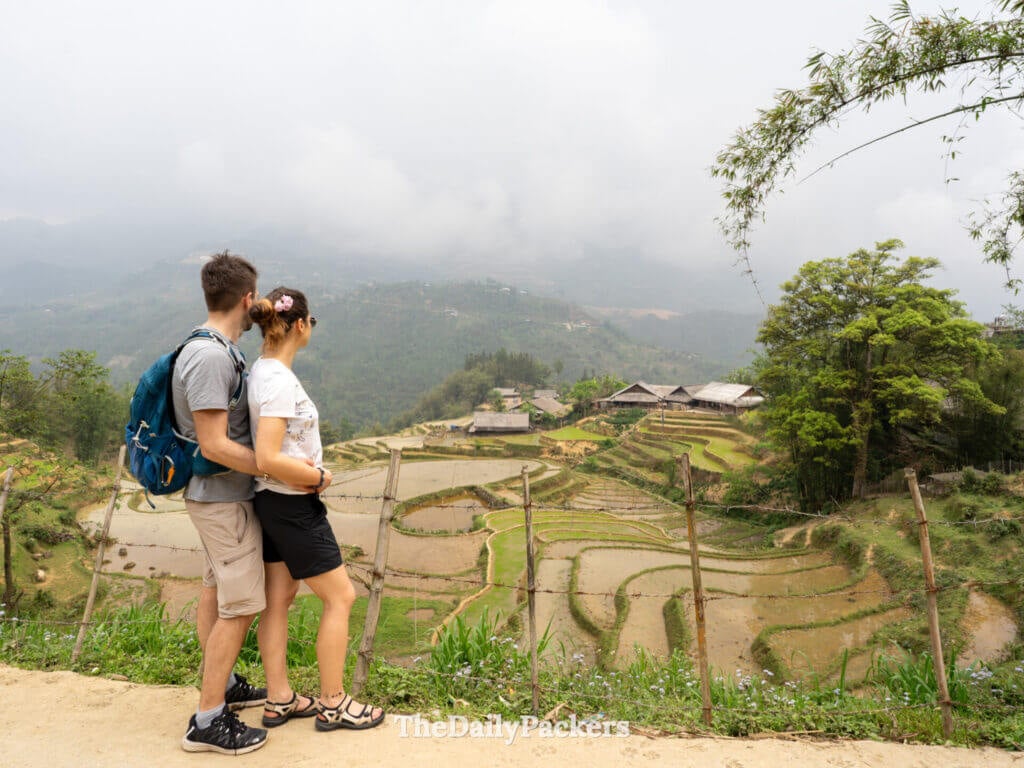
This day was honestly one of our favorites from the whole trip. After breakfast, get ready for a full-day hiking tour through the beautiful H’mong Valley. You’ll meet your local guide in the morning and set off on a trail that takes you across rice terraces, through small villages, a bamboo forest, and even a waterfall. The hike isn’t too difficult, usually lasting around 6.5 hours with a one-hour lunch break.
What makes this hike special is not just the scenery but also the cultural experience. Walking with a local guide gives you the chance to learn more about the traditions of the H’mong people. Take your time, stop often to rest or capture photos and videos, and don’t be shy to ask questions along the way — it’s the best way to understand life in this region.
Once back at your accommodation, nothing feels better than a warm shower and maybe a fresh juice to recharge. For dinner, keep it simple and eat at your accommodation before calling it an early night.
Make sure to book this hiking tour in advance—it’s truly one of the best things to do in Sapa and a highlight of any Vietnam itinerary.
Where to stay in SaPa: (€): Rosie House, (€€): Laxsik Ecolodge, (€€€): Silk Path Grand Resort

Vietnam Itinerary Day 6: Sapa
After a traditional breakfast, hop on your rented scooter to continue exploring the region. Your first stop is the Love Waterfall, located about 30–35 minutes from Sapa town. After a short 15-minute walk through the forest from the entrance, you’ll reach the falls. Surrounded by lush greenery, it’s a peaceful spot that feels a bit more hidden away.
If you don’t feel like riding a scooter, you can also book a Waterfall, Heaven Gate, and Glass Bridge private tour by car, which covers the same highlights without the hassle of driving yourself.
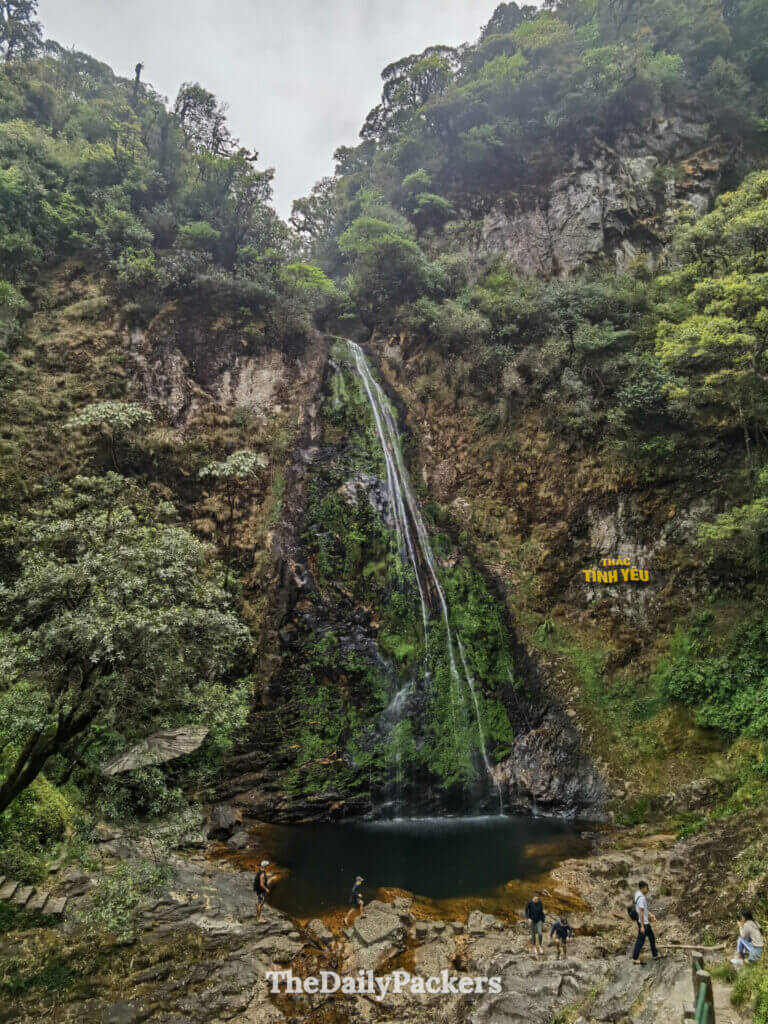
From the waterfall, continue another 10 minutes to Tram Ton Pass, also called Heaven’s Gate. This is the highest mountain pass in Vietnam, and the views over the valleys and surrounding mountains are absolutely spectacular. There are a few paid viewpoints along the road, but even just stopping on the roadside is worth it for the scenery.
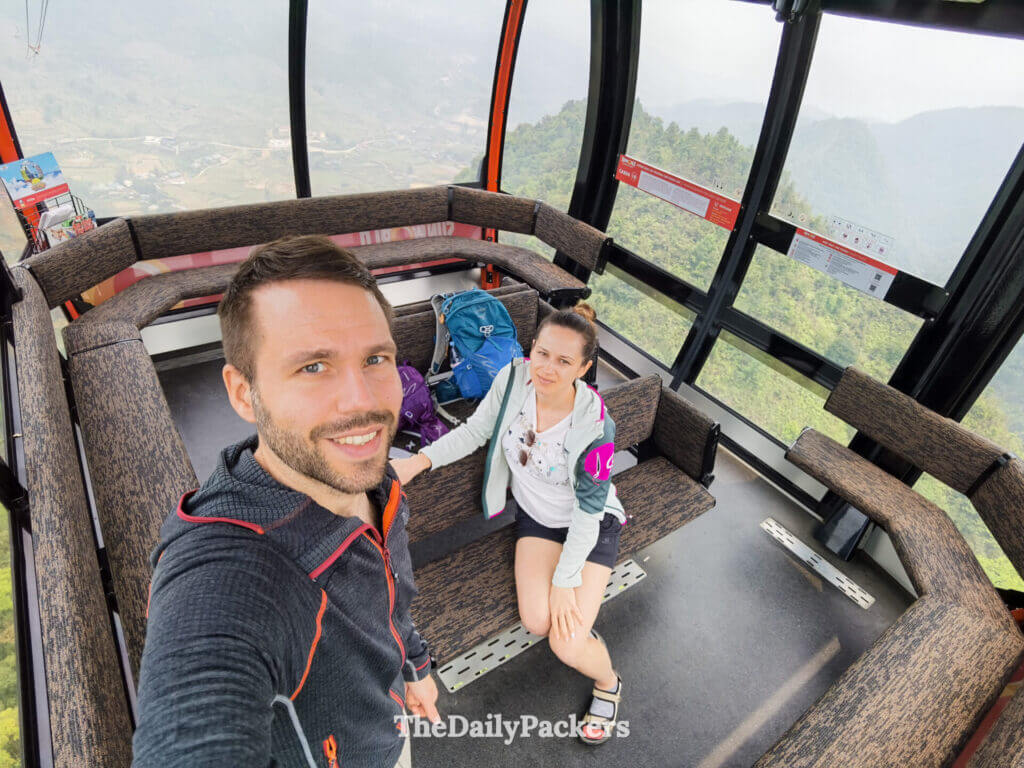
On your way back toward Sapa, make a stop at SunWorld to take the cable car up to Fansipan, the highest peak in Indochina at 3,143 meters (10,312 feet). The ride itself is an experience, gliding above rice terraces and forests. Keep in mind, it’s only worth going if the weather is clear — on a cloudy day you won’t see much from the top.
Once back down, drive into Sapa’s city center and stop for lunch at Ladybird Hotel, Coffee & Restaurant. It’s just by the center, making it a convenient spot for a break. Afterward, spend the rest of your afternoon strolling around Sapa. Walk by the lake, pop into a few shops, and enjoy the relaxed vibe of this mountain town before wrapping up your day.
Where to stay in SaPa: (€): Rosie House, (€€): Laxsik Ecolodge, (€€€): Silk Path Grand Resort
Vietnam Itinerary Day 7: Return to Hanoi
It’s time to make your way back to Hanoi. Start your morning slowly, enjoy the mountain views from your accommodation, and sip on a fresh fruit juice before packing up. Sapa is one of those places where it’s worth taking a quiet moment before leaving.
For your last meal in town, stop by Thong Dong Vegan, located close to the center. It has delicious vegan options and is the perfect spot for a light but satisfying lunch before the long ride back.
In the early afternoon, catch your luxury van back to Hanoi. The journey takes about 6–7 hours, so you’ll reach the capital around 8:15 pm. It’s a good idea to rest well once you arrive — tomorrow is a big day.
If you’d rather not organize the transportation yourself, you could also consider booking a tour. One of the best-rated options is the 2-Day Sapa Ethnic Homestay Tour with Trekking, which includes transfers, meals, and a guided cultural experience.
Where to stay in Hanoi (€): La Passion Premium Cau Go, (€€): May De Ville Corner Hotel, (€€€): Peridot Grand Luxury Boutique Hotel

Vietnam Itinerary Day 8: Halong Bay
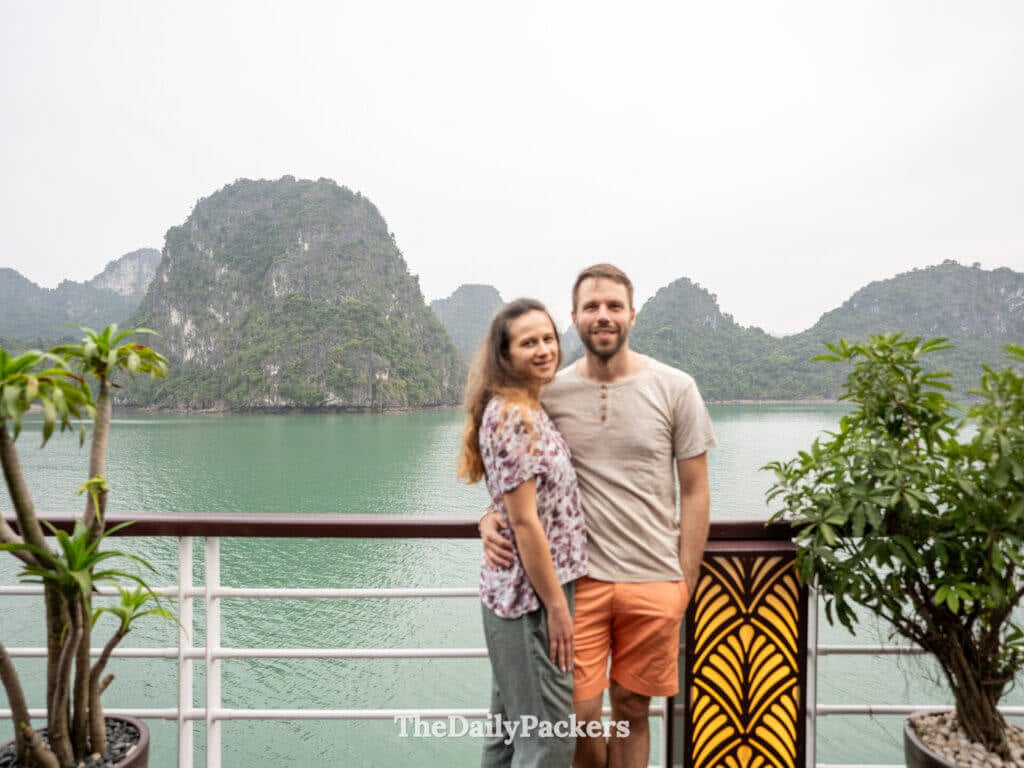
This will easily be one of the highlights of your trip — time to embark on a 3-day, 2-night cruise in the world-famous Halong Bay and Lan Ha Bay.
The first half of the day is all about the journey from Hanoi to the harbor. Depending on your booking, you’ll usually be picked up in a minibus or van and driven straight to the pier, where you’ll transfer to the cruise ship. By late morning, you’ll already be boarding, greeted by the crew, and given a quick safety briefing before getting the keys to your cabin.

Lunch is typically served as a buffet, with plenty of local dishes to try. Afterward, you’ll have some time to explore the boat or relax in your room before heading out on the first excursion. This usually includes a scenic rowing boat ride through the Bright and Dark Cave area — one of the most peaceful spots in the bay.
By the end of the afternoon, you’ll be back on board. Around 5:30 pm, many cruises organize a spring roll cooking class, followed by sunset drinks and fresh fruit on the upper deck — definitely one of the best moments of the day. Dinner is served around 7 pm, and you can expect course after course of delicious food.

The evening doesn’t end there — you can try your luck at squid fishing off the back of the boat. Whether you catch anything or not, it’s all part of the fun.
You can book the same cruise we did on booking.com, which is much easier than dealing wth an agency, or opt for the following experience directly from Hanoi:
- From Hanoi in 1 day: Halong Bay Cruise with Swimming & Kayak Tour
- From Hanoi in 2 days: 2-Day Halong & Lan Ha Bay

Vietnam Itinerary Day 9: Halong Bay
Your second day on the water starts early with a 6:30 am Tai Chi class on the upper deck — an amazing way to stretch and wake up while the sun rises over the limestone peaks. After that, enjoy a light breakfast of fruit, pastries, and coffee before heading out on the day tour boat.
The boat will first make a stop to pick up more passengers before sailing toward Cat Ba Island, the largest island in Halong Bay. Here, you’ll get the chance to explore Viet Hai village — either by bicycle or tuk-tuk — and take in the peaceful countryside.
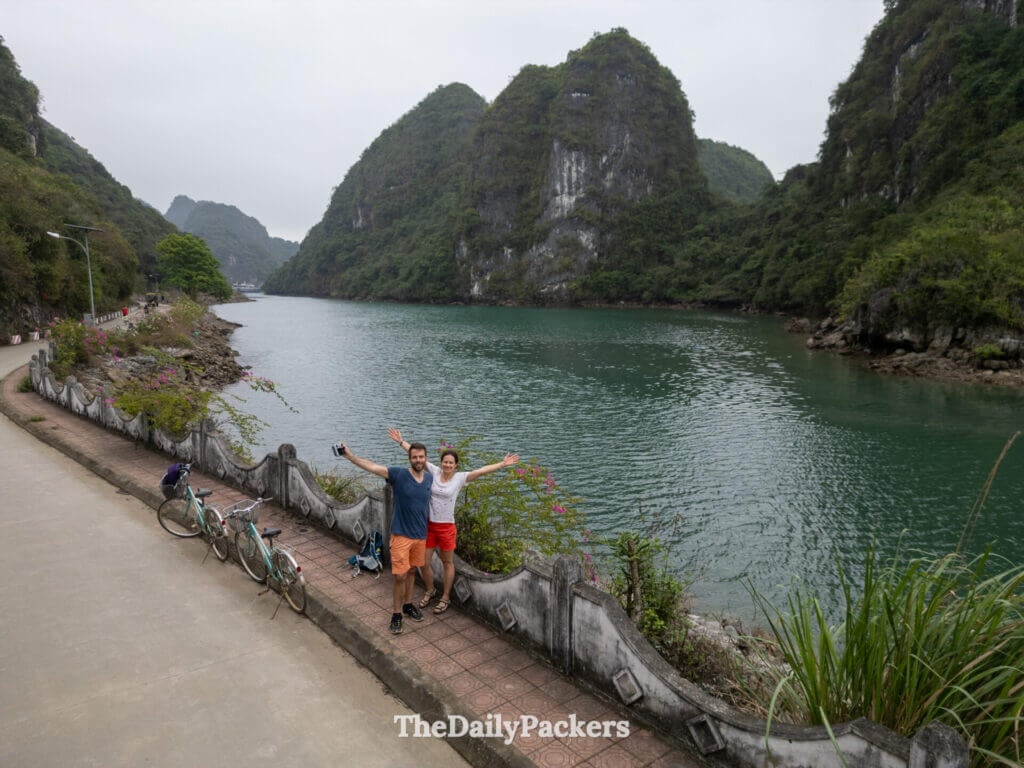
By midday, it’s back on the boat for lunch, usually served as a generous spread of rice, vegetables, and local specialties. Once lunch is finished, the afternoon is all about being on the water. You’ll kayak through calm lagoons and floating villages, visit a fish farm, and if conditions allow, stop for a swim at a small beach.
It’s a slower-paced day that gives you plenty of time to soak in the beauty of Lan Ha Bay and the less crowded parts of Halong Bay, far away from the main tourist routes.
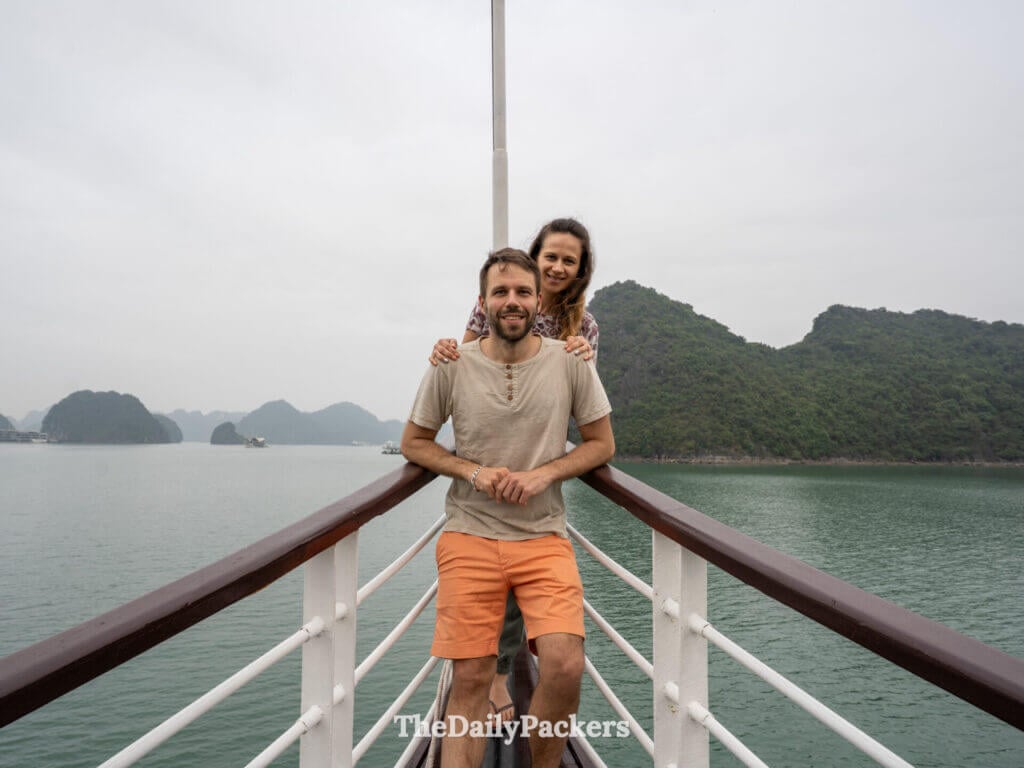

Tip: You can book the same cruise we did on booking.com, which is much easier than dealing wth an agency
Vietnam Itinerary Day 10: Halong Bay to Tam Coc
A bittersweet moment — this is the last time waking up on the cruise. Start the morning with a Tai Chi session on the deck, followed by a light breakfast. You’ll then have two options: relax on the upper deck under the morning sun, or head out for one last kayak session in this part of the bay.
By 10 am, brunch is served — a multi-course meal that feels more like a farewell feast. Soon after, it’s time to pack up, say goodbye to the crew, and transfer back to the harbor by small boat.
From there, hop on a VIP bus that will take you directly to Tam Coc. The ride takes around 4 hours with one stop on the way. Once you arrive, check into your accommodation, borrow a couple of bikes (many places offer them for free), and cycle to Chookie’s Beer Garden for dinner. It’s one of the best places to eat in Tam Coc — great food in a relaxed garden setting.
If you’re short on time, consider booking the Ninh Binh, Trang An, Bai Dinh, and Mua Cave Trip from Hanoi instead. In just one day, you’ll see what this itinerary covers over three days in Tam Coc.
Where to Stay in Tam Coc Ninh Binh: (€): Tam Coc Wonderland Bungalow, (€€): Halise Sanctuary Ninh Binh, (€€€): Tam Coc Garden Resort
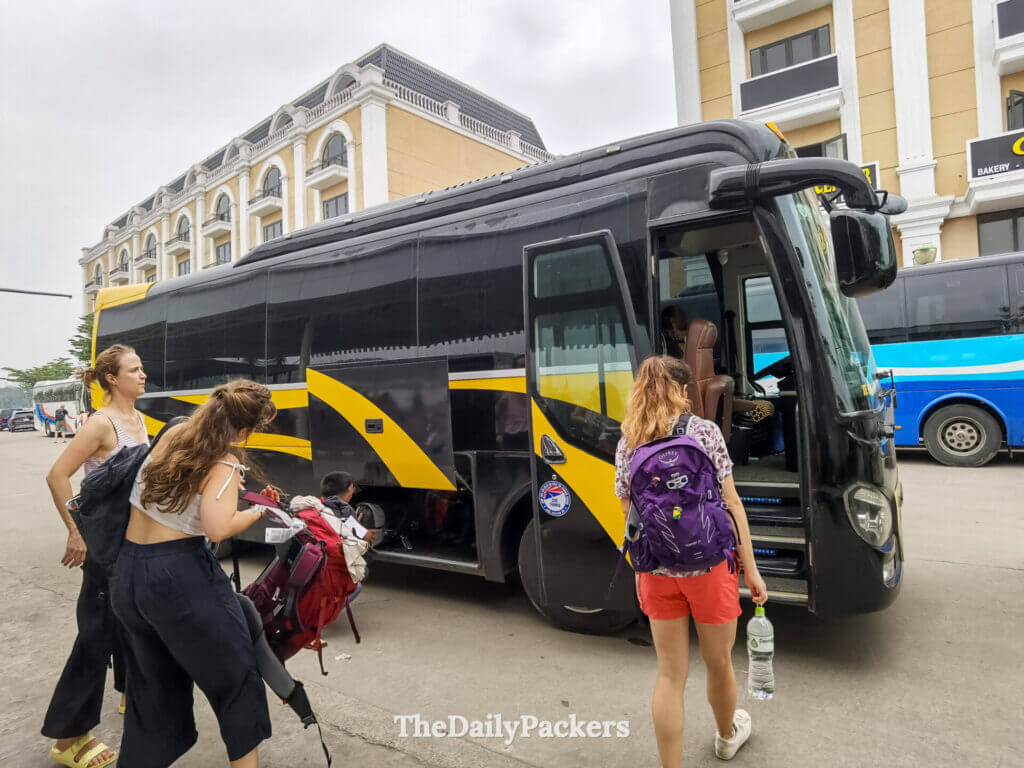
Vietnam Itinerary Day 11: Tam Coc
Your first full day in Tam Coc is busy, so the best way to get around is by scooter. Start the morning at Bai Dinh Temple, the largest complex of Buddhist temples in Vietnam. The site is huge, with both ancient and modern temples, halls, and pagodas — plan to spend some time wandering around.
From there, ride over to the Vân Long Nature Reserve. Before heading out on the lagoon, stop for lunch at a nearby local restaurant, NHA HANG TUAN TU VÂN LONG NINH Bình. Once fed, get your boat tickets and set off on a peaceful ride surrounded by limestone mountains and wetlands. Keep an eye out for storks and other birds that often nest in the area.
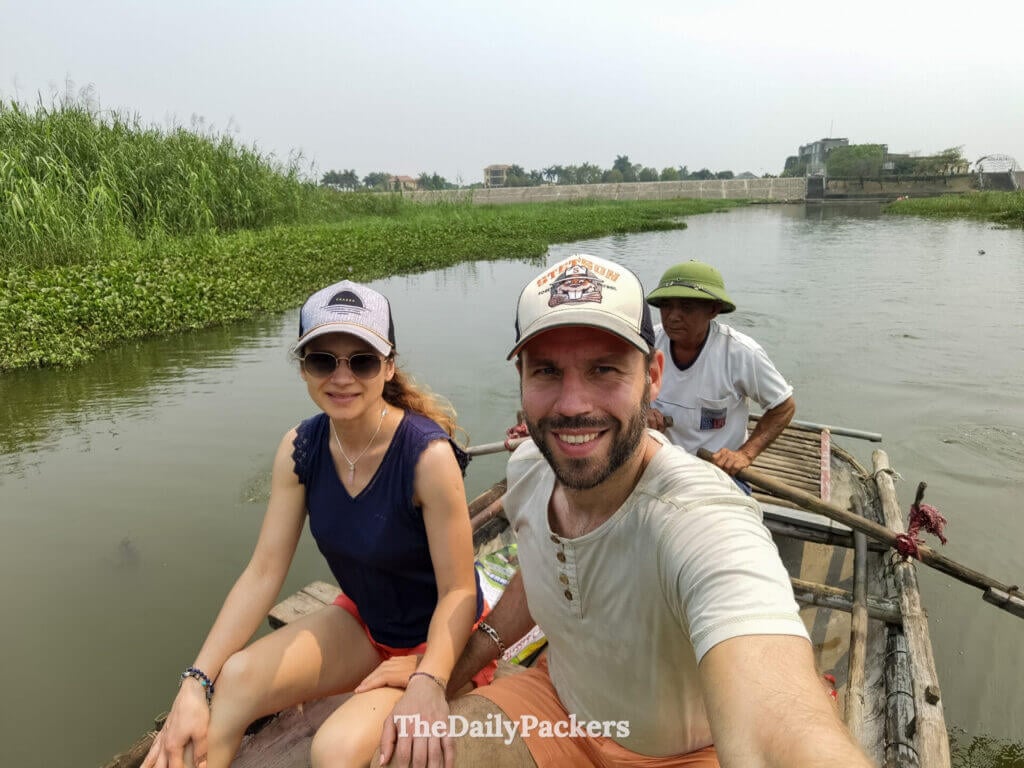
Next, drive back toward the center and visit the Hoa Lu Ancient Capital. Once the capital of Vietnam between 968 and 1009, it’s a small but historically significant site with two remaining temples worth a short stop.
To finish the day, cross over to the nearby Am Tiên Cave, often called “the hidden gem of Ninh Binh.” It’s a quiet, beautiful spot with a small lake, a dramatic gate, and koi fish swimming below — don’t skip it. A short walk around the lake makes it the perfect peaceful ending to a busy day of exploring.
Where to Stay in Tam Coc Ninh Binh: (€): Tam Coc Wonderland Bungalow, (€€): Halise Sanctuary Ninh Binh, (€€€): Tam Coc Garden Resort

Vietnam Itinerary Day 12: Tam Coc
For your second day in Tam Coc, hop back on the scooter — there’s a lot to see. Begin the morning at Bich Dong Pagoda, a charming temple complex tucked into the mountainside. It’s a peaceful place where you might even catch a glimpse of local ceremonies taking place.
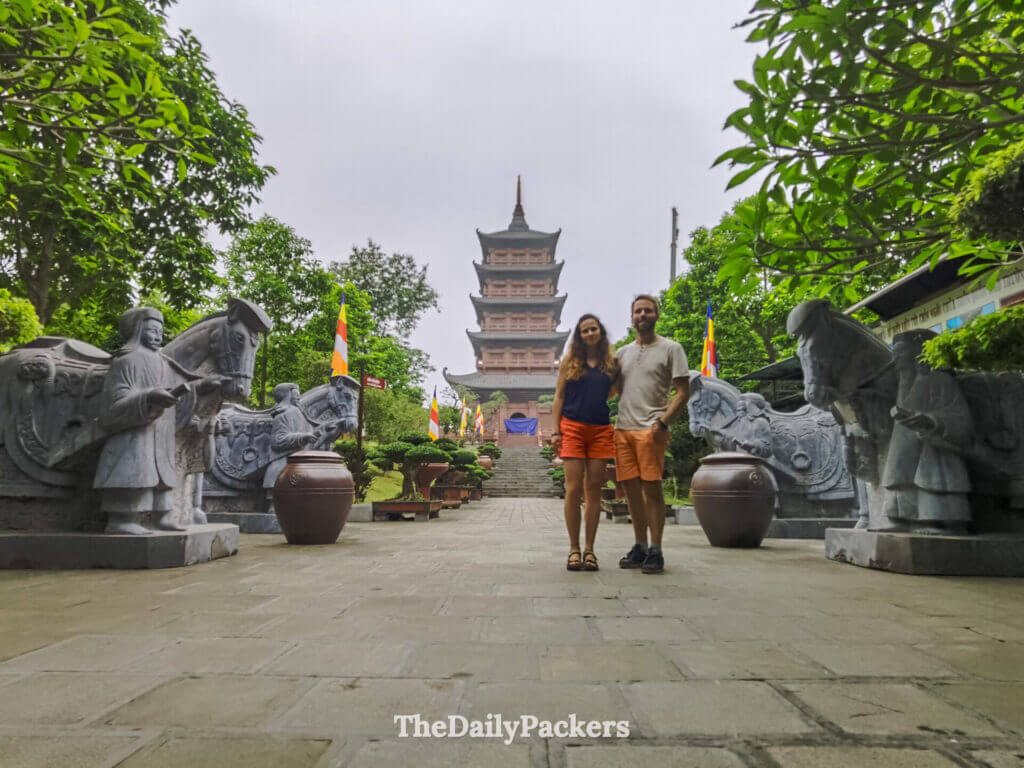
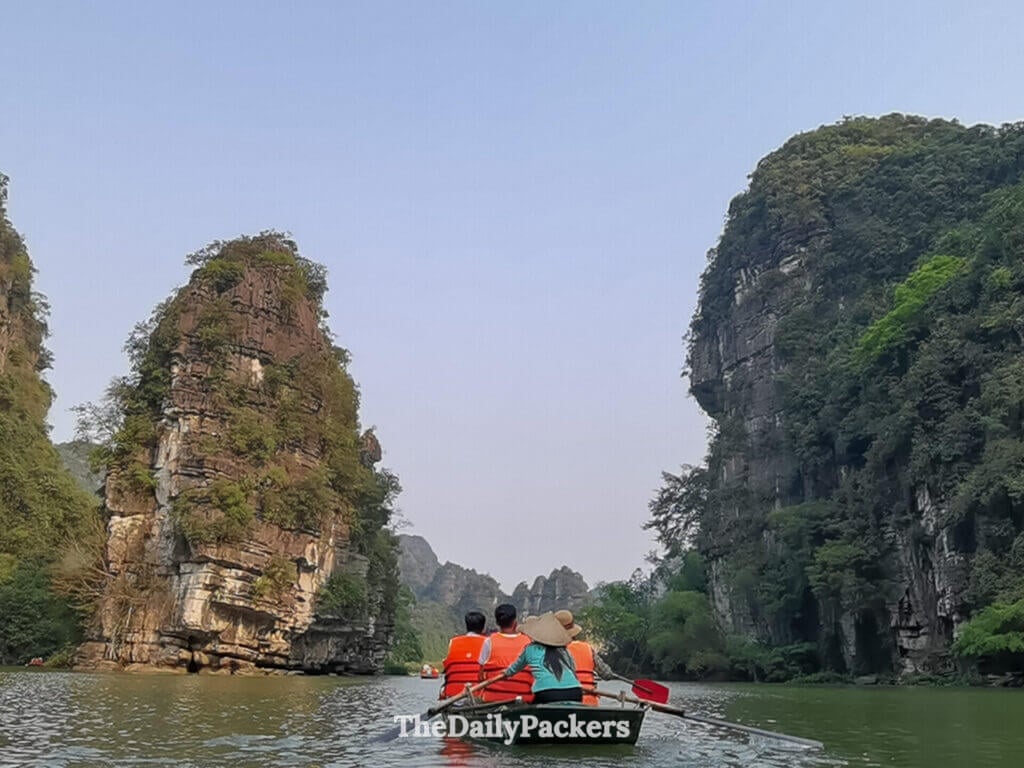
Next, head over to the Tam Coc boat tour. This is the most popular tour in the area, taking you through rice fields and limestone peaks along the Ngo Dong River. What makes it unique is that the rowers use their legs instead of their arms — something you don’t see every day.
By now, it will be close to lunchtime, so stop at Chookie’s Beer Garden. Not only is the food delicious, but their little pool is perfect for cooling down during the hottest hours of the day.
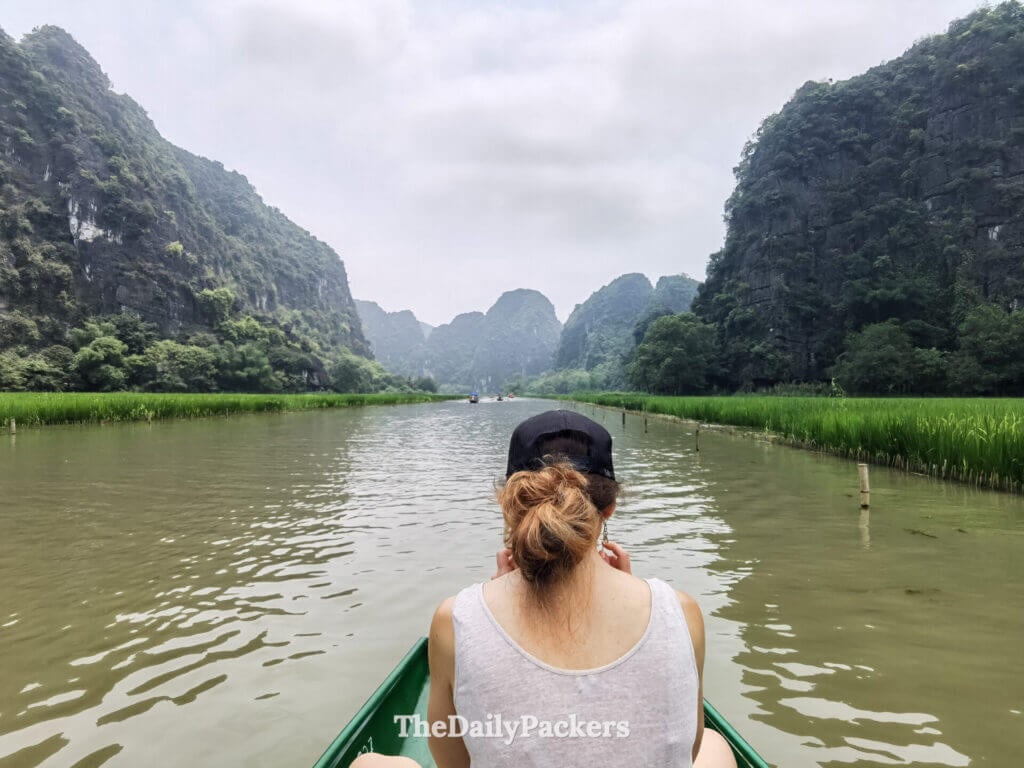
In the afternoon, make your way to the highlight of Tam Coc: the Trang An boat tour. Unlike Tam Coc, this one is recognized as a UNESCO World Heritage Site, and for good reason. With its network of caves, temples, and dramatic scenery, it’s hands down the best boat experience in the area.
To end the day, climb the 500 steps of the Mua Caves viewpoint. Despite the name, it’s not really about caves but about the postcard-perfect panorama of Tam Coc from above.
For dinner, head back to town and try Banhmi Hanoi, a friendly spot serving tasty local dishes with a warm welcome.
Where to Stay in Tam Coc Ninh Binh: (€): Tam Coc Wonderland Bungalow, (€€): Halise Sanctuary Ninh Binh, (€€€): Tam Coc Garden Resort
Vietnam Itinerary Day 13: Tam Coc to Hue
This day is mostly about making your way to the next destination: Hue. Take the morning slow, maybe go for a short bike ride through the rice fields one last time. Before leaving, grab a takeaway lunch from Banhmi Hanoi, always a reliable and tasty choice.
By late morning, pack your bags and get ready for the transfer. The van usually leaves Tam Coc around 11:45 am and will get you to Hanoi Airport by 2 pm. From there, catch your flight to Hue, which is the easiest and most comfortable way to reach central Vietnam.
Once you land in Hue, arrange a transfer to your accommodation, check in, and freshen up after the journey. By the time you’re settled, it will likely be dinner time. Head to Nook Eatery, our favorite spot in Hue and the perfect first taste of the city.
Where to stay in Hue: (€): Hue River Side Villa, (€€): White Lotus Hue Hotel, (€€€): Pilgrimage Village Boutique

Vietnam Itinerary Day 14: Hue
Hue, the former imperial capital of Vietnam, is packed with history and culture, so today is all about exploring its highlights. Start your morning with a walk along Nguyen Dinh Chieu Walking Street, a lovely riverside promenade that leads you toward the Imperial Citadel.
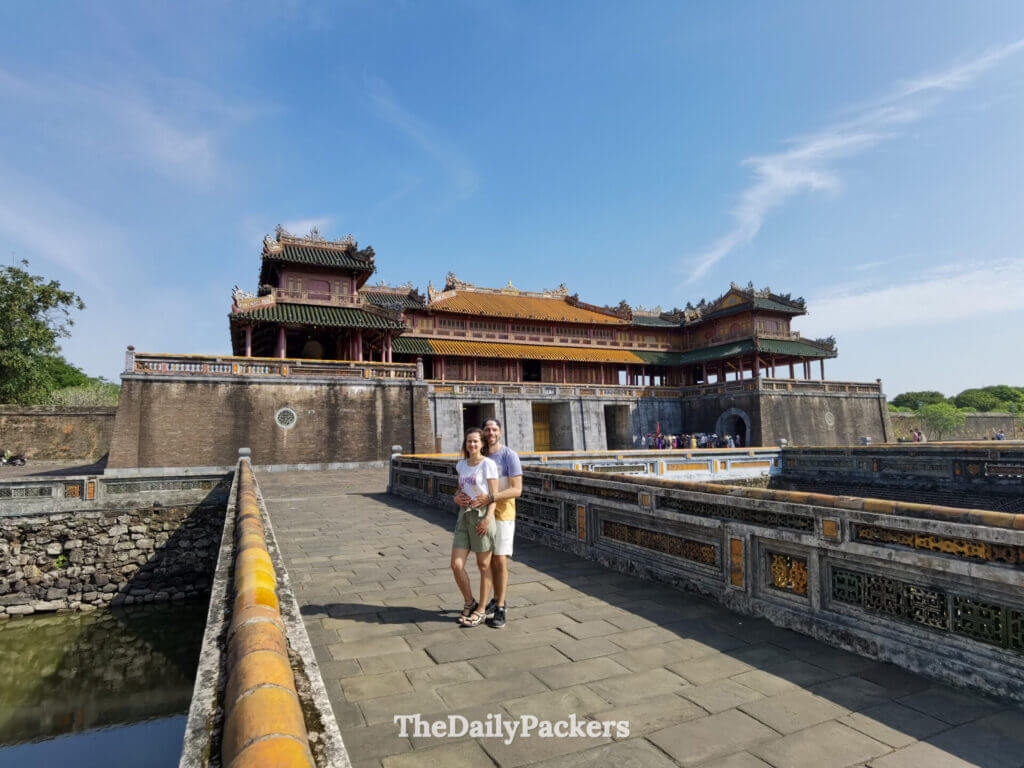
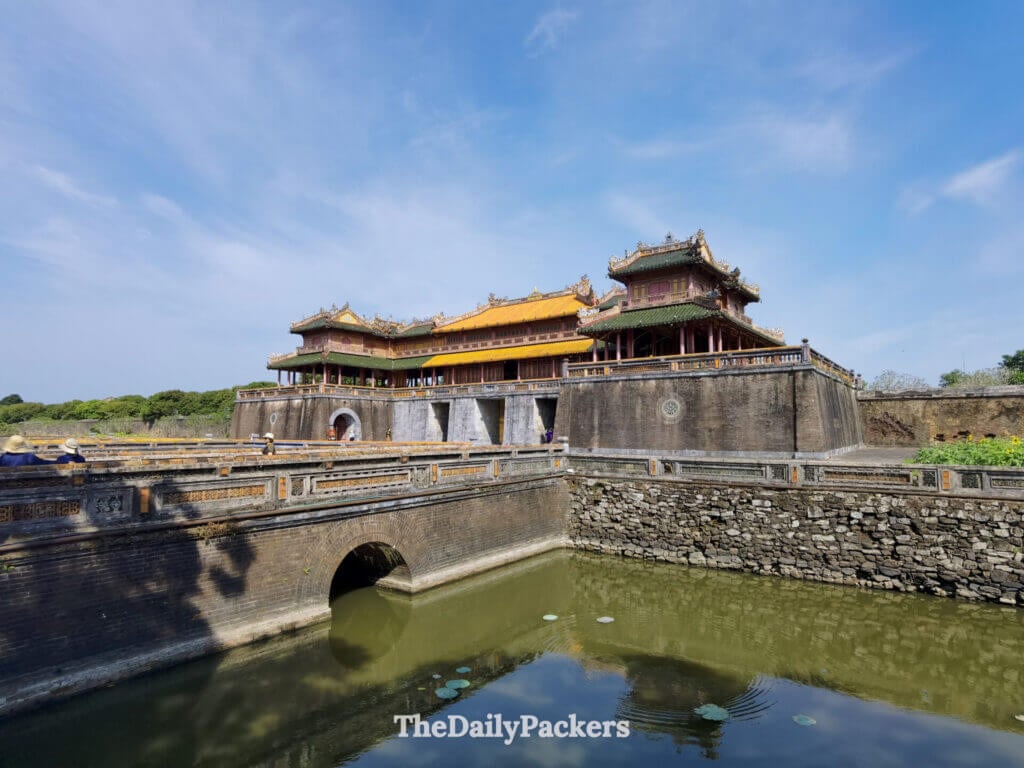
The citadel is the heart of Hue’s history, once home to the Nguyen dynasty and today a UNESCO World Heritage Site. Plan to spend a good amount of time wandering through its palaces, gardens, shrines, and fortified walls. If you want to dive deeper into its fascinating past, consider booking the Imperial and Forbidden City Guided Tour.
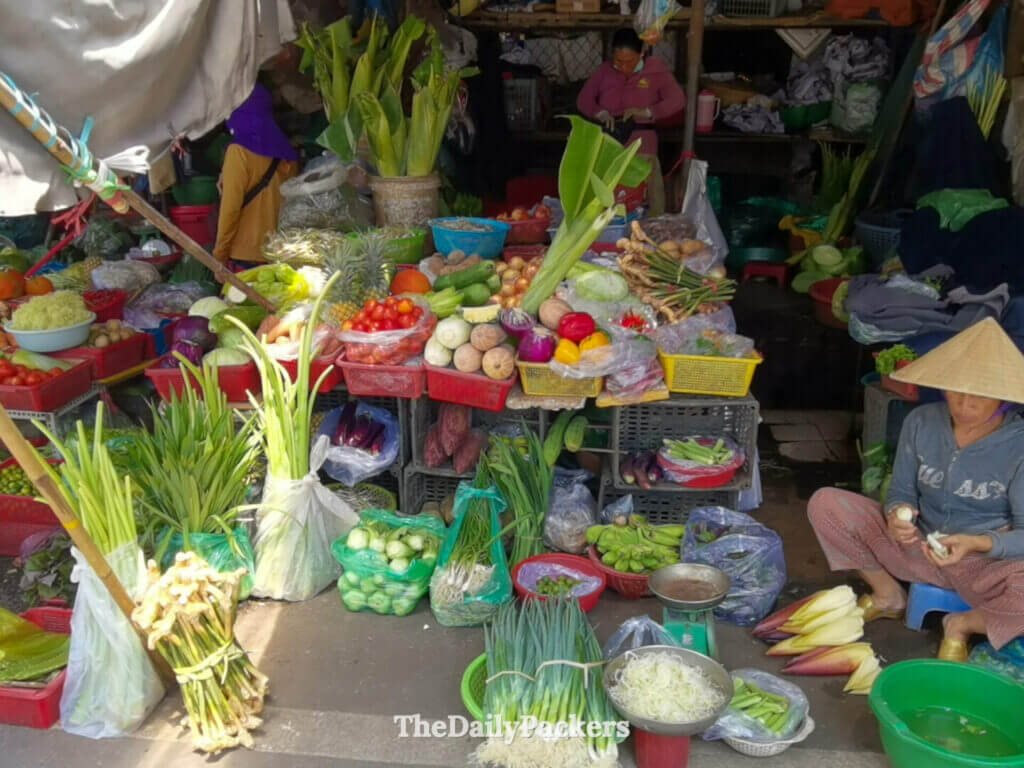
After exploring, head over to Dong Ba Market, Hue’s main local market. It’s a chaotic but authentic spot where you’ll find everything from fresh produce to souvenirs. From there, grab lunch at Nook Eatery — our go-to restaurant in Hue for healthy and delicious dishes.
In the afternoon, rent a scooter to explore more of the city. Begin at the Thien Mu Pagoda, one of Hue’s most iconic sites overlooking the Perfume River. Continue on to Tu Dam Pagoda, another beautiful temple worth a quick stop, and then make your way to the Hue Archdiocese Cathedral (Phủ Cam Cathedral), striking for its unusual architecture.
If time allows, finish at An Dinh Palace, an early-20th-century palace that once belonged to Vietnam’s last kings. As the day winds down, treat yourself to a tea or coffee at Hue T Roaster before strolling through the lively bar district in the evening.
Where to stay in Hue: (€): Hue River Side Villa, (€€): White Lotus Hue Hotel, (€€€): Pilgrimage Village Boutique
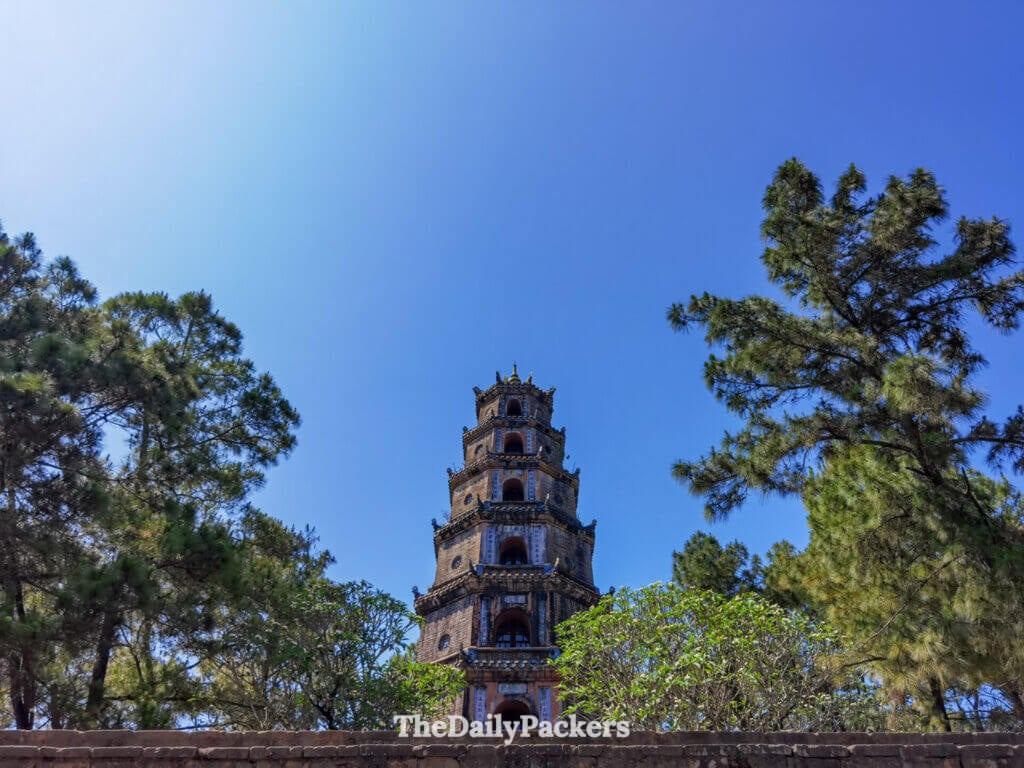
Vietnam Itinerary Day 15: Hue
Today is packed with history, so make sure to have a hearty breakfast before heading out. You’ll be visiting three of Hue’s most impressive royal tombs, plus a few other unique stops along the way.
Start with the Mausoleum of Emperor Minh Mang, about 12 km outside the city. Built in 1840, it’s one of the most majestic tombs of the Nguyen dynasty, beautifully set among lakes, gardens, and traditional temples.

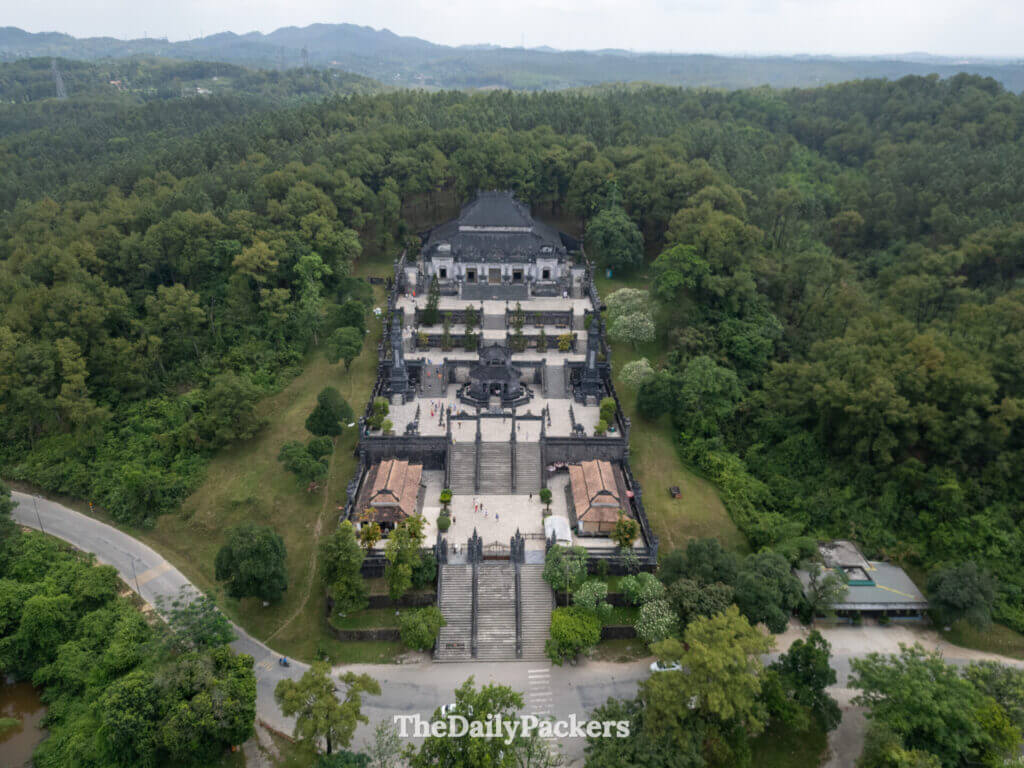
Next, drive to the Mausoleum of Emperor Khai Dinh, a very different style with a mix of Vietnamese and European architecture. Completed in 1931 after 11 years of construction, this tomb is famous for its elaborate mosaics and grand staircases.
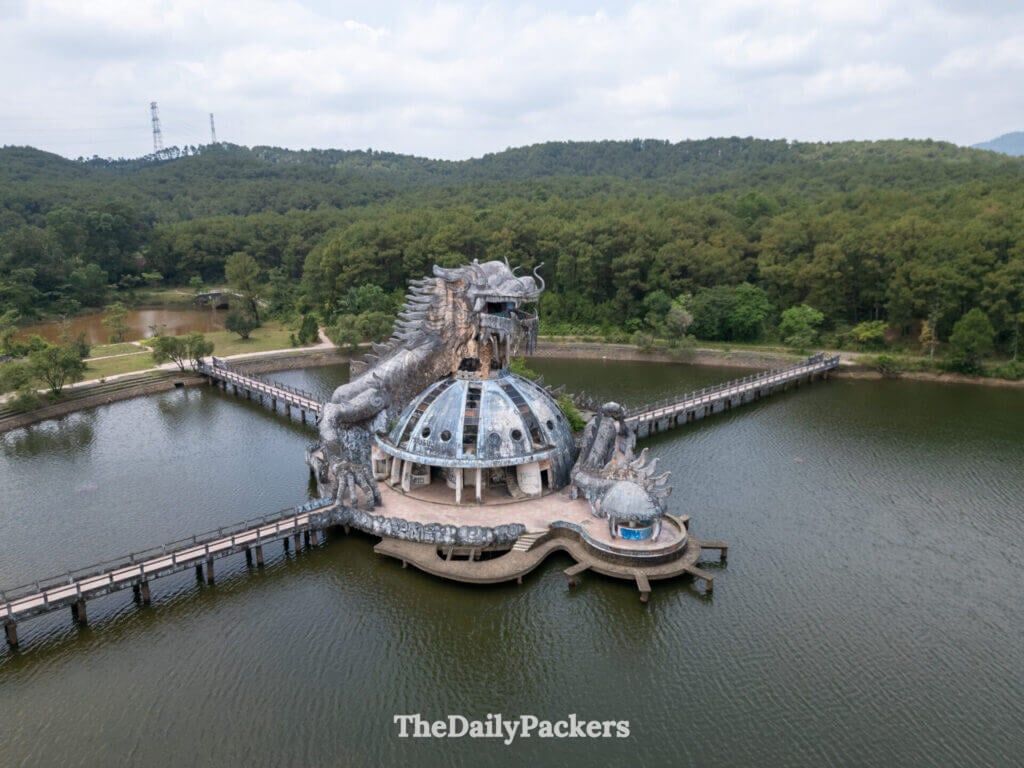
To take a break from the history trail, head to the quirky Thuy Tien Lake Abandoned Water Park. Though it only operated for a short time, it has become an unusual attraction in Hue, with its giant dragon structure looming over the lake.
By midday, return to the city center for lunch at Nina’s Café Restaurant, where you can try the local specialty, Khoai’s pancake. Afterward, rest a bit at your accommodation to avoid the hottest hours of the day.
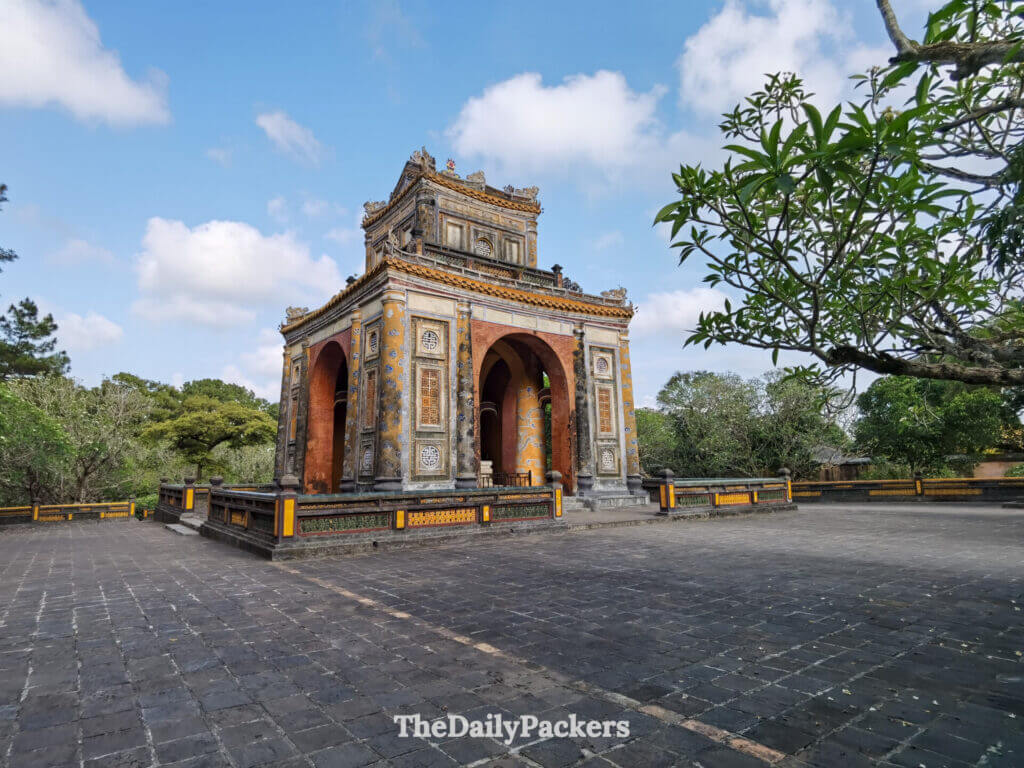
In the late afternoon, make your way to the Mausoleum of Emperor Tu Duc, set in a peaceful pine forest. What makes this tomb special is the tranquil lake in the middle, where you can even feed koi fish. From there, continue just a few minutes to Vong Canh Hill, a viewpoint with stunning panoramic views over the Perfume River and the surrounding countryside.
On your way back to town, stop at Từ Hiếu Pagoda, a serene temple surrounded by gardens and ponds. It’s the perfect spot to wind down after a full day.
Tip: You can visit all the tombs with this private tour
Where to stay in Hue: (€): Hue River Side Villa, (€€): White Lotus Hue Hotel, (€€€): Pilgrimage Village Boutique
Vietnam Itinerary Day 16: Train to Hoi An
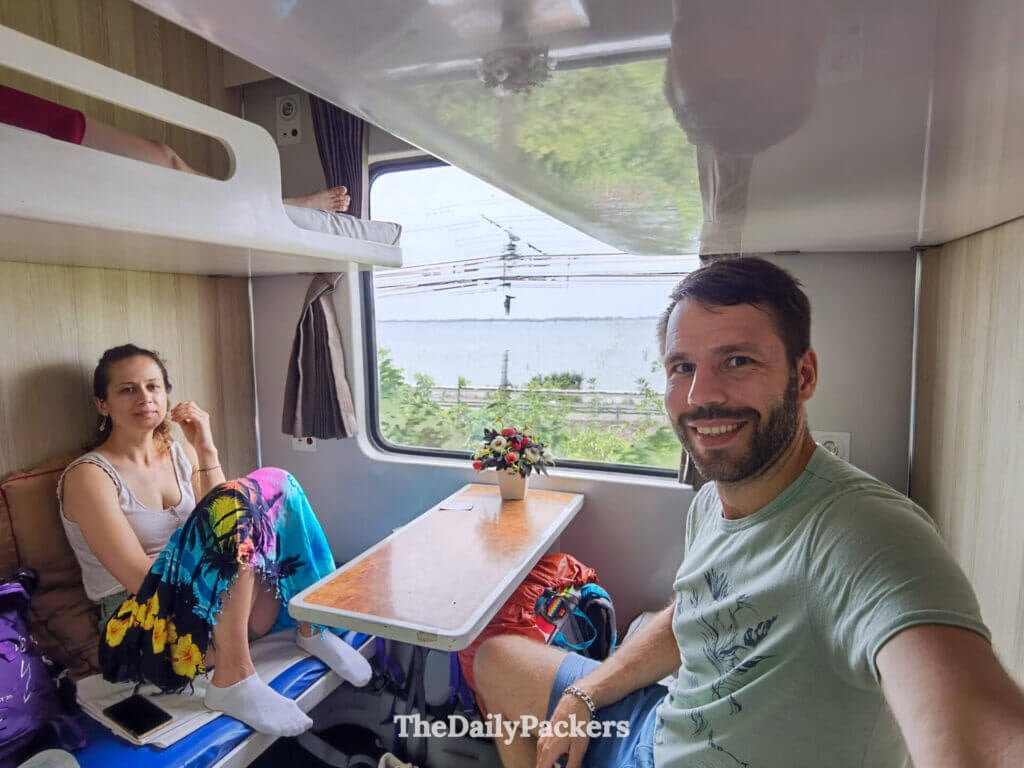
After breakfast, take a Grab to Hue train station, where you’ll board the SE1 train to Da Nang. The ride is about 2.5 hours and takes you through beautiful landscapes, including the famous Hải Vân Pass. Once in Da Nang, your hotel can easily arrange a private car transfer to Hoi An (around 45 minutes).
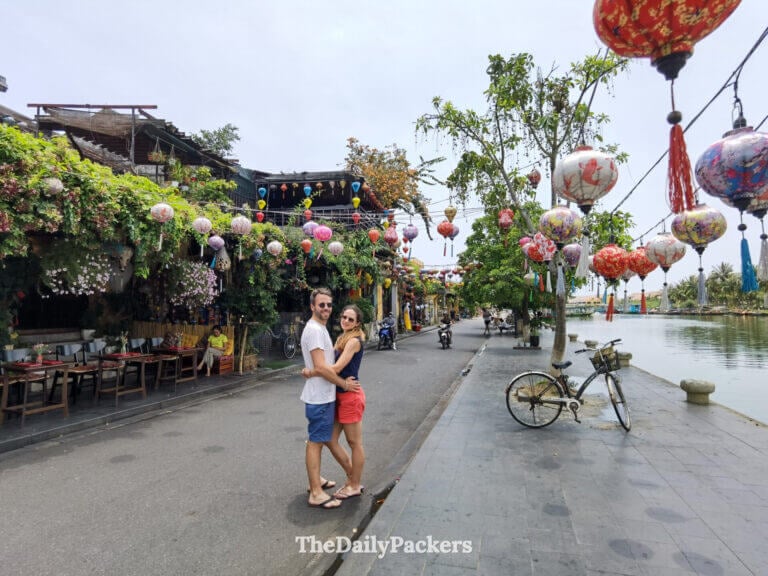
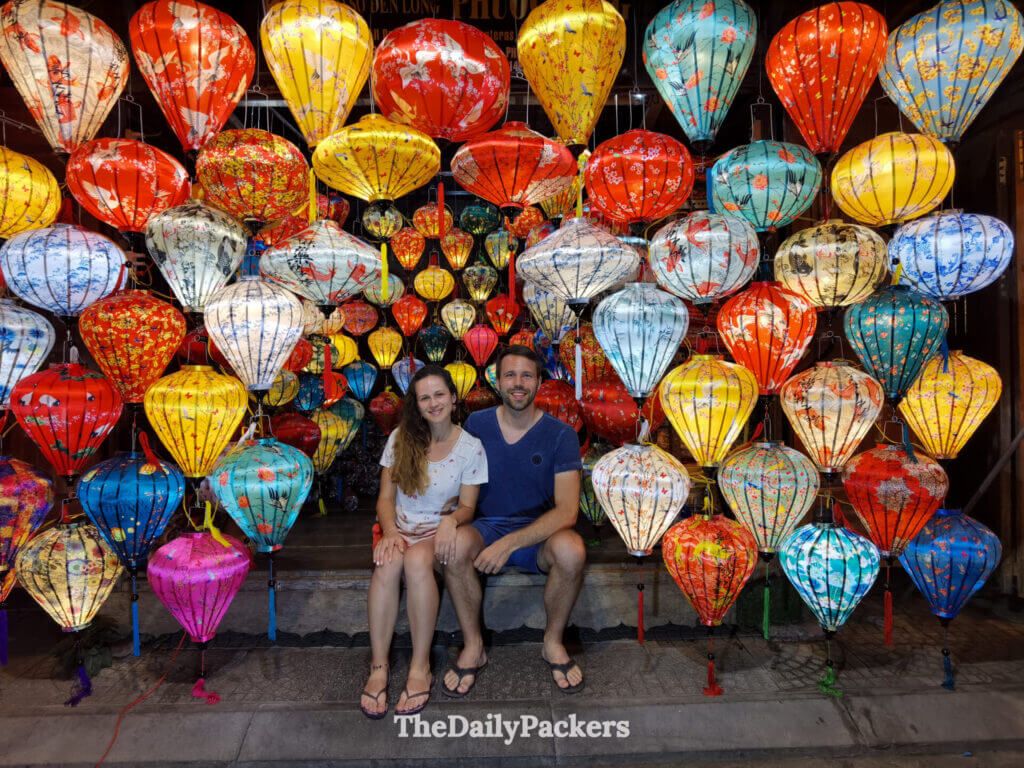
After checking in at your accommodation in Hoi An, grab the free bikes that most hotels provide and head straight into the Old Town. Cycling through the narrow streets lined with lanterns, old merchant houses, and riverside cafés is a highlight of this trip. Take your time to stroll around, pop into some of the small shops, and soak up the atmosphere.
As evening falls, the town becomes even more magical with its lanterns lighting up the streets. For dinner, try Nu Eatery, a small but excellent restaurant tucked away just past the Japanese Bridge, serving creative Vietnamese-inspired dishes.
Tip: Reserve your boat tour online to avoid all the hassle of negotiating the price.
Where to stay in Hoi An: (€): Hoi An Merrily De Art Hotel (€€): Cozy Savvy Boutique Hotel Hoi An (€€€): Allegro Hoi An . A Little Luxury Hotel & Spa
Vietnam Itinerary Day 17: Hoi An
A must-do in Hoi An is getting custom-made clothes from a local tailor. Head there first thing in the morning, choose your fabrics and designs, and plan a fitting later in the day or the next.
After that, stop for a unique experience at the Reaching Out Tea House, where the service is done by deaf staff and the atmosphere is one of the most peaceful in town. The tasting sets of teas or coffees are a great way to slow down and enjoy the moment. Don’t miss the small shop in the back, full of beautiful handmade crafts.

Spend the rest of the morning strolling around the Old Town while it’s still quiet. It’s much less crowded than in the evening and perfect for enjoying the architecture, temples, and colorful shopfronts.
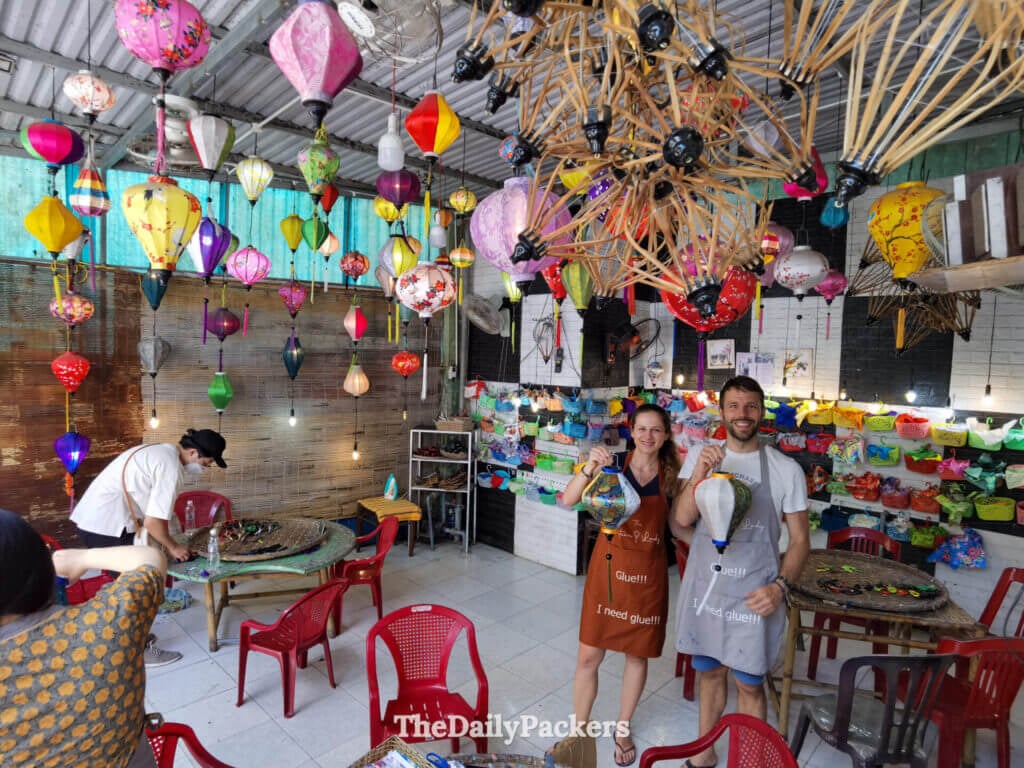
Next, join a lantern-making class at The Lantern Lady, where you can choose the size, shape, and fabrics of your lantern. Since they fold, they’re easy to pack and carry — a perfect travel souvenir.
For lunch, head to Nourish Eatery, one of our favorite spots in Hoi An. It’s cozy, welcoming, and serves fresh, healthy dishes alongside smoothies that are hard to beat.
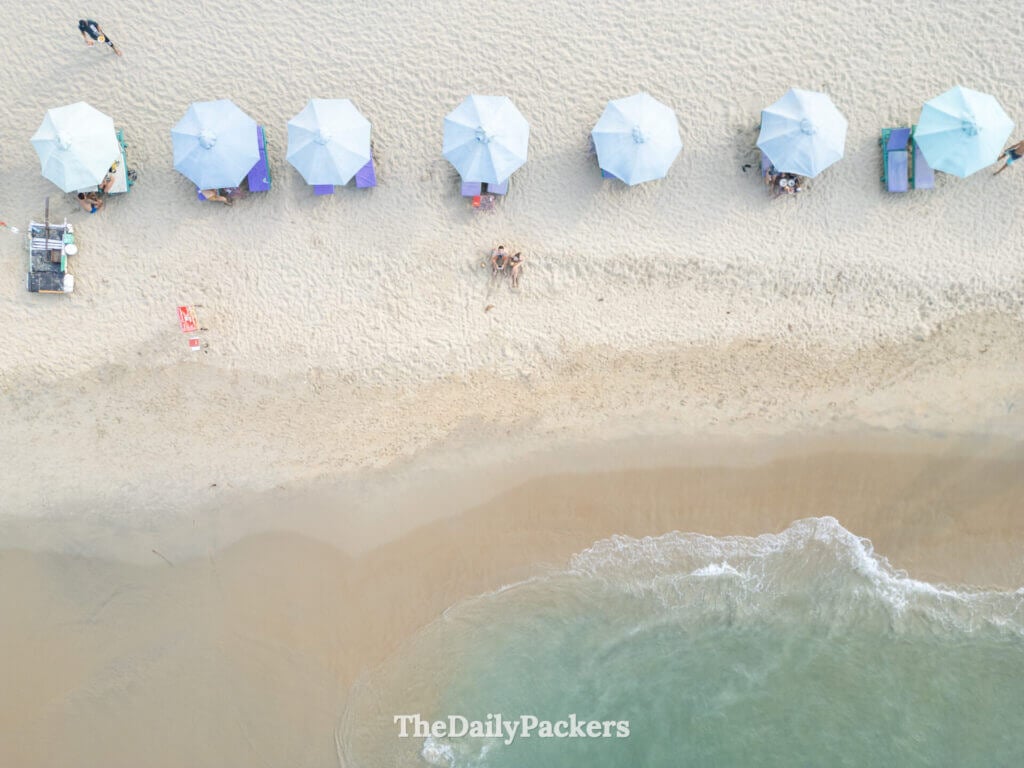
In the afternoon, cycle or drive out to An Bang Beach (about 20 minutes away). Relax on a sunbed, sip a coconut, and enjoy a lazy few hours by the sea.

In the evening, return to the Old Town to see it transform with thousands of lanterns lighting up the streets. Stroll around the riverside and finish the day with dinner at one of the many restaurants in the center.
Tip: Register for the Free Walking Tour with a Local Guide to learn more bout Hoi An
Where to stay in Hoi An: (€): Hoi An Merrily De Art Hotel (€€): Cozy Savvy Boutique Hotel Hoi An (€€€): Allegro Hoi An . A Little Luxury Hotel & Spa

Vietnam Itinerary Day 18: Hoi An
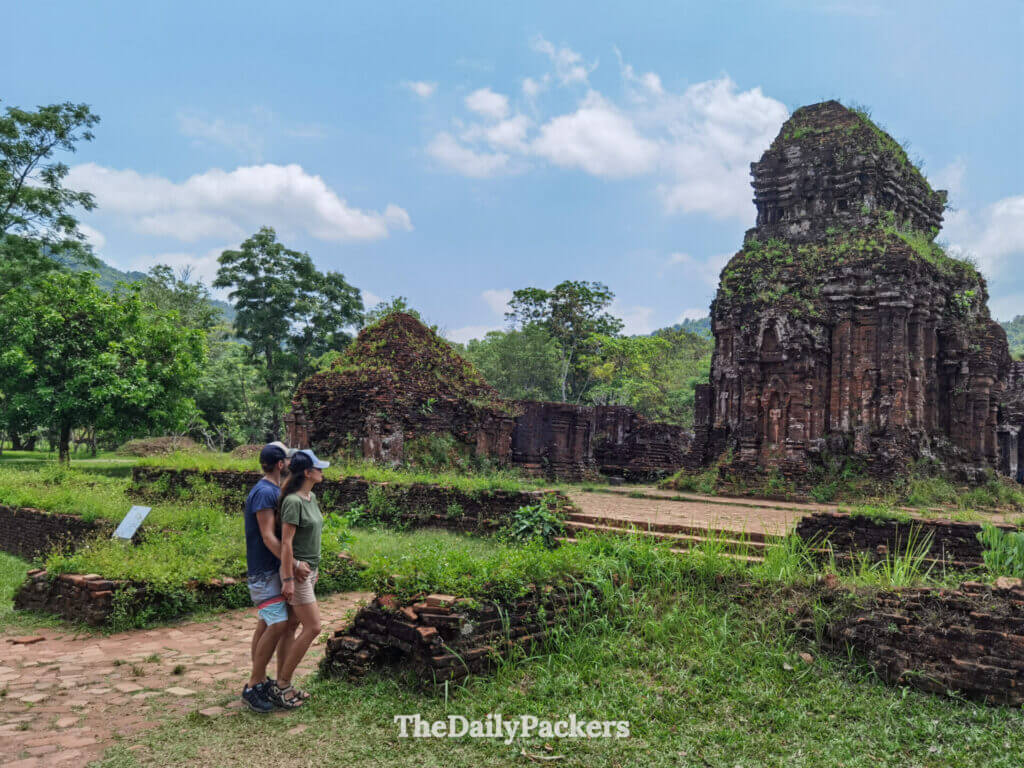
Today calls for a scooter again. Start by driving about an hour out of town to visit My Son Sanctuary, a cluster of abandoned and partially ruined Shaiva Hindu temples. Recognized as a UNESCO World Heritage Site, it was the religious and political capital of the Champa Kingdom between the 4th and 13th centuries. The setting, surrounded by lush mountains, makes the site even more impressive.
On your way back toward Hoi An, make a small detour at Thanh Ha Pottery Village. It’s an interesting stop, especially if you want to see traditional crafts in action. Afterward, head back to town for lunch at Nourish Eatery, one of our absolute favorites in Hoi An.
The afternoon is perfect for relaxing at another beach, such as Coconut Beach, which is usually quieter than An Bang and a great spot to enjoy a lazy few hours.
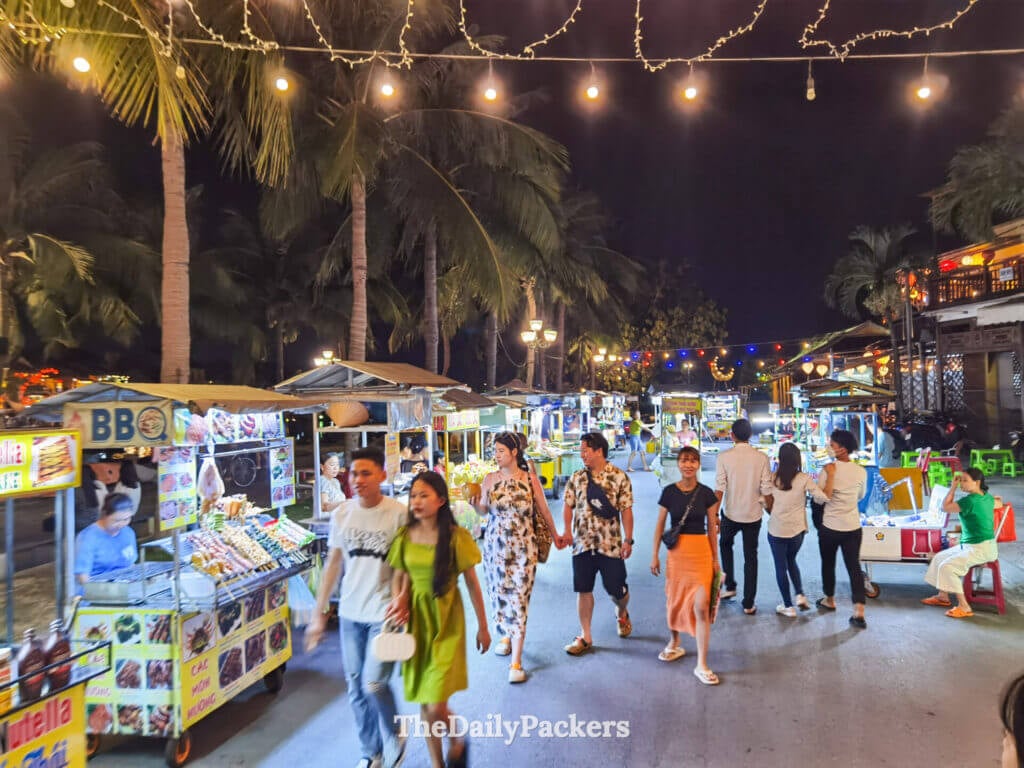
In the evening, return to the Old Town. Hoi An at night, with its lanterns, food stalls, and riverside atmosphere, is so magical that you’ll want to experience it more than once.
Where to stay in Hoi An: (€): Hoi An Merrily De Art Hotel (€€): Cozy Savvy Boutique Hotel Hoi An (€€€): Allegro Hoi An . A Little Luxury Hotel & Spa
Vietnam Itinerary Day 19: Hoi An
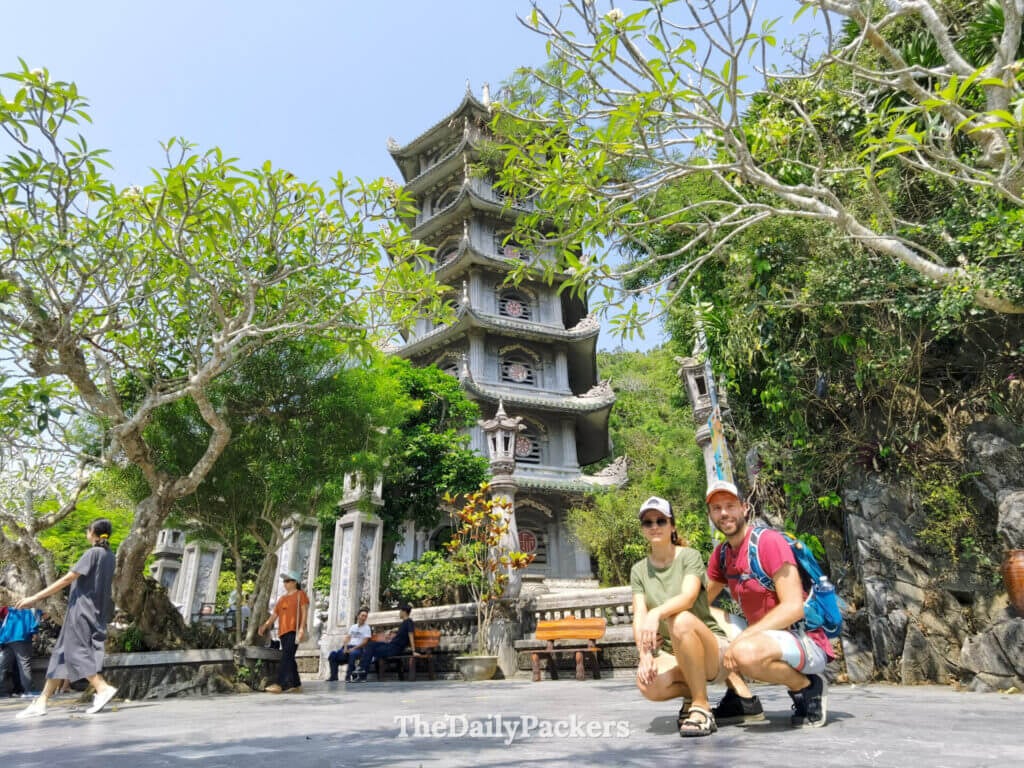
It’s your last full day in town, so make the most of it. Start by hopping on a scooter and heading to the Marble Mountains, a cluster of five marble and limestone hills named after the five elements. Each mountain has caves, pagodas, and viewpoints, but the highlight is climbing Mount Thủy for panoramic views. Inside, you’ll also find impressive Buddhist sanctuaries hidden in the caves.
Tip: If you haven’t yet, consider joining a My Son Sanctuary Early Morning Visit with Breakfast to experience the site before the crowds.

After exploring, drive back to Hoi An for lunch at — you guessed it — Nourish Eatery, one of our favorite spots in town. Their smoothies and veggie bowls never disappointed us.
For the afternoon, take it slow. Maybe start with a swim at your accommodation before heading out to Tree Coconuts Beach, a more relaxed and authentic beach compared to the busy An Bang. It’s a great place to enjoy a drink and watch the afternoon go by.
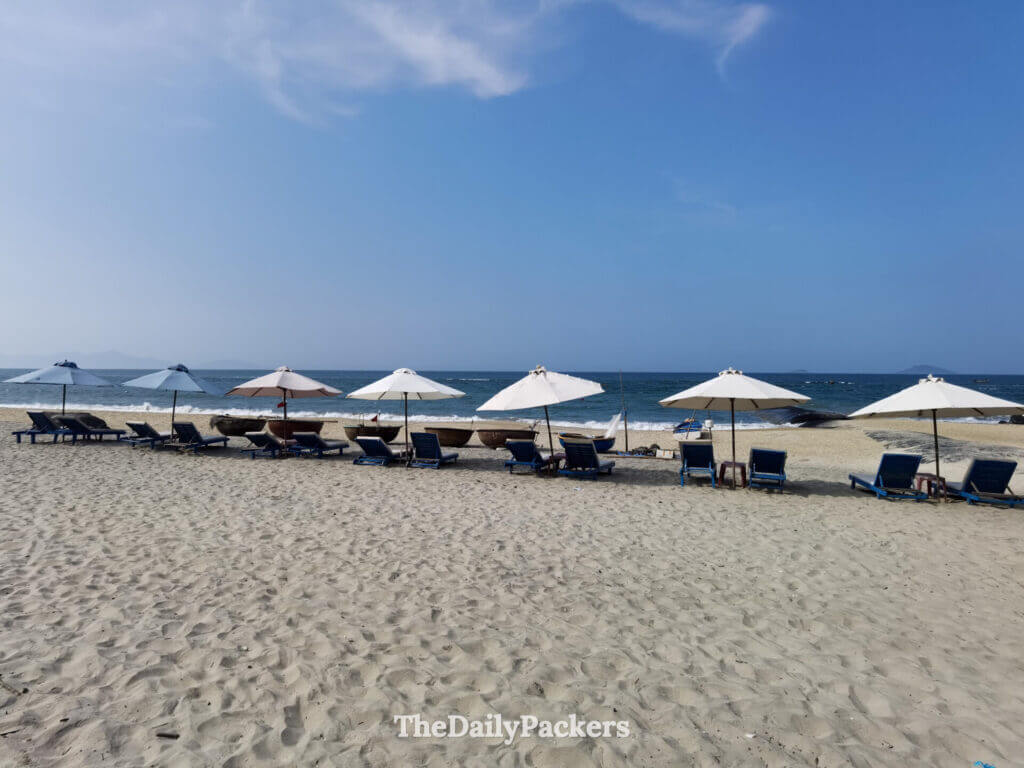
In the evening, wander the Old Town one last time. Try some street food, browse the lantern-lit streets, and soak up the atmosphere of what became our favorite city in Vietnam.
Where to stay in Hoi An: (€): Hoi An Merrily De Art Hotel (€€): Cozy Savvy Boutique Hotel Hoi An (€€€): Allegro Hoi An . A Little Luxury Hotel & Spa
Vietnam Itinerary Day 20: Return to Hanoi
After breakfast, transfer from Hoi An to Da Nang Airport (about 40 minutes) and catch a flight back to Hanoi. You’ll arrive by early afternoon, just in time to squeeze in a last wander around the capital.
Once you’ve checked into your accommodation and settled in, head out for lunch. We went back to Tung’s Kitchen, this time enjoying the terrace — a perfect spot for one last Vietnamese meal in the city.
In the afternoon, treat yourself to a more upscale experience at Aurora Nails & Spa Hanoi for a manicure or pedicure. After weeks of traveling, this little indulgence feels well deserved.
If you haven’t visited the famous Train Street yet, now is the time to do so. To be sure you can get in, contact the owner of Railway Coffee, who will meet you at the entrance. It’s such a unique spot to enjoy a drink, watch the train pass by, and chat with fellow travelers.
To close out your trip, why not enjoy another pizza night at Pizza 4P’s Bao Khanh before taking one final stroll through the buzzing streets of Hanoi. A perfect way to say goodbye to this itinerary.
Where to stay in Hanoi (€): La Passion Premium Cau Go, (€€): May De Ville Corner Hotel, (€€€): Peridot Grand Luxury Boutique Hotel
Vietnam Itinerary Day 21: Return home
And that’s it — the end of our 3 weeks in Vietnam. Time to head to the airport and catch the flight back home. This journey through the north and center gave us so many memories, from mountain hikes in Sapa to dreamy boat rides in Tam Coc, from the historical treasures of Hue to the lantern-lit nights of Hoi An.
We hope this itinerary helps you plan your own trip and inspires you to explore Vietnam at your own pace.
What No One Tells You
A few things we wish someone had told us before this trip.
The distances between regions are bigger than they look on a map. Vietnam is long and narrow, and moving from the north to the center eats up more time than people expect. Budget a full day for each transfer between major regions rather than trying to squeeze in activities on travel days.
Weather can shift fast between destinations. You can leave Hanoi in bright sunshine and land in Sapa to find it wrapped in thick fog, or leave a hot, dry Hue morning and hit rain by the time you reach Hoi An. Pack layers and a light rain jacket no matter what season you’re traveling in.
If you’re traveling with a baby or toddler, skip the stroller. Between Sapa’s dirt trails, Tam Coc’s uneven paths, and the cobblestones in Hoi An’s Old Town, a baby carrier will save you a lot of frustration. We only used ours a handful of times and relied on the carrier for almost everything else.
Book your Halong Bay cruise and Sapa trekking tour in advance, especially if you’re traveling during peak season (spring or early autumn). Both fill up fast, and last-minute bookings often mean settling for a lower-quality boat or a rushed itinerary.
Finally, don’t try to see everything. Vietnam rewards a slower pace far more than a checklist approach. Some of our best memories from this trip weren’t the big-name sights, but the quiet moments in between — a coffee break at a random café, a slow morning in Sapa, an extra hour on a beach in Hoi An we hadn’t planned to visit.
About the authors
We are Alex and Tina, a French-Serbian couple who met in China back in 2014. We spent three incredible years there before making France our home. Our shared passion for travel has been the heartbeat of our relationship for over 12 years, taking us across 44 countries and counting.
We launched TheDailyPackers in 2019 as a way to document our adventures. In 2026, we reached a major milestone by officially turning our blog into our full-time job. While we are still growing toward financial independence through this platform, every article we write is fueled by our mission to make your voyages easier through in-depth guides, honest advice, and the lessons we’ve learned from our own mistakes.
Our journey has not been without its storms. In 2023, our world changed forever when our first son, Poppy, was stillborn on November 25th. It was, and remains, the hardest chapter of our lives. In 2025, we were blessed with our second little boy, Milo. He has since joined our traveling tribe, and you’ll be seeing him—and the reality of traveling with a little one-on the blog more and more.
We hope to inspire you to explore the world with curiosity and resilience. Thank you for being part of our story.
You may also like those related posts
Cat Cat Village: SaPa’s Most Charming Traditional Village
SaPa Travel Guide: Best Things to Do in 4 Days
Hanoi Travel Guide: Best Things to Do in 3 Days or More
Hoi An Tailor Guide: Our Experience at Blue Eye
Tam Coc Boat Tour: Vietnam’s Famous Ha Long Bay on Land
Where to Eat in Hanoi: Best Coffee Shops & Restaurants
Hoi An Travel Guide: 16 Best things to do in 4 days
2-Week Vietnam Itinerary: The Best of North & Central Vietnam
Pssst, did you know that…
If you purchase something through our links, we earn a small fee. However, you still pay the same. Win-win! And one day we may get to be full-time travel bloggers =)
Find Hotels with Booking.com
Do Yoga with KVY
Buy us a Coffee
Rent a car with DiscoverCars
Find Attractions with GetYourGuide
Find Flights with Expedia
Buy an eSIM with Airalo
Get insured with World Nomads
Get ready with Amazon.com