
Introduction
Rising out of the jungle like something from a legend, Sigiriya Lion Rock is one of the most iconic landmarks in Sri Lanka—and for good reason. This dramatic rock fortress, once home to a royal palace, offers a unique blend of history, archaeology, and panoramic views that make it a must-see on any Sri Lanka itinerary.
Climbing Sigiriya Lion Rock isn’t just about the view from the top (although that’s definitely worth it). Along the way, you’ll pass through water gardens, ancient frescoes, and the famous lion’s paws carved into the rock face. Every step is a walk through history—and the story behind it all is just as fascinating as the site itself.
In this guide, we’ll cover everything you need to know before visiting Sigiriya Lion Rock: entrance fees, opening hours, the best time to go, what to expect on the climb, and how it compares to Pidurangala Rock nearby.

Here are all your accommodation options in Sigiriya
Why Visit Sigiriya Lion Rock?
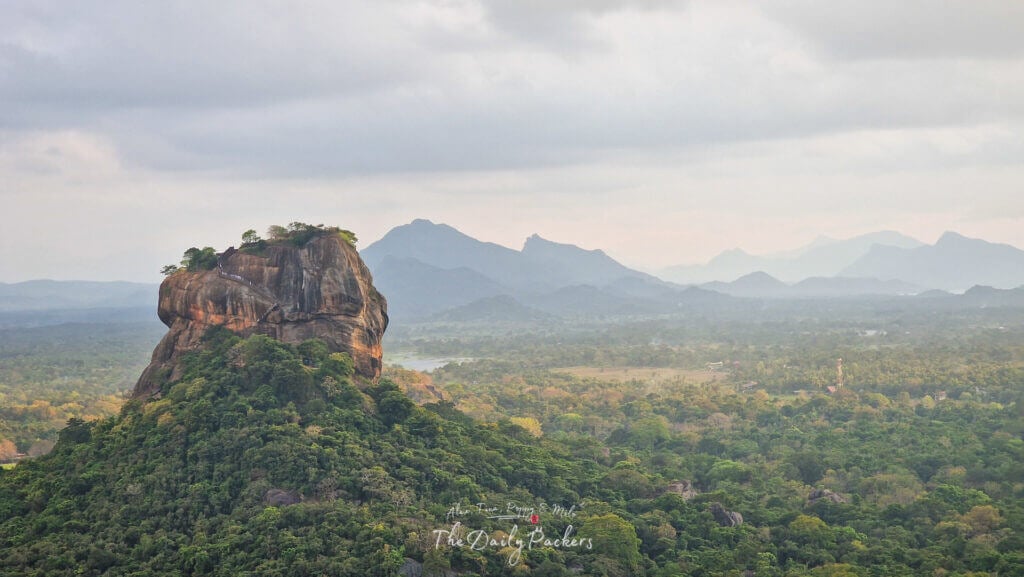
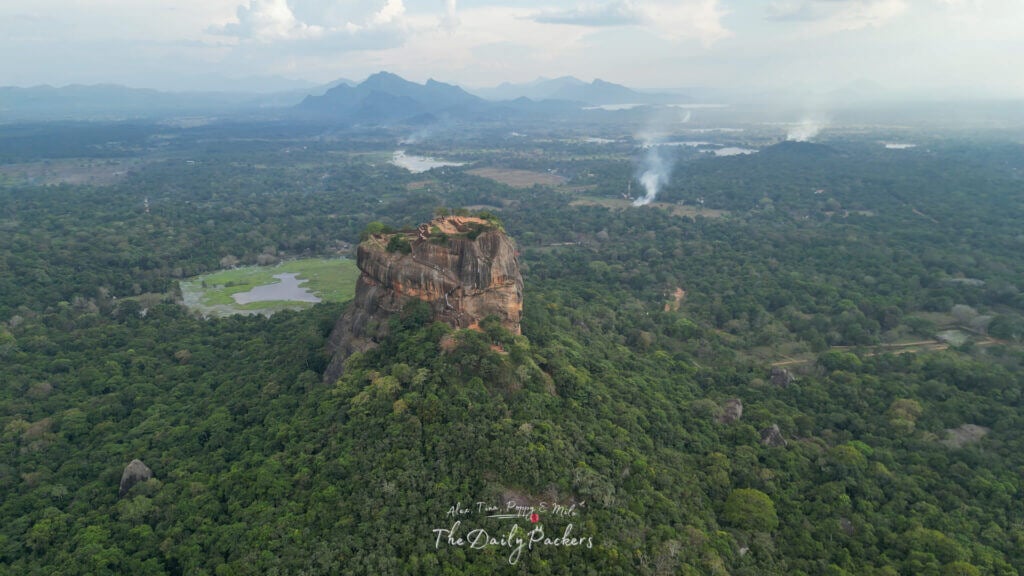
Sigiriya isn’t just one of the most iconic places in Sri Lanka—it’s one of the most fascinating ancient sites in all of Asia. Also known as the Lion Rock Fortress or the Sigiriya Lion Rock, this massive column of rock rises nearly 200 meters above the surrounding jungle, holding the ruins of a 5th-century royal palace at its summit.
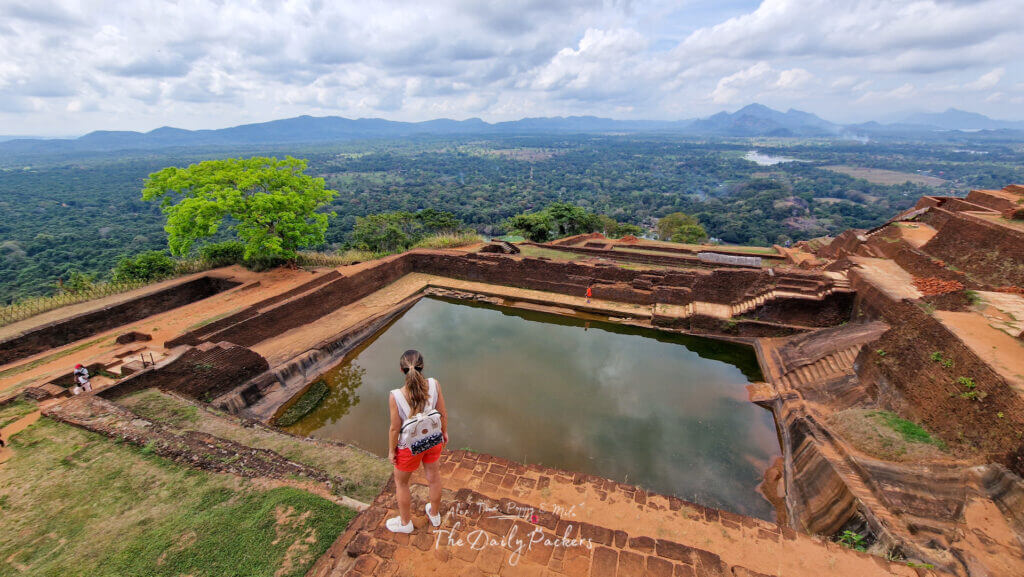
Recognized as a UNESCO World Heritage Site, Sigiriya combines natural beauty with ancient engineering in a way that’s completely unique. You’ll pass through landscaped water gardens, climb past world-famous frescoes, squeeze through narrow staircases carved into the rock, and stand between the enormous lion’s paws that give the site its name.
But it’s not just about history—it’s about the feeling of climbing through the layers of a forgotten kingdom. The views from the top are breathtaking, and the sense of place is powerful. It’s easy to imagine what it must have felt like to rule from such a dramatic perch, surrounded by jungle and sky.
For history lovers, photographers, and adventurers alike, Sigiriya Lion Rock is a once-in-a-lifetime experience. It’s more structured and more developed than Pidurangala, but for good reason—it’s one of Sri Lanka’s true national treasures.Where Is Pidurangala Rock Located?

Read: 7 Best things to do in Sigiriya, Sri-Lanka, in 3 days
Where Is Sigiriya Lion Rock Located?
Sigiriya Lion Rock is located in the Cultural Triangle of central Sri Lanka, about 20 kilometers (12 miles) from Dambulla and roughly 175 kilometers (4–5 hours) from Colombo. It’s one of the most accessible historical sites in the region and is often combined with nearby attractions like Pidurangala Rock, Dambulla Cave Temple, and Minneriya National Park.
From Dambulla: The easiest way to reach Sigiriya Lion Rock is from the town of Dambulla, which is well connected by buses and often used as a base for exploring the area. From Dambulla, you can get to Sigiriya by:
- Tuk-tuk: The most popular choice—expect to pay around 1000–1500 LKR for a round trip.
- Local bus: Buses to Sigiriya leave regularly from the Dambulla bus station and cost just a few rupees.
- Scooter or car rental: Gives you flexibility, especially if you’re planning to visit multiple sites in one day.


Check our Google Map of Sri Lanka
From Colombo or Kandy:
- From Colombo, you can take a bus or private transfer to Dambulla, then continue to Sigiriya.
- From Kandy, it’s about 2.5 to 3 hours by car or bus to reach Sigiriya directly.
Parking and Facilities: There’s a dedicated parking area near the Sigiriya entrance, with plenty of space for cars, tuk-tuks, and tour buses. Near the entrance, you’ll also find:
- Ticket office
- Toilets
- Small cafés and juice stands
- Souvenir stalls
Everything is clearly signposted and easy to navigate, making the site very tourist-friendly.
Here are all your accommodation options in Sigiriya
How to Visit Sigiriya Lion Rock: Trail Overview
Before you even start the climb, it’s worth making a quick stop at the Sigiriya Museum, located just behind the ticket office. The museum is modern, well-curated, and offers valuable context about the site’s history, architecture, and archaeological discoveries. If you want to truly appreciate what you’re about to see, this is the place to begin.
The Visit Step-by-Step
- Sigiriya Museum: Included in your entrance ticket, the museum offers scale models, artifacts, and historical context that bring the story of Sigiriya to life. It’s a great way to understand what you’re about to explore.
- Water Gardens: After entering the site, you’ll walk through the beautifully designed water gardens, an ancient example of advanced landscaping and engineering. These gardens were once part of the royal pleasure grounds and are still remarkably symmetrical.
- Boulder Gardens and Mid-Level Terraces: The path then climbs gently through shaded areas filled with large boulders and rocky platforms. These areas likely served as residential and defensive zones during King Kasyapa’s reign. Stone steps and terraces begin to appear here, marking the start of your ascent.
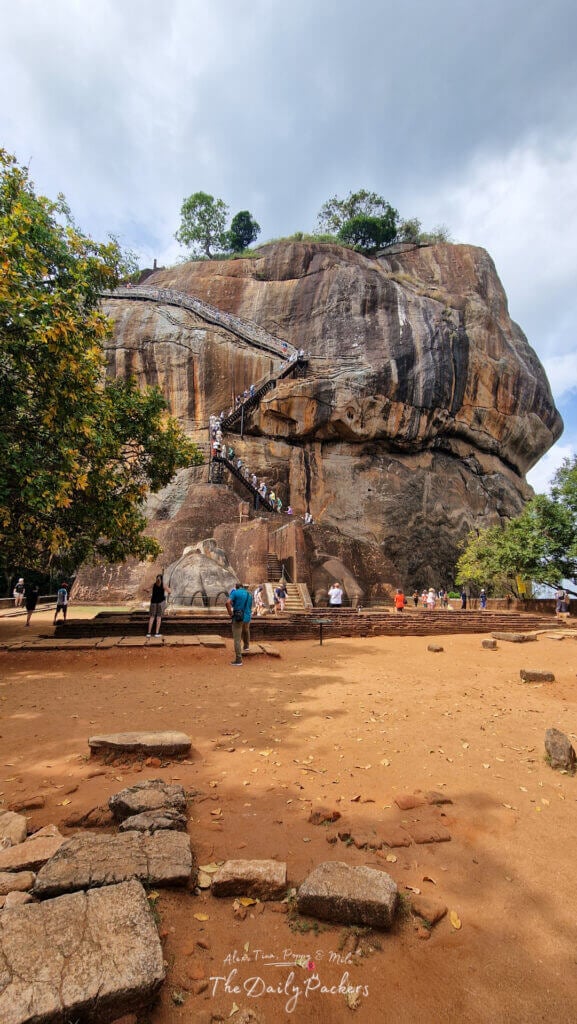
- Lion’s Paws Terrace: Halfway up the rock, you’ll reach the Lion’s Paws Terrace—the most iconic viewpoint on the climb. Two massive stone paws remain from what was once a colossal lion statue that formed the gateway to the upper palace. This is a great place to rest before the final climb.
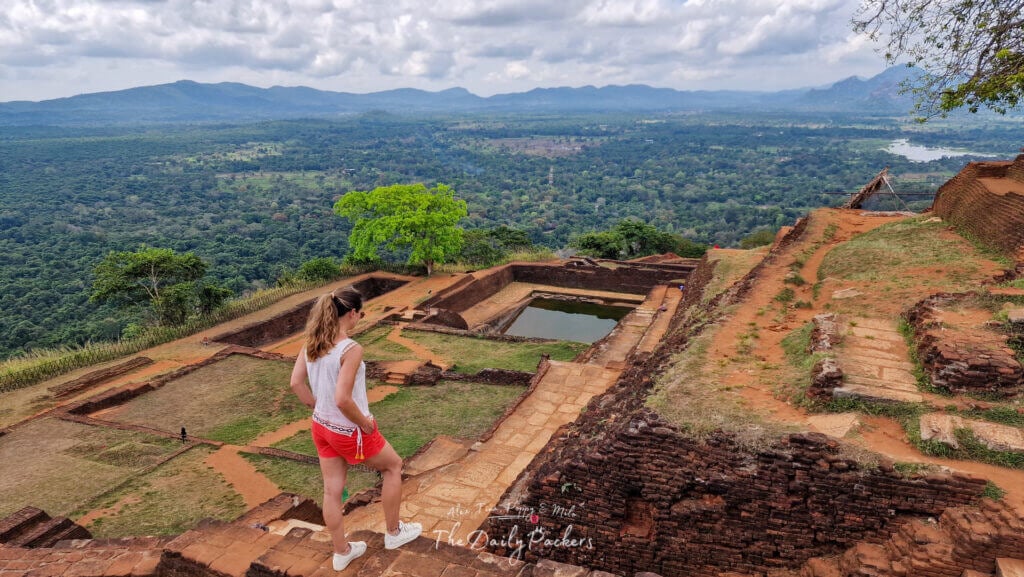
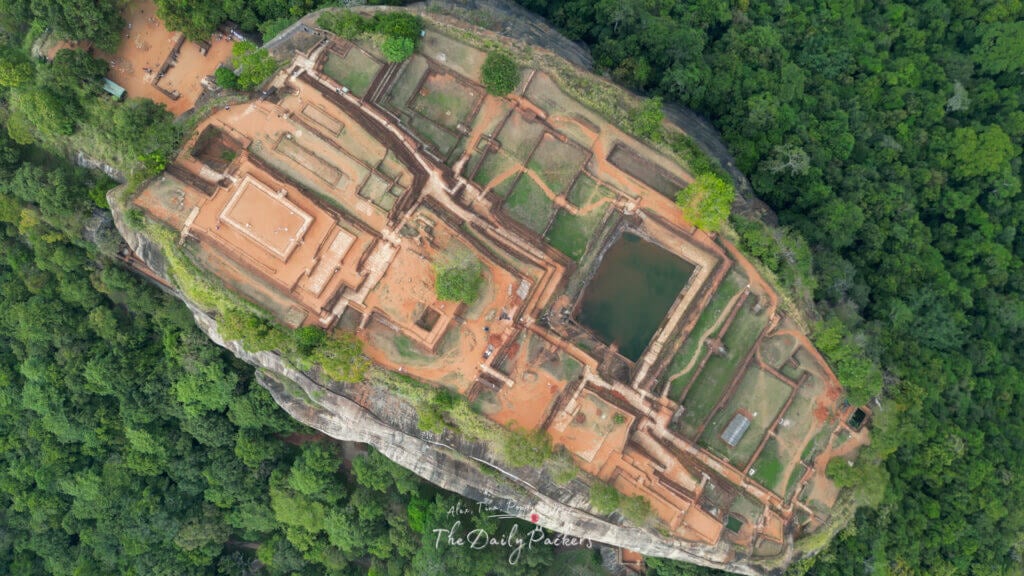
- Final Climb to the Summit: The steepest part of the trail involves metal staircases bolted onto the side of the cliff. It’s safe and well-maintained, but the height and exposure can be challenging if you’re afraid of heights. At the top, you’ll be rewarded with panoramic views and the ruins of King Kasyapa’s palace, including bathing pools, throne platforms, and ancient reservoirs.
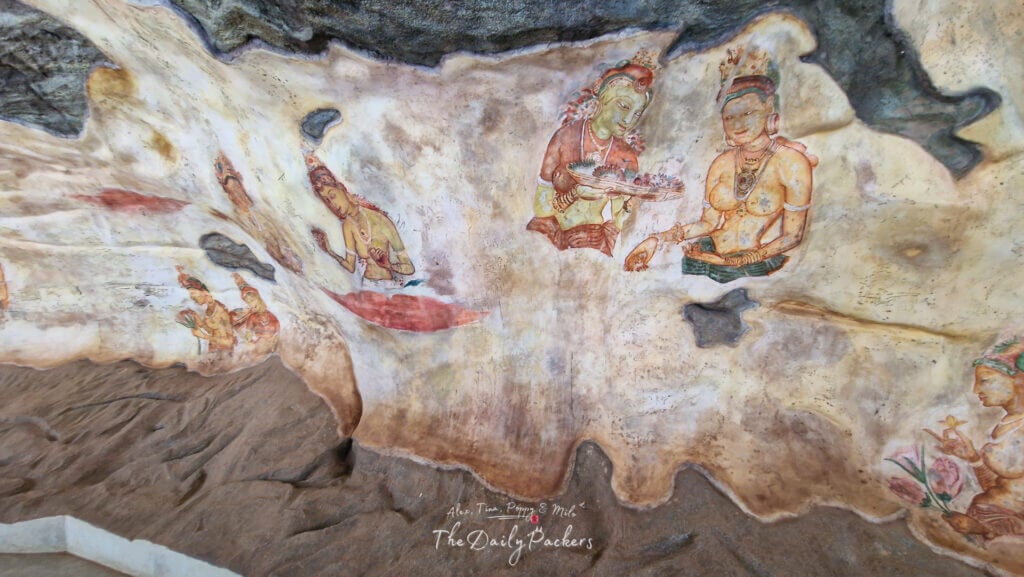
- Descent with Frescoes and Mirror Wall: On your way back down, you’ll descend via a spiral staircase leading to the Sigiriya frescoes—a small gallery of stunning ancient paintings set into a sheltered recess of the rock. These portraits of celestial maidens are over 1,500 years old and among the best-preserved examples of ancient Sri Lankan art (no photography allowed).
From there, continue along the Mirror Wall, once so highly polished it reflected the frescoes opposite it. Over time, it became a kind of visitor book, with centuries-old inscriptions and poems still faintly visible. It’s a humbling reminder of how long travelers have been marveling at this place.
Entrance Fee and Opening Hours (2025 Update)
Visiting Sigiriya Lion Rock is one of the most expensive attractions in Sri Lanka, but for many travelers, it’s worth every rupee. The site is incredibly well-preserved, deeply historical, and offers a one-of-a-kind experience.
Entrance Fee (2025)
- Foreign adult: $30 USD (approx. 9,000 LKR)
- Children (under 12): Around $15 USD
- Sri Lankan nationals: Significantly discounted with valid ID
- Museum access is included in the ticket price
Tickets are purchased at the main entrance, right before the museum and gardens. Payments can usually be made by card, but carrying some cash as a backup is always smart.
If you’re traveling on a tighter budget, it’s worth knowing that nearby Pidurangala Rock costs just a fraction of the price—about 500 LKR. Many travelers choose to climb Pidurangala instead for the panoramic views of Sigiriya Lion Rock.
That said, we strongly recommend doing both. Sigiriya and Pidurangala offer completely different experiences: one is about exploring ancient history and ruins, the other is about getting the best view of it all. Together, they tell a fuller story of this incredible area.

Opening Hours of Sigiriya Lion Rock
- Open daily: 7:00 AM to 5:30 PM
- Last entry: Around 5:00 PM
- Museum: Usually opens with the site and closes slightly earlier
For cooler temperatures and fewer crowds, arrive early in the morning or later in the afternoon. Midday can be hot and more crowded, especially during peak season.


Tip: We use the DJI Action 4 to film our vlogs — compact, durable, and perfect for capturing every adventure.
Best Time to Visit Sigiriya Lion Rock
Sigiriya Lion Rock can be visited year-round, but timing your visit well can make a big difference in terms of crowds, weather, and overall experience.
Time of Day
- Early morning (around 7:00 AM) is the most popular time to visit—and for good reason. The air is cooler, the light is beautiful, and you’ll have a better chance of avoiding the tour groups that arrive later in the morning.
- Late afternoon (after 3:30 PM) is another good option. The heat starts to ease, and the golden light before sunset gives the surrounding jungle and ruins a magical glow. It’s also generally less crowded than in the morning.
- Midday is best avoided, especially during the dry season, as the climb becomes very hot and there’s little shade along the exposed staircases.
Best Months to Visit
The best time of year to visit Sigiriya Lion Rock is during Sri Lanka’s dry season, which runs from December to April. You’ll have the best chance of clear skies and good visibility from the summit.
- December to April: Ideal weather, peak season
- May to September: Shoulder season, fewer crowds, but occasional rain
- October to November: Wettest months—still possible, but trails can be slippery and views may be hazy
Crowd Tip: If you want the full experience without the heavy crowds, visit early on a weekday, and try to avoid weekends or public holidays when locals and domestic tour groups also visit.

Here are all your accommodation options in Sigiriya
What to Wear and Bring for the Climb
Climbing Sigiriya Lion Rock isn’t technically difficult, but it’s a workout-especially under the Sri Lankan sun. A little preparation goes a long way in making your visit more comfortable and enjoyable.
What to Wear
- Light, breathable clothing – It gets hot quickly, especially on the exposed staircases. Choose clothes that dry fast and let your skin breathe.
- Good footwear – There are over 1,200 steps, many of them uneven or steep. Wear sturdy shoes or hiking sandals with good grip.
- Sun protection – There’s little to no shade during the climb, so a hat and sunglasses are essential.
- Modest clothing – While there’s no temple you must pass through like at Pidurangala, it’s still a cultural heritage site. Aim to dress respectfully, avoiding overly revealing outfits.
What to Bring
- Water – You’ll need it. Bring at least one full bottle per person, especially if visiting in the middle of the day.
- Sunscreen – Apply it generously before you start, and bring a small bottle to reapply.
- Camera or phone – You’ll definitely want to capture the views from the top and the iconic lion’s paws along the way.
- Snacks – There are no food vendors inside the site, so a small energy bar or some fruit is a good idea if you’re visiting around mealtime.
- Cash or card – For your ticket, in case card payment is temporarily unavailable.
- Tissues or wipes – Useful for sweat, small scrapes, or just freshening up.
Note: You don’t need a guide for Sigiriya, but if you want a deeper understanding of the history, hiring one at the entrance or booking ahead can add context to what you see.
Check our Google Map of Sri Lanka
Tips for Visiting Sigiriya Lion Rock
Sigiriya Lion Rock is one of Sri Lanka’s most popular tourist sites, and a little preparation goes a long way. Here are some practical tips to make the most of your visit:
- Arrive Early or Late: The site opens at 7:00 AM, and getting there right at opening time is the best way to beat both the heat and the crowds. Alternatively, arriving around 3:30 PM gives you golden light, cooler air, and fewer tour groups.
- Visit the Museum First: The Sigiriya Museum (included in your ticket) is located behind the ticket counter. It’s worth spending 15–20 minutes there before your climb to understand the layout and significance of the site. It adds so much context to what you’ll see.
- Bring Plenty of Water: There are no shops or vendors inside the archaeological zone itself, and the climb is long and exposed. Bring enough water to stay hydrated, especially if you visit midday.
- Watch Out for Wasps: There are signs posted about wasp nests along the rock, particularly near the fresco section. While rare, wasp attacks have happened in the past. Stay quiet and calm, especially in marked zones.
- Don’t Touch or Feed the Monkeys: You’ll likely see macaques around the gardens and even on the stairs. While they may seem cute or curious, they’re still wild animals. Don’t feed them, and avoid any interaction—some can be aggressive, especially if you’re carrying food or shiny items.
- Don’t Rush the Climb: There’s plenty to see on the way up—from ancient gardens and caves to murals and the lion’s paws. Take your time and enjoy the journey, not just the summit.
- Combine Sigiriya with a Safari in the Afternoon: If you’re looking to fill your day with adventure, pair your Sigiriya visit with an afternoon safari in one of the nearby national parks like Minneriya, Kaudulla or the Eco-Park. Both are just a short drive away and are famous for elephant sightings, especially during the dry season. It’s the perfect way to experience Sri Lanka’s ancient history in the morning and its rich wildlife in the afternoon.

Tip: We never travel without our DJI Mini 3 PRO drone anymore — it’s totally worth having to capture places from a whole new perspective.
Is Sigiriya Lion Rock Worth It?
Yes—Sigiriya Lion Rock is absolutely worth it, especially if you’re interested in history, archaeology, or simply want to experience one of Sri Lanka’s most iconic sights.
While the entrance fee is higher than most attractions in the country, the experience is truly unique: ancient gardens, engineering marvels, breathtaking views, and a glimpse into a 5th-century royal fortress perched high above the jungle.
We know some travelers hesitate because of the cost—especially when nearby Pidurangala Rock offers a similar view for a fraction of the price. But the truth is, they complement each other, not compete. Pidurangala gives you the view of Sigiriya; Sigiriya gives you the chance to explore its heart.
If you can, we recommend doing both. Start your morning exploring Sigiriya’s ruins and finish the day with a sunset hike or an elephant safari. It’s an experience you’ll remember long after you’ve left Sri Lanka.
Where to stay in Sigiriya
Here are the best places to stay in Sigiriya for every budget:
- (€) Shady Mango Villa – A cozy and affordable stay surrounded by greenery, perfect for travelers looking for peace and authenticity.
- (€€) Il Frangipane – A charming mid-range option with a great location and pool, offering excellent comfort and warm hospitality.
- (€€€) Sigiriya King’s Resort – For a luxury experience near the iconic rock, this resort offers stylish rooms, top-tier service, and stunning views.
Book early, especially during high season, as Sigiriya is one of Sri Lanka’s most visited destinations.

Here are all your accommodation options in Sigiriya
About the authors
We are Alex and Tina, a French-Serbian couple who met in China back in 2014. We spent three incredible years there before making France our home. Our shared passion for travel has been the heartbeat of our relationship for over 12 years, taking us across 44 countries and counting.
We launched TheDailyPackers in 2019 as a way to document our adventures. In 2026, we reached a major milestone by officially turning our blog into our full-time job. While we are still growing toward financial independence through this platform, every article we write is fueled by our mission to make your voyages easier through in-depth guides, honest advice, and the lessons we’ve learned from our own mistakes.
Our journey has not been without its storms. In 2023, our world changed forever when our first son, Poppy, was stillborn on November 25th. It was, and remains, the hardest chapter of our lives. In 2025, we were blessed with our second little boy, Milo. He has since joined our traveling tribe, and you’ll be seeing him—and the reality of traveling with a little one-on the blog more and more.
We hope to inspire you to explore the world with curiosity and resilience. Thank you for being part of our story.
You may also like those related posts
How to get from Puerto Natales to Ushuaia by bus
16 Best things to do in Oslo, Norway, in 3 days or more
Ravalet Castle: Cherbourg’s Hidden Gem in Normandy 2025
9 Best Things to do in Rabat, Morocco, in 1 day or more
18 best things to do in Bariloche, Argentina, in 5 days
Obernai Christmas Market: The Hidden Gem of Alsace
Hiku Ote Ika: 4 Nights in a Charming bungalow, Easter Island
6 Stunning Places in Balagne to discover in just 1 Day
Pssst, did you know that…
If you purchase something through our links, we earn a small fee. However, you still pay the same. Win-win! And one day we may get to be full-time travel bloggers =)
Find Hotels with Booking.com
Do Yoga with KVY
Buy us a Coffee
Rent a car with DiscoverCars
Find Attractions with GetYourGuide
Find Flights with Expedia
Buy an eSIM with Airalo
Get insured with World Nomads
Get ready with Amazon.com