
Introduction
Oslo, the capital of the beautiful Kingdom of Norway, is for many travellers the first stop and often the starting point of any trip through the country.
The city blends nature, culture, and history in a way that feels both peaceful and exciting. Whether you’re into world-class museums, architecture, or outdoor experiences, Oslo has plenty to offer. And yes, even if you’re not a museum person, there are a few that you absolutely shouldn’t miss—like the fascinating Viking Ship Museum or the thought-provoking Nobel Peace Center.
Another unique Oslo landmark? The Holmenkollen Ski Jump. It’s not every day you get to visit a ski jump used in major competitions—plus, the panoramic view over the city from the top is worth the visit alone.
Let’s dive into this Oslo Travel Guide and help you plan the perfect stop in Norway’s capital.

Here are all your accommodation options in Oslo
Getting there
Oslo is one of the easiest cities to reach in Norway, especially if you’re flying in from abroad. The main airport is Oslo Gardermoen (OSL), located about 50 km north of the city. From there, you can take the Flytoget Airport Express Train, which gets you to the center in about 20 minutes. You can also opt for cheaper NSB trains or airport buses, depending on your schedule and budget.
If you’re already traveling within Scandinavia, Oslo is also well connected by train from cities like Stockholm, Gothenburg, and Copenhagen. The train station is right in the city center, which makes arriving by rail really convenient.
Coming by bus or car is also an option if you’re doing a road trip. Highways in Norway are smooth and scenic, but tolls and parking can get expensive, especially in Oslo itself.
If you’re taking a ferry, there are connections from Denmark and Germany, with boats arriving in the city center near the Aker Brygge area. A nice way to arrive, especially if you’re looking for a more scenic route.
Moving Around
Oslo is one of those cities that’s super easy to navigate. The public transport system is clean, efficient, and well-connected. You can use trams, buses, subways (T-bane), and even ferries with the same ticket. Just grab a 24-hour or 72-hour pass depending on how long you’re staying — it works on everything and saves a bit of money.
If you’re staying in the center, you’ll probably end up walking a lot — and that’s honestly the best way to take in Oslo’s architecture, harbors, and relaxed vibe. Distances are manageable and most attractions are within walking range.
For longer distances or to reach museums like the ones on Bygdøy Peninsula, just hop on a ferry or tram. And if you’re visiting in the warmer months, renting a bike or using an e-scooter is a fun way to explore the parks and waterfront areas.
If you’re driving, just know that parking in Oslo is limited and expensive, so unless you’re on a bigger road trip, we wouldn’t really recommend using a car in the city.

Tip: You can also take the Hop-On Hop-Off Sightseeing Bus
When to Visit
Oslo is a city you can visit year-round, but your experience will really depend on the season, from snow-covered landscapes to sunny fjord cruises.
- Winter (December to February): Expect temperatures between -7°C to -1°C (19°F to 30°F). Oslo turns into a winter wonderland with Christmas markets, snowy parks, and ski trails just outside the city. It’s cold, yes — but if you’re into winter sports or a magical atmosphere, it’s a great time to visit.
- Spring (March to May): Temperatures rise slowly from 0°C to 15°C (32°F to 59°F). This is when the city shakes off the snow and locals start spending more time outside. Parks bloom, café terraces open again, and it’s a beautiful season to explore without the summer crowds.
- Summer (June to August): With long daylight hours and temperatures between 15°C to 25°C (59°F to 77°F), summer is the best time to experience Oslo outdoors. You can swim in the fjord, enjoy open-air concerts, and explore the islands — just keep in mind that this is peak tourist season.
- Autumn (September to November): Expect crisp air and a golden city with temperatures ranging from 10°C to 2°C (50°F to 36°F). Autumn in Oslo is colorful and quiet. It’s a great time to visit museums or hike around the forests just outside the city.
Tip: If you want to enjoy Oslo at its liveliest and most accessible, aim for late spring to early summer — May to early July is a perfect window with mild weather, long days, and fewer tourists than peak August.

Where to Stay
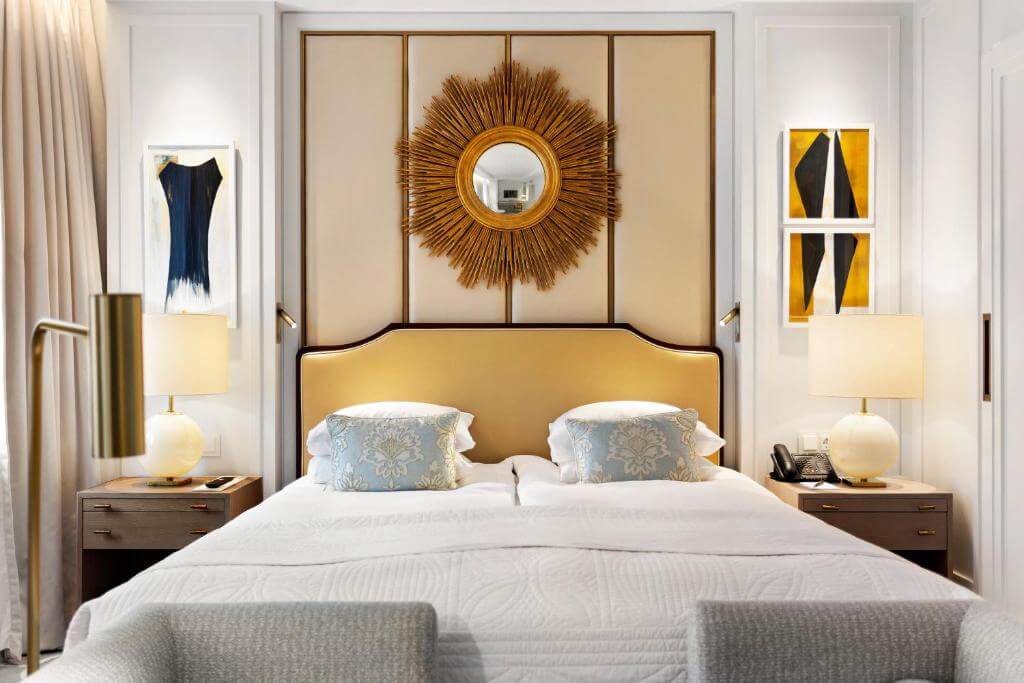
Three nights in Oslo gives you enough time to dive into the city’s highlights without rushing. Whether you’re traveling on a budget or looking for a more luxurious stay, here are a few great options — all centrally located and ideal for exploring the capital:
- (€) Citybox Oslo – Simple, modern, and very well-located. Great value for money with self-service check-in and clean rooms.
- (€€) Hotel Filip – A comfortable and stylish mid-range choice, just a short walk from the waterfront and Aker Brygge area.
- (€€€) Hotel Continental – A true classic in Oslo. Elegant rooms, top-tier service, and a fantastic location across from the National Theatre.
Here are all your accommodation options in Oslo
What to Eat
Norwegian cuisine is simple, hearty, and deeply connected to the country’s nature. In Oslo, you’ll find a good mix of traditional flavors and modern bites, whether you’re eating out or grabbing something on the go.
For meat and fish lovers:
- Smoked Salmon – A Norwegian classic. You’ll find it in open-faced sandwiches, salads, or simply on rye bread.
- Norwegian Hot Dog – Often served in a soft potato flatbread (lompe), it’s a fun local street food.
- Reindeer Steak or Dried Reindeer Meat – A rich and gamey option found in many traditional restaurants.
- Whale Steak – Still served in some places, though definitely not for everyone. Its flavor is closer to beef than fish.
For a plant-based or lighter bite:
- Norwegian Waffles – Thin, heart-shaped, and best with jam and a dollop of sour cream.
- Rye Bread – Dense and satisfying, perfect for picnics or café lunches.
- Coffee – Norwegians take their coffee seriously. Oslo has great cafés, and filter coffee is the norm — smooth and light.
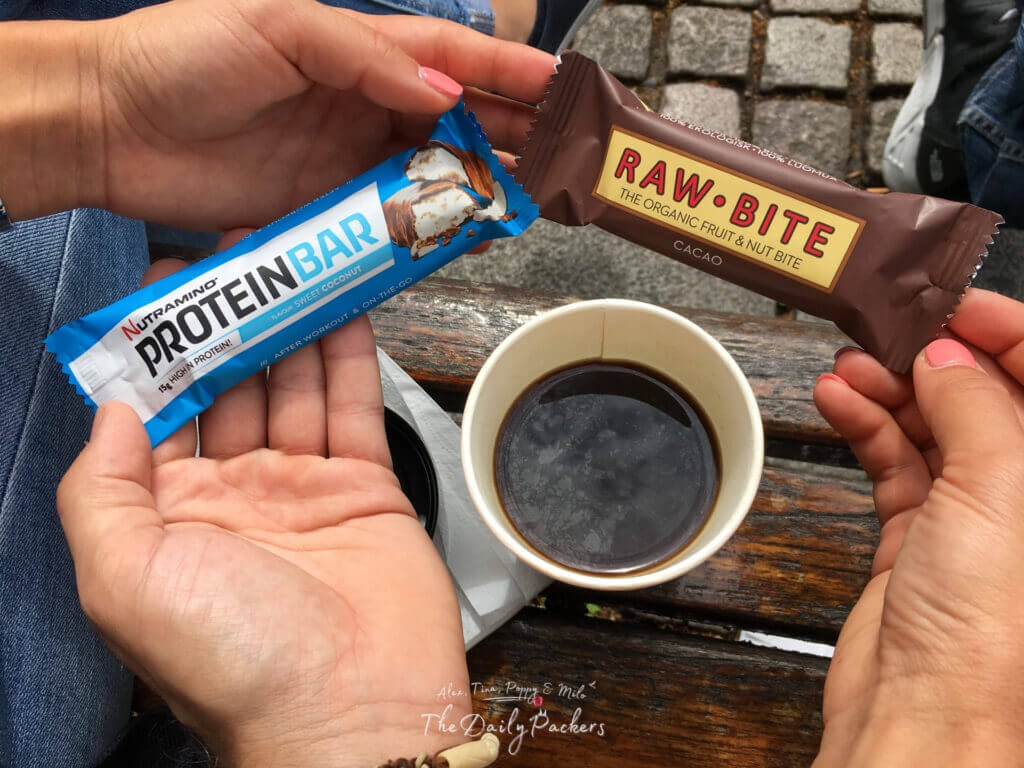
- Protein Bars – Found in most supermarkets and gas stations, these are great for hiking days or early morning travel.
Oslo’s food scene is growing fast, and even if traditional Norwegian food isn’t always plant-based, you’ll find plenty of international options, vegan-friendly spots, and organic cafés across the city.

Tip: We use the DJI Action 4 to film our vlogs — compact, durable, and perfect for capturing every adventure.
Things to do in Oslo
Explore Akershus Castle and Fortress
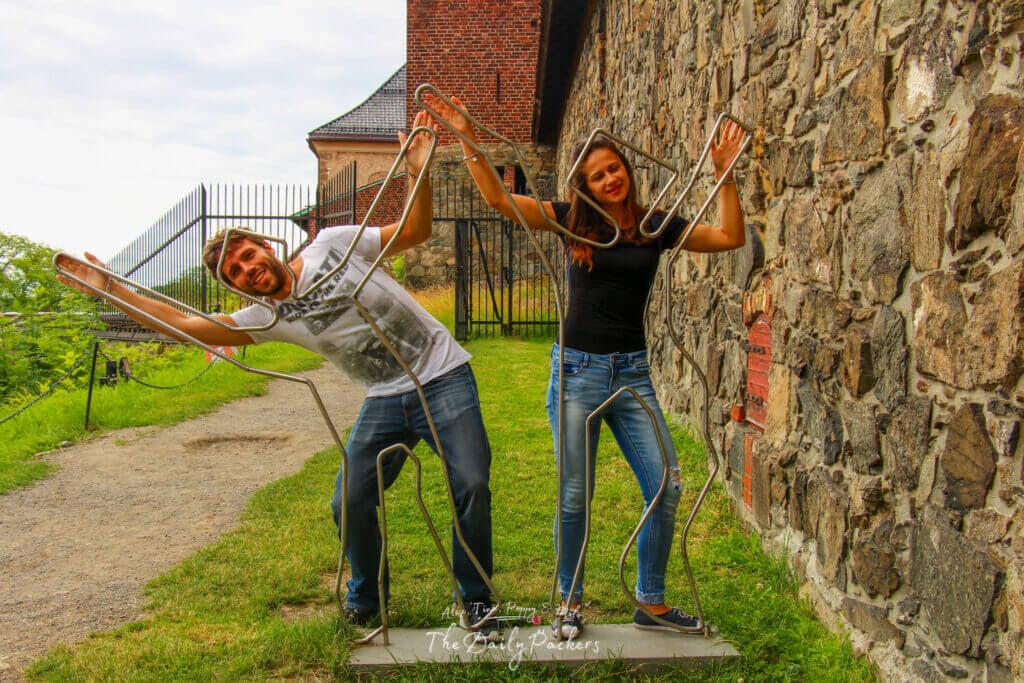
Perched on a headland overlooking the Oslofjord, Akershus Castle and Fortress is one of the city’s most iconic historical sites. Built in the late 13th century to protect Oslo from attacks, it has never fallen during a siege. Over the centuries, it served as a royal residence, a military base, and even a prison.
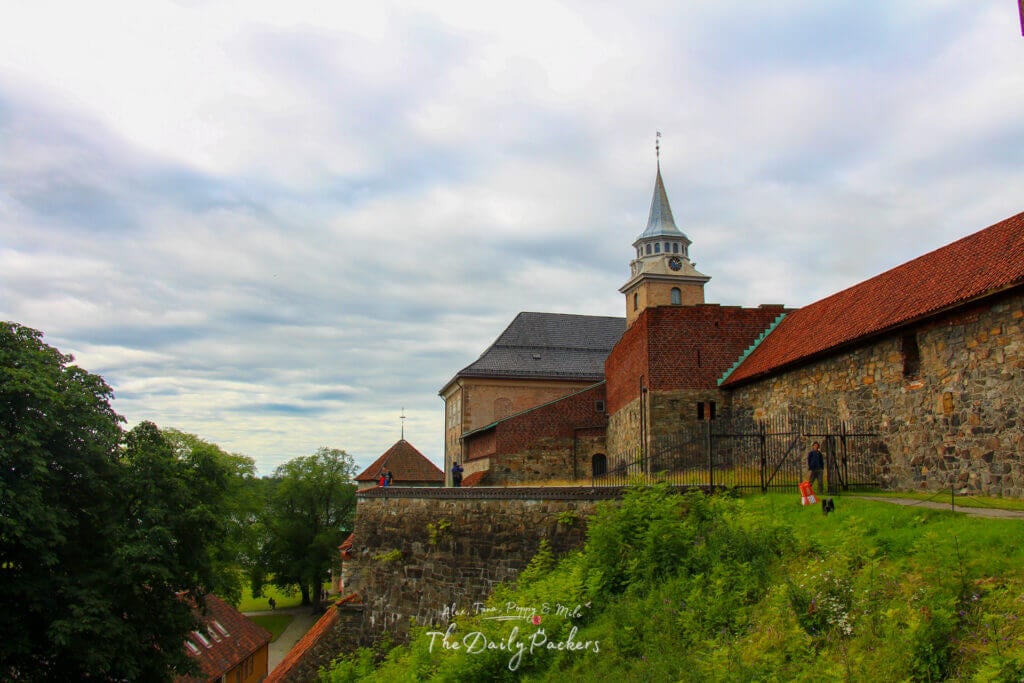
Today, it’s a peaceful place to wander, with cobbled paths, stone walls, and sweeping views over the harbor. You can walk the grounds for free or visit the interior for a deeper dive into Norwegian history. It’s a great mix of architecture, atmosphere, and perspective on the city’s past — and it feels especially magical around sunset.
Stroll Around Aker Brygge
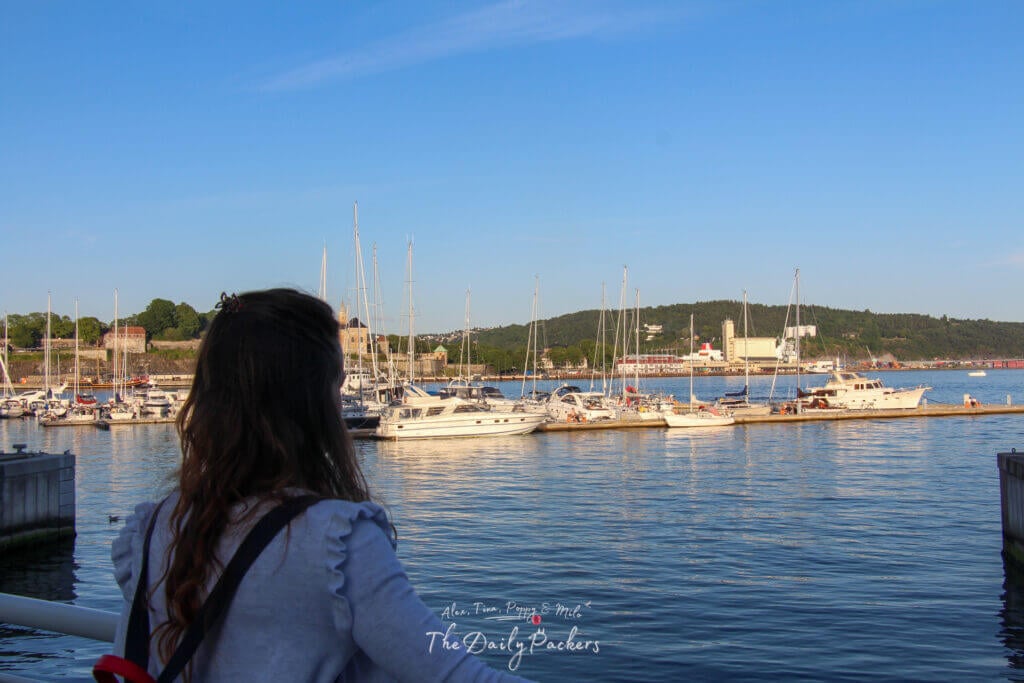
Aker Brygge is Oslo’s vibrant waterfront district — a lively mix of modern architecture, restaurants, bars, and shops set along the edge of the Oslofjord. It’s a great place to wander, relax, and soak in the city’s more stylish side.

Whether you’re grabbing a coffee, enjoying fresh seafood, or simply strolling the boardwalk with views of the harbor and Akershus Fortress, Aker Brygge offers a laid-back but upscale vibe. It’s also a perfect spot for people-watching or catching the sunset by the water.
Tip: If you want to save time, try the 3-Hour Highlights Bike Tour
Visit Oslo City Hall
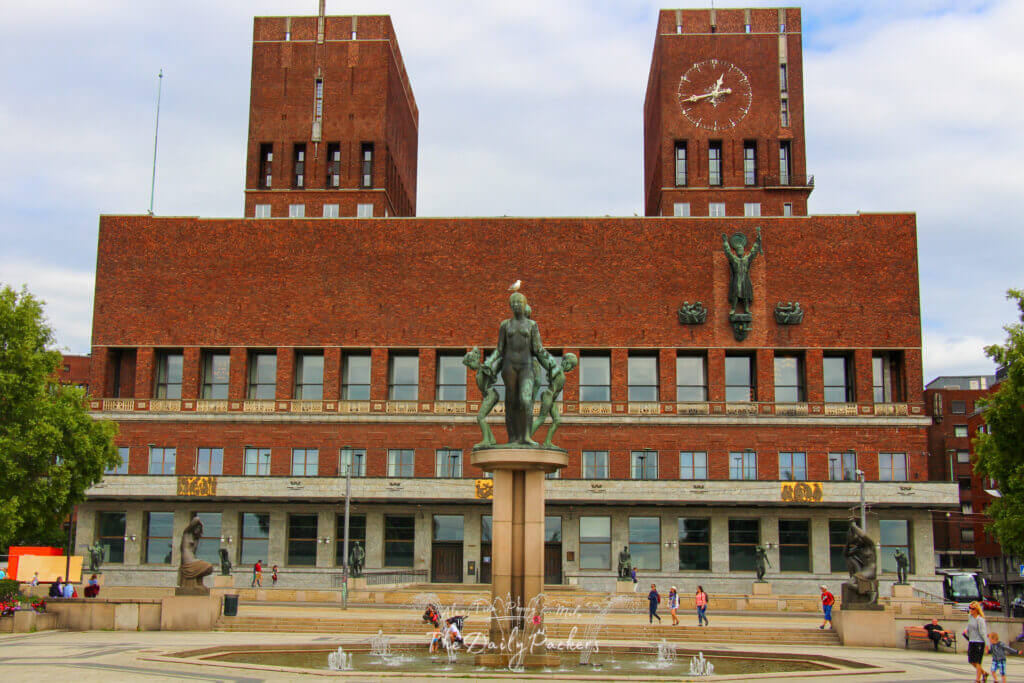
Oslo City Hall stands proudly by the fjord with its two distinctive red-brick towers rising 63 and 66 meters high. Its architecture is bold and unique — a mix of functionalism and monumental design that’s hard to miss.
What makes it even more special is the craftsmanship: the bricks used were specially made for the building, larger and more traditional in style, similar to those used in medieval architecture. Inside, the hall is decorated with grand murals and sculptures that reflect Norwegian culture and history. It’s also where the Nobel Peace Prize is awarded every year.
Discover the Norway Resistance Museum
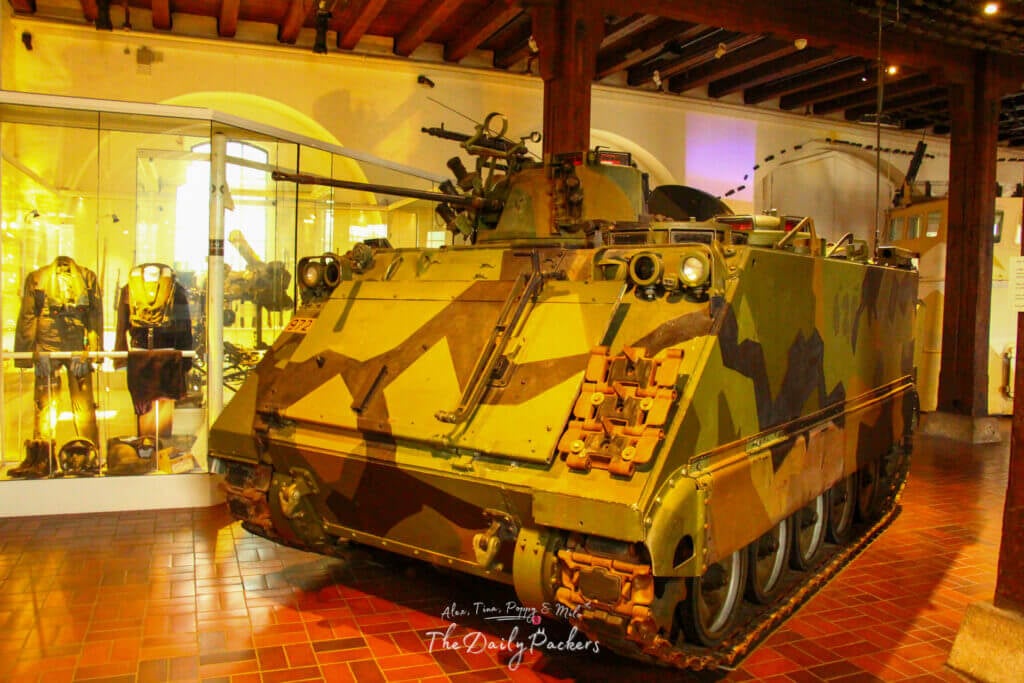
Tucked within the Akershus Fortress grounds, the Norway Resistance Museum tells the powerful story of Norway’s resistance during the Nazi occupation in World War II. The exhibitions are well done, with a mix of historical documents, artifacts, and personal stories.
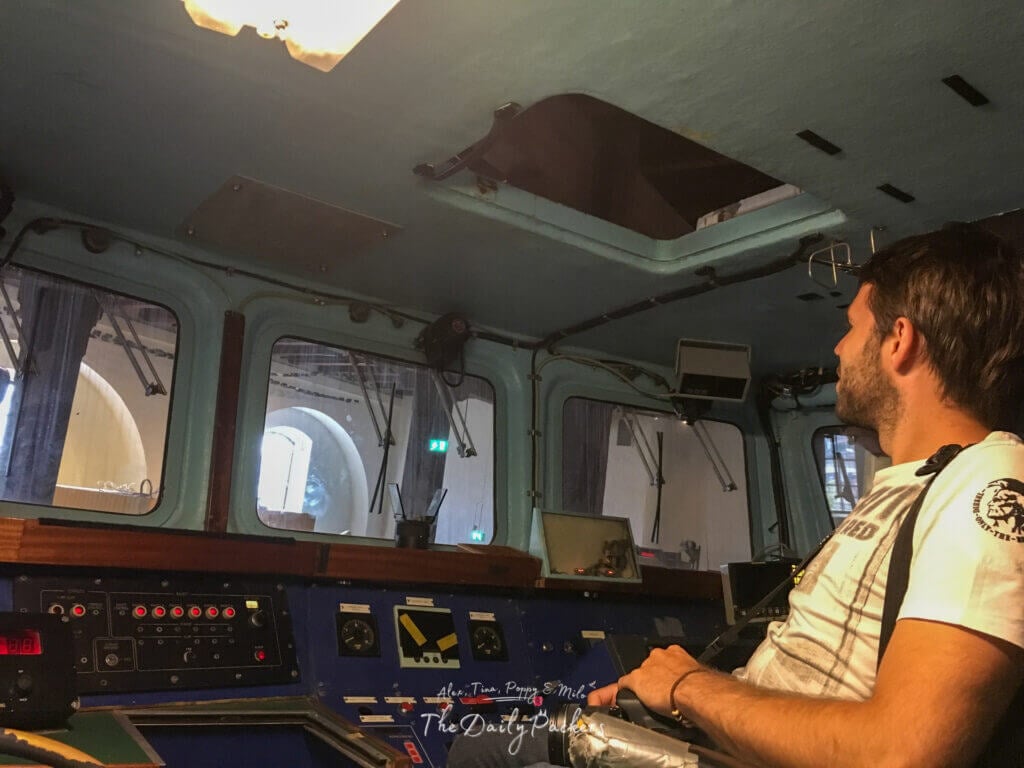
You’ll find plenty of wartime equipment on display — from uniforms and weapons to larger military vehicles, some of which can even be entered. It’s a compact but impactful museum that gives great insight into an important part of Norway’s modern history.
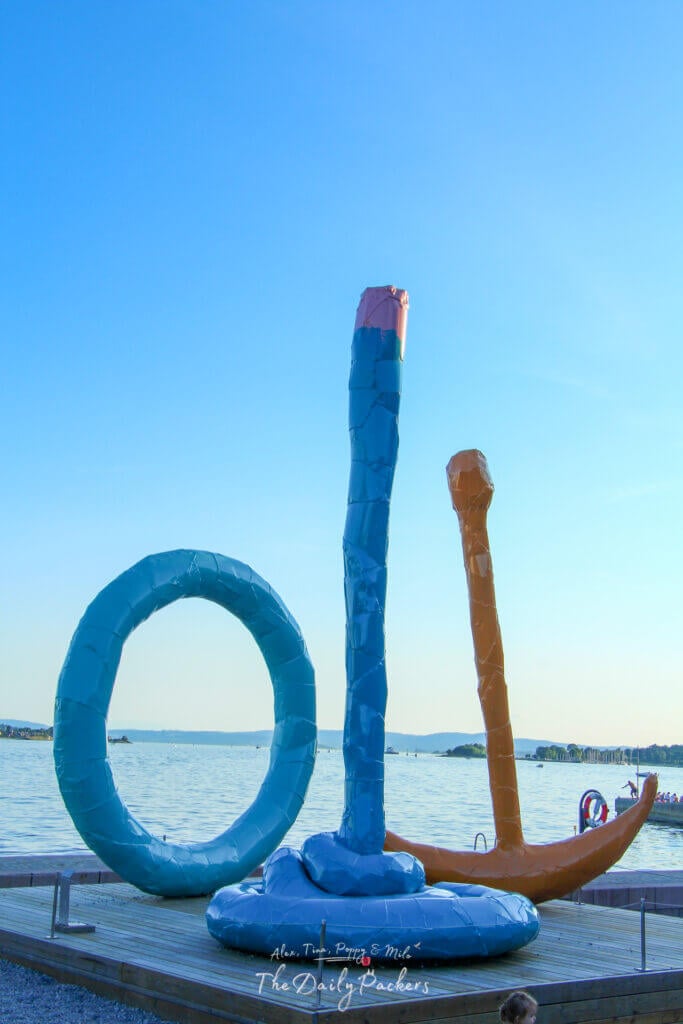
Stroll Through Tjuvholmen Sculpture Park
While exploring Oslo’s waterfront, make your way to Tjuvholmen Sculpture Park. This modern outdoor space combines contemporary art with beautiful coastal views. You’ll find unique sculptures scattered along the promenade, all set against the backdrop of the fjord.
From here, you also get a great perspective on the fortress and skyline, making it a peaceful and visually inspiring stop during your walk.
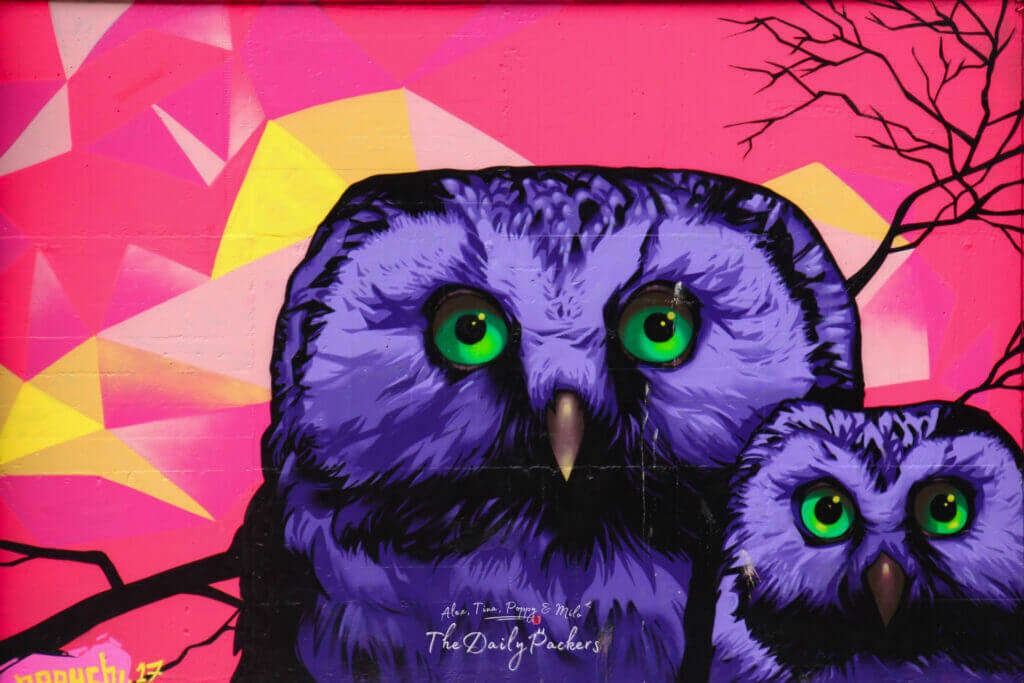
Spot the Street Art in Oslo
Oslo’s creative side shines through its vibrant street art scene. As you explore the city, especially neighborhoods like Grünerløkka or along the riverbanks, keep an eye out for colorful murals, graffiti, and urban art installations.
Some works are bold and political, others simply playful—but all of them add an unexpected layer to the city’s atmosphere. Just walking around becomes a mini art tour in itself.
Visit the Royal Palace
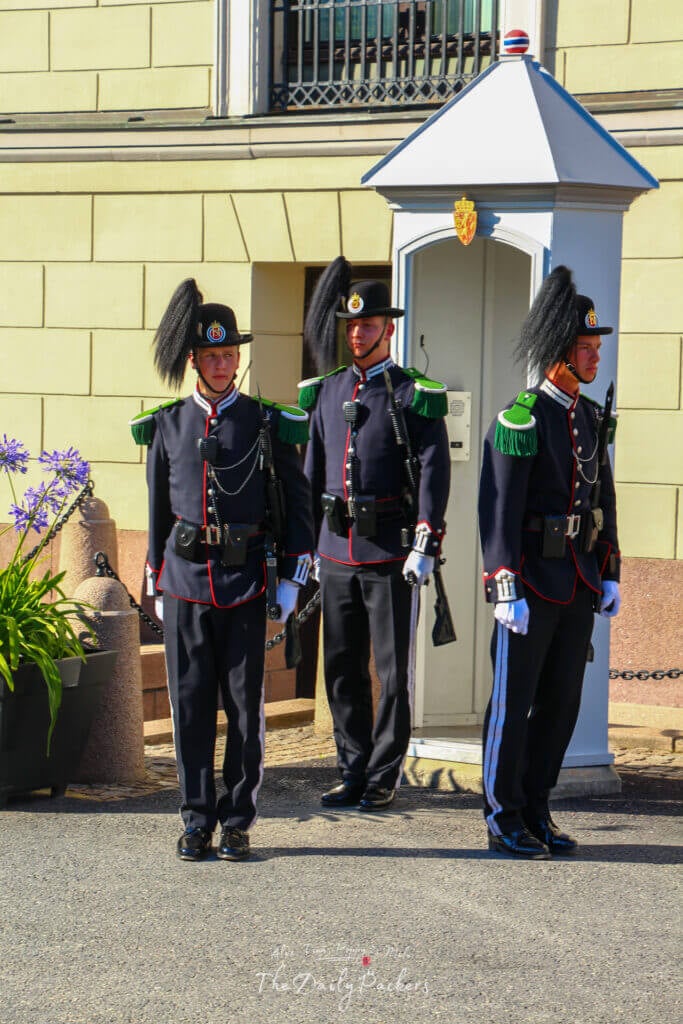
This elegant neoclassical building is the official residence of King Harald V and Queen Sonja. Commissioned by the French-born King Charles III John, the palace was completed in 1849 and stands at the end of Oslo’s famous Karl Johans gate.
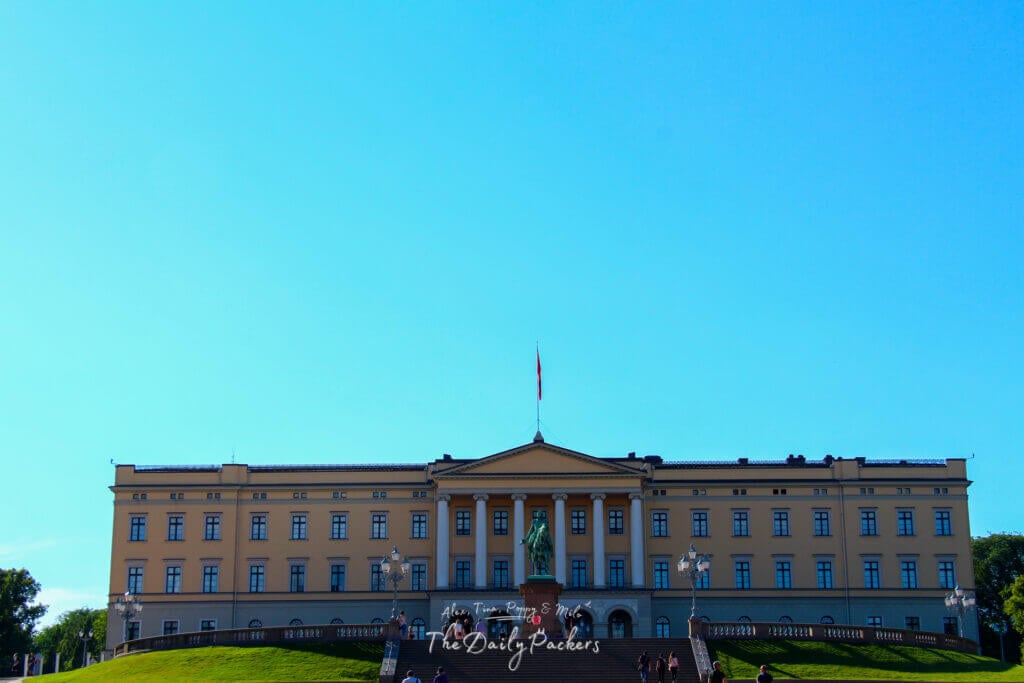
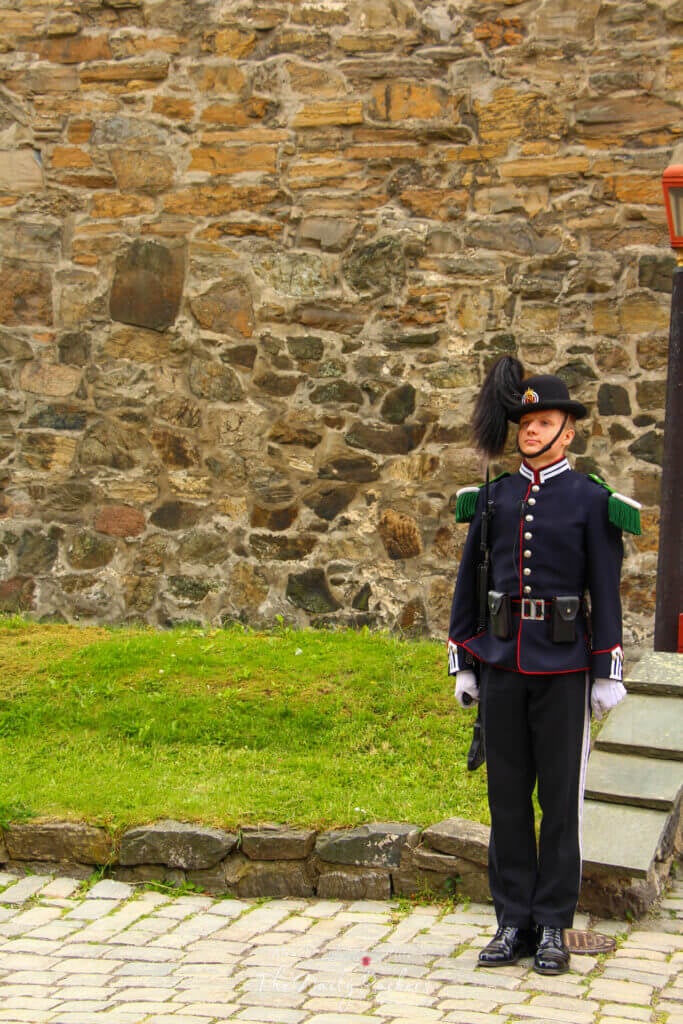
While the interior is only open during limited periods in summer, it’s still worth visiting for a walk in the Palace Park and to witness the daily changing of the guard in front of the gates.
Stroll Along Karl Johans gate
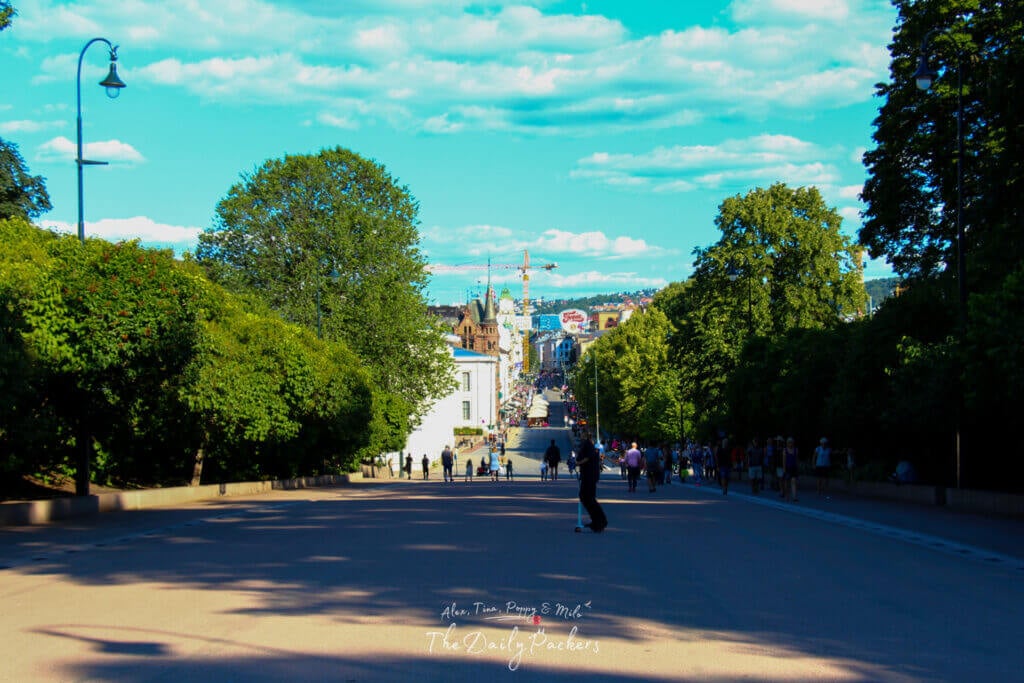
Karl Johans gate is the main artery of Oslo, stretching from the Central Station all the way to the Royal Palace. This lively boulevard is lined with cafés, shops, historic buildings, and city parks. It’s a perfect place for a walk, especially in the late afternoon, and a great way to take in Oslo’s vibe while passing landmarks like the National Theatre and the Parliament building.
Visit the Viking Ship Museum
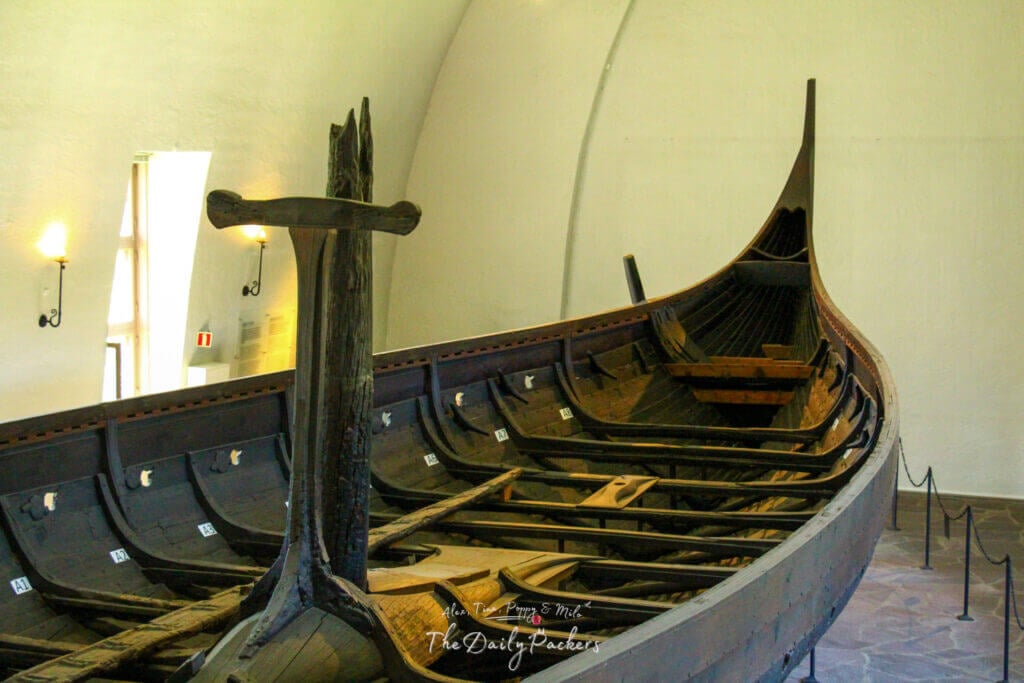
No trip to Norway would be complete without diving into its Viking roots. The Viking Ship Museum is one of Oslo’s top attractions, showcasing beautifully preserved Viking ships (Drakkars) and fascinating artifacts from burial sites around the Oslo Fjord. It’s a chance to learn about Viking craftsmanship, exploration, and daily life—all in one place. A must-see for history lovers and curious minds alike.
Explore the Norsk Folkemuseum
Step back in time at the Norsk Folkemuseum, one of the largest open-air museums in Europe. Located on the Bygdøy Peninsula, it showcases over 150 traditional buildings from all over Norway, including the iconic Gol Stave Church from the 13th century. The museum brings history to life with exhibits on folk traditions, rural life, and even a reconstructed old town. It’s the perfect place to get a deeper understanding of Norwegian culture and daily life through the ages.

Discover the Kon-Tiki Museum
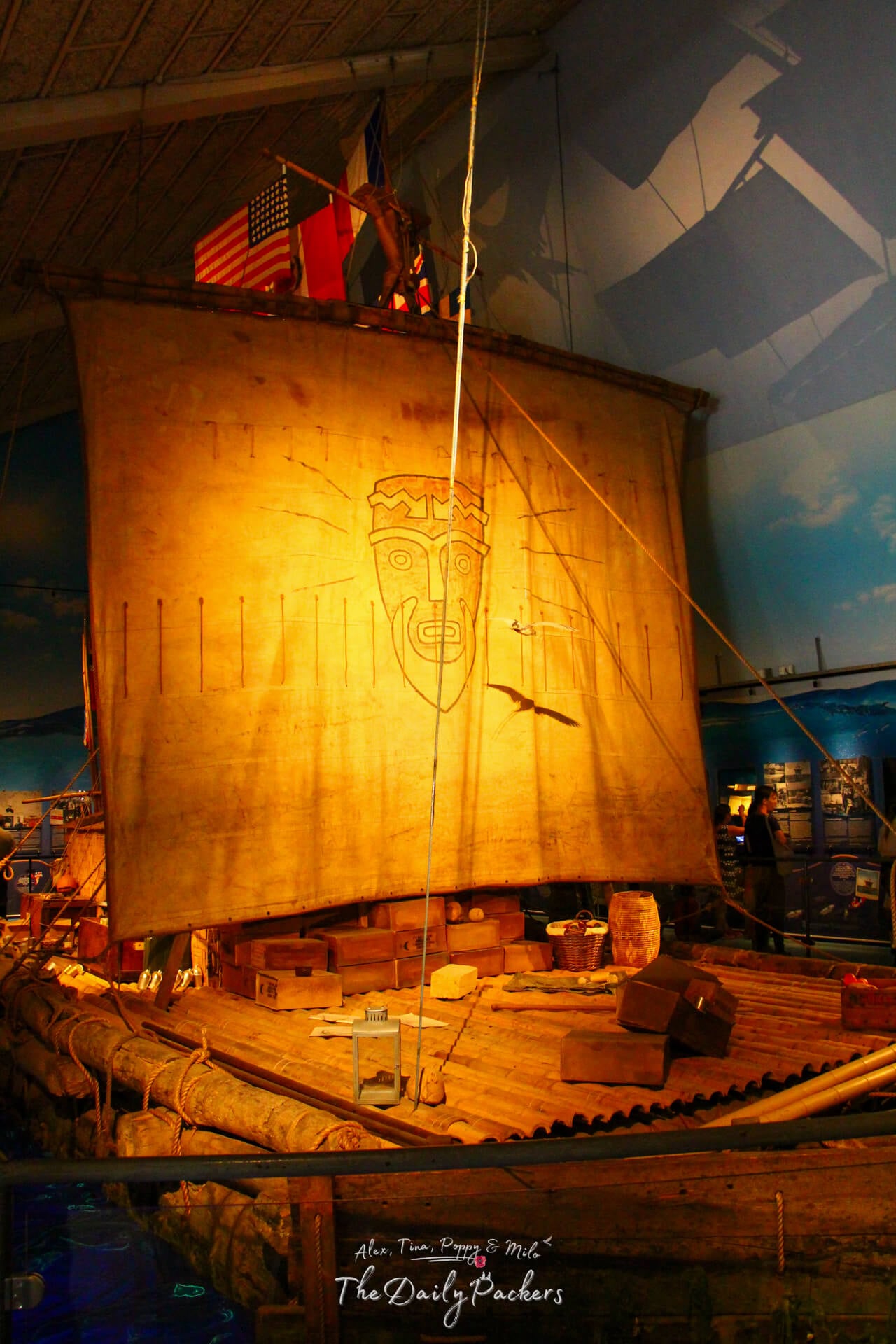
The Kon-Tiki Museum tells the fascinating story of Thor Heyerdahl and his crew, who crossed the Pacific Ocean in 1947 on a hand-built balsa wood raft named Kon-Tiki. Their goal? To prove that ancient people could have made long sea voyages, linking distant cultures. Inside the museum, you’ll see the actual raft, along with original artifacts, film footage, and exhibitions about Heyerdahl’s daring expeditions. A must-visit if you’re into adventure, exploration, or just a good story.
Here are all your accommodation options in Oslo
Step Aboard the Fram Museum
The Fram Museum brings to life Norway’s legendary polar expeditions. Dedicated to the wooden polar ship Fram, it tells the story of three great Norwegian explorers: Fridtjof Nansen, Otto Sverdrup, and Roald Amundsen. The Fram was built to withstand extreme ice pressure and still holds the record for sailing farthest north and farthest south. Inside the museum, you can board the actual ship, explore its cabins, and learn how these brave adventurers survived in some of the harshest conditions on Earth.
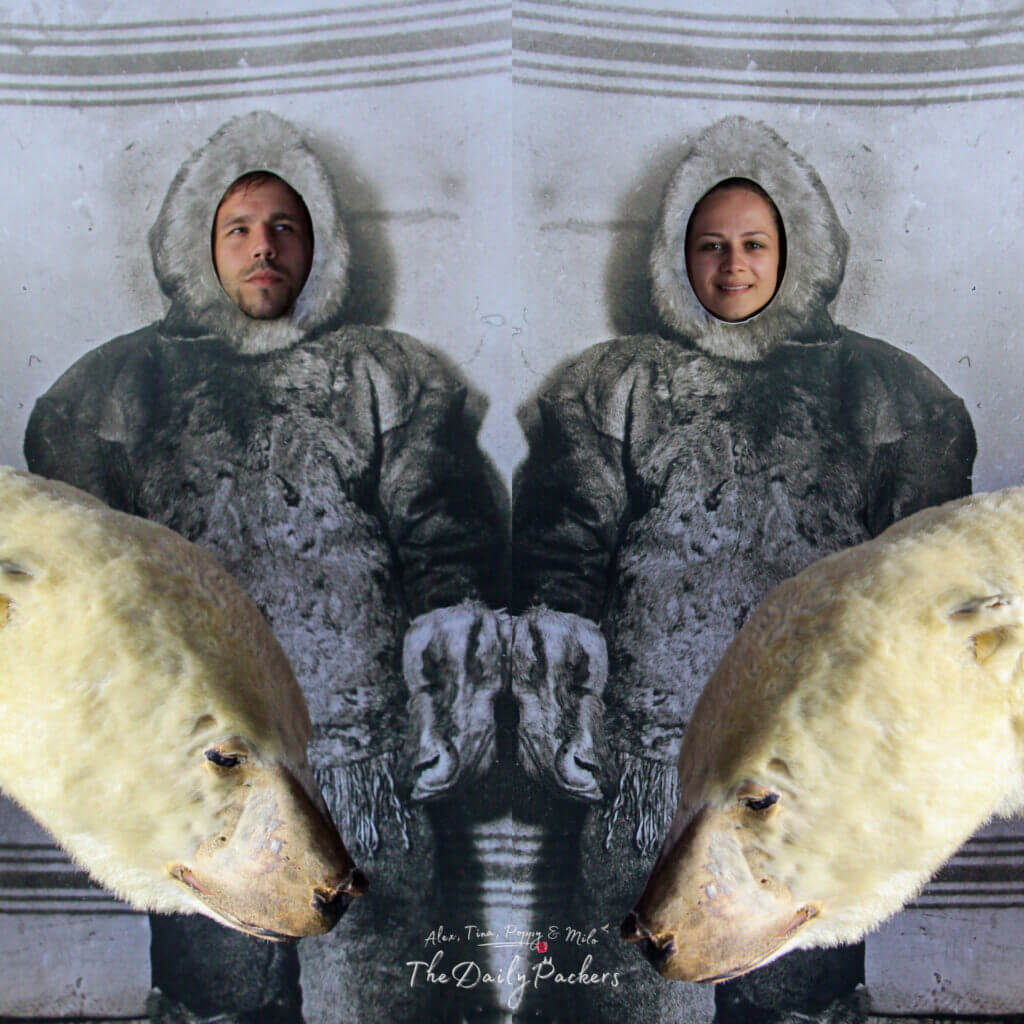
Visit the Holmenkollen Ski Museum & Tower
Explore the oldest ski museum in the world, built right into the base of the iconic Holmenkollen Ski Jump. This unique landmark offers a deep dive into over 4,000 years of skiing history and Norway’s deep-rooted connection to winter sports.
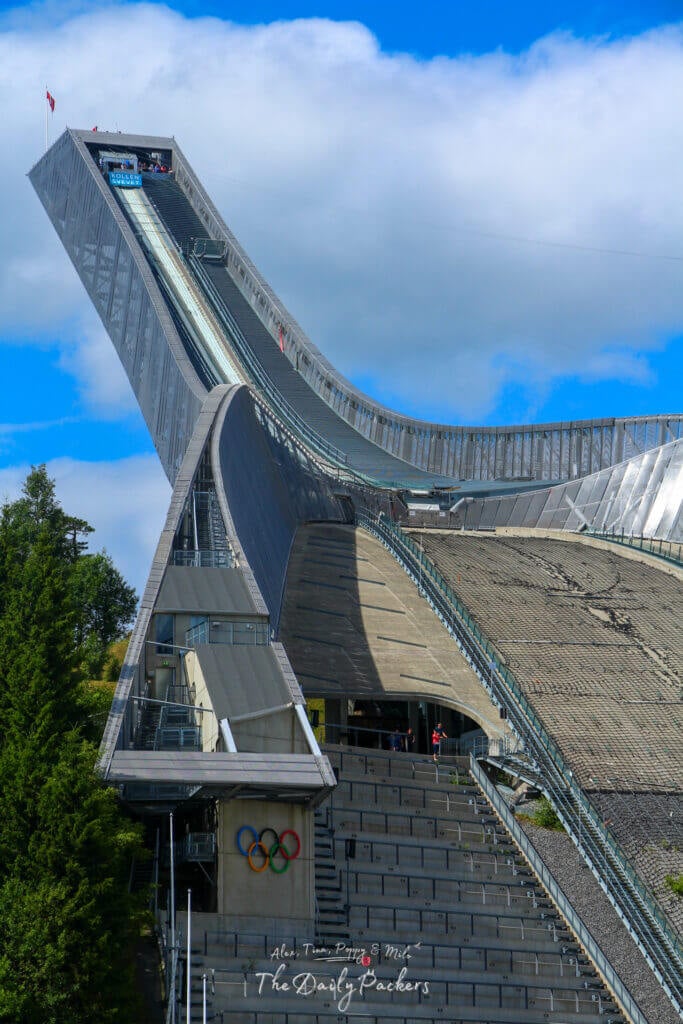
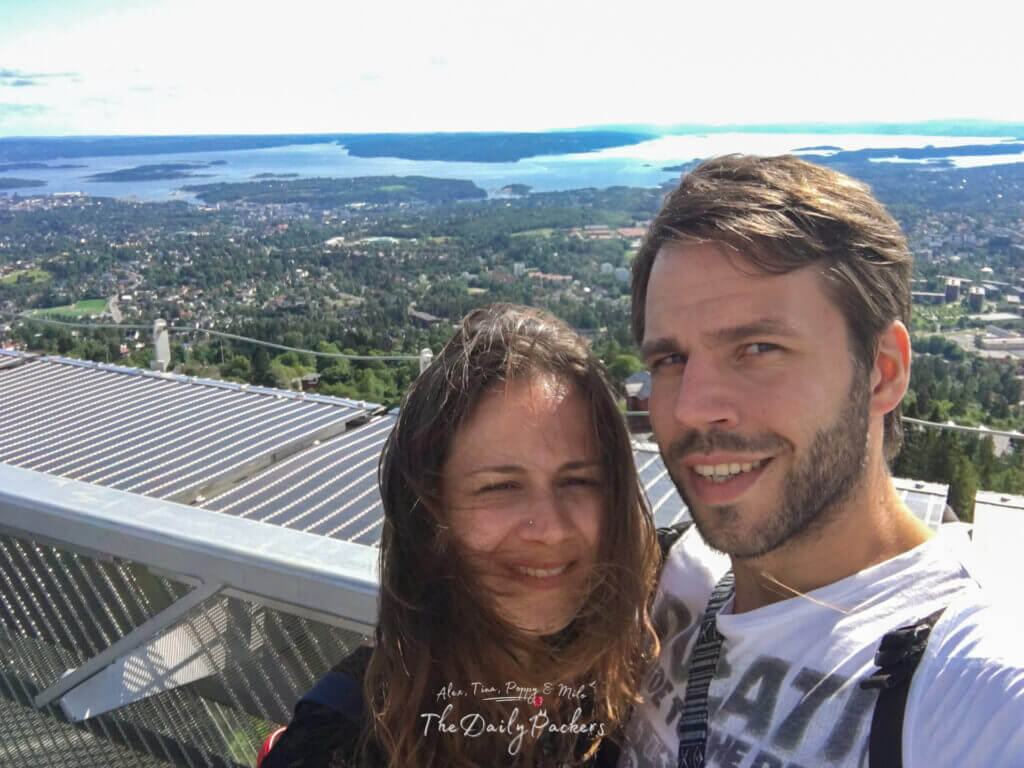
After the museum, ride the lift to the top of the ski jump for one of the best panoramic views over Oslo and its surrounding fjords. Whether you’re into sports or just want that epic city shot, it’s a must-do.
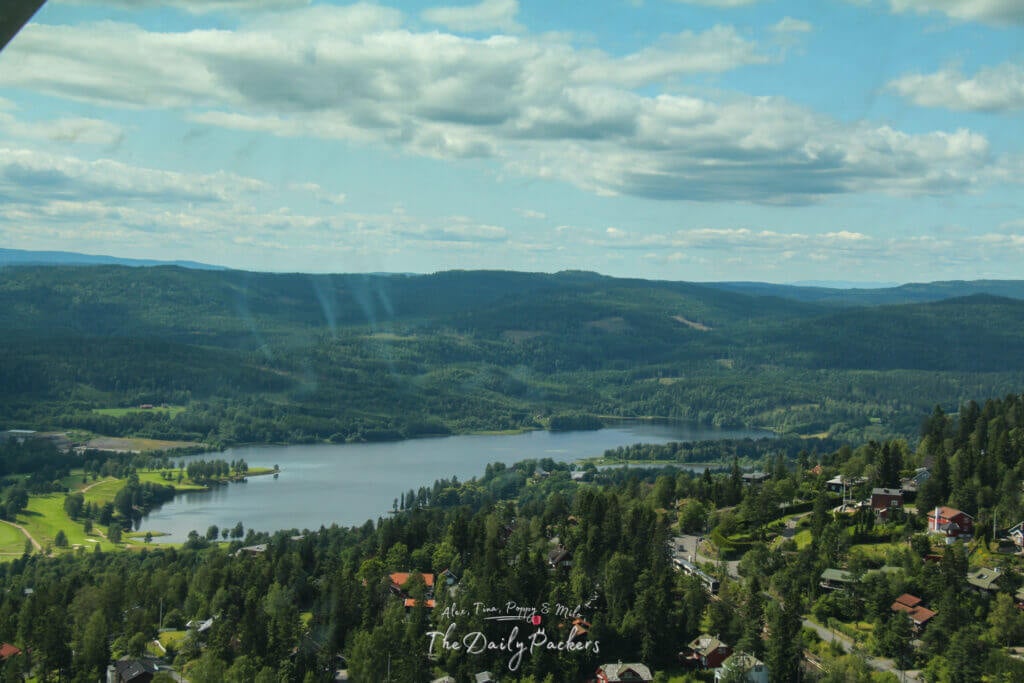
Tip: This tour may be one of the best in Oslo: Nature Walks: Island Hopping Tour
Wander through Vigeland Park (Frogner Park)
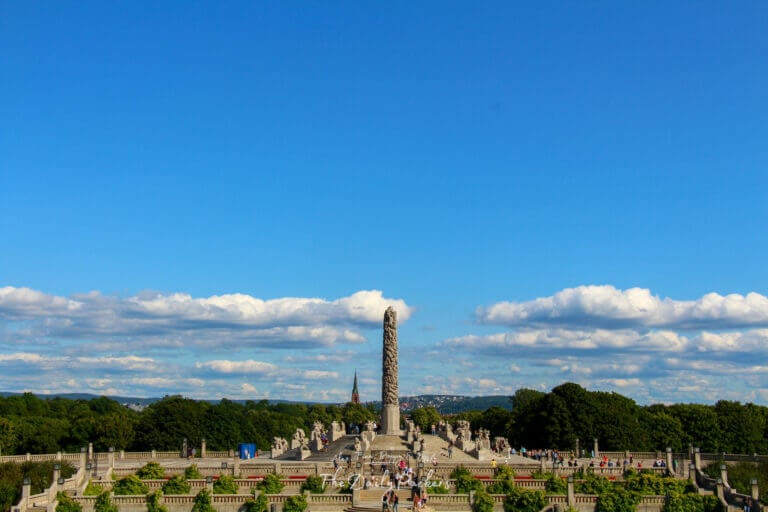
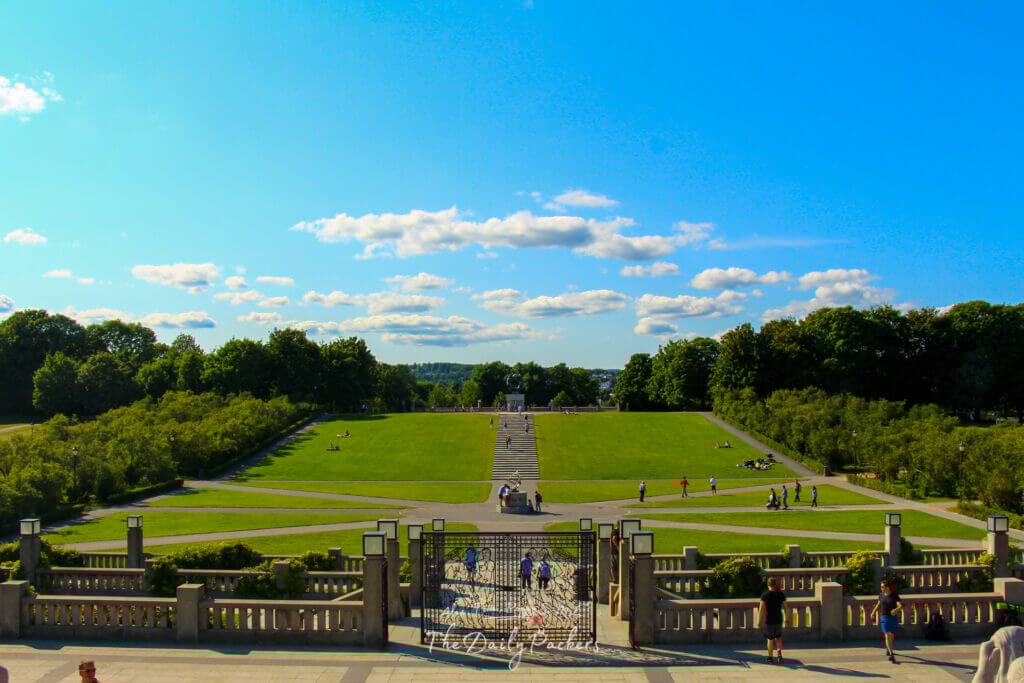
Stroll through Oslo’s most famous park, home to over 200 striking sculptures by Norwegian artist Gustav Vigeland. Located within Frogner Park, this open-air sculpture garden is one of a kind—every piece was designed by Vigeland himself.
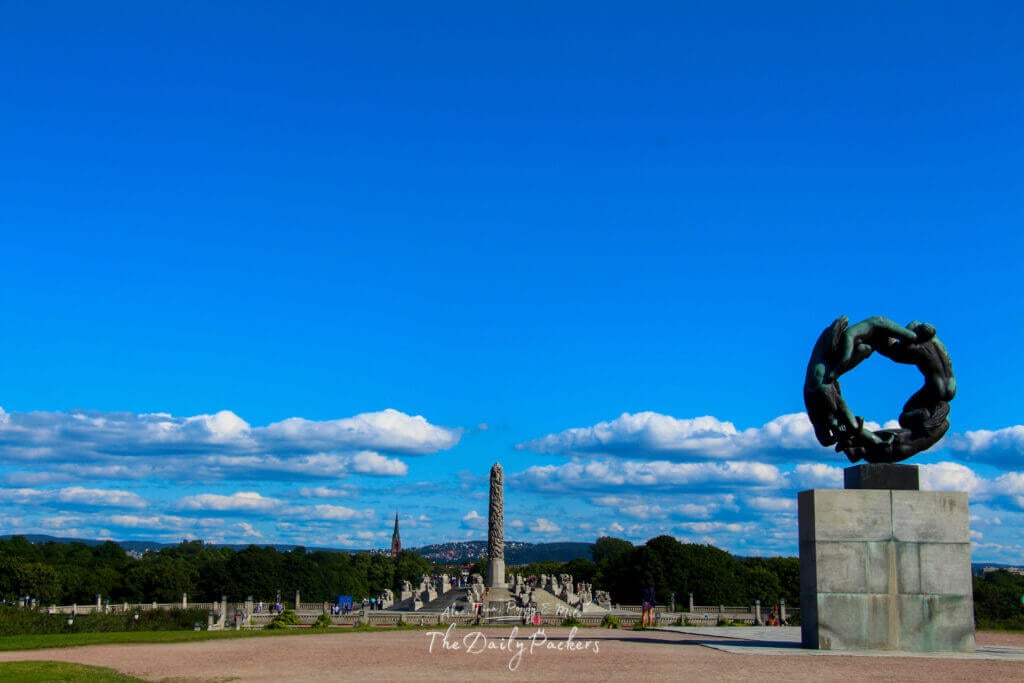
It’s a great place for a walk, a picnic, or just taking in the quirky and expressive artwork that captures all stages of human life.
Sail on a Fjord Evening Cruise
Hop on an evening cruise to see Oslo from the water, with the city skyline and surrounding nature bathed in golden hour light. These cruises usually sail through the Oslofjord, passing islands, harbors, and summer houses—offering a peaceful end to a busy day. It’s especially nice in summer, when the sun sets late and the light lingers.
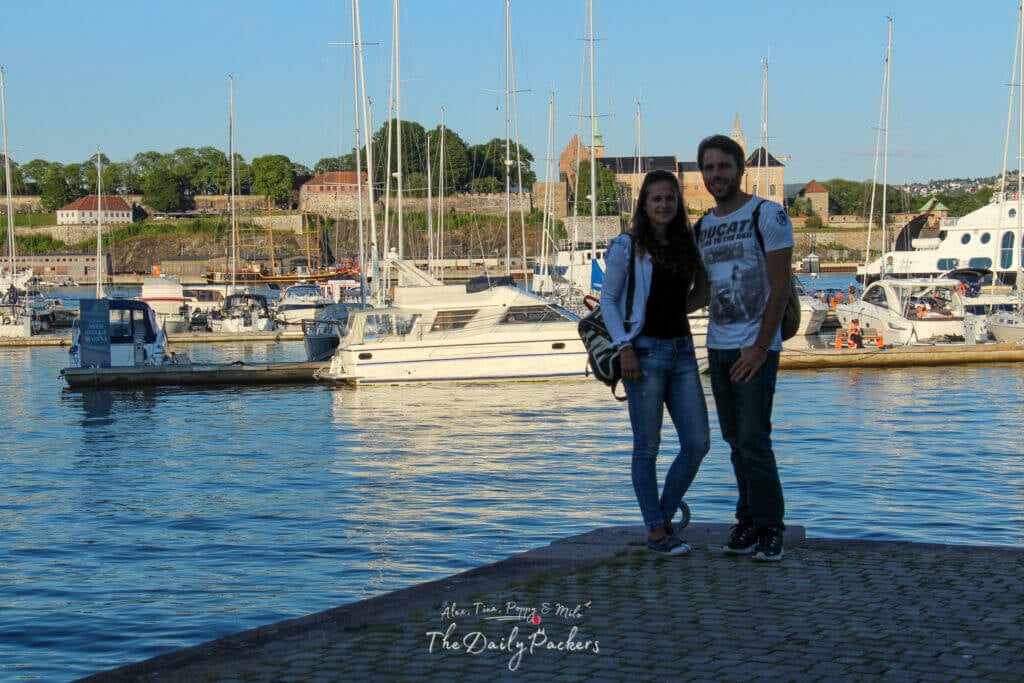
Tip: Try this highly-rated Scenic Fjord Cruise with Audio Guide Commentary
Reflect at the Scandinavian Star Memorial
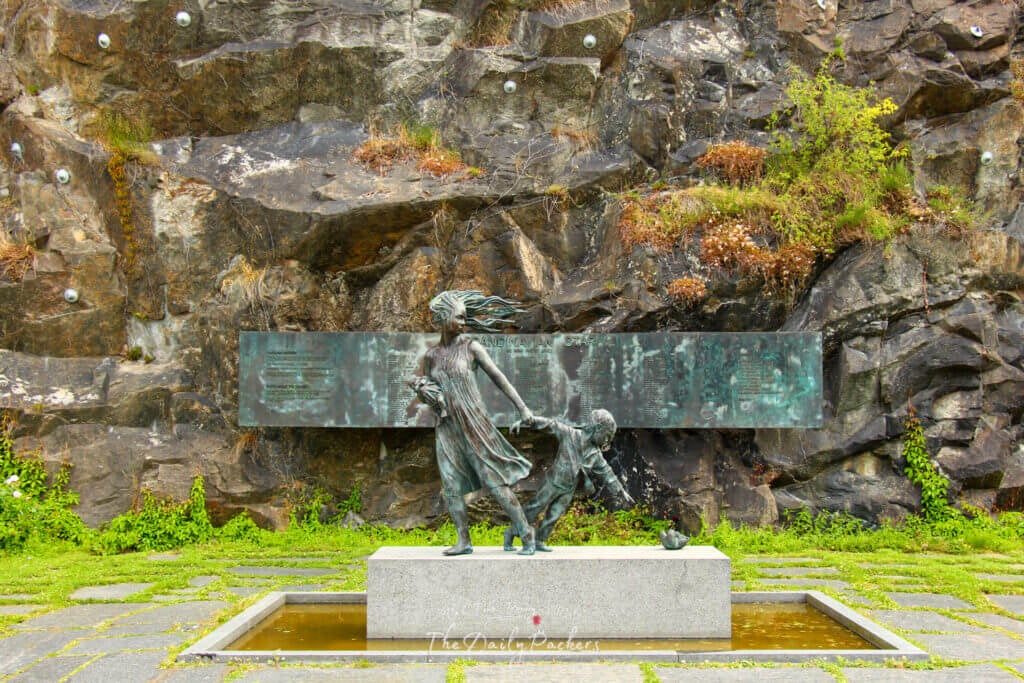
Located along the waterfront near Aker Brygge, this understated memorial honors the victims of the 1990 Scandinavian Star ferry disaster, which claimed 159 lives. The bronze sculpture invites quiet reflection and remembrance, offering a moment of pause amid Oslo’s bustling harbor area.
3 days Itinerary Oslo
Day 1: Oslo’s Historic Center & Waterfront
- Explore Akershus Castle and Fortress (Akershus Slott og Festning)
- Visit the Norway Resistance Museum
- Stroll through Tjuvholmen Sculpture Park
- Relax at Aker Brygge waterfront
- Admire Oslo City Hall and the surrounding square
- Spot street art in nearby neighborhoods
- Reflect at the Scandinavian Star Memorial
Day 2: Museums of Bygdøy
- Discover Viking heritage at the Viking Ship Museum
Step into history at the Kon-Tiki Museum
Board the Fram at the Fram Museum
Bonus: Visit the Norsk Folkemuseum if time and energy allow
Day 3: Nature, Views & Royal Oslo
- Head up to the Holmenkollen Ski Museum and Jump Tower for panoramic views
- Unwind in Vigeland Park (Frogner Park) and admire its unique sculptures
- Walk down Karl Johans gate, Oslo’s main boulevard
- Catch the changing of the guard at the Royal Palace
Here are all your accommodation options in Oslo
About the authors
We are Alex and Tina, a French-Serbian couple who met in China back in 2014. We spent three incredible years there before making France our home. Our shared passion for travel has been the heartbeat of our relationship for over 12 years, taking us across 44 countries and counting.
We launched TheDailyPackers in 2019 as a way to document our adventures. In 2026, we reached a major milestone by officially turning our blog into our full-time job. While we are still growing toward financial independence through this platform, every article we write is fueled by our mission to make your voyages easier through in-depth guides, honest advice, and the lessons we’ve learned from our own mistakes.
Our journey has not been without its storms. In 2023, our world changed forever when our first son, Poppy, was stillborn on November 25th. It was, and remains, the hardest chapter of our lives. In 2025, we were blessed with our second little boy, Milo. He has since joined our traveling tribe, and you’ll be seeing him—and the reality of traveling with a little one-on the blog more and more.
We hope to inspire you to explore the world with curiosity and resilience. Thank you for being part of our story.
You may also like those related posts
Isla del sol: An epic 1-day adventure in Copacabana, Bolivia
19 Best things to do in Marrakech, Morocco, in up to 10 days
3-week Vietnam Itinerary: The Best of north/central Vietnam
7 best things to do in Gili Air, Lombok, in 3 days
7 best things to do in Fortaleza, Brazil, in 2 days
TMB Stage 2: Guide from Les Contamines to Col de la Croix du Bonhomme
Money in Argentina: Your Complete Guide to Exchange Rates and Cash
16 best things to do in Budapest, Hungary, in 1 day or more
Pssst, did you know that…
If you purchase something through our links, we earn a small fee. However, you still pay the same. Win-win! And one day we may get to be full-time travel bloggers =)
Find Hotels with Booking.com
Do Yoga with KVY
Buy us a Coffee
Rent a car with DiscoverCars
Find Attractions with GetYourGuide
Find Flights with Expedia
Buy an eSIM with Airalo
Get insured with World Nomads
Get ready with Amazon.com