
Introduction
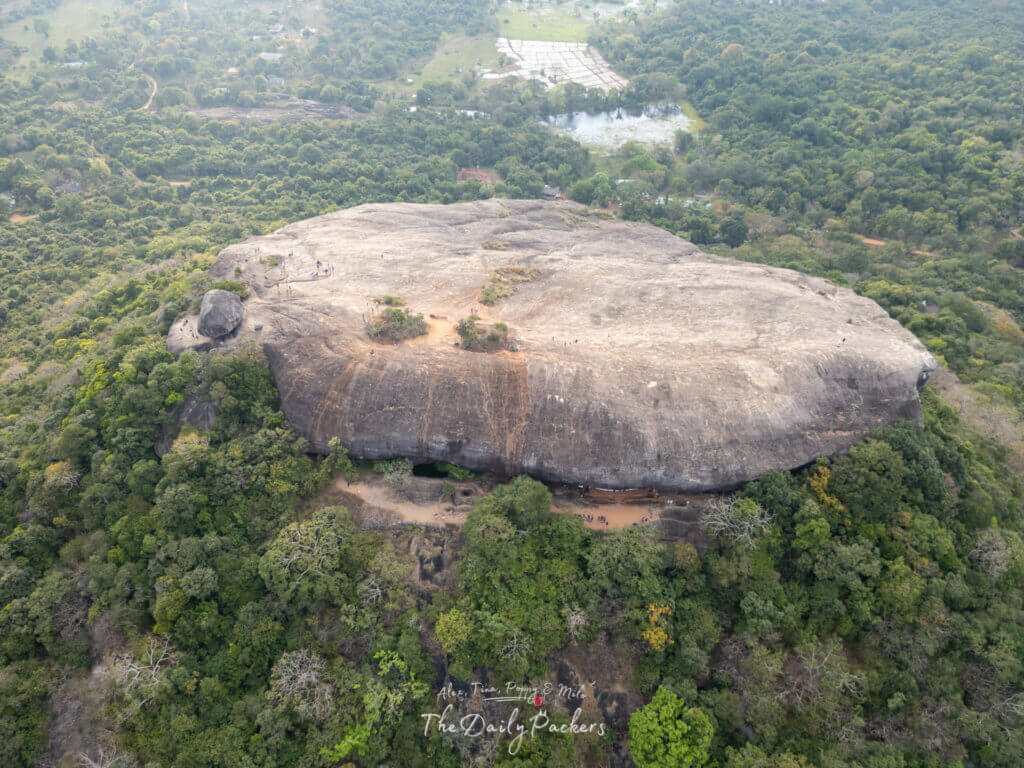
Visiting Sigiriya is a highlight of any trip to Sri Lanka. But for the best view of it, you’ll want to climb Pidurangala Rock. Just a short distance from the famous Lion Rock, this lesser-known hike rewards you with jaw-dropping panoramic views of the Sigiriya fortress rising from the jungle below.
Compared to the more crowded and expensive Sigiriya Rock, Pidurangala offers a quieter, more adventurous experience—and it’s especially magical at sunrise or sunset. The trail winds through forest, boulders, and even a reclining Buddha statue before opening up to one of the most iconic views in the country.
In this guide, we’ll share everything you need to know about hiking Pidurangala Rock: how to get there, entrance fees, what to expect on the trail, the best time to go, and tips to make the most of your climb.

Here are all your accommodation options in Sigiriya.
Why Hike Pidurangala Rock Instead of Sigiriya?
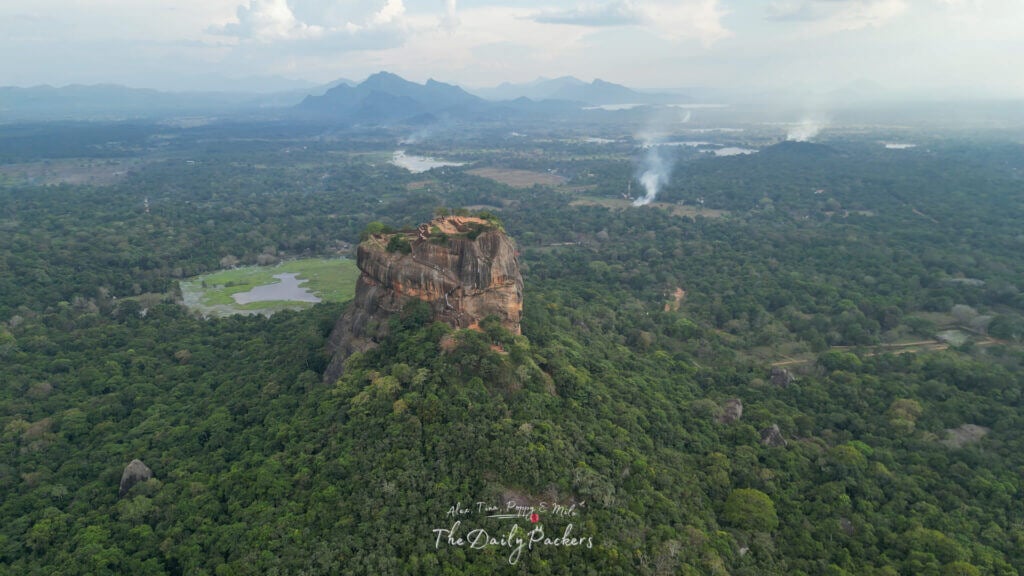
While Sigiriya Rock is the more famous of the two, Pidurangala Rock offers something truly special: a front-row seat to one of the most iconic views in Sri Lanka. From the top, you’ll see Sigiriya rising dramatically above the jungle canopy, framed by misty hills and endless greenery. And the best part? You get to admire it rather than stand on it.
We chose to hike Pidurangala at sunset, and it was absolutely breathtaking. The soft, golden light washing over Sigiriya, the peaceful atmosphere at the summit, and the feeling of being above it all made it one of our favorite moments in Sri Lanka. There were a few other travelers up there, but nowhere near the crowds you’ll find on Sigiriya Rock.
While sunrise is also a popular and magical time to hike, sunset has its own charm—plus, you don’t have to wake up at 5 AM to enjoy it. Whether you go for the soft morning glow or the golden evening light, you’ll be rewarded with a view that feels like a scene from a movie.
On top of that, Pidurangala is:
- Less crowded
- More affordable (a fraction of Sigiriya’s ticket price)
- More natural, with a trail that feels like an actual hike rather than a stair climb
If you’re looking for an experience that’s a little off the beaten path, more adventurous, and just as impressive—if not more—Pidurangala is the way to go.
Where Is Pidurangala Rock Located?
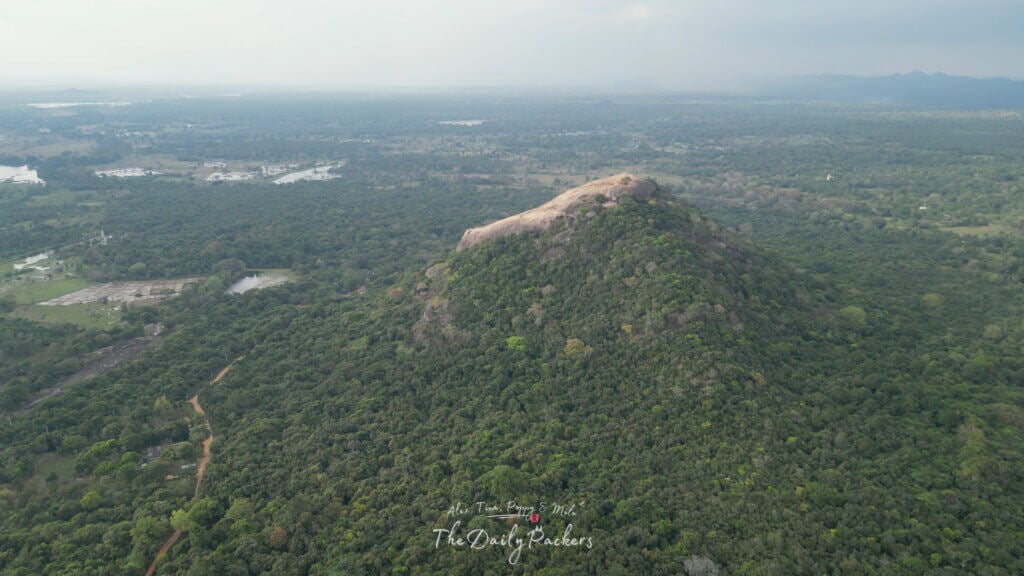
Pidurangala Rock is located just north of Sigiriya in central Sri Lanka’s Cultural Triangle, only about 1.5 kilometers (1 mile) from the famous Lion Rock. Because of their proximity, many travelers choose to visit both on the same day or opt for Pidurangala as a scenic and budget-friendly alternative.
How to Get There:
- From Sigiriya village: If you’re staying near Sigiriya, getting to Pidurangala is quick and easy. A tuk-tuk ride from most guesthouses or hotels takes less than 10 minutes, and many drivers will wait for you at the base during your hike (just agree on a return price in advance).
- From Dambulla: If you’re coming from Dambulla, expect about a 30-minute drive by tuk-tuk or car. Buses between Dambulla and Sigiriya are also available but can be less convenient if you’re short on time.
- By scooter: Scooters are available for rent in Dambulla or Sigiriya, and the roads are mostly in good condition. This gives you maximum flexibility and is perfect if you’re planning to explore nearby attractions like the Dambulla Cave Temple or Minneriya National Park.
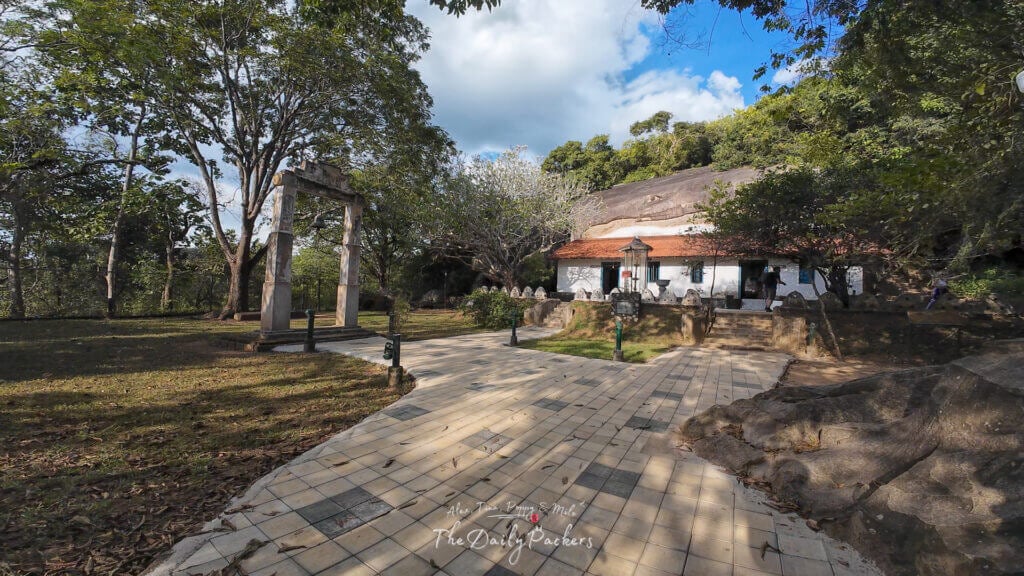
- Parking and Facilities: There’s a small parking area near the entrance to the Pidurangala Rock trail, which is also where the Pidurangala Royal Cave Temple is located. You’ll need to pass through the temple grounds to access the trail, so remember to dress respectfully (more on that later).
While there aren’t many facilities at the site itself, you’ll find small shops and cafés nearby where you can grab a drink or snack before or after the hike.


Tip: We never travel without our DJI Mini 3 PRO drone anymore — it’s totally worth having to capture places from a whole new perspective.
How to Hike Pidurangala Rock: Trail Overview
The hike up Pidurangala Rock is short but adventurous, with a mix of stone steps, forest paths, and some light scrambling near the top. It’s suitable for most travelers with a moderate fitness level, but it’s definitely more of a hike than a walk in the park, especially the final stretch.
Trail Length and Duration
- Distance: Around 1 km (0.6 miles) one-way
- Duration: About 20–30 minutes up, depending on your pace
- Return: Around 15–20 minutes down
The trail begins at the Pidurangala Royal Cave Temple, where you’ll pay the entrance fee before starting the ascent.
The Hike Step by Step
- Temple section – The first part of the trail takes you past a small white temple and up a series of stone steps. You’ll need to cover your shoulders briefly as a sign of respect when passing through the temple area. (free scarf available on site)
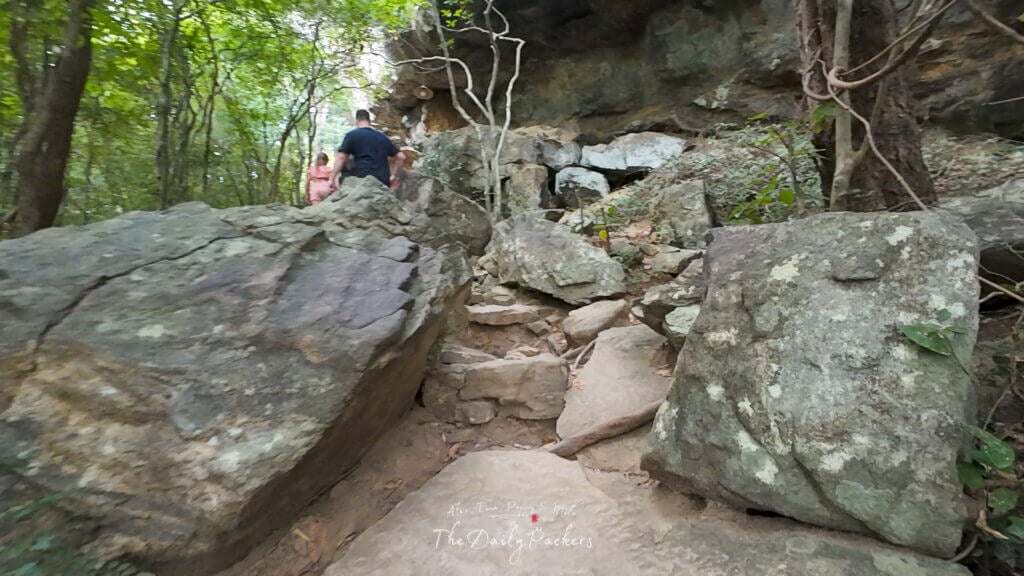
- Forest path – After the temple, the trail winds through shaded forest with uneven stone steps. It’s not too steep, but watch your footing, especially after rain.
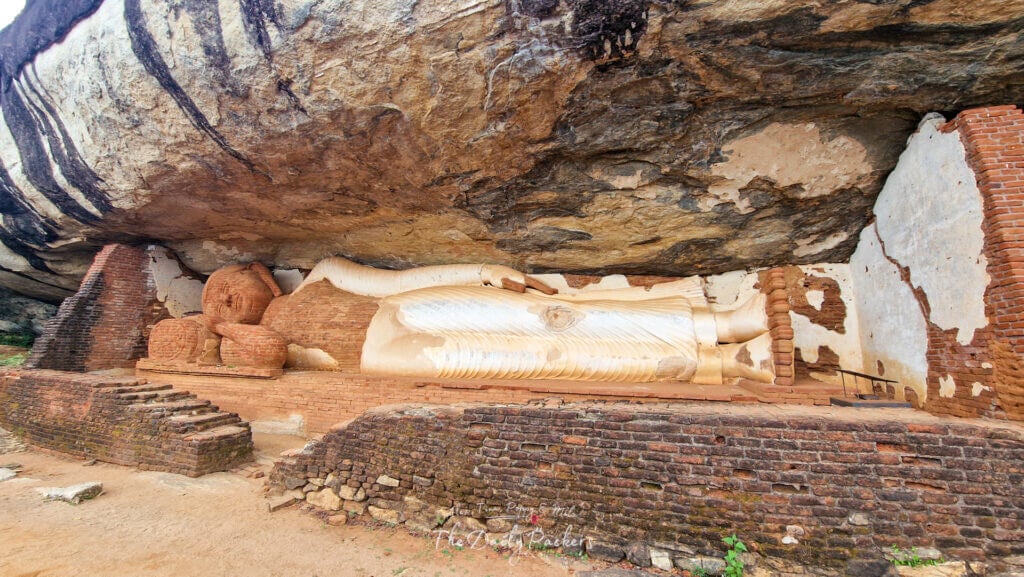
- Reclining Buddha – Midway through the hike, you’ll reach a large reclining Buddha statue built into a rock shelter. This is a great place to take a short break.
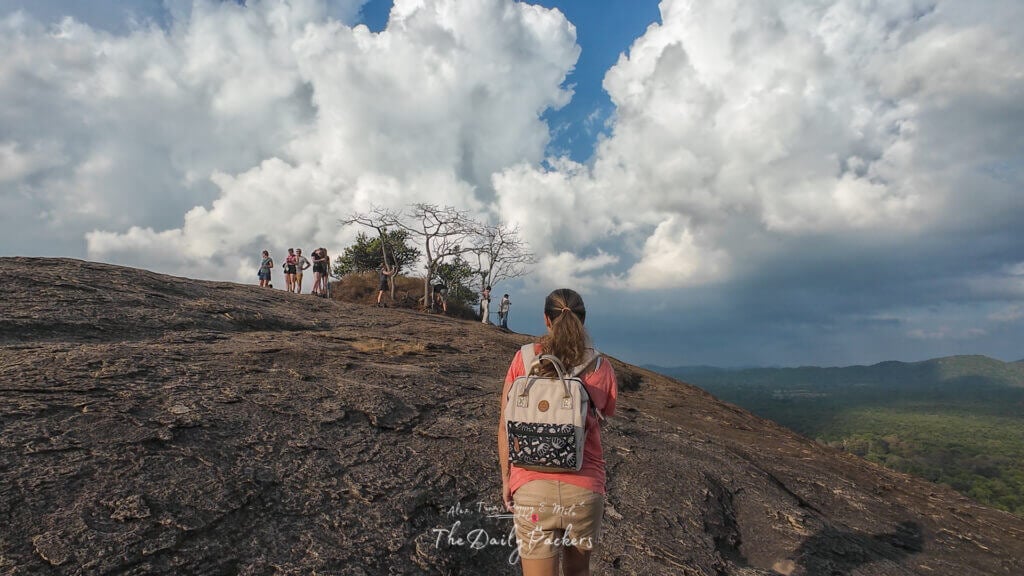
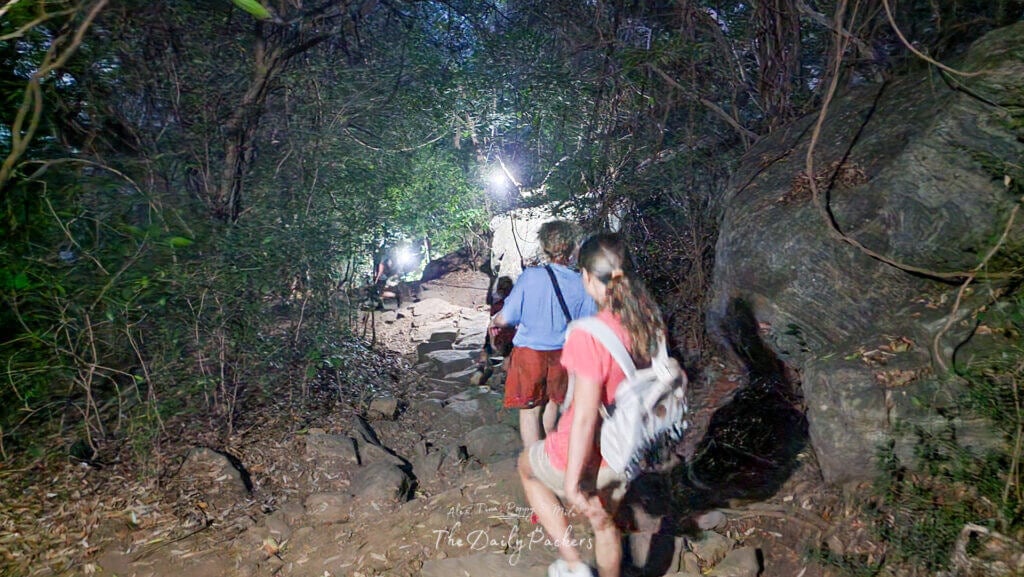
- Final scramble – The last part of the hike is the most challenging. You’ll need to scramble over large boulders to reach the summit. There’s no technical climbing involved, but you’ll need to use your hands and watch your step carefully. If you’re hiking for sunrise or sunset, bring a headlamp or flashlight—it can be tricky in the dark.
Once at the Top
You’ll be greeted by a wide, flat summit with unobstructed panoramic views of the surrounding jungle, nearby lakes, and of course, Sigiriya Rock rising majestically in the distance. There’s plenty of space to sit, relax, and enjoy the view, so don’t rush back down.

Entrance Fee and Opening Hours
Compared to the steep entrance fee at Sigiriya Rock, Pidurangala Rock is a far more affordable experience, making it especially attractive for budget-conscious travelers.
Entrance Fee
- 500 LKR per person (approx. €1.50 / $1.60)
- Tickets are paid at the small office at the Pidurangala Royal Cave Temple, which also serves as the starting point of the hike.
- The fee goes toward the maintenance of the temple and the trail.
Opening Hours
- Daily from sunrise to sunset
- There’s no strict gate system, so early risers can begin the hike in time for sunrise, and evening visitors can enjoy the sunset view, but always bring a headlamp (or your phone) if you’re hiking in low light.
Because it’s not a heavily commercialized site, opening times are quite flexible. But it’s respectful to avoid visiting outside of daylight hours, especially since you’ll be passing through active temple grounds.
Here are all your accommodation options in Sigiriya.
Best Time to Visit Pidurangala Rock
The best time to hike Pidurangala Rock is either early in the morning for sunrise or late in the afternoon for sunset. Both options offer incredible views, cooler temperatures, and a peaceful atmosphere at the summit.
Sunrise
Hiking for sunrise is a popular choice, especially with photographers and early risers. Watching the first light break over the jungle and illuminate Sigiriya Rock is truly magical. It’s also the coolest time of day, which makes the climb more pleasant—just remember to bring a headlamp or flashlight, as the trail is completely dark before dawn.
Pros:
- Fewer people on the trail
- Cooler temperatures
- Stunning morning light for photos
Cons:
- Early wake-up call
- Requires light for hiking in the dark

Sunset
We personally hiked Pidurangala at sunset, and it was absolutely unforgettable. The golden hour light on Sigiriya was beautiful, and the sky turned all shades of pink and orange as the sun dipped behind the hills. It felt peaceful and slightly less rushed than sunrise, and we had enough time to enjoy the view without having to race back down.
Pros:
- Warmer light and dramatic skies
- Easier to hike in daylight
- Relaxed pacing for the climb
Cons:
- More people at the summit
- You’ll need light for the way down if you stay too long
Tip: We use the DJI Action 4 to film our vlogs — compact, durable, and perfect for capturing every adventure.
Seasonal Considerations
- Best months: December to April (dry season)
- Avoid: May to November can bring more rain and slippery rocks, but the hike is still possible with caution
Whether you choose sunrise or sunset, plan to arrive early to secure a good spot, especially during high season.
Tip: We never travel without our DJI Mini 3 PRO drone anymore — it’s totally worth having to capture places from a whole new perspective.
What to Wear and Bring for the Hike
While the Pidurangala Rock hike is relatively short, it’s still important to come prepared, especially if you’re planning to hike during sunrise or sunset, when visibility and conditions can change quickly.
What to Wear
- Light, breathable clothing – Sri Lanka’s heat and humidity can make the climb sweaty, especially after sunrise. Opt for moisture-wicking fabrics.
- Sturdy footwear – You’ll be climbing over rocks and uneven terrain, so proper shoes or hiking sandals with grip are essential. Avoid flip-flops.
- Respectful attire – Since you pass through a temple at the base, you must cover your shoulders and knees. A sarong or scarf is an easy way to stay respectful and cool. You can find some free of charge at the entrance of the temple and remove it after passing the temple section.
What to Bring
- Water – There are no shops or vendors on the trail, so bring enough water to stay hydrated.
- Flashlight or headlamp – Crucial if you’re hiking in the dark for sunrise or after sunset.
- Camera or phone – The views are incredible, and you’ll definitely want to capture them.
- Sunglasses and sunscreen – Even during the morning hours, the sun gets intense quickly.
- Bug spray – Especially useful if you’re visiting around sunrise or just after rain.
Optional extras:
- Light snack or energy bar
- A small towel or handkerchief for sweat
- All your camera equipment
Coming prepared means you’ll be free to fully enjoy the views without discomfort or surprises.
Here are all your accommodation options in Sigiriya.
Tips for Visiting Pidurangala Rock
To help you make the most of your hike and enjoy the experience safely and respectfully, here are a few practical tips we learned along the way:
- Arrive Early for Sunrise or Sunset: If you’re planning to catch either sunrise or sunset, give yourself plenty of time. The summit can get busy during peak hours, and the best spots fill up fast, especially at sunrise. For sunset, plan to begin the hike at least 45–60 minutes before the sun goes down.
- Bring a Headlamp or Flashlight: Essential for both early morning and late afternoon hikes. The trail can be dark and uneven, and the final stretch involves scrambling over rocks—visibility makes a big difference.
- Respect the Temple at the Base: Remember that you’ll pass through the Pidurangala Royal Cave Temple at the start of the trail. You’ll need to remove your shoes and wear modest clothing (covering shoulders and knees) out of respect for the religious site.
- Watch Out for Monkeys: There are often macaques around the trail and temple. They’re used to people and might try to sneak into unattended bags, especially if they smell food. Don’t feed them, and keep your belongings secure.
- Fly Drones Respectfully: Pidurangala is a great spot to fly a drone, especially for getting unique aerial shots of Sigiriya Rock. Just make sure you’re following local drone laws and avoid disturbing other visitors.
- Stay for a While at the Top: The summit is spacious and incredibly peaceful. Don’t rush, bring water, a small snack, and just enjoy the view. It’s one of those places that deserves to be savored.
- Combine with a Visit to Sigiriya: If you have time and budget, visiting both Sigiriya and Pidurangala on the same day offers two completely different experiences: Sigiriya for history and ruins, and Pidurangala for views and nature.

Is Pidurangala Rock Worth It?
Absolutely—Pidurangala Rock is one of the most rewarding hikes in Sri Lanka, and it offers a perspective of Sigiriya you simply can’t get from anywhere else. Whether you’re chasing a sunrise, soaking in golden hour at sunset, or simply want a quiet alternative to the crowds of Lion Rock, Pidurangala delivers on every level.
It’s affordable, scenic, and just adventurous enough to feel like a mini challenge without being overwhelming. The summit is wide and peaceful, with space to sit and really take in the landscape. And if you’re into photography or drone footage, the view of Sigiriya rising out of the jungle is one you won’t forget.
If we had to choose between the two, we’d say: Sigiriya is iconic, but Pidurangala is unforgettable.
So yes, whether you’re a hiker, a photographer, or just someone who loves a good view, Pidurangala Rock deserves a spot on your Sri Lanka itinerary.

Tip: We never travel without our DJI Mini 3 PRO drone anymore — it’s totally worth having to capture places from a whole new perspective.
Where to stay in Sigiriya
If you’re planning to explore Sigiriya and its surroundings, it’s worth spending at least a night or two nearby to enjoy the area without rushing. From peaceful guesthouses to charming mid-range hotels and stylish resorts, here are a few great places to stay depending on your budget:
(€) Shady Mango Villa: A quiet and cozy guesthouse surrounded by nature, perfect for budget travelers looking to relax in a peaceful garden atmosphere not far from Sigiriya Rock.
(€€) Il Frangipane: A charming mid-range stay with a lush tropical vibe, pool access, and warm hospitality—great for couples or families seeking comfort and style.
($$$) Sigiriya King’s Resort: A more luxurious option with elegant rooms, views of the rock fortress, and all the amenities you’d want for a relaxing, high-end experience in Sigiriya.

Here are all your accommodation options in Sigiriya.
About the authors
We are Alex and Tina, a French-Serbian couple who met in China back in 2014. We spent three incredible years there before making France our home. Our shared passion for travel has been the heartbeat of our relationship for over 12 years, taking us across 44 countries and counting.
We launched TheDailyPackers in 2019 as a way to document our adventures. In 2026, we reached a major milestone by officially turning our blog into our full-time job. While we are still growing toward financial independence through this platform, every article we write is fueled by our mission to make your voyages easier through in-depth guides, honest advice, and the lessons we’ve learned from our own mistakes.
Our journey has not been without its storms. In 2023, our world changed forever when our first son, Poppy, was stillborn on November 25th. It was, and remains, the hardest chapter of our lives. In 2025, we were blessed with our second little boy, Milo. He has since joined our traveling tribe, and you’ll be seeing him—and the reality of traveling with a little one-on the blog more and more.
We hope to inspire you to explore the world with curiosity and resilience. Thank you for being part of our story.
You may also like those related posts
TMB Stage 2: Guide from Les Contamines to Col de la Croix du Bonhomme
15 Proven ways to shortcut the TMB
8 Best things to do in Vitré, France’s most medieval town
6 Best Places to Visit in June
Trang An Boat Tours: Vietnam’s Most Scenic Attraction
12 Best things to do in Saint Malo, France, in 2 days or more
17 Essential Corsica Travel Tips to Know Before Your Trip
7 Best things to do in Chefchaouen, Morocco, in 2 to 3 days
Pssst, did you know that…
If you purchase something through our links, we earn a small fee. However, you still pay the same. Win-win! And one day we may get to be full-time travel bloggers =)
Find Hotels with Booking.com
Do Yoga with KVY
Buy us a Coffee
Rent a car with DiscoverCars
Find Attractions with GetYourGuide
Find Flights with Expedia
Buy an eSIM with Airalo
Get insured with World Nomads
Get ready with Amazon.com