
Introduction
Suzhou is a historic city located in eastern China’s Jiangsu province, just a short train ride from Shanghai. Often referred to as the “Venice of the East,” Suzhou is famed for its network of ancient canals, charming stone bridges, and exquisitely preserved classical gardens. With over 2,500 years of history, it’s one of China’s oldest cities and a cultural gem that blends tradition, artistry, and elegance.
We personally visited Suzhou and Hangzhou together while we were living in China, which made it easy and convenient to explore both. Suzhou quickly became one of our favorites thanks to its beauty and calm atmosphere. If you’re planning a trip to the region, Suzhou definitely deserves a spot on your itinerary—it’s incredibly easy to reach from Shanghai and offers a completely different vibe.
Whether the UNESCO-listed gardens draw you, the serene water towns, or the silk-making heritage, Suzhou offers a peaceful escape from the modern bustle of nearby cities. We visited it as a day trip from Shanghai and loved it — here’s everything you need to know for planning your visit.

Here are all your accommodation options in Suzhou
Getting there
Suzhou is very well connected and easy to access, especially if you’re coming from Shanghai or other major cities in eastern China.
The most convenient way is by high-speed train. From Shanghai Hongqiao Railway Station, the journey to Suzhou Railway Station or Suzhou North Railway Station takes about 25 to 35 minutes. Trains run frequently throughout the day, making it ideal for a day trip or a short stay.
You can also travel from Hangzhou, with high-speed trains taking around 1.5 to 2 hours. If you’re flying in, the nearest major airport is Shanghai Hongqiao International Airport, where you can hop directly onto a train to Suzhou.
Tip: Book train tickets in advance during weekends or holidays, as this is a popular route with both locals and tourists.

Moving Around
Getting around Suzhou is simple and efficient, whether you prefer public transport or a more scenic, local experience.
- By metro: Suzhou has a modern and easy-to-use metro system. Lines 1 and 4 are especially useful for reaching the main attractions, including the Humble Administrator’s Garden, Suzhou Museum, and Shantang Street.
- By bike: Biking is a great way to explore Suzhou’s old town and picturesque canals. Many guesthouses and rental apps offer bicycles. The city is relatively flat, and there are plenty of bike lanes.
- By foot: The historical areas, such as Pingjiang Road or the gardens, are best explored on foot. Walking lets you soak in the atmosphere and discover hidden gems.
- By taxi or Didi: Taxis are cheap and widely available. Didi (China’s version of Uber) is convenient if you have the app. Just keep your destination written in Chinese in case of communication issues.
- By bus: Local buses are cheap and go almost everywhere, but the routes are mostly in Chinese. Use them if you’re feeling confident or have a translation app handy.
When to Visit
Suzhou is a year-round destination, but the best time to visit depends on the experience you’re after. Each season offers something unique, from serene springtime blossoms to cozy winter charm.
- Spring (March to May): Spring is one of the best times to visit Suzhou. The gardens burst into bloom, the weather is mild (15–25°C / 59–77°F), and the city feels fresh and vibrant. It’s also the perfect season for boat rides along the canals or strolls through classical gardens like the Humble Administrator’s Garden and Lingering Garden.
- Summer (June to August): Summer brings higher temperatures (25–35°C / 77–95°F) and humidity, along with the chance of rain. While it’s the least comfortable season weather-wise, the lotus flowers are in full bloom, and many locals enjoy evening walks when it cools down. Expect larger crowds, especially during school holidays.
- Autumn (September to November): This is perhaps the best overall time to explore Suzhou. With pleasant weather (18–28°C / 64–82°F), fewer tourists, and golden leaves lining the canals, it’s an ideal moment to see the city’s romantic side. It’s also harvest season, so expect fresh seasonal food in the markets.
- Winter (December to February): Winters are cold but not extreme (0–10°C / 32–50°F). This is low season, which means fewer tourists and cheaper hotel rates. While the gardens aren’t at their most colorful, the peaceful atmosphere is perfect if you enjoy quiet travel. Just bundle up.
Festivals to Watch:
- Chinese New Year (Jan/Feb): Expect fireworks, decorations, and crowds.
- Mid-Autumn Festival (Sept): Great time to try mooncakes and see lantern displays.
Tip: Avoid the Golden Week holidays (early May and early October), when all of China is traveling and Suzhou gets extremely busy.


Where to Stay
Staying at least 2 days in Suzhou allows you to truly enjoy its serene gardens, ancient streets, and peaceful canals. If you’re combining it with nearby Hangzhou or Shanghai, even one night is enough to soak in the charm. Here are a few of our favorite places to stay:
(€) Suzhou Jade Snow Lodge: Located in the heart of the historic district, this cozy boutique guesthouse offers a traditional setting with modern comforts. The peaceful courtyard, wood-beamed rooms, and friendly staff make it a lovely base to explore the classical gardens nearby.
(€€) Suzhou Houlishenghuo Guesthouse: A great option if you’re looking for an authentic local experience. This beautifully restored guesthouse offers charming interiors, great location near Pingjiang Road, and a slower, more relaxed pace that fits Suzhou’s vibe perfectly.
(€€€) Crowne Plaza Suzhou by IHG: For a more luxurious stay, the Crowne Plaza offers stunning lake views, resort-style amenities, and excellent service. Located right by Jinji Lake, it’s a great base if you want to combine heritage with Suzhou’s modern side.

Here are all your accommodation options in Suzhou
What to Eat
Suzhou’s cuisine is part of the famous Jiangnan (Yangtze River) culinary tradition—light, slightly sweet, and incredibly refined. From bustling street corners to riverside restaurants, here are a few dishes you should definitely try during your stay:
- Squirrel-Shaped Mandarin Fish (松鼠桂鱼): A local classic! The fish is deep-fried until crispy, then topped with a sweet and sour sauce. It’s named for its shape, which resembles a squirrel’s tail when served.
- Sweet and Sour Spare Ribs (糖醋小排): These bite-sized pork ribs are sticky, tangy, and perfectly glazed. A popular comfort dish in the region.
- Suzhou-style Mooncakes: Not just for Mid-Autumn Festival! These flaky, savory-sweet pastries are usually filled with pork or rose sugar and are sold year-round.
- Suzhou Noodles (苏式汤面): Start your morning with a warm bowl of Su-style soup noodles. Choose from toppings like pork belly, marinated tofu, or even river shrimp.
- Osmanthus-flavored Desserts: Suzhou is famous for its use of osmanthus—a fragrant flower used in cakes, jelly, and even wine. Don’t leave without trying one of these delicate treats.
For the best experience, stroll along Pingjiang Road or near the Shantang Canal, where you’ll find small eateries, traditional tea houses, and plenty of local snacks to try..

Best things to do in Suzhou
Shantang Street
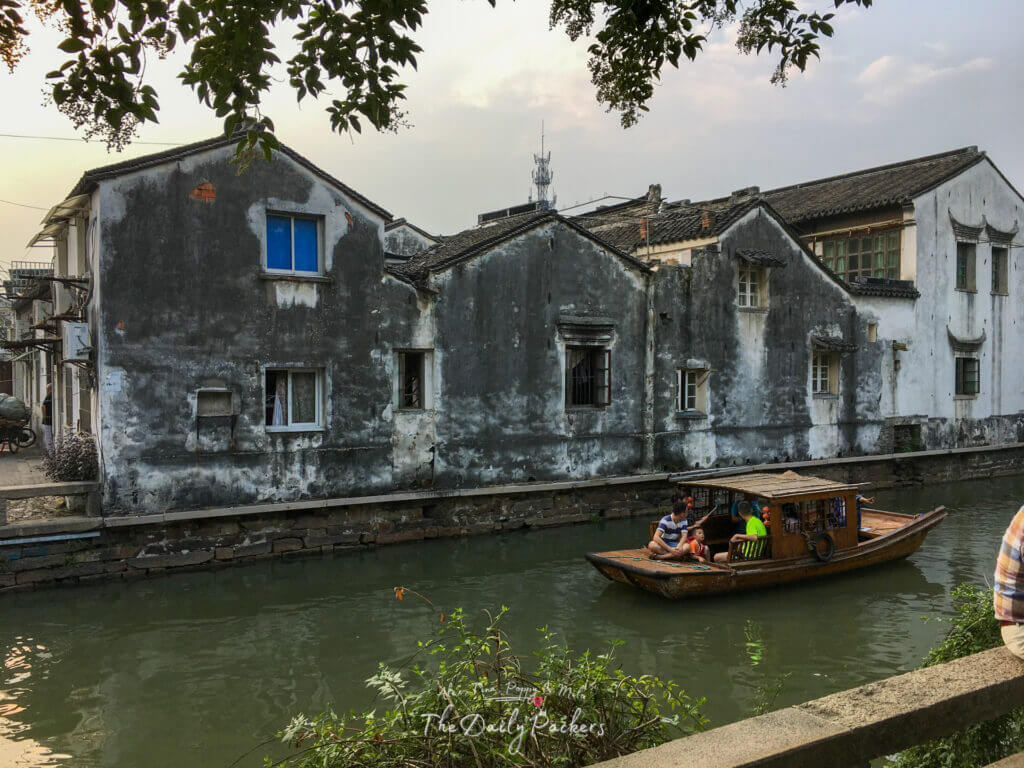
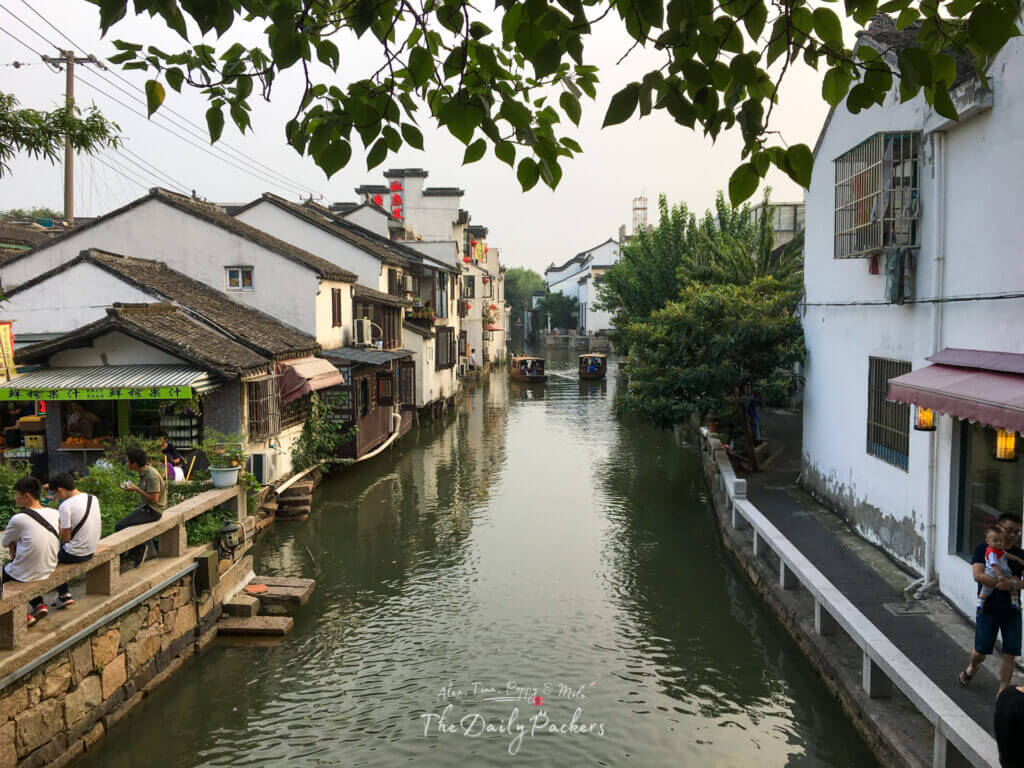
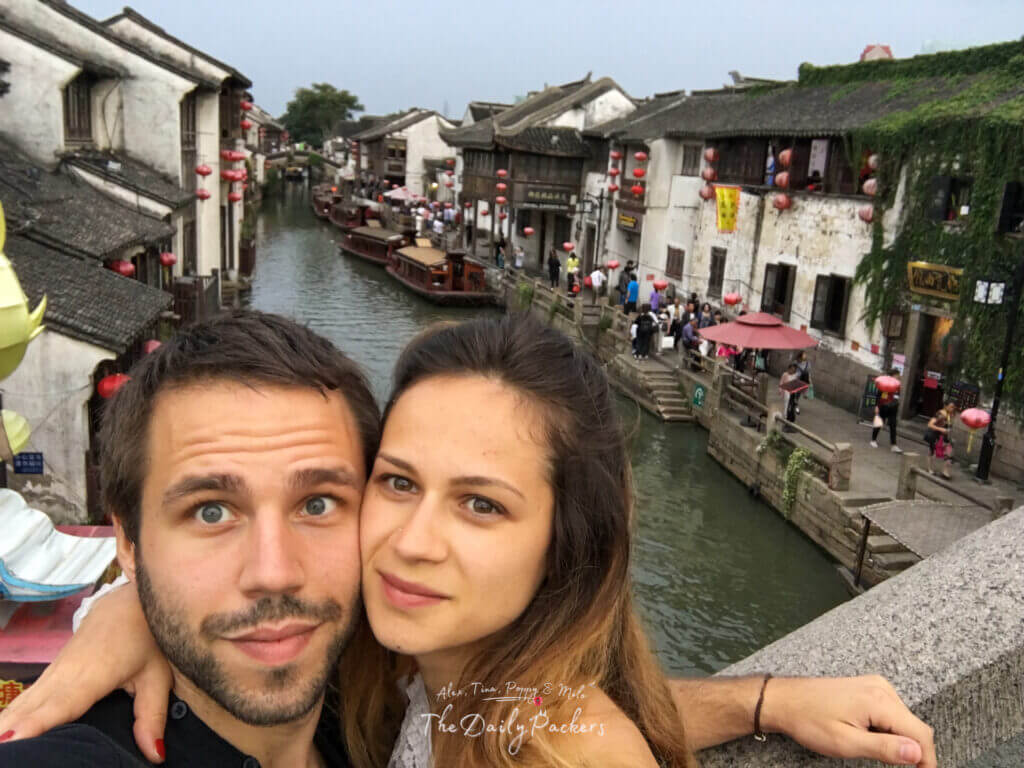
Shantang Street is one of Suzhou’s most atmospheric historical streets, stretching along a picturesque canal for over seven kilometers. Lined with white-washed buildings, red lanterns, and arched stone bridges, it’s the perfect place to get a feel for old Suzhou. The street is filled with small shops selling handicrafts, souvenirs, and traditional snacks.
Wandering here feels like stepping into a Chinese painting. Come in the late afternoon to enjoy the soft golden light, and stay until evening when the red lanterns light up and reflect beautifully in the canal. Boat rides are also available for a different perspective of the old town charm. It’s a popular spot with both locals and tourists, so weekdays are best for a quieter visit.

Tip: We never travel without our DJI Mini 3 PRO drone anymore — it’s totally worth having to capture places from a whole new perspective.
Chaozong Pavilion
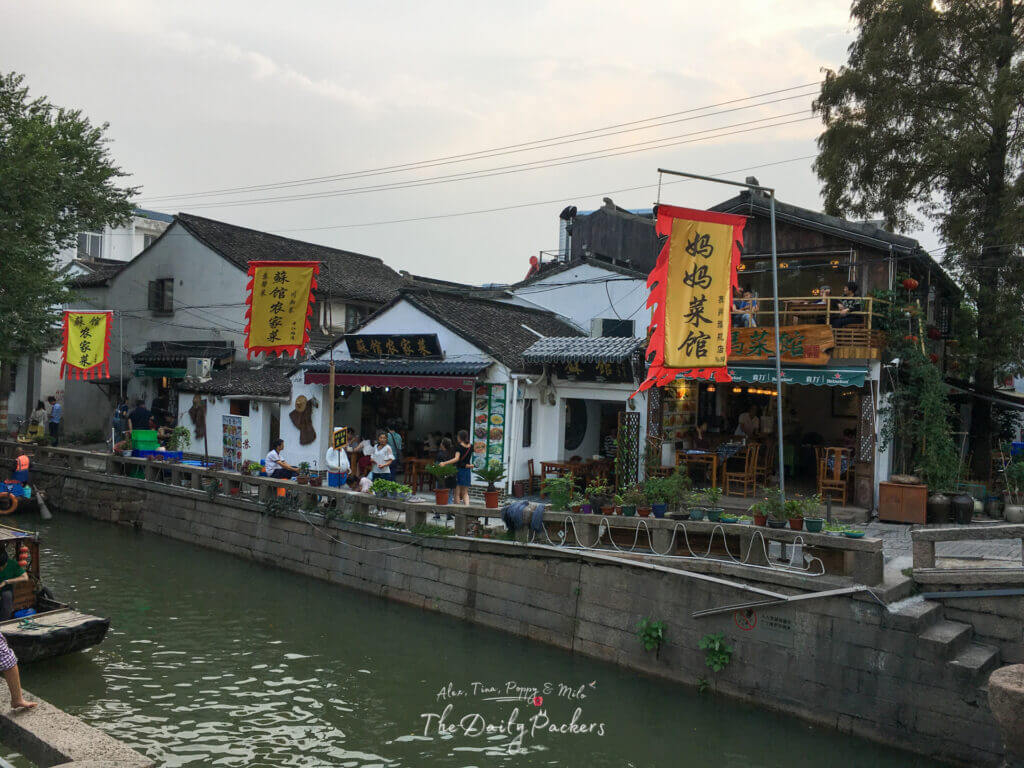
Chaozong Pavilion is a charming riverside pavilion located in the heart of Suzhou’s old town. Historically, it was a gathering place for scholars, poets, and artists who came to enjoy the peaceful surroundings and compose verses. The name “Chaozong” means “morning tribute to the emperor,” giving it cultural and historical significance.
The pavilion overlooks a peaceful stretch of the river, and you can sit in its shade while watching boats glide past. It’s a lovely stop during a walk through the historical area. Don’t forget to bring your camera—the combination of water, traditional architecture, and willow trees make it one of the most photogenic spots in Suzhou.
Here are all your accommodation options in Suzhou
Pingjiang Road
Pingjiang Road is another historic water town street, running parallel to a canal and filled with over 800 years of history. The cobbled lane is quieter than Shantang Street but equally beautiful. You’ll find local tea houses, art studios, small museums, and boutique cafés tucked behind wooden facades.
This area is perfect for a relaxing stroll. Listen to traditional music floating from open doors, or sip tea at one of the canal-side tables. It’s also one of the best places in Suzhou for people-watching and absorbing local culture. If you’re visiting during spring or autumn, the reflections of blooming trees or golden leaves in the water are simply magical.

Tip: We use the DJI Action 4 to film our vlogs — compact, durable, and perfect for capturing every adventure.
Humble Administrator’s Garden
The Humble Administrator’s Garden is Suzhou’s largest and most famous classical Chinese garden, and a UNESCO World Heritage Site. Built in the early 16th century, it blends pavilions, bridges, koi-filled ponds, and lush greenery into a peaceful and elegant setting that reflects the aesthetics of Ming dynasty landscaping.
Take your time to wander its many paths, which twist and turn through bamboo groves, lotus ponds, and rock formations. The garden is also home to a small museum and often hosts cultural exhibitions. Go early in the morning to avoid crowds, especially if you’re visiting during high season. Renting the audio guide or joining a guided tour can also deepen your appreciation of the garden’s symbolism and history.

Lion Grove Garden
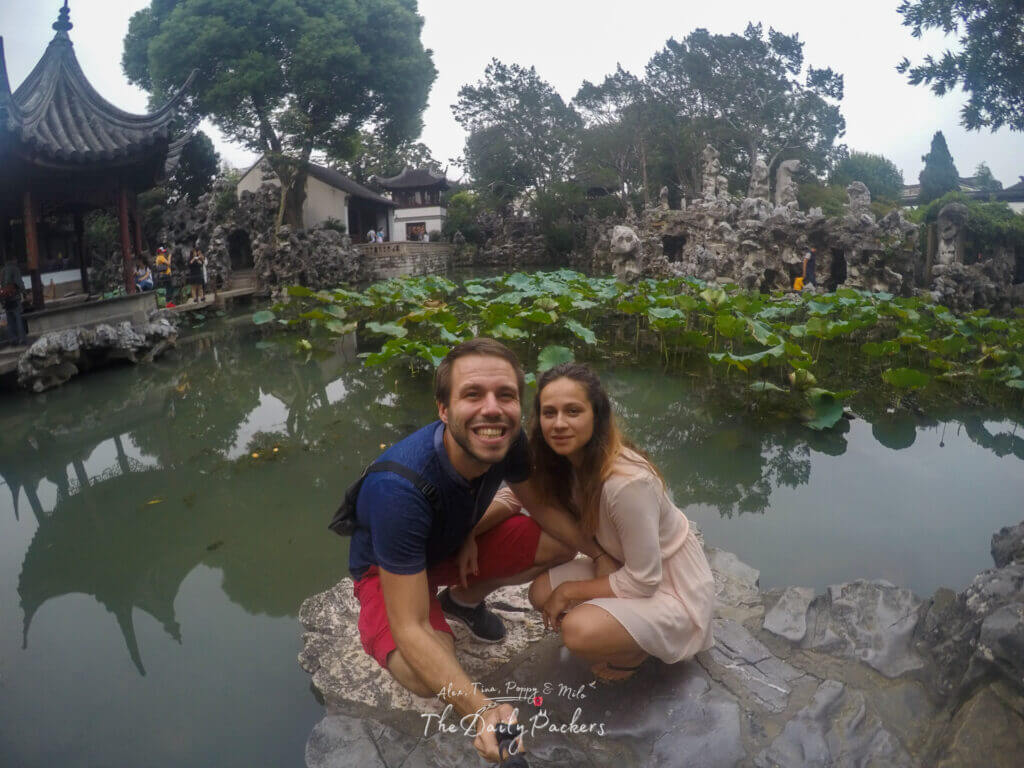
Lion Grove Garden is famous for its intricate labyrinth of rockeries, said to resemble crouching lions. It’s one of the four most famous gardens in Suzhou and a true architectural wonder of the Yuan Dynasty. The garden was designed as a contemplative retreat for Buddhist monks, with symbolic stones and quiet pavilions.
Beyond the rock maze, the garden features beautiful courtyards, lotus ponds, and poetic inscriptions on the walls. It’s smaller than the Humble Administrator’s Garden but just as rich in detail. Kids and adults alike love exploring the winding pathways of the rockeries—just be careful not to get lost! Visiting in the morning or just before closing allows for a quieter experience.
Here are all your accommodation options in Suzhou
Panmen Scenic Area
Panmen Scenic Area combines nature, history, and ancient architecture in one tranquil space. It’s home to the only remaining part of Suzhou’s ancient city wall and the iconic Pan Gate—a more than 2,400-year-old structure that once served as the city’s main entrance.
Aside from its historical significance, the area offers peaceful gardens, a lovely river, and a few pavilions and bridges to explore. It’s less crowded than the famous gardens, making it a nice escape from the busier tourist routes. You can also climb the Ruiguang Pagoda inside the park for a panoramic view. It’s ideal for a half-day visit and perfect for travelers looking for both cultural insight and calm surroundings.


Tip: We hike with Osprey backpacks and can’t recommend them enough — the Talon 44 and Tempest 40 are comfortable, durable, and great for any adventure.
Tiger Hill Pagoda
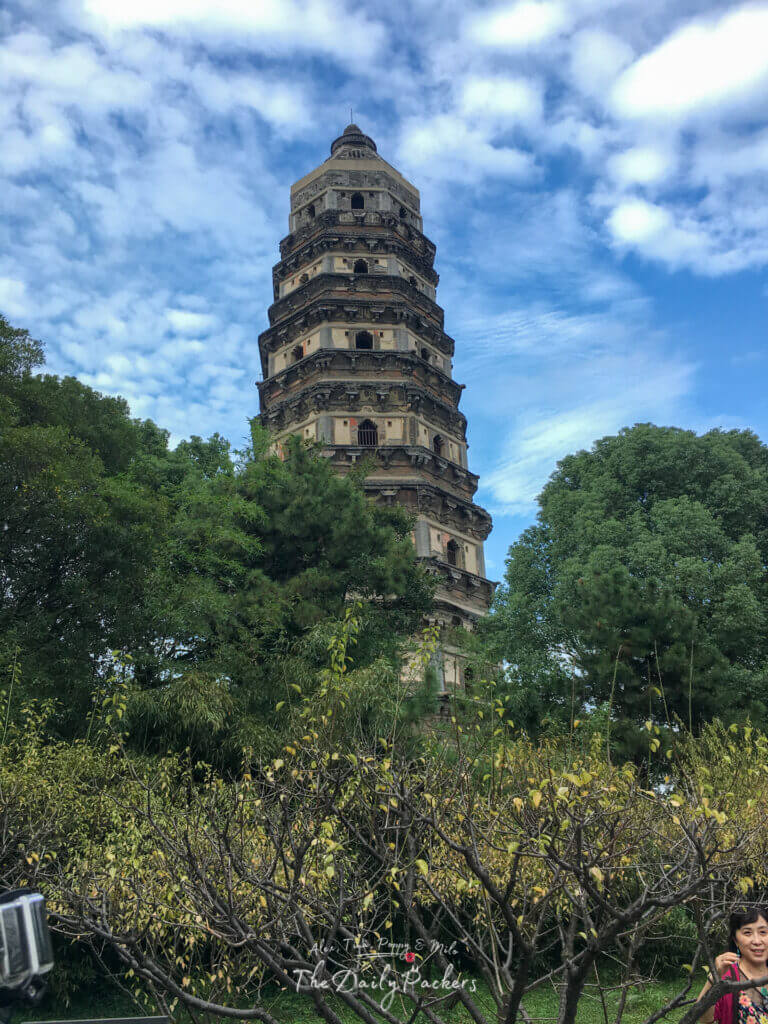
Tiger Hill Pagoda, also known as the Yunyan Pagoda, is often called the “Leaning Tower of China.” This iconic structure tilts slightly to one side and has stood for over 1,000 years. It’s part of the larger Tiger Hill Scenic Area, which has been a popular destination for centuries.
The area is rich in legend. It’s said that a white tiger appeared to guard the hill after the death of King Helü of Wu, hence the name. The hill is also dotted with bonsai gardens, stone bridges, and historic temples. It’s a great spot to explore at a leisurely pace, and the shaded paths are especially pleasant during warmer months.
Tip: We use the DJI Action 4 to film our vlogs — compact, durable, and perfect for capturing every adventure.
Lingering Garden Tourist Center
The Lingering Garden is another UNESCO World Heritage garden in Suzhou, known for its refined layout and delicate beauty. It was built during the Ming Dynasty and is considered a masterpiece of classical Chinese garden design. The garden is famous for its four distinct sections, each with its own theme and atmosphere.
The paths are cleverly designed to lead you through a series of framed views, rockeries, bamboo groves, and pavilions. Don’t miss the stunning corridor with its beautifully carved windows. If you’re visiting in spring, the blooming wisteria and peonies add an extra layer of magic. It’s slightly less visited than the Humble Administrator’s Garden, making it a more peaceful experience.

Zhouzhuang Water Town
Zhouzhuang is often called the “Venice of the East” and is one of China’s best-preserved ancient water towns. Located about 45 minutes from Suzhou, it’s a perfect day trip destination. The town is crisscrossed by canals and dotted with well-preserved Ming and Qing dynasty buildings, stone bridges, and temples.
One of the highlights is taking a gondola ride through the canals, where boatwomen in traditional dress sing as they paddle. Don’t miss the Twin Bridges and Shen House, two of the town’s most famous landmarks. While it’s become more touristy in recent years, arriving early in the morning or staying overnight lets you see the town in a more peaceful, authentic light.
Here are all your accommodation options in Suzhou
Tongli Water Town
Tongli is another charming water town near Suzhou, known for its stone bridges, calm canals, and historical homes. It’s slightly less commercial than Zhouzhuang, which makes it ideal for travelers looking for a quieter experience. Tongli has over 1,000 years of history and features more than 40 stone bridges that connect the town’s seven islands.
Key highlights include the Retreat & Reflection Garden (a UNESCO World Heritage Site), which offers classic Suzhou-style landscaping, and the Pearl Tower, a symbol of eternal love. You can explore by foot or hop on a traditional boat to drift through the town’s waterways. It’s a great half or full-day trip from Suzhou, with plenty of spots to enjoy tea, try local snacks, and soak in the serene atmosphere.
Tip: We never travel without our DJI Mini 3 PRO drone anymore — it’s totally worth having to capture places from a whole new perspective.
Suzhou Itinerary
Day 1:
- Visit Shantang Street
- See Chaozong Pavilion
- Walk along Pingjiang Road
Day 2:
- Explore Humble Administrator’s Garden
- Visit Lion Grove Garden
- Discover Panmen Scenic Area
Day 3 (optional):
- Climb Tiger Hill Pagoda
- Relax at Lingering Garden Tourist Center
- Take a trip to Zhouzhuang
- Explore Tongli Ancient Town
Here are all your accommodation options in Suzhou
About the authors
We are Alex and Tina, a French-Serbian couple who met in China back in 2014. We spent three incredible years there before making France our home. Our shared passion for travel has been the heartbeat of our relationship for over 12 years, taking us across 44 countries and counting.
We launched TheDailyPackers in 2019 as a way to document our adventures. In 2026, we reached a major milestone by officially turning our blog into our full-time job. While we are still growing toward financial independence through this platform, every article we write is fueled by our mission to make your voyages easier through in-depth guides, honest advice, and the lessons we’ve learned from our own mistakes.
Our journey has not been without its storms. In 2023, our world changed forever when our first son, Poppy, was stillborn on November 25th. It was, and remains, the hardest chapter of our lives. In 2025, we were blessed with our second little boy, Milo. He has since joined our traveling tribe, and you’ll be seeing him—and the reality of traveling with a little one-on the blog more and more.
We hope to inspire you to explore the world with curiosity and resilience. Thank you for being part of our story.
You may also like those related posts
16 Best things to do in Fes, Morocco, in 3 days or more
Hanoi to SaPa: Luxury Van Transfer in 6h
The Perfect 2-week Cuba itinerary for first-timers
Arequipa to Puno: A scenic 6-Hour Bus Guide
Nine Arch Bridge: Sri-lanka’s most famous bridge
Curitiba to Joinville: The Ultimate 2h Bus Guide
Valensole, Provence: Driving by the Lavender Village of France
Imlil to Ouarzazate: Epic Road Trip through Ksars
Pssst, did you know that…
If you purchase something through our links, we earn a small fee. However, you still pay the same. Win-win! And one day we may get to be full-time travel bloggers =)
Find Hotels with Booking.com
Do Yoga with KVY
Buy us a Coffee
Rent a car with DiscoverCars
Find Attractions with GetYourGuide
Find Flights with Expedia
Buy an eSIM with Airalo
Get insured with World Nomads
Get ready with Amazon.com