

Why You’ll Love Visiting Ushuaia
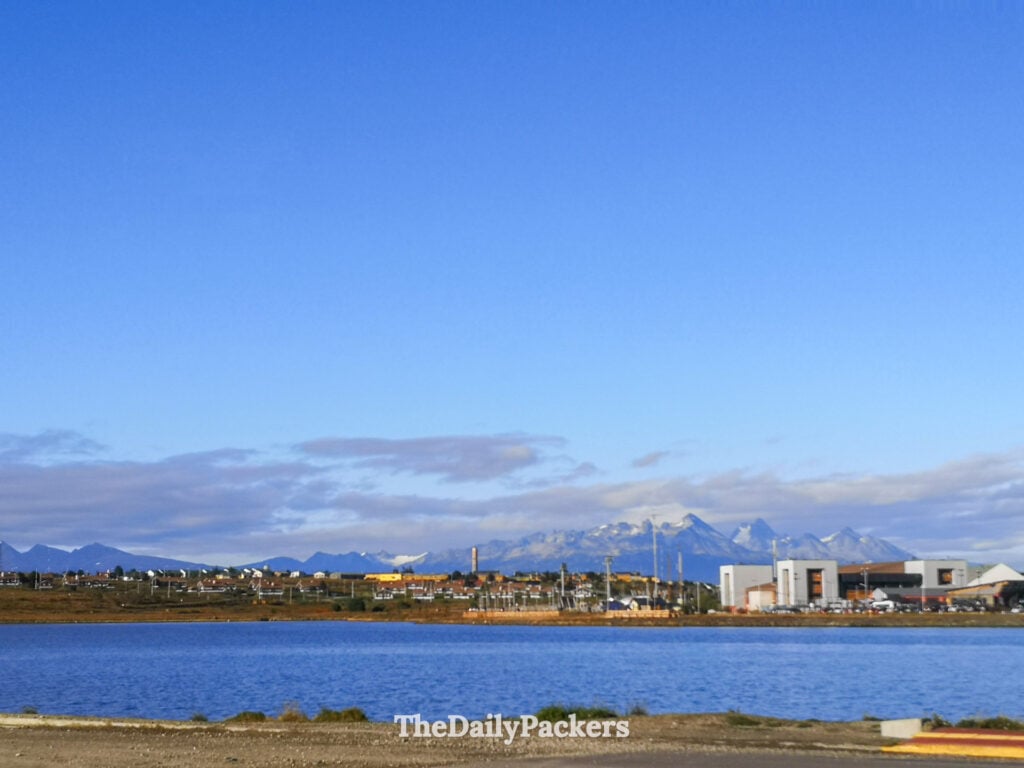
Ushuaia is one of those places that we all heard about, but not that many of us actually know where it is and what it’s about. Perched at the very bottom of South America and known as the “End of the World,” this city is tucked between the snowy Martial Mountains and the deep blue waters of the Beagle Channel.
Whether you’re a hardcore hiker or just someone who loves a good view with a bit of history, you’ll find that Ushuaia has a way of pulling you in.
For us, the absolute best part was the walk with penguins. It’s just something you don’t do every day! We also spent a lot of time around the port, looking at the big ships and hoping to find a cheap last-minute cruise to Antarctica. We didn’t find one this time (it’s expensive!), but even just being there and dreaming about it was part of the magic.
It’s not a fancy place, but it’s authentic and beautiful in a very tough way. If you’ve been traveling through the rest of Patagonia or Argentina, coming here feels like the perfect way to finish your trip at the edge of the world.

Best Things to Do in Ushuaia
Walk with the penguins on Isla Martillo
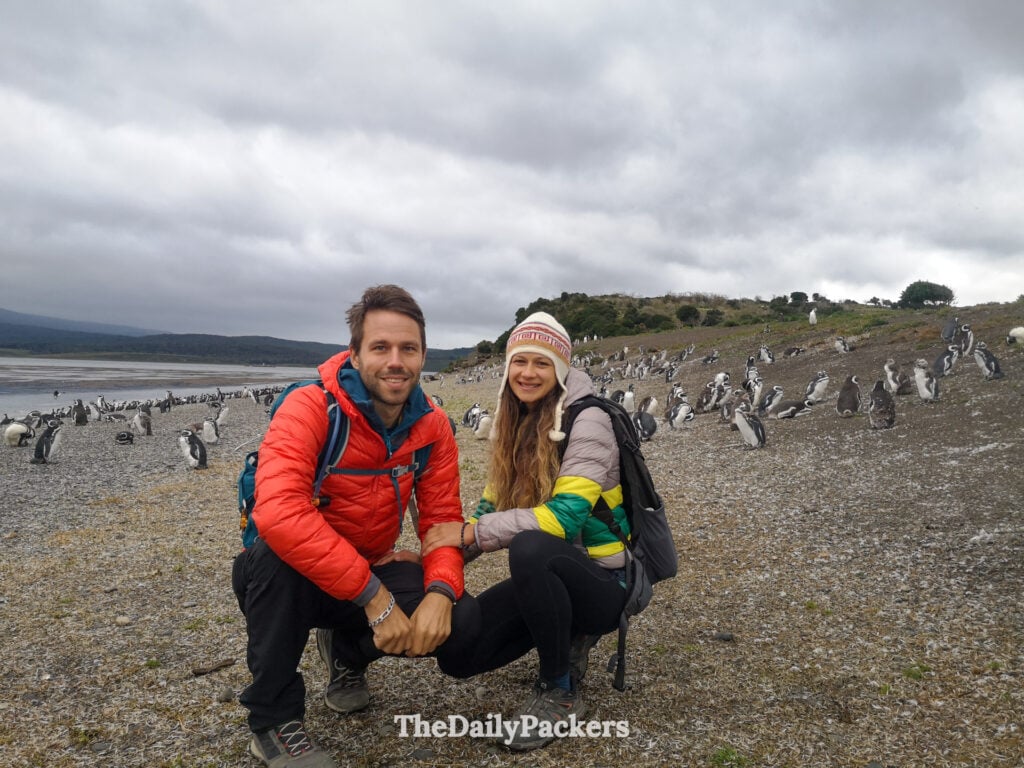
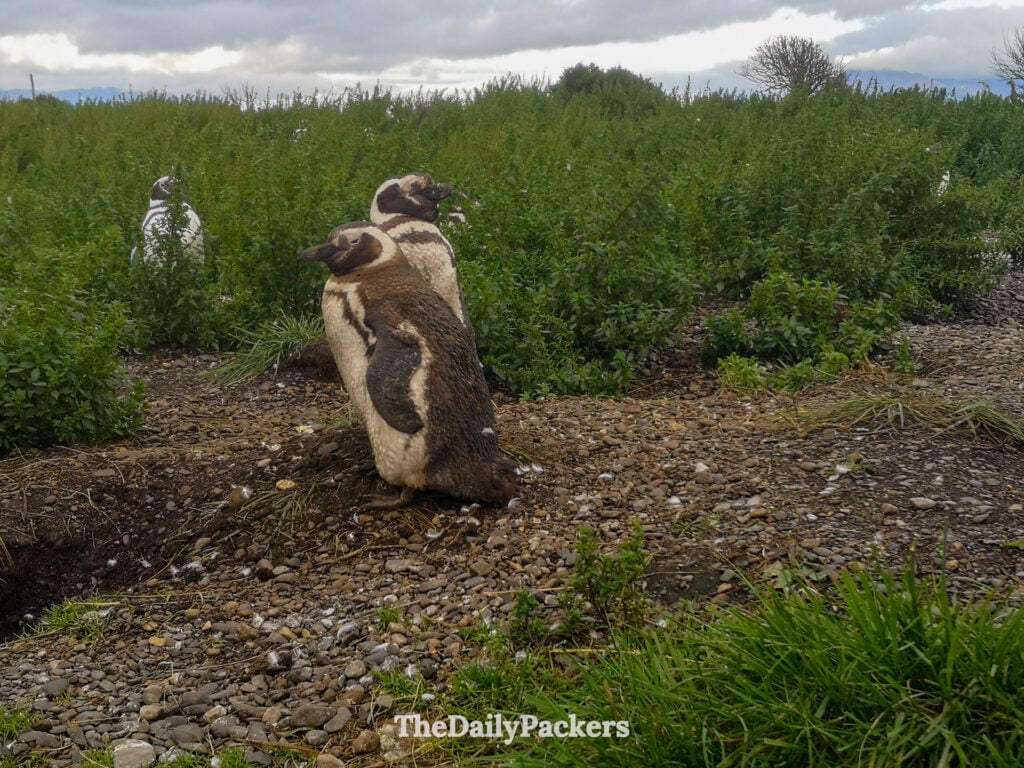
This was easily the best thing we did in Ushuaia. You take a boat out to Martillo Island, and you actually get to step off and walk right next to thousands of Magellanic and Gentoo penguins.

It’s a very protected area, so you have to book with a specific tour (we used Piratour as they were the only ones allowed to let you walk on the beach at that time). Seeing them waddle around just a few steps away from you is something you’ll never forget. It’s a bit expensive, but if you love wildlife, you have to do it.

Read: Walk With Penguins in Ushuaia: Everything You Need to Know
Cruise on the Beagle Channel
You can’t visit Ushuaia without getting out on the water. A boat tour through the Beagle Channel gives you that real “edge of the world” perspective. You’ll see sea lions sunbathing on rocky outcrops and plenty of birds. For us, the best part was seeing islands filled with penguins and sealions.

See the Les Éclaireurs Lighthouse
This is that famous red-and-white lighthouse you see on all the postcards. Most people call it the “Lighthouse at the End of the World,” which sounds very poetic, though the actual lighthouse that inspired Jules Verne’s book is a bit further away.
Still, seeing it stand alone on a tiny rocky island in the middle of the Beagle Channel is really cool. Most boat tours get you quite close, so you can get a great photo with the snowy mountains in the background.

Spot the “Flag Trees”
As you explore the area around the city, you’ll see these trees that look like they’ve been frozen in a storm. These are the “Flag Trees” (Árbol Bandera), and they have been permanently bent into horizontal shapes by the intense

Patagonian winds. It’s a wild sight and a great reminder of how powerful nature is down here. It’s one of those things that makes you feel like you are truly in a different world.

Hike to Laguna Esmeralda
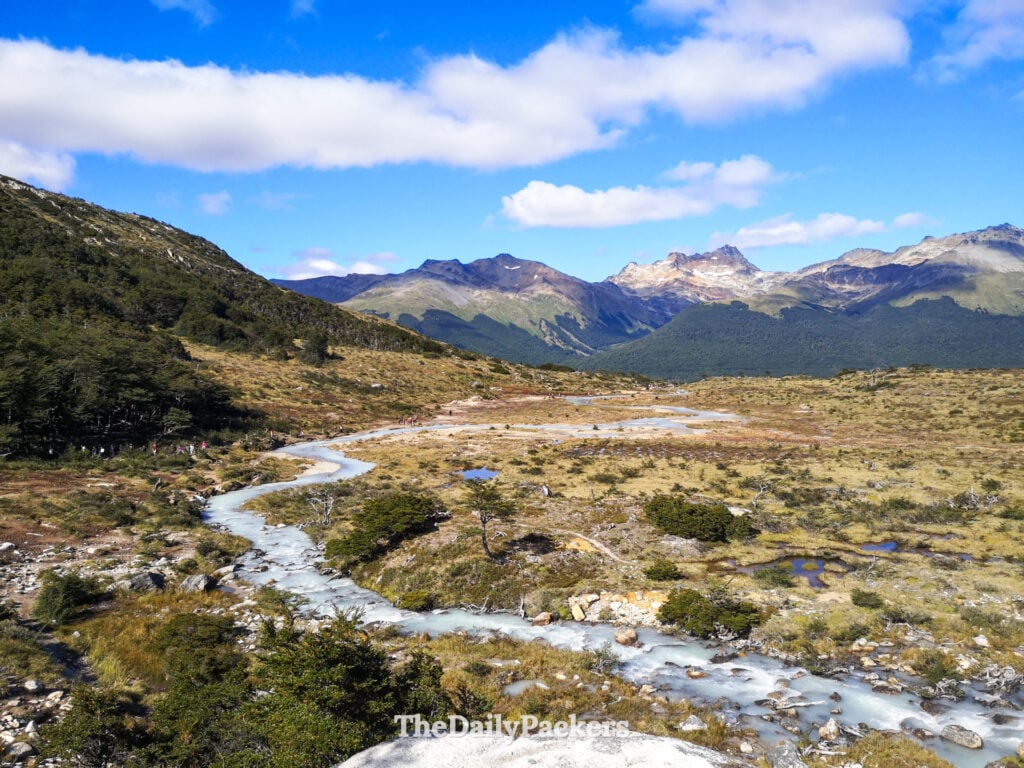
If you have to choose only one hike, you should definitely pick Laguna Esmeralda. It’s a relatively easy trek that leads you to a stunning turquoise glacial lake. The color of the water against the gray mountains is incredible.
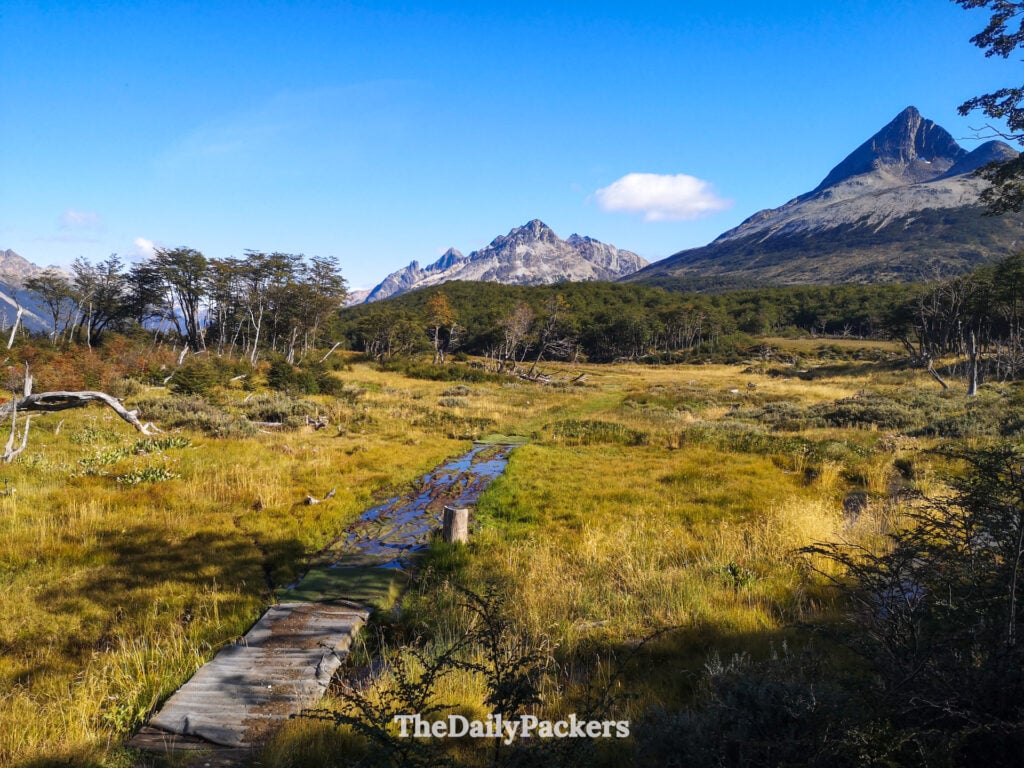
We found it to be very muddy, so make sure you have decent boots, but reaching that emerald water is 100% worth the mess. You can do it on your own by taking a shuttle from town or join a tour if you prefer.
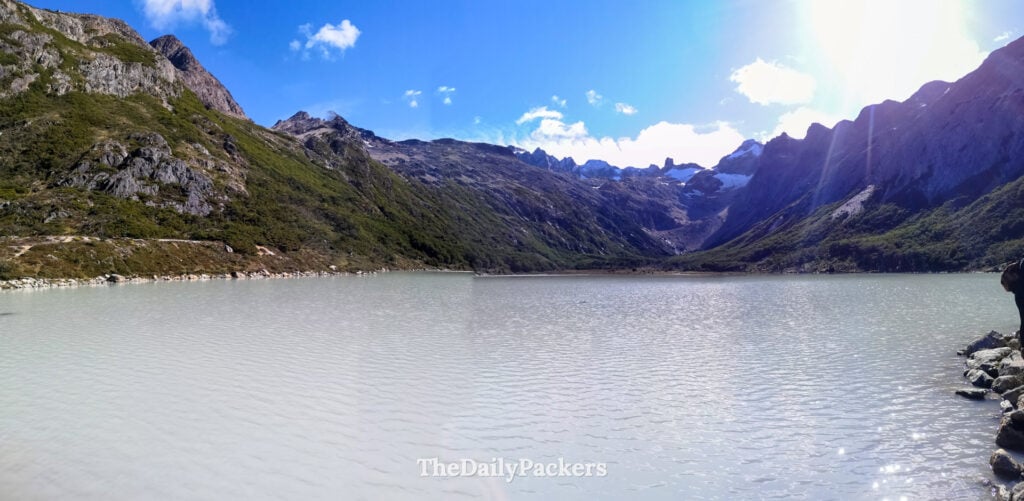
Read: Laguna Esmeralda Ushuaia: The Ultimate 1-Day Hiking Guide
Hike in Tierra del Fuego National Park
This is the only coastal national park in Argentina, and it’s a place you really shouldn’t miss. It’s a protected paradise where the forest meets the sea. You can spend a whole day here exploring different trails that lead to quiet bays and dramatic viewpoints.
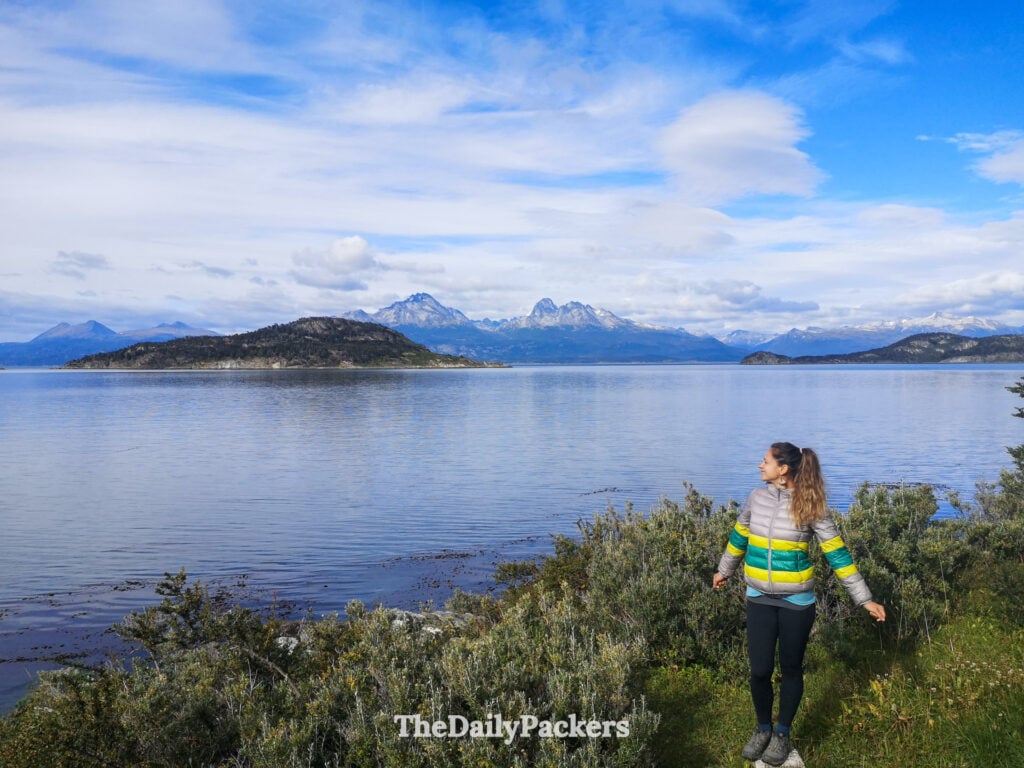
When we visited Tierra del Fuego National Park in March, we were blown away by how peaceful it felt. Even though it’s a popular spot, the park is huge enough (630 km²!) that you can easily find a quiet corner to yourself. Whether you want a challenging climb to see the world from above or just a relaxing stroll along the water, this park has a trail for you. It really is the ultimate Patagonian playground.

Read: Hiking in Tierra del Fuego National Park: The Ultimate Guide
Take the End of the World Train
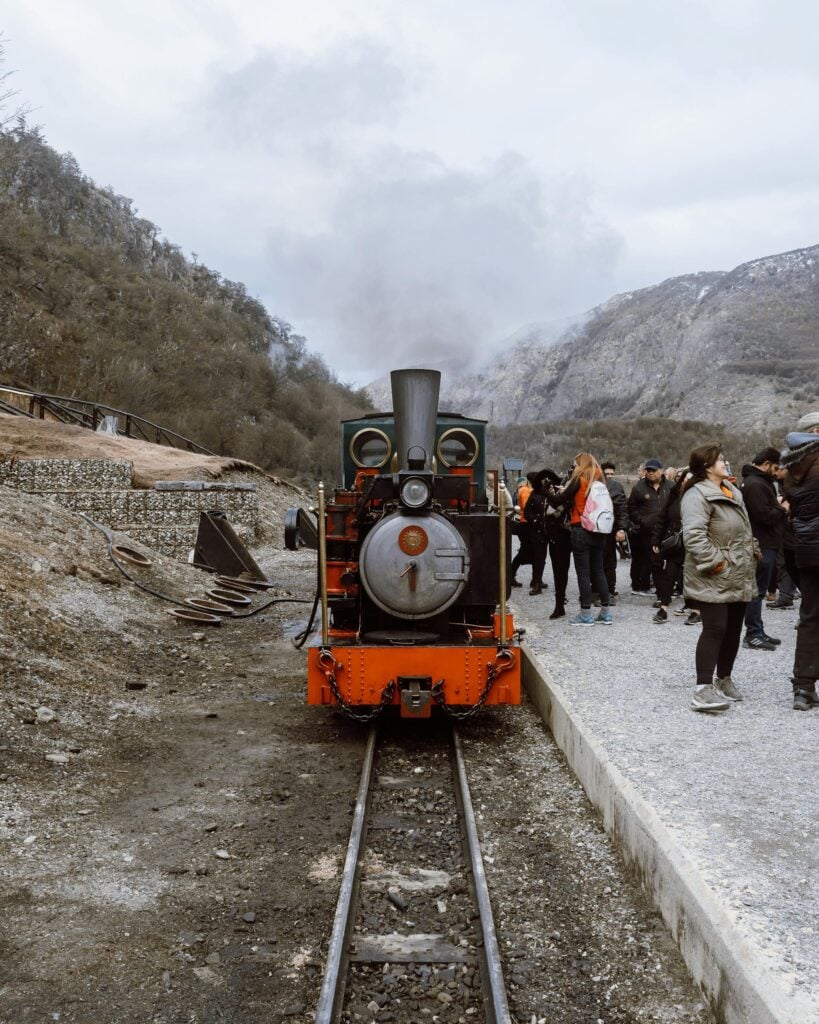
If your legs are tired from all the hiking, the Tren del Fin del Mundo is a great way to see the park. It’s a historic steam train that follows the same path the prisoners used to take many years ago to collect wood.
It’s quite relaxed and slow, winding through beautiful forests and peat bogs. It’s a bit of a classic “tourist” thing to do, but the history behind it and the old-fashioned feel of the train make it a nice experience.
Snap a Photo at the Ushuaia End of the World Sign
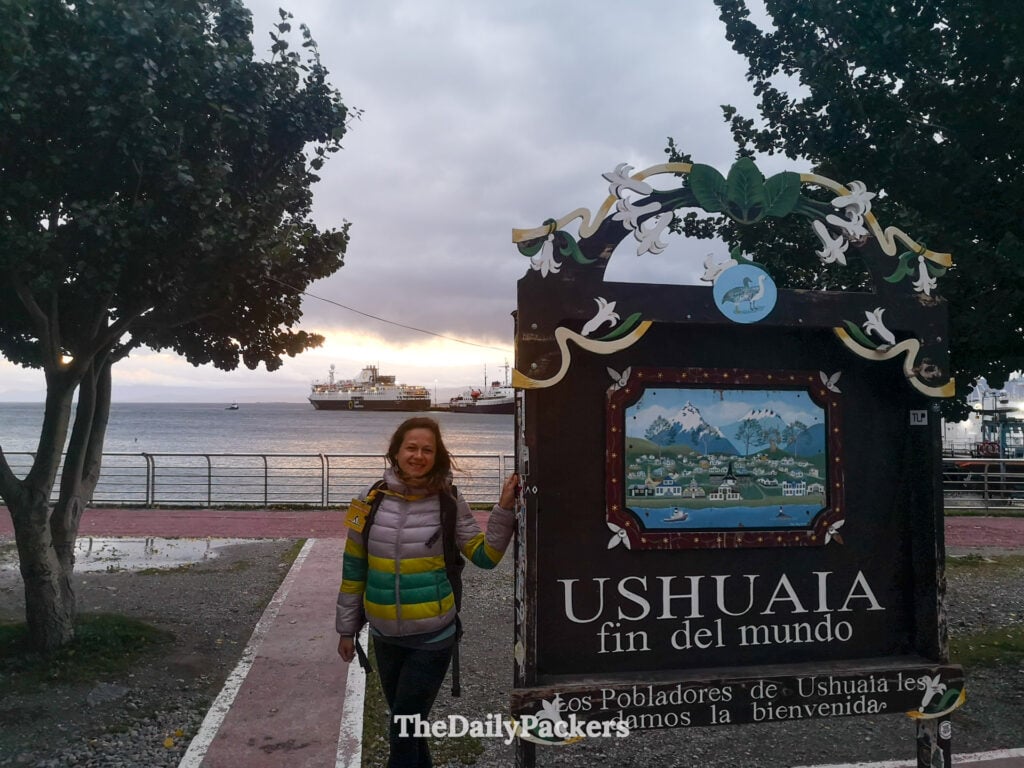
You really can’t leave without this photo! The “Ushuaia – Fin del Mundo” sign is right by the waterfront near the port. It’s the official proof that you made it to the southernmost city in the world. There is usually a small queue of travelers waiting for their turn, but it moves fast. For us, it was a nice moment to just stand there, look at the Beagle Channel, and realize how far we had traveled to get to this spot.

Wander the Ushuaia Port
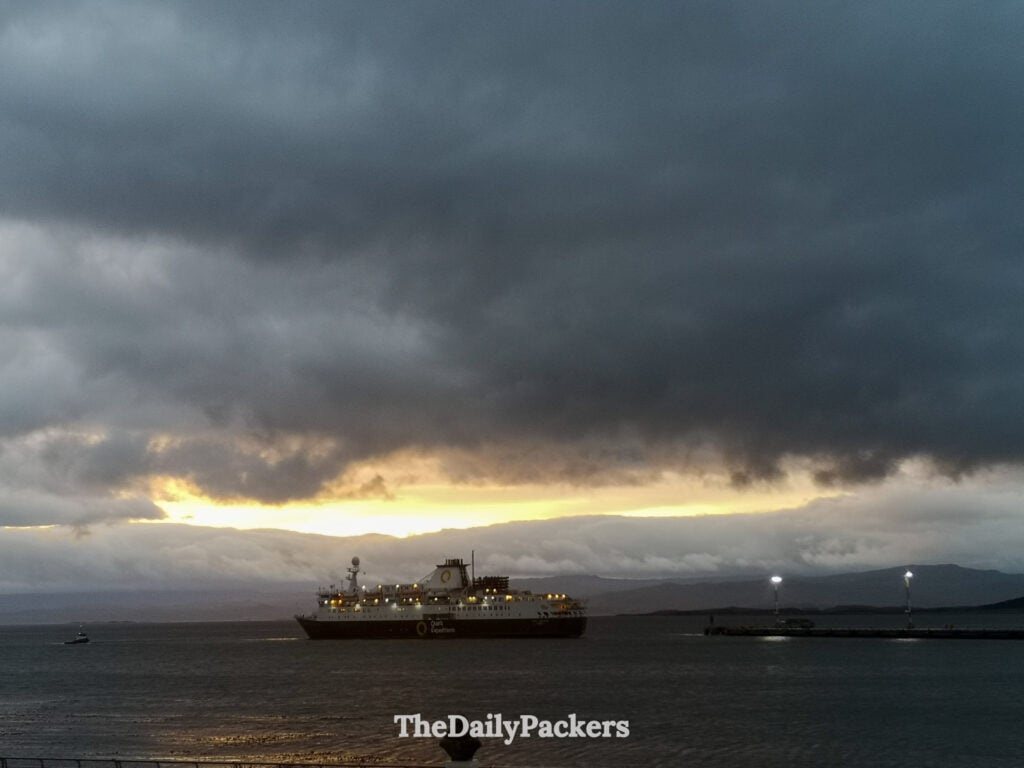
Take a stroll along the pier to see the massive icebreakers and expedition ships. This is where the lucky ones board their ships for Antarctica. We spent quite a bit of time here just dreaming about finding a last-minute deal! Even if you don’t board a ship, the atmosphere of people preparing for the “Great White South” is contagious. You’ll see people from all over the world with big backpacks and even bigger excitement in their eyes.
Visit the Feria de Artesanos
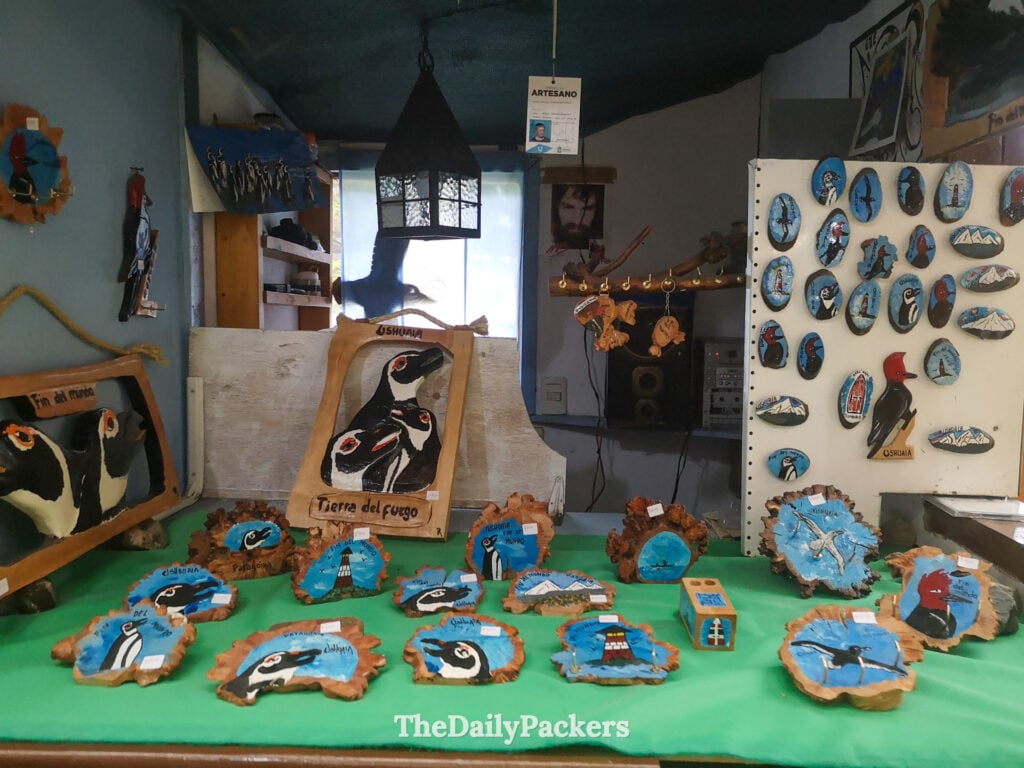
Just a short walk from the port, you’ll find the Paseo Artesanal Enriqueta Gastelumendi. This is a lovely indoor market where local artists sell their work directly. It’s the best place to find an authentic souvenir that isn’t just a mass-produced magnet.
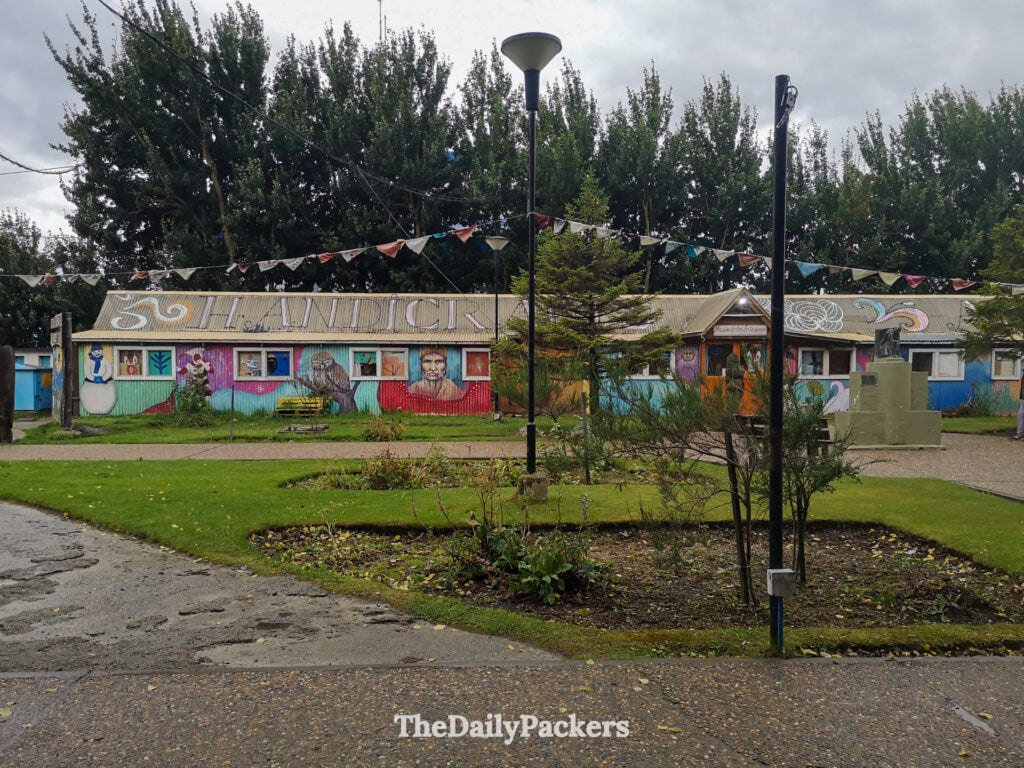
You’ll find everything from handmade wool sweaters and jewelry to woodwork and unique pottery. We loved wandering through the stalls—the artisans are super friendly, and it’s a great way to support the local community. Plus, it’s nice and warm inside if the Patagonian wind is acting up!
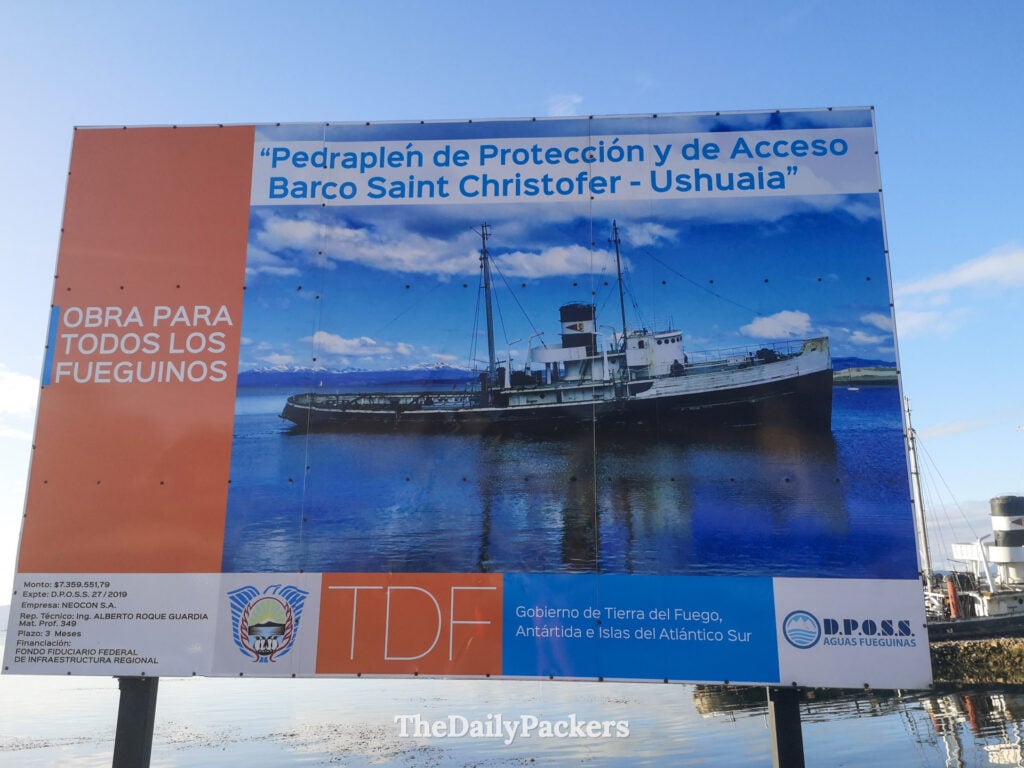
See the Saint Christopher Shipwreck
You can’t miss this old wooden ship resting in the harbor. The Saint Christopher has a fascinating history—it was actually an American rescue tug that served in the British Royal Navy during World War II (it was even part of the D-Day landings in Normandy!).
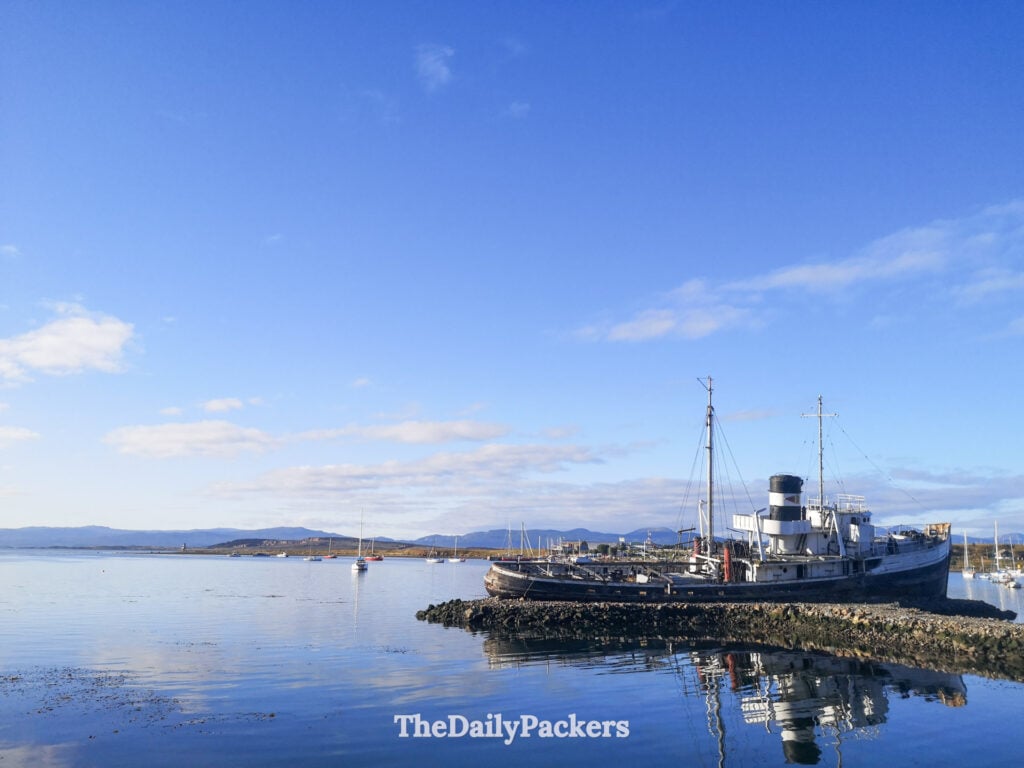
It eventually ended up in Ushuaia for a salvage mission that failed, and it’s been beached here since 1957. Now, it’s a silent monument to all the shipwrecks in the region. It looks especially cool at sunset with the mountains behind it, and it’s one of those spots that really makes the city feel like a place of old maritime stories.
Walk the Promenade des Explorateurs
This is a peaceful walkway along the waterfront that pays tribute to the famous explorers who sailed these cold southern waters. You’ll find several plaques and monuments dedicated to names like Magellan and Beagle.
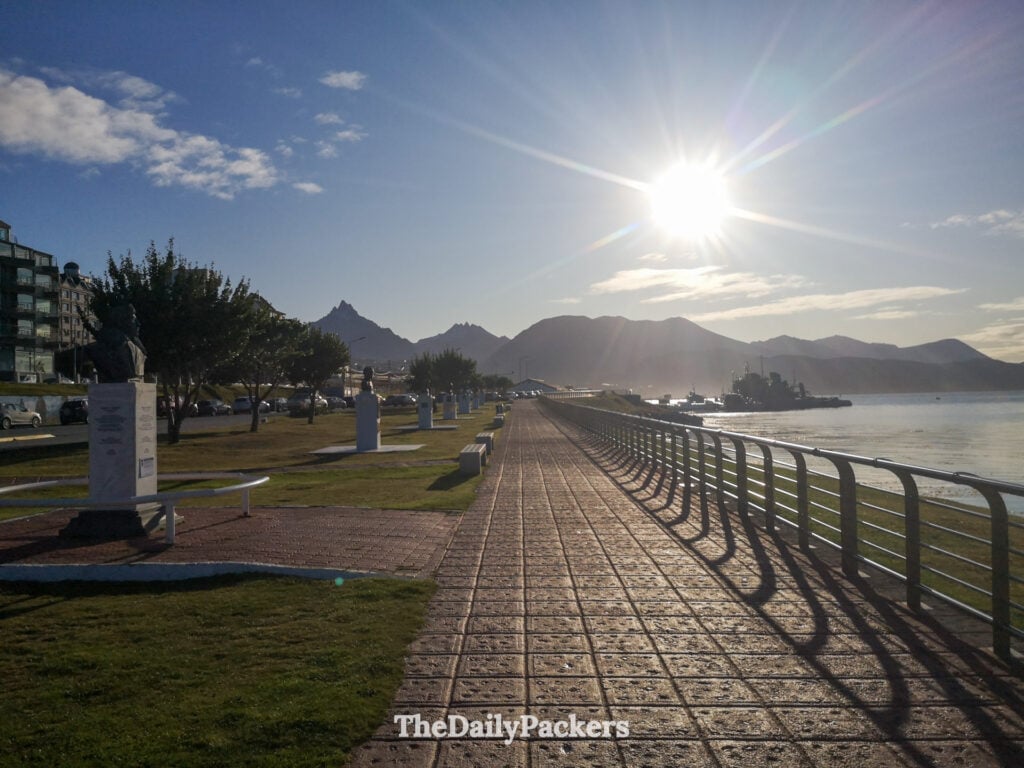
It’s a great spot for a casual stroll away from the busier main street. For us, it was the perfect place to just stop for a second, look at the ocean, and think about the brave (and maybe a bit crazy!) people who first discovered this area hundreds of years ago.



Snap a photo with the Ushuaia Letters
You’ve seen the “End of the World” sign, but don’t miss the giant blue and white Ushuaia letters! They are located right on the coast with the mountains and the city in the background. It’s a very popular photo spot, especially for groups. We recommend going early in the morning if you want a picture without twenty other people in it!

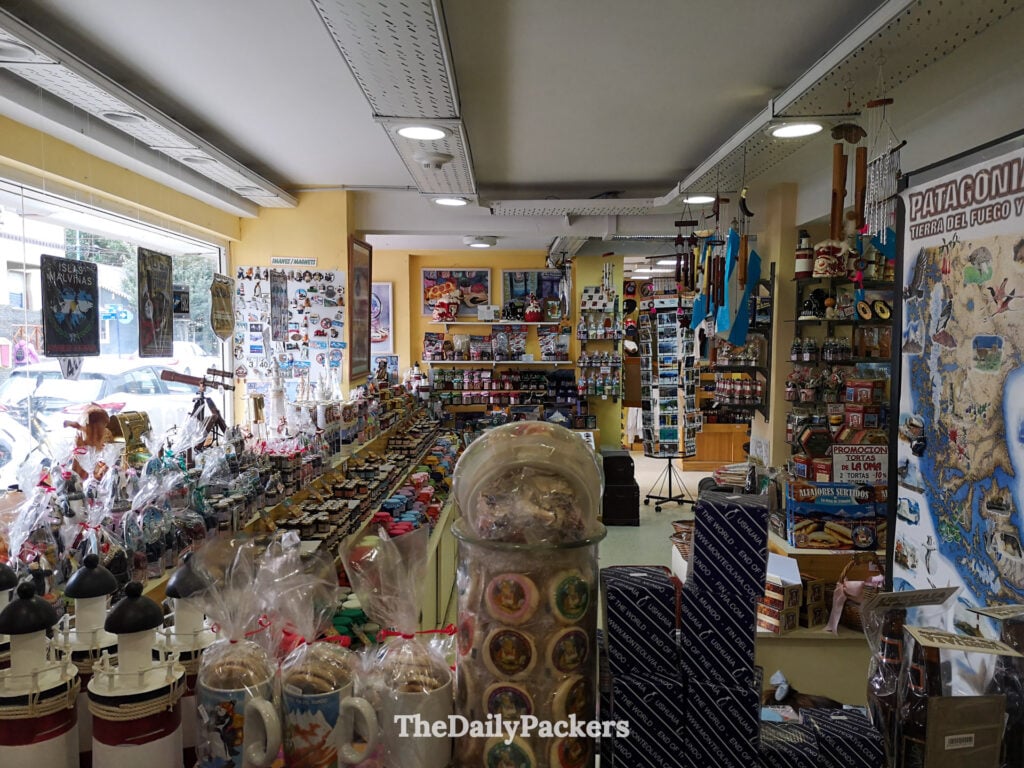
Find “La Ultima Bita” Souvenir Shop
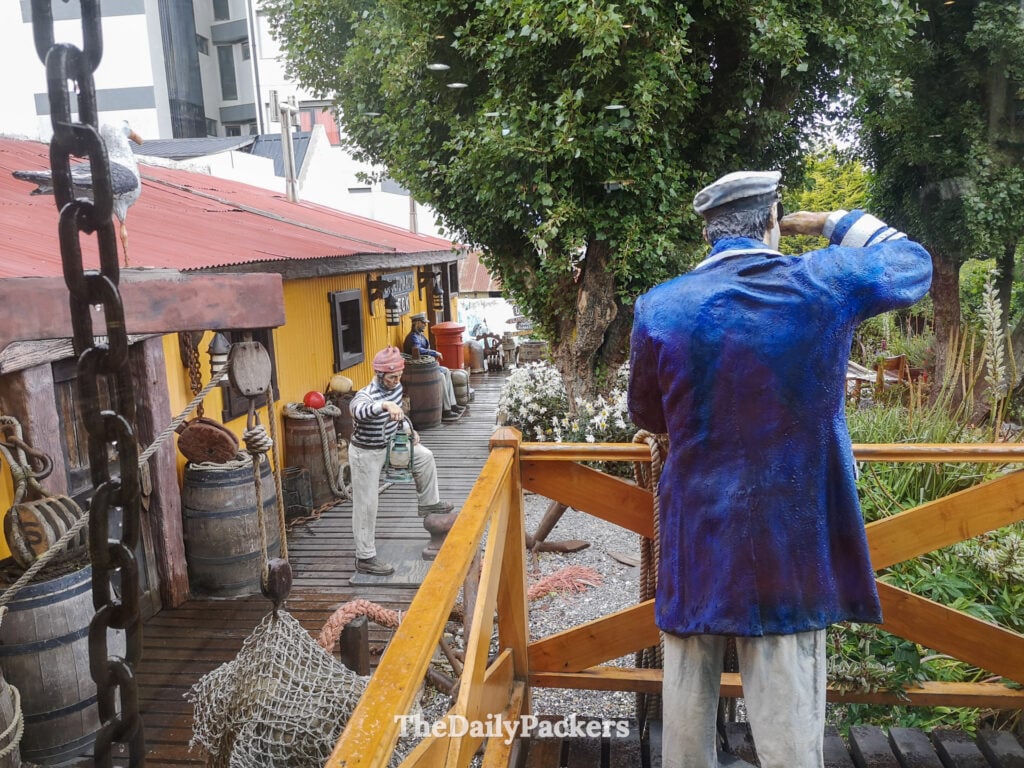
This isn’t just any souvenir shop; it’s practically a museum of travel. Located on the main street, San Martín, La Ultima Bita is famous for its life-sized figures outside and its massive collection of Antarctic memorabilia inside.
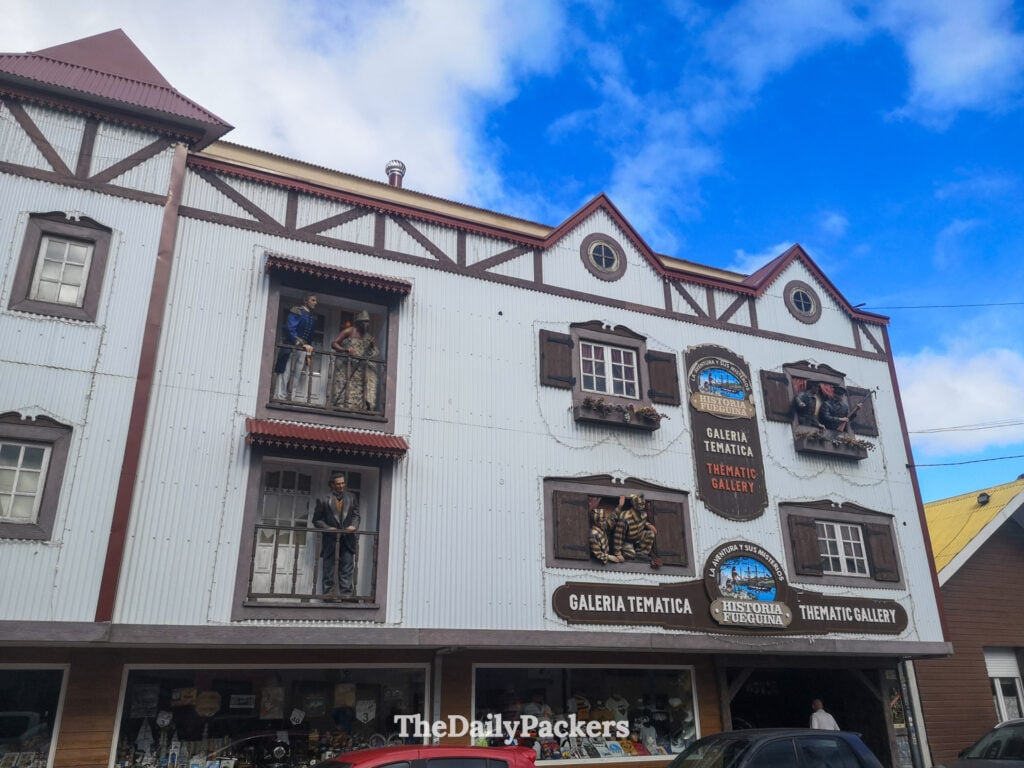
Even if you don’t plan to buy anything, you should step inside just to see the decor. It has a really cozy, old-world vibe. For us, it was the best place to pick up a few postcards and small gifts to take home.
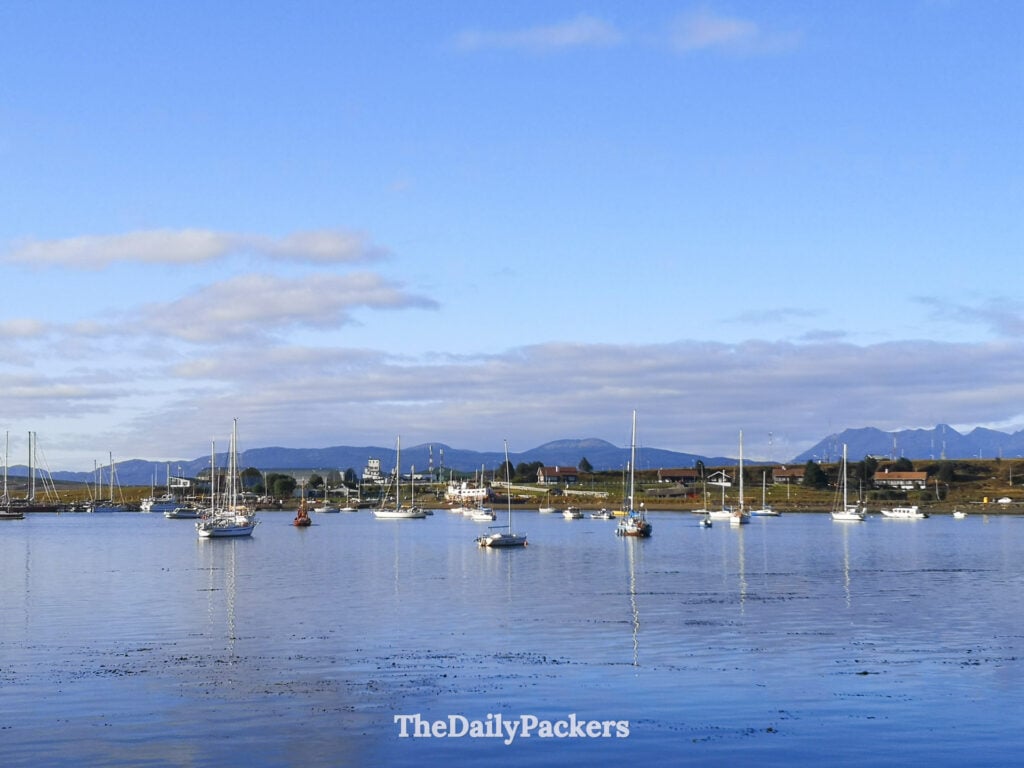
Visit the Mirador de la Bahía
If you want a great view of the city without doing a massive mountain hike, head to this viewpoint. It’s located along the coastal road and gives you a perfect panoramic look at the colorful houses of Ushuaia, the port, and the mountains behind.
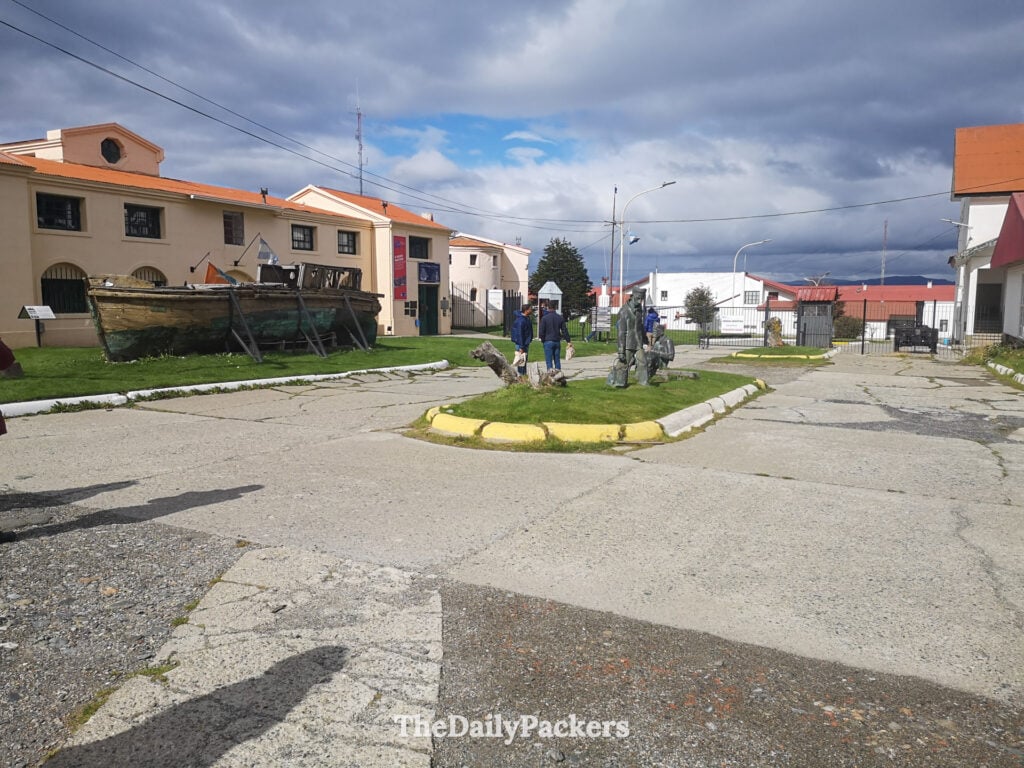
Explore the Maritime Museum (The Prison)
This is probably the most famous building in town. It used to be a high-security prison for Argentina’s most dangerous criminals, and today it’s a museum. You can actually walk through the old wings—some are restored with exhibits about maritime history and Antarctic expeditions, but one wing is left exactly as it was: cold, dark, and a bit spooky.
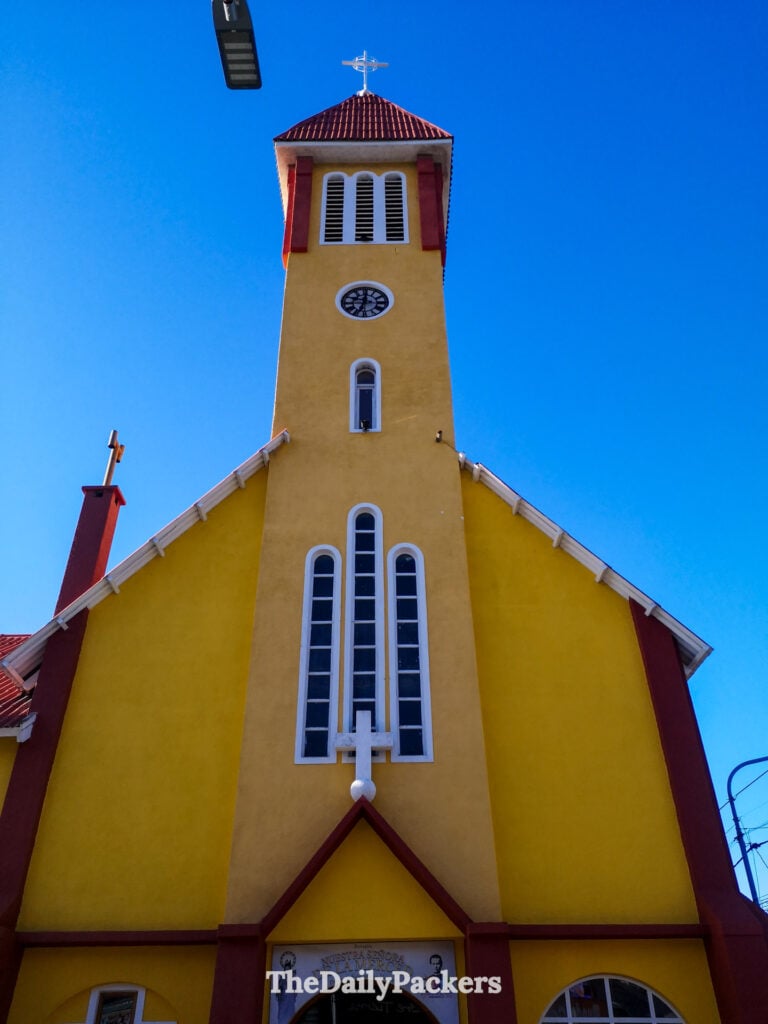
Visit the Parish of San Cristóbal (The Church)
Right in the center of town, you’ll see this charming little church with its bright colors. It’s not a massive cathedral, but it’s a very important piece of the local community. We liked popping in for a moment of quiet. It’s a simple, beautiful building that looks great in photos against the backdrop of the mountains. It reminds you that even in such a remote, wild place, people built a warm community.
Go to Antarctica (or Dream About It!)
Ushuaia is the main gateway for expeditions to the White Continent. If you have a flexible schedule and some savings set aside, you can head to the local agencies to look for “last-minute deals.” These are unsold cabins on expedition ships that are sometimes offered at a big discount a few days before departure.
We spent a lot of time walking around the docks, looking at the massive icebreakers and dreaming of jumping on one! Even if you don’t go, just feeling the excitement of the explorers getting ready to cross the Drake Passage is a huge part of the Ushuaia vibe.

Take the Ushuaia Sightseeing Tour
If you want to see the entire city without wearing out your hiking boots, the Ushuaia Sightseeing Tour is the way to go. Usually operated in a classic double-decker bus, this tour takes you through the most important historical streets, the old residential neighborhoods, and up to the best viewpoints.

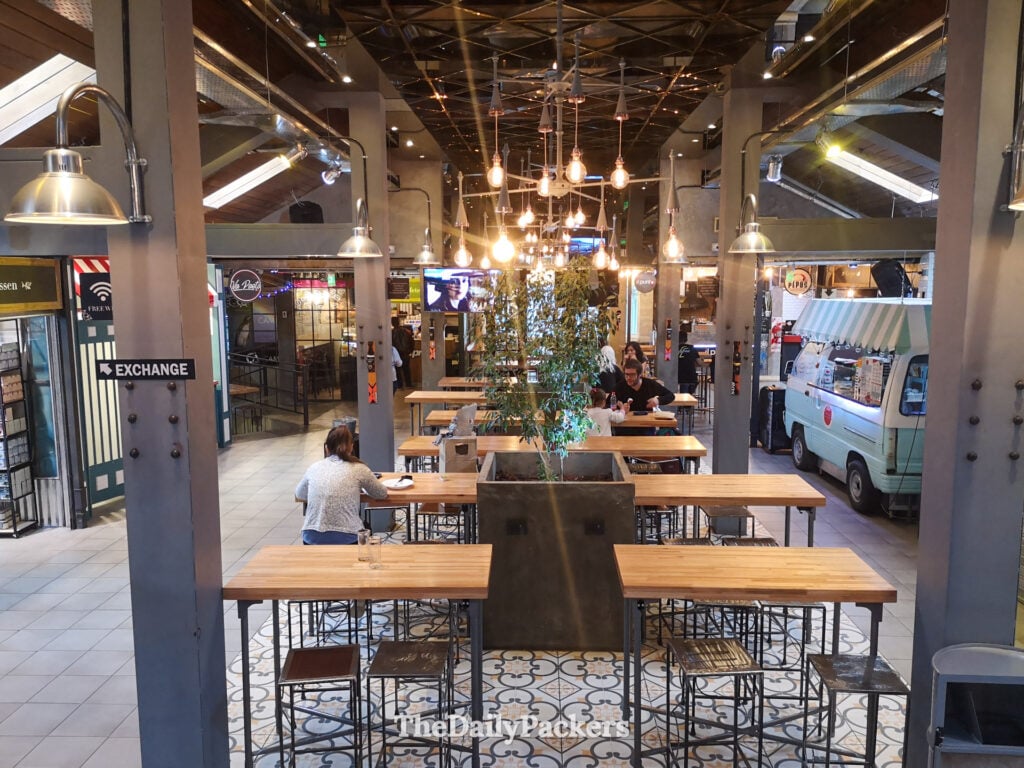
Shopping Center Paseo de Compras
If you need a break from the wind or want to do some classic shopping, head to the Paseo de Compras. It’s a modern shopping center right in the heart of the city. Since Ushuaia is a tax-free zone, you can often find good deals here on electronics, perfumes, and clothing. We found it was a great place to hide for an hour when the weather got a bit too “Patagonian” for us. It’s clean, easy to navigate, and gives you a taste of the modern side of life at the end of the world.
The Perfect Itinerary: How to Spend Your Days
Ready to plan the ultimate trip to the end of the world? Here is a solid 4 to 5-day itinerary that hits all the spots we’ve talked about. It’s a mix of adventure, wildlife, and that unique Ushuaia history.
Day 1: Arrival & The Edge of the World Vibe
- Morning: Land at the airport and head to your hotel. Most are just 10–20 minutes away.
- Afternoon: Stretch your legs on the main street, Avenida San Martín. Grab your photo at the iconic Ushuaia Sign and wander the port to see those big Antarctica-bound ships.
- Evening: Have your first taste of local food. We highly recommend trying the Centolla (King Crab)—it’s the specialty here.
Day 2: Tierra del Fuego & The Historic Train
- Morning: Head to Tierra del Fuego National Park. It’s only about 12km from town.
- Activity: Take the End of the World Train in the morning. It’s a 7km historic route that takes you through beautiful forests and right into the heart of the park.
- Afternoon: Hike the Coastal Path (Senda Costera) for amazing views of the Beagle Channel, or head to Lapataia Bay, where the Pan-American Highway finally ends.
Day 3: Penguins & The Beagle Channel
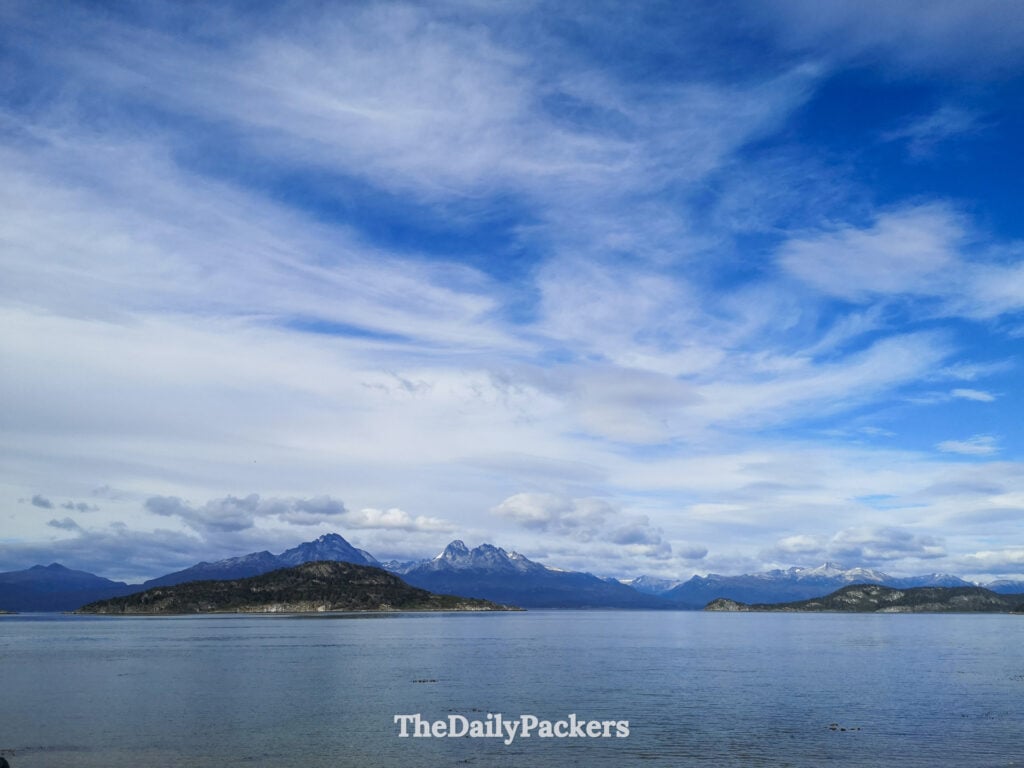
Morning/Afternoon: This is the big one! Take the bus to Harterton Ranch. Make sure your tour includes Isla Martillo so you can walk with the penguins. On the way back, take a boat tour through the Beagle Channel. You’ll also sail past the red-and-white Les Éclaireurs Lighthouse and see plenty of sea lions and cormorants along the way.

Day 4: The Emerald Trek or Glacial Views
- Option A (The Classic): Hike to Laguna Esmeralda. It’s a moderate 8.7km trek to a stunning turquoise lake. Be ready for mud, even in summer!
- Option B (The View): If you want to stay closer to town, hike up to the Martial Glacier. It’s a steeper climb but gives you the absolute best panoramic view of the city and the channel.
- Evening: Visit the Maritime & Prison Museum to learn about the city’s dark and fascinating history as a penal colony.
The Best Time to Visit: Weather & Local Events
Ushuaia is a place where you can truly experience “four seasons in one day,” so timing your trip is everything, depending on what you want to see.
Spring (September – November): This is when the city starts to wake up. You’ll see the first wildflowers blooming, and most importantly, it’s when the penguins return to Martillo Island to start nesting. Temperatures usually reach highs of 6°C to 11°C (43°F to 52°F) and drop to lows around 2°C to 4°C (36°F to 39°F). In November, the port starts getting very busy as the Antarctic Cruise Season officially begins.
Summer (December – February): This is the absolute peak season and the best time for hiking. You get incredible long days with up to 17 hours of daylight, meaning you can stay out on the trails until 10 PM! The weather is at its warmest, with average highs of 10°C to 15°C (50°F to 59°F) and lows around 5°C to 7°C (41°F to 45°F).
Autumn (March – May): The forests turn bright red and orange, and the wind actually calms down a bit compared to summer. Temperatures stay around 5°C to 10°C (41°F to 50°F) during the day and drop to 0°C to 4°C (32°F to 39°F) at night. If you visit during Easter, make sure to check out the local markets for artisanal chocolates, which are a big deal here.
Winter (June – August): The city turns into a snowy wonderland. This is the time for skiing at Cerro Castor or trying dog sledding. It’s very cold, and the days are short with only about 7 hours of light, but it feels very cozy. Average highs are between 1°C to 4°C (34°F to 39°F) and lows go down to -2°C to 0°C (28°F to 32°F). On June 21st, you can join the National Festival of the Longest Night to celebrate the winter solstice with the locals.
If you want to see the penguins and have good hiking weather without the massive summer crowds, we recommend visiting between late October and March. Also, always pack a waterproof jacket, no matter the season—the rain here likes to surprise you!


Psst, you can join Tina’s Yoga Studio and get access to hundreds of Yoga, Meditation, and Well-being videos.
How to Get to Ushuaia
Ushuaia is one of the most remote cities on the planet, so getting there is always a bit of an adventure. Depending on your budget and how much time you have, you can choose between flying, taking a long bus ride, or even arriving by sea.
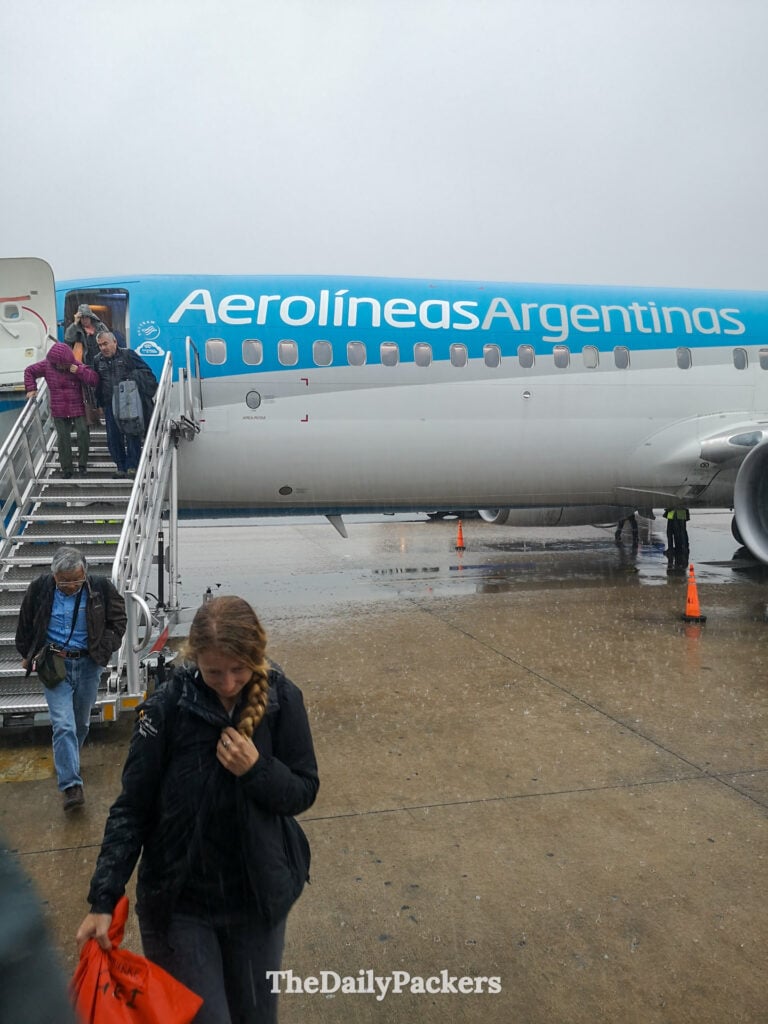
By Plane: This is definitely the fastest and easiest way to reach the end of the world. You’ll fly into the Ushuaia – Malvinas Argentinas International Airport (USH), which is actually the southernmost international airport in the world. It’s located just 5 km from the city center, so you’ll be at your hotel in no time.
If you are coming from Buenos Aires, direct flights take about 3.5 to 4 hours. Airlines like Aerolineas Argentinas, Jetsmart, and Flybondi have regular flights every day. If you are already exploring Patagonia, you can also find direct flights from El Calafate that only take about 1.5 hours. Once you land, a taxi to town is usually quite cheap, or you can pick up a rental car right at the airport.
By Bus: If you have plenty of time and want to see the changing landscapes of Patagonia, you can take a bus. It’s the cheapest option, but it’s a long journey! You can catch a bus from cities like El Calafate, Rio Gallegos, or even Punta Arenas in Chile.
Keep in mind that since Ushuaia is on an island (Tierra del Fuego), the bus has to cross the Strait of Magellan on a ferry. We actually did the trip from Puerto Natales to Ushuaia after our Torres Del Paine hike, and it was a very long day but the scenery was beautiful. From El Calafate, expect the trip to take anywhere from 12 to 20 hours depending on the border crossing and the ferry.

By Sea: Of course, you can also arrive by boat! Many people arrive in Ushuaia at the end of a cruise from Chile or as a starting point for their trip to Antarctica. Arriving through the Beagle Channel is a view you’ll never forget.


Check all your bus options on Busbud — it’s simple to compare routes, prices, and book your tickets in advance.
Getting Around the City Like a Local
Ushuaia is a small city, and you’ll find that the center is very walkable. However, to reach the trailheads and the national park, you’ll need to use some form of local transport. Here is how the locals and savvy travelers move around.
For the most popular spots like Tierra del Fuego National Park or the Laguna Esmeralda trailhead, there are regular shuttle services (often called combis). These usually depart from the main bus terminal near the Tourist Information Center. They are a great middle-ground between a public bus and a private taxi, as they are affordable and run on a fairly regular schedule during the high season.
If you want total freedom to explore “off the beaten path” spots like Lake Fagnano or the hidden beaches along the coast, renting a car is a good option. Most agencies are located at the airport or in the city center.

Where to Stay: OurFavorite Neighborhoods
Finding the right home base in Ushuaia depends on whether you want to be steps away from the local restaurants or tucked away in the mountains with a view. Here is how these three popular options compare:
Hosteria y Restaurante America: If you want a cozy, traditional feel that doesn’t break the bank, this is a great choice. It is located just a short walk from the main street, so you’re close to the action but it stays quiet at night.
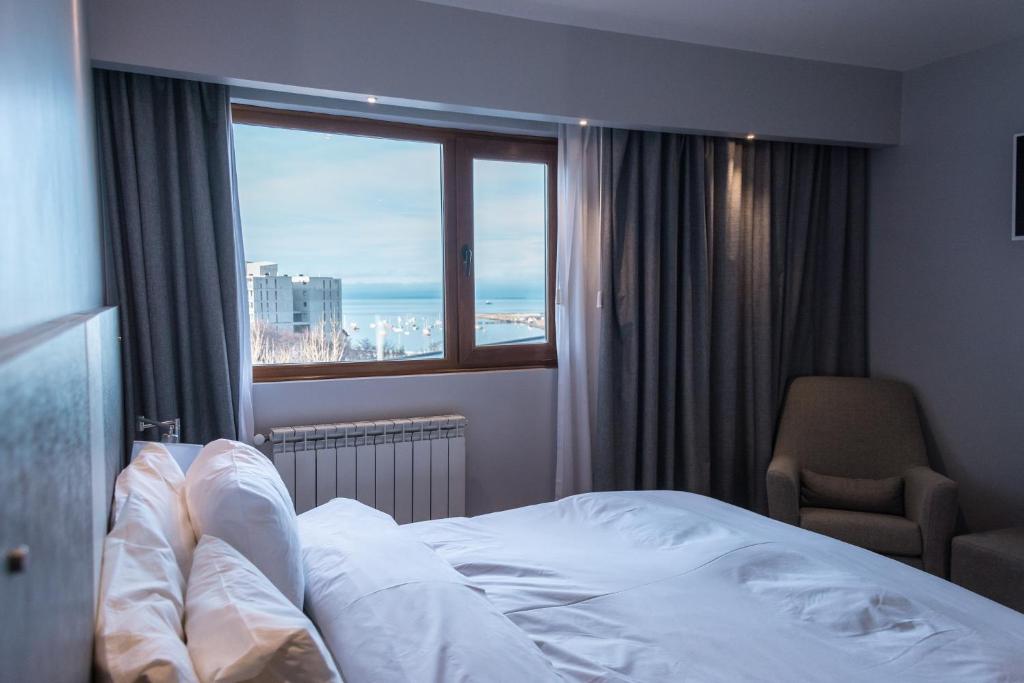
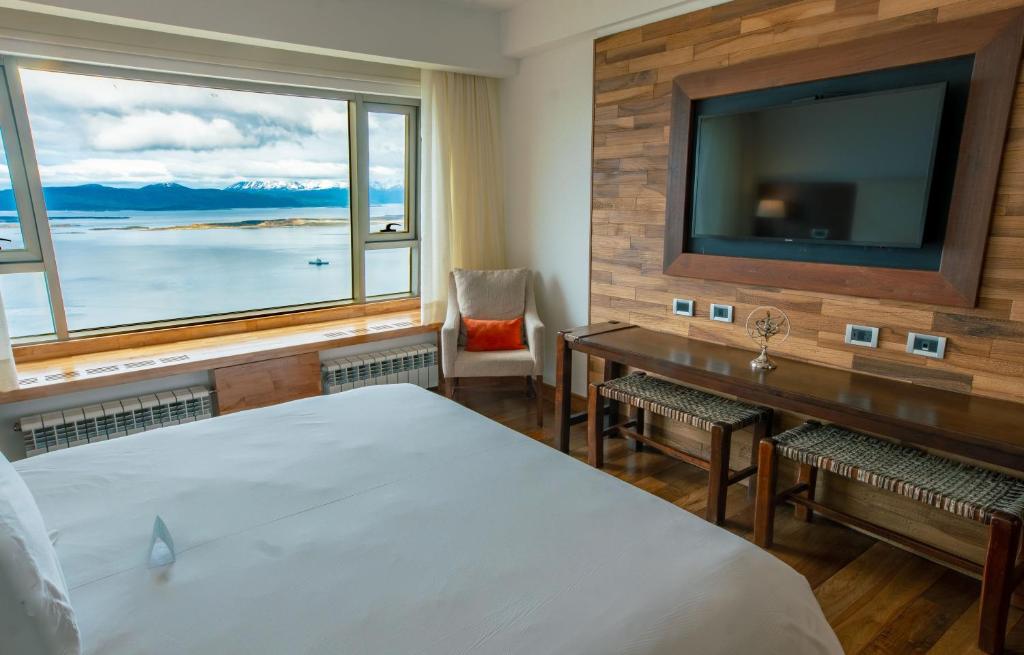
Alto Andino Hotel: This is a fantastic “middle-ground” option. It’s a modern, boutique-style hotel right in the city center. The highlight here is the rooftop terrace where they serve breakfast; it offers one of the best panoramic views of the Beagle Channel and the city.
Arakur Ushuaia Resort & Spa: If you are looking for luxury and “wow” factor, this is it. It’s located inside the Cerro Alarkén Natural Reserve, high above the city. The design is stunning, using local stone and wood, but the real star is the infinity pool that looks out over the edge of the mountains.
What to Eat: Iconic Local Dishes
No trip to Ushuaia is complete without diving into the local food scene. The city is famous for its Centolla (King Crab), but there are plenty of other Patagonian specialties to try.
El Viejo Marino: If you want the most authentic king crab experience, this is the place. It’s a family-run spot right by the harbor, and you’ll often see a line out the door before it even opens. They are famous for their fresh centolla, which you can often see in tanks right as you walk in. It’s no-frills and high-quality—just the way we like it.
Parrilla La Estancia: While seafood is king, you are still in Argentina! For a traditional asado (BBQ), head here. It’s a “tenedor libre” (all-you-can-eat) restaurant where you can watch the Patagonian Lamb being slow-roasted over an open fire. It’s the best place to fill up on tender meat and local sides.
Ramos Generales El Almacén: This is easily the most unique place in town. It’s an old general store turned into a cafe and restaurant, filled with antiques and historical relics. It’s perfect for a “Submarino” (hot milk with a bar of chocolate dropped in) and a slice of their famous cakes. We loved just sitting here and looking at all the strange items on the walls.
Kuar Resto Bar: For something a bit more modern with a view, Kuar is located slightly out of the center on the rocks overlooking the water. It has a great selection of craft beers and a more gourmet take on local ingredients like black hake and trout.

What No One Tells You
Currency and Payments: While many places in Ushuaia accept credit cards, it is always a good idea to carry some Argentine Pesos for smaller shops, local buses, or tipping. Because of the fluctuating economy, you might find that some places offer a better “cash price.” If you have USD or Euros, you can often exchange them at local houses of exchange (Casas de Cambio) on the main street for a better rate than at the bank.
The “End of the World” Passport Stamp: One of the most popular free souvenirs is the official Ushuaia passport stamp. You can get this at the Tourist Information Office located near the pier. They have several different designs, and it’s a great way to mark your journey to the southernmost city. Just remember that it is technically an “unofficial” stamp, so some travelers prefer to put it on a piece of paper or a dedicated travel journal instead of their actual passport.
Tax-Free Shopping: Ushuaia is a Special Customs Area, which means many items like electronics, perfumes, and imported spirits are sold tax-free. If you’ve been waiting to buy a new camera lens or a high-end perfume, check out the shops along Avenida San Martín or the Shopping Center Paseo de Compras. You can often find prices that are significantly lower than in Buenos Aires.
Stay Hydrated (With the Best Water): The tap water in Ushuaia is safe to drink and, quite honestly, some of the freshest in the world since it comes directly from glacial melt. Instead of buying plastic bottles, bring a reusable one and fill it up at your hotel. It tastes better than anything you’ll find in a store!

What it Costs: Budgeting for Your Day
To help you plan, we’ve broken down the average daily spending into three tiers. These estimates include your accommodation, meals, and local transport.
Prices fluctuate based on the season. Expect to pay significantly more during the summer peak (December–February). Booking 3–4 months in advance is essential for the best rates.
- Hosteria y Restaurante America: Approximately €75 – €120 per night. A cozy, traditional home base.
- Alto Andino Hotel: Approximately €140 – €225 per night. Boutique vibes with panoramic rooftop views.
- Arakur Ushuaia Resort & Spa: Approximately €375 – €610+ per night. World-class luxury and infinity pools.
Activities
- Beagle Channel / Penguin Tour: Based on your records, a premium tour (like Piratour) costs about €212.50 – €240.00 including fees.
- National Park Entry: Approximately €7.00 per person
- Local Shuttle to Trailheads: About €6.25 (500 ARS) for a round-trip to places like Laguna Esmeralda.
Meals:
- Daily Essentials: Grocery runs for bread, jam, and snacks typically cost between €3.00 and €18.00, depending on the haul.
- King Crab (Centolla): A full, fresh King Crab dinner typically costs between €18.75 and €35.00. In some specialized spots, a shared crab for two might work out to roughly €12.50 per person.
- Patagonian Lamb: A generous portion of slow-roasted lamb with a side dish is approximately €23.60 (18,900 ARS).
- Quick Bites: Individual empanadas are about €3.10 (2,500 ARS), while a pizza and two beers for a couple will cost around €31.25.
- Café Culture: A coffee and a large croissant at a local staple like Ramos Generales will cost roughly €13.75 (11,000 ARS).
- Drinks: A pint of local craft beer is about €9.00 (7,200 ARS), while a standard Gin & Tonic is approximately €12.10.












Thank you for these fine articles about travelling in Patagonia.
We are going in november 2022.
Thank you very much! Hope you have a good time there. It was one of our favourite places in South America :)