

Introduction
Xi’an, formerly known as Chang’an (meaning “Eternal Peace”), is the capital of Shaanxi Province and one of the most historically rich cities in China. Spanning over 10,000 km² and home to more than 12 million residents, Xi’an was once the eastern terminus of the legendary Silk Road and the imperial capital for more than a dozen dynasties.
Today, it’s one of the rare Chinese cities where you can still walk along ancient city walls, taste century-old recipes in the Muslim Quarter, and stand face to face with the world-famous Terracotta Army. Xi’an is also the perfect base for a trip to Mount Huashan, known as one of the most thrilling and dangerous hikes on Earth.
If you’re ready to dive into China’s deep history and explore one of its most captivating cities, here is your complete Xi’an travel guide.
Getting there
Getting to Xi’an is easy thanks to its strategic location and well-developed transportation network. Whether you’re arriving by plane, train, or bus, the city is well connected to other major destinations in China.
By Plane: Xi’an Xianyang International Airport (XIY) is located about 40 km northwest of the city center. It’s one of China’s busiest airports and serves both international and domestic flights. You can fly directly from cities like Beijing, Shanghai, Guangzhou, Chengdu, Hong Kong, and even some international hubs like Seoul, Tokyo, Bangkok, and Kuala Lumpur. From the airport, you can take a shuttle bus (approx. 1 hour), a taxi (around 120 RMB), or the Airport Express metro (Line 14 to Line 2).
By Train: Xi’an is a major high-speed rail hub.
- From Beijing: High-speed trains take around 4.5–6 hours.
- From Shanghai: Around 6–7.5 hours.
- From Chengdu: Just under 4 hours.
- From Luoyang: About 1.5 hours.
There are two main train stations:
- Xi’an North Railway Station – serves most high-speed trains.
- Xi’an Railway Station – for slower and overnight trains.
By Long-Distance Bus: Buses to Xi’an are available from nearby cities, but unless you’re on a budget or traveling short distances, the train or flight options are faster and more comfortable.
Good to Know: If you’re coming from outside China, flying into Beijing or Shanghai first and taking a high-speed train or connecting flight to Xi’an is often the easiest route.
Moving around
Xi’an is a very walkable and well-organized city, especially in and around the old city walls. Moving around is easy and efficient, thanks to its solid public transport network and plenty of taxis and rideshare options.
- Subway: The Xi’an Metro is the fastest and most convenient way to get around. It’s clean, modern, and covers most major attractions like: Tickets cost between 2–7 RMB depending on distance. English signs are available, making it tourist-friendly.
- Bus: Public buses go everywhere and are very cheap (usually 1–2 RMB), but they can be crowded and confusing if you don’t speak Chinese. For longer stays, buses can be helpful, especially to places like the Terracotta Army (bus 306 from Xi’an Railway Station).
- Taxi & Ride-hailing Apps: Taxis are easy to find and affordable. Starting fare is around 10 RMB. Apps like DiDi (China’s Uber) work well in Xi’an and are usually the easiest way to get a ride if you don’t speak Mandarin.
- Bicycles & E-bikes: You’ll find shared bikes and e-bikes everywhere via apps like Hello Bike or Meituan. Perfect for exploring the city walls or cruising along wide boulevards.
- Walking: The area within the Xi’an city walls is compact and walkable. It’s a great way to take in local life, especially near the Muslim Quarter or around the Drum Tower.
Tip: If you’re visiting the Terracotta Warriors, the easiest way is by public bus (line 306), tour, or a private driver, as it’s located about 40 km outside the city.

When to Visit
Xi’an is a year-round destination, but each season offers a different experience depending on your travel preferences. Here’s a breakdown to help you plan your trip:
- Spring (March to May): This is one of the best times to visit Xi’an. Temperatures range from 10°C to 25°C (50°F to 77°F), making it ideal for walking along the ancient city wall, exploring the Muslim Quarter, or visiting the Terracotta Army. The city is in bloom, and the weather is pleasant without being too hot.
- Summer (June to August): Summer can be hot and humid with temperatures often exceeding 30°C (86°F). It’s also peak tourist season, especially during Chinese school holidays. If you visit during this time, plan your sightseeing early in the morning or late in the afternoon, and take breaks indoors to avoid the midday heat.
- Autumn (September to November): Another fantastic time to visit. The weather is crisp and clear, with temperatures between 15°C and 25°C (59°F to 77°F). The fall colors around the city wall and nearby mountains make this season especially scenic. It’s also less crowded than summer.
- Winter (December to February): Winter is low season, so it’s the best time for budget travelers and those looking to avoid the crowds. Expect cold temperatures (0°C to 8°C / 32°F to 46°F), but snow is rare. The city’s main attractions like the Terracotta Warriors and ancient wall are still open and beautiful in the quiet winter atmosphere.
Local Festivals to Consider:
- Chinese New Year (Jan–Feb): A vibrant time to see traditional celebrations, but many places may be crowded or closed temporarily.
- Xi’an Lantern Festival (Feb–Mar): The city lights up with lanterns, especially around the city wall and Giant Wild Goose Pagoda.
- Mid-Autumn Festival (Sept–Oct): A great chance to enjoy mooncakes and night views of the lit-up ancient city.
Best Overall Months: Late March to early June and September to early November offer the best mix of pleasant weather, lighter crowds, and vivid scenery.
Where to stay
Here are some of the best places to stay in Xi’an for a 3-day visit, whether you’re looking for charming local style, comfort and convenience, or full luxury:
(€) Fanjian Inn – Xi’an Drum Tower & Muslim Cultural District: Perfectly located in the heart of the old city, this cozy boutique inn offers a charming stay just steps from the Drum Tower and the buzzing Muslim Quarter. The rooms are clean, modern, and styled with local touches, making it a great choice if you want to be immersed in Xi’an’s cultural atmosphere.
(€€) Xi’an Eastern House Boutique Hotel: A favorite among travelers, Eastern House is a stylish boutique hotel just a short walk from the Ancient City Wall and Bell Tower. Rooms are spacious and well-appointed, with thoughtful amenities like complimentary afternoon tea and a fitness center.
(€€€) Sofitel Legend People’s Grand Hotel Xi’an: Set in a beautifully restored historic building, this five-star luxury hotel blends classic European architecture with refined Chinese elegance. It offers elegant rooms, a tranquil garden setting, and top-notch service—ideal for a luxurious and relaxing stay in Xi’an.

What to eat
While in Xi’an, don’t miss a visit to Beiyuanmen Snacks Street, a lively hub of local street food and culture. Wander through the bustling lanes filled with aromas and flavors unique to the region.
One dish you absolutely must try is Biang Biang Mian—famous not only for its bold flavors and thick, hand-pulled noodles, but also for the character “biang,” one of the most complex in the Chinese language. It’s a true Xi’an specialty that offers both a culinary and cultural experience.

Things to do in Xi'an
Discover the mausoleum of Qin Shi Huang & Bingmayong
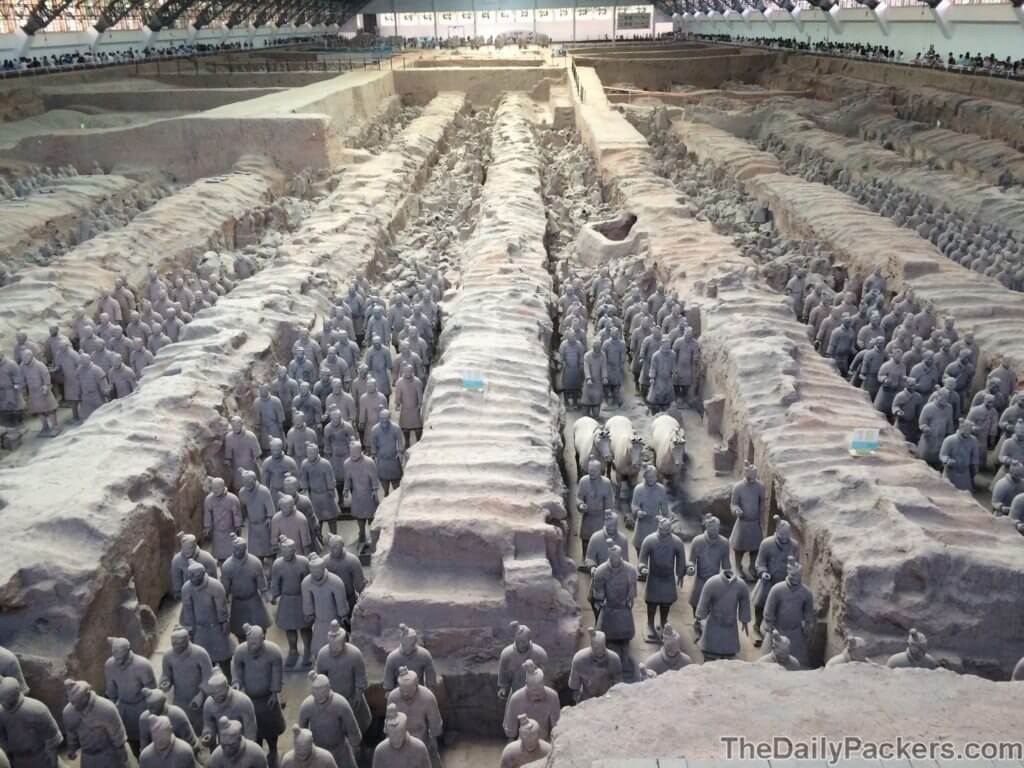
The Terracotta Army stands as one of the most remarkable archaeological discoveries in the world, built to guard the tomb of China’s first emperor, Qin Shi Huang. Constructed between 246 and 208 BC, this vast underground complex is considered one of humanity’s earliest industrial feats.
While the emperor’s tomb itself remains sealed—hidden 76 meters beneath the earth—the surrounding army is open to the public and truly awe-inspiring.
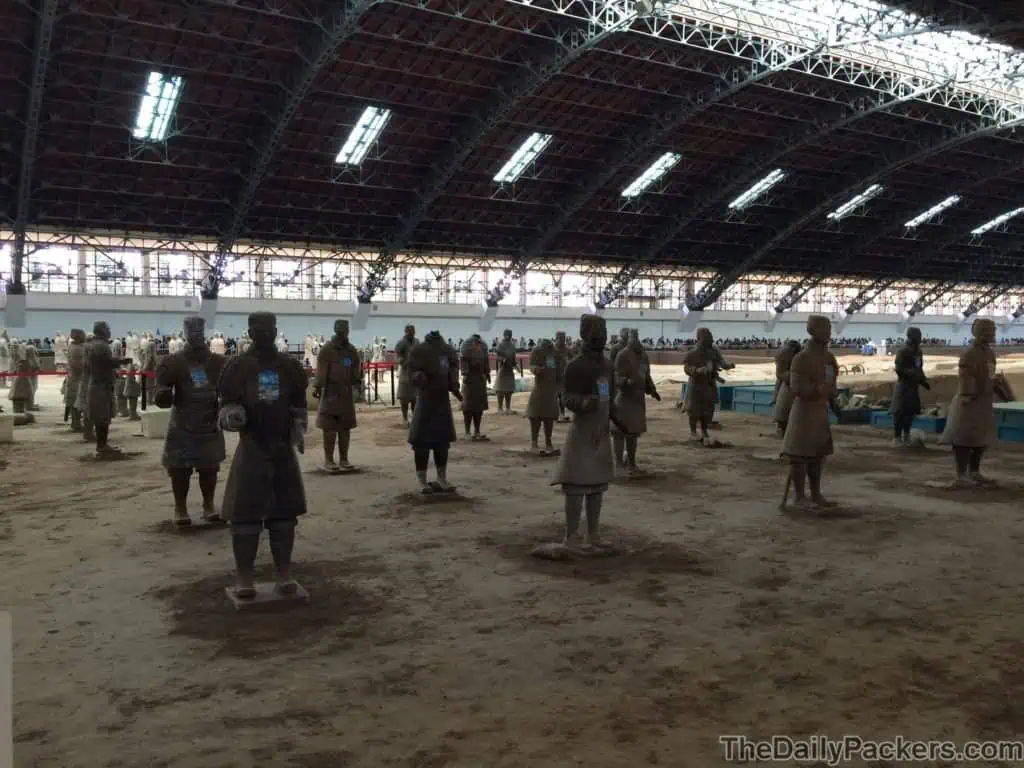
The Terracotta Army is made up of around 8,000 life-sized soldiers, 130 chariots with 520 horses, and 150 cavalry horses — each one uniquely crafted with intricate details, silently standing in formation as they have for over two millennia.
Walk along the Ancient City Wall
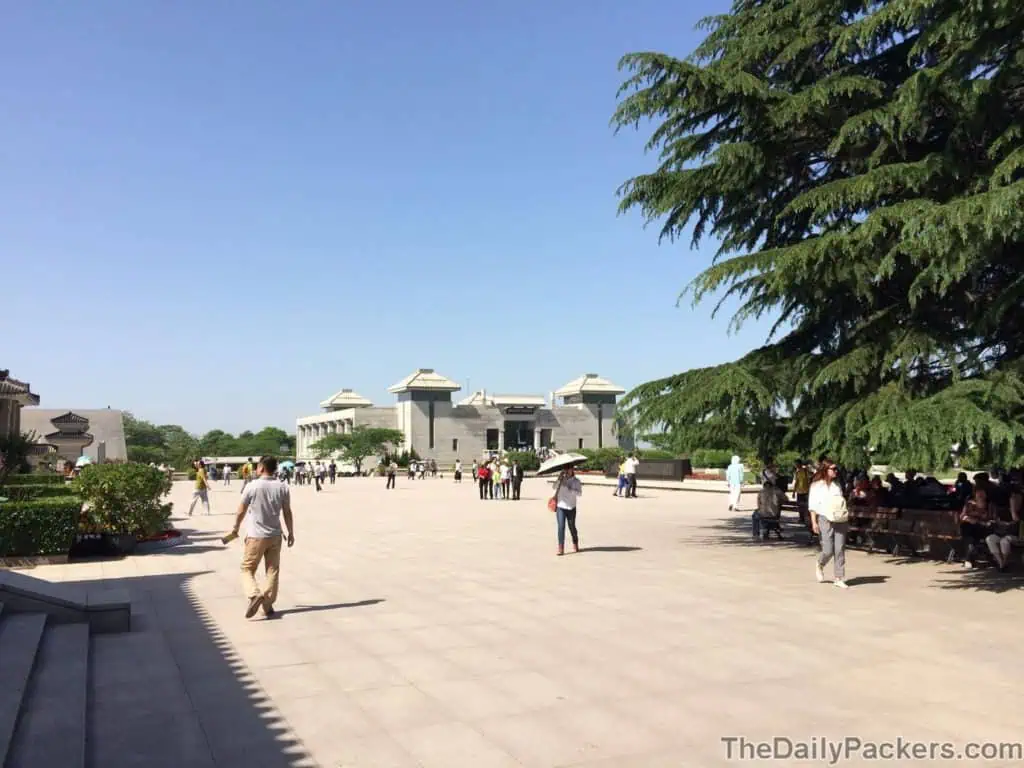
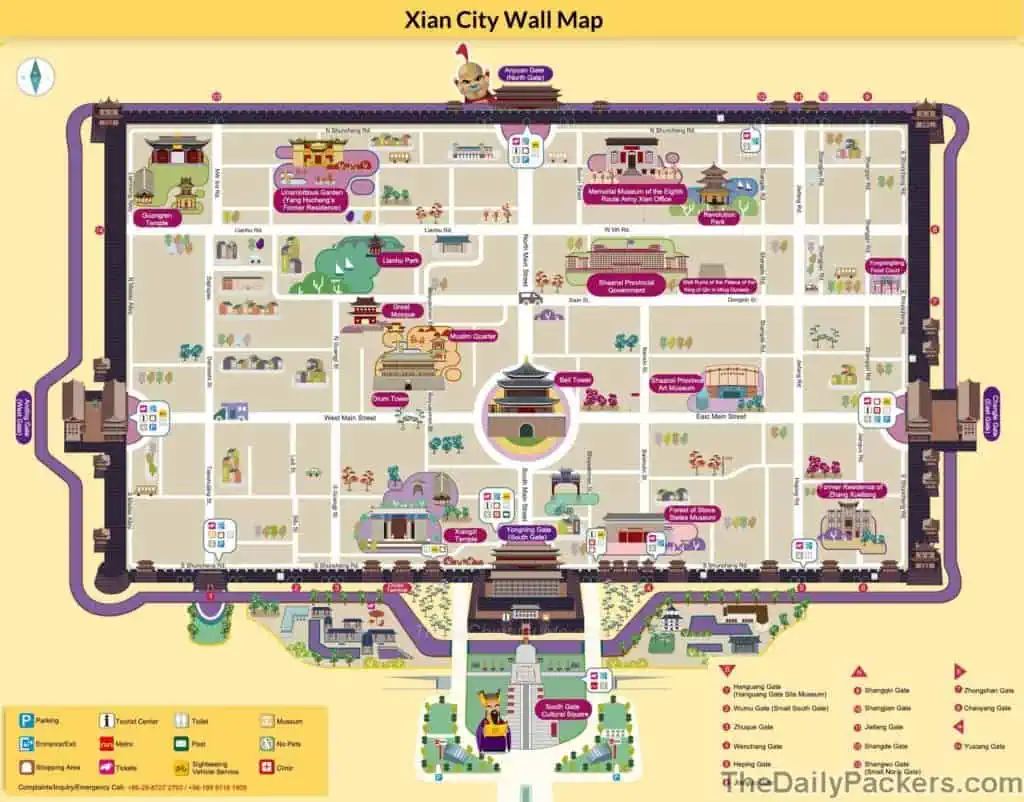
Walk or bike along Xi’an’s ancient city wall — one of the last remaining intact city walls in China. Stretching 14 kilometers around the historic center, the wall stands up to 12 meters high and is impressively thick, measuring 15 to 18 meters at its base and 12 to 14 meters across the top.
Built over 600 years ago during the Ming dynasty, this massive fortification offers a unique way to take in the city’s blend of old and new. And for those craving more, you can actually walk or cycle along the top of the wall itself for sweeping views of Xi’an.
Climb the Bell Tower — Xi’an’s Iconic Landmark
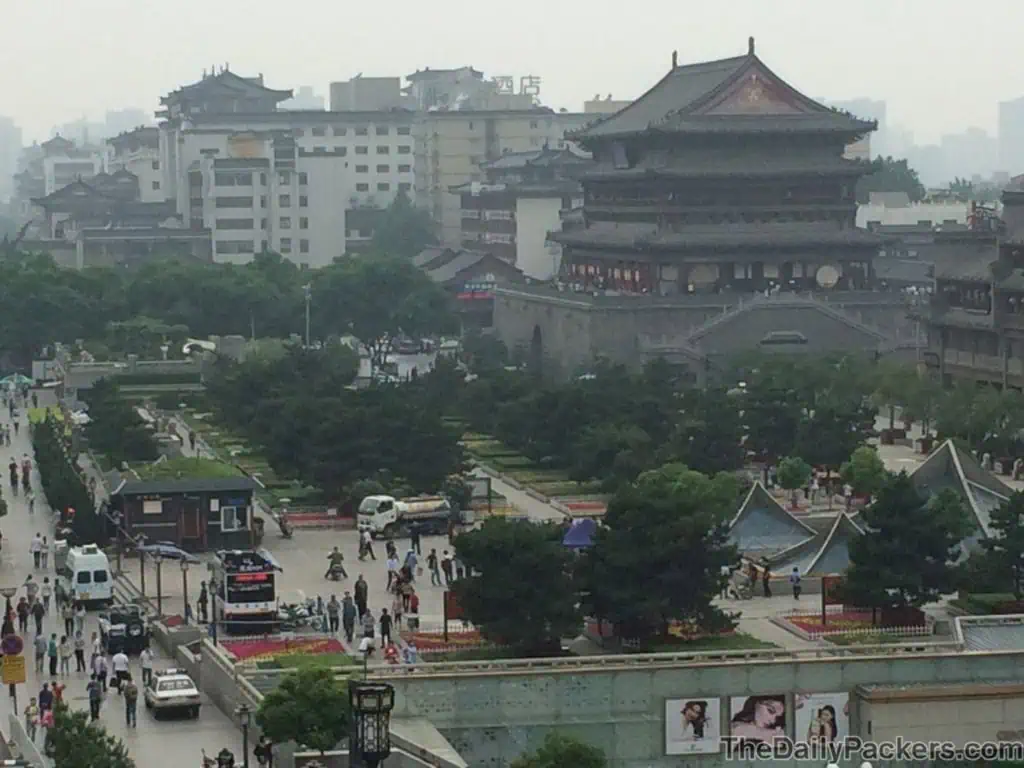
Located at the very heart of Xi’an, the Bell Tower is one of the city’s most recognizable structures. Originally built in 1384 during the Ming Dynasty, it once marked the geographical center of ancient Xi’an and was used to announce the time each morning. You can climb to the top for panoramic views of the city and explore its interior, which houses ancient bells and exhibits about Xi’an’s rich history.
Step into History at the Drum Tower
Just a short walk from the Bell Tower, the Drum Tower complements its sister structure beautifully. Built around the same period, it once signaled the end of each day with the sound of large drums. Today, visitors can see a display of traditional drums and even catch live drumming performances. The tower also offers great views over the Muslim Quarter, making it a perfect stop during your walk through the old city.
Wander Through Beiyuanmen — Xi’an’s Vibrant Muslim Quarter
Step into the lively heart of Xi’an’s Muslim Quarter at Beiyuanmen Street. Lined with bustling stalls, traditional architecture, and the mouthwatering scent of grilled skewers and fresh flatbreads, this historic district is the perfect place to explore local culture.
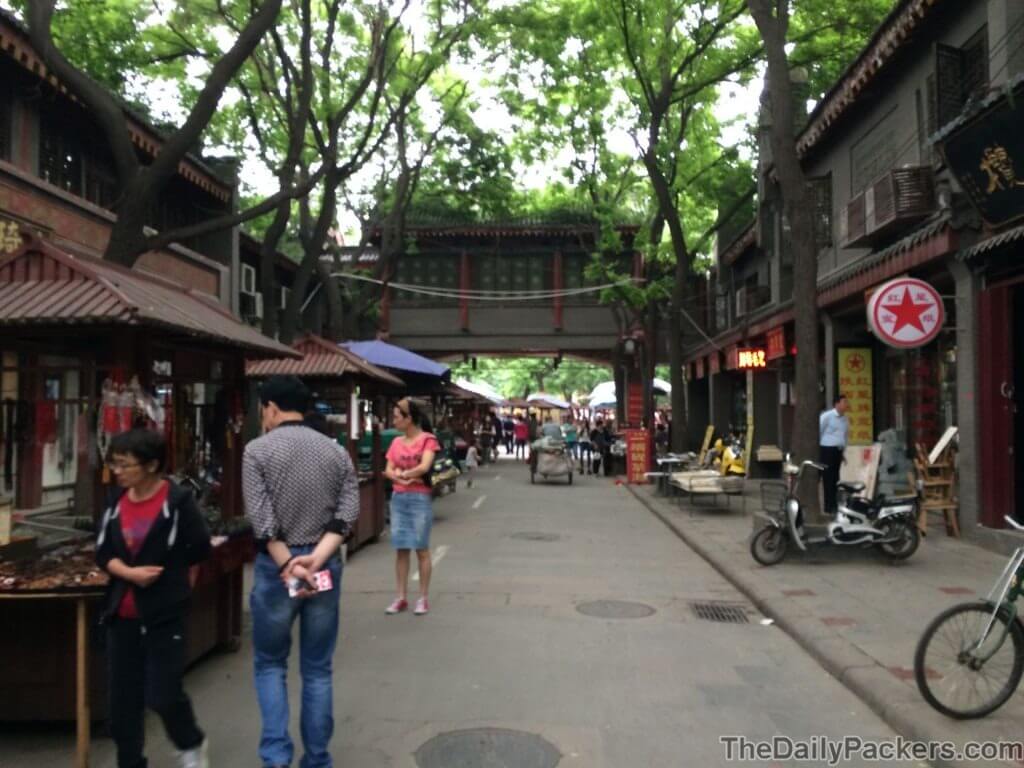
Try popular street foods like roujiamo (Chinese burger) and hand-pulled noodles, and don’t forget to browse the souvenir shops for handcrafted trinkets and local specialties. It’s a sensory feast that showcases the fusion of Chinese and Islamic heritage.

Explore the Great Mosque of Xi’an — A Peaceful Cultural Fusion in the Heart of the Muslim Quarter
Hidden behind the lively chaos of Beiyuanmen Snack Street, the Great Mosque of Xi’an is one of the oldest and most unique Islamic landmarks in China. Built in 742 during the Tang Dynasty, this mosque is a rare architectural gem — combining traditional Chinese temple design with Islamic religious function.
Unlike mosques in the Middle East, you won’t find domes or minarets here. Instead, the complex features beautifully landscaped courtyards, elegant wooden pavilions, and stone tablets inscribed in both Arabic and Chinese. The prayer hall is off-limits to non-Muslims, but visitors are welcome to stroll the tranquil grounds and soak in the atmosphere.
.jpg)
Explore the Past at the Shaanxi History Museum
If you’re a history lover, the Shaanxi History Museum is a must-visit while in Xi’an. As one of the largest and most important museums in China, it houses a stunning collection of over 370,000 artifacts.
Inside, you’ll find everything from ancient murals and Tang dynasty pottery to intricate bronze, gold, and silver relics that trace back to the region’s imperial past. The museum offers a fascinating journey through the rich cultural heritage of Shaanxi — the cradle of Chinese civilization.

Climb the Iconic Giant Wild Goose Pagoda
Built in 652 during the Tang Dynasty, the Giant Wild Goose Pagoda is one of Xi’an’s most iconic landmarks. Originally constructed to house sacred Buddhist sutras and figurines brought from India by the monk Xuanzang, the pagoda stands as a powerful symbol of the spread of Buddhism in China.
Today, visitors can climb the seven-story tower for sweeping views of the city. The surrounding park is just as impressive — a peaceful green space with gardens, fountains, and statues, perfect for a relaxing walk after your visit to the pagoda. Don’t miss the musical fountain show held in the square during the evening.

Hike the Daring Trails of Mount Huashan
Located about 120 km from Xi’an, Mount Huashan is one of China’s Five Great Mountains and is often called one of the most dangerous hikes in the world. Known for its steep ascents and thrilling cliffside paths, the mountain challenges even the most adventurous hikers with narrow trails, vertical stairs, and dramatic drop-offs.

Despite its fearsome reputation, Huashan rewards visitors with breathtaking views, serene temples, and a true sense of achievement. Whether you hike up or take the cable car, standing atop one of its five peaks is an unforgettable experience.

Xi’an Itinerary
Day 1: Explore Xi’an’s Historic Center
- Walk along the Ancient City Wall
- Visit the Drum Tower
- Admire the Bell Tower
- Wander through Beiyuanmen Muslim Quarter
- Climb the Giant Wild Goose Pagoda
Day 2: Discover Xi’an’s Imperial Past
- Visit the Mausoleum of Qin Shi Huang & the Terracotta Army (Bingmayong)
- Learn at the Shaanxi History Museum
Day 3: Take a Day Trip to Mount Huashan
- Hike or take the cable car to one of China’s most thrilling peaks
shòu rén yǐ yú bù rú shòu rén yǐ yú
授 人 以 鱼 不 如 授 人 以 渔
Give a man a fish and you feed him for a day. Teach a man to fish and you feed him for a lifetime.
You may also like
About the authors
We are Alex and Tina, a French-Serbian couple who met in China back in 2014. We spent three incredible years there before making France our home. Our shared passion for travel has been the heartbeat of our relationship for over 12 years, taking us across 44 countries and counting.
We launched TheDailyPackers in 2019 as a way to document our adventures. In 2026, we reached a major milestone by officially turning our blog into our full-time job. While we are still growing toward financial independence through this platform, every article we write is fueled by our mission to make your voyages easier through in-depth guides, honest advice, and the lessons we’ve learned from our own mistakes.
Our journey has not been without its storms. In 2023, our world changed forever when our first son, Poppy, was stillborn on November 25th. It was, and remains, the hardest chapter of our lives. In 2025, we were blessed with our second little boy, Milo. He has since joined our traveling tribe, and you’ll be seeing him—and the reality of traveling with a little one-on the blog more and more.
We hope to inspire you to explore the world with curiosity and resilience. Thank you for being part of our story.
You may also like those related posts
16 Best things to do in Hoi An, Vietnam, in 4 days or more
Sigiriya Lion Rock: Visit the famous Sri Lanka’s Icon
3-Week Chile Itinerary: From the Atacama Desert to Patagonia
7 Real Downsides of Traveling Without a Plan
15 mind-boggling Culture Shocks in China
Saleccia & Lotu: Best Beaches of Corsica’s Agriates Desert
8 Best things to do in Florianópolis, Brazil, in 2 days
Southern Thailand: The Perfect 2-week Itinerary
Pssst, did you know that…
If you purchase something through our links, we earn a small fee. However, you still pay the same. Win-win! And one day we may get to be full-time travel bloggers =)
Find Hotels with Booking.com
Do Yoga with KVY
Buy us a Coffee
Rent a car with DiscoverCars
Find Attractions with GetYourGuide
Find Flights with Expedia
Buy an eSIM with Airalo
Get insured with World Nomads
Get ready with Amazon.com