

Introduction
Up to today, Yunnan remains one of our favorite destinations in all of China. We absolutely loved exploring Lijiang, with its winding cobblestone streets and charming old town, and were completely surprised by the quiet beauty of Shangri-La — a true hidden gem nestled in the mountains.
Home to 25 of China’s 56 recognized ethnic groups, Yunnan is one of the most culturally diverse provinces in the country. It’s also known for its incredible natural beauty — from snow-capped peaks and alpine lakes to rice terraces and ancient towns. The province borders Vietnam, Laos, and Myanmar, which gives it a unique blend of cultures and traditions you won’t find elsewhere in China.
This 7-day Yunnan itinerary is the perfect introduction to the region’s cultural richness, breathtaking landscapes, and unforgettable experiences.

Read: The perfect China Itinerary: 2 weeks for first timers
Getting there
Yunnan is a large province, so where you land depends on your travel route. For this itinerary, Lijiang is the best starting point.
- By Plane: The easiest way to reach Yunnan is by flying into Lijiang Sanyi International Airport (LJG). It has regular domestic connections from major cities like Beijing, Shanghai, Chengdu, Xi’an, and Guangzhou. If you’re coming from abroad, you’ll likely need to connect through one of these cities first.
- By Train: You can also take a high-speed train to Lijiang from Kunming (about 3.5–4.5 hours), which is the provincial capital. If you want to explore more of Yunnan, Kunming is another great entry point.
Tip: For most travelers, flying into Lijiang saves time and gets you straight into the heart of Yunnan’s scenic highlights.

Moving Around
Getting around Yunnan is part of the adventure, and while it’s a large and mountainous province, transportation is manageable with a bit of planning.
In Lijiang & Shangri-La – On Foot & By Bike:
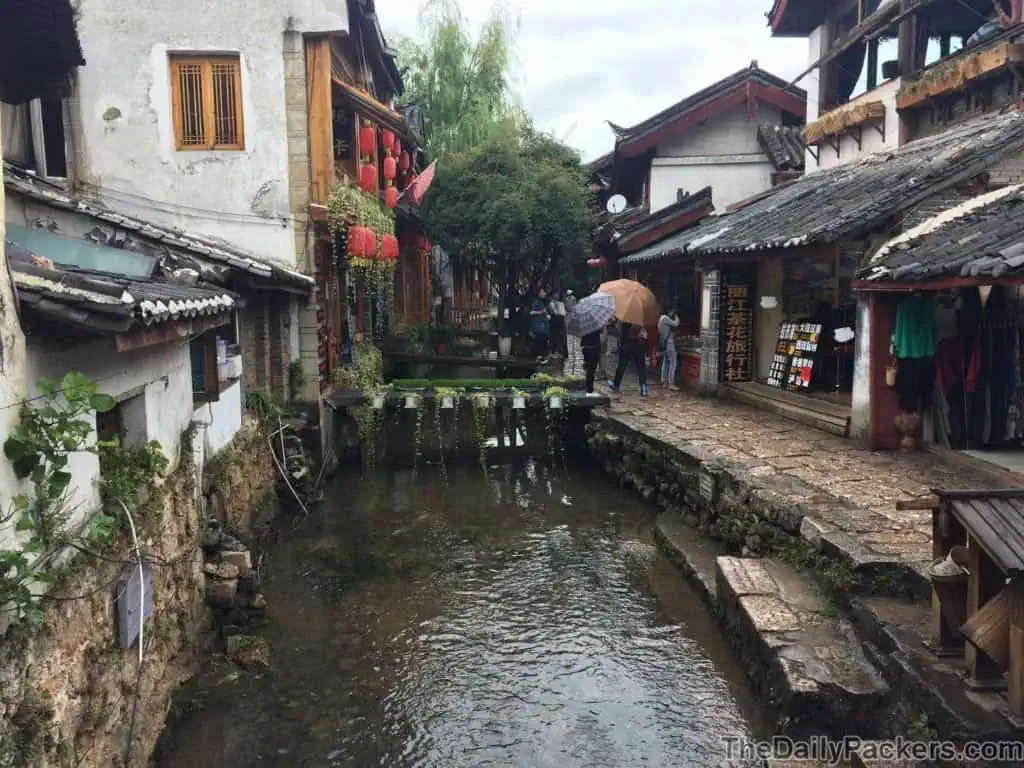
- Both Lijiang Old Town and Shangri-La’s Dukezong Ancient Town are best explored on foot. Their cobbled streets and traditional architecture are made for slow wandering. In Lijiang, we also recommend renting a bike to visit nearby villages like Baisha and Shuhe — it’s scenic, easy, and a lot of fun.
Between Cities – By Bus or Private Driver:
- The most efficient way to travel between Lijiang and Shangri-La is by bus (4–5 hours) or private car with a driver, which allows you to stop at scenic spots like Tiger Leaping Gorge on the way. Buses run frequently, but a private transfer gives you more freedom and comfort.
For Remote Areas – Ask Locally:
- For places like Napa Lake or Potatso National Park, ask your accommodation to help arrange transport — either by local driver or shared shuttle. Public transport exists but is limited and tricky to navigate without Chinese.
Tip: Download offline maps (like Maps.me) and have your destinations written in Chinese for easy communication on the go.

When to Visit
Yunnan is a year-round destination, thanks to its mild climate and diverse landscapes — from snow-capped mountains to lush valleys. However, some seasons offer better travel conditions than others depending on your route.
- Spring (March–May): One of the best times to explore Yunnan. Expect blooming flowers, fresh mountain air, and clear skies. It’s perfect for hiking in the countryside around Lijiang or cycling to Baisha. Temperatures are pleasant, ranging from 10°C to 20°C.
- Summer (June–August): While this is the warmest time of year, Yunnan also comes with the most rain. Expect short, heavy showers in the afternoons. The scenery is at its greenest, and the weather in higher-altitude spots like Shangri-La remains cool and comfortable.
- Autumn (September–November): This is our favorite season — dry, sunny days and stunning colors in the hills. It’s a great time to visit Potatso National Park and bike around Napa Lake in Shangri-La. Crowds are thinner after October’s Golden Week.
- Winter (December–February): Expect chilly mornings and snow in the mountains. Lijiang is still walkable, but temperatures in Shangri-La can drop well below freezing. This is the quietest and cheapest season, but make sure to bring warm clothes.
- Avoid Chinese National Holidays, especially Golden Week in early October and Chinese New Year (January–February), as prices soar and transport gets packed.


Where to Stay
We recommend spending at least 3 nights in Lijiang and 3 nights in Shangri-La to get the most out of your Yunnan experience. Both towns offer a unique blend of culture, scenery, and charm — and we’ve selected stays that match the atmosphere.
Lijiang (3 nights): Stay near or within the old town to enjoy the cobbled streets, lantern-lit alleys, and lively cafes just outside your door.
- (€) Big Tree Guesthouse: – A cozy and authentic stay in traditional Naxi style, just minutes from the old town center.
- (€€) Lijiang Zen Garden Hotel – Tucked into a quiet corner of the old town, this boutique hotel features beautiful gardens and panoramic views of the rooftops.
- (€€€) InterContinental Lijiang Ancient Town Resort by IHG – For a more luxurious experience, this 5-star resort offers spacious rooms, a spa, and views of Jade Dragon Snow Mountain.
Shangri-la (3 nights): Base yourself close to Dukezong Ancient Town or in a mountain-view guesthouse to enjoy local life and easy access to the highlights.
- (€) Yi’s Hostel – A friendly and budget-friendly spot with warm decor and welcoming hosts, perfect for solo travelers or couples.
- (€€) TIBET Guest House – A traditional Tibetan-style guesthouse with mountain views, located near the old town.
- (€€€) Hotel Indigo Diqing Moonlight City by IHG – Modern comfort meets Tibetan charm at this upscale hotel with stylish rooms, great views, and thoughtful service.
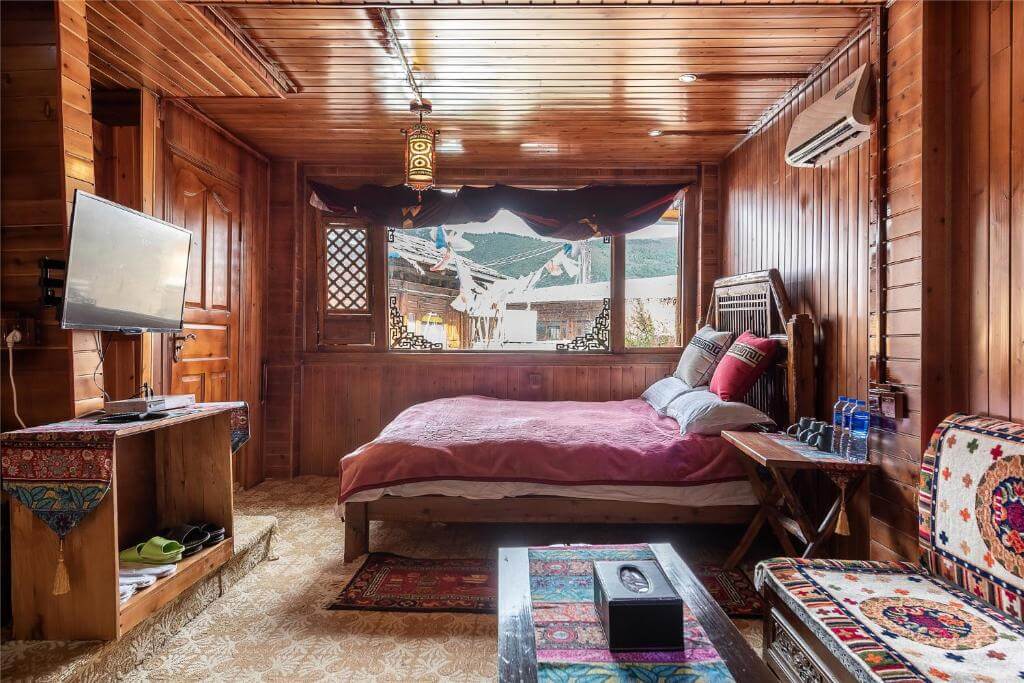

Here are all your accommodation options in Lijiang & Shangri-la
What to Eat
Yunnan’s cuisine is one of China’s most diverse and flavorful, influenced by local ethnic groups, mountain herbs, and neighboring Southeast Asian countries. Expect hearty soups, unique ingredients, and lots of variety between Lijiang and Shangri-La.
In Lijiang, don’t miss:
- Crossing-the-Bridge Rice Noodles (过桥米线): Yunnan’s most iconic dish — served with boiling broth and a variety of meats, veggies, and rice noodles to cook yourself.
- Rose Flower Cake (玫瑰花饼): A sweet pastry filled with rose petal jam, perfect as a snack or souvenir.
- Street Food in the Old Town: You’ll find skewers, grilled cheese (yak milk-based), fried mushrooms, and all sorts of snacks at night markets.
In Shangri-La, try:
- Zan Ba: A traditional Tibetan dish made from roasted highland barley flour mixed with butter tea or water.
- Butter Tea: A salty, creamy drink made from yak butter and tea leaves — warming and energizing in the high-altitude climate.
- Local Tibetan Bread & Yak Meat: Simple, hearty, and flavorful, often served with pickles or stews.
And wherever you are — let curiosity guide your taste buds. Yunnan is full of culinary surprises.


Tip: In China, we recommend having a VPN to access all your APPs and social medias.
Overview: 2-week Yunnan Itinerary
Whether you have a week or a bit more time, this Yunnan itinerary gives you the perfect mix of mountain escapes, ancient towns, and rich Tibetan culture. It’s the exact route we followed—and one we’d recommend to anyone dreaming of exploring China beyond the big cities.
- Day 1:Arrive in Lijiang, explore the Old Town and Mu Mansion
- Day 2:Rent a bike, visit Baisha Village and Shuhe Ancient Town, and relax at Black Dragon Pool
- Day 3:Explore Jade Dragon Snow Mountain
- Day 4:Hike Tiger Leaping Gorge or travel to Shangri-La
- Day 5:Visit Songzanlin Lamasery and Dukezong Old Town
- Day 6:Bike around Napa Lake and relax in town
- Day 7:Discover Potatso National Park and Bita Lake


Tip: We never travel without our DJI Mini 3 PRO drone anymore — it’s totally worth having to capture places from a whole new perspective.
Yunnan Itinerary: Day by Day
Day 1: Arrive in Lijiang, Explore the Old Town & Mu Mansion
Settle into the enchanting city of Lijiang and start your journey in its UNESCO-listed Old Town. Wander the ancient cobblestone streets lined with traditional Naxi houses, cozy cafés, and vibrant shops.

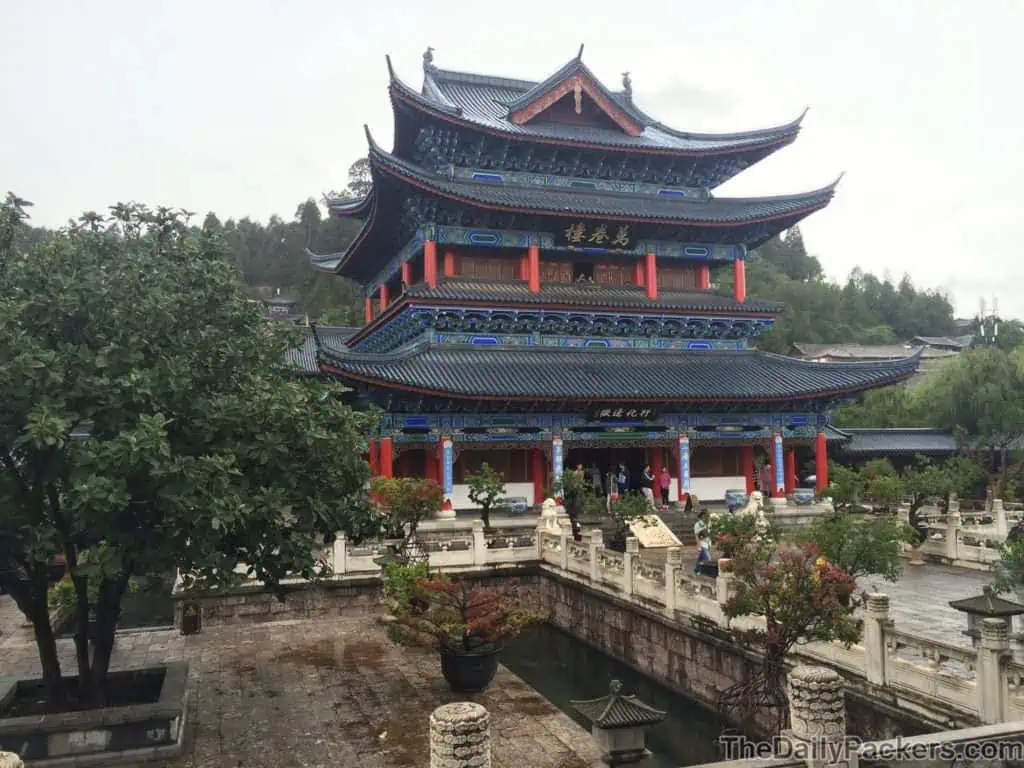
Take your time soaking in the atmosphere before heading to Mu Mansion, the former home of the ruling Mu family. This elegant complex reflects Ming Dynasty architecture and offers sweeping views of the town from its upper terraces.
In the evening, enjoy dinner in one of the many local restaurants and, if you’re lucky, witness a Naxi cultural dance around a fire in the square.
Read: Best things to do in Lijiang
Day 2: Bike to Baisha Village, Shuhe Ancient Town & Black Dragon Pool
Rent a bike and head out to explore Lijiang’s surroundings. Start with Baisha Village, known for its ancient frescoes and as the birthplace of the Mu family.

Then cycle to Shuhe, another ancient town with fewer crowds and lovely canal-side streets. Both places offer a peaceful glimpse into traditional Naxi culture.
On your way back to Lijiang, stop at Black Dragon Pool inside Jade Spring Park — a scenic spot with one of the best views of Jade Dragon Snow Mountain. End the day with a sunset walk or some local street food.

Here are all your hotel options in Lijiang & Shangri-la
Day 3: Explore Jade Dragon Snow Mountain
Today is about altitude and awe. Head to Jade Dragon Snow Mountain, located about 25 km north of Lijiang. Take the cable car up to Yak Meadow or Glacier Park Viewpoint — both offer panoramic views of the snow-covered peaks and alpine scenery.
At 4,680 meters above sea level, make sure to take it slow and bring warm clothes. On your return, you can stop at the Blue Moon Valley with its striking turquoise pools. It’s a packed day, but one of the most breathtaking landscapes in the region.

Day 4: Hike Tiger Leaping Gorge or Travel to Shangri-La
Depending on your energy and interests, spend this day hiking one of China’s most dramatic trails at Tiger Leaping Gorge or head directly to Shangri-La.
The gorge hike offers jaw-dropping views of the Jinsha River cutting through towering cliffs. If you choose the journey to Shangri-La instead, you’ll pass incredible scenery on the way up into the Tibetan Plateau.

Once you arrive, get settled and enjoy a warm meal in town.

Read: Best things to do in Shangri-La
Day 5: Visit Songzanlin Lamasery & Dukezong Old Town
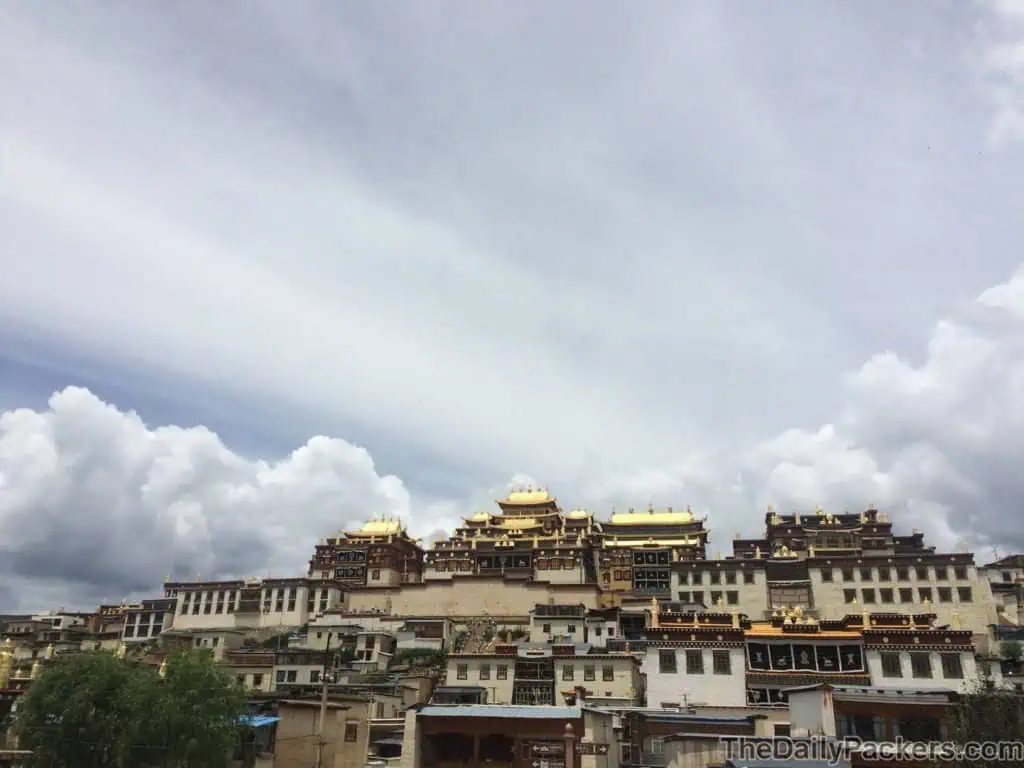
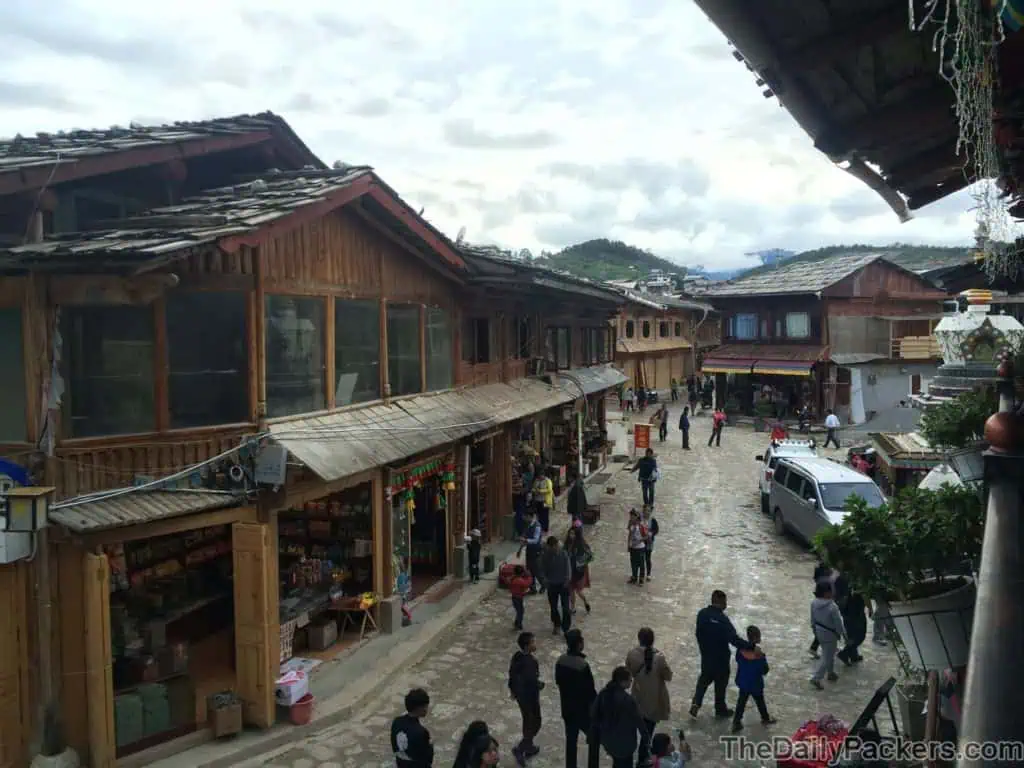
Begin the day at the Songzanlin Monastery, the largest Tibetan Buddhist lamasery in Yunnan. The intricate details, golden rooftops, and peaceful lake make it a memorable cultural stop.
Walk the scenic lakeside trail and enjoy the serene atmosphere. In the afternoon, explore Dukezong Ancient Town — over 1,300 years old and rich in Tibetan heritage.
Climb Guishan Park to see the world’s largest prayer wheel and soak in panoramic views of Shangri-La. Wrap up the day with a traditional Tibetan dinner or a cozy drink at a local bar.
Here are all your hotel options in Lijiang & Shangri-la
Day 6: Bike Around Napa Lake & Enjoy Local Life
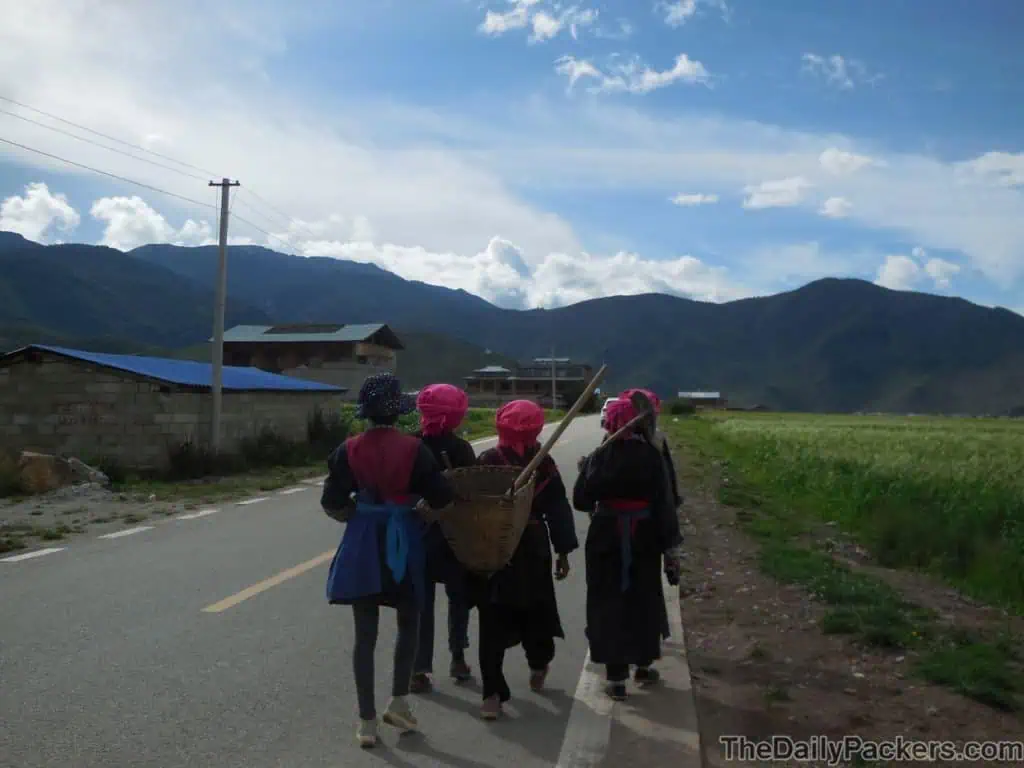
Rent a bicycle and explore NapaHai Nature Reserve, a massive wetland just outside of town. This area is home to nomadic herders, grazing yaks, and migratory birds. The grasslands and open skies make it one of Shangri-La’s most photogenic spots.

The ride is peaceful and scenic, perfect for slowing down. In the afternoon, return to town to relax, browse local shops, or listen to live Tibetan music in a bar. It’s a slower-paced day to truly enjoy the region’s spirit.
Day 7: Explore Potatso National Park & Bita Lake
End your Yunnan trip with a day in Potatso National Park, located 22 km from Shangri-La. This high-altitude park is a wonderland of alpine lakes, lush meadows, and dense forests.
Hike the wooden boardwalks around Bita Lake or Shudu Lake for easy and scenic trails. The biodiversity here is unique, and the tranquility makes it a refreshing end to your itinerary. Head back to town in the late afternoon, and if you’re flying out the next day, enjoy one last walk through Shangri-La’s ancient streets.

Read: The perfect China Itinerary: 2 weeks for first timers
About the authors
We are Alex and Tina, a French-Serbian couple who met in China back in 2014. We spent three incredible years there before making France our home. Our shared passion for travel has been the heartbeat of our relationship for over 12 years, taking us across 44 countries and counting.
We launched TheDailyPackers in 2019 as a way to document our adventures. In 2026, we reached a major milestone by officially turning our blog into our full-time job. While we are still growing toward financial independence through this platform, every article we write is fueled by our mission to make your voyages easier through in-depth guides, honest advice, and the lessons we’ve learned from our own mistakes.
Our journey has not been without its storms. In 2023, our world changed forever when our first son, Poppy, was stillborn on November 25th. It was, and remains, the hardest chapter of our lives. In 2025, we were blessed with our second little boy, Milo. He has since joined our traveling tribe, and you’ll be seeing him—and the reality of traveling with a little one-on the blog more and more.
We hope to inspire you to explore the world with curiosity and resilience. Thank you for being part of our story.
You may also like those related posts
17 Best Things to do in Amsterdam, Netherlands, in 4 days
Suomenlinna Fortress: Helsinki’s best day-trip In 2025
28 best things to do in Rome and the Vatican
13 Best things to do in Šibenik, Croatia, in 1 to 3 days
10 Best Things to do in the Hague, Netherlands, in 1 day
3-week Vietnam Itinerary: The Best of north/central Vietnam
Ella train: An Unforgettable Experience from Nuwara Eliya 2025
TMB Stage 6: Guide from Rifugio Bonatti to La Fouly
Pssst, did you know that…
If you purchase something through our links, we earn a small fee. However, you still pay the same. Win-win! And one day we may get to be full-time travel bloggers =)
Find Hotels with Booking.com
Do Yoga with KVY
Buy us a Coffee
Rent a car with DiscoverCars
Find Attractions with GetYourGuide
Find Flights with Expedia
Buy an eSIM with Airalo
Get insured with World Nomads
Get ready with Amazon.com