

Introduction
Planning a 2-week trip to China can feel overwhelming—with so much history, culture, and natural beauty packed into one country, where do you even begin?
After living and traveling extensively through China, we’ve crafted this itinerary to help you experience the perfect mix of iconic sights and hidden gems.
From hiking the Great Wall and exploring imperial palaces to cruising the Li River and strolling through classical gardens, this route covers all the highlights.
This itinerary connects some of China’s most fascinating cities: Beijing, Xi’an, Shanghai, Suzhou, Hangzhou, and Guilin, making it ideal for first-time visitors who want a rich and balanced experience.
While Hong Kong is an amazing destination worth visiting, we haven’t included it in this route. That’s because traveling in and out of Hong Kong can complicate your visa situation, especially if you plan to return to mainland China afterward. We learned this the hard way when a friend couldn’t re-enter after visiting Hong Kong post-Shanghai.
So for this itinerary, we’ve kept it all within mainland China to keep things smooth and stress-free. Let’s dive into this China itinerary!

Don’t forget to book your accommodations in advance – the best places always fill up quickly.
Getting there
The easiest way to start your 2-week China itinerary is by flying into Beijing, the capital city and one of the main international gateways to the country. Most major international airports around the world offer direct flights to Beijing Capital International Airport (PEK) or the newer Daxing International Airport (PKX).
Alternatively, if flights to Beijing are too expensive or unavailable from your location, Shanghai (PVG or SHA) and Guangzhou (CAN) are also well-connected international hubs that can work as entry points—with a quick adjustment to your route.
Visa Tip: Make sure to check the latest Chinese visa requirements for your nationality. Most travelers need to apply for a tourist visa (L visa) in advance, though some cities like Beijing and Shanghai offer 144-hour visa-free transit options for certain countries, provided you meet the criteria and show proof of onward travel.
If you plan to visit Hong Kong, remember it counts as leaving China. So if you’re on a single-entry visa, you won’t be able to re-enter mainland China unless you have a multiple-entry visa—plan accordingly!
Moving Around
Getting around China is surprisingly easy, even as a tourist on a 2-week China itinerary, thanks to its efficient and modern transport infrastructure. Here’s how to navigate between and within cities during your two-week itinerary:
High-Speed Train: Best for Long-Distance Travel: China’s high-speed rail network is one of the best in the world. It connects all major cities like Beijing, Xi’an, Shanghai, Hangzhou, Suzhou, and Guilin.
- Book in advance on websites like Trip.com or through your hotel/hostel.
- Bring your passport to collect tickets at the station.
- Trains are fast, clean, and punctual—perfect for covering long distances comfortably.
Domestic Flights: Good for Very Long Distances: While trains are preferred, flights are still the best option for very long stretches (like from Guilin to Xi’an, if you’re short on time).

By Metro: Convenient in Major Cities along the China itinerary: Cities like Beijing, Shanghai, Xi’an, Hangzhou, and Suzhou have extensive metro systems:
- Clean, fast, and well-signed in English.
- Affordable: a typical ride costs 2–6 RMB.
- Download the MetroMan app or use Baidu Maps for easy navigation.
By Bike: Fun for Exploring Historic Areas during your China itinerary. Renting a bike is a great way to explore places like:
- Hangzhou’s West Lake
- Guilin’s countryside
- Suzhou’s canal streets
- Lijiang or Dali (if added to itinerary)
Use apps like Meituan or Alipay to unlock public-share bikes if you have a Chinese payment method, or rent manually through your accommodation.
Taxi & Ride-Hailing
- Didi is the local Uber and works well in most cities.
- In rural areas or late at night, ask your hotel to help you arrange a taxi.
- lways have your destination written in Chinese or shown on your phone.
Local Bus
- Buses are super cheap but can be hard to navigate if you don’t speak Chinese.
- Use Google Maps (in VPN) or Baidu Maps to see routes.
Tip: Always keep your hotel name and destination written in Chinese characters on your phone or a piece of paper—many drivers don’t speak English.
When to Visit
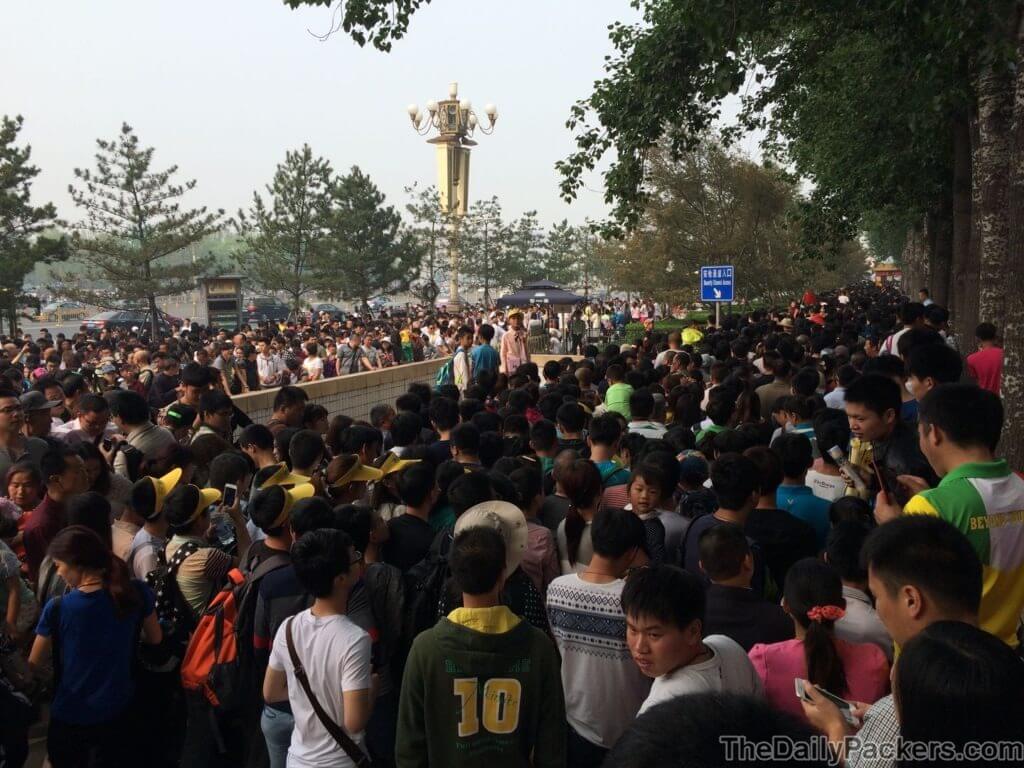
China is a vast country with diverse climates, but generally, spring (April–June) and autumn (September–early November) are the best times to visit and do your China itinerary. These seasons offer pleasant weather, fewer crowds, and clear skies—ideal for sightseeing and exploring cities, nature, and historical landmarks.
- Spring (April–June): One of the most popular seasons to visit. Mild temperatures and blooming landscapes make this a fantastic time for hiking the Great Wall, cruising the Li River, or strolling through Suzhou’s classical gardens. Cities are lively, and it’s perfect for photography.
- Summer (July–August): Hot and humid in most parts of China. Tourist sites like the Forbidden City or West Lake will be crowded with domestic tourists, especially during the school holidays. However, it’s a great time for higher-altitude destinations like Guilin or the Tibetan-influenced areas like Shangri-La (if added).
- Autumn (September–early November): A top choice for travel. Crisp air, golden foliage, and comfortable temperatures. Perfect for walking tours, cultural visits, and mountain landscapes. It’s a particularly beautiful time to visit Hangzhou, Xi’an, and the countryside around Guilin.
- Winter (Late November–March): Cold in the north (especially Beijing and Xi’an), but southern cities like Guilin and Hangzhou stay more temperate. It’s the low season for tourism, meaning lower prices and fewer crowds. You’ll miss the lush green landscapes but can enjoy historic sites in peace.
National Holidays to Avoid during your China itinerary (If Possible):
- Chinese New Year (Jan–Feb, varies by year) – Countrywide travel chaos and closures.
- May Day (May 1–5)
- National Day (Oct 1–7) – Major crowds at all tourist destinations.
Ideal months to visit China: April, May, September, and October – for the perfect balance of good weather, vibrant nature, and smaller crowds.

Where to Stay
Here are our hotel recommendations for a 2-week China itinerary. We’ve included comfortable, well-located stays for each destination — from traditional guesthouses to luxury escapes — all ideal for travelers looking to experience the culture without sacrificing comfort.
Beijing – 3 Nights: Stay close to the Forbidden City, hutongs, and major historic sites to amazingly kick of your China itinerary
- Happy Dragon Saga Hotel with Terrace – Budget-friendly, central location near subway and walkable to key attractions.
- Legendale Hotel Beijing – European-style elegance with spacious rooms near Wangfujing.
- Waldorf Astoria Beijing – Luxury and comfort with top-notch amenities and a short walk to Tiananmen Square.
Shanghai – 3 Nights. Base yourself near The Bund or French Concession to easily access both modern and historical Shanghai.
- Dayin International Youth Hostel – Great for budget travelers, with a cool vibe and good access to public transport.
- The Langham, Shanghai, Xintiandi – Elegant rooms and walking distance to shops, cafes, and restaurants.
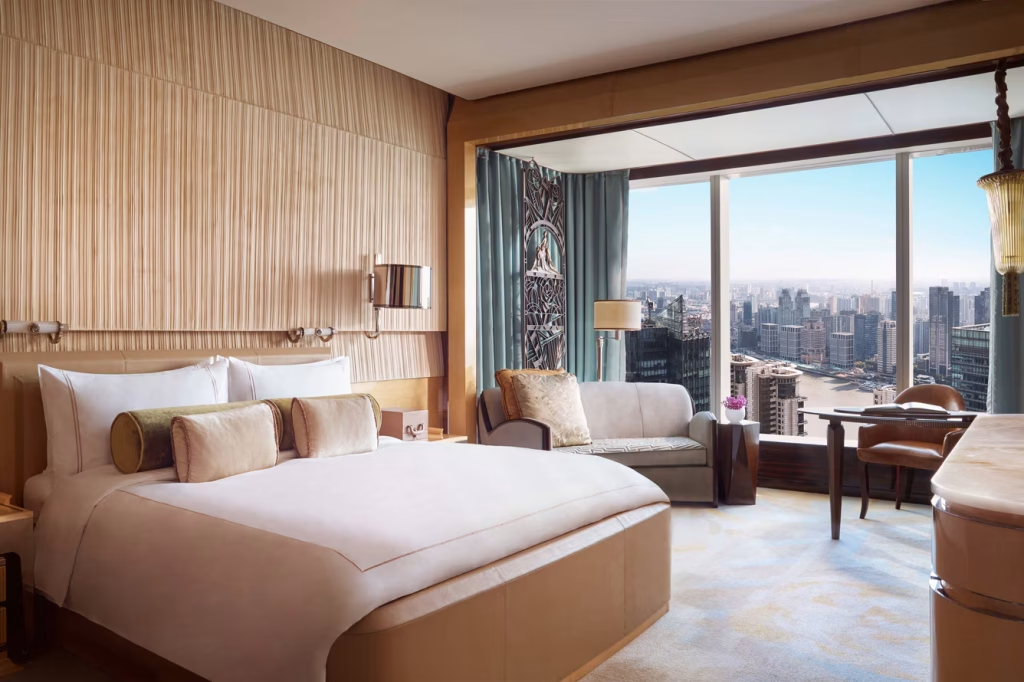
- The Ritz-Carlton Shanghai, Pudong – 5-star skyline views and one of the best rooftops in the city.
Suzhou – 1 Night (Day Trip or Overnight): Consider staying overnight to fully enjoy the gardens and water towns. But then shorten your China itinerary stay in Shanghai
- Suzhou Jade Snow Lodge – Traditional stay within walking distance of the historic district.
- Suzhou Houlishenghuo Guesthouse – Boutique style in a peaceful lane near Pingjiang Road.
- Crowne Plaza Suzhou by IHG – Lakeside luxury with resort-style facilities.
Hangzhou – 2 Nights: Stay near West Lake for the best views and easy access to the city’s natural and cultural highlights.
- Hangzhou Lanshe Hotel – Quiet, charming, and right near the lake.
- EBO Hotel Hangzhou West Lake – Sleek modern design and great breakfast.
- Four Seasons Hotel Hangzhou at West Lake – Ultimate luxury with a traditional Chinese garden setting.
Xi’an – 2 Nights: Choose a place near the Muslim Quarter and the Ancient City Wall for convenience and atmosphere.
- Fanjian Inn – Xi’an Drum Tower & Muslim Cultural District – Cozy and authentic in the heart of the Old Town.
- Xi’an Eastern House – Boutique style, excellent service, and close to attractions.
- Sofitel Legend People’s Grand Hotel Xi’an – A historic and elegant retreat with top-tier service.
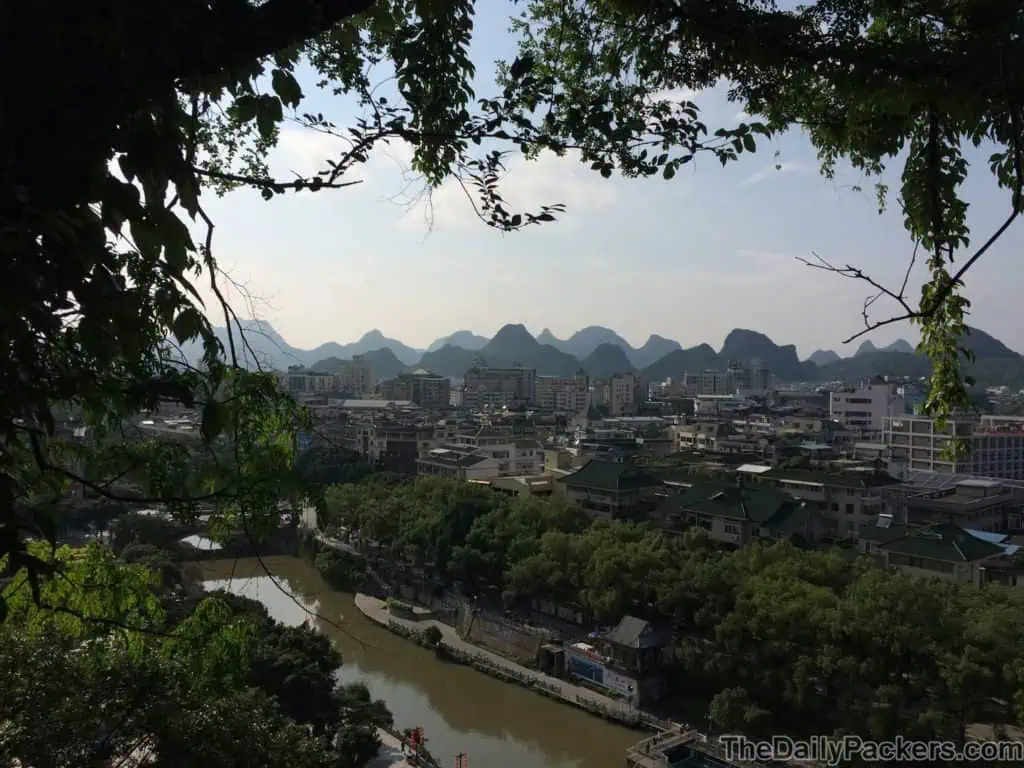
Guilin – 2 Nights + 1 Night in Yangshuo: Ideal to stay a few nights in Guilin and at least one in the countryside of Yangshuo.
- Lakeside Inn– Affordable, local charm right by the lake.
- Secret Courtyard Resort Hotel – Peaceful and traditional, with a garden setting.
- Li River Resort Villa Hotel – Scenic views and great for relaxing after sightseeing.
Yangshuo (1 night optional)
- Choose a boutique hotel in the countryside or near West Street for easy evening activities. We can provide specific suggestions if you decide to stay longer.

Tip: In China, we recommend having a VPN to access all your APPs and social medias.
What to Eat
China is a paradise for food lovers — every region, city, and even neighborhood has its own specialty. As you travel from the imperial capital of Beijing to the rivers of Guilin, you’ll discover dishes shaped by local ingredients, history, and culture. From dumplings and duck to vinegar-braised fish and street snacks, this guide shares what to eat in each destination on your itinerary, so you never miss a must-try dish.
We won’t get into the details of the food in this China itinerary, as each of our dedicated travel guide integrate them.


Tip: We use the DJI Action 4 to film our vlogs — compact, durable, and perfect for capturing every adventure.
Overview: 2-week China Itinerary
Whether you have two weeks or a little more, this China itinerary offers the perfect blend of ancient history, modern cities, and breathtaking landscapes. It’s the exact route we followed—and one we’d recommend to anyone wanting a complete introduction to the highlights of China.
- Day 1: Arrive in Beijing, beginning of your China itinerary: explore Wangfujing Street, and enjoy sunset views from Jingshan Park.
- Day 2: Visit Tiananmen Square, tour the Forbidden City and then discover the Summer Palace and Temple of Heaven
- Day 3 – Hike the Great Wall at Jinshanling and enjoy Jingshan Park views
- Day 4 – Take the high-speed train to Xi’an and walk the Ancient City Wall
- Day 5 – Visit the Terracotta Army and explore the Muslim Quarter
- Day 6 – Take a morning train to Shanghai, stroll the Bund and Nanjing Road
- Day 7: Zhujiajiao Water Town, Yu Garden, French Concession & Tianzifang
- Day 8 – Day trip to Suzhou: visit Humble Administrator’s Garden & canals
- Day 9 – Travel to Hangzhou and explore West Lake and Lingyin Temple
- Day 10 – Bike around the lake, visit Leifeng Pagoda & Hefang Street
- Day 11 – Fly to Guilin, explore Elephant Trunk Hill & lakeside walk
- Day 12 – Day trip to Longji Rice Terraces
- Day 13 – Cruise the Li River to Yangshuo and explore the countryside
- Day 14 – End of the China itinerary. Return to Guilin and fly back or head to Hong Kong (optional extension)
China Itinerary: Day by Day
Day 1: Arrive in Beijing, Explore Wangfujing Street & Jingshan Park
Welcome to China and your 2-week China itinerary! After landing in Beijing, take some time to rest and check into your accommodation. Once you’re recharged, ease into your adventure with a stroll along Wangfujing Street — one of the city’s most iconic shopping areas. It’s the perfect spot to dive into Beijing’s energy, sample street food (if you’re feeling brave, there are scorpions on sticks!), and browse everything from modern fashion to traditional souvenirs.
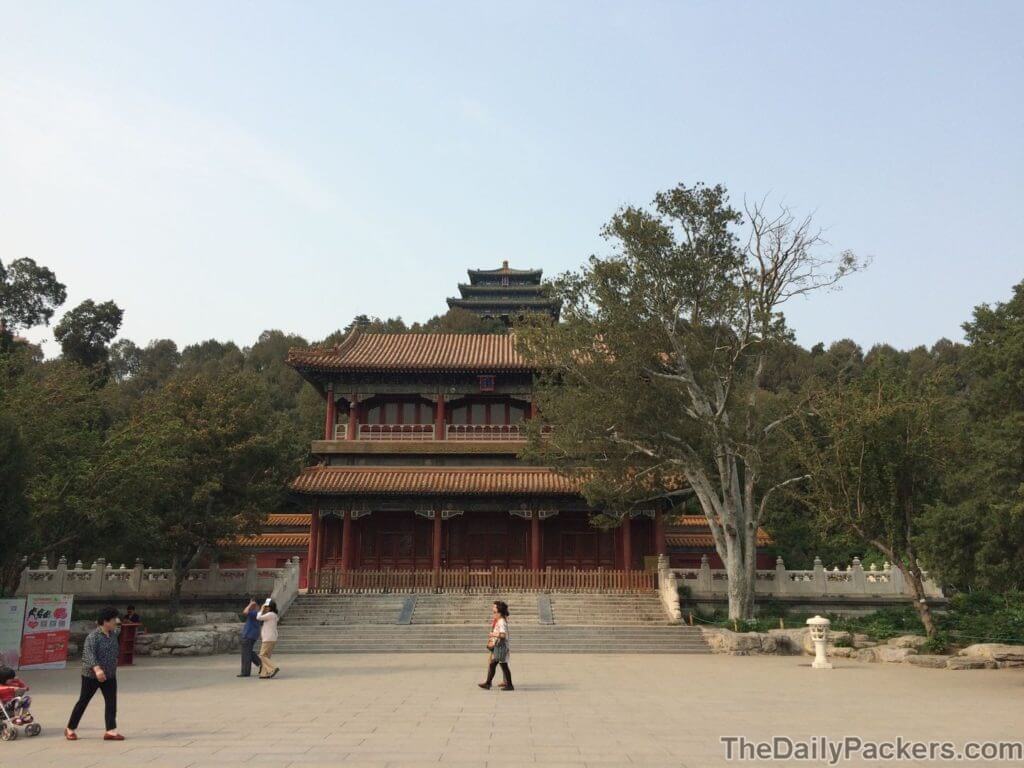
As the day winds down, head to Jingshan Park, just behind the Forbidden City. A short uphill walk brings you to a peaceful pavilion with one of the best panoramic views of Beijing — a magical spot for your first sunset in China. It’s a relaxed yet exciting introduction to the capital city, with just enough activity to balance the effects of jet lag.


Read: All the best things to do in Beijing
Day 2: Tiananmen Square, Forbidden City, Summer Palace & Temple of Heaven
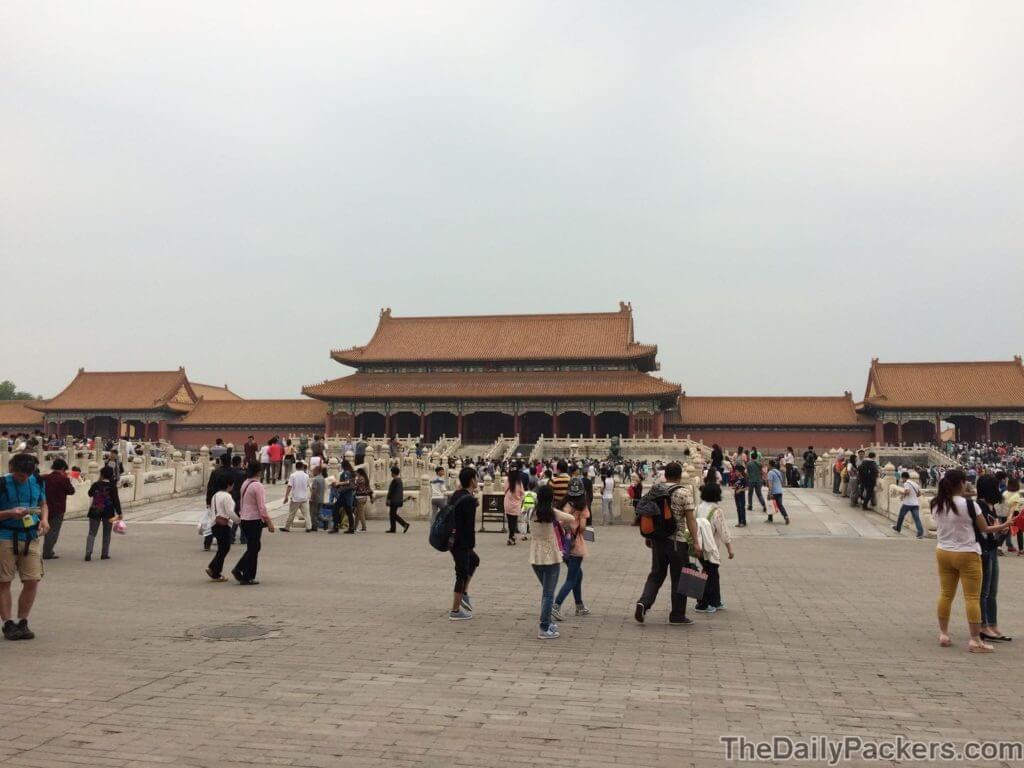
Continue your China itinerary by starting your day at the symbolic heart of China — Tiananmen Square. This vast public space is surrounded by historic landmarks like the Great Hall of the People and Mao Zedong’s Mausoleum. From there, walk directly into the Forbidden City, the former imperial palace that served 24 emperors during the Ming and Qing dynasties. Give yourself at least 2 hours to explore the palace grounds, intricate halls, and imperial gardens.
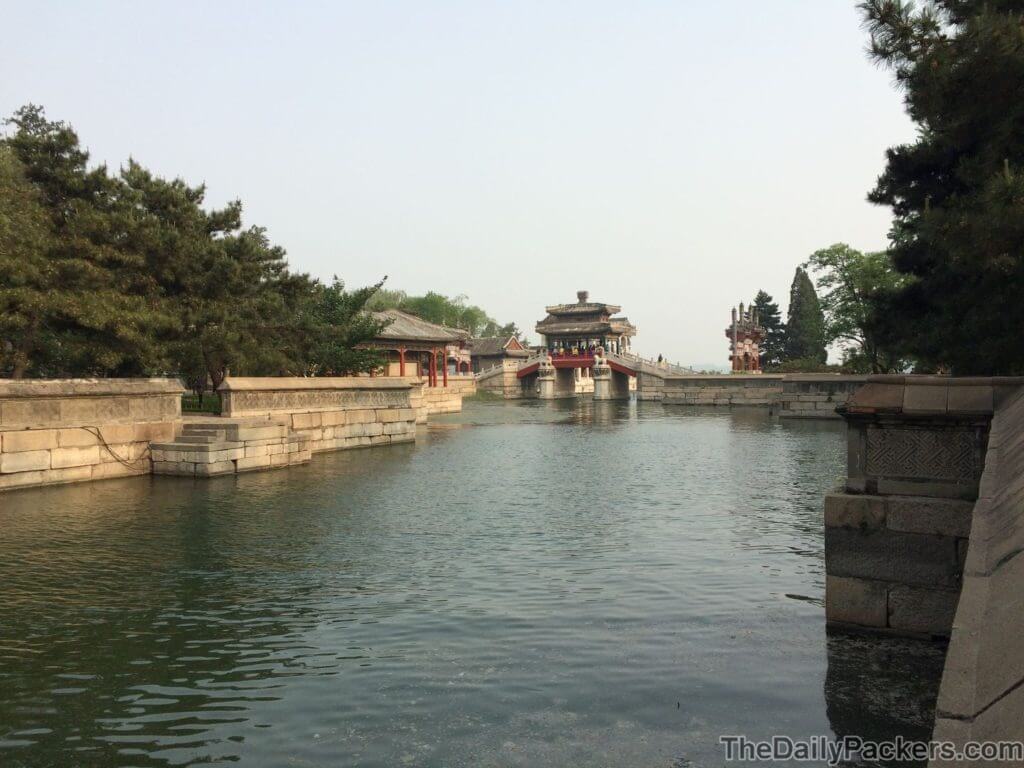
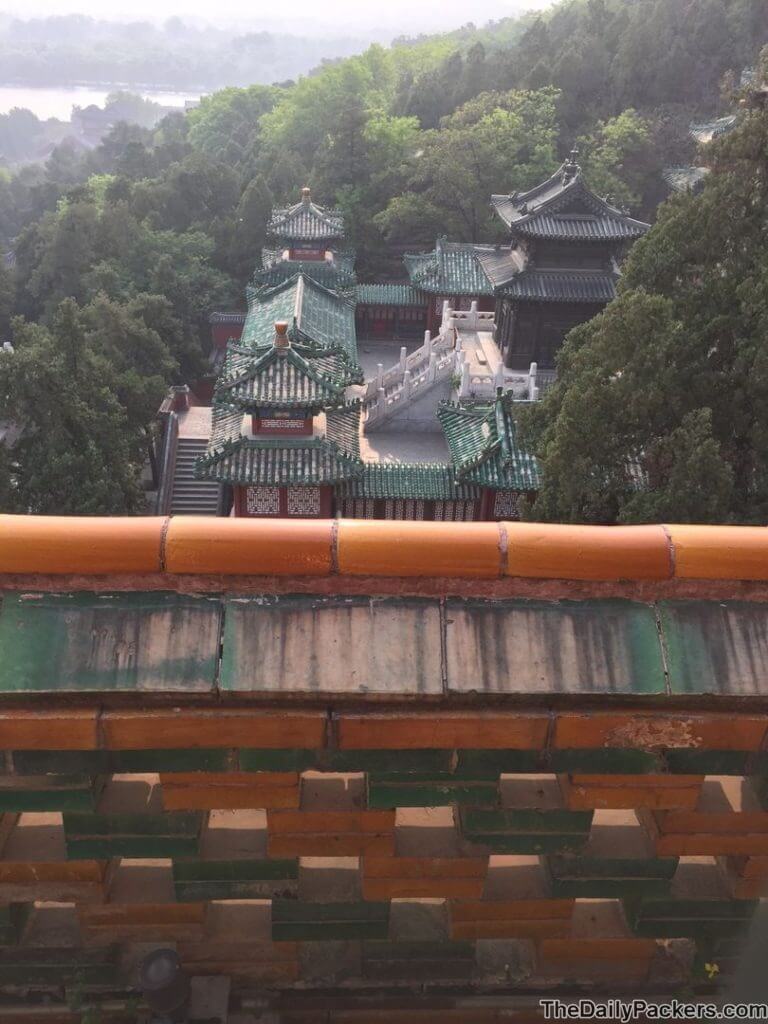
After lunch, head to the Summer Palace, a tranquil retreat filled with lakes, bridges, and pavilions. Stroll along the famous Long Corridor and take in the views from Longevity Hill. If time allows, end the day at the Temple of Heaven, a masterpiece of Ming architecture once used by emperors to pray for good harvests. The surrounding park is just as charming — perfect for a quiet walk among locals practicing tai chi or playing cards.
Day 3: Hike the Great Wall at Jinshanling & Return to Beijing
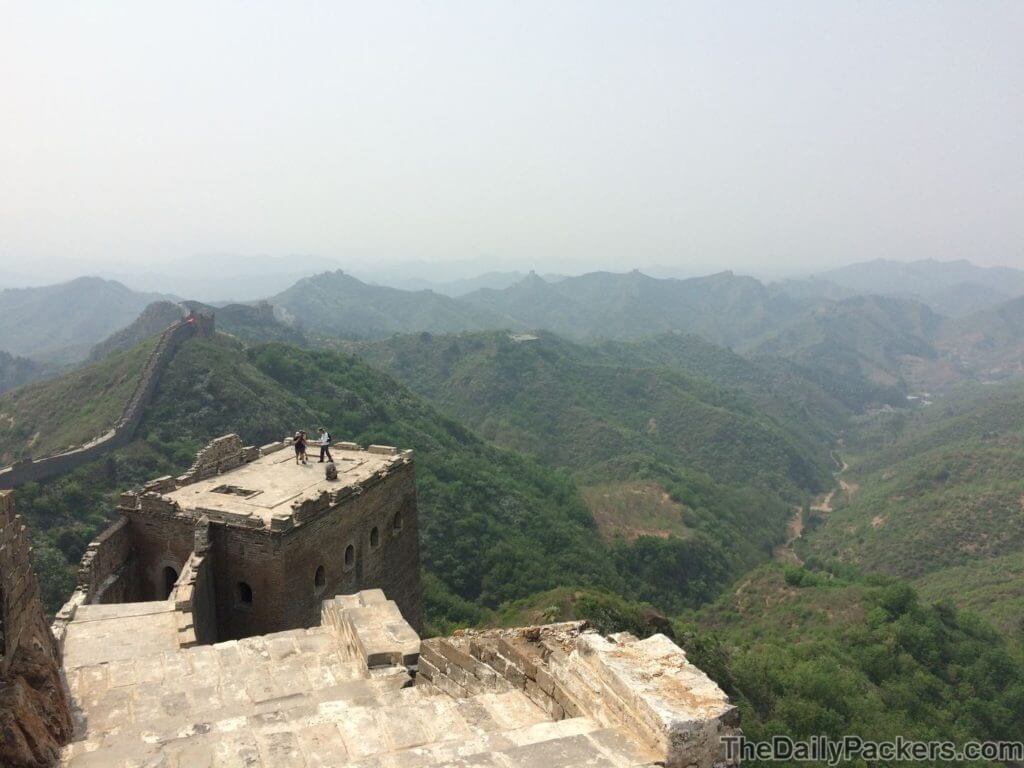
Today is all about one of China’s most iconic sights — the Great Wall at Jinshanling. This section of the Wall, located about 2.5 to 3 hours from Beijing, is renowned for its dramatic mountain views, well-preserved watchtowers, and fewer crowds compared to Badaling or Mutianyu. Start early with either an organized tour or take public transport (direct buses run from April to November), and prepare for a moderately challenging hike. The classic route from the West Gate to the East takes about 3.5 to 4 hours, covering steep climbs and breathtaking scenery.
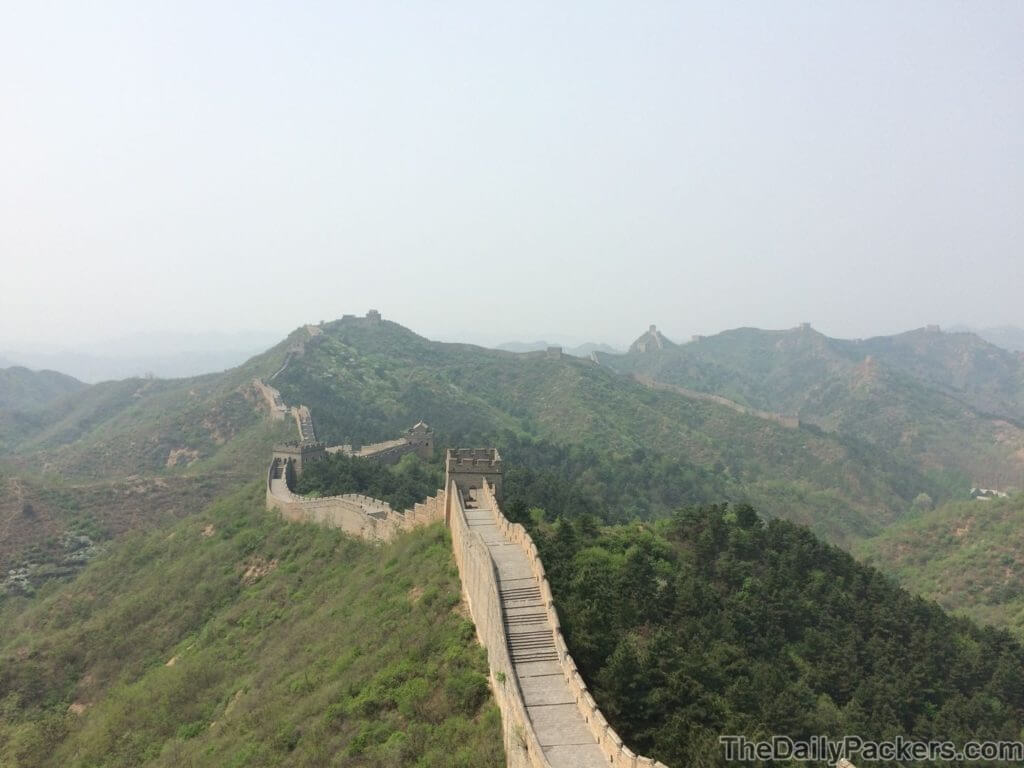
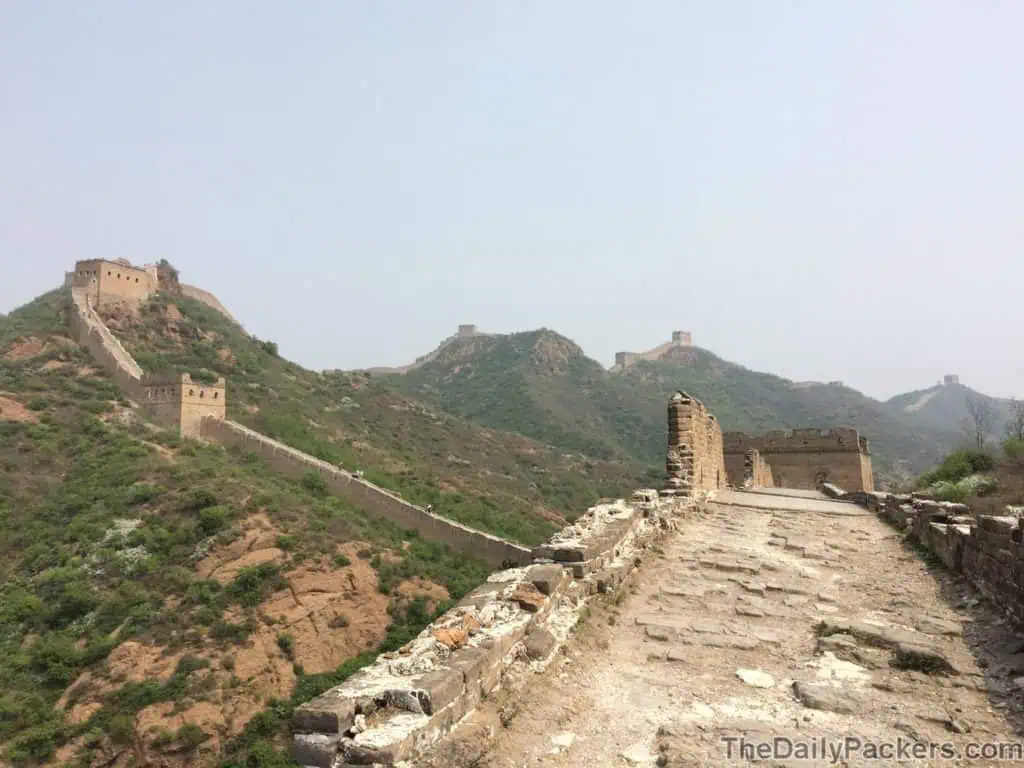
Along the trail, you’ll encounter original sections of the Wall, unrestored towers, and panoramic vistas that stretch as far as the eye can see. Don’t forget to bring water and snacks — and ideally pack a picnic lunch to enjoy with a view. Return to Beijing by evening and rest up for your high-speed adventure to Xi’an tomorrow.
Read: The Ultimate Great Wall Hiking Guide
Day 4: High-Speed Train to Xi’an & Walk the Ancient City Wall
After breakfast, board a high-speed train to Xi’an, one of China’s most historically significant cities. The journey takes around 4.5 to 6 hours, so it’s best to take a morning departure to make the most of your day. Once you arrive and check into your hotel, stretch your legs with a walk on the Ancient City Wall — the most complete city wall remaining in China.
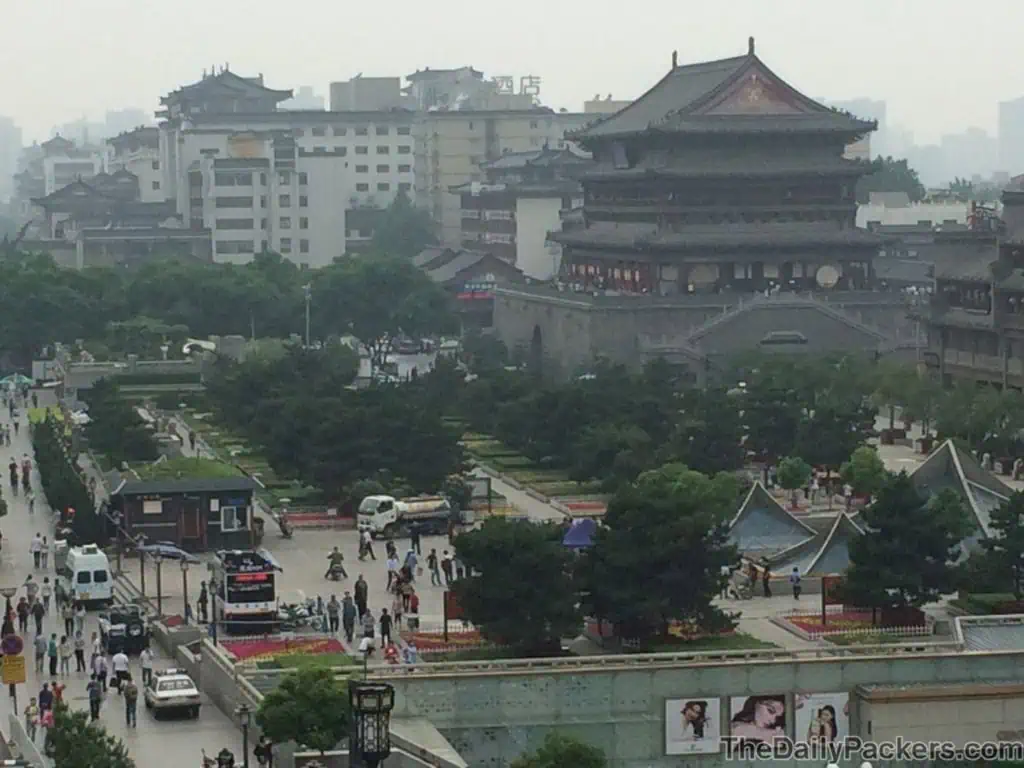
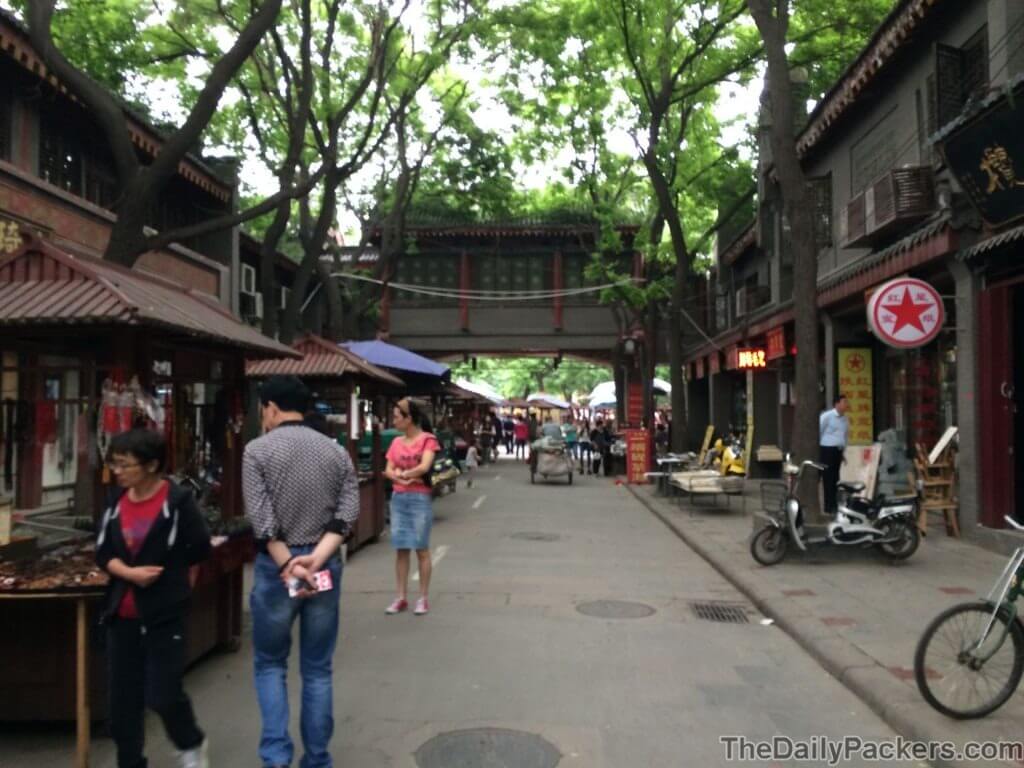
The rectangular wall surrounds the historic center of Xi’an and offers a unique vantage point over the city. You can walk or even rent a bike to cycle along its 14 km perimeter. In the late afternoon, enjoy the contrast between old and new as you pass traditional rooftops and modern high-rises. As the sun sets, the wall lights up beautifully — perfect for photos. In the evening, grab dinner at the Beiyuanmen Muslim Street, a vibrant spot filled with local snacks and culture.
Read: 9 best things to do in Xi’an, China, in 3 days or more
Day 5: Terracotta Army & Muslim Quarter Exploration
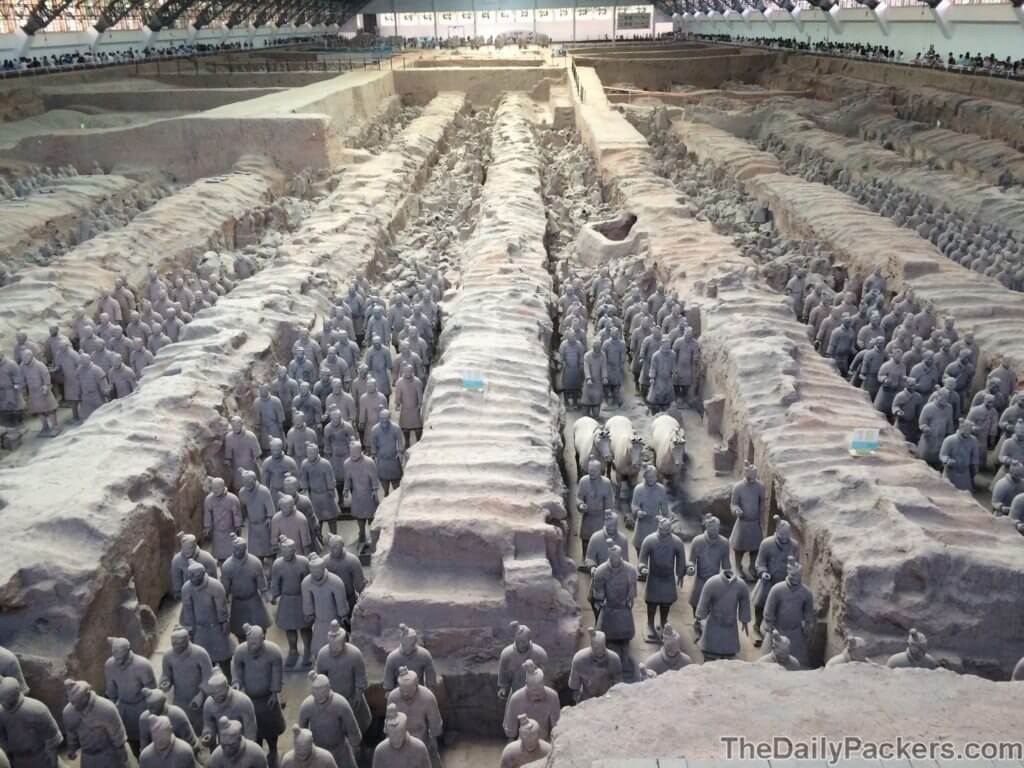
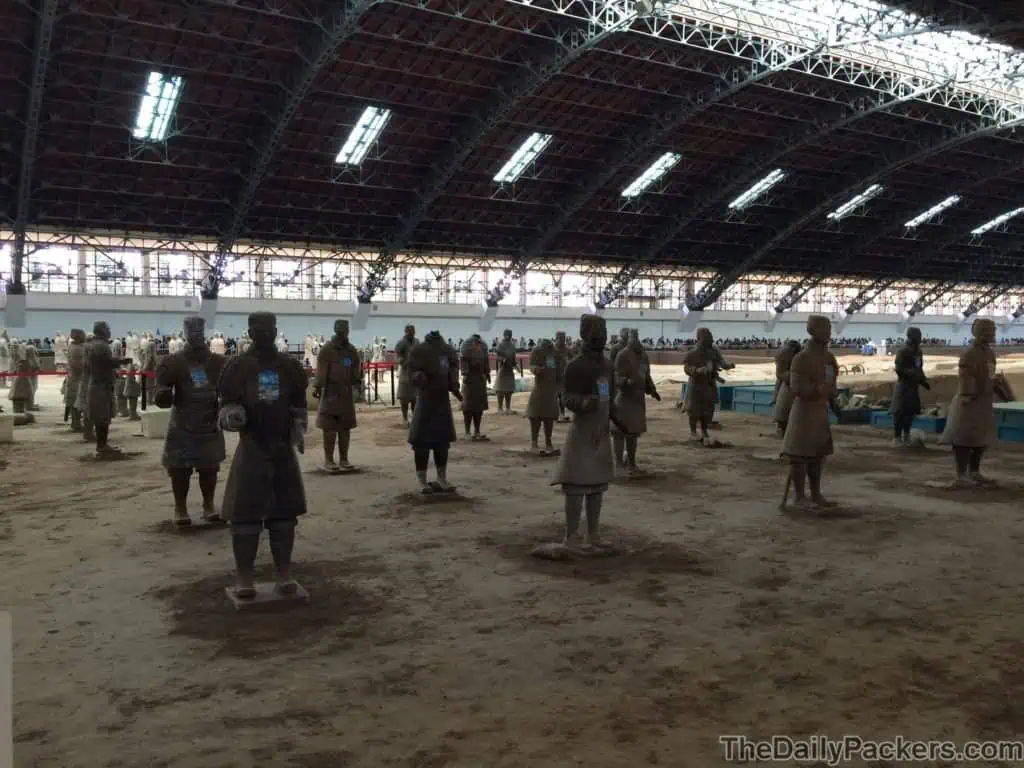
Start your day with a visit to one of the most iconic archaeological discoveries in the world — the Terracotta Army. Located about an hour outside Xi’an, this massive underground army was built to guard the tomb of China’s first emperor, Qin Shi Huang. You’ll see over 8,000 life-sized clay soldiers, horses, and chariots, each uniquely detailed. A guided tour or audio guide will help you understand the historical and artistic significance of the site. Make sure to also check out the nearby museum exhibits.
Return to Xi’an in the afternoon and head straight to the Muslim Quarter, one of the city’s liveliest neighborhoods. Wander through Beiyuanmen Street, where stalls overflow with local street food like Biang Biang noodles, spicy lamb skewers, and crispy pastries. It’s the perfect place to try Xi’an’s diverse culinary heritage and shop for souvenirs. Don’t miss the Great Mosque tucked away behind the bustling streets — a peaceful blend of Chinese and Islamic architecture.
Read: The ultimate Terracotta Army Guide
Day 6: From Xi’an to Shanghai – The Bund, Nanjing Road & Skyline Views
To continue your China itinerary, catch a morning high-speed train from Xi’an to Shanghai — a smooth and scenic ride that takes around 6 hours. Once you arrive, check into your hotel near the city center or The Bund, and take some time to settle in before heading out to explore.
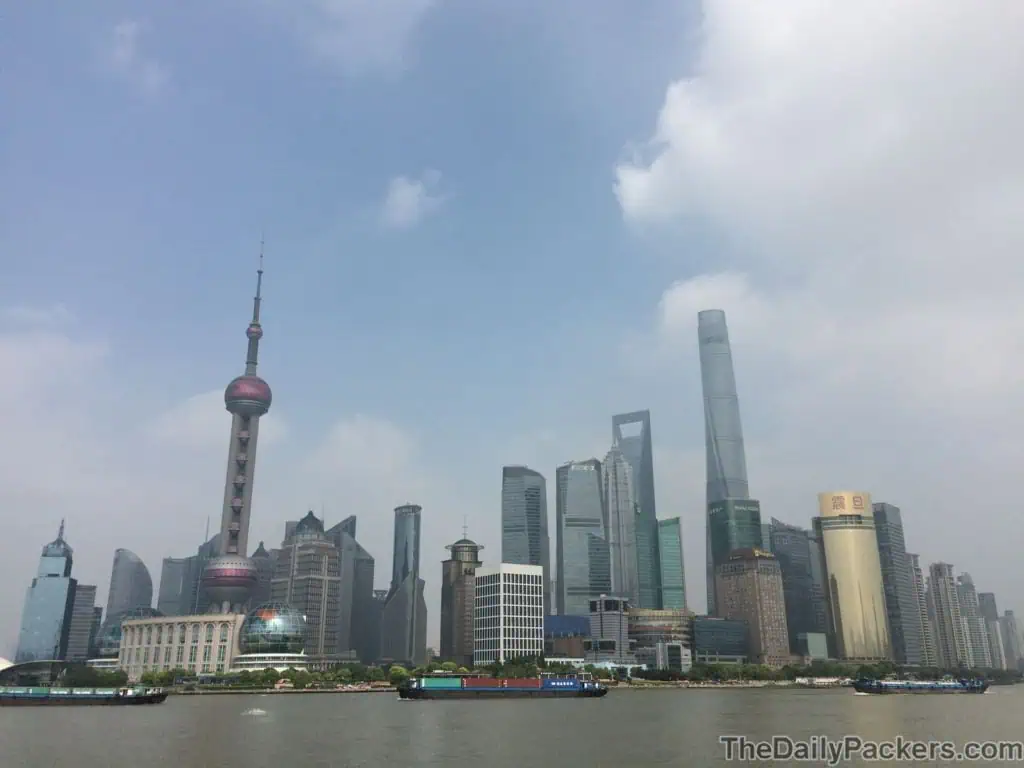
Start your Shanghai experience with a walk along The Bund (Waitan), a stunning waterfront promenade that showcases the city’s colonial past on one side and its futuristic skyline on the other. It’s one of the best places to soak in the energy of modern-day China and snap some photos of the towering Oriental Pearl Tower and Shanghai Tower across the Huangpu River.
As the evening sets in, stroll along Nanjing Road, one of the world’s busiest shopping streets. Whether you’re window shopping or tasting local snacks, the buzz of Shanghai will draw you in. End your day with dinner in one of the city’s many vibrant eateries.

Day 7: Zhujiajiao Water Town, Yu Garden, French Concession & Tianzifang
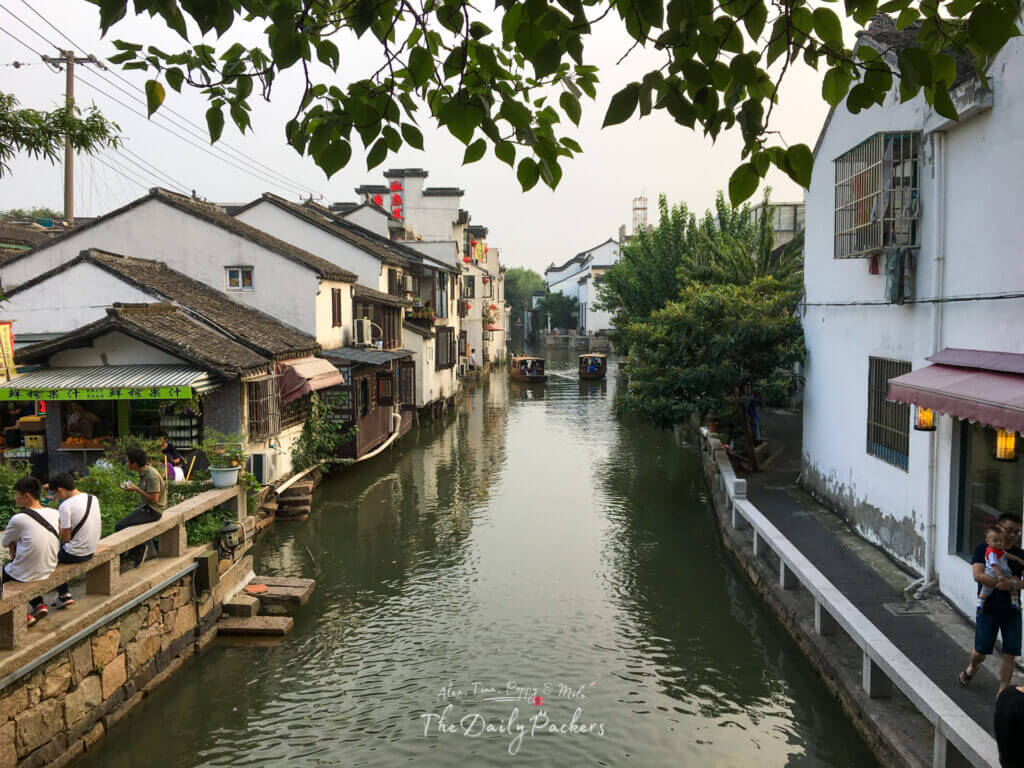
Start early with a trip to Zhujiajiao, a picturesque ancient water town about an hour from Shanghai and one of our favorite places in this China itinerary. Wander its peaceful canals, walk across arched stone bridges, and soak in the charm of traditional whitewashed houses. Grab a snack or coffee by the water before heading back to the city.

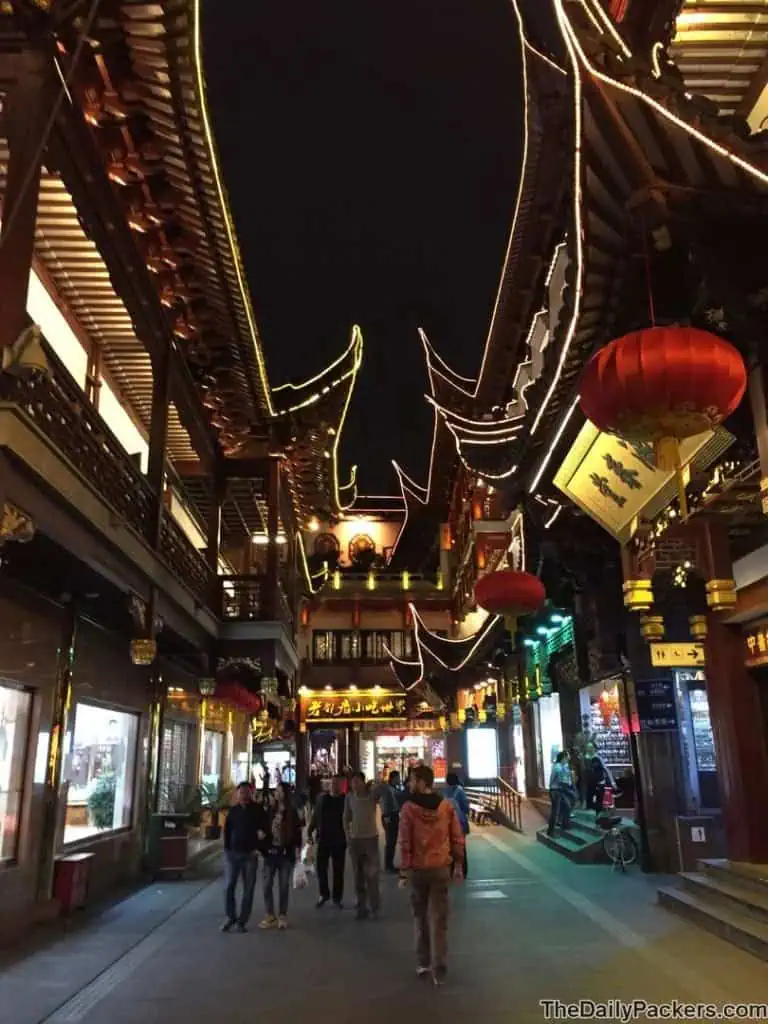
In the afternoon, explore Yu Garden, a tranquil retreat in Shanghai’s old town. Stroll through the garden’s elegant pavilions, koi ponds, and rockeries, then browse the nearby Yuyuan Bazaar for street food and souvenirs.
Later, dive into the elegance of the French Concession, with its leafy boulevards, Art Deco buildings, and stylish cafés. End the day at Tianzifang, a labyrinth of narrow alleys brimming with artisan shops, galleries, and bars — a great place to unwind and enjoy Shanghai’s creative spirit.
Read: 18 best things to do in Shanghai, China, in 6 days
Day 8: Day Trip to Suzhou — Gardens & Canals
Take a morning high-speed train to Suzhou, often called the “Venice of the East.” Just 30 minutes from Shanghai, this historic city is famous for its elegant classical gardens and canal-lined old streets.
Begin your visit at the Humble Administrator’s Garden, a UNESCO World Heritage Site and the largest and most famous of Suzhou’s gardens. Wander among tranquil ponds, zigzag bridges, and lush pavilions that reflect centuries of refined Chinese landscaping.

Next, explore Pingjiang Road, a charming canal-side street full of teahouses, shops, and local snacks. Stop for lunch at one of the riverside restaurants before heading to Shantang Street, another scenic area known for its preserved architecture and peaceful ambiance.
If time allows, visit Chaozong Pavilion or Tiger Hill Pagoda before heading back to Shanghai in the evening. It’s a full but rewarding day rich in history, beauty, and timeless charm.

Read: All the best things to do in Suzhou
Day 9: Travel to Hangzhou — West Lake & Lingyin Temple
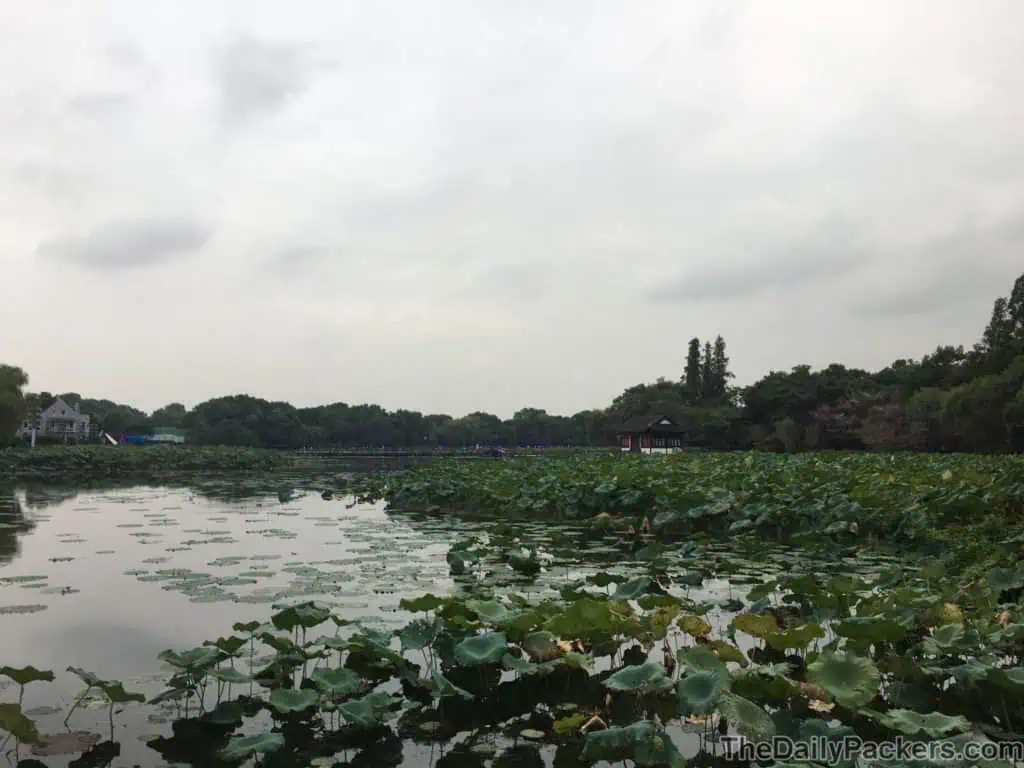
Start your day by taking a high-speed train to Hangzhou, a city famed for its natural beauty and tranquil atmosphere. Upon arrival, head straight to the iconic West Lake, the heart of Hangzhou’s charm. Spend your morning strolling along its shores, admiring arched stone bridges, willows swaying over the water, and reflections of ancient pagodas.
Take a short boat ride to Three Pools Mirroring the Moon, a small island in the lake that features temples, pavilions, and peaceful walking paths. It’s especially scenic and photogenic.
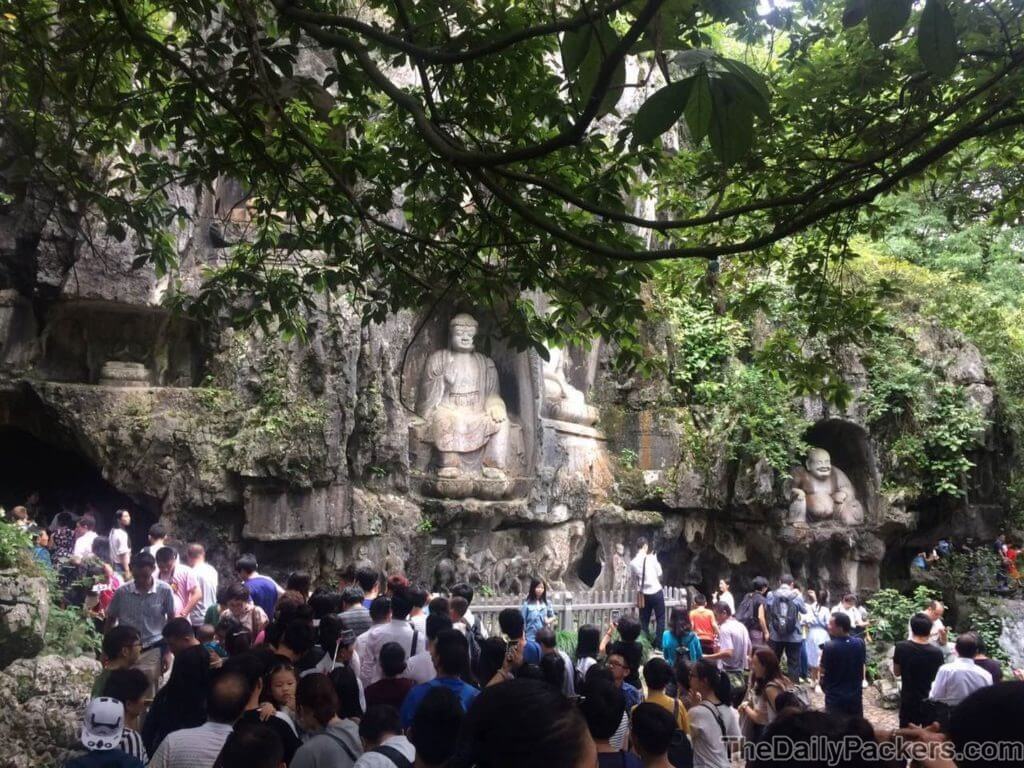
In the afternoon, visit Lingyin Temple, one of China’s oldest and wealthiest Buddhist temples. Wander through the serene grounds and don’t miss the Fei Lai Feng grottoes with hundreds of Buddhist statues carved into the cliffs.
Return to West Lake by evening for a relaxing dinner by the water and enjoy the peaceful nighttime ambiance of Hangzhou.
Day 10: Bike Around West Lake, Leifeng Pagoda & Hefang Street
Start your day with a bike ride around West Lake, one of China’s most iconic landscapes. The cycling path offers beautiful views of willow-lined shores, stone bridges, lotus-filled ponds, and classical gardens. You can stop along the way to relax at scenic points like Su Causeway or admire the reflections on the still water.
Next, visit Leifeng Pagoda, perched on Sunset Hill. This five-story octagonal tower offers panoramic views over the lake and city. Rebuilt in 2002, it remains steeped in legend and local folklore.

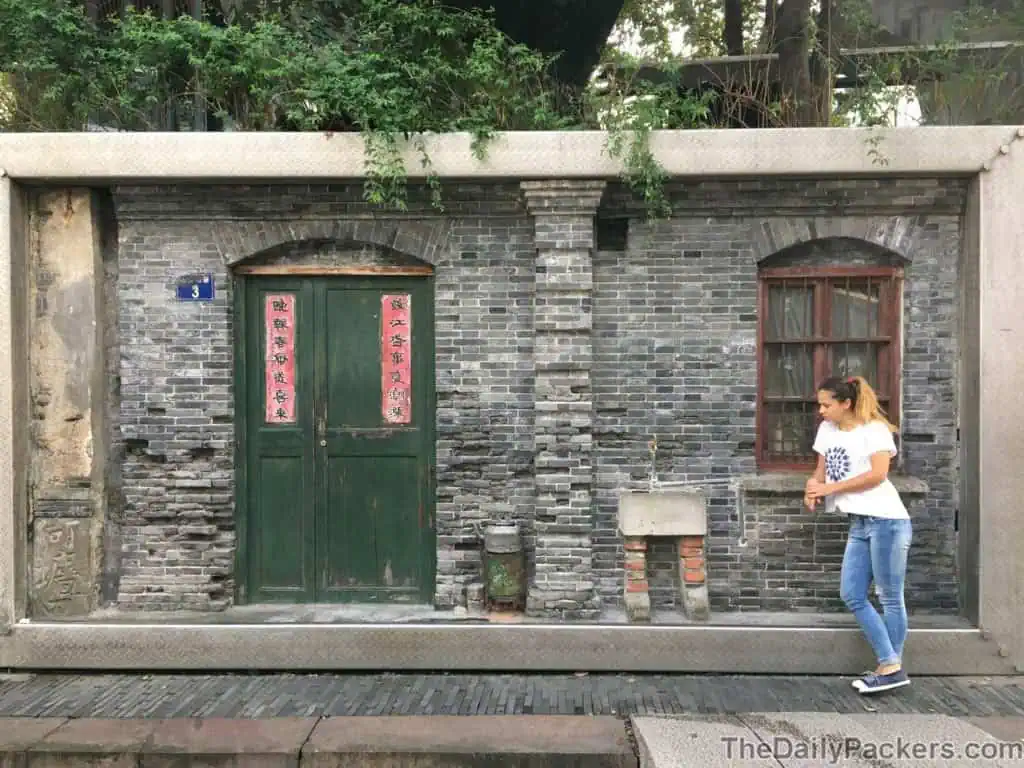
In the afternoon, head to Hefang Street, a lively pedestrian avenue that captures the old soul of Hangzhou. Stroll past restored Qing-style buildings, browse traditional shops, and sample local specialties from street food stalls. It’s the perfect spot for people-watching, tea tasting, and picking up a few souvenirs before wrapping up your day.
Read: 11 best things to do in Hangzhou, China, in 3 days or more
Day 11: Fly to Guilin, Visit Elephant Trunk Hill & Enjoy a Lakeside Walk
Fly from Hangzhou to Guilin in the morning and settle into this charming city surrounded by karst mountains and tranquil rivers. After checking into your hotel, begin your exploration at Elephant Trunk Hill, Guilin’s most iconic landmark. Named for its resemblance to an elephant drinking from the Li River, this scenic spot is steeped in myth and offers panoramic views from the hilltop.
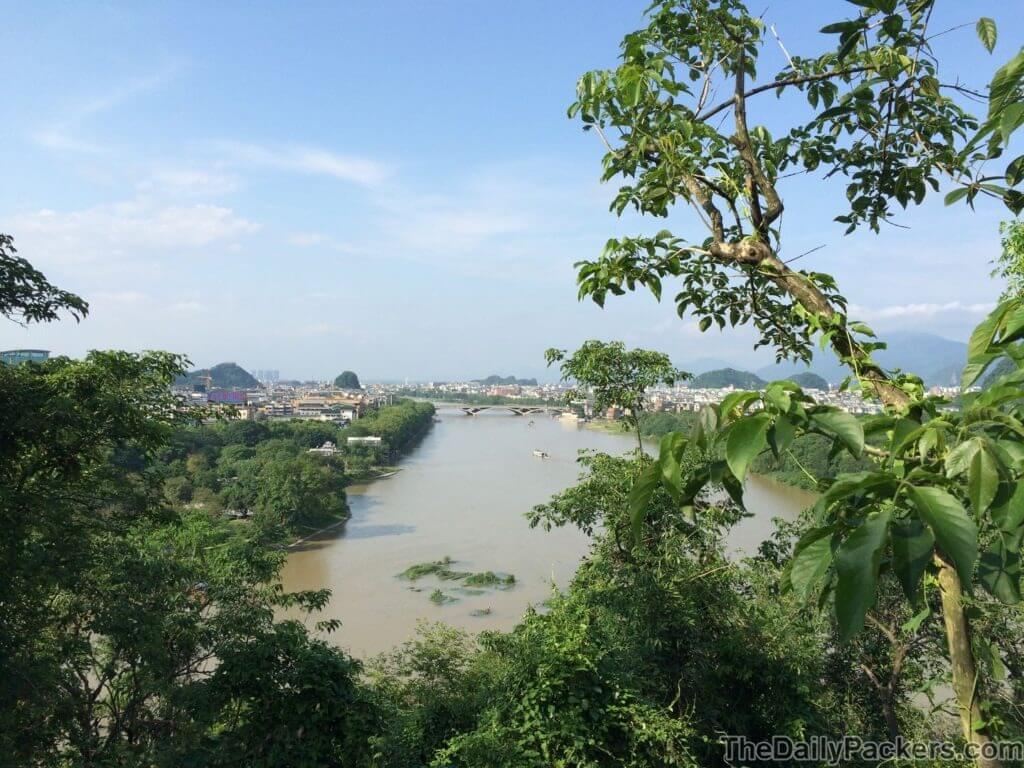
Continue your afternoon with a relaxing walk around the Rong and Shan Lakes. These twin lakes sit in the heart of the city and are beautifully lit up at night. Stroll past bridges, ancient pagodas like the Sun and Moon Pagodas, and tree-lined paths that feel far from the city rush.
End your day with a quiet dinner by the lake or explore local food options at Zhengyang Pedestrian Street just a short walk away.
Day 12: Day Trip to Longji Rice Terraces
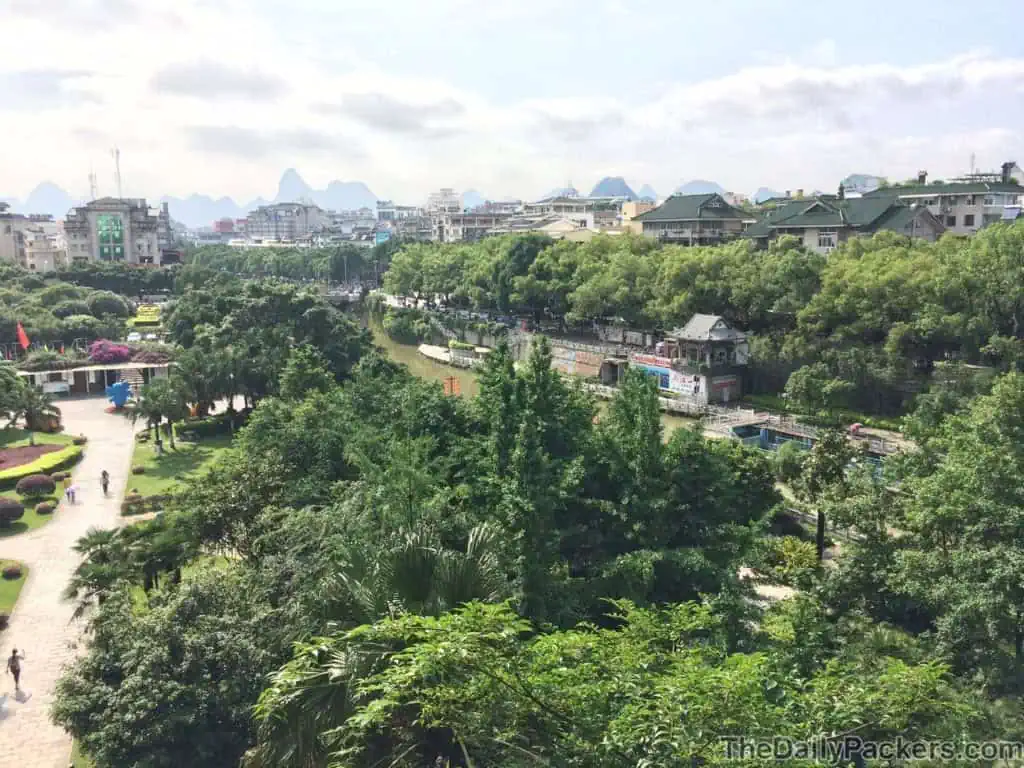
Today is all about exploring one of southern China’s most breathtaking landscapes — the Longji Rice Terraces, also known as the Dragon’s Backbone. Located about 3 hours from Guilin by car or guided tour, this day trip will take you into the heart of rural Guangxi.
Once you arrive, begin your hike through the rolling terraces, carved into the mountainside by generations of the Zhuang and Yao people. Depending on the season, you’ll see either shimmering water-filled paddies, lush green fields, or golden layers at harvest time. The views are absolutely spectacular year-round.
Along the way, stop in traditional villages, where you can try local dishes like bamboo rice and interact with ethnic minority communities. It’s a day of nature, culture, and a little bit of a workout.
Return to Guilin in the evening and treat yourself to a quiet dinner after this immersive rural adventure.

Day 13: Cruise the Li River to Yangshuo & Explore the Countryside
Today you’ll embark on one of China’s most scenic journeys — the Li River cruise from Guilin to Yangshuo. The 4-hour boat ride winds through dramatic karst landscapes, misty peaks, and lush countryside that has inspired countless Chinese paintings and poems.
Along the way, look out for the iconic view printed on the 20 RMB note — it’s even more magical in person. Arriving in Yangshuo, a laid-back town surrounded by towering limestone hills, you’ll instantly feel the slower pace of rural life.
Spend your afternoon biking through the countryside, past rice paddies, bamboo groves, and traditional villages. You can also opt for a bamboo raft ride on the Yulong River or hike up Moon Hill for panoramic views.
In the evening, enjoy dinner at a riverside café or catch the famous Impression Liu Sanjie light show, set against the natural backdrop of the karst peaks.

Read: 8 best things to do in Guilin, China, in 4 days or more
Day 14: Return to Guilin & Fly Back (or Continue to Hong Kong)
After your peaceful escape in Yangshuo, make your way back to Guilin, either by private transfer or local bus, which takes around 1.5 to 2 hours. Get ready to end this China itinerary. If you have time before your flight, enjoy a final stroll along the lakeside promenades or relax with a last local meal.
This is also a good moment to pick up any souvenirs like rose flower cakes or local rice wine. Guilin’s airport offers a handful of domestic and international connections, so depending on your plans, you can fly home directly or extend your journey.
For those wanting to explore more, consider continuing south to Hong Kong. Just remember that entering Hong Kong counts as leaving mainland China, so if you plan to return, you’ll need a double-entry or multiple-entry visa.
Safe travels — and we hope this two-week China itinerary helped you plan your dream trip!
Don’t forget to book your accommodations in advance – the best places always fill up quickly.
About the authors
We are Alex and Tina, a French-Serbian couple who met in China back in 2014. We spent three incredible years there before making France our home. Our shared passion for travel has been the heartbeat of our relationship for over 12 years, taking us across 44 countries and counting.
We launched TheDailyPackers in 2019 as a way to document our adventures. In 2026, we reached a major milestone by officially turning our blog into our full-time job. While we are still growing toward financial independence through this platform, every article we write is fueled by our mission to make your voyages easier through in-depth guides, honest advice, and the lessons we’ve learned from our own mistakes.
Our journey has not been without its storms. In 2023, our world changed forever when our first son, Poppy, was stillborn on November 25th. It was, and remains, the hardest chapter of our lives. In 2025, we were blessed with our second little boy, Milo. He has since joined our traveling tribe, and you’ll be seeing him—and the reality of traveling with a little one-on the blog more and more.
We hope to inspire you to explore the world with curiosity and resilience. Thank you for being part of our story.
You may also like those related posts
How to Find Your Travel Visa Requirements in 2025
Normandy landings: Complete guide to the D-Day Sites
6 Best Places to Visit in June
Circuito Chico Bariloche: The Ultimate 1-Day Hiking Guide
Halong Bay, La Han Bay: 3-Day Luxury Cruise Review
12 Must-See Villages on the French Riviera, France
22 Best things to do in Seville, Spain, in 3 to 5 days
15 Best things to do in Annecy, France, in 3 to 4 days
Pssst, did you know that…
If you purchase something through our links, we earn a small fee. However, you still pay the same. Win-win! And one day we may get to be full-time travel bloggers =)
Find Hotels with Booking.com
Do Yoga with KVY
Buy us a Coffee
Rent a car with DiscoverCars
Find Attractions with GetYourGuide
Find Flights with Expedia
Buy an eSIM with Airalo
Get insured with World Nomads
Get ready with Amazon.com