
Introduction
We visited Arles during our trip to the south of France. After Annecy and the lavender fields of Provence, Arles (and nearby Nîmes) were next on our list – still part of Milo’s very first big adventure.
Arles honestly surprised us. We didn’t expect to love it so much or for it to feel like such a hidden gem. We only added it to our route because my mother mentioned she wanted to see it, and we’re so glad we listened.
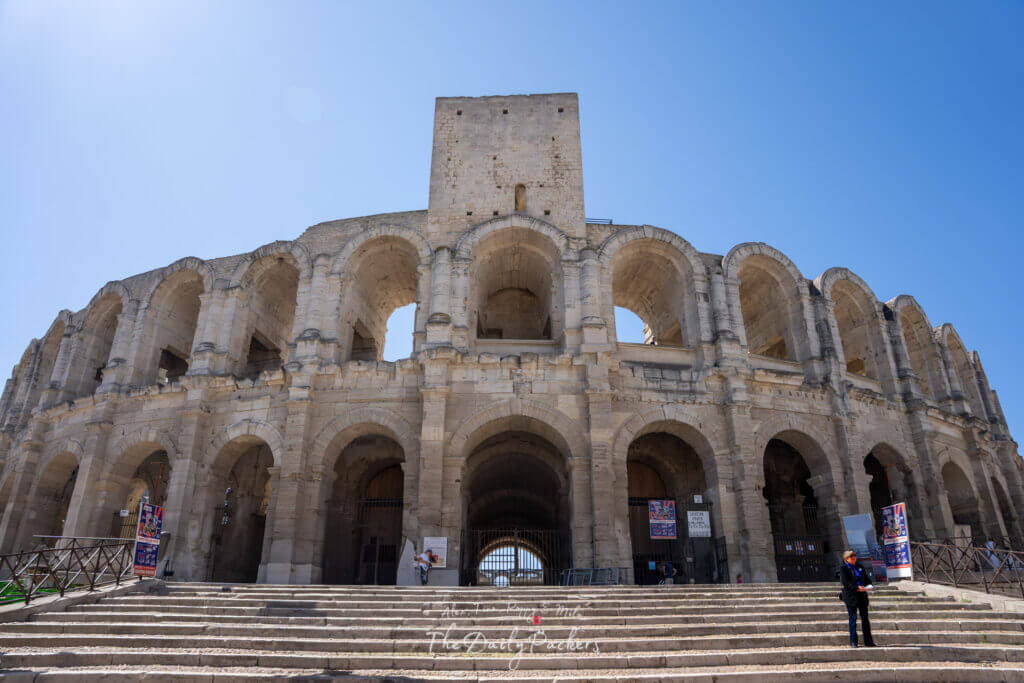
The town is packed with history. Arles was once a major Roman settlement, and you can still feel that legacy everywhere – from the amphitheater that still hosts events today, to the ancient theatre and old city walls. But there’s more to Arles than just ruins. The narrow streets of the old town are full of character, lined with sun‑worn shutters, colorful doors, and hidden squares that make wandering around a joy.
There’s also an artistic side to Arles that adds another layer to the visit. The city inspired Vincent van Gogh during his most creative period, and you’ll spot places that appeared in his paintings as you stroll around.
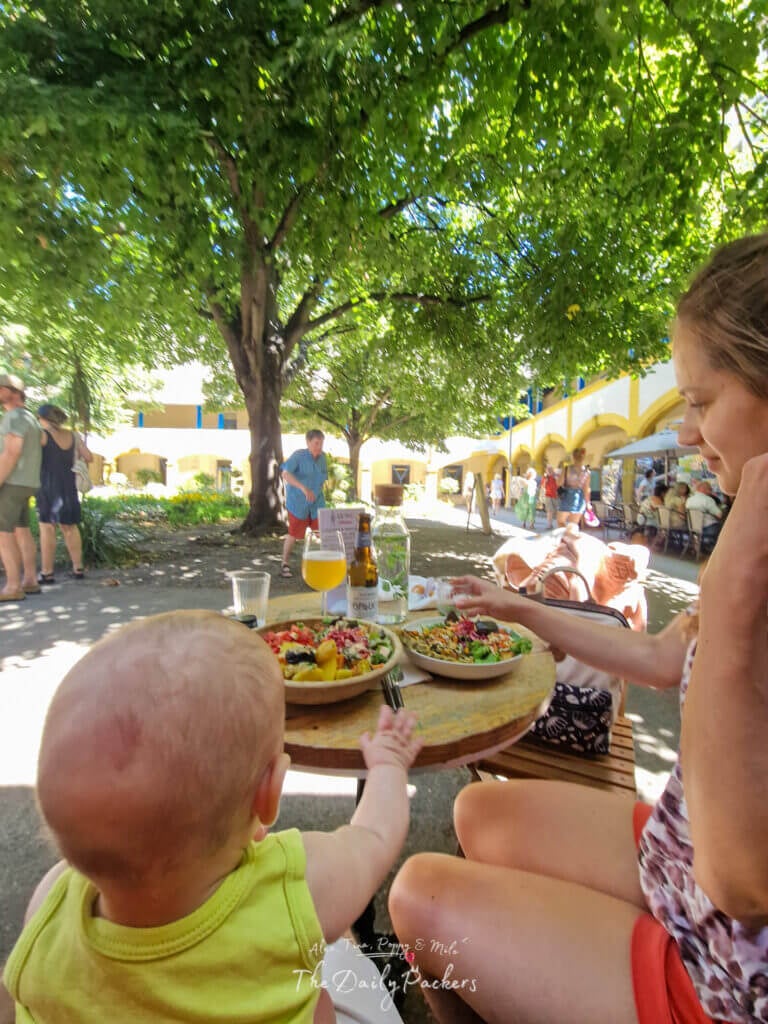
And then, of course, there’s the food. We had one of our best lunches of the trip at Le VG d’Arles, tucked away in a quiet courtyard filled with greenery – the kind of place that makes you linger longer than planned.
Arles quickly became one of those places we couldn’t stop talking about. It’s a must‑visit if you’re exploring Provence.

Here are all your accommodation options in Arles
Getting there
Arles is well-connected and easy to reach, whether you’re coming from Provence, the French Riviera, or further afield.
If you’re driving, the town is about 1 hour from Marseille, 40 minutes from Avignon, and around 3 hours from Nice. We came by car, which gave us the freedom to explore at our own pace and stop at smaller villages along the way.
Parking in Arles is straightforward, but it’s best to aim for Parking du Centre, which is just a short walk to the old town. Prices are reasonable for a full day: 1 hour – €2.00, 4 hours – €8.00, 8 hours – €16.00.
If you plan to visit on market day, please note that parking may be full. It happened to us. In that case, we would recommend waiting, as Parking du Centre is the largest in town, with 500 parking spaces.
If you’re not driving, Arles is also accessible by train. The TGV connects Paris to Avignon in under 3 hours, and from there, you can hop on a local train to Arles (about 20–30 minutes). Direct trains also run from Marseille, Nîmes, and Montpellier.
Buses run as well, but trains are faster and far more convenient if you’re relying on public transport.

We recommend to rent a car through Discover Cars with free cancellation. Book your rental car here.
Moving Around
Arles is a compact city, and the best way to explore it is simply on foot. Most of the main sights — from the Roman Amphitheatre to the Ancient Theatre and the winding streets of the old town — are all within walking distance of each other.
Only one major monument, The Alyscamps, sits just outside the city center. It’s about a 10-minute walk from the heart of town, so still very manageable on foot. A few museums are also slightly on the edge, and only one required a car as it is located in the Carmague National Park.
If you do want to get around faster or save your legs, there are local buses and plenty of taxis, but honestly, walking is the most enjoyable way to take in Arles’ charm.

Check all your transportation options online — from buses to trains and ferries — it makes planning so much easier.
When to Visit
The best time to visit Arles is between spring and autumn, when the weather is pleasant and the city feels most alive:
Spring (March to May): Mild and sunny, with temperatures around 15–22°C (59–72°F). Perfect for wandering the old town and visiting Roman ruins without the summer heat.
- Summer (June to August): Expect hot days, often reaching 28–34°C (82–93°F). This is the busiest season, with festivals like the Rencontres d’Arles Photography Festival and lively streets — but also bigger crowds.
- Autumn (September to October): Warm but calmer, with temperatures around 18–26°C (64–78°F). A great time to enjoy the city’s atmosphere without the summer rush.
- Winter (November to February): Much quieter, with cooler weather (8–14°C / 46–57°F). Some smaller shops or restaurants may close, but you’ll have the monuments almost to yourself.
Our tip: Late spring or early autumn are ideal — warm enough to enjoy outdoor cafés, yet peaceful enough to soak in Arles without the high-season crush.

Where to Stay
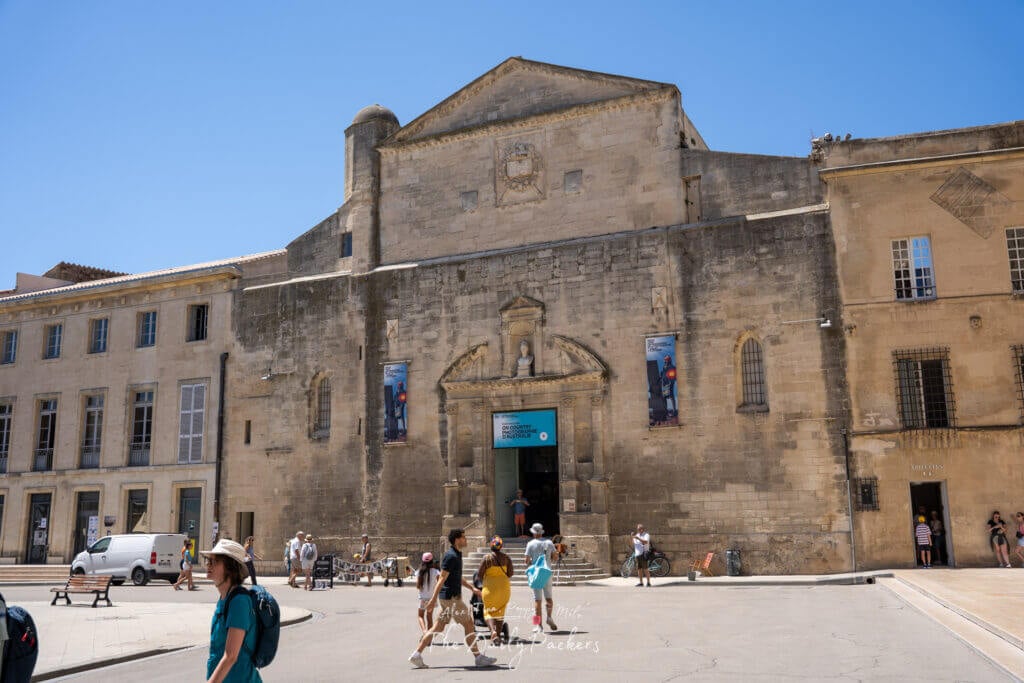
Arles has a mix of charming guesthouses, countryside stays, and boutique hotels right in the heart of town. Whether you want a quiet retreat surrounded by nature or something stylish and central, here are a few places we’d recommend:
(€) Le Mas d’Isnard – A peaceful countryside stay just outside Arles, perfect if you’re looking for space, quiet mornings, and a more local feel.
(€€) Maison de charme d’Arles – A cozy guesthouse in the old town with lots of character, ideal for wandering the cobbled streets straight from your door.
(€€€) Jules César Hotel & Spa Arles – MGallery Collection – A luxury boutique hotel with a spa, right in the city center. A great choice if you want to treat yourself after long days of exploring.

Here are all your accommodation options in Arles
What to Eat
Arles has a growing food scene that mixes Provençal flavors with creative, modern touches. One place we loved and have to recommend is Le VG d’Arles, a 100% vegan and organic restaurant and coffee shop.
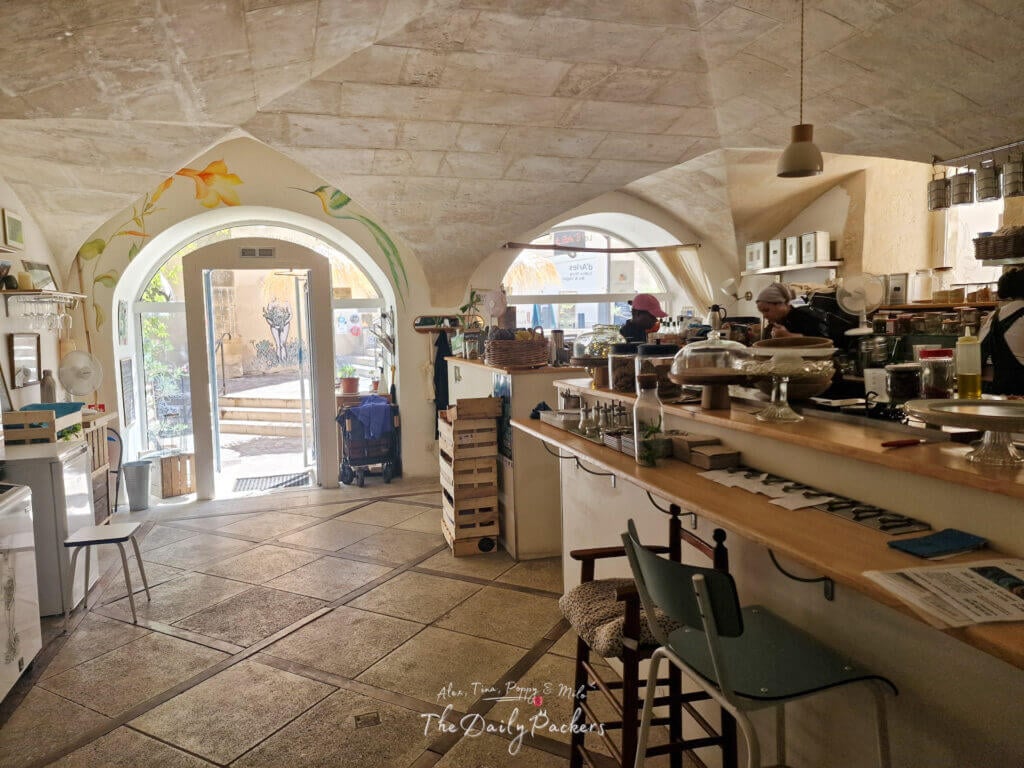
The food was genuinely delicious — fresh, flavorful, and beautifully presented — and the setting made it even better. We had lunch in their inner courtyard, surrounded by greenery, which felt like a little hidden oasis right in the city.
If you’re looking for a spot that’s both healthy and memorable, this is the place to go.
Best things to do in Arles
Wander Through Arles’ Old Town
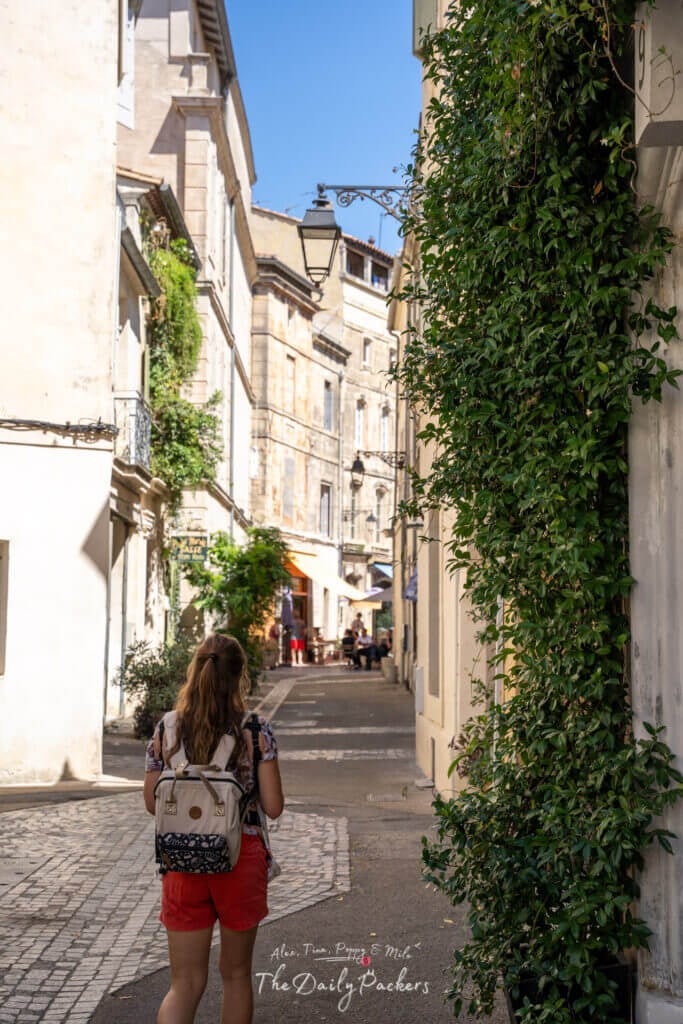
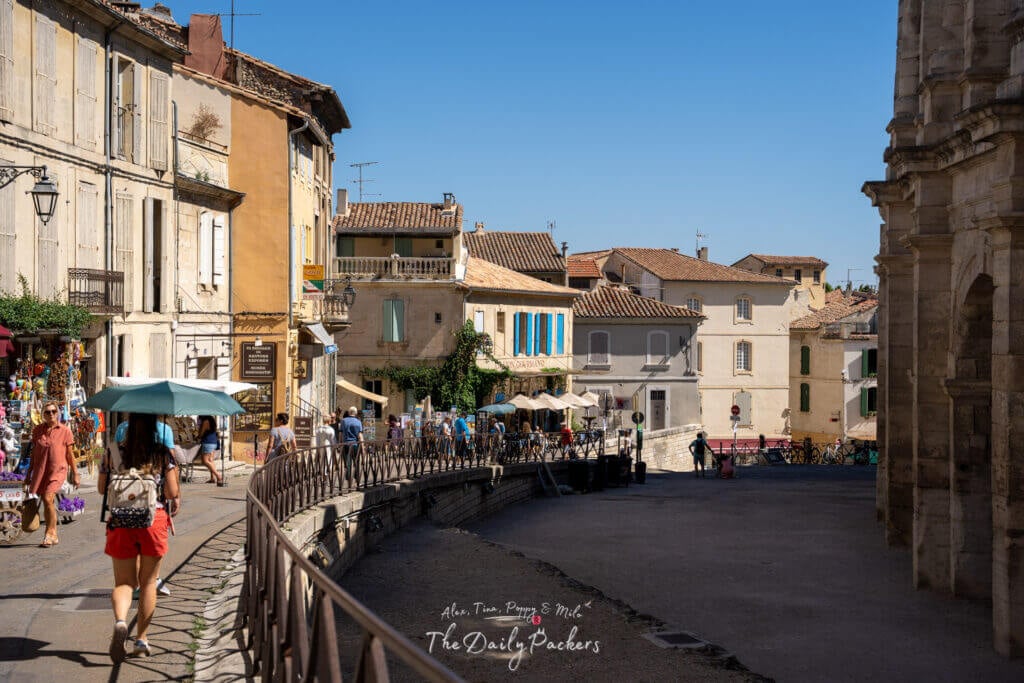
Arles’ old town is where the city truly comes alive. Its narrow cobblestone streets twist and turn past sun‑worn stone buildings, colorful shutters, and little squares where locals gather for coffee. As we wandered, we found tiny boutiques, art galleries, and cafés spilling out onto the pavements — the kind of places you only stumble on by getting lost a little.
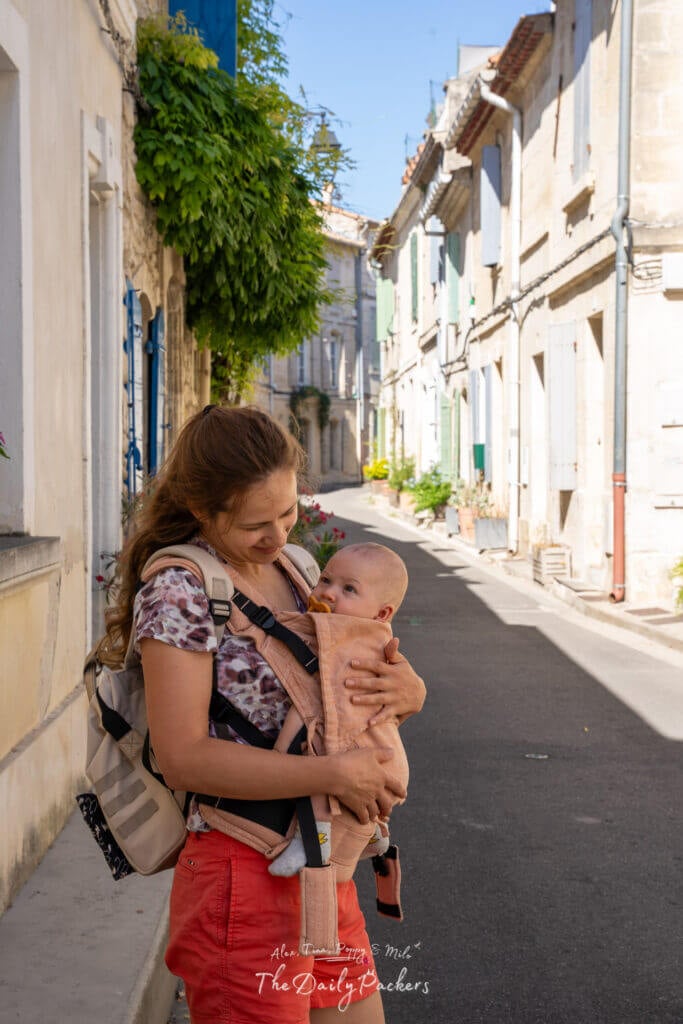
The whole center is compact and easy to explore on foot, and every corner feels like it has a story. You’ll spot Roman ruins peeking out between houses, faded signs on centuries‑old walls, and plenty of quiet corners perfect for sitting down and just taking it all in. Arles’ old town isn’t just somewhere to pass through — it’s the heart of the city and the best way to soak up its charm.

Step Inside the Arles Amphitheatre
The Arles Amphitheatre is one of the city’s most impressive landmarks, dating back to 90 AD. This massive Roman arena could once seat over 20,000 spectators who gathered for gladiator games and chariot races.
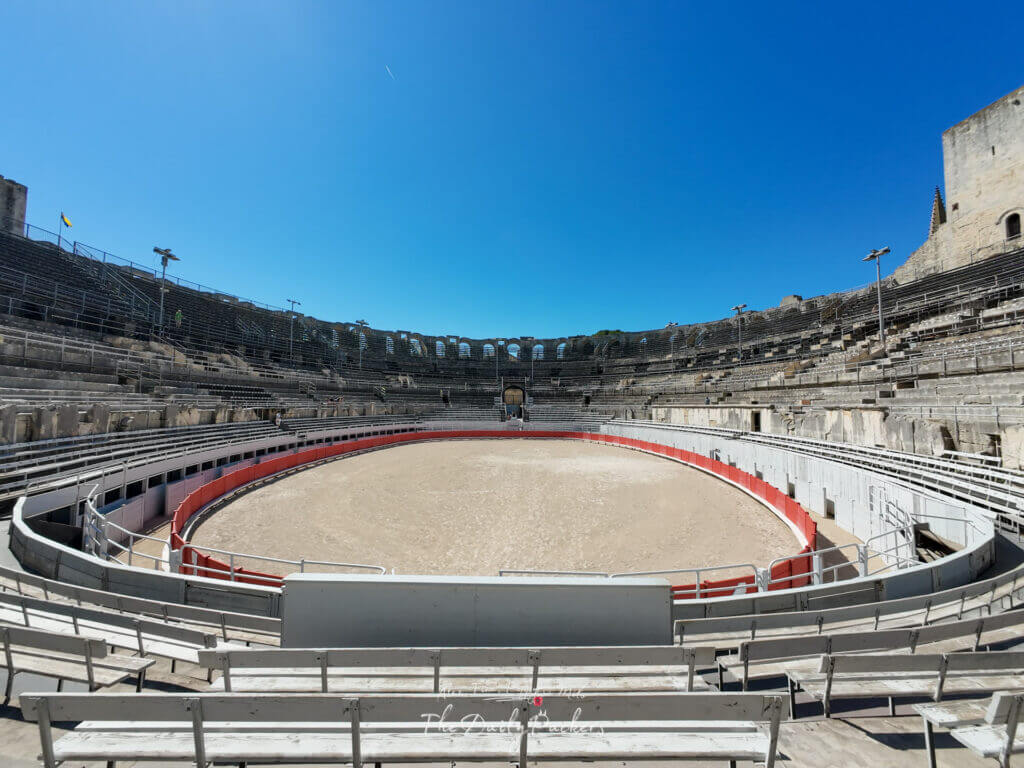
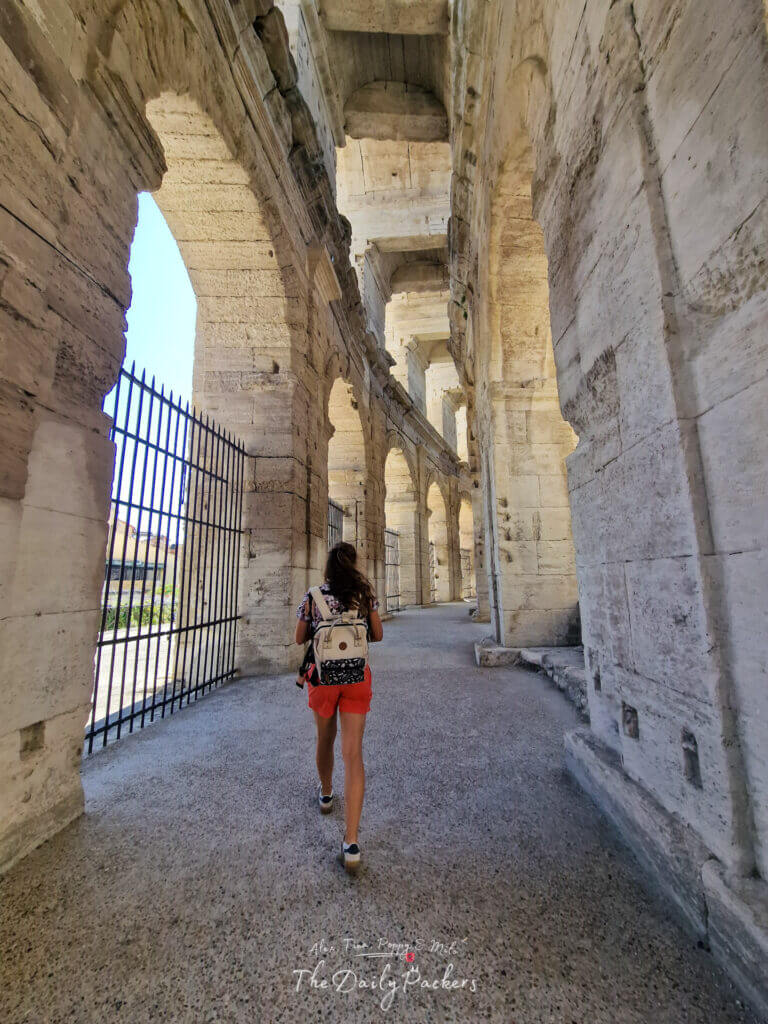
Today, the amphitheatre still dominates the skyline and hosts cultural events, concerts, and even bullfights, connecting the past with the present. Walking through its ancient stone arches, you can almost hear the echoes of the crowds from centuries ago.
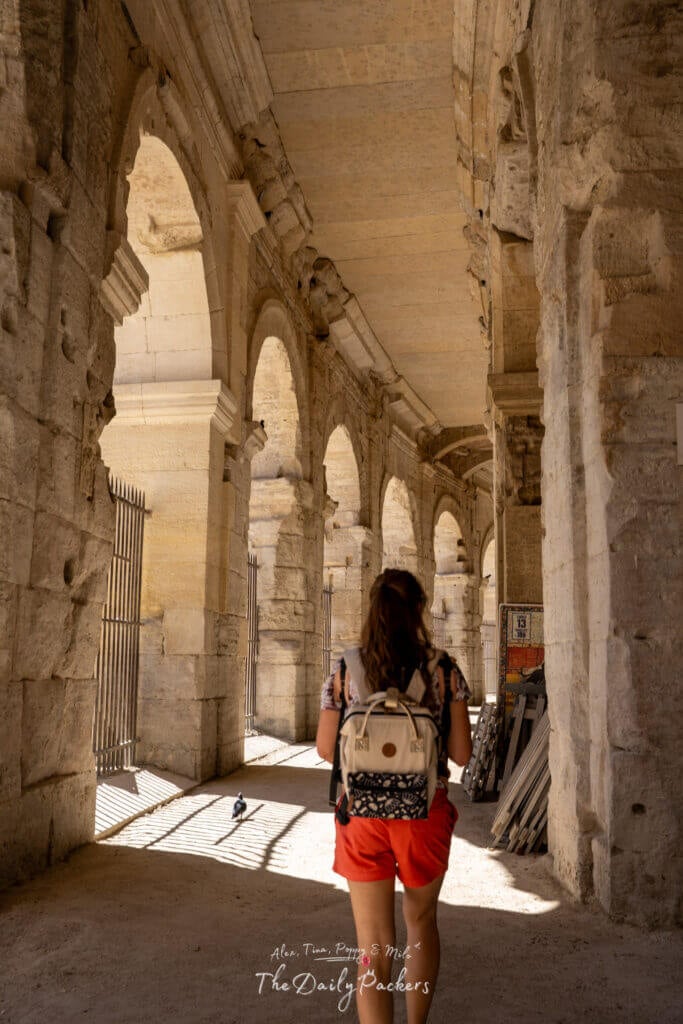

Tip: If you plan on visiting all six Roman monuments in Arles, it’s worth getting the full pass for 19€ per person — it will save you money and make hopping between sites easier.
Explore the Roman Theatre of Arles
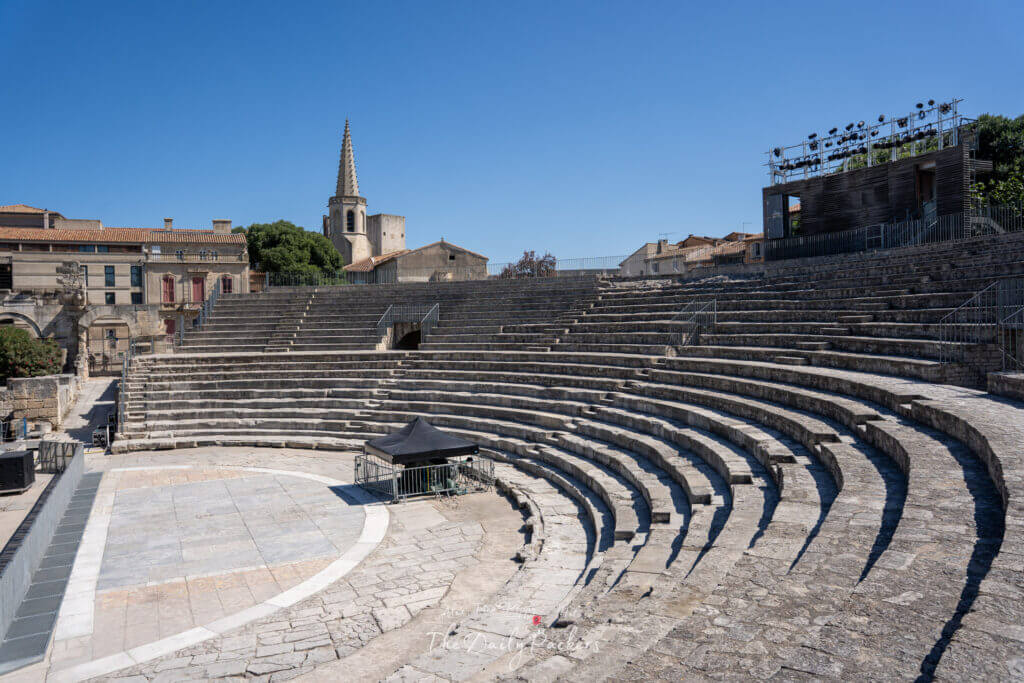
Built at the end of the 1st century BC, the Roman Theatre of Arles was once a grand stage for plays and performances, seating around 8,000 spectators. Though time has worn it down, with much of its stone reused in the Middle Ages, the site still holds an undeniable charm.
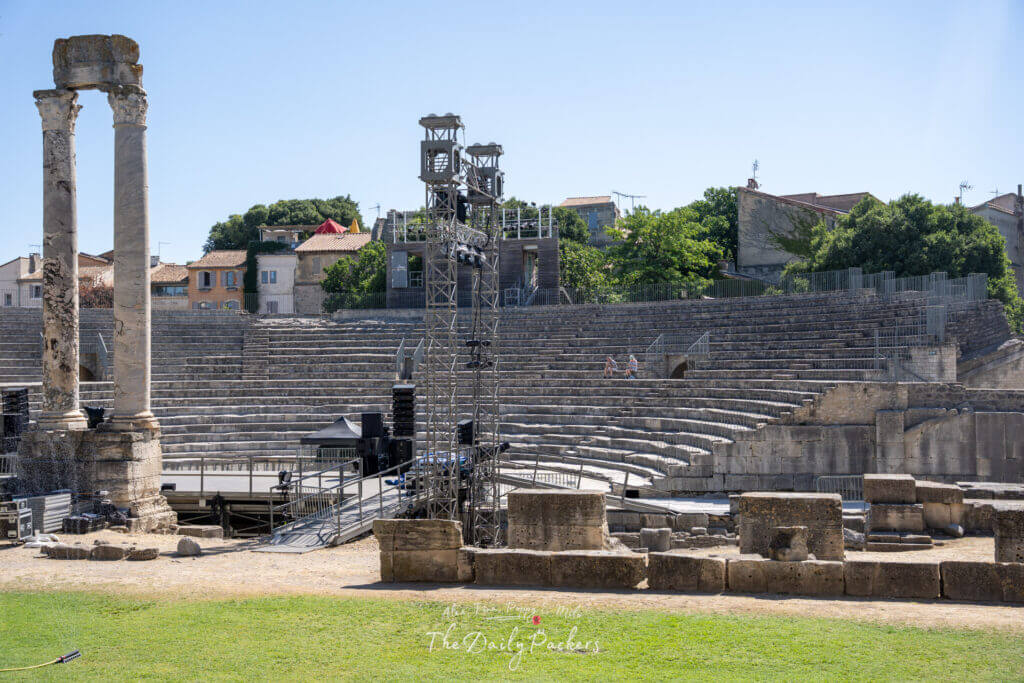
You can stroll among the ruins, see the remains of the stage, and imagine what it must have been like to watch a performance here over 2,000 years ago.
Here are all your accommodation options in Arles
Step Into History at the Thermae of Constantine
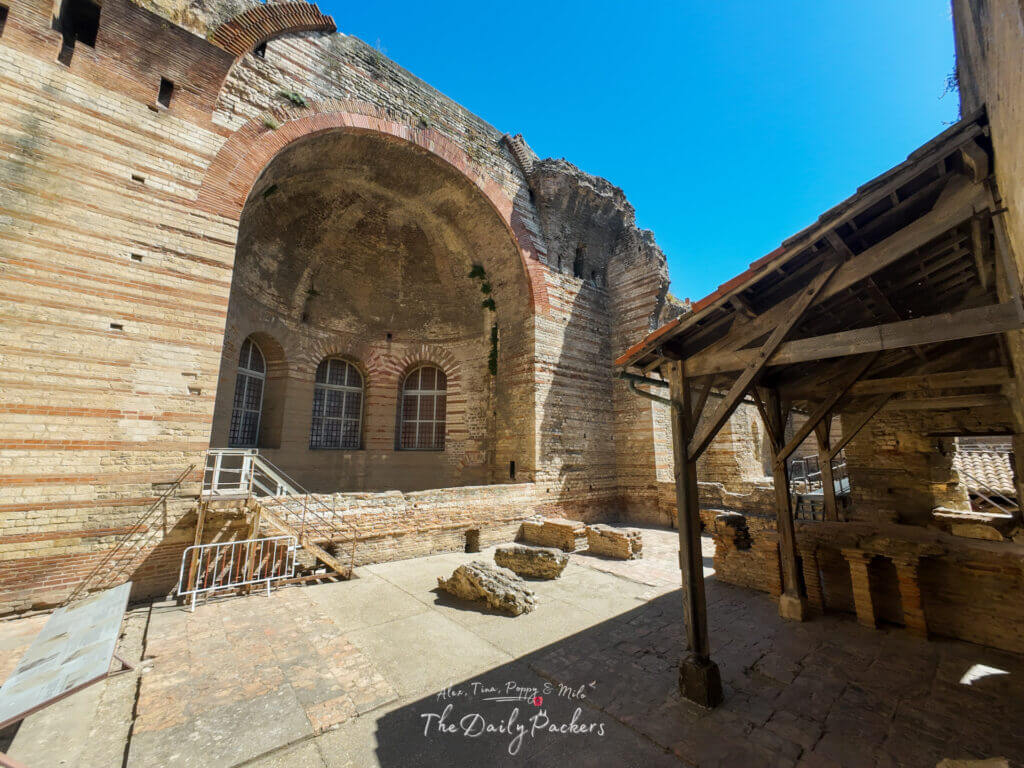
The Thermae of Constantine are the remains of Roman baths built in the 4th century when Arles was a major city of the Roman Empire. Though only a portion of the complex survives, you can still see the outlines of the frigidarium (cold room), caldarium (hot room), and other sections that once formed a hub of social life in Roman times.
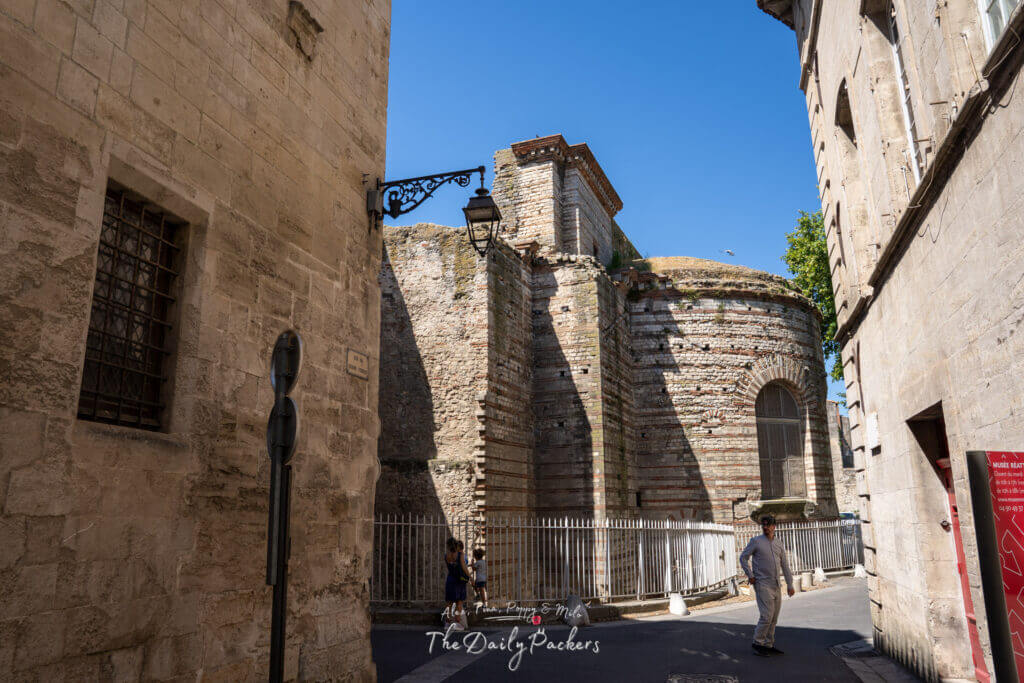
Walking through the arches and vaulted rooms gives you a real sense of the scale and importance of these baths.
Explore the Hidden Cryptoportiques of Arles
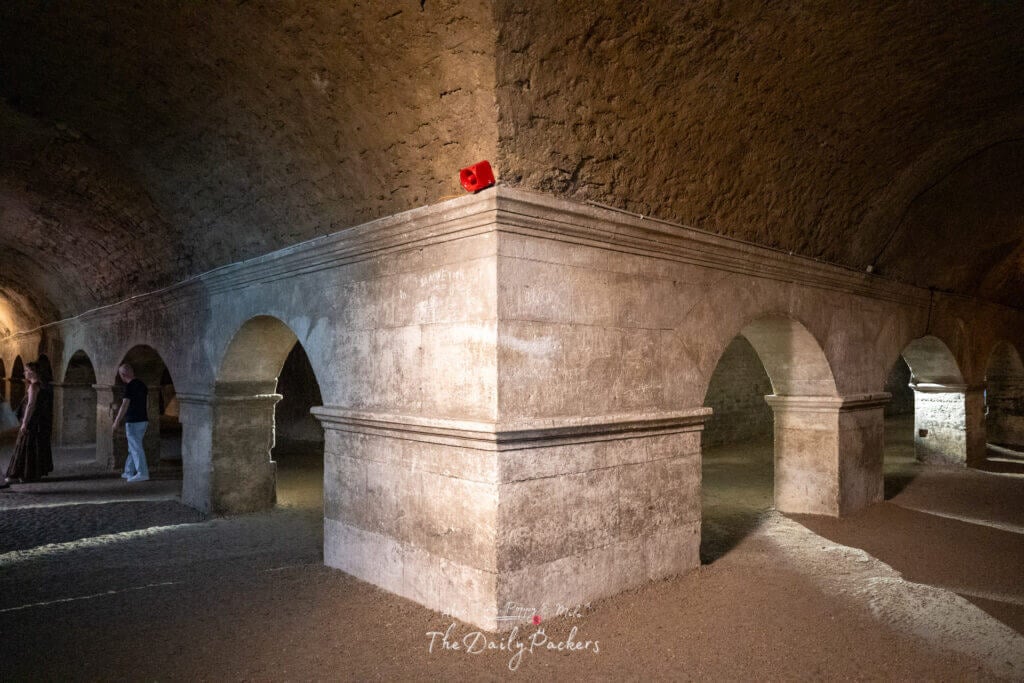
Beneath the Place du Forum lies one of Arles’ most intriguing sites — the Cryptoportiques. Built in the 1st century BC, these underground galleries once supported the ancient Roman forum and served as storage spaces, possibly even markets.
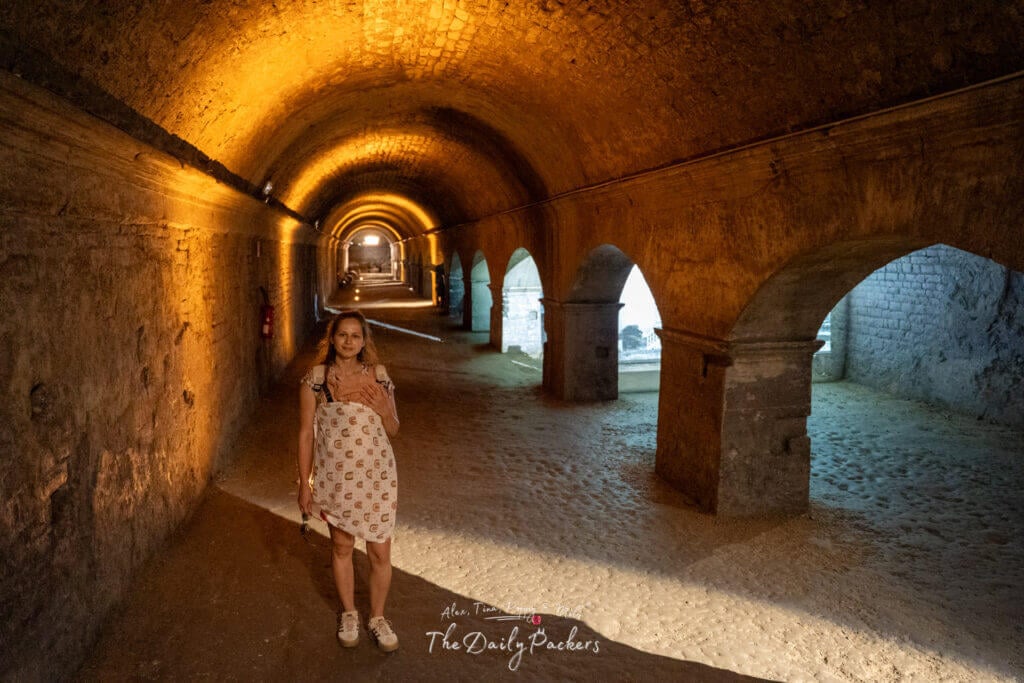
Walking through the dimly lit stone corridors feels like stepping back in time, with the cool air and ancient arches adding to the atmosphere. It’s a fascinating reminder of the engineering skills of the Romans and one of the more unusual historic sites in the city.
Wander Through the Cloître Saint-Trophime
Right in the heart of Arles, the Cloître Saint-Trophime is a masterpiece of Romanesque architecture and one of the city’s most peaceful spots. Built between the 12th and 14th centuries, the cloister was once part of a larger church complex that played a key role in the life of medieval Arles.
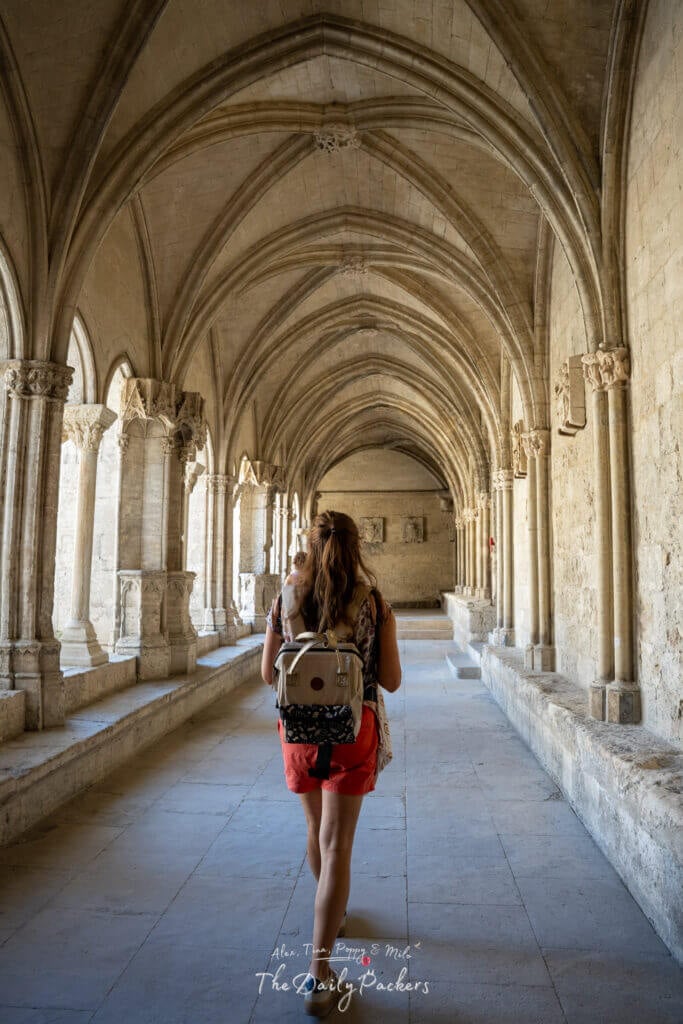
The carved capitals lining the cloister’s galleries are remarkable — scenes from the Bible and intricate details that are worth taking the time to admire. Walking through the shaded arches, you can almost picture the canons who once lived and prayed here.
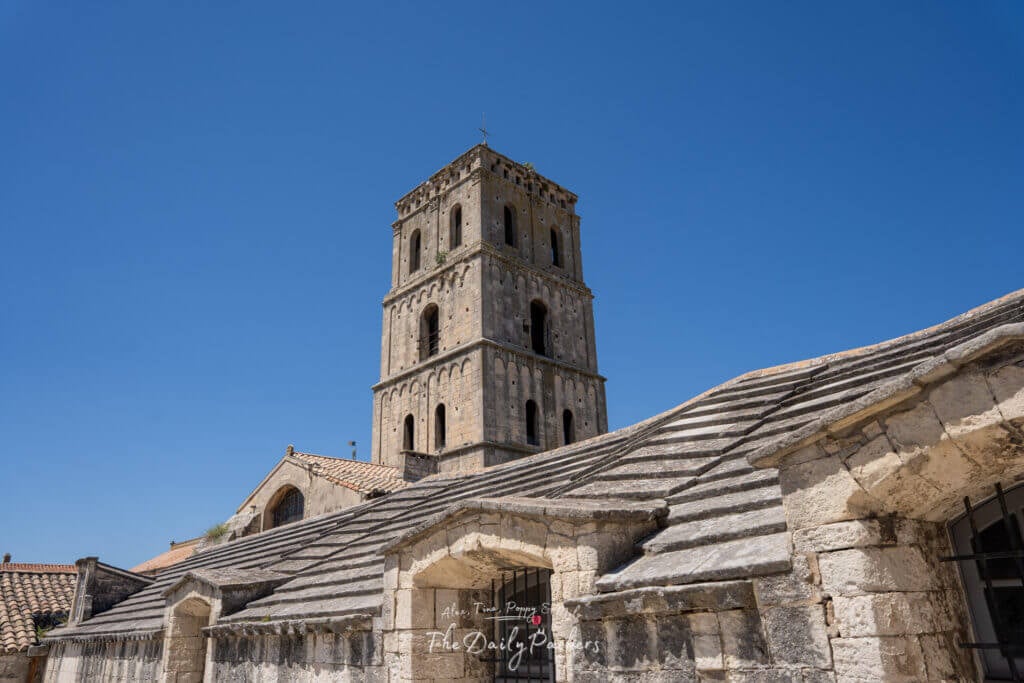
Stroll Along the Alyscamps
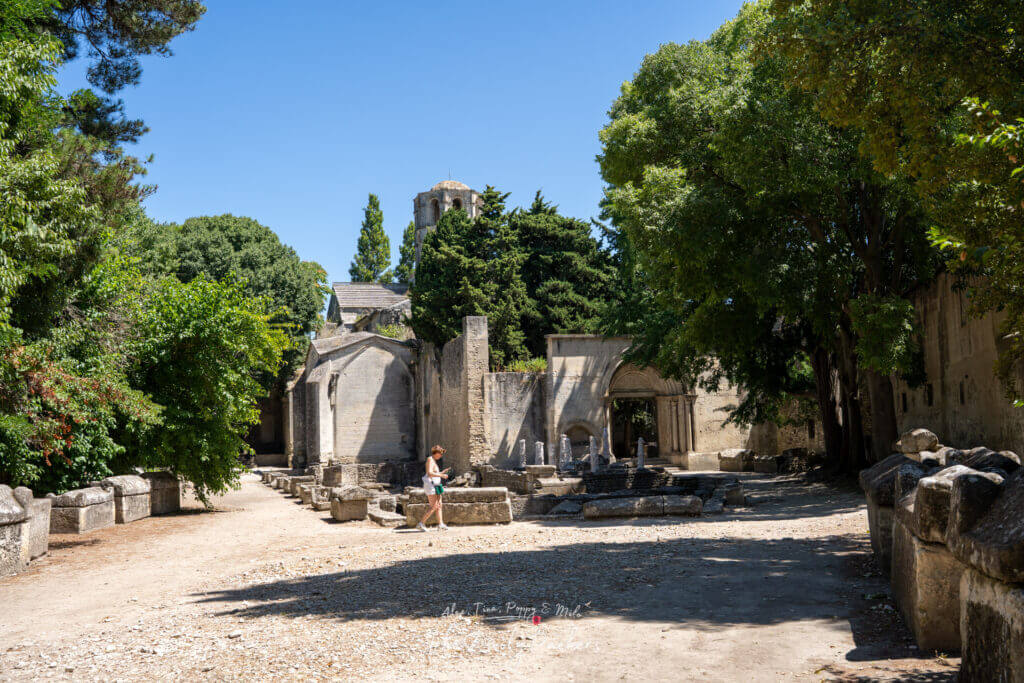
Just outside the old town, the Alyscamps is one of Arles’ most atmospheric sites. This ancient Roman necropolis was once among the most famous burial grounds in the world, attracting people from across Europe who wanted to be laid to rest here.
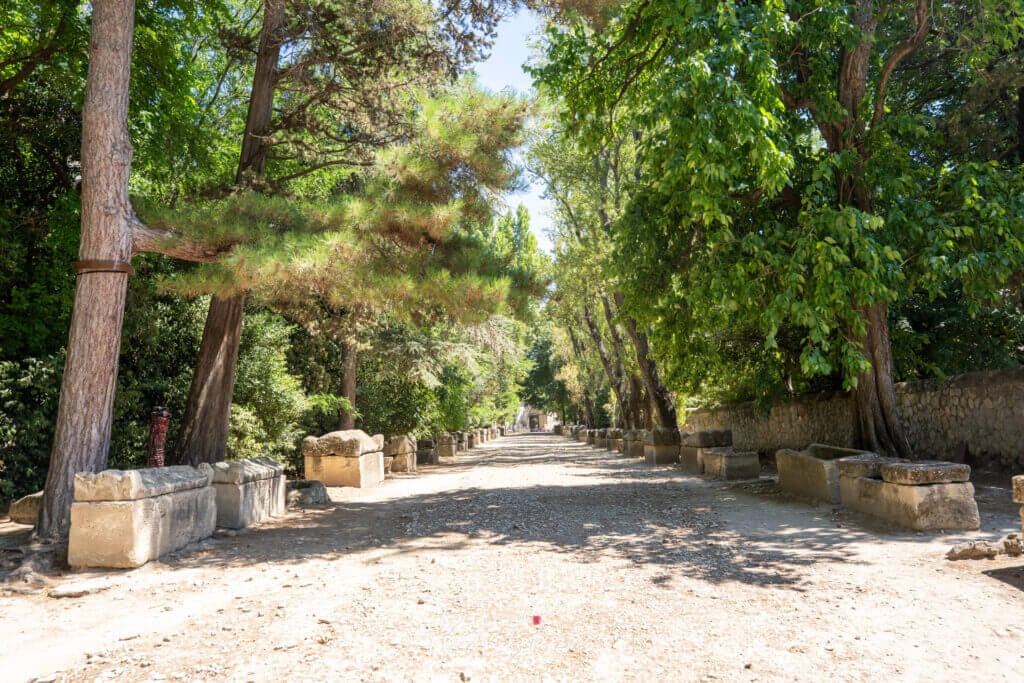
Lined with stone sarcophagi and shaded by plane trees, the path feels almost timeless. As you walk along, you’ll see centuries of history layered in one place — from Roman tombs to medieval additions, including the small but striking Saint-Honorat church.
Here are all your accommodation options in Arles
Step Inside the Saint-Trophime Primatial Catholic Church
Right on the Place de la République, the Saint-Trophime Primatial Catholic Church is one of the finest examples of Romanesque architecture in Provence. Built between the 12th and 15th centuries, it was once the seat of the Archbishop of Arles and remains one of the city’s most important landmarks.
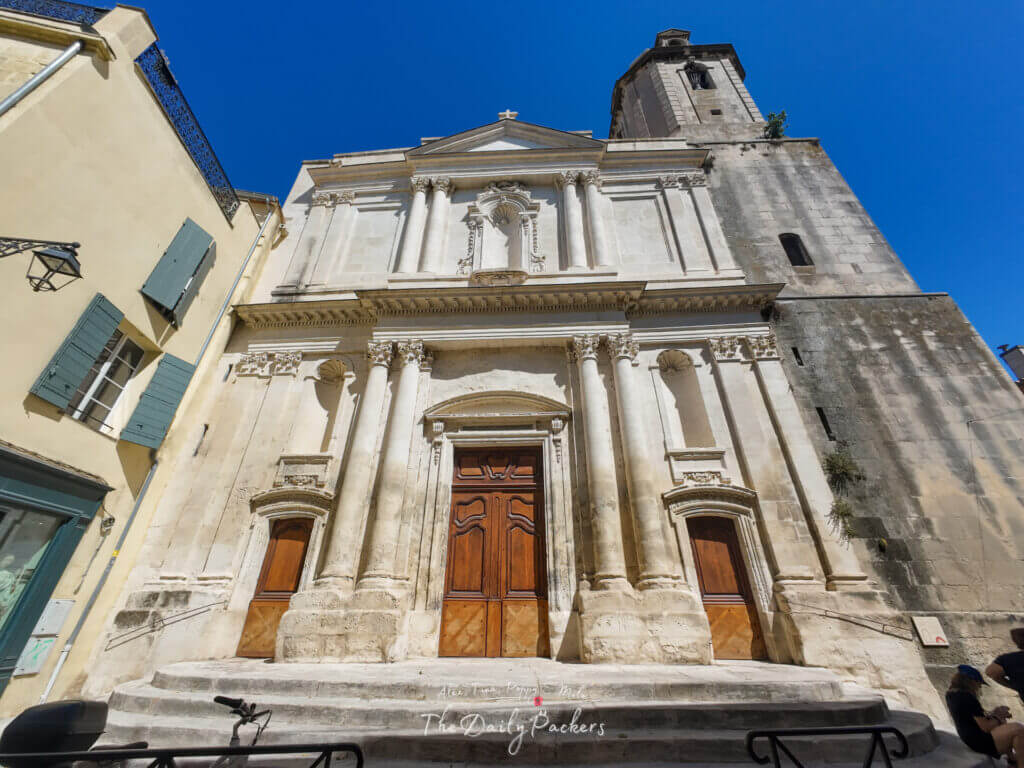
The real highlight is its ornate façade, covered in intricately carved biblical scenes that feel almost like a stone tapestry. Inside, the church is more austere but still impressive, with soaring arches and a serene, almost contemplative atmosphere.
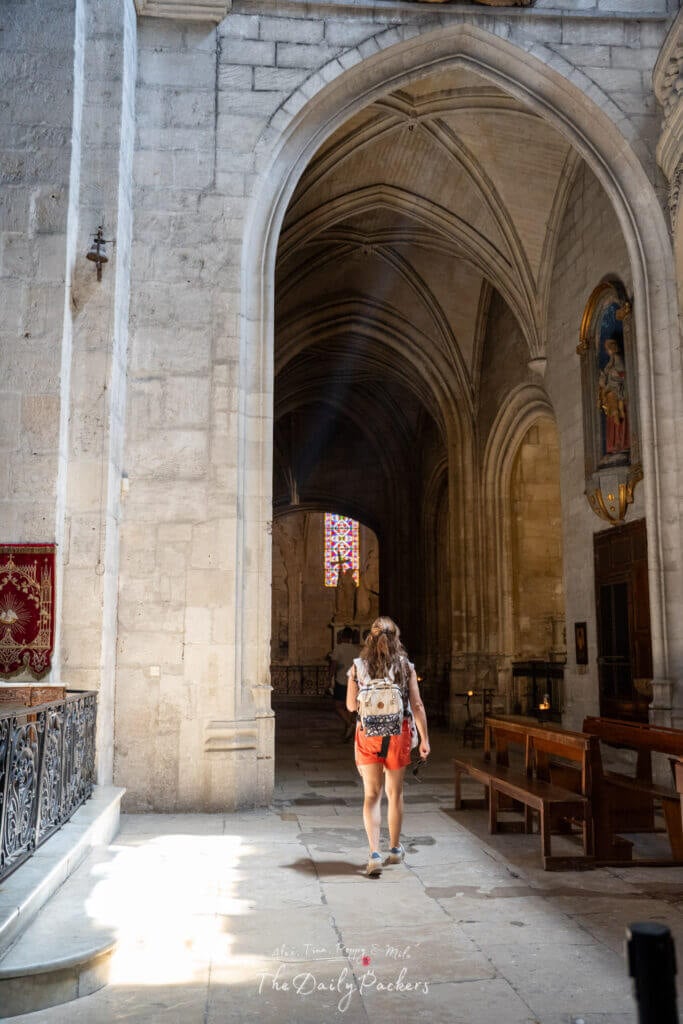
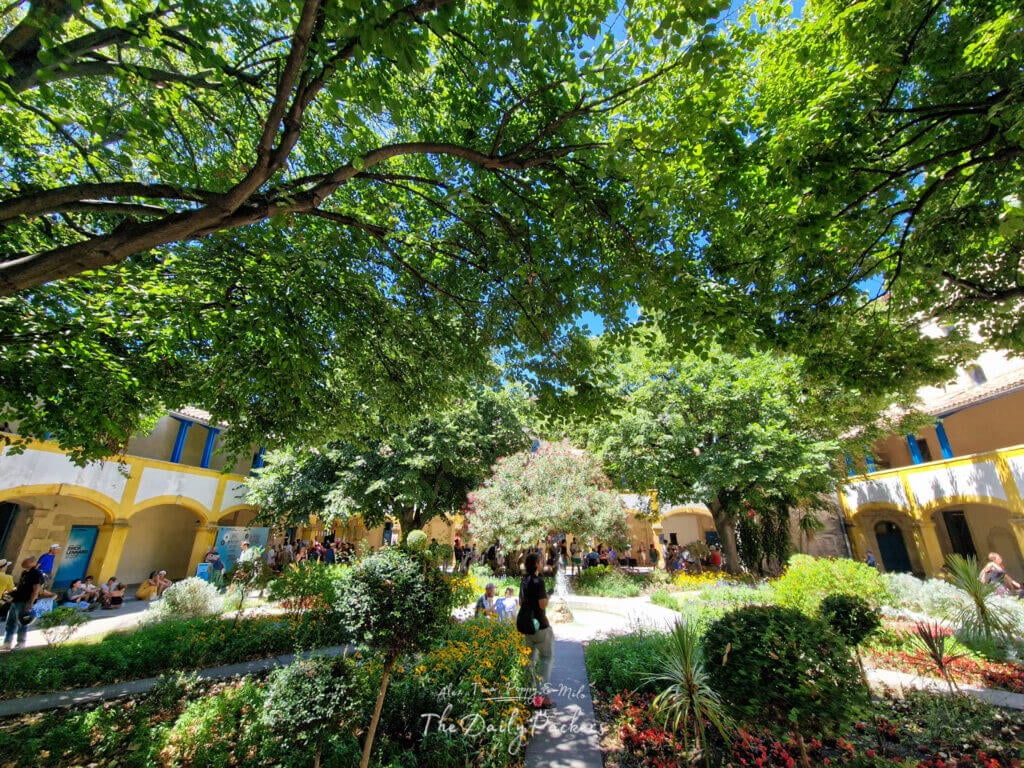
Stroll Through Le Jardin de la Maison de Santé à Arles
Tucked away from the busier streets, Le Jardin de la Maison de Santé à Arles is a quiet spot linked to one of the most famous figures to ever live here — Vincent van Gogh. When Van Gogh was treated at the nearby hospital, this peaceful courtyard garden became one of his muses, inspiring several of his paintings.
Today, you can wander through the same garden and see the flower beds, shaded walkways, and bright shutters that he once captured on canvas. It’s a small visit, but standing there, you can almost picture Van Gogh setting up his easel and painting the vibrant scenes we know so well.

Tip: We never travel without our DJI Mini 3 PRO drone anymore — it’s totally worth having to capture places from a whole new perspective.
Explore the Arles Market
If you happen to be in Arles on a Saturday morning, the weekly market is an absolute must. Stretching for over 2 kilometers along Boulevard des Lices, it’s one of the largest and most vibrant markets in Provence. You’ll find everything here — fresh produce, local cheeses, olives, herbs, Provençal fabrics, soaps, and even antiques.
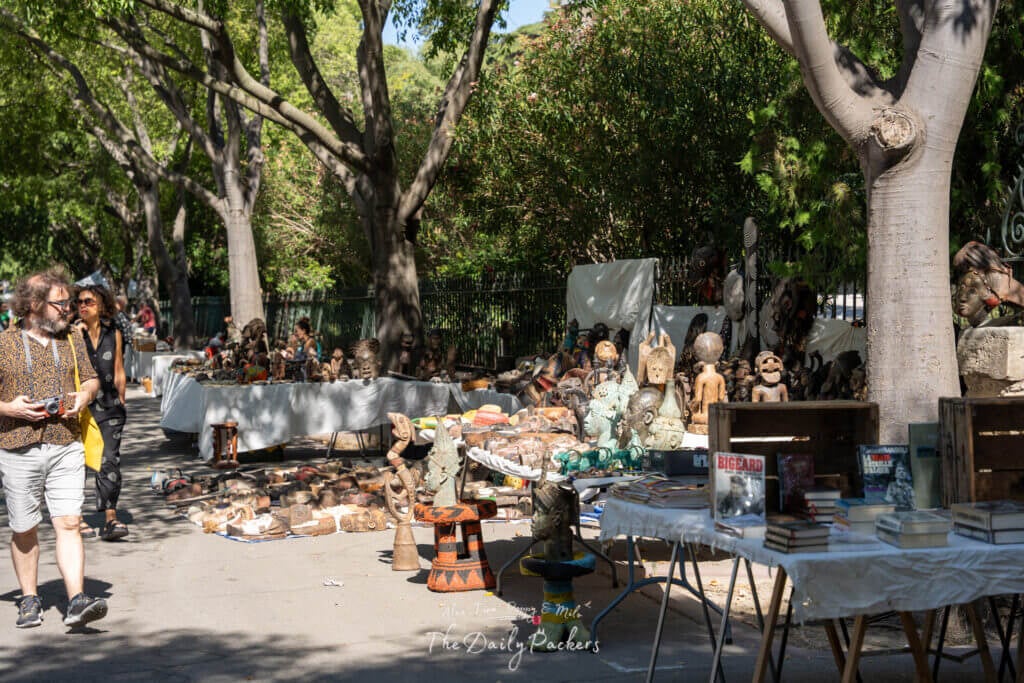
The colors, smells, and energy are exactly what you imagine when you think of a market in the south of France. We spent a good hour strolling, tasting samples, and chatting with local vendors.
Tip: Arrive early (before 10 AM) to avoid the biggest crowds and get the best selection. And if you’re staying somewhere with a kitchen, it’s the perfect place to stock up for a Provençal-style picnic or dinner.

Stroll through the Jardin d’Été (Summer Garden)
Right next to the ancient Theatre of Arles, the Jardin d’Été is a small but charming public park that offers a peaceful pause in the heart of the city. Shaded by tall plane trees and dotted with benches, it’s the perfect spot to catch your breath after visiting the Roman monuments or to enjoy a takeaway coffee or sandwich from a nearby café.
Locals come here to read, relax, or simply escape the Provençal sun for a while. It’s not a major attraction on its own, but it adds to the charm of exploring the town, giving you a moment of calm between sightseeing stops.
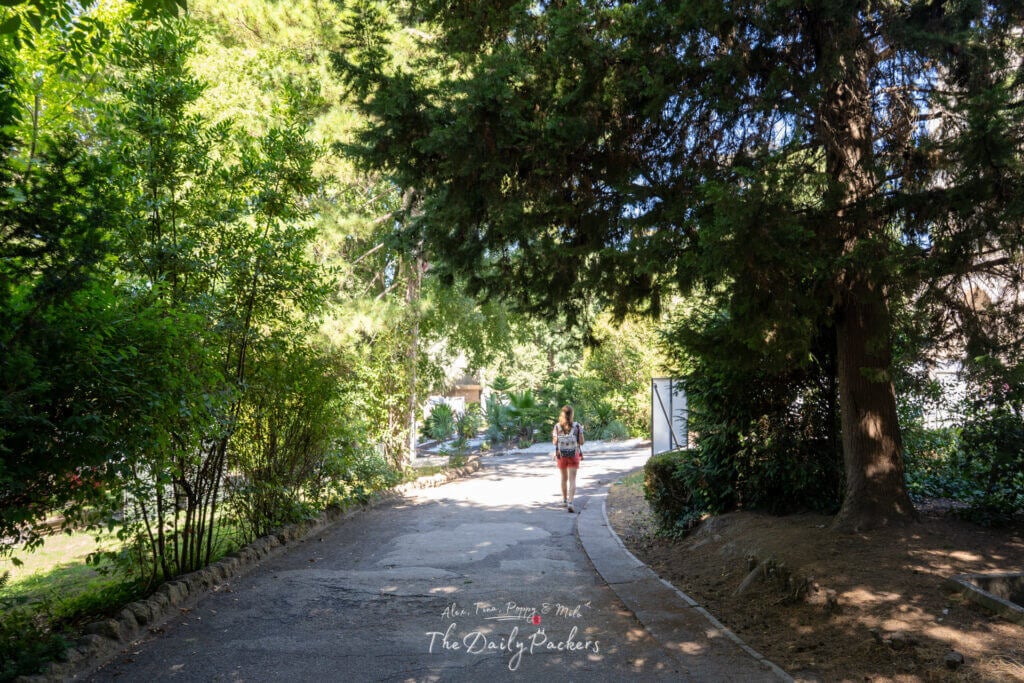
Explore Arles’ Museums
Arles isn’t just about Roman ruins and cobblestone streets – the city also has a fantastic range of museums worth weaving into your visit.
- Fondation Vincent van Gogh Arles – A must for art lovers, this foundation celebrates Van Gogh’s legacy in Arles with changing exhibitions of contemporary art inspired by his work.
- Muséon Arlaten – Founded by poet Frédéric Mistral, this museum offers an immersive dive into Provençal culture, with exhibits on traditions, costumes, and everyday life in the region.
- L’Espace Van Gogh – Once the hospital where Van Gogh stayed after the infamous ear incident, today it’s a cultural space with art exhibits. The courtyard is particularly beautiful, inspired by Van Gogh’s own paintings.
- Musée Réattu – Housed in a former Grand Priory of the Knights of Malta, this museum showcases fine arts, including works by Picasso, and a striking photography collection.
- Musée Départemental Arles Antique – If you’re fascinated by Arles’ Roman past, this is the place to go. The museum houses an incredible collection of artifacts, including mosaics, sculptures, and even an ancient Roman barge pulled from the Rhône.
- Musée de la Camargue – Just outside Arles, this museum focuses on the unique landscapes and traditions of the Camargue region, from its wildlife to its ranching culture.
If you love museums, you could easily dedicate a day or two to visiting them all — each one offers a completely different perspective on Arles and its surroundings.
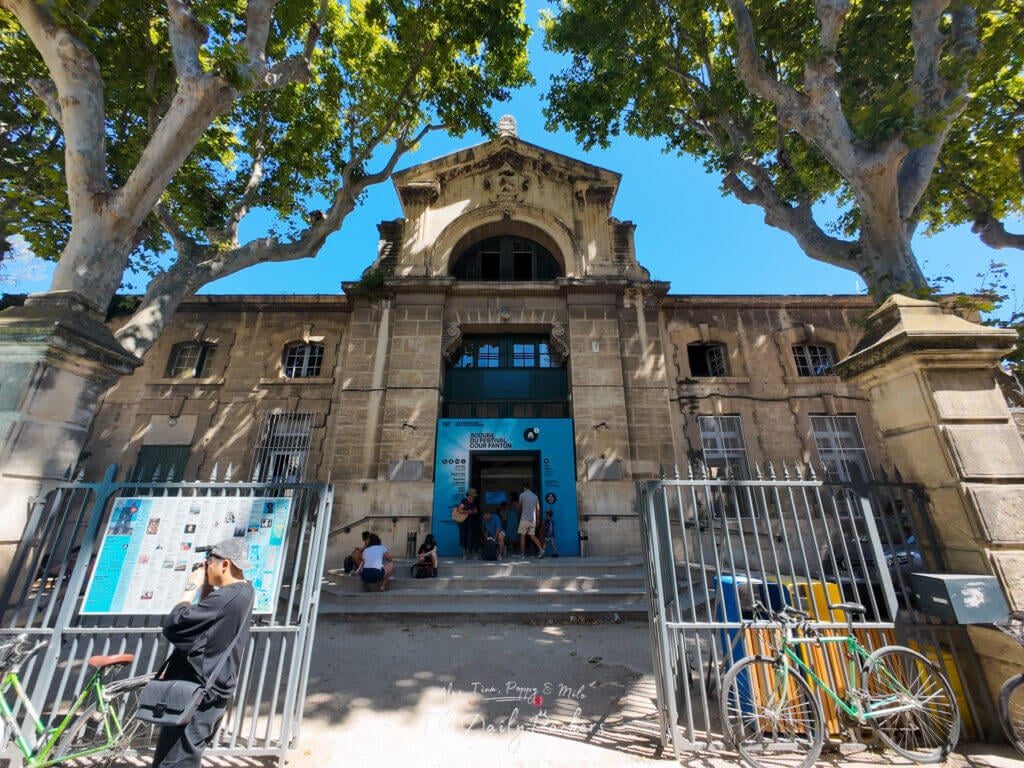
Wander around La Roquette District
La Roquette is one of the most atmospheric neighborhoods, just a short walk from the old town. Once the fishermen’s quarter, it’s a maze of narrow, winding streets, colorful facades, and small hidden squares. Today, it feels both bohemian and local — you’ll find art galleries, tiny cafés, and a slower, more authentic vibe compared to the busier historic center.
It’s the perfect area for an afternoon stroll if you want to see another side of the city, away from the main tourist trail. Take your time to wander, grab a drink at a corner café, and soak up the charm of this quiet, lived‑in part of town.
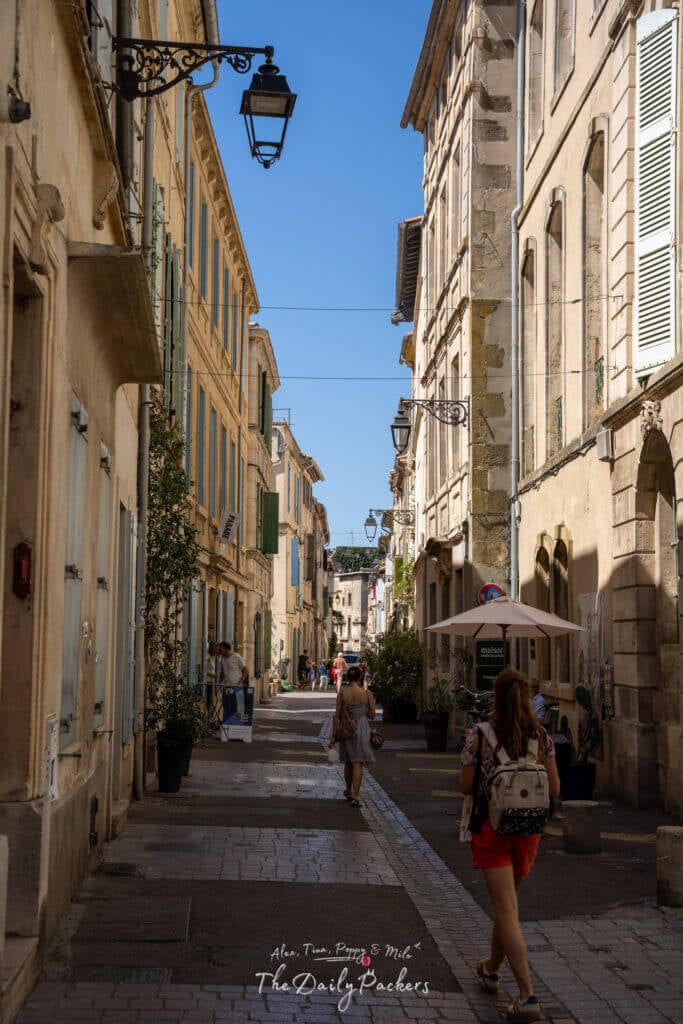
Discover Camargue National Park
A trip to Arles wouldn’t be complete without venturing into the Camargue National Park, one of France’s most unique and captivating landscapes. Just a short drive from the city, this wild region feels like a completely different world — a mix of sprawling wetlands, shimmering salt flats, and endless open skies.
The park is famous for its white Camargue horses, which roam freely and have become an icon of the region. You’ll also spot black bulls grazing in the fields and, if you’re lucky, flocks of pink flamingos wading in the shallow waters — a magical sight, especially at sunrise or sunset.
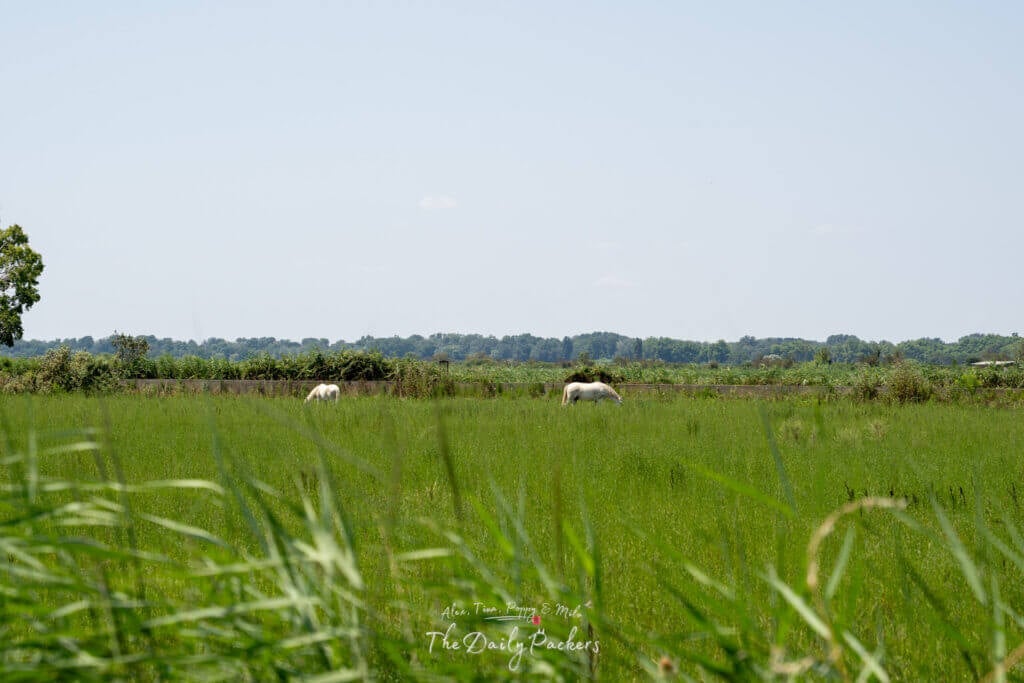
There are plenty of ways to explore: you can drive along the scenic roads, cycle the flat trails, or join a guided 4×4 tour to reach the more remote corners of the park. Horseback riding is also a popular (and fitting) way to experience the Camargue.
The villages within the park, like Saintes-Maries-de-la-Mer, offer a mix of culture and coastal charm, with seaside promenades and seafood restaurants serving freshly caught fish.
Whether you come for the wildlife, the open landscapes, or simply to feel the stillness of this wild corner of Provence, Camargue National Park is one of the most unforgettable day trips from Arles.

Arles Itinerary
Day 1 – Old Town Highlights
- Morning: Explore the old town and the Roman monuments (Amphitheatre, Theatre, Cryptoportiques).
- Lunch: Stop at Le VG d’Arles for a vegan-friendly break in a lovely courtyard.
- Afternoon: Visit Cloître Saint-Trophime, the Saint-Trophime Church, and stroll through the Jardin d’Été.
- Evening: Stay overnight in town — enjoy a relaxed dinner in the old town.
Day 2 – Camargue National Park
- Morning: Leave early for the Camargue. Go for a horseback ride or 4×4 tour through salt marshes and wetlands, spotting flamingos and white horses.
- Lunch: Head to Saintes-Maries-de-la-Mer for seafood or local bull stew.
- Afternoon: Stroll around the village, climb the Notre-Dame-de-la-Mer rooftop, and visit the salt flats or wild beaches before heading back to Arles.
Here are all your accommodation options in Arles
About the authors
We are Alex and Tina, a French-Serbian couple who met in China back in 2014. We spent three incredible years there before making France our home. Our shared passion for travel has been the heartbeat of our relationship for over 12 years, taking us across 44 countries and counting.
We launched TheDailyPackers in 2019 as a way to document our adventures. In 2026, we reached a major milestone by officially turning our blog into our full-time job. While we are still growing toward financial independence through this platform, every article we write is fueled by our mission to make your voyages easier through in-depth guides, honest advice, and the lessons we’ve learned from our own mistakes.
Our journey has not been without its storms. In 2023, our world changed forever when our first son, Poppy, was stillborn on November 25th. It was, and remains, the hardest chapter of our lives. In 2025, we were blessed with our second little boy, Milo. He has since joined our traveling tribe, and you’ll be seeing him—and the reality of traveling with a little one-on the blog more and more.
We hope to inspire you to explore the world with curiosity and resilience. Thank you for being part of our story.
You may also like those related posts
10 Best places in Argentina You Shouldn’t Miss on Your Next Trip
16 Best things to do in Montevideo, Uruguay, in 3 days
3 Best Places to Visit in March
Normandy landings: Complete guide to the D-Day Sites
14 Best things to do in Punta Del Diablo, Uruguay, in 3 days
Cost to Travel South America, Our 3-month Budget Breakdown
eBike China: Driving around the city like a local in 2019
Hanoi train Street: Still Worth It in 2025?
Pssst, did you know that…
If you purchase something through our links, we earn a small fee. However, you still pay the same. Win-win! And one day we may get to be full-time travel bloggers =)
Find Hotels with Booking.com
Do Yoga with KVY
Buy us a Coffee
Rent a car with DiscoverCars
Find Attractions with GetYourGuide
Find Flights with Expedia
Buy an eSIM with Airalo
Get insured with World Nomads
Get ready with Amazon.com