
Introduction
SaPa was our second stop in Vietnam, directly after Hanoi. Even though it is a bit out of reach, we opted to get there, and it was amazing. No regrets at all.
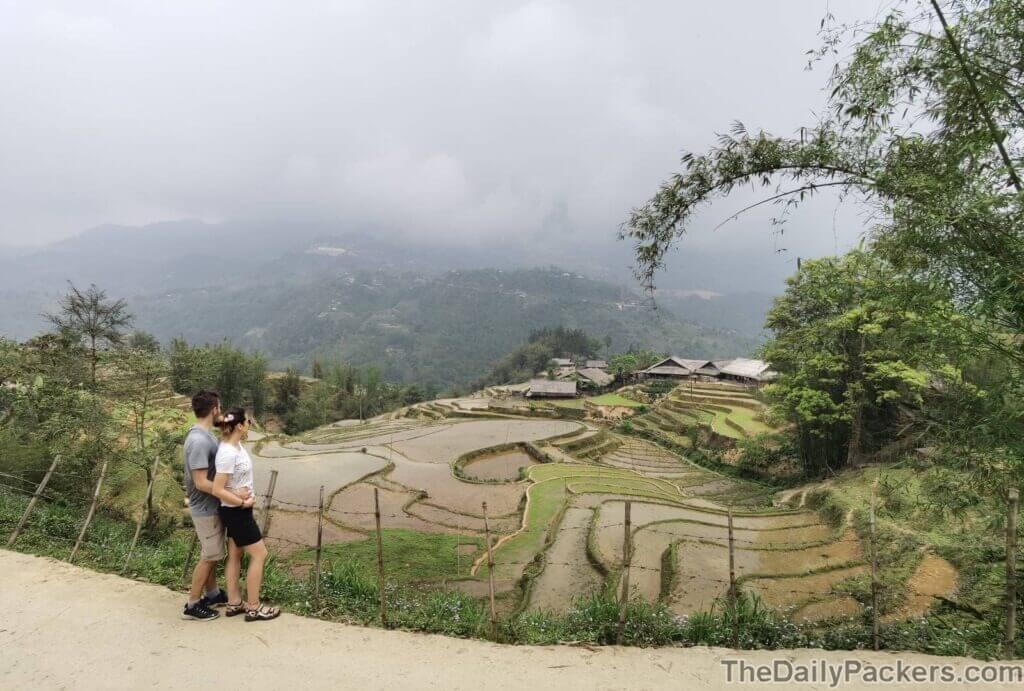
SaPa is famous for its vast terraced rice fields, where ethnic minority groups such as the Hmong, Dao, and Dzay live. The best way to experience this is on a day hike with a local guide. SaPa is definitely oriented toward nature lover.
One particular thing is that we travelled to Vietnam while Tina was 9 to 12 weeks Pregnant with our first son Poppy. So, it wasn’t always easy, yet we enjoyed it!
In this article, we will tell our story going around all the best things to do in SaPa. So, if you too are planning a trip to Vietnam and to SaPa, then let ‘s dive in these best things to do in SaPa
If you do not have 4 days to spend in SaPa, you can consider taking this 2-day tour from Hanoi: Discover the beauty of Sapa and the quaint villages surrounding it on this overnight trip from Hanoi. Connect with the community as you cook together with your host and stay overnight at a local home.

Read: Complete North and Central 3-week Vietnam Itinerary
Getting there
The best way to get to SaPa is from Hanoi. There are many options:
- By Van: the most comfortable way: This is the option we chosed. It takes 5-6h to get there. If you want to reserve it, book it here.
- By Bus: On a similar note, you can also book a bus. The bus journey takes around 5-6 hours, depending on the traffic and road conditions. If you want a unique VIP bus, we would recommend this one.
- By Train: This is not the easiest as there isn’t a train station in SaPa and you need to take the train to Lao Cai. From there a taxi to SaPa which is about 38 kilometers away. The journey from Lao Cai to Sa Pa usually takes around 1-1.5 hours. And the complete train journey takes approximately 8-9 hours. Once you arrive at Lao Cai Railway Station, you can hire a taxi or take a local bus to Sa Pa,

Read: How to get to SaPa in a Luxury van
Moving Around
Once you are in SaPa, the complete town can be visited on foot. It is a small town after all. However, if you want to go around, to the waterfalls or viewpoints, you will need to rent a scooter or go on a tour.
Scooter prices are from 150 000 to 200 000 VND. The scooter is given to you with an empty fuel tank. So, be sure to refuel right away. And to give the scooter back with an empty tank as well.
When to Visit
Sapa is a year-round destination, but the experience you get will really depend on the season you choose. Each one has its own charm — from lush green rice terraces to golden harvest fields, or even misty, atmospheric winter days.
- Spring (March to May): Spring is one of the most pleasant times for trekking Sapa. Days are mild, with temperatures usually between 15°C and 22°C (59–72°F), and the valleys come alive with blooming flowers. The rice terraces start turning green, and you’ll have a good balance of comfortable weather and clear skies for your hikes.
- Summer (June to August): If you want to see Sapa at its greenest, summer is the time. The rice terraces are at their peak in July and August, and the landscapes are stunningly lush. That said, this is also the rainy season, so expect some muddy trails and afternoon showers. Temperatures hover around 20°C to 28°C (68–82°F), making it warm but not overly hot in the mountains.
- Autumn (September to November): Autumn might just be the perfect time for a Sapa trek. The weather is dry, skies are beautifully clear, and September is especially magical when the terraces turn golden for harvest. With temperatures between 15°C and 25°C (59–77°F), hiking is comfortable and the scenery is at its absolute best.
- Winter (December to February): Winter in Sapa is cold, with temperatures ranging from 7°C to 15°C (45–59°F). It’s not the most comfortable season for long treks, but the mist-covered mountains have a mysterious beauty. If you’re lucky, you might even see snow on the highest peaks — a rare sight in Vietnam.
Recommendation: If trekking Sapa is your main goal, aim for spring or autumn for the best mix of scenery and weather. Summer is great if you don’t mind the rain, and winter is more about the atmosphere than the views.
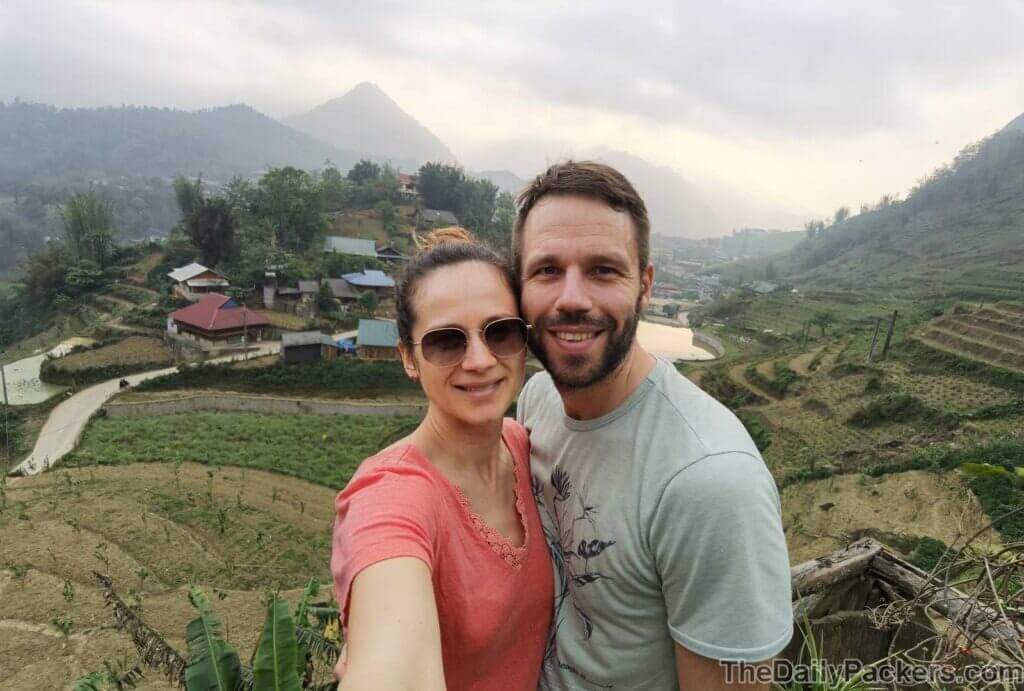
We visited Vietnam in spring and during our stay in SaPa, we had haze, clouds, and even sun (the day we left haha=)

Where to Stay
If you’re planning to do the Sapa trekking, staying a few nights in town will give you time to explore both the main attractions and the quieter trails. Three nights is a good amount — it allows you to rest after your arrival, do at least one full day of trekking, and still have time for other activities like Fansipan Mountain or visiting local markets.
Here are a few options depending on your budget:
- (€) En Hotel Sapa – A cozy and affordable choice right in town, perfect if you just need a comfortable base for your treks.
- (€€) Sapa Rosie House – Charming rooms with a homely feel and beautiful views, offering a more intimate experience.
- (€€€) Laxsik Ecolodge – A high-end stay surrounded by nature, ideal if you want peace, privacy, and stunning landscapes right outside your window.

Here are all your accommodation options in Sapa
What to Eat
The best things to eat in Vietnam are:
- Pho: A Vietnamese soup dish consisting of broth, rice noodles, herbs, and meat or tofu.
- Banh mi: A French-Vietnamese baguette sandwich filled with vegetables, meat/tofu/tempeh, and sauce…
- Banh Xeo: A rice flour pancake filled with various toppings and herbs.
Plus, lots of many other dishes made of spring rolls, fried noodle, or rice. We personally always found vegetarian or vegan option in Vietnam but also noticed that their kitchen is quite heavy and used lots of fried and deep-fried ingredients. They are also lots of drinks to try:
- Egg coffee: Hot or cold coffee prepared with egg yolks, sugar, condensed milk and strong coffee.
- Iced coffee: Made using Medium/Dark coffee passing through hot water into a cup that already contains condensed milk.
- Coconut Coffee: Where coconut milk is added.
Plus, they are also lots of fresh juices, fresh coconuts and beers to try. If you are looking for good restaurants we would recommend.
- Good morning Vietnam
- Ladybird Restaurant Hotel Café
- Thong Dong Vegan
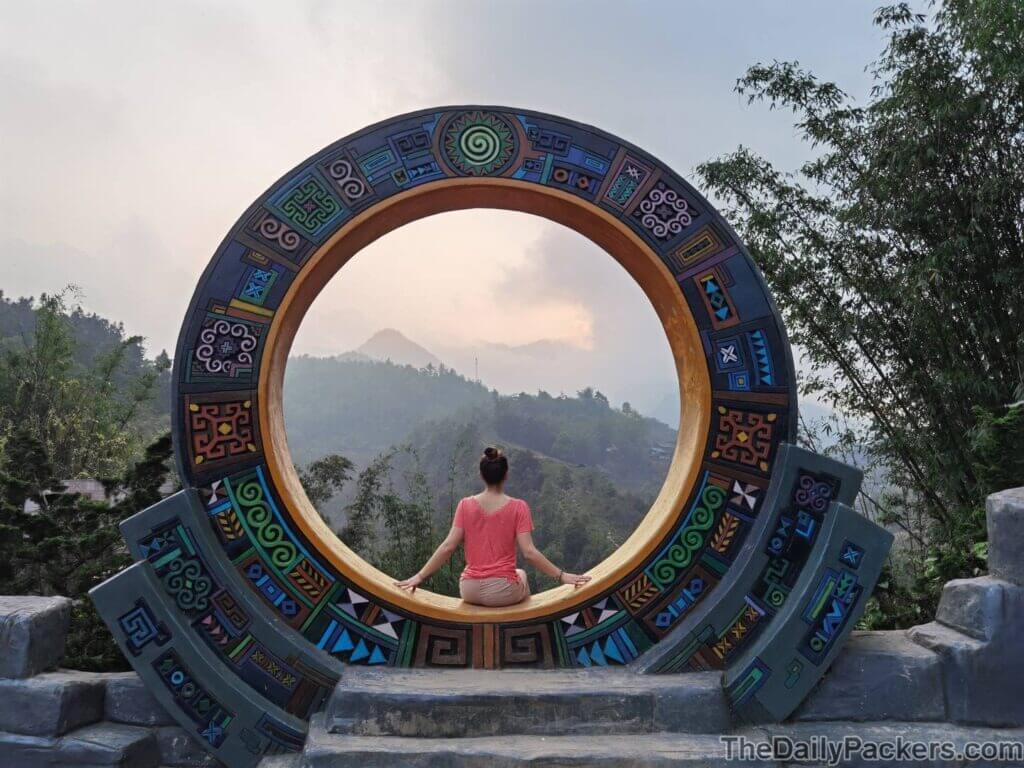
Best things to do in SaPa
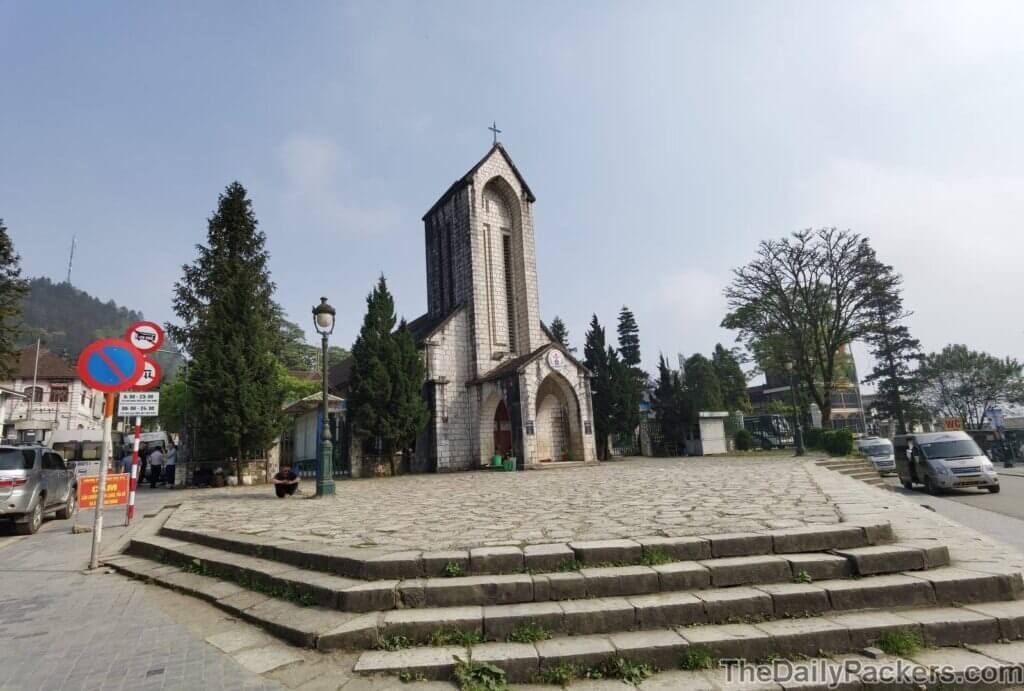
If you’re spending time in town, one of the first landmarks you’ll notice is SaPa Church. Also known as the Notre-Dame Cathedral Basilica of SaPa, this Catholic church is one of the most recognizable buildings in the area and carries plenty of historical charm. Built by French missionaries in the late 19th century during Vietnam’s colonial period, it’s a beautiful reminder of the town’s past.
You can easily walk around its grounds, admire the stone architecture, and take in the lively atmosphere of the surrounding square, where locals and visitors often gather. It’s a simple yet iconic stop while exploring Sapa.
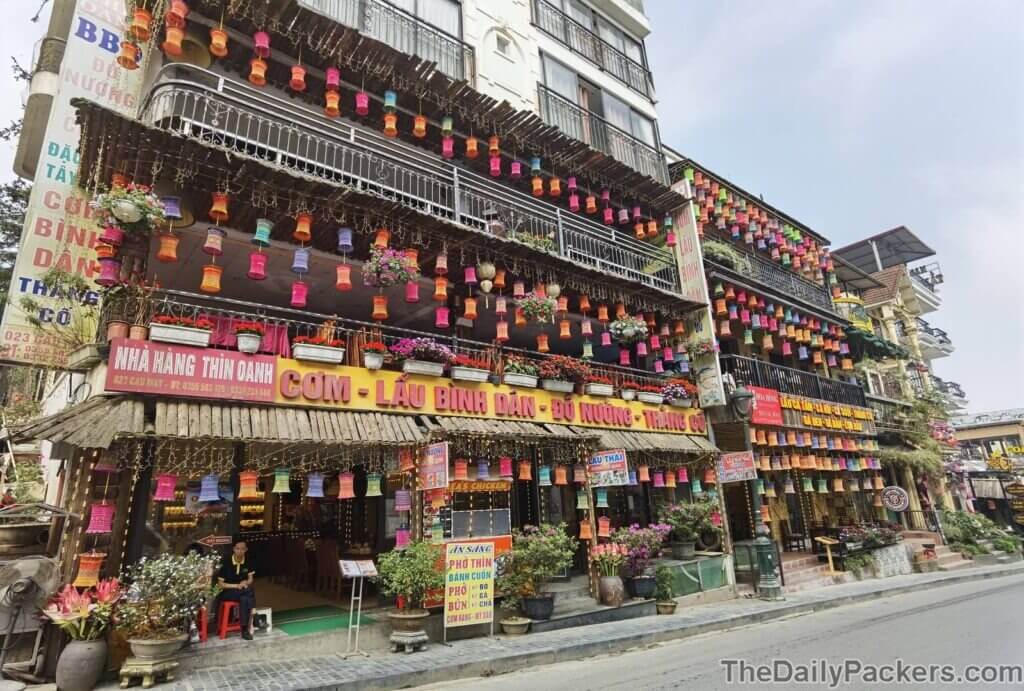
SaPa Center
Wandering through SaPa’s center is one of the best ways to soak up the town’s atmosphere. The streets are lined with shops, cafés, and market stalls selling everything from warm jackets to local handicrafts. Around the main square, you’ll also find the station and a mix of modern buildings alongside traditional touches, making it a great place to simply stroll and take in the scenery.
It’s the kind of spot where you can grab a coffee, people-watch, and feel the buzz of everyday life in the mountains.
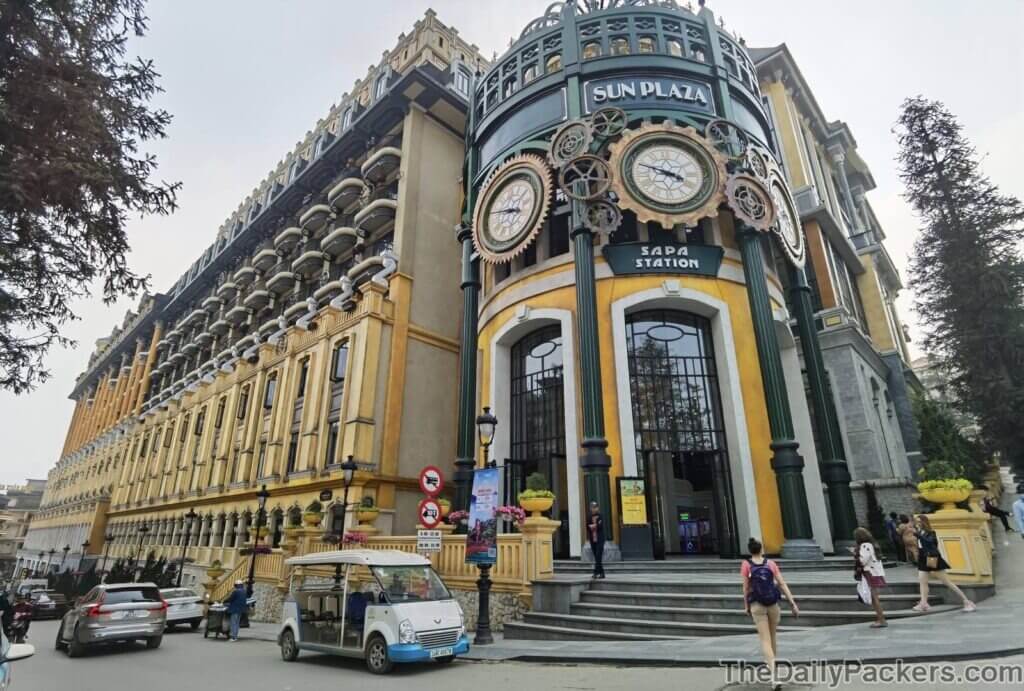
SaPa station
SaPa Station isn’t your typical train station — it’s actually part of a stylish shopping complex. Even if you’re not planning to hop on a train, it’s worth a quick visit to browse the shops, enjoy the warm atmosphere, and maybe grab a snack. The building blends modern design with local touches, making it a pleasant stop while exploring the town.
Here are all your accommodation options in Sapa
Cat Cat Village
Just a short drive from SaPa, Cat Cat Village is one of the area’s most visited spots — and for good reason. This traditional Hmong village gives you a window into local life, with charming wooden houses, cultural performances, and farm animals roaming around. The scenery is beautiful, and the paths wind past rice terraces and small waterfalls.
It’s a popular destination, especially with local visitors who often rent traditional clothes for photos, so mornings and midday can get very busy. If you can, head there later in the afternoon when the crowds thin out and you can enjoy a quieter walk through the village.
Entrance cost is 150,000 dongs per person.
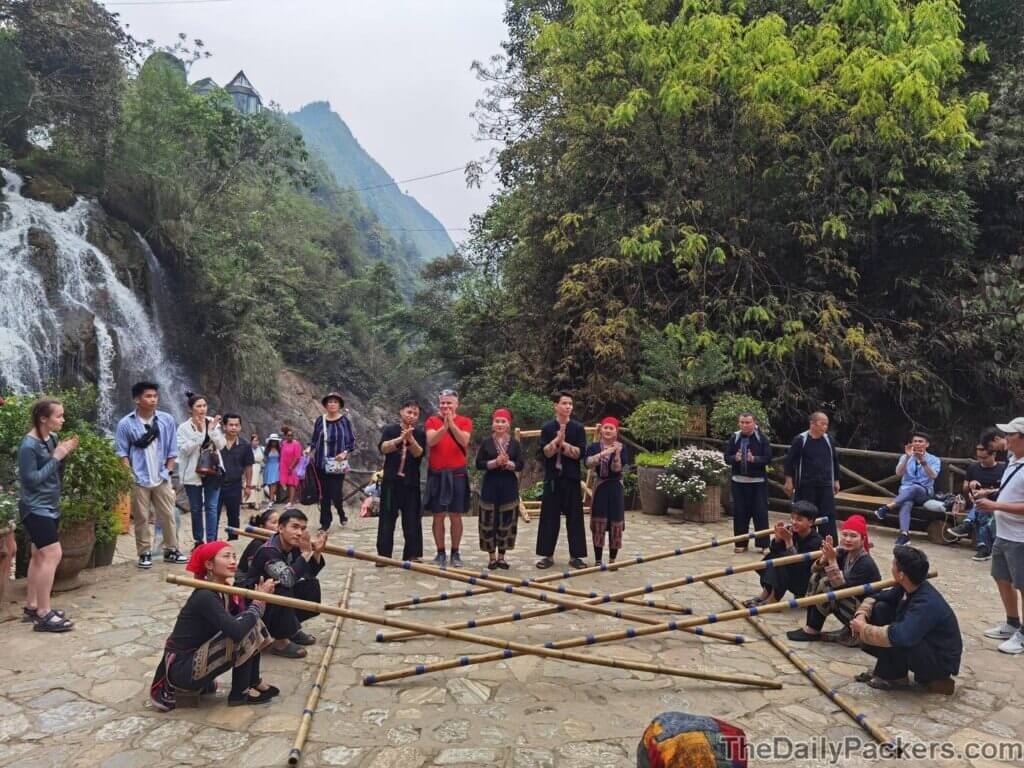

If you have time and want to learn more about Cat Cat, this tour will be perfect for you.
Full Day Hike in the Hmong Valley
We booked our hike after arriving in SaPa, but you can also arrange it online to check reviews beforehand. Our guide, Mimi from the Hmong people, led us through picturesque villages, a bamboo forest, and to a waterfall (dry during our visit). The 6.5-hour trek wasn’t too challenging, with plenty of stops for photos and a relaxed lunch break.
Along the way, we visited local homes to see traditional clothing-making techniques and learned about Hmong culture from Mimi, who was warm, engaging, and happy to answer all our questions. Lunch at her friend’s place was fresh and delicious — bamboo sprouts, cabbage, green beans, rice, vegetable spring rolls, and a taste of “happy wine,” a mild rice wine.
The scenery was stunning despite cloudy skies, and the experience felt personal and authentic, making it one of the highlights of SaPa.
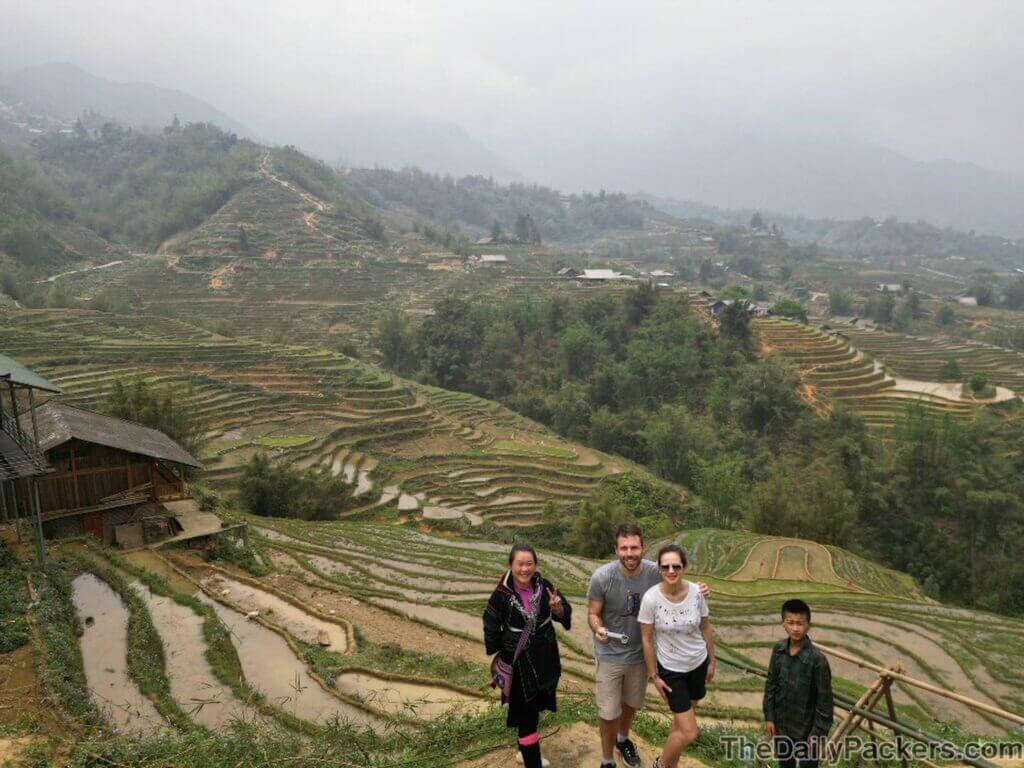
Tip: don’t forget to book this tour in advance. It is one of the best things to do in SaPa
Love Waterfall
Love Waterfall is one of the most beautiful and popular natural attractions near SaPa, located about 35 minutes away by scooter. The road to get there offers stunning mountain views, and fuel is easy to find along the way at small roadside shops, often sold in 1.5-liter bottles for around 70,000 VND.
Parking is free, and entrance tickets cost 140,000 VND per person. From the entrance, a well-maintained 15-minute trail winds through lush forest and bamboo groves before opening up to the impressive 100-meter-high waterfall. The cool mist from the cascade makes the spot particularly refreshing, especially on warmer days.
The name “Love Waterfall” comes from a romantic local legend about a fairy who fell in love with a young man from a nearby village. The falls are also the starting point for the longer trek up Fansipan, Vietnam’s highest peak, making it a great stop for both casual visitors and avid hikers. The area is rich in birdlife and surrounded by untouched nature, offering plenty of opportunities for photography and quiet moments away from the busy town center.
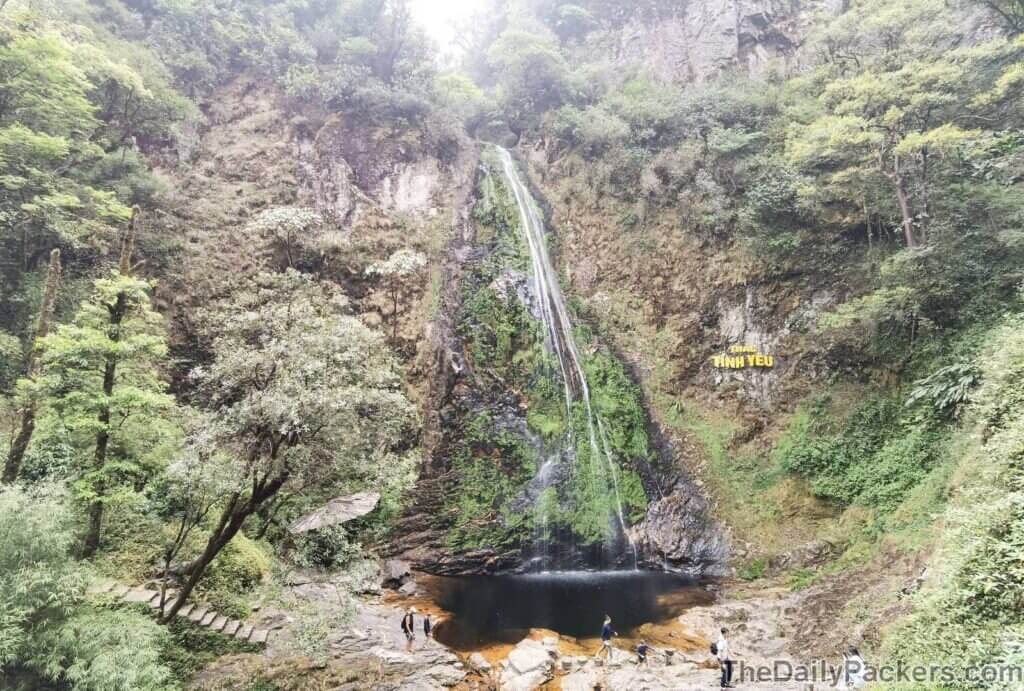
Looking for an adventure? Try this Private Guided Tour on a Motorbike with Lunch
Heaven’s gate
Heaven’s Gate, also known as Tram Ton Pass or O Quy Ho Pass, is the highest mountain pass in Vietnam and a must-visit viewpoint near SaPa. Located just about 10 minutes beyond Love Waterfall, the road to the pass is a highlight in itself, winding through dramatic mountain scenery with sweeping views over deep valleys and towering peaks.
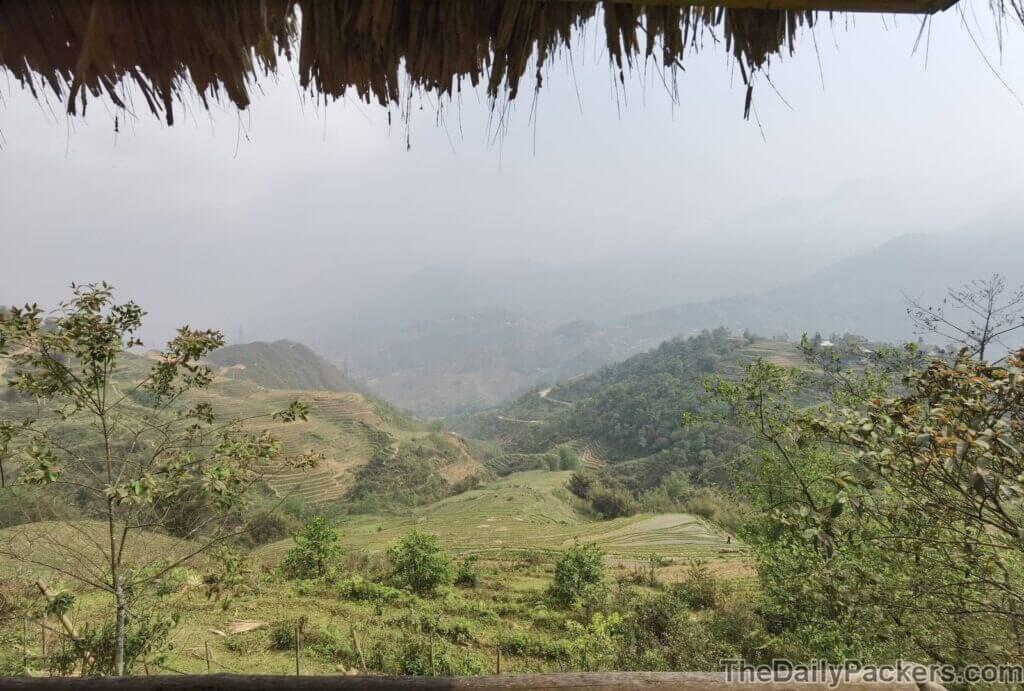
There are several viewpoints along the way where you can stop to take in the landscape. Some roadside stops are free, but the most famous one — called SaPa Heaven Gate — offers a panoramic deck with stunning photo opportunities for 120,000 VND per person. On clear days, the view stretches endlessly across the Hoang Lien Son mountain range, but even on misty days, the atmosphere is magical, with clouds drifting through the peaks.
Heaven’s Gate is also a great spot for those looking to capture the rugged beauty of northern Vietnam, so it’s worth timing your visit for the clearest weather possible.
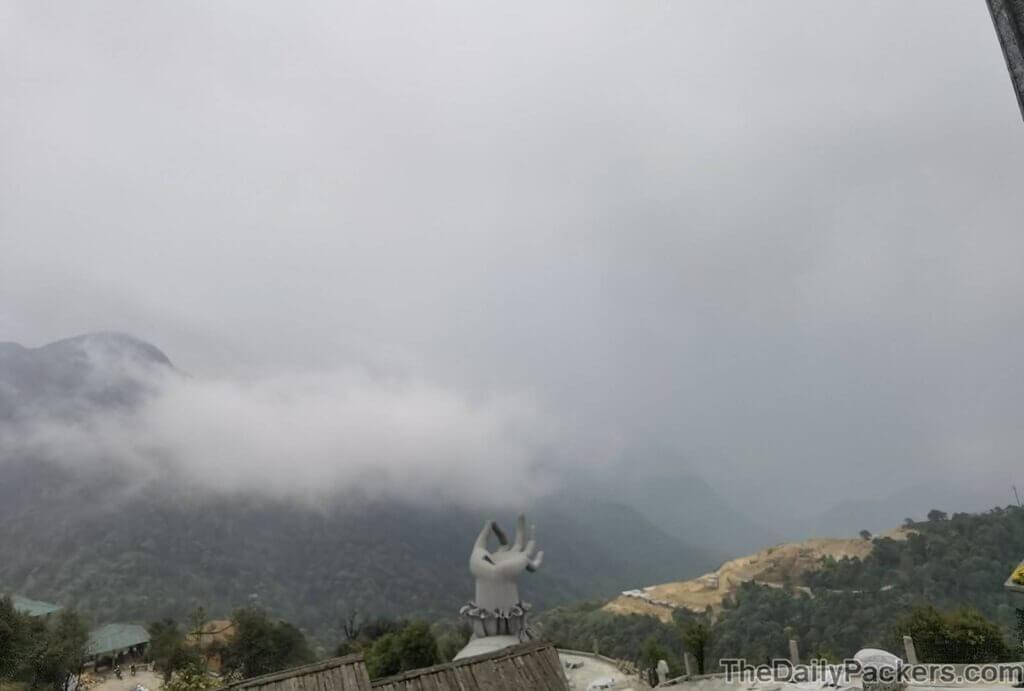
Don’t feel like riding a scooter, we got you covered: Waterfall, Heaven Gate, Glass Bridge Private Tour By Car
Fansipan – The Roof of Indochina
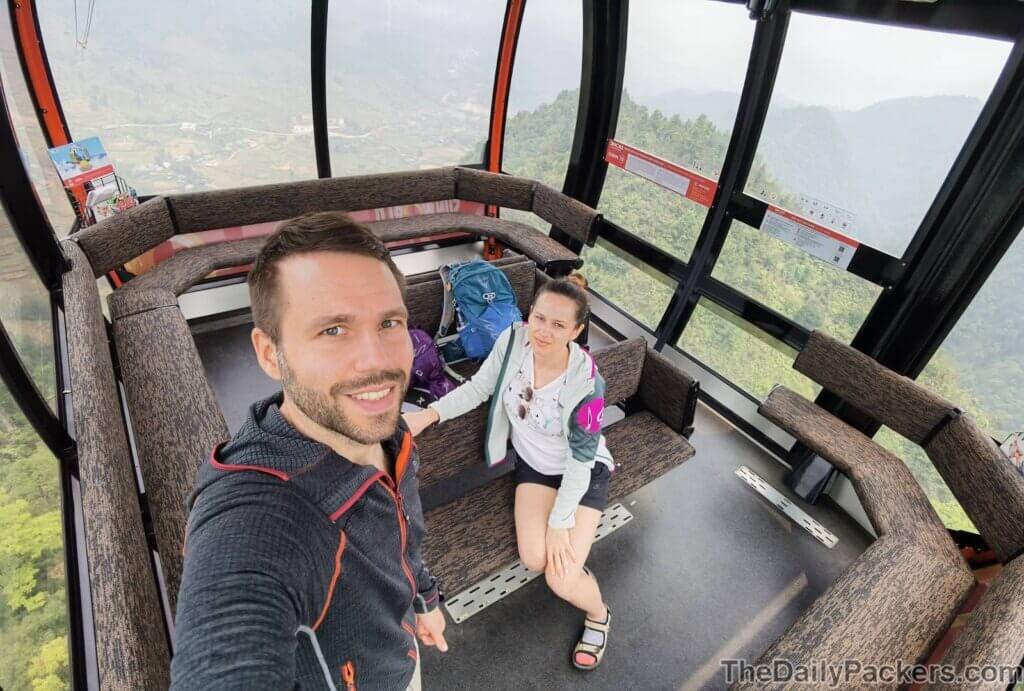
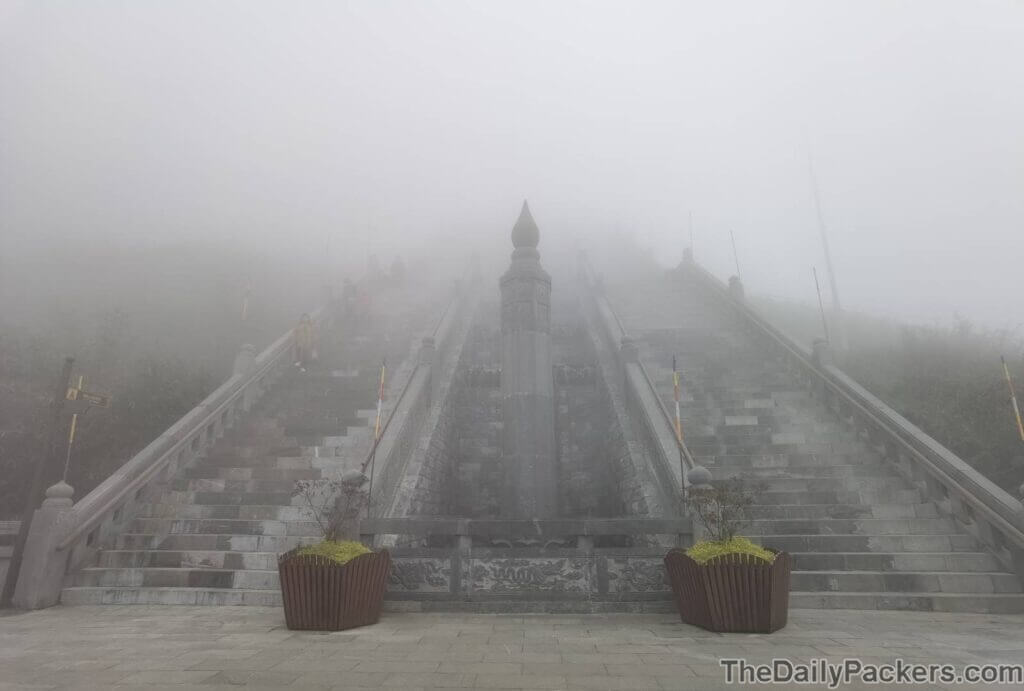
Fansipan, standing at 3,143 meters (10,312 feet), is the highest peak in Indochina (Vietnam, Cambodia, and Laos) and one of SaPa’s most famous attractions. The easiest way to reach the summit is via the Sun World Fansipan Legend cable car, which is an experience in itself, gliding over terraced fields, deep valleys, and rugged mountain landscapes.
Cable car tickets cost 680,000 VND per person, with an additional weekend surcharge of 110,000 VND. Once you arrive at the top station, you’ll find restaurants, shops, temples, and pagodas, plus a series of steep staircases leading to the summit. Along the way, you’ll pass notable spots like the Great Buddha statue and various viewpoints (on a clear day).
However, visibility on Fansipan can be unpredictable, and cloudy conditions are common — sometimes hiding the views entirely. For the best experience, it’s worth going only if you have clear blue skies in SaPa. On misty days, while the atmosphere can feel mystical, you might miss the incredible panoramas that make the trip so special
Secure your online Cable Car Ticket To Fansipan Legend & Car Transfer
SaPa Lake
SaPa Lake is a peaceful spot right in the heart of town, perfect for a gentle stroll after exploring the surrounding mountains and villages. The calm water reflects the nearby hills, and the lakeside path is lined with benches and small gardens, making it a nice place to relax and take in the scenery

Here are all your accommodation options in Sapa
More things to do in SaPa
If you still have time in SaPa and want to explore further, here are a couple of great options:
- Silver Waterfall – Just a short drive from town, this powerful waterfall is especially impressive during the rainy season. The viewpoint is easily accessible and offers a great photo stop before heading toward Tram Ton Pass.
- 3 Day Ha Giang Loop Motorbike Tour: If you’re up for an adventure, the Ha Giang Loop is one of Vietnam’s most scenic motorbike routes. While it’s a bit further from SaPa, many travelers combine both experiences for a complete northern Vietnam adventure.
4-day SaPa Itinerary
Day 1:
- Transfer from Hanoi to Sapa
- Visit SaPa Church
- Explore SaPa Center
- Discover Cat Cat Village
Day 2:
- Full Day Hike in the Hmong Valley
Day 3:
- See Love Waterfall
- Admire the views from Heaven’s Gate
- Ride the cable car to FansiPan
- Stroll around SaPa Lake
Day 4:
- Transfer from Sapa to Hanoi
If you do not have 4 days to spend in SaPa, you can consider taking this 2-day tour from Hanoi: Discover the beauty of Sapa and the quaint villages surrounding it on this overnight trip from Hanoi. Connect with the community as you cook together with your host and stay overnight at a local home.
Read: Complete North and Central 3-week Vietnam Itinerary
About the authors
We are Alex and Tina, a French-Serbian couple who met in China back in 2014. We spent three incredible years there before making France our home. Our shared passion for travel has been the heartbeat of our relationship for over 12 years, taking us across 44 countries and counting.
We launched TheDailyPackers in 2019 as a way to document our adventures. In 2026, we reached a major milestone by officially turning our blog into our full-time job. While we are still growing toward financial independence through this platform, every article we write is fueled by our mission to make your voyages easier through in-depth guides, honest advice, and the lessons we’ve learned from our own mistakes.
Our journey has not been without its storms. In 2023, our world changed forever when our first son, Poppy, was stillborn on November 25th. It was, and remains, the hardest chapter of our lives. In 2025, we were blessed with our second little boy, Milo. He has since joined our traveling tribe, and you’ll be seeing him—and the reality of traveling with a little one-on the blog more and more.
We hope to inspire you to explore the world with curiosity and resilience. Thank you for being part of our story.
You may also like those related posts
Lavezzi islands: Corsica’s best secluded island in 2025
Roussillon: Discovering Provence’s Stunning Red Village
Plaza de Toros de la Maestranza: Discover Seville’s Historic Bullring
7 best things to do in Gili Air, Lombok, in 3 days
The Perfect Argentina Itinerary: 2, 3 & 6 Weeks of Adventure
Masada, Ein Gedi & the Dead Sea: The Perfect 1-Day Trip from Jerusalem
7 to 18-Day Peru Itinerary: Best Guide for Exploring Peru
15 mind-boggling Culture Shocks in China
Pssst, did you know that…
If you purchase something through our links, we earn a small fee. However, you still pay the same. Win-win! And one day we may get to be full-time travel bloggers =)
Find Hotels with Booking.com
Do Yoga with KVY
Buy us a Coffee
Rent a car with DiscoverCars
Find Attractions with GetYourGuide
Find Flights with Expedia
Buy an eSIM with Airalo
Get insured with World Nomads
Get ready with Amazon.com