
Introduction
Living three years in China meant that, of course, we ended up in Hong Kong more than once. Alex was actually the first to go, thanks to the never‑ending Chinese visa runs — every three months he had to leave the country, and Hong Kong, with its status as a Special Administrative Region, counted as “out of China.”
Later, we went together, this time not just to tick the box for immigration but to actually explore the city — to see what all the fuss was about. Even after spending a few days wandering around, we barely scratched the surface.
In this guide, we’re sharing the best things to do in Hong Kong (HK) — from the buzzing streets of Kowloon to the famous Dragon’s Back hike. Whether it’s your first time or your fifth, HK always has more to show you.
Hong Kong Travel Guide at A Glance & Trop Travel Tips
Before you dive into the best things to do in Hong Kong, here’s what you actually need to know first.
- The City is Bigger Than It Looks: Hong Kong isn’t just skyscrapers and shopping malls. Between Hong Kong Island, Kowloon, and outlying islands like Lantau, you’re covering a lot of ground, so plan your days by area rather than trying to zigzag across the city.
- Get an Octopus Card: This is the one thing you shouldn’t skip. It works on the MTR, buses, trams, and even in some convenience stores, and it saves you from fumbling with cash every time you hop on transport.
- Language & Money: Cantonese and English are both widely spoken, especially in tourist areas, so you won’t struggle to get around. The currency is the Hong Kong Dollar (HKD).
- The Weather Rules Everything: Summer (June to August) is hot, sticky, and typhoon-prone, while autumn (October to December) gives you the best mix of mild temperatures and clear skies. If you’re set on hiking Dragon’s Back, avoid the peak of summer heat.
- Traveling with a Baby: You’ll find Hong Kong more stroller-friendly than you’d expect, especially around Central, Kowloon, and the waterfront promenades. That said, spots like Dragon’s Back or the walk up to the Big Buddha area call for a baby carrier instead. We took ours everywhere and it made the hikes and markets a lot easier to manage.
- Visa Runs Are Real: If you’re spending an extended period in mainland China, Hong Kong is a classic and easy way to reset your visa clock, since it counts as leaving the country despite being so close.
- Book Ahead for the Big Sights: Tickets for the Peak Tram, Ngong Ping 360 cable car, and Hong Kong Disneyland all sell out or have long queues on-site, so buying online in advance saves you real time.
- Symphony of Lights Timing: The nightly light show at Victoria Harbour kicks off at 8 PM sharp, so get to the Avenue of Stars or the Tsim Sha Tsui waterfront a little early to grab a good spot.
Getting There
Getting to Hong Kong is fairly straightforward, as the city is well connected by air, sea, and land. Here’s how you can get there:
- By Air: HK International Airport (HKG) is one of the busiest airports in the world and serves as a major international hub. Most international flights, including those from Europe, Asia, the Americas, and Oceania, will land at this airport. Once at the airport, take the Airport Express train, a taxi, or a shuttle bus to get to the city center. The Airport Express is the fastest option, taking around 24 minutes to reach Hong Kong Central.
- By Train: If you’re coming from mainland China, you can take a high-speed train from the HK West Kowloon Station. This station connects directly to cities like Guangzhou and Beijing. The train ride is quick, comfortable, and efficient.
- By Sea: For travelers coming from Macau or other parts of southern China, ferries are a common way to reach Hong Kong. Ferries operate frequently from the Macau Ferry Terminal to Hong Kong’s Sheung Wan Pier.
- By Road: HK is connected by road to mainland China, and travelers can cross the border via buses, taxis, or private cars. However, this option is more commonly used for travelers from neighboring cities in southern China.
Make sure to check the travel restrictions or visa requirements if applicable, depending on where you are traveling from.
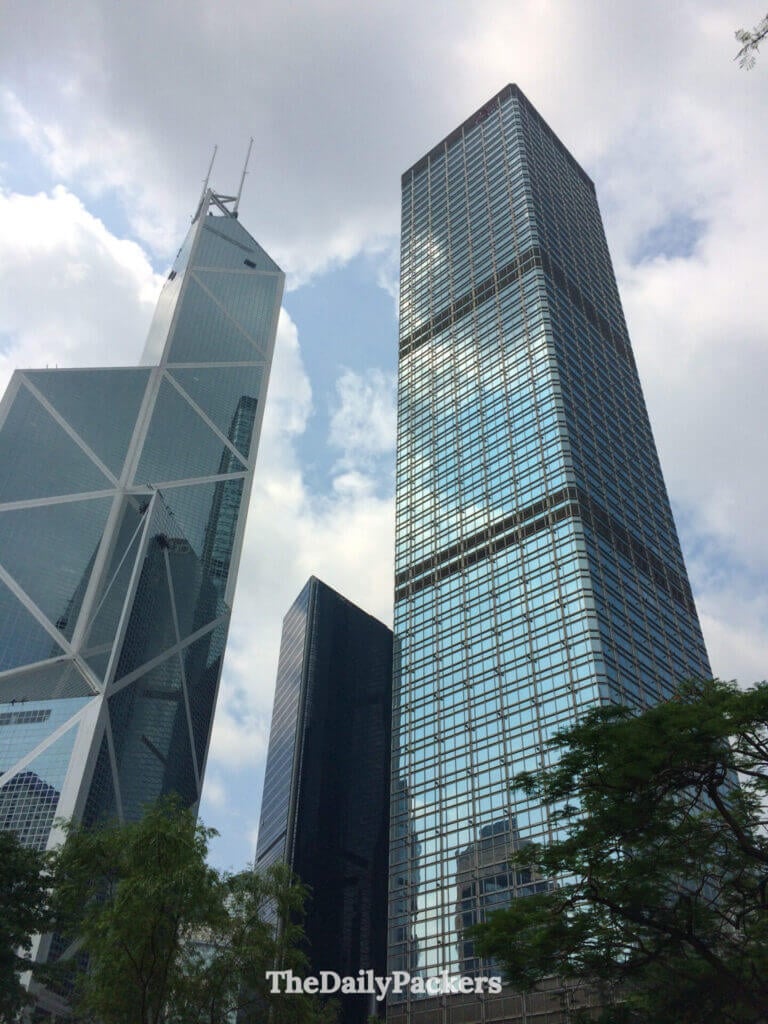
Moving Around
Moving around Hong Kong is very easy, thanks to its highly efficient and well-connected public transport system. Here’s a breakdown of the best ways to get around the city:
- MTR (Mass Transit Railway) or metro: The MTR is the backbone of Hong Kong’s public transport system, and it’s one of the fastest and most reliable ways to travel around the city. It’s clean, air-conditioned, and reaches major districts and attractions. The MTR network covers Hong Kong Island, Kowloon, and the New Territories. You can use an Octopus card (a rechargeable smart card) to pay for MTR rides, buses, and even some shops.
- Buses: Hong Kong’s extensive bus network covers all areas of the city, from central districts to remote spots. Buses are a great option if you want to explore more of the city’s neighborhoods.
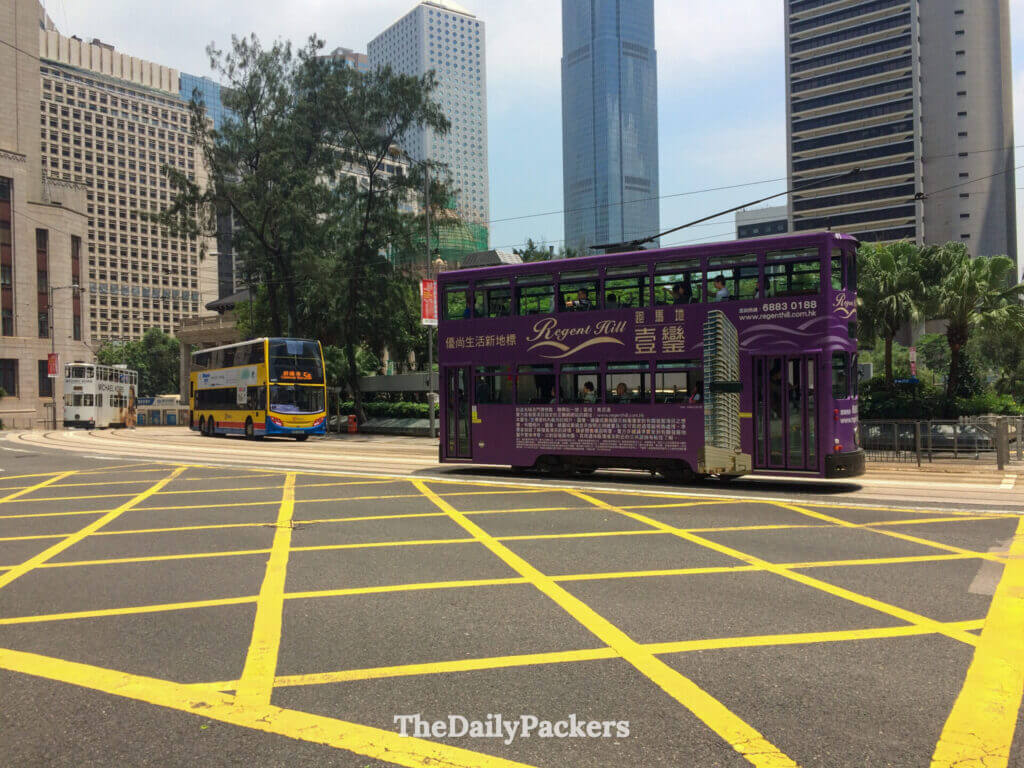
- Trams: The double-decker trams, also known as the “ding-ding” buses, are a fun and scenic way to travel around Hong Kong Island. They are cheap and offer a great way to explore the city while enjoying views of the streets.
- Ferries: Hong Kong has an extensive ferry network, especially between Hong Kong Island and Kowloon. You can take ferries to other islands like Lantau Island or Tsing Yi. The iconic Star Ferry offers a scenic trip across Victoria Harbour and is a must-do experience.

Tip: You can also take the Hop-On Hop-Off Bus Tour with Optional Peak Tram to move around
When to Visit
The best time to visit Hong Kong depends on your preferences for weather, activities, and crowds:
- Autumn (October to December): Autumn is often considered the best time to visit Hong Kong. The weather is mild, with cooler temperatures and lower humidity, making it perfect for outdoor activities like hiking, sightseeing, and exploring the city. Temperatures range from 19°C (66°F) to 28°C (82°F), with clear skies and pleasant air quality. This is also a peak tourist season, so popular attractions may be crowded, but it’s still a great time to experience the city.
- Winter (January to February): Winter in Hong Kong is relatively mild compared to other regions, with average temperatures ranging from 14°C (57°F) to 20°C (68°F). It’s an excellent time for sightseeing, especially if you want to avoid the heat and humidity of summer. Though it’s cool, it rarely gets too cold, making it comfortable for most outdoor activities.
- Spring (March to May): Spring offers mild temperatures, ranging from 17°C (63°F) to 26°C (79°F), and it’s another great time for sightseeing and outdoor activities. It’s not as crowded as the autumn season, so you’ll have a more relaxed experience at popular attractions.
- Summer (June to August): Summer in Hong Kong can be quite hot and humid, with temperatures ranging from 26°C (79°F) to 32°C (90°F), and it can feel much hotter due to the humidity. Thunderstorms and typhoons are also common during this time, especially from July to September. Summer is peak tourist season due to school holidays, so expect larger crowds, particularly at theme parks and tourist spots.
- Typhoon season (June to September): While typhoons don’t happen every year, they can occur from June to September, bringing heavy rains and strong winds. Travel during this period may be disrupted due to storms, and some outdoor activities may be limited.
Tips:
- Festivals: If you’re visiting during Chinese New Year, you’ll experience the vibrant celebrations, parades, and cultural events. However, note that it can get crowded during this time, and some businesses may close for the holiday.
- Cherry blossoms: March is a great time to see cherry blossoms in some parts of the city, including Hong Kong Park and Kowloon. It’s also the time for the Hong Kong Arts Festival and other cultural events.

Where to Stay
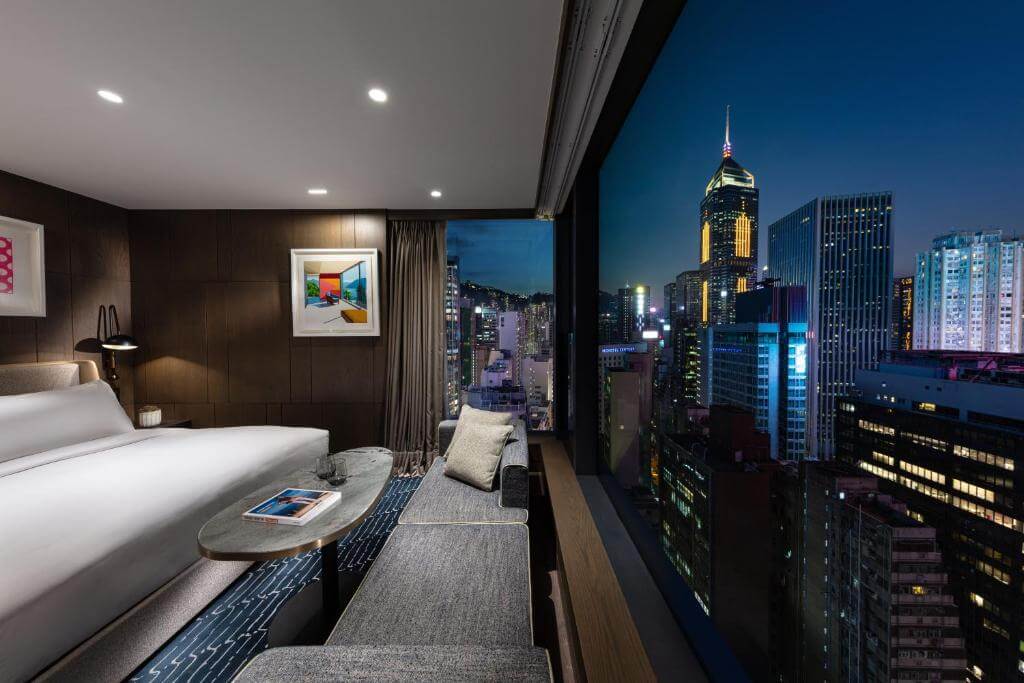
When choosing where to stay in Hong Kong, it’s essential to consider your preferences, budget, and proximity to key attractions.
Central is Hong Kong’s business and financial district, offering easy access to many top attractions, restaurants, shops, and entertainment. It’s ideal for first-time visitors as it’s centrally located and well-connected to transportation.
Causeway Bay is a bustling neighborhood with shopping, food, and nightlife. It’s a vibrant area perfect for those who want to be in the heart of Hong Kong’s retail scene.
Wan Chai is an exciting area known for its nightlife, restaurants, and proximity to business and cultural attractions. It’s a great location for travelers looking for a mix of convenience, entertainment, and local charm.
All those districts are next to each other, and we would recommend staying at:
- (€) Wharney Hotel
- (€€) The Hari Hong Kong
- (€€€) Four Seasons Hotel Hong Kong

What to Eat
Hong Kong is a food lover’s paradise, offering a mix of traditional Cantonese dishes and international cuisines.
Traditional Hong Kong Dishes
- Dim Sum – Bite-sized dishes, including dumplings and buns, often enjoyed with tea.
- Wonton Noodles – A simple, flavorful dish with shrimp or pork-filled wontons in broth.
- Hong Kong-style Milk Tea: A strong black tea with evaporated milk, served either hot or cold.
- Egg Tarts: A pastry filled with a smooth, egg custard filling, often enjoyed as a snack or dessert.
But if you want international cuisine, which we did while in Hong Kong as we wanted a break from Asian food, you will have tons of options. Japanese, Indian, Italian, Thai, French, Turkish, and so on…
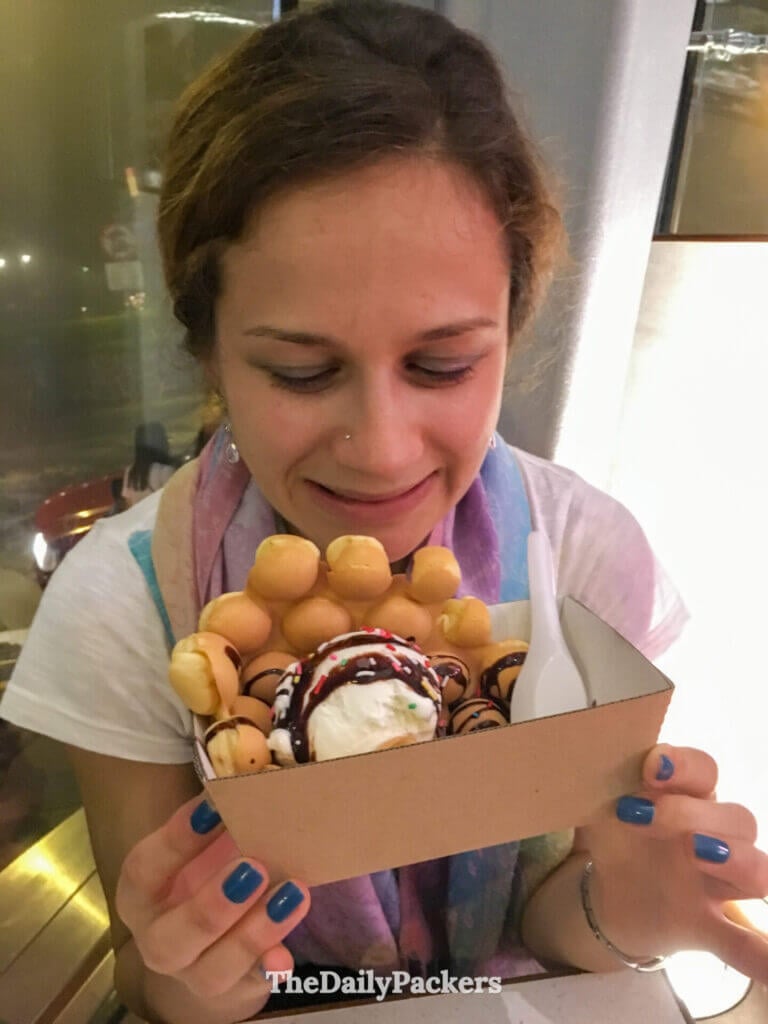
Tip: Try this food tour for a perfect introduction to the culinary culture of Hong Kong
Best things to do in Hong Kong
Victoria Peak:
Victoria Peak offers some of the best views in Hong Kong. Whenever you see a postcard from Hong Kong, it is often Victoria peak. Head up to the Peak for a stunning panoramic view of the city’s skyline, Victoria Harbour, and the surrounding islands. It’s one of the most iconic spots in Hong Kong, especially at sunset when the city’s lights start to twinkle.
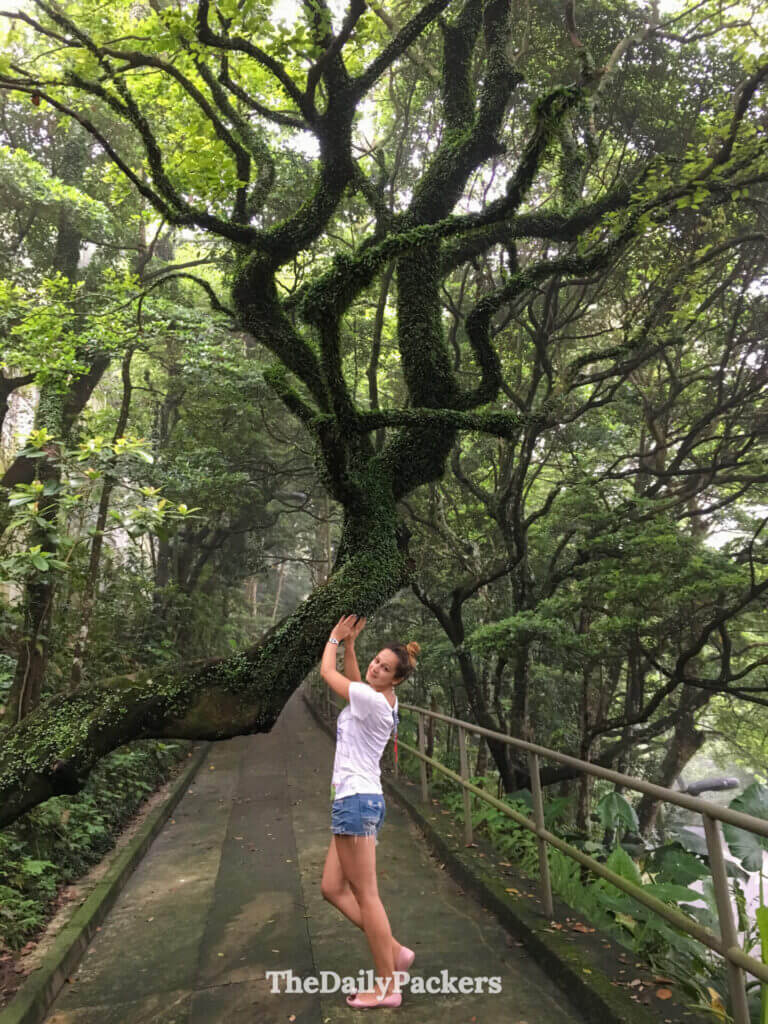
To reach Victoria Peak, you have 2 options:
- The tram is a great choice for those who want a quick and exciting way to reach the summit, and it’s particularly enjoyable for first-time visitors. Tickets can be purchased at the station or online in advance to skip the lines. (duration 8min + waiting time)
- For those who prefer a more adventuorus way to reach the peak, there’s also the option to hike up Victoria Peak. The Peak Circle Walk is a popular hiking trail that offers fantastic views of the city and the harbor. It’s an easy to moderate walk that winds through lush greenery, making it an excellent option for nature lovers and those looking to escape the bustling city. (About 2h)
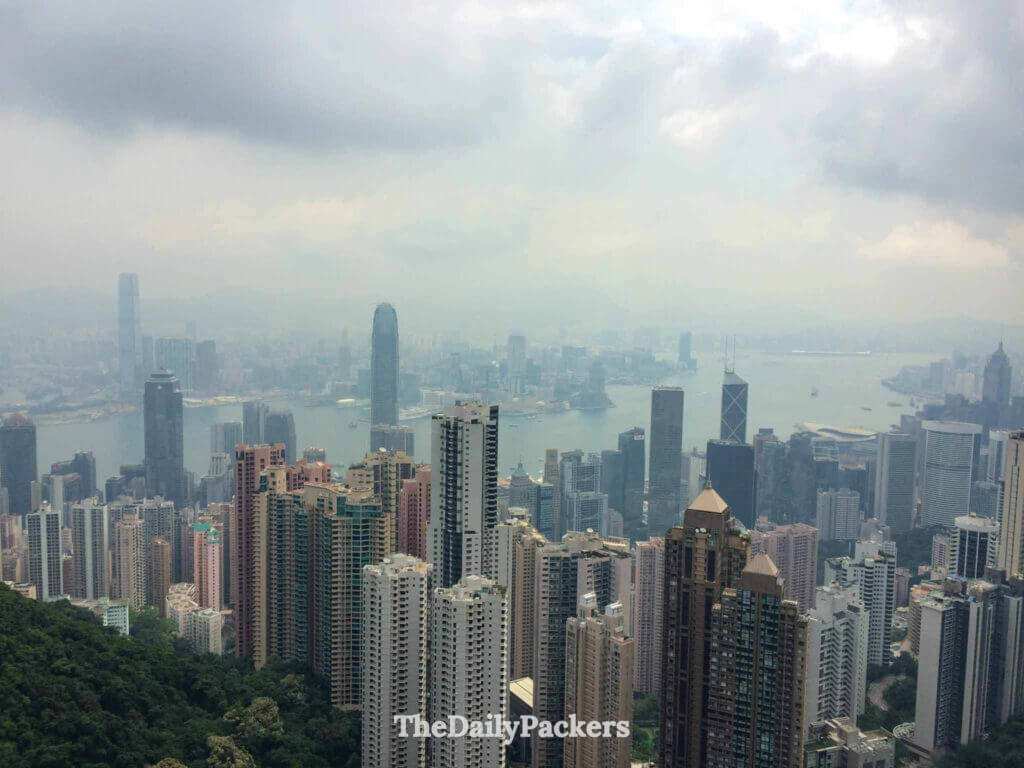
Tip: Get your tram ticket online to avoid the line
Chi Lin Nunnery
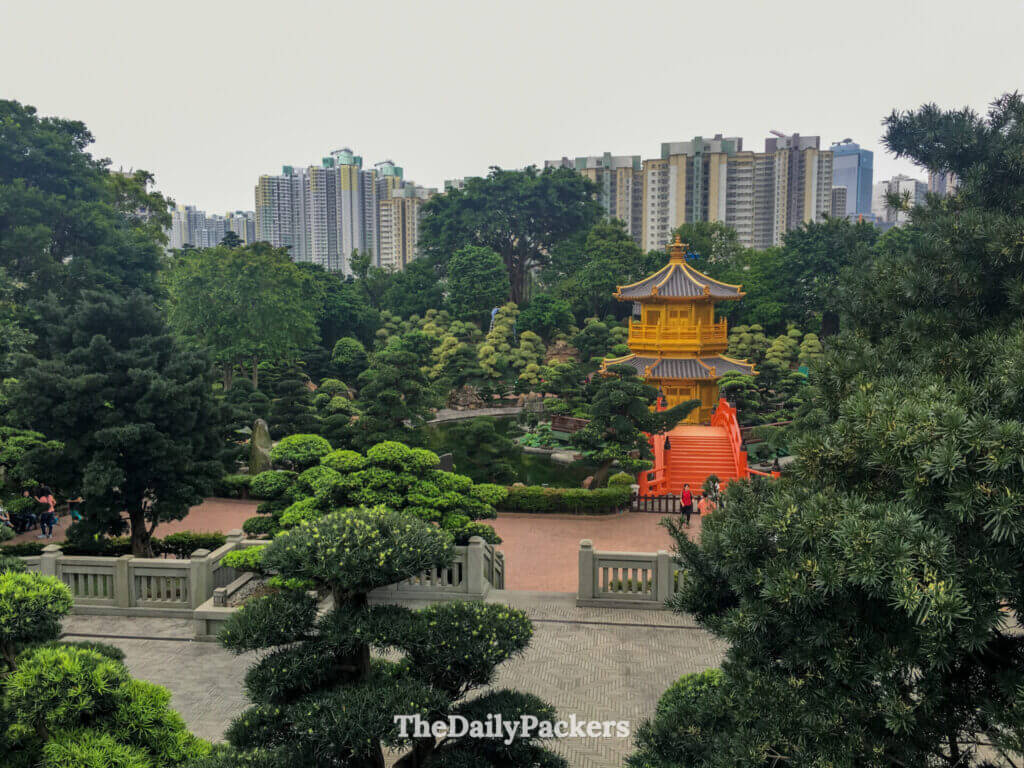
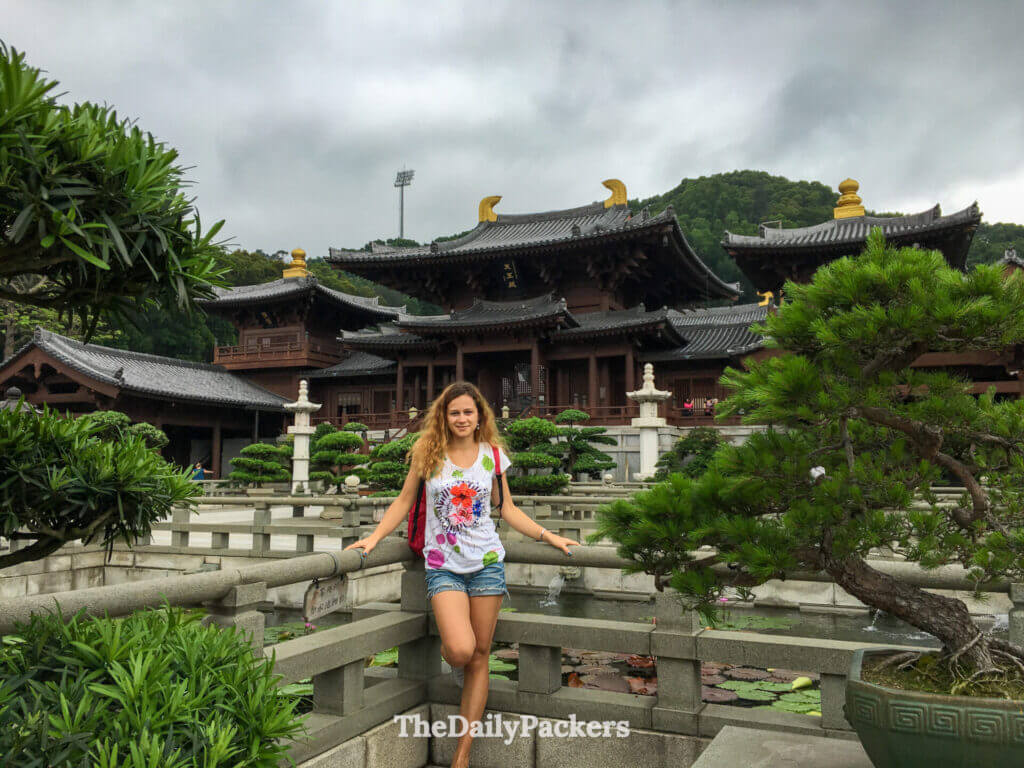
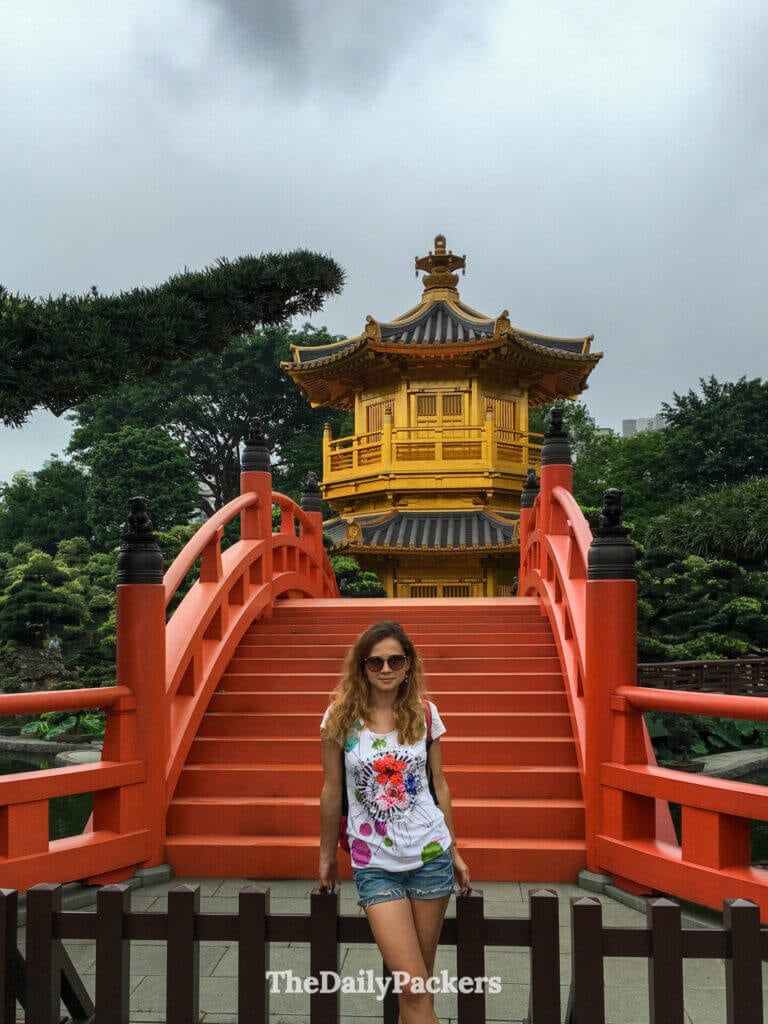
The Chin Lin Nunnery is what we remember the most about Hong Kong. Escape the hustle and bustle of the city with a visit to Chi Lin Nunnery, a peaceful Buddhist temple nestled in Kowloon. Surrounded by beautiful gardens, the nunnery offers a serene environment for reflection. It’s a lovely place to walk around and experience Hong Kong’s traditional architecture and culture.
Nan Lian Garden
Next to the Nunnery, be sure to stroll around the Nan Lian Garden, a classical Chinese garden that offers a serene place to relax. Surrounded by traditional Chinese buildings and ponds, the garden is perfect for a quiet stroll. It’s a great spot to enjoy nature and learn about Chinese landscape architecture.
Dragon’s Back
For a taste of Hong Kong’s natural beauty, hike the Dragon’s Back trail. It’s one of the city’s most popular hikes, offering incredible views of the sea, beaches, and surrounding islands. The trai is a 5.6 miles (3.5km) moderate trail that conveniently begins at the Tei Wan bus top and takes around 2,5 hours to complete. Along the way, the trail showcases the best of Hong Kong’s nature, and ends at Big Wave Bay for a refreshing swim. Be sure to bring water as it can be really hot along the hike.

Tip: If you don’t feel like doing it alone, try the Dragon’s Back Hiking tour
Kowloon District:
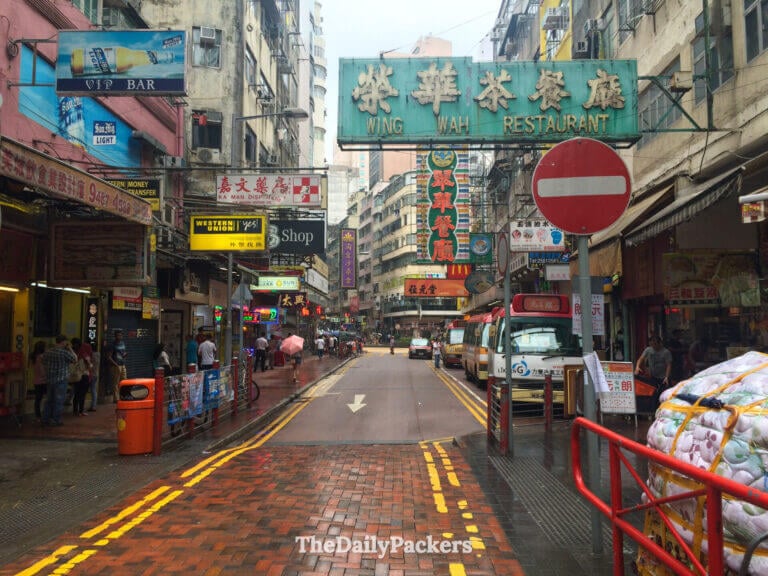
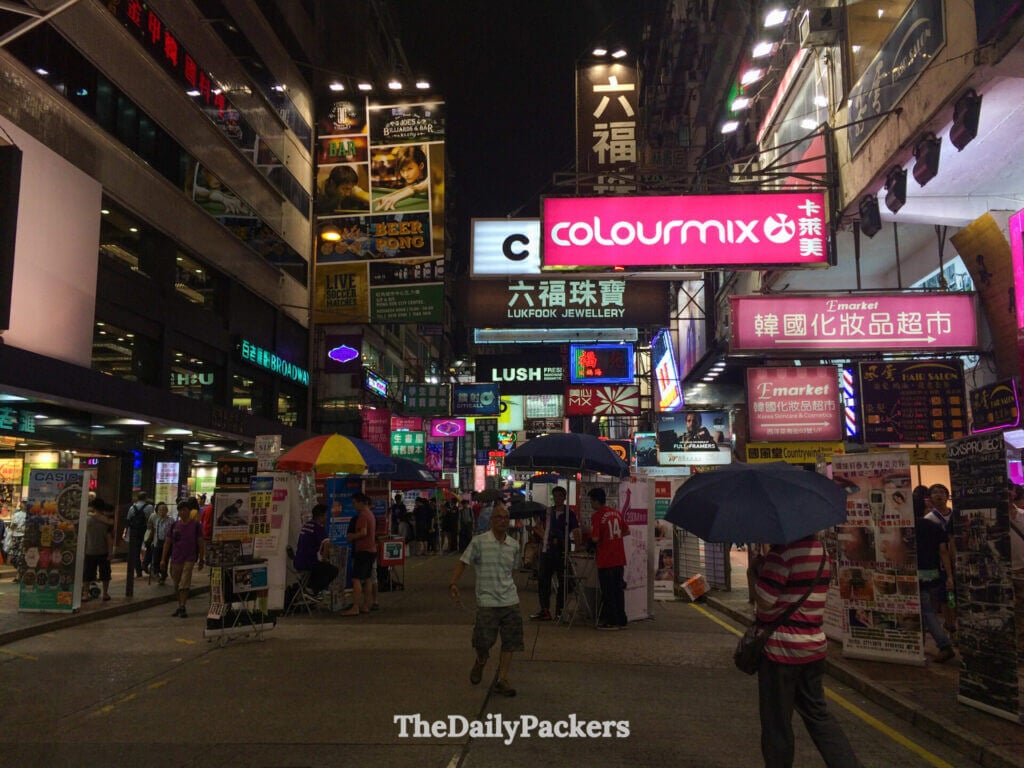
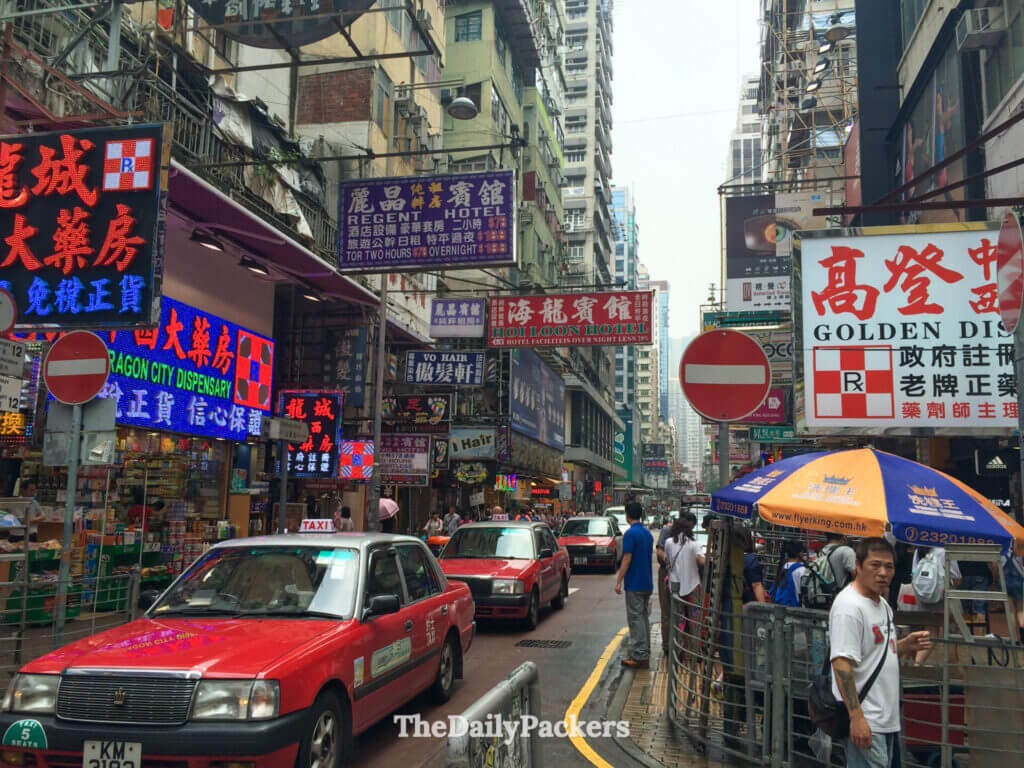
Kowloon is a bustling district filled with street markets, restaurants, and shopping malls. It’s perfect for exploring on foot, with plenty of street food vendors and unique shops. Visit the Kowloon Walled City Park to explore its historical ruins or walk along the Tsim Sha Tsui promenade for great views of Victoria Harbour.
Tip: Looking for something different? Go on the Dark Side of the City Walking Tour
Wong Tai Sin Temple:
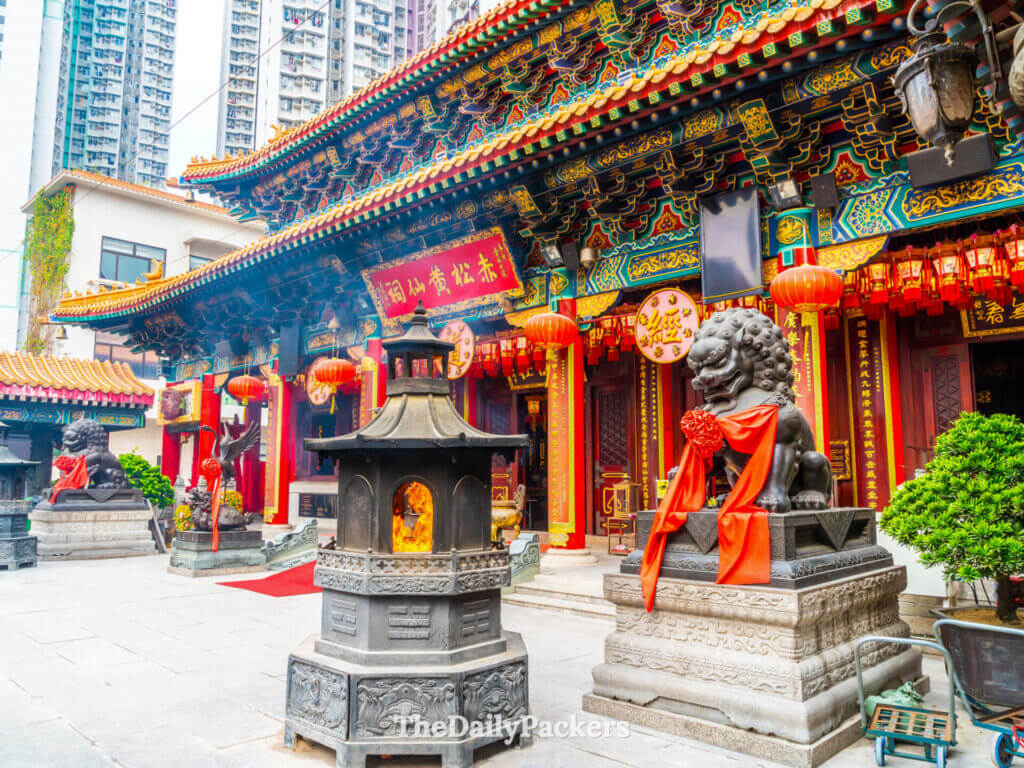
Now that you are in Kowlong, visit the Wong Tai Sin Temple, one of Hong Kong’s most famous Taoist temples. Known for its “Kau Cim” fortune-telling practice, this temple is a peaceful place to visit and offers a glimpse into local religious traditions. Be sure to try your luck with the fortune sticks and ask the gods for guidance.


Temple Street Night Market:
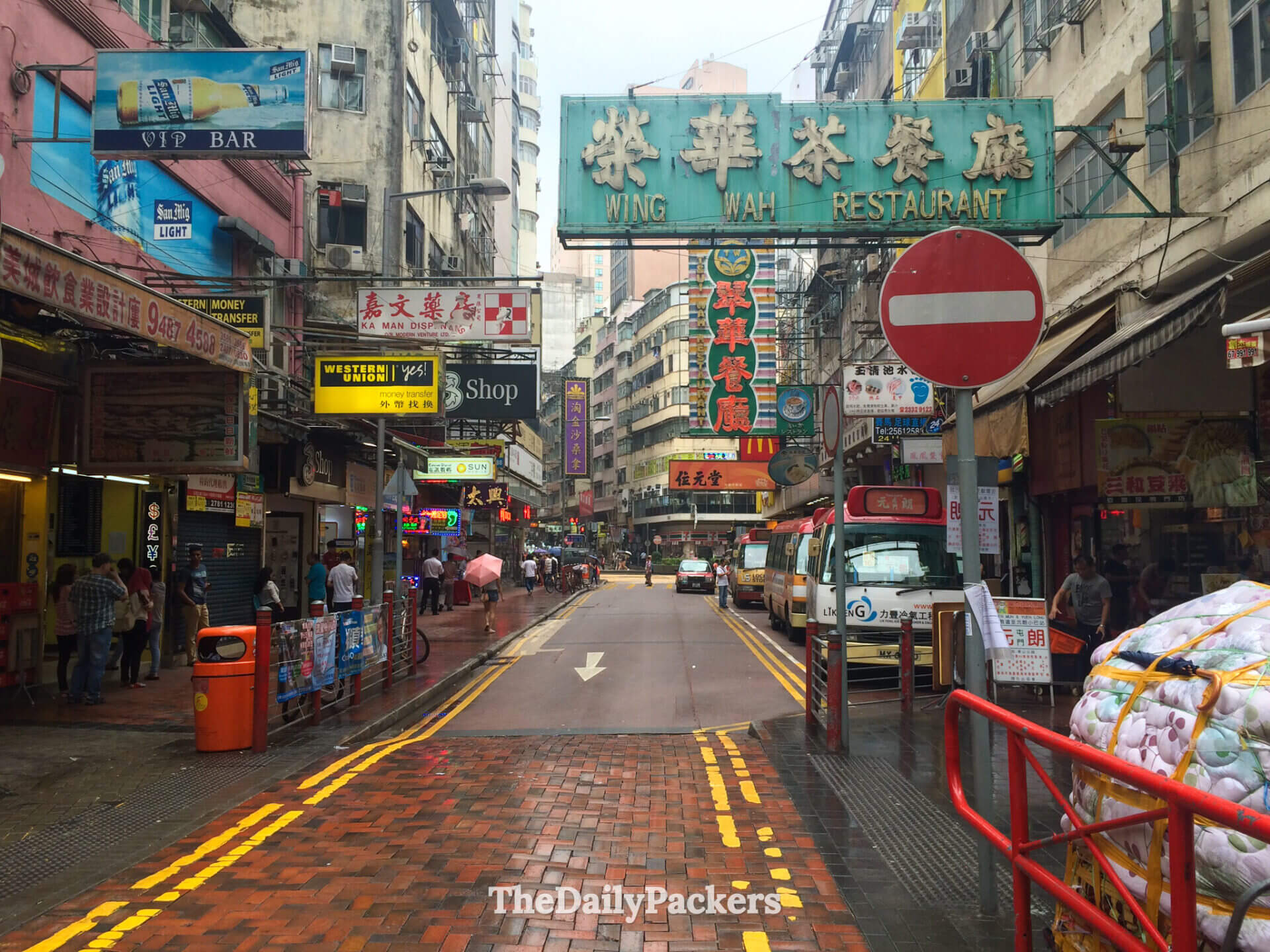
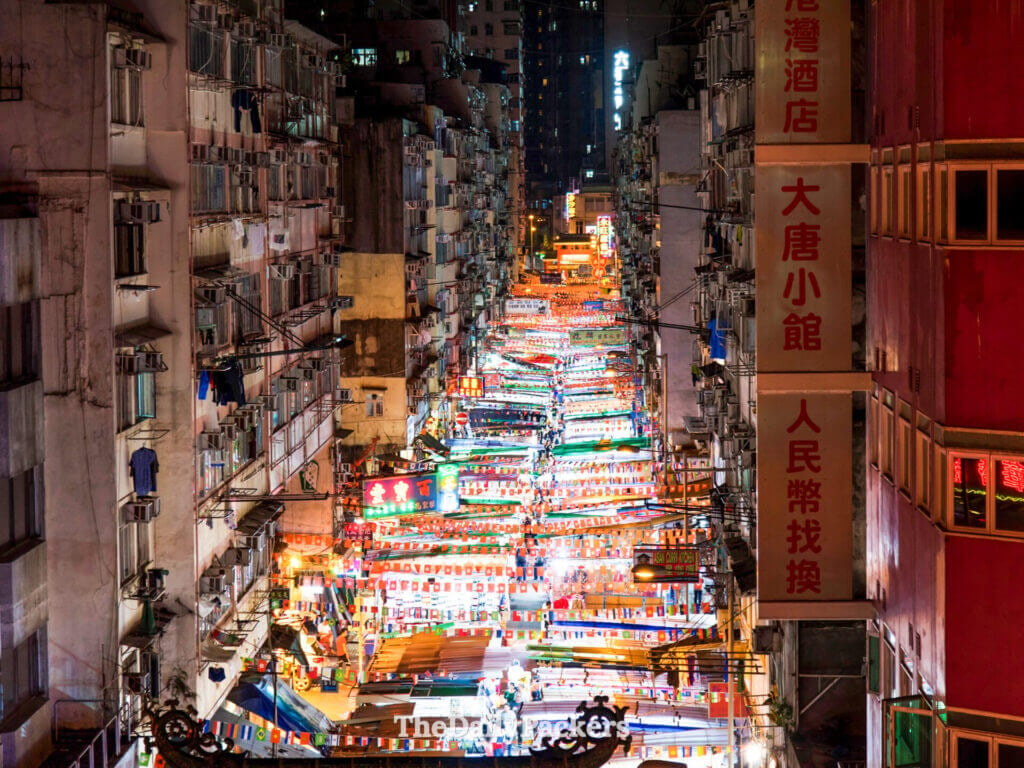
Keep going with your exploration of Kowloon with the vibrant energy of Temple Street Night. This bustling market is known for its food stalls, street vendors, and fortune tellers. It’s a great spot to try authentic Hong Kong street food and shop for souvenirs.
The market opens at 6pm, but don’t be too early there as it can take times for the ambiance to warm up.
The Big Buddha (Tian Tan Buddha):
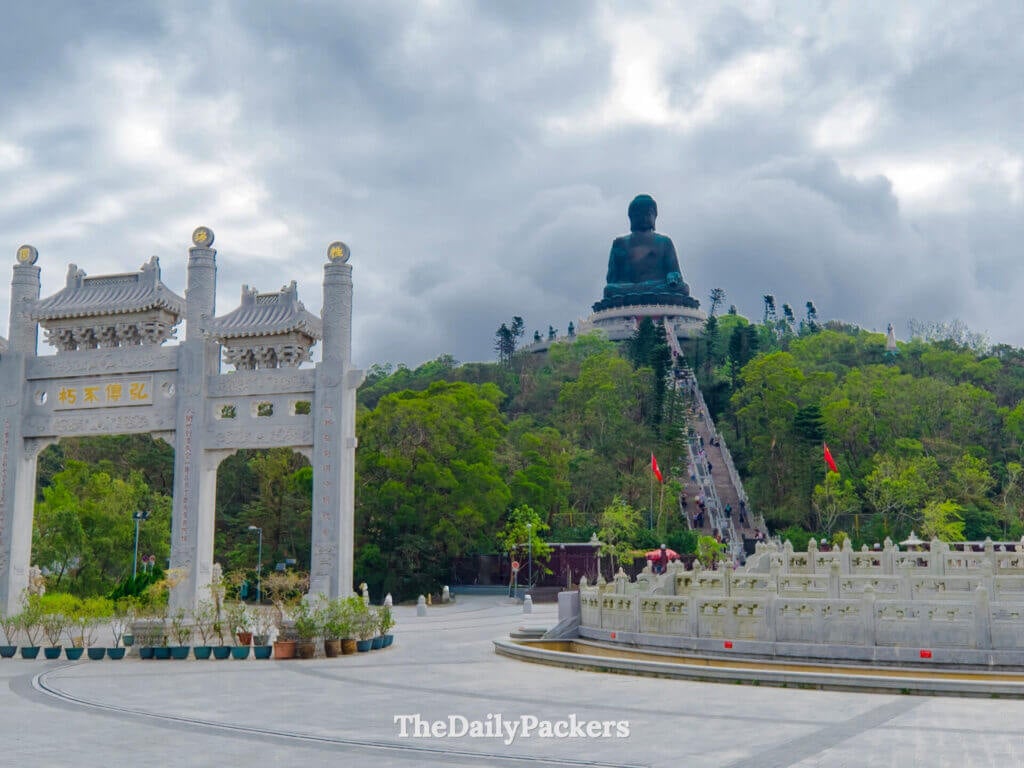
The Big Buddha of Hong Kong is another landmark that truly marked us. Located on Lantau Island, it is a must-do when in Hong Kong. The towering statue is one of the largest outdoor seated Buddhas in the world, and it offers breathtaking views of the surrounding mountains.
To get there, ride the Ngong Ping 360 cable car for a scenic journey to the Buddha, then take a moment to admire the peaceful surroundings.
Ngong Ping 360 Cable Car:
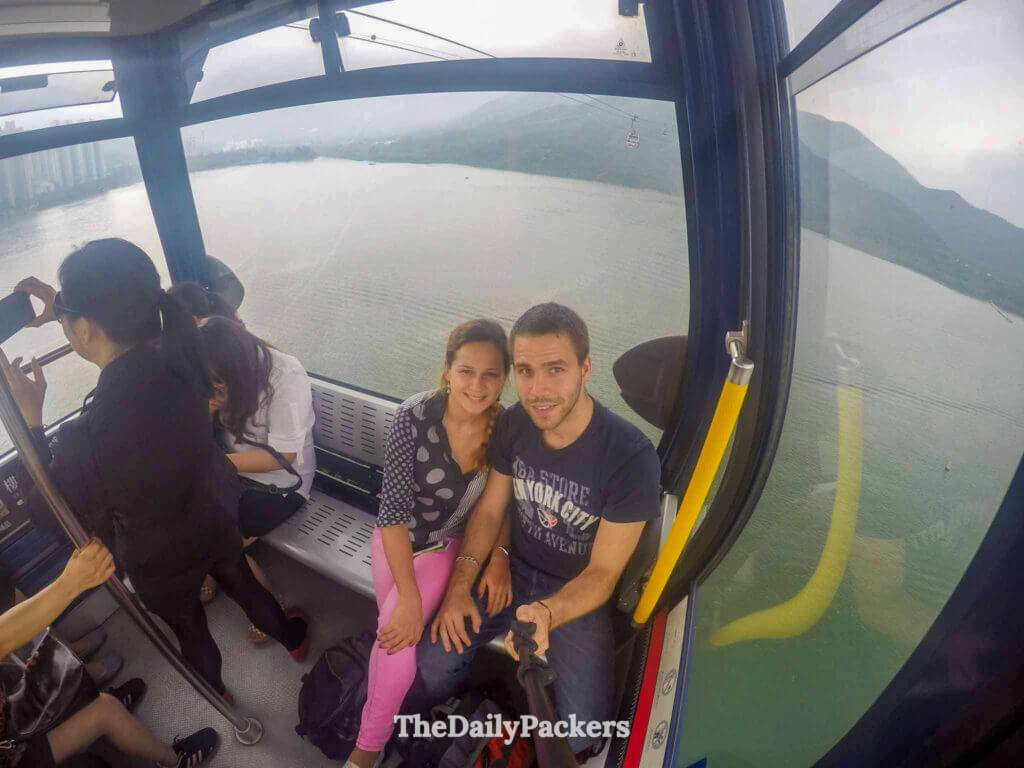
The Ngong Ping 360 cable car ride offers spectacular views of Lantau Island and the South China Sea.It’s an incredible 25-minute experience that takes you to the Ngong Ping village, Tian Tan Buddha and Po Lin Monastery. For a thrilling experience, opt for a glass-bottom cabin to see the landscape below.
Tip: Get your tickets online for the cable car and avoid the line
Avenue of Stars:
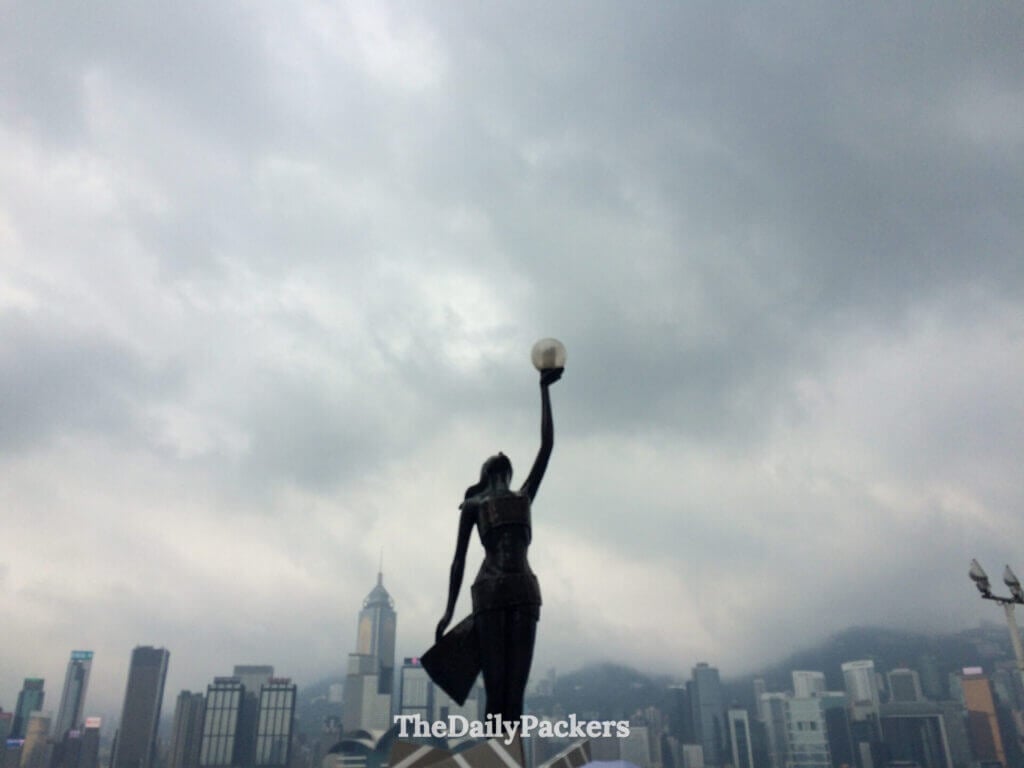
Located along the waterfront in Tsim Sha Tsui, the Avenue of Stars is a tribute to Hong Kong’s film industry. Stroll along the promenade and find handprints of famous actors like Bruce Lee, while enjoying the view of the harbor and skyline. It’s a great place to take in the beauty of Hong Kong while learning about its cinematic history.
Tip: Try the Hong Kong City Highlights Guided Tour w/Entry Fees & Lunch
The Symphony of Lights:
Hong Kong’s Symphony of Lights is a nightly light and sound show that takes place along Victoria Harbour. Over 40 buildings light up in a synchronized show every niht when the clock strikes 8PM, creating a dazzling spectacle. It’s a must-see when in Hong Kong, especially if you’re at the Avenue of Stars or the Tsim Sha Tsui waterfront.
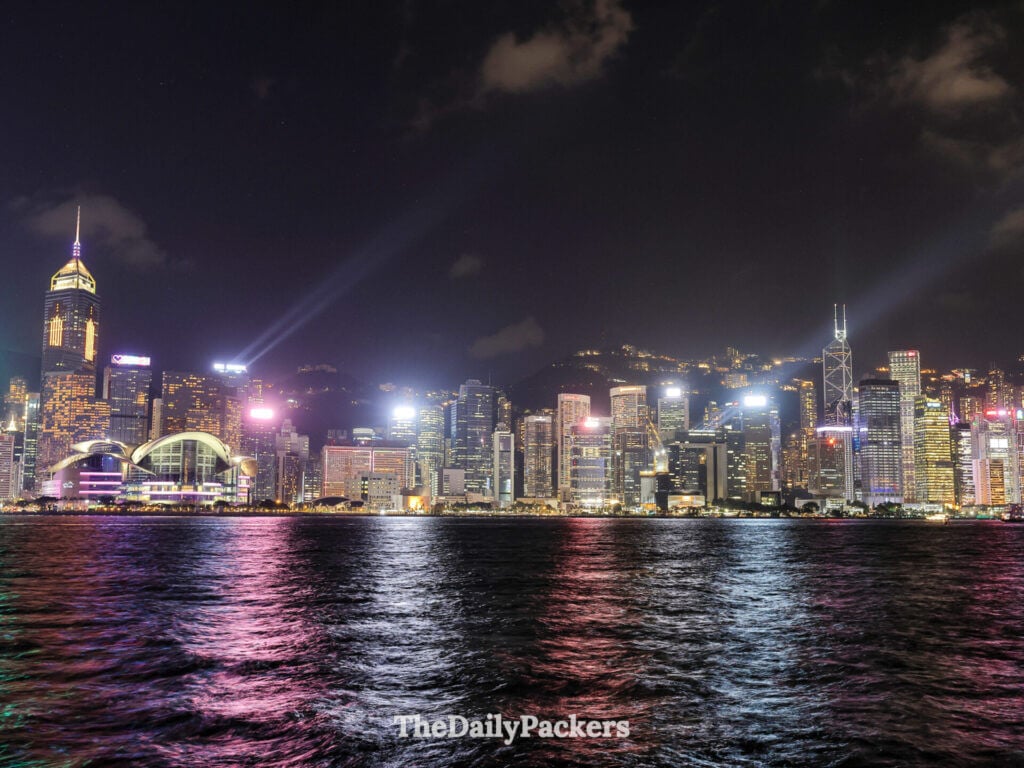
The Star Ferry:
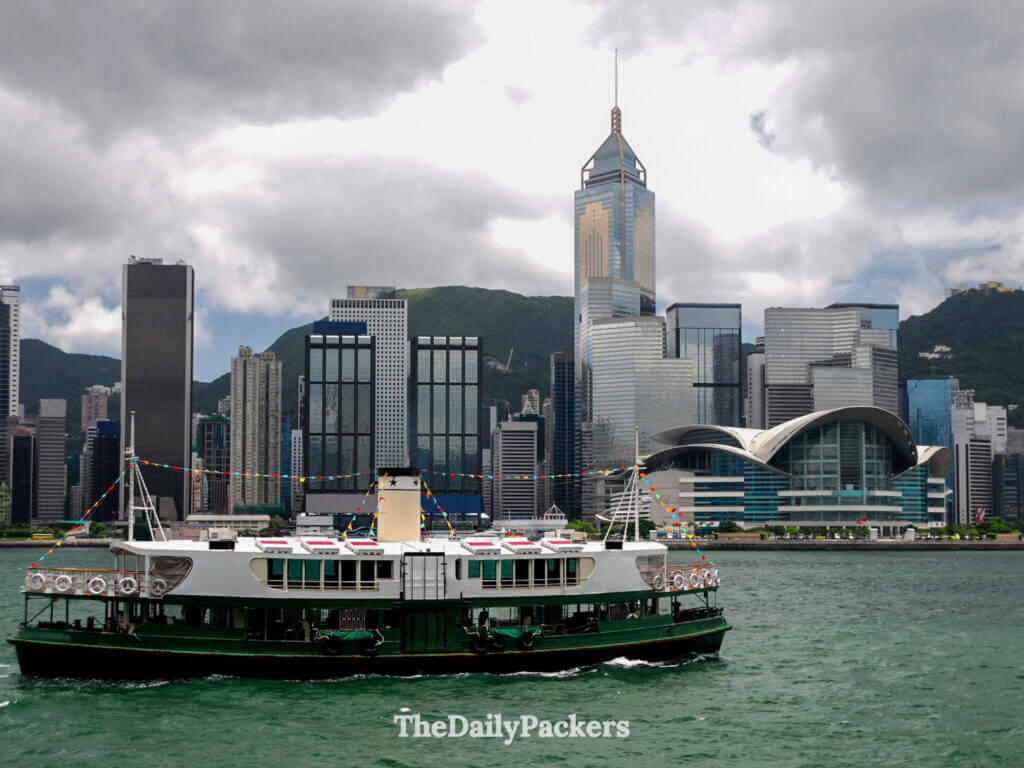
The Star Ferry is an iconic part of Hong Kong’s history. Take a short ferry ride across Victoria Harbour for stunning views of both Hong Kong Island and Kowloon. It’s an affordable and scenic way to experience the city’s waterfront and one of the best ways to see the skyline from the water.
Tai O:
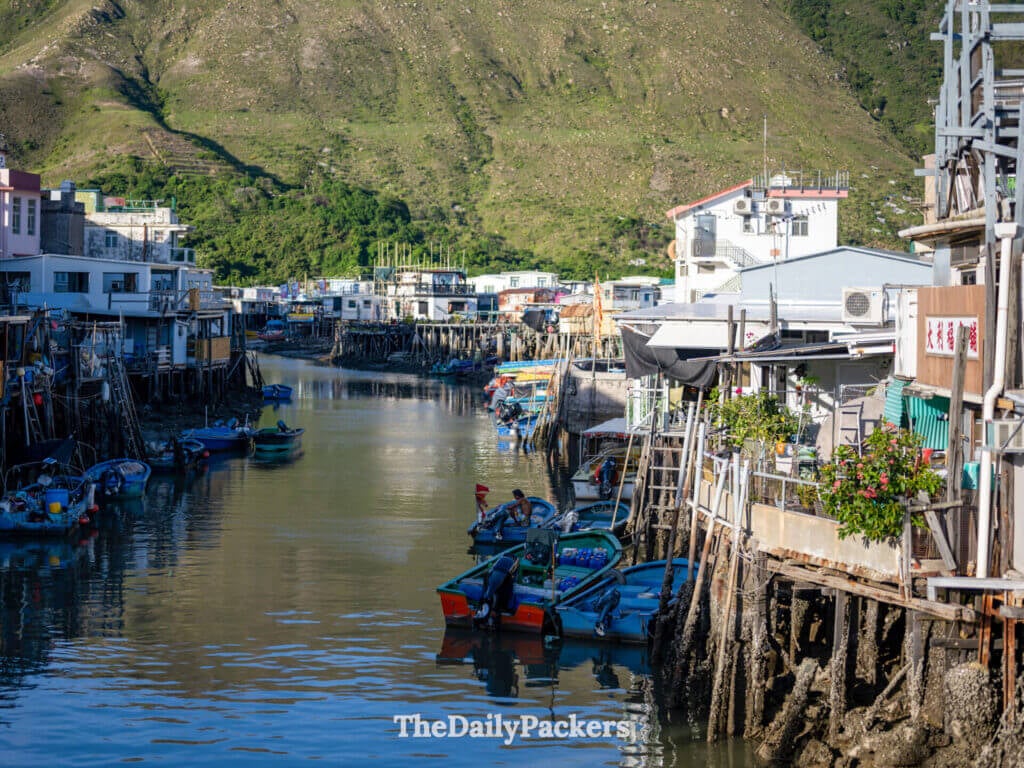
Tai O is a charming fishing village on Lantau Island, known for its stilt houses and traditional way of life. It’s a great place to explore on foot, with narrow streets, local markets, and a relaxed atmosphere. You can also take a boat tour to spot pink dolphins or visit the local temples.
Hong Kong Park:
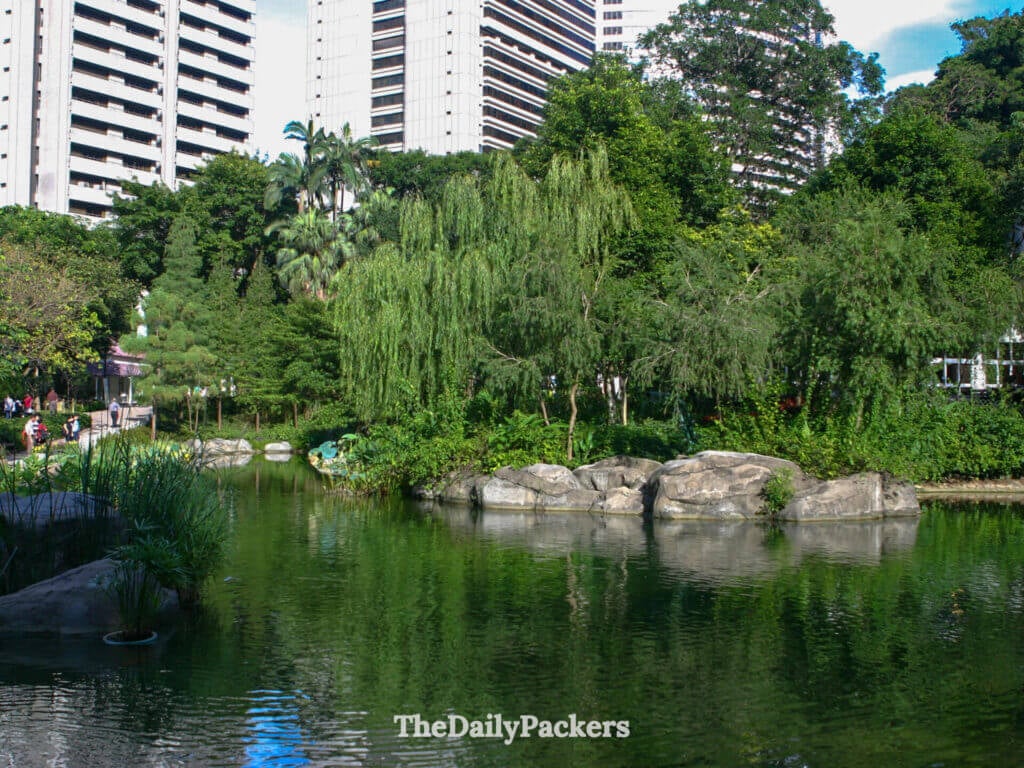
For a break from the city, head to Hong Kong Park, an urban oasis in the heart of the city. With ponds, gardens, and modern architecture, it’s a peaceful escape. Visit the Hong Kong Visual Arts Centre or the Hong Kong Heritage Discovery Centre for a cultural experience in the park.
SKY 100:
For stunning 360-degree views of Hong Kong, visit SKY 100, an indoor observation deck located on the 100th floor of the International Commerce Centre. It’s one of the best spots in the city to take in the skyline and the harbor, with fewer crowds compared to other observation decks.
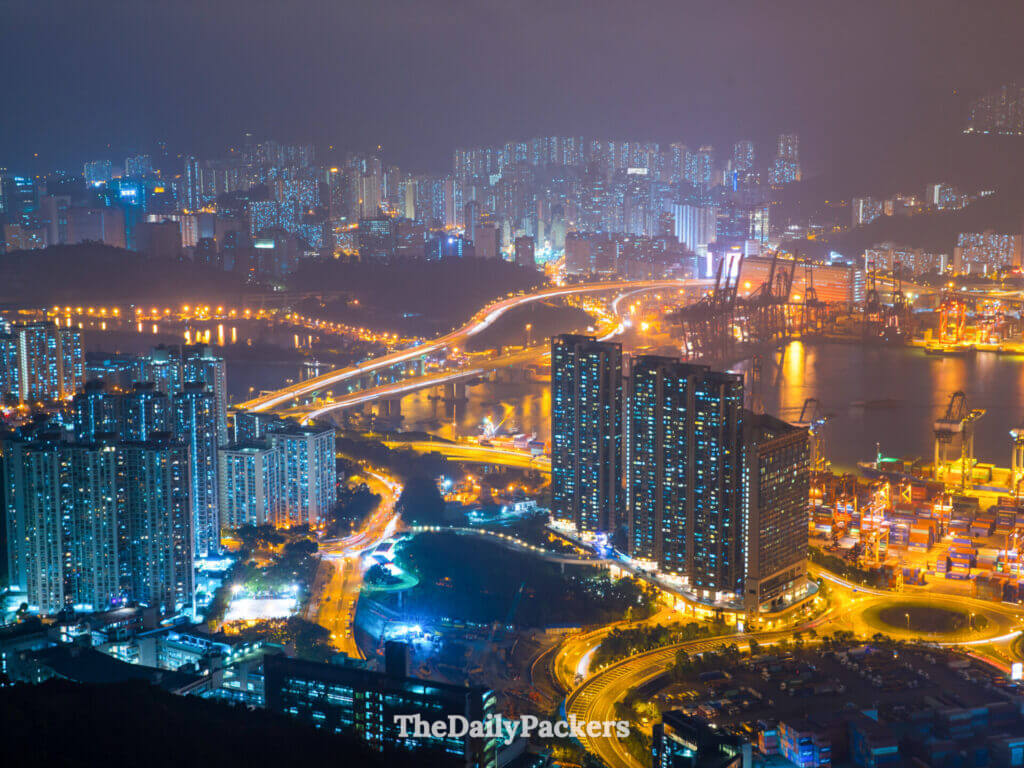
Tip: Don’t forget to buy your ticket online for SKY100
Hong Kong Disneyland:
If you’re looking for a fun day out, head to Hong Kong Disneyland on Lantau Island. With themed rides, shows, and character meet-and-greets, it’s a great destination for families or Disney fans. Enjoy classic rides like Space Mountain or visit the themed lands, including Tomorrowland and Adventureland.
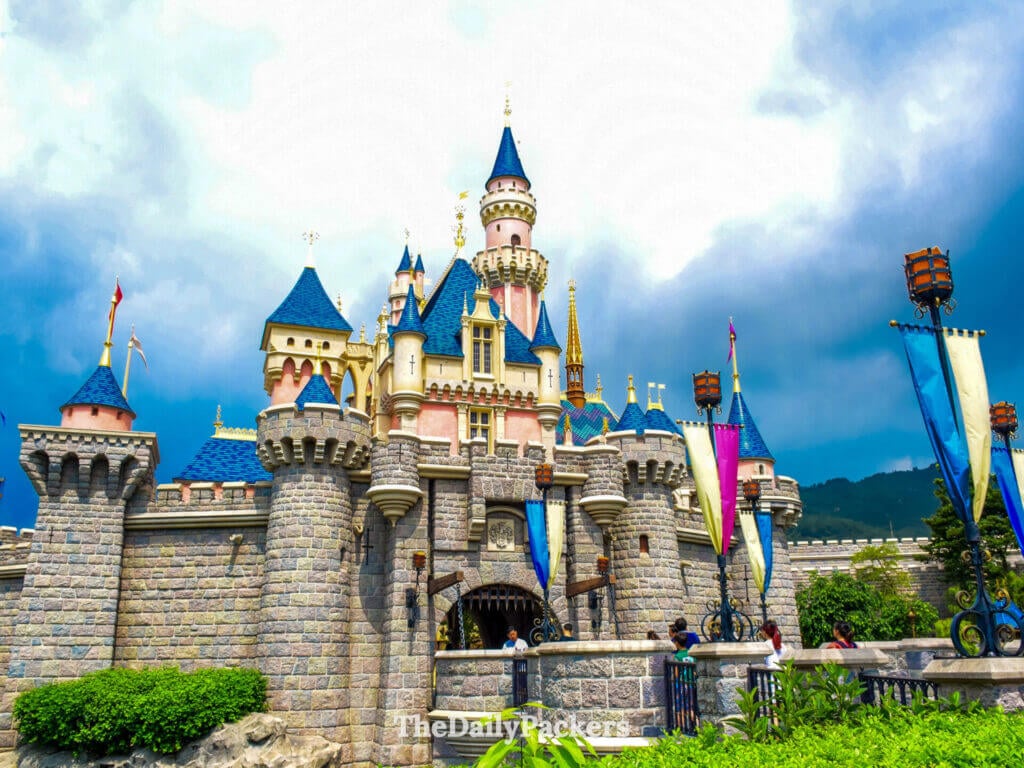
Tip:Save time with the online Hong Kong Disneyland Park Tickets
Macau:
Take a short ferry ride from Hong Kong to Macau, a unique blend of Chinese and Portuguese cultures. Explore the UNESCO World Heritage sites, including the Ruins of St. Paul, and try your luck at the famous casinos. Macau offers a more laid-back atmosphere compared to Hong Kong, with colonial architecture and a rich history.

Yik Cheong Building:
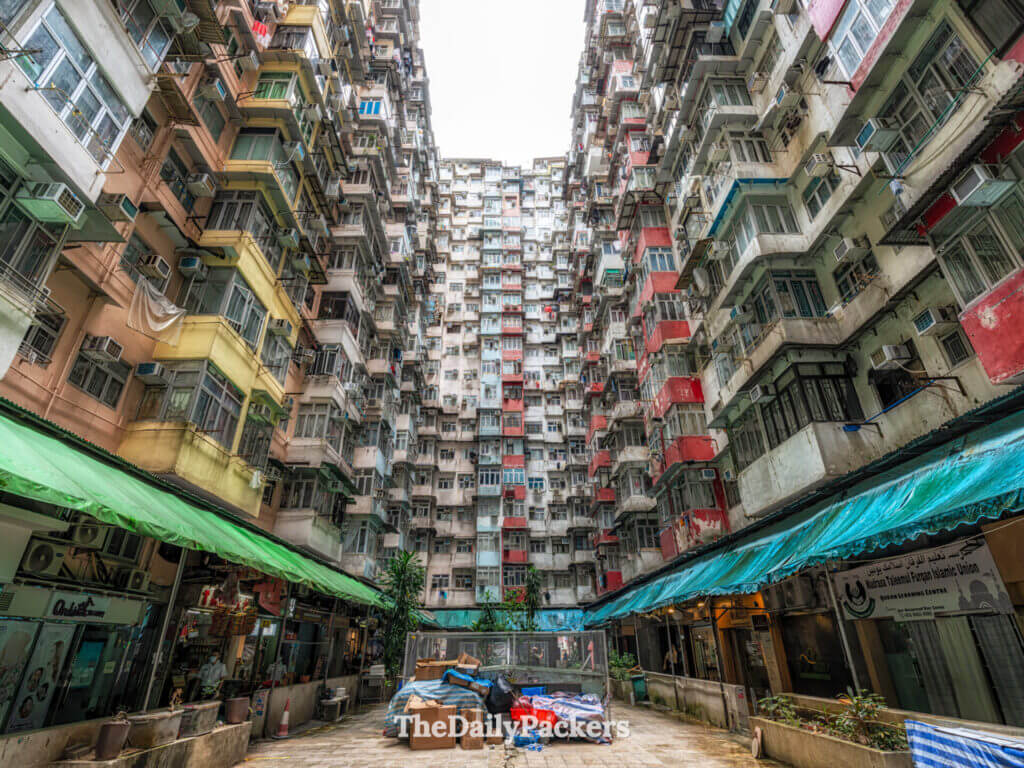
Known for its unique architecture and appearance in numerous films and photography, the Yik Cheong Building is a must-see for photography enthusiasts. Located in Kowloon, this building stands out with its densely packed, colorful façade and has become one of the most photographed buildings in Hong Kong. If you’re a fan of urban photography, this is the perfect spot to capture the essence of the city’s skyline.
What it Costs: Budgeting for Your Trip to Hong Kong
Hong Kong can be as budget-friendly or as splurge-heavy as you want it to be, and honestly, that flexibility is part of what makes it such an easy city to visit. Getting around is refreshingly cheap once you have your Octopus card loaded up: single MTR rides typically run between 4 and 15 HKD (about 0.50€ to 1.70€) depending on distance, and the classic Star Ferry crossing between Hong Kong Island and Kowloon costs less than 5 HKD (around 0.60€), which might be the best value experience in the entire city.
For the big-ticket attractions, expect to pay a bit more. A round-trip Peak Tram ticket with Sky Terrace access runs somewhere around 100 to 235 HKD per adult (roughly 12€ to 28€), depending on which combo you book, and the Ngong Ping 360 cable car to reach the Big Buddha will cost you somewhere between 235 and 290 HKD round trip in a standard cabin (about 28€ to 34€), with the glass-bottom Crystal cabin pushing that higher. If Hong Kong Disneyland is on your list, budget around 669 to 879 HKD per adult for a single day (roughly 78€ to 103€), with prices shifting depending on the season and day of the week you visit.
Food is where you can really control your spending. A proper dim sum lunch or a bowl of wonton noodles at a local spot will usually cost you somewhere between 40 and 100 HKD (around 5€ to 12€) per person, while a sit-down meal at a nicer restaurant, especially if you’re craving something other than Cantonese food, can easily run 150 to 300 HKD (18€ to 35€) per person. Street food at places like Temple Street Night Market is your cheapest and often most memorable option, with most snacks and small plates costing under 50 HKD (6€).
Accommodation is really where your budget will swing the most, since Hong Kong has everything from simple guesthouses to five-star towers with harbor views. You can find a comfortable mid-range hotel in Central, Causeway Bay, or Wan Chai for somewhere between 800 and 1,500 HKD a night (95€ to 175€), while budget options can drop below 500 HKD (60€) and luxury stays can climb well past 3,000 HKD (350€) a night. As with most of our guides, these figures are estimates based on current research, so if you’ve already got real numbers from your own trip, send them over and we’ll swap them in.
About the authors
We are Alex and Tina, a French-Serbian couple who met in China back in 2014. We spent three incredible years there before making France our home. Our shared passion for travel has been the heartbeat of our relationship for over 12 years, taking us across 44 countries and counting.
We launched TheDailyPackers in 2019 as a way to document our adventures. In 2026, we reached a major milestone by officially turning our blog into our full-time job. While we are still growing toward financial independence through this platform, every article we write is fueled by our mission to make your voyages easier through in-depth guides, honest advice, and the lessons we’ve learned from our own mistakes.
Our journey has not been without its storms. In 2023, our world changed forever when our first son, Poppy, was stillborn on November 25th. It was, and remains, the hardest chapter of our lives. In 2025, we were blessed with our second little boy, Milo. He has since joined our traveling tribe, and you’ll be seeing him—and the reality of traveling with a little one-on the blog more and more.
We hope to inspire you to explore the world with curiosity and resilience. Thank you for being part of our story.
You may also like those related posts
The perfect China Itinerary: 2 weeks for first timers
Suzhou Travel Guide: Best things to do & How to visit
15 Mind-Boggling Culture Shocks in China
How I got Deported From China: Unique 2016 Travel Experience
Zhujiajiao Water Town: A Perfect 1-Day Trip from Shanghai
Shanghai Travel Guide: The Perfect 6-Day Itinerary
Shangri-La Travel Guide: Best Things to Do in Tibetan Yunnan
What Pollution in China was like in our daily life in 2016
Pssst, did you know that…
If you purchase something through our links, we earn a small fee. However, you still pay the same. Win-win! And one day we may get to be full-time travel bloggers =)
Find Hotels with Booking.com
Do Yoga with KVY
Buy us a Coffee
Rent a car with DiscoverCars
Find Attractions with GetYourGuide
Find Flights with Expedia
Buy an eSIM with Airalo
Get insured with World Nomads
Get ready with Amazon.com