
Introdudction
Uruguay is one of those countries that surprises you with its calm rhythm and warm-hearted people. Life moves slower here — in the best way possible. Whether you’re exploring small coastal towns or relaxing in the countryside, you’ll instantly feel the peaceful energy that makes this country so special.
During our 10-day trip across Uruguay, we followed the coastline from north to south toward Argentina and Buenos Aires, stopping in some of the most beautiful tourist destinations in Uruguay. Each place had its own charm — from endless beaches and colorful villages to colonial towns full of history.
And of course, you can’t experience Uruguay without trying an asado — the traditional barbecue that’s almost a ritual here. Locals prepare the fire on one side while the meat cooks slowly on the other, filling the air with that amazing smoky smell. It’s less about the meal and more about taking the time to enjoy life — something Uruguayans do perfectly.
Here are our top Uruguay tourist attractions you shouldn’t miss during your trip.


Read: Our complete 10-day Uruguay Itinerary
Best Tourist Destinations in Uruguay
Tourist destinations in Uruguay: Punta del Diablo
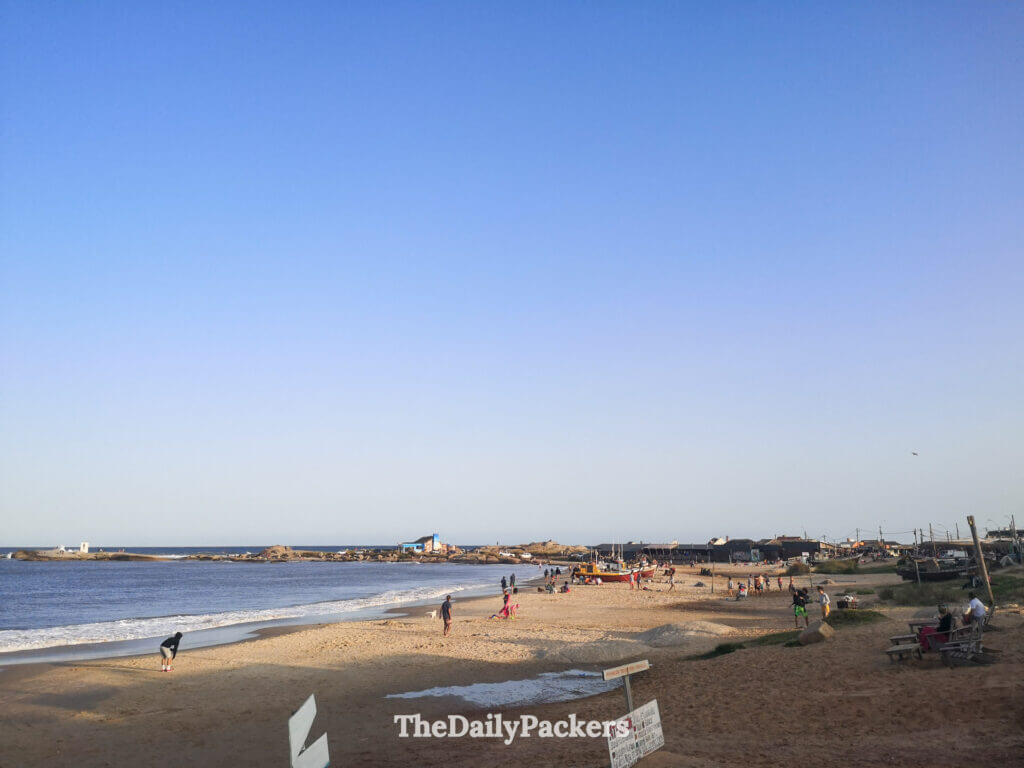
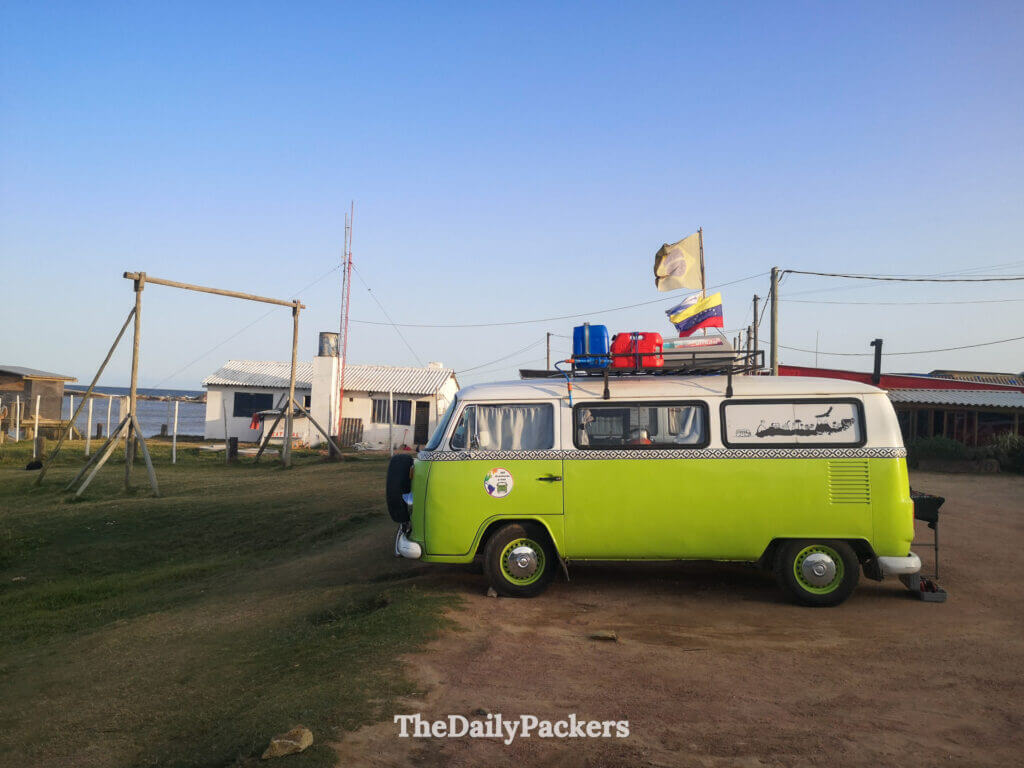
Punta del Diablo is one of the most charming tourist destinations in Uruguay — a small fishing village in the north that perfectly captures the country’s relaxed spirit. Once a quiet community of fishermen, it has grown into a bohemian beach town loved by surfers, backpackers, and travelers looking for a slower pace of life.

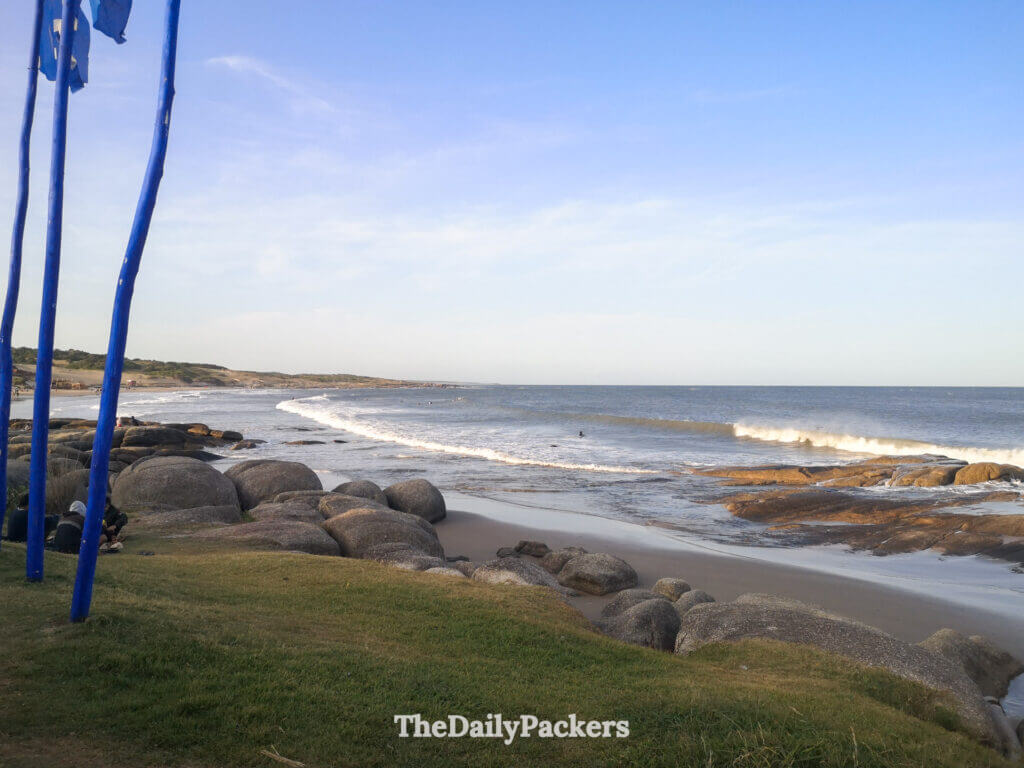
Here, you’ll find endless beaches, colorful houses scattered among the dunes, and a friendly local vibe that makes you feel instantly at home. Days are simple — sunbathing at Playa del Rivero, walking along Playa Grande, or watching the sunset from Playa de los Pescadores as fishermen return with their daily catch.
What we loved most about Punta del Diablo is how untouched it still feels. It’s raw, real, and peaceful — one of those places to visit in Uruguay where you can truly disconnect and enjoy the moment.
Where to stay in Punta Del Diablo
(€) Eco House Via Verde – A friendly, budget-friendly eco-lodge surrounded by nature. It’s simple but cozy, with clean rooms, a shared kitchen, and a peaceful garden. Perfect if you’re traveling on a budget or backpacking across South America.
(€€) Eco Boutique B&B – A stylish bed & breakfast with a strong focus on sustainability and comfort. The breakfast here is delicious, and the rooms are warm and bright, ideal for a couple looking for a calm retreat after long travel days.
(€€€) Bella Bungalows – Beautifully designed wooden bungalows just a short walk from the beach. Each bungalow has a private terrace and nature views, making it perfect if you want to unwind and enjoy Punta del Diablo’s relaxed atmosphere.
Read: 14 Best things to do in Punta Del Diablo, Uruguay, in 3 days
Tourist destinations in Uruguay: Santa Teresa National Park
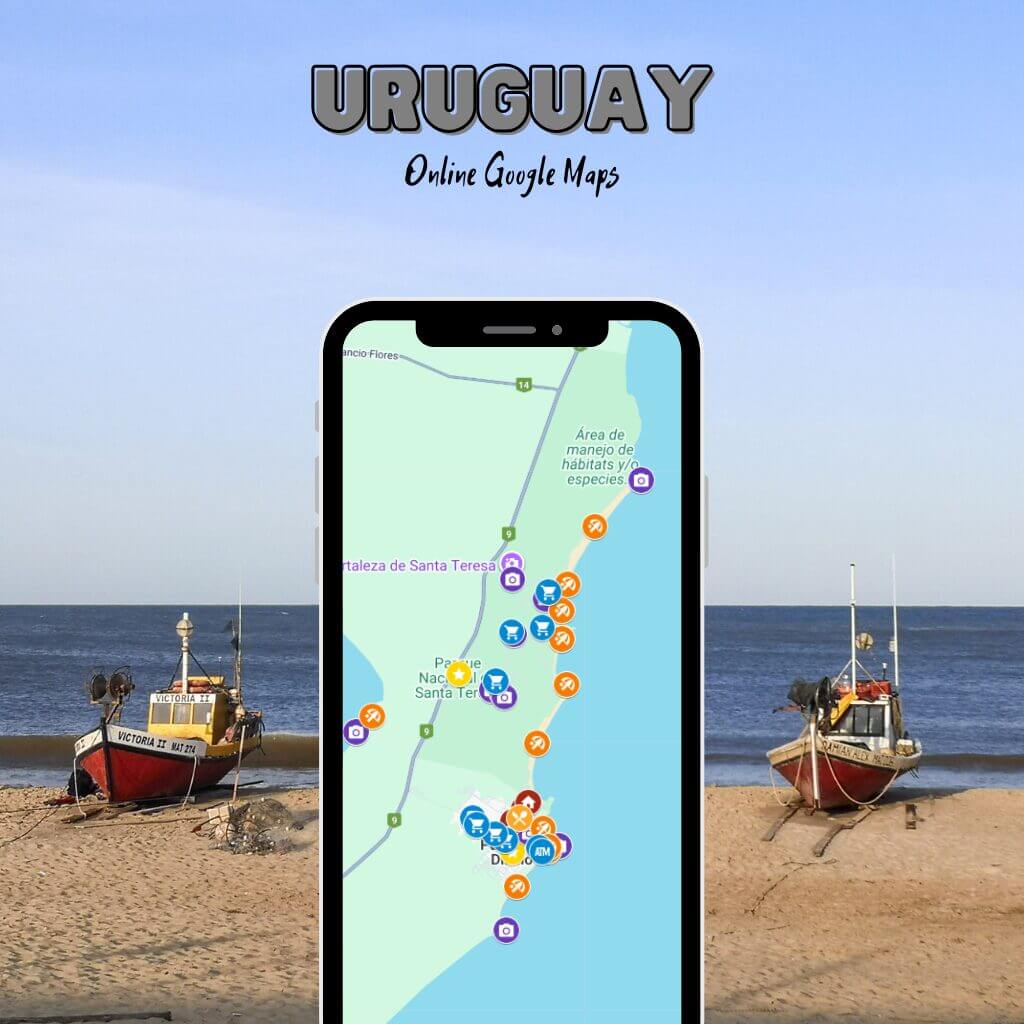
Right next to Punta del Diablo lies Santa Teresa National Park, one of the top Uruguay tourist attractions for nature and history lovers. Covering over 3,000 hectares, this vast park blends wild forests, coastal dunes, and centuries of history — all in one incredible setting.

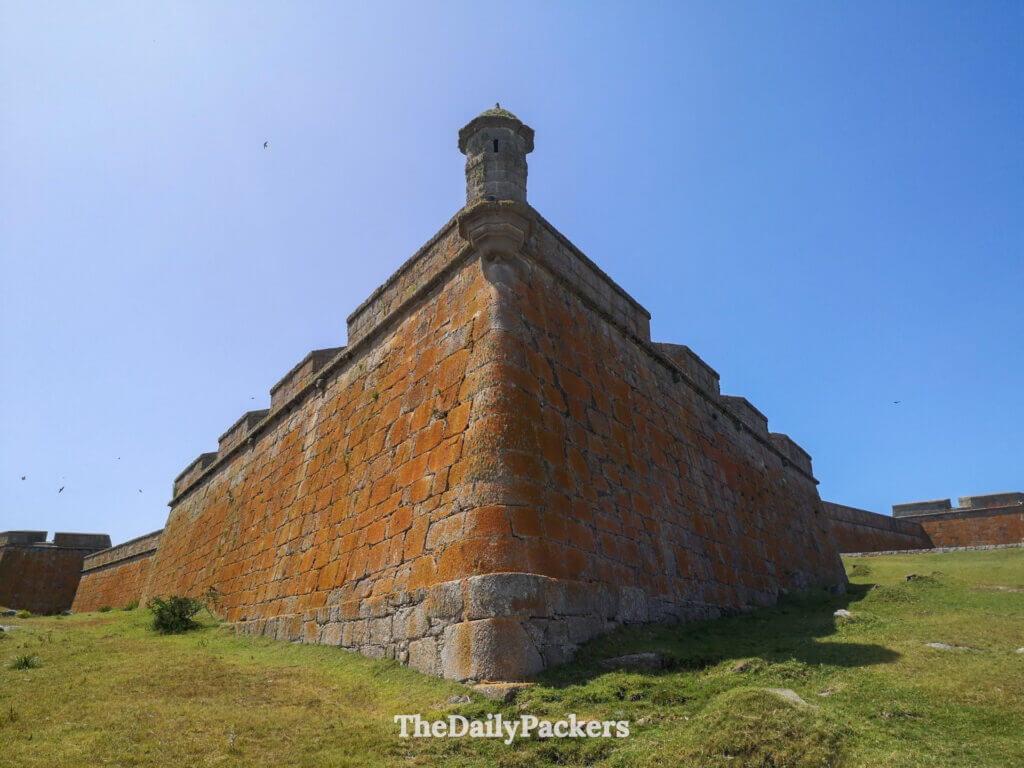
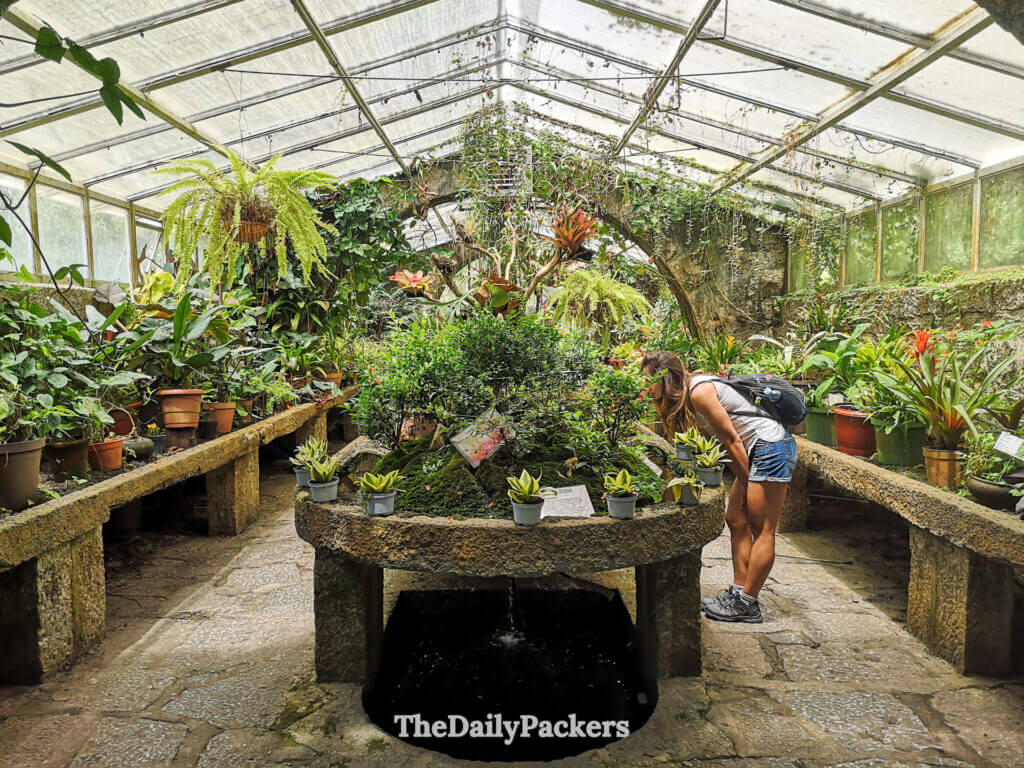
Inside the park, you can hike under tall pines, spot wildlife like capybaras and colorful birds, and visit the impressive Fortaleza de Santa Teresa, a restored 18th-century fortress built by the Portuguese. There’s also a beautiful botanical garden, peaceful lagoons, and more than 12 kilometers of beaches — many of them nearly empty.
It’s easy to spend a full day exploring here, whether by bike, car, or even on foot. You can also camp inside the park or stay nearby in Punta del Diablo. Watching the sunset over the ocean after a day of exploring the forest and fortress is pure magic — and a reminder of why Santa Teresa is one of the most unique tourist destinations in Uruguay.
Where to stay in Punta Del Diablo
(€) Eco House Via Verde – A friendly, budget-friendly eco-lodge surrounded by nature. It’s simple but cozy, with clean rooms, a shared kitchen, and a peaceful garden. Perfect if you’re traveling on a budget or backpacking across South America.
(€€) Eco Boutique B&B – A stylish bed & breakfast with a strong focus on sustainability and comfort. The breakfast here is delicious, and the rooms are warm and bright, ideal for a couple looking for a calm retreat after long travel days.
(€€€) Bella Bungalows – Beautifully designed wooden bungalows just a short walk from the beach. Each bungalow has a private terrace and nature views, making it perfect if you want to unwind and enjoy Punta del Diablo’s relaxed atmosphere.
Read: Santa Teresa Park & Laguna Negra Day Trip Guide, Uruguay
Tourist destinations in Uruguay: Cabo Polonio
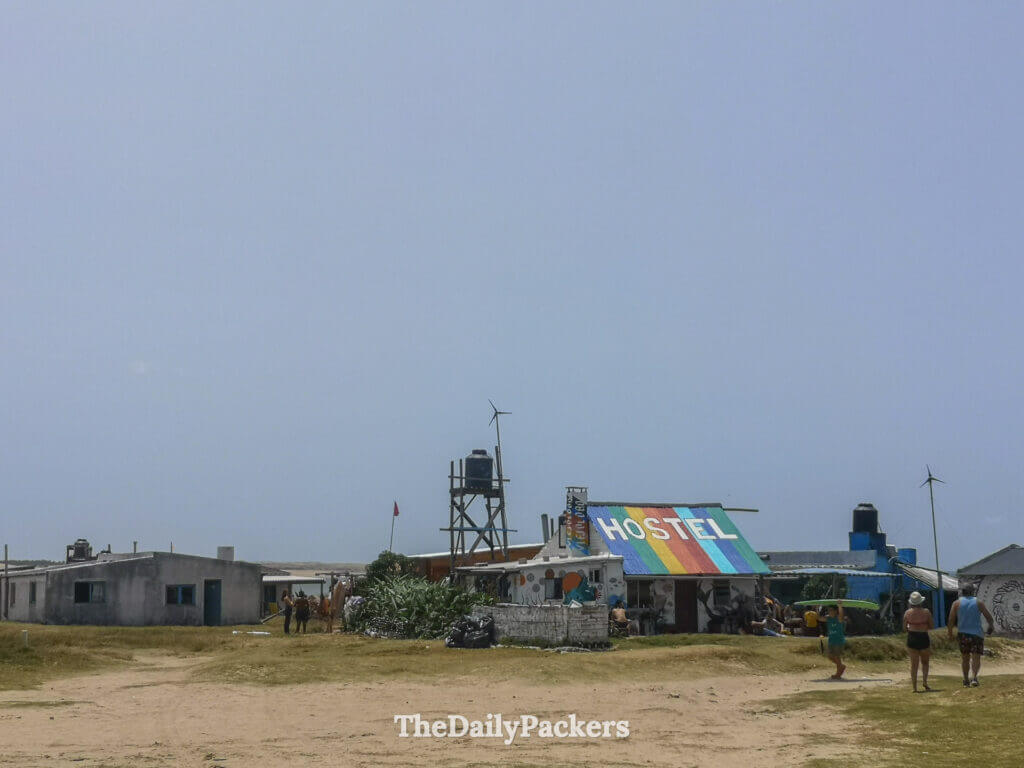
Cabo Polonio is easily one of the most fascinating and offbeat places to visit in Uruguay. Hidden deep within a national park, this tiny coastal village can only be reached by special 4×4 trucks that drive through the dunes — there are no paved roads, no cars, and barely any modern infrastructure.
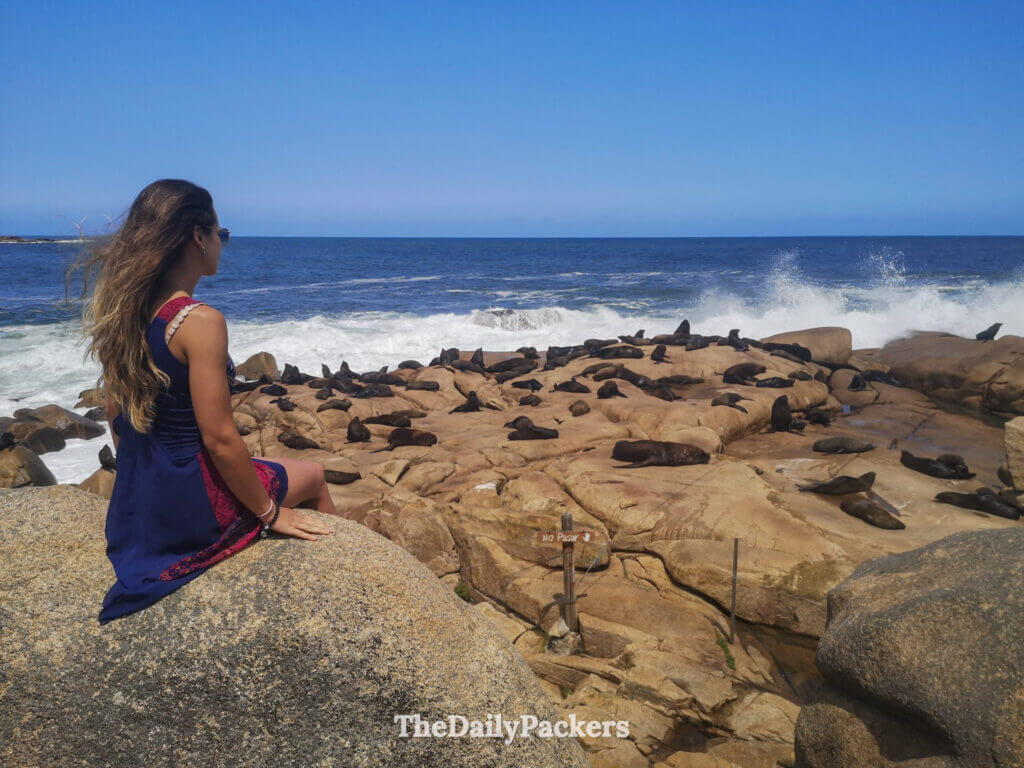
Once you arrive, it feels like stepping into another world. There’s no electricity in most houses, no streetlights, and the pace of life slows to the rhythm of the wind and the waves. The village is surrounded by dunes, rocky shores, and beaches where hundreds of sea lions rest near the iconic Cabo Polonio Lighthouse.

It’s a place for those who love nature, simplicity, and silence. Spend the day walking along the dunes, watching the sea lions, and catching the sunset from the lighthouse — one of the most beautiful in South America. Cabo Polonio is not just a tourist attraction in Uruguay; it’s an experience that reminds you how peaceful life can be when you disconnect from everything.

If, like us, you’re visiting Cabo Polonio as a day trip from Punta del Diablo, that’s a great choice — it’s super doable and gives you plenty of time to explore without rushing. The last 4×4 back to the park entrance leaves around sunset, which fits perfectly for a full-day visit.
But if you have more time, staying overnight in Cabo Polonio is a completely different experience. Once the day-trippers leave, the whole place becomes calm, with only a few lights from the small guesthouses and the soft sound of the waves. There’s no electricity grid — most places run on solar panels or generators, which makes the atmosphere even more magical.
You’ll find several eco-lodges, rustic cabins, and hostels right in the village, often run by locals. Accommodations are simple but charming, with a focus on sustainability and community living.
Read: Visit Cabo Polonio: The Remote Paradise of Uruguay in 2025
Tourist destinations in Uruguay: Montevideo
Montevideo, the capital of Uruguay, is often overlooked compared to Buenos Aires, but it’s one of the most vibrant tourist destinations in Uruguay — a city that perfectly balances history, culture, and laid-back coastal living.
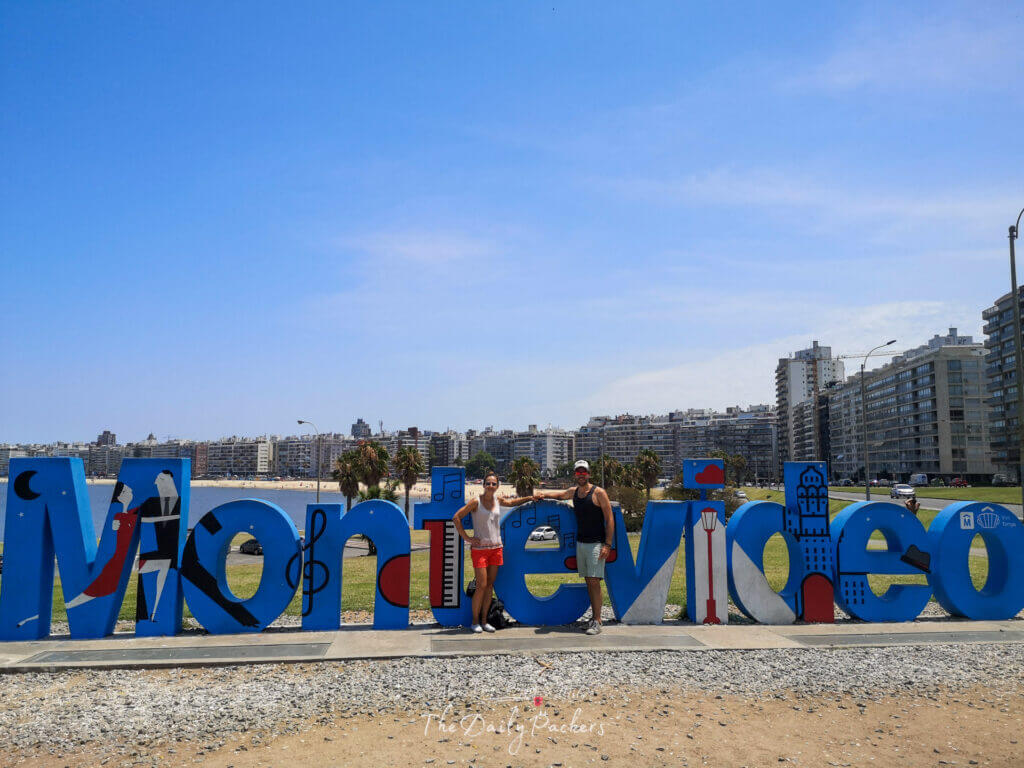
Start your visit in the Ciudad Vieja, the city’s historic center, where colonial buildings, colorful street art, and cozy cafés line the cobbled streets. Don’t miss Plaza Independencia, the heart of the city, and the famous Teatro Solís, one of the oldest theaters in South America.

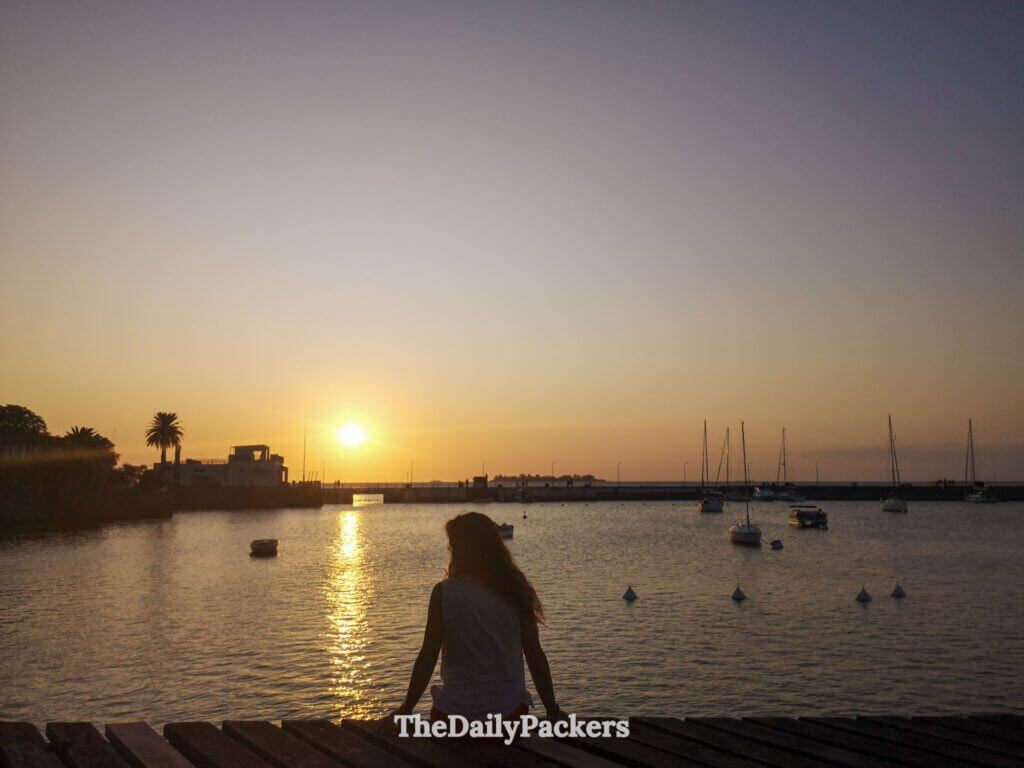
Montevideo’s charm, however, really shines along La Rambla, a 22-kilometer waterfront promenade where locals jog, mate in hand, and watch the sun set over the Río de la Plata. If you’re visiting on a Sunday, make sure to stop by the Tristán Narvaja Market — one of the best places to visit in Uruguay to experience local life.
And, of course, food lovers shouldn’t leave without trying an asado (Uruguayan barbecue) at the Mercado del Puerto. It’s an unforgettable mix of sizzling meat, friendly people, and pure local flavor.

Where to stay in Montevideo:
- (€): MedioMundo Hostel: A charming and social hostel in the Parque Rodó area, just a few blocks from the Rambla. It’s clean, cozy, and has a relaxed, artsy vibe with a small garden and kitchen for guests.
- (€€): FAUNA Montevideo: A beautifully designed boutique hotel in Palermo, blending style and comfort. The rooms are modern with natural tones and wood finishes, and the rooftop terrace offers great city views.
- (€€€): Hotel Costanero MGallery: One of the best luxury hotels in Montevideo, right across from Pocitos Beach. It offers elegant rooms, an indoor pool, a spa, and a restaurant — perfect for those who want comfort and sea views.

Read: 16 Best things to do in Montevideo, Uruguay, in 3 days
Tourist destinations in Uruguay: Punta del Este
Known as the “Monaco of South America,” Punta del Este is one of the most famous tourist destinations in Uruguay — a glamorous seaside city where golden beaches meet luxury living.
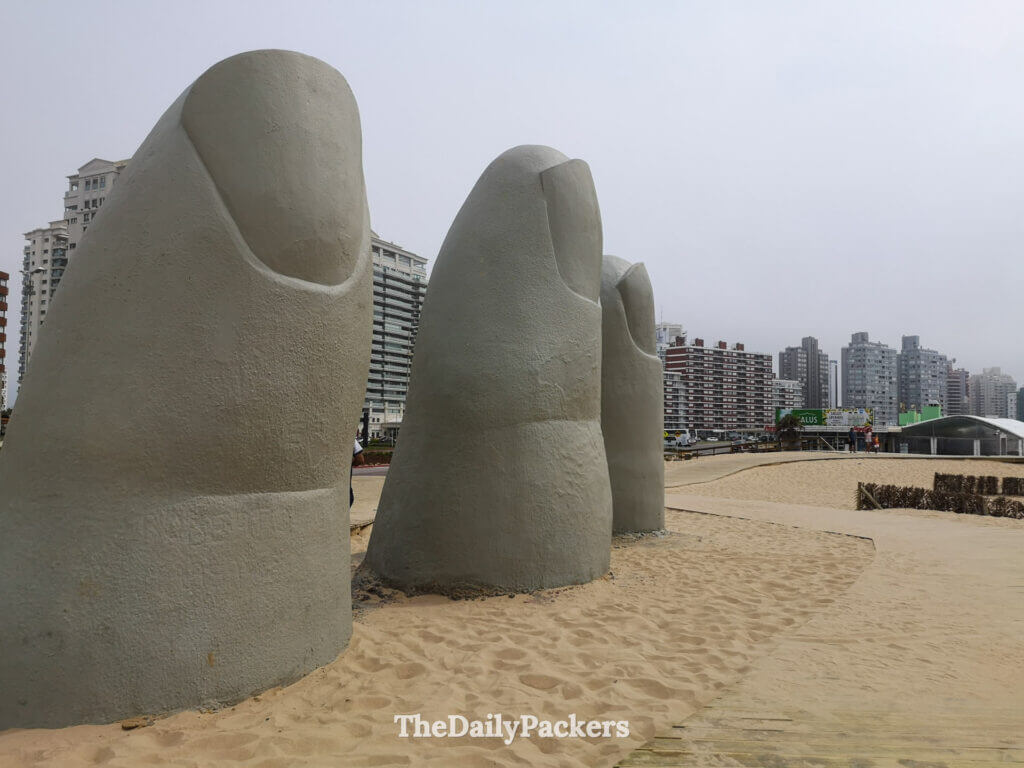
Located on a peninsula dividing the Atlantic Ocean and the Río de la Plata, Punta del Este has two main beaches: Playa Brava, home to the iconic “Hand in the Sand” sculpture, and Playa Mansa, where the calmer waters are perfect for swimming and relaxing. The contrast between the wild waves and peaceful shores makes it one of the best places to visit in Uruguay for beach lovers.
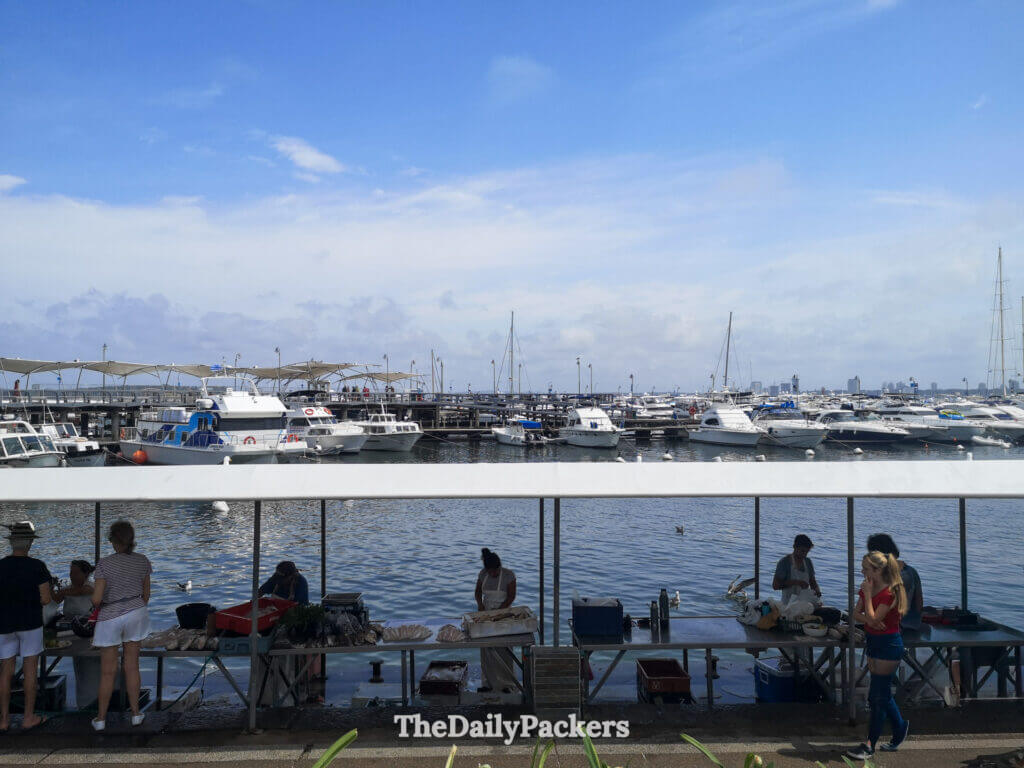
Beyond the beaches, you can explore the charming Peninsula district, stroll along Juan Gorlero Street for shopping, and stop by the Lighthouse or Puerto de Punta del Este to watch the yachts come and go. Just outside the city lies Casa Pueblo, a stunning white-washed cliffside museum and hotel built by Uruguayan artist Carlos Páez Vilaró — and one of Uruguay’s most photographed spots.

While Punta del Este is often associated with luxury, it’s also a great destination for anyone wanting to enjoy the sun, sea, and vibrant coastal energy that defines Uruguay’s summer.
Where to stay in Montevideo:
- (€): MedioMundo Hostel: A charming and social hostel in the Parque Rodó area, just a few blocks from the Rambla. It’s clean, cozy, and has a relaxed, artsy vibe with a small garden and kitchen for guests.
- (€€): FAUNA Montevideo: A beautifully designed boutique hotel in the old town, blending style and comfort. The rooms are modern with natural tones and wood finishes, and the rooftop terrace offers great city views.
- (€€€): Hotel Costanero MGallery: One of the best luxury hotels in Montevideo, right across from Pocitos Beach. It offers elegant rooms, an indoor pool, a spa, and a restaurant — perfect for those who want comfort and sea views.
If you’d rather spend a night in Punta del Este, keep in mind that accommodation can be expensive, especially in summer. Booking in advance is highly recommended during high season.

Read: 11 best things to do in Punta del Este, Uruguay, in 1 day
Tourist destinations in Uruguay: Colonia del Sacramento
Colonia del Sacramento, or simply Colonia, is one of the most picturesque tourist places in Uruguay and a UNESCO World Heritage Site. This small riverside town, located just across from Buenos Aires, is known for its charming cobblestone streets, vintage cars parked along colonial houses, and a calm, timeless atmosphere.

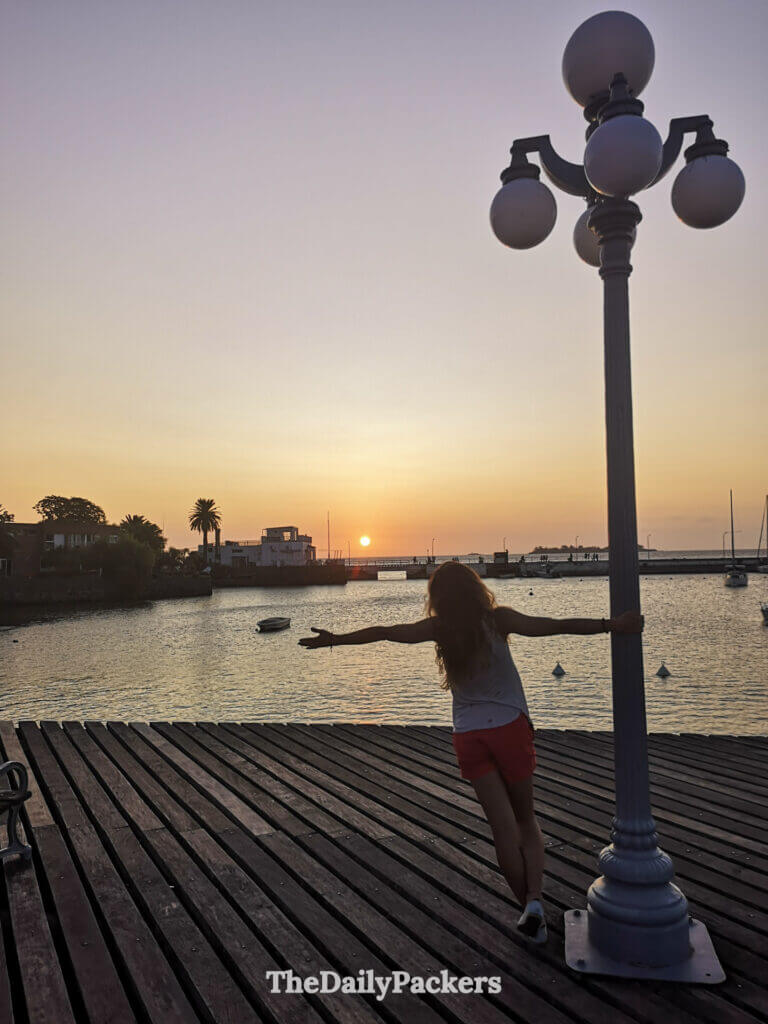
Founded in 1680 by the Portuguese, Colonia’s old town is a fascinating mix of Portuguese and Spanish architecture — a visible reminder of the city’s layered past. Wander through Plaza Mayor, climb the lighthouse for panoramic views, and walk along the Rambla de Colonia for a peaceful sunset over the Río de la Plata.

Colonia is small enough to explore on foot, and it’s one of the best Uruguay tourist attractions for a day trip from Buenos Aires or Montevideo. Whether you’re sipping wine at a local café, visiting art galleries, or simply getting lost in its narrow streets, Colonia feels like stepping back in time — slow, beautiful, and full of soul.
Where to stay in Colonia:
(€) Don Antonio Posada – A cozy boutique hotel just a short walk from the old town. It features a peaceful courtyard, an outdoor pool, and a great breakfast. Perfect for travelers who want comfort and charm without breaking the bank.
(€€) Posada Plaza Mayor – Located right in the heart of the historic center, this charming posada sits on a cobblestone street surrounded by colonial architecture. Rooms are beautifully decorated, and the inner courtyard is ideal for relaxing after a day of sightseeing.
(€€€) Comarca Las Liebres – A bit outside the historic core, this boutique retreat offers modern comfort with rustic touches, a tranquil garden, and a serene pool area. Ideal if you’re looking for a quiet and romantic escape.

Read: 14 best things to do in Colonia del Sacramento, Uruguay
How to Get Around Uruguay
Getting around the best Tourist destinations in Uruguay is easy and safe, even if you’re traveling on a budget. The country has a reliable bus network that connects all major cities and tourist destinations — including Montevideo, Punta del Este, Punta del Diablo, and Colonia del Sacramento.
COT and Rutas del Sol are the main bus companies, offering frequent and comfortable long-distance services with air conditioning, Wi-Fi, and luggage storage. You can buy tickets directly at the terminal or online.

If you prefer more flexibility while going around the best Tourist destinations in Uruguay, renting a car is a great option, especially for visiting remote beaches or exploring at your own pace. Roads are generally in good condition, and traffic outside the cities is light.
Within cities, most travelers rely on walking, local buses, or taxis. Montevideo and Punta del Este also have plenty of Uber and Didi drivers, making short trips convenient and affordable.













5 mejores lugares de Uruguay: 1) Piriápolis, 2) Salto, 3) Punta del Este, 4) Montevideo, 5) Atlántida
Thank you for the recommandations :)