

Introduction
Uruguay is one of those places that instantly makes you slow down. Life moves at an easy pace, and there’s a relaxed, welcoming energy wherever you go. People are kind, the air feels calm, and you can sense that everyone takes the time to truly enjoy life — whether that’s sharing mate with friends, watching the sunset by the ocean, or grilling an asado in their backyard.
We spent 10 days traveling through this beautiful country, journeying from the northern coast all the way south, discovering hidden gems, stunning beaches, and the warmth of the Uruguayan people. Along the way, we experienced one of the country’s most authentic traditions — the Uruguayan barbecue. Locals cook it slowly over embers for hours, turning it into both a meal and a social event. Even if we don’t eat meat, it was fascinating to see the passion and patience behind it — it says a lot about Uruguay’s culture and way of life.
Our Uruguay travel itinerary follows the same relaxed rhythm. We crossed the country over 10 days — from Brazil to Argentina through Uruguay — but to make it easier for you, this Uruguay itinerary starts from Buenos Aires, the most convenient entry point. Whether you’re planning a full trip to Uruguay or just a short escape, this guide covers the best places to visit, how to move around, and what to expect day by day.

Getting there
Getting to Uruguay is quite simple, especially if you’re already traveling around South America. Most visitors either arrive by ferry from Buenos Aires, by plane to Montevideo, or by bus from neighboring countries like Brazil or Argentina.
If you’re coming from Buenos Aires, the ferry is the easiest and most scenic option. You can cross the Río de la Plata in just one to two hours with Colonia Express, Buquebus, or SeaCat. The most popular route is Buenos Aires to Colonia del Sacramento, but there are also direct ferries to Montevideo.

If you prefer flying, Carrasco International Airport in Montevideo (MVD) is the main international hub. It’s well connected to major cities like São Paulo, Santiago, Panama City, and Madrid, with several flights from other South American destinations as well.
Those already exploring Brazil can also travel overland — that’s what we did. We entered from Florianópolis to Punta del Diablo by bus, crossing the border at Chuy. It takes longer but offers a great chance to see the landscapes changing as you move from one country to the next.
Whichever way you choose, Uruguay is very accessible, and the entry process is straightforward. Most travelers can enter visa-free for up to 90 days, making it perfect for a Uruguay travel itinerary.

Moving Around
Uruguay is a small and easy country to travel around — everything feels close and connected. For most travelers, the best way to get around is by bus, as the network is reliable, safe, and covers almost every destination mentioned in this Uruguay travel itinerary.
Two main bus companies operate across the country — COT and Rutas del Sol — both offering comfortable long-distance services with air conditioning, Wi-Fi, and reclining seats. You can buy tickets directly at the terminal or online, but during weekends or holidays, it’s smart to book a day ahead.

If you prefer more flexibility, renting a car is a great option, especially if you’re planning road trips along the coast or visiting smaller towns like Punta del Diablo or Cabo Polonio. Roads are in good condition, traffic is light outside cities, and driving feels safe overall.
Inside the cities, especially Montevideo and Punta del Este, getting around is easy by bus, Uber, or on foot. Montevideo even has electric scooters and bike lanes if you like to move at your own pace.
Since Uruguay is quite compact, distances between destinations are short — rarely more than a few hours. That’s what makes a 10-day trip to Uruguay perfect: you can see so much without ever feeling rushed.


Read: Bus from Brazil to Uruguay: 23h journey through land borders
When to Visit
Uruguay is a year-round destination, but the best time to visit depends on what kind of trip you’re looking for. With mild winters and warm summers, each season offers something different — from quiet coastal towns to lively beach vibes.
- Summer (December to February): This is the high season and the most popular time to travel to Uruguay. Expect long sunny days, busy beaches, and a lively atmosphere everywhere — especially in Punta del Este, Punta del Diablo, and Montevideo. It’s perfect for beach lovers and festival-goers but also the most expensive time of year. If you’re planning this Uruguay itinerary in summer, make sure to book accommodations early.
- Autumn (March to May): Autumn is one of our favorite times to visit Uruguay. The weather is still pleasant, the beaches are quieter, and prices drop after the summer rush. It’s the perfect balance for those who want to enjoy good weather without the crowds — ideal for a more relaxed Uruguay travel itinerary.
- Winter (June to August): Winter is the low season. It’s cooler, especially in the south around Montevideo and Colonia del Sacramento, but still mild compared to most countries. You can expect temperatures between 10°C and 15°C. It’s a good time for cultural visits, city strolls, or cozy stays in boutique guesthouses.
- Spring (September to November): Spring is another great moment to visit Uruguay. The weather starts warming up, wildflowers bloom, and everything feels alive again. It’s perfect if you want to explore the countryside, do outdoor activities, or enjoy trips to Uruguay before the summer crowds arrive.
Overall, the best time to visit Uruguay is from late November to April if you want beach weather, or March to May for a more peaceful experience.
Where to Stay
Uruguay might be small, but it offers a wide range of accommodation options — from cozy beach cabins to boutique hotels and family-run guesthouses. Whether you’re following this Uruguay itinerary from north to south or planning shorter trips to Uruguay, there’s something for every budget and style.
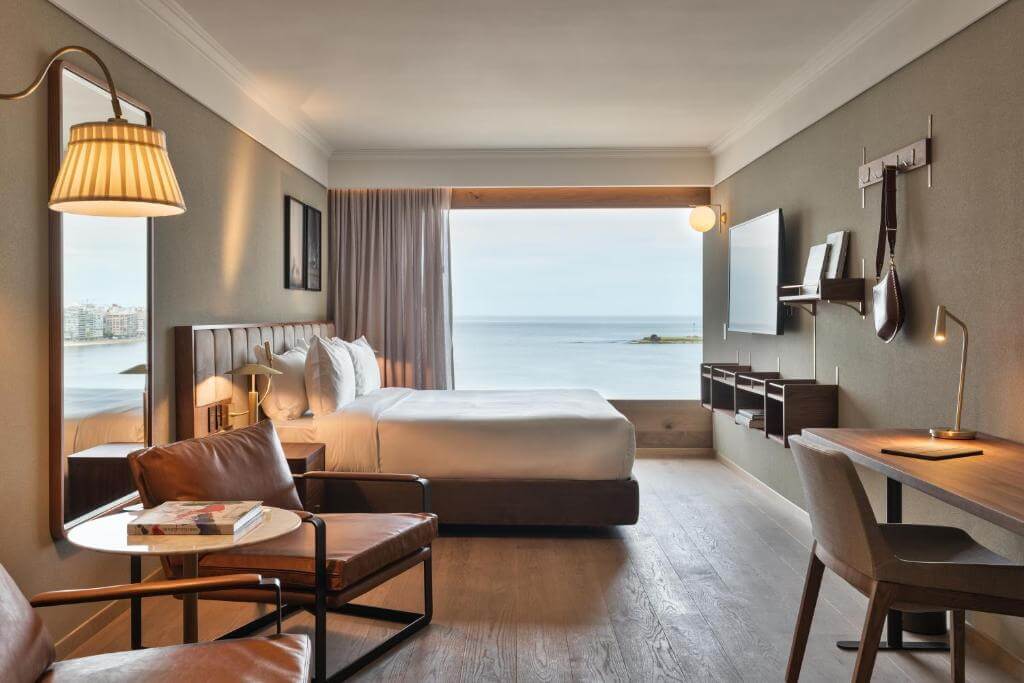
If you’re starting in Montevideo, you’ll find plenty of boutique hotels and homestays near Ciudad Vieja or along the Rambla. We stayed at Chez Mario & Solange, a charming guesthouse where you instantly feel like family — sadly, it’s now closed, but there are plenty of other great options nearby such as FAUNA Montevideo or Hotel Costanero MGallery for something more modern.
Further up the coast in Punta del Diablo, you’ll find eco-lodges, camping spots, and unique stays like La Girada Mini Camping, where you can actually sleep in a converted 1962 VW Beetle. It’s one of the most original stays we’ve ever experienced in South America.

In Punta del Este, expect a more polished and upscale vibe with modern apartments and beachfront hotels. For something authentic and peaceful, Colonia del Sacramento is the opposite — a place full of character with beautiful colonial-style posadas like Posada Plaza Mayor or Comarca Las Liebres.

Uruguay’s accommodations reflect the country’s personality: simple, welcoming, and full of heart. Whether you’re camping by the sea or sipping mate in a boutique hotel courtyard, you’ll feel that laid-back Uruguayan charm everywhere you go.


Don’t forget to book your accommodations in advance – the best places always fill up quickly.
What to Eat
Uruguay may be small, but its food scene is big on flavor and tradition. During our Uruguay travel itinerary, we quickly realized that food is a central part of local life — from beachside snacks to long, social barbecues that last for hours.
The most iconic dish you’ll come across is the asado, Uruguay’s beloved barbecue. It’s a slow-cooked feast where the meat is grilled over hot embers for hours, usually enjoyed with friends, family, and a glass of local wine. Even if you don’t eat meat, it’s worth witnessing — it’s a ritual that defines Uruguayan culture.

For something quick and classic, try the chivito, a loaded steak sandwich filled with lettuce, tomato, cheese, ham, olives, and sometimes a fried egg — it’s basically Uruguay’s national sandwich. You’ll find it everywhere, from small roadside diners to beach cafés.
Seafood lovers will be in heaven along the coast. In places like Punta del Diablo or Punta del Este, you can taste freshly grilled fish, shrimp, or seafood paella, often cooked right by the beach.
If you have a sweet tooth, don’t miss dulce de leche, which Uruguayans put on everything — from pancakes to pastries. And of course, you’ll see locals carrying their mate, a traditional herbal tea that’s shared among friends anytime, anywhere.

Uruguay Itinerary overview
Uruguay is small and easy to travel around, which makes it perfect for a short yet complete adventure. Buses connect every major town, so you don’t need to worry about renting a car — public transportation is reliable, safe, and affordable.
This 10-day Uruguay itinerary is a bit intense, but it covers all the best highlights — from colonial towns and vibrant cities to peaceful beaches and national parks. You’ll experience the full range of what makes Uruguay travel so unique: history, culture, and a relaxed coastal vibe.
Here’s the full plan for your Uruguay travel itinerary:
- Uruguay itinerary Day 1: Arrive in Buenos Aires (Argentina) and take the ferry to Colonia del Sacramento
- Uruguay itinerary Day 2: Explore Colonia del Sacramento
- Uruguay itinerary Day 3: Take the bus to Montevideo and visit the city
- Uruguay itinerary Day 4: Discover more of Montevideo
- Uruguay itinerary Day 5: Travel to and visit Punta del Este
- Uruguay itinerary Day 6: Bus to Cabo Polonio and start exploring
- Uruguay itinerary Day 7: Enjoy a full day in Cabo Polonio
- Uruguay itinerary Day 8: Head to Punta del Diablo
- Uruguay itinerary Day 9: Relax in Punta del Diablo or visit Santa Teresa National Park
- Uruguay itinerary Day 10: Return to Montevideo and take the ferry back to Buenos Aires
This route gives you a smooth and balanced trip to Uruguay, combining sightseeing, beach time, and local experiences without needing to rush too much.

Uruguay Itinerary day by day
Uruguay itinerary Day 1: Arrive in Buenos Aires and Take the Ferry to Colonia del Sacramento
Your Uruguay itinerary begins with one of the most scenic border crossings in South America — the ferry ride across the Río de la Plata. Colonia del Sacramento is just one hour away from Buenos Aires by boat, making it the easiest and most enjoyable way to start your trip to Uruguay.
Three companies operate this route: Buquebus, Colonia Express, and SeaCat. All offer comfortable rides with air conditioning, onboard cafés, and plenty of seating. We personally took Colonia Express and had a smooth, pleasant journey.
If you want to secure your spot, it’s best to book your ferry ticket online in advance, especially during summer (December to February). Prices usually range between 1,700 and 2,100 UYU (45–55 USD) depending on the fare type and season.

You’ll need to arrive at the ferry terminal at least one hour before departure to complete customs and immigration. The process is simple — you’ll get both your exit stamp from Argentina and your entry stamp for Uruguay before boarding.
The ferry ride itself takes around 1 hour and 15 minutes, offering beautiful views of the wide, silvery river and the Uruguayan coast as you approach Colonia.
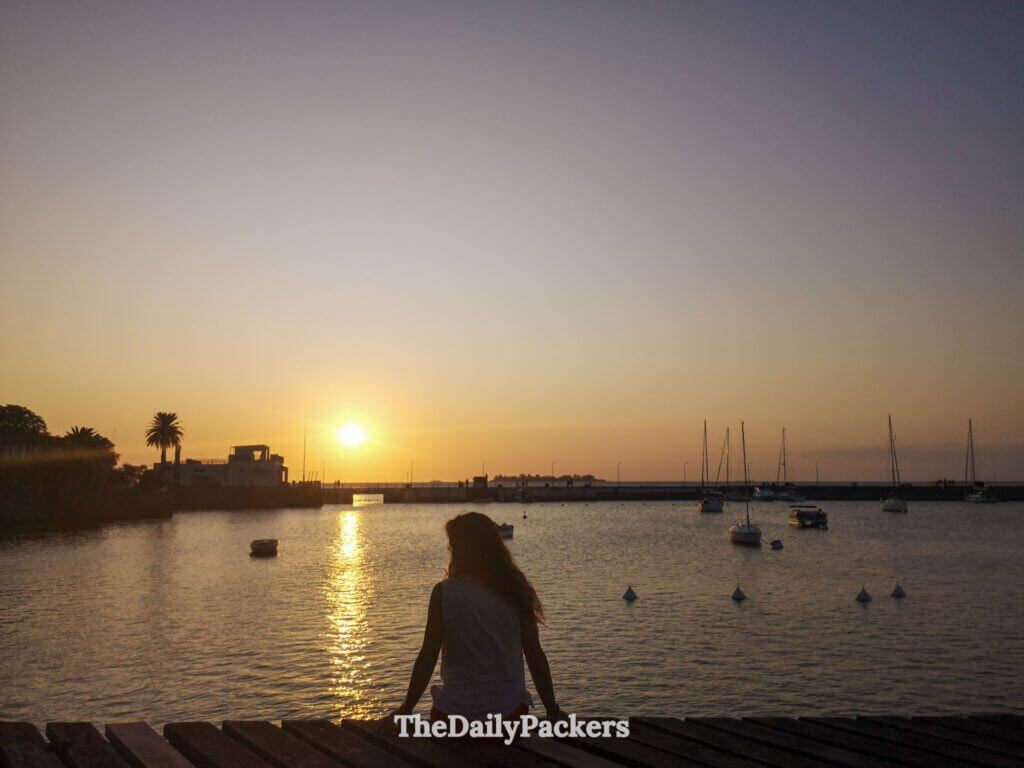
Once you arrive, check in to your hotel or guesthouse and take a relaxing walk around the town’s cobblestoned streets. You’ve officially arrived in Uruguay — and the pace of life slows down immediately.
Where to stay in Colonia
(€) Don Antonio Posada – A cozy boutique hotel just a short walk from the old town. It features a peaceful courtyard, an outdoor pool, and a great breakfast. Perfect for travelers who want comfort and charm without breaking the bank.
(€€) Posada Plaza Mayor – Located right in the heart of the historic center, this charming posada sits on a cobblestone street surrounded by colonial architecture. Rooms are beautifully decorated, and the inner courtyard is ideal for relaxing after a day of sightseeing.
(€€€) Comarca Las Liebres – A bit outside the historic core, this boutique retreat offers modern comfort with rustic touches, a tranquil garden, and a serene pool area. Ideal if you’re looking for a quiet and romantic escape.
Read: Ferry from Colonia del Sacramento to Buenos Aires.
Uruguay itinerary Day 2: Explore Colonia del Sacramento
Day two of your Uruguay itinerary is all about slowing down and stepping back in time. Colonia del Sacramento is one of Uruguay’s most charming towns — a UNESCO World Heritage Site famous for its cobbled streets, colorful facades, and blend of Portuguese and Spanish architecture.
Start your morning by wandering through the old town. It’s compact and easy to explore on foot, with every corner offering something picturesque — bougainvillea-covered houses, vintage cars turned into flowerpots, and cozy cafés tucked behind stone walls.

Top places to visit in Colonia del Sacramento:
- Plaza Mayor – The heart of the historic center, surrounded by museums and shaded benches.
- Basilica del Santísimo Sacramento – Uruguay’s oldest church, dating back to the late 17th century.
- Faro de Colonia (Lighthouse) – Climb to the top for panoramic views of the old town and the Río de la Plata.
- Calle de los Suspiros (Street of Sighs) – The most photographed street in Colonia, full of charm and history.
- Bastión de San Miguel – One of the old Portuguese bastions offering great views toward the water.
For lunch, stop at Charco Bistro, an excellent spot with beautiful views and great local dishes.

In the afternoon, take a walk along the Rambla Costanera, the coastal promenade that circles the town. If you’re up for a longer walk, head all the way to the Colonia letters, located at the far end of the Rambla. It’s a great spot for sunset photos with the city in the background.
Colonia is small enough to explore in a day, but you’ll probably wish you had more time. The best way to enjoy it is simply to get lost, stop for coffee, chat with locals, and let its quiet atmosphere sink in.

Where to stay in Colonia
(€) Don Antonio Posada – A cozy boutique hotel just a short walk from the old town. It features a peaceful courtyard, an outdoor pool, and a great breakfast. Perfect for travelers who want comfort and charm without breaking the bank.
(€€) Posada Plaza Mayor – Located right in the heart of the historic center, this charming posada sits on a cobblestone street surrounded by colonial architecture. Rooms are beautifully decorated, and the inner courtyard is ideal for relaxing after a day of sightseeing.
(€€€) Comarca Las Liebres – A bit outside the historic core, this boutique retreat offers modern comfort with rustic touches, a tranquil garden, and a serene pool area. Ideal if you’re looking for a quiet and romantic escape.

Read: 14 best things to do in Colonia del Sacramento
Uruguay itinerary Day 3: Take the Bus to Montevideo and Start Exploring the Capital
Day three of your Uruguay itinerary takes you to Montevideo, the country’s vibrant capital and cultural heart. It’s only about a two-hour bus ride from Colonia del Sacramento, and the journey is comfortable and easy to plan.
You can take a COT bus, which runs frequently throughout the day. We recommend buying your ticket a day in advance at the Colonia terminal to secure a good seat. The buses are modern, with air conditioning and Wi-Fi, and tickets cost around 430 UYU (11 USD).

Once in Montevideo, you’ll arrive at Tres Cruces, the city’s main terminal — which is also a shopping mall. From there, you can easily catch a local bus or taxi to your accommodation.
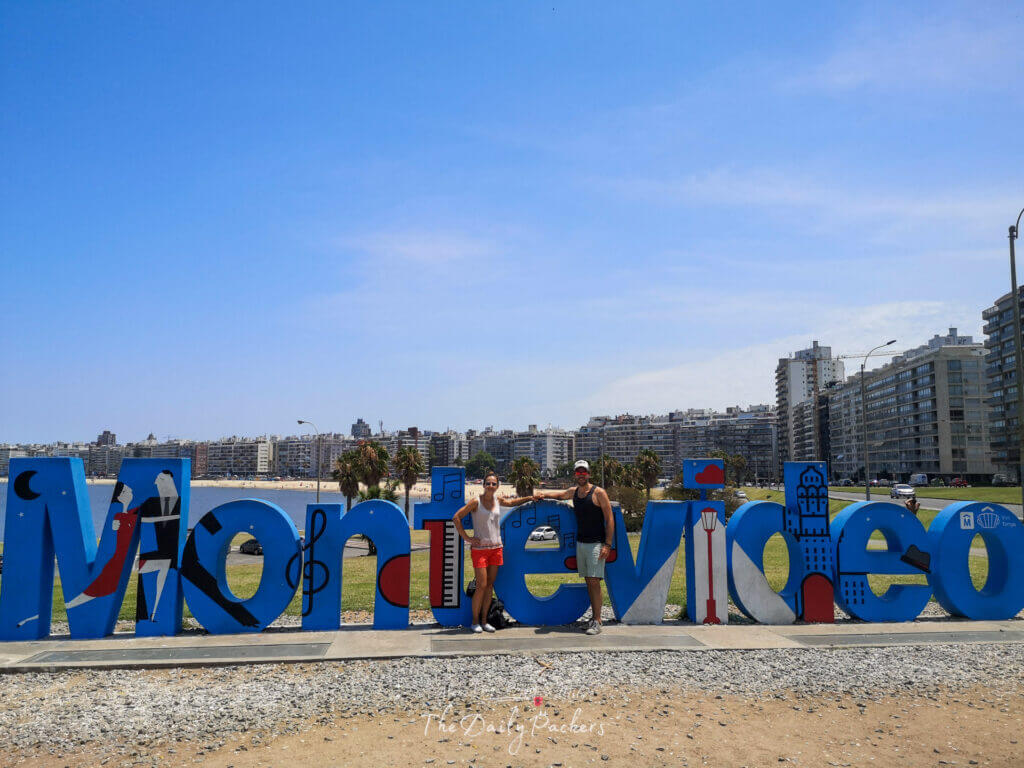
Start with the Montevideo sign, the city’s most famous photo spot, then enjoy a walk along the Rambla, the coastal promenade that stretches for over 20 kilometers. Take your time — stop at the beaches along the way, watch locals fishing or jogging, and just soak in the relaxed seaside atmosphere as the sun starts to set.
Where to stay in Montevideo:
- (€): MedioMundo Hostel: A charming and social hostel in the Parque Rodó area, just a few blocks from the Rambla. It’s clean, cozy, and has a relaxed, artsy vibe with a small garden and kitchen for guests.
- (€€): FAUNA Montevideo: A beautifully designed boutique hotel in the old town, blending style and comfort. The rooms are modern with natural tones and wood finishes, and the rooftop terrace offers great city views.
- (€€€): Hotel Costanero MGallery: One of the best luxury hotels in Montevideo, right across from Pocitos Beach. It offers elegant rooms, an indoor pool, a spa, and a restaurant — perfect for those who want comfort and sea views.
Read: 16 Best things to do in Montevideo, Uruguay, in 3 days
Uruguay itinerary Day 4: Discover Montevideo
Day four of your Uruguay itinerary is dedicated to exploring Montevideo, a city that perfectly blends history, beachside living, and an easygoing vibe. It’s one of those places where life moves at its own pace — slow, warm, and welcoming.
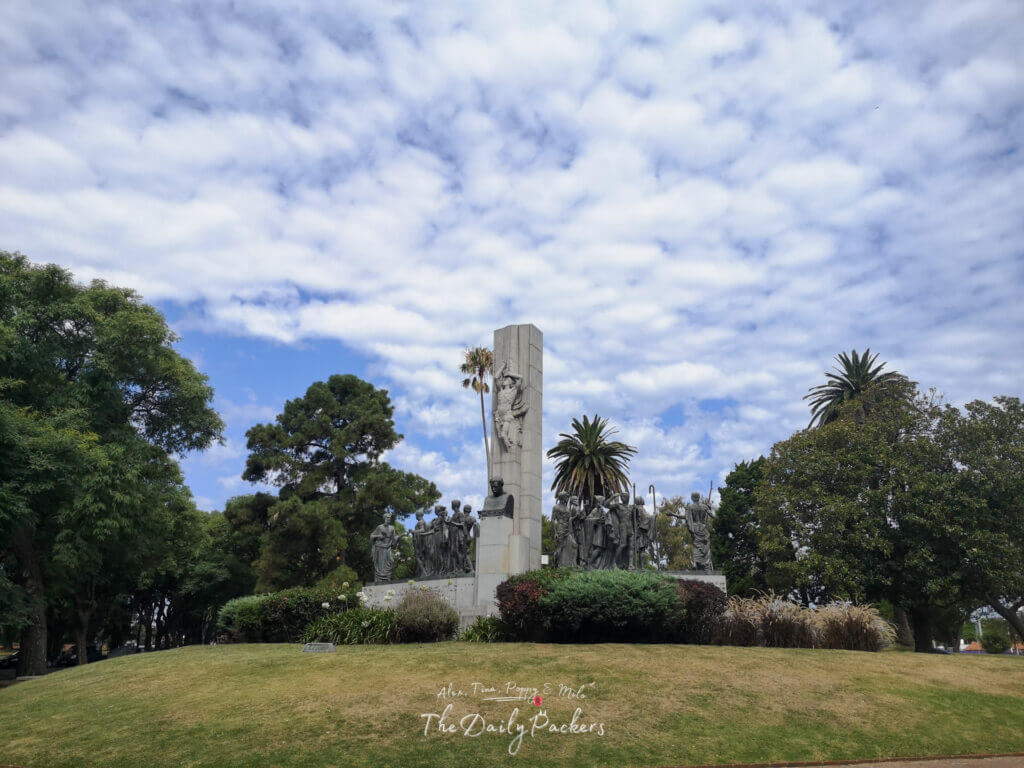
Start your morning in the old town (Ciudad Vieja), the historic heart of Montevideo. Wander around Plaza Independencia, where you’ll find the impressive Artigas Mausoleum, Palacio Salvo, and the Gateway of the Citadel, the old entrance to the fortified city. From there, walk down Peatonal Sarandí, a pedestrian street filled with cafés, art galleries, and souvenir shops — perfect for browsing and people-watching.

A short walk away, stop by Teatro Solís, one of South America’s oldest and most beautiful theaters. You can join a guided tour to learn more about its history, or simply admire its architecture from the outside.
If you happen to be visiting on a Sunday, don’t miss the Feria de Tristán Narvaja, one of Uruguay’s largest flea markets. It’s a chaotic but fascinating mix of antiques, books, records, pets, and food — and it gives you a glimpse of real local life.

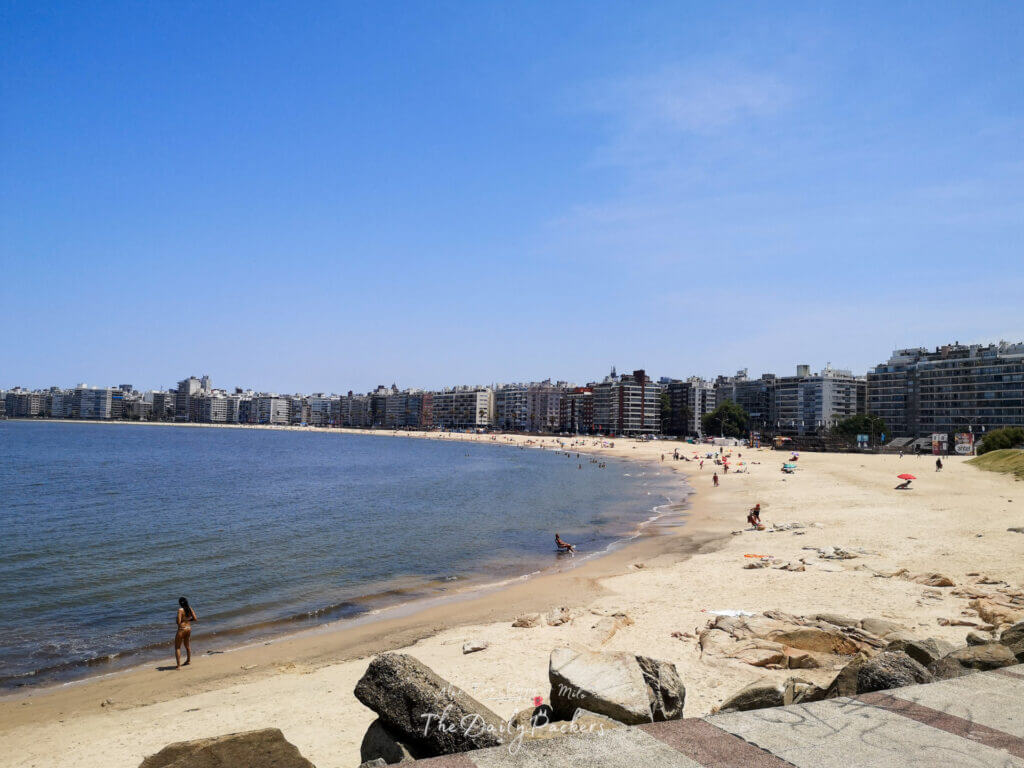
In the afternoon, make your way to Parque Rodó, a green oasis in the city with ponds, sculptures, and shady spots perfect for a break. From there, walk to the Rambla, the long coastal promenade that hugs Montevideo’s shore. It’s the city’s pride — you’ll see people jogging, cycling, or just sitting with a mate (the traditional herbal tea) in hand.
If you have time, head toward Pocitos Beach, one of the nicest beaches in town. You can easily spend an hour or two there watching the waves and the sunset.
In the evening, wrap up the day with dinner at Mercado del Puerto, where you’ll find lively restaurants and the best asado in town. Even if you’re not a meat eater, it’s worth it just for the atmosphere — it’s lively, smoky, and filled with music and laughter.
Where to stay in Montevideo:
- (€): MedioMundo Hostel: A charming and social hostel in the Parque Rodó area, just a few blocks from the Rambla. It’s clean, cozy, and has a relaxed, artsy vibe with a small garden and kitchen for guests.
- (€€): FAUNA Montevideo: A beautifully designed boutique hotel in the old town, blending style and comfort. The rooms are modern with natural tones and wood finishes, and the rooftop terrace offers great city views.
- (€€€): Hotel Costanero MGallery: One of the best luxury hotels in Montevideo, right across from Pocitos Beach. It offers elegant rooms, an indoor pool, a spa, and a restaurant — perfect for those who want comfort and sea views.

Read: 16 Best things to do in Montevideo, Uruguay, in 3 days
Uruguay itinerary Day 5: Visit Punta del Este
On day five of your Uruguay itinerary, it’s time to swap the capital’s city buzz for one of the country’s most iconic coastal destinations — Punta del Este.
Take a COT or COPSA bus from Montevideo, both reliable and comfortable options. The ride takes about 2.5 hours, and buses leave several times a day from Tres Cruces terminal. Tickets cost around 450–550 UYU, and it’s best to grab one a day in advance if you’re traveling in summer.
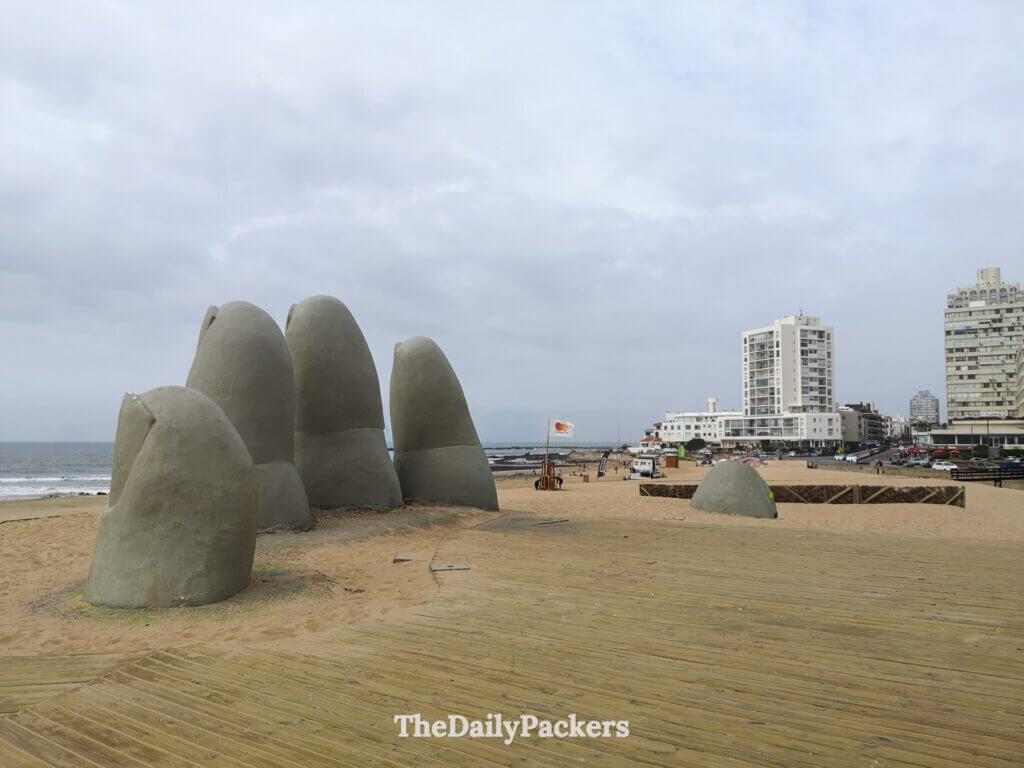
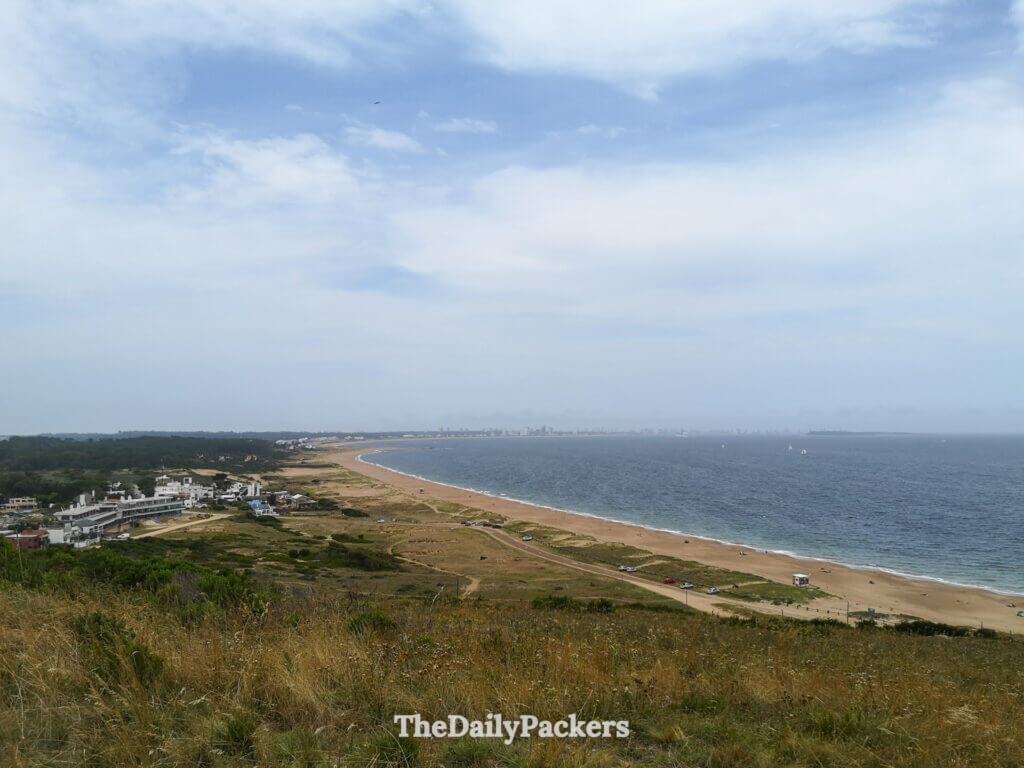
Once you arrive, you’ll immediately feel the contrast — Punta del Este has a much more modern and polished feel. It’s a mix of upscale beach resort and relaxed seaside town, known for its long beaches, surf spots, and lively energy in summer.
Start your visit at Playa Brava, the famous beach where you’ll find the “Hand in the Sand” (La Mano) sculpture. It’s one of Uruguay’s most recognized landmarks — a massive hand rising from the sand, symbolizing the power of the sea and a warning to swimmers.
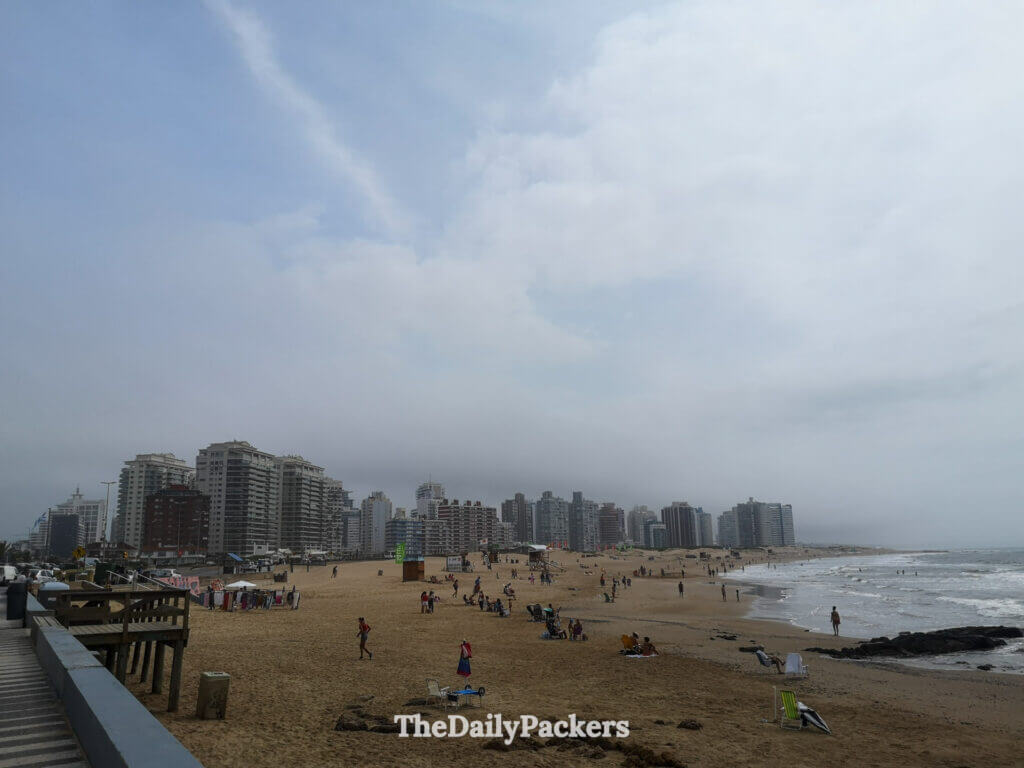
From there, walk along the Rambla General Artigas, the coastal promenade that wraps around the peninsula. You can visit the Lighthouse of Punta del Este, the Church of Our Lady of the Candelaria, and the Port, where sea lions often lounge near the fishermen’s stalls. The entire area is perfect for walking, and the views of the Atlantic are stunning.
Later, stroll down Juan Gorlero Street, the main shopping and dining strip, lined with cafés, boutiques, and ice cream shops. It’s a nice place to relax before catching the bus to your next stop.

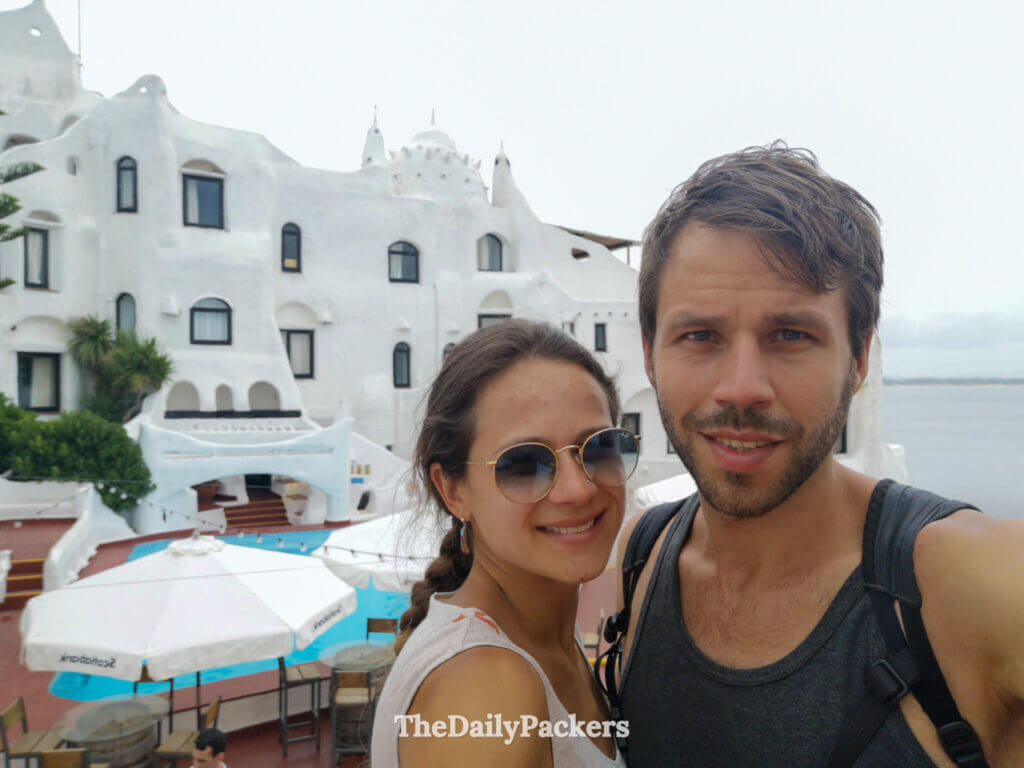
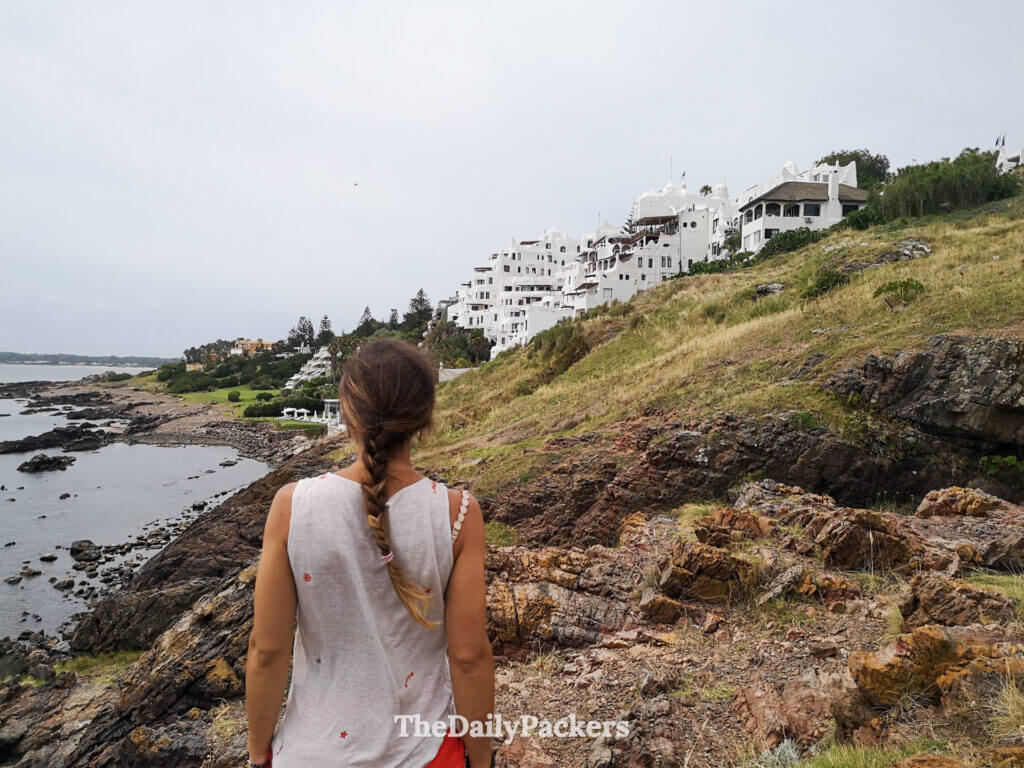
If you have time in the afternoon, take a short trip to Casa Pueblo in Punta Ballena, just 15 minutes away by bus or taxi. Built by Uruguayan artist Carlos Páez Vilaró, this whitewashed structure overlooking the ocean is part museum, part art gallery, and part hotel. The architecture is stunning — almost like something out of Santorini — and it’s one of the most beautiful spots to watch the sunset in all of Uruguay.
You can visit Punta del Este as a day trip from Montevideo, but if you have more time in your Uruguay travel itinerary, staying overnight can be a great way to enjoy the nightlife and morning calm before the crowds arrive.
Where to stay in Montevideo:
- (€): MedioMundo Hostel: A charming and social hostel in the Parque Rodó area, just a few blocks from the Rambla. It’s clean, cozy, and has a relaxed, artsy vibe with a small garden and kitchen for guests.
- (€€): FAUNA Montevideo: A beautifully designed boutique hotel in the old town, blending style and comfort. The rooms are modern with natural tones and wood finishes, and the rooftop terrace offers great city views.
- (€€€): Hotel Costanero MGallery: One of the best luxury hotels in Montevideo, right across from Pocitos Beach. It offers elegant rooms, an indoor pool, a spa, and a restaurant — perfect for those who want comfort and sea views.
If you’d rather spend a night in Punta del Este, keep in mind that accommodation can be expensive, especially in summer. Booking in advance is highly recommended during high season.
Read: 11 best things to do in Punta del Este, Uruguay, in 1 day
Uruguay itinerary Day 6: Discover Cabo Polonio
Day six of your Uruguay itinerary is one of the most unique adventures of the trip — a day (or even better, a night) in Cabo Polonio, one of the most remote and fascinating places to visit in Uruguay.
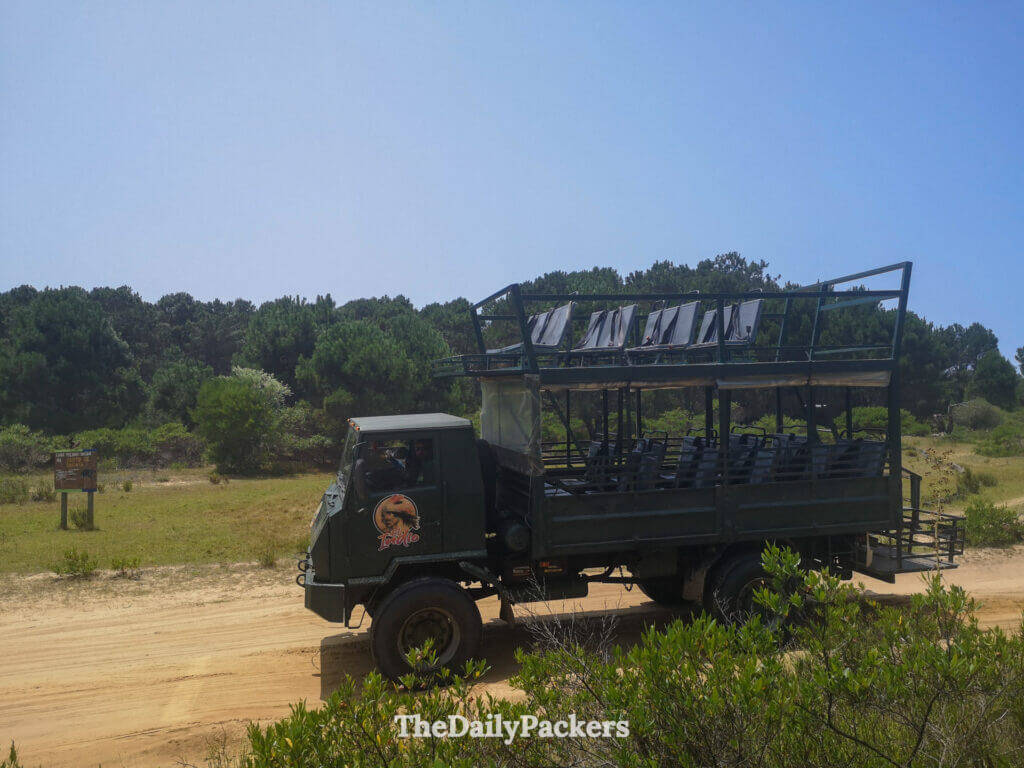
From Punta del Este, take a Rutas del Sol bus heading north toward the Cabo Polonio National Park entrance. The ride takes about 3 hours, depending on stops. Once there, you’ll find that you can’t actually drive into the village — Cabo Polonio is only accessible by 4×4 trucks that cross sand dunes and forest.

Buy your ticket at the small visitor center (around 270 UYU per person), then hop onto one of these open-air trucks for a 30-minute ride through the dunes. It’s bumpy, beautiful, and honestly, half the fun of the experience.
When you finally arrive, you’ll understand what makes Cabo Polonio so special. The place feels completely disconnected from the world — no paved roads, no cars, barely any electricity. Just a handful of colorful houses, sandy paths, and the sound of the ocean everywhere.

Spend your day wandering around the village, visiting the lighthouse, and walking along the beaches. Don’t miss the sea lion colony near the lighthouse — it’s one of the largest in South America. Watching hundreds of sea lions bask on the rocks is an unforgettable sight.
If you have time, stop by the Museo Espacio Sensorial, a small but interesting museum that tells the story of Cabo Polonio’s culture and ecosystem. Then, head to the dunes for an incredible sunset view over the Atlantic — it’s one of those quiet, almost spiritual moments you’ll remember for a long time.
You can visit Cabo Polonio as a day trip from Punta del Diablo or Punta del Este, but spending one night here is worth it if you want to experience its peaceful evenings under the stars.
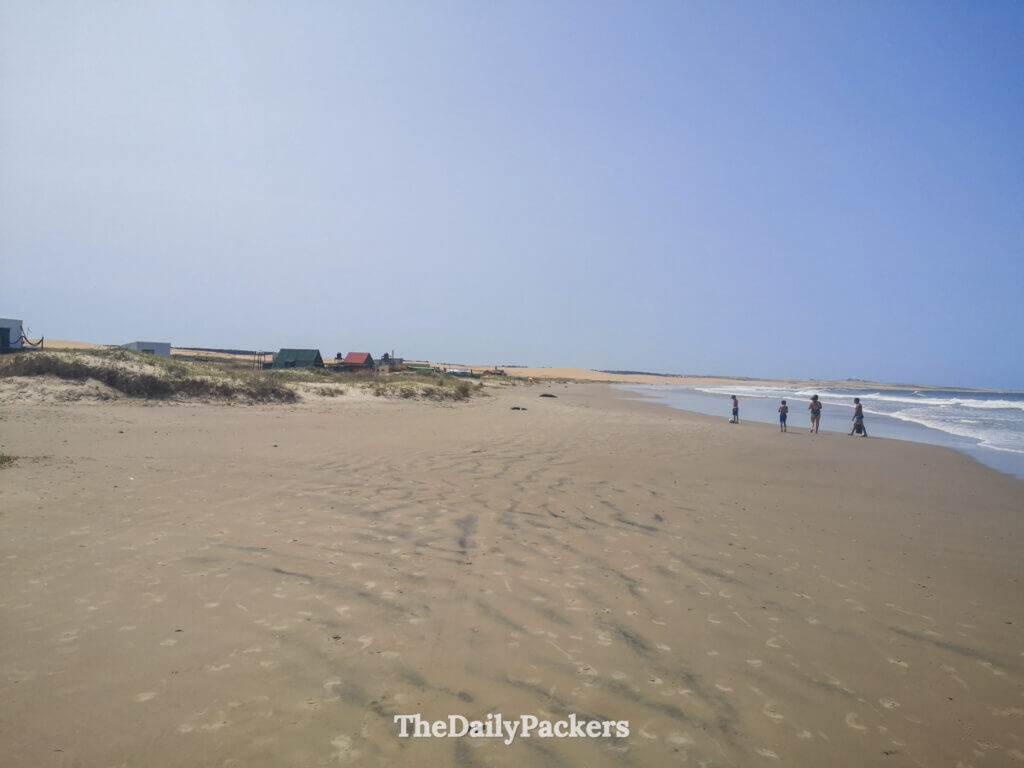
Where to stay in Cabo Polonio:
(€) Green House Hostel – A friendly and relaxed stay with a rustic charm, perfect for backpackers and social travelers.
(€€) Carmela Suites Cabo Polonio – Cozy, comfortable rooms with ocean views, ideal if you’re looking for something more private.
Cabo Polonio isn’t about luxury — it’s about feeling the wildness of Uruguay’s coast, living simply, and reconnecting with nature.
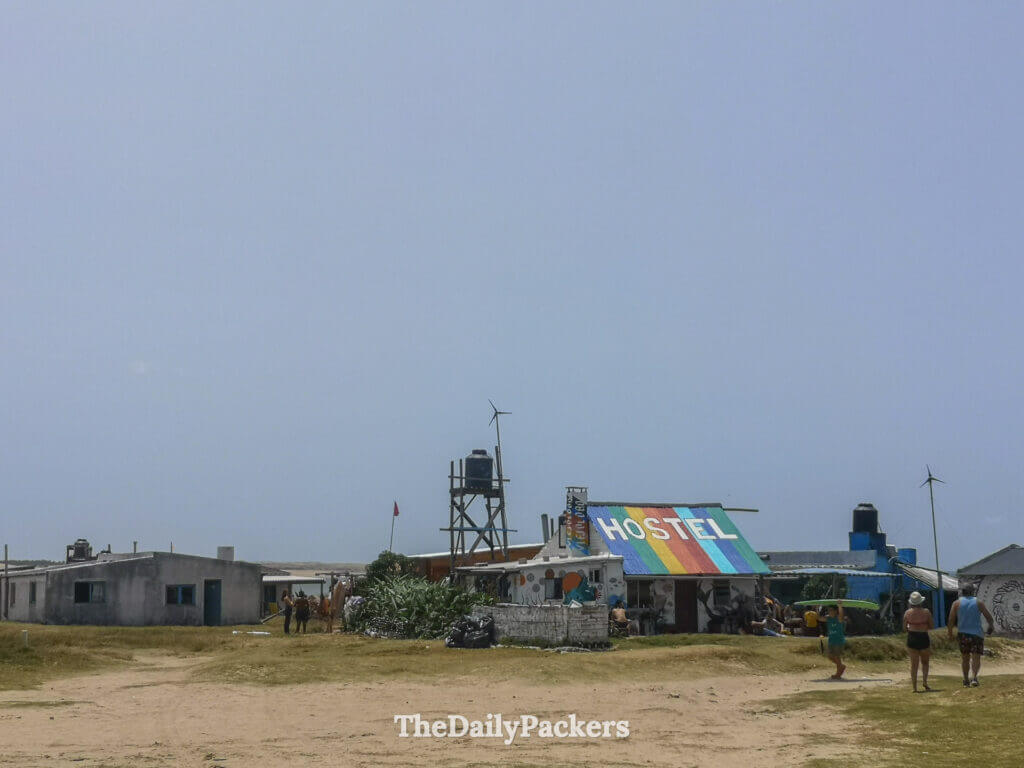
Read: Visit Cabo Polonio: The Remote Paradise of Uruguay in 2025
Uruguay itinerary Day 7: Cabo Polonio – Slow Day in Paradise
If you decided to spend the night in Cabo Polonio, you made the right choice. This is the kind of place where you wake up to the sound of waves, not alarms. Day seven of your Uruguay itinerary is all about slowing down, exploring more deeply, and enjoying the rhythm of this remote village at your own pace.
Start your morning early with a walk along the beach. The village is tiny, so you can easily explore on foot. At sunrise, everything feels peaceful — fishermen preparing their boats, locals opening small cafés, and sea lions already calling from the rocks.
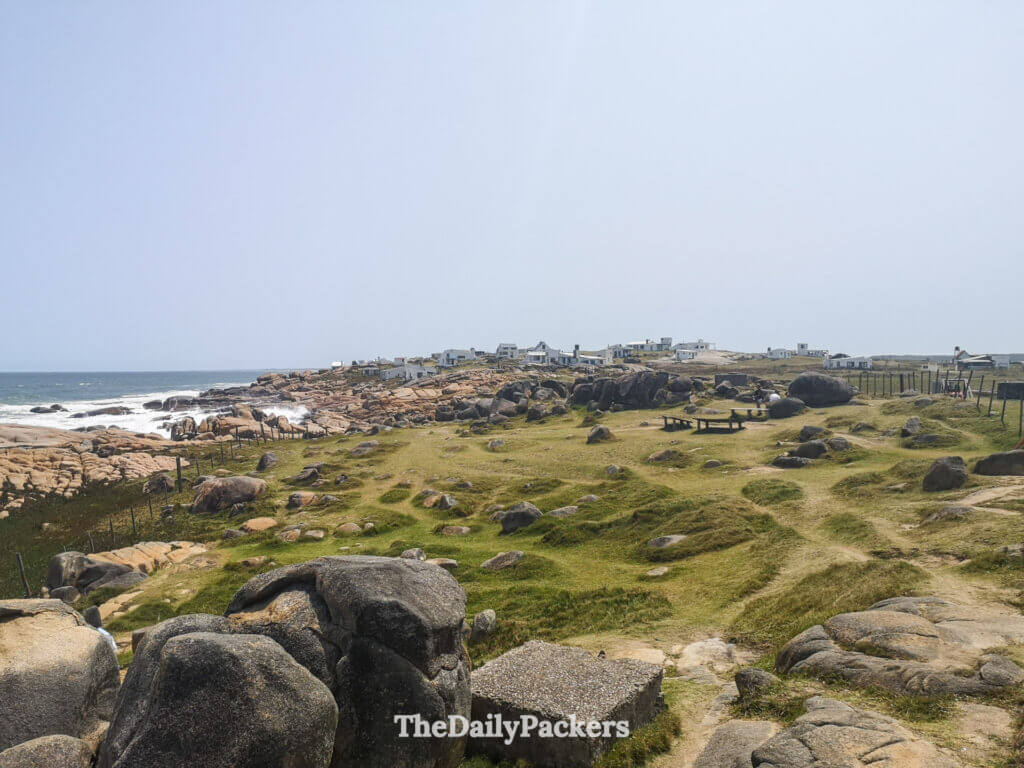
After breakfast, spend some time wandering through the sand dunes behind the town. They stretch endlessly, creating a surreal landscape of golden hills rolling into the ocean. It’s a perfect place for quiet walks or simply sitting down to take in the view.
If you didn’t visit the lighthouse the day before, climb it today. The panoramic view of Cabo Polonio from the top — dunes on one side and deep blue ocean on the other — is one of the best in Uruguay.
Later, enjoy a slow lunch at one of the local seaside restaurants. Most serve simple dishes like grilled fish, empanadas, or pasta — nothing fancy, but everything feels homemade.

In the afternoon, take a walk toward the southern beach where you’ll likely see fewer people. Bring a book, relax in the sand, or just sit and watch the waves. Cabo Polonio has this strange effect where time stretches — a few hours here can feel like an entire day.
As the evening comes, head back to the dunes for another sunset. The light hits the colorful houses just right, and the whole place turns golden. At night, grab a beer or a glass of Uruguayan wine and enjoy one of the clearest night skies you’ll see anywhere in the country.
If you’re staying another night, tomorrow you’ll continue your Uruguay travel itinerary toward Punta del Diablo — another small coastal gem with a very different, but equally magical vibe. Or if you prefert to only stay one night in Cabo Polonio, you can easily take an afternoon bus to Punta Del Diablo.

Where to stay in Cabo Polonio:
(€) Green House Hostel – A friendly and relaxed stay with a rustic charm, perfect for backpackers and social travelers.
(€€) Carmela Suites Cabo Polonio – Cozy, comfortable rooms with ocean views, ideal if you’re looking for something more private.

Read: Visit Cabo Polonio: The Remote Paradise of Uruguay in 2025
Uruguay itinerary Day 8: Punta del Diablo – Uruguay’s Laid-Back Beach Escape
After experiencing the peaceful isolation of Cabo Polonio, your Uruguay travel itinerary continues toward another coastal treasure — Punta del Diablo, a small fishing village turned bohemian beach town.
From Cabo Polonio, take the 4×4 truck back to the main road and catch a Rutas del Sol bus heading north. The journey to Punta del Diablo takes around 1 hour, making it an easy connection. Once you arrive, you’ll immediately feel the relaxed atmosphere that makes this one of the most beloved places to visit in Uruguay.
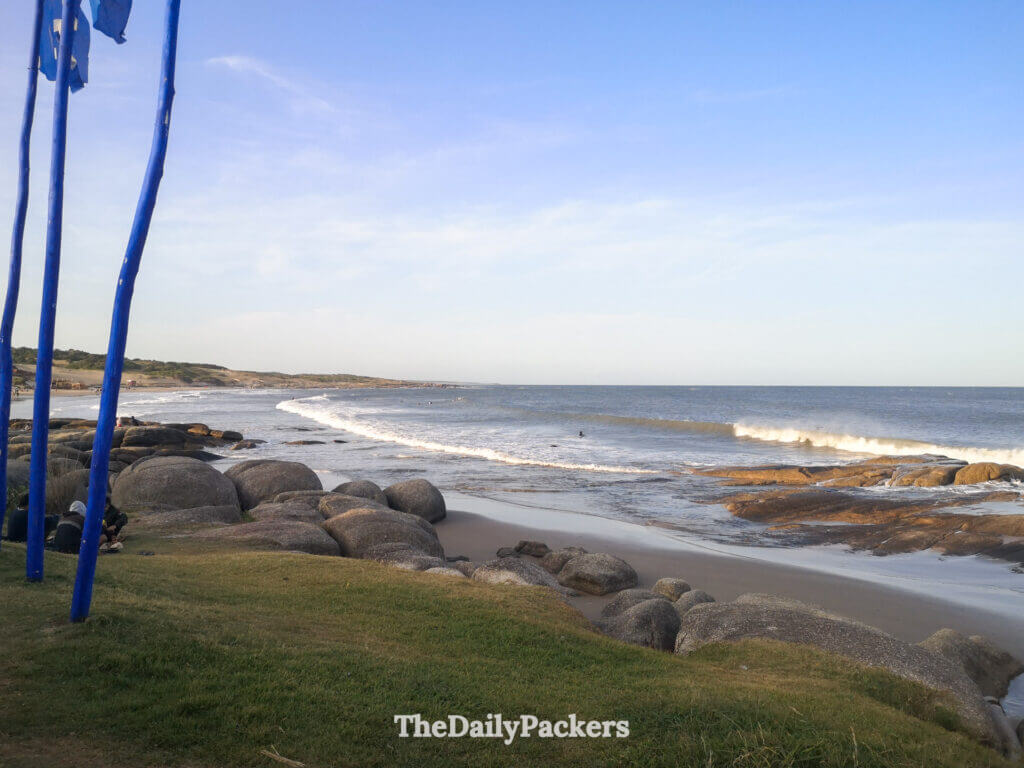
Punta del Diablo is a blend of rustic charm, endless beaches, and artistic energy. There are no big hotels or fancy resorts — just sandy streets, colorful houses, and a sense of freedom. Drop off your bags at your accommodation and head straight to the beach to soak in the scenery.
Spend your afternoon exploring the Playa de los Pescadores, where you’ll see traditional fishing boats lined up on the sand and local fishermen hauling in their catch. This is also where you’ll find the town’s craft market, the Feria de Artesanos, selling handmade jewelry, pottery, and souvenirs.

If you’re looking for a quieter spot, walk over to Playa de la Viuda, a more peaceful beach that’s perfect for relaxing or watching surfers. The ocean here can be strong, but the views are stunning.
By late afternoon, find a café or beach bar to enjoy a cold beer and watch the sunset over the Atlantic — the skies here turn shades of pink, orange, and purple that feel straight out of a painting.
Punta del Diablo also has a great selection of small restaurants, so for dinner, try one of the local seafood spots or enjoy a laid-back meal at your guesthouse.
Where to stay in Punta Del Diablo
(€) Eco House Via Verde – A friendly, budget-friendly eco-lodge surrounded by nature. It’s simple but cozy, with clean rooms, a shared kitchen, and a peaceful garden. Perfect if you’re traveling on a budget or backpacking across South America.
(€€) Eco Boutique B&B – A stylish bed & breakfast with a strong focus on sustainability and comfort. The breakfast here is delicious, and the rooms are warm and bright, ideal for a couple looking for a calm retreat after long travel days.
(€€€) Bella Bungalows – Beautifully designed wooden bungalows just a short walk from the beach. Each bungalow has a private terrace and nature views, making it perfect if you want to unwind and enjoy Punta del Diablo’s relaxed atmosphere.

Read: 14 Best things to do in Punta Del Diablo, Uruguay, in 3 days
Uruguay itinerary Day 9: Punta del Diablo – Explore Santa Teresa Park & Laguna Negra
Day nine of your Uruguay travel itinerary is all about getting out into nature. Just a few kilometers from Punta del Diablo, you’ll find one of Uruguay’s best-kept secrets — the Santa Teresa National Park — and nearby, the peaceful Laguna Negra.
You can reach both by renting electric bikes in town (around 1,000 UYU per day plus 300 UYU for a spare battery). It’s the perfect way to explore at your own pace and enjoy the ride through rolling dunes and pine forests.
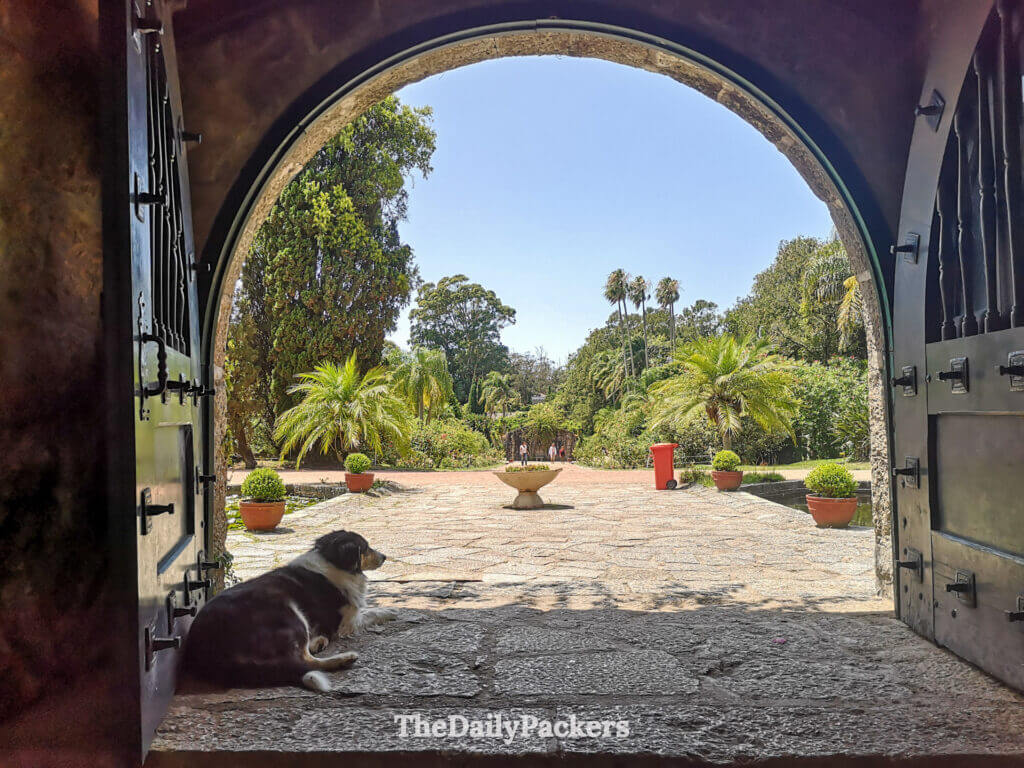
Start your morning early and head toward the Santa Teresa Park entrance, about 7 km from town. Once inside, you’ll find over 3,000 hectares of protected nature, including beaches, forests, and a surprising variety of wildlife.
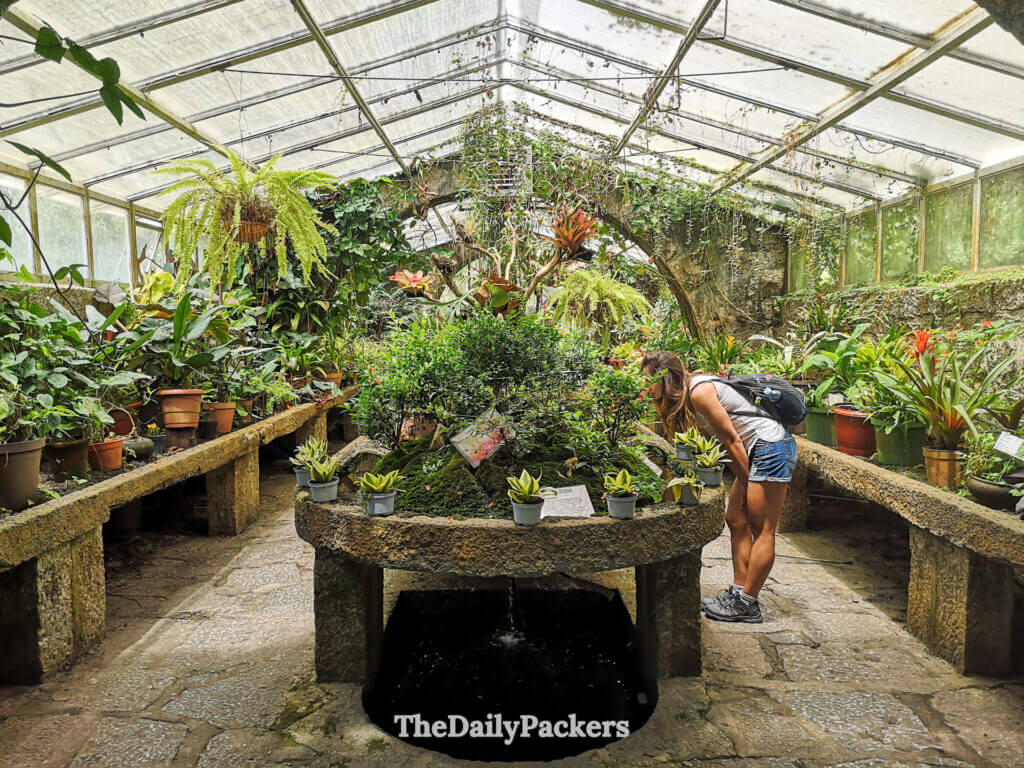
Your first stop can be Capatacia, where you’ll find the park’s main facilities — a small grocery store, bakery, information center, and even an ATM. From there, visit the Botanical Garden, a surprisingly beautiful and peaceful spot. The greenhouse, built in 1939, is filled with tropical plants from all over the world, and outside, ponds full of lotus flowers make it a picture-perfect place for a short break.
Next, ride to the Peña Lagoon (Laguna de Peña), where you can stop at a small wooden observation deck to watch birds and soak in the silence. Then continue toward La Pajarera, a wildlife refuge where you can spot llamas, capybaras, and colorful birds.
If it’s hot, stop at El Chorro, a natural pool made of stone where you can take a refreshing dip. Nearby, you’ll find a small shop, restrooms, and even a place to grab a quick snack.
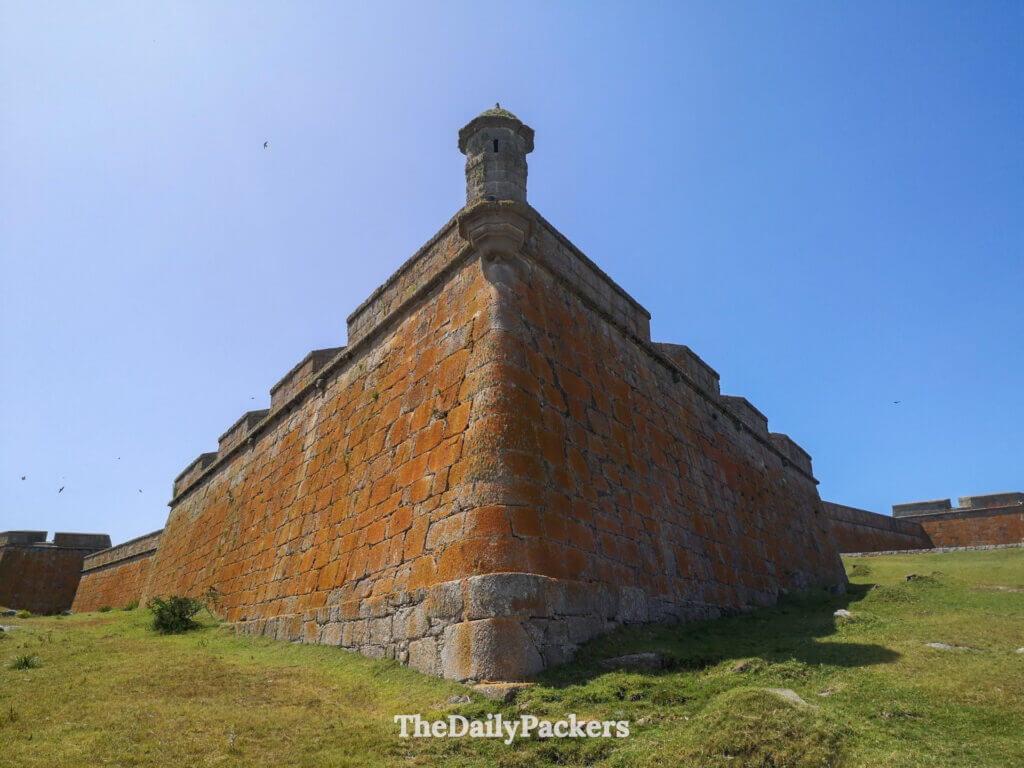
After lunch, make your way to the Fortaleza de Santa Teresa, a massive stone fortress built in the 18th century by the Portuguese and later used by the Spanish. Restored in the 1950s, it’s now a fascinating open-air museum with cannons, chapels, and small exhibitions that tell the story of Uruguay’s colonial past. The entrance costs only 25 UYU and is absolutely worth it.
If you still have time and battery left on your eBike, ride further out of the park to Laguna Negra, one of the largest freshwater lagoons in Uruguay. The road turns into a dirt path, but the scenery is beautiful. Once there, you’ll find calm waters, a few fishermen, and almost no one else. It’s the perfect place to sit back and relax before heading back to town.

Where to stay in Punta Del Diablo
(€) Eco House Via Verde – A friendly, budget-friendly eco-lodge surrounded by nature. It’s simple but cozy, with clean rooms, a shared kitchen, and a peaceful garden. Perfect if you’re traveling on a budget or backpacking across South America.
(€€) Eco Boutique B&B – A stylish bed & breakfast with a strong focus on sustainability and comfort. The breakfast here is delicious, and the rooms are warm and bright, ideal for a couple looking for a calm retreat after long travel days.
(€€€) Bella Bungalows – Beautifully designed wooden bungalows just a short walk from the beach. Each bungalow has a private terrace and nature views, making it perfect if you want to unwind and enjoy Punta del Diablo’s relaxed atmosphere.
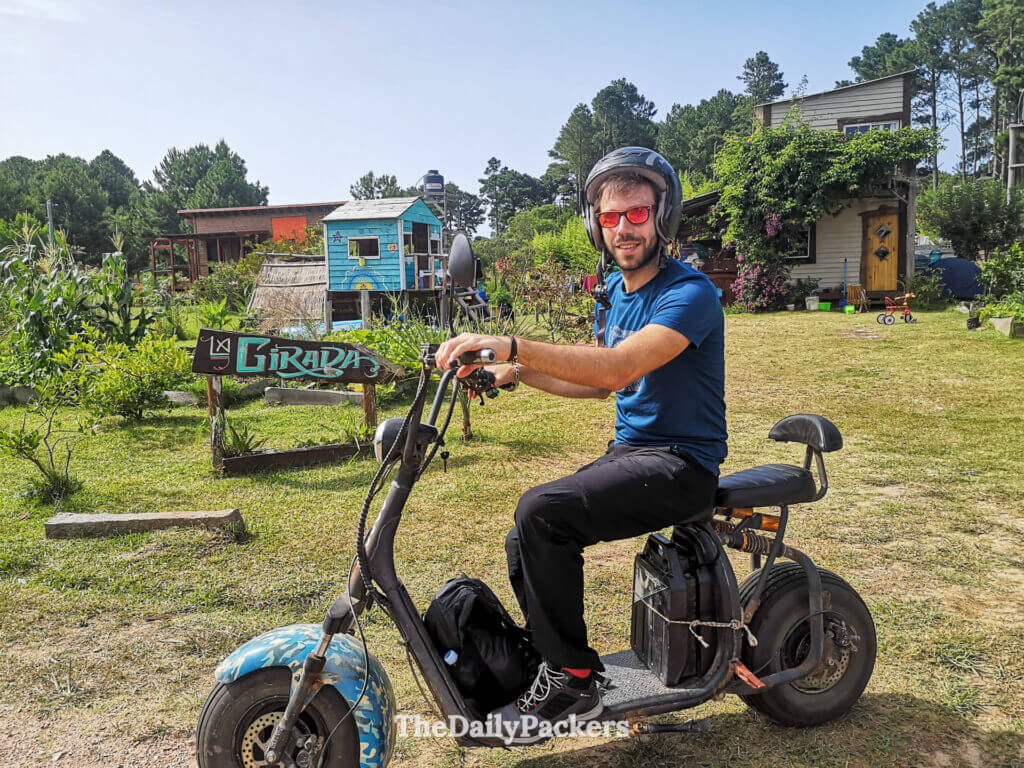
Read: Santa Teresa Park & Laguna Negra Day Trip Guide, Uruguay
Uruguay itinerary Day 10: Return to Montevideo & Ferry to Buenos Aires
It’s the final day of your Uruguay itinerary, and time to make your way back to Montevideo to catch the ferry to Buenos Aires.
Start the morning early and take the Rutas del Sol bus from Punta del Diablo to Montevideo. The journey takes about 5 hours, with comfortable seating, air conditioning, and a few stops along the way. The road passes through pine forests, rolling countryside, and small Uruguayan villages — a calm ride that gives you time to reflect on your trip.
Once you arrive at the Tres Cruces terminal, you can grab lunch, exchange money, or simply stretch your legs before heading to the Montevideo port, located about 30 minutes away by taxi or local bus.
Check in for your ferry to Buenos Aires at least one hour before departure, as both Uruguayan exit and Argentinian entry stamps are processed at the terminal. If you’re traveling with Buquebus or Colonia Express, the crossing takes about 2 to 3 hours, depending on the ferry type.
The journey across the Río de la Plata is smooth and scenic — a fitting end to your Uruguay travel itinerary. As you sail toward Buenos Aires, you’ll see the skyline of Argentina’s capital slowly appear on the horizon, marking the end of your Uruguay adventure and the start of your next chapter.
And just like that, your 10-day Uruguay itinerary comes to an end — a trip filled with peaceful beaches, welcoming people, and a sense of calm that makes Uruguay such a special place to visit.
About the authors
We are Alex and Tina, a French-Serbian couple who met in China back in 2014. We spent three incredible years there before making France our home. Our shared passion for travel has been the heartbeat of our relationship for over 12 years, taking us across 44 countries and counting.
We launched TheDailyPackers in 2019 as a way to document our adventures. In 2026, we reached a major milestone by officially turning our blog into our full-time job. While we are still growing toward financial independence through this platform, every article we write is fueled by our mission to make your voyages easier through in-depth guides, honest advice, and the lessons we’ve learned from our own mistakes.
Our journey has not been without its storms. In 2023, our world changed forever when our first son, Poppy, was stillborn on November 25th. It was, and remains, the hardest chapter of our lives. In 2025, we were blessed with our second little boy, Milo. He has since joined our traveling tribe, and you’ll be seeing him—and the reality of traveling with a little one-on the blog more and more.
We hope to inspire you to explore the world with curiosity and resilience. Thank you for being part of our story.
You may also like those related posts
Curitiba to Joinville: The Ultimate 2h Bus Guide
7 best things to do in Shangri-La, China, in 3 days or more
Hanoi to SaPa: Luxury Van Transfer in 6h
7 Proven Tips to travel blog at home
19 Best things to do in Marrakech, Morocco, in up to 10 days
11 Best Things to do in Meknes, Morocco, in 1 day or less
4 Best Places to Visit in December
5 Best things to do in Trebinje, Bosnia, in 1 day
Pssst, did you know that…
If you purchase something through our links, we earn a small fee. However, you still pay the same. Win-win! And one day we may get to be full-time travel bloggers =)
Find Hotels with Booking.com
Do Yoga with KVY
Buy us a Coffee
Rent a car with DiscoverCars
Find Attractions with GetYourGuide
Find Flights with Expedia
Buy an eSIM with Airalo
Get insured with World Nomads
Get ready with Amazon.com